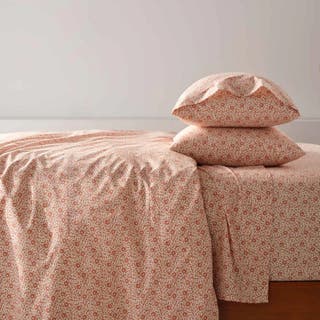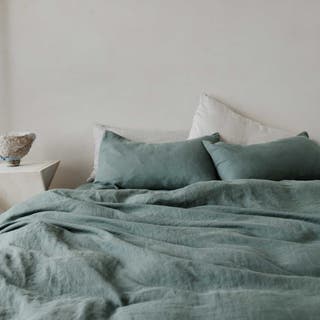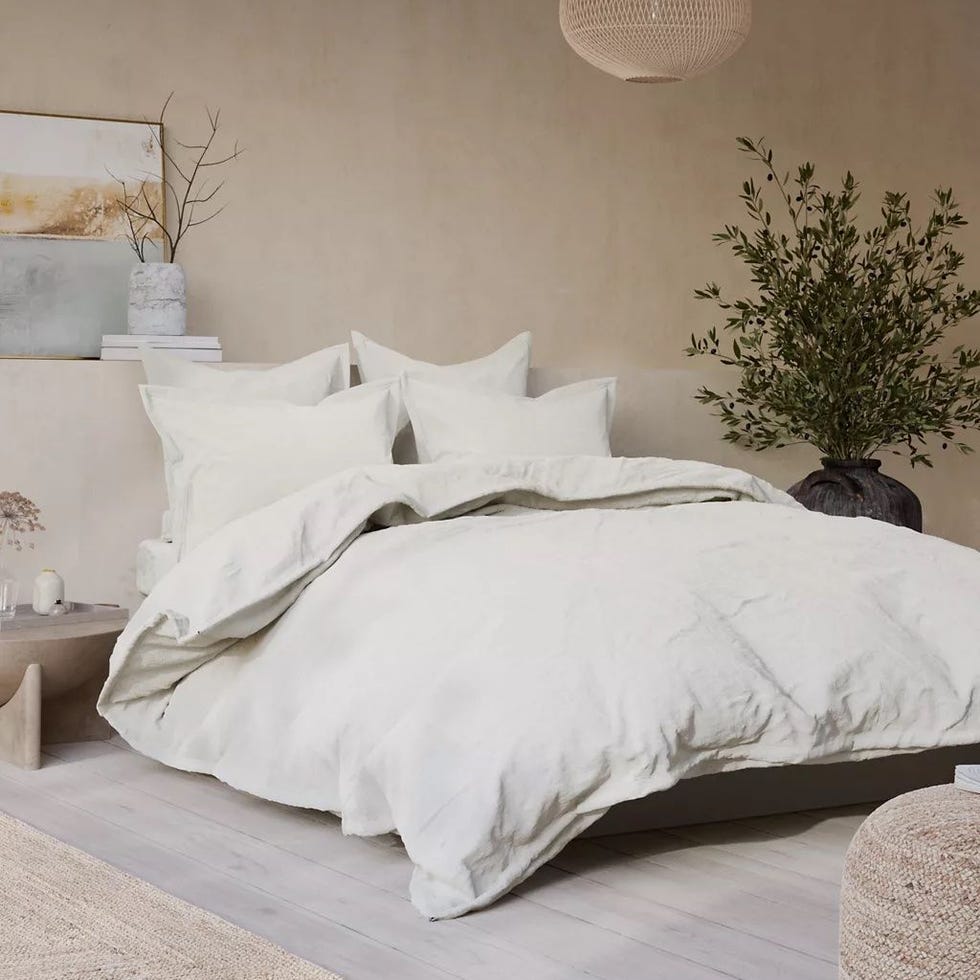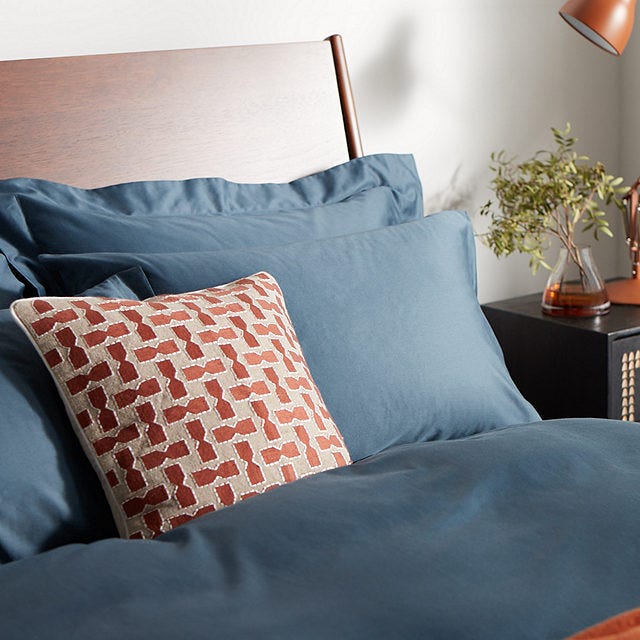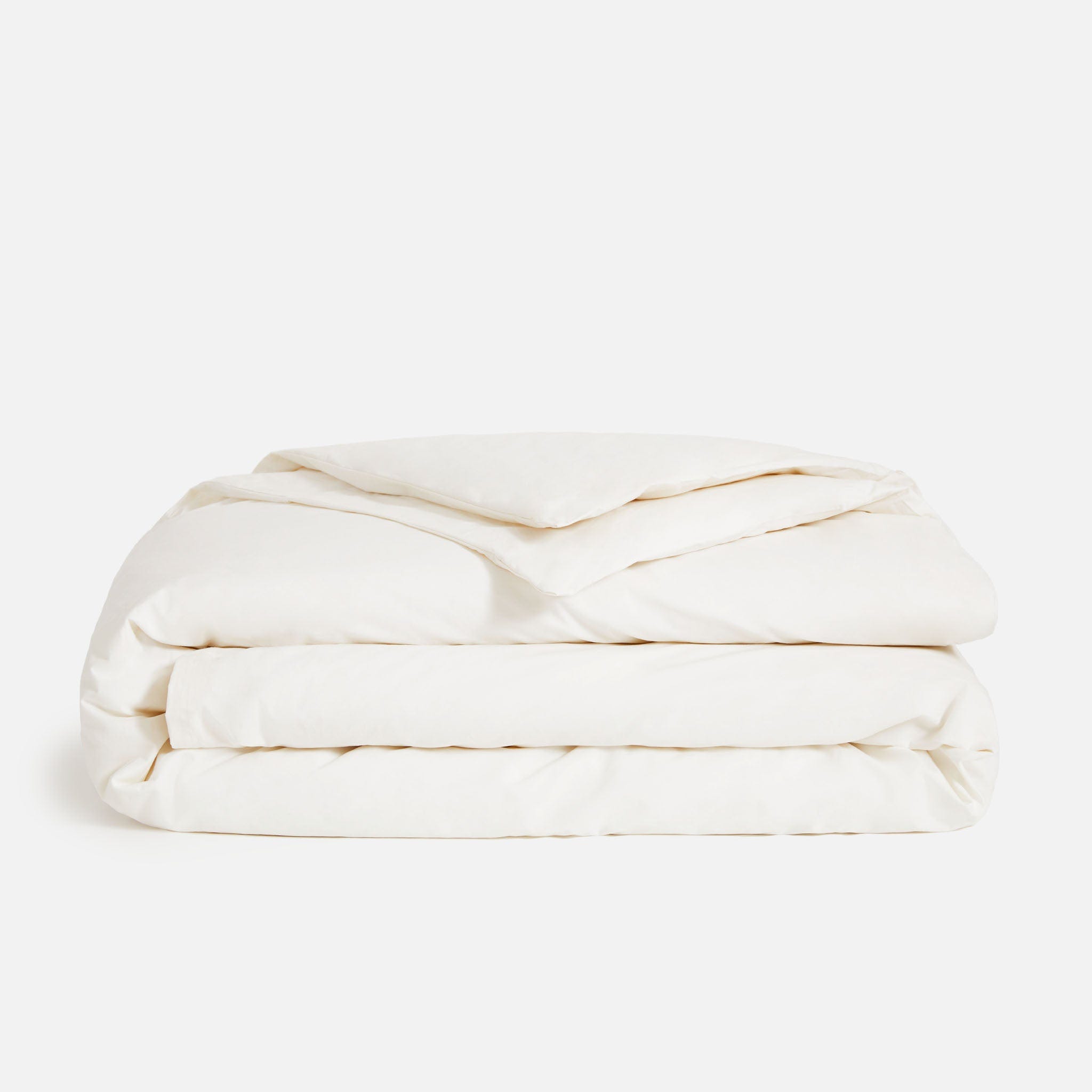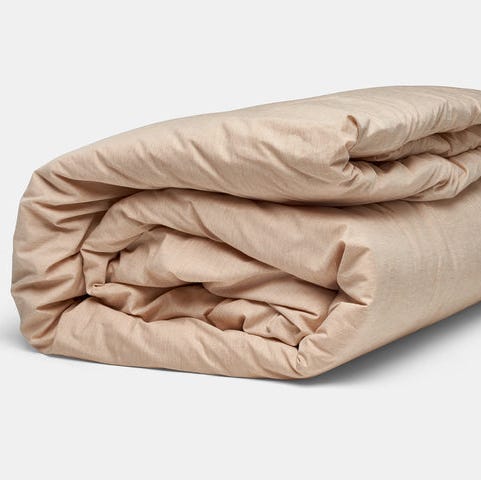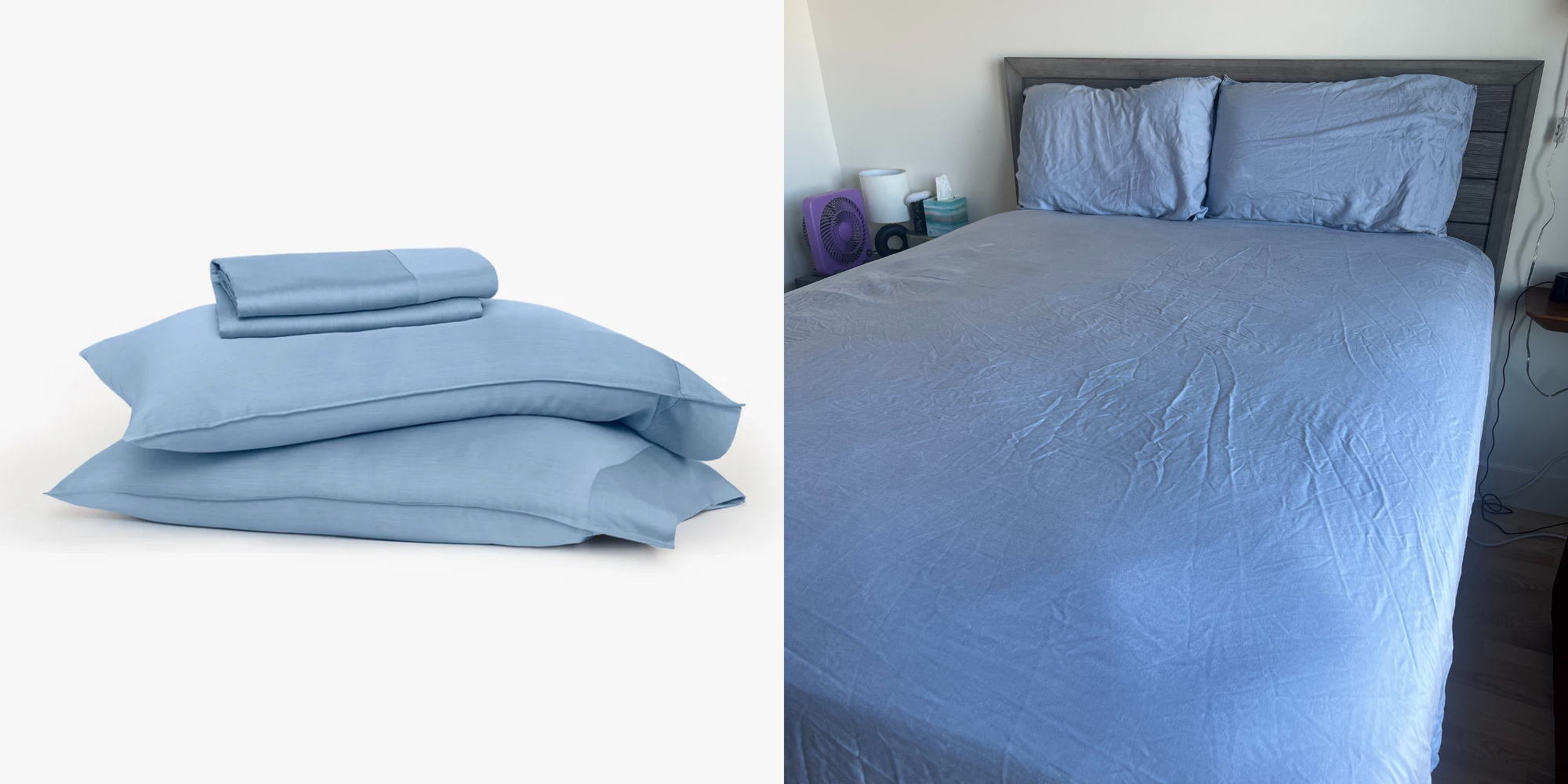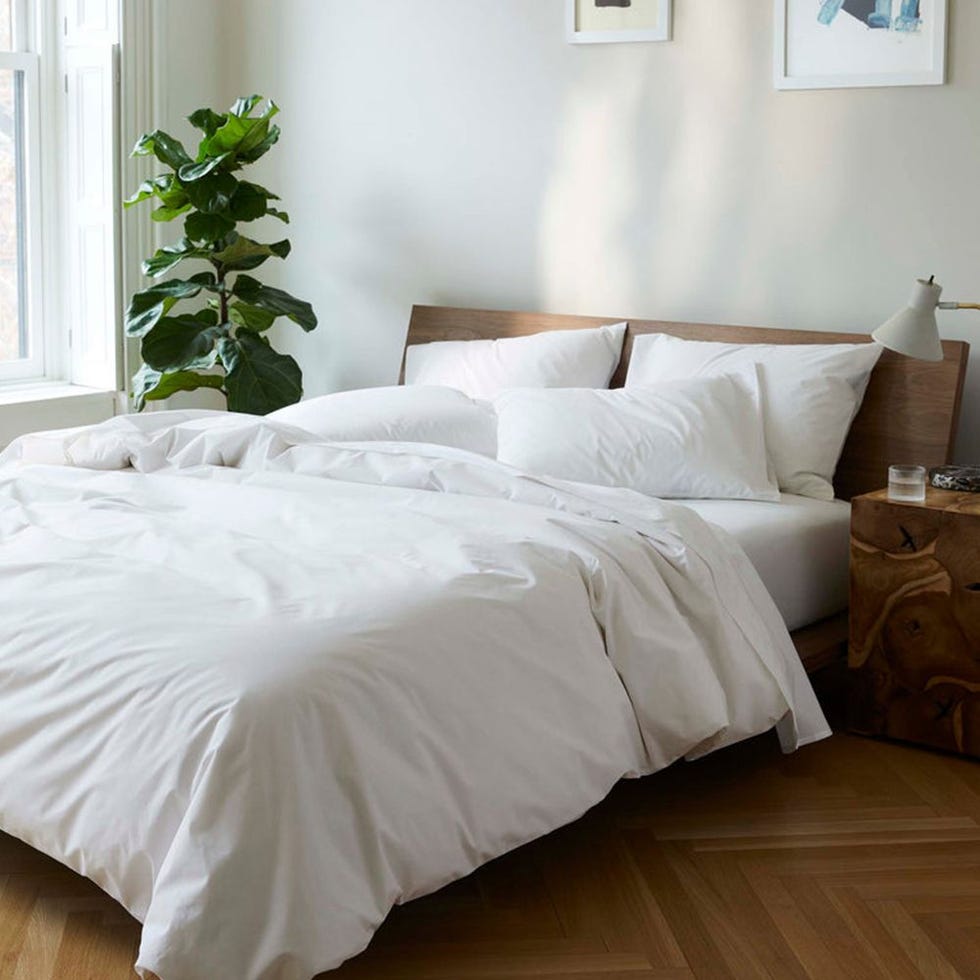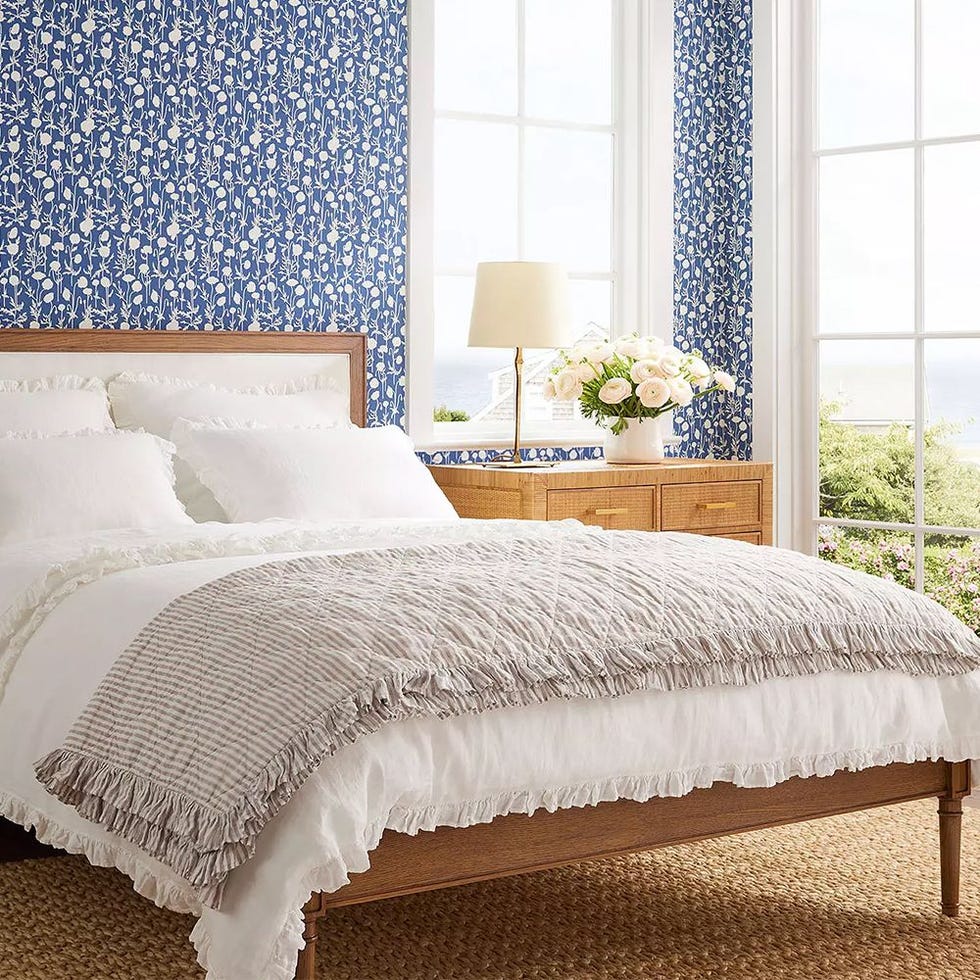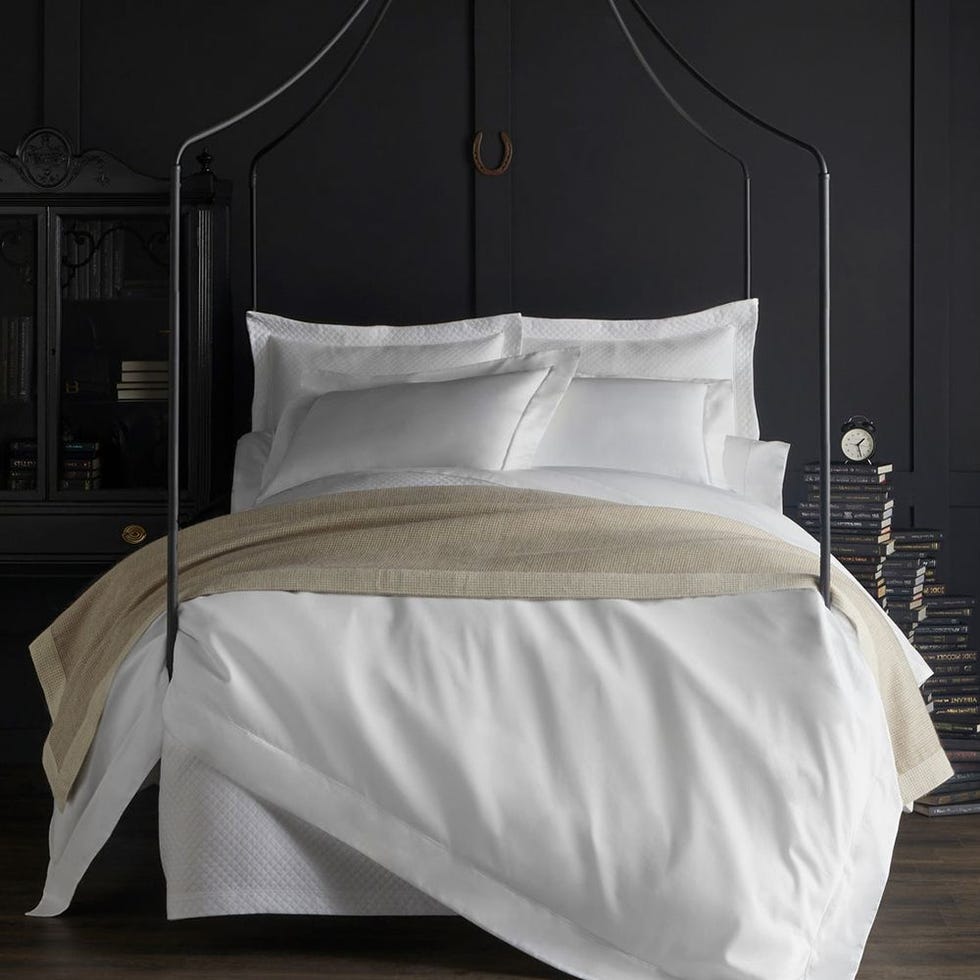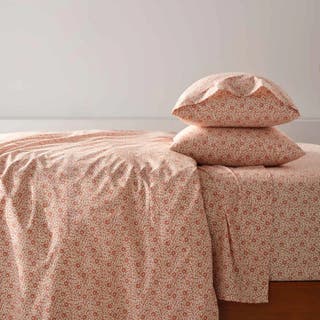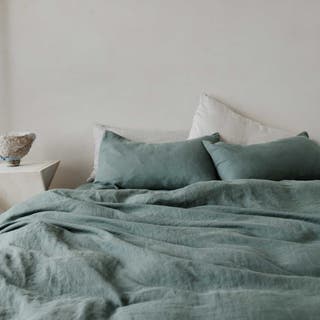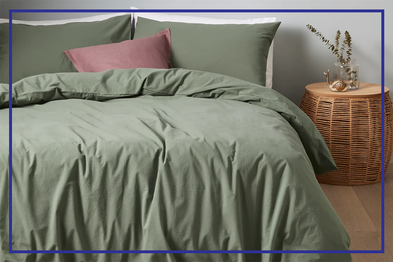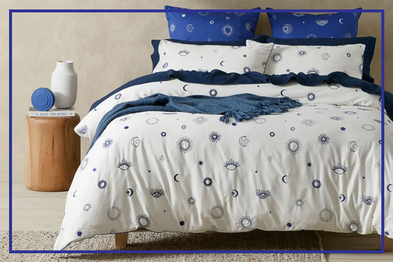
The Duvet Covers Our Editors Use Nightly
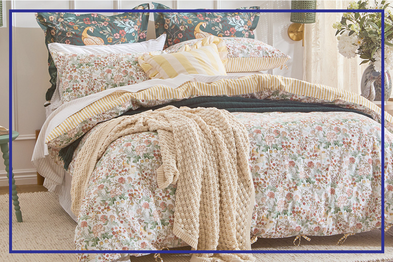
Selecting the right duvet cover is crucial for enhancing both the aesthetics and comfort of a bed. Extensive testing of over 60 different duvet covers revealed that material significantly influences the overall experience, impacting factors like softness, breathability, and warmth. The best duvet covers are those that align with individual preferences, whether seeking ultimate breathability, luxurious softness for cooler nights, or a balance of both.
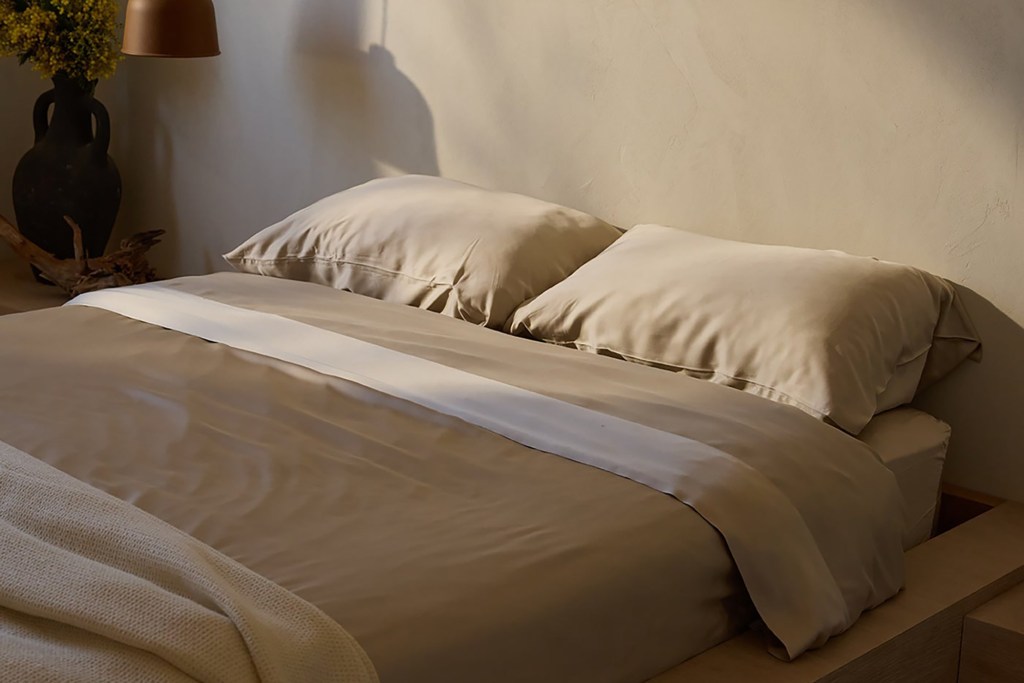
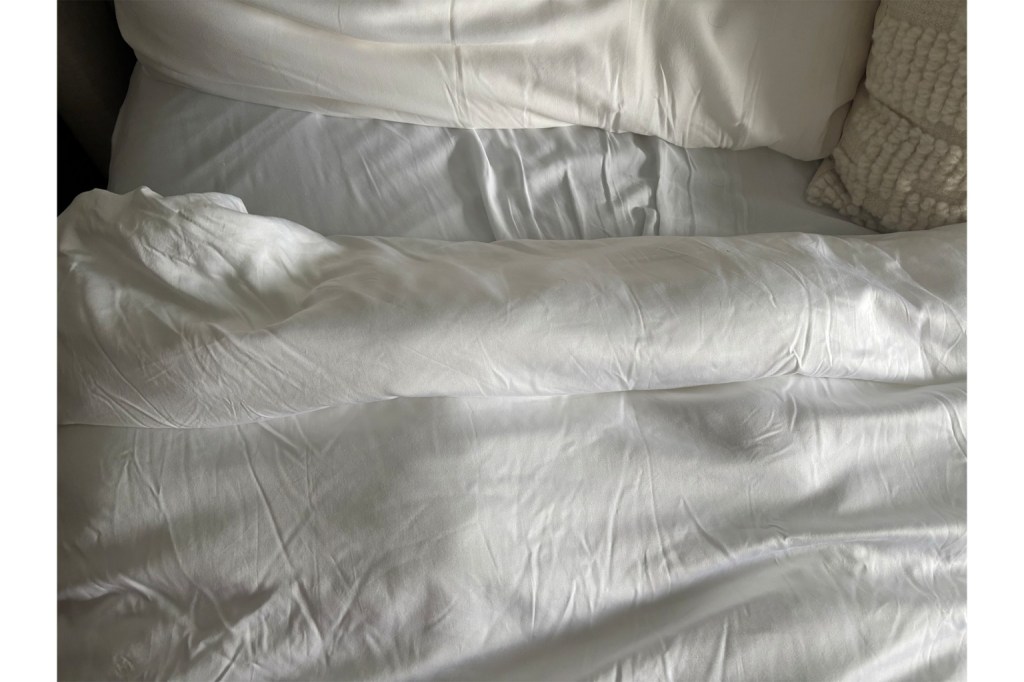
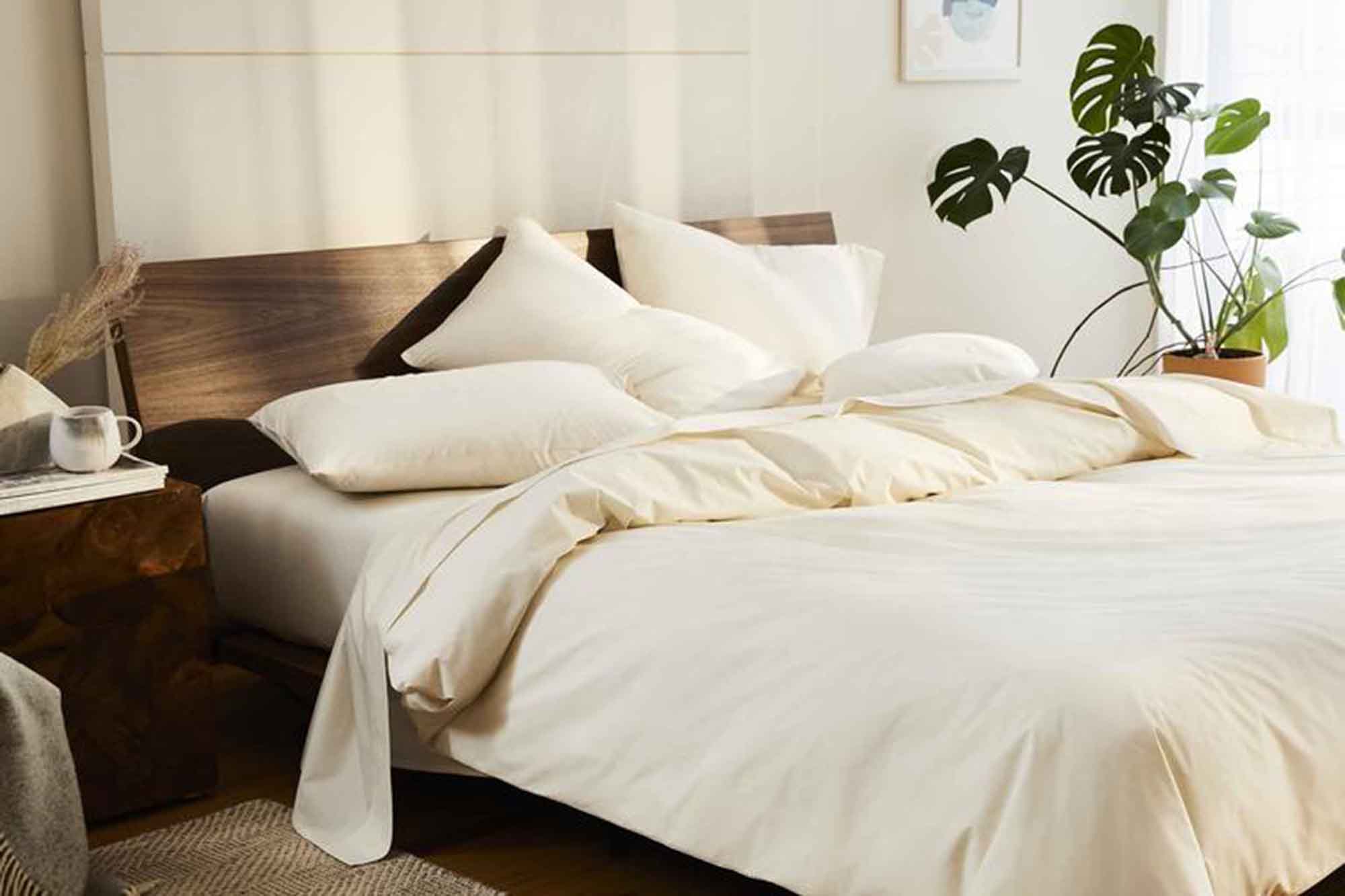
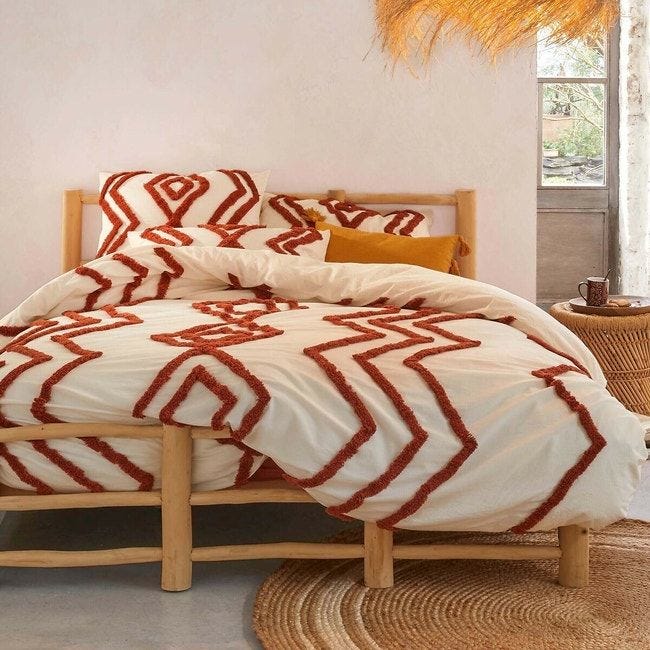
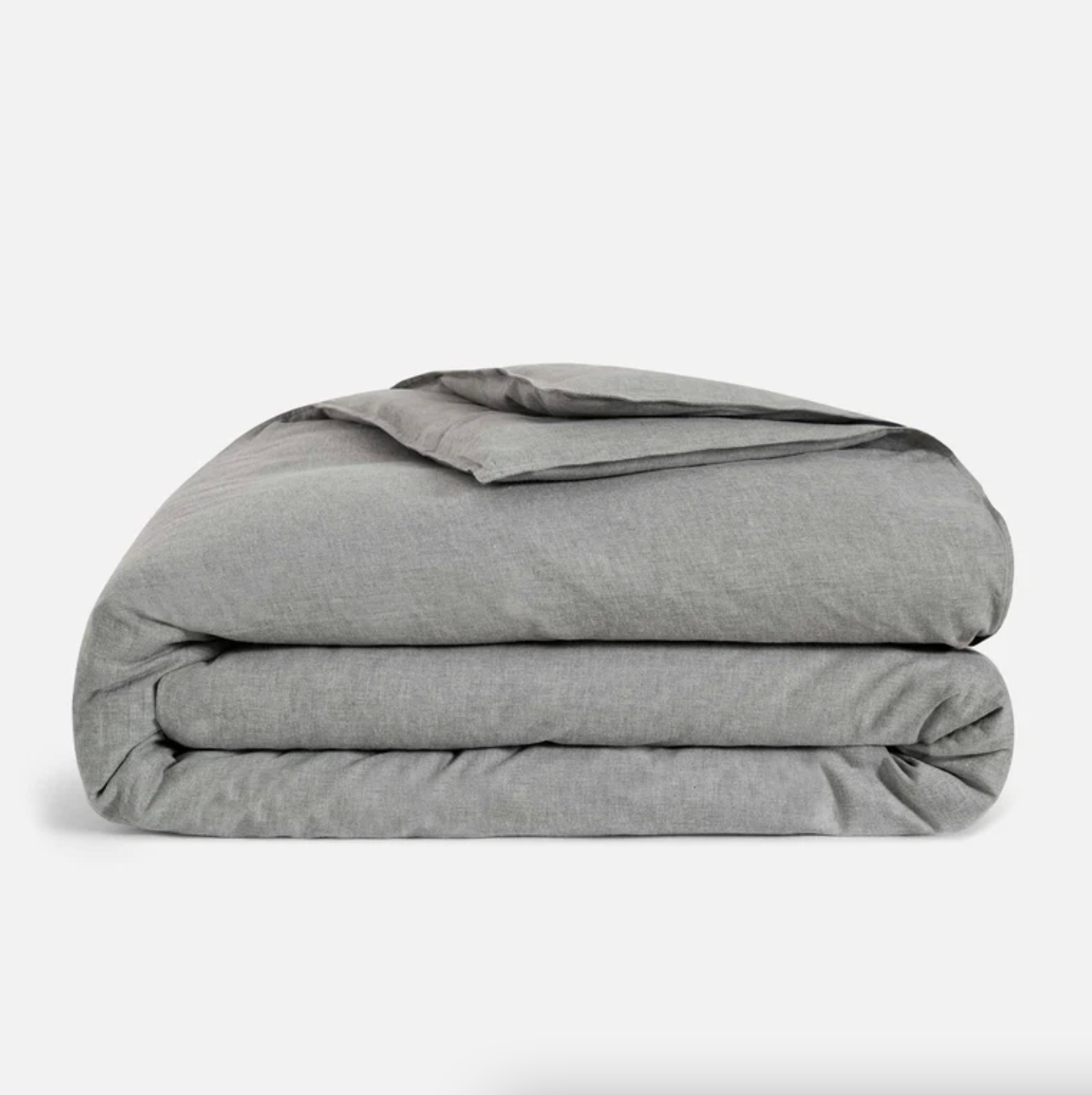
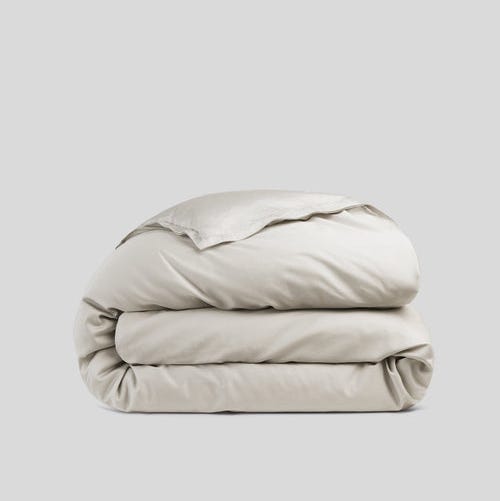
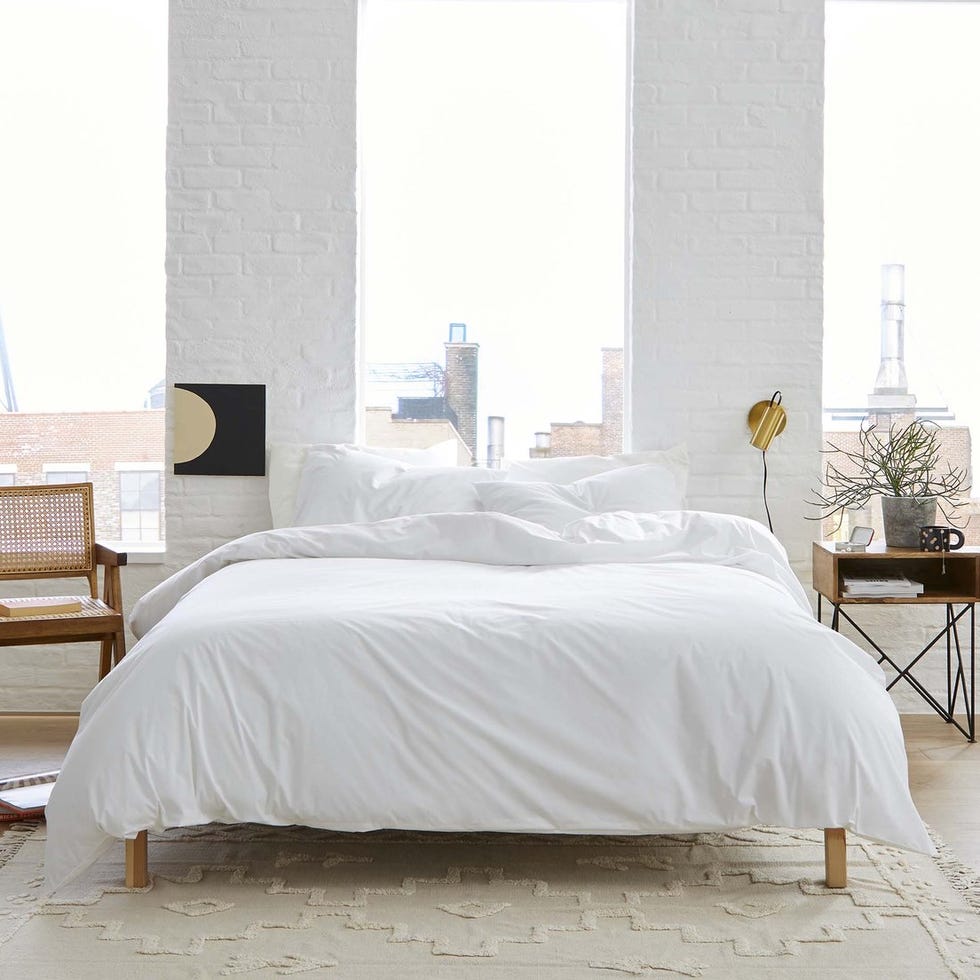
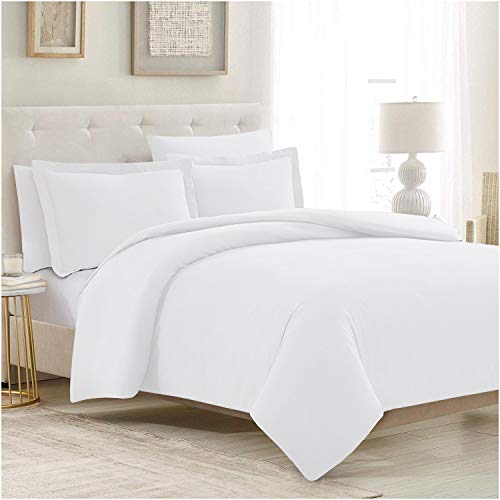
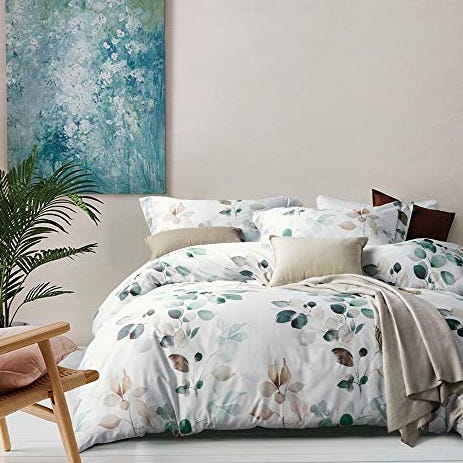
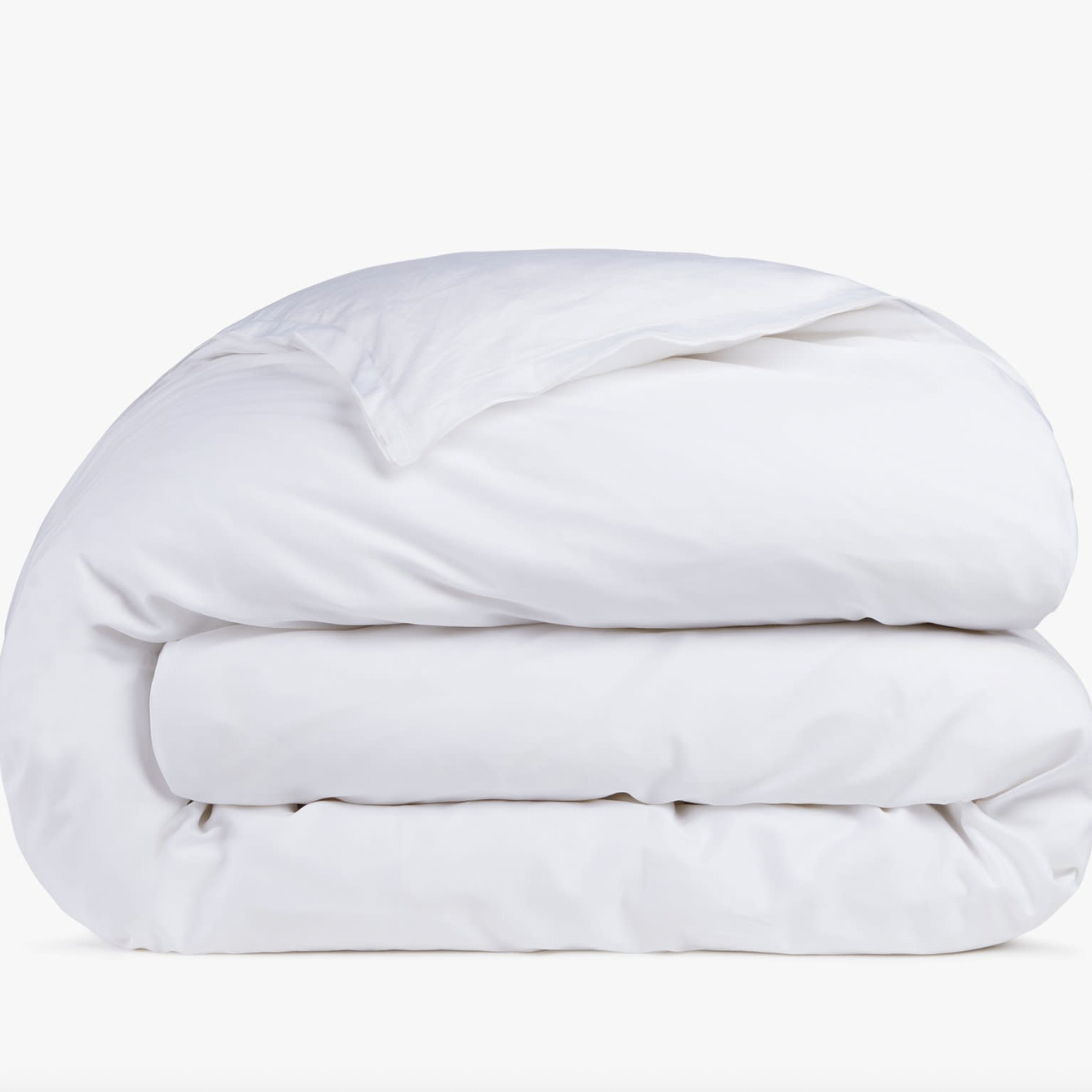
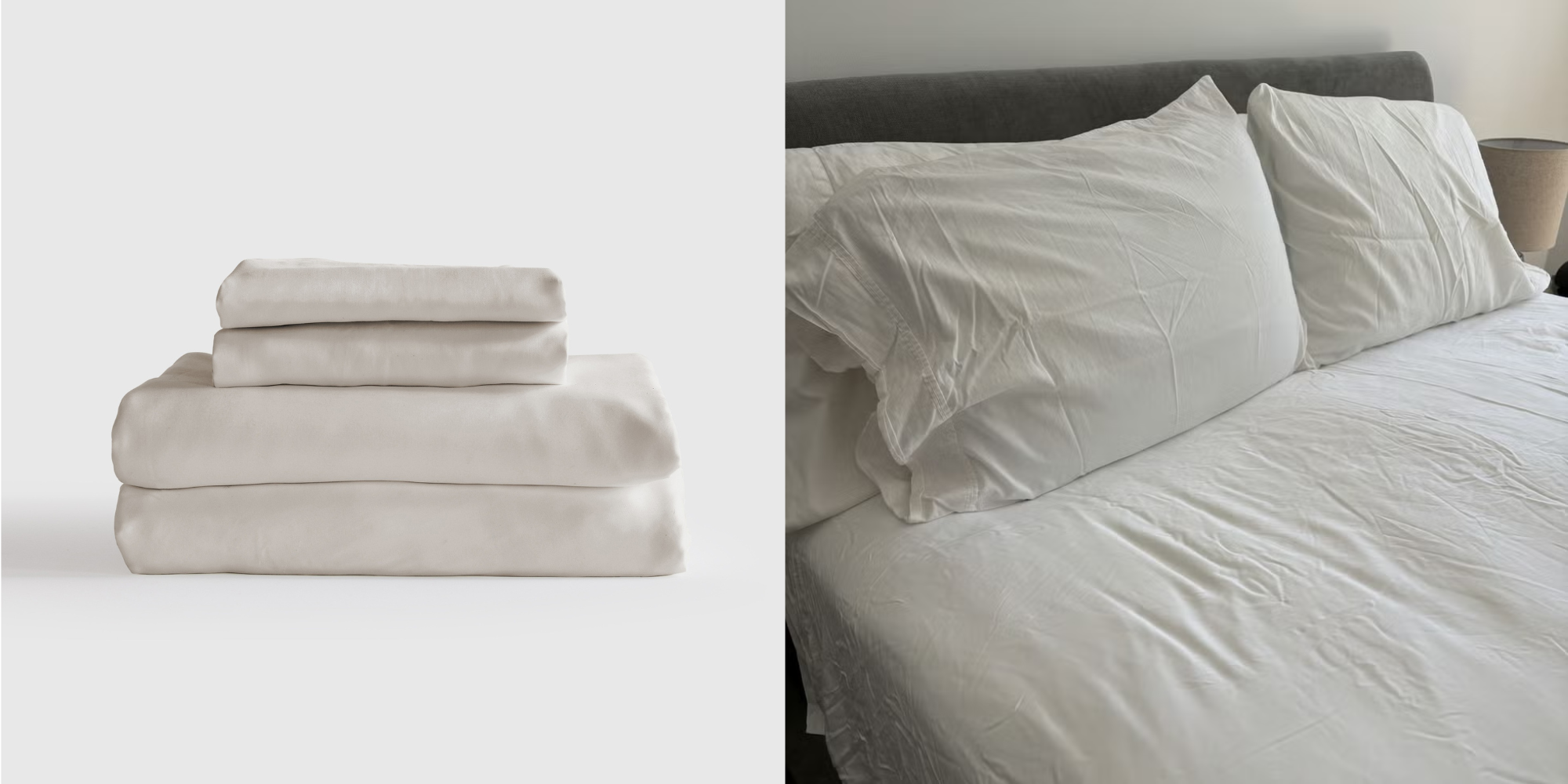
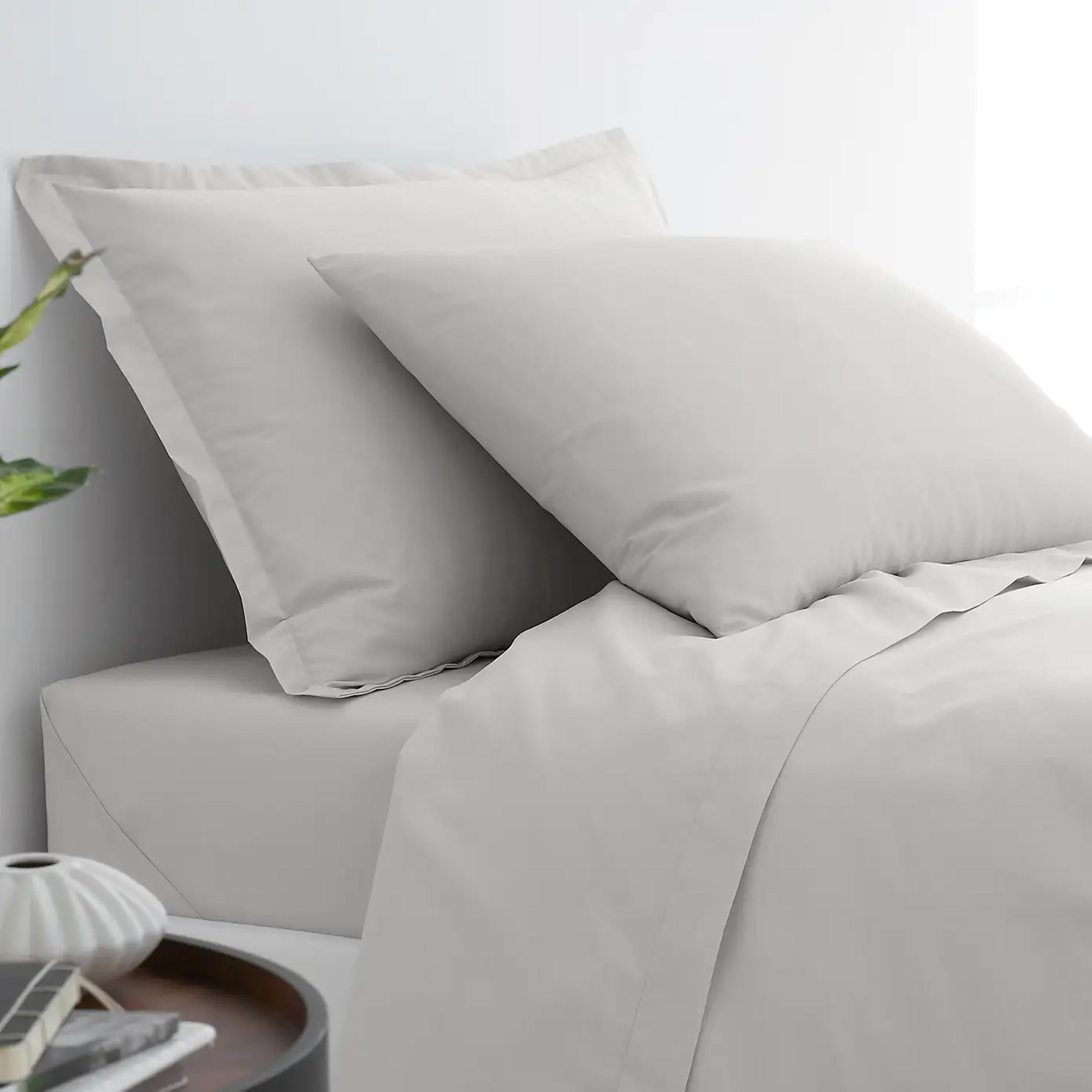
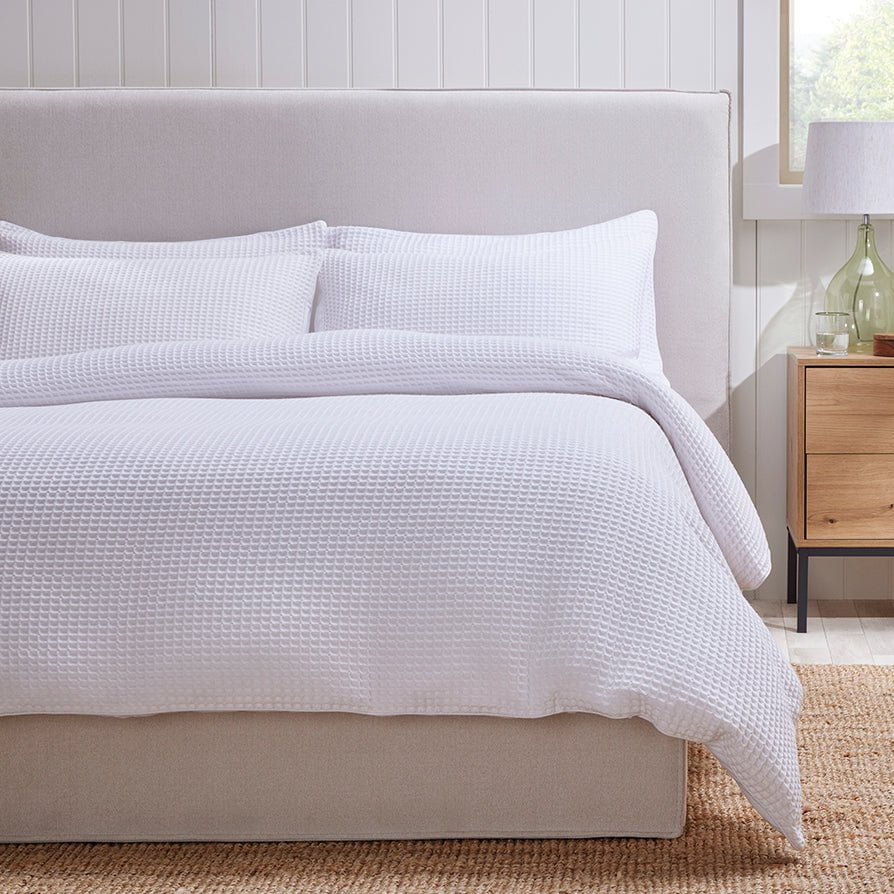
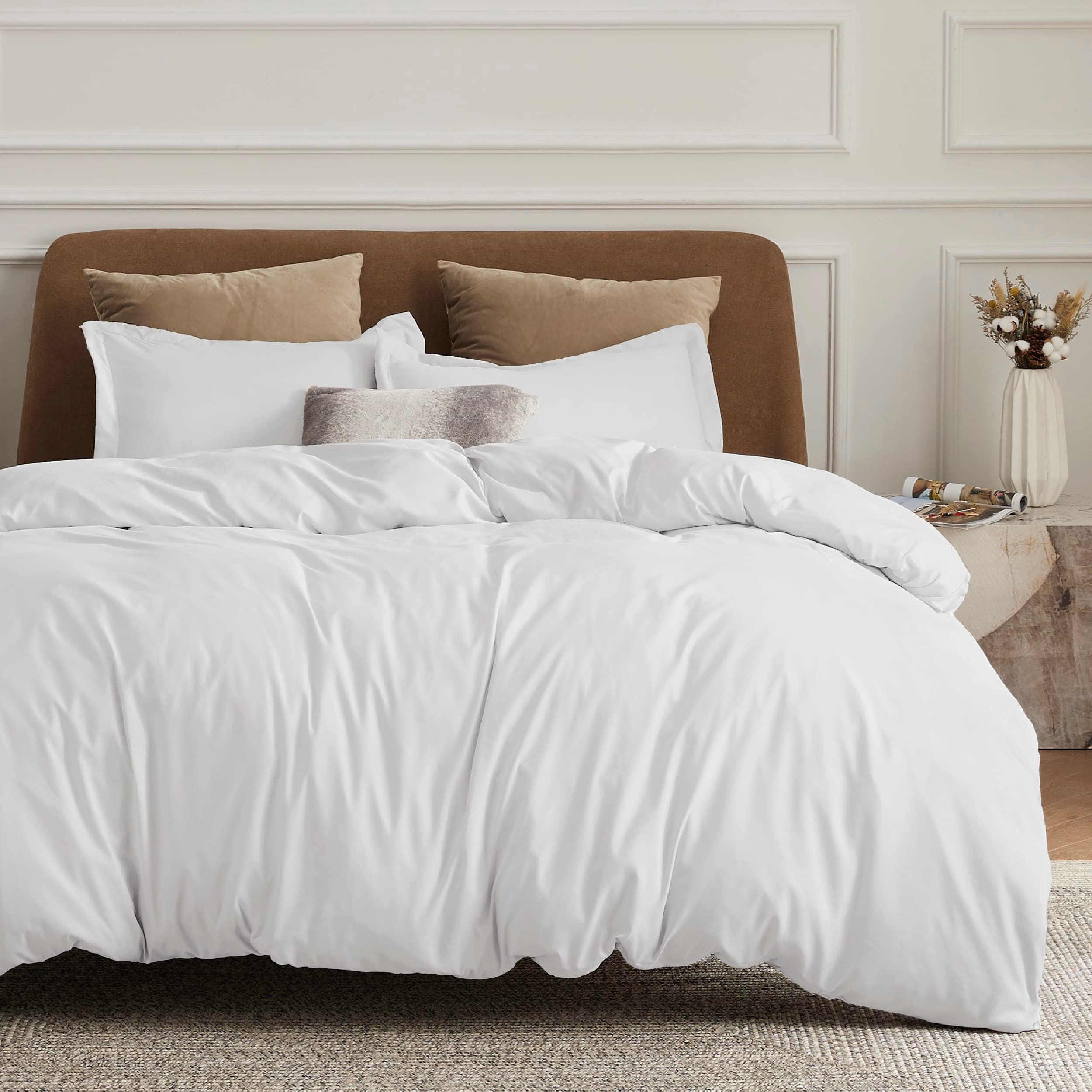
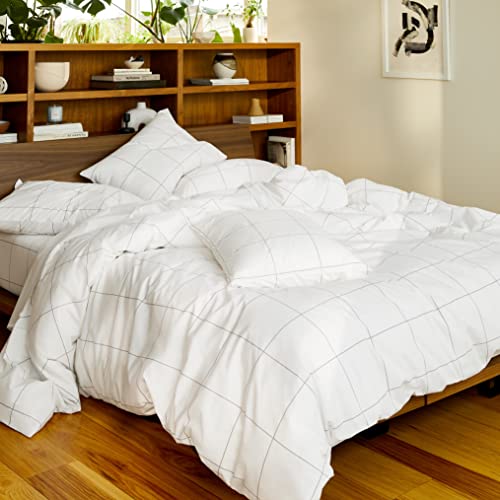
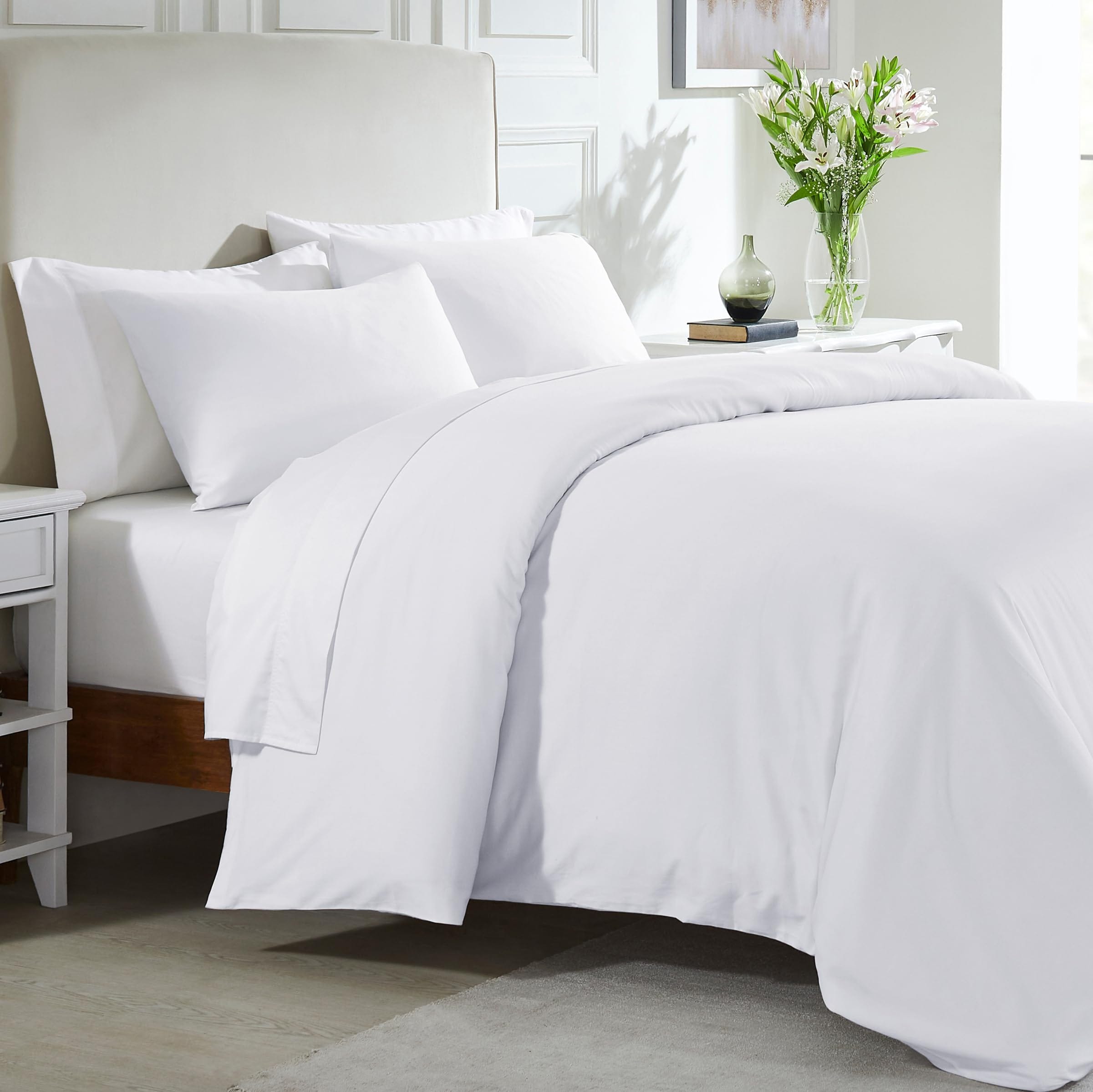
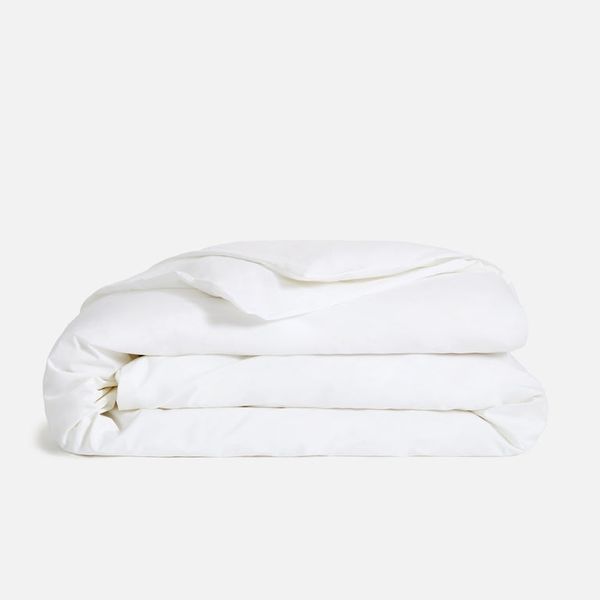
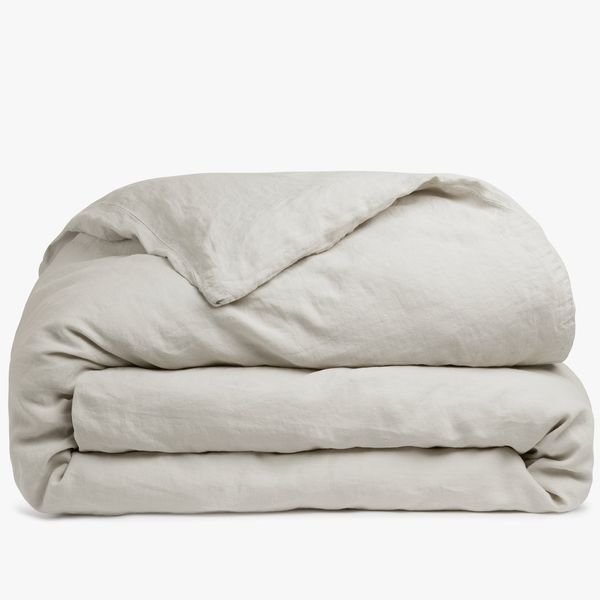
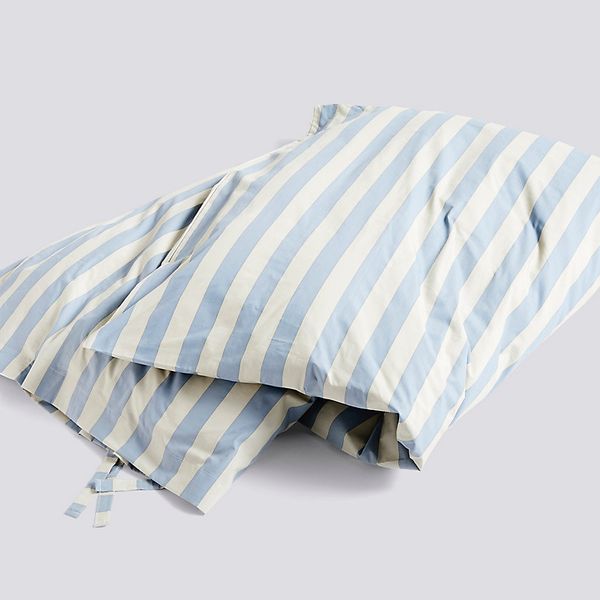
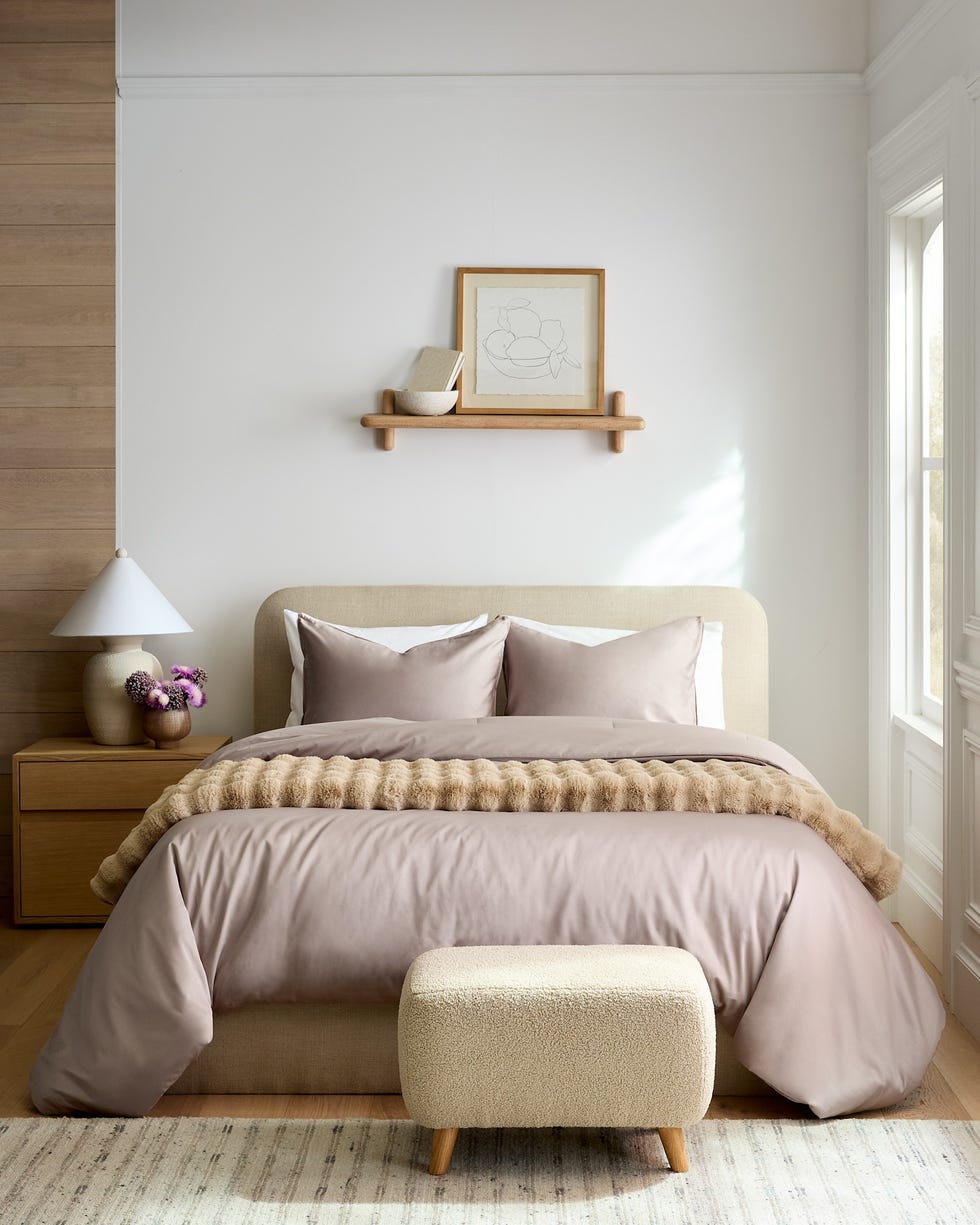
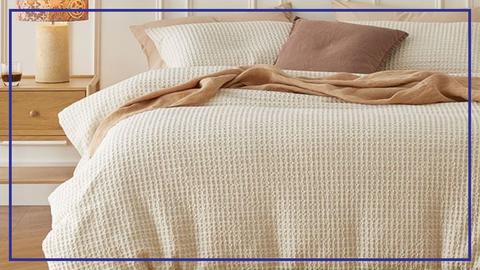
Several top picks emerged from the testing. The West Elm Silky Tencel Duvet Cover and Shams were recognized as the best overall due to their exceptional softness, reminiscent of silk sheets, and their ability to provide warmth without causing overheating, making them suitable for all seasons. While they do tend to wrinkle post-wash, their secure interior ties ensure the comforter remains in place. For those on a budget, the Bedsure Boho Duvet Cover stands out with its soft, textured design, convenient zipper closure, and inclusion of shams, offering an elevated look at an affordable price point despite its thinner fabric. The California Design Den Duvet Cover, a simple yet durable cotton option with a smooth sateen weave and 400 thread count, proved ideal for year-round use, softening with each wash and showing no signs of wear even after six months of use.
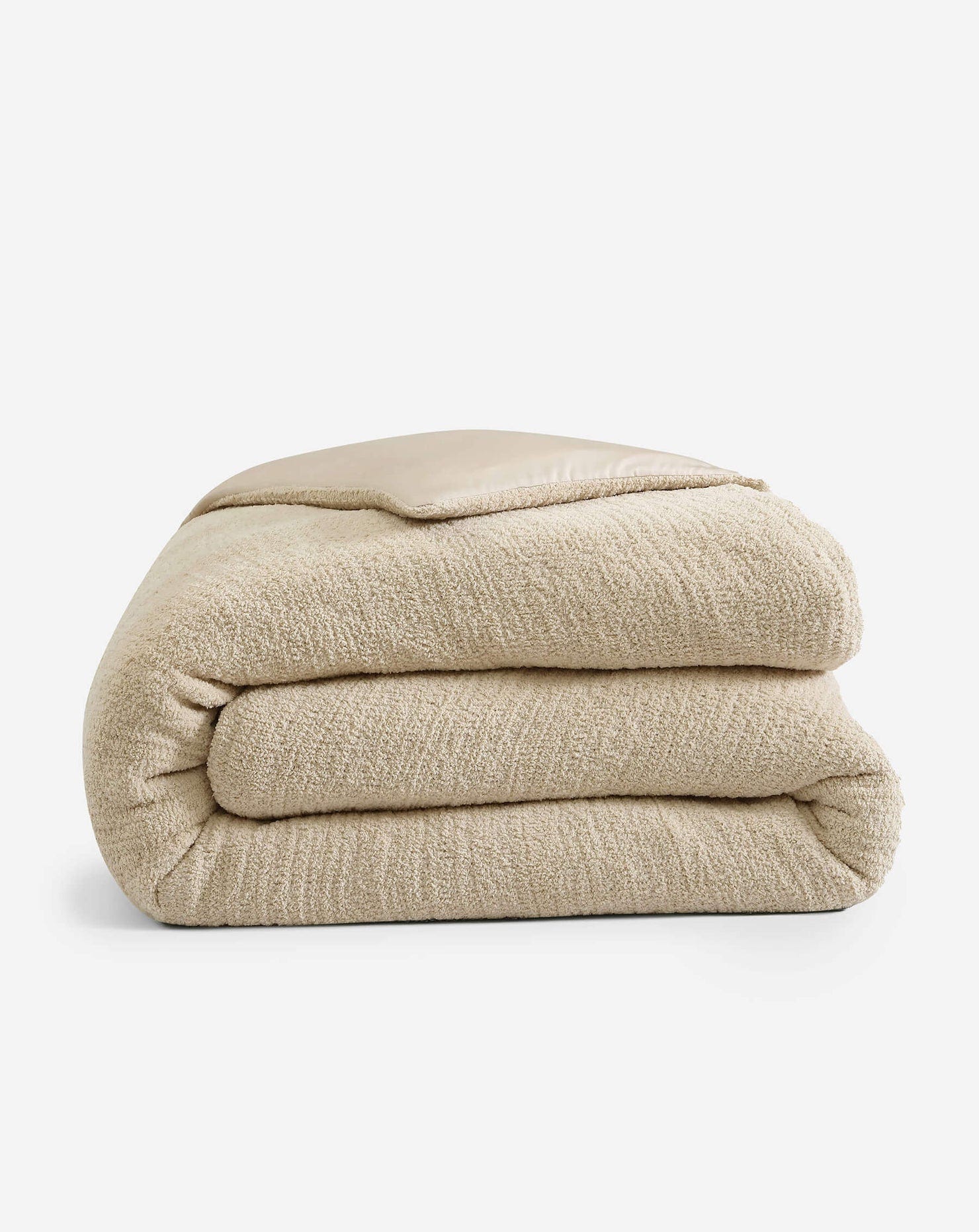
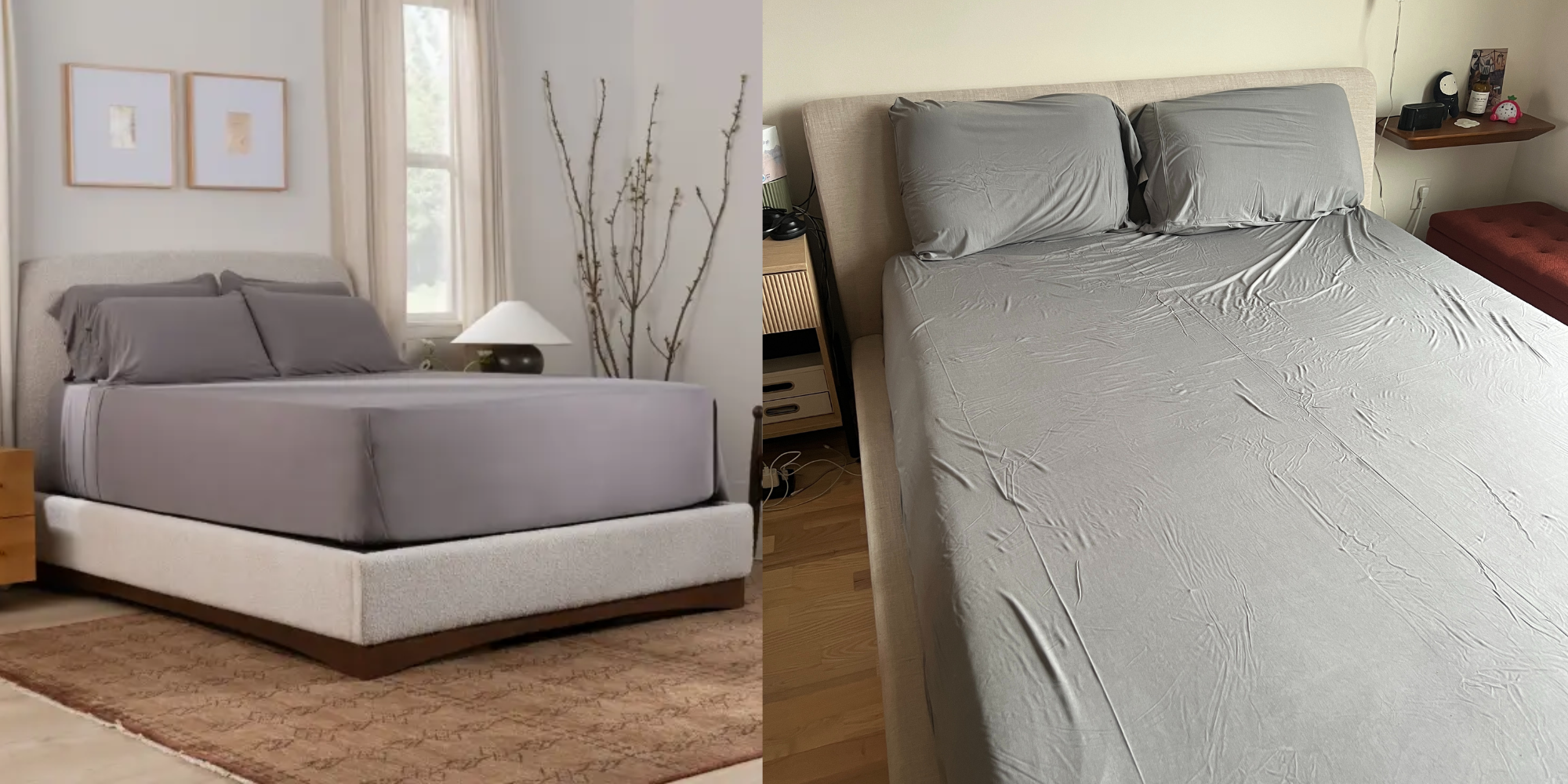
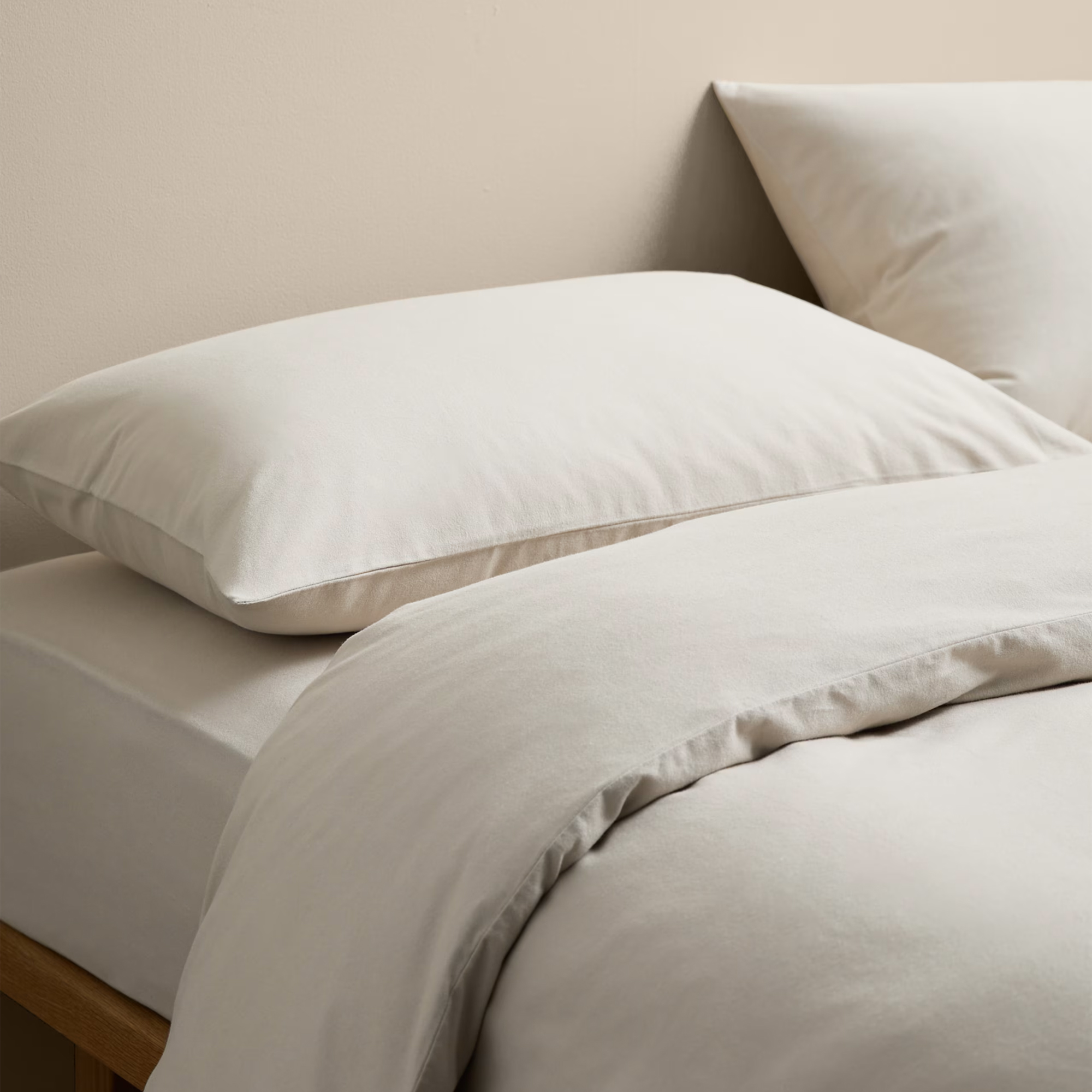
The Sunday Citizen Snug Bamboo Duvet Cover was identified as the softest, featuring a unique dual-sided construction with plush microfiber on one side and silky bamboo on the other. This heavyweight cover excels at trapping heat, making it perfect for cold nights, though its silky underside can lead to occasional slippage. For hot sleepers, the Sijo AiryWeight Eucalyptus Duvet Cover offers a cool-to-the-touch, moisture-wicking solution with eight internal ties for a secure fit, though it is prone to wrinkling. Finally, the Boll & Branch Signature Hemmed Duvet Set was highlighted as the best upgrade, providing a luxurious hotel-style experience with its soft, long-staple cotton and high-quality, durable construction that maintains its integrity even after two years of use.
The testing methodology involved rigorous evaluation of material quality, comfort, and durability in both laboratory settings and real-world home environments. Each duvet cover was assessed for its weight, texture, breathability, smoothness, and how easily a comforter could be secured inside, paying close attention to fit and closure mechanisms. Durability tests included spill tests for stain resistance and abrasion tests to simulate wear from friction and pet claws. Long-term testing involved follow-ups with testers over two years to gauge performance under everyday use and regular washing.
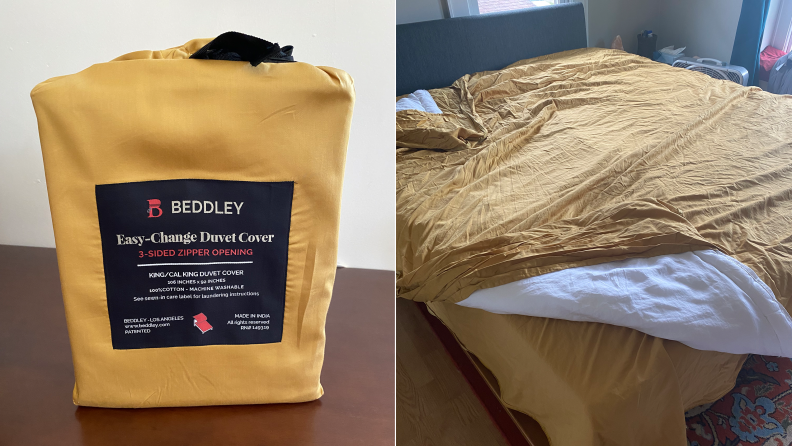
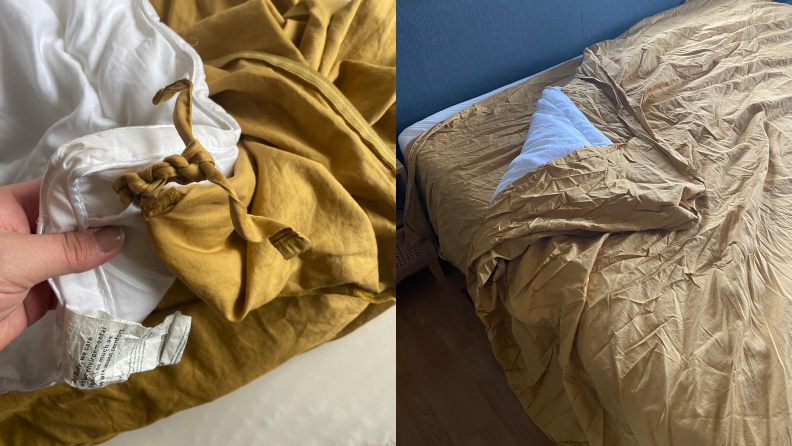
Key considerations for choosing a duvet cover include material and weave. Cotton, available in sateen and percale weaves, is versatile and breathable. Bamboo and eucalyptus are known for their smoothness, softness, moisture-wicking, and temperature-regulating properties, making them excellent for hot sleepers. Microfiber, a synthetic option, is smooth, wrinkle-resistant, and low-maintenance. Size is also critical, with experts recommending a duvet cover that is slightly smaller than the insert for a snug fit. Lastly, closure type—buttons, zippers, or fabric ties—impacts ease of use and aesthetics, with zippers generally offering more convenience and security than traditional buttons.
#DuvetCovers #Bedding #HomeDecor #BedroomDesign #TextileReview #Comfort #MaterialGuide #SleepEssentials #ProductTesting #DuvetCovers #Bedding #HomeDecor #BedroomDesign #TextileReview #Comfort #MaterialGuide #SleepEssentials #ProductTesting
0 comment in total
 No comments yet
You may also like
The 13 best duvet covers we tested for comfortable sleep in 2025
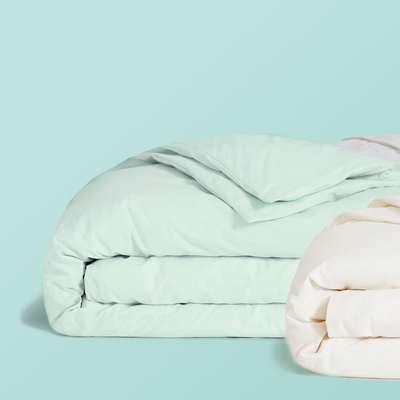
Your Bed Isn't Complete Without a Comfy Duvet Cover


The 10 Best Duvet Covers You Can Buy on Amazon, Starting at $24
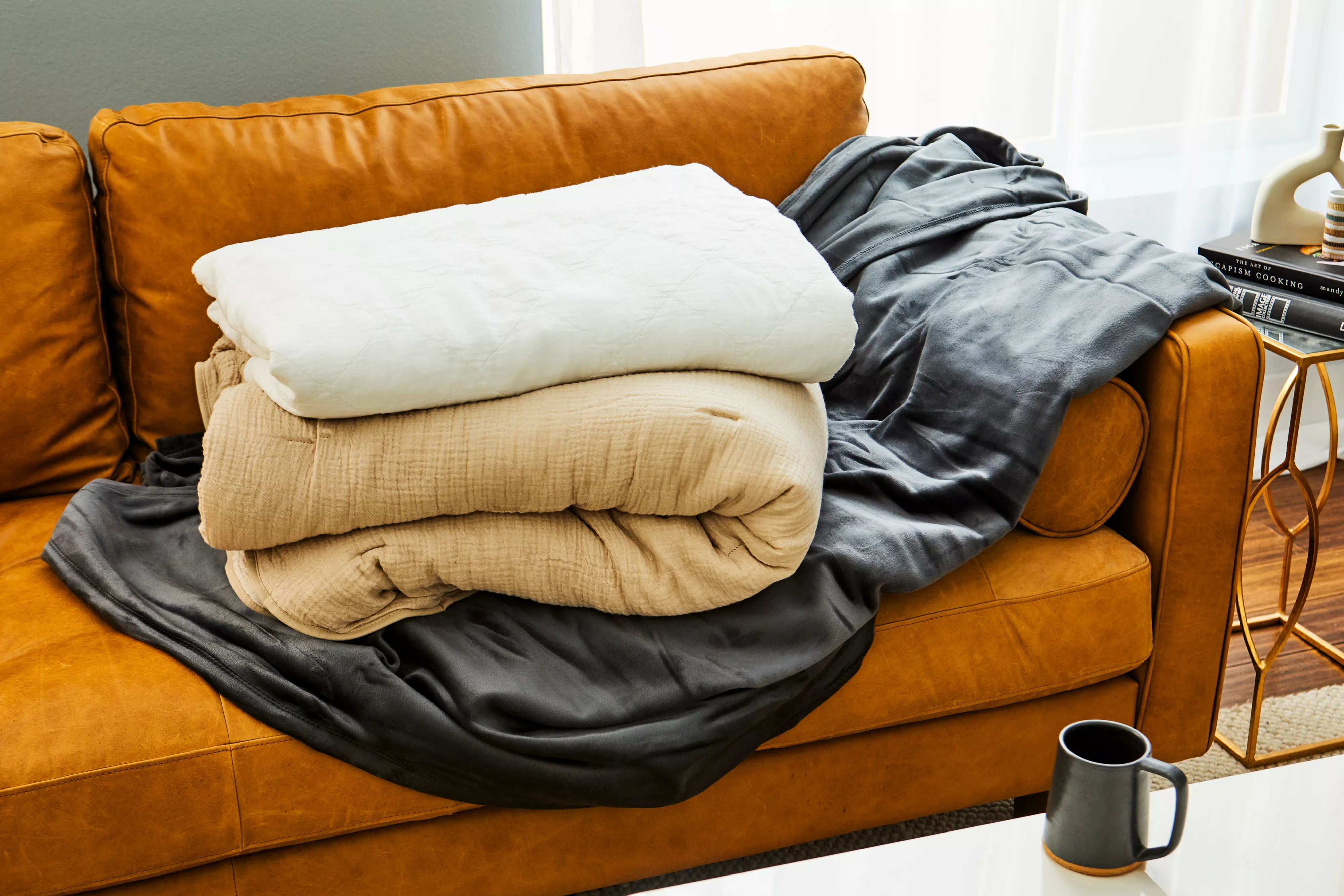
We’ve Tested Over 100 Blankets—These Are the Ones BHG Editors Swear By


The 9 Best Duvet Covers of 2025 | Reviews by Wirecutter
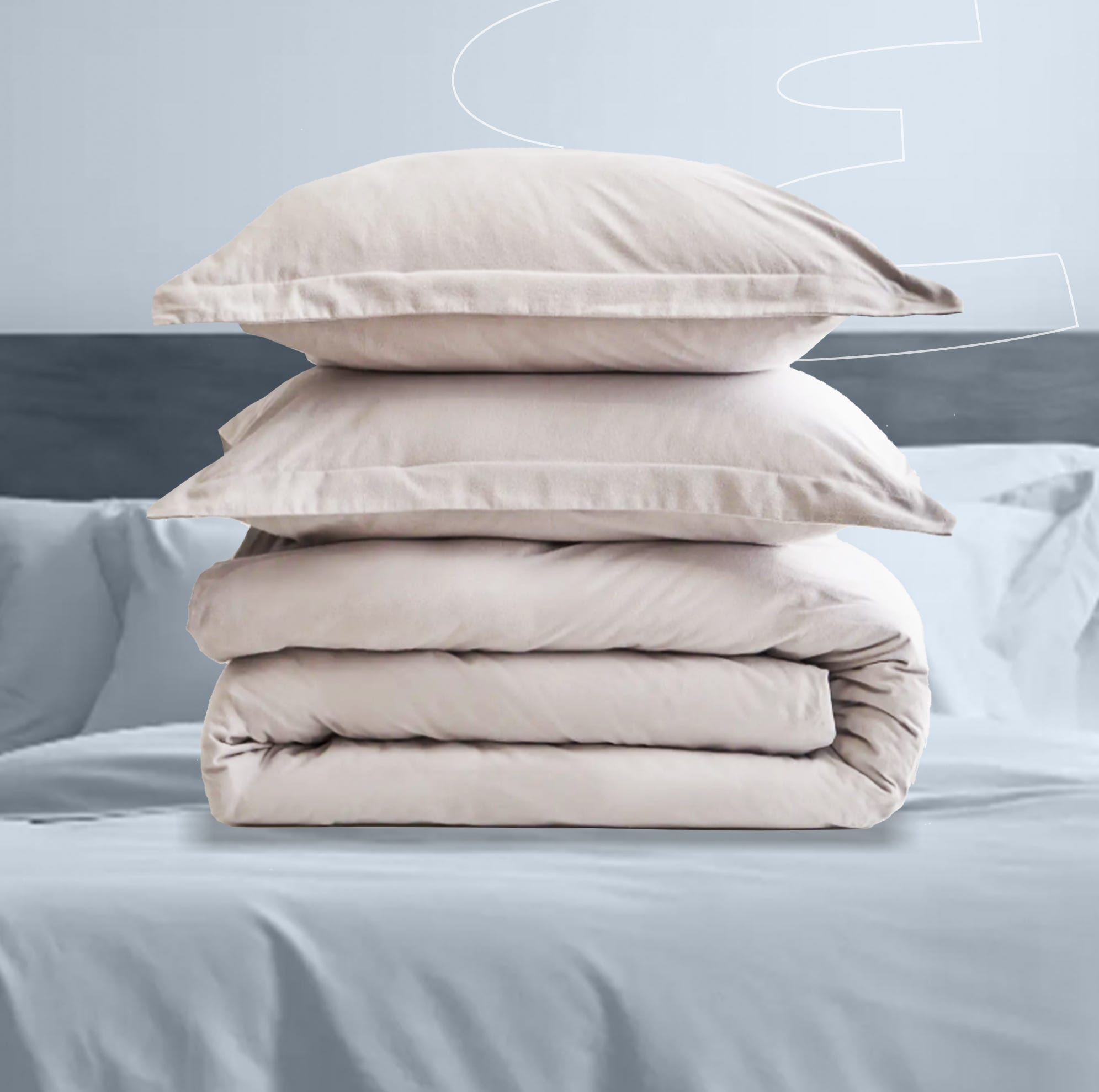
The 18 Best Duvet Covers for High-Quality Sleep
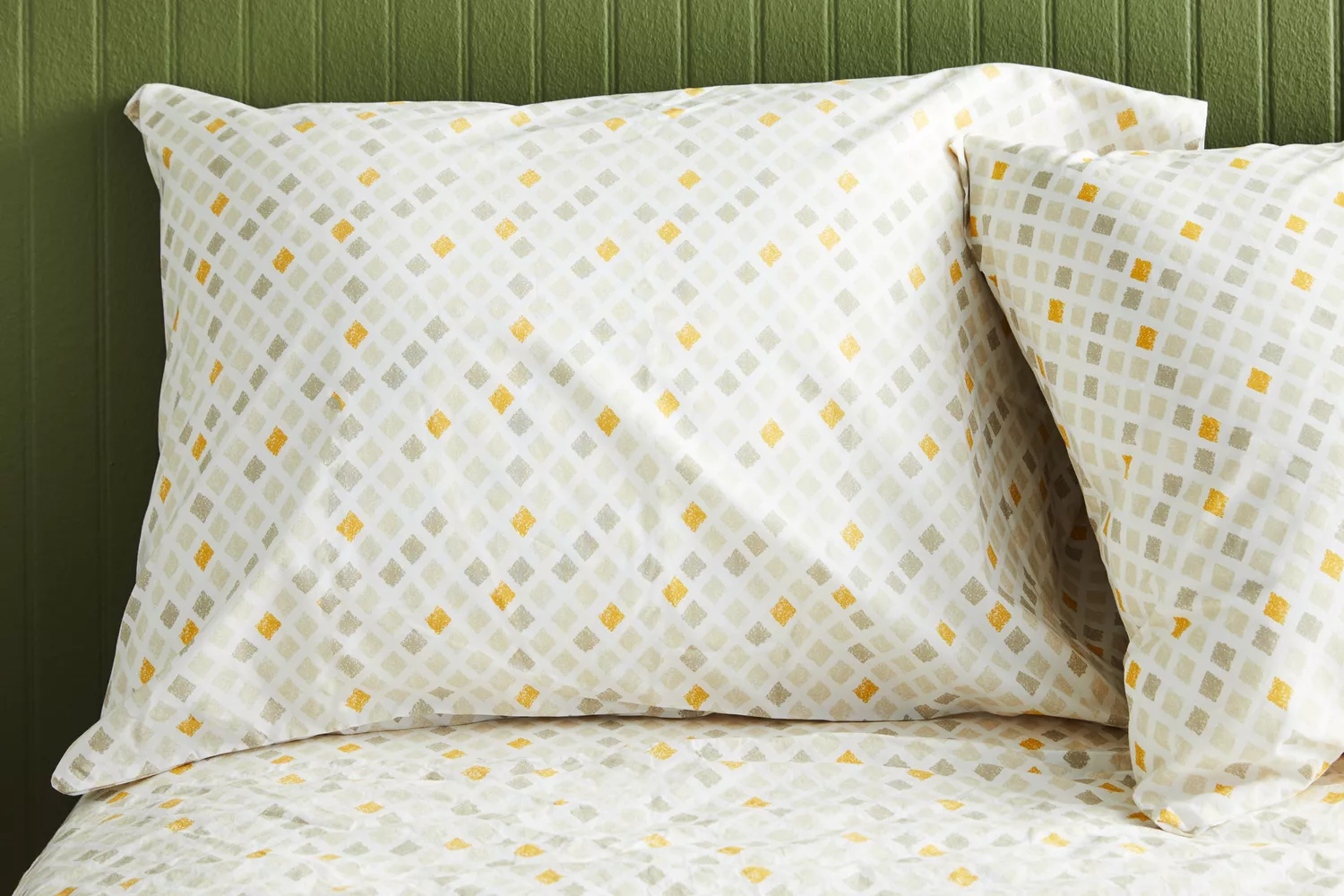
7 Pillowcases That Are So Good, We'd Buy Them Separate From Their Matching Sheets
Our Editors Share the Most Comfortable Couches They Sit, Nap, and Lounge On

17 stylish duvet covers for your bed


Best Bedding Set of 2025
24 Luxury Duvet Covers That Go Above and Beyond Average Bedding

The 17 Very Best Duvet Covers
These Are the 12 Best Duvet Covers We Tested for Maximum Comfort and Style
The Luxury Sheets That Have Our Editors Sleeping Like Royalty

The 9 Best Duvet Covers of 2026 | Reviews by Wirecutter

We love this Shark Tank duvet cover—here's why

7 Best Luxury Duvet Covers of 2025 That Look and Feel Good
I’ve spent the last four years testing bedding – these are the best duvet covers and bedding sets you can buy
The best-looking doona covers you can get for under $100


This ONE Everyday Feature Cheapens the Look of Your Bedroom