
1/5
Scotia Beading
Scotia beading serves as a decorative and functional addition to flooring installations, specifically designed to cover the expansion gap between the skirting board and the floor. This gap is a common occurrence when solid wood, engineered wood, or laminate flooring is laid, as these materials naturally expand and contract with changes in temperature and humidity. By installing scotia beading, homeowners can achieve a visually appealing finish without the need to remove and re-install existing skirting boards.
The article highlights that scotia beading comes in various materials, including hardwood, softwood, and uPVC, and is available in different widths and depths to match diverse flooring types and aesthetic preferences. The selection includes natural finishes like pine and white oak for modern or traditional looks, as well as pre-primed white options that can be painted to complement any interior design scheme.
Installing scotia beading is presented as a straightforward process. The first step involves accurately measuring and cutting the scotia pieces to fit the wall lengths, using a handsaw and a mitre box for precise cuts, especially for angled corners. It is important to ensure the installation area is clean and free of debris. An adhesive is then applied to the back of the scotia, which is firmly pressed against the skirting board and floor. For enhanced durability and security, finishing nails can also be used. Any minor gaps or imperfections that remain after installation can be filled with wood filler and sanded smooth for a refined appearance.
While scotia beading is not deemed a mandatory component for flooring, its practical benefits extend beyond mere aesthetics. It acts as a protective barrier for the edges of the flooring, preventing potential damage that could occur if the expansion gap were left exposed. Furthermore, its concave design adds a unique dimensional quality to skirting arrangements, contributing to the overall visual harmony of the room.
The article includes a section of frequently asked questions, addressing common concerns regarding installation techniques, cutting methods, and the necessity of scotia beading. It also suggests similar products such as angle moulding and D-shape moulding for various finishing needs, and categorizes related products like flooring tools and other moulding types.
#ScotiaBeading #FlooringInstallation #HomeDecoration #Mouldings #DIYHomeImprovement #InteriorDesign #WoodFinishes #FlooringAccessories #ScotiaBeading #FlooringInstallation #HomeDecoration #Mouldings #DIYHomeImprovement #InteriorDesign #WoodFinishes #FlooringAccessories
0 comment in total
 No comments yet
You may also like

The real history of tartan, from the Scottish Highlands to the streets of Tokyo
A guide to all the fabric and bead stores on Queen West
When Hollywood Needs a Historically Accurate Outfit That Looks Just Right, It Turns to Rabbit Goody
9 Best Places to Buy High-Quality Fabric Now That JOANN Is Closing


Meet Sophie Stone, the Textile Artist Melding Classic Crafts With Contemporary Narratives

British Textile Week 2021: Humphries Weaving

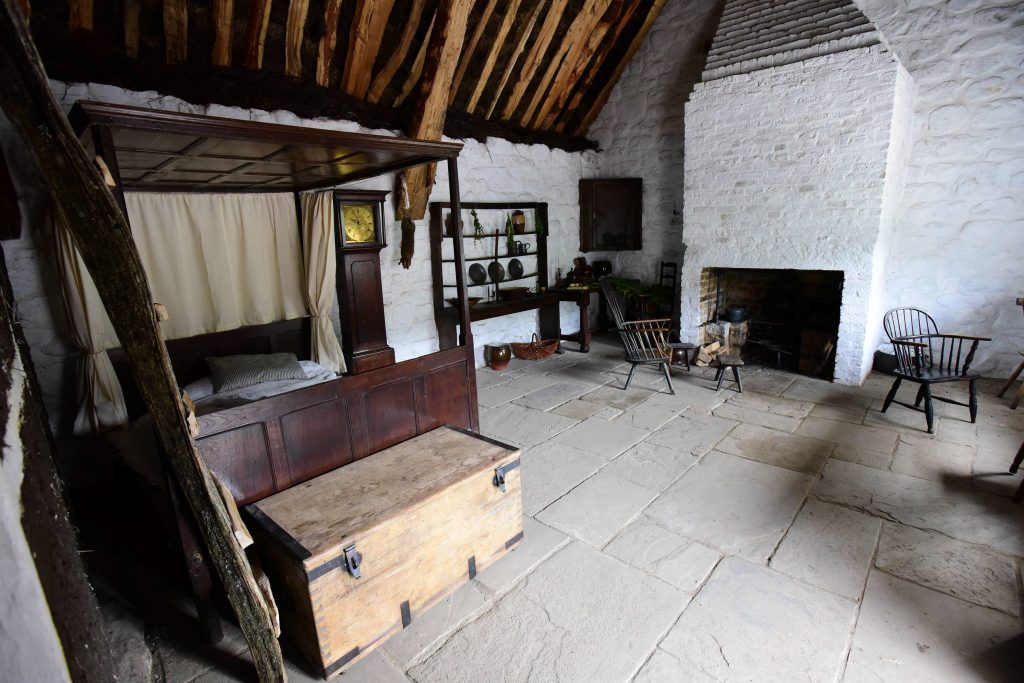
The Quilter's Cottage

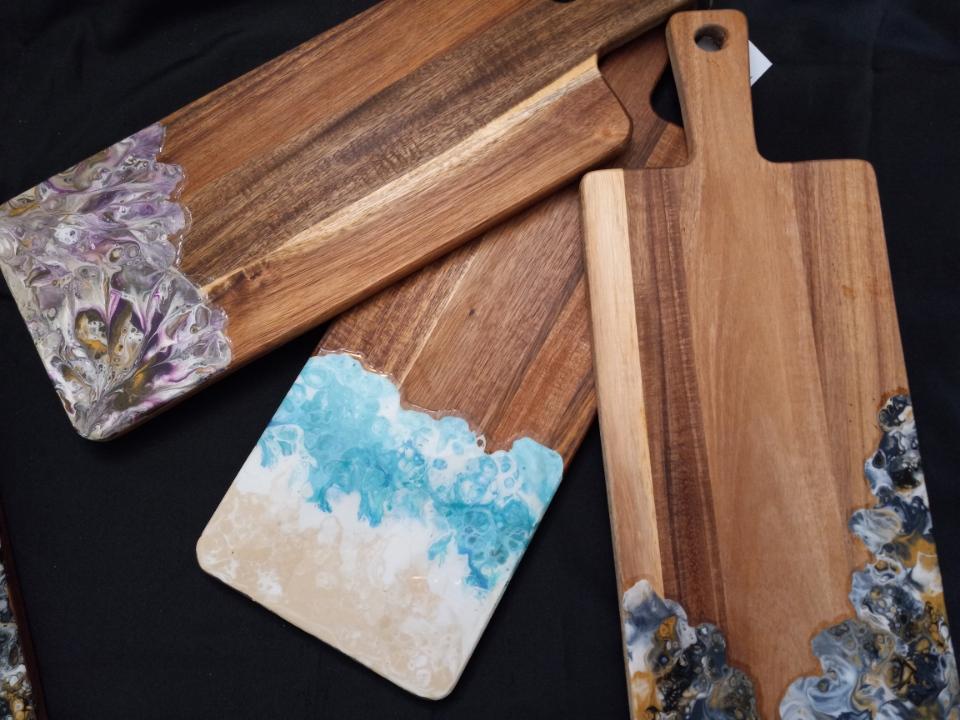
From cutting boards to coasters, maker brings signature swirl to handmade work

You’ll Love This Instagram-Friendly Fabric Line from Soane Britain

The Best British Textile Designers
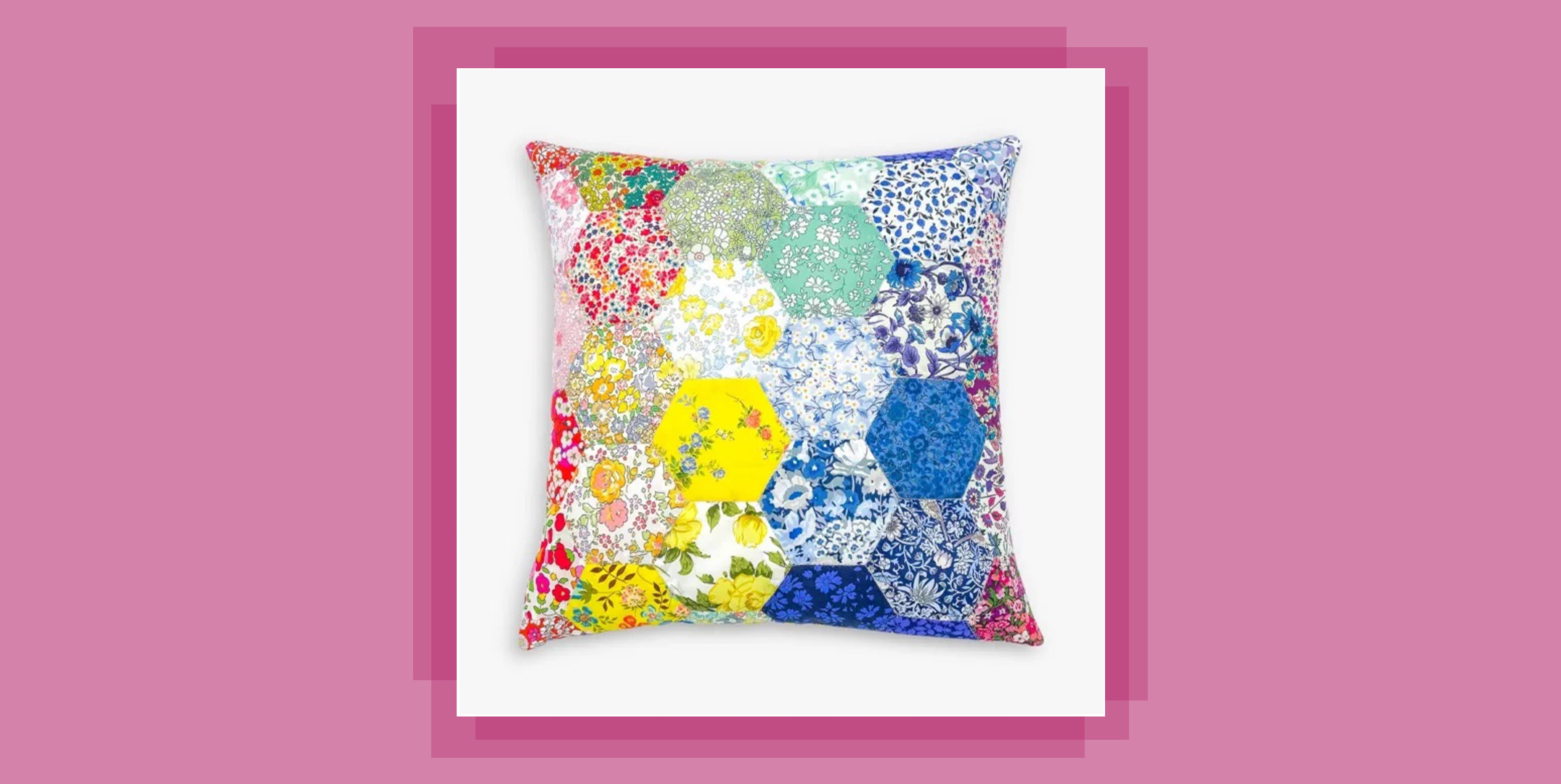
New to English paper piecing? Try one of these fun kits
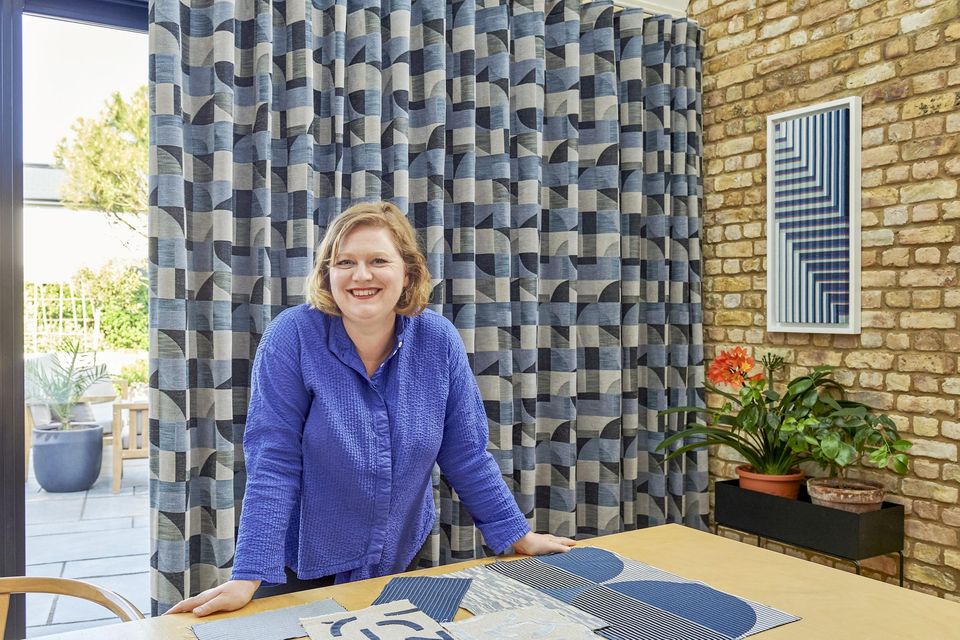
How to use woven fabrics to add texture to your interior space
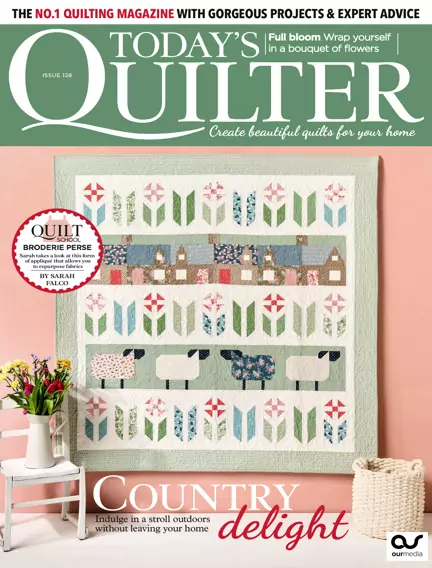
Quilt school - 4 Jun 2025 - Today's Quilter Magazine


Europe's secret dyeing formula

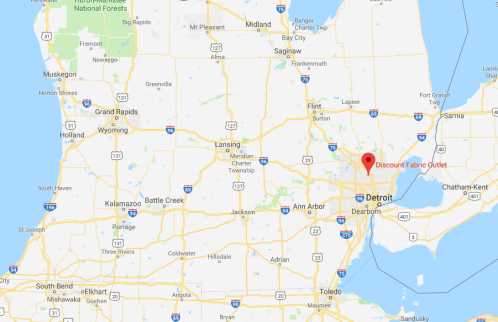
The Largest Fabric Store In Michigan Is Discount Fabric Outlet
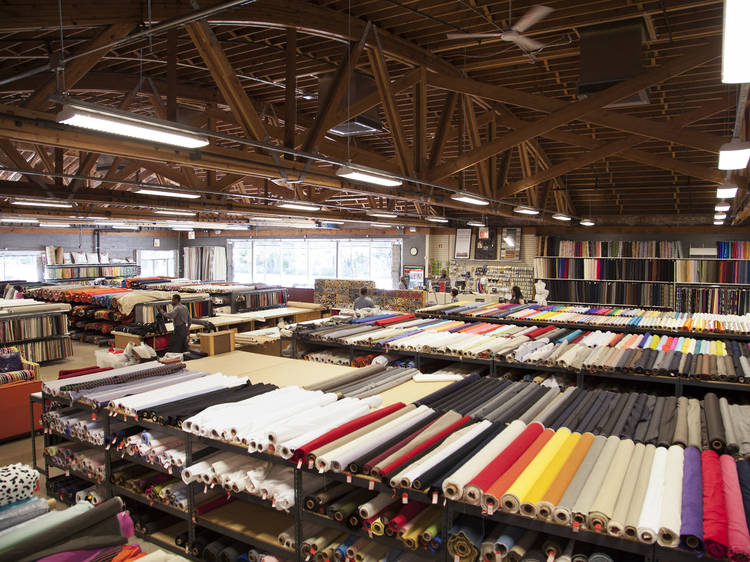
Best Chicago fabric stores for sewing projects, patterns and more

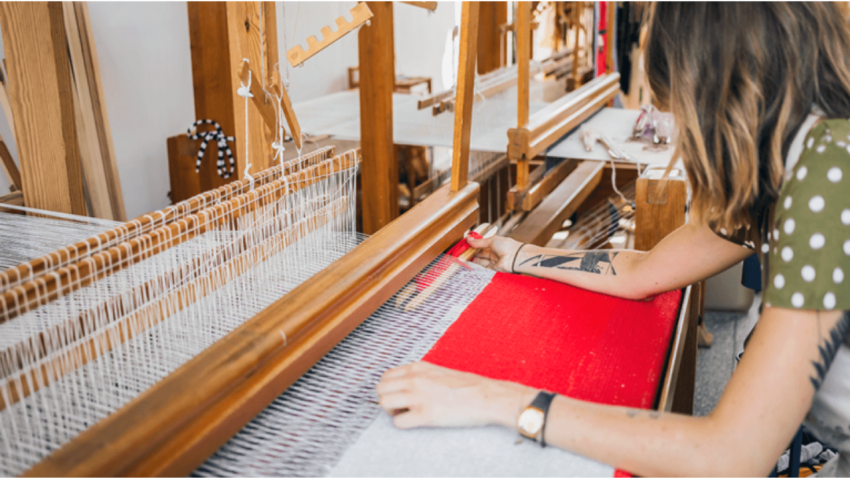
10 Places to Get Weaving Supplies for Your Business


The last NZ company weaving our wool


Crafting Topographies: Hand-Embroidered Wall Art by Morii Design

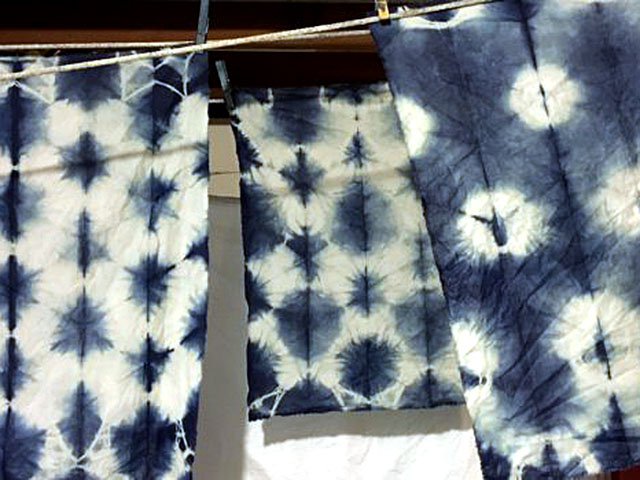
Beyond tie-dye