1/2
The Storage Solution Trend Of 2026 That Evolves & Adapts With You
As home trend forecasters look ahead to 2026, personalization and functionality are becoming paramount, steering away from the past dominance of aesthetics in storage and organization. While the "millennial gray" trend recedes, brighter, bolder, and more maximalist styles are gaining traction. Amidst these aesthetic shifts, practicality remains a cornerstone, especially as economic factors prompt more individuals to prioritize savings over expansive living spaces, necessitating the optimization of every square foot. Concurrently, a growing emphasis on environmentally-friendly consumption patterns is driving demand for sustainable solutions over ephemeral trends.
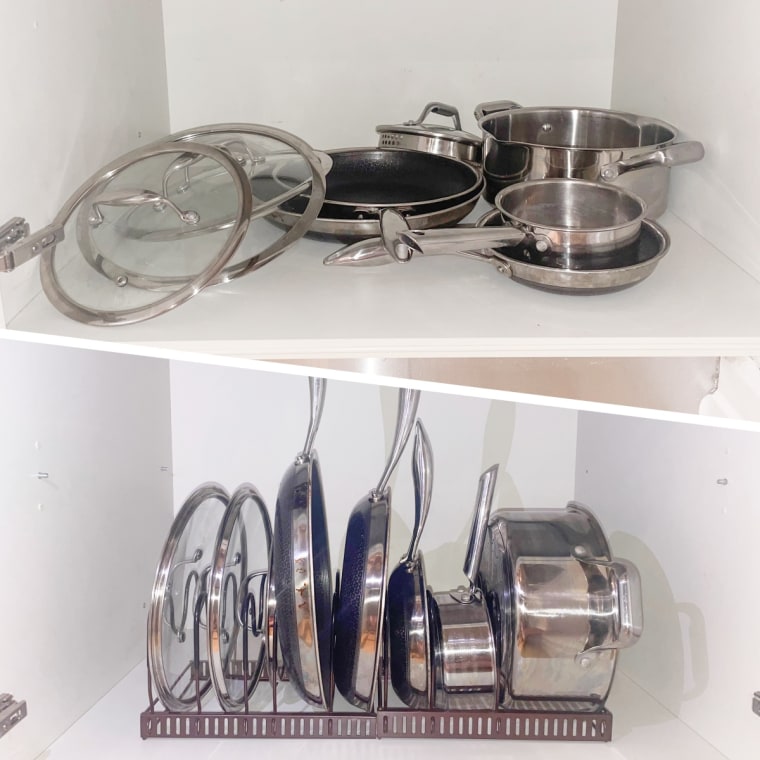
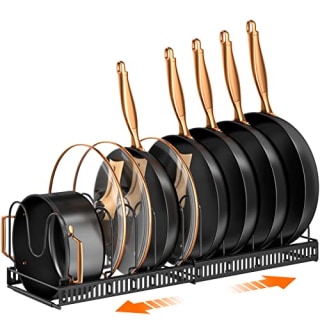
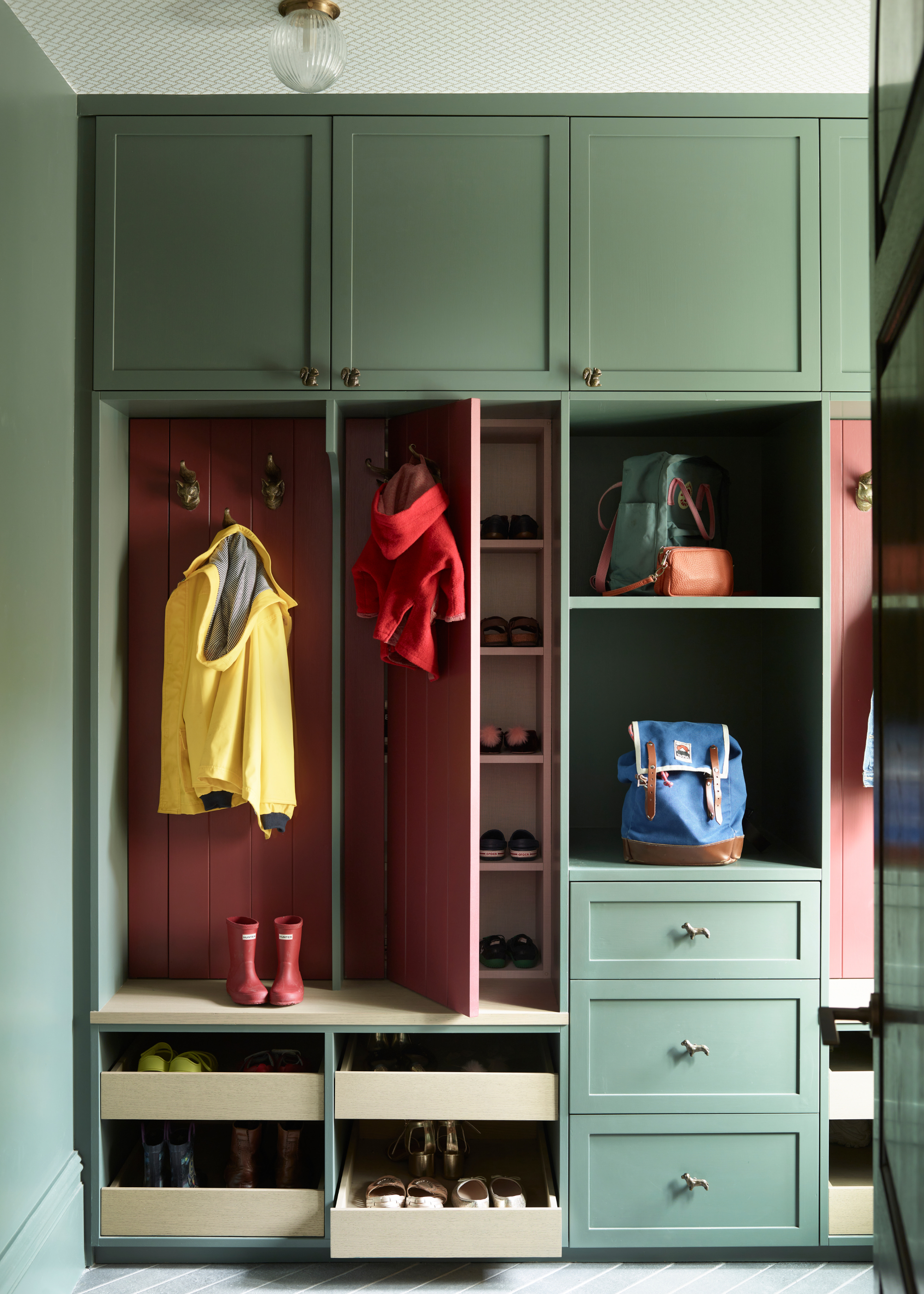
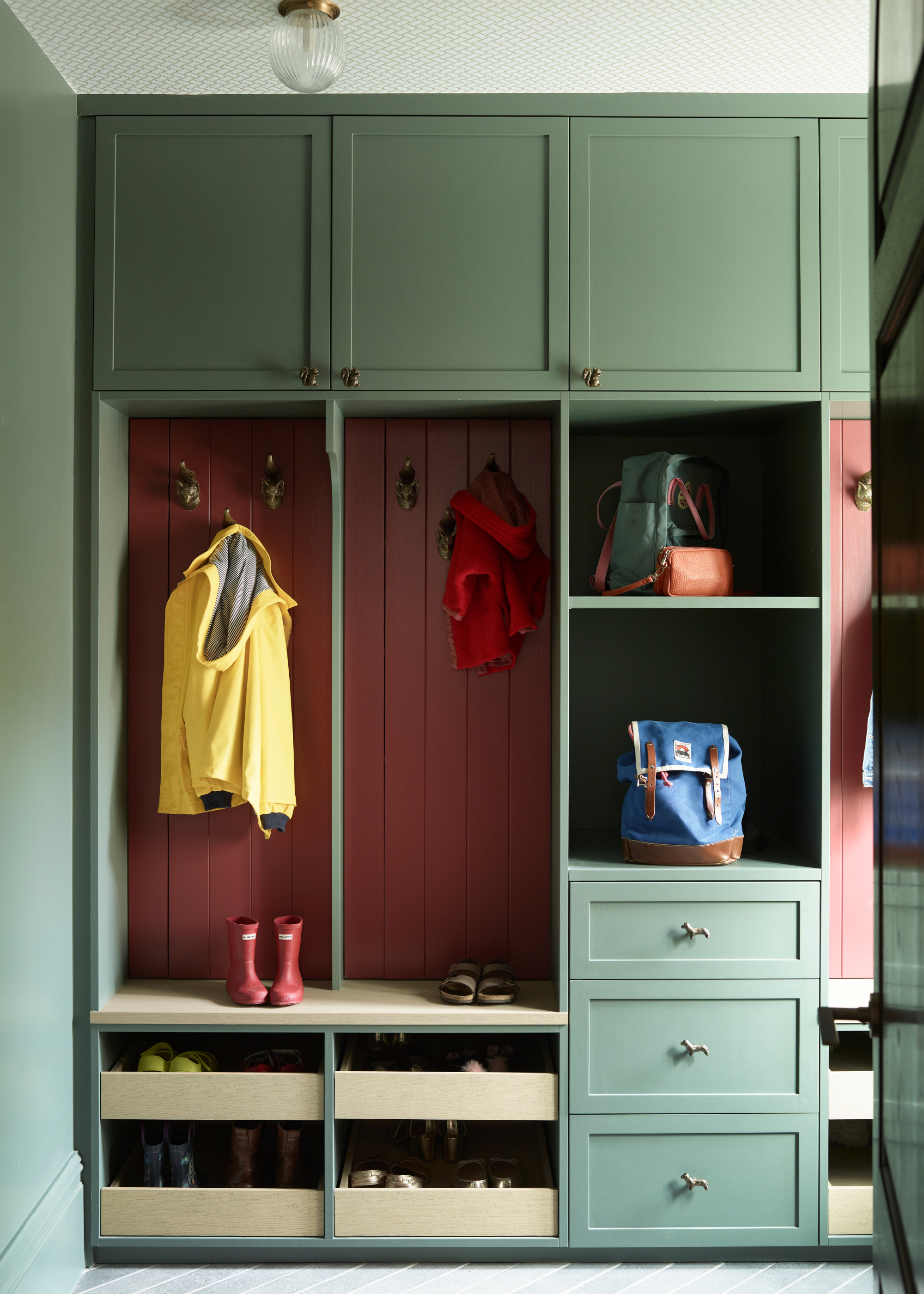
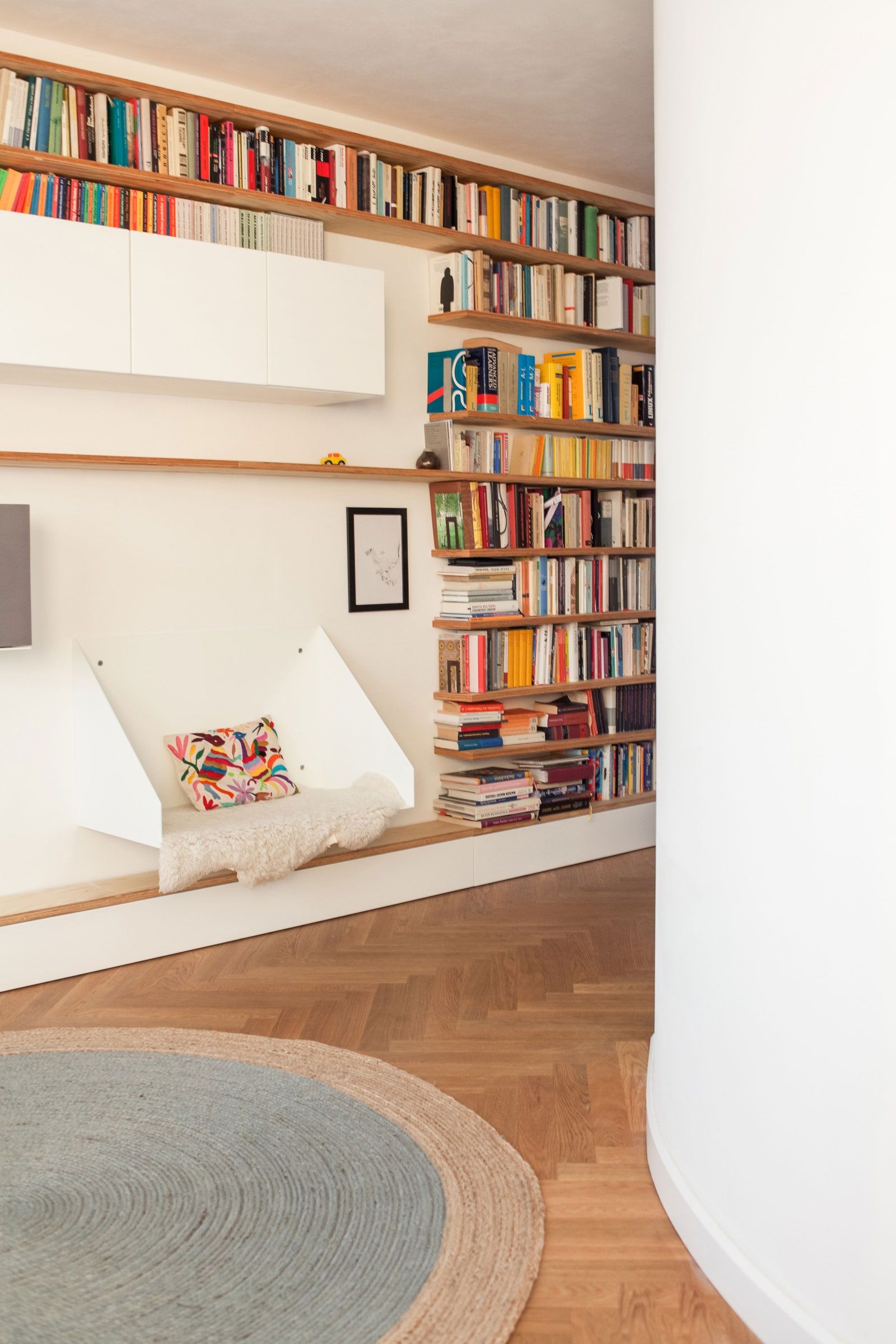
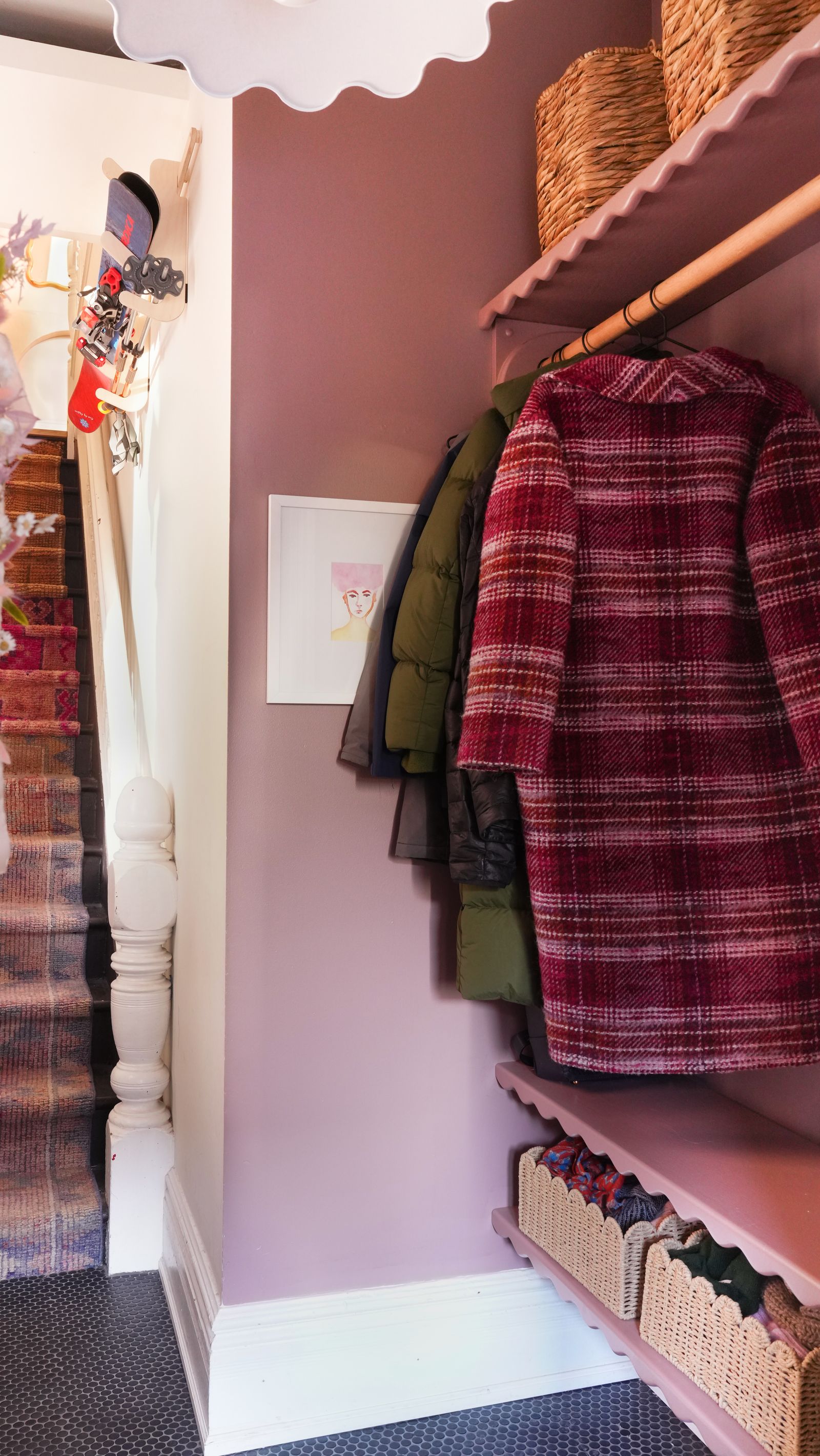
This confluence of factors is shaping home design, with adaptability emerging as the defining characteristic of storage trends for 2026. The focus is shifting towards flexible storage solutions that can seamlessly integrate into and evolve with the dynamic changes of life. Previously, the aspiration was often to create Instagram- or Pinterest-worthy storage spaces in areas like pantries, garages, or under sinks. While an aesthetically pleasing storage system is still desirable, the overarching trend now prioritizes flexibility, embracing organizational systems that can be easily moved, modified, and adjusted to accommodate life's unpredictable twists.
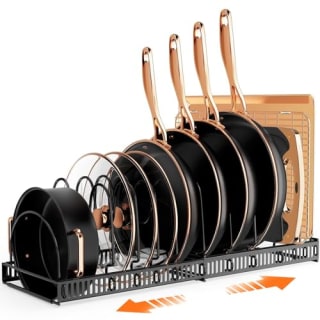
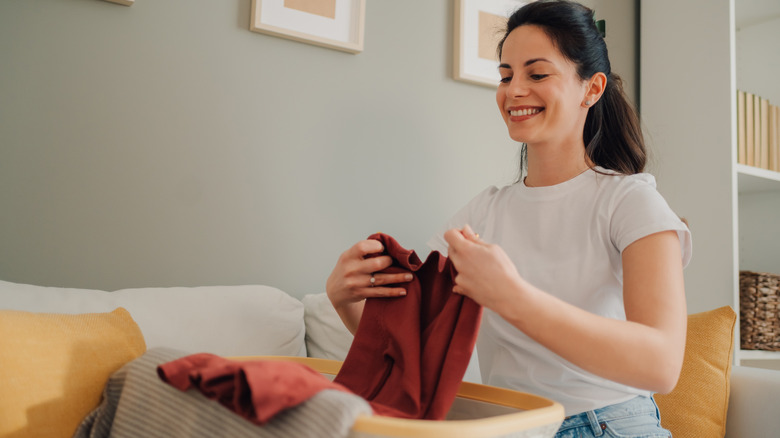
For instance, rather than relocating to a larger home, expecting parents are increasingly converting existing spaces, such as home offices, into nurseries. This necessitates storage solutions that can be repurposed to serve both work and family needs within a potentially confined space. Professional organizer Ea Fuqua highlights this shift, advocating for stackable drawers, adjustable shelving, and storage systems capable of expanding or contracting with family growth or simplification phases. The core principle is to empower individuals to make their living spaces functionally serve their evolving needs.
In response to this demand, storage and organization companies are actively developing versatile and adaptable products designed to fit diverse lifestyles. Before investing in new storage solutions, it is crucial for consumers to assess both their current and anticipated organizational needs. Key considerations include life stage, such as starting a family or approaching retirement, and the presence of multi-functional rooms that serve various purposes like a home office, playroom, or craft room. The need for mobile storage versus systems that require less frequent adjustment should also influence purchasing decisions. By narrowing down these needs, individuals can make informed investments in flexible storage solutions that offer long-term utility.
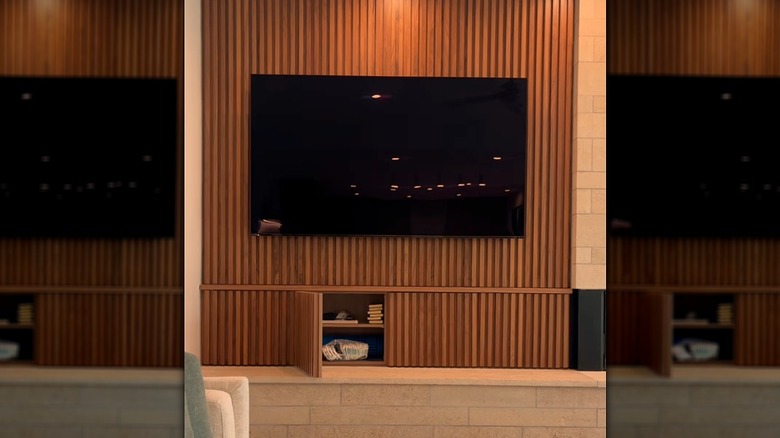
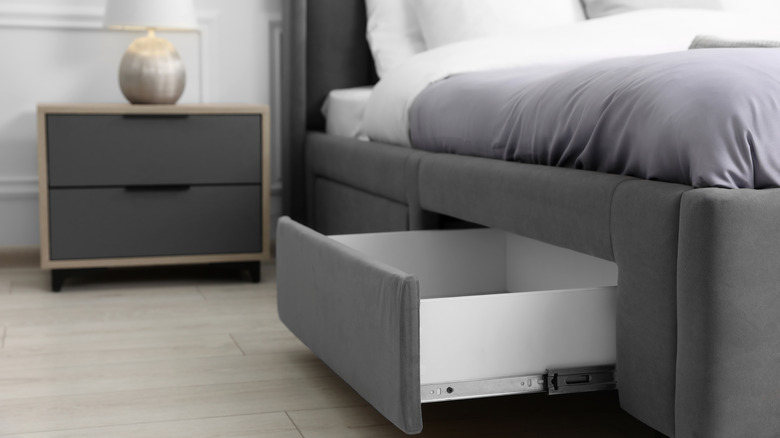
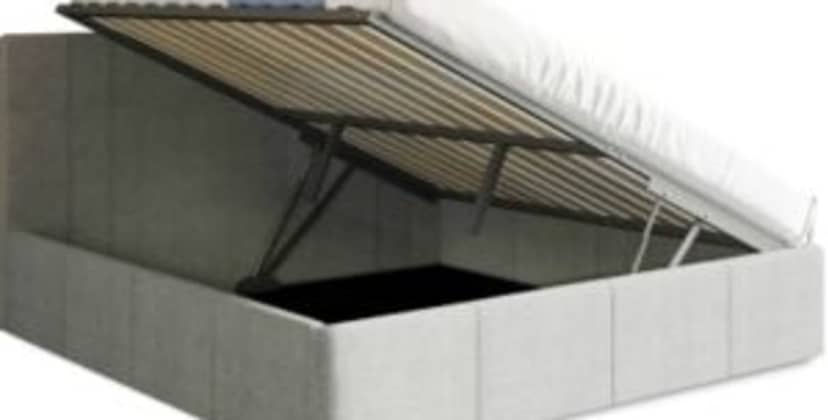
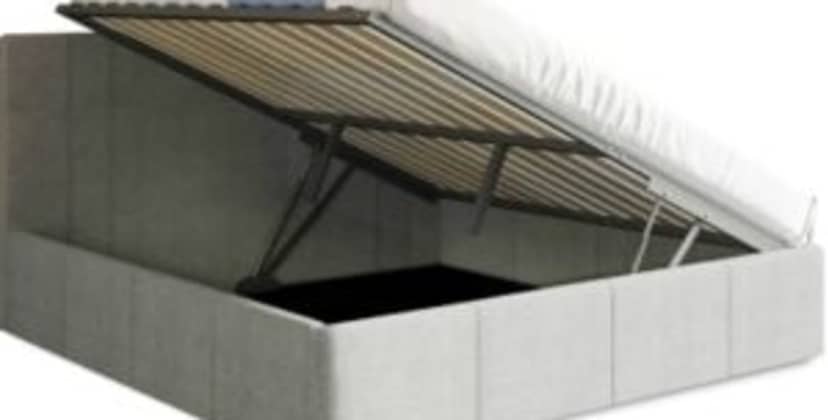
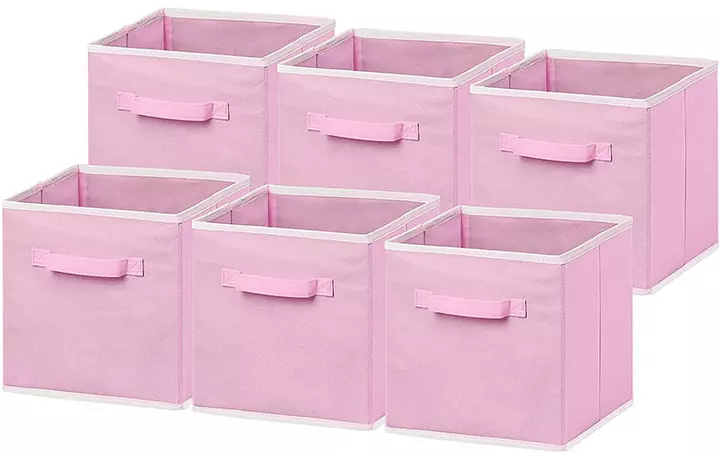
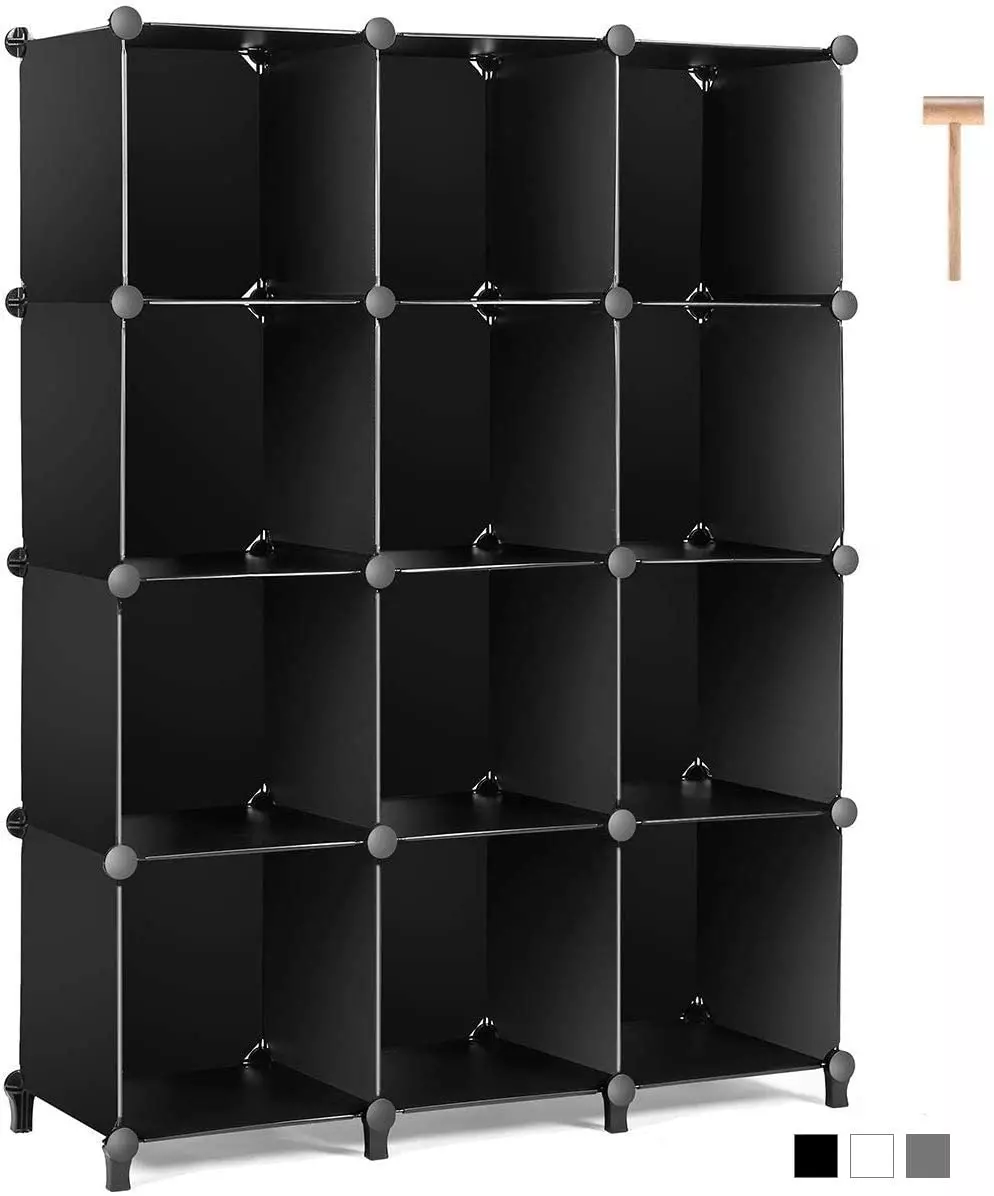
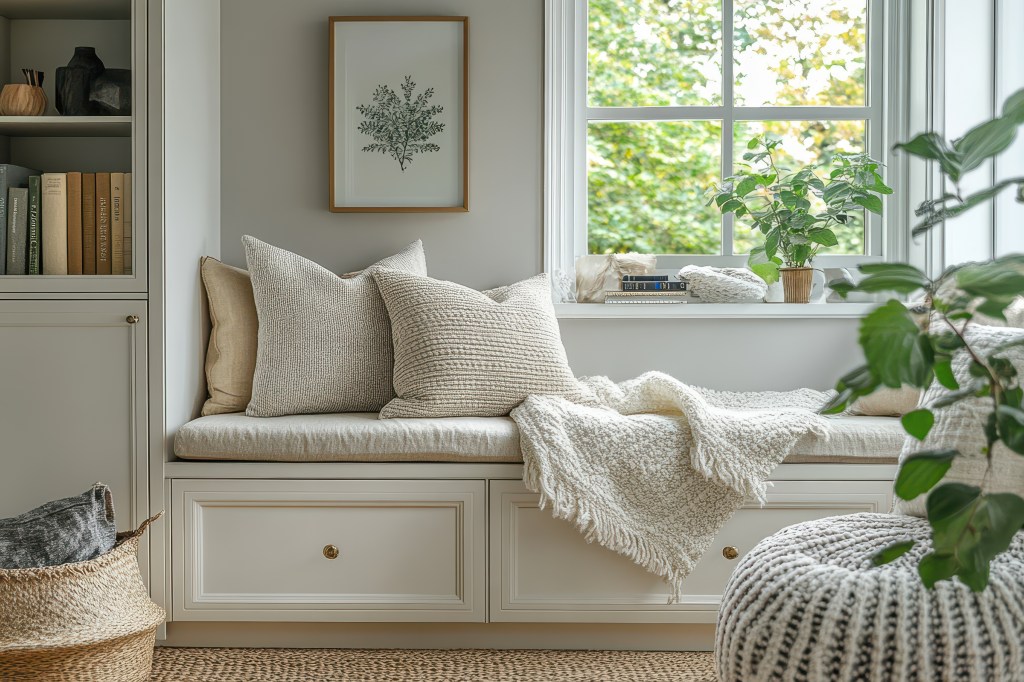
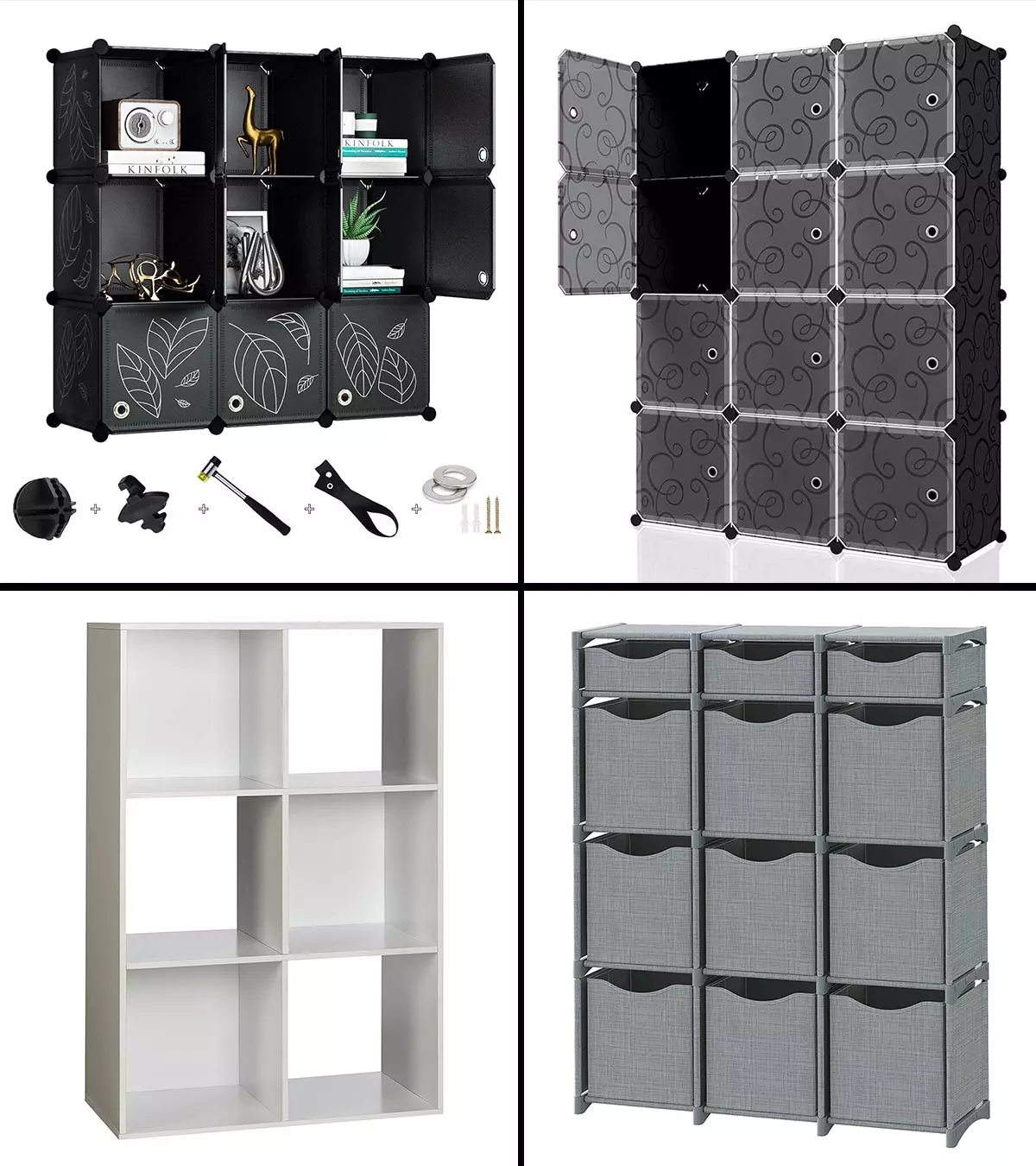
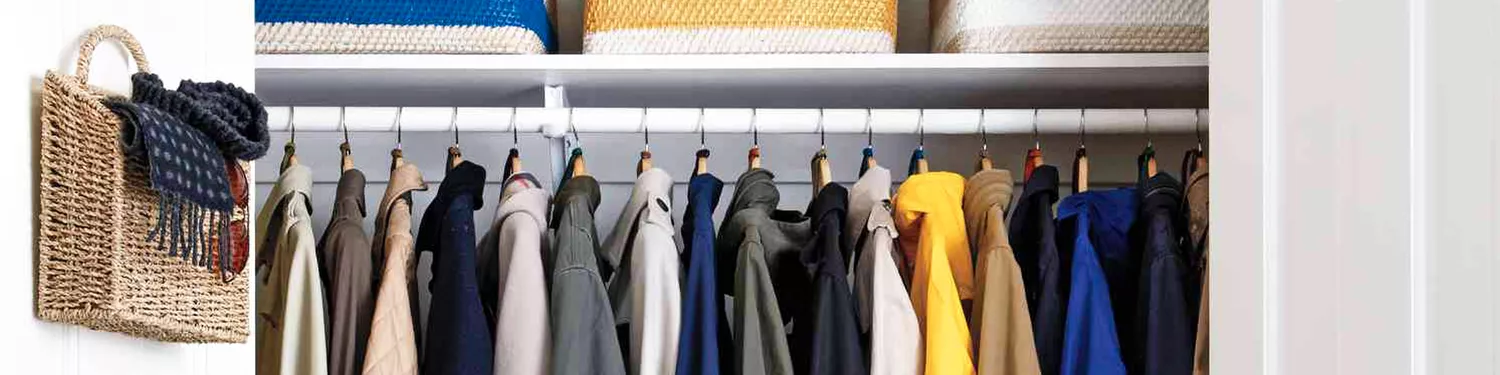
Hidden storage options, such as hollow ottomans or coffee tables with lift-up lids, are excellent for maximizing organization and functionality in multi-purpose areas. For those requiring portable storage, rolling carts are becoming indispensable. Innovative designs like the TOOLF Rolling Cart, which includes a removable wooden tray, offer enhanced functionality and concealed storage. Adjustable shelves and cube storage units are also highly adaptable, capable of conforming to different spaces and organizational demands over time. IKEA, known for its customizable systems, remains a prominent retailer for flexible and budget-friendly organizational solutions, particularly for optimizing entire closets with functional and adaptable designs.
#StorageSolutions #HomeOrganization #DesignTrends #AdaptableLiving #FlexibleStorage #HomeDesign2026 #SustainableLiving #MultiFunctionalSpaces #StorageSolutions #HomeOrganization #DesignTrends #AdaptableLiving #FlexibleStorage #HomeDesign2026 #SustainableLiving #MultiFunctionalSpaces
0 comment in total
 No comments yet
You may also like
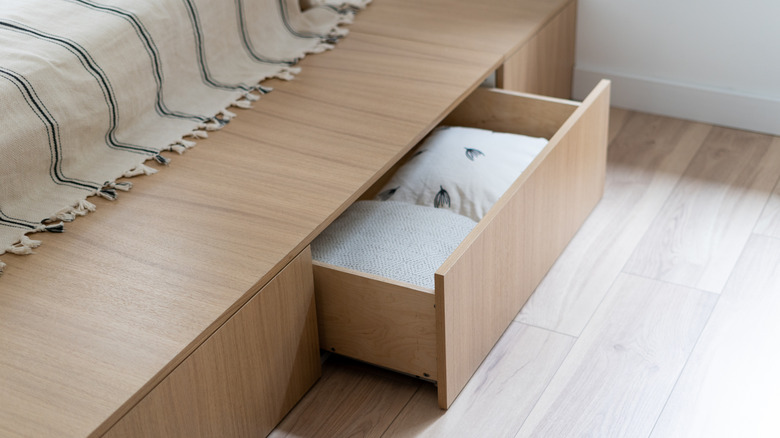
9 Hidden Storage Trends You'll Be Seeing More Of In 2025
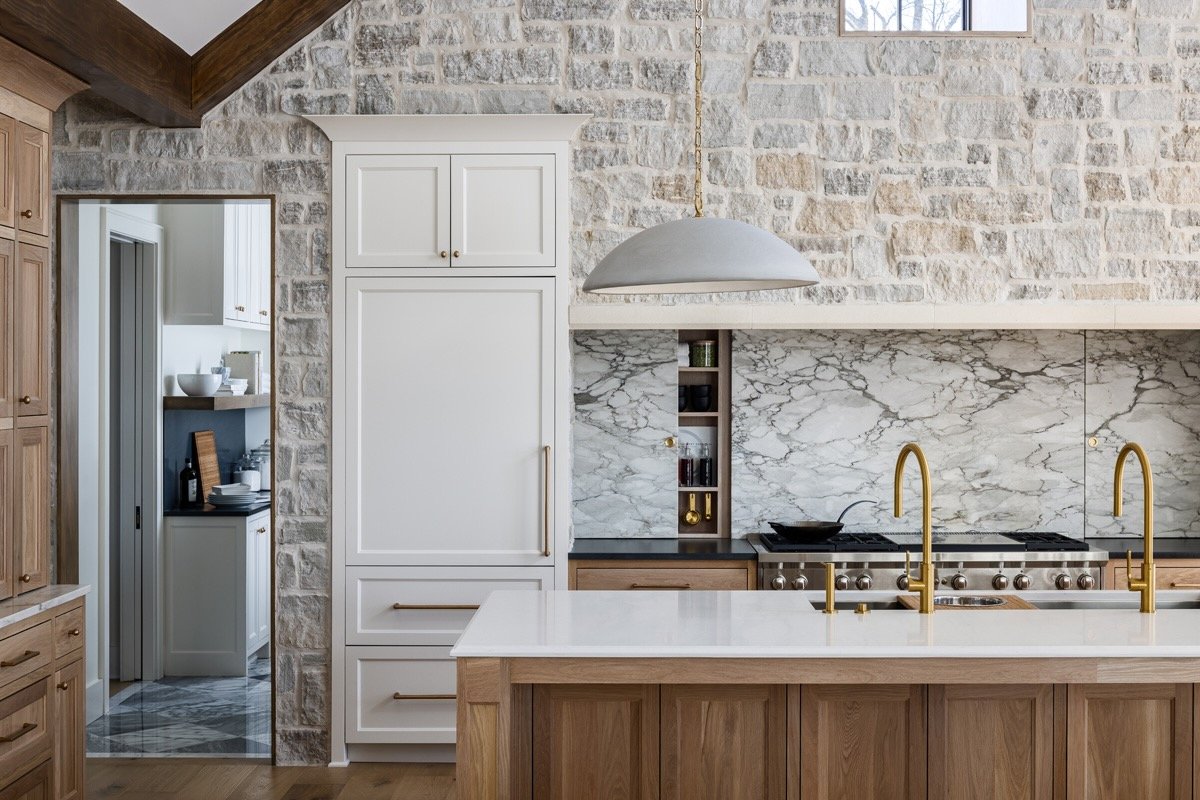
Savvy Storage

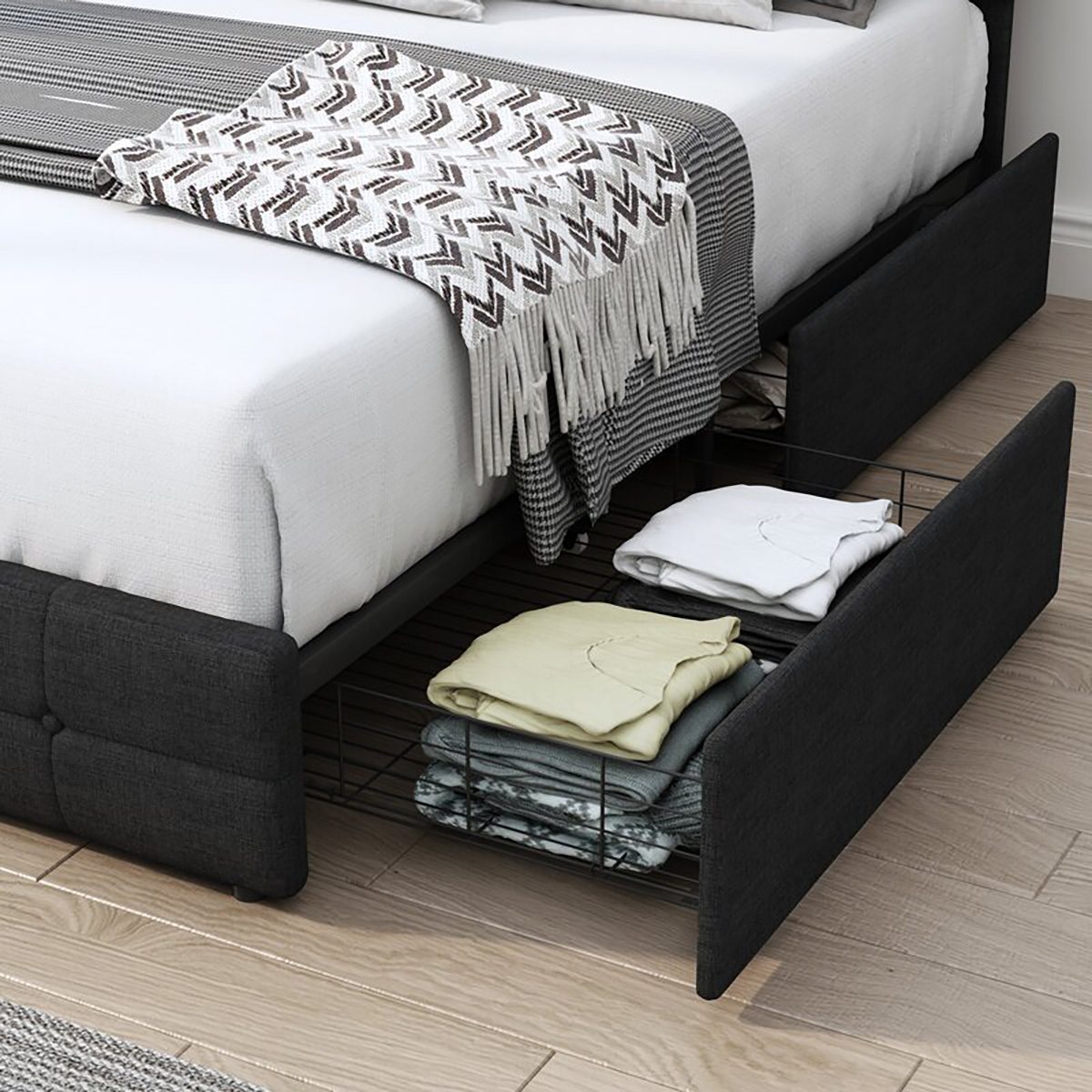
5 Best Under Bed Storage Solutions of 2025

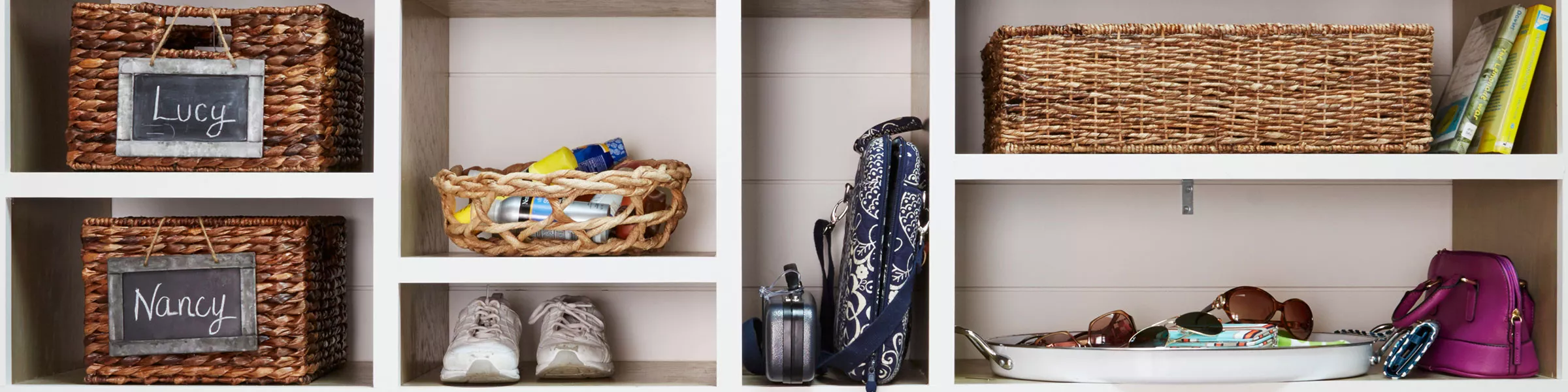
Storage & Organization

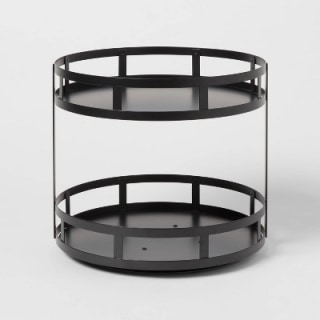
The best storage essentials to help maximize your space in 2025

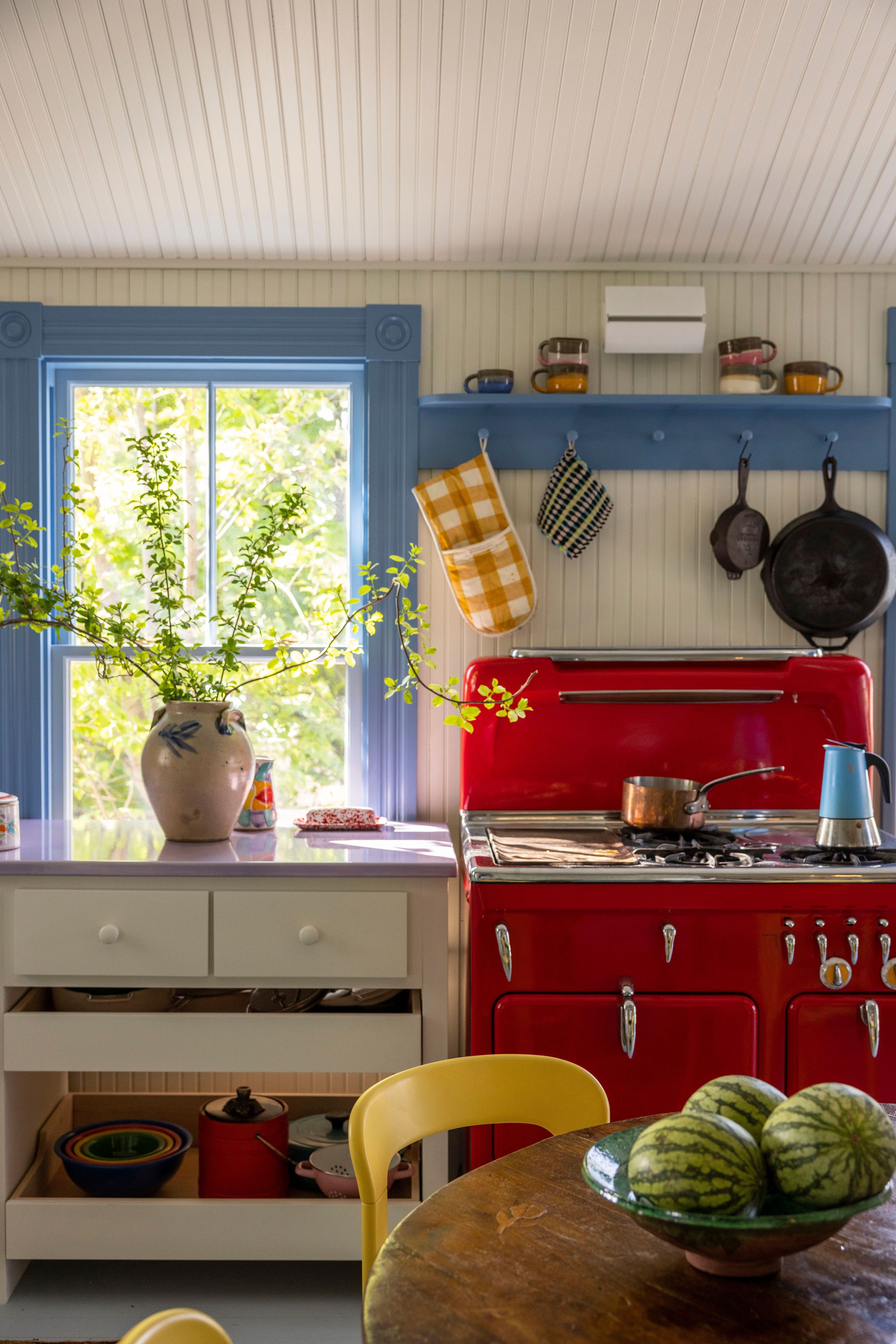
9 Genius Storage Ideas for Small Spaces in 2026

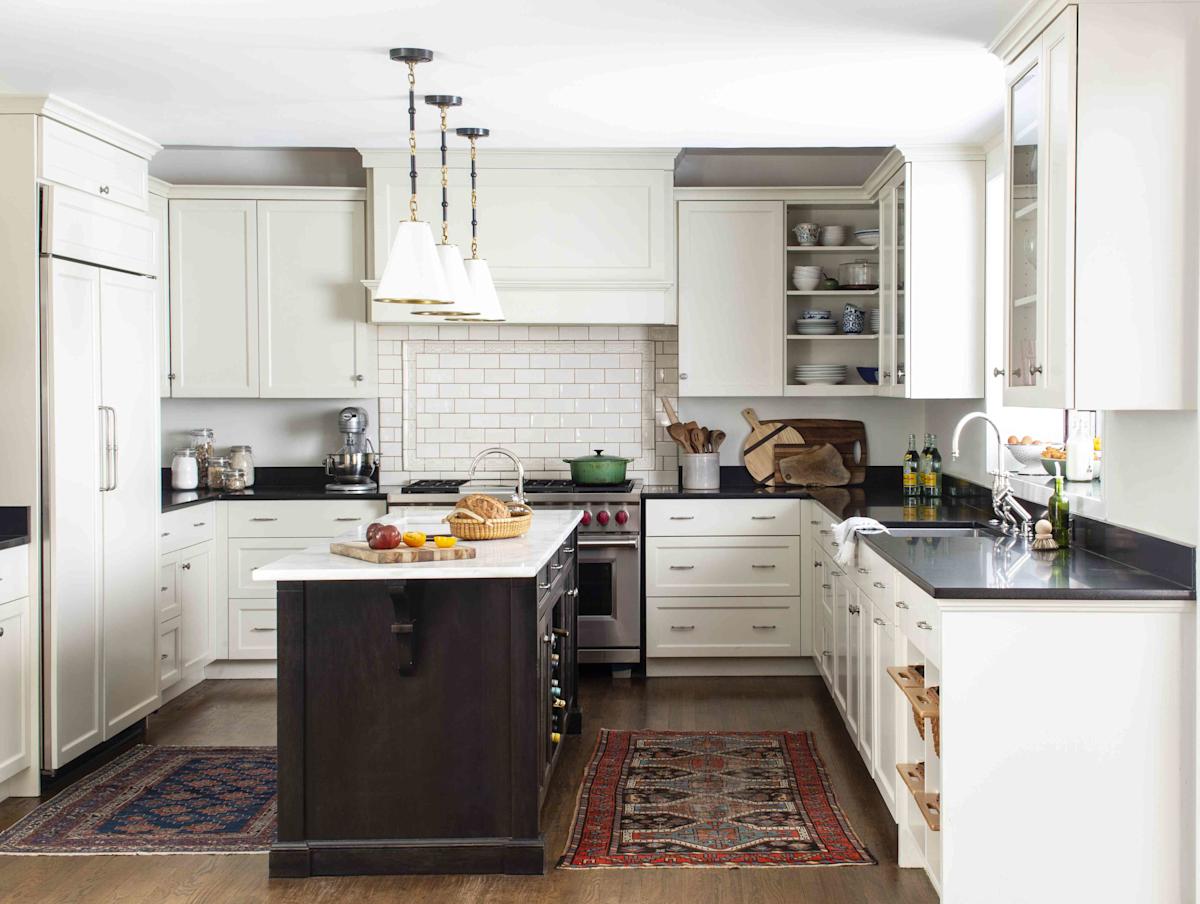
These Kitchen Cabinet Trends Will Revolutionize Your Storage Space in 2025

11 Storage and Organizational Finds Under $20 That’ll (Hopefully) Quell Some of Your Anxiety in 2025

27 Storage Ideas for Every Space in the Home — The Ultimate Guide to Storing Your Life in Style in 2025

These Kitchen Cabinet Trends Will Revolutionize Your Storage Space in 2025
A Bookshelf With Doors is Your Storage Solution for 2024 (Here’s Why)
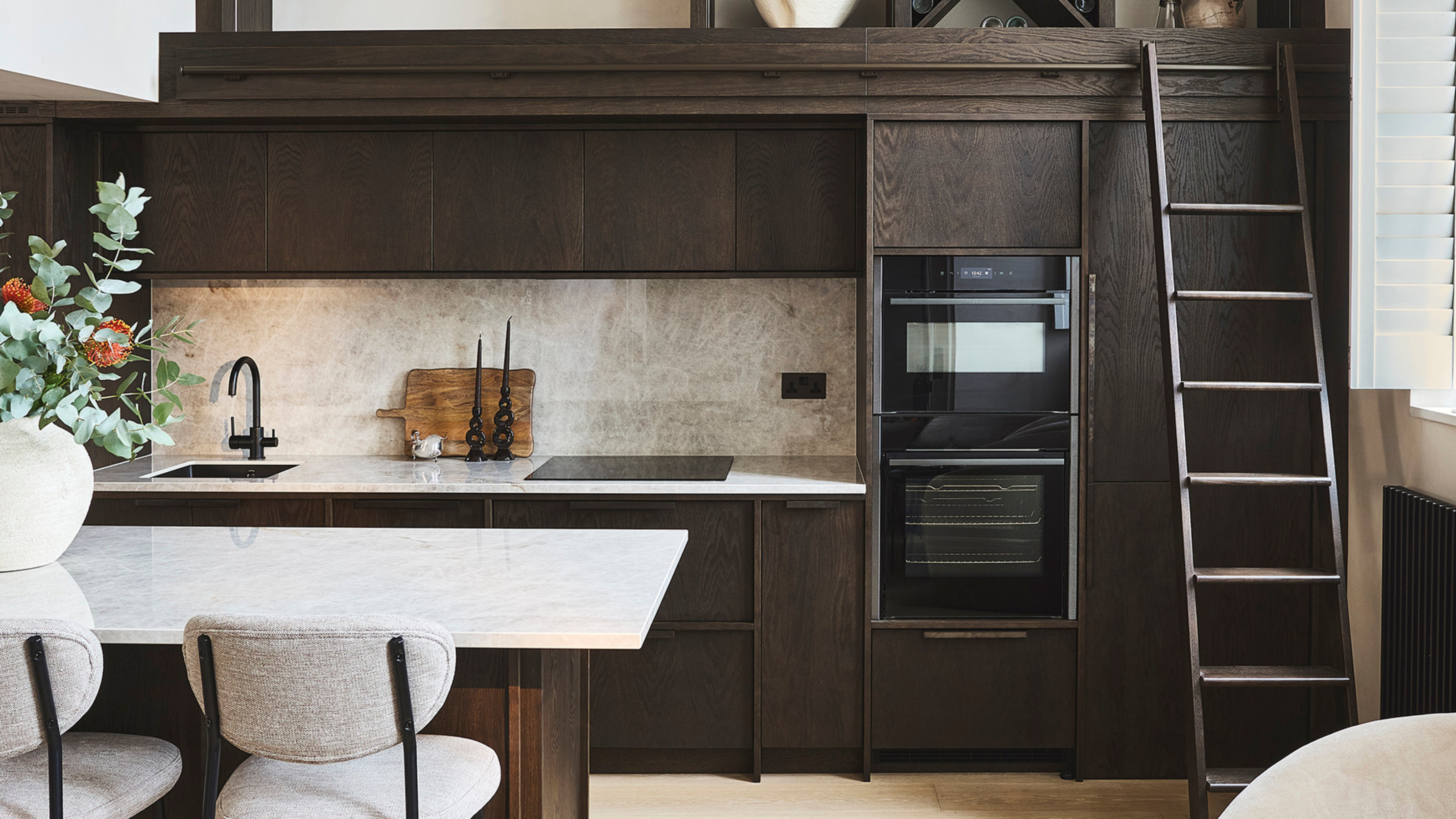
5 Outdated Types of Kitchen Storage Experts Are Urging You to Avoid
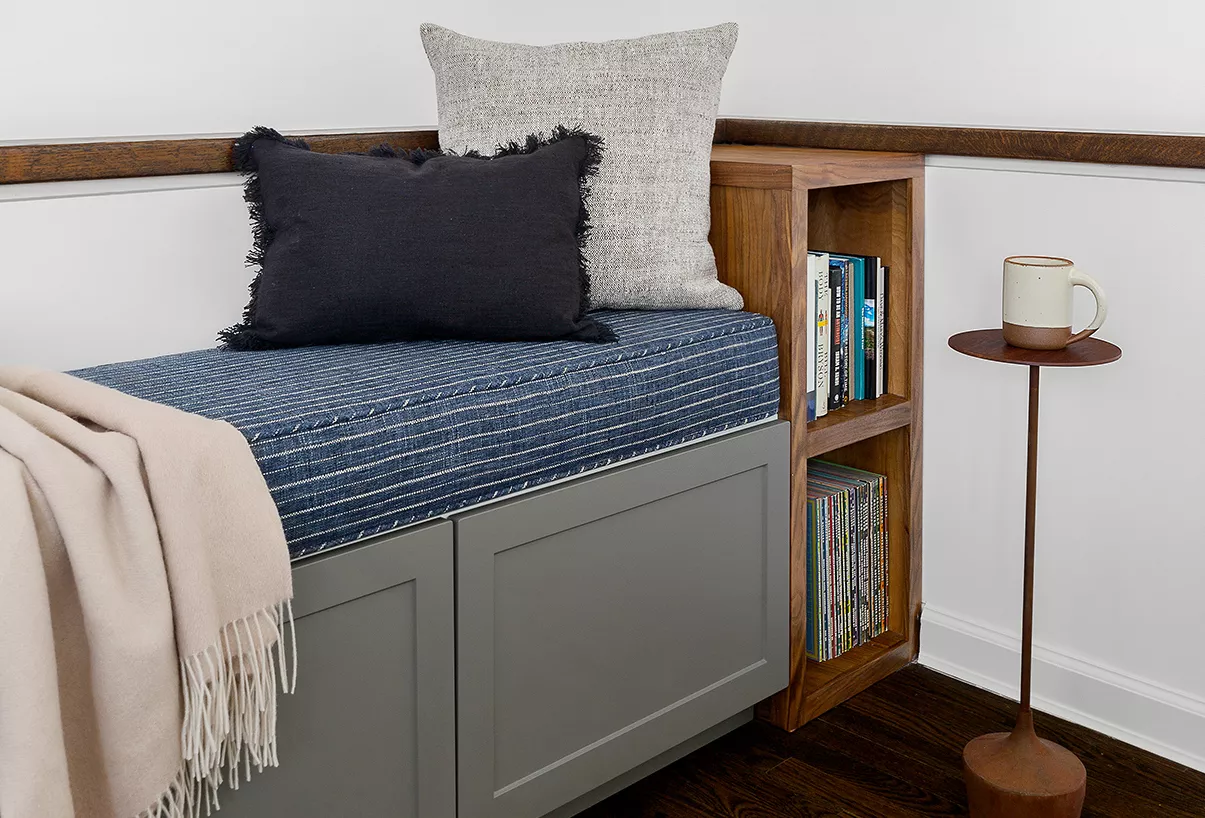
5 Hidden Storage Trends You're About to See Everywhere in 2025, According to Organizers

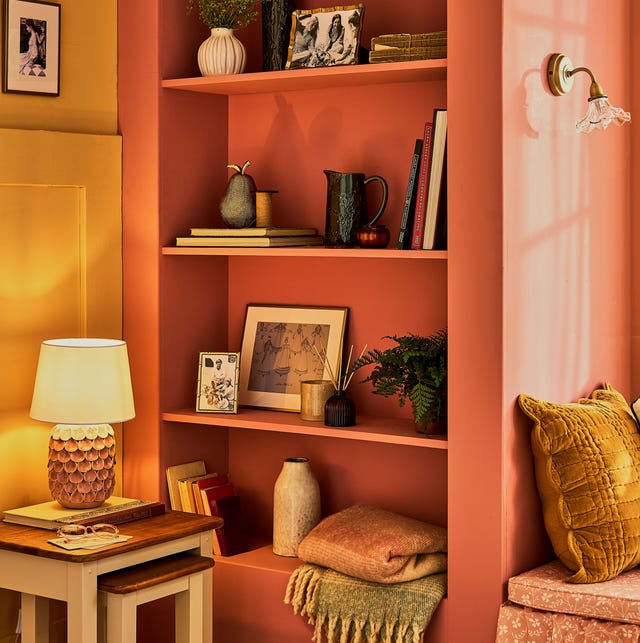
The 5 Biggest Organising Trends For 2026

Best Storage Beds of 2025

Stand Out with 2026 Home Trends
Best Storage Beds of 2026: Expert Evaluated

Sorry, open shelving, but this is the beautiful and practical storage trend taking over kitchens in 2025
13 Best Cube Storage Organizers For 2025: Space-Saving Solutions
Storage & Organization