




1/25
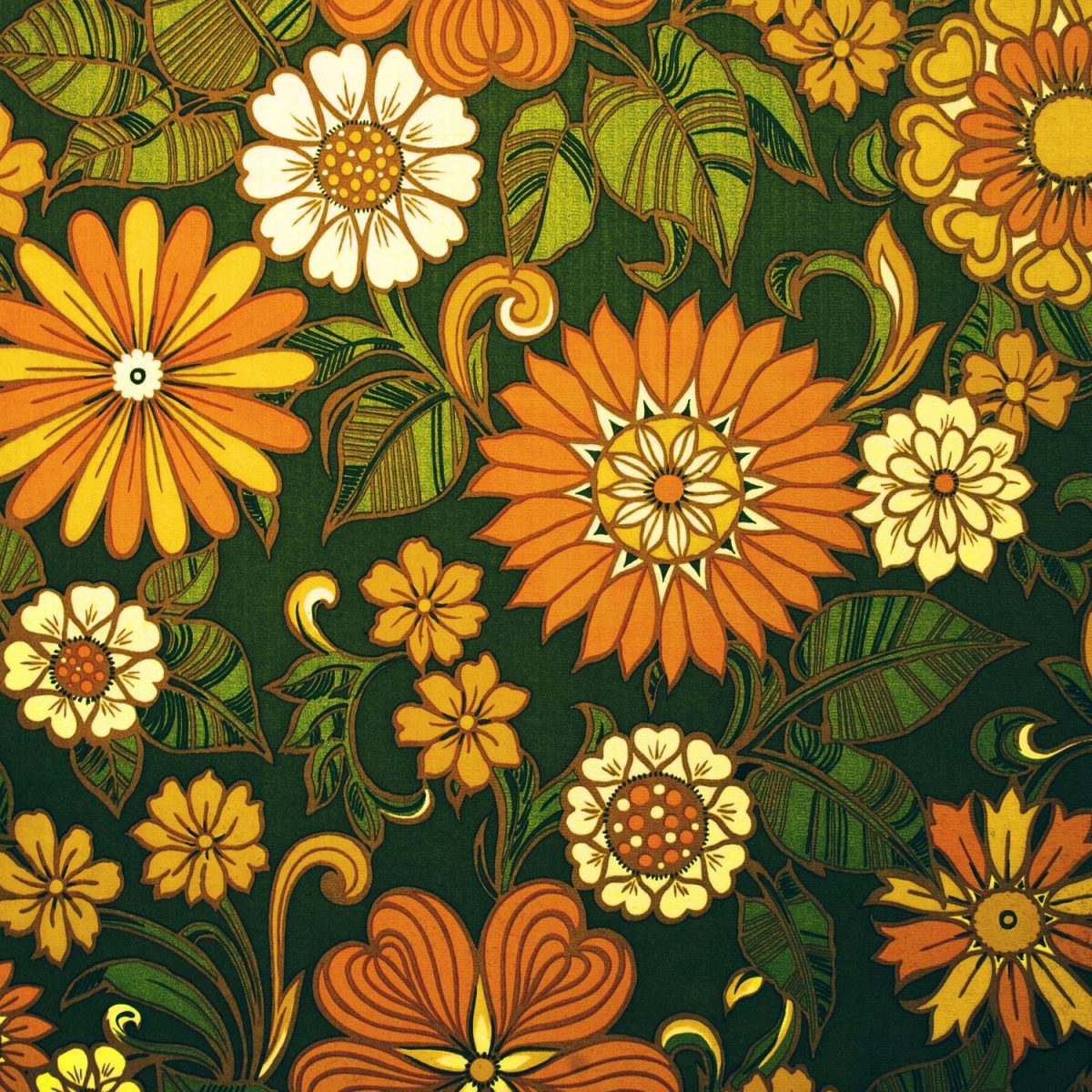
Retinal Burn: Acid Flashback Wallpaper from the late mid-20th-Century
This article explores the evolution and significance of wallpaper design, particularly focusing on the periods of the late 1800s and the 1960s/70s. It begins by highlighting the contrast between contemporary home decor, often characterized by neutral, inoffensive colors like grey, white, oat, or cream on walls, and the more vibrant, patterned wallpaper prevalent in earlier eras. Modern walls are primarily seen as backdrops for personal expressions through art or photographs, whereas historically, walls themselves were central to a home's aesthetic.
The article references William Morris's contributions in the late 1800s, where he created intricate designs of birds, flowers, berries, and branches. Morris's work, which is described as phantasmagorical, was a deliberate protest against what he perceived as the insensitivity to beauty in an increasingly mechanical and industrial society. His aim was to bring art to the masses, challenging the production of shoddy wares and the degradation of workers' lives. Morris critiqued the industrial progress that turned individuals into machines, artificial distinctions in art, and the prioritization of profit over artistic merit.
The narrative then shifts to the 1960s, noting a resurgence of ideas similar to Morris's, manifesting as a colorful, primary-colored rebellion against the austerity of post-war 1950s Britain, which was marked by rationing, poverty, and rigid class structures. This period saw the rise of pop culture and the influence of psychedelic drugs, which were reflected in wallpaper designs. Some wallpapers from this era are described as resembling an 'acid flashback' due to their bold, often surreal patterns and vibrant color palettes.
The author shares a personal anecdote, recalling growing up in a house adorned with gold and teal flock wallpaper, woodchip, and psychedelic sunburst flowers. Initially, these patterned walls offered a sense of refuge and a belief in a more magical world. However, by the age of six, the author's preference shifted to adorning walls with clipped newspaper pictures of footballers, actors, writers, and musicians, illustrating a personal evolution in aesthetic taste and a move away from the highly decorative wall coverings. The article implicitly suggests a cyclical nature of design trends, where periods of maximalist decoration are followed by more minimalist or personally curated approaches, and vice versa. It underscores how wallpaper, beyond its functional role, has served as a canvas for artistic, social, and cultural statements throughout history.
#Wallpaper #DesignHistory #WilliamMorris #ArtsAndCrafts #PsychedelicArt #HomeDecor #1960sDesign #1970sDesign #FloralPatterns #Wallpaper #DesignHistory #WilliamMorris #ArtsAndCrafts #PsychedelicArt #HomeDecor #1960sDesign #1970sDesign #FloralPatterns
 No comments yet