1/9
What You Should Know About The 8 Types Of Drywall Anchors
Drywall, a common building material made of compressed gypsum, lacks the inherent strength to securely hold items when nails or screws are driven directly into it. This often leads to items slipping or falling. To address this, drywall anchors are essential for creating firm and lasting support for mounted objects on hollow walls. These anchors act as an intermediary between the drywall and the screws, ensuring a secure grip. Understanding the different types of drywall anchors is crucial for selecting the appropriate one for specific tasks, ranging from light decorations to heavy fixtures.
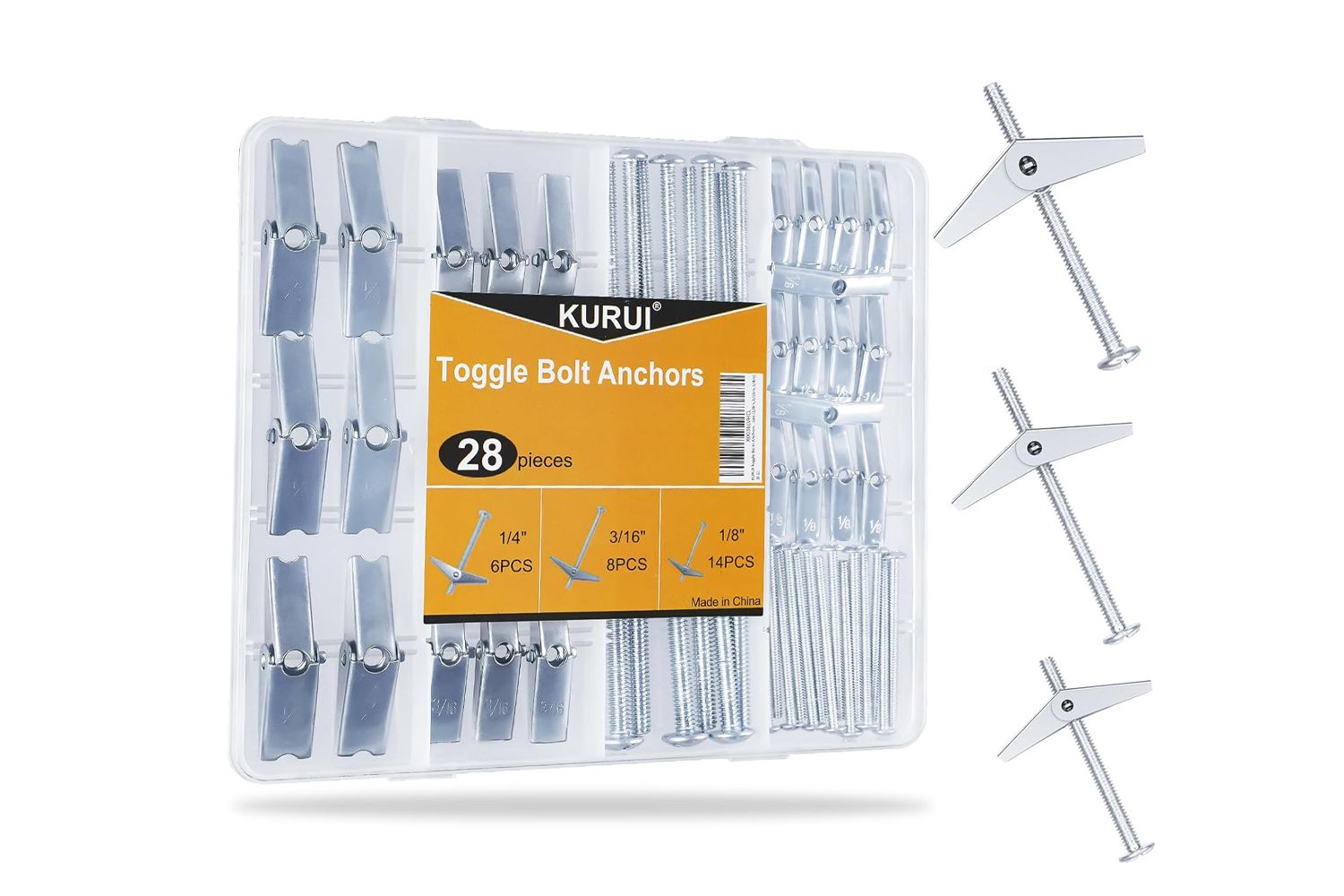
The toggle bolt drywall anchor, also known as a "butterfly bolt," is designed for heavy-duty applications. Its "wings" expand and lock tightly against the back of the drywall, providing a strong hold. A 1/2-inch thick toggle bolt can support loads of 100 to 105 pounds on 3/4-inch thick wallboards, making it suitable for mounting heavy items like roof gutters, window blinds, shelving, cabinets, or ceiling fans. Made of durable metal, these anchors are long-lasting. Installation involves drilling a pilot hole, inserting the anchor, and pushing the bolt until the wings spread and lock. The average cost for an authentic toggle bolt is around $17.
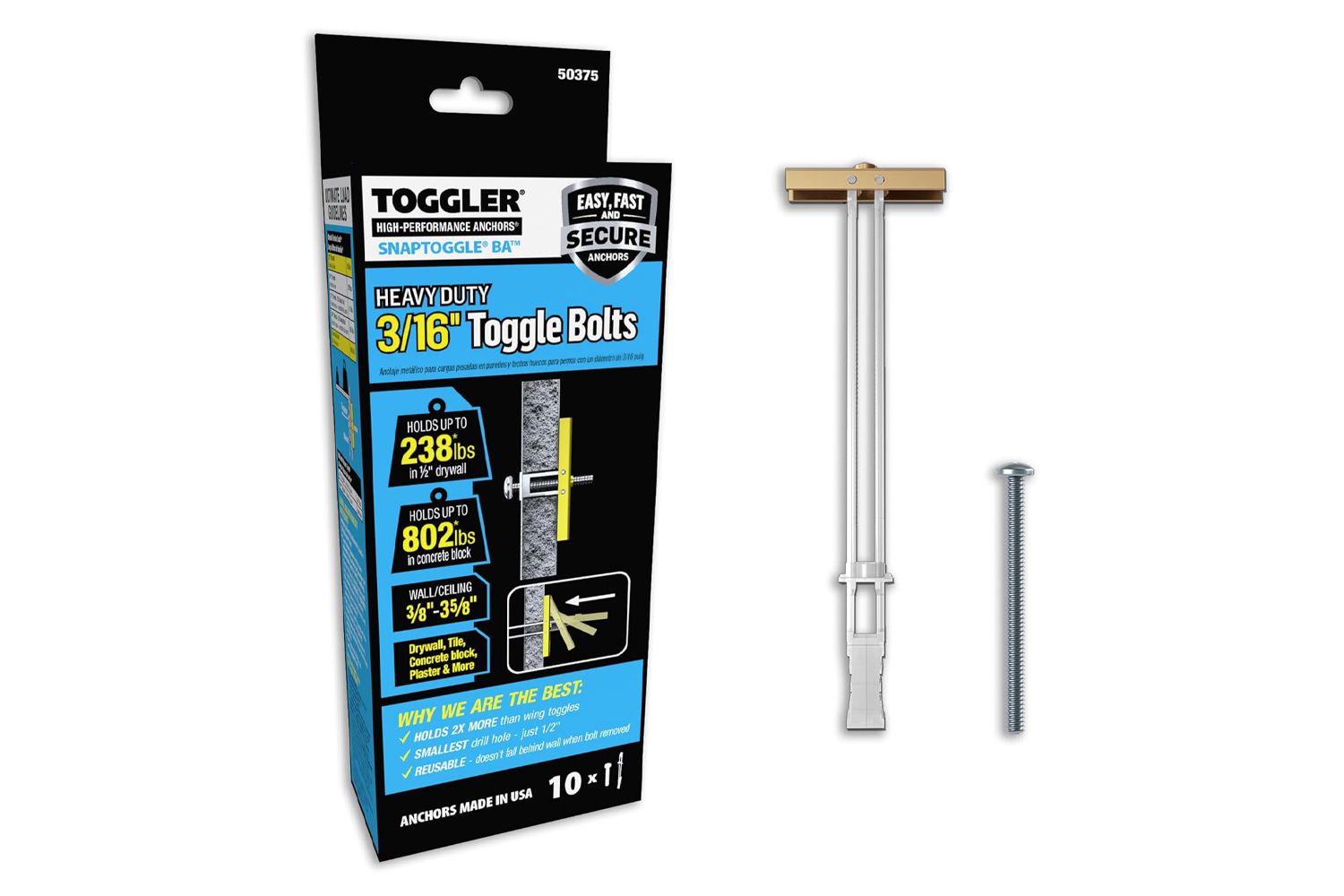
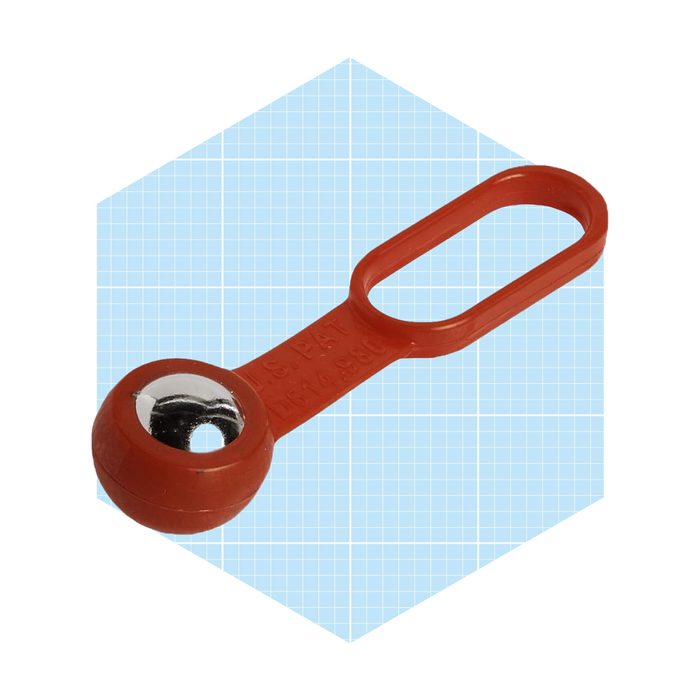
The strap toggle drywall anchor, or snap toggle anchor, is a heavy-duty option that is easier to install than traditional toggle bolts. Its one-piece design eliminates the need for additional screws or fixtures. Installation requires drilling a small hole, pulling in the carbon steel wings, and strapping the plastic locking cap. A 1/4-20 inch snap toggle anchor can support up to 80 pounds on 1/2-inch thick drywall, making it suitable for mounting TVs between 55 and 77 inches, as well as lighter items like mobile plants, picture frames, paintings, and mirrors. These anchors typically cost around $12.
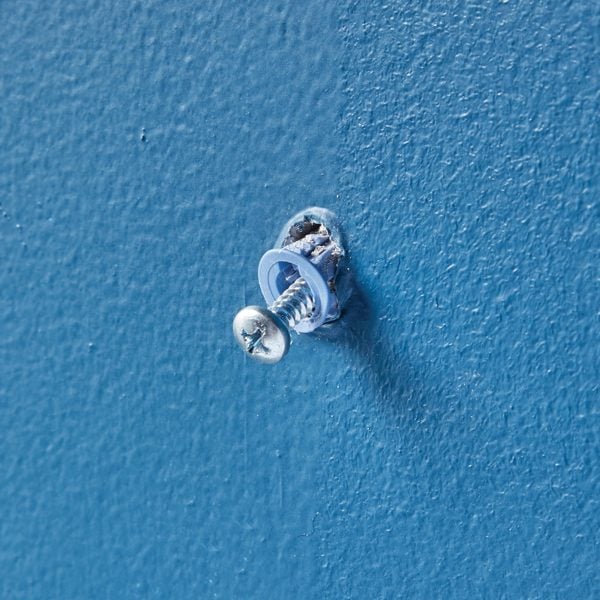
Steel hollow wall anchors offer vibration-resistant fastening for various hollow walls, including plasterboards and plywood. While not considered heavy-duty, a single anchor can support 44 to 110 pounds, suitable for décor, coat hangers, towel racks, and TVs under 110 pounds. These anchors are metal casings with a screw and a load-distribution washer that expand to grip the inner wall of the drywall. They can be installed by hammering them into place or by pre-drilling. Most are rust-proof, ensuring durability. The average cost is $12.
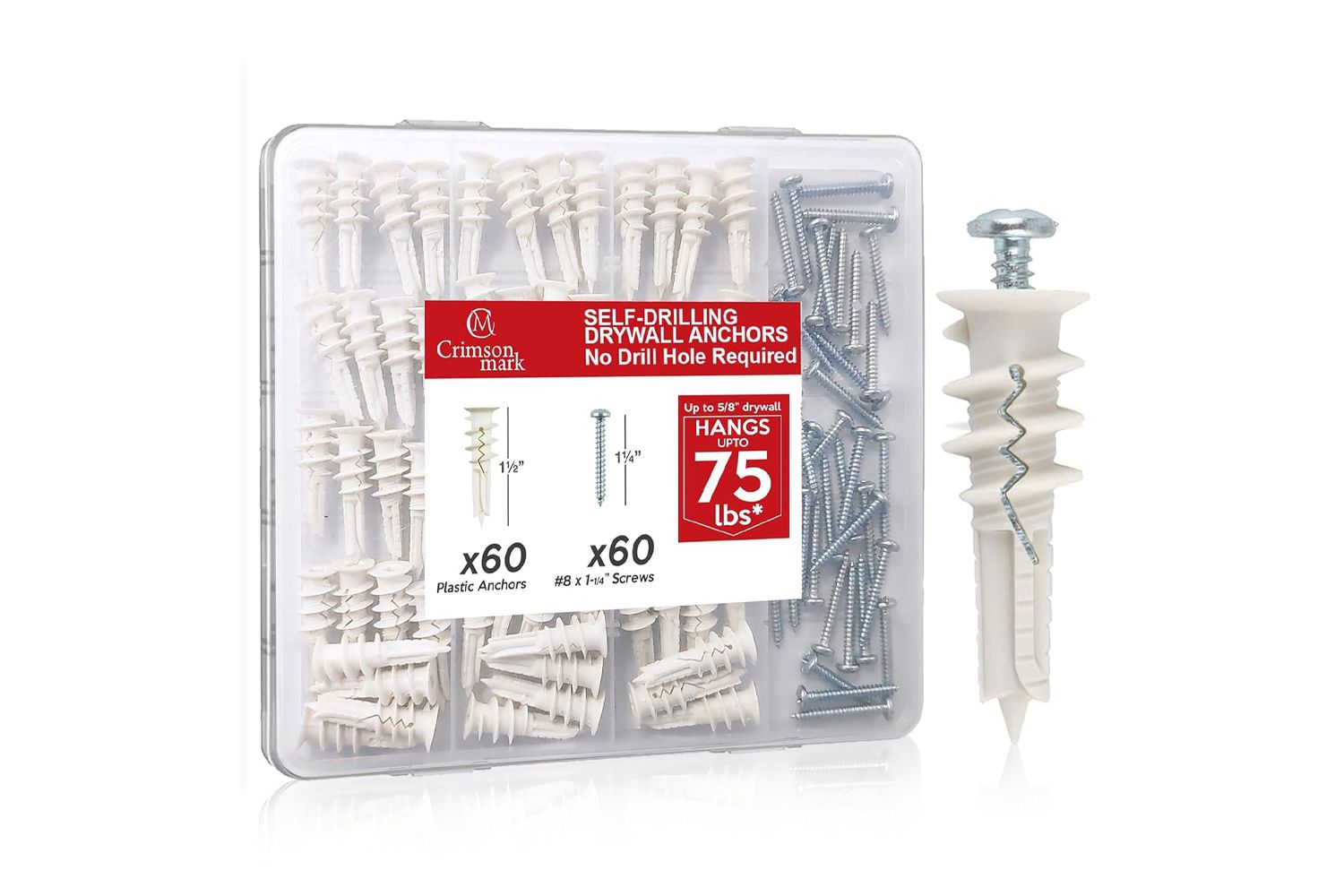
Self-drilling anchors (SDAs) simplify installation as they have sharp threads and sacrificial drill bits that cut through walls without a separate drilling machine. Users only need to lightly tap them into the wall and then turn a screw with a screwdriver. An SDA typically includes a Phillips screw, a sacrificial drill bit, hollow anchor rods, and a washer. Depending on size, one SDA can hold 25 to 75 pounds. These anchors are not reusable due to expansion during installation. They are recommended for hanging curtains, wall clocks, photo frames, murals, partitions, pantry shelving, and lamps.
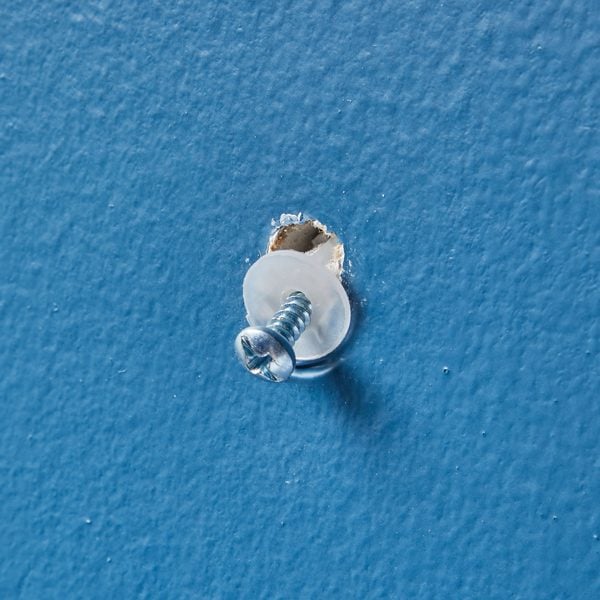
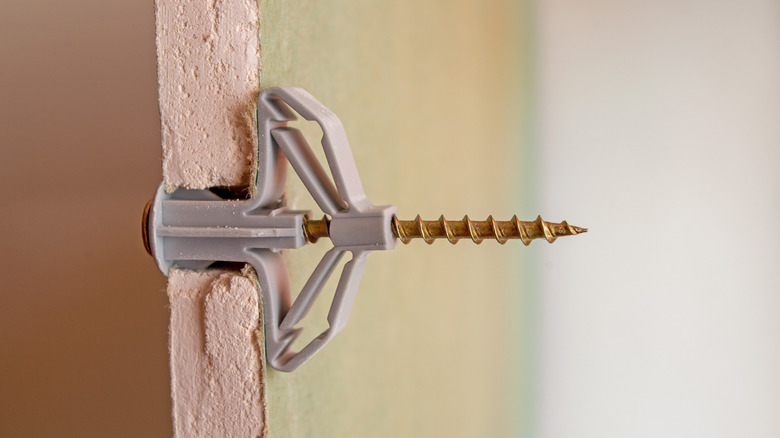
Plastic expansion anchors are light-duty but offer flexibility and durability for DIY projects. A downside is that they expand beyond reusability when a screw is passed through them. They come in two types: wing anchors and plug anchors, often purchased with fittings for picture hanging kits or peg boards. A plastic expansion anchor can support 10 pounds on drywall and 30 pounds on concrete. Installation involves marking locations, punching holes, pressing or hammering the anchors in, and then fastening screws. The holes should be smaller than the anchor's diameter. These anchors cost around $10.
Winged plastic anchors, also known as nylon toggles, are designed to prevent damage to drywall and resist loosening. They consist of plastic "wings," a wand, and a screw. Installation involves pre-drilling a hole, inserting the anchor, pushing the wand through, and then driving a screw to expand the wings against the back of the drywall. Although some claim higher capacity, the industry standard maximum weight capacity is 20 pounds. They are best suited for installations in toilets and bathrooms, such as toilet paper holders, cotton rods, and towel hangers.
Sleeve anchors are primarily used for installing electric radiators and anchoring public seating due to their flexibility and load distribution. On drywall, they can bear 20 to 25 pounds, and 0.625 pounds when affixed to a ceiling. This makes them suitable for hanging heavy shelving and towel racks. Made of zinc or plastic, sleeve anchors are difficult to remove once installed because an internal expander system causes them to grip tightly to the wall as a screw is driven in. Installation requires a screwdriver or drill and a pilot hole. A pack of drywall sleeve anchoring systems costs approximately $10.
Alligator anchors are versatile, all-purpose anchors capable of holding high loads across various materials, including drywall, ceilings, floors, concrete, green board, plaster, ceramic tile, and foam insulated panels. Made from formulated propylene, they feature a tough "T" shape mold that slides into a pre-drilled hole and locks into an undercut, preparing for screw latching. These anchors often outperform most metal drywall anchors in strength, featuring anti-rotation fins and a head design that prevents countersinking or spinning. A 3/16-inch alligator anchor has a pull-out tensile strength of 57 pounds in 1/2-inch thick drywall, while a 5/16-inch anchor can bear up to 85 pounds. They are useful for lighting fixtures, clotheslines, smoke detectors, cabinets, alarms, framing, speaker brackets, and bathroom accessories.
#DrywallAnchors #HomeImprovement #DIY #ToggleBolt #StrapToggle #SelfDrillingAnchor #PlasticExpansionAnchor #SleeveAnchor #AlligatorAnchor #DrywallAnchors #HomeImprovement #DIY #ToggleBolt #StrapToggle #SelfDrillingAnchor #PlasticExpansionAnchor #SleeveAnchor #AlligatorAnchor
0 comment in total
 No comments yet
You may also like
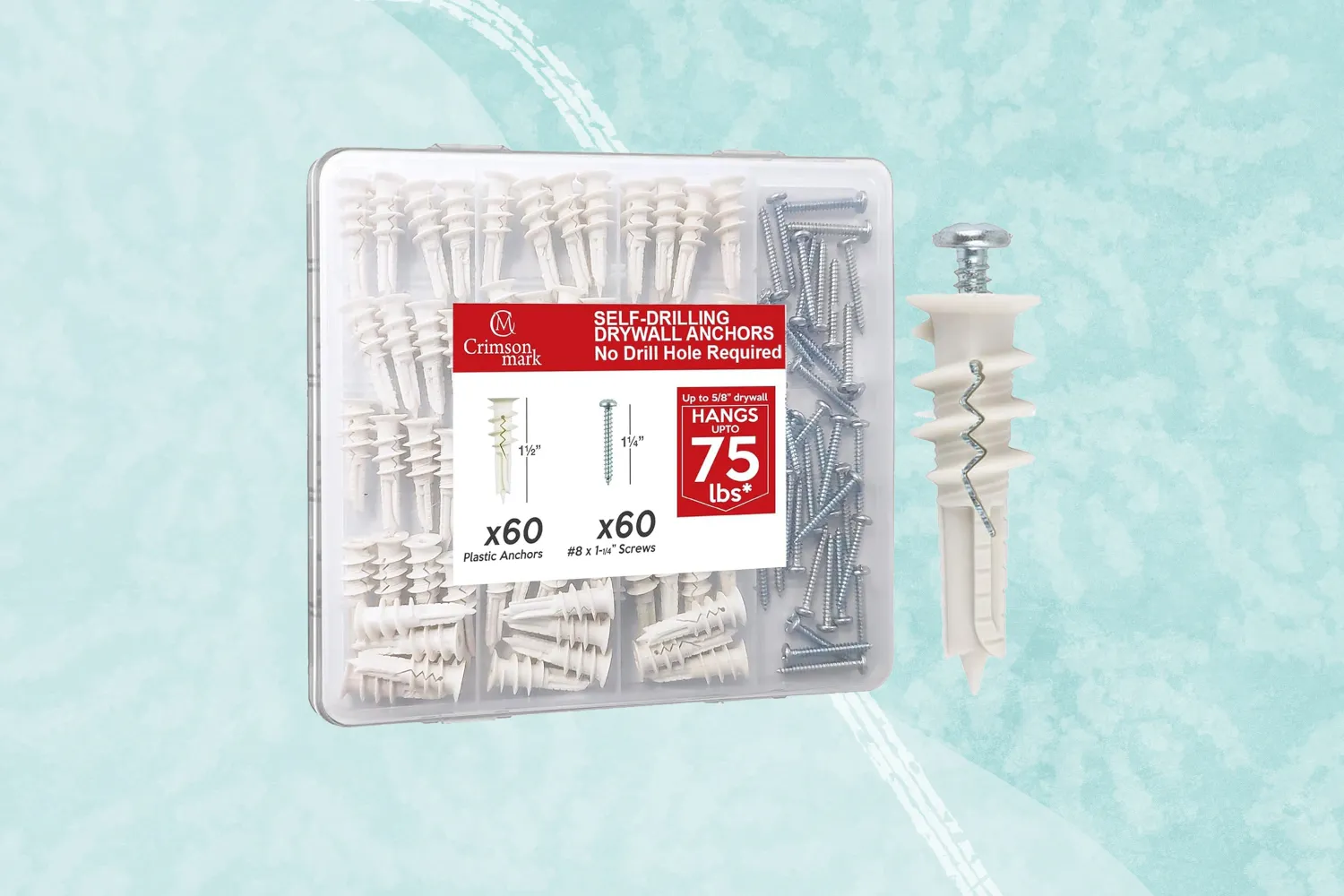
No Stud? No Problem! The 8 Best Drywall Anchors for Any Job

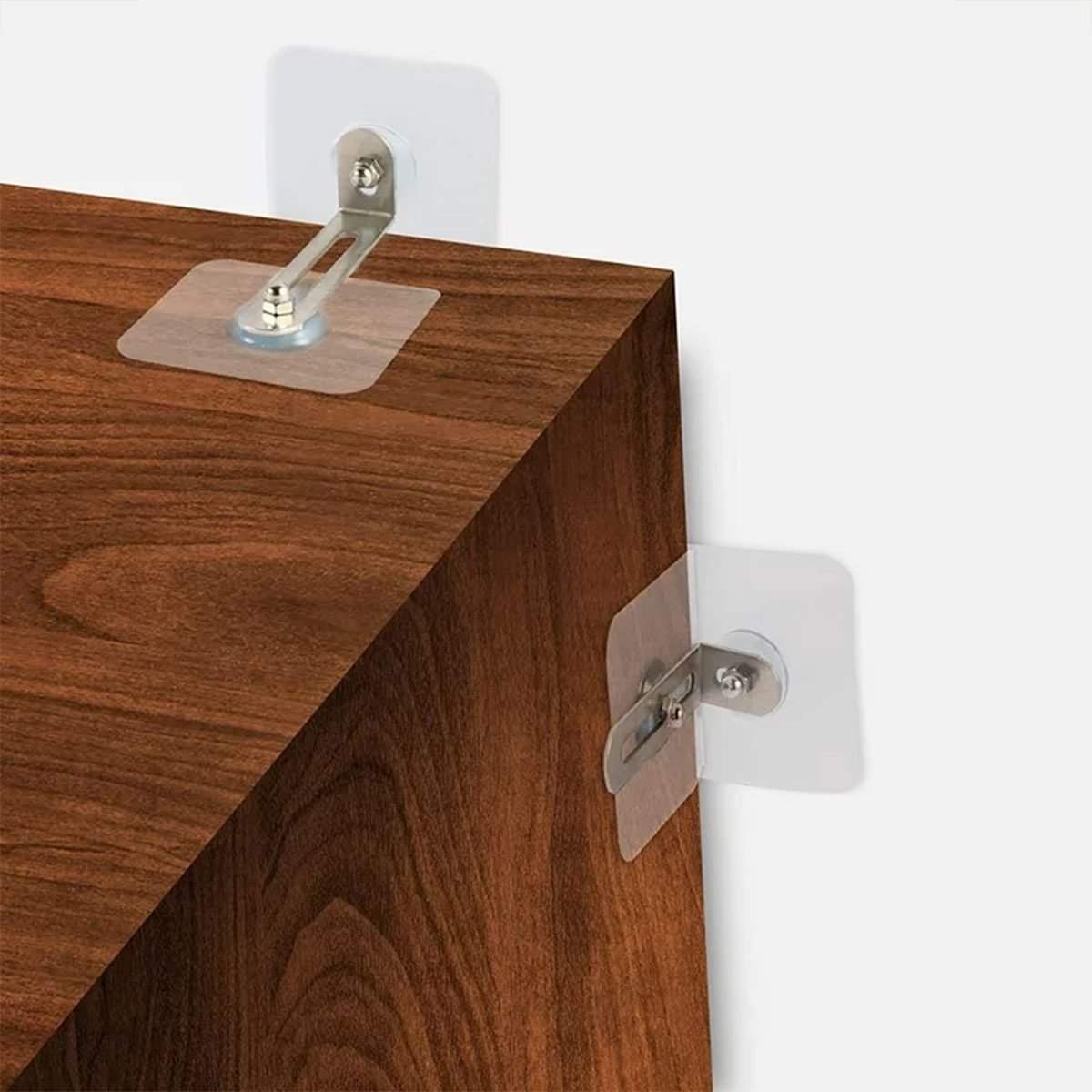
What Are Furniture Anchors and Do You Need Them?


Wall Hooks & Handles
Mar 2014: ASK THE INSPECTOR: More is better with drywall screws

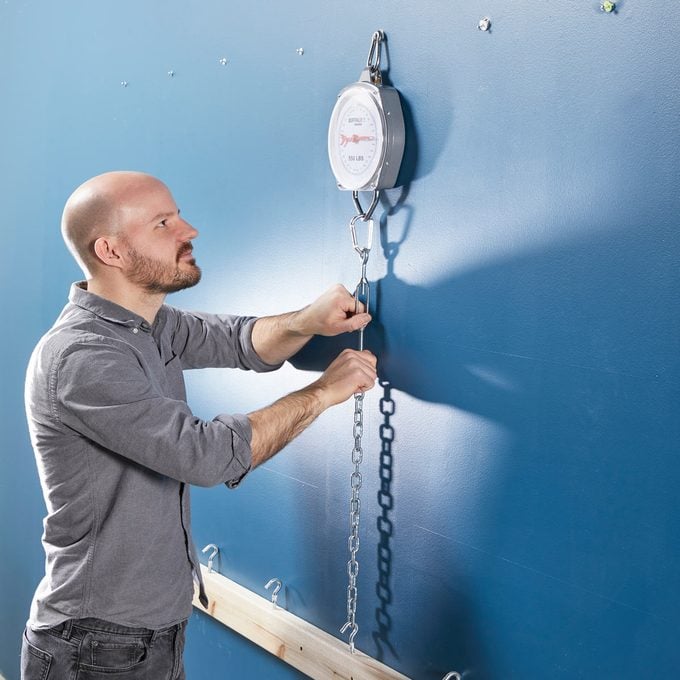
How Much Weight Can Drywall Anchors Hold In Your Home?
4 Common Wall Hanging Myths, Busted

8 Ways to Attach Things to Cinder Block Walls
After Researching and Testing Various Options, These Are Our 4 Favorite Drywall Sanders

The 10 Best Drywall Lifts to Simplify Construction Projects
Stud-finders, a must-have tool, could be useful for your home
In Depth: Deck Fasteners

8 Best Stud Finders
The 8 Picture Hangers We Trust to Hold It All Up

The Best Stud Finders of 2025, Tested and Reviewed
Screws

8 Best Wreath Hangers for a Door or Window
Here's How To Find The Best Screw For Your Project

Wall Hooks We Love

Nails
7 Items You Should Never Hang With Adhesive Hooks, According to Designers