Trending Aesthetics in Home Design for Gen Z: A Fresh and Functional Approach
Home design trends are continuously evolving, with Generation Z exhibiting a unique and innovative approach to interior aesthetics. Born between the mid-to-late 1990s and early 2010s, Gen Z's upbringing in a technology-driven, environmentally conscious world, coupled with a strong need for self-expression, significantly influences their design preferences. This article delves into the trending aesthetics in home design favored by Gen Z, illustrating how their creativity and values shape their living spaces.
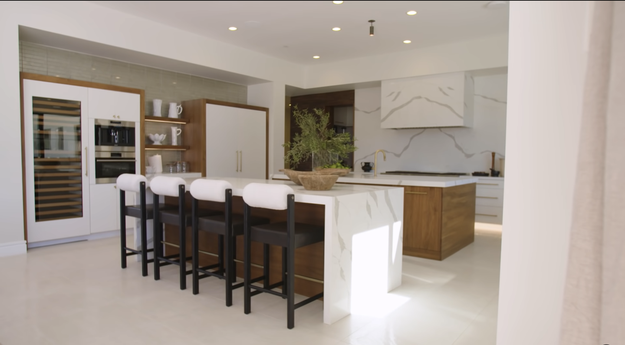
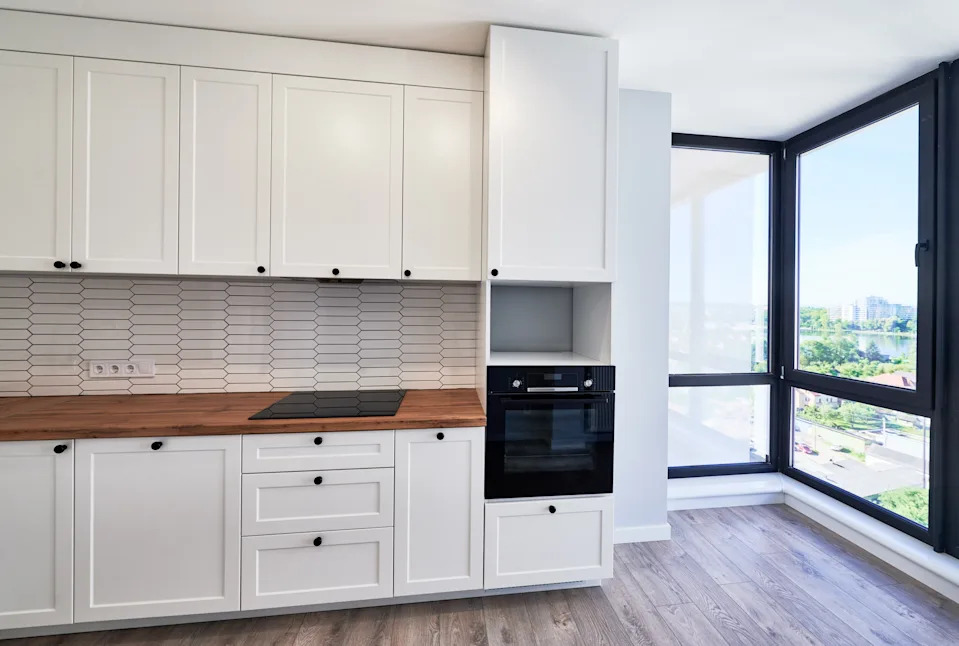
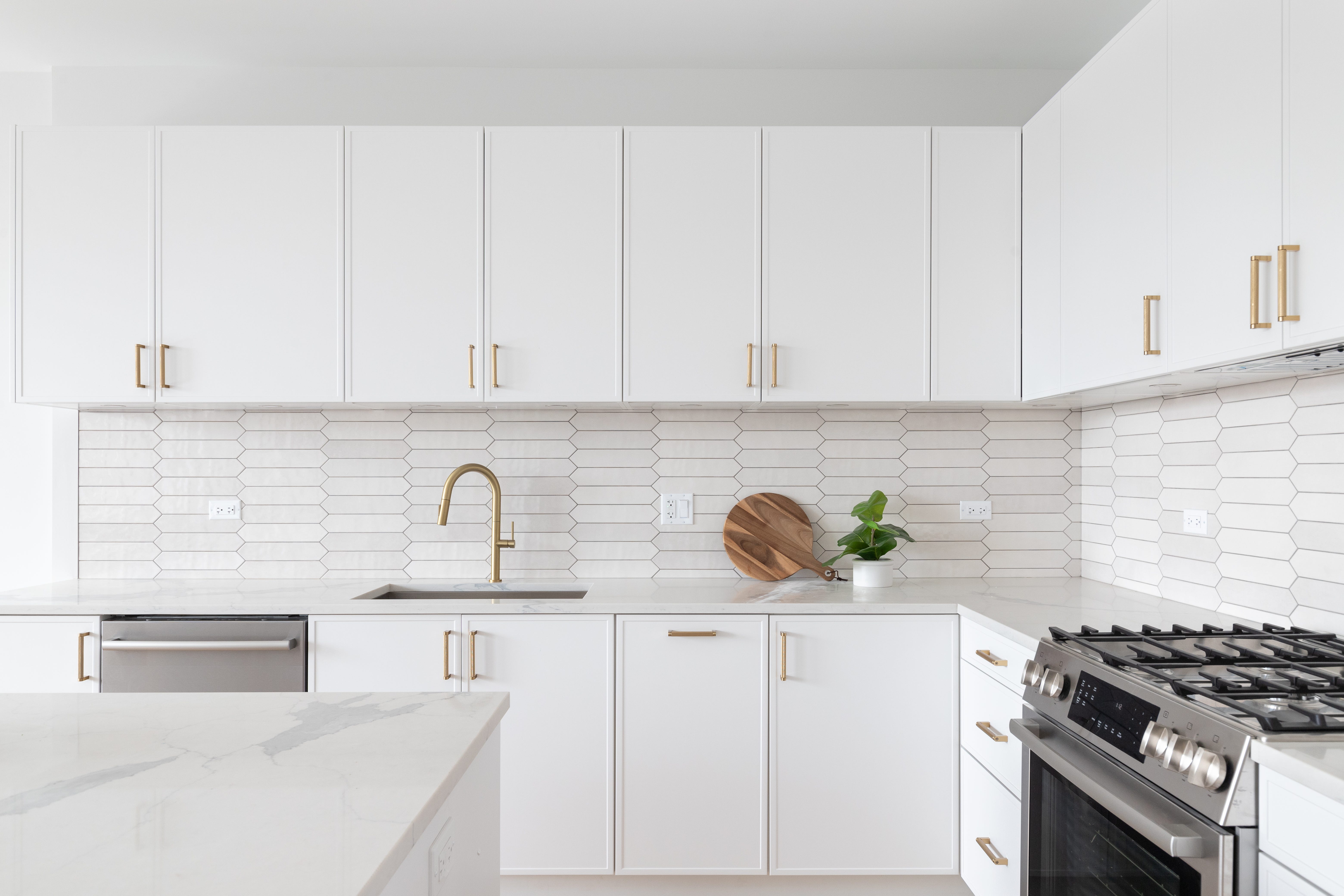
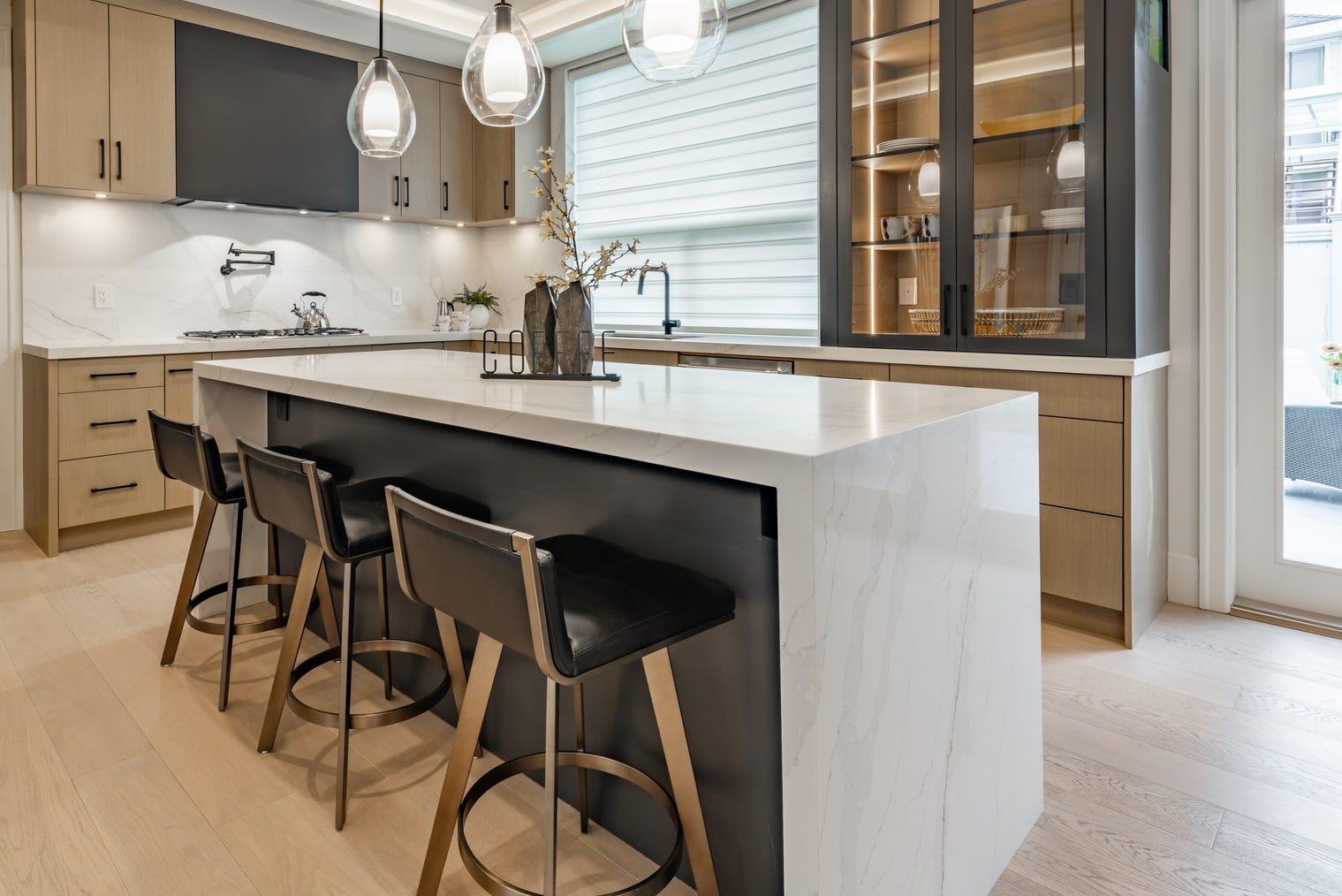
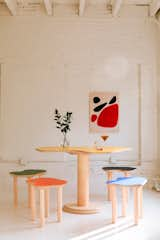
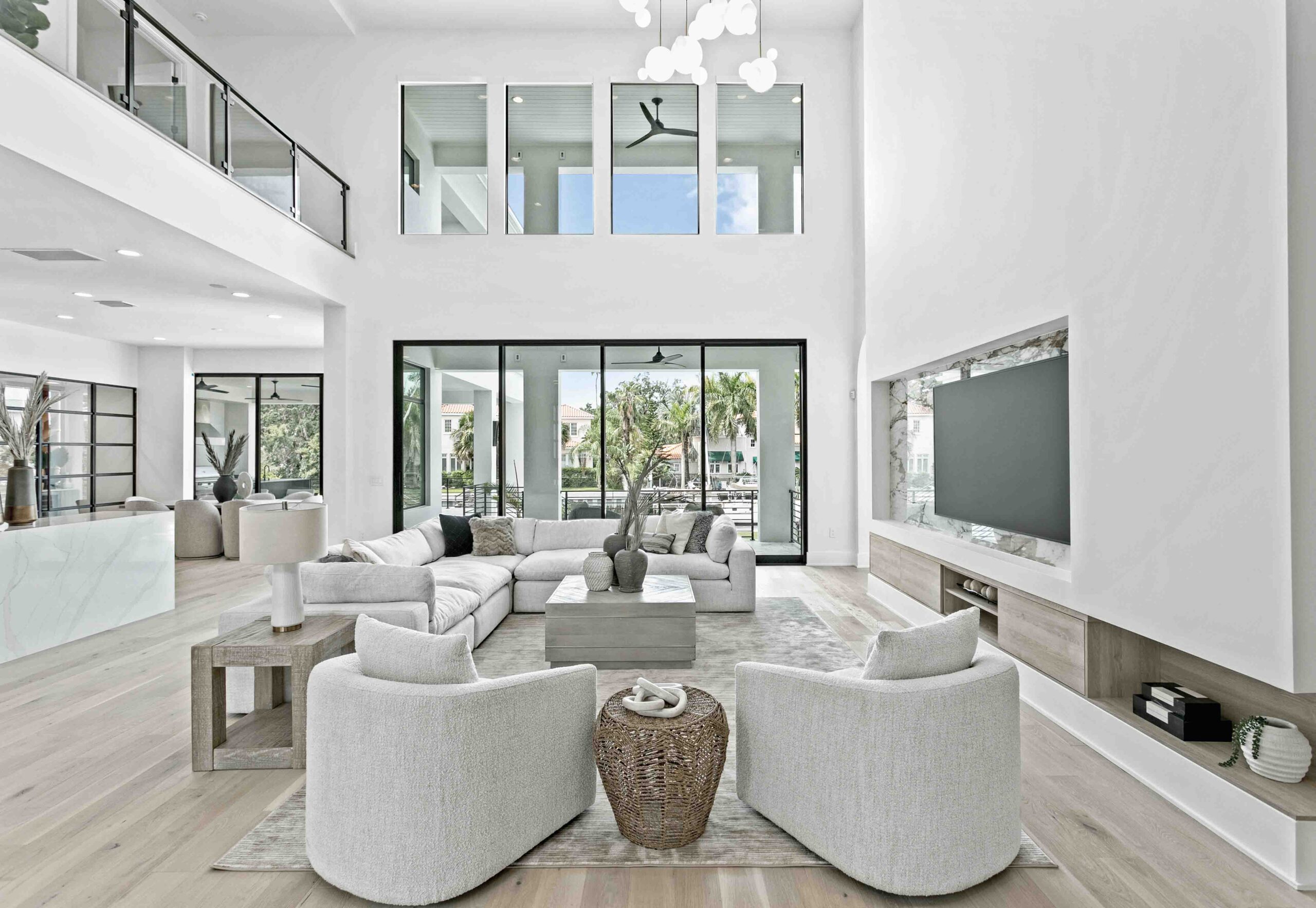
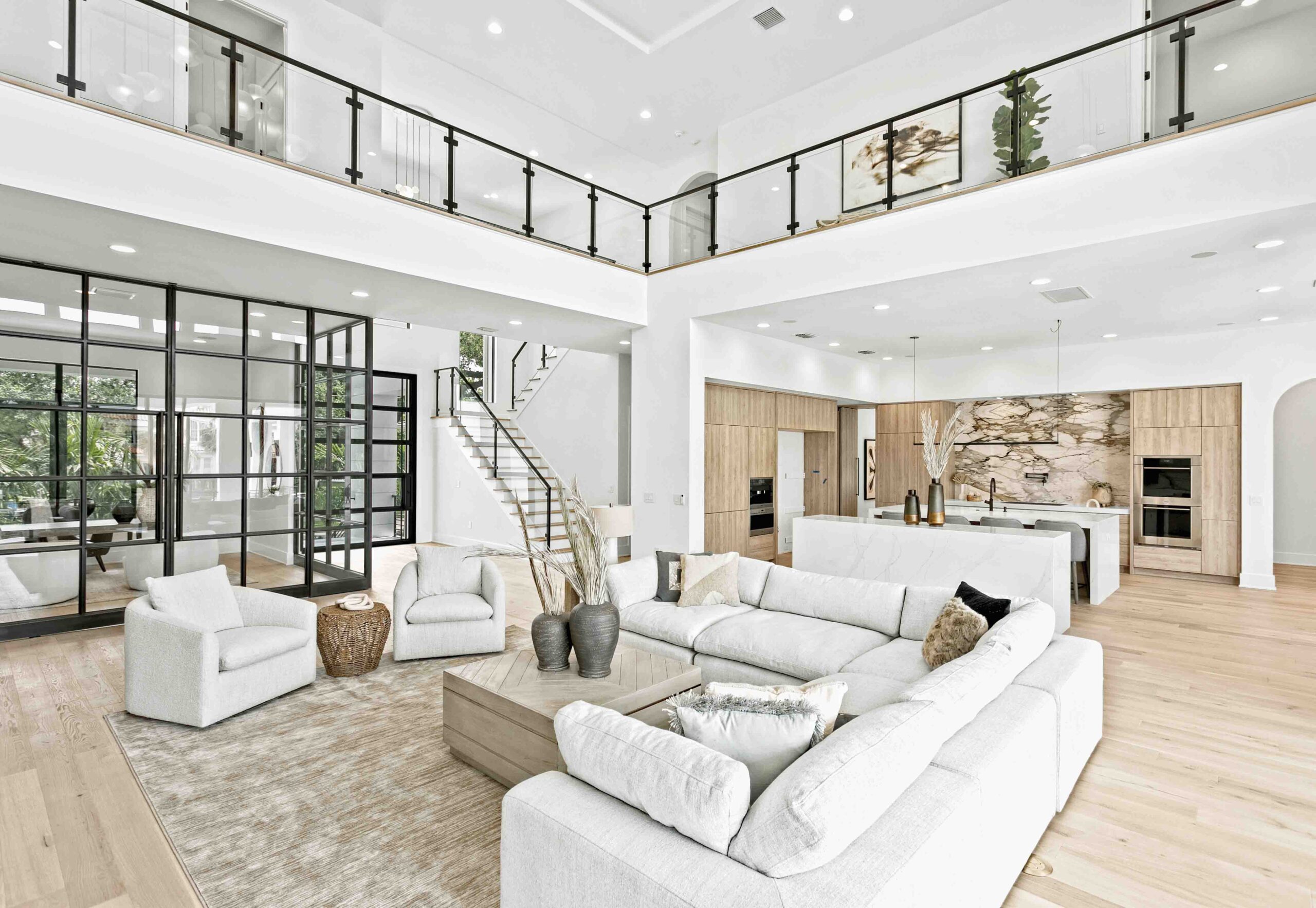
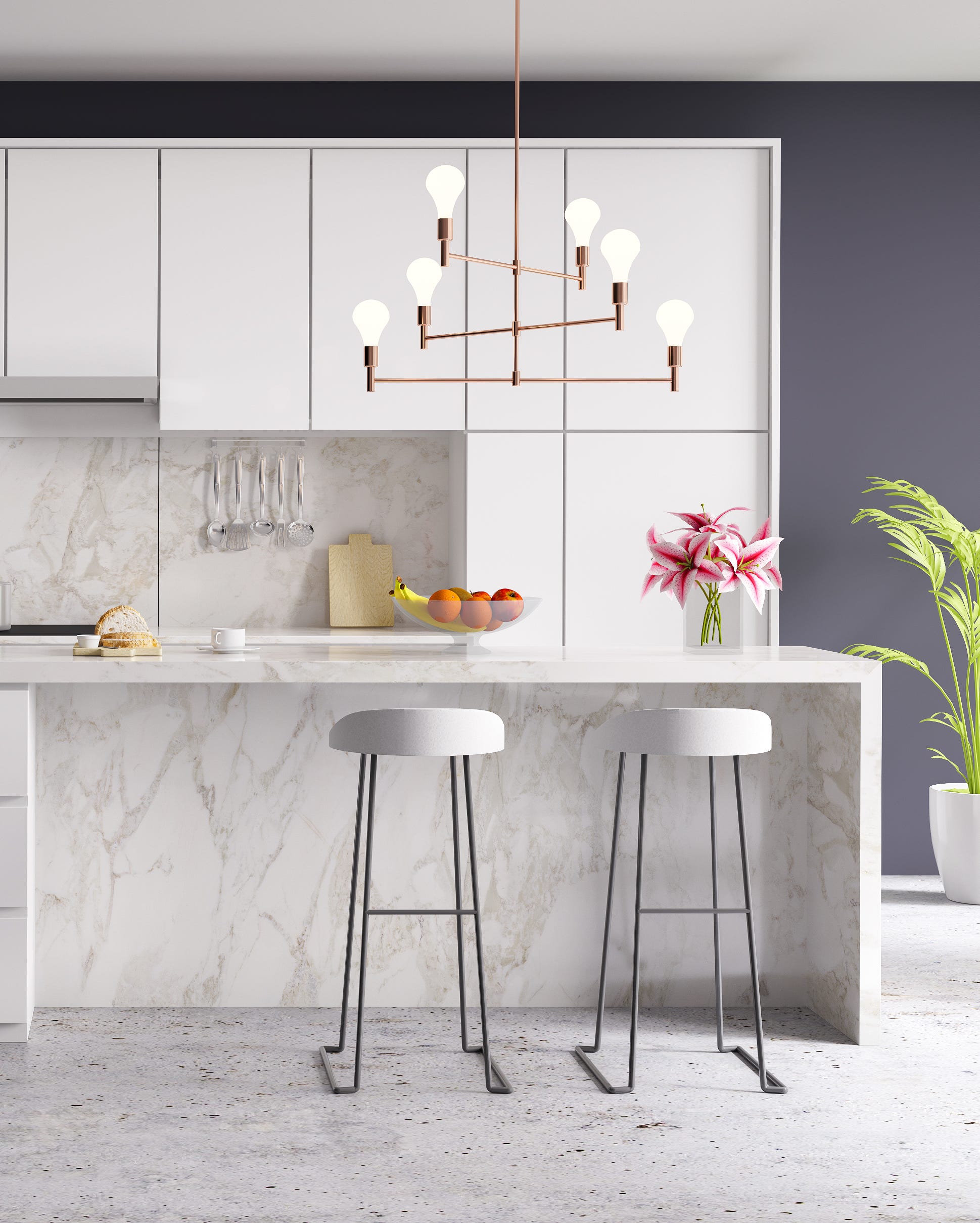
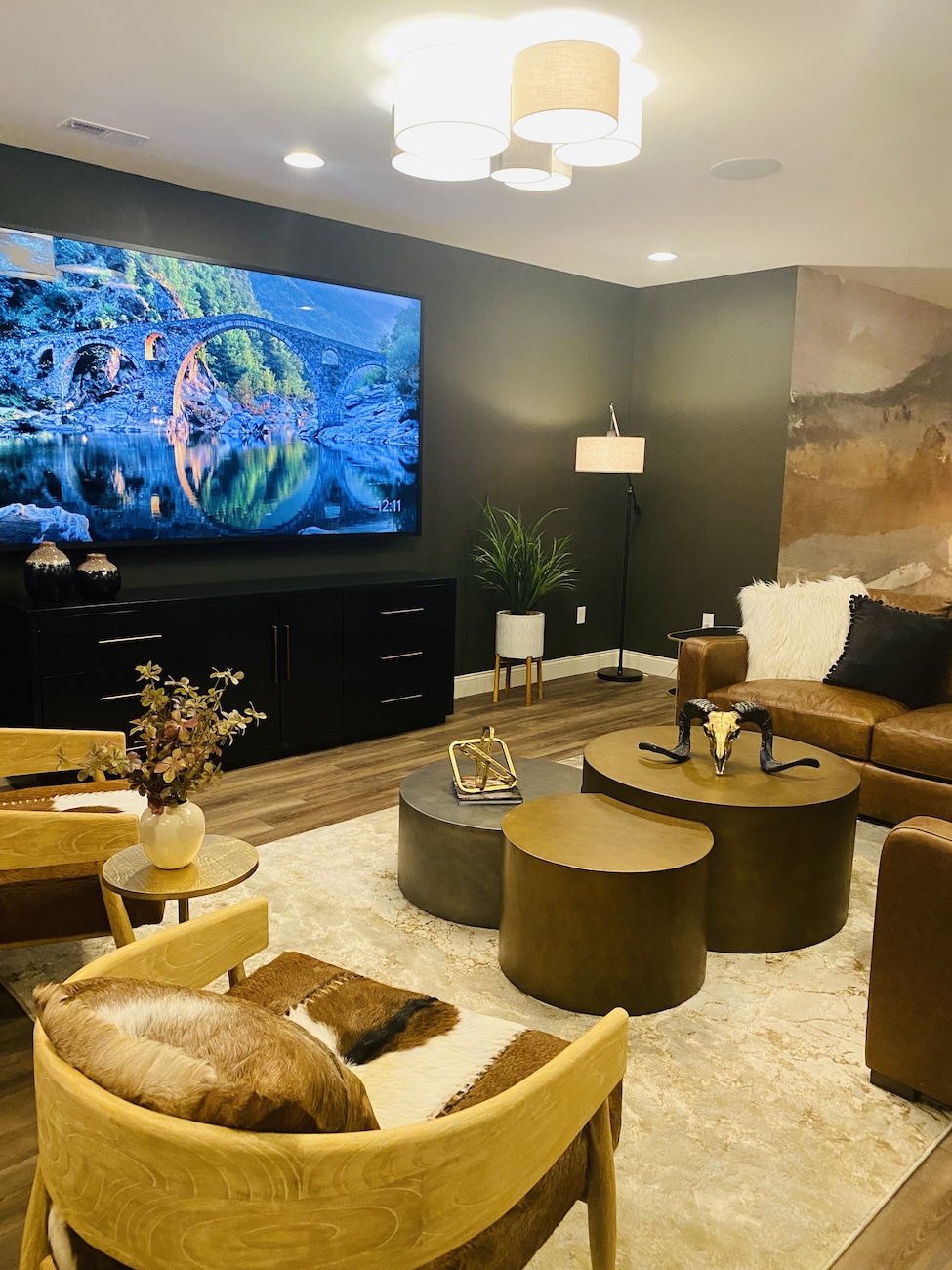
One prominent trend is 'Minimalist Maximalism,' which blends minimalist principles with carefully curated maximalist elements. This involves using functional, multi-purpose furniture, neutral color palettes accented with bold hues, and statement decor that narrates a story. The objective is to maintain open, airy spaces while allowing for personal touches that imbue the home with a unique identity.
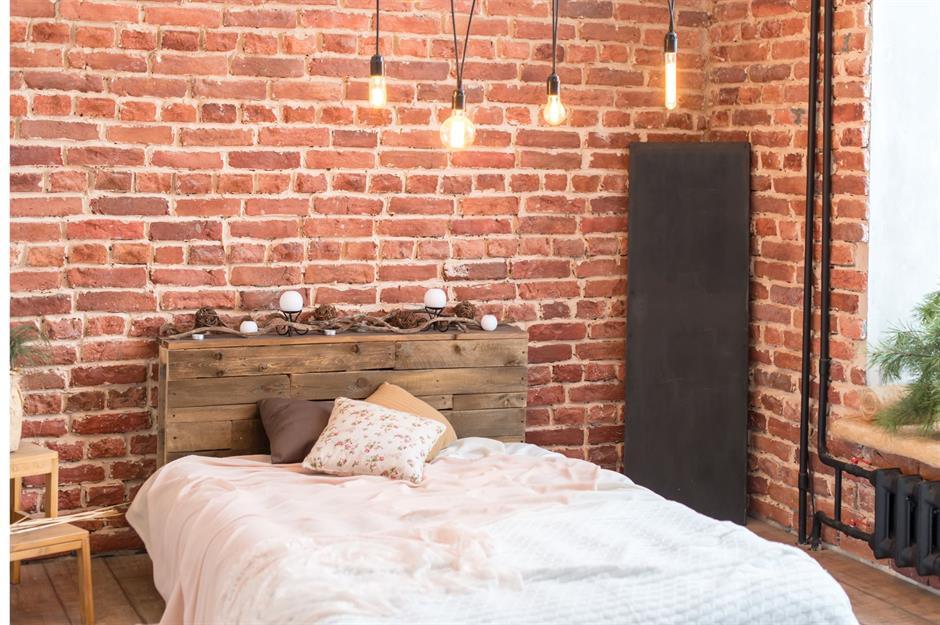
Sustainability is not merely a trend but a lifestyle for Gen Z, extending to their home design choices. They prioritize eco-friendly and ethical products, including upcycled furniture, recycled materials, energy-efficient appliances, and low-VOC paints. A preference for sustainable brands and materials like bamboo, reclaimed wood, and natural fibers is common, alongside the ubiquitous presence of indoor plants, which enhance both aesthetics and air quality, reflecting their commitment to reducing their carbon footprint.
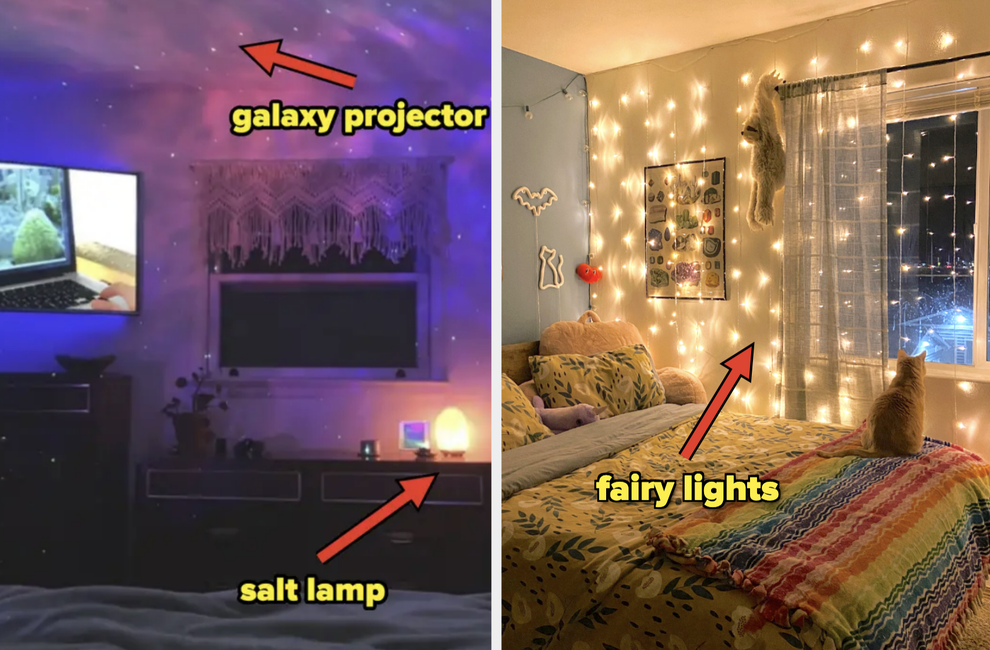
Growing up in the digital age, Gen Z views smart home technology as a necessity. Their homes are functional, efficient, and integrated with the latest tech, such as voice-activated devices, smart lighting, automated thermostats, and high-speed internet. These technologies are seamlessly incorporated into the design, ensuring advanced digital capabilities within a comfortable and welcoming environment.
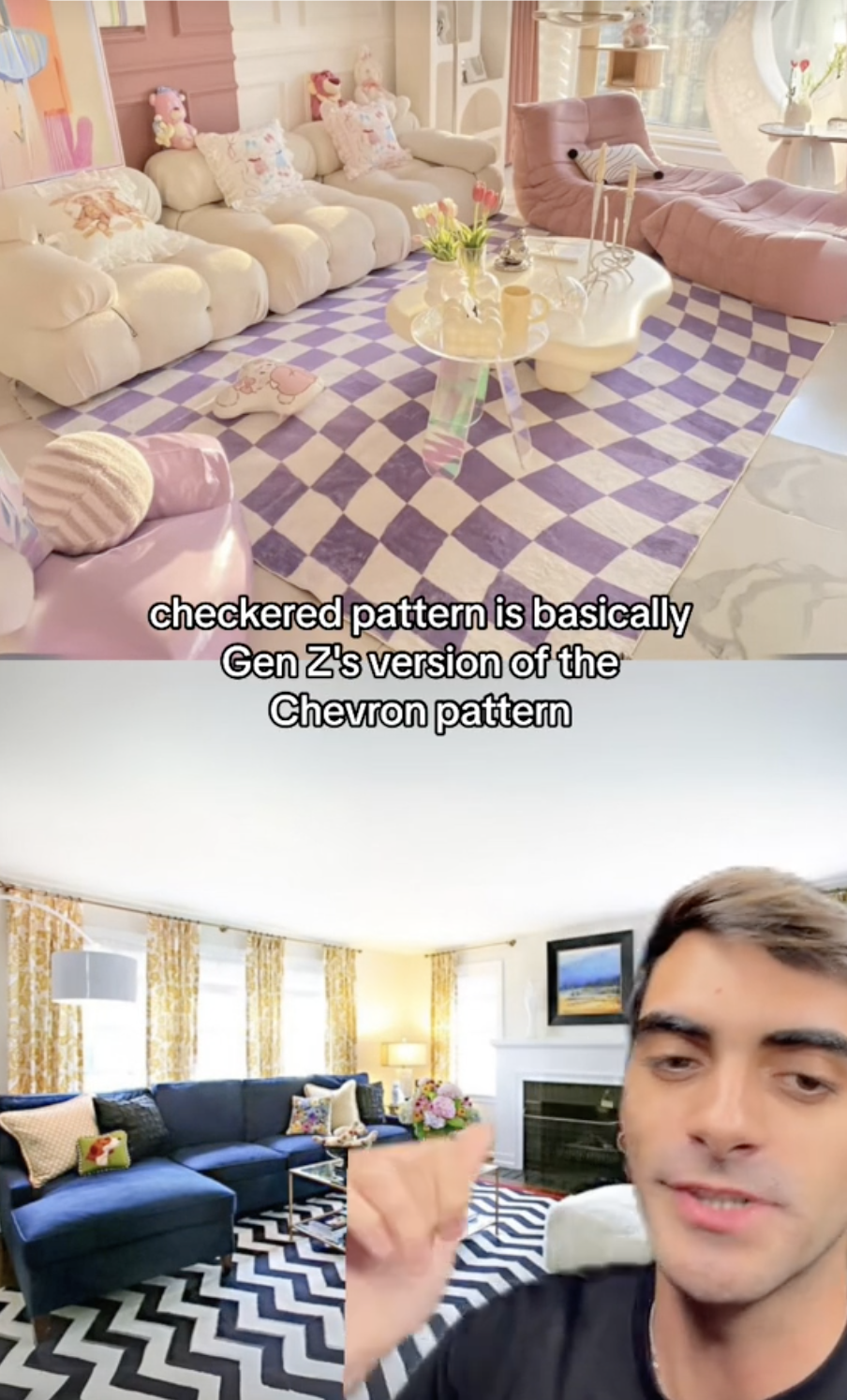
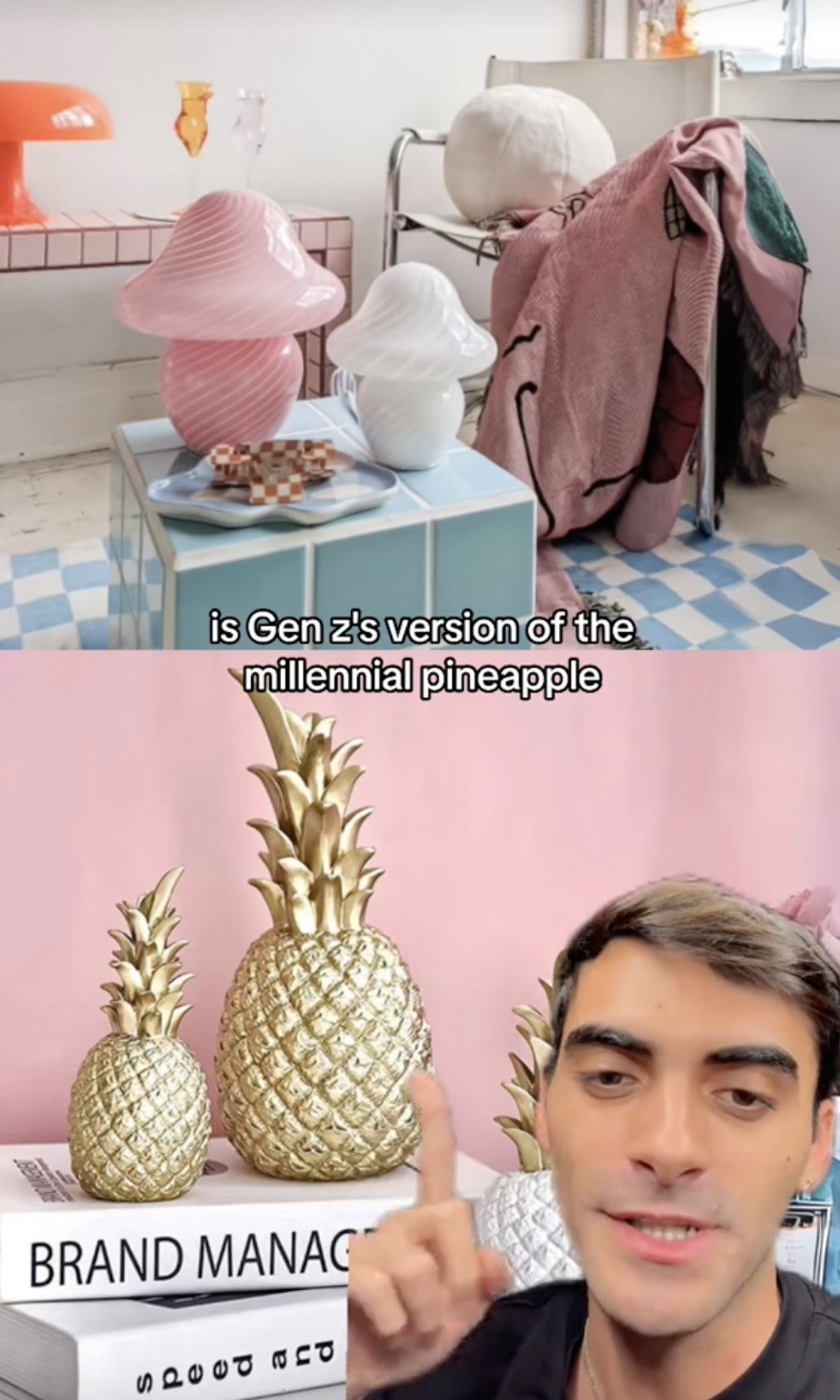
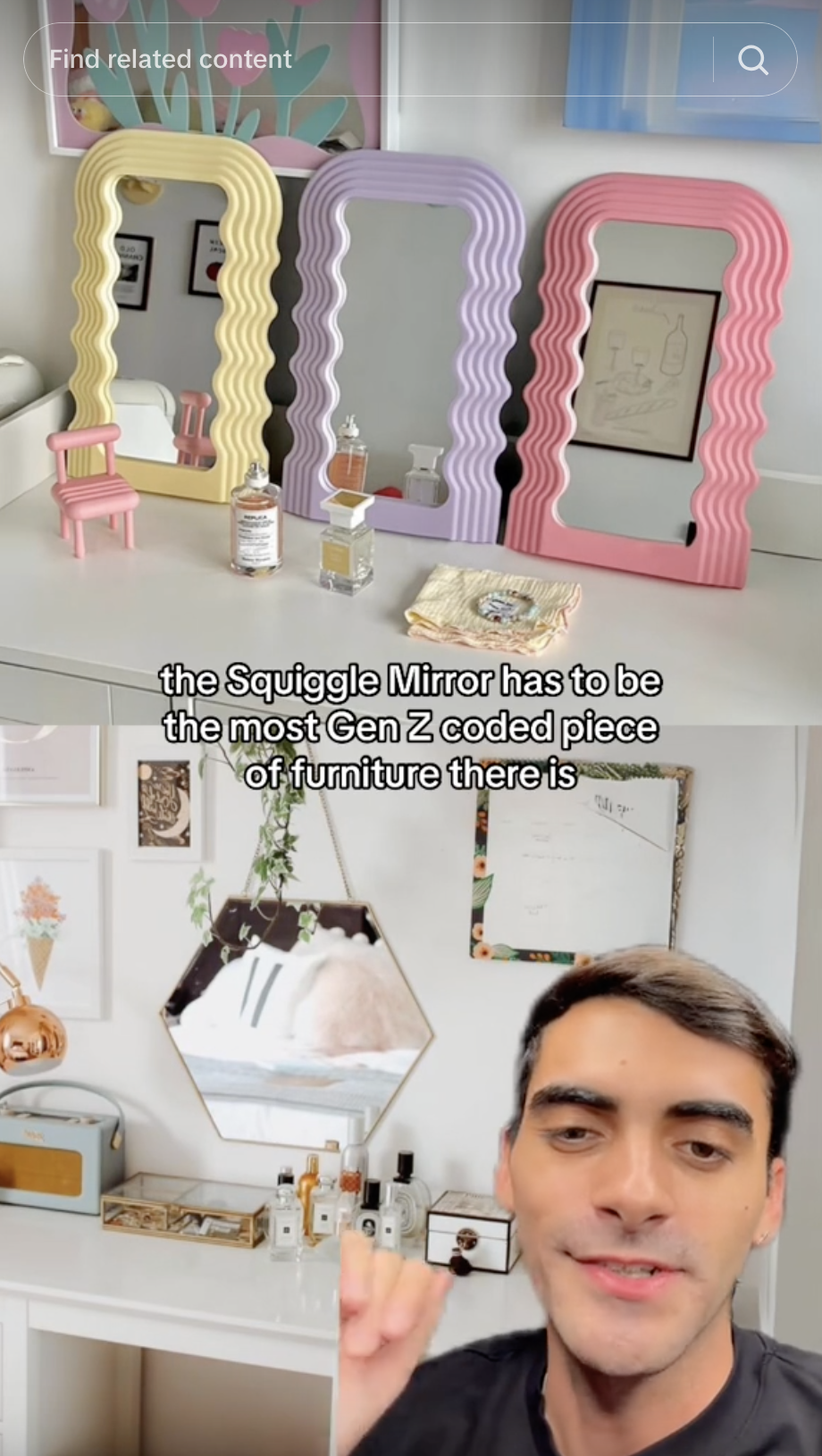
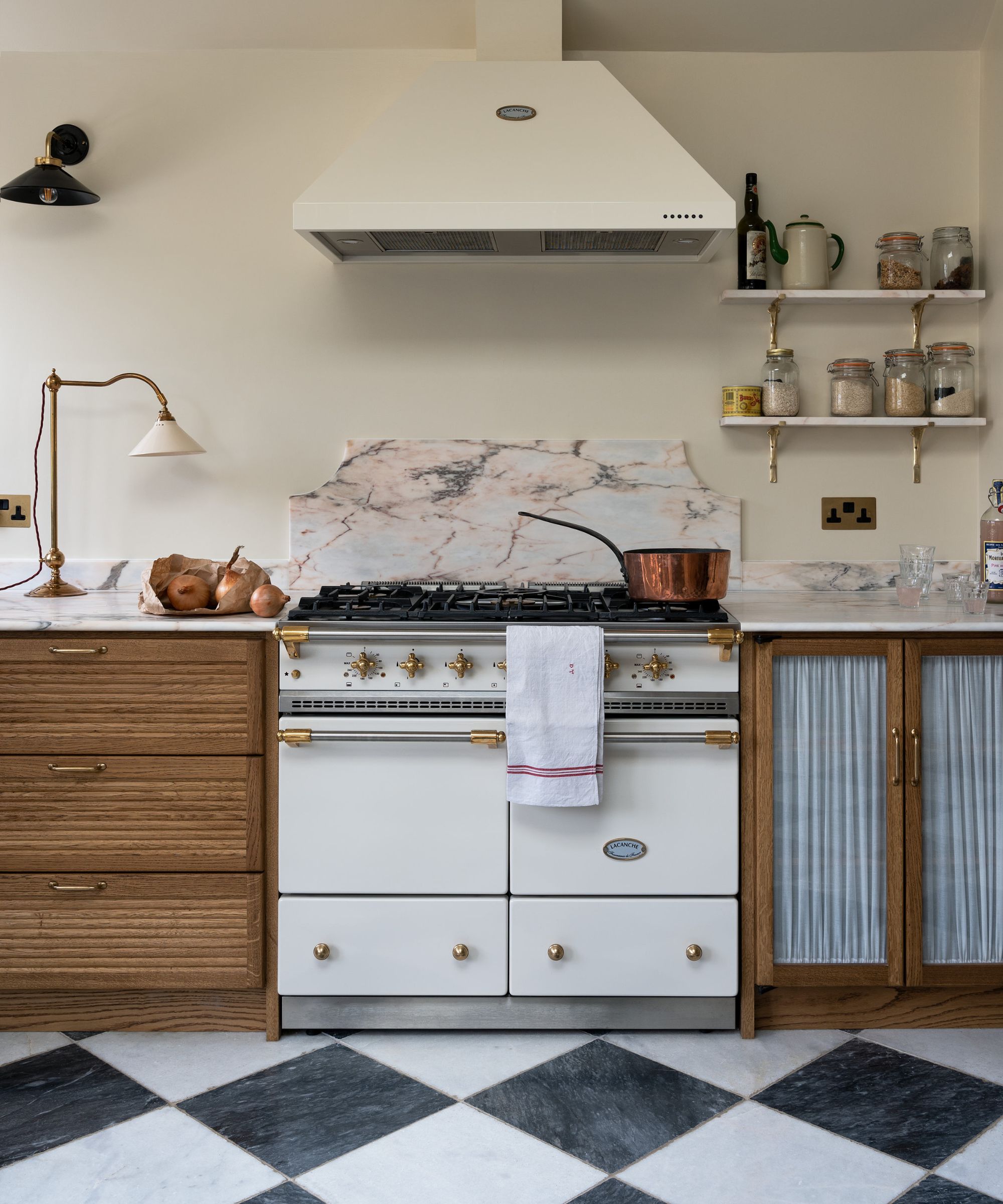
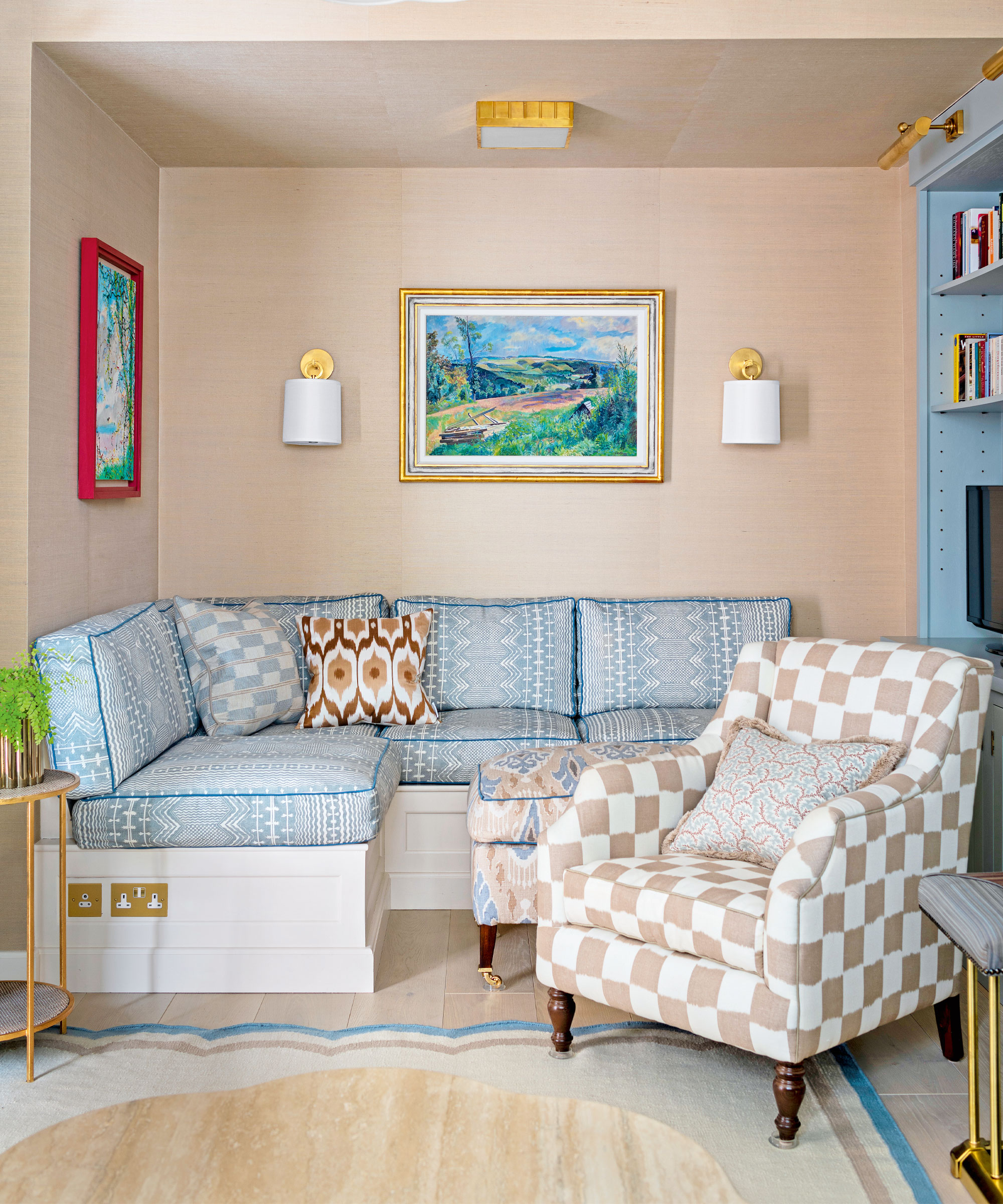
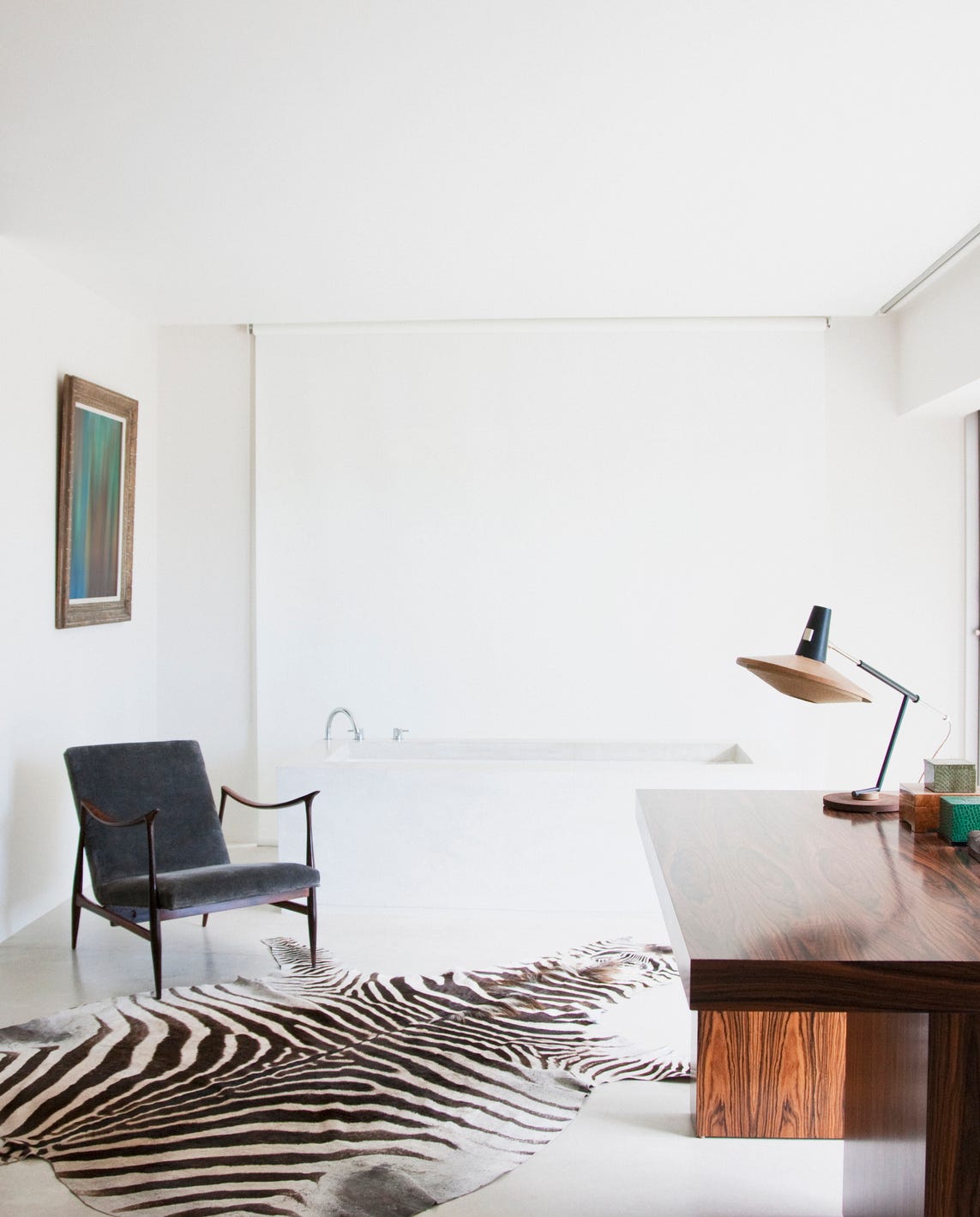
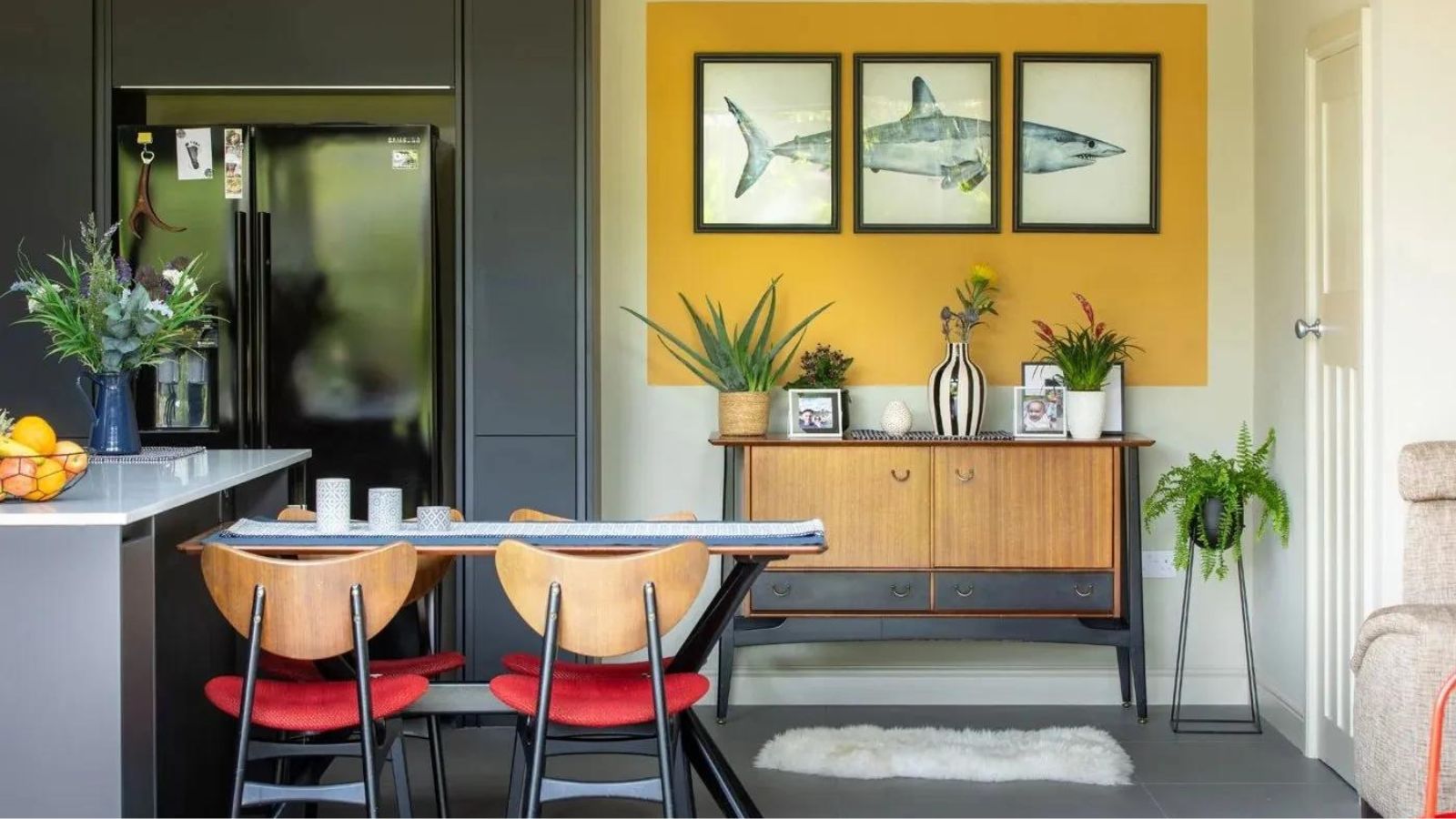
Nostalgia also heavily influences Gen Z's aesthetic, with a fondness for retro designs from the 70s, 80s, and 90s. This manifests in bold colors, vintage furniture, and distinctive patterns. Mixing different eras creates a playful, eclectic, and unique vibe that bridges nostalgic and contemporary styles. The need for multi-functional and flexible spaces is paramount, driven by work-from-home arrangements and creative pursuits. Open-plan designs and modular furniture like foldable desks, sofa beds, and storage ottomans are popular, offering adaptability for various activities and maximizing space, especially in smaller living areas.
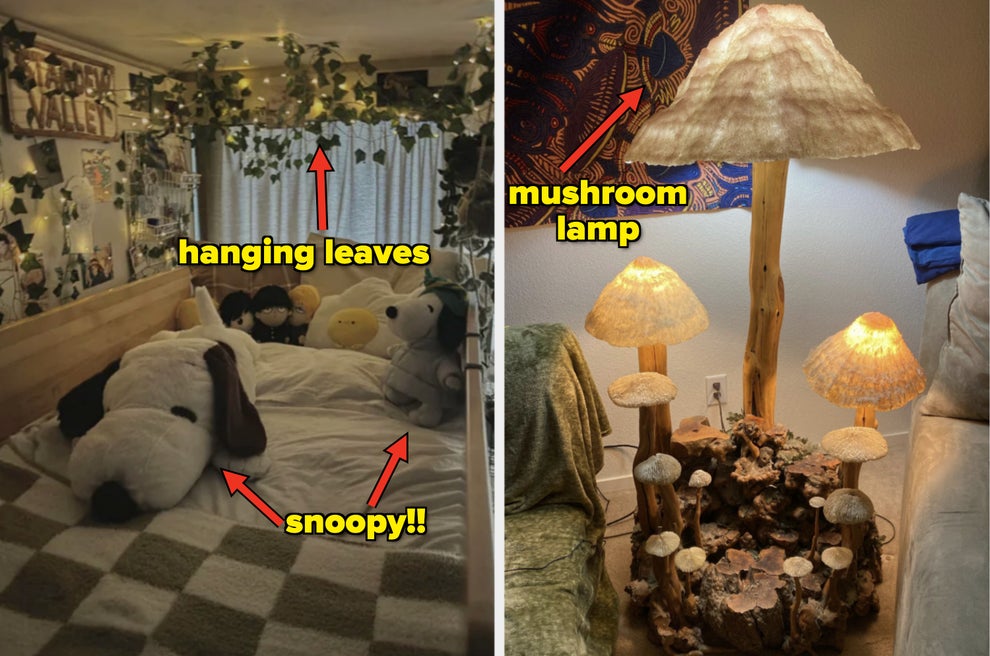
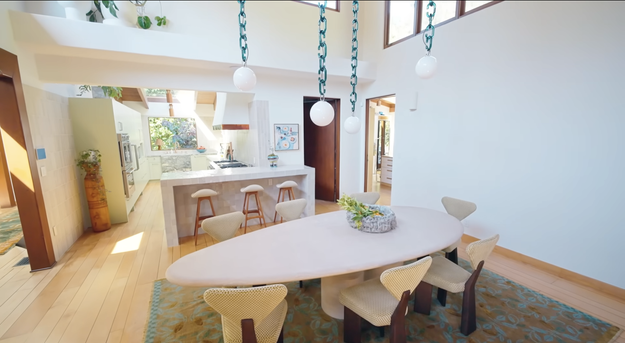
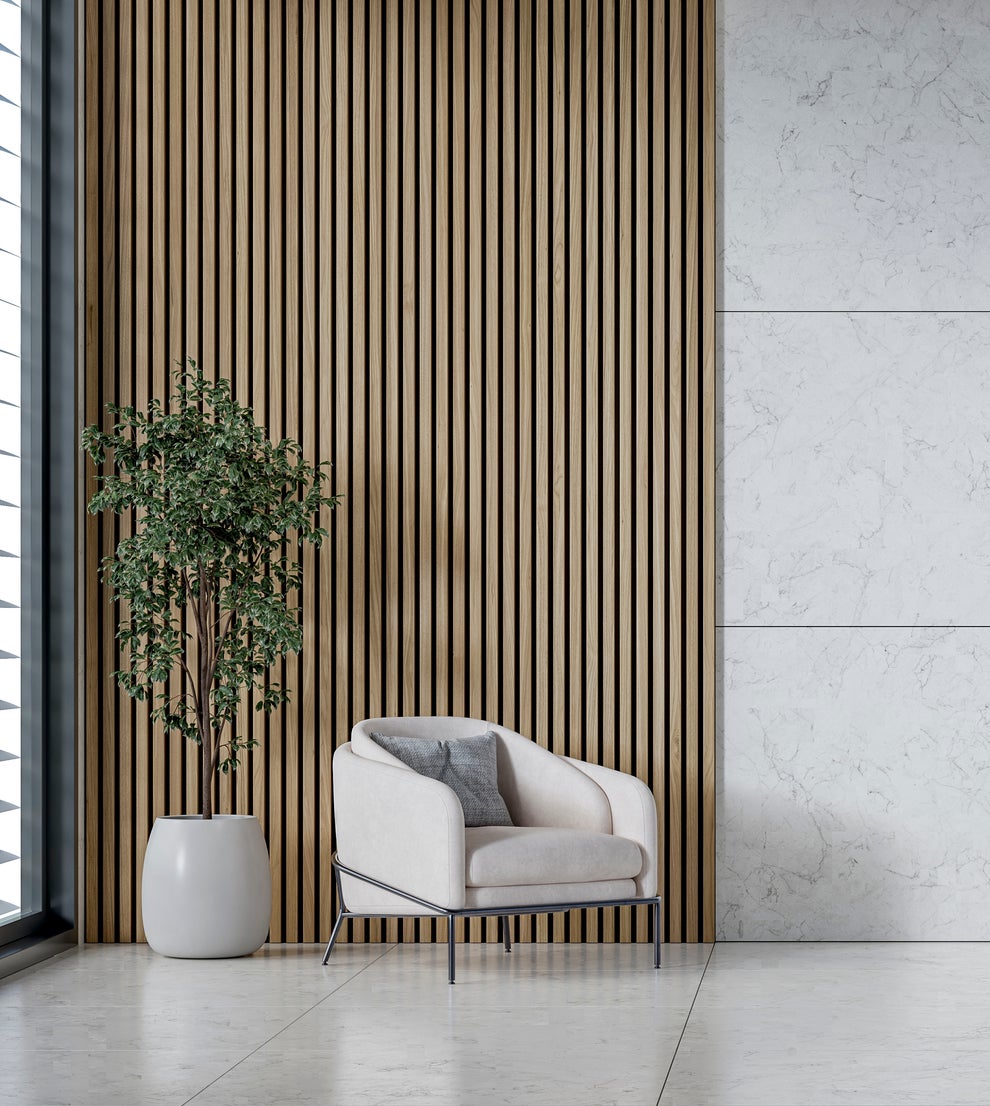
Gen Z's creativity and self-expression are evident in their preference for personalized and DIY decor. Hand-painted murals, customized photo frames, and handmade items infuse living spaces with individuality. Upcycling and repurposing old items align with their sustainable values. Biophilic design is another favored trend, incorporating natural elements like plants, natural light, wood textures, and earth-toned palettes to connect inhabitants with nature, promoting mental well-being and productivity.
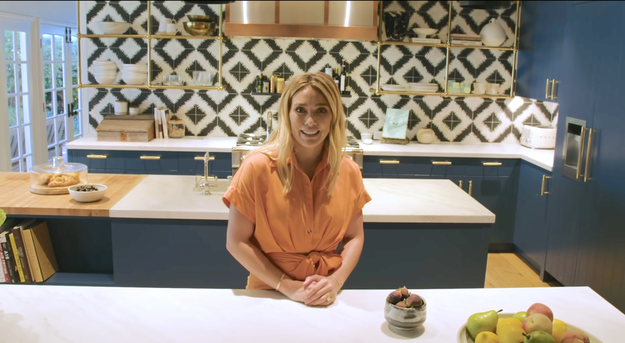
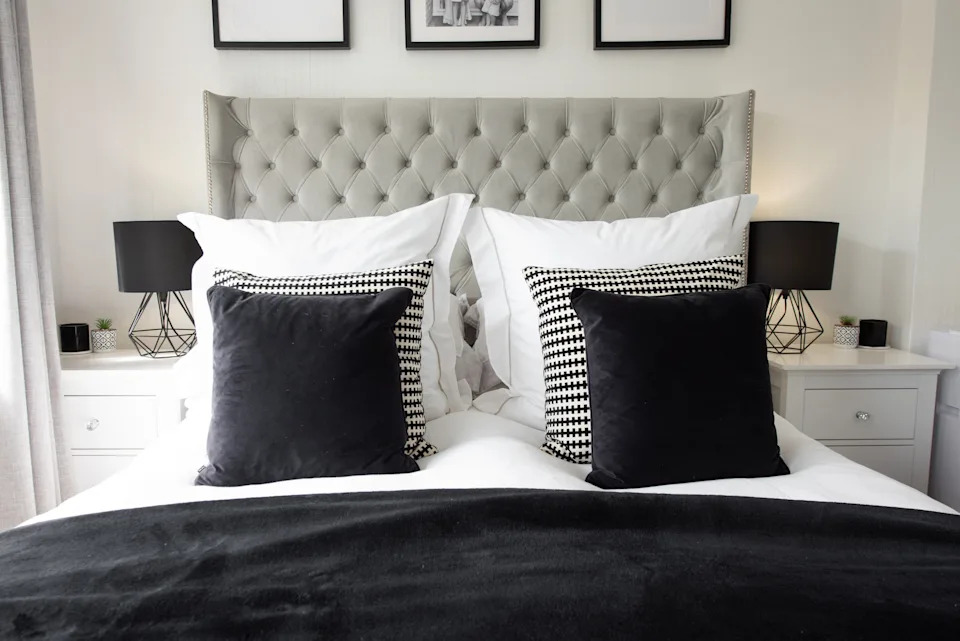
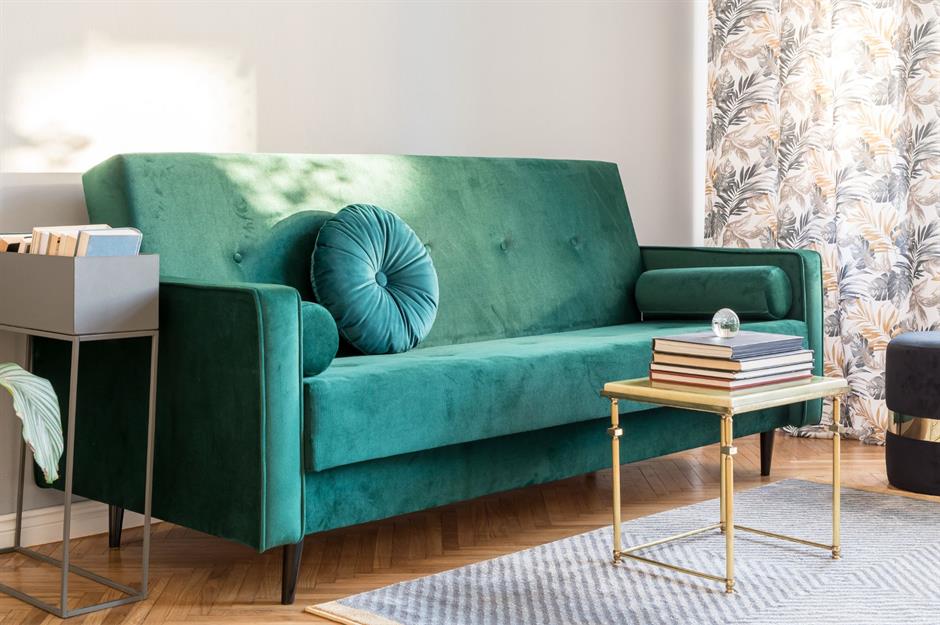
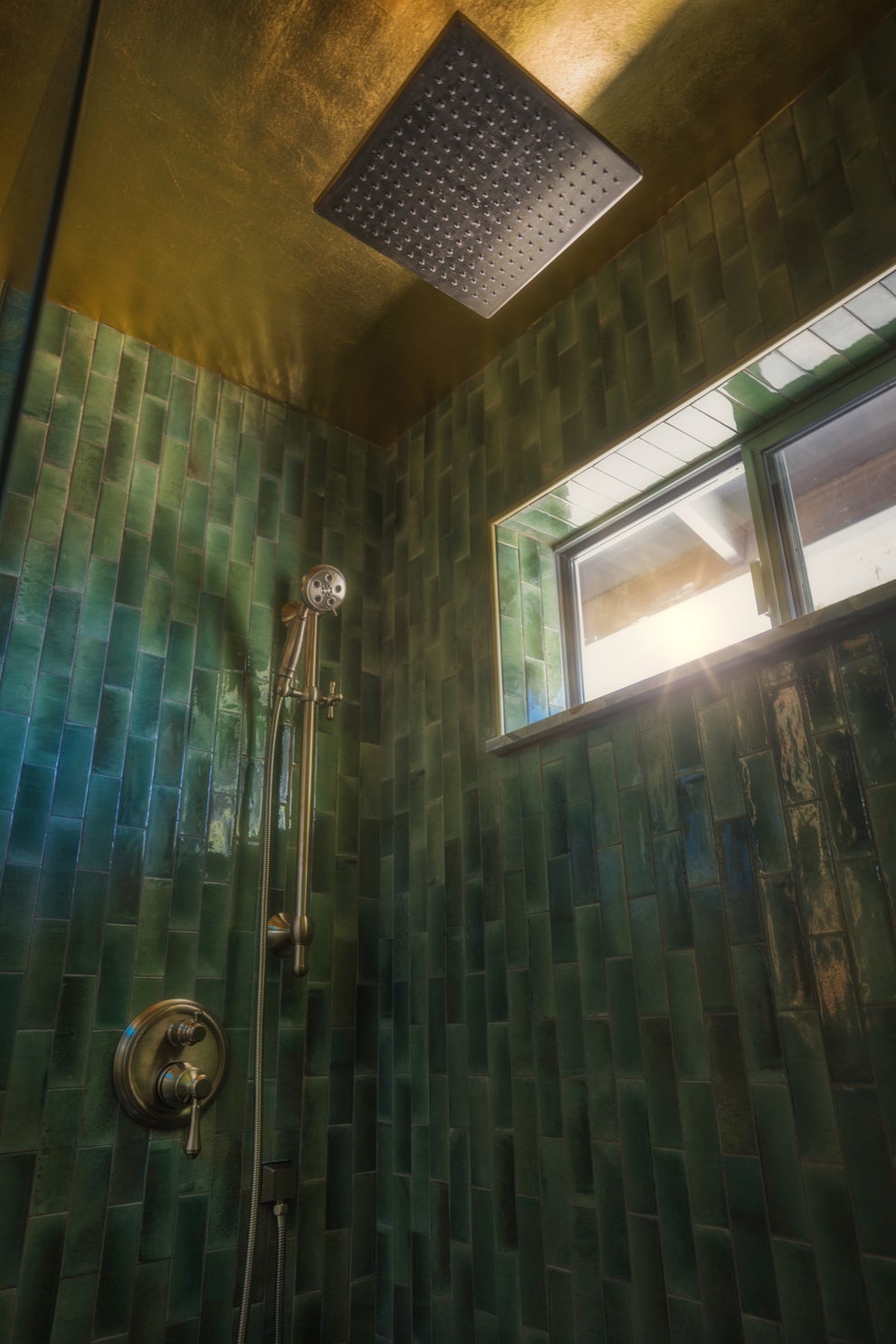
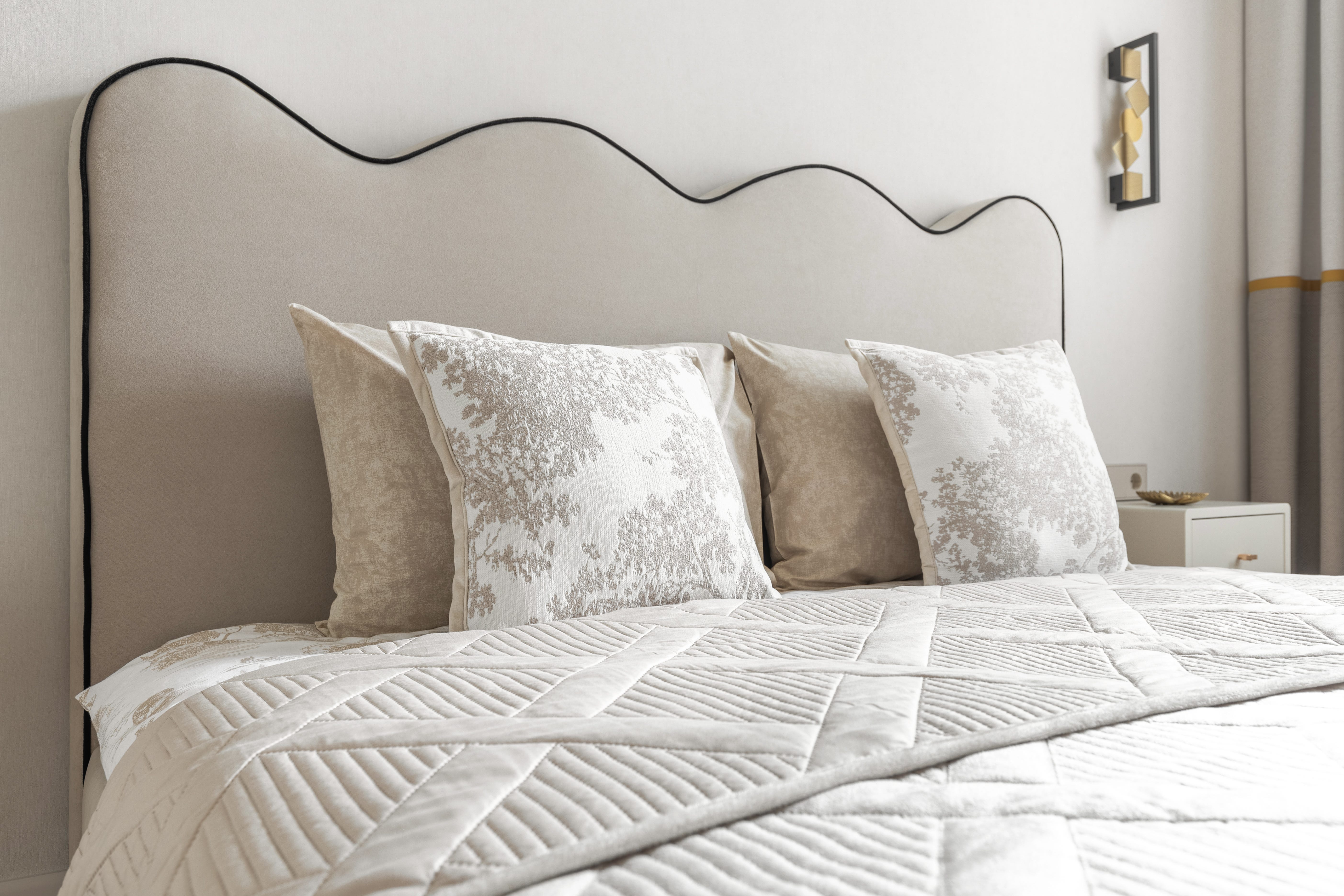
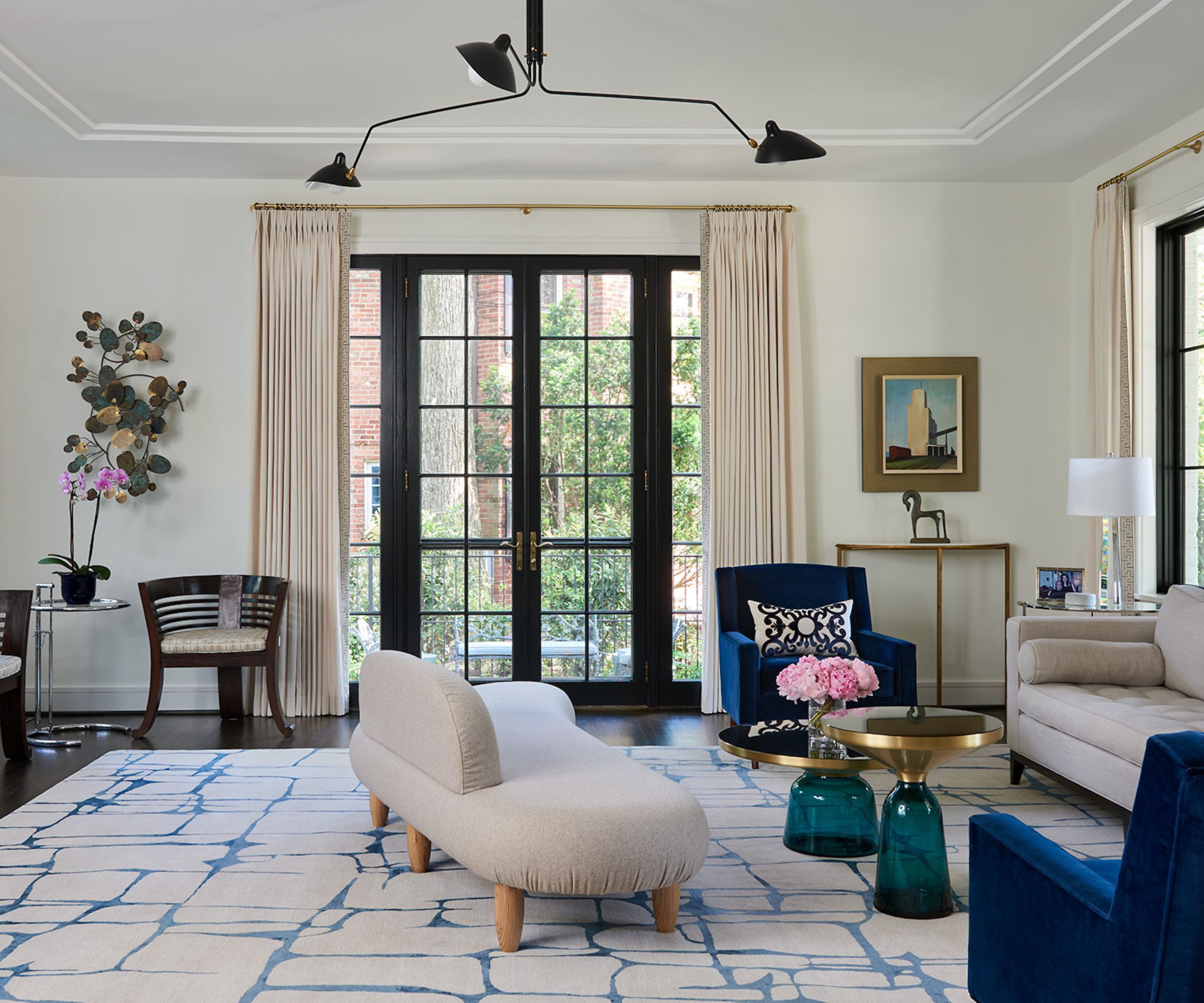
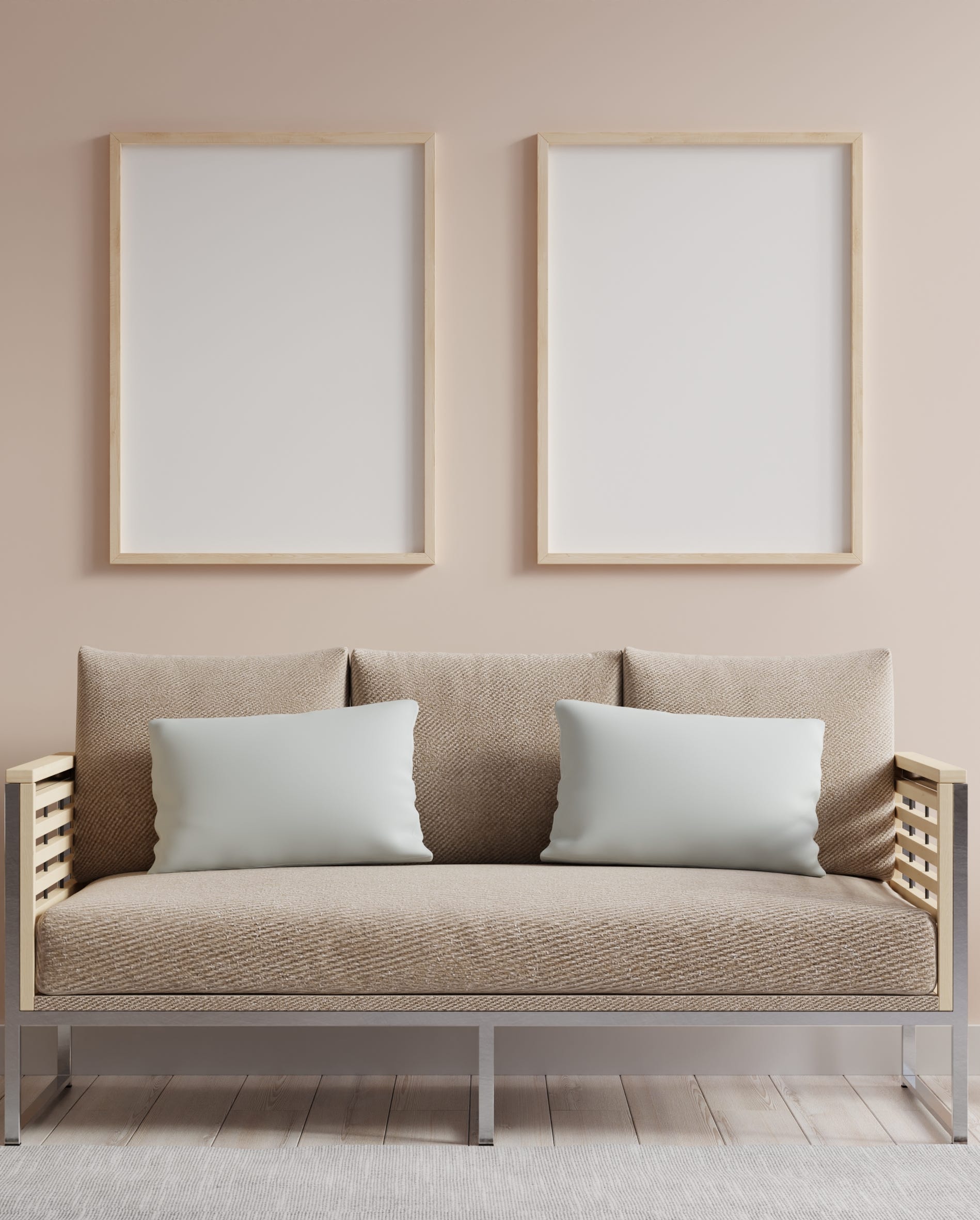
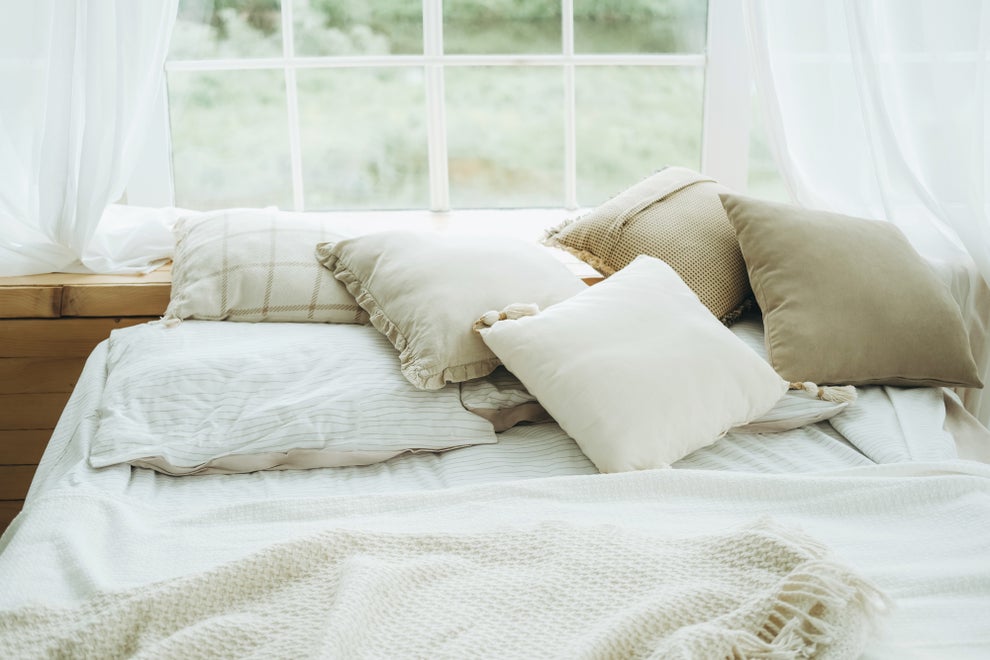
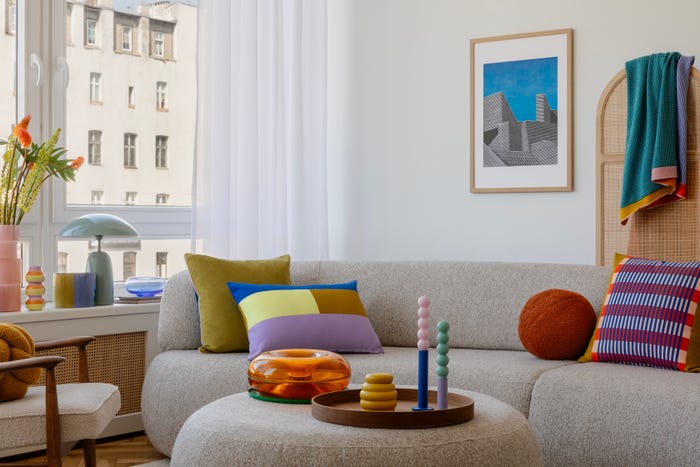
While neutral colors form a base, Gen Z uses bold accents like mustard yellow, teal, and terracotta to create visual interest. This approach balances modernity and dynamism. Artistic and cultural influences play a significant role, with art pieces reflecting diverse cultures, social justice themes, and local artists. The fusion of vintage and modern design elements creates eclectic combinations, allowing for unique, personalized spaces. Comfort is a top priority, leading to cozy furniture, soft textiles, and calming color schemes. Oversized cushions, plush throws, and soft rugs contribute to a laid-back, sanctuary-like atmosphere.
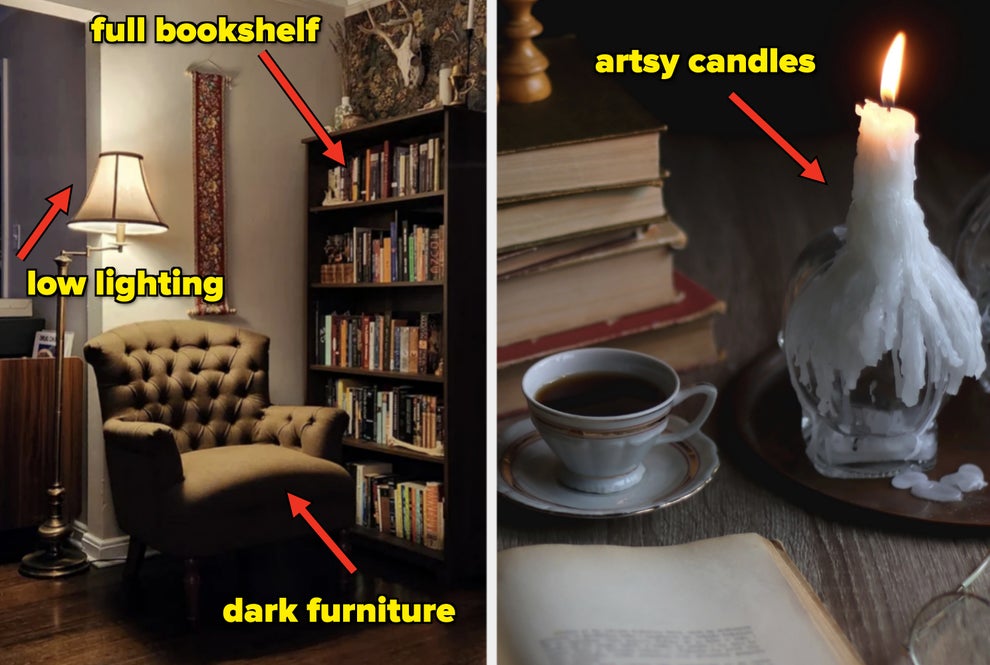
Social media platforms like Pinterest, Instagram, and TikTok heavily influence Gen Z's home design. These platforms serve as both inspiration and a means to showcase their creativity, leading to the popularity of aesthetic-driven themes like 'cottagecore' and 'dark academia.' The emphasis is on creating visually appealing and functional spaces that are 'Instagram-worthy.' In conclusion, Gen Z's home design ethos is a dynamic blend of sustainability, technology, creativity, and individuality, creating functional and adaptable spaces that reflect their values and personality, with a strong connection to nature and nostalgia.
#GenZHomeDesign #SustainableLiving #SmartHomeTech #MinimalistMaximalism #MultiFunctionalSpaces #DIYDecor #BiophilicDesign #RetroNostalgia #SocialMediaAesthetics #GenZHomeDesign #SustainableLiving #SmartHomeTech #MinimalistMaximalism #MultiFunctionalSpaces #DIYDecor #BiophilicDesign #RetroNostalgia #SocialMediaAesthetics
0 comment in total
 No comments yet
You may also like
From Gen Z To Boomers, Here Are The 16 Home Decor Choices That Perfectly Summarize Each Generation

"I Grit My Teeth When I See It": People In Their 60s, 70s, And 80s Are Sharing The Modern Home Trends They Simply Cannot Stand
The Home Trends Designers Want You to Ditch in the New Year

Do You Decorate Like a Boomer or Gen Z? Designers Define All the Generational Styles

"It's Literally Infuriating": 15 Modern Home Design Trends Gen Z'ers Are Truly Sick And Tired Of
“It Instantly Becomes Tacky": 22 Home Design Trends That Are Mega-Popular For Reasons Many People Will Never Understand

I'm a Gen Z interior designer. Here are 4 trends I absolutely love and 4 I think are dated.
40 Outdated Home Trends We Hope Never to See Again


This Expert Is Breaking Down The "Gen Z Versions" Of Millennial Design Trends, And People's Heads Are Spinning

Gen Z'ers Are Sharing The Home Design Trends They Absolutely Despise

Gorgeous Gorgeous Girls Love Nursery Chic

Older Adults Are Sharing The Design Trends They Despise For Very Specific Reasons
Trending Aesthetics in Home Design for Gen Z: A Fresh and Functional Approach
30 of the worst modern home trends that WILL go out of fashion | loveproperty.com

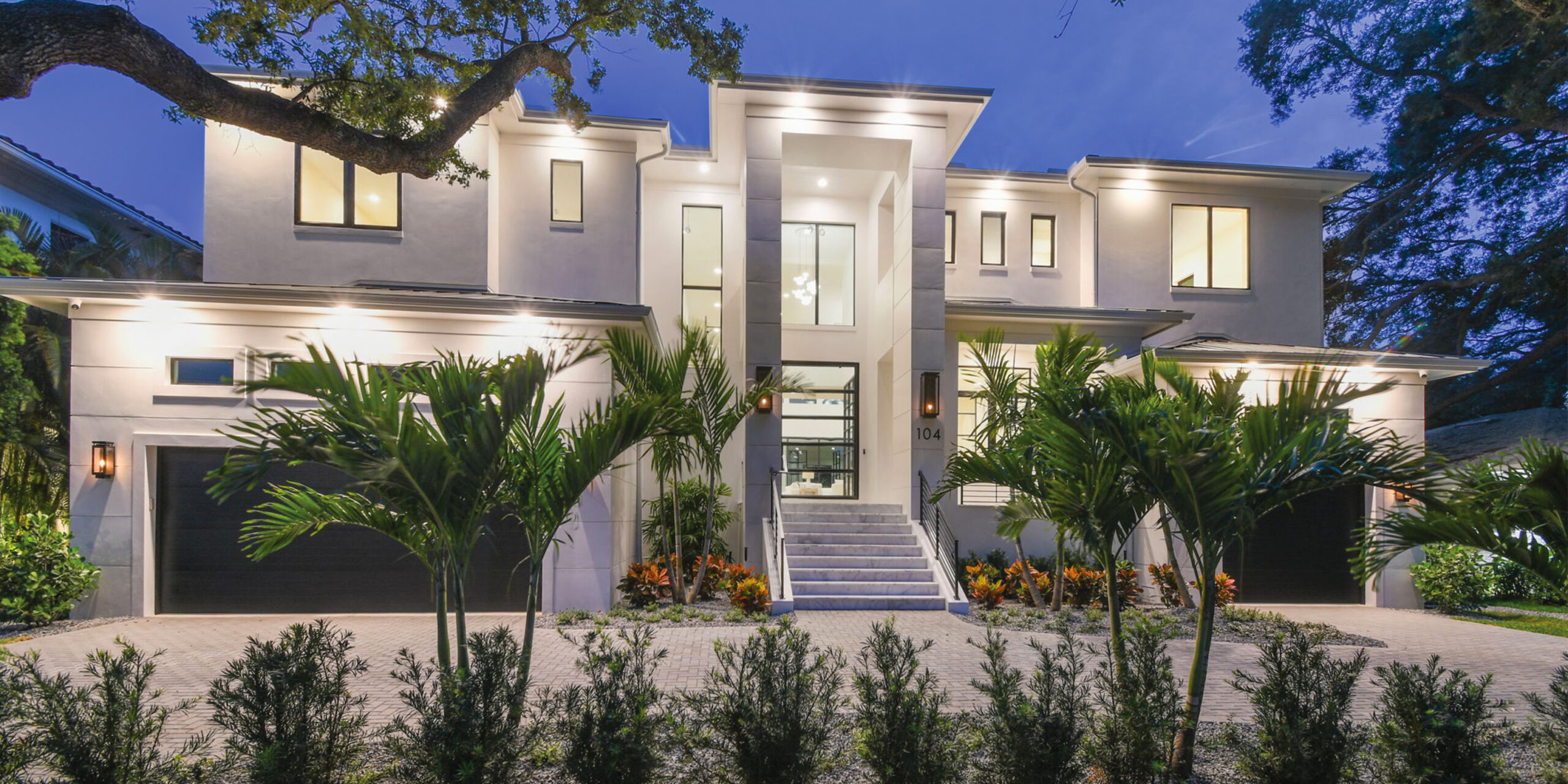
Home Design: Modern Zen

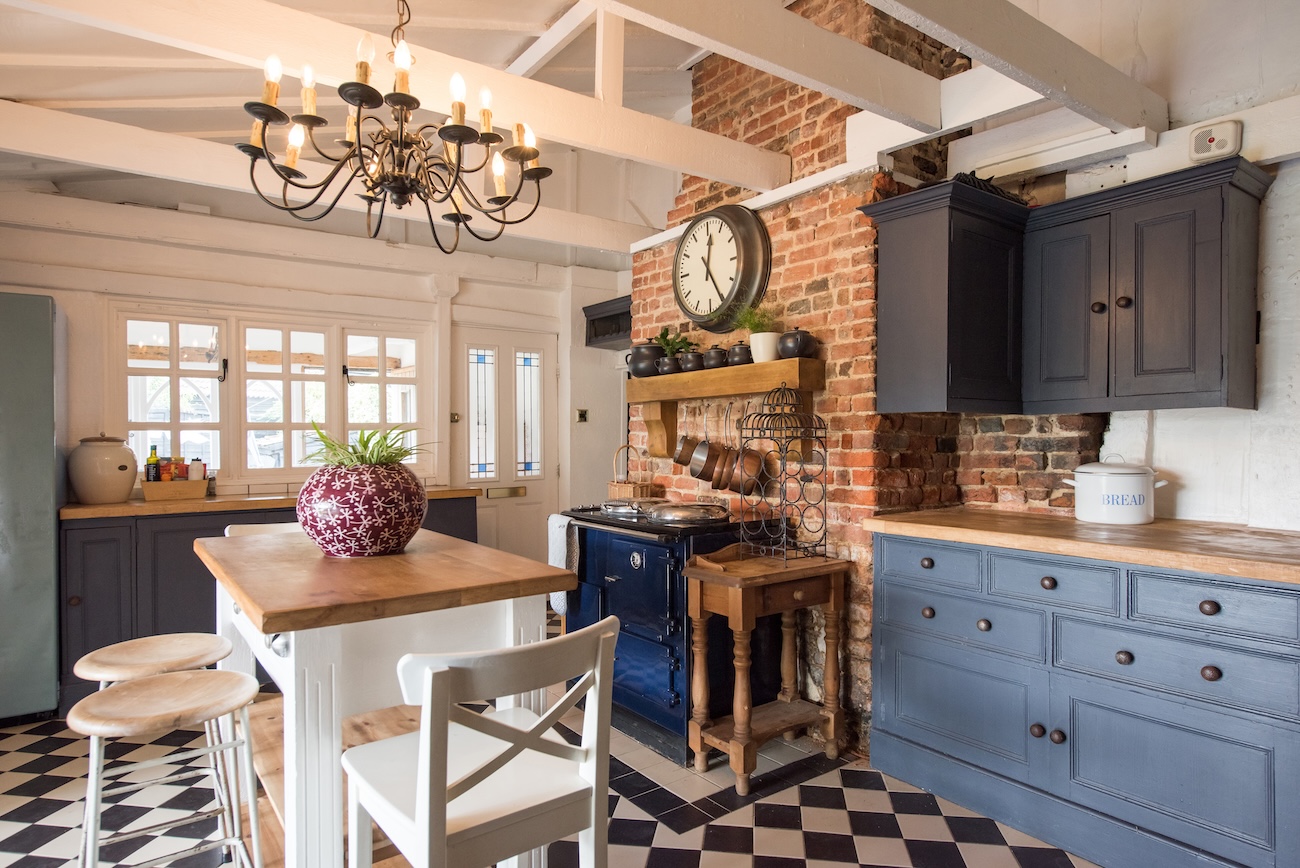
10 Hottest Home Design Trends to Watch for 2025
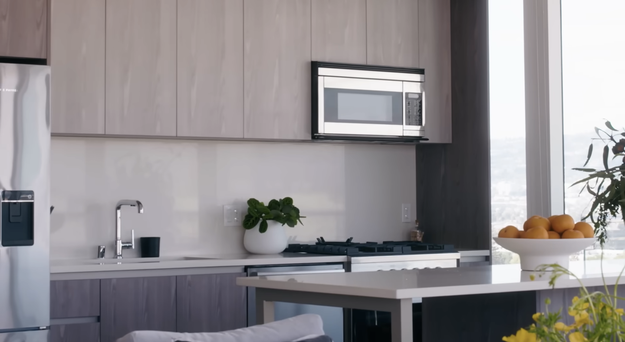
20 Millennial Home Trends That We'll All Be Cringing At In 20 Years

People Are Exposing The Home Decor Trends That'll "Completely Fade Out" Sooner Than You'd Think
Should you follow interior design trends? Do they create a stylish home or one that will date fast?

10 living room decorations boomers still buy that Gen Z would never be caught dead with