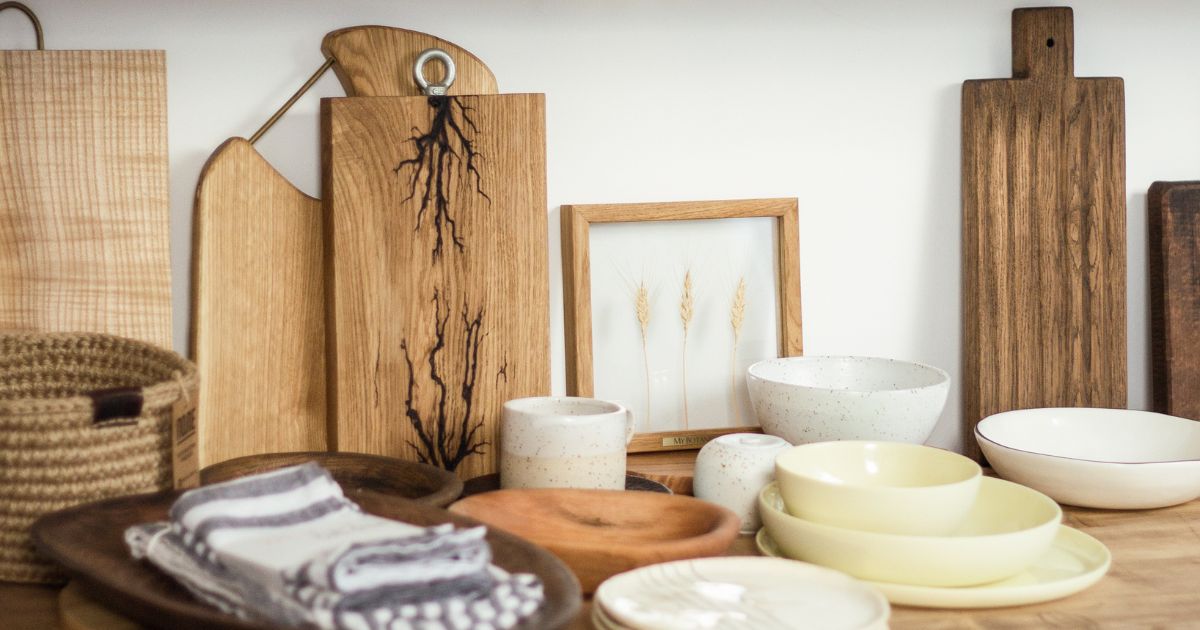
Beyond IKEA: Cairo’s Thriving Markets Offer Affordable, Unique Homeware Gems
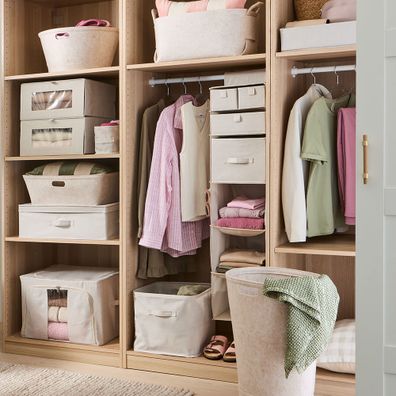
In Cairo, despite the arrival of global furniture giant IKEA in 2013, the local markets and specialty stores continue to be a primary source for affordable and culturally rich homeware. These local hubs, found in neighborhoods such as Nozha, Nasr City, and Downtown Cairo, offer a diverse range of products from Scandinavian-inspired decor to heavy-duty cookware, often at prices significantly lower than international brands. Many Egyptians prefer these local options for their durability, affordability, and unique aesthetic that mass-produced designs cannot replicate.
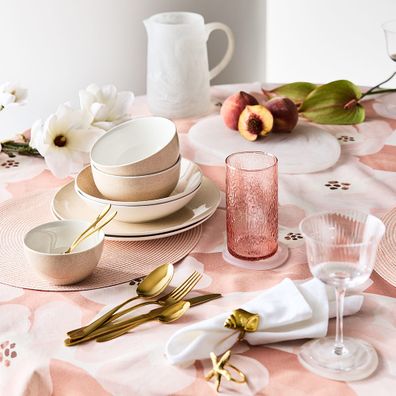
Examples of these thriving markets include Beet El Farida in Nasr City, known for its minimalist ceramics and faux plants, and the bustling alleys of Attaba, where budget-conscious shoppers can find pots for as low as EGP 50 (USD 1.61) and ceramic mugs for EGP 10 (USD 0.32). Chains like El-Tawheed & El-Nour have also established themselves as reliable sources for fixed-price items across various Cairo districts. Shoppers like Mariam Hassan attest to the quality and cost-effectiveness of these local stores, having furnished her entire apartment from Beet El Farida and Al Asfari, saving a significant amount compared to imported brands. Stores like Al Asfari and Dollar Group on Nozha Street provide alternatives with items such as bamboo brooms for EGP 45 (USD 1.45) and oven-safe bakeware for EGP 200 (USD 6.45), offering a no-haggle shopping experience.
Attaba, a historic district in downtown Cairo, is particularly noted for its wholesale shops and budget-friendly homeware. While navigating its crowded and narrow alleys can be challenging, it is considered a rewarding experience for thrifty shoppers. Here, a non-stick pan can be purchased for EGP 100 (USD 3.23) and a stack of ceramic plates for EGP 30 (USD 0.97). Nearby, El-Abd Street specializes in baking essentials, with silicone spatulas priced at EGP 25 (USD 0.81) and cake molds at EGP 80 (USD 2.58), offering prices 20–30 percent lower than mall alternatives. Experienced shoppers advise visiting Attaba on weekday mornings to avoid crowds and to facilitate bargaining, as Fridays are particularly busy and restrict purchases.
The markets in Cairo are more than just shopping destinations; they are cultural experiences. Souq El-Gomaa, located under the 15th of May Bridge, offers a treasure hunt-like atmosphere where shoppers can haggle for secondhand items like vintage lamps and brass trays, which contribute to the social aspect of shopping. Yara Mahmoud, a vintage enthusiast, shares her experience of finding a brass tray for EGP 80 (USD 2.58) that evoked a sense of nostalgia.
Navigating these markets effectively requires a strategic approach. Recommendations for shoppers include starting bids at 50 percent of the quoted price in Attaba and Souq El-Gomaa, thoroughly inspecting items for defects, and carrying cash. Combining trips to Nozha and Attaba, which are about a 30-minute drive apart, can optimize time, and visiting during weekday mornings can help avoid large crowds. While IKEA has introduced global trends to Egypt, Cairo’s local markets offer a richer experience, combining affordability, tradition, and ingenuity, proving that stylish homeware does not necessarily require a high price tag.
#CairoMarkets #HomewareShopping #AffordableDecor #EgyptianCulture #BudgetFriendly #LocalBusinesses #InteriorDesignCairo #TraditionalCrafts #UniqueFinds #CairoMarkets #HomewareShopping #AffordableDecor #EgyptianCulture #BudgetFriendly #LocalBusinesses #InteriorDesignCairo #TraditionalCrafts #UniqueFinds
0 comment in total
 No comments yet
You may also like
Click, Shop, Style: Egypt’s Top Online Furniture Destinations You Need to Know

50 of the best online homeware and furniture stores
Best Home Lighting Stores in Egypt for a Cosy Interior: 5 Brands to Light Up Your Space
I Decorated My Whole Apartment Using Facebook Marketplace—Here's What I Learned

Best high street shops for homeware - Home accessories

Nakhla Brand Store / Yasmina Makram


What to Buy and What Not to Buy at Ikea
Kmart reveals stunning August Living range as products start dropping in stores

60 online homeware & furniture stores we love to browse


14 Markets In Delhi NCR to Shop For Affordable Home Decor | So Delhi

Where to Buy Small Pillows With Big Impact

The Best Places to Shop for Home Decor

5 Egyptian Home Décor Brands for a Unique Aesthetic
Gelato-Inspired Tiles, a New Sixpenny Sofa, and Heather Taylor Home Starting at $12

Where To Go Shopping in Rome: A Local’s Guide to Clothes, Leather And More (Updated 2025)

Kmart finds: Our top 10 décor and furniture products from Kmart's July 2023 home and living drop
Celebrate Egypt’s Heritage with Bespoke Pieces by Kenda Interiors
This historic Cairo building used to house Egypt's glitterati. Now it's a secret luxury escape

10 Top Interior Design Trends in Egypt in 2020
Designers Love Facebook Marketplace for Home Decor on a Budget — How to Use It Right