1/9
Scholten & Baijings’s Bright Ideas (Published 2015)
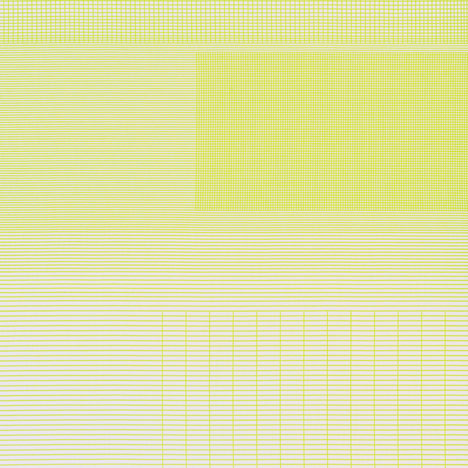
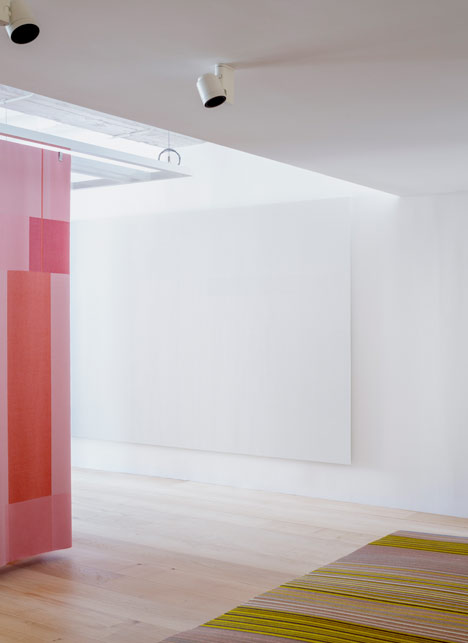
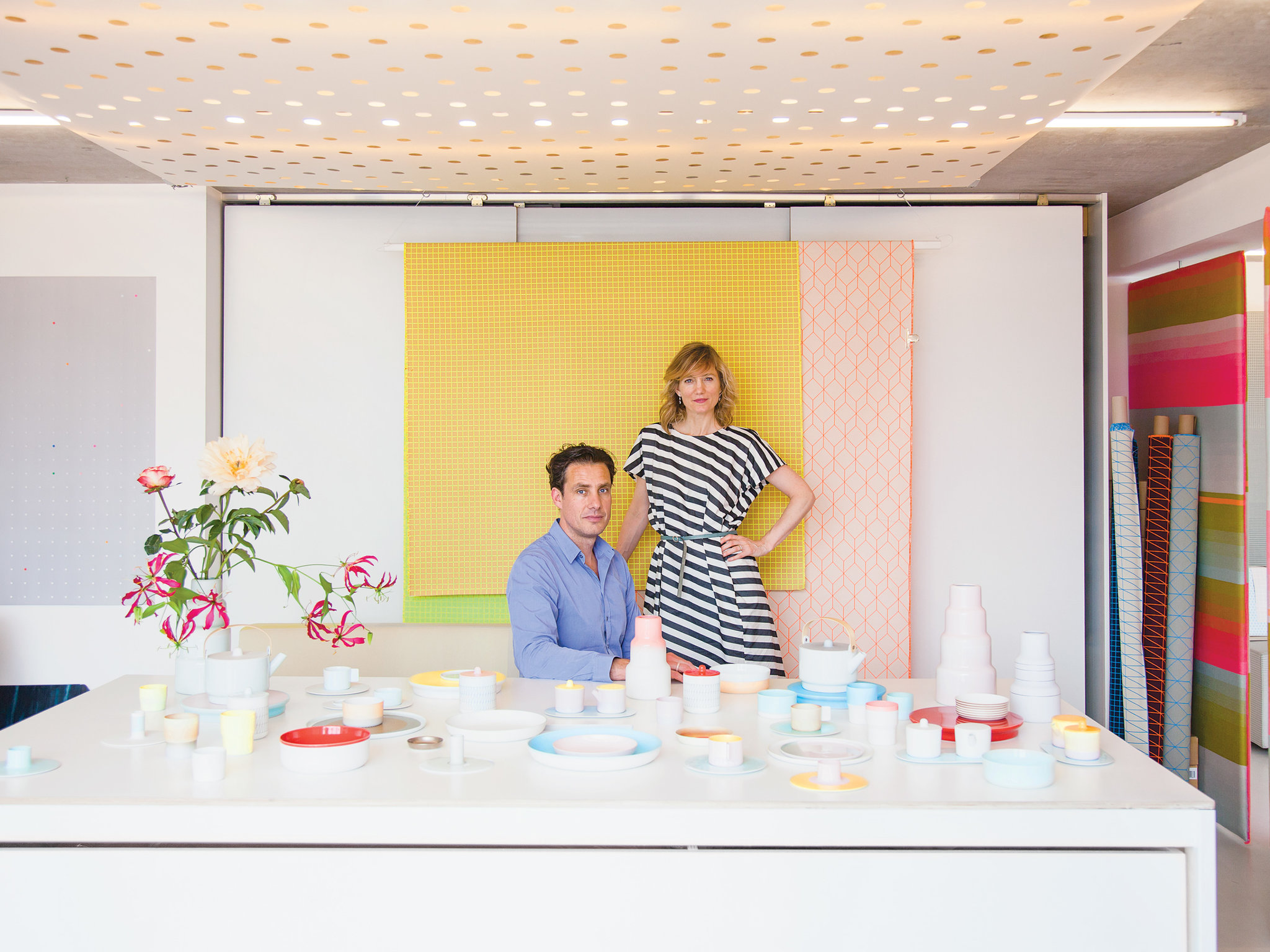
The Dutch design duo Stefan Scholten and Carole Baijings are celebrated for their innovative use of color and their ability to merge conceptual design with industrial production. Their Amsterdam studio is a vibrant space filled with their distinctive creations, ranging from textile panels in bold color combinations like hot pink and olive green to matte porcelain vases and tinted glass globes. Michael Maharam, a collaborator, likens their studio to a “candy shop for the curious eye,” reflecting the diverse array of objects designed by the firm, which includes clocks for Ikea, components for a Mini One car, and dishwasher-safe Japanese porcelain.
Scholten and Baijings distinguish themselves in the typically subdued Dutch design scene through their vibrant aesthetic and their belief that creativity can coexist with manufacturing. Scholten, an alumnus of Design Academy Eindhoven, highlights the prevailing sentiment during his studies that design was either conceptual and handmade, or industrial. This perspective was heavily influenced by Droog, an influential design collective known for its postmodern, D.I.Y. approach. While Droog’s prototypes were often costly and difficult to mass-produce, many prominent Dutch designers of the past two decades were associated with the movement. Scholten humorously recalls the pressure to become a “Droog designer,” noting that the separation between creative and industrial processes seemed counterintuitive, especially considering how historical design greats integrated both.
Scholten and Baijings’s partnership, both professional and personal, began in 1999. Their collaborative methodology, described by Baijings as the “atelier way of working,” emphasizes constructive thinking, hands-on experimentation with materials and colors, and a continuous evaluation of whether their ideas are effectively translating into tangible designs. This process allows them to explore new avenues simultaneously, leading to unexpected and fresh outcomes.
Their three-bedroom 1920s Amsterdam home serves as a living showcase of their design philosophy. Design critic Louise Schouwenberg has described their meticulous attention to detail as “almost un-Dutch.” The house features a blend of original elements, like a marble-lined entryway and an antique Indonesian wedding chest, alongside modern renovations. The ash-green kitchen, for instance, boasts custom aluminum cabinets and a Pandomo-textured wall. Throughout their home, they create seemingly random yet thoughtfully curated arrangements of design objects and everyday items. These groupings are evident in their son’s room, where clothes are displayed like museum pieces, and in the living room, where timeless objects such as a Josef Hoffmann tea set intermingle with personal mementos and design prototypes, both successful and failed. Each item in their home, as Scholten explains, carries a narrative, contributing to the overall story of their lives and work. The duo continues to expand their influence, with plans to unveil a furniture collection with Herman Miller and curate an exhibition on Japanese porcelain at the Rijksmuseum, demonstrating how their refined style opens up new creative possibilities.
#ScholtenBaijings #DutchDesign #InteriorDesign #ColorTheory #ProductDesign #IndustrialDesign #HomeDecor #CreativeProcess #Amsterdam #ScholtenBaijings #DutchDesign #InteriorDesign #ColorTheory #ProductDesign #IndustrialDesign #HomeDecor #CreativeProcess #Amsterdam
 No comments yet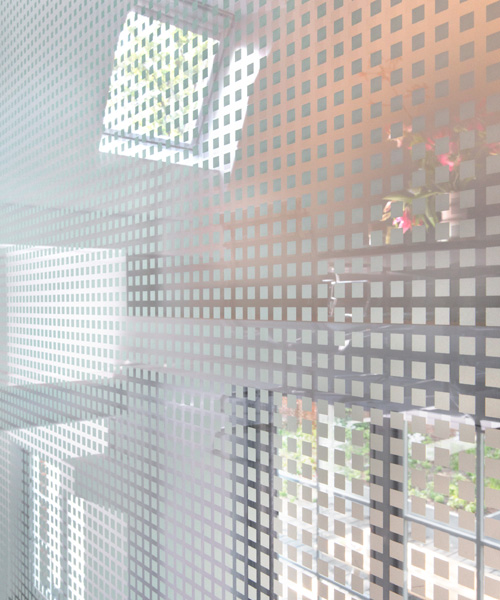
scholten & baijings present a family of etched + printed glass gradient patterns for skyline design
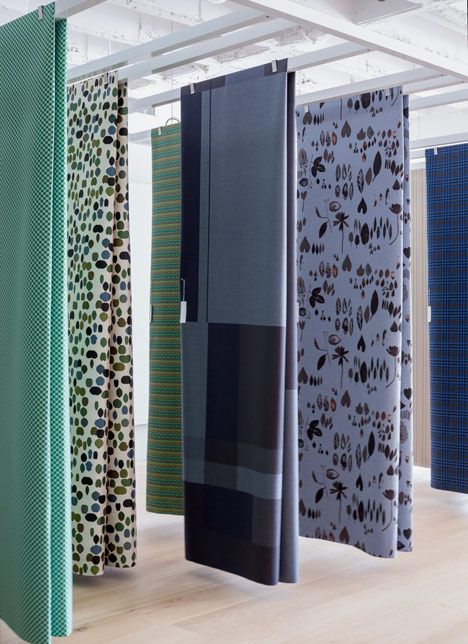
Scholten & Baijings design fabric with nine-metre pattern repeat
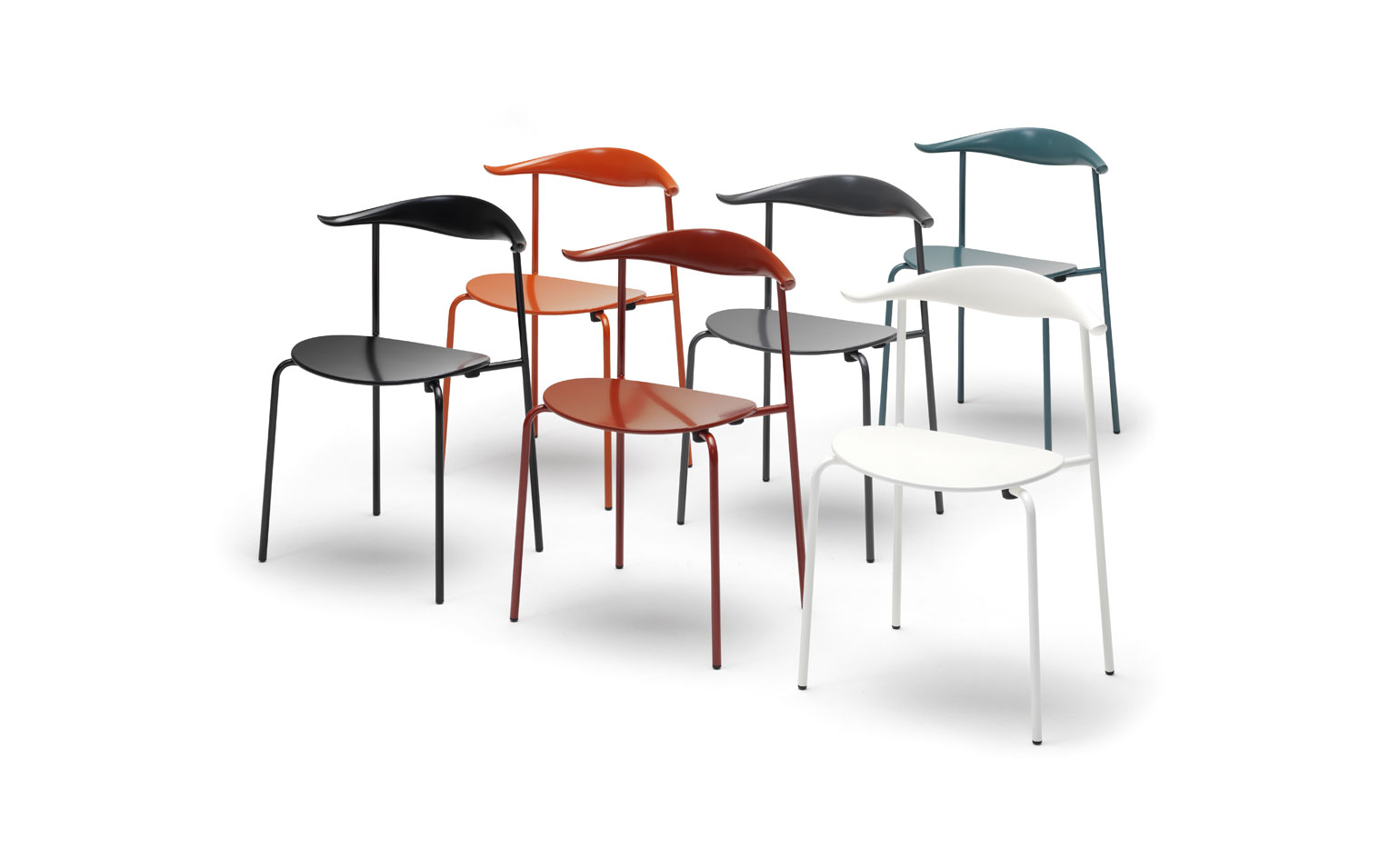
Bright young stars: the 2015 Stockholm Furniture Fair adds new luminaries to its abundant roster

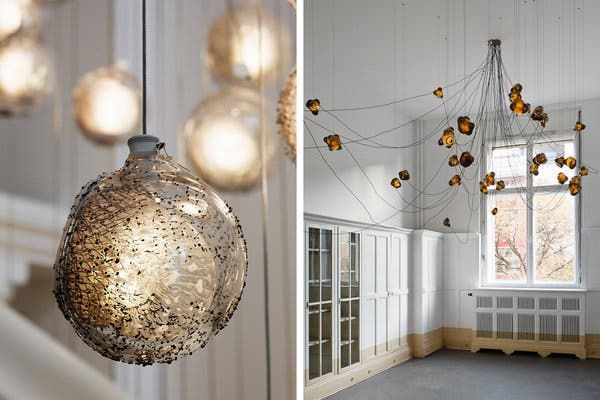
In Berlin, a Space for Design Experiments (Published 2015)