
1/5
How to Master the Fine Art of Cozy Living This Fall
This article explores the concept of 'hygge,' a Danish term for coziness and contentment, and how to incorporate it into home and daily life, particularly during the fall season. It draws insights from interior designer Wendy Saex of Hygge Design Ideas and entrepreneur Alexandra Gove, founder of HyggeLife.com, offering practical advice on creating a warm and inviting atmosphere.
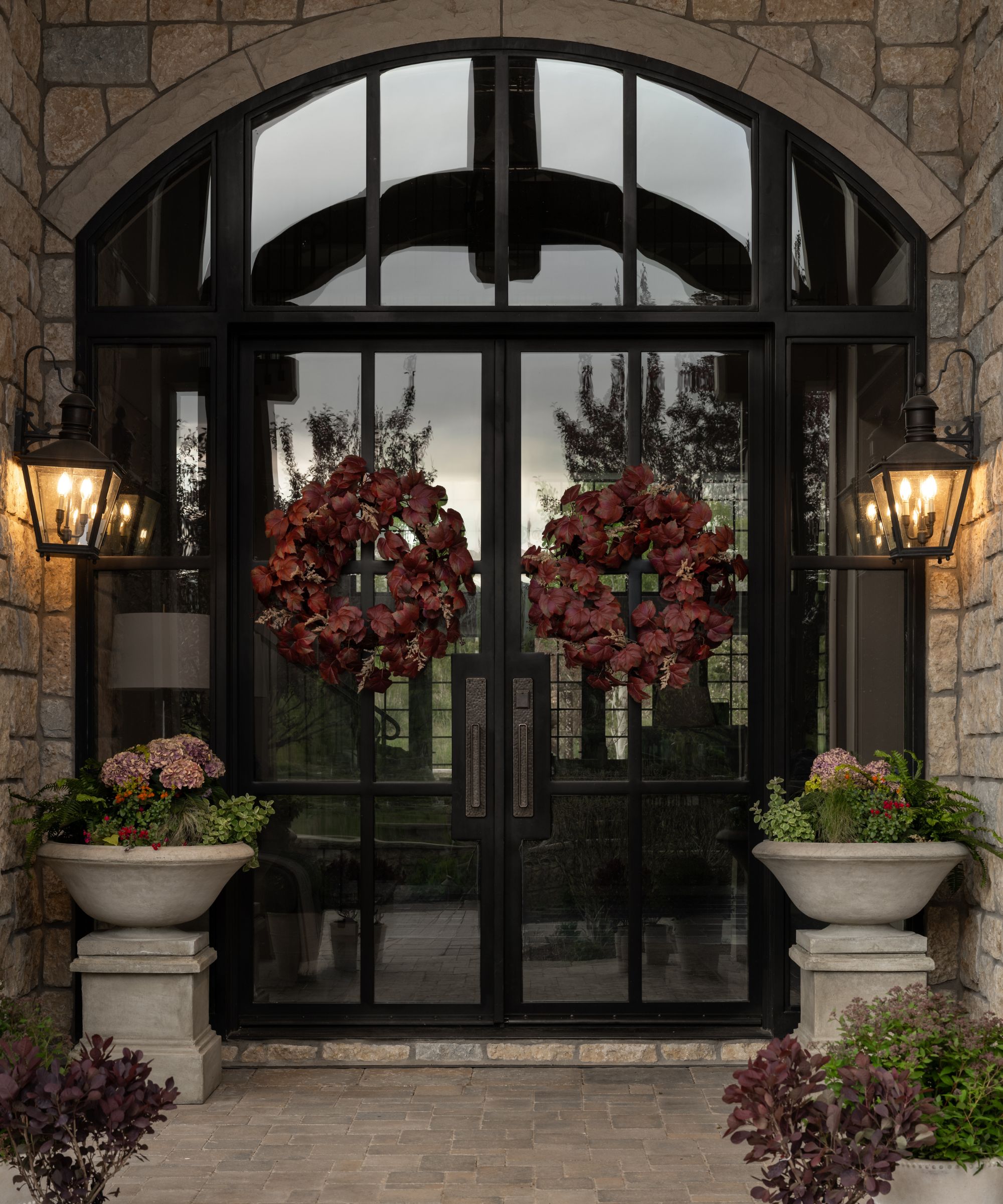
The article begins by suggesting ways to enhance a home's exterior to be more welcoming. While bold, multi-colored facades common in Scandinavia might not suit American neighborhoods, strategic use of color on elements like a front door can boost curb appeal. The incorporation of native stone, plantings, and organic construction materials is also recommended to integrate the property with its natural surroundings, fostering a sense of harmony and belonging.
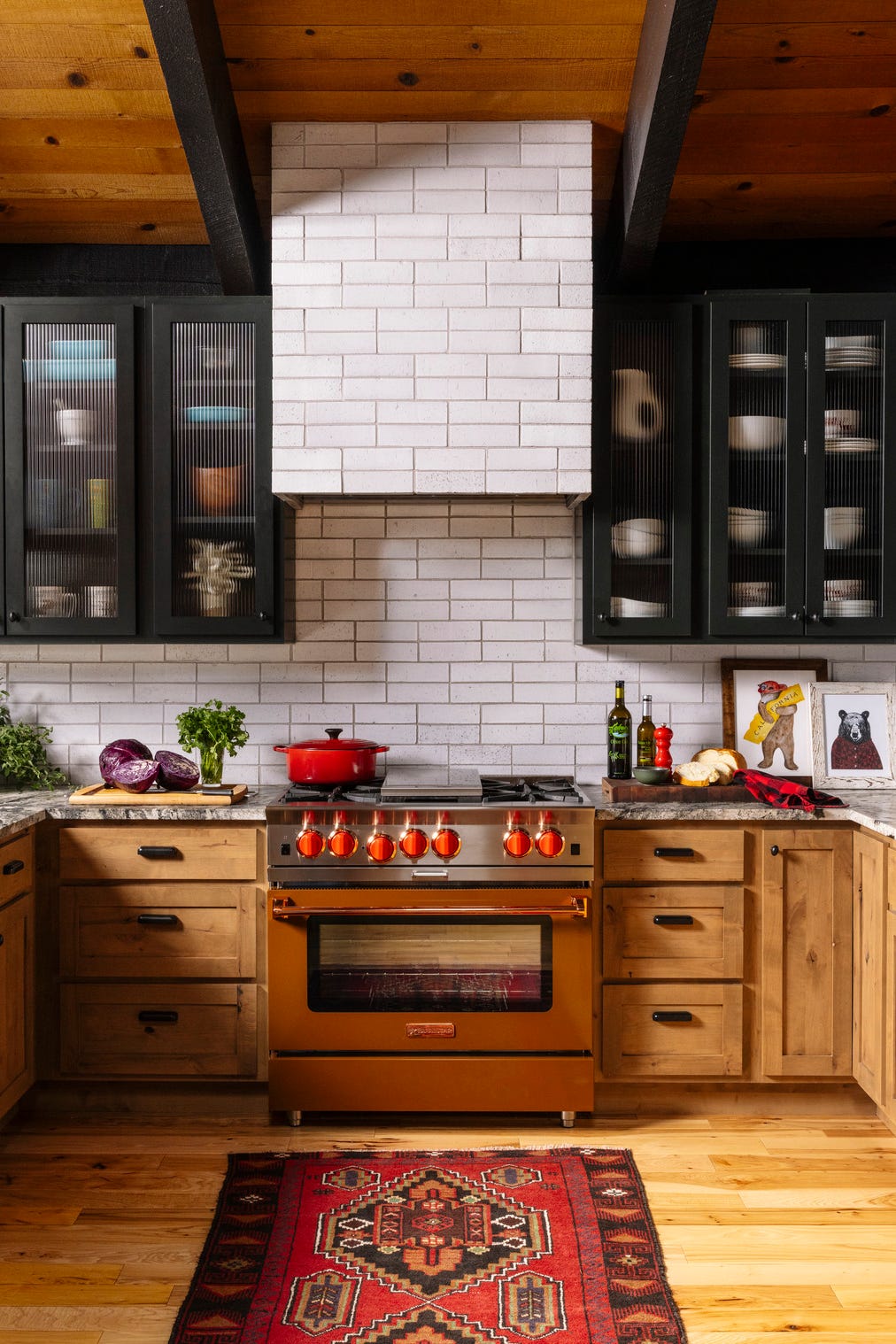
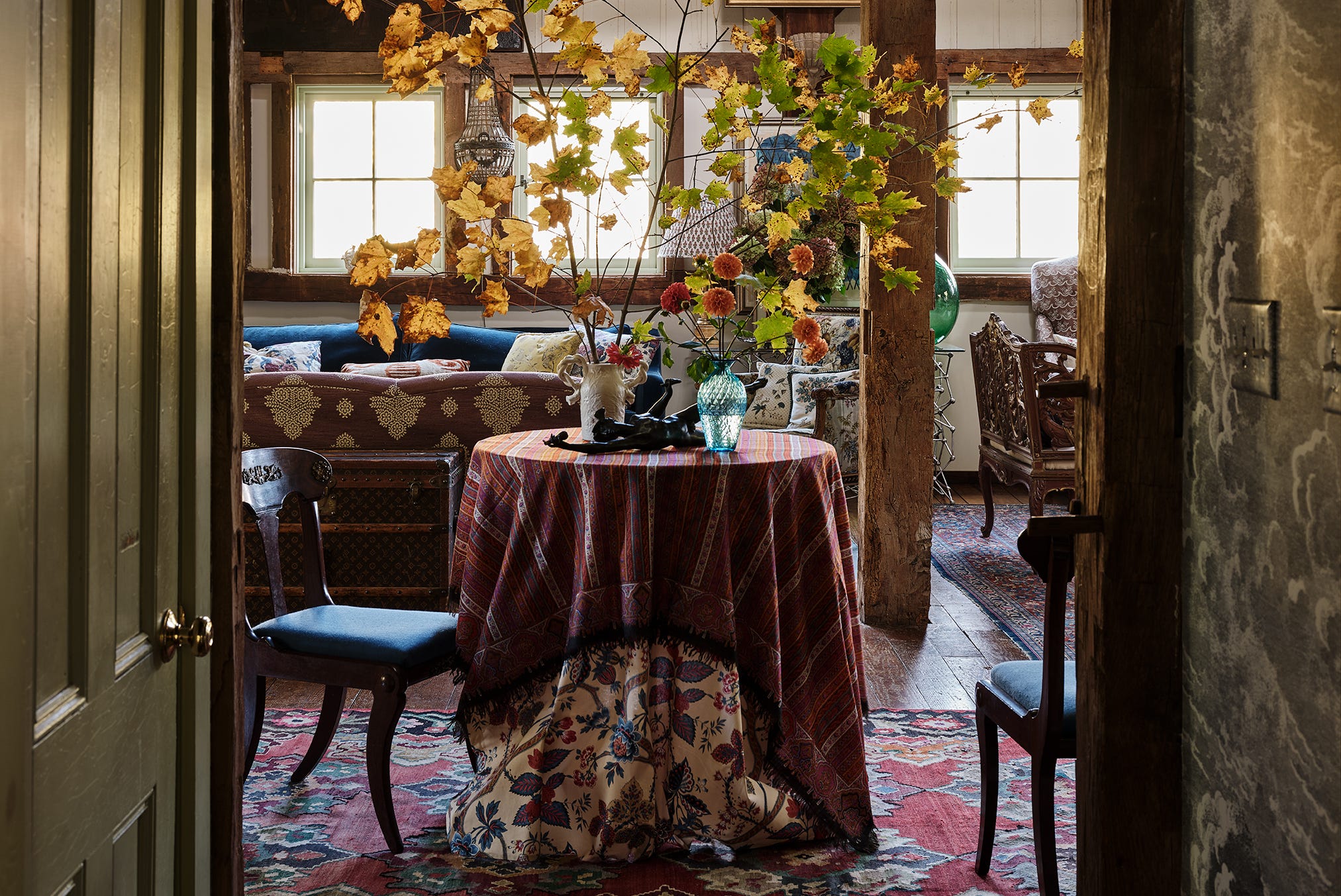
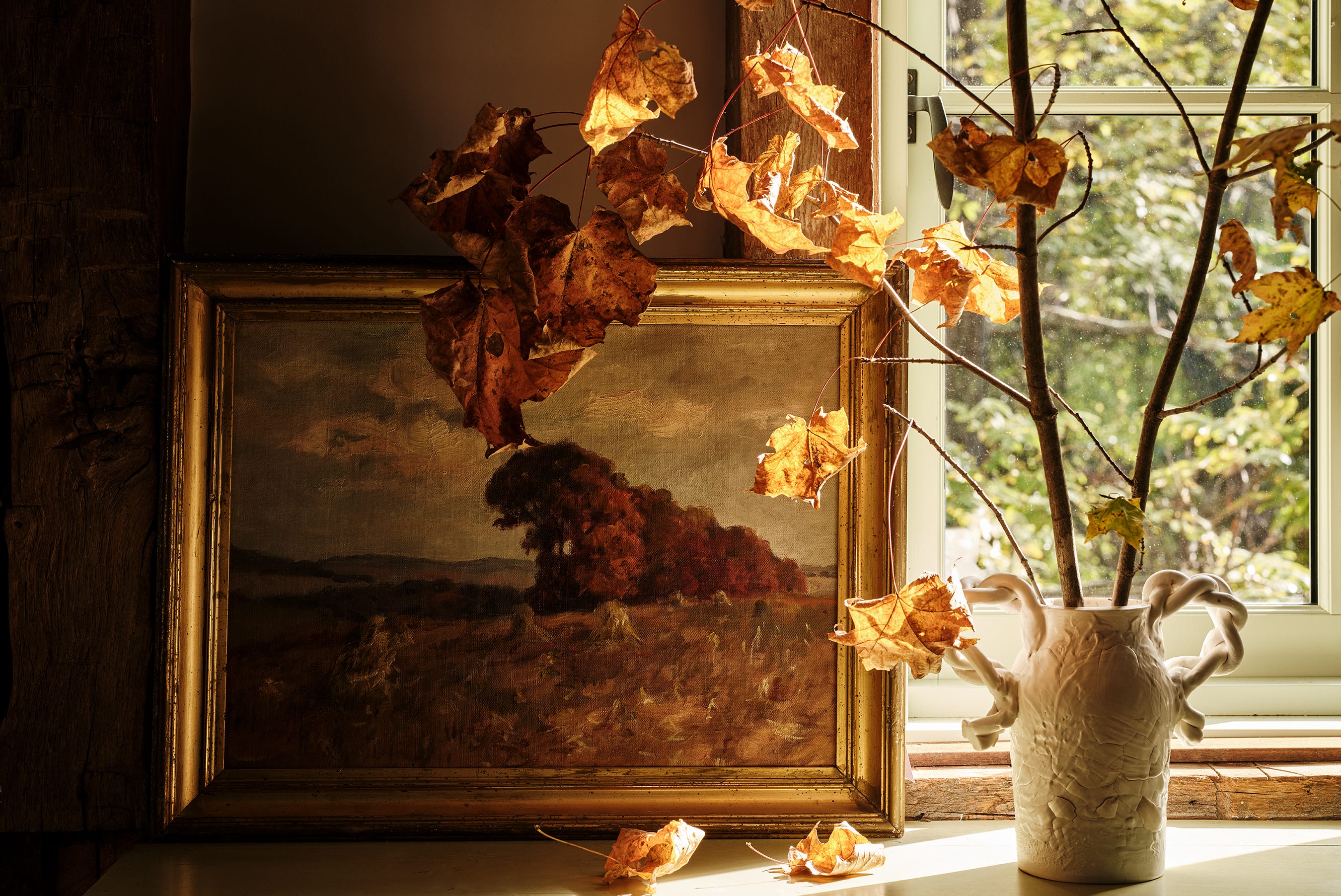
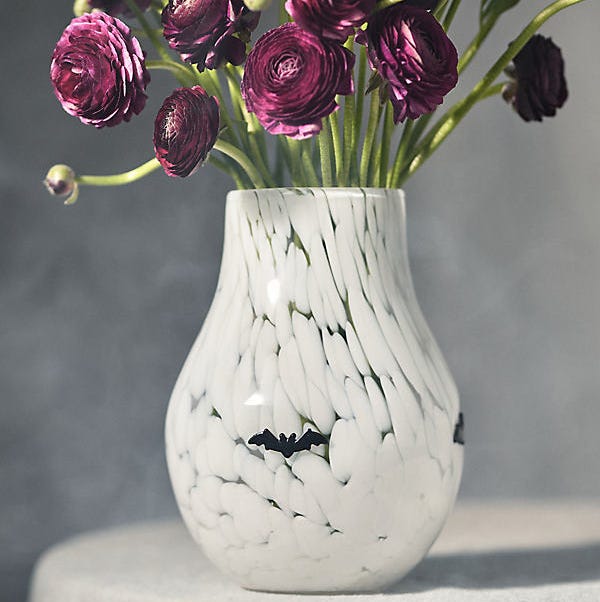
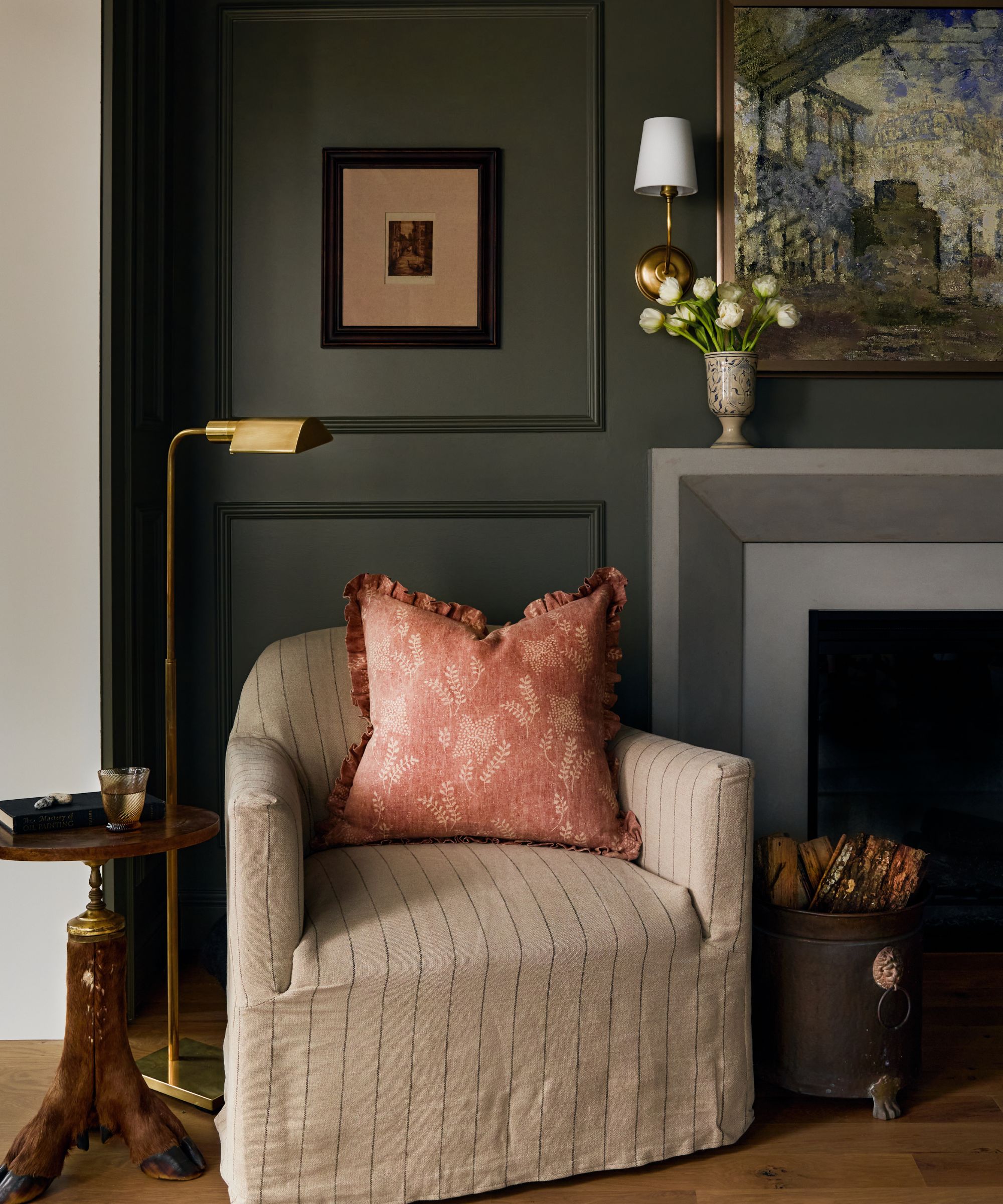
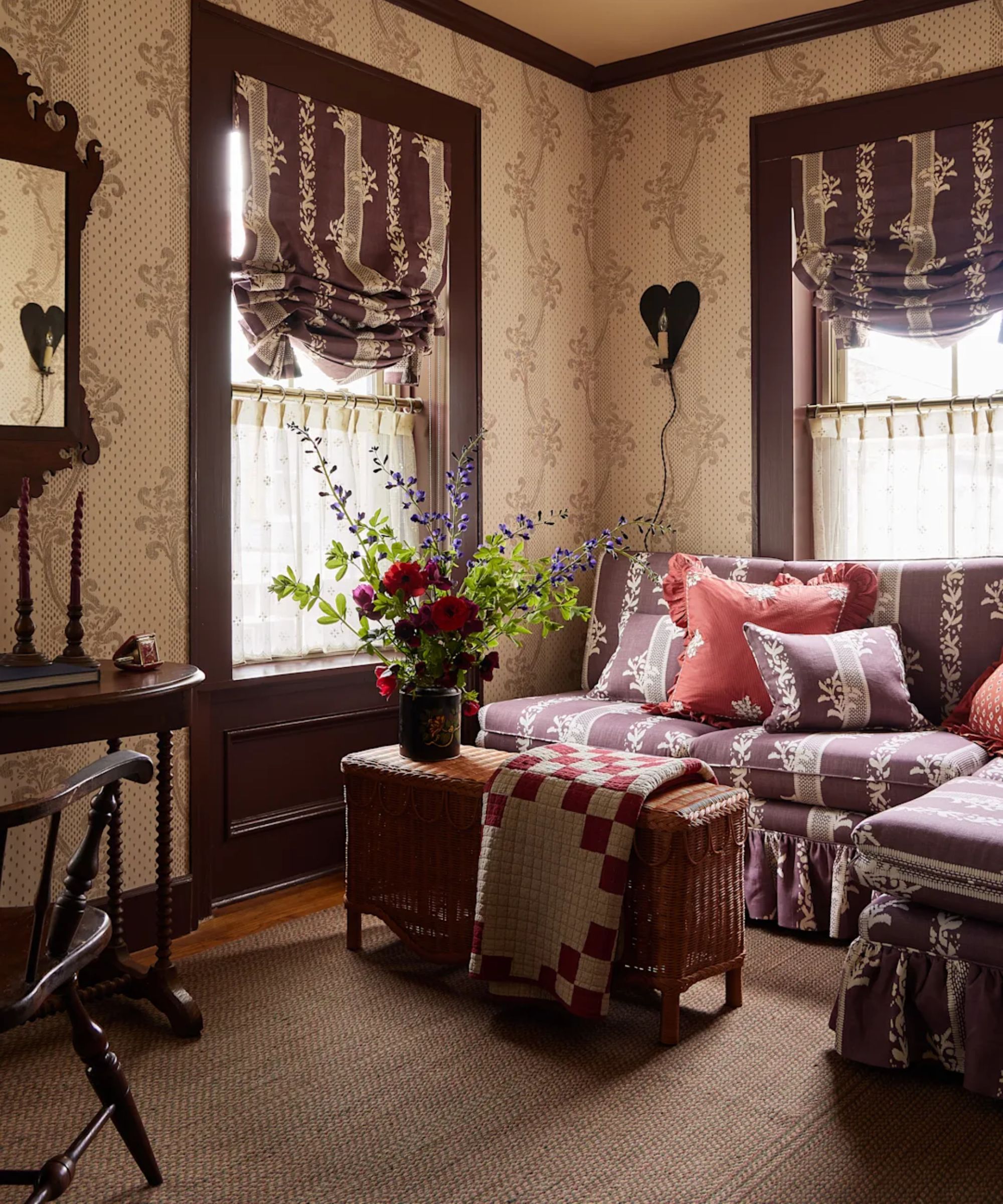
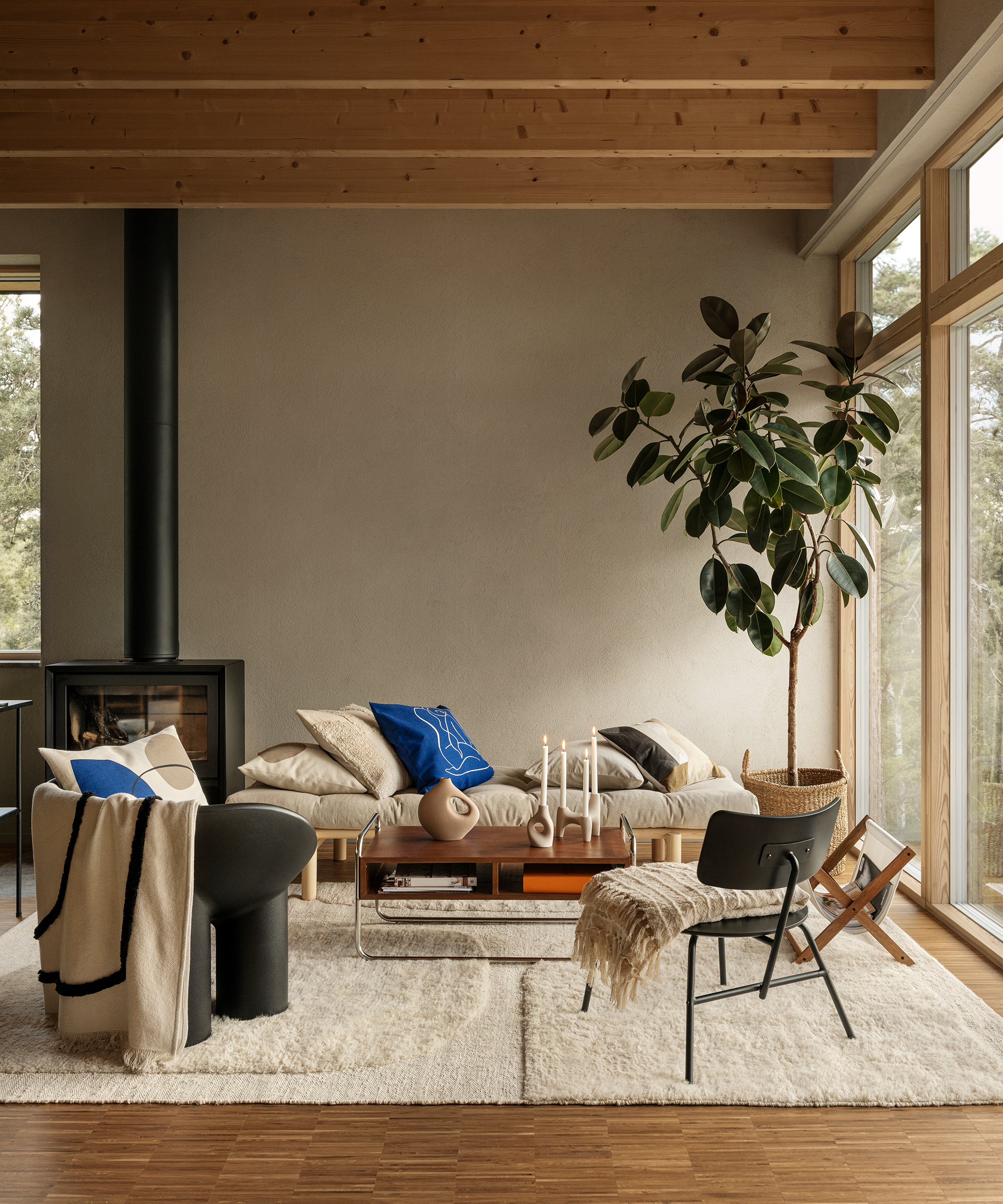
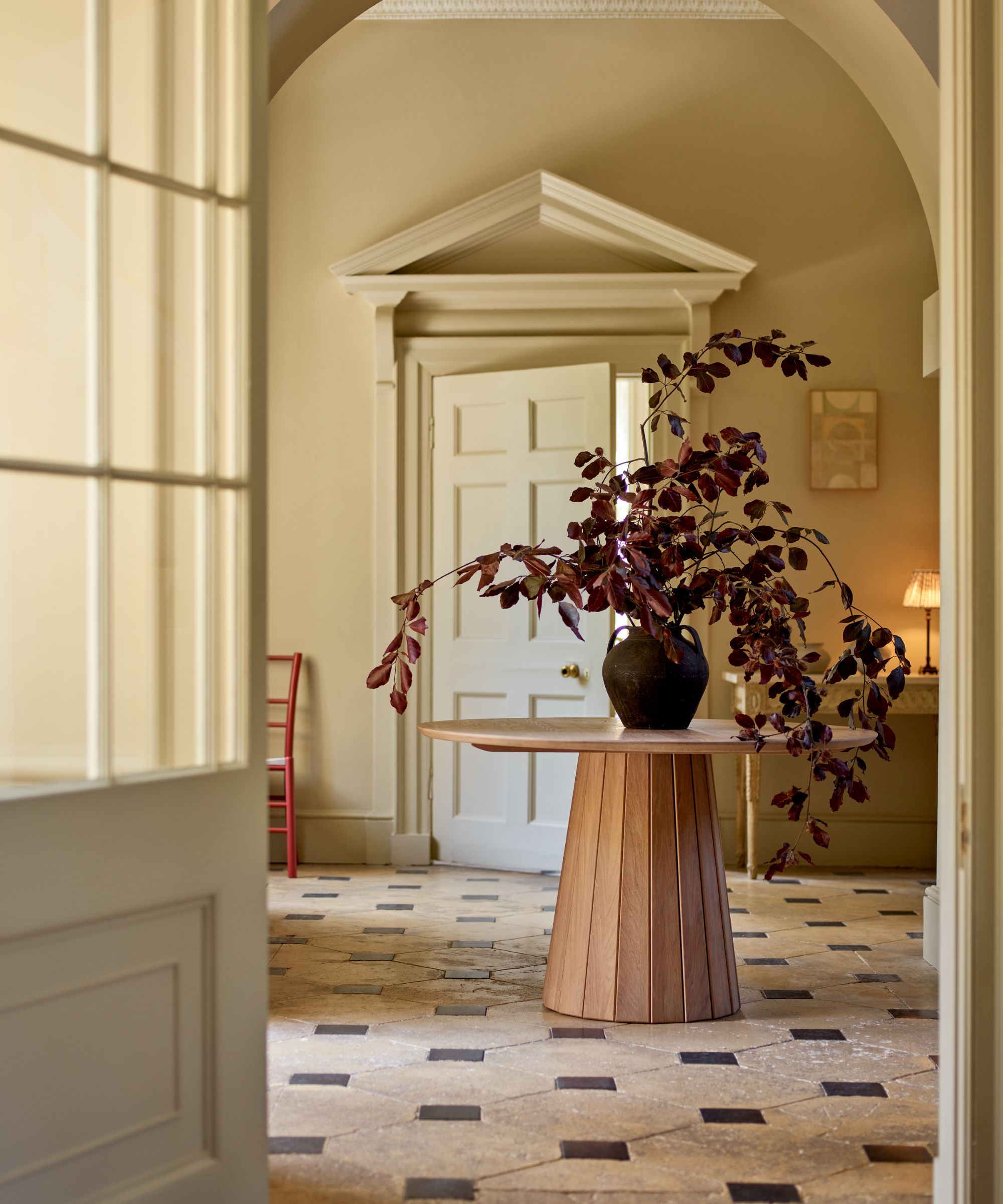
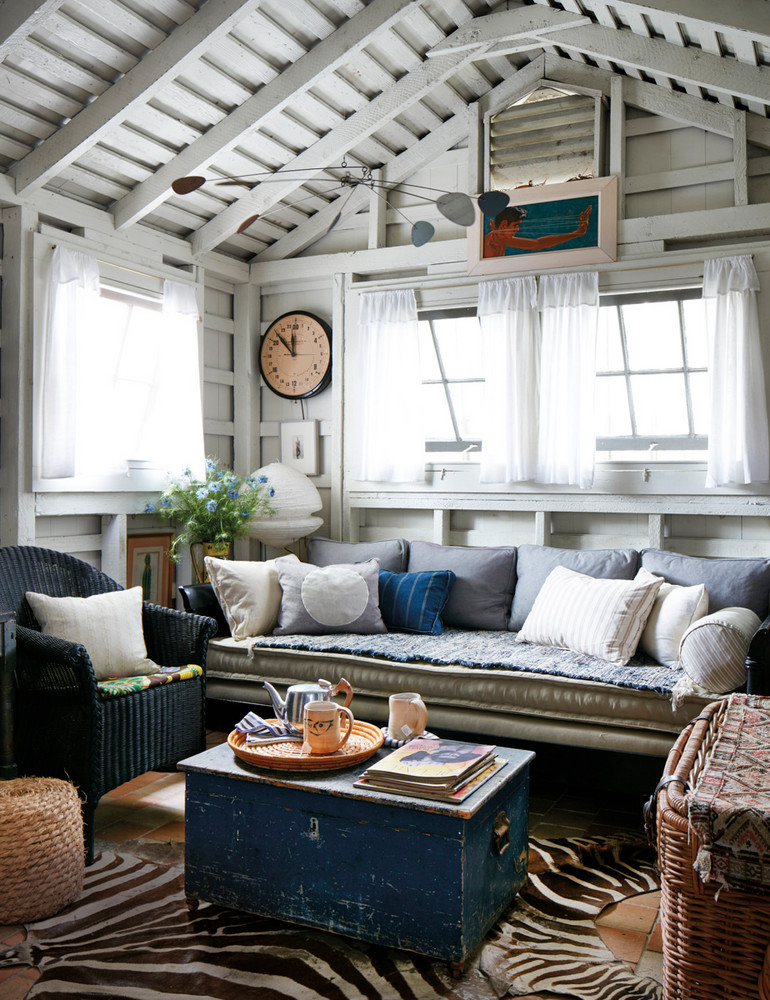
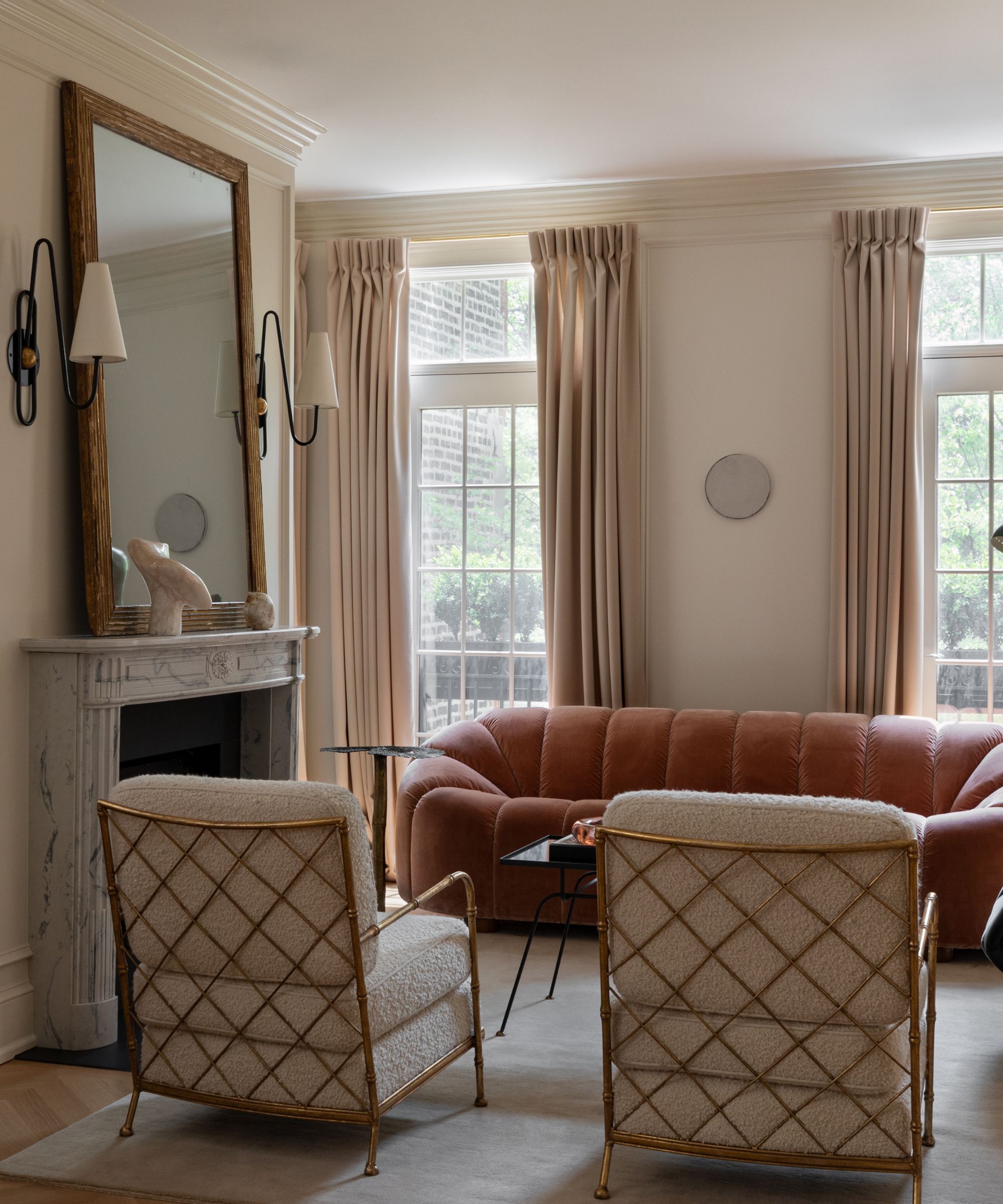
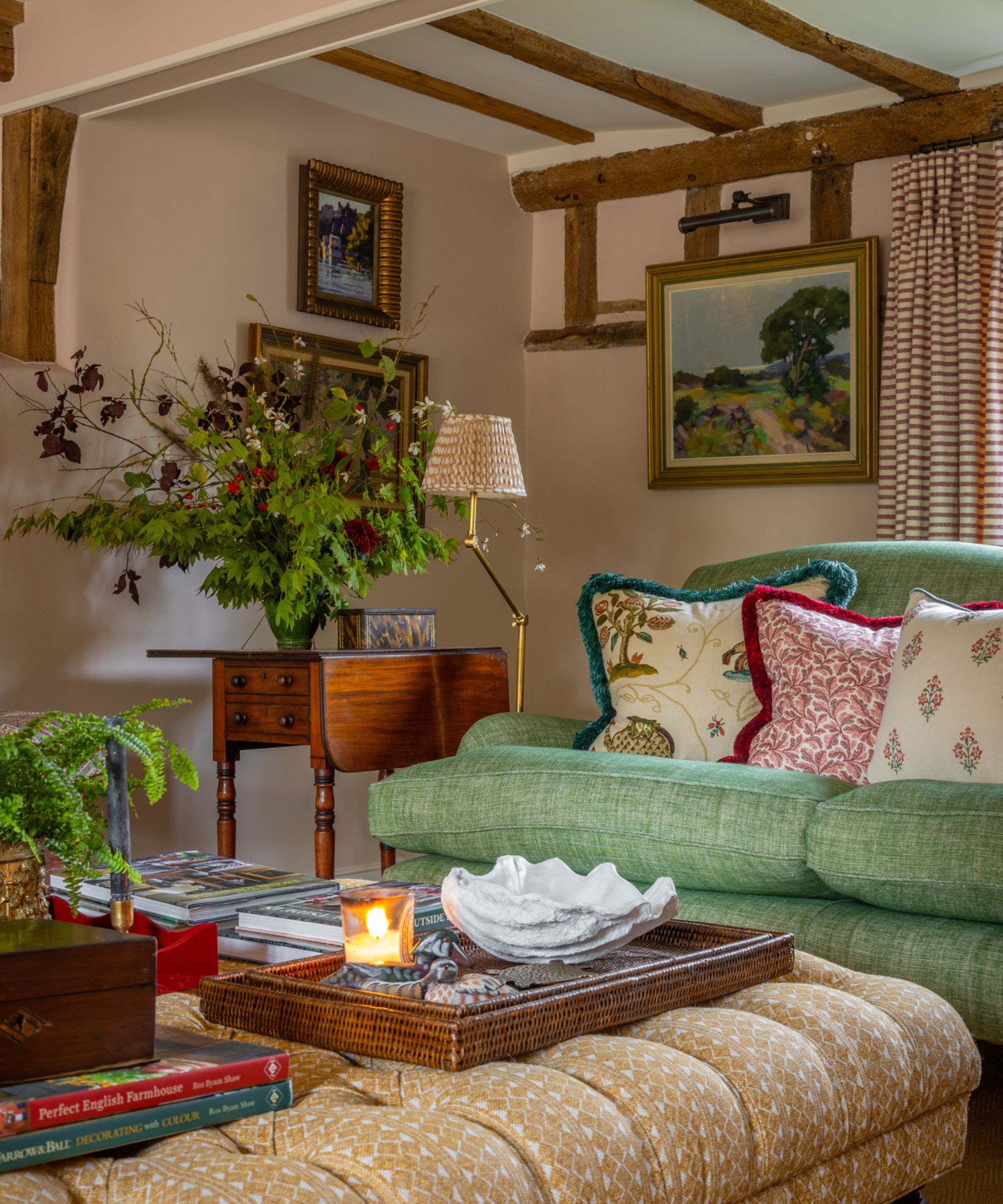
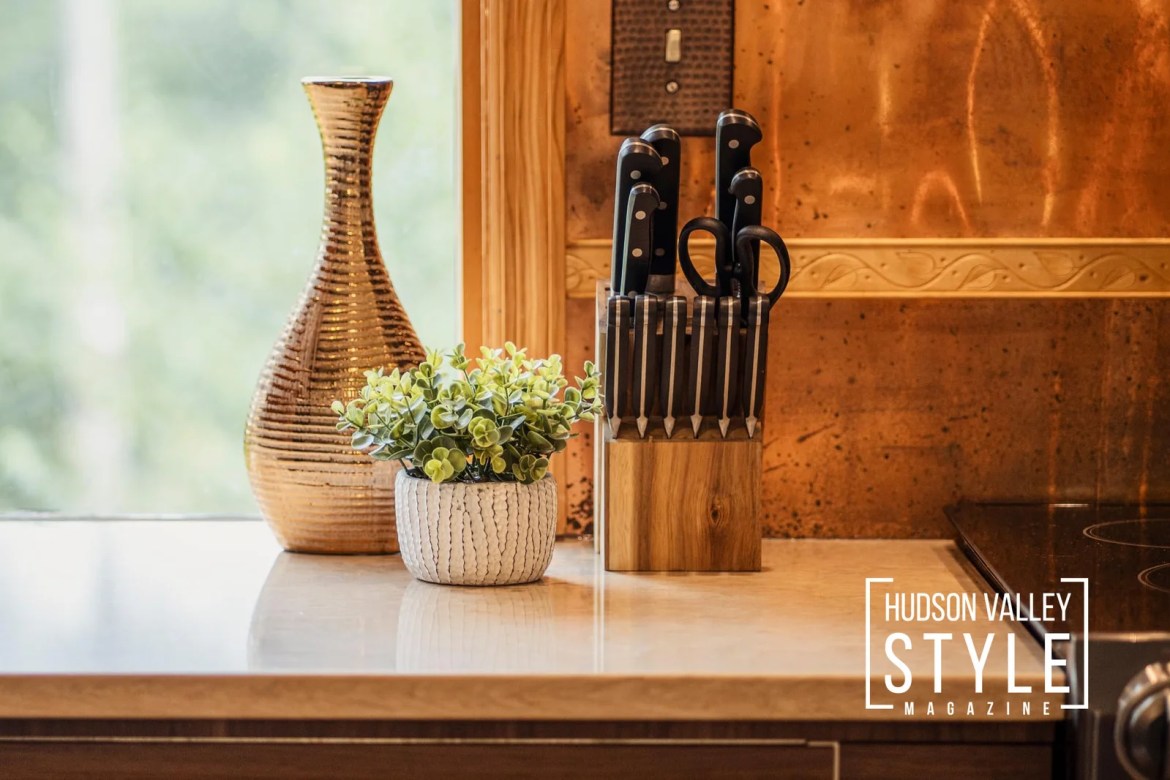
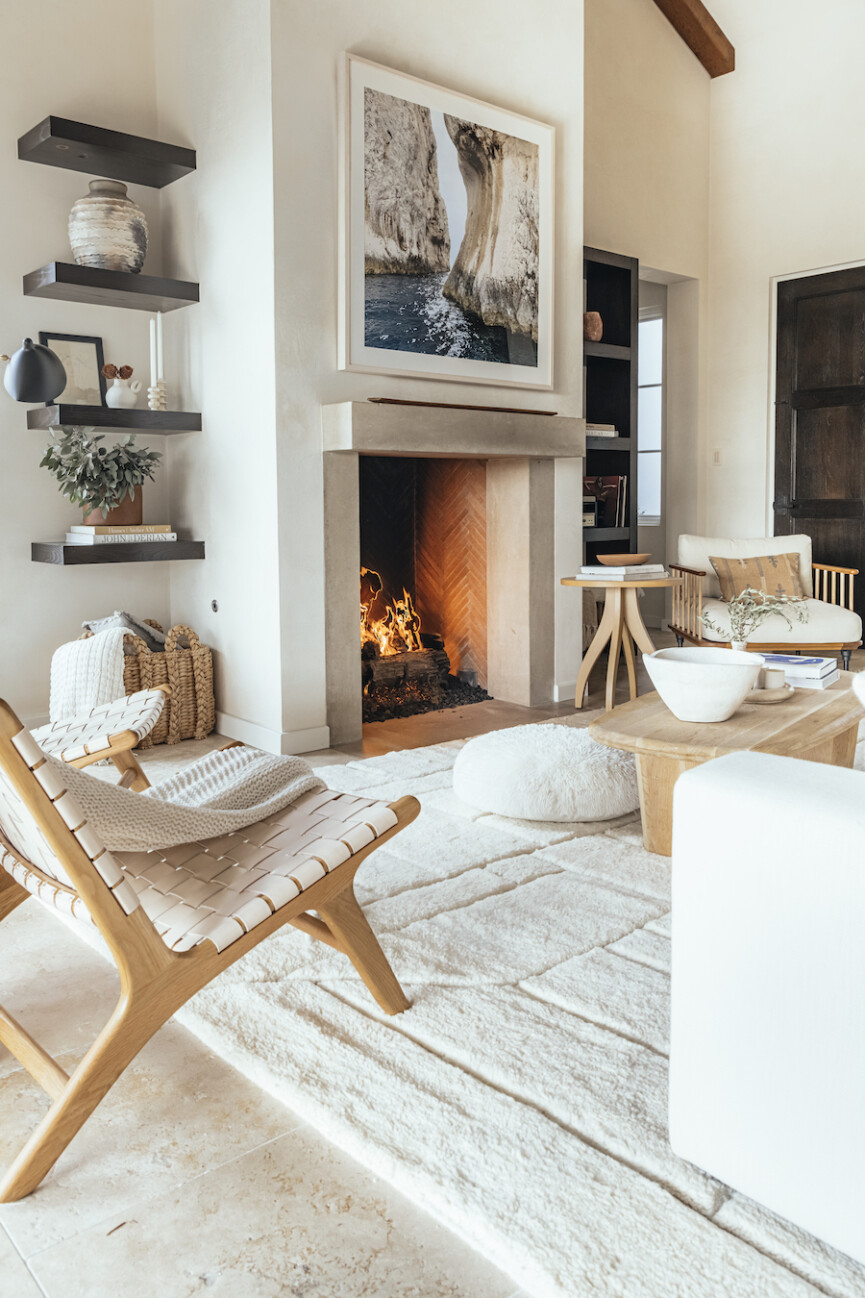
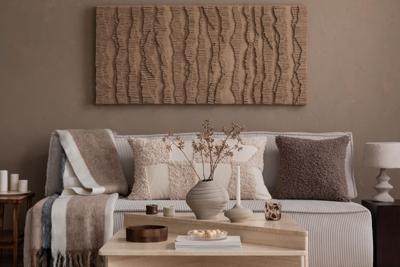
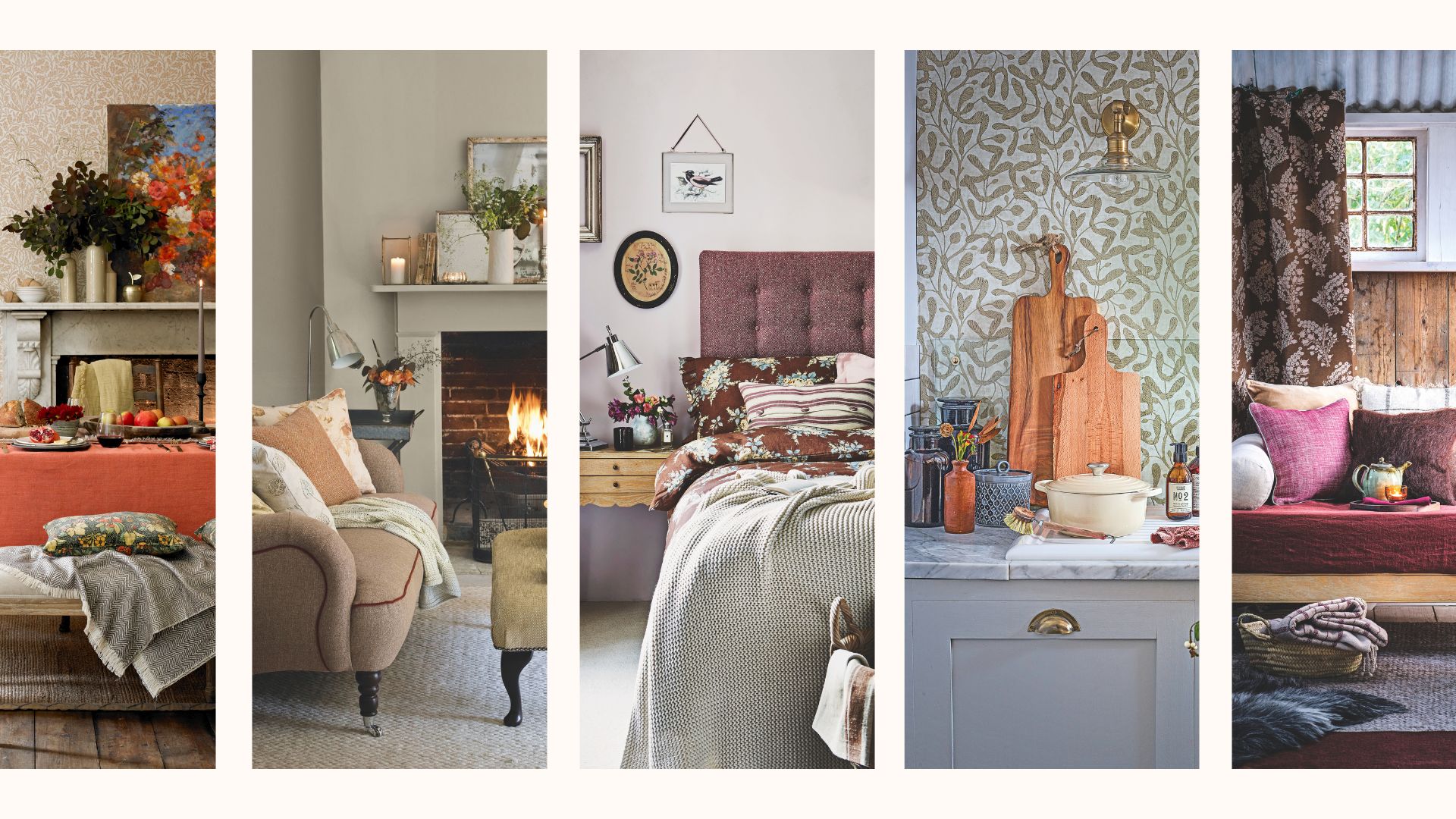
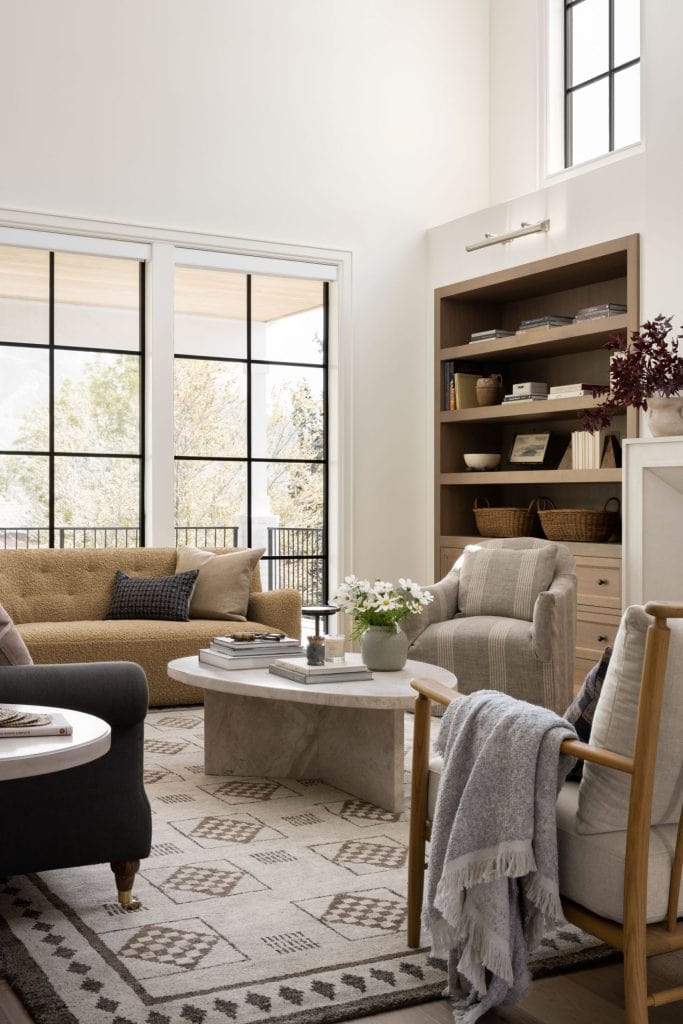
Moving indoors, the article advocates for a neutral color palette in interiors, such as creams, taupes, terra cottas, and various wood tones. These choices, while subdued, are presented as a foundation for a personalized and non-sterile environment. The key to making a hygge home unique, according to Saex, is to fill it with personal effects that bring joy, like an heirloom vase holding fresh flowers or a well-used cast-iron Dutch oven, reflecting the homeowner's personality and history.
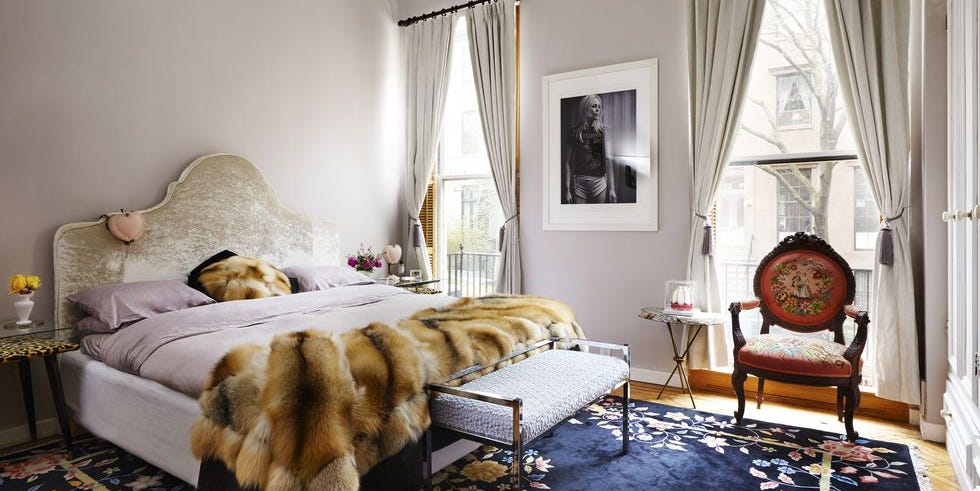
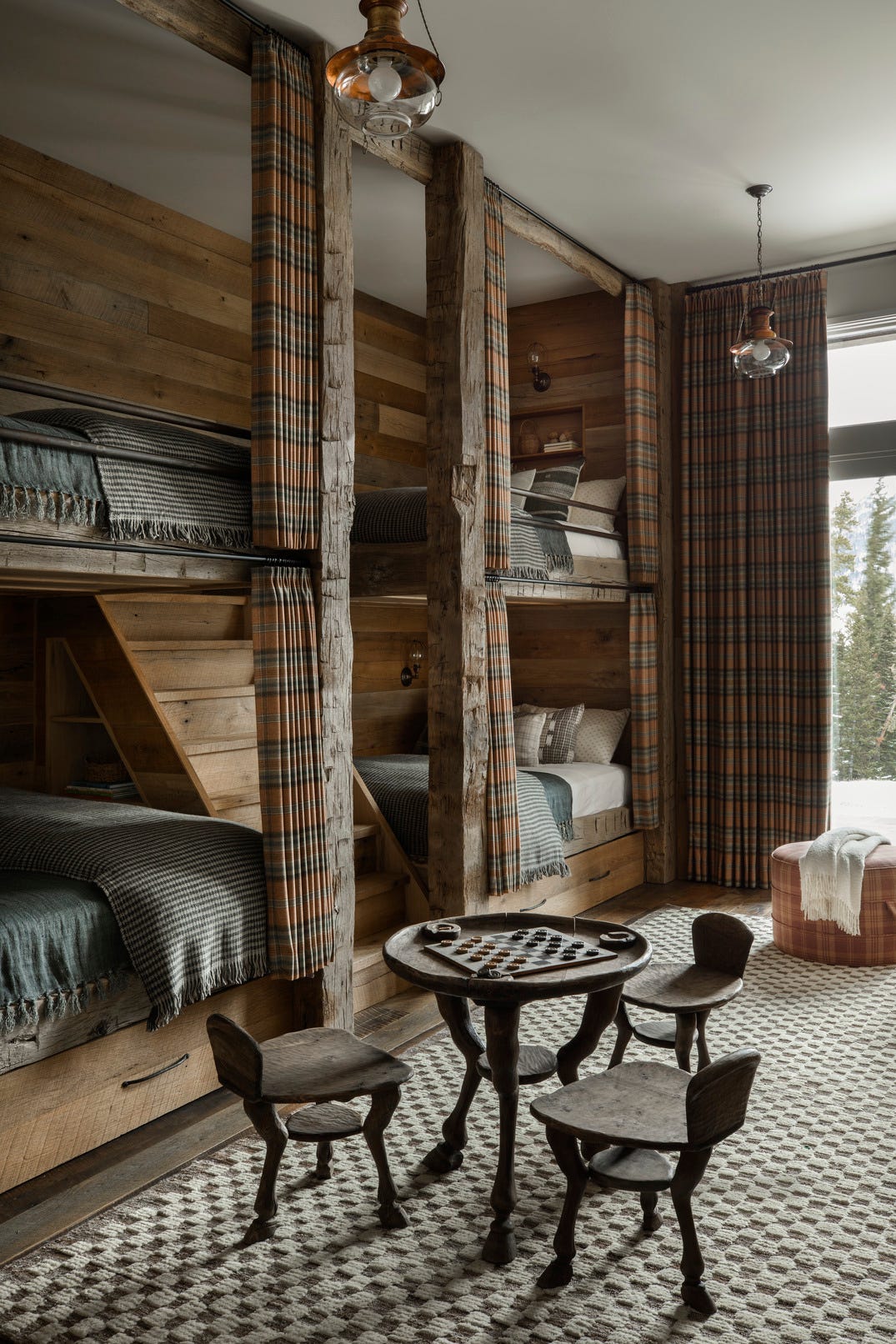
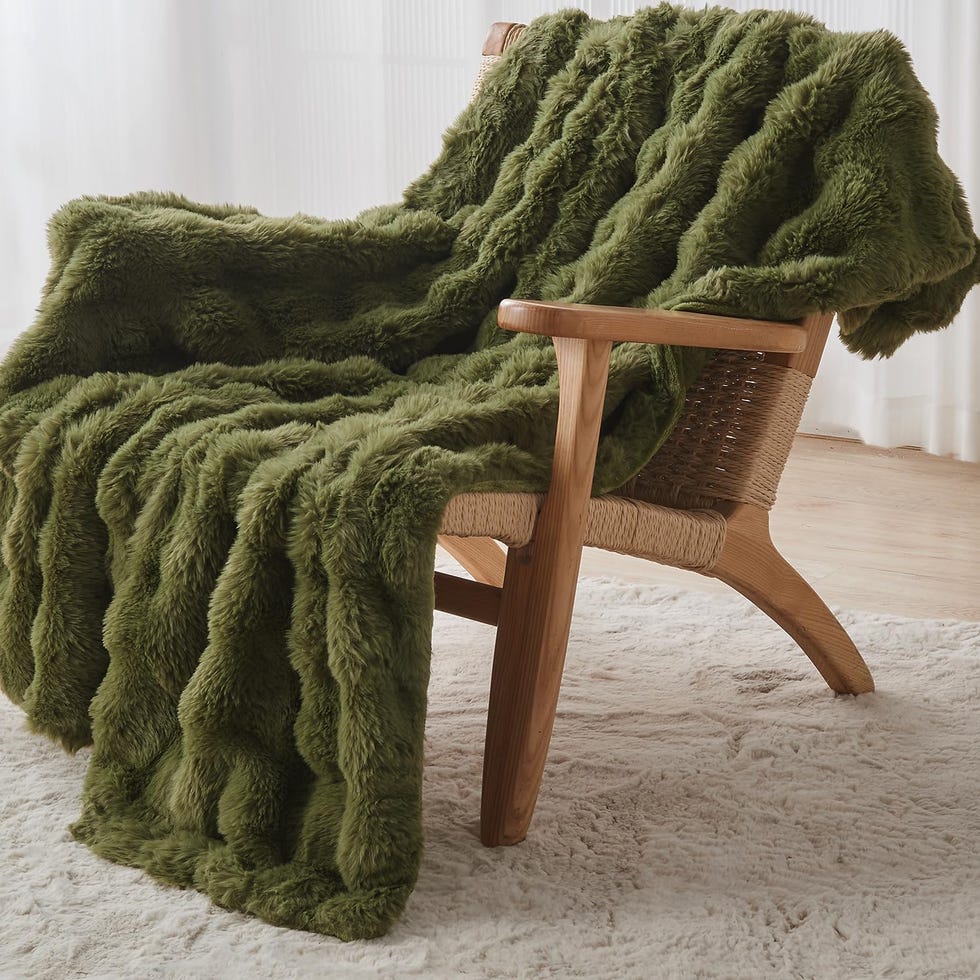
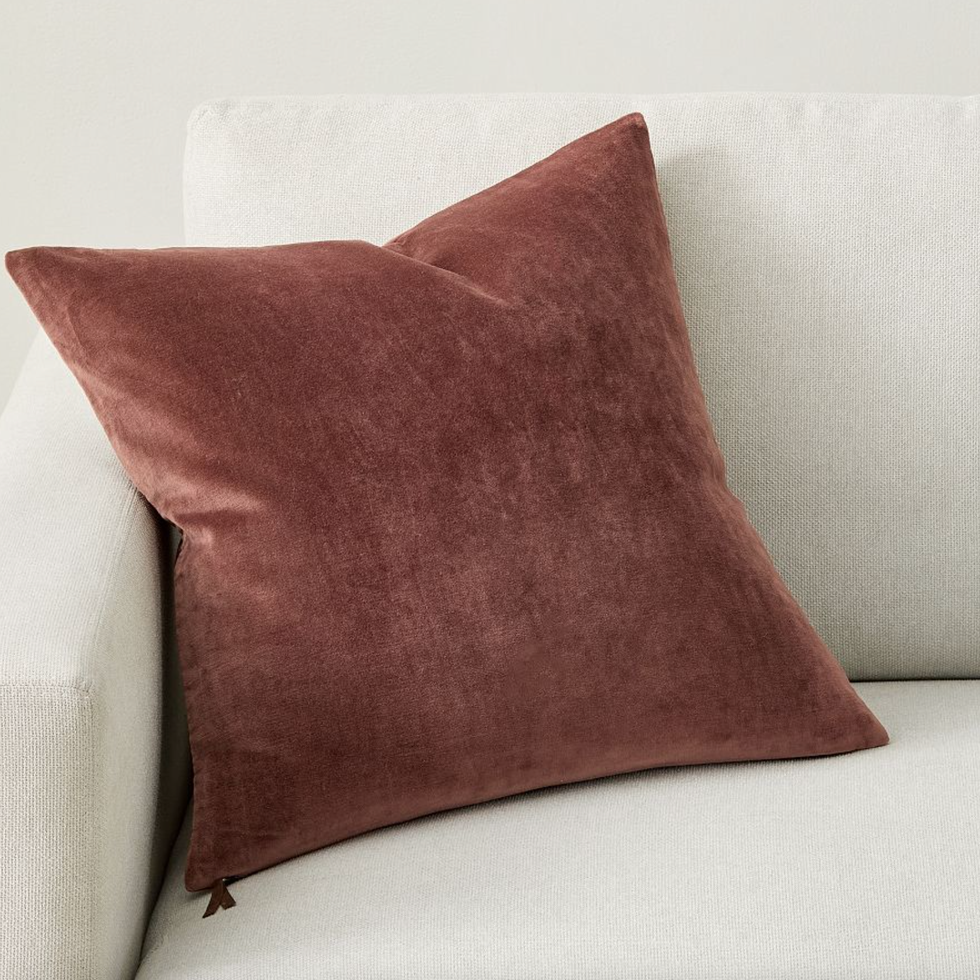
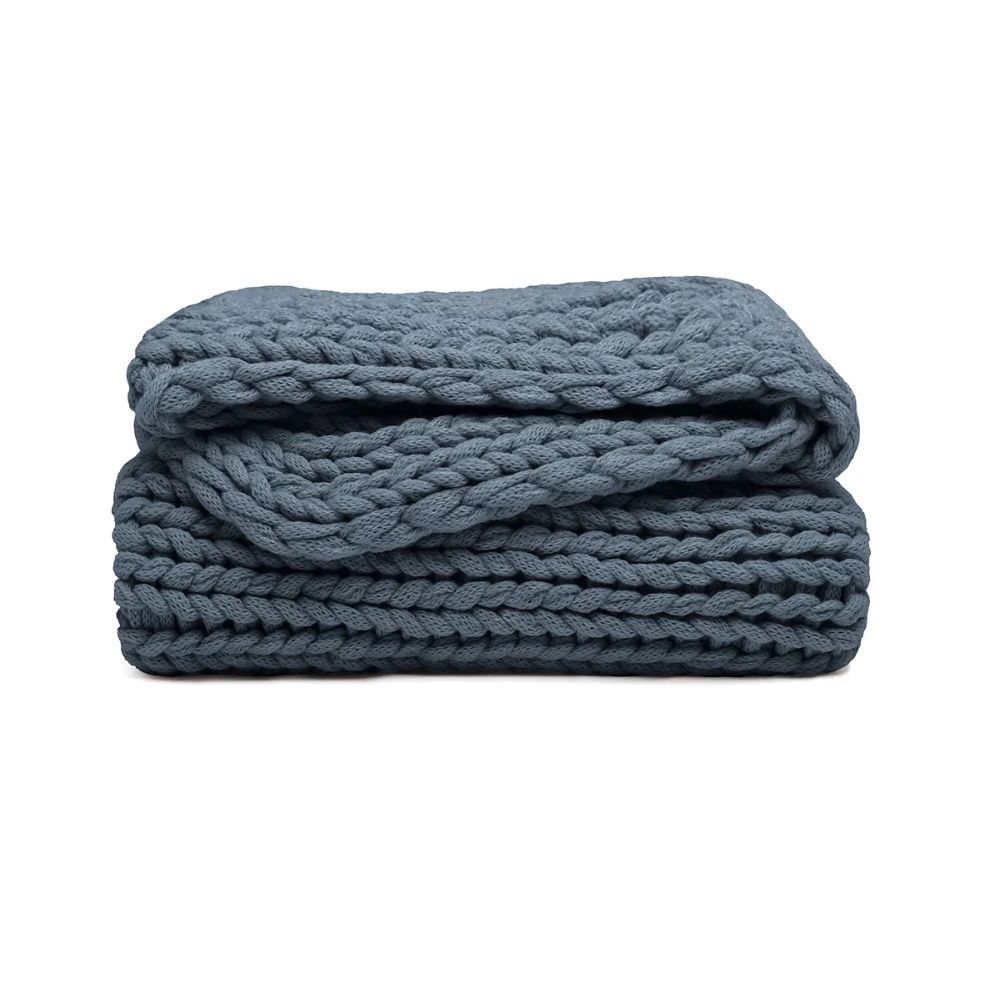
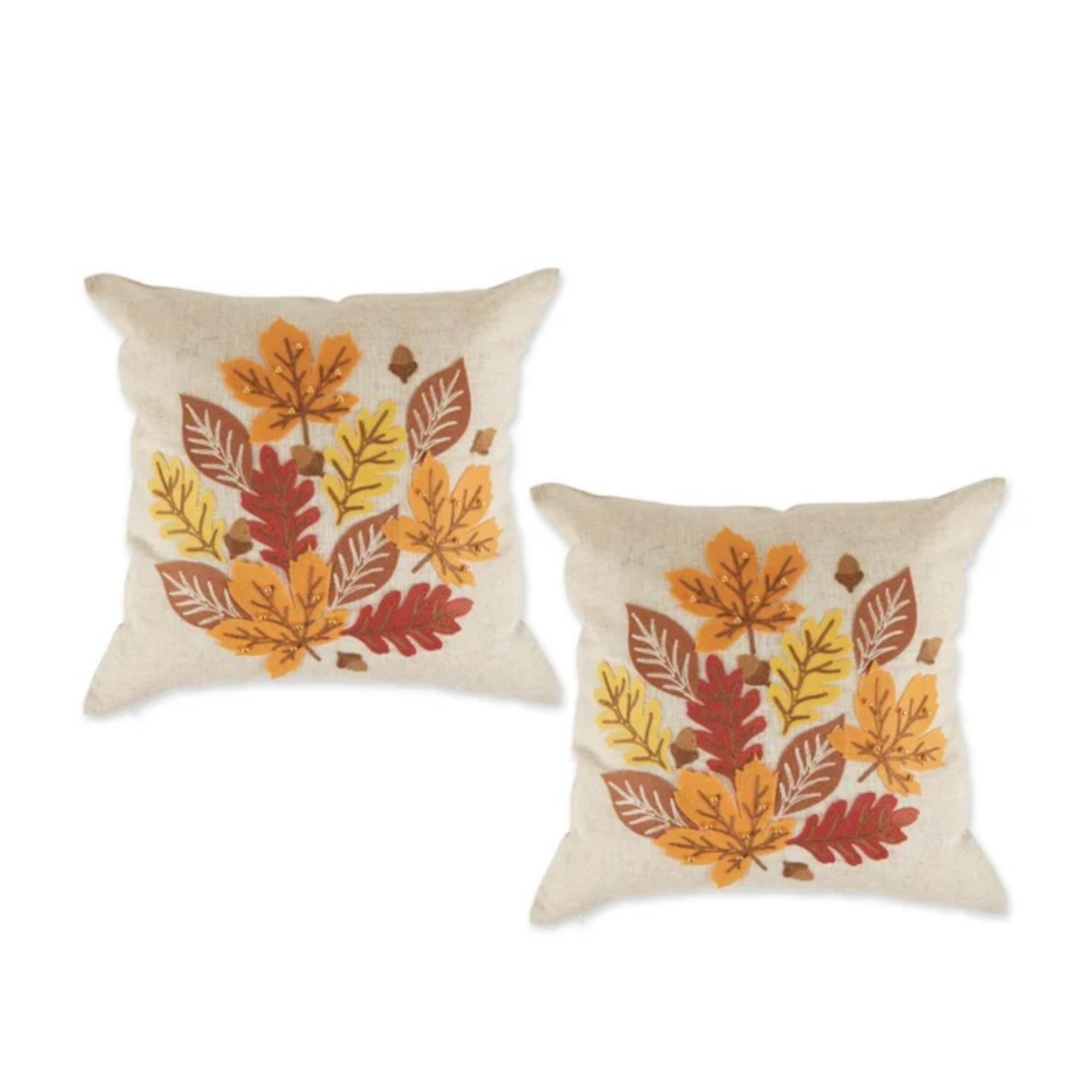
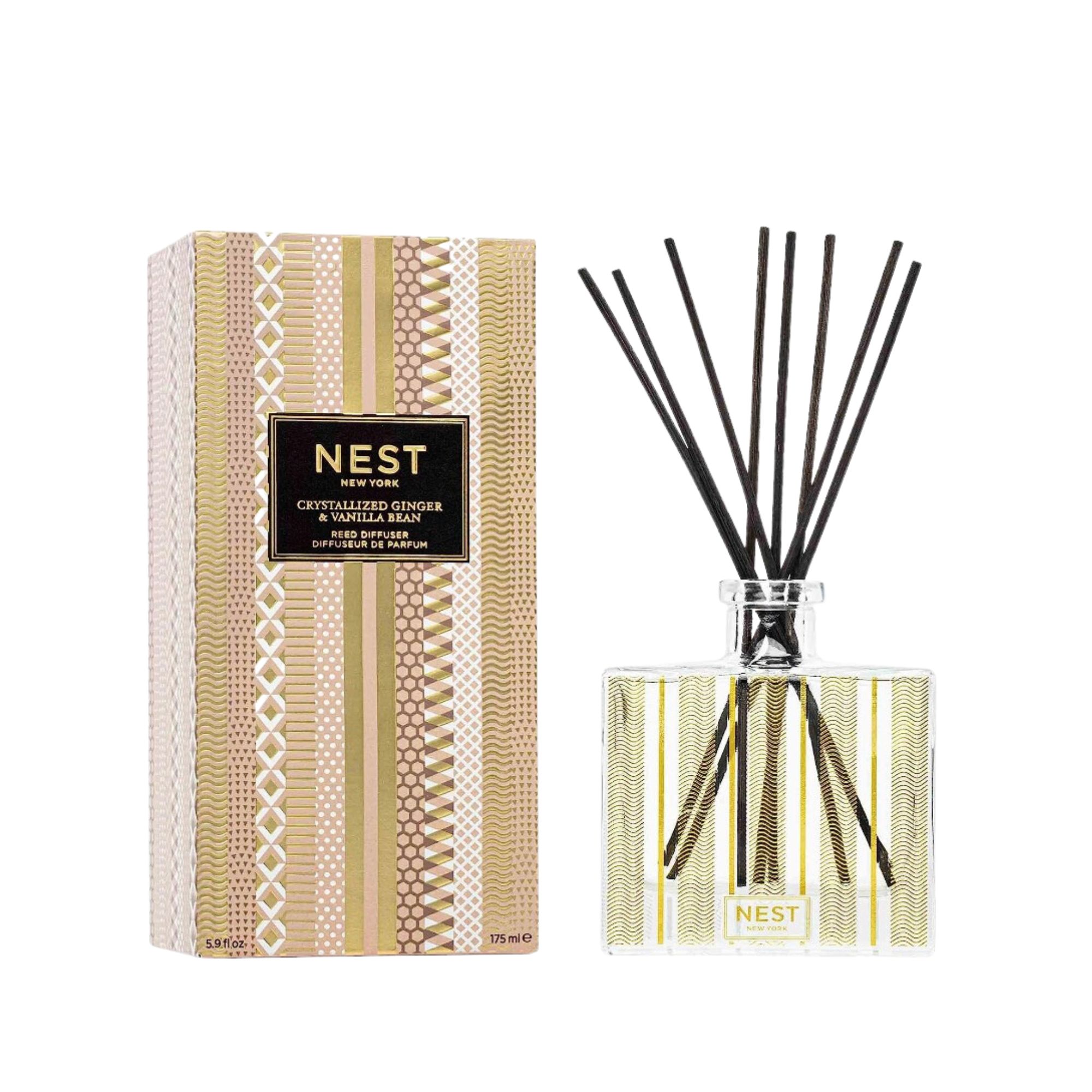
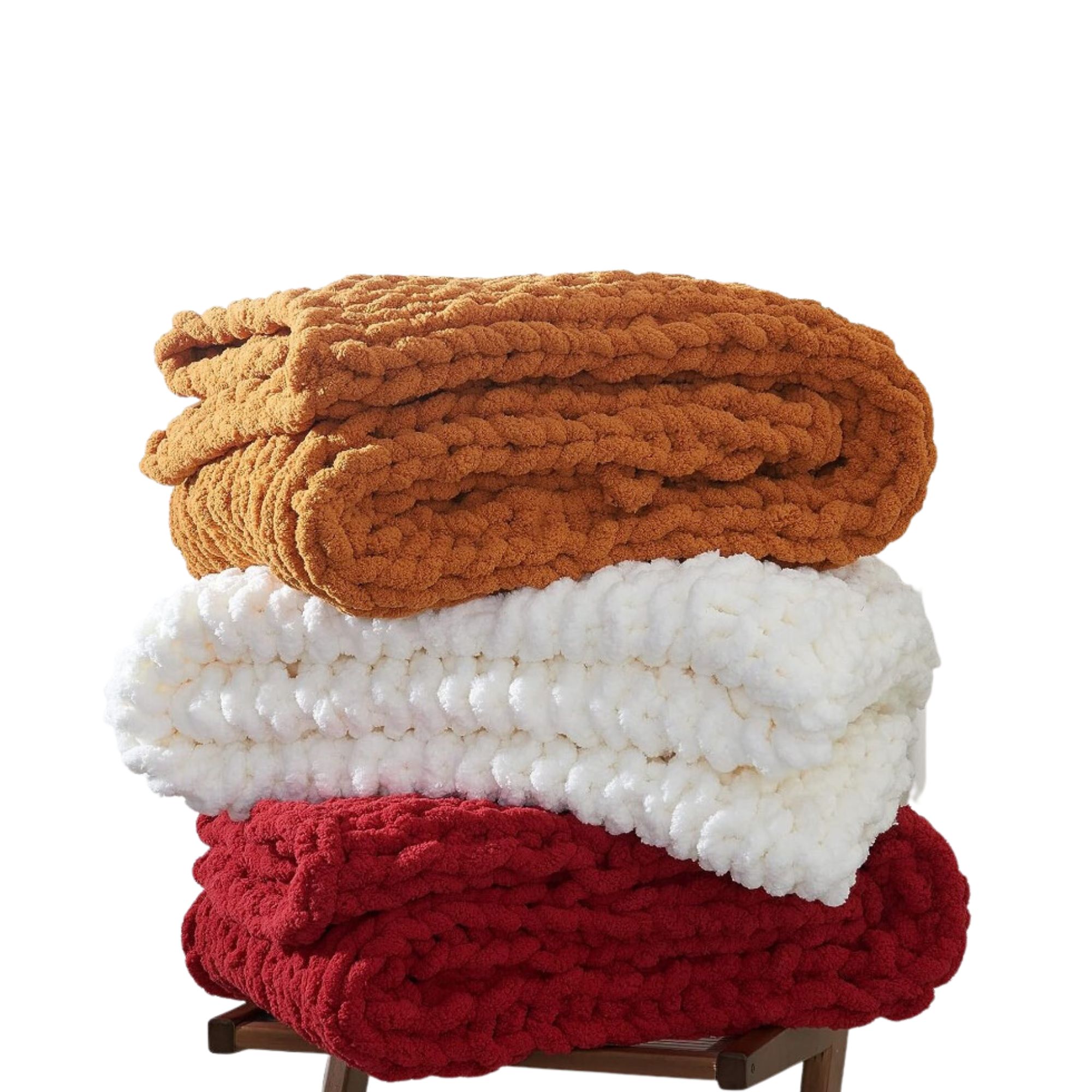
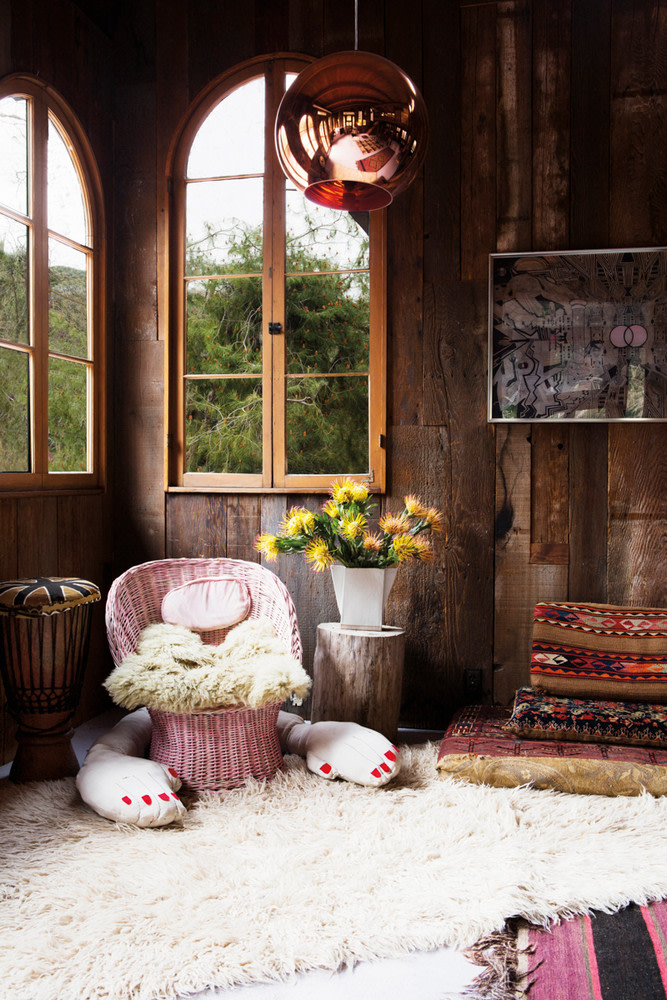
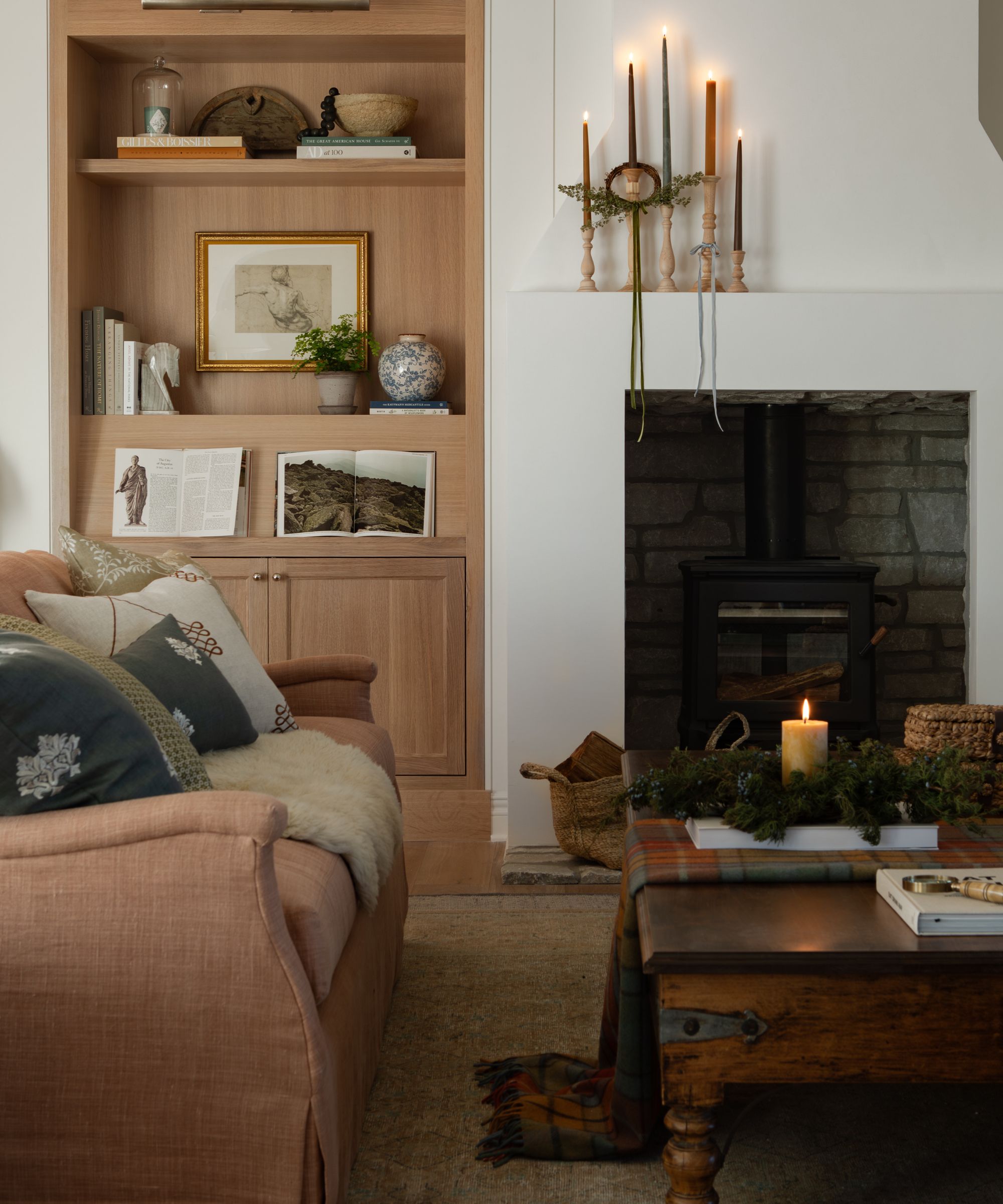
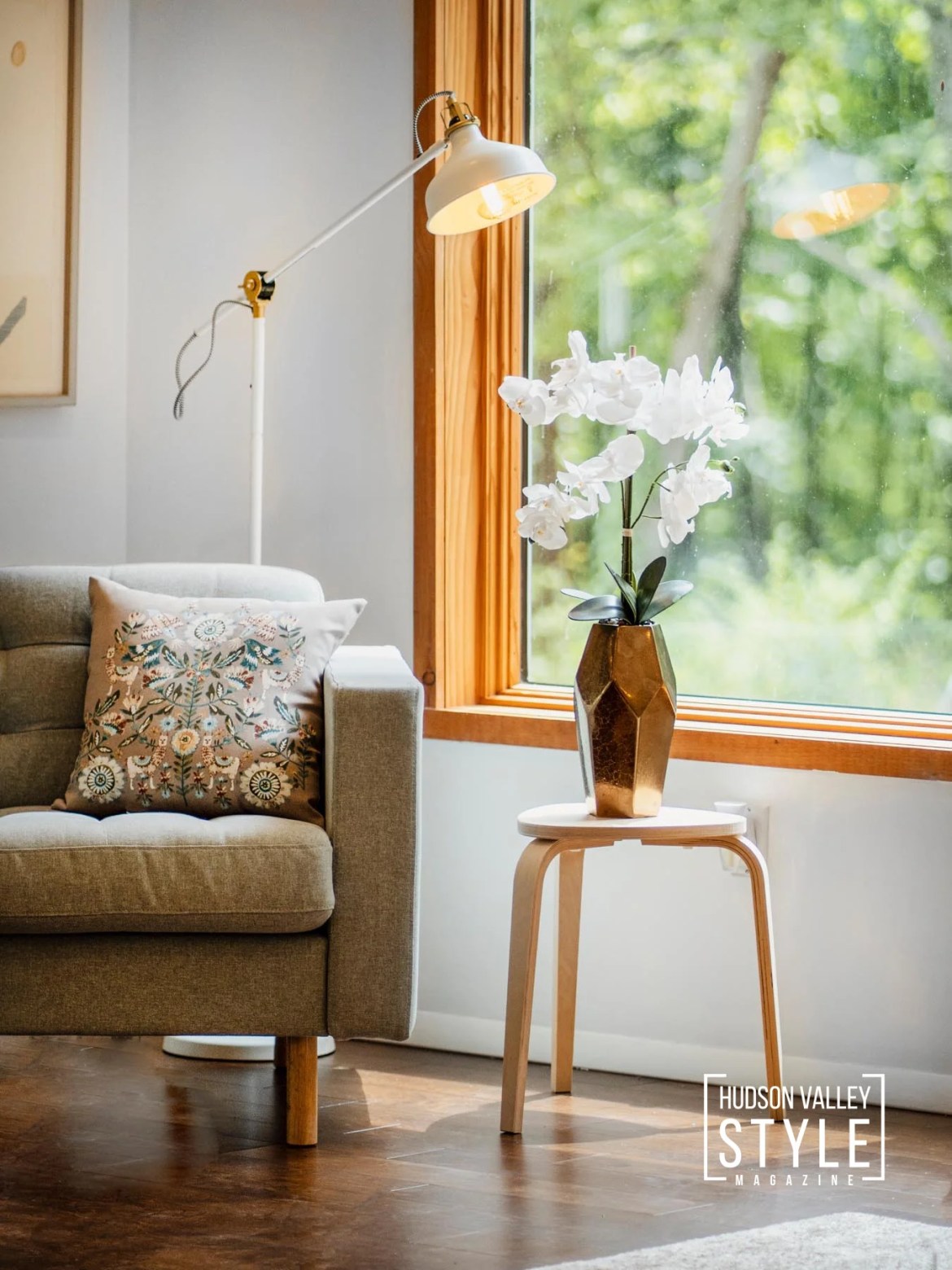
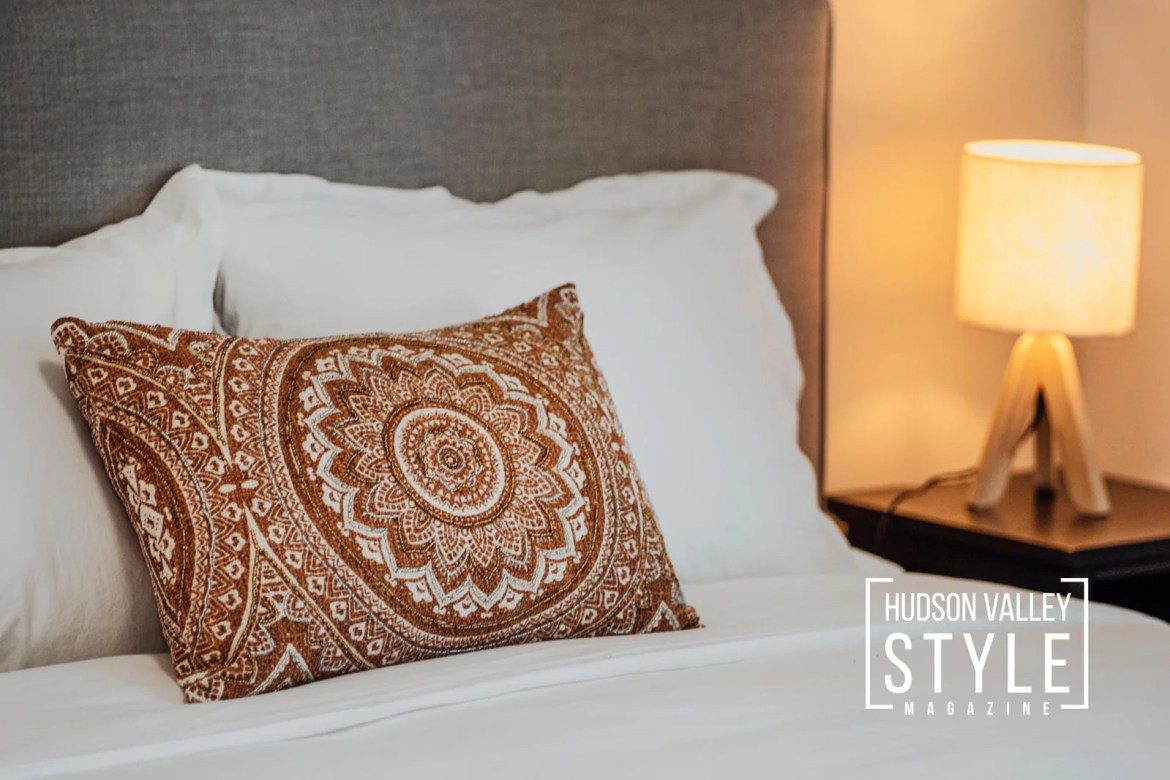
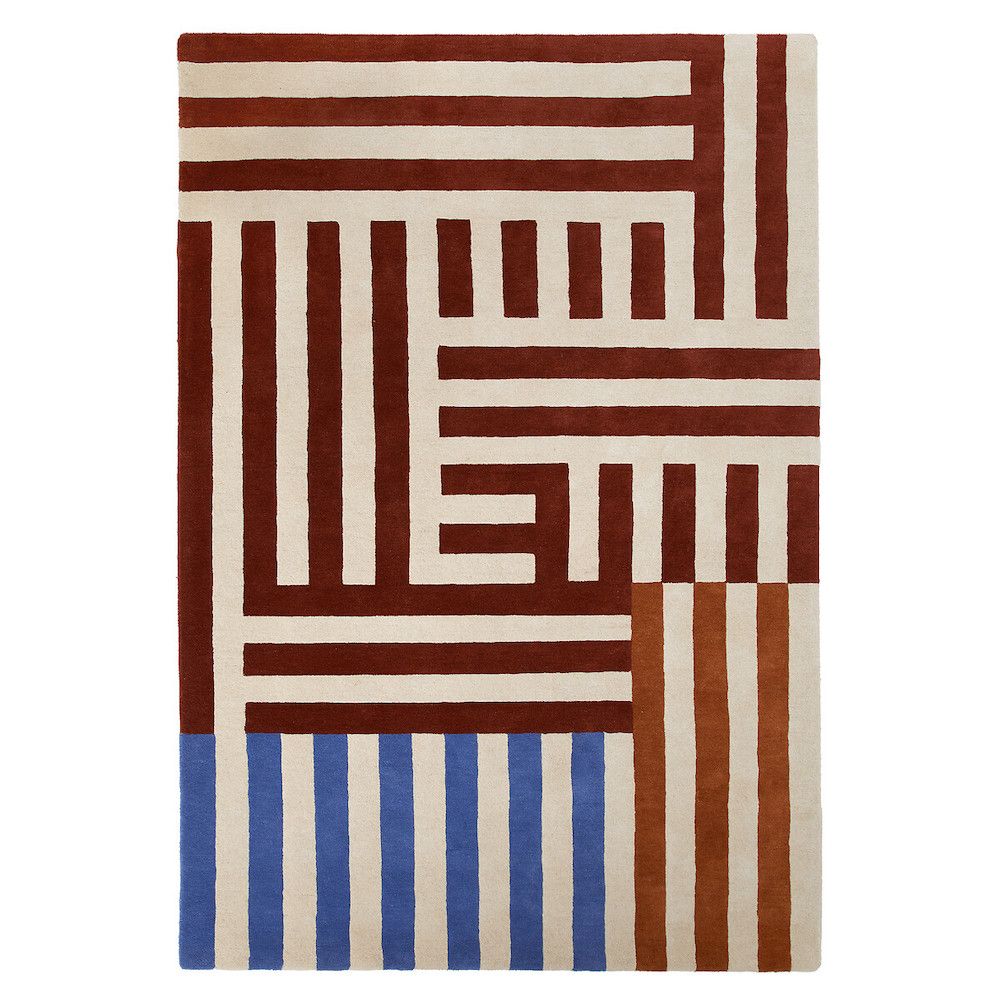
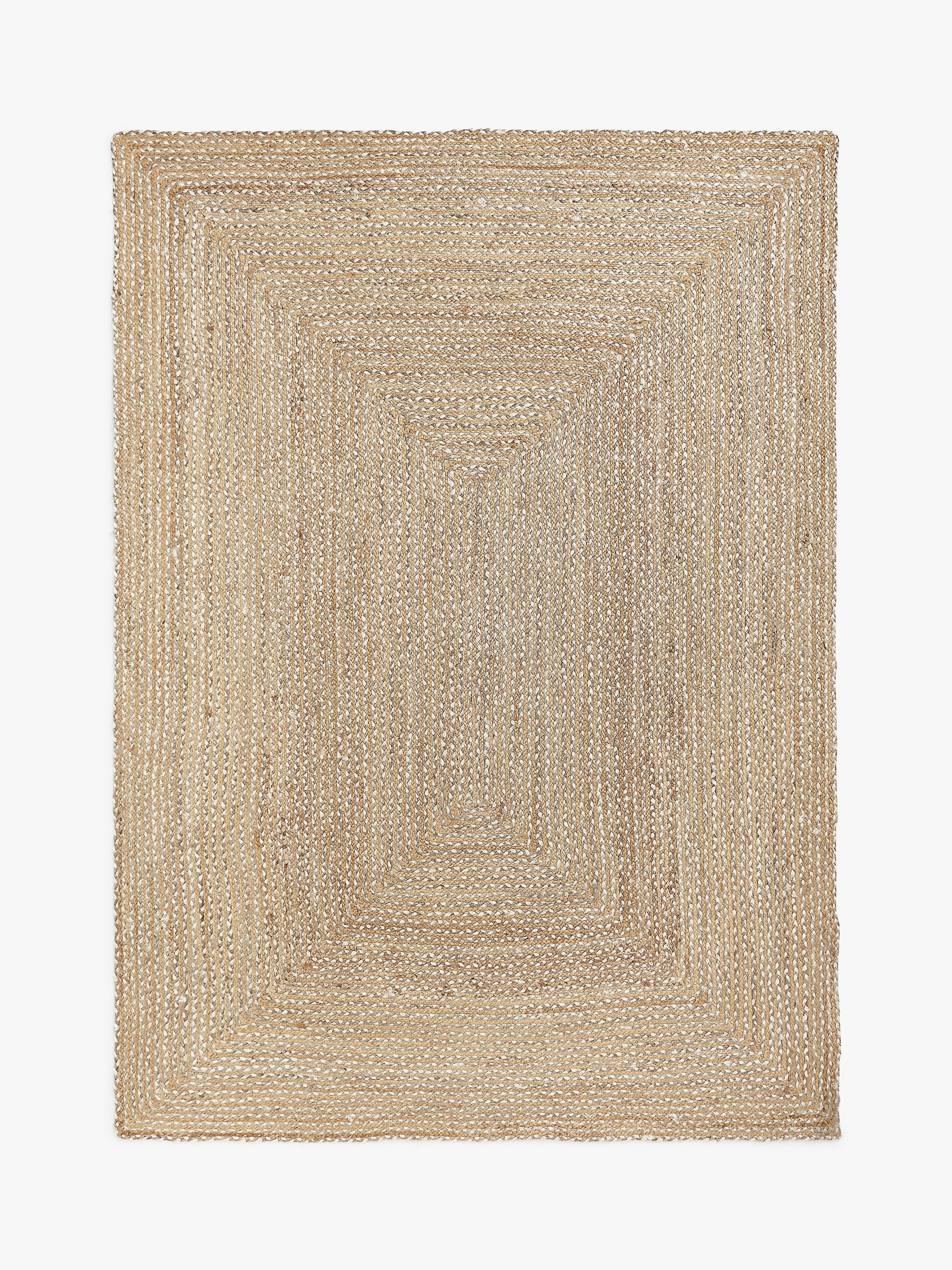
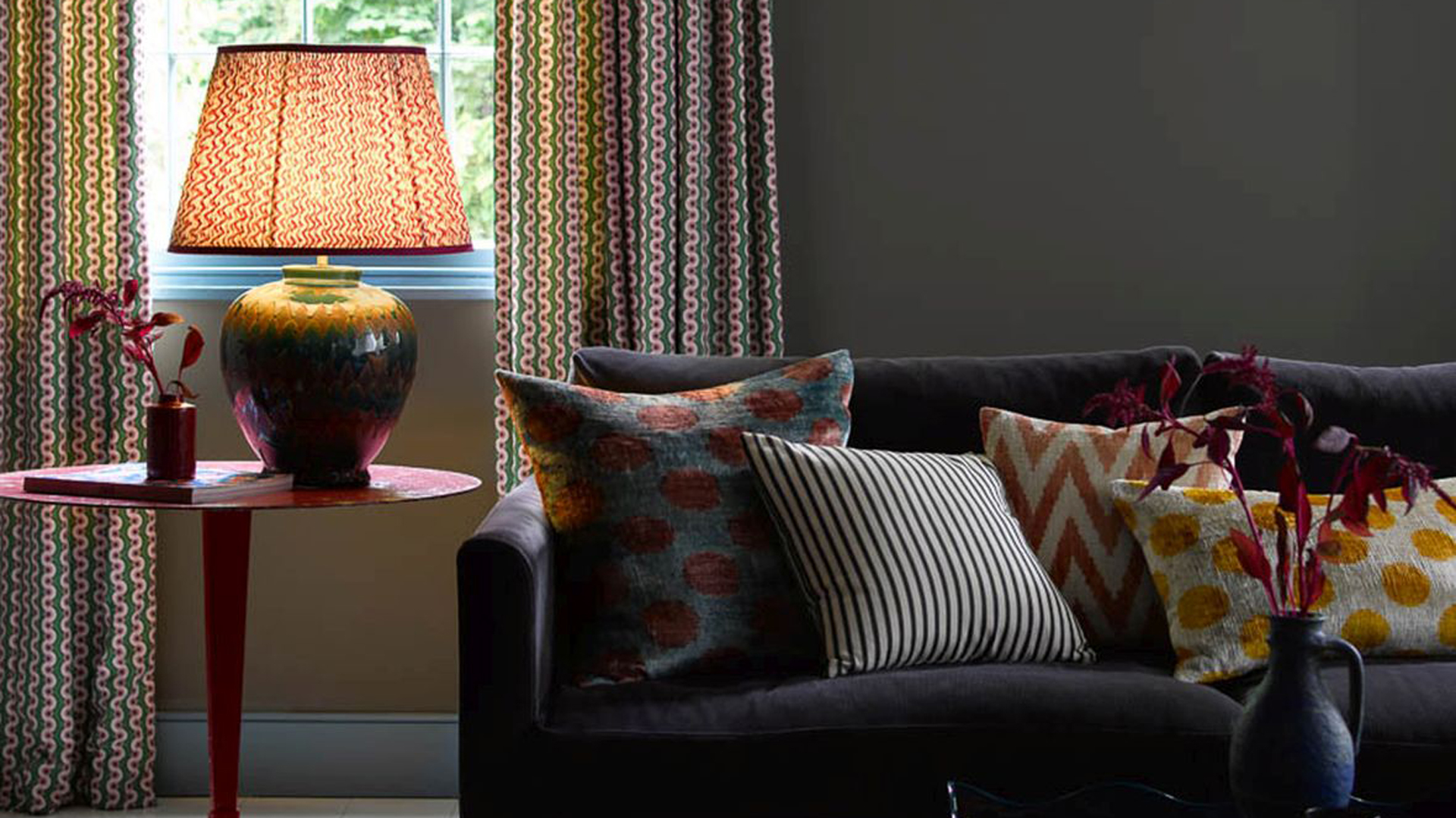
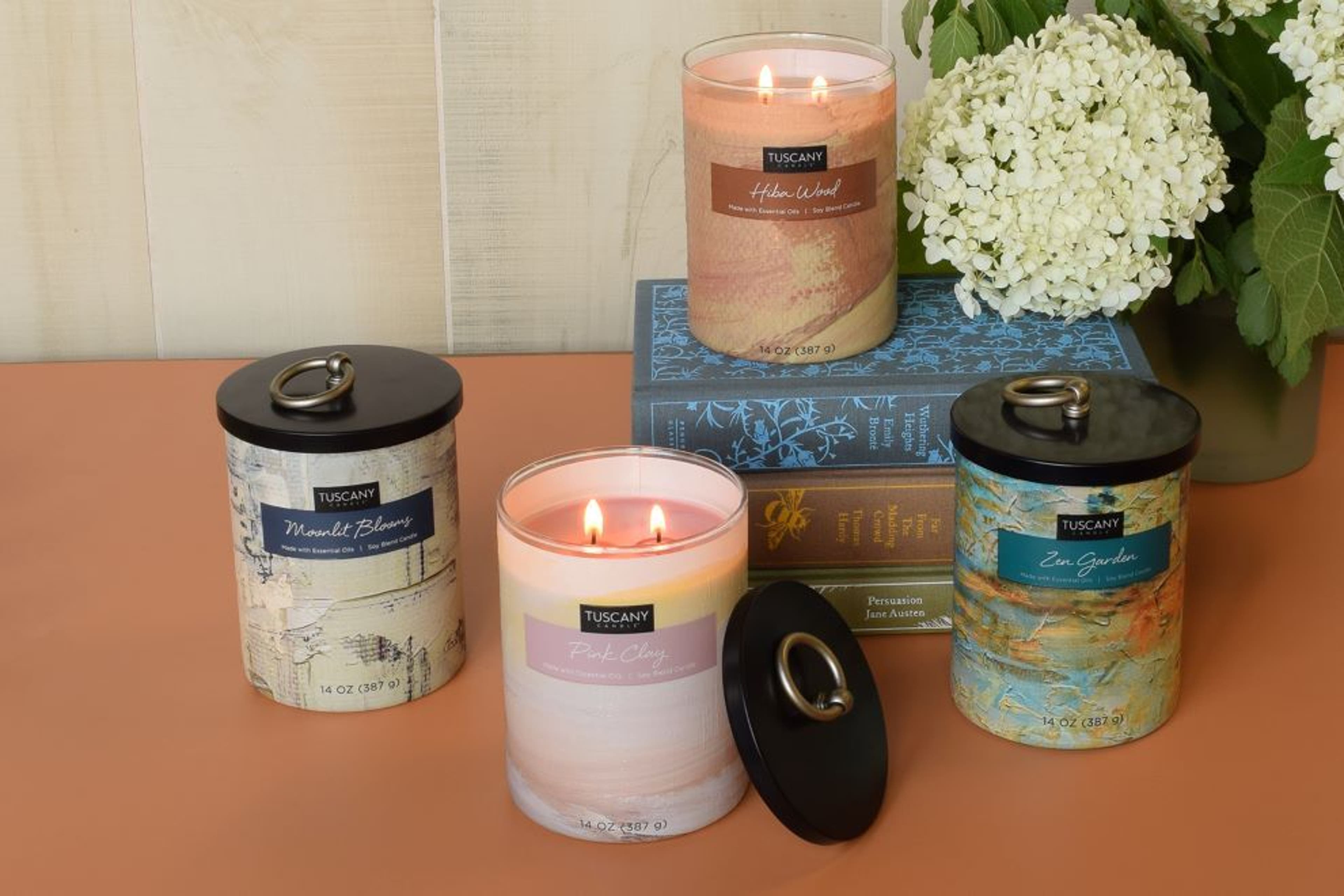
Generating a warm ambiance is highlighted as crucial, prioritizing atmosphere over an accumulation of possessions. Practical elements like tactile throw pillows, readily available blankets, and fuzzy hide rugs are mentioned as contributors to comfort. The article also suggests using essential oil diffusers, simmering natural potpourri, and burning naturally scented candles to create an instant sense of warmth and invitation.
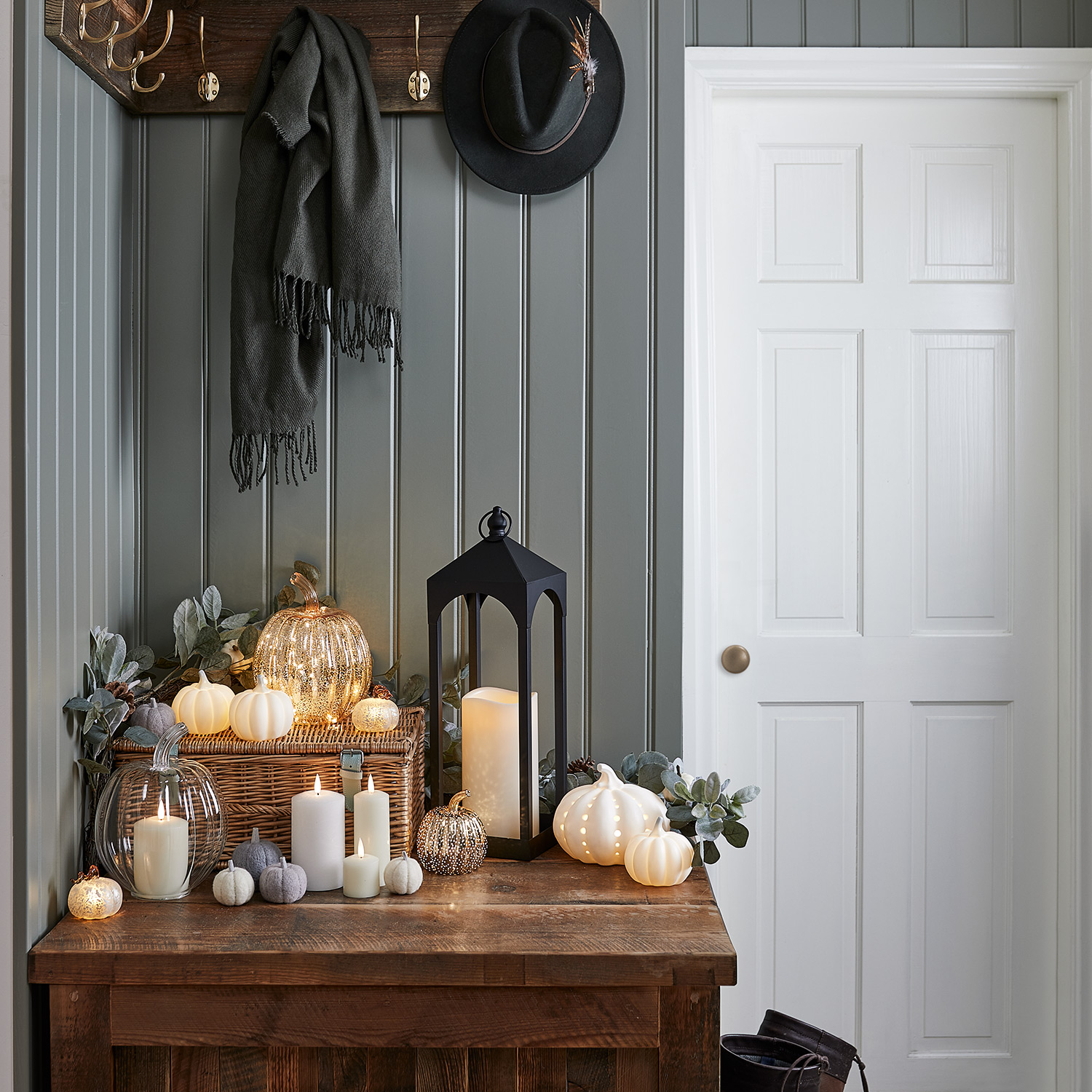
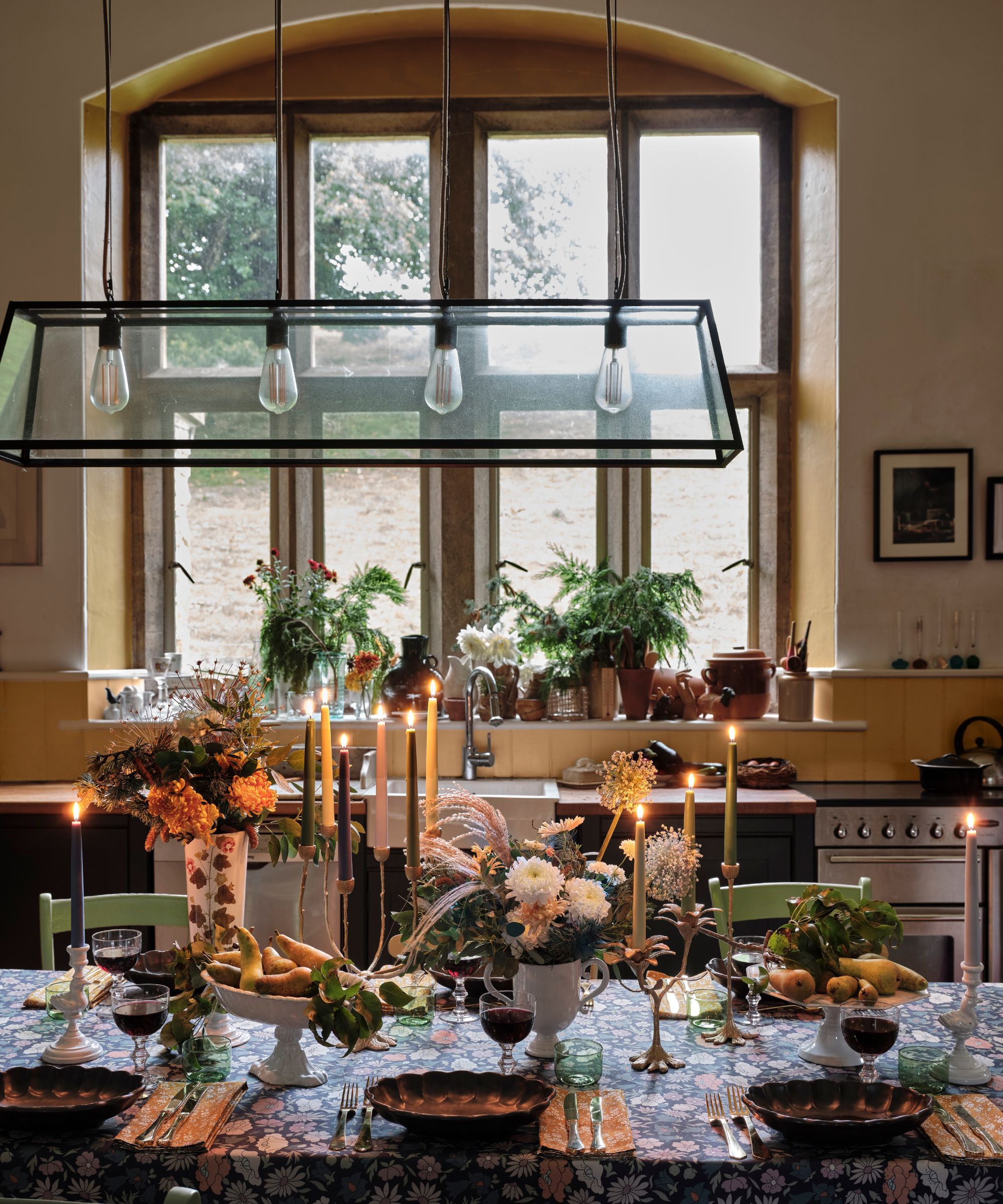
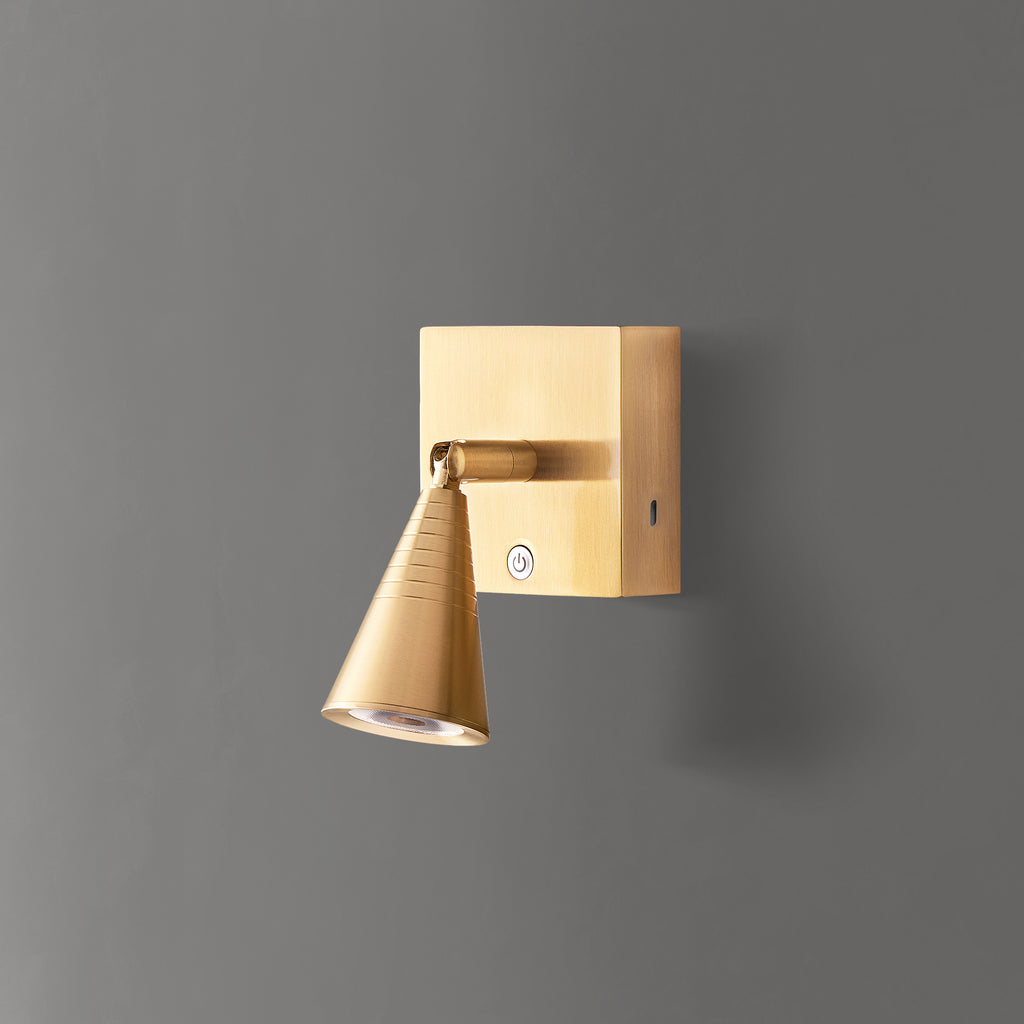
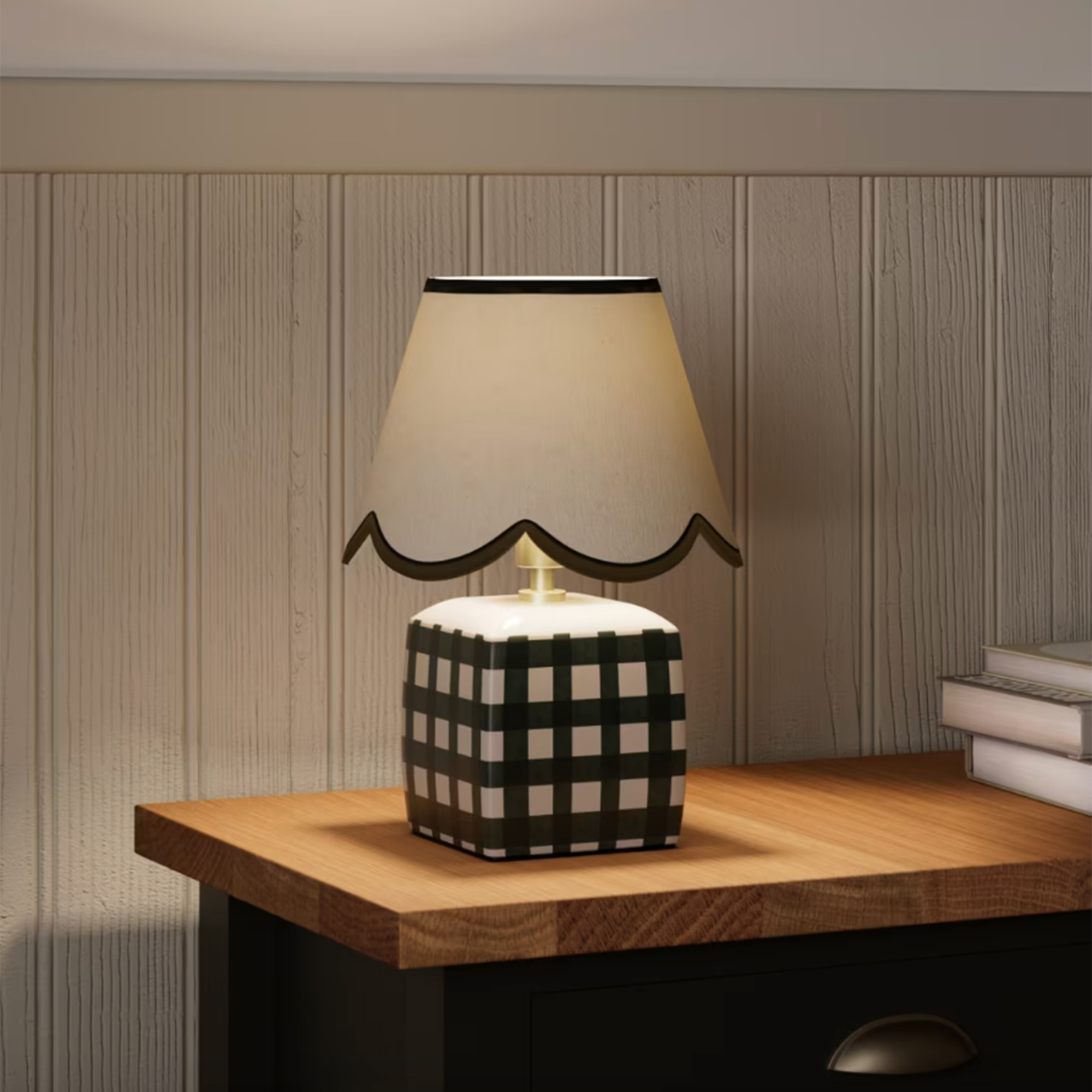
Playing with light, especially candlelight, is emphasized, drawing inspiration from Scandinavia's long, dark winters. Alexandra Gove, having experienced Scandinavian culture, notes the widespread use of candles throughout the day, from morning tea to outdoor hurricanes, and on windowsills. Candles are seen as markers of special moments. The ability to dim overhead and accent lighting is also recommended to achieve the quintessential hygge atmosphere, creating soft and inviting illumination.
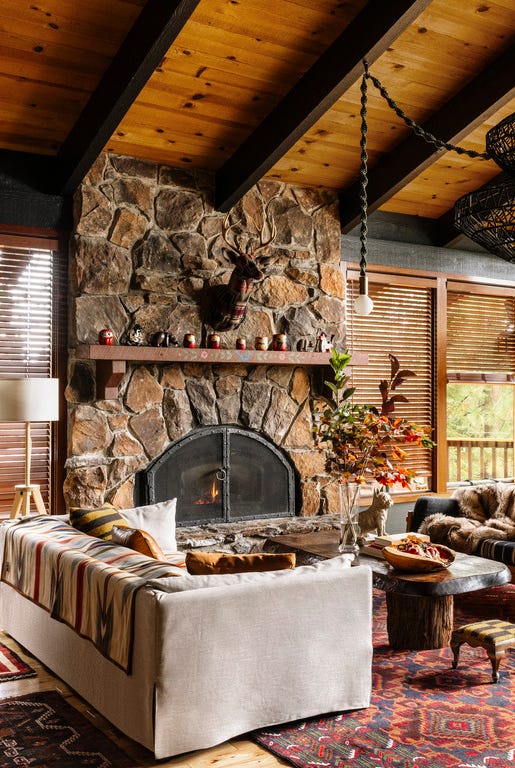
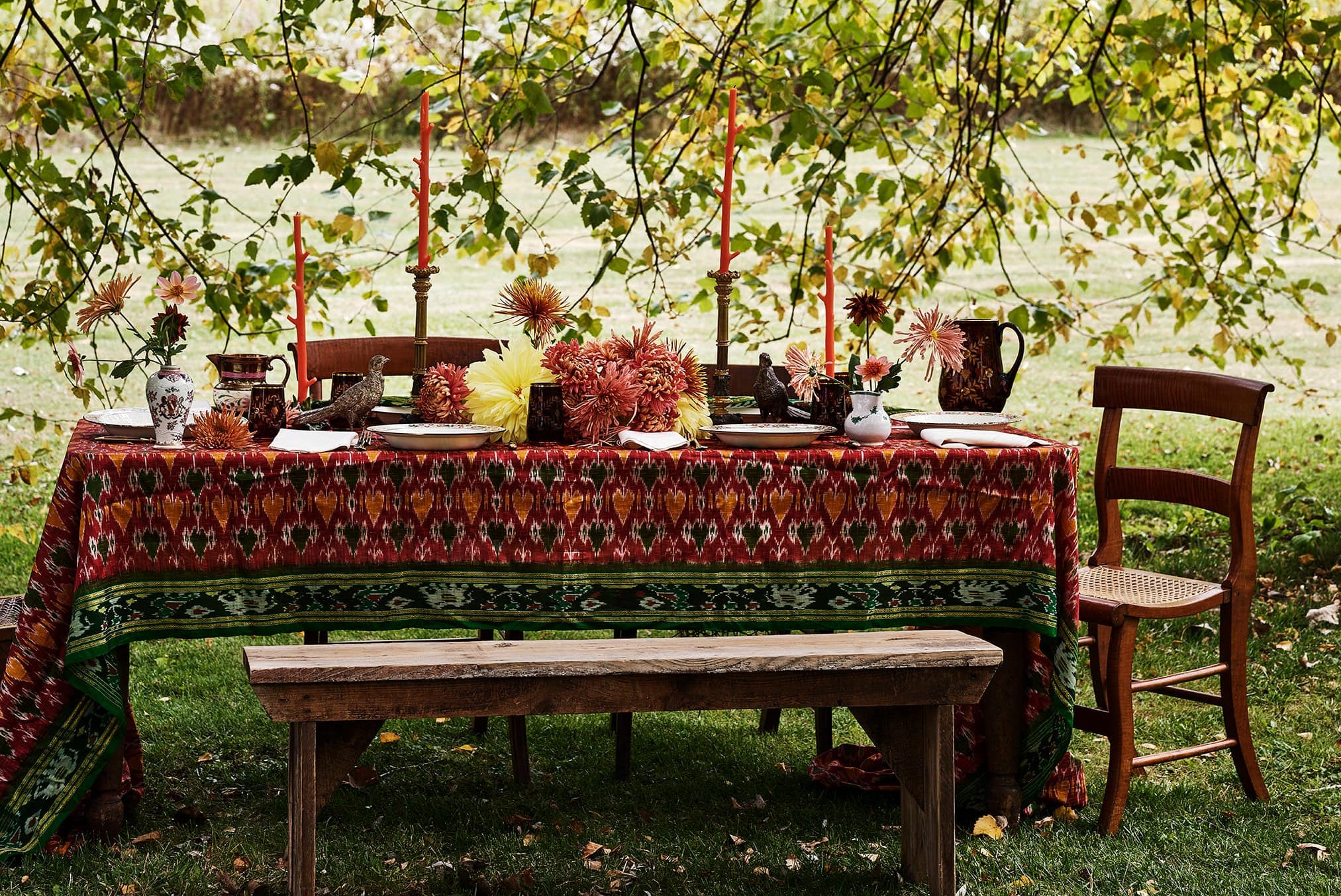
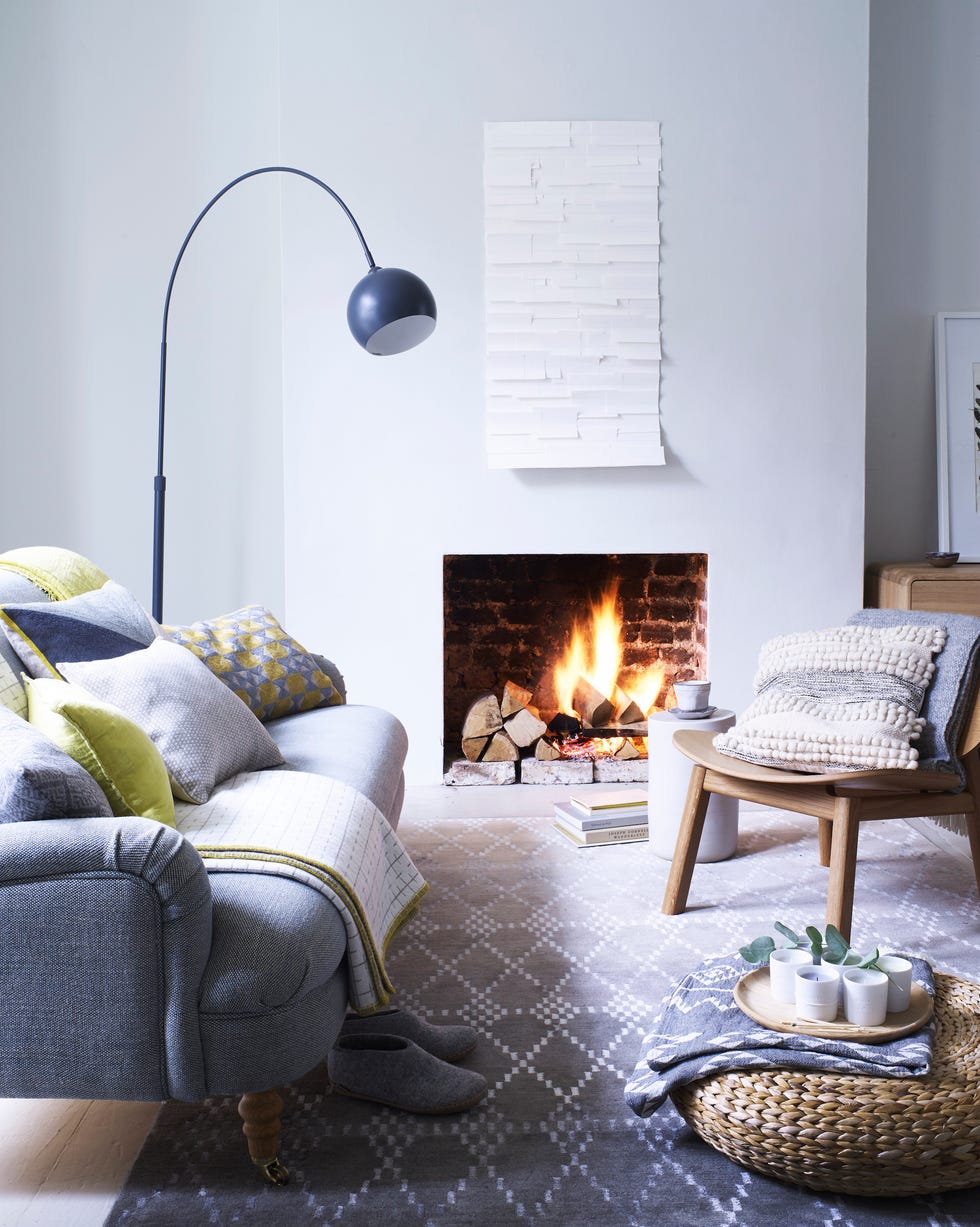
Encouraging meaningful dialogue is another core aspect of hygge living. The article notes that Scandinavians excel at slowing down and making everyday moments more significant. Creating intentional spaces that foster security and contentment, such as a large farmhouse dining table for gatherings or an intimate seating arrangement around a fireplace, is suggested. Limiting electronic devices during meals and avoiding making the television the focal point of living areas are practical tips for enhancing conversation and connection.
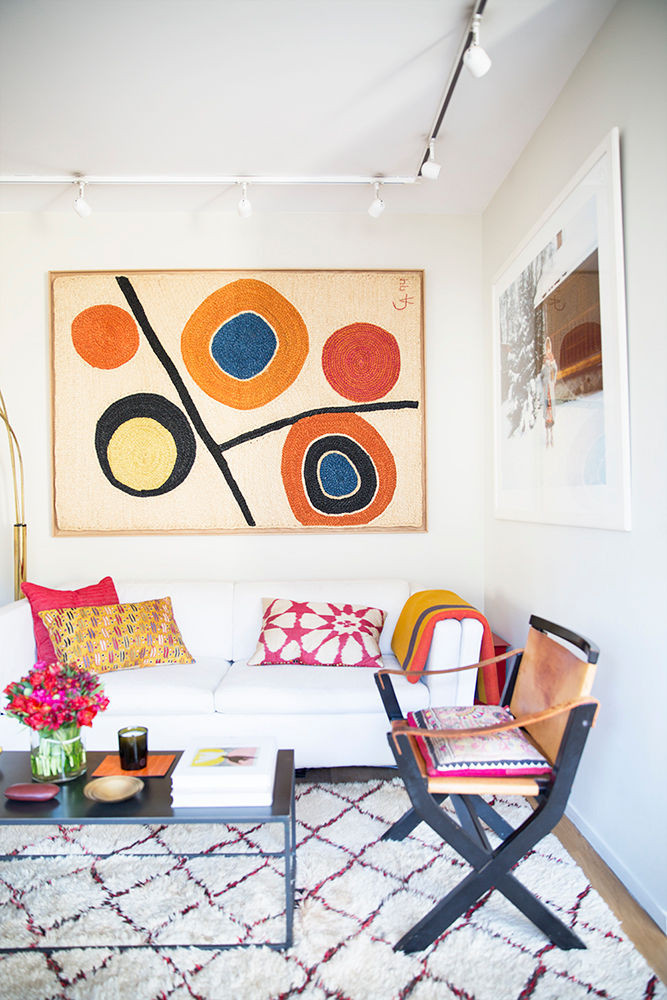
Finally, the article touches upon the principle of shopping with intention and editing belongings. Scandinavian culture values items that are beautiful, hold personal meaning, or serve a specific function. The advice is to remove items that do not bring joy and to acquire things purposefully, favoring quality, handmade, natural, and vintage items with stories. This approach aligns with conscientious living and the idea that hygge is about having fewer, more meaningful possessions rather than accumulating many things. The overall message is that cozy living is about joyfully inhabiting one's home, from its exterior to its interior, by embracing Scandinavian design principles: welcoming guests, surrounding oneself with loved items, and creating relaxing spaces for mindful moments and interactions.
#Hygge #CozyLiving #ScandinavianDesign #InteriorDesign #HomeDecor #FallDecor #MindfulLiving #Ambiance #IntentionalSpaces #Hygge #CozyLiving #ScandinavianDesign #InteriorDesign #HomeDecor #FallDecor #MindfulLiving #Ambiance #IntentionalSpaces
0 comment in total
 No comments yet
You may also like
Here's How to Cozy Up Your Room for Fall

I'm a lazy seasonal decorator, but these are the 6 things I always do to make my home feel a little more cozy come fall

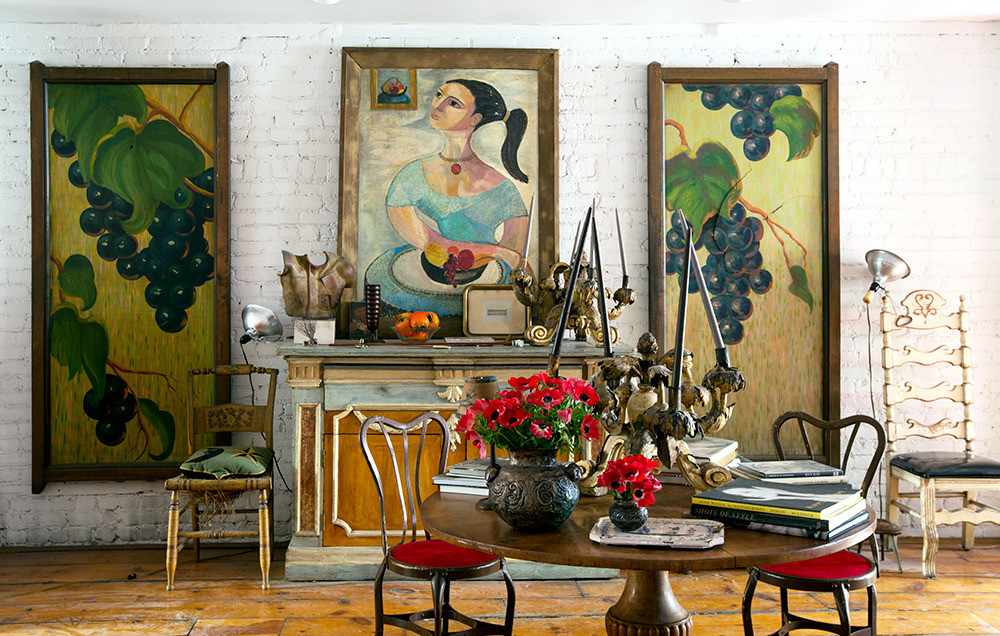
Easy Decor Swaps to Prep Your Living Room for Fall

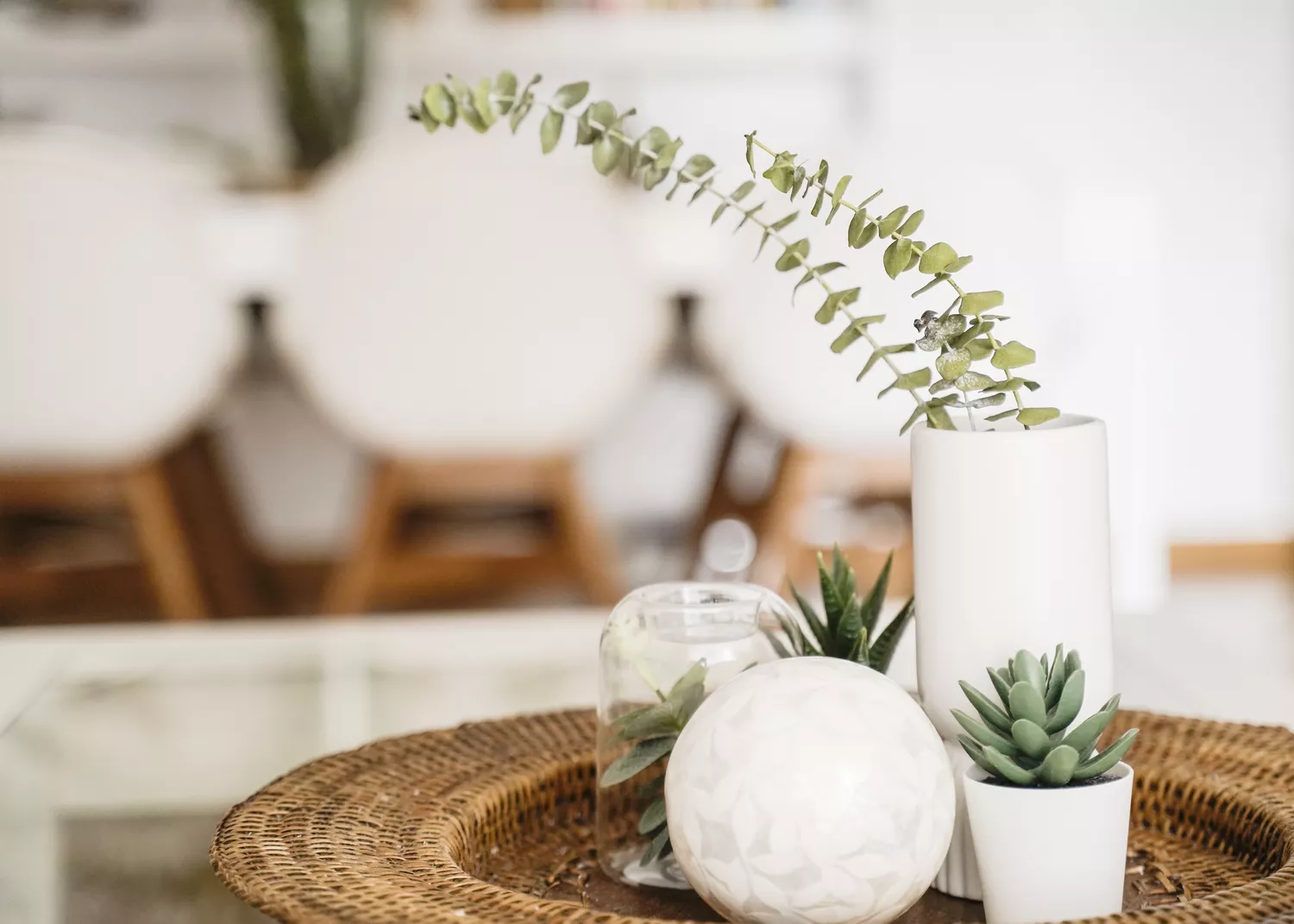
5 Fall Decorating Ideas to Transform Your Small Living Room Into a Cozy Retreat

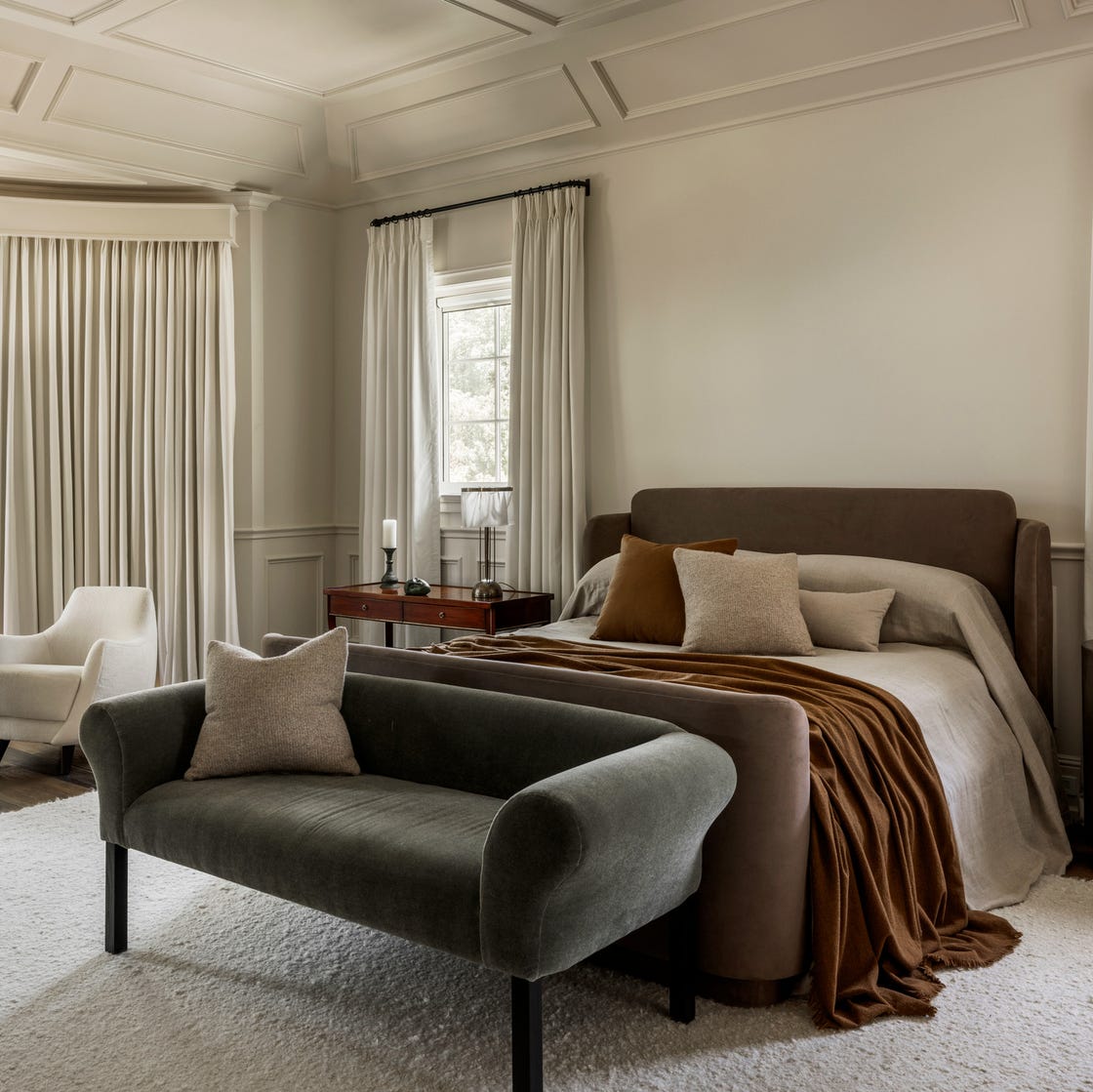
Turn Your Home Into a Cozy Fall Dream With These Designer Ideas
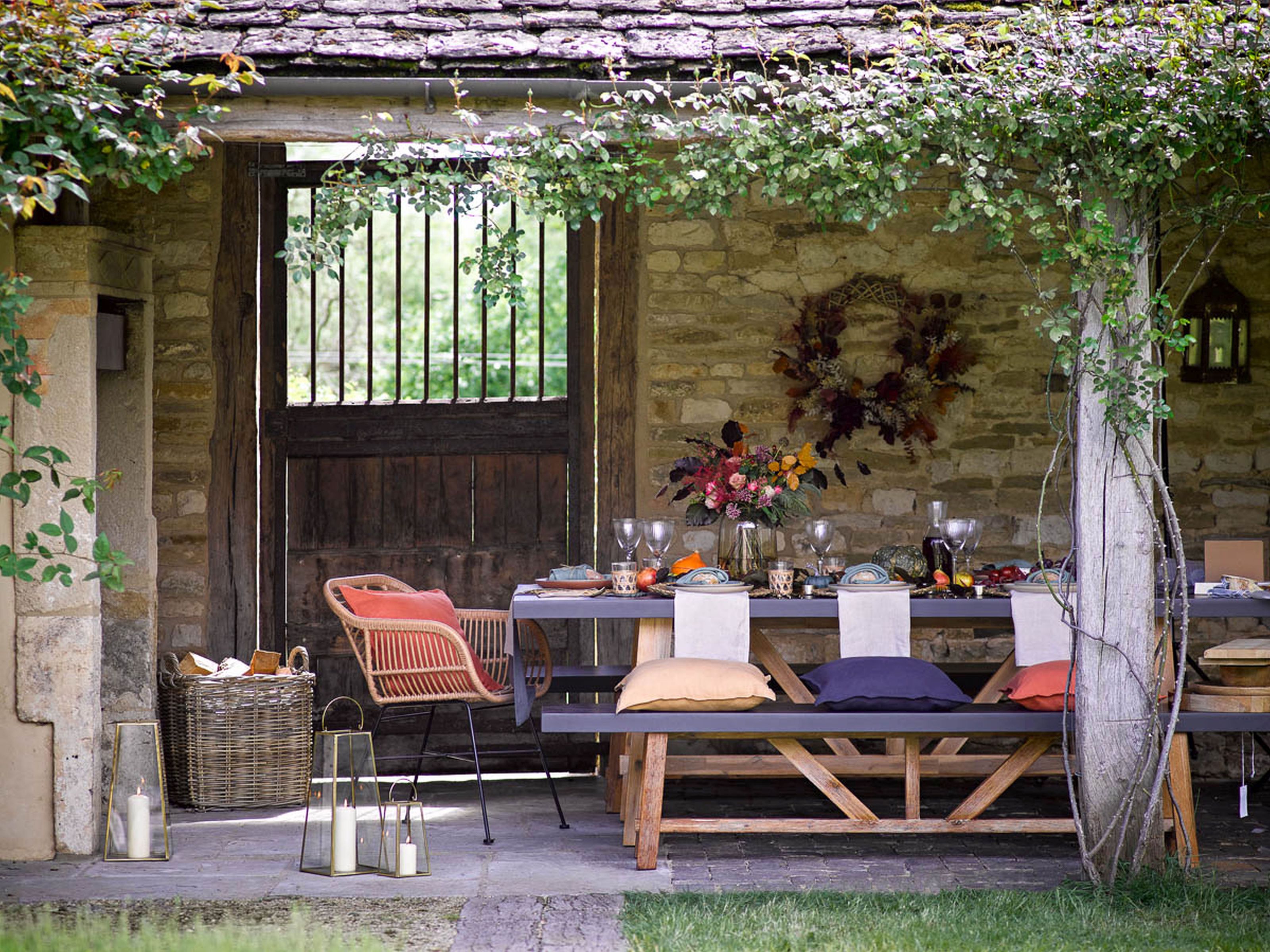
32 fall home ideas to fully embrace the cozy season

Fall Home & Decor: Tips for embracing that warm seasonal vibe
How to make a home cosy: 15 easy ways to make any space feel snug and inviting

4 Foolproof Ways to Bring Cozy Fall Vibes to Your Home This Season
How To Transition Your Home Into Fall
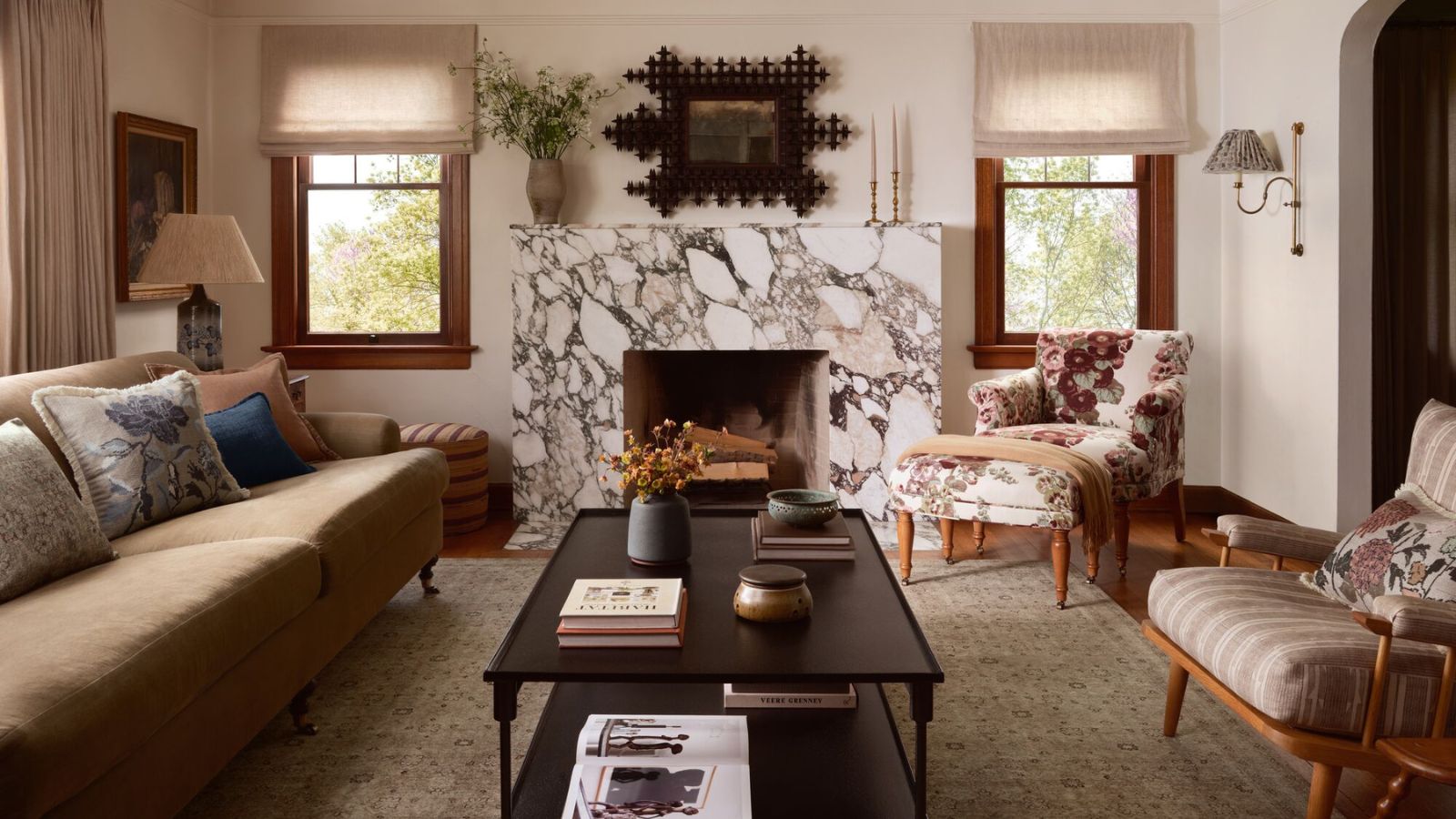
15 chic and cozy living room ideas to help you snuggle up in style this fall
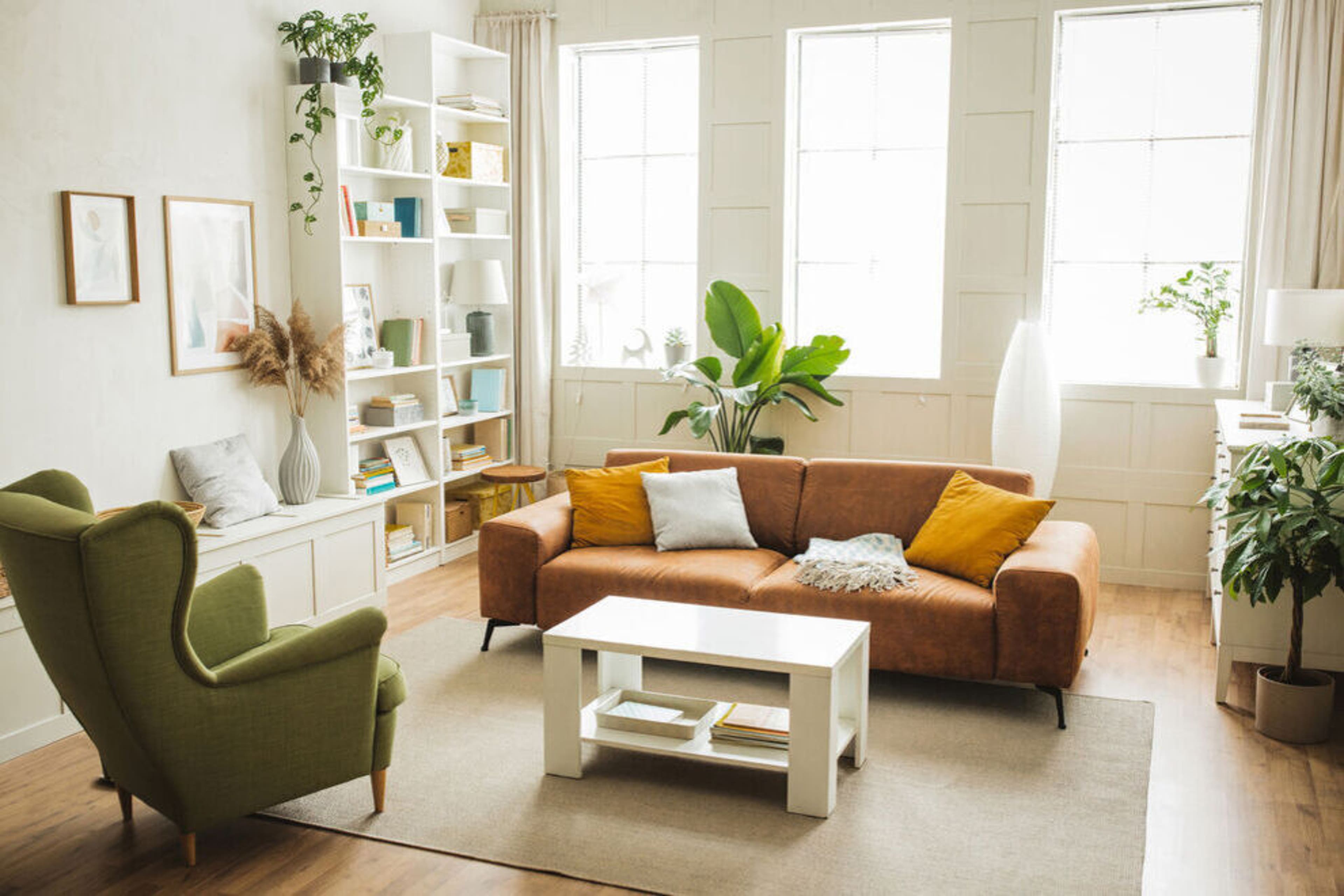
Create a cozy home in 10 easy, inexpensive steps

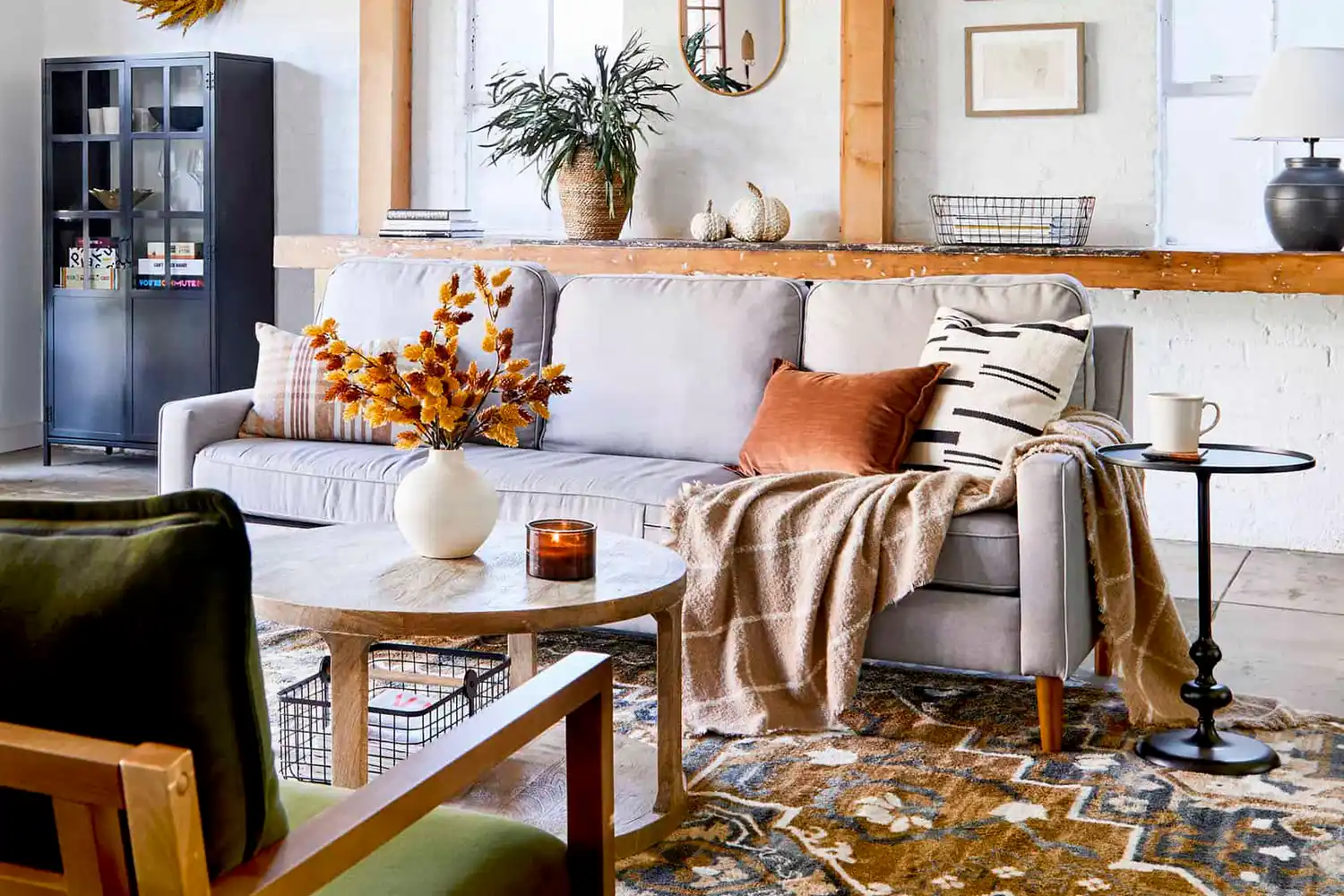
How Designers Cozy Up a Space for Fall—Starting With These Easy First Steps

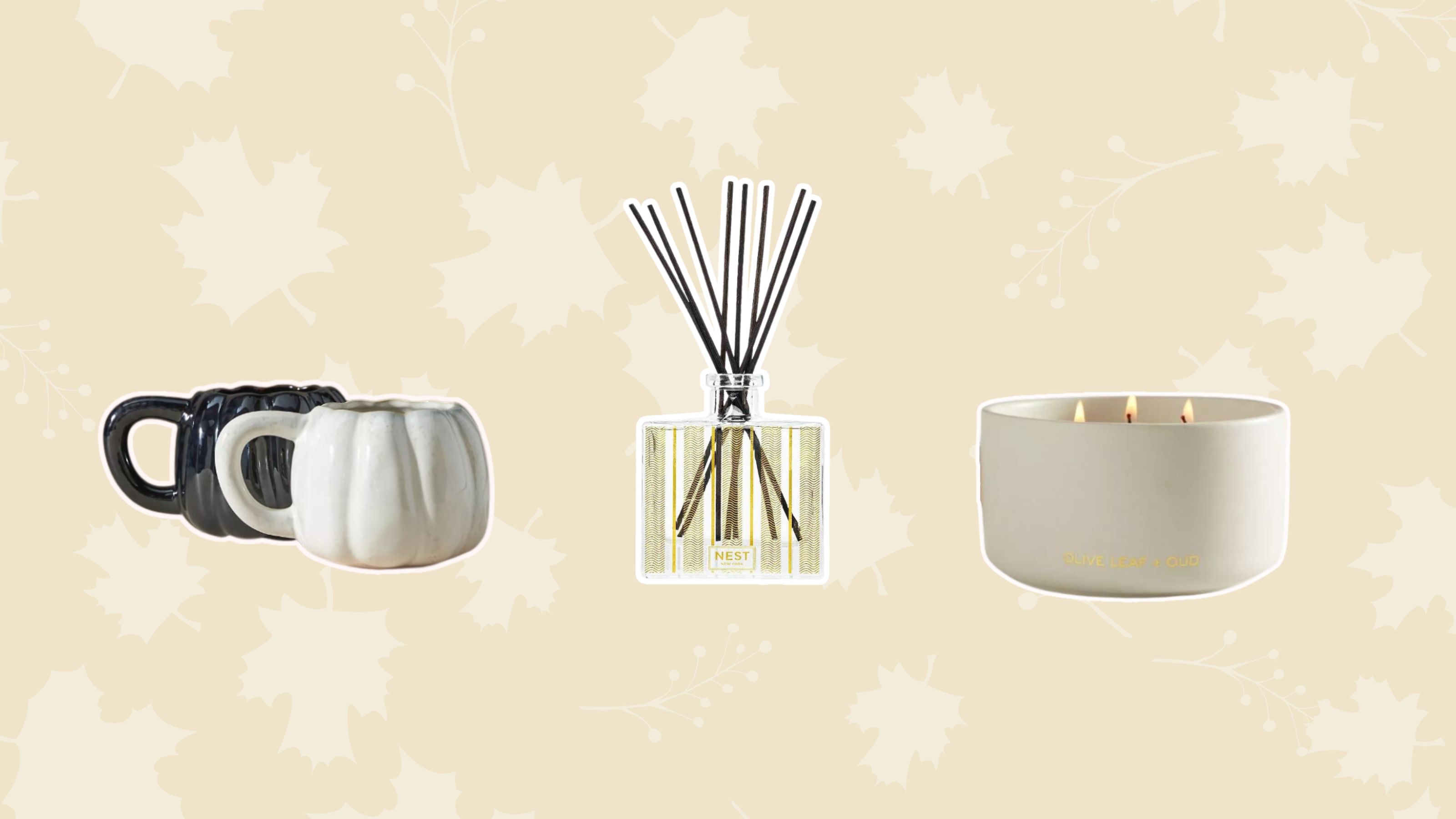
Hey! Here’s how to go from hot girl summer to cozy girl fall

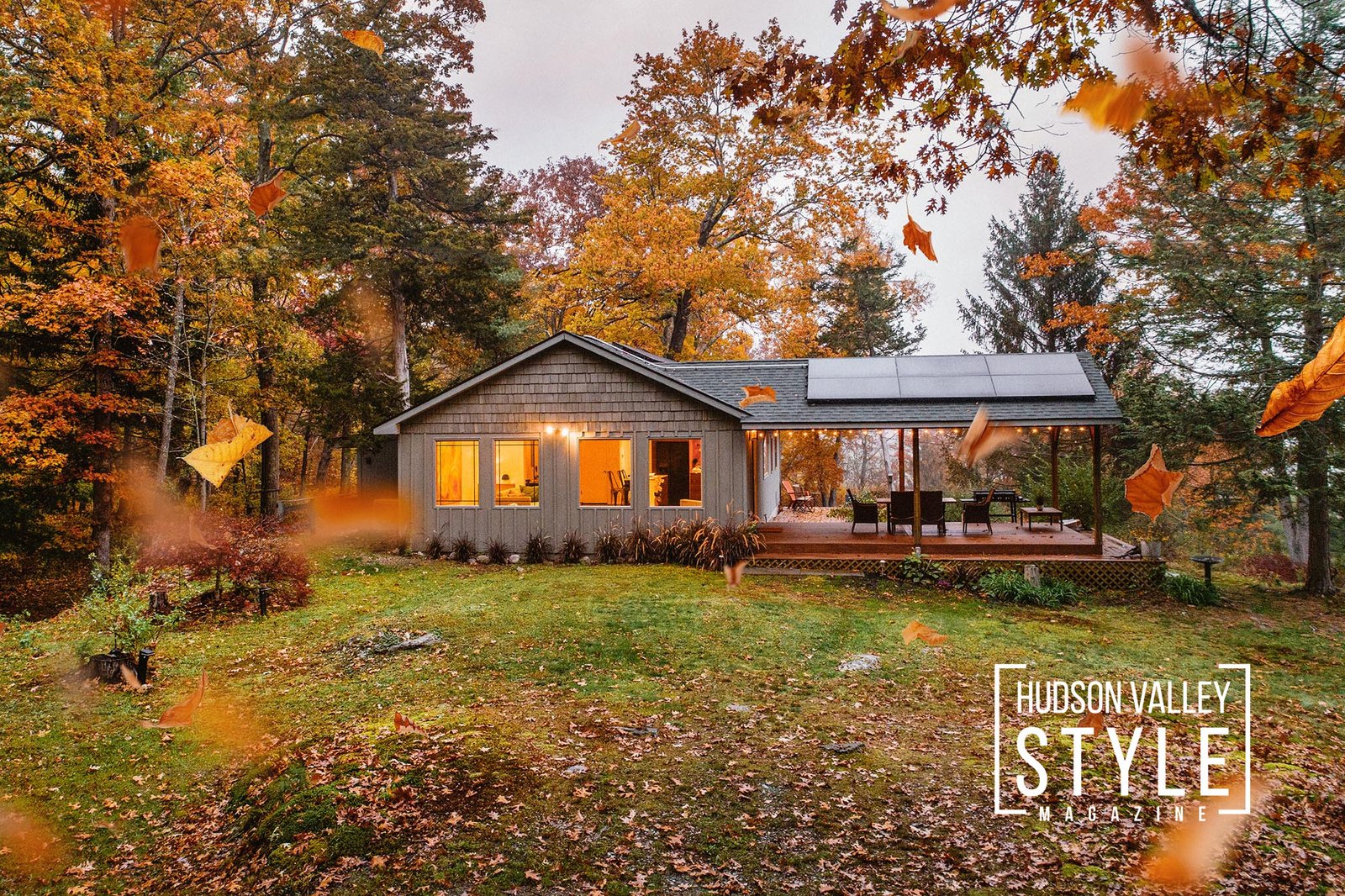
The Art of the Autumn Escape: Crafting a Modern Rustic Wellness Sanctuary at Home

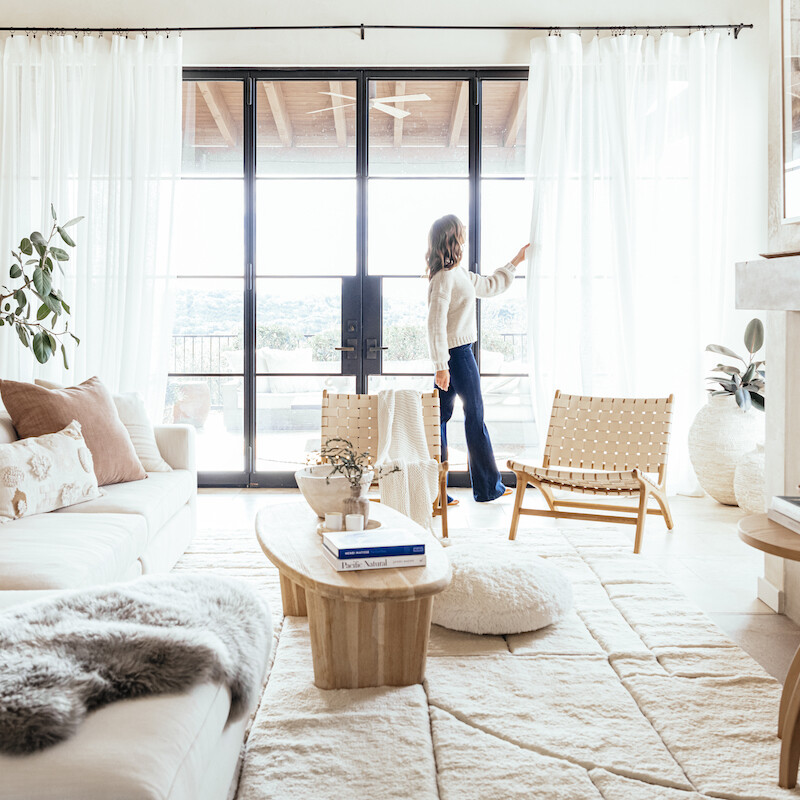
Shop Camille’s Fall Living Room Refresh


Want a Warm, Inviting Home This Fall? These 24 Under-$50 Finds Make It Effortless
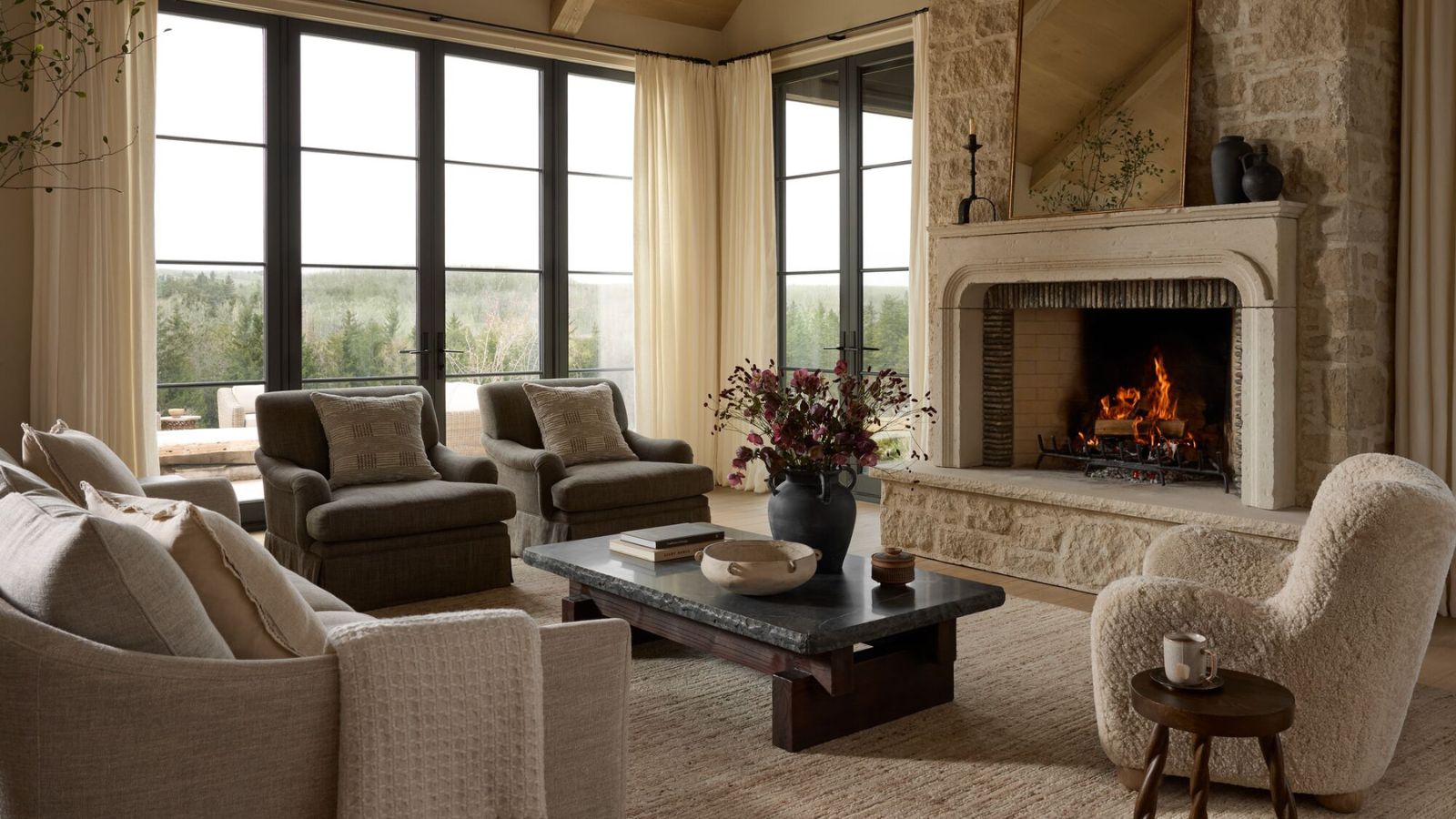
Fall bedroom decor – 13 seasonal decorating ideas for a cozy sleep space
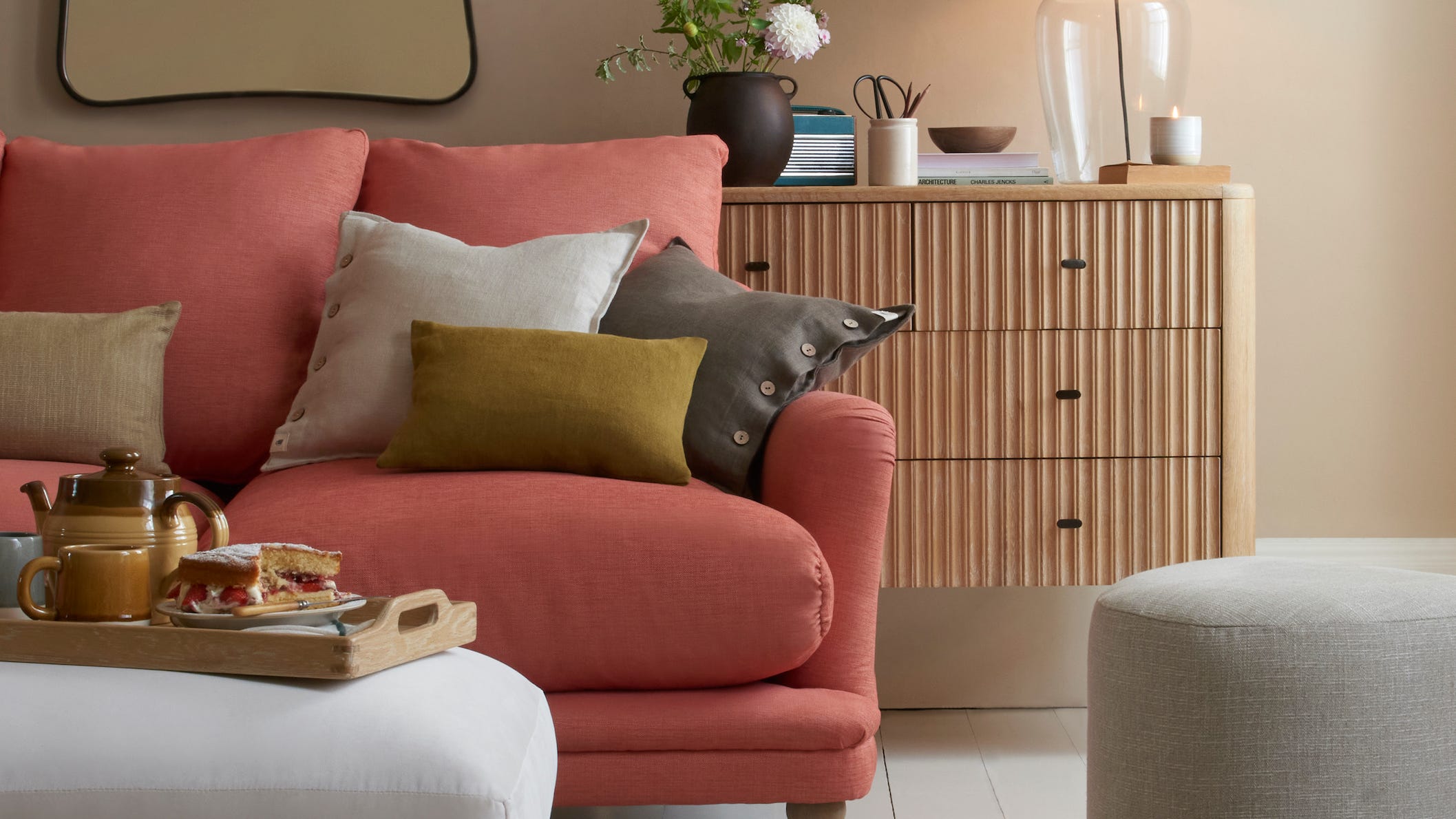
19 Cosy Living Room Ideas For Your Home


Transform your home this fall with modern and mid-century furniture from Chita Living