Yes, You Can Reuse Old Nails—Here Are 7 Ideas Worth Trying This Weekend
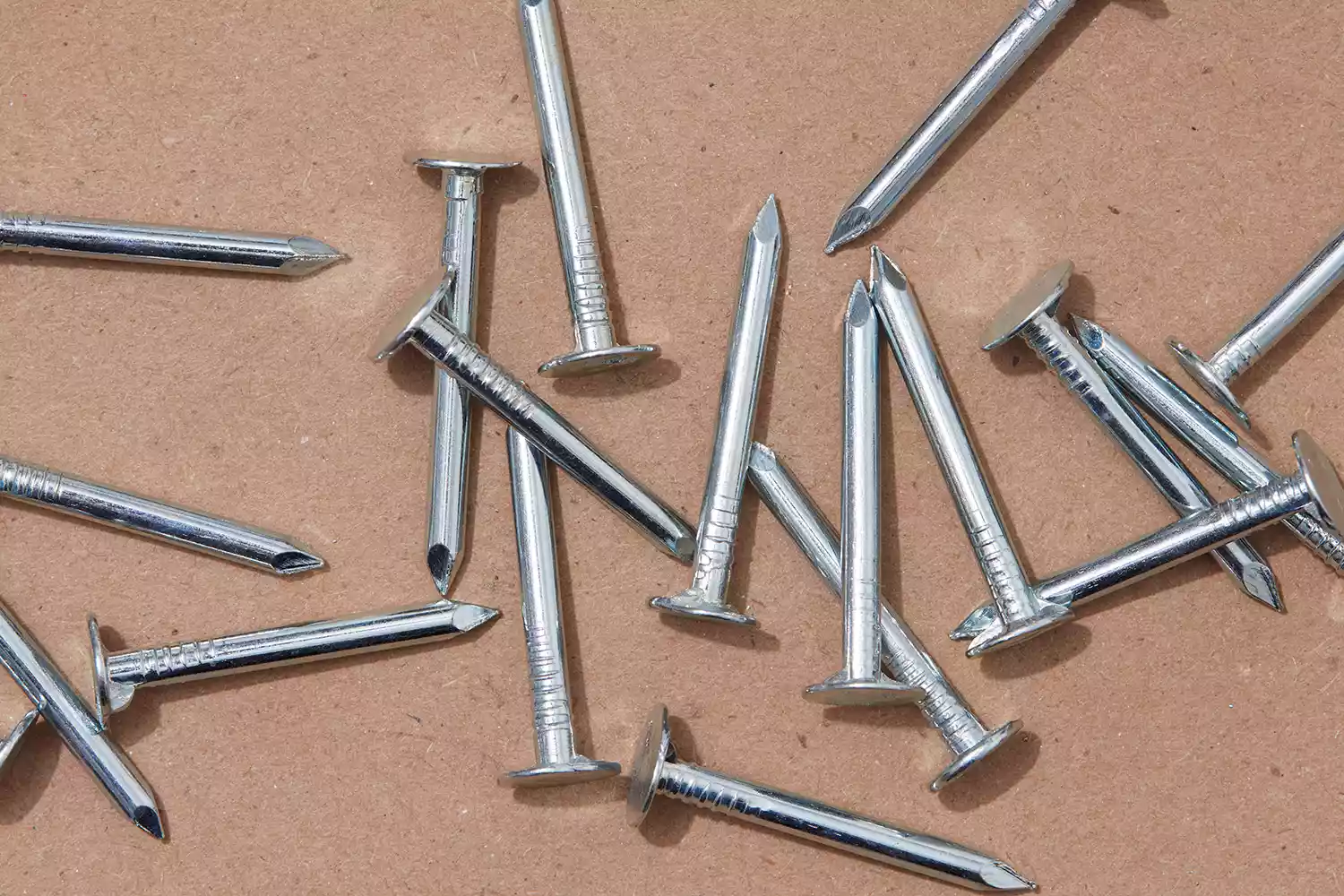
Instead of discarding used nails, there are several practical and creative ways to repurpose them around the house, which can save money, reduce waste, and add a unique aesthetic to certain projects. Home design experts Thomas Borcherding of Homestar Design Remodel and Edgar Neria of Team Renovate offer insights into these various applications.
For furniture repair, especially antique pieces, reusing old nails is beneficial as their existing patina helps maintain the rustic look. New, shiny nails would appear out of place, whereas aged nails seamlessly blend with distressed wood or other antique features. This approach is also useful for creating an aged or antiqued aesthetic on new furniture pieces.
Old nails, particularly those made of iron, can serve as a natural nutrient source for plants. Iron is one of 14 essential minerals required for plant growth and development, and a deficiency can lead to pest susceptibility and stunted growth. By dropping a few nails into a watering can or directly into the soil of planters, the iron leaches into the water or soil, providing plants with this vital nutrient as an inexpensive alternative to commercial iron supplements.
A unique wood stain can be created using rusty nails and white vinegar. By placing rusty nails in a glass jar with white vinegar for three to four days, a reddish-brown mixture forms. This mixture, when brushed onto wood, dries to an antique gray finish, offering a distinct visual effect for small craft projects.
Old nails also function effectively as shims or spacers during the installation of wood trim such as baseboards, toe kicks, or window and door casings. They can be used to precisely adjust trim on uneven walls, bringing elements forward by small increments (e.g., 1/16- to 1/8-inch), providing a more refined finish than plastic or pre-cut wood shims.
For artists or DIY enthusiasts, old nails are integral to string art. After transferring a pattern onto wood, nails are tapped into the design to create anchor points around which colorful string or yarn is looped. This method not only repurposes nails but also allows their antique or rusty appearance to become an integrated part of the artwork.
In home improvement, old nails can reinforce concrete, similar to rebar, especially in repair work. An old mason's technique involves mixing small pieces of steel evenly throughout concrete to increase its strength. When repairing with wood filler or mortar, clean, rust-free nails can be mixed into the material while it is still wet and pliable, offering greater resistance to forces the repair might encounter. Care must be taken to ensure no nails protrude from the mixture before it dries and cures.
These varied applications highlight the versatility of old nails beyond their original purpose, promoting sustainability and creative problem-solving in home and garden projects.
#ReuseNails #DIYProjects #HomeImprovement #GardeningHacks #FurnitureRestoration #WoodStaining #ConcreteReinforcement #SustainableLiving #Crafting #ReuseNails #DIYProjects #HomeImprovement #GardeningHacks #FurnitureRestoration #WoodStaining #ConcreteReinforcement #SustainableLiving #Crafting
0 comment in total
 No comments yet
You may also like
Nails


10 Navy Nail Designs That Make for a Chic Spring Manicure

We're Taking These Baby Blue Nail Ideas To The Salon – They're That Nice
18 Things You Never Knew You Could Fix with Nail Polish


A Good Sandal-Worthy Pedicure Is Everything to Me—7 Stylish Summer Nail Colors I Can't Stop Wearing

“Wellness” Nails To Navy Blue: 12 Nail Trends That You Need To Try

DIY Projects & Crafts

Everything You Need to Know About Rocking Navy-Blue Nails
Before You Toss Old Cloth Napkins, Try These 12 Creative Repurposing Ideas

Navy Blue Nails: The chicest manicure trend you need to try now
These are The Best Cordless Nail Guns For Every Kind of DIY Home Improvement Project