1/4
4 ways designers are lighting rooms in 2024 that feel so much cozier and richer than what we're used to
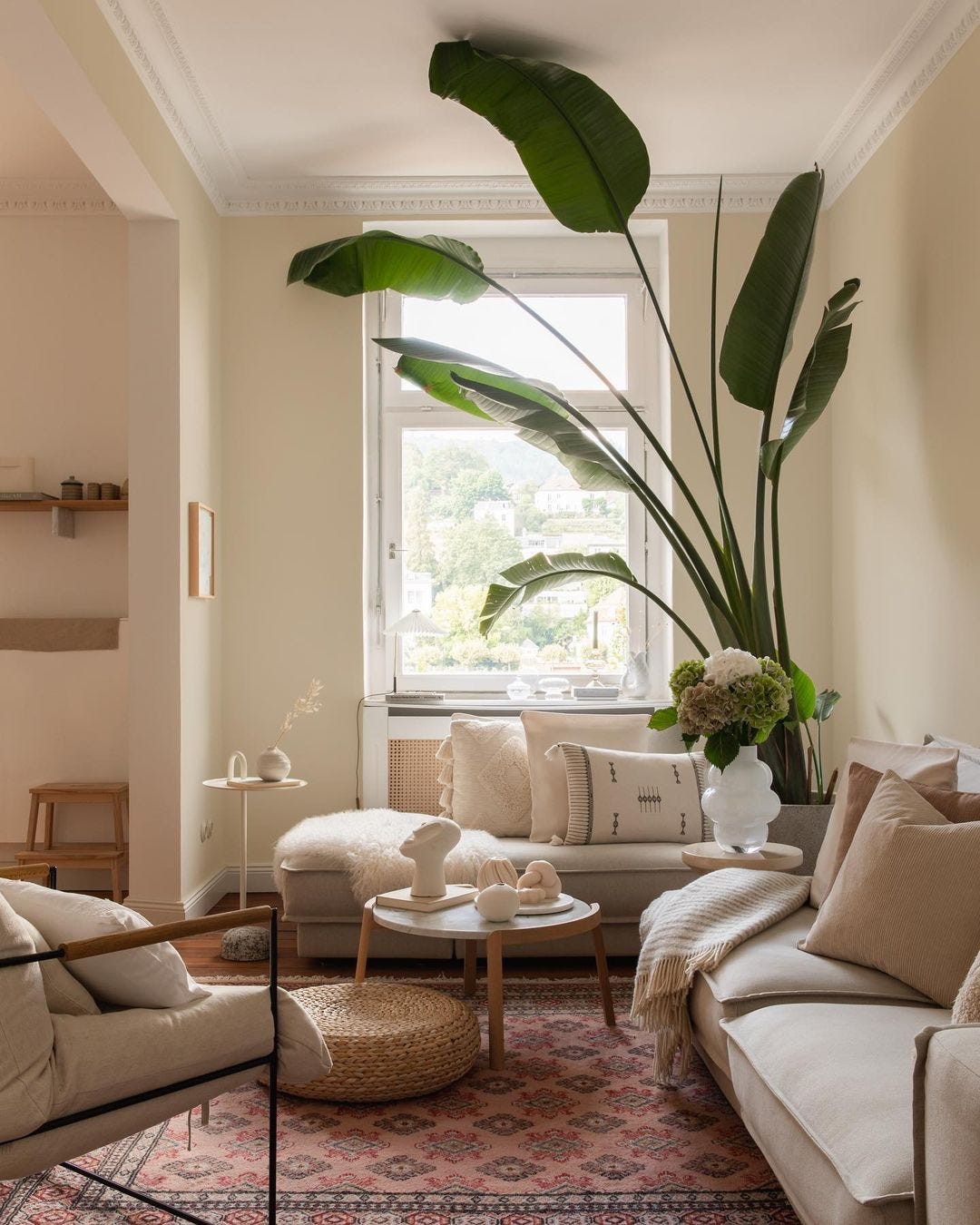
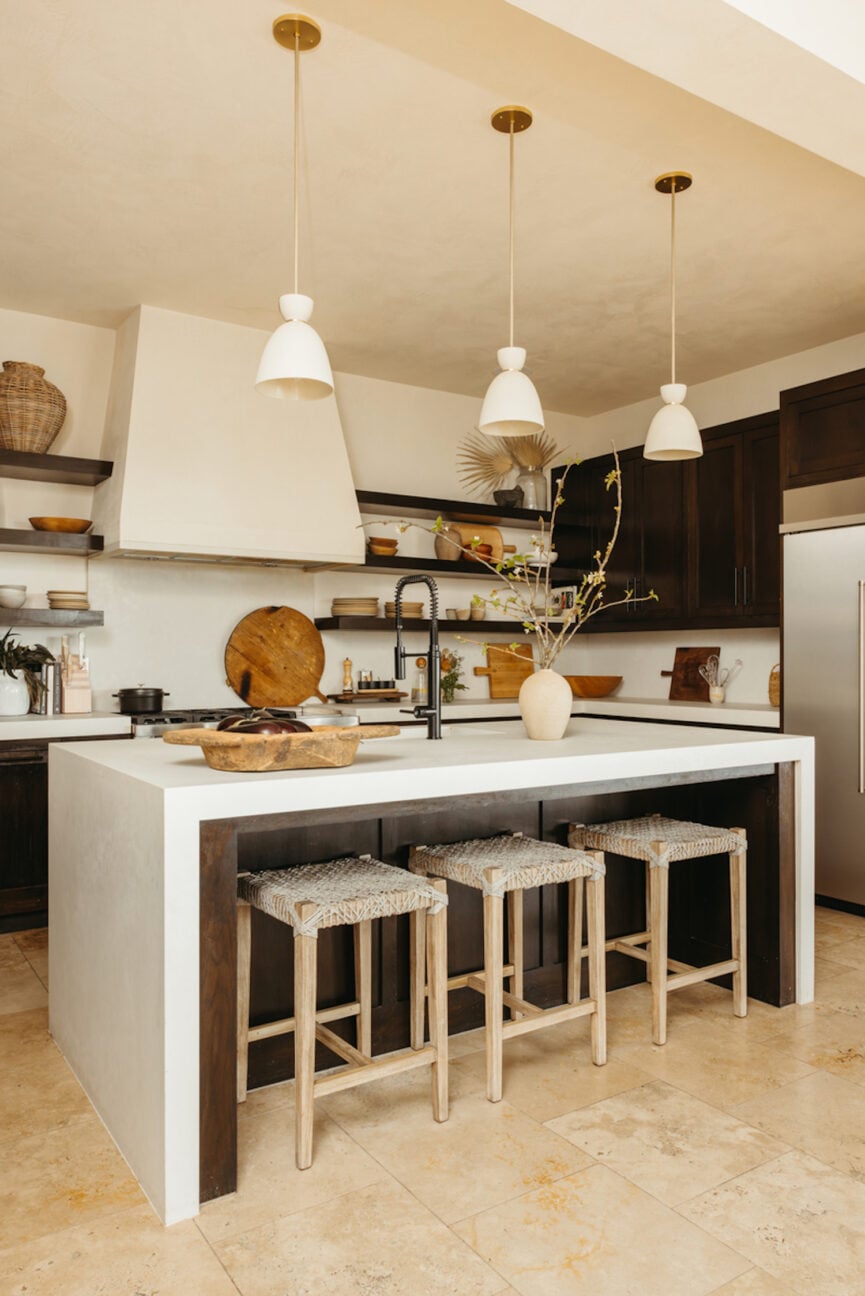
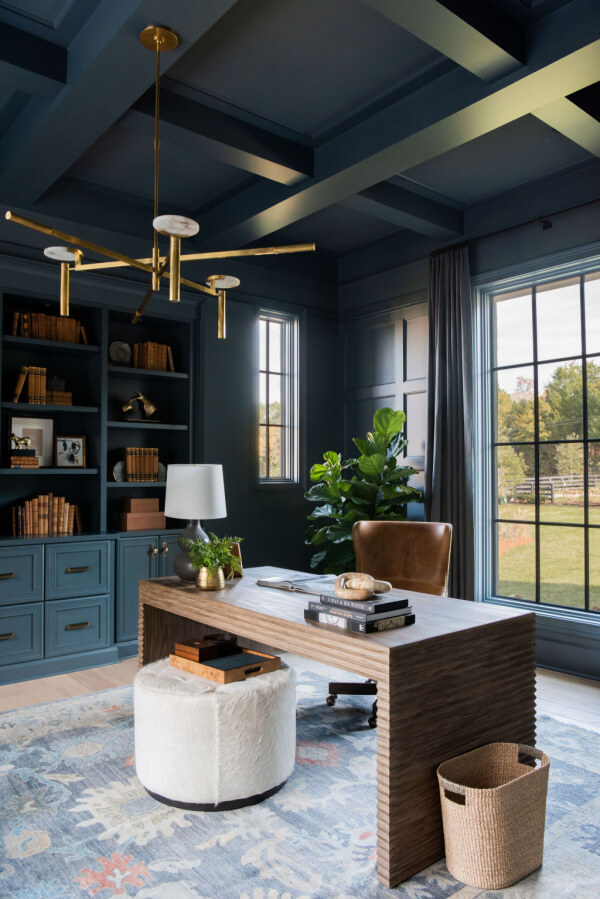
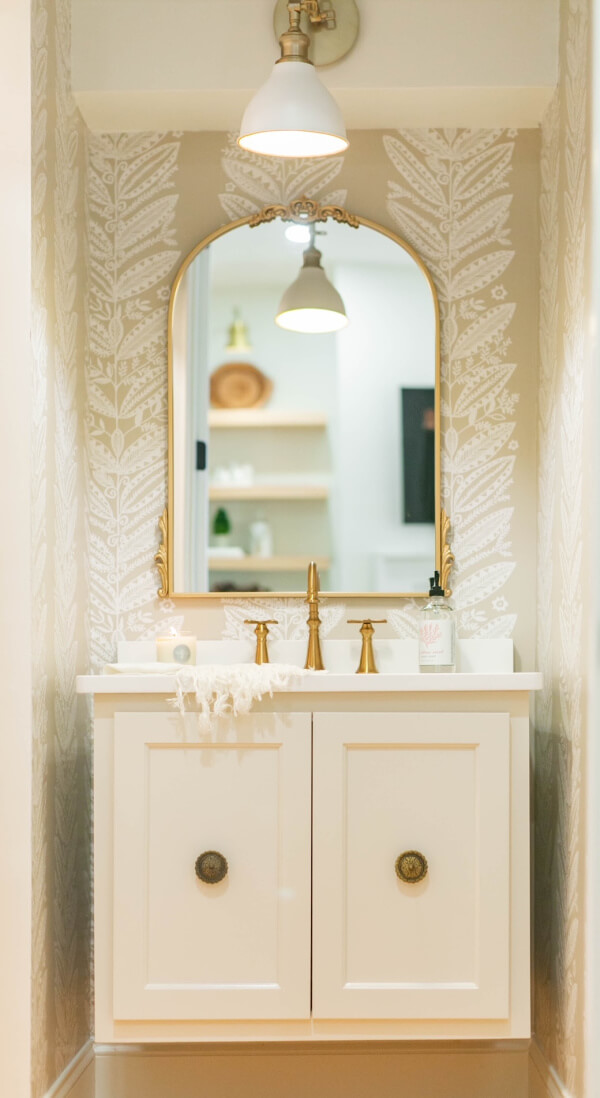
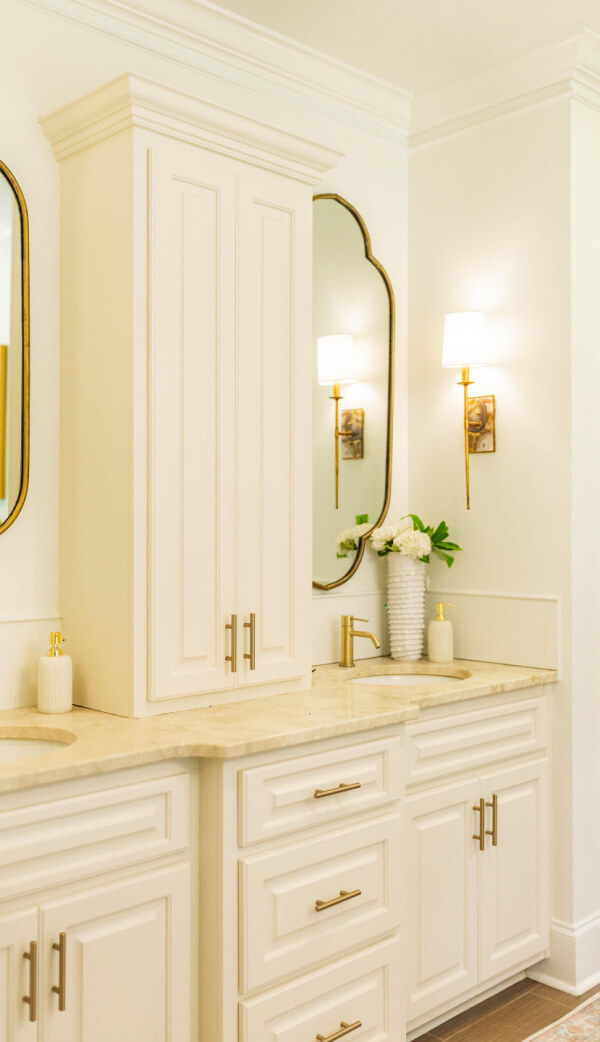
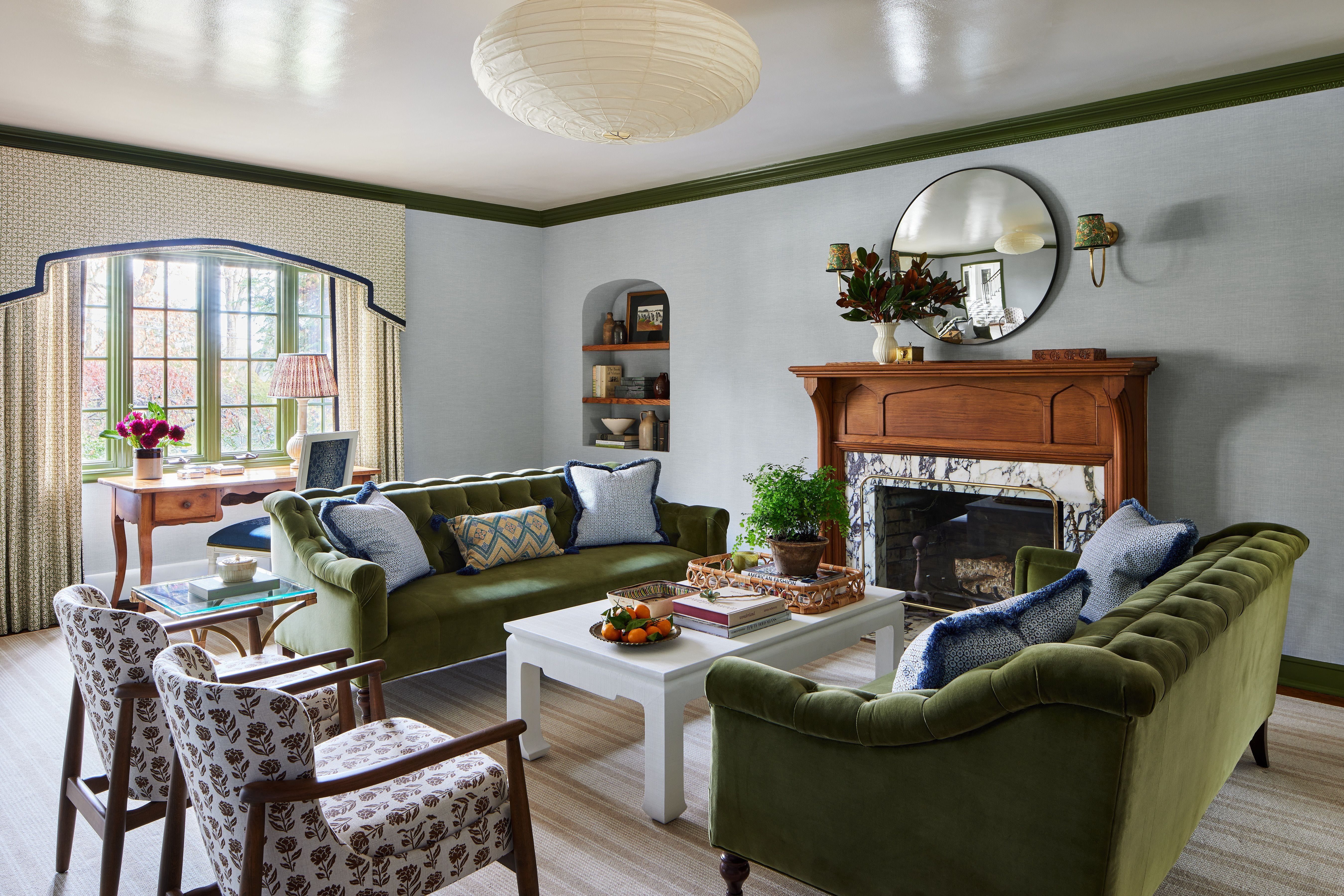
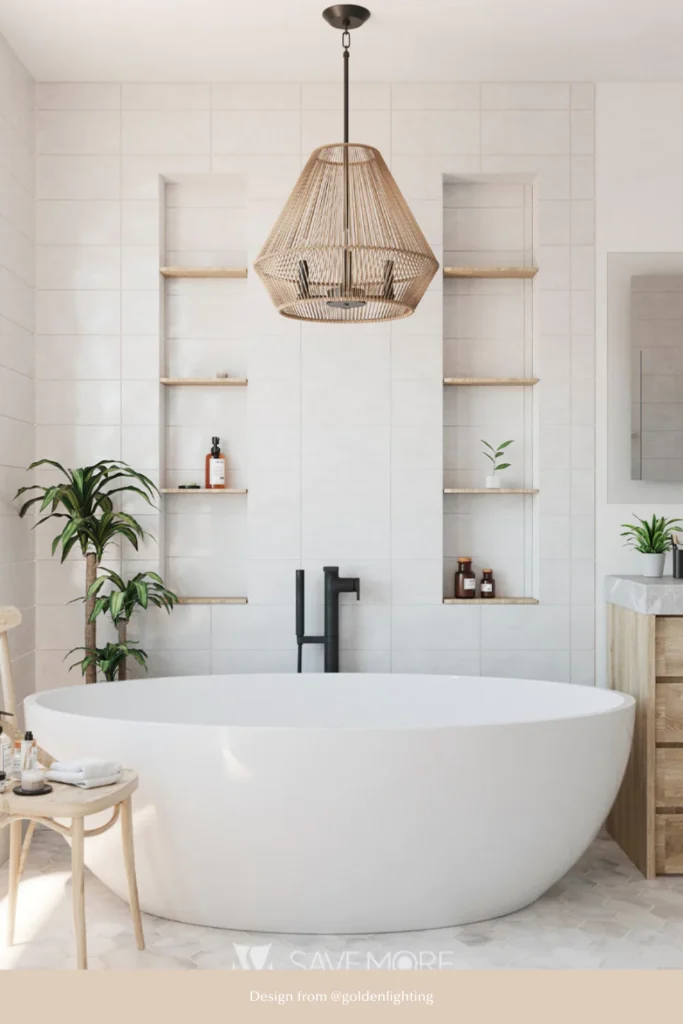
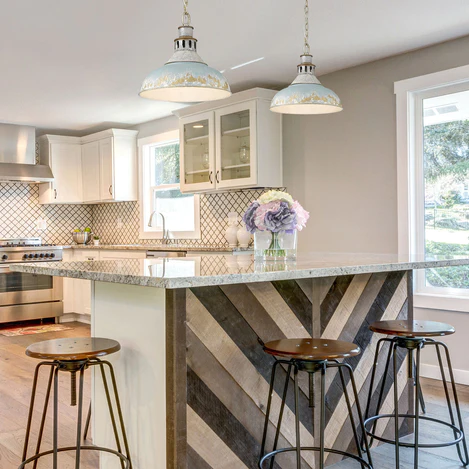
The field of lighting design is undergoing a significant transformation, with interior designers moving away from large, central lighting fixtures in favor of layered and subtle lighting schemes. This shift aims to create more natural and less obtrusive lighting in living spaces, offering homeowners greater flexibility to adjust lighting to their specific needs, whether for focused tasks or relaxation. The approach involves a toolkit of diverse light sources, from expansive floor lamps to clusters of table lights, allowing for a more tailored illumination strategy. The primary challenge for homeowners lies in effectively implementing these new lighting trends, which begins with understanding the intended function of each space.
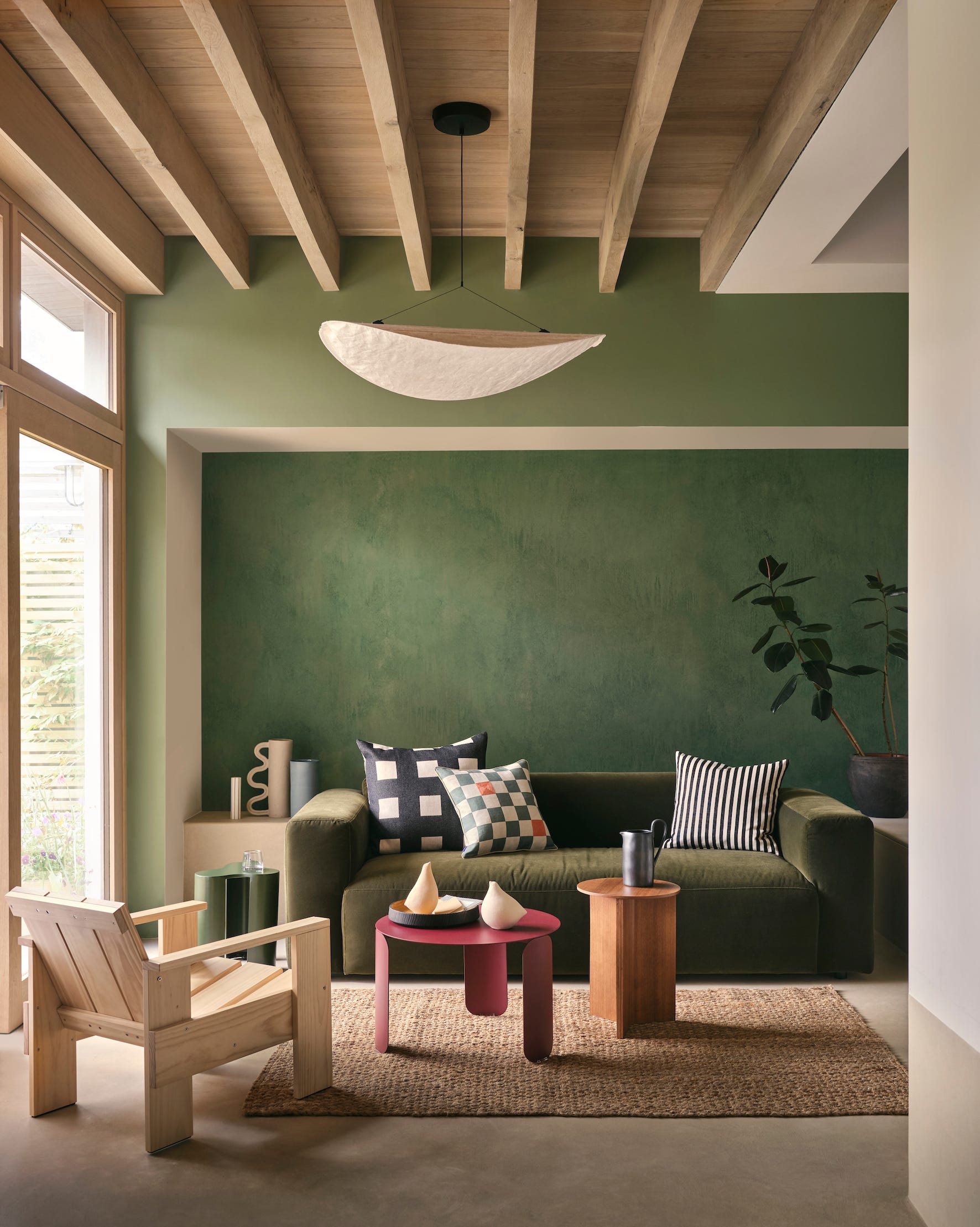
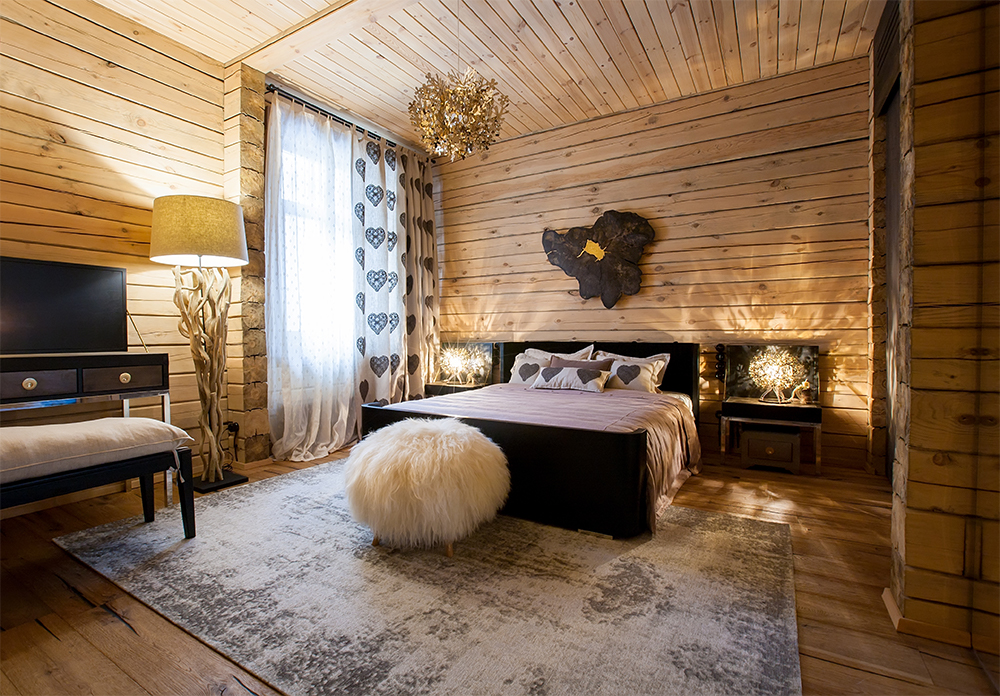
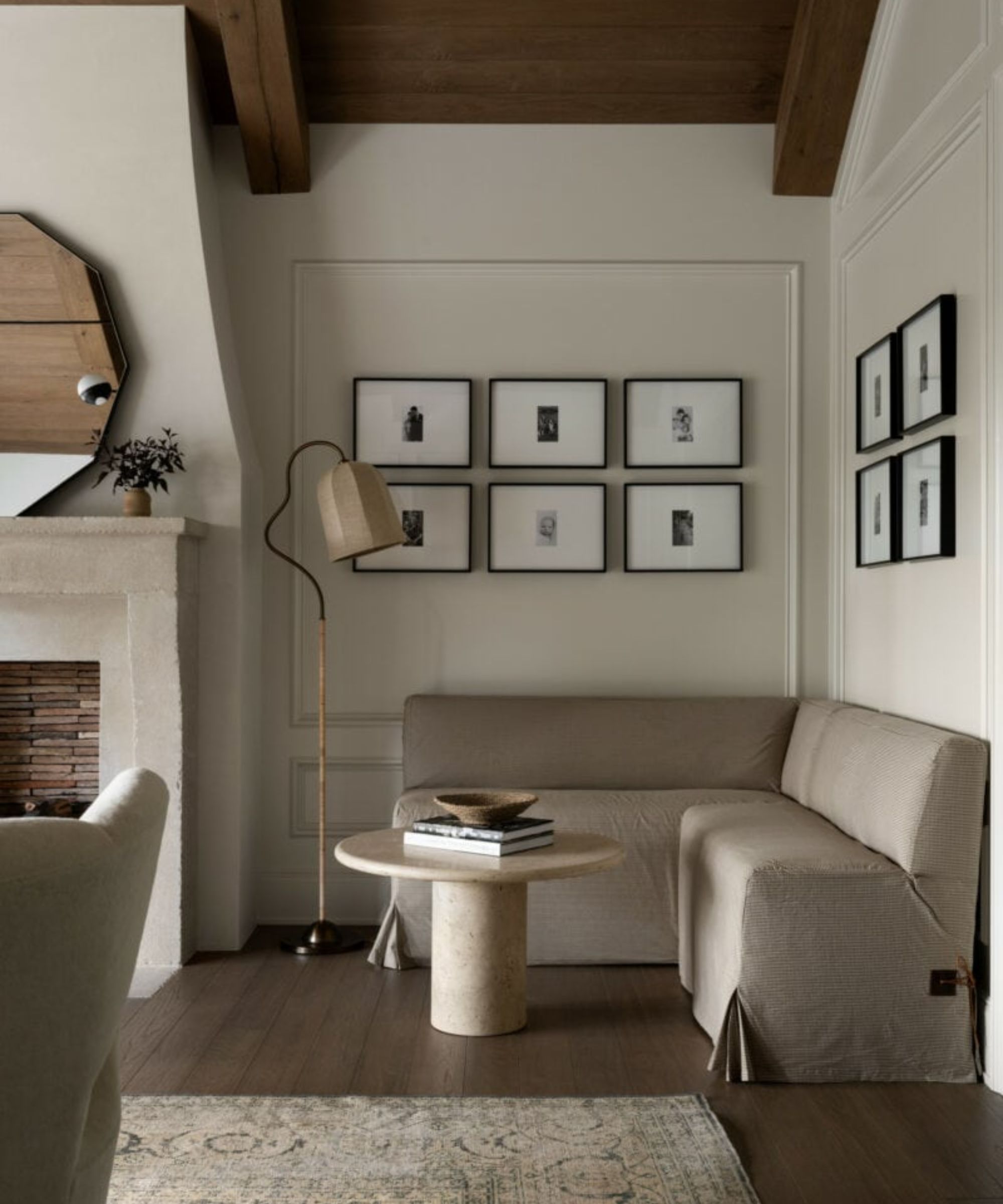
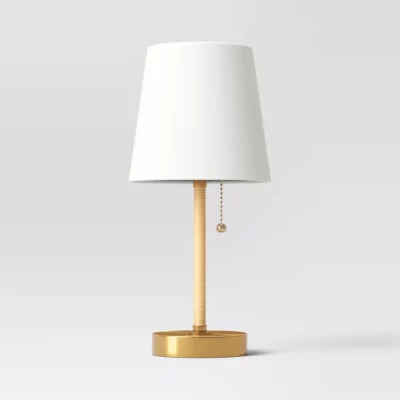
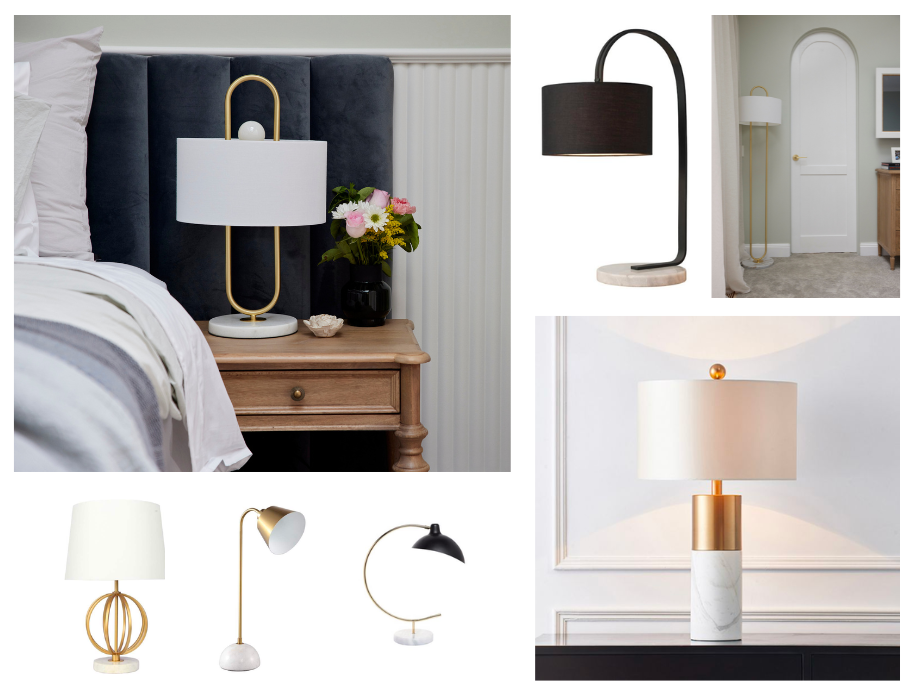
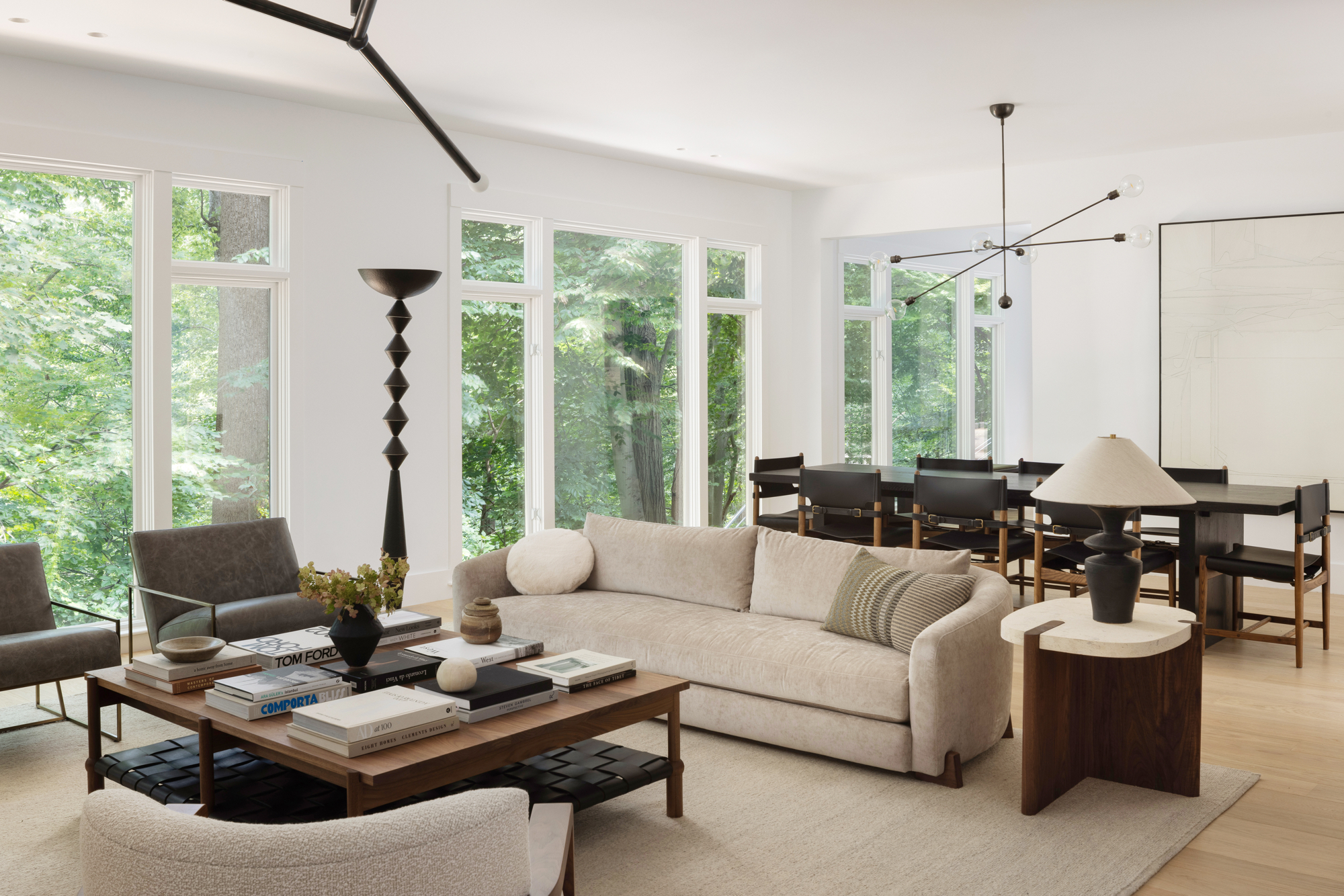
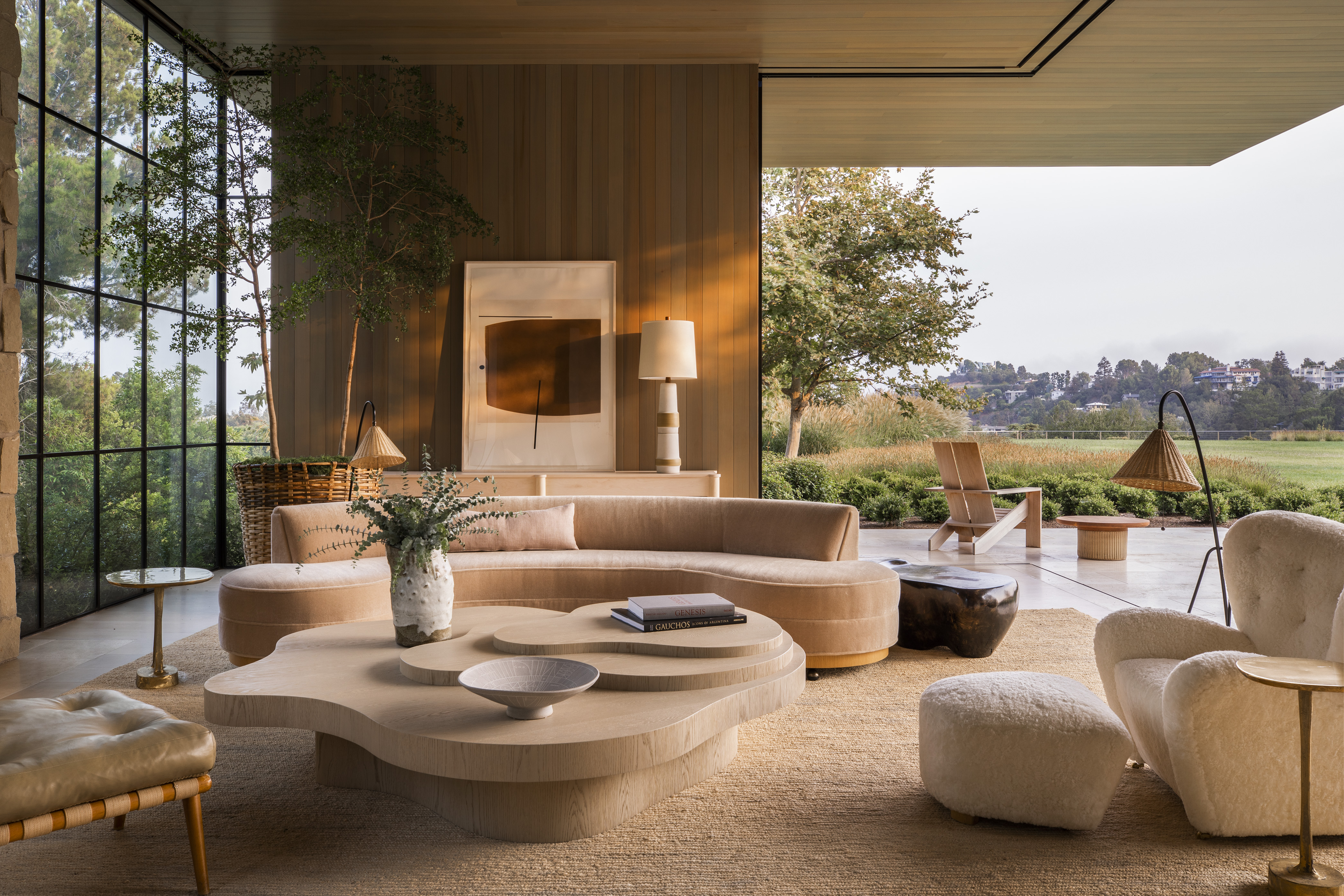
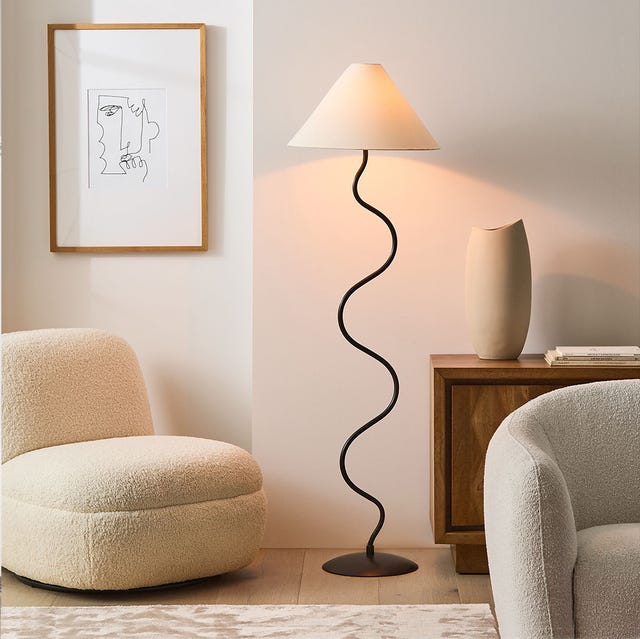
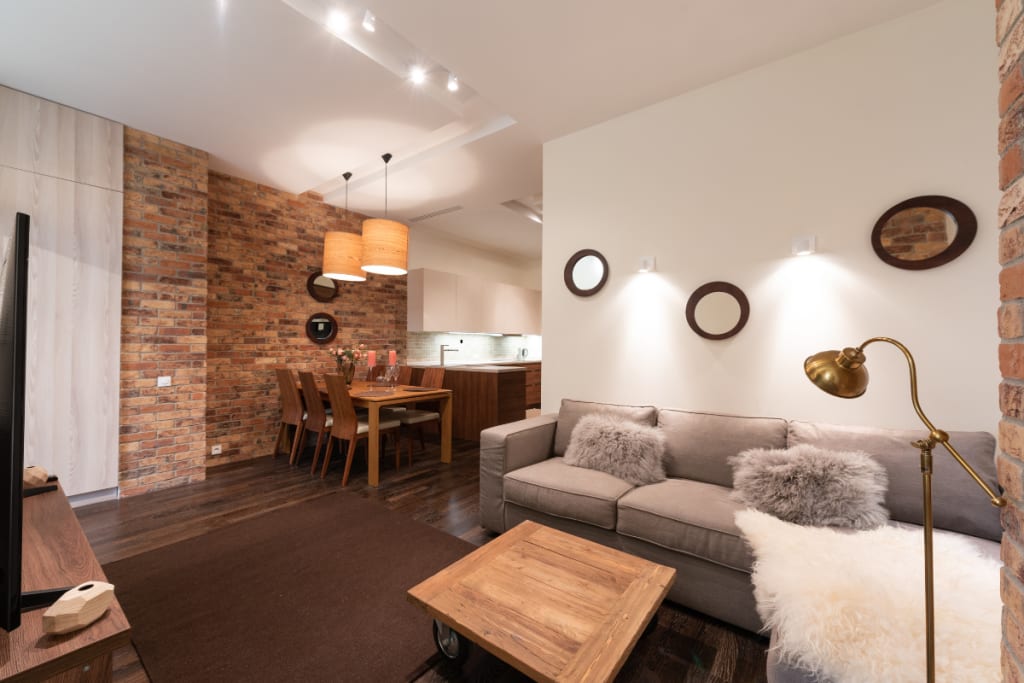
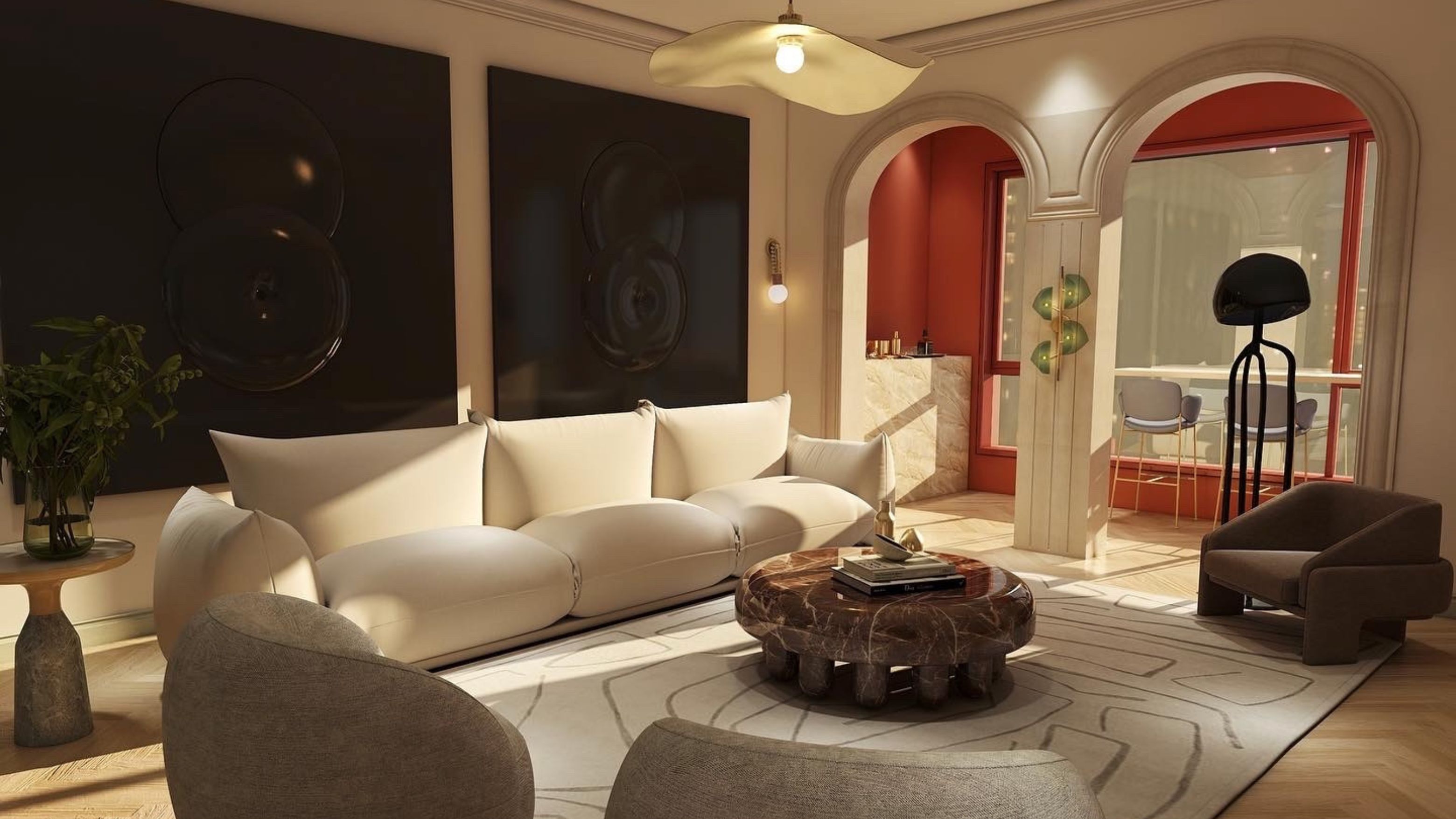
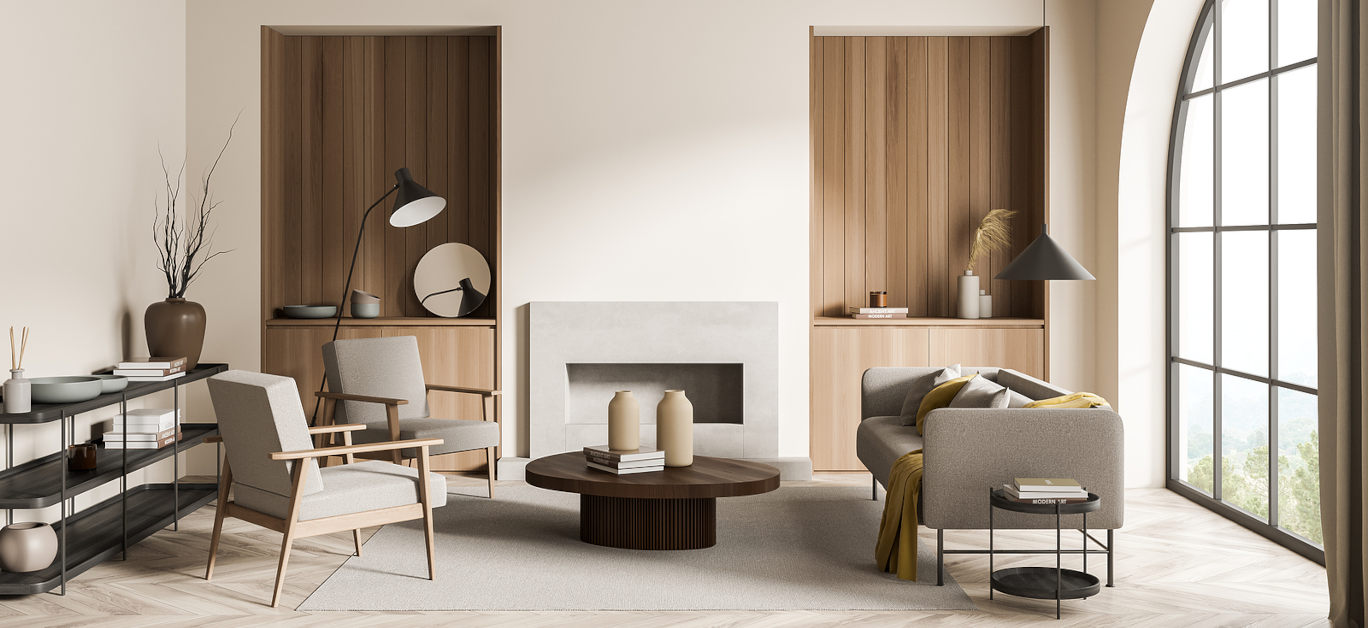
Designers emphasize the importance of identifying specific activities that will occur in a room. For instance, a reading nook benefits from focused task lighting, while a display area for art collections might require a constellation of spotlights to draw attention to specific pieces. To illustrate these concepts, interior designers recommend several effective strategies. The first involves utilizing oversized floor lamps, which are gaining popularity for their ability to cast a diffused glow on particular areas within a living room. These lamps not only provide functional illumination but also serve as sculptural elements, enhancing the room's aesthetic. A key advantage of these adaptable floor lamps is their portability, allowing them to be easily repositioned to set a romantic mood or integrated with other fixtures for a multi-layered lighting effect.
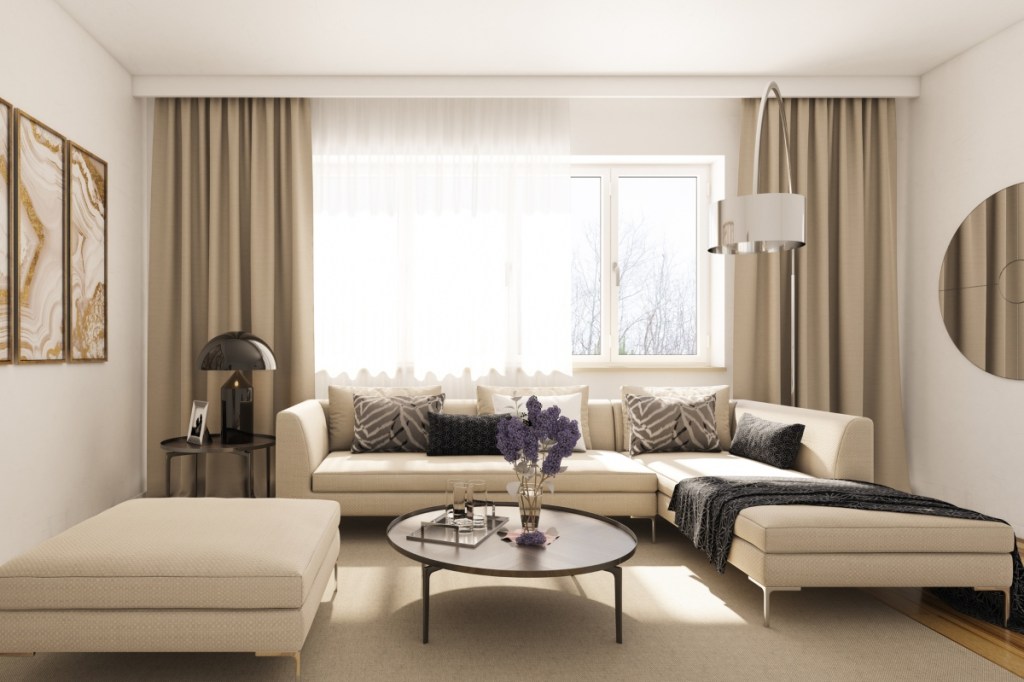
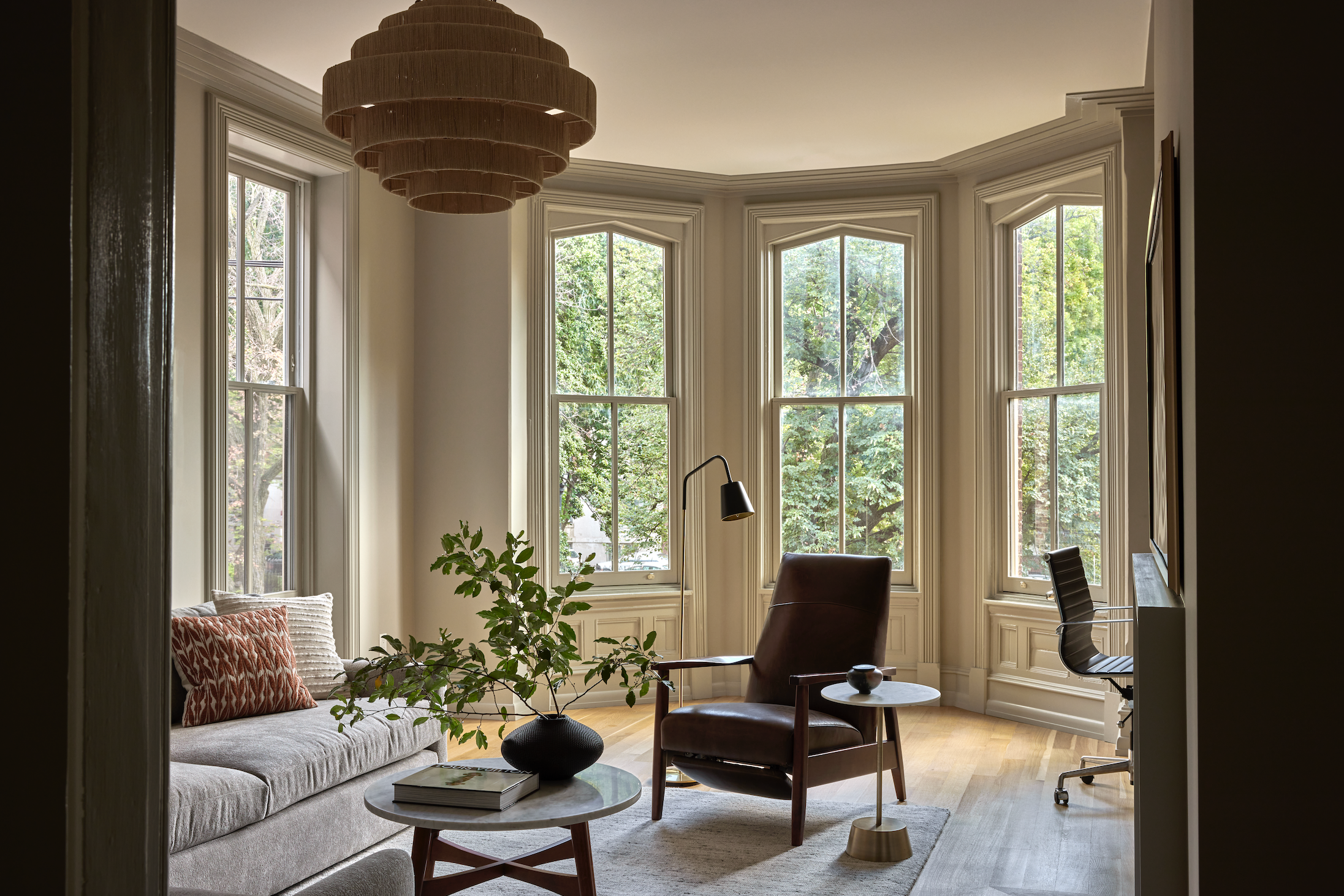
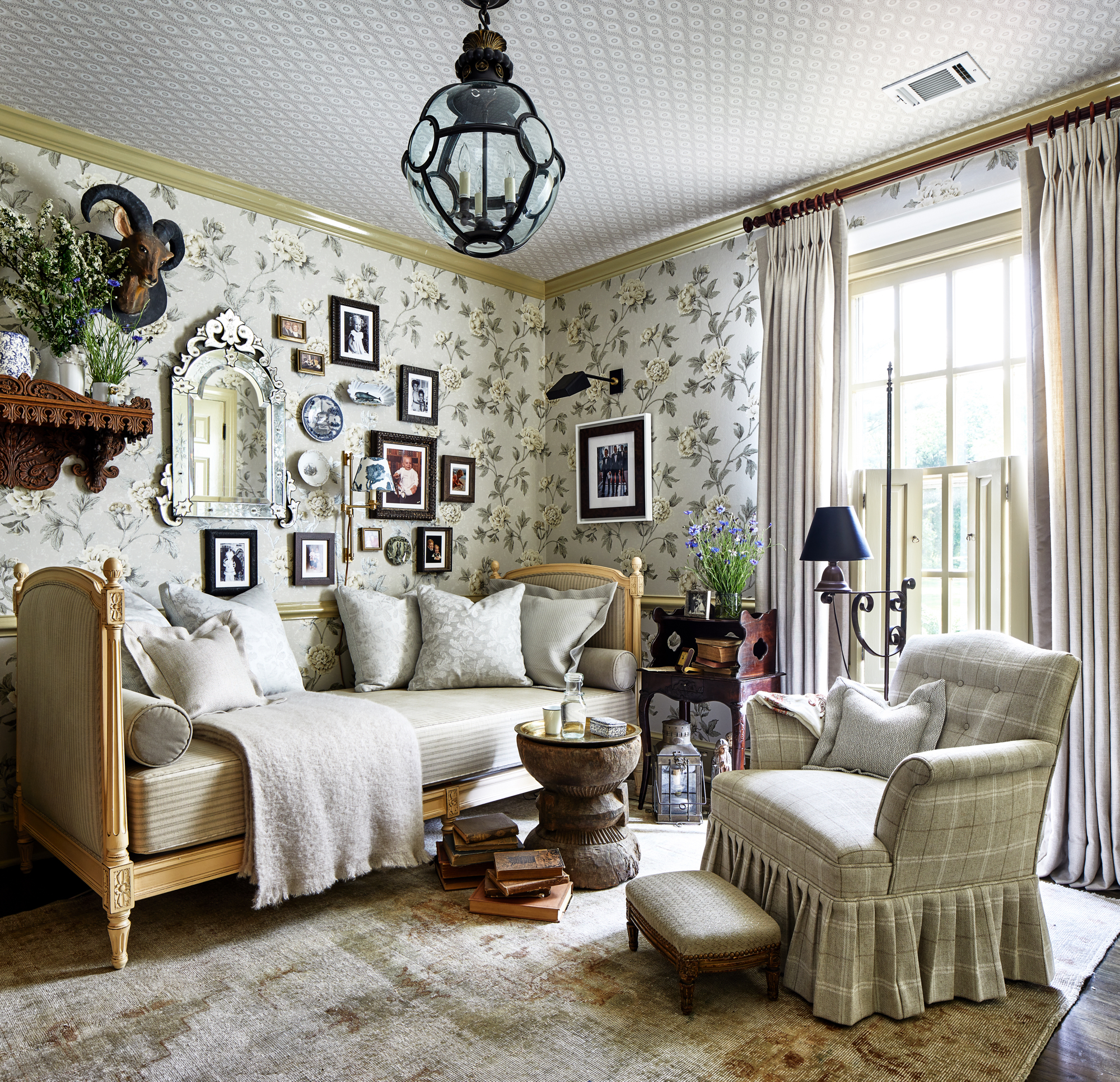
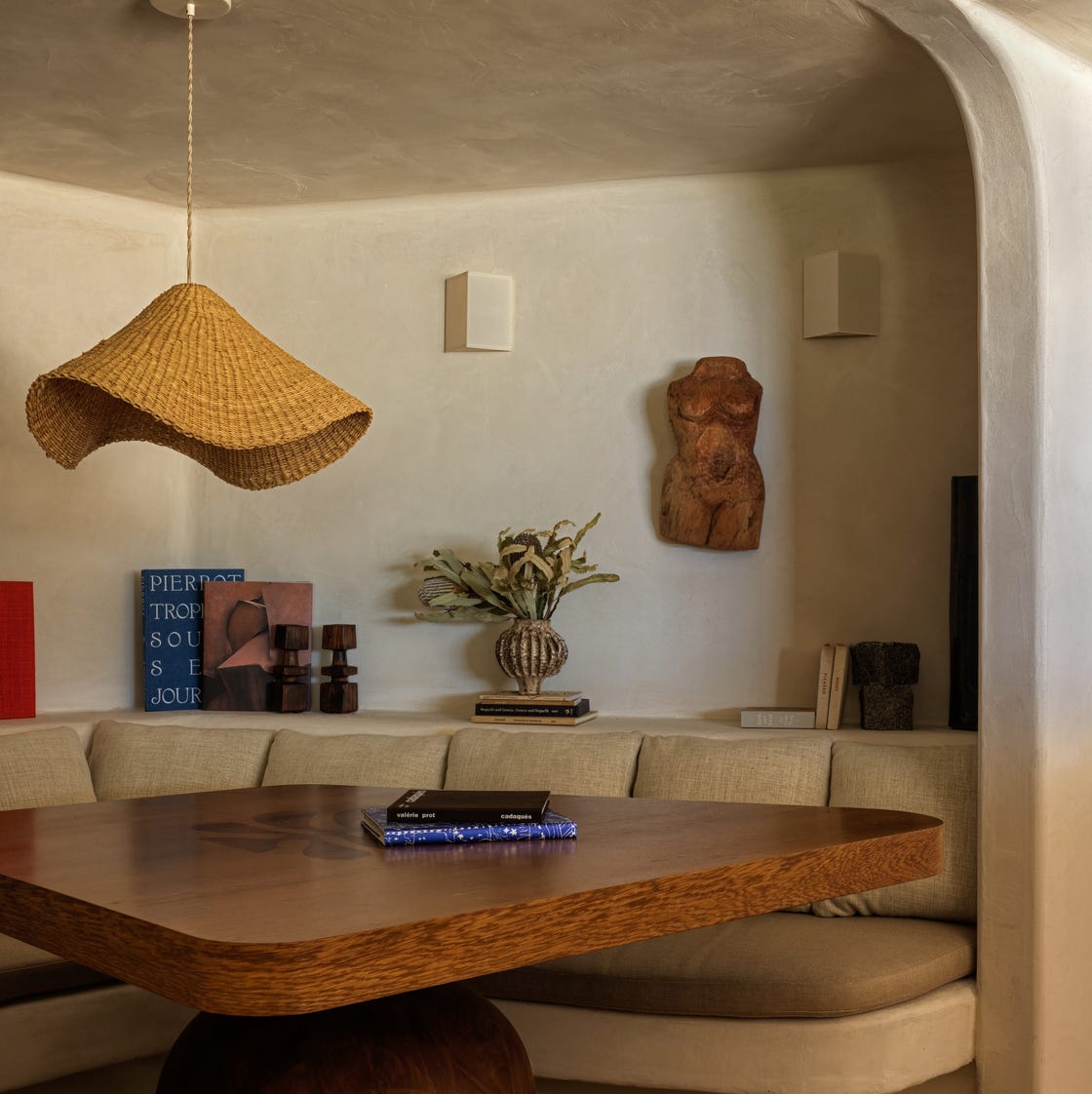
The second strategy highlights the critical role of layering in lighting design. Creating a "library of lighting opportunities" by combining various fixtures such as floor and table lamps helps to establish intimate pools of light within larger living areas. This layered approach is preferred over relying solely on overhead lighting, which can flatten a space. By designing for multiple lighting conditions, a room gains flexibility and warmth, making it adaptable to different times of day and activities, even if a central pendant light is already present.
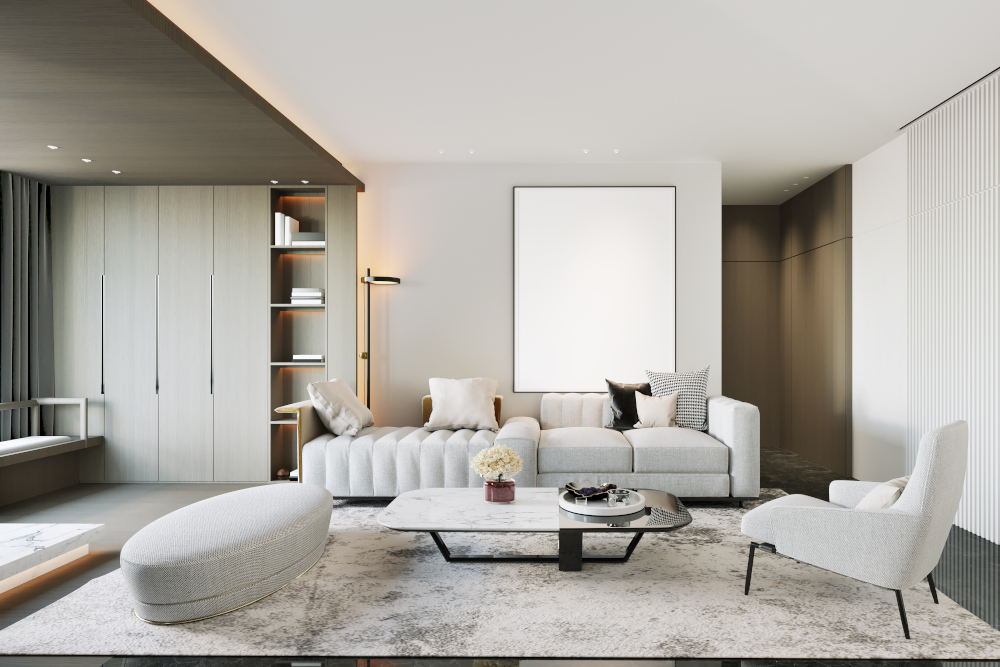
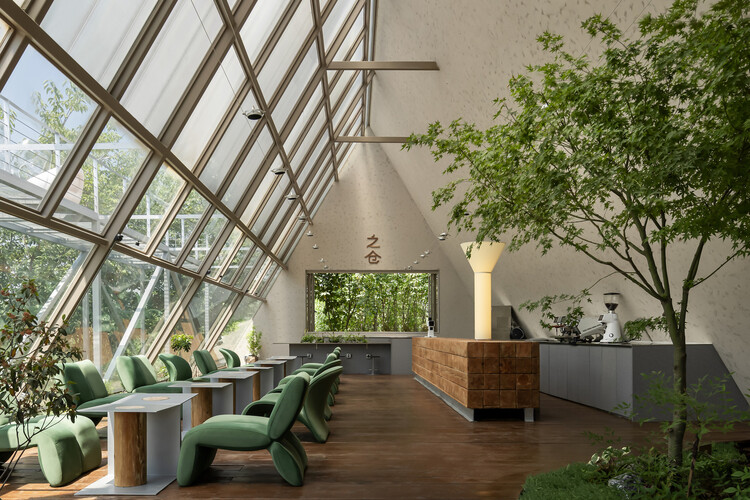
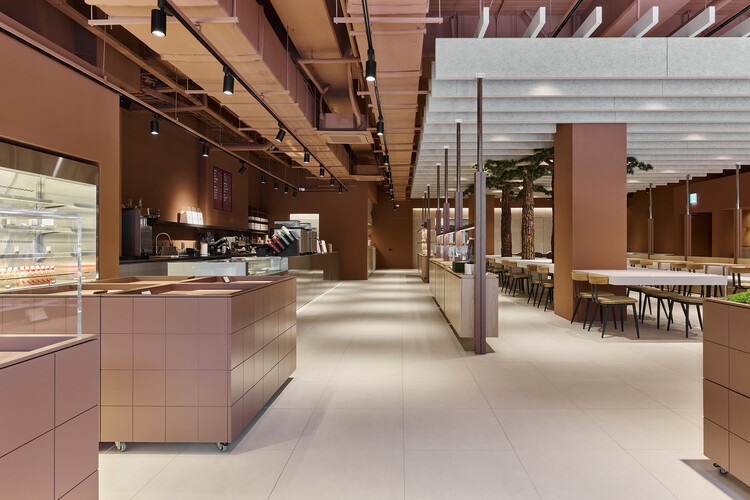
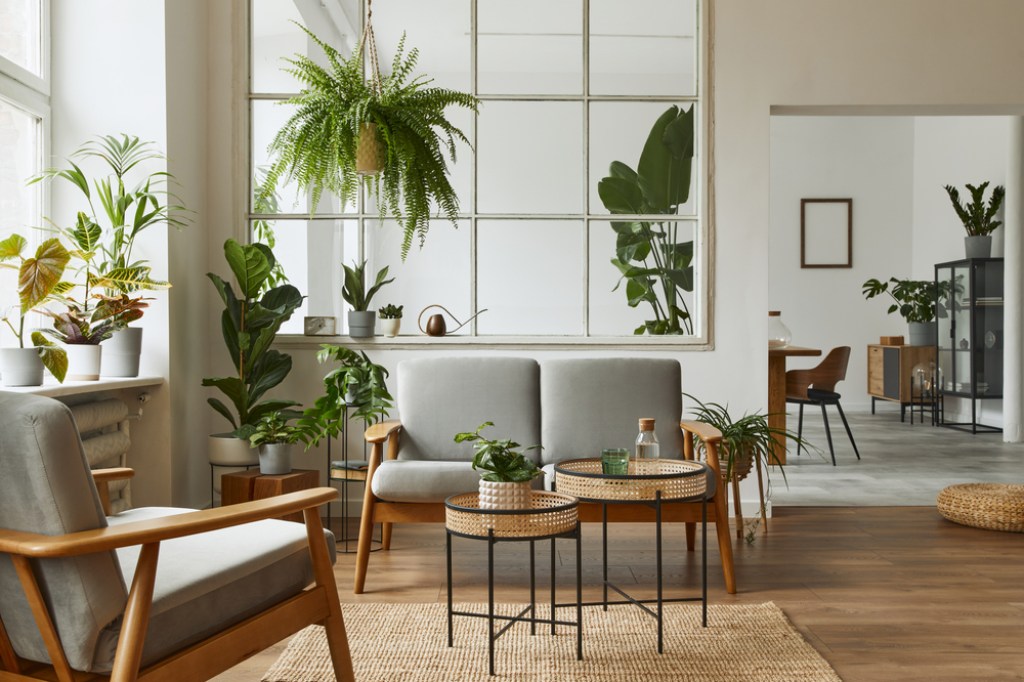
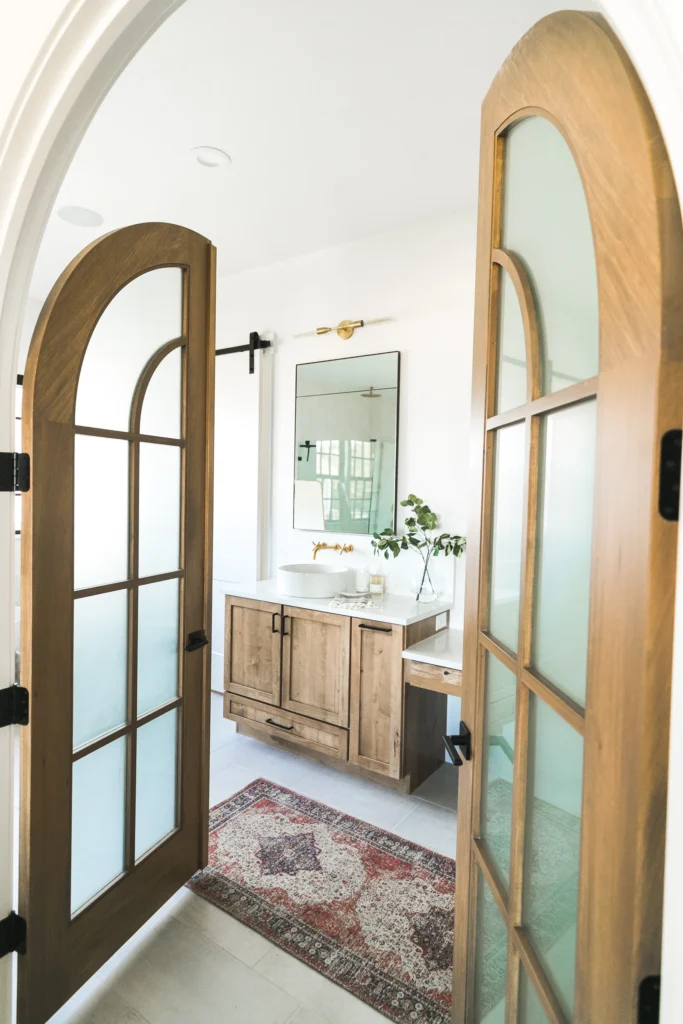
Thirdly, advancements in spotlight technology have made them a versatile tool for architects and designers. Modern spotlights, whether diffused or direct, can effectively highlight furniture, accessories, or architectural features without creating visual clutter. They are particularly beneficial in minimalist designs or rooms with lower ceilings, where traditional central lighting might pose challenges in terms of proportion and even light distribution. Spotlights offer a solution for illuminating all zones of a large open space comprehensively, maintaining interior harmony.
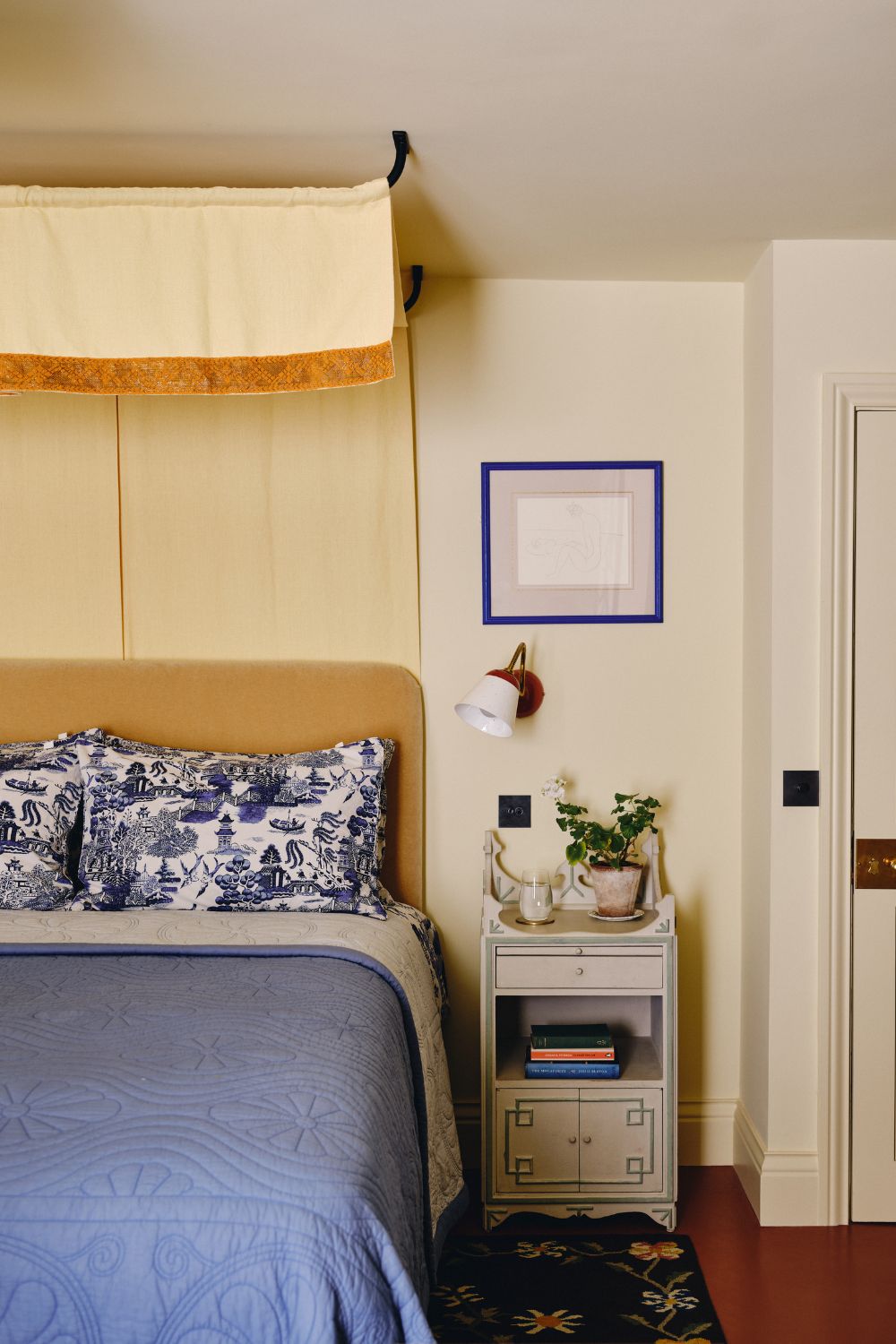
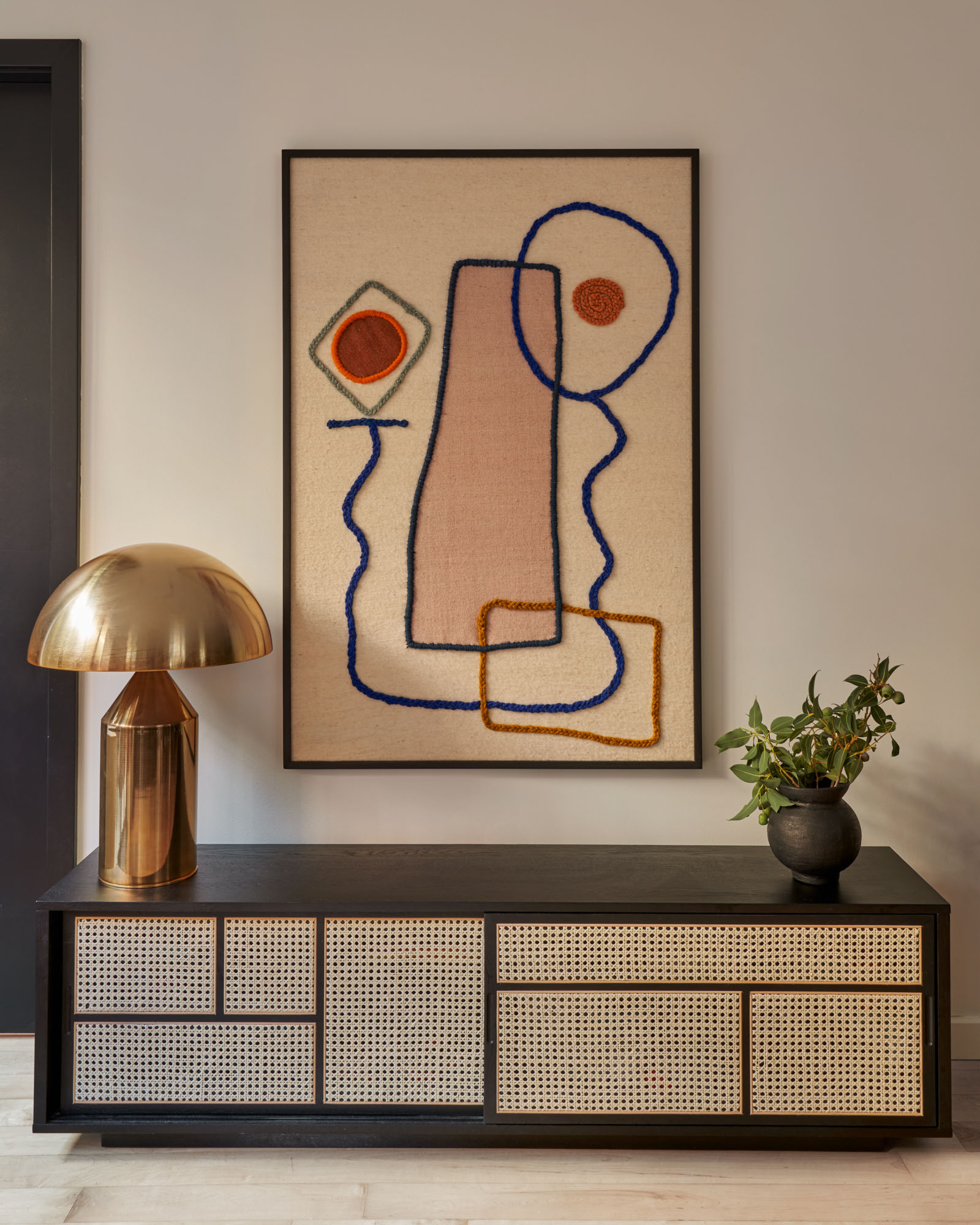
Finally, the article discusses the expanded use of picture lights beyond their traditional role of illuminating artwork. These fixtures can be integrated with architectural elements like shelving to accentuate feature walls. When coordinated with the surrounding design, picture lights emit a soft, directional glow that diffuses into the room, adding warmth and dimension. This approach prevents a room from being oversaturated with light from overhead fixtures, providing a subtle yet effective illumination for various activities, from entertaining guests to unwinding in the evening. This demonstrates how even conventional lighting fixtures can be incorporated into modern design schemes to achieve sophisticated effects.
#LightingDesign #InteriorDesign #ModernLiving #LayeredLighting #FloorLamps #Spotlights #PictureLights #HomeDecor #DesignTrends #LightingDesign #InteriorDesign #ModernLiving #LayeredLighting #FloorLamps #Spotlights #PictureLights #HomeDecor #DesignTrends
0 comment in total
 No comments yet
You may also like
Interior Designers Say These Decor Trends Will Be Everywhere in 2024
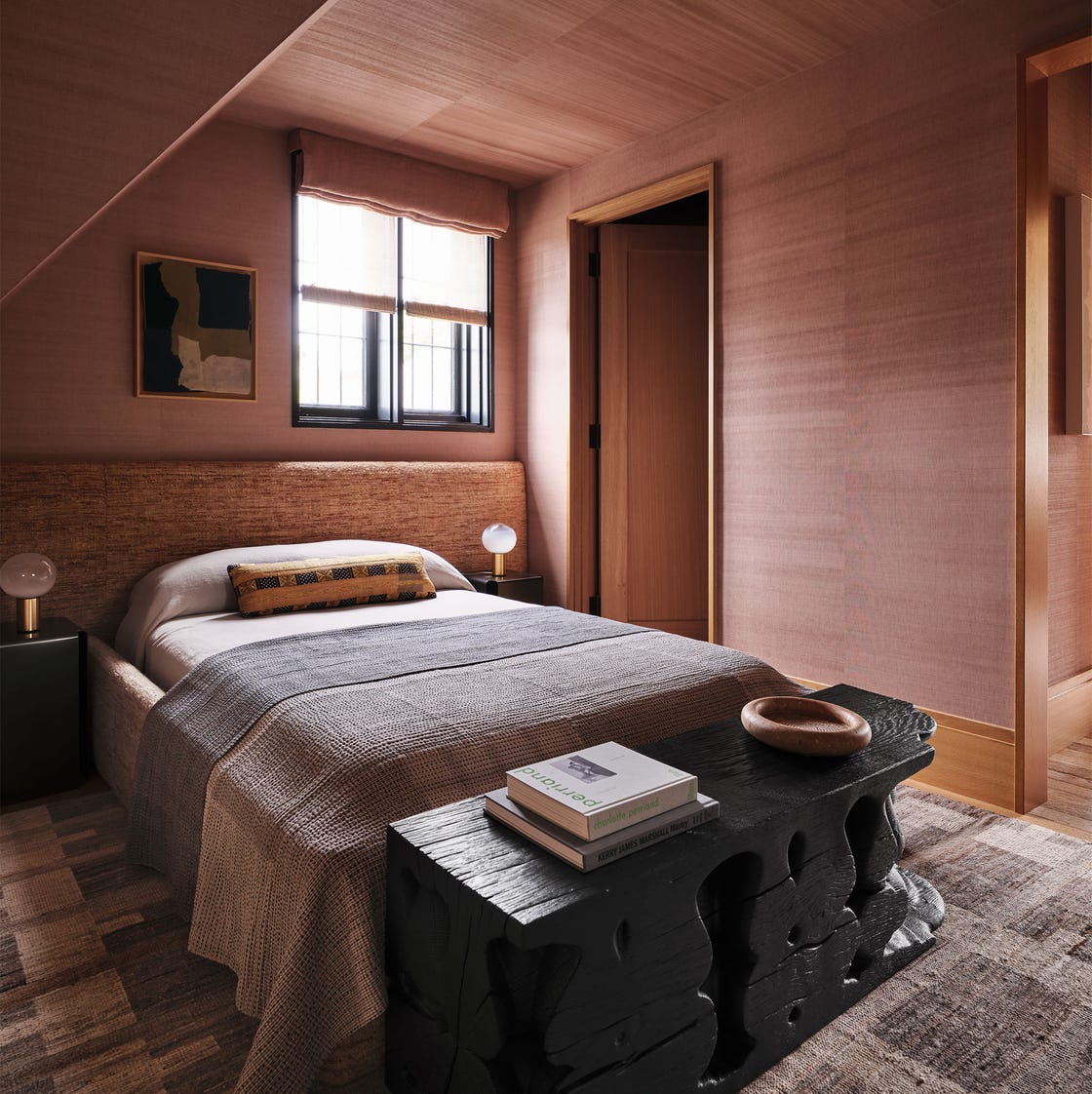
5 Bedroom Design Trends to Spice Things Up in 2024

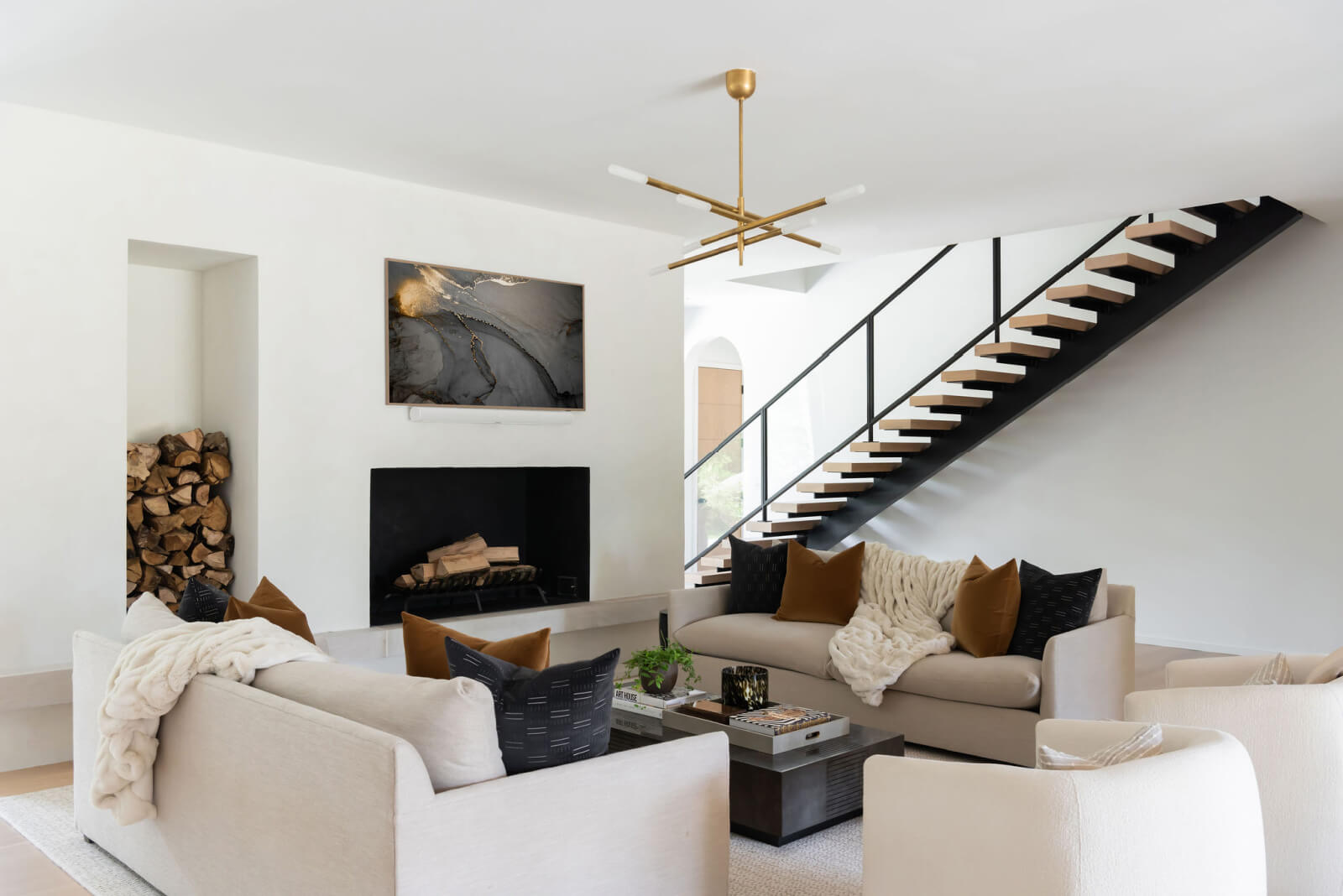
8 Interior Design Trends to Watch in 2024


Tech-infused trends and how it's shaping interior design in 2024

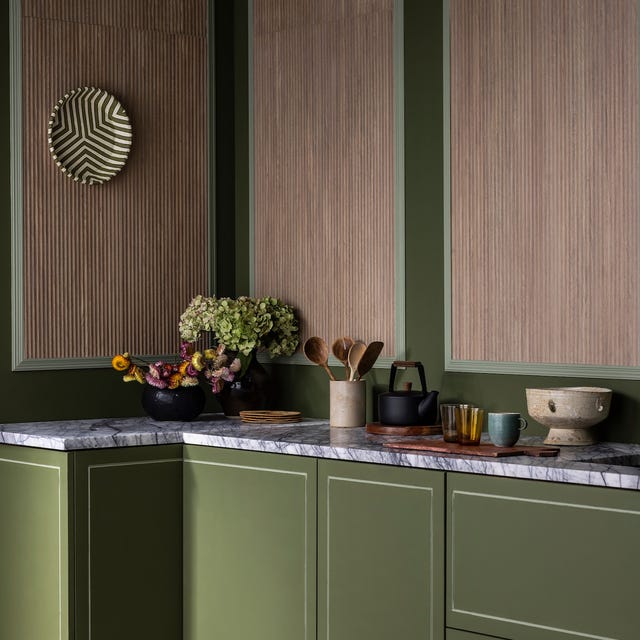
The new interior design trends: 24 looks for 2024

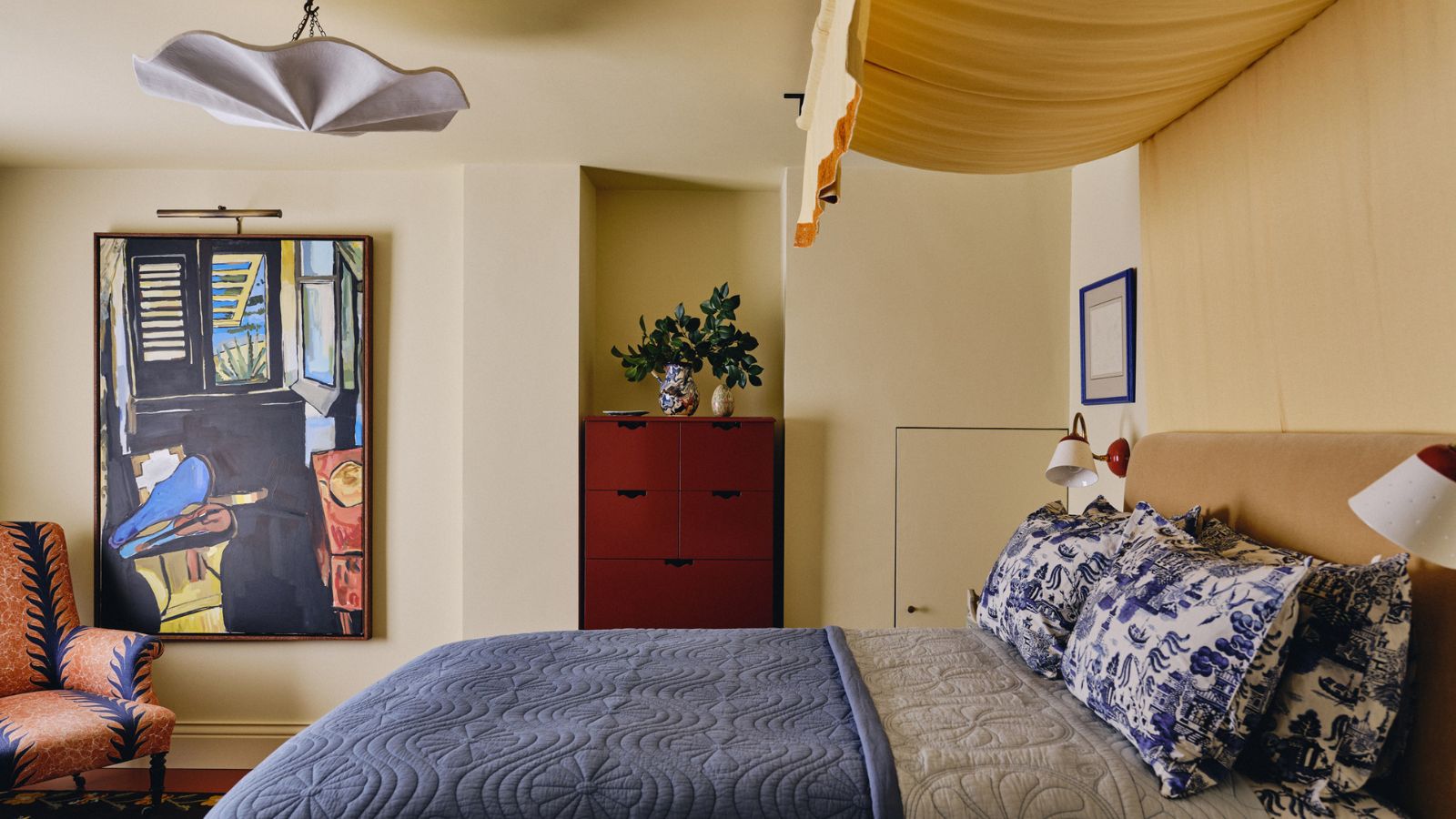
Bye Bye Bland Bedrooms, Designers Are Predicting 2026 Trends Are All About Color, Cozy, and Character

Top 8 Modern Interior Lighting Trends for 2024
3 New Color Pairings Designers Are Using for Elevated Rooms in 2024 - and How to Get the Look Now
5 of the finest interior design styles that will define 2024

Interior Designers Say These Lighting Trends Will Be Everywhere in 2025
Designers Say This Fabric Will Dominate Living Rooms in 2024
Home-Design Trends You’ll See Everywhere in 2024

6 Living Room Design Trends to Watch for in 2024

2024 home design: 9 gorgeous living room decor ideas the experts swear by

Diwali 2025: 4 special lighting hacks to create cosy festive interiors | Hindustan Times

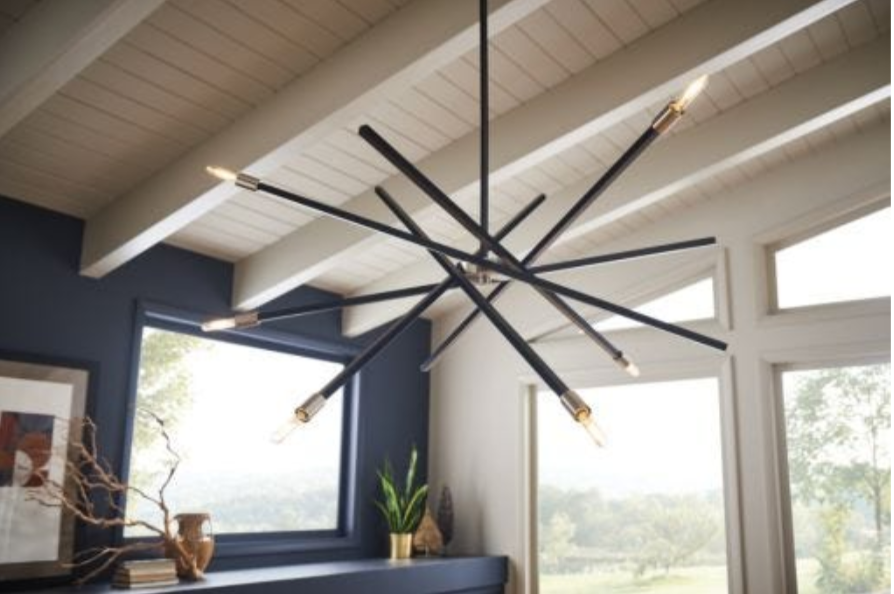
Light up your home with these top lighting trends for 2024

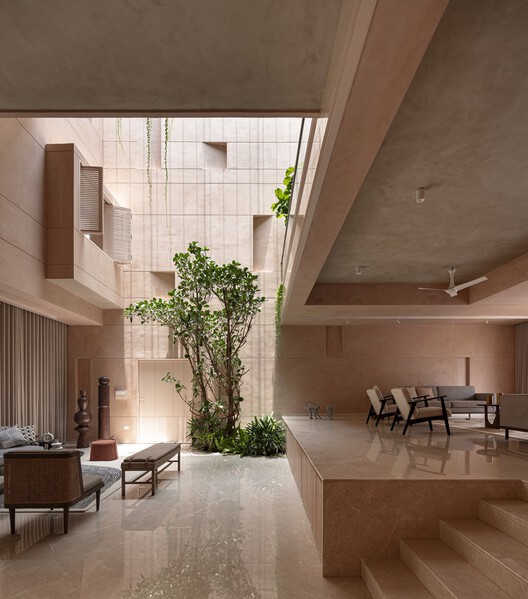
Interior Design Trends of 2024

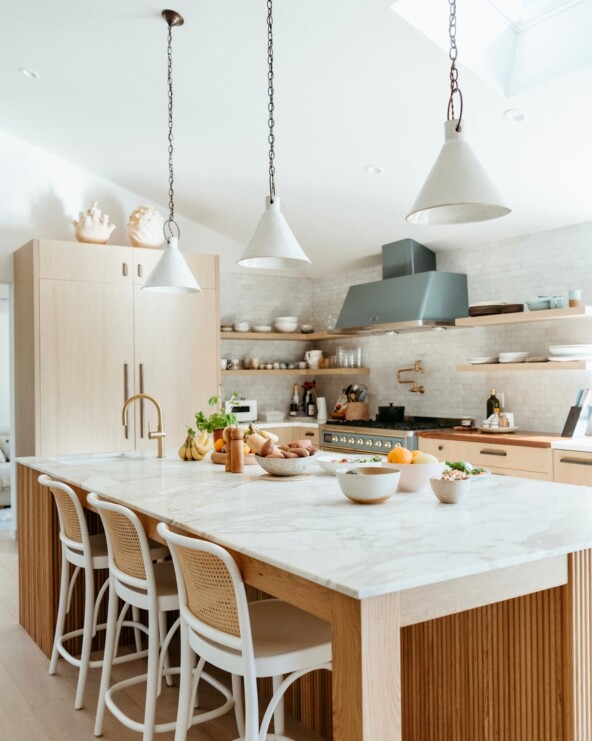
Lighting Is the Easiest Way to Transform A Room—15 Ideas to Inspire

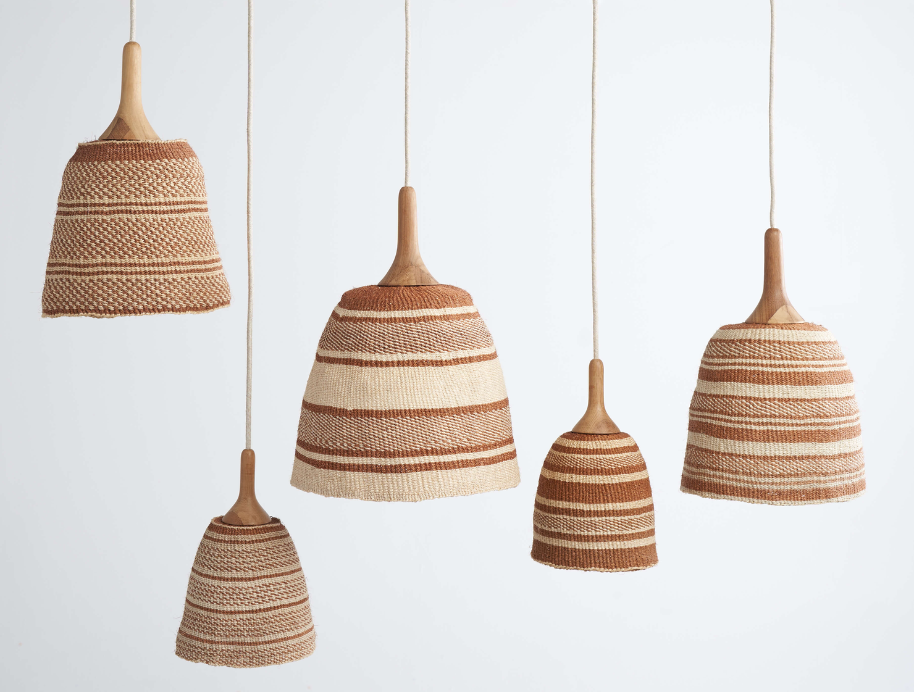
Top Lighting Trends for 2024
13 Lighting Trends to Brighten Your Home in 2024