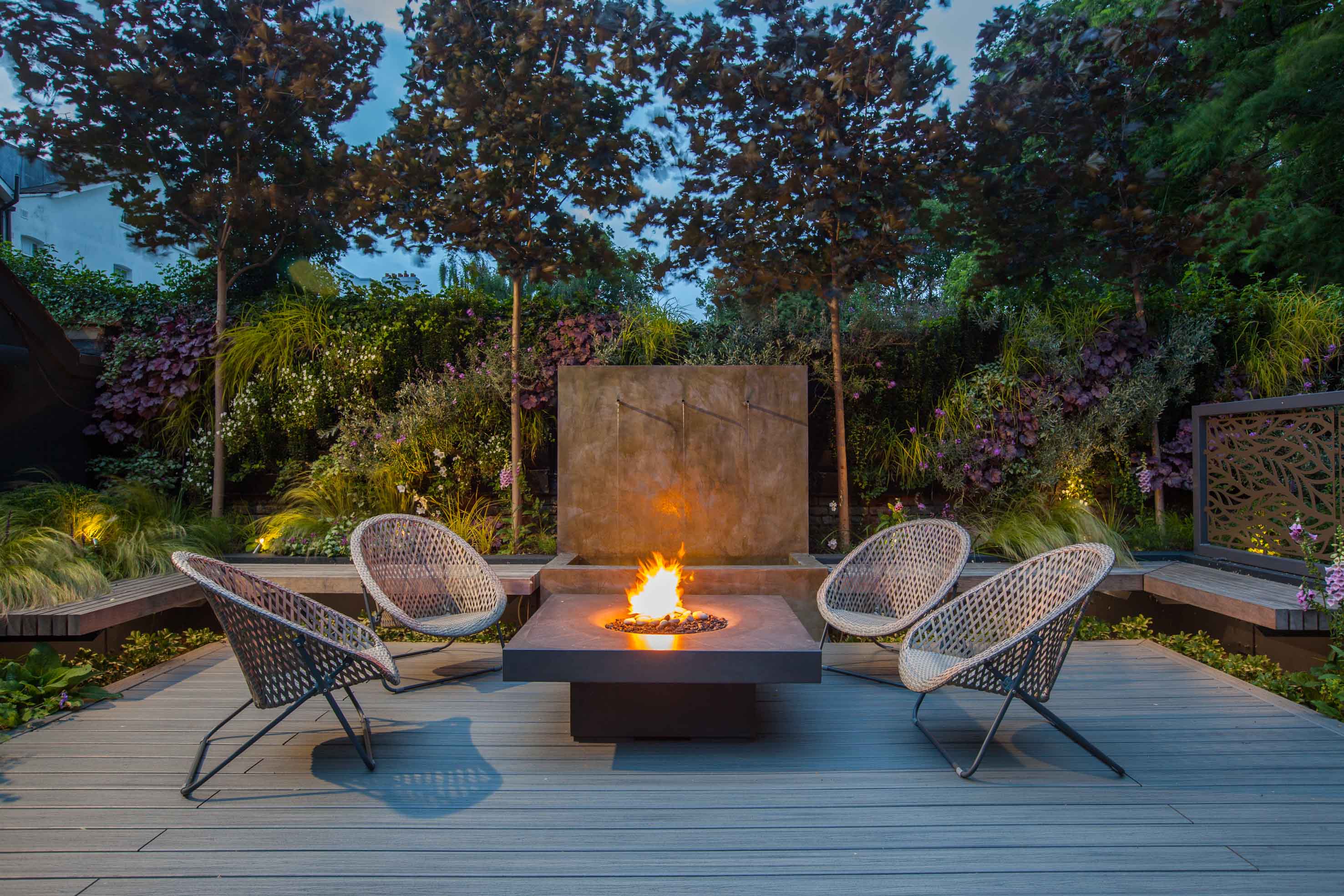
1/17
Deck color ideas – how to choose the color to stain or paint your deck
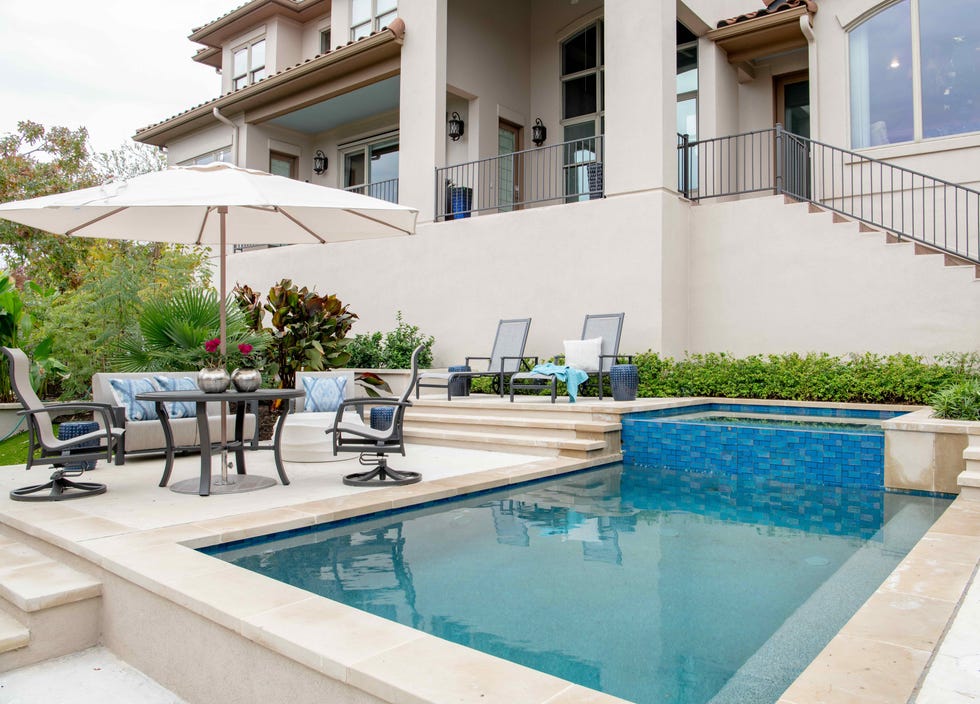
Transforming a backyard deck often involves a crucial decision regarding its color, as a deck can serve as a focal point in outdoor design. Whether revamping an existing deck or planning a new one, selecting the right color is essential for maximizing its potential and integrating it seamlessly with the surrounding landscape and home. The original shade of an older deck might have deteriorated, making a color refresh a simple yet effective way to revitalize the outdoor space.
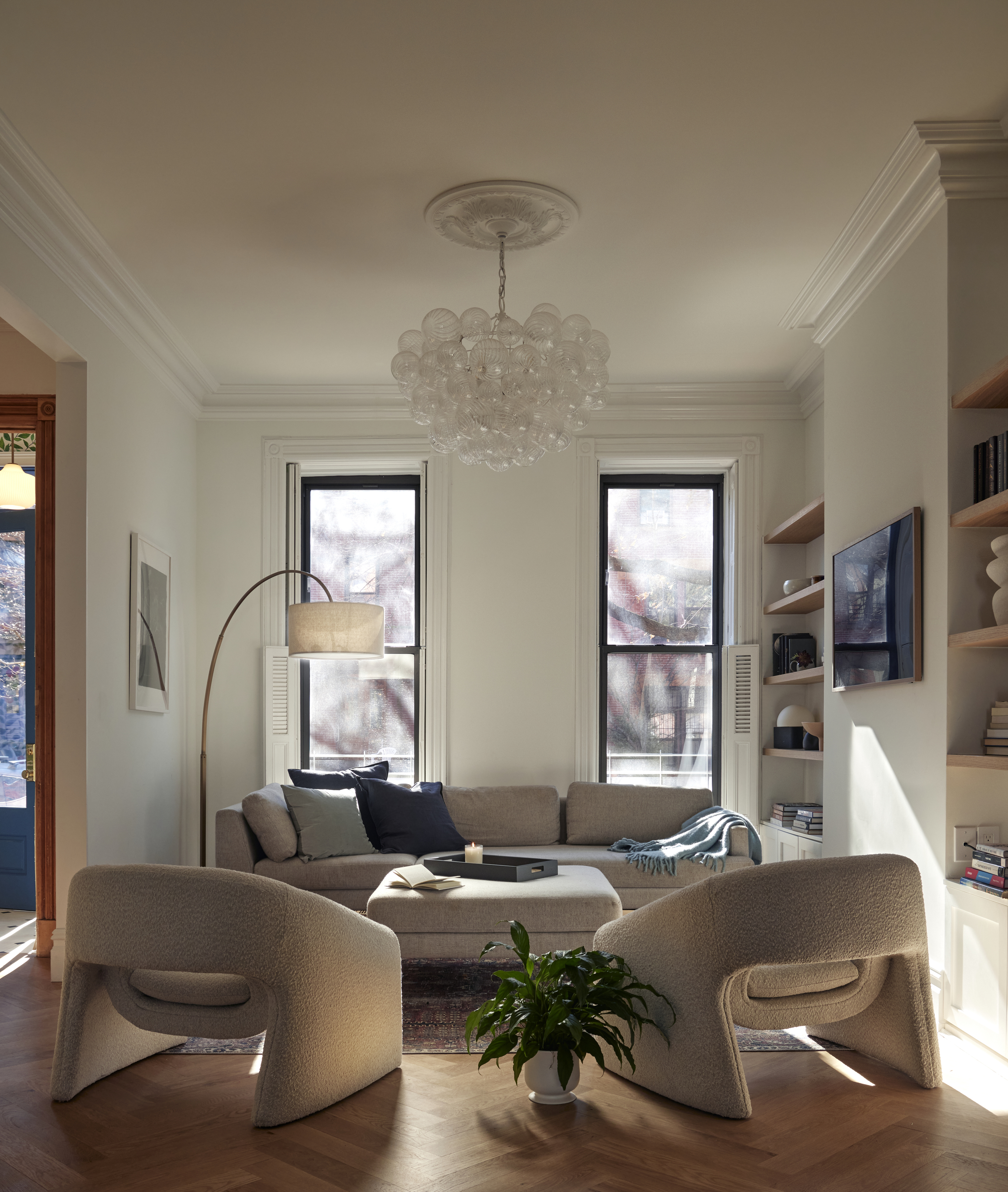
Matching a deck’s color to the hard and soft landscaping palette can create a cohesive and warm aesthetic. Alternatively, toning a silvered, weathered deck with a specific planting scheme can enhance the overall visual appeal. If the deck is adjacent to the house, harmonizing its color with the interior floor color can create a sense of expanded space, effectively blurring the lines between indoor and outdoor living areas.
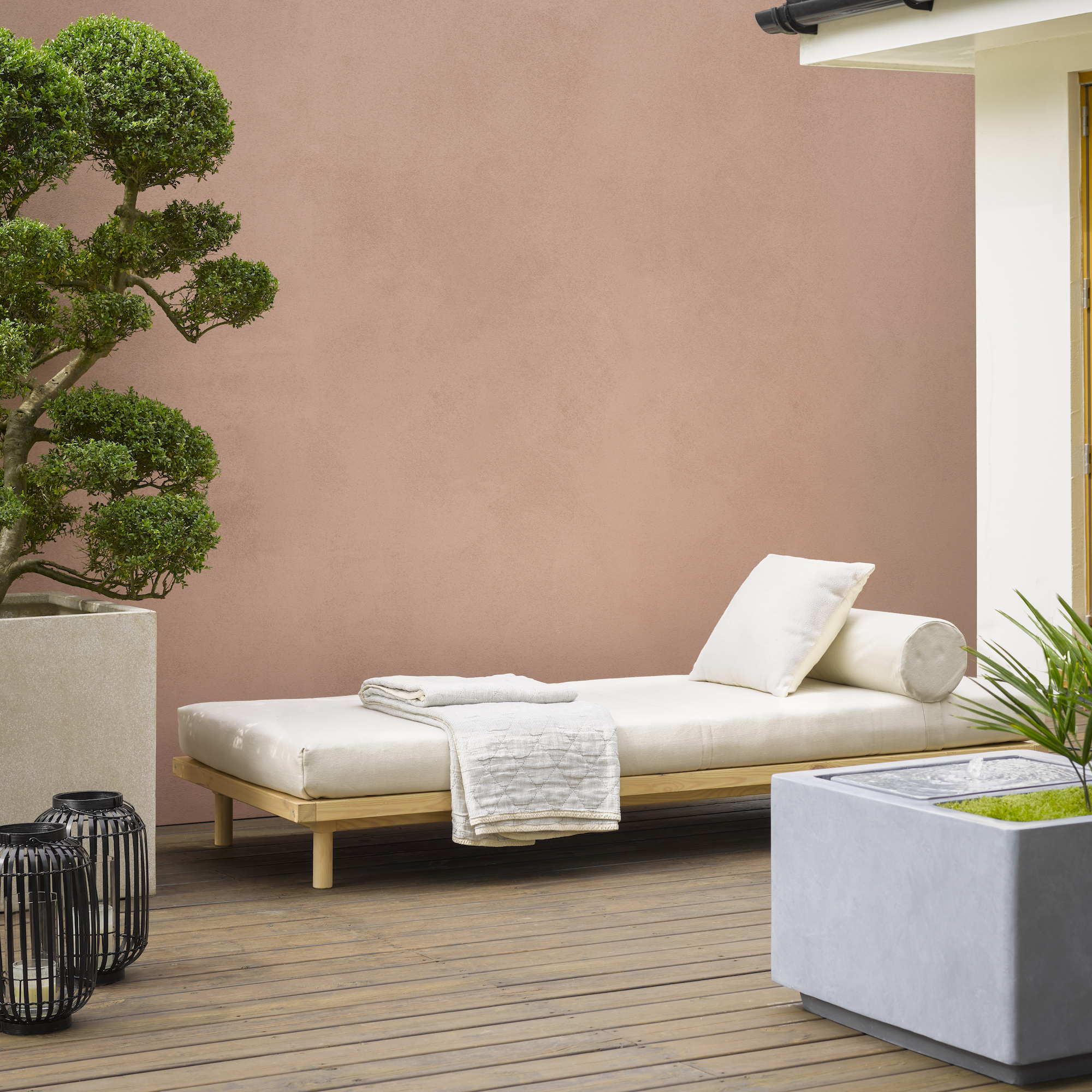
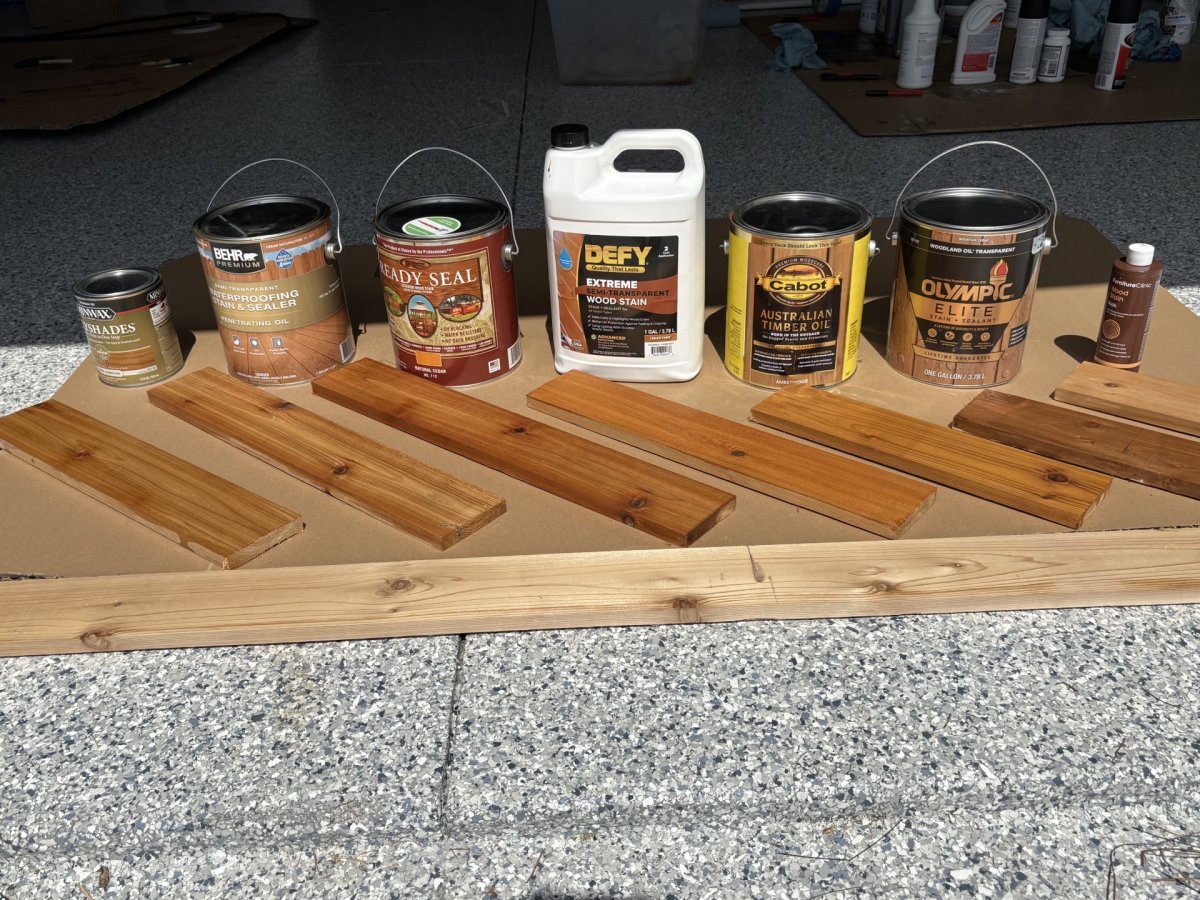
Several approaches to deck color selection offer diverse outcomes. Extending indoor flooring trends, such as multi-width boards and lighter shades, to the outdoor deck space can create a natural extension of the home. For high-quality real-wood decking, like cedar, opting for a clear, oil-based wood sealer can preserve its natural beauty while providing waterproofing, allowing the wood’s inherent tones to shine through. This method is particularly effective for achieving a desert-midcentury vibe, where natural wood contrasts with elements like deep-gray gravel.
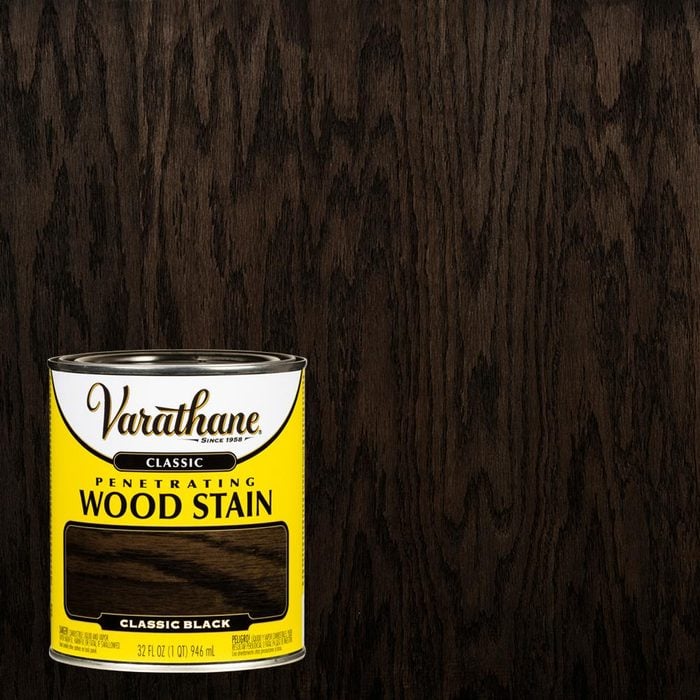
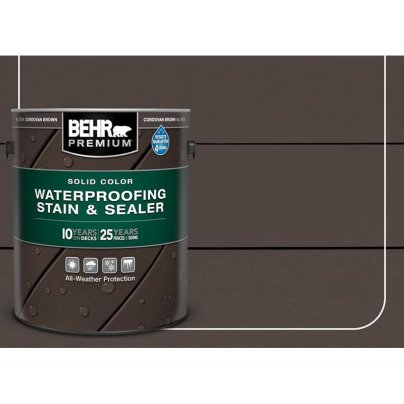
For a sophisticated and transitional look, a deep espresso or dark wood stain can update an older outdoor area. Darker tones can also impart a more refined feel compared to paler options. Alternatively, embracing the natural weathering process allows a deck to develop a silvered, rough-hewn appearance, which pairs well with cottage garden aesthetics or coastal properties. While sealing enhances longevity, an unsealed deck will naturally gray over time.
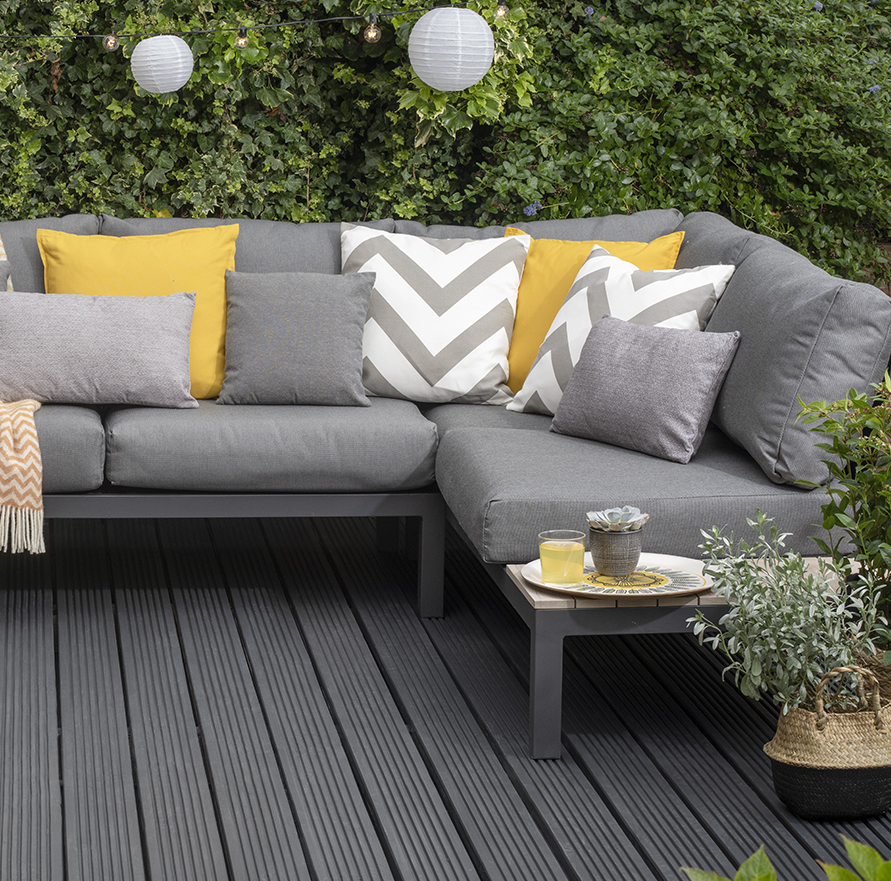
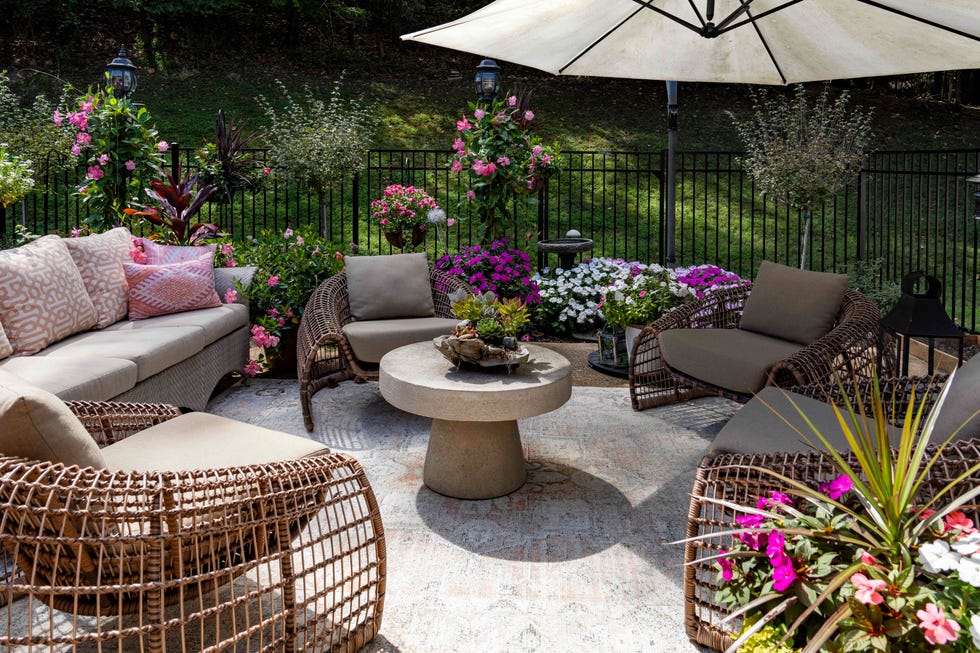
Modern homes benefit from deck colors with gray undertones, or very pale or very dark shades, to complement contemporary architecture. Intermediate colors like oaks or medium browns may not blend as effectively with a modern style. An understated gray deck color can serve as a contrasting backdrop, allowing vibrant garden elements, such as colorful flowers or a painted wall, to stand out. When using paint for garden walls, exterior masonry paint in harmonious shades, especially blues and violets for floral accents, is recommended.
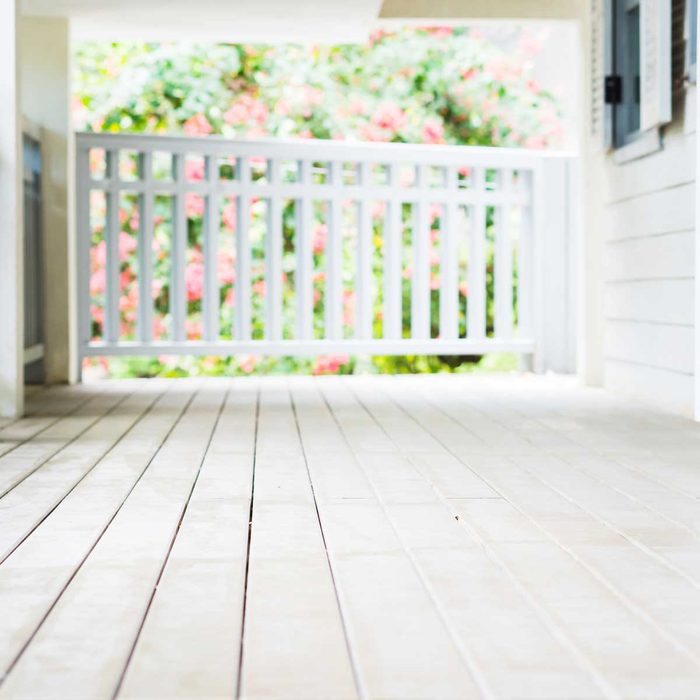
Soft, natural shades, such as those achieved by allowing cedar to naturally gray, create a low-maintenance and gentle colorway that complements planting schemes. For a continuous effect, painting both the deck and surrounding fences in the same color can define an 'outdoor room,' making the space feel brighter and more open, particularly beneficial for smaller gardens. Drawing inspiration from nature, such as matching the deck color to the bark of surrounding trees, can harmonize natural and built elements, especially for decks near water features where slip-resistant paint is crucial.
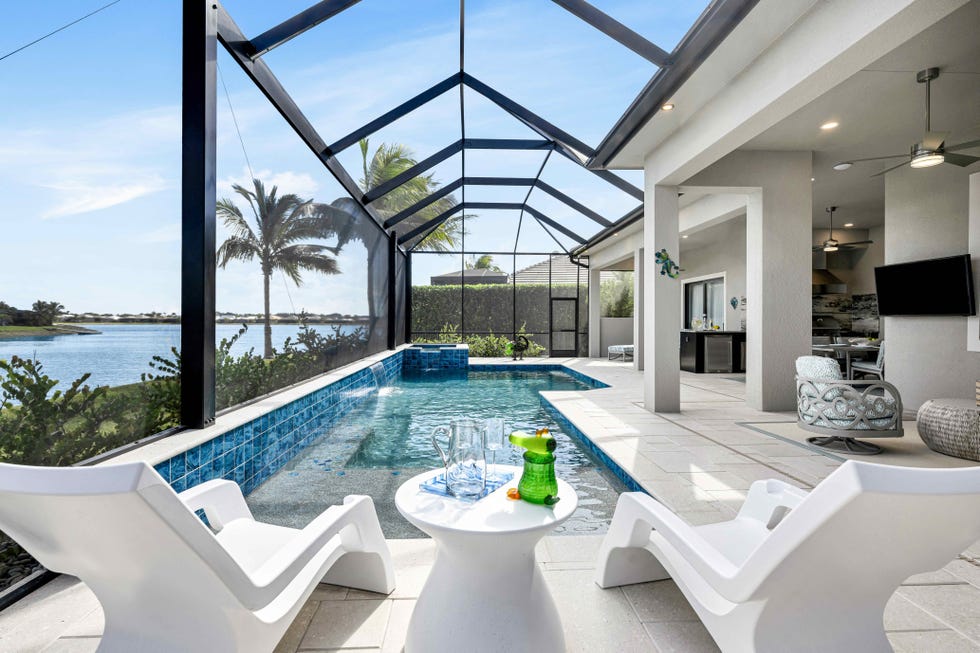
Integrating the deck with other hard surfaces like pavers involves selecting a neutral deck color that complements different textures and colors. This creates a natural yet chic aesthetic, highlighting the contrast between materials. For decks connected to interior spaces via sliding or bi-fold doors, matching the deck paint to the interior flooring color creates a seamless transition, effectively extending the living space outdoors. This effect is further enhanced by aligning the orientation of interior and exterior boards.
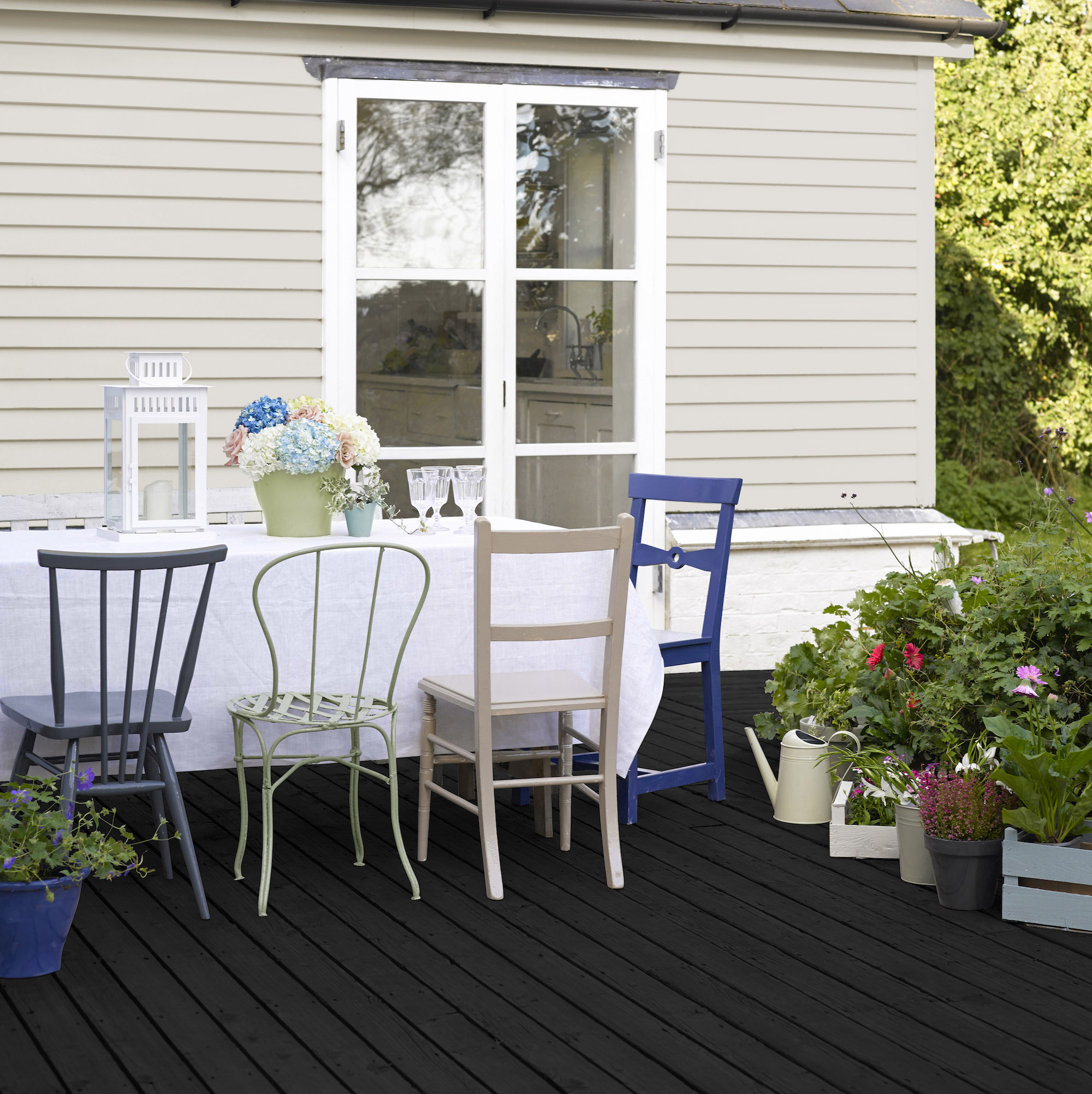
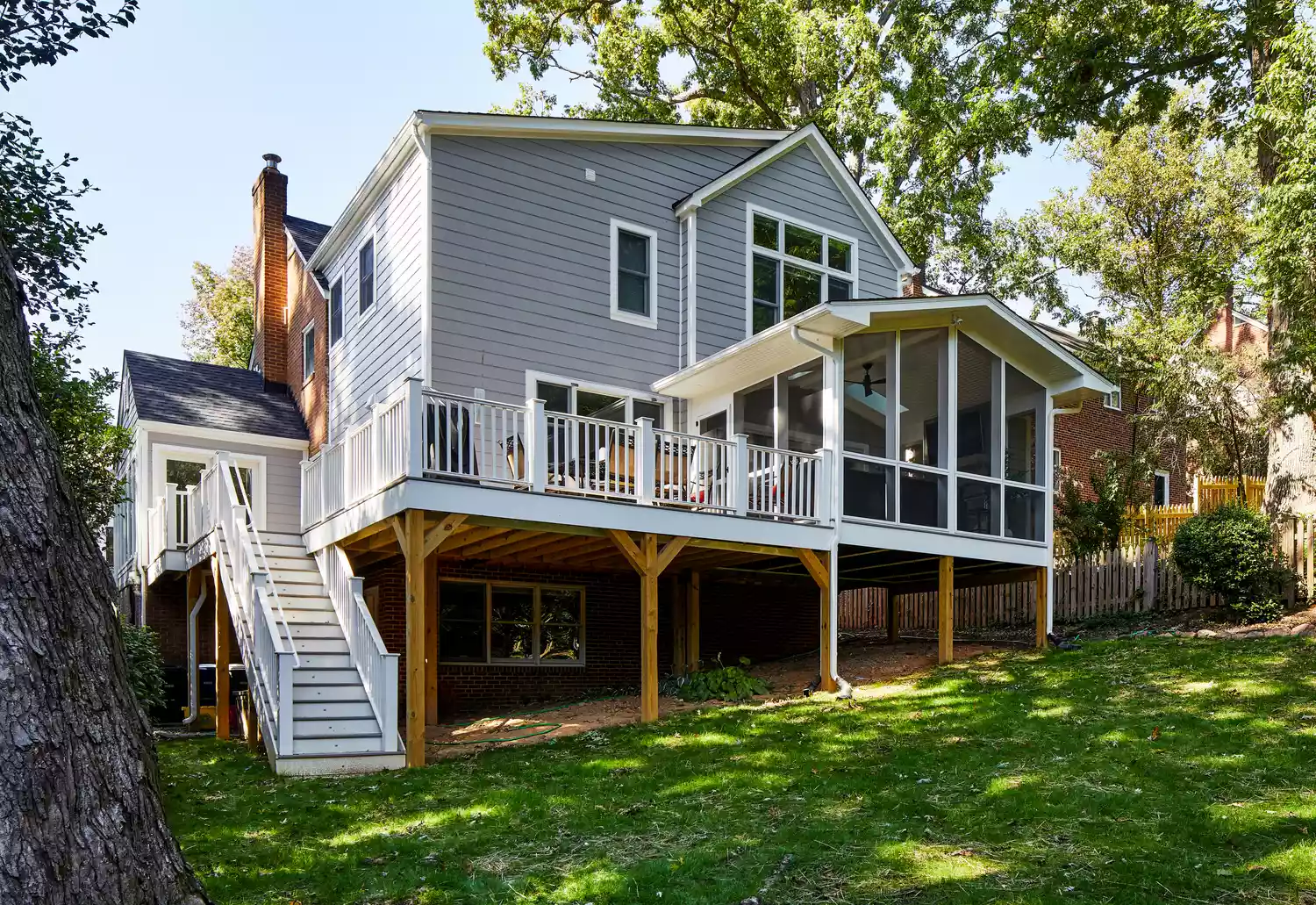
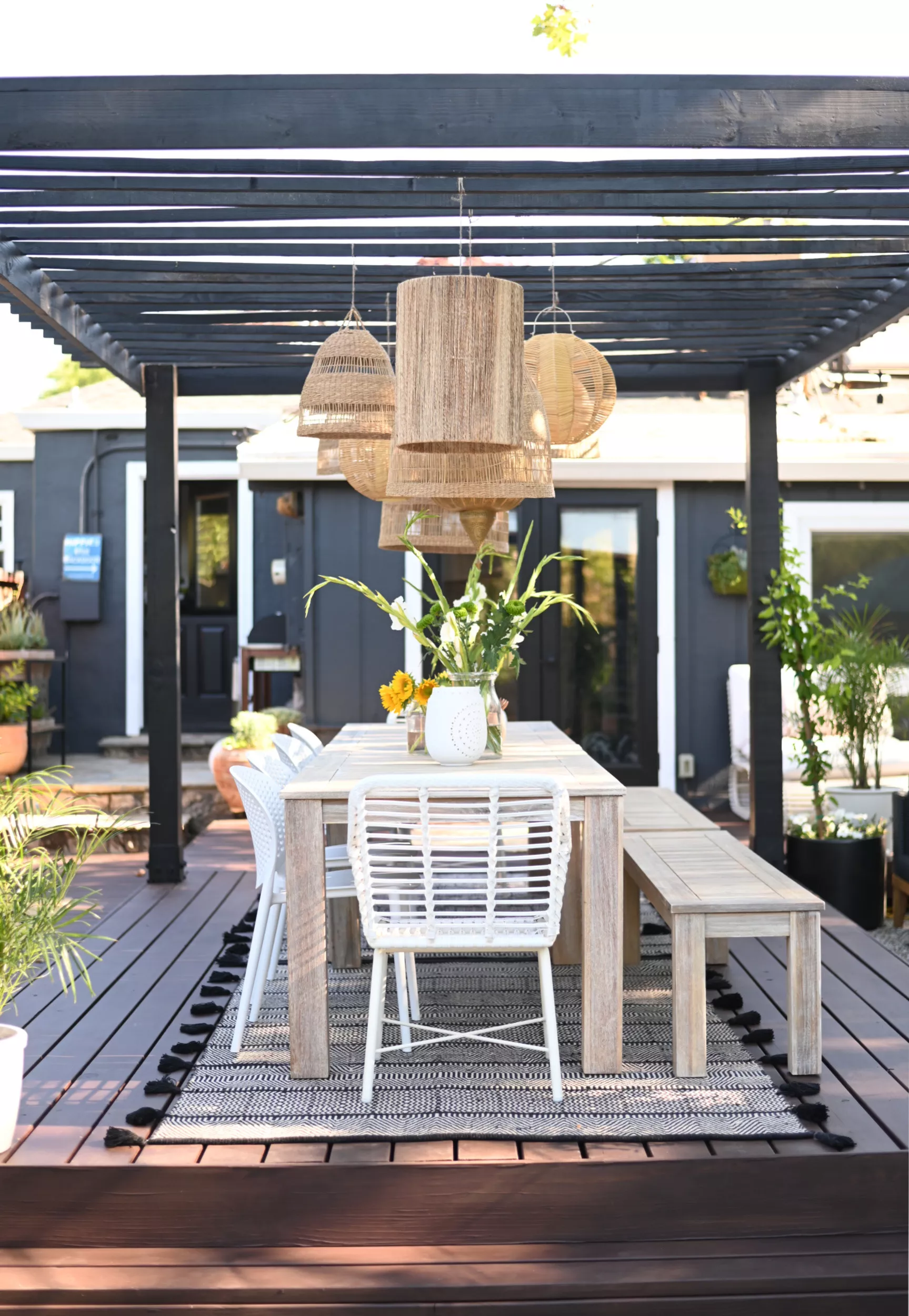
Dark deck colors, such as slate, charcoal, or deep tones, can make accent shades in garden schemes, like bright lounge upholstery or contemporary furniture, pop. This approach, especially when combined with an outdoor kitchen in gray, lends a modern aesthetic. Contrasting the deck color with the house exterior helps define the seating area, with classic combinations like black and white, or any dark and light pairing, creating a striking visual. Repeating house colors, such as those of exterior door frames, on the deck can establish a coherent style. Finally, painting a deck black can modernize a rustic backyard, creating a striking contrast with softer, country-style hues, though this requires more frequent maintenance to retain its crisp appearance. The ideal deck color ultimately depends on the garden's style, integration with hardscaping and planting, and harmony with the house architecture.
#DeckColorIdeas #OutdoorLiving #GardenDesign #DeckStain #DeckPaint #ExteriorDesign #HomeImprovement #LandscapeDesign #OutdoorDecor #DeckColorIdeas #OutdoorLiving #GardenDesign #DeckStain #DeckPaint #ExteriorDesign #HomeImprovement #LandscapeDesign #OutdoorDecor
0 comment in total
 No comments yet
You may also like
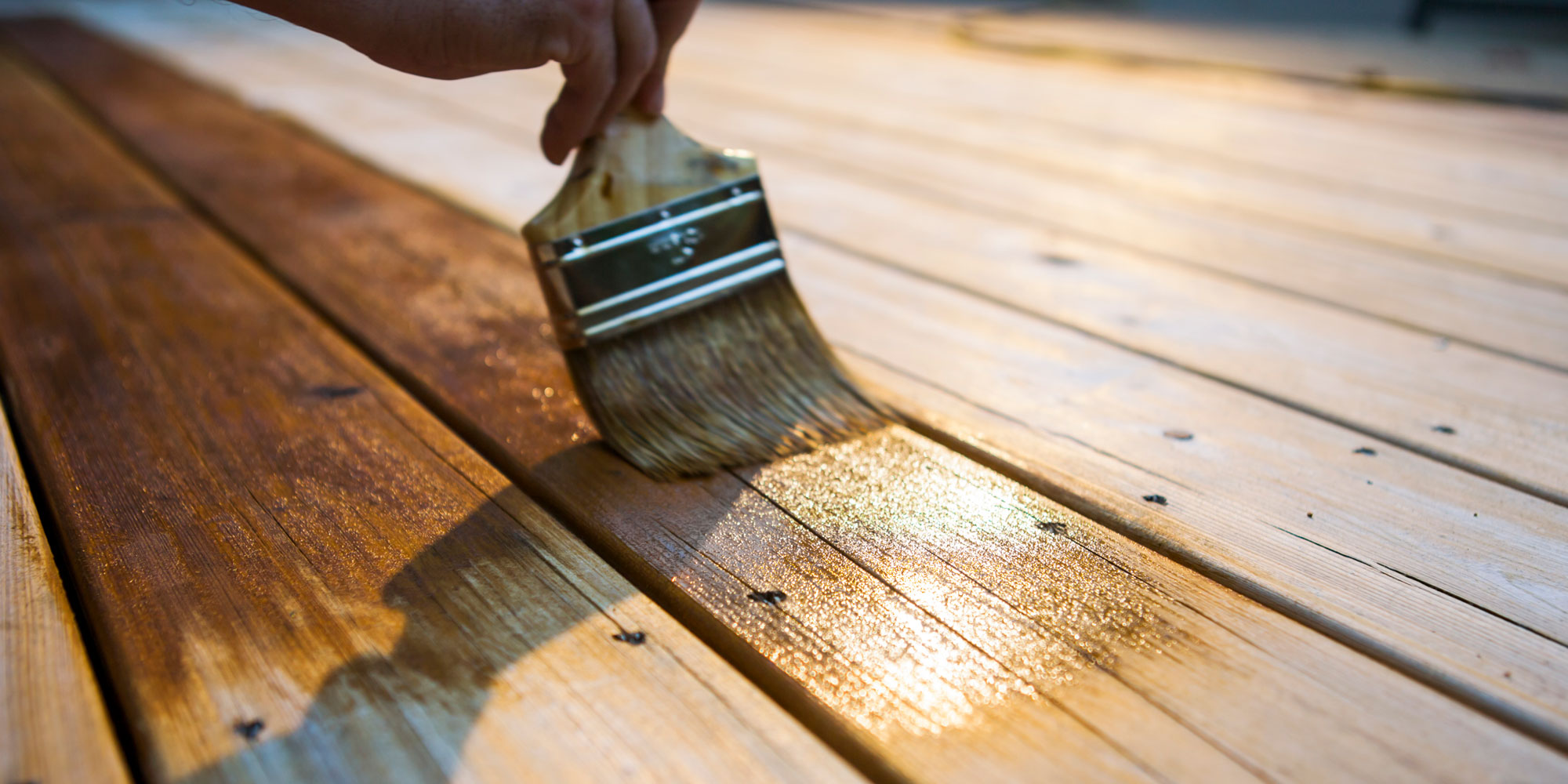
Best decking paint and decking stain
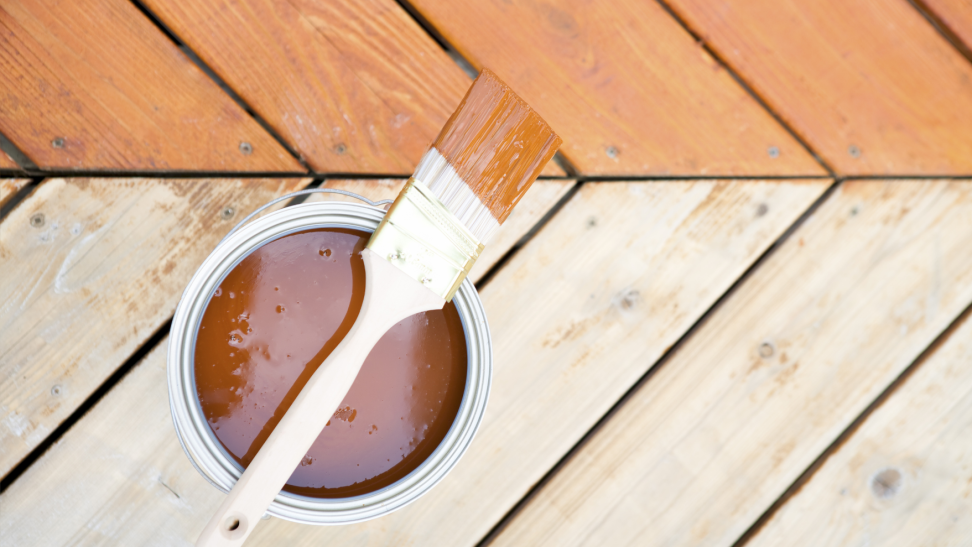
The Best Deck Stains of 2025

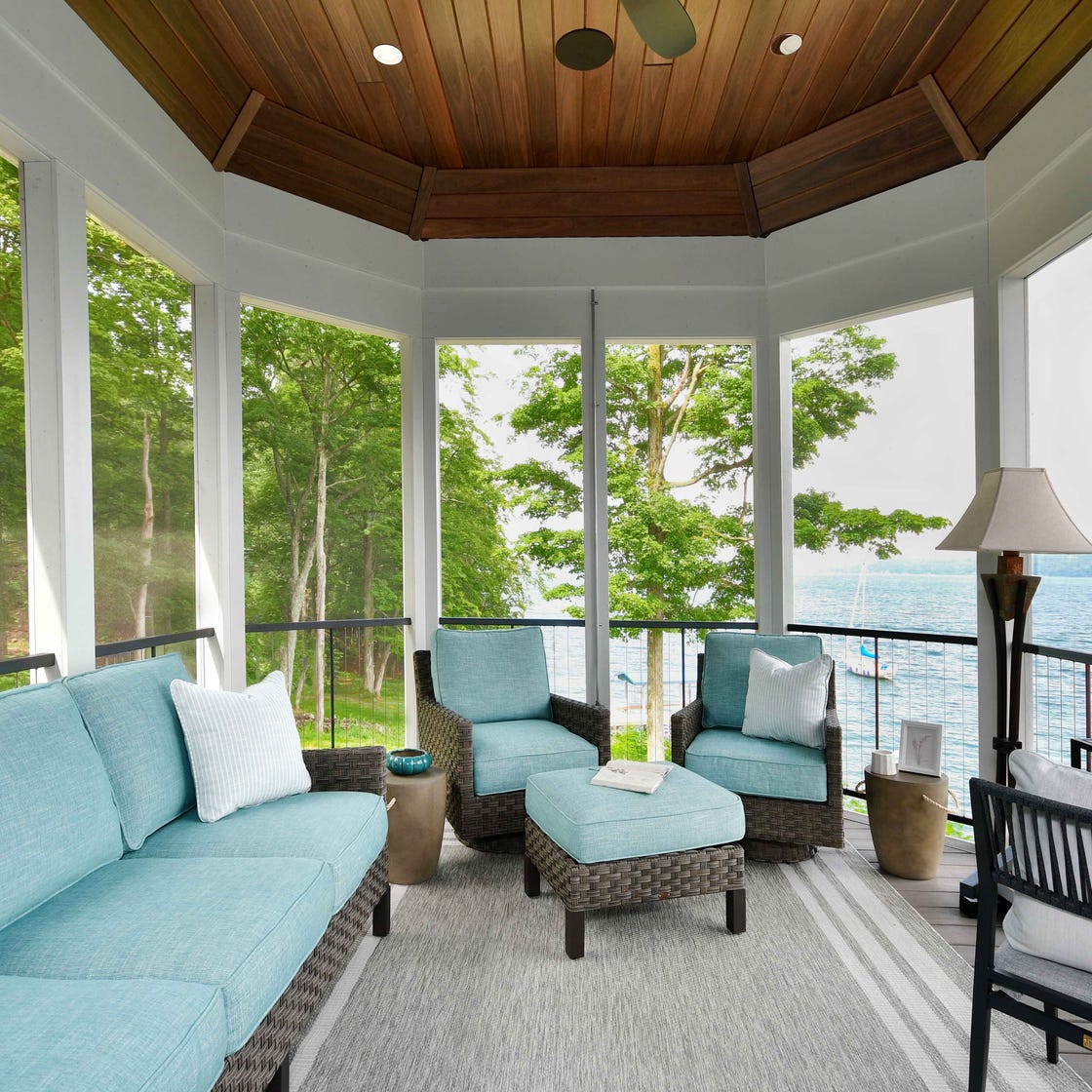
Your Deck Is About to Be the Best Room in the House

10 Pro-Approved House and Deck Color Combinations That Always Work

Smart decking colour ideas - from pale patinas to dark and daring shades

The Best Deck Stains of 2026
How to stain a deck – 3 easy steps to a fresh new look
Should woodwork be lighter or darker than walls? The rules colour experts use to choose the perfect colour
Best Deck Paints and Stains for 2025

The Top Deck Colors for Summer 2024, According to Experts

The Best Stains for Cedar Decks, Siding, Fences, and More

The Best Solid Deck Stains to Protect and Revitalize, Tested
How to Stain a Wood Deck: Instructions and Materials List
Best Wood Stain Colors For Interior And Exterior Surfaces

Millennial Gray Is So Over—Here Are 5 Paint Colors to Try Right Now
Paint color ideas for every room – experts explain the best choices for different spaces

The 7 Best Deck Paints You Can Get, Tested and Reviewed

Paint Colors That Go With Natural Wood — 10 Picks That Bring Out the Beauty of This Organic Material
35 Paint Colors to Consider for Every Room in Your House

How to Choose the Best Deck Finish