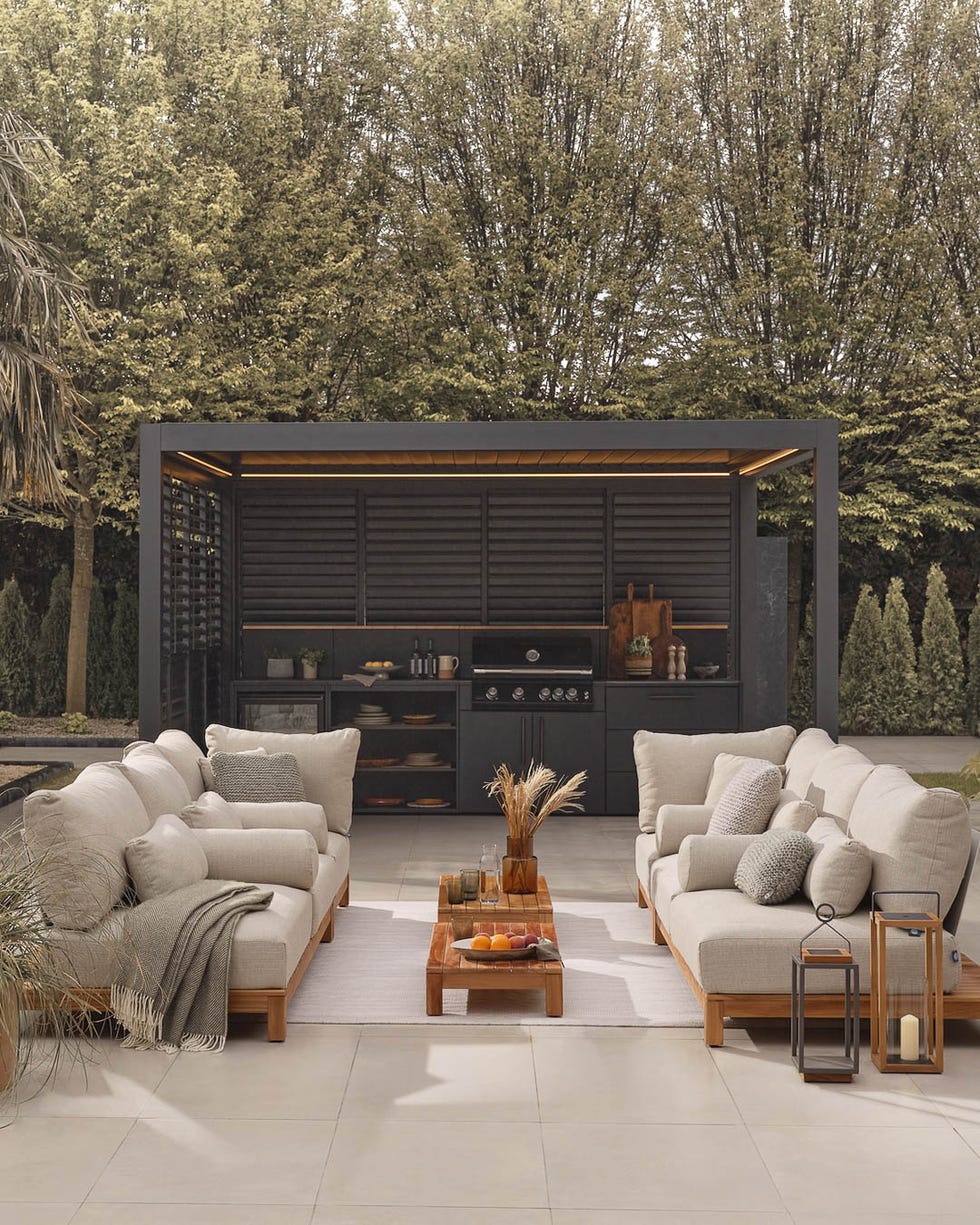
1/9
Balcony privacy ideas – 9 effective ways to create a private outdoor space
This article explores various stylish and functional methods to enhance privacy on balconies, transforming them into secluded and inviting outdoor areas. It addresses the importance of considering factors such as balcony size, shape, and aspect, as well as local climate and building structure, when selecting privacy solutions. Lifestyle-Tech expert and interior designer Janna Robinson emphasizes the need for outdoor products to withstand environmental elements, particularly regarding the quality and longevity of artificial plants. The article outlines nine distinct strategies for achieving balcony privacy.
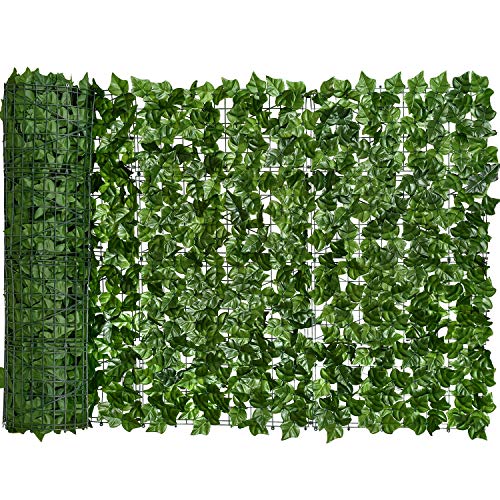
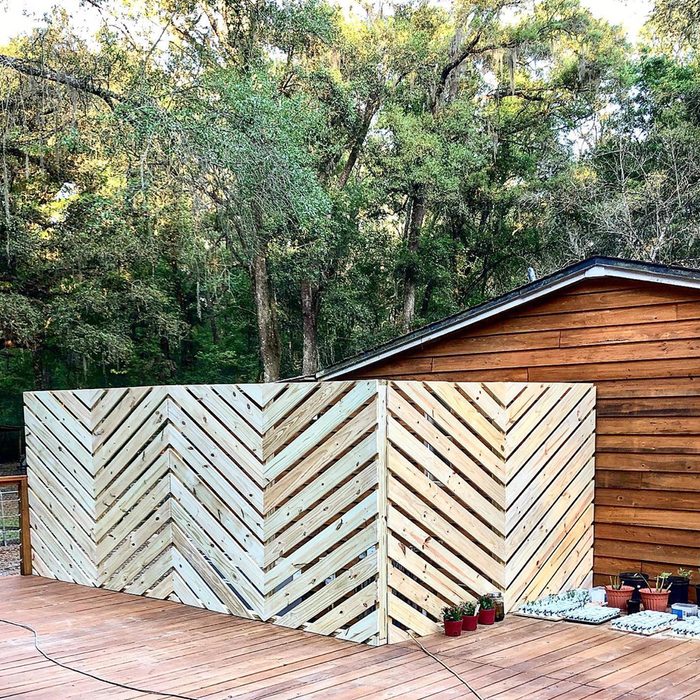
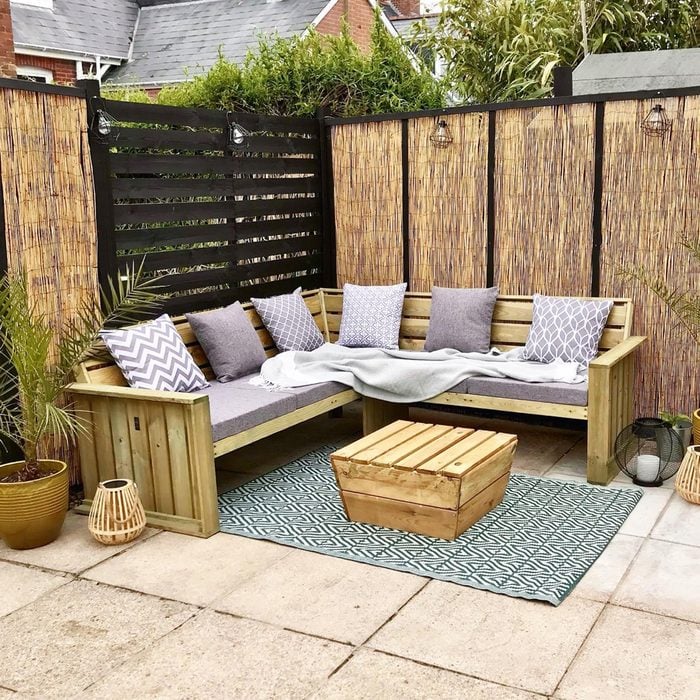
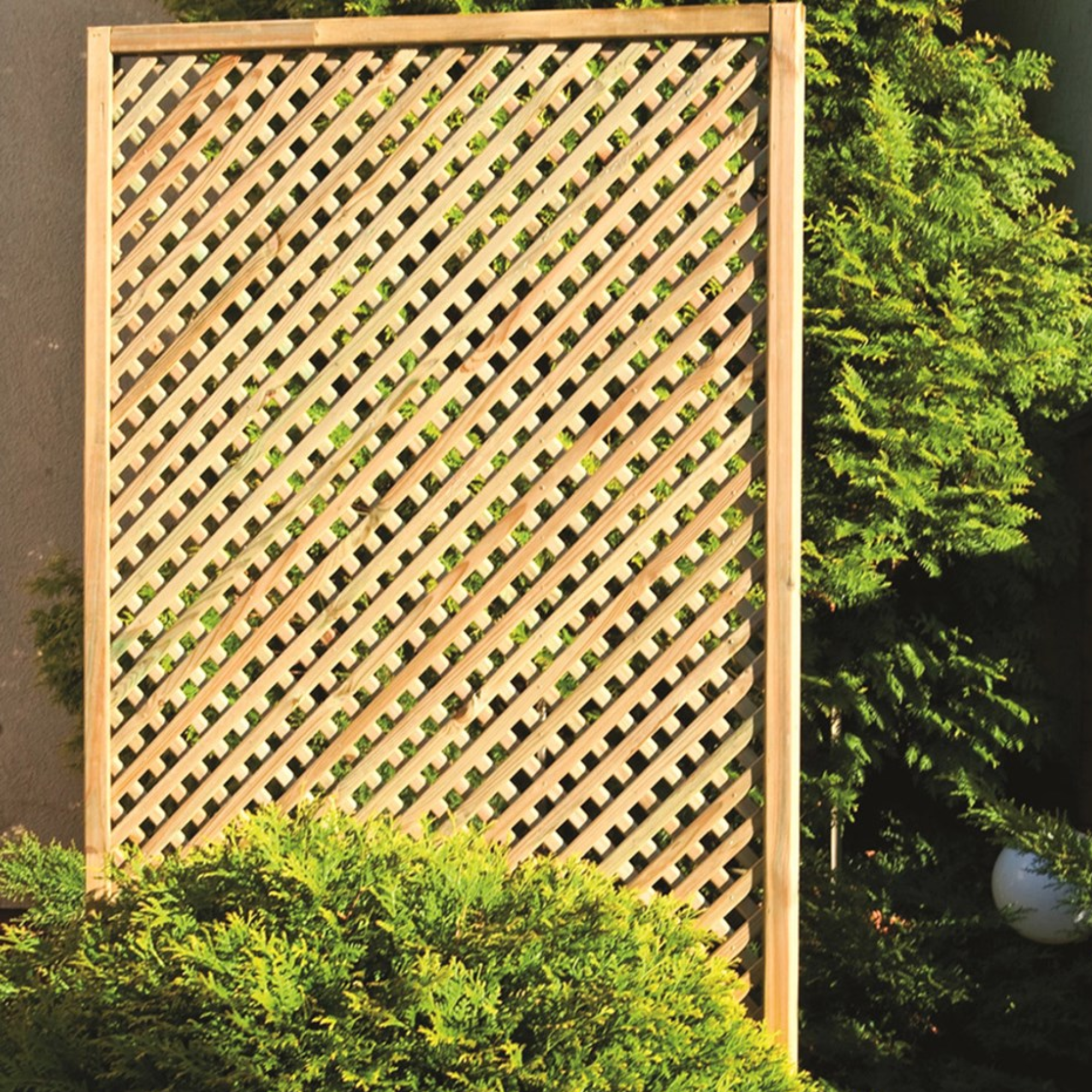
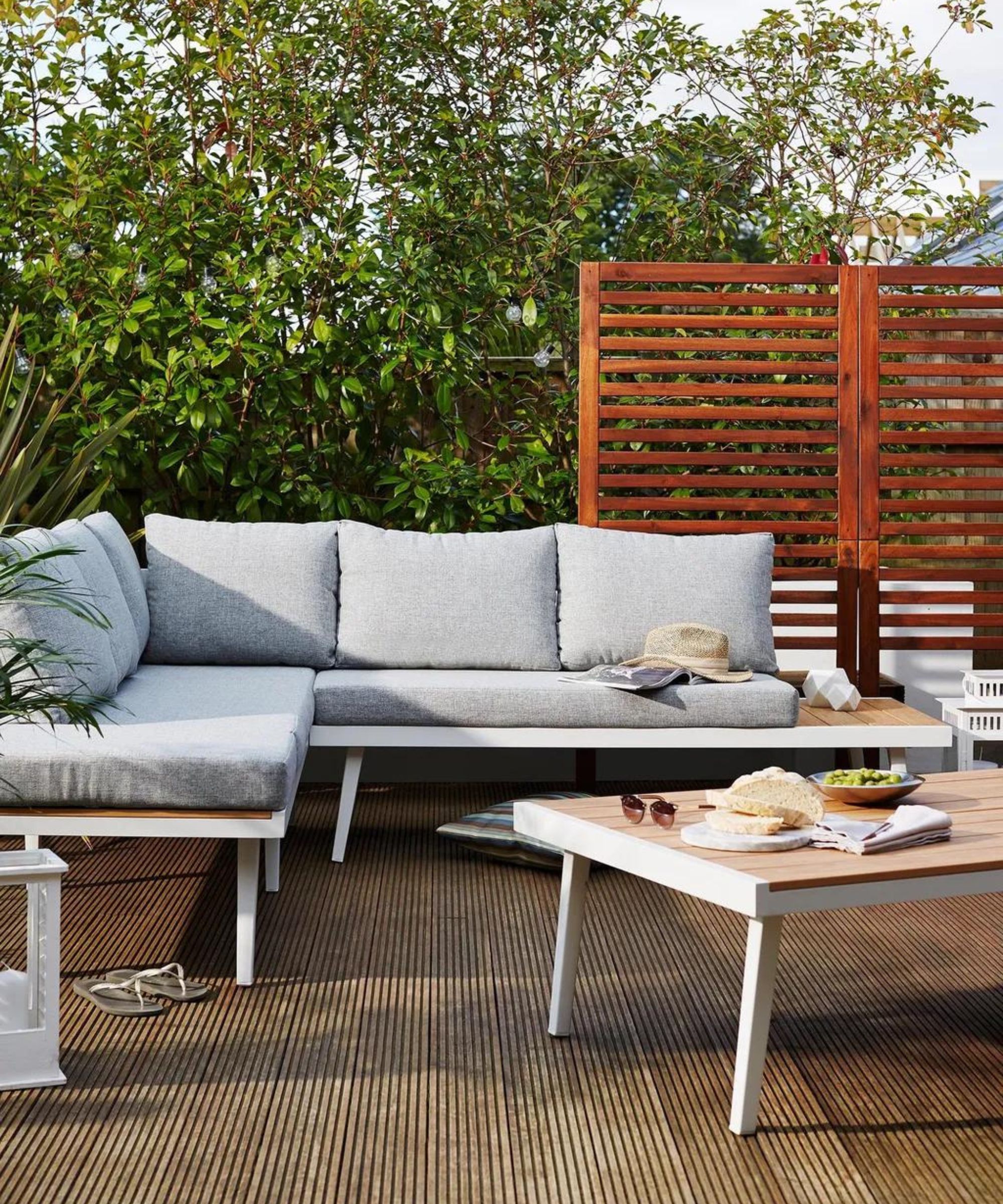
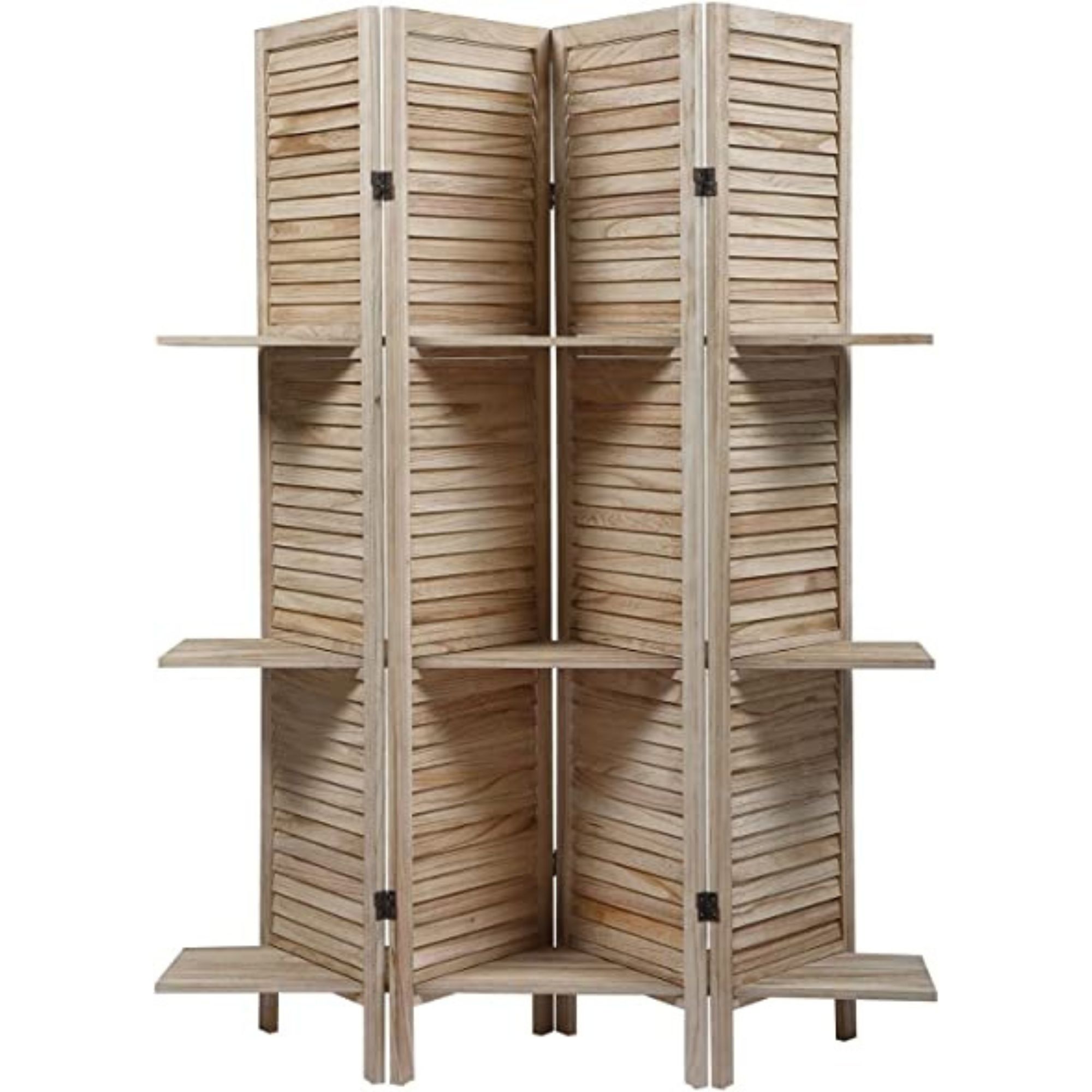
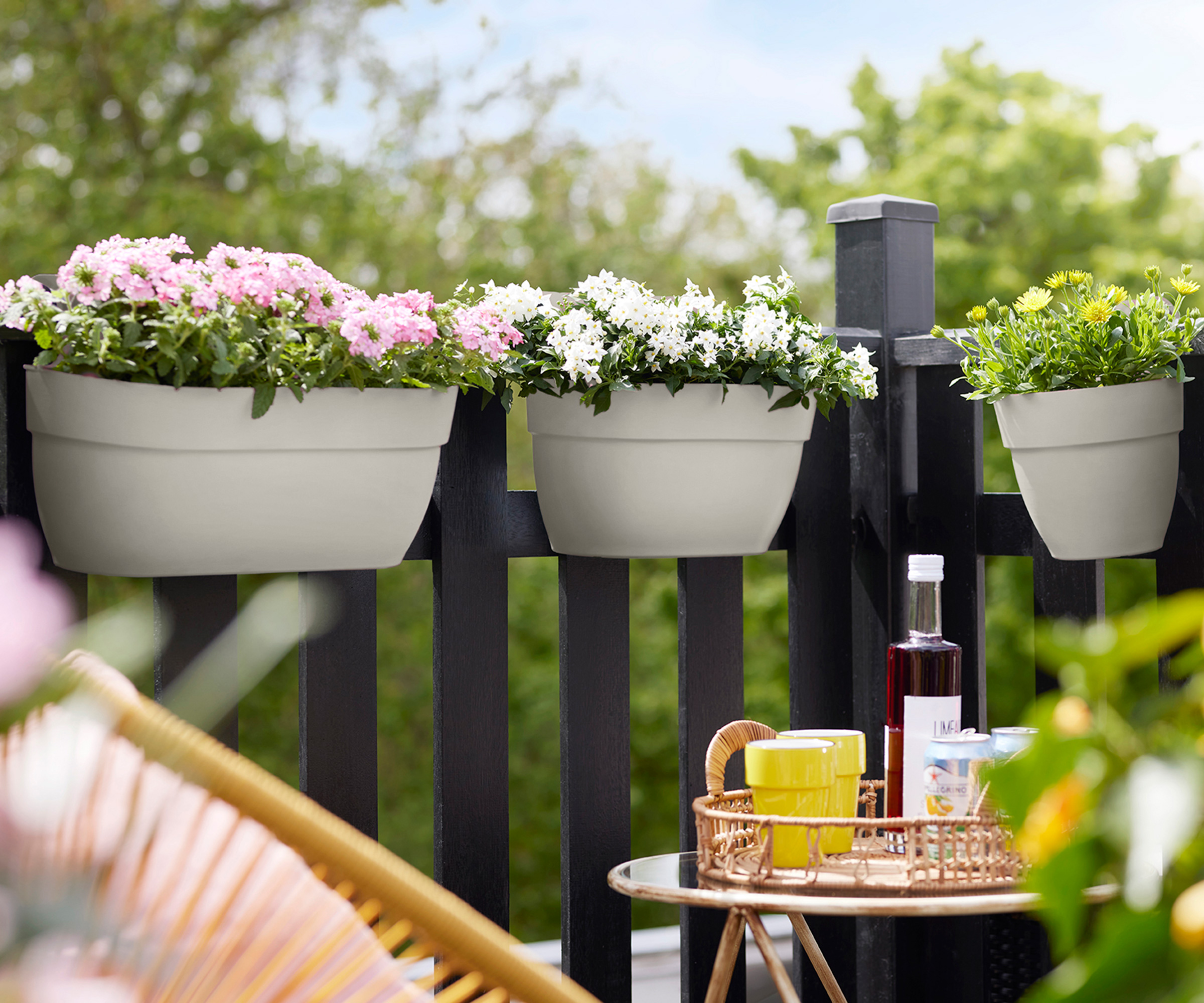
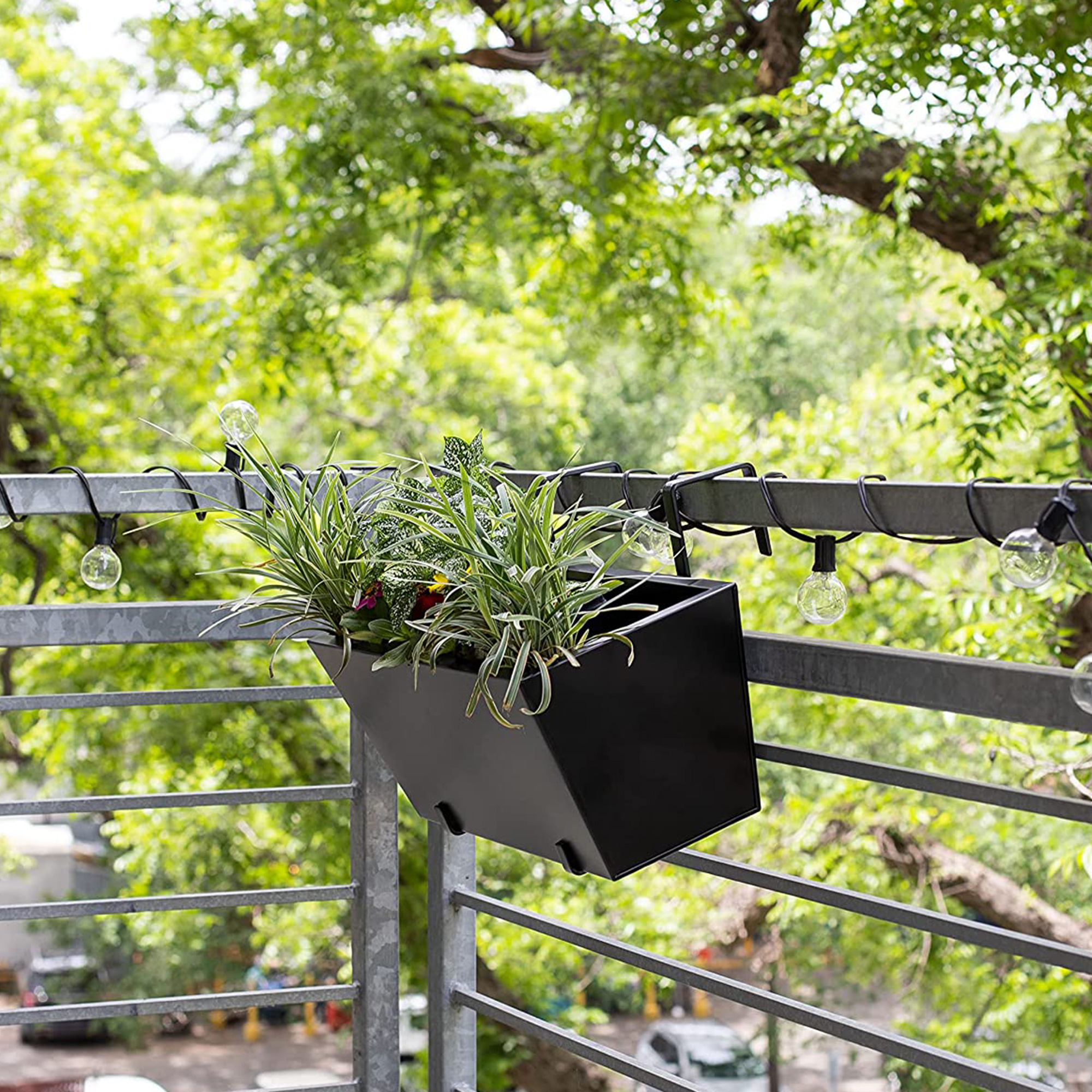
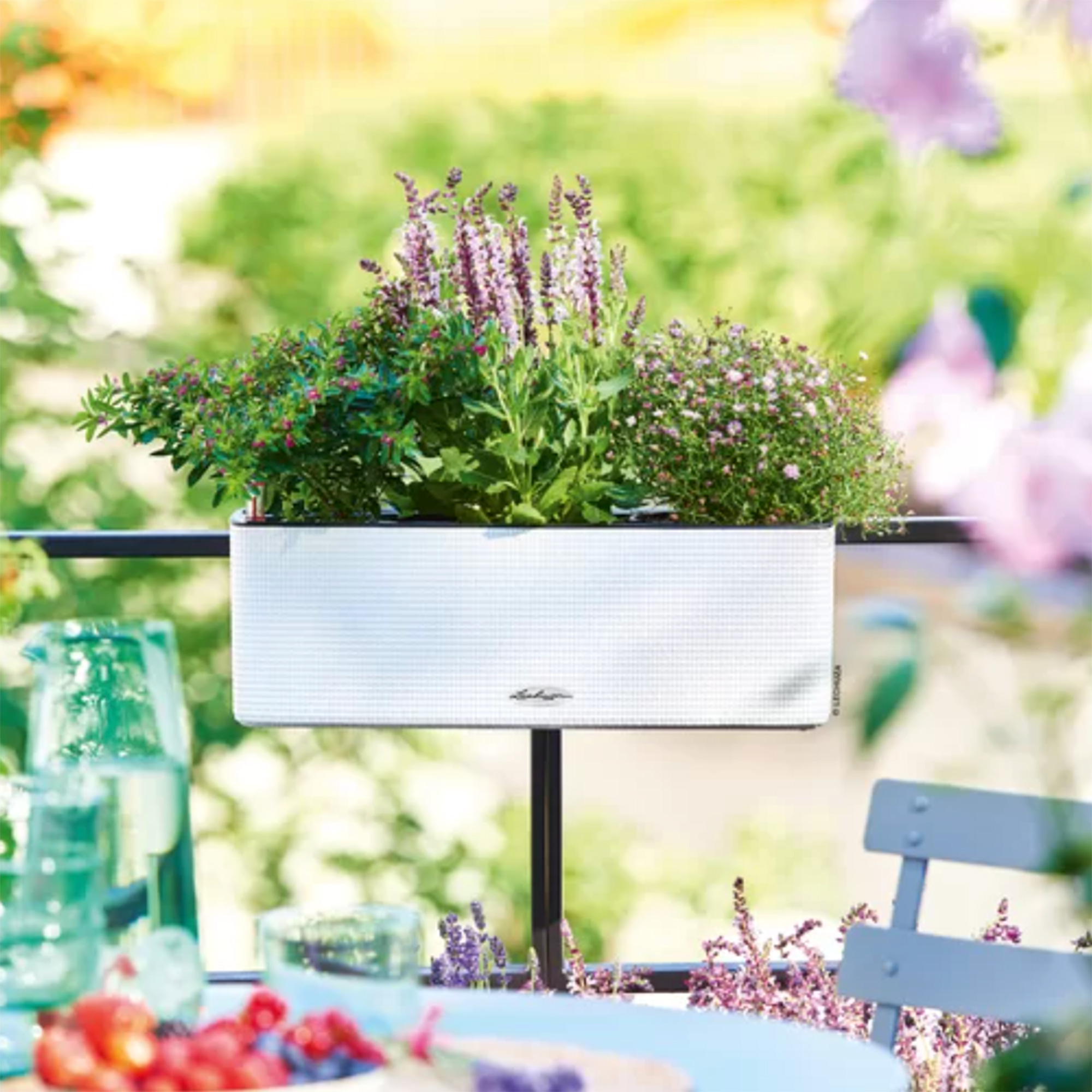
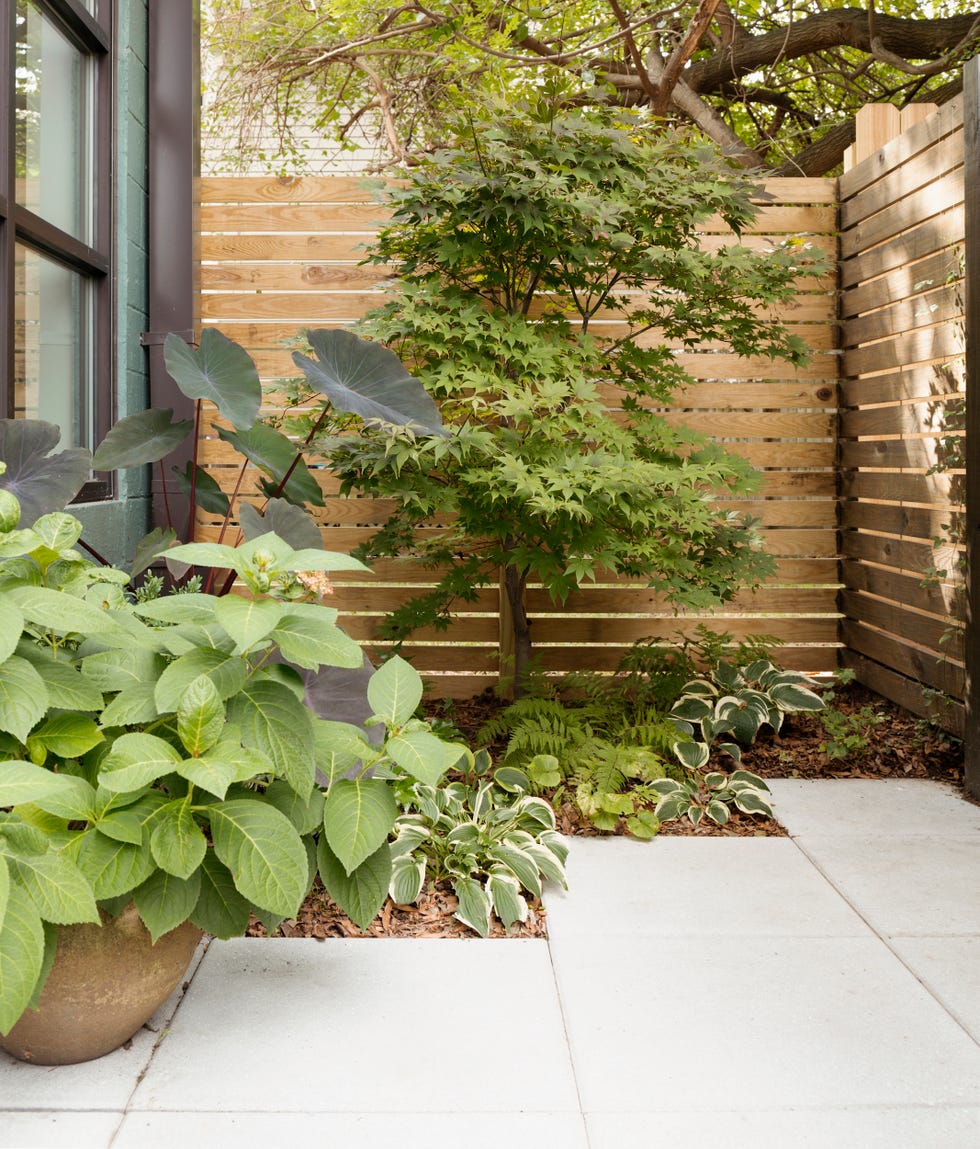
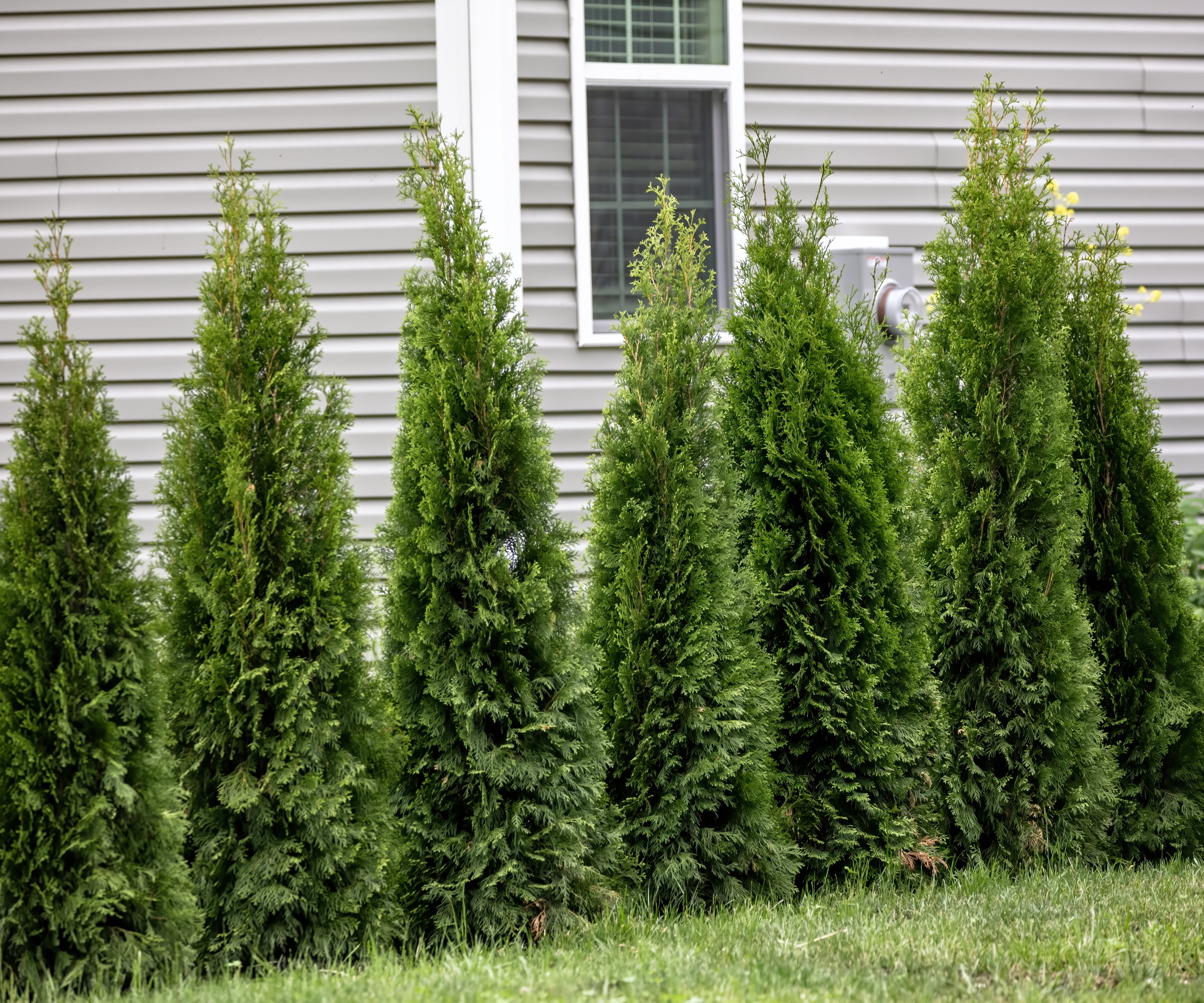
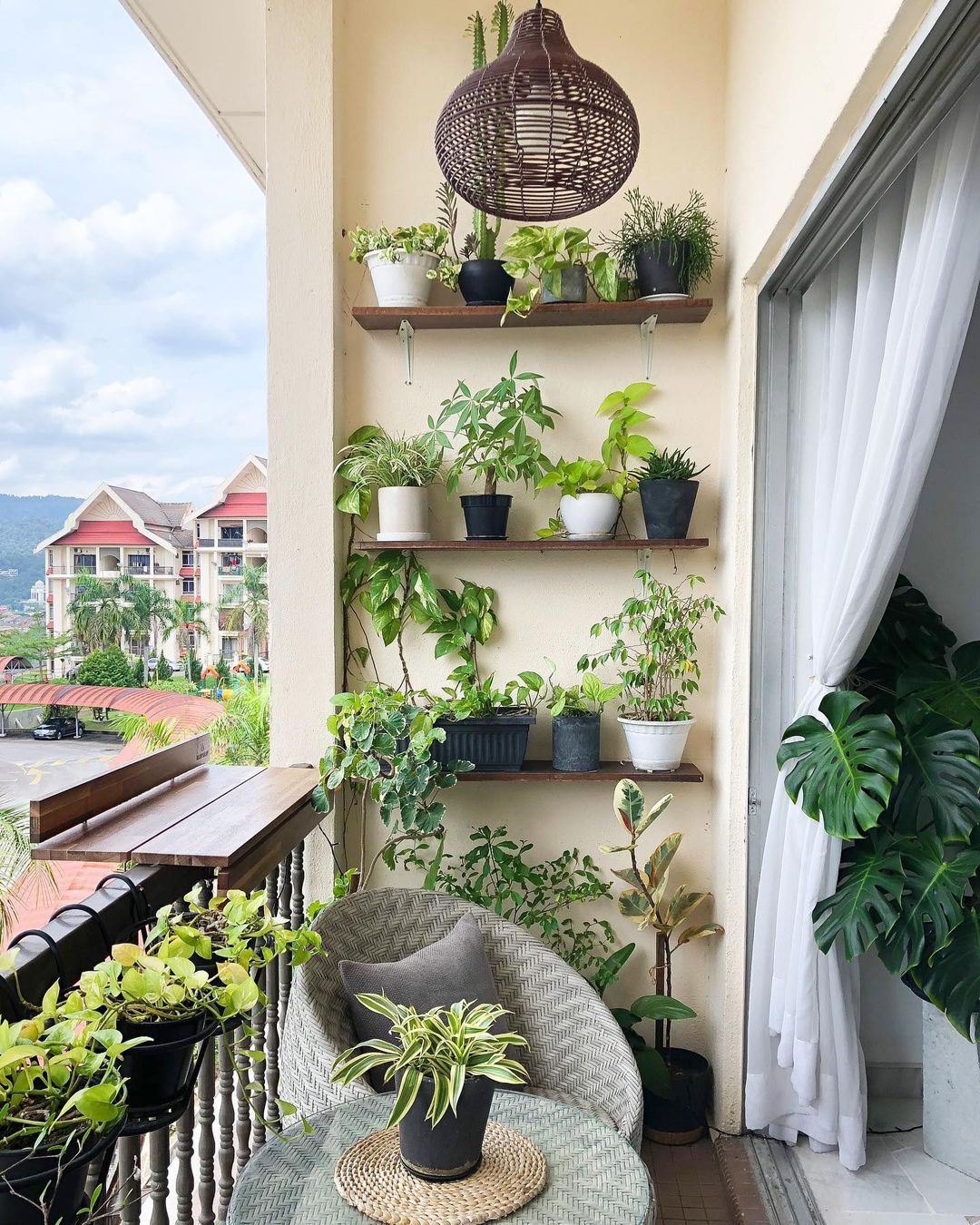
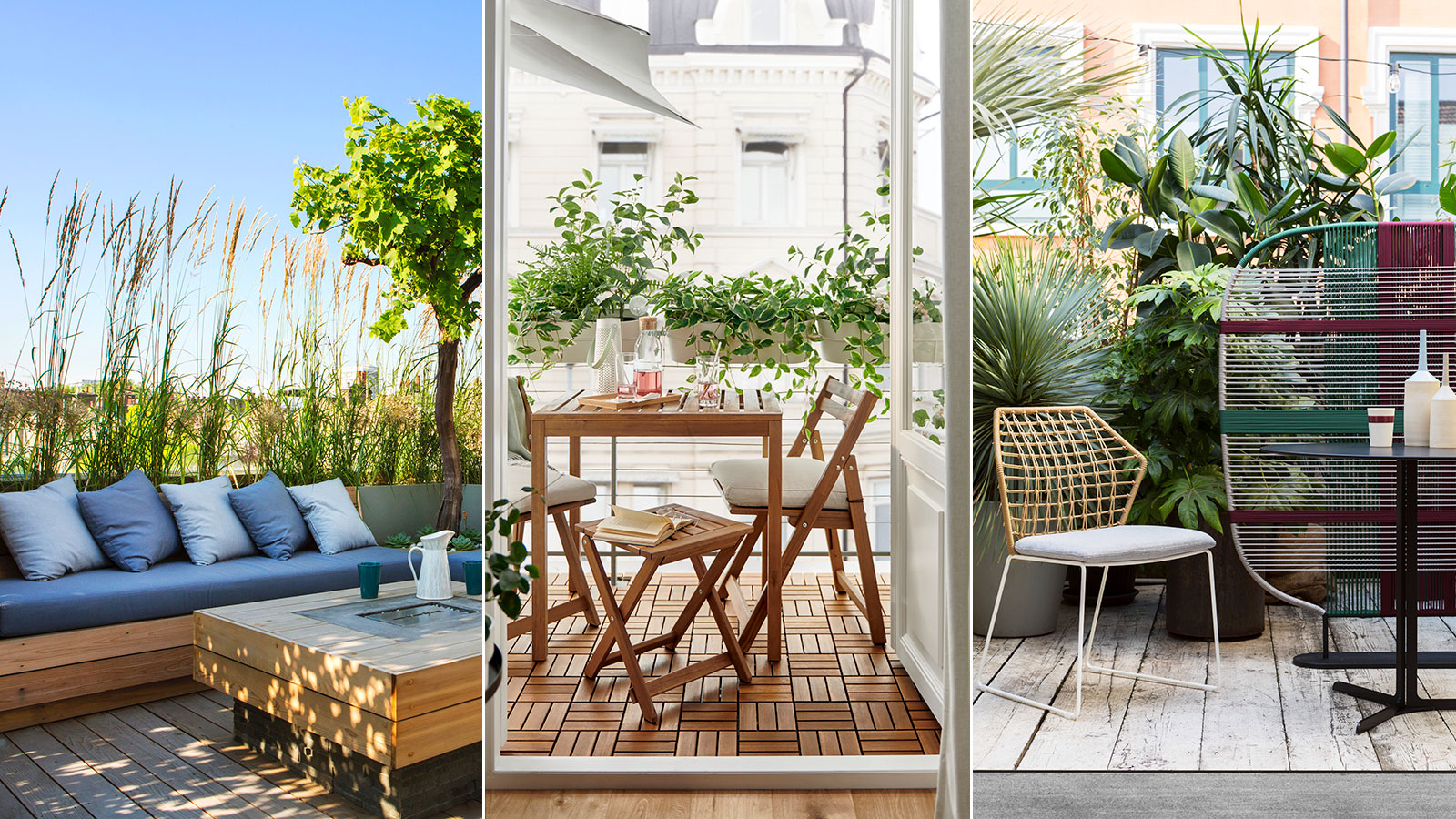
The first method involves utilizing balcony planters, which can be easily attached to railings to shield dining or seating areas. It advises securing containers properly to prevent dislodgement by wind and considering the quality and UV resistance of artificial foliage for durability. Second, creating natural screens with large-leaved plants is suggested. Plants like evergreen fatsia japonica or oleander offer both aesthetic appeal and effective barriers, with Chusan palm, cordyline, and phormium noted for their hardiness. Third, installing wooden dividers, such as slatted timber walls, can provide privacy while allowing light and air circulation. These panels can also incorporate shelving for plants or decorative items.
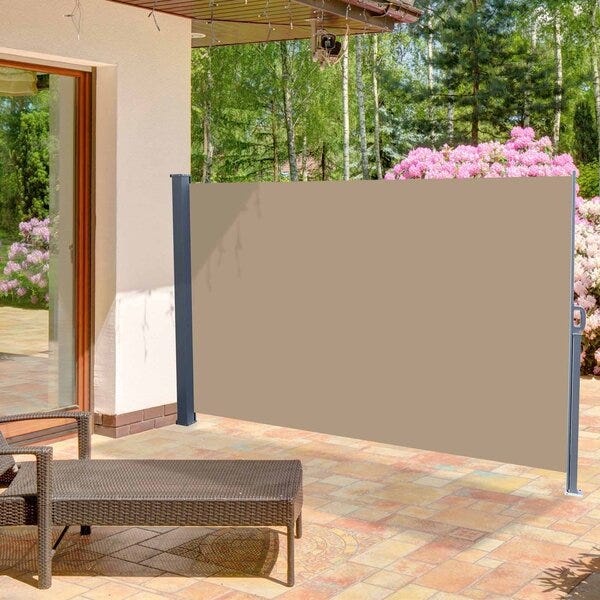
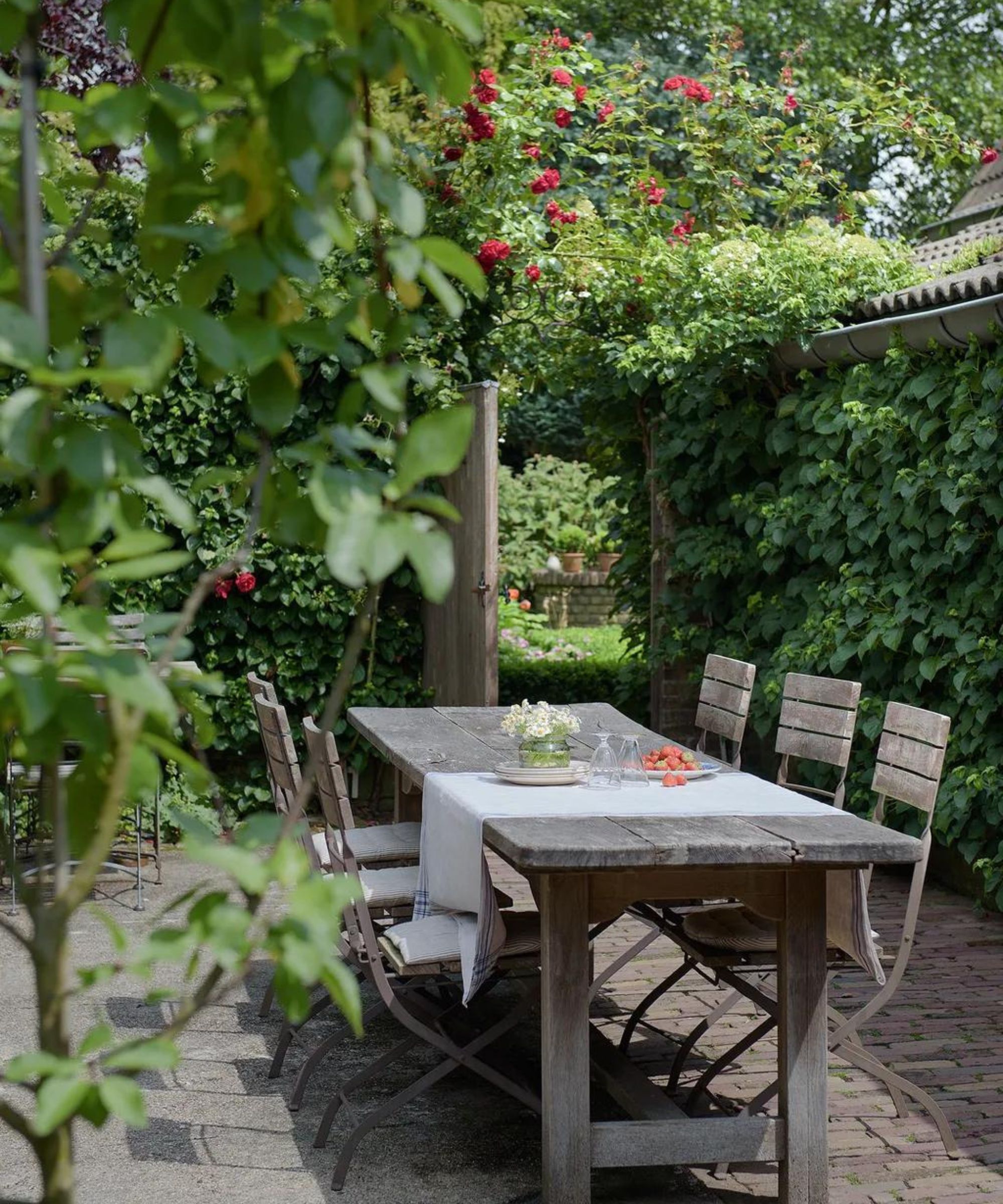
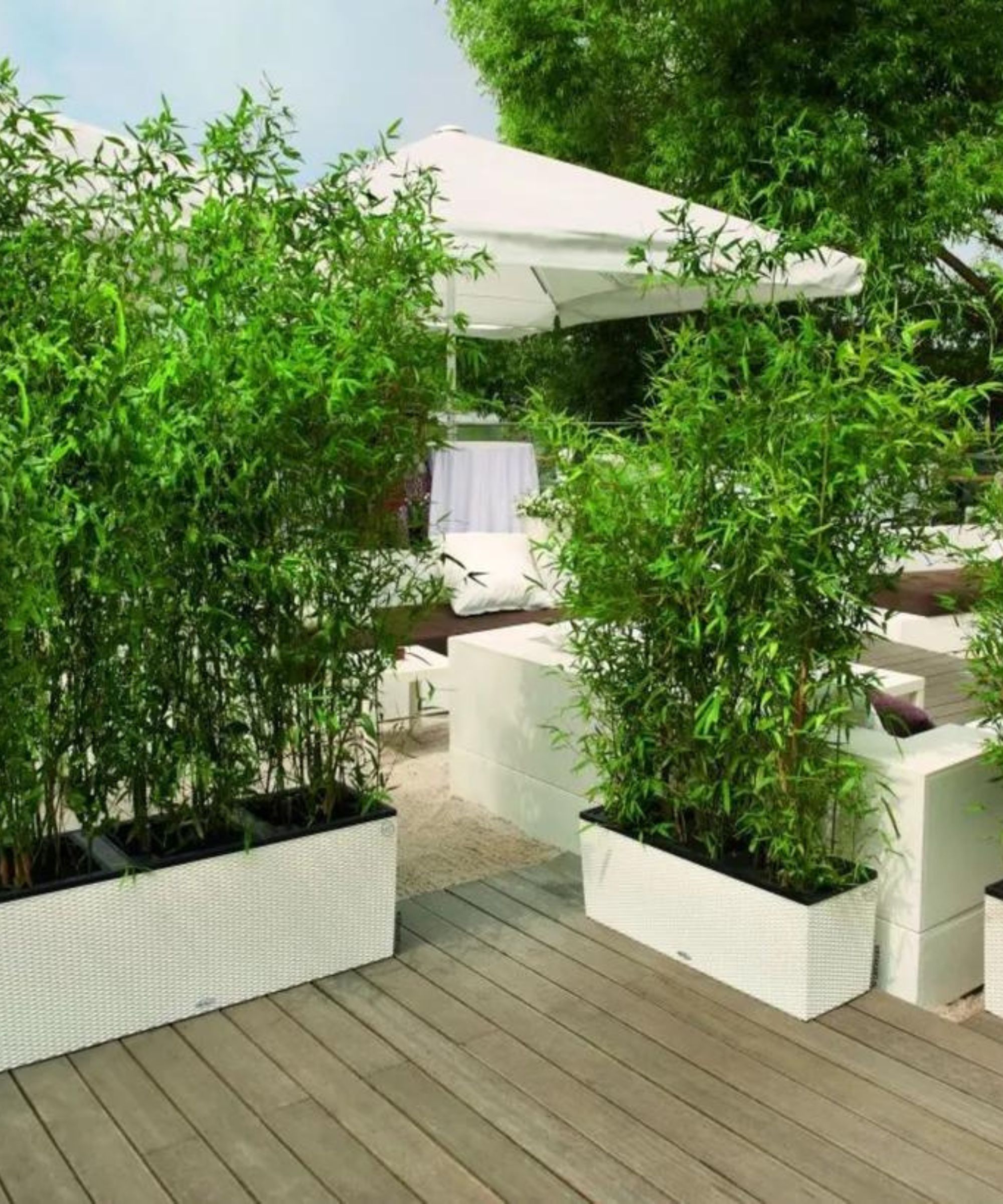
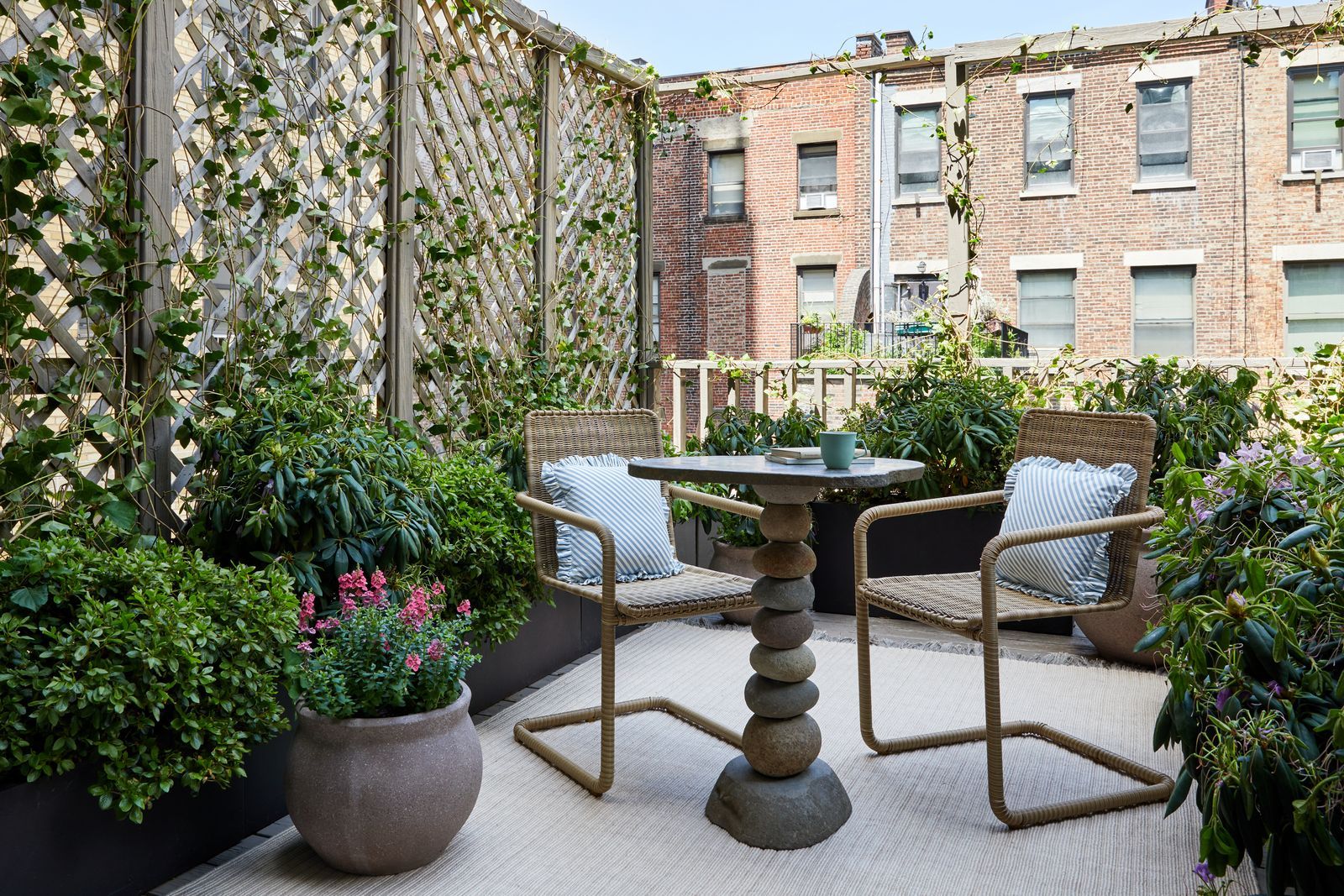
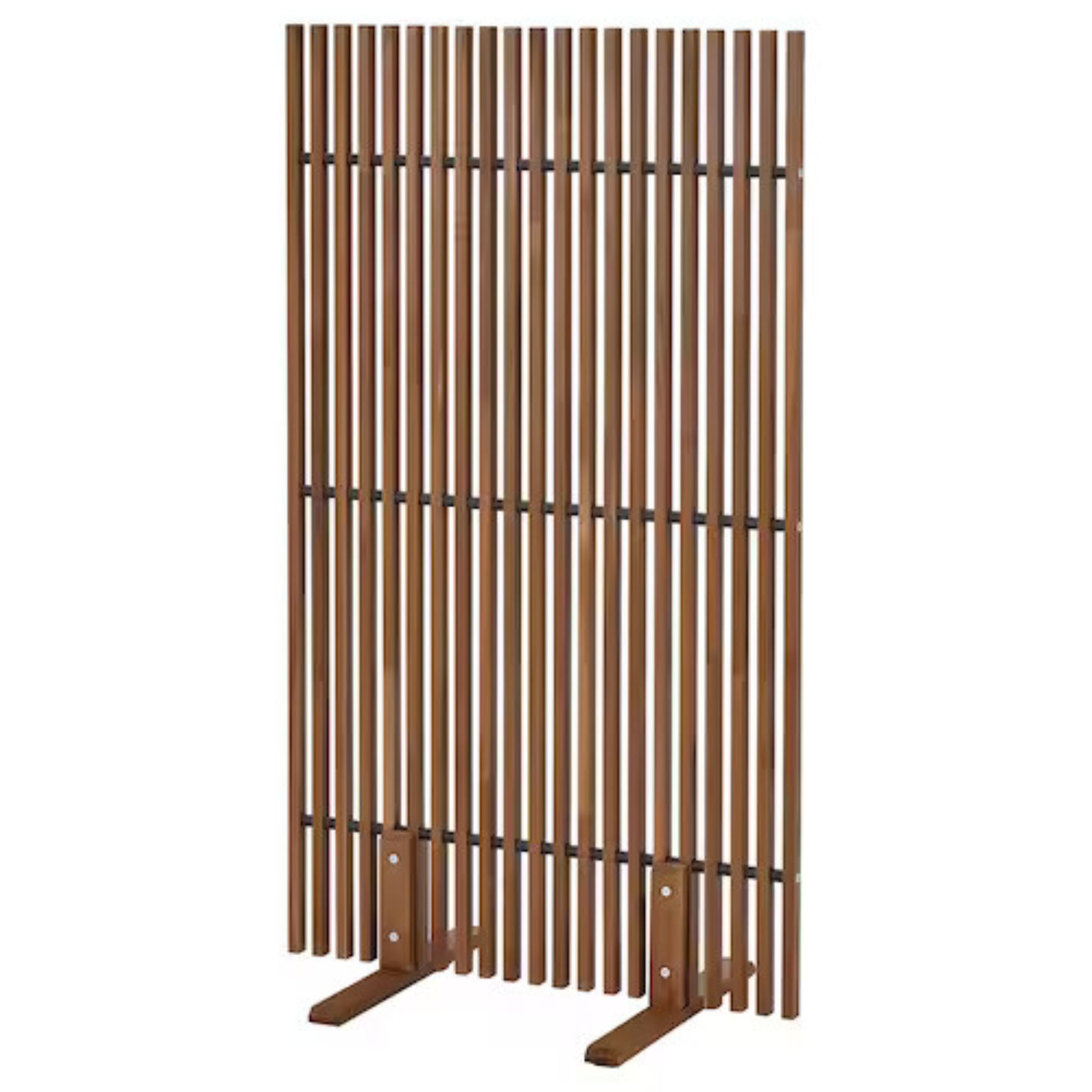
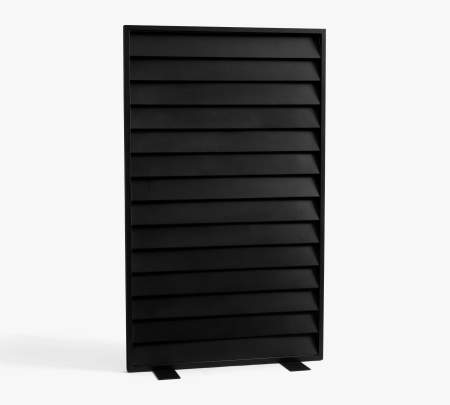
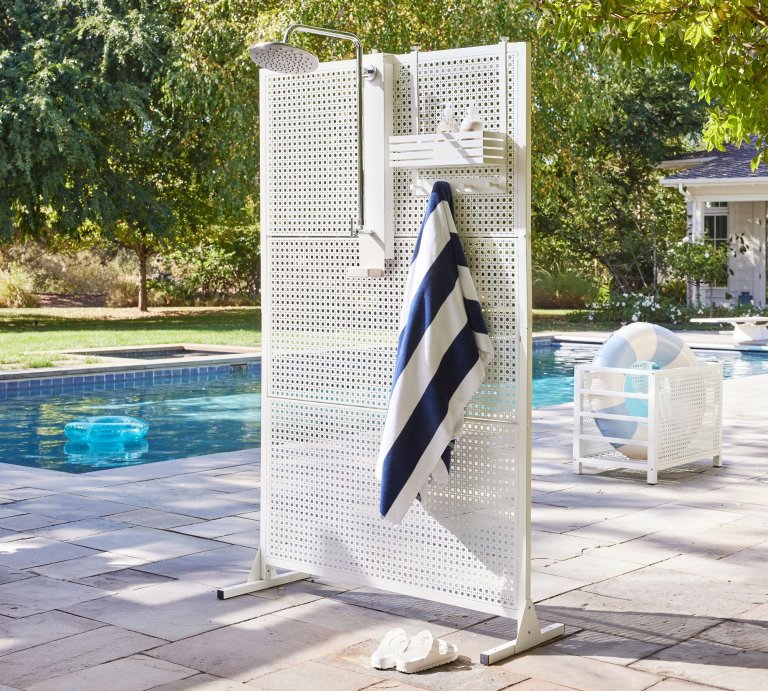
Fourth, living screens, particularly ornamental grasses like Calamagrostis ‘Karl Foerster’ planted in sophisticated containers, can form beautiful and tactile boundaries. Other options include semi-evergreen or evergreen shrubs and fast-growing bamboo. Fifth, freestanding privacy screens offer flexibility, allowing them to be repositioned as needed. These screens come in various designs and materials, from woven polyester rope to rustic willow, with stability being a crucial consideration for exposed balconies. Sixth, climbing plants, such as climbing hydrangea or clematis, are ideal for small spaces as they require minimal floor area and can quickly cover trellises or railings, adding scent, color, and texture.
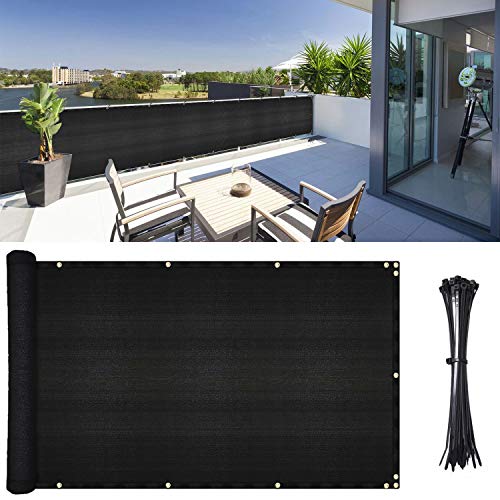
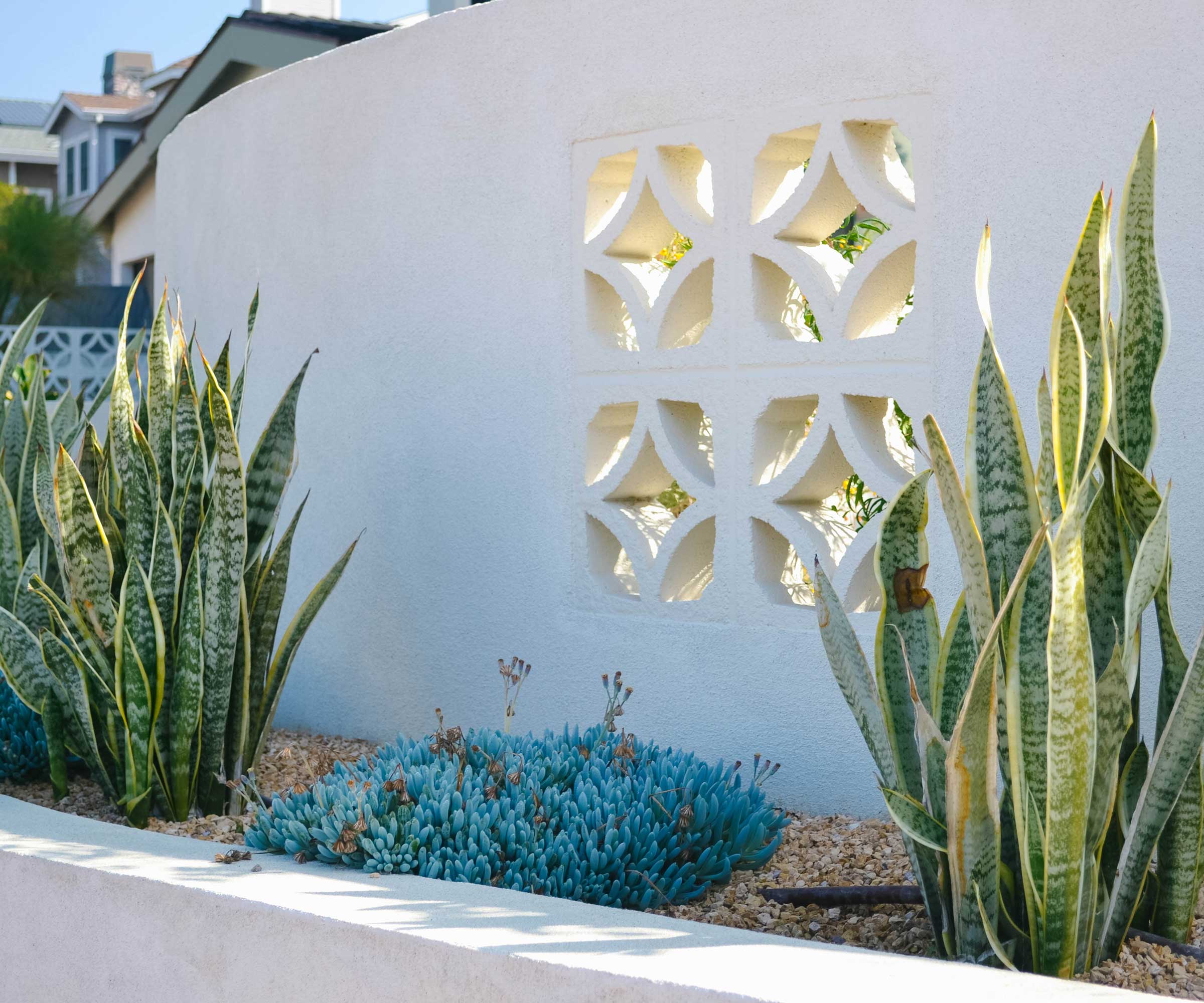
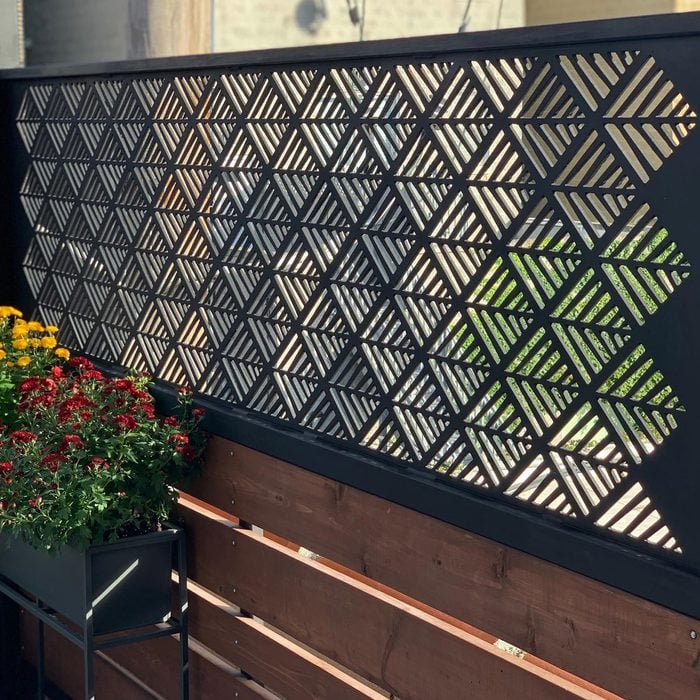
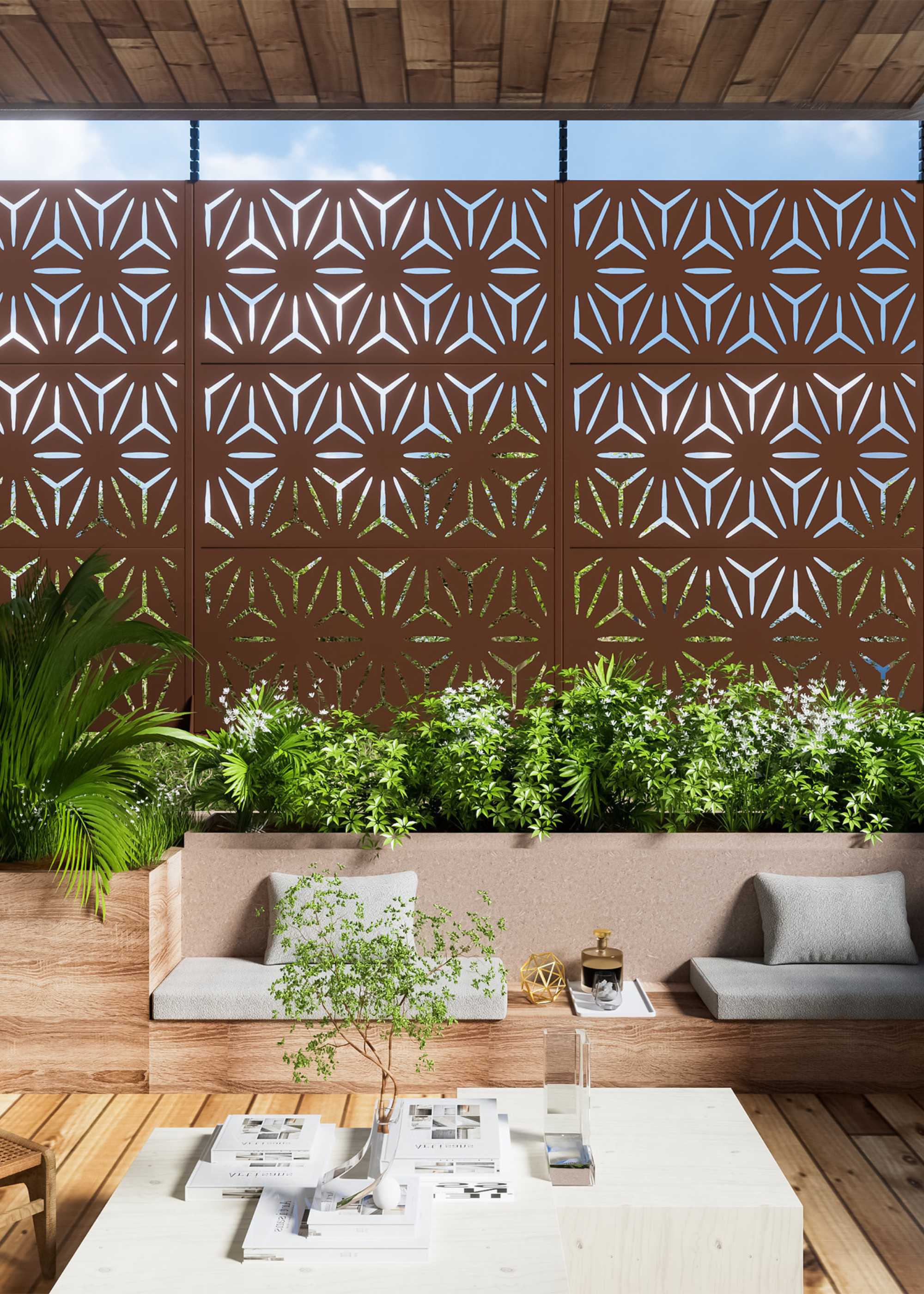
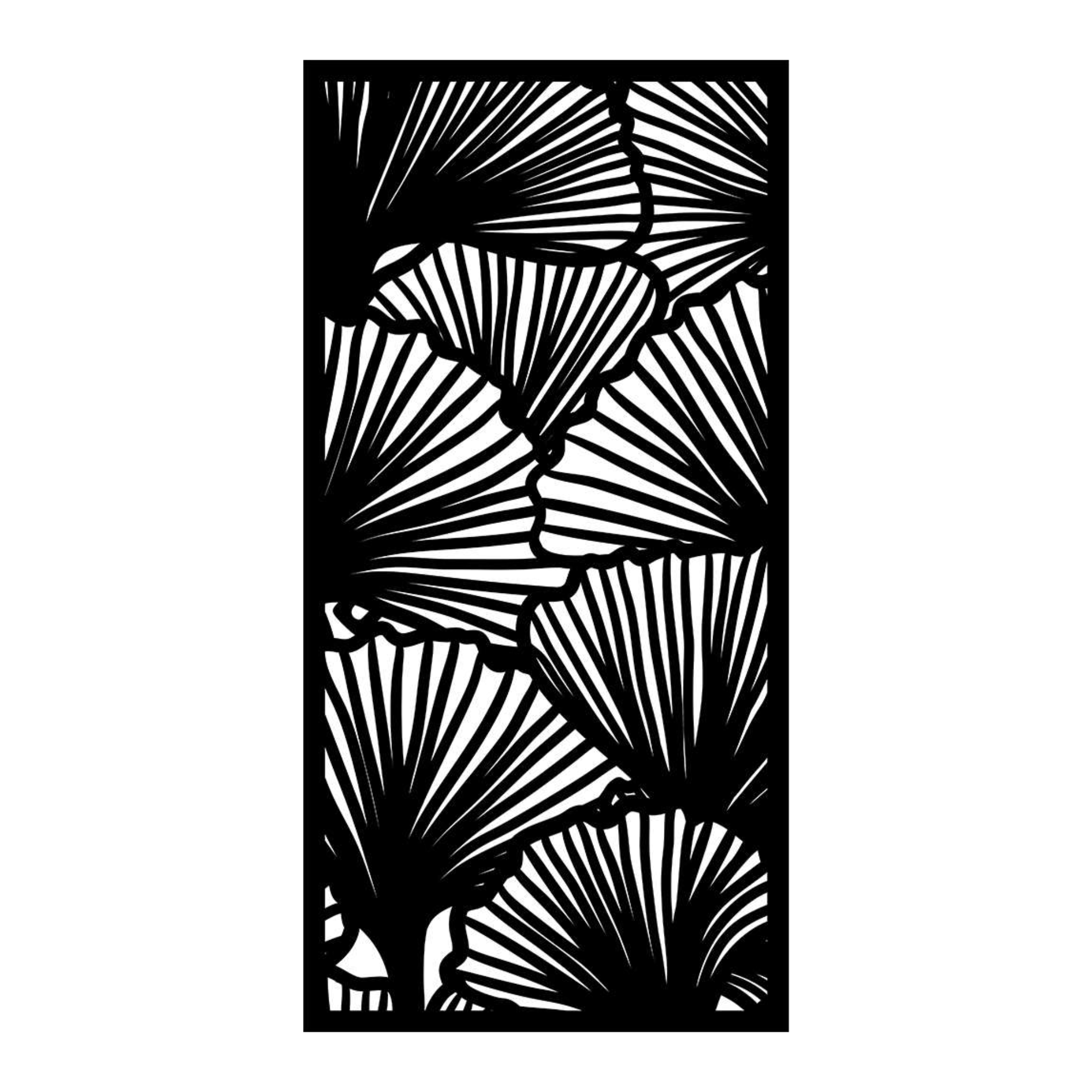
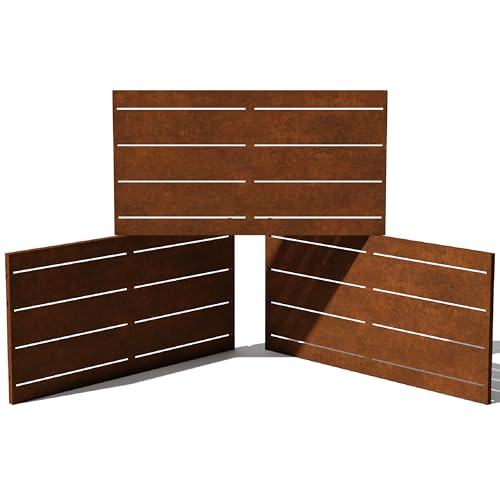
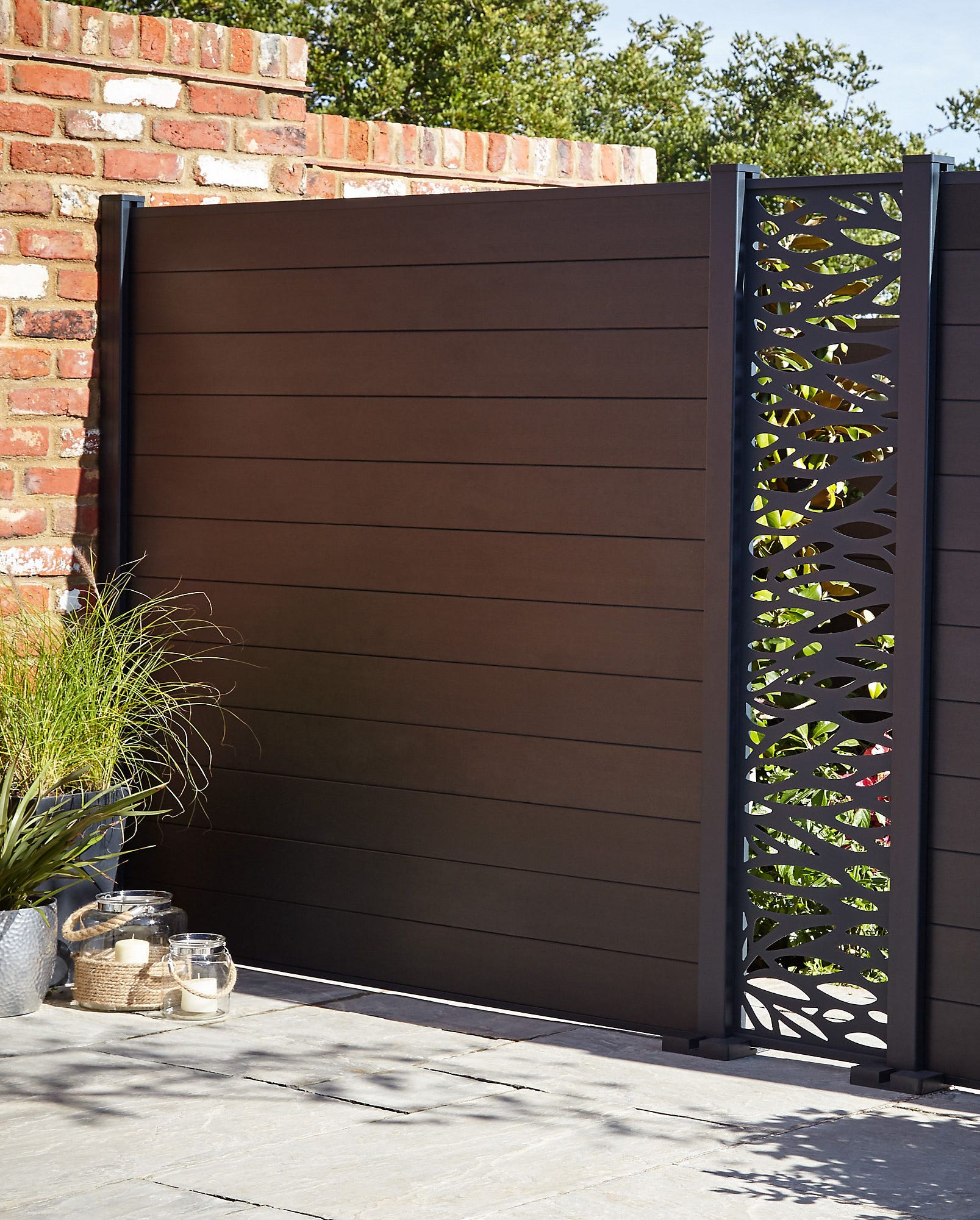
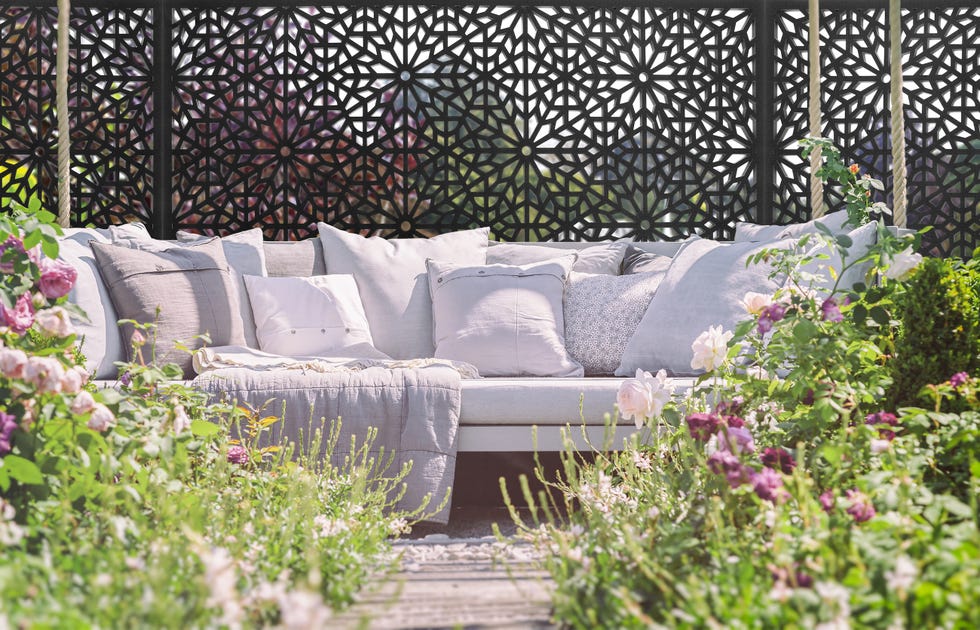
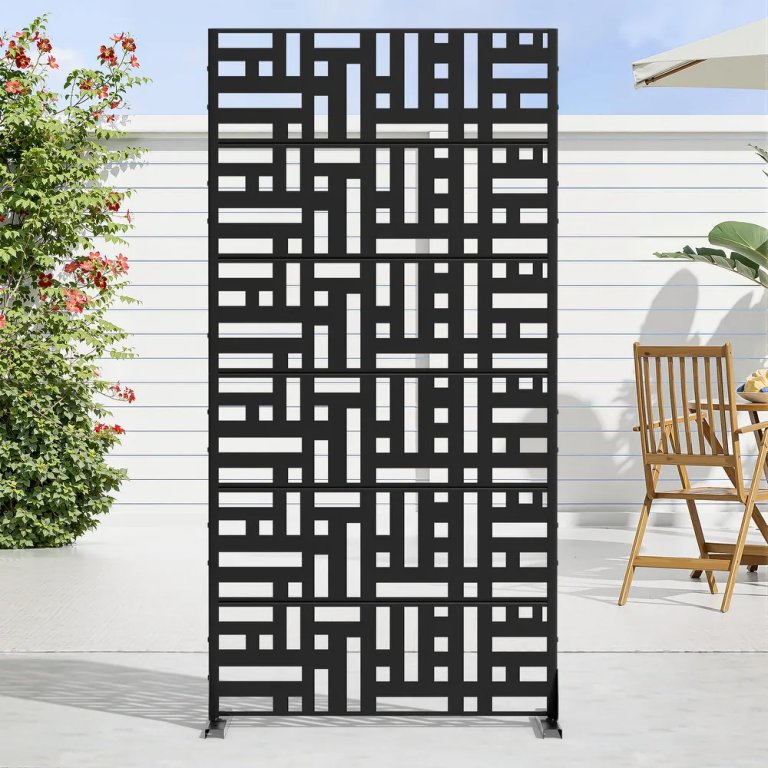
Seventh, elevating potted plants on tables or storage units can enhance their screening effectiveness, especially for smaller plants. The article recommends selecting plants suited to the balcony’s specific conditions, such as shade-loving varieties for low-light areas or multi-branched, small-leaved bushes for windy spots. Eighth, sail shades provide instant privacy and shade, as well as some protection from wind and rain. Key factors for choosing sail shades include fabric quality, UV rating, stitching, and reinforced attachment points for durability. Finally, decorative fretwork screens made from composite materials offer a stylish and low-maintenance option for edging balconies. These robust, UV-stable panels can be customized with various finishes and perforated designs to control the level of privacy. Before implementing any privacy solution, the article strongly advises consulting with homeowners’ associations or management and retailers to ensure compliance with regulations and suitability for the specific location, particularly concerning safety and wind resistance.
#BalconyPrivacy #OutdoorLiving #GardenDesign #PrivacyScreens #ContainerGardening #ClimbingPlants #LandscapeDesign #HomeDecor #OutdoorFurniture #BalconyPrivacy #OutdoorLiving #GardenDesign #PrivacyScreens #ContainerGardening #ClimbingPlants #LandscapeDesign #HomeDecor #OutdoorFurniture
0 comment in total
 No comments yet
You may also like
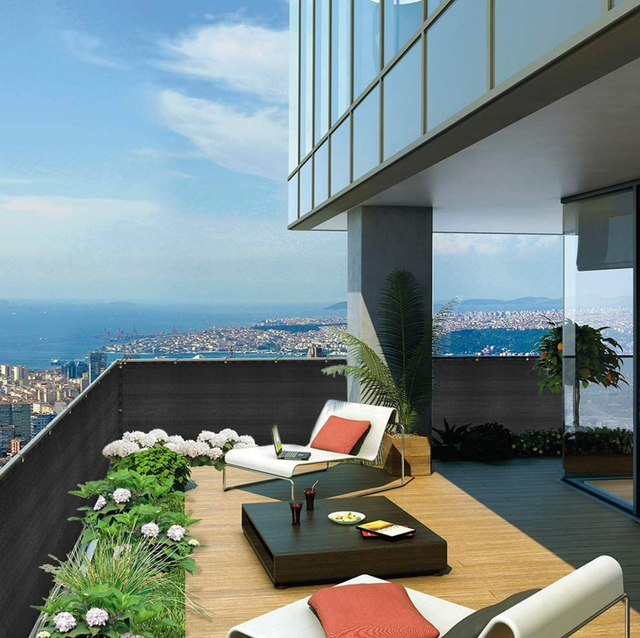
Amazon-Approved Balcony Screens for Guaranteed Privacy

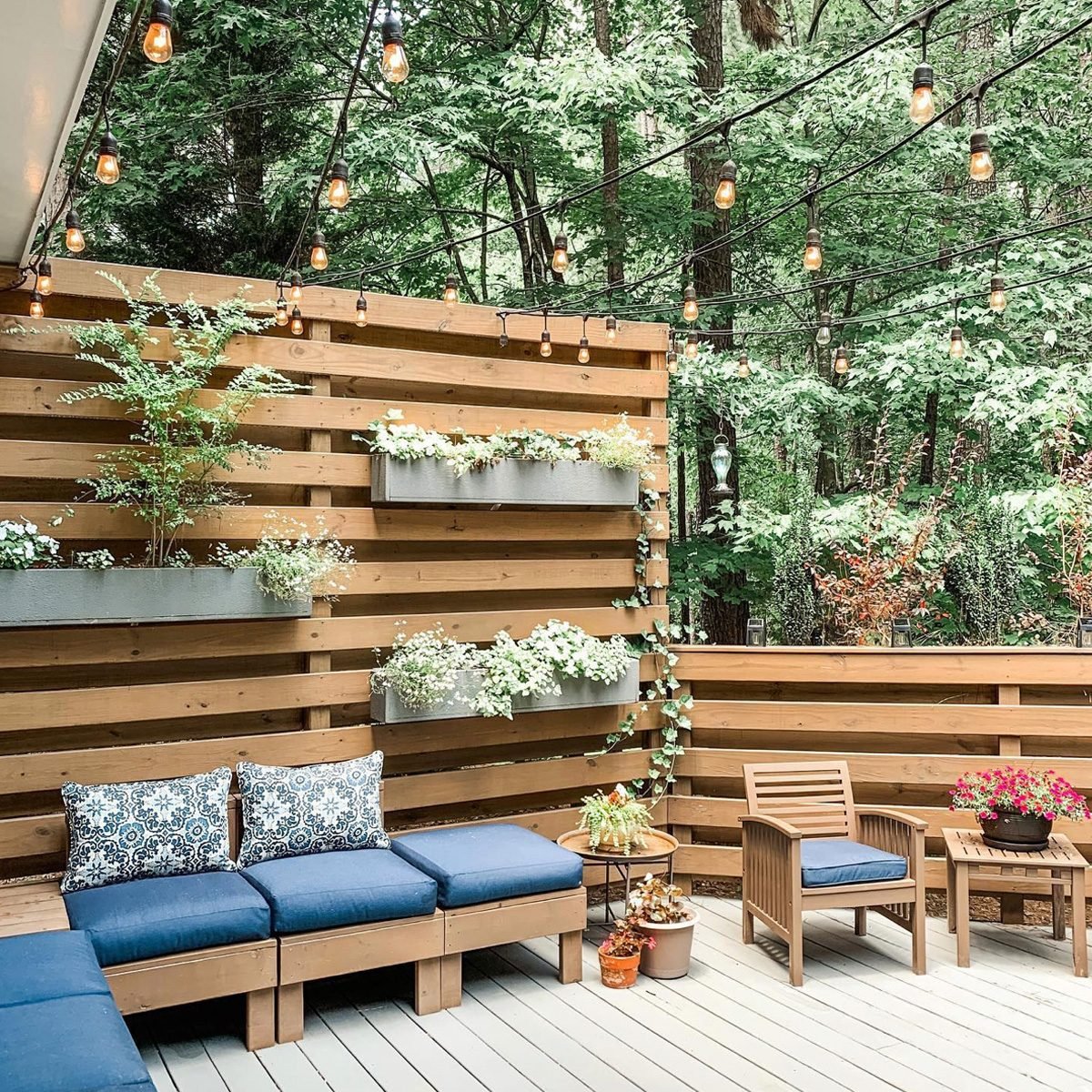
10 Privacy Fence Ideas for Your Yard

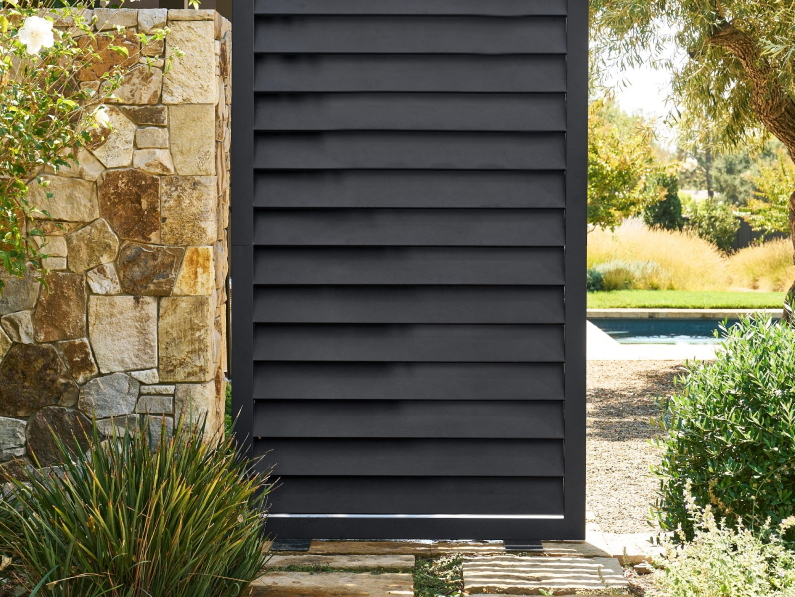
8 best privacy screens for your backyard, office & beyond
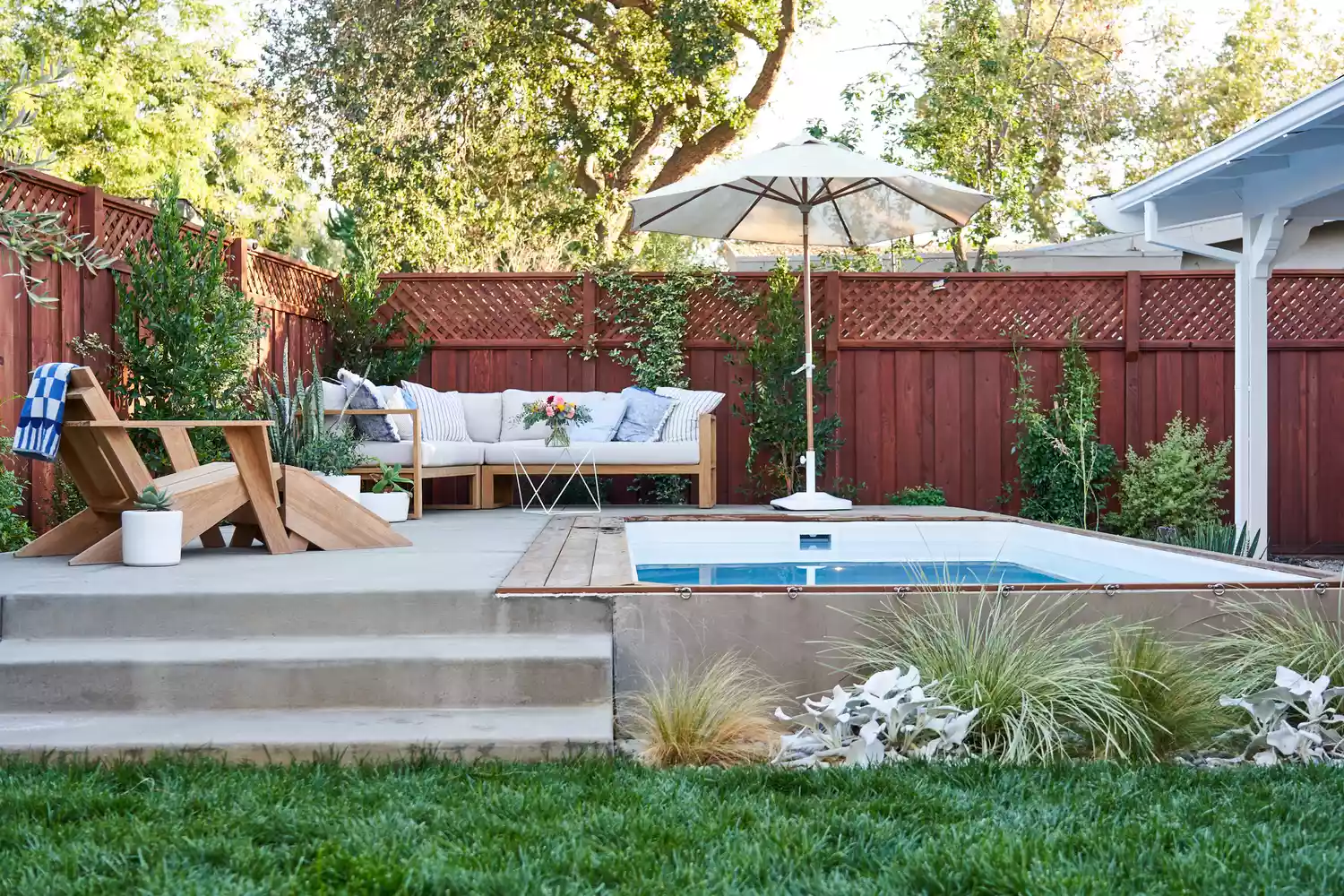
16 Easy Ways to Block a Neighbor's View of Your Yard

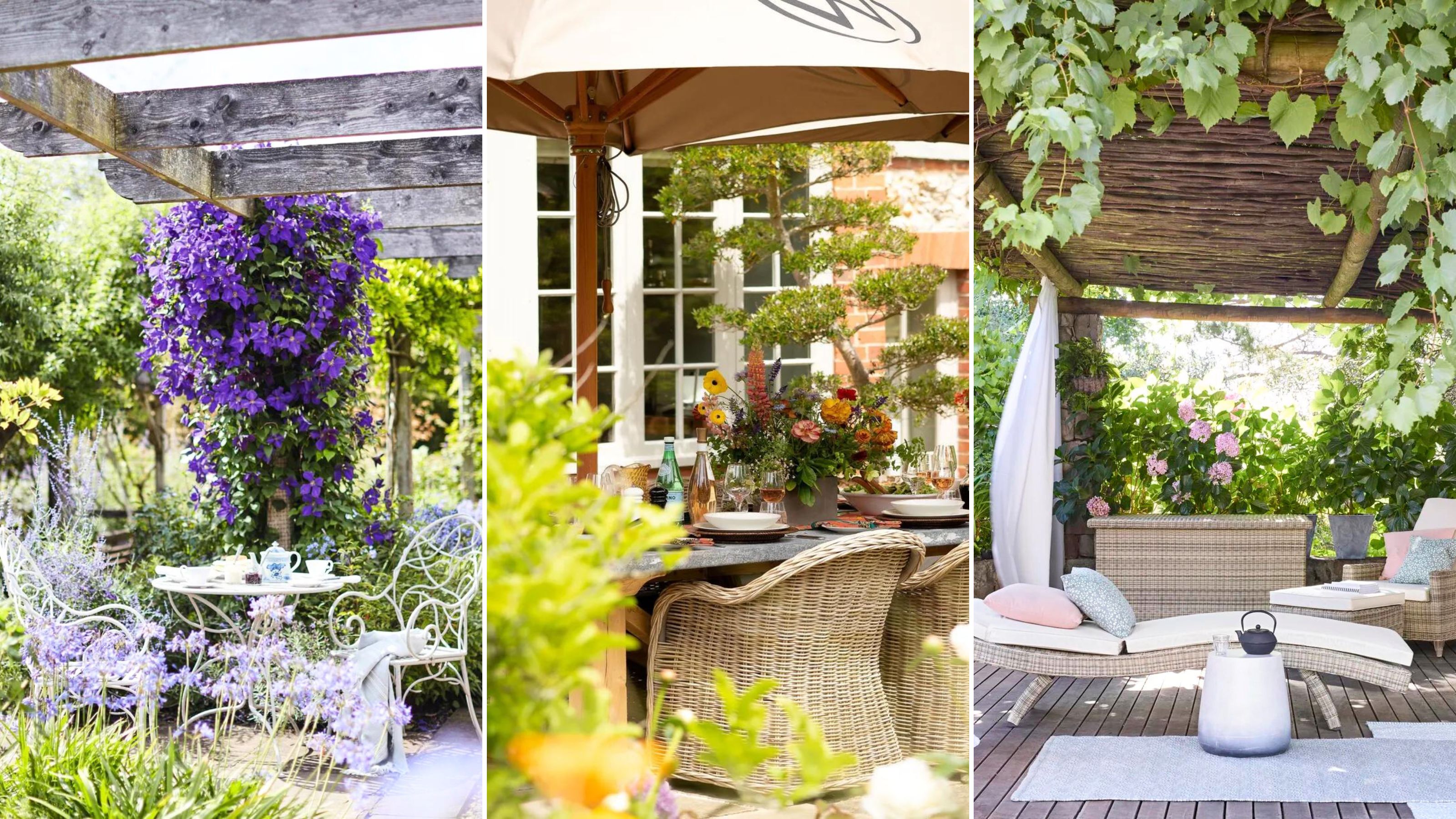
25 garden screening ideas for more privacy in your garden this year

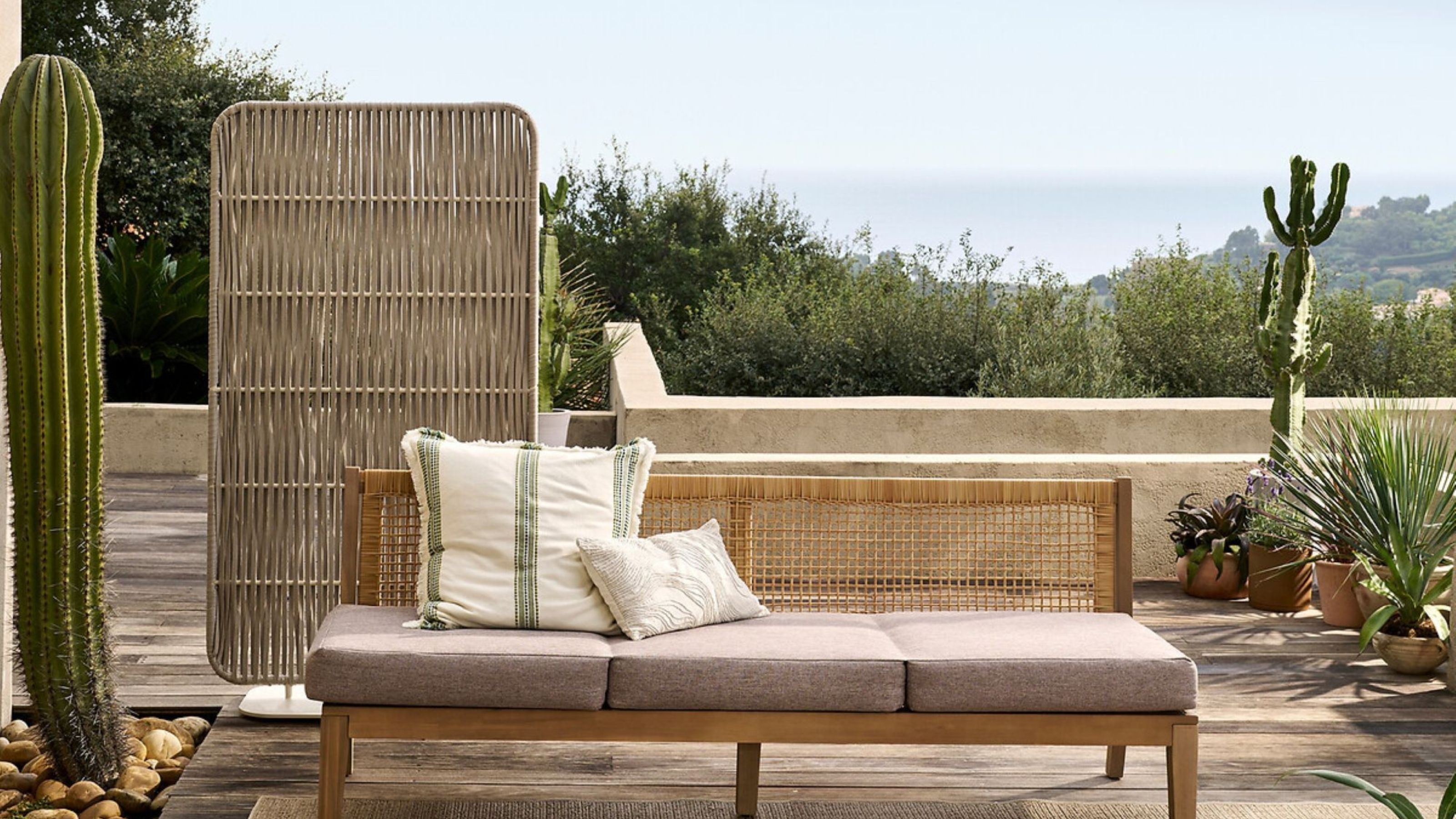
The Best Privacy Screens To Style in Your Outdoor Space |

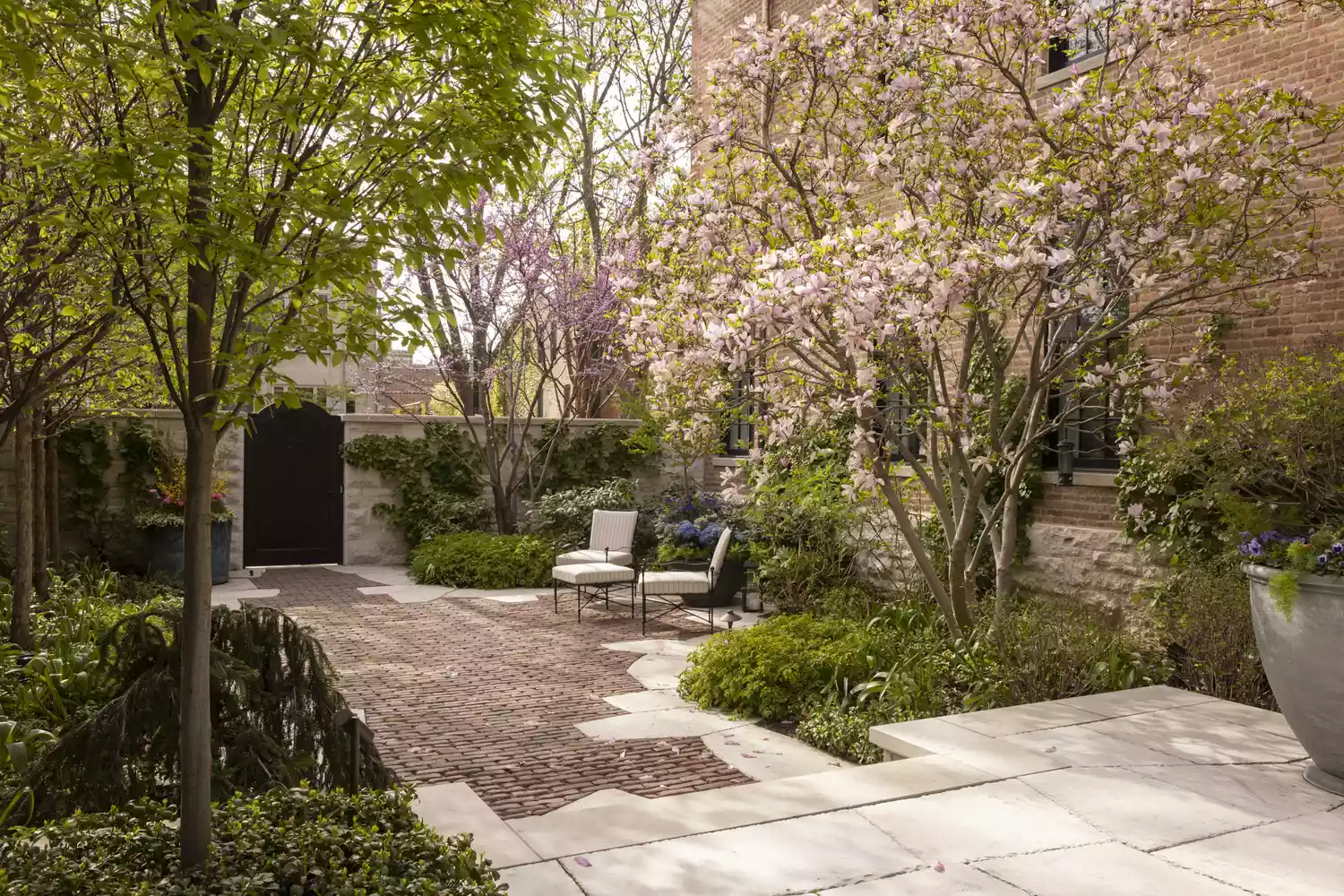
12 Backyard Privacy Ideas for a Secluded Garden Oasis

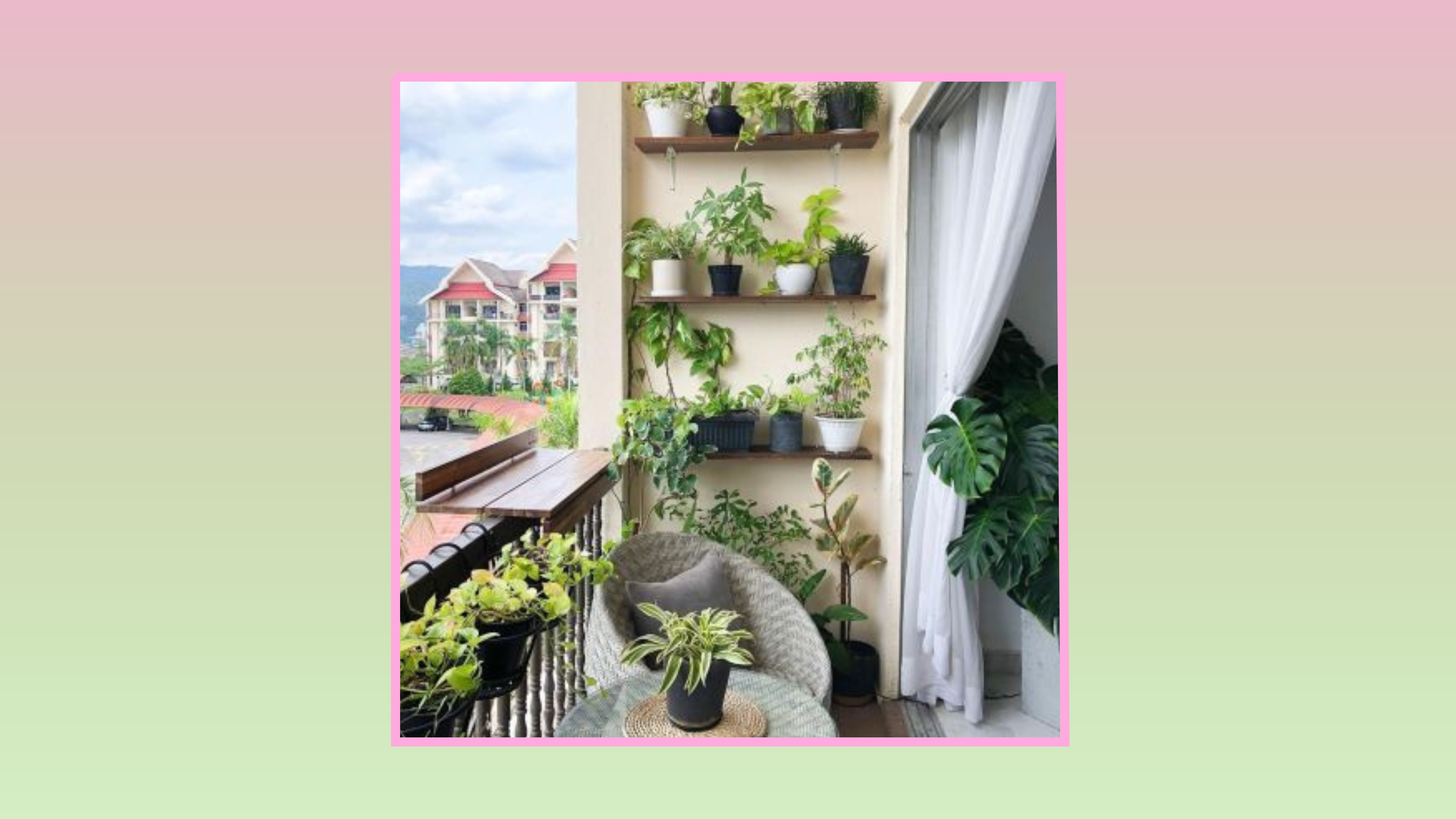
10 creative apartment garden ideas for your balcony or tiny patio
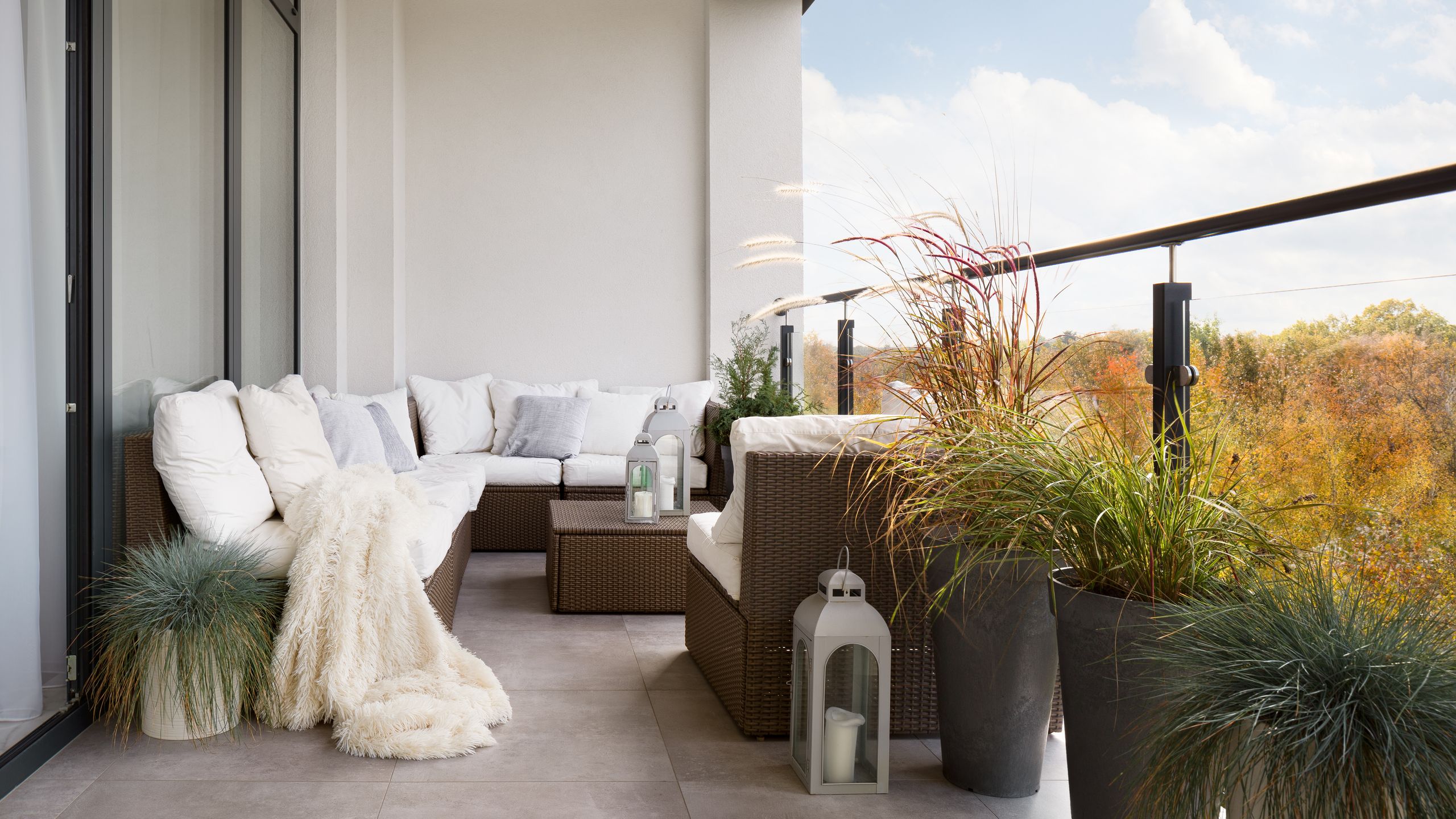
15 Creative Balcony Ideas to Inspire Your Alfresco Sanctuary

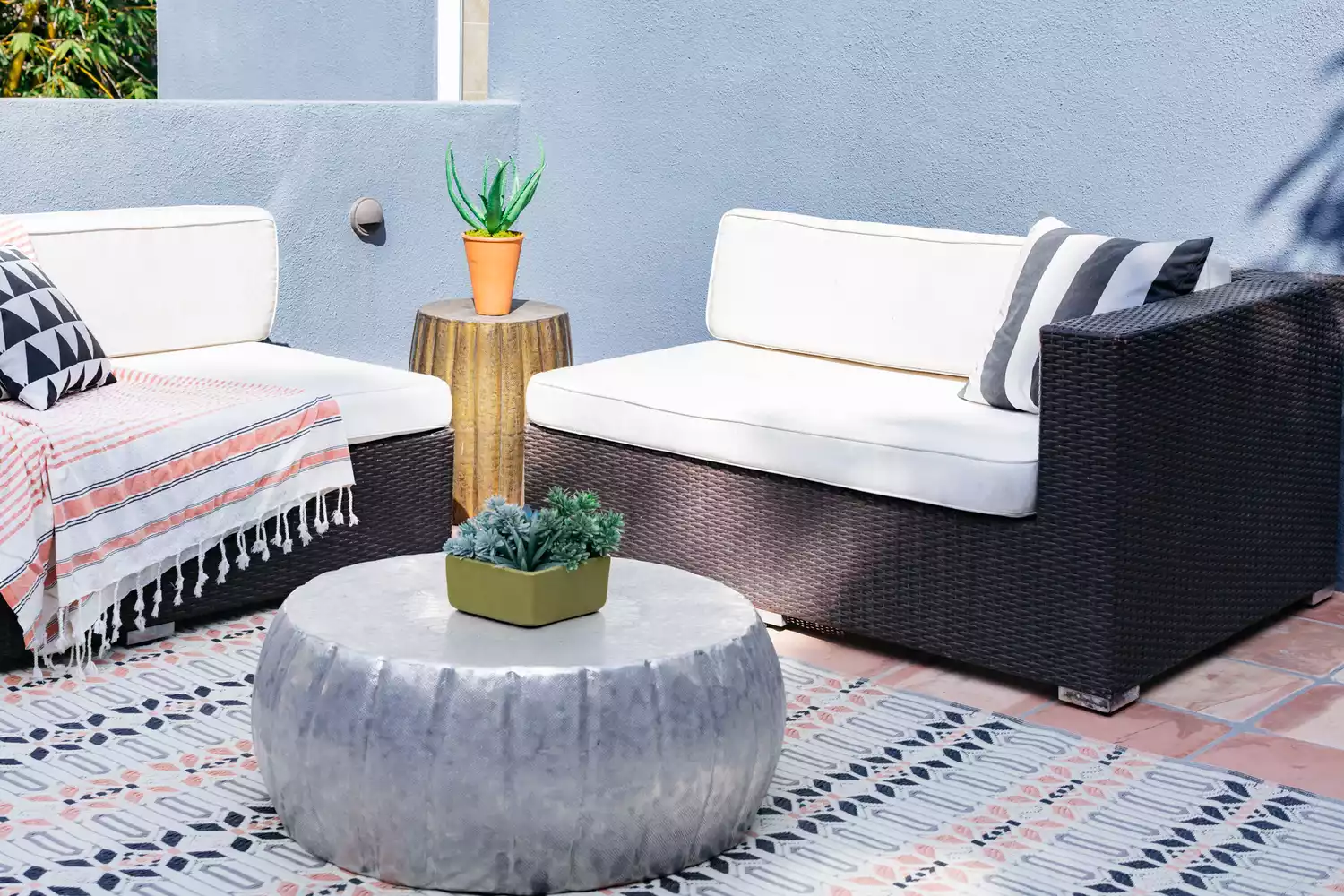
27 Small Apartment Balcony Ideas With Big Style
Garden screening ideas: 13 ways to create privacy in your garden

8 Ways To Create More Privacy in Your Home, According to Designers
Patio Privacy Ideas to Help You Create an Outdoor Oasis

These 7 privacy screen ideas are pretty, practical, and perfect for creating a secluded outdoor space

7 Backyard Privacy Screens That Aren’t Eyesores for You or Your Neighbors

9 patio decorating ideas to transform your space into an outdoor oasis
Front yard privacy ideas – 10 stylish ways to screen your home from the street
Cozy small balcony ideas – 21 tiny yet stylish outdoor spaces
7 ways to add privacy to your home in clever, creative ways that bring quick results
6 Backyard Privacy Ideas That Look Expensive—But Aren’t