9 Bedroom Trends That Will Dominate 2026, According to Interior Designers
The upcoming bedroom trends for 2026 are shifting from rigid styling to more personalized, collected, and textured spaces. Interior designers Alyssa Anselmo of Studio Anva and Daniel Chenin of Daniel Joseph Chenin, Ltd. highlight several aesthetics that will define bedrooms in the near future, emphasizing individuality and well-being over fleeting fads.
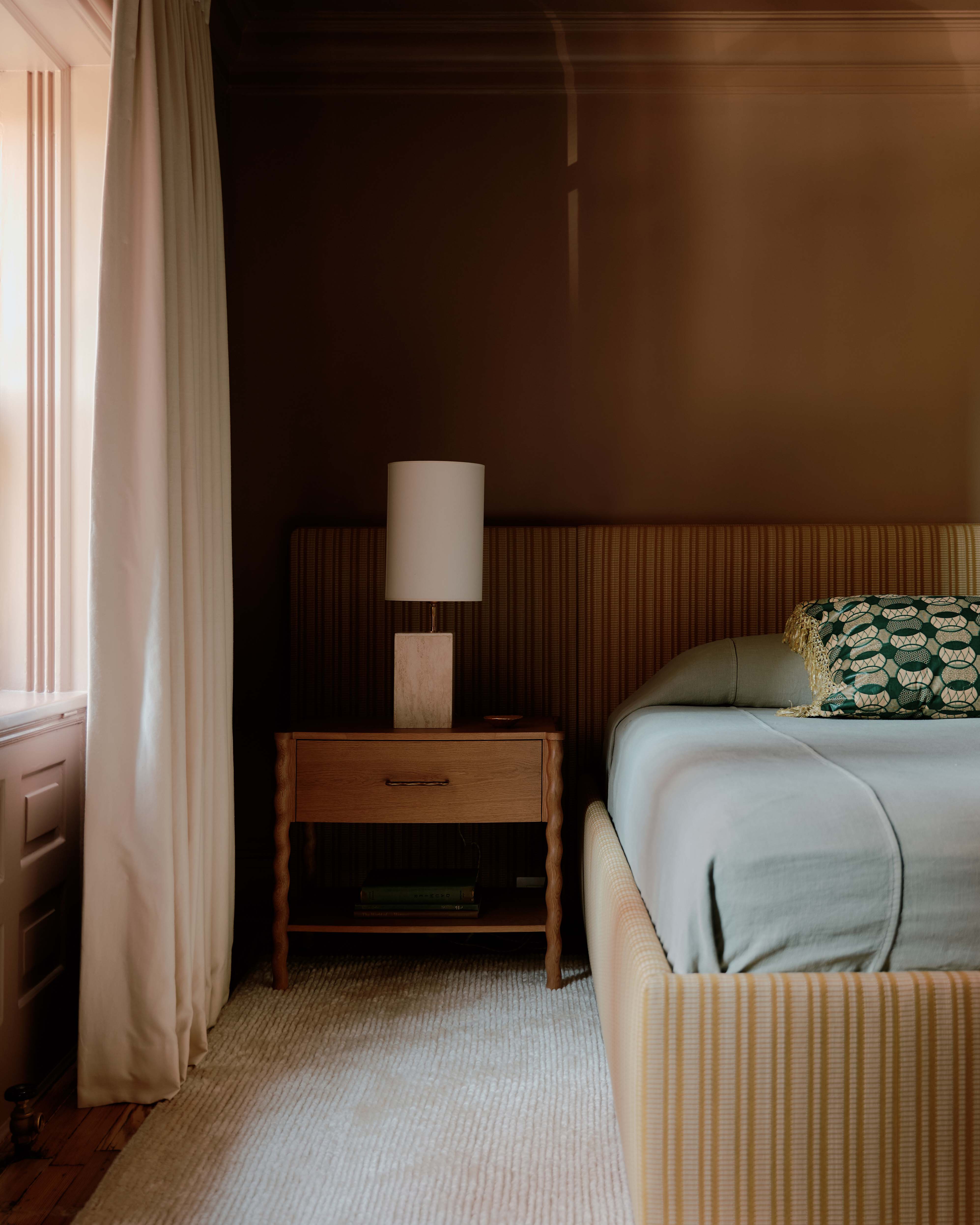
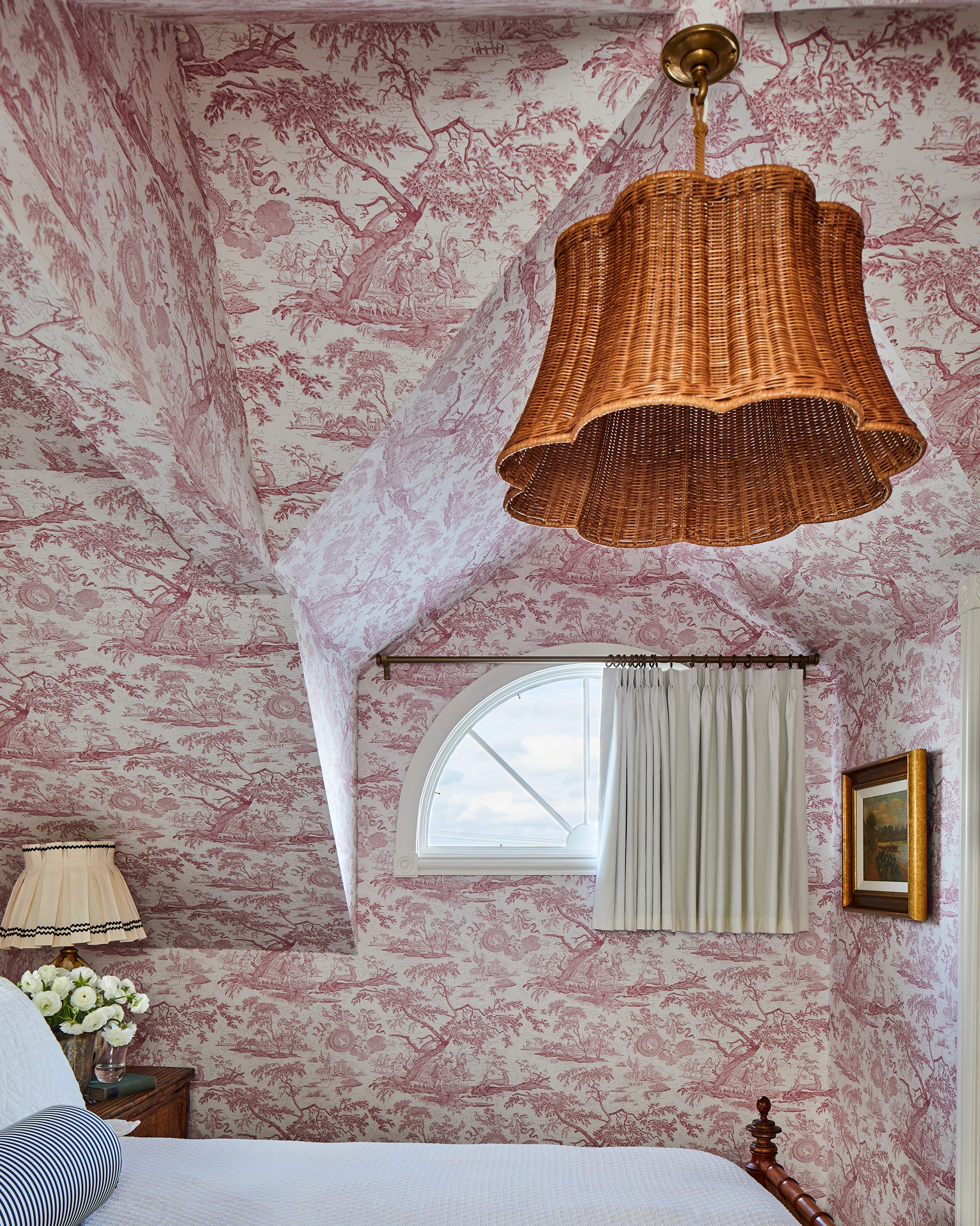
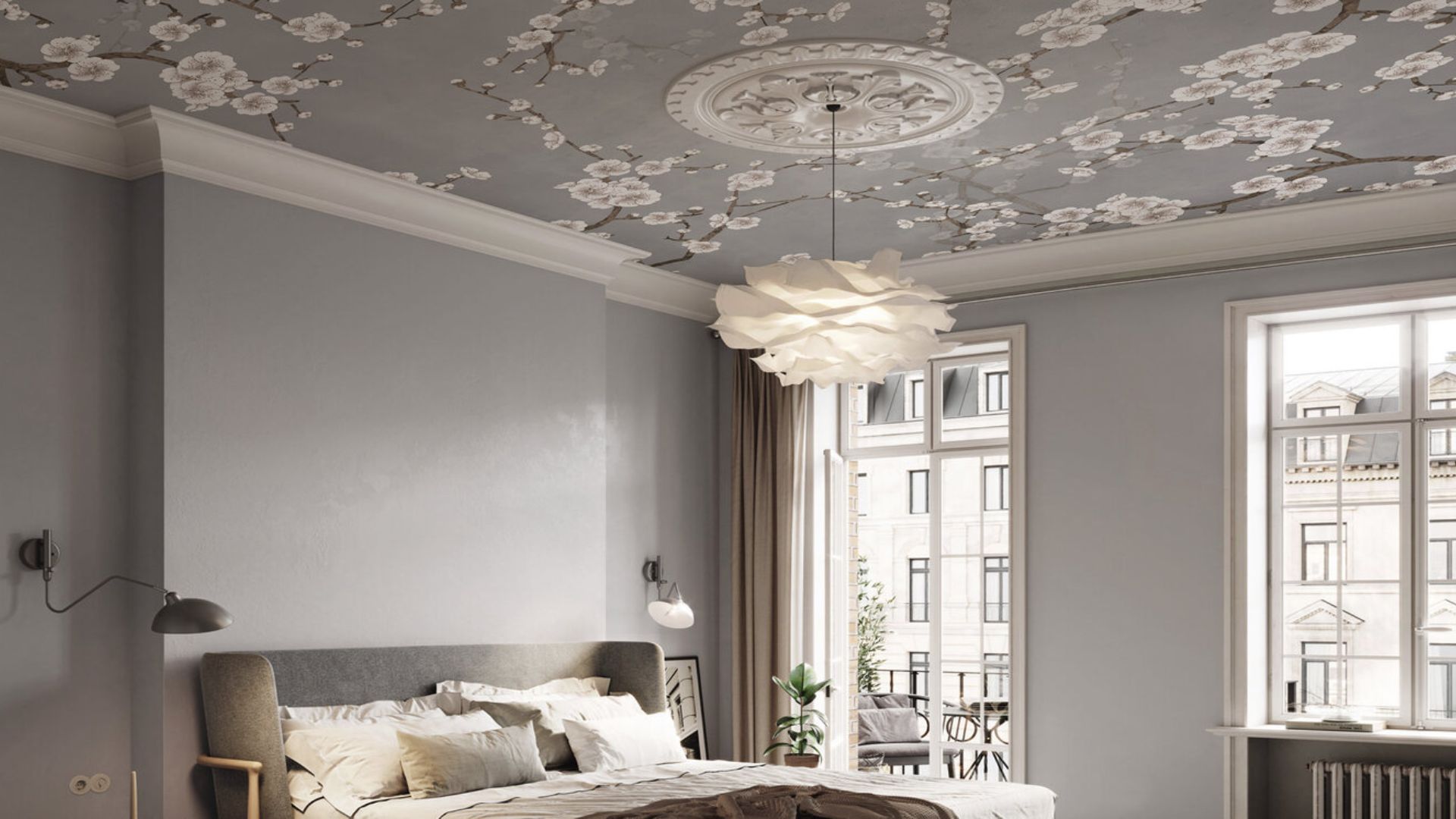
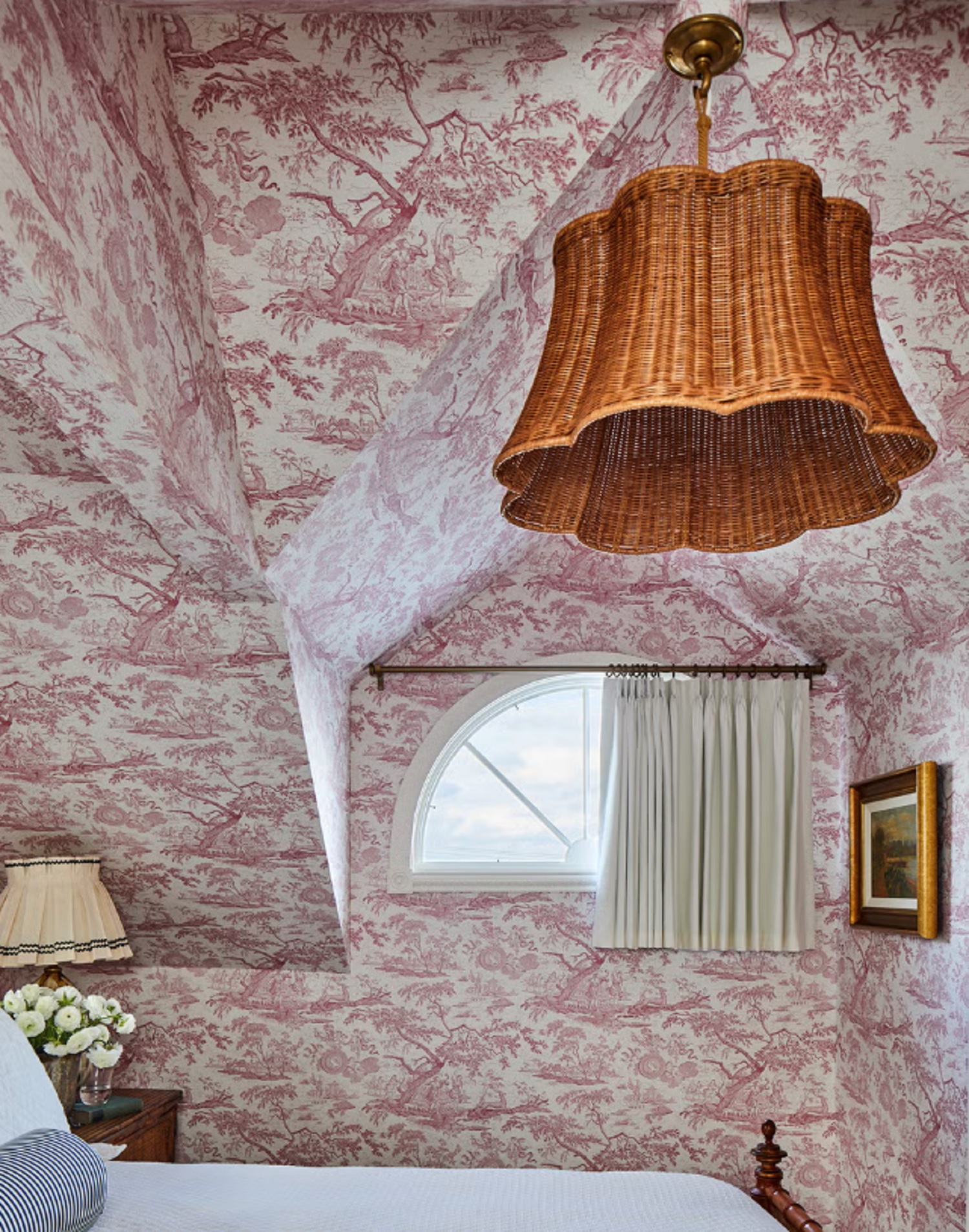
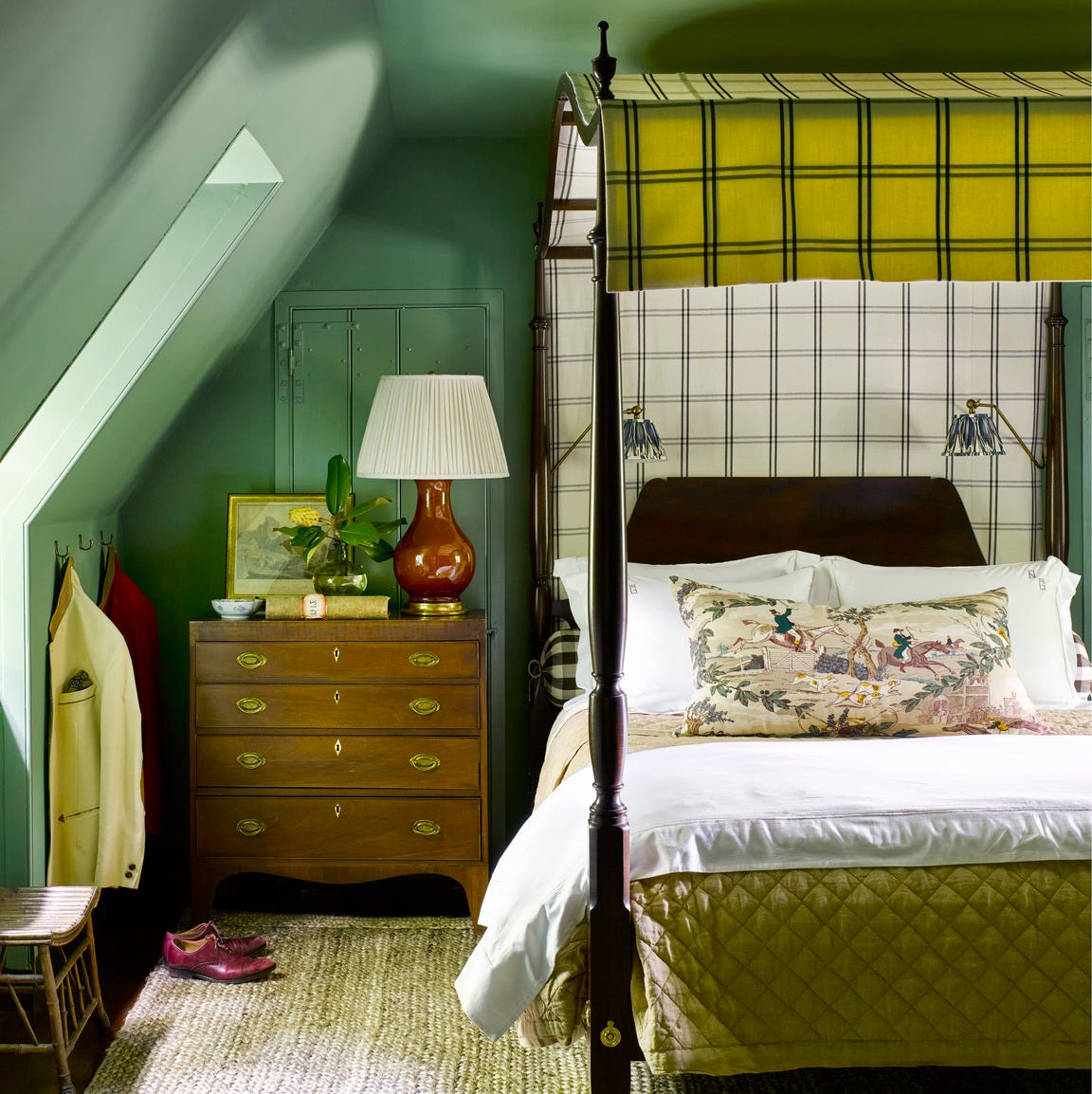
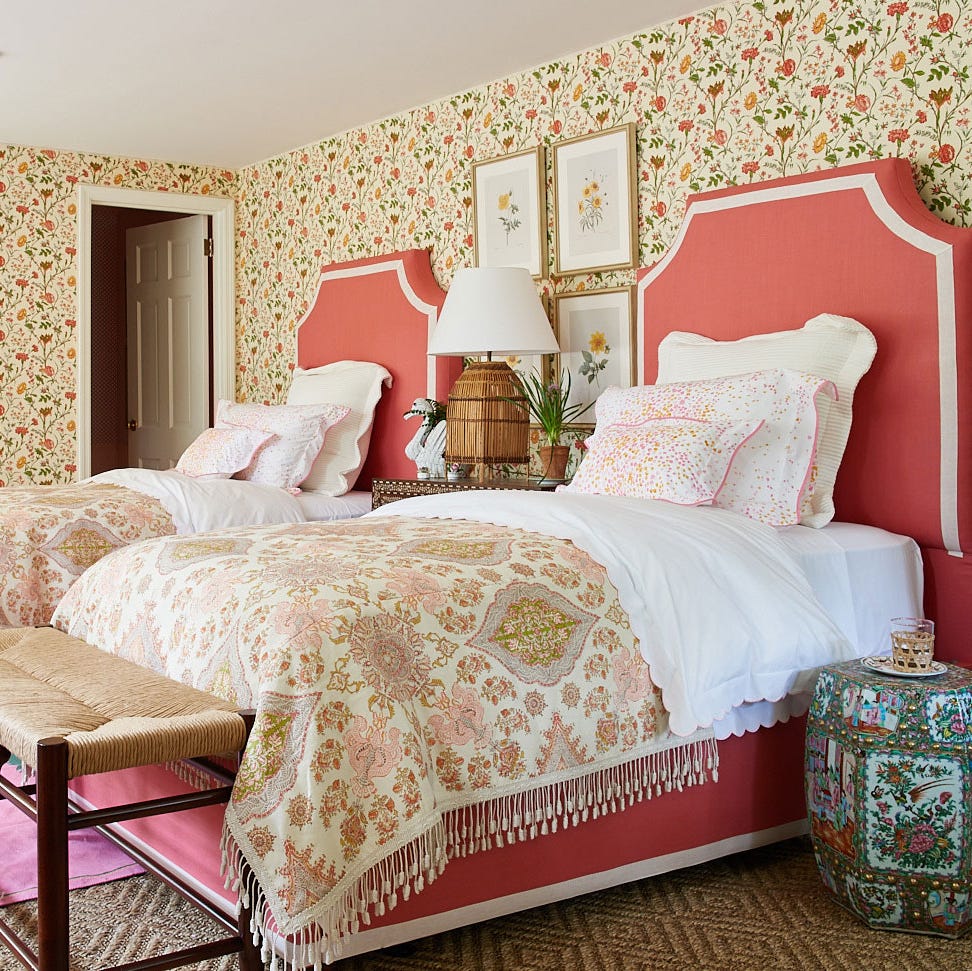
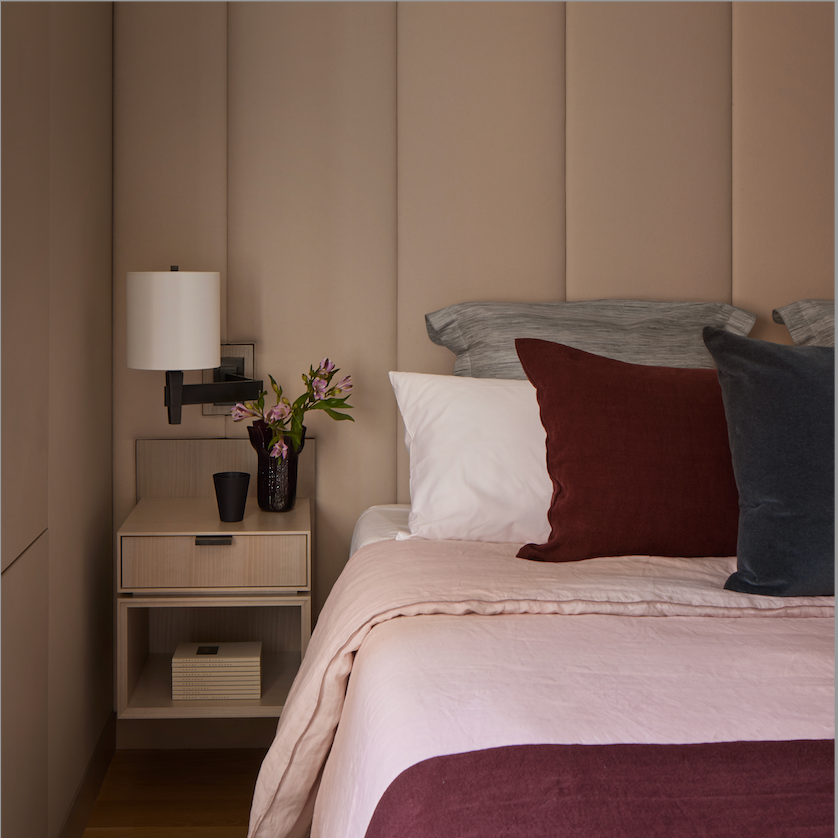
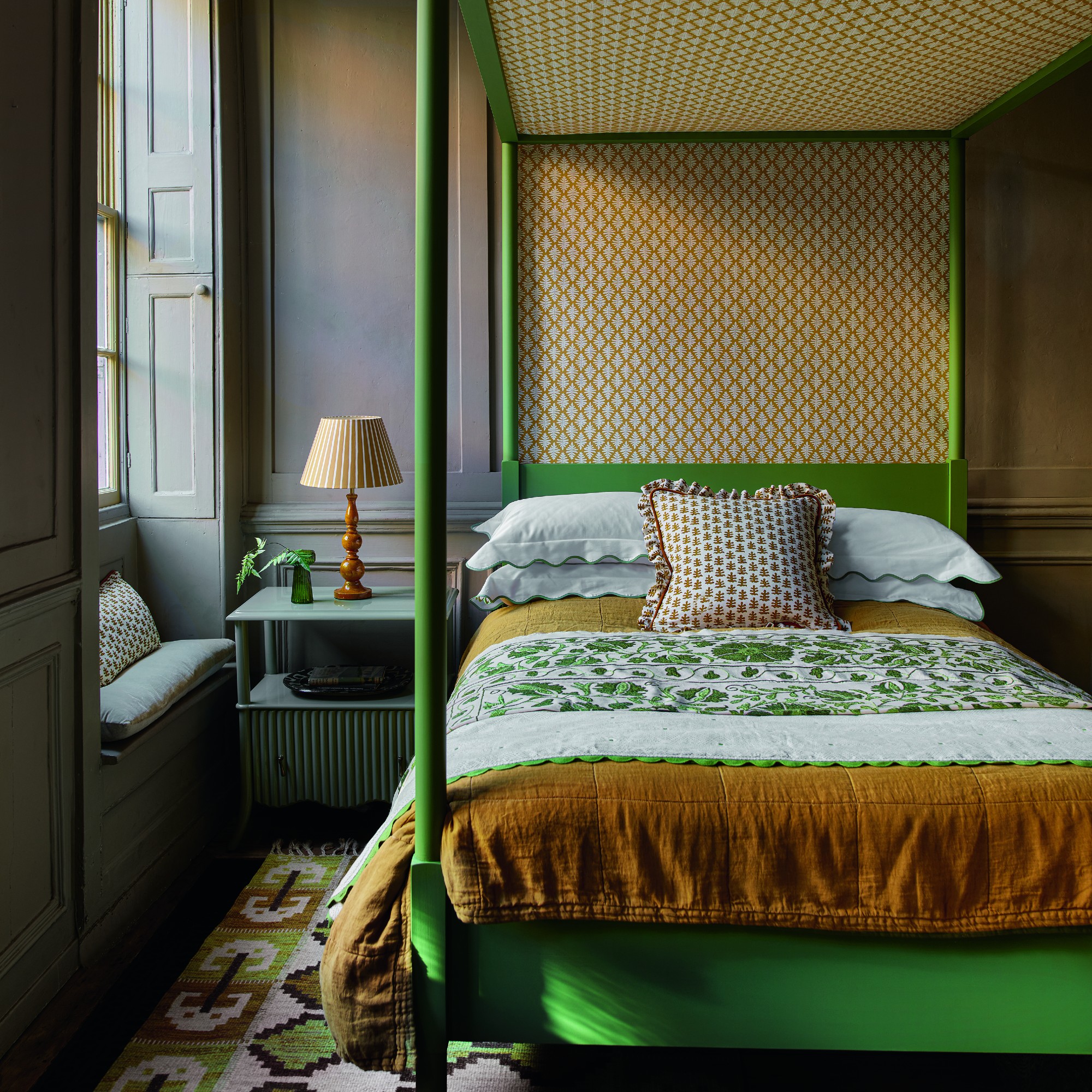
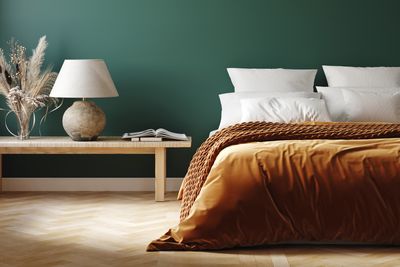
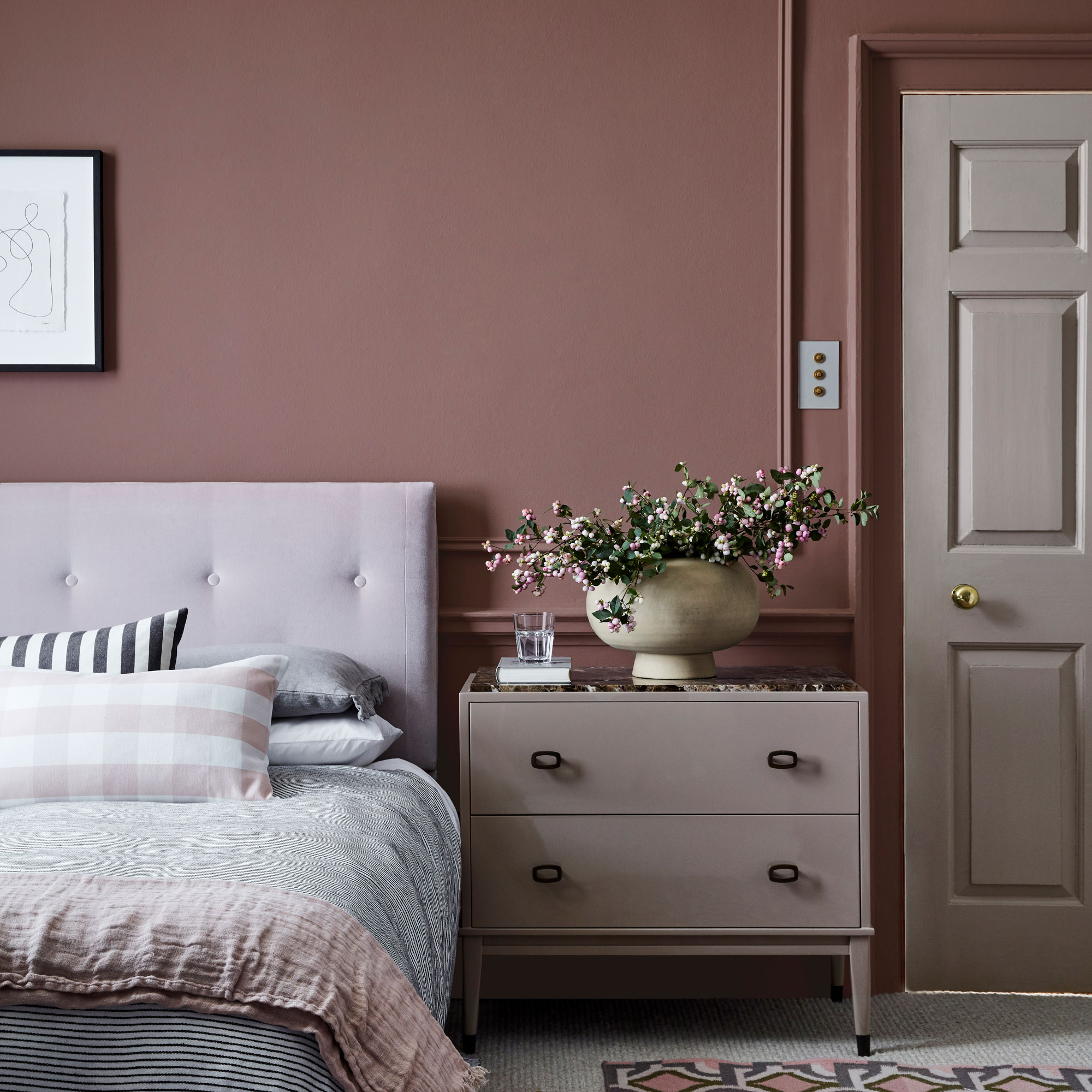
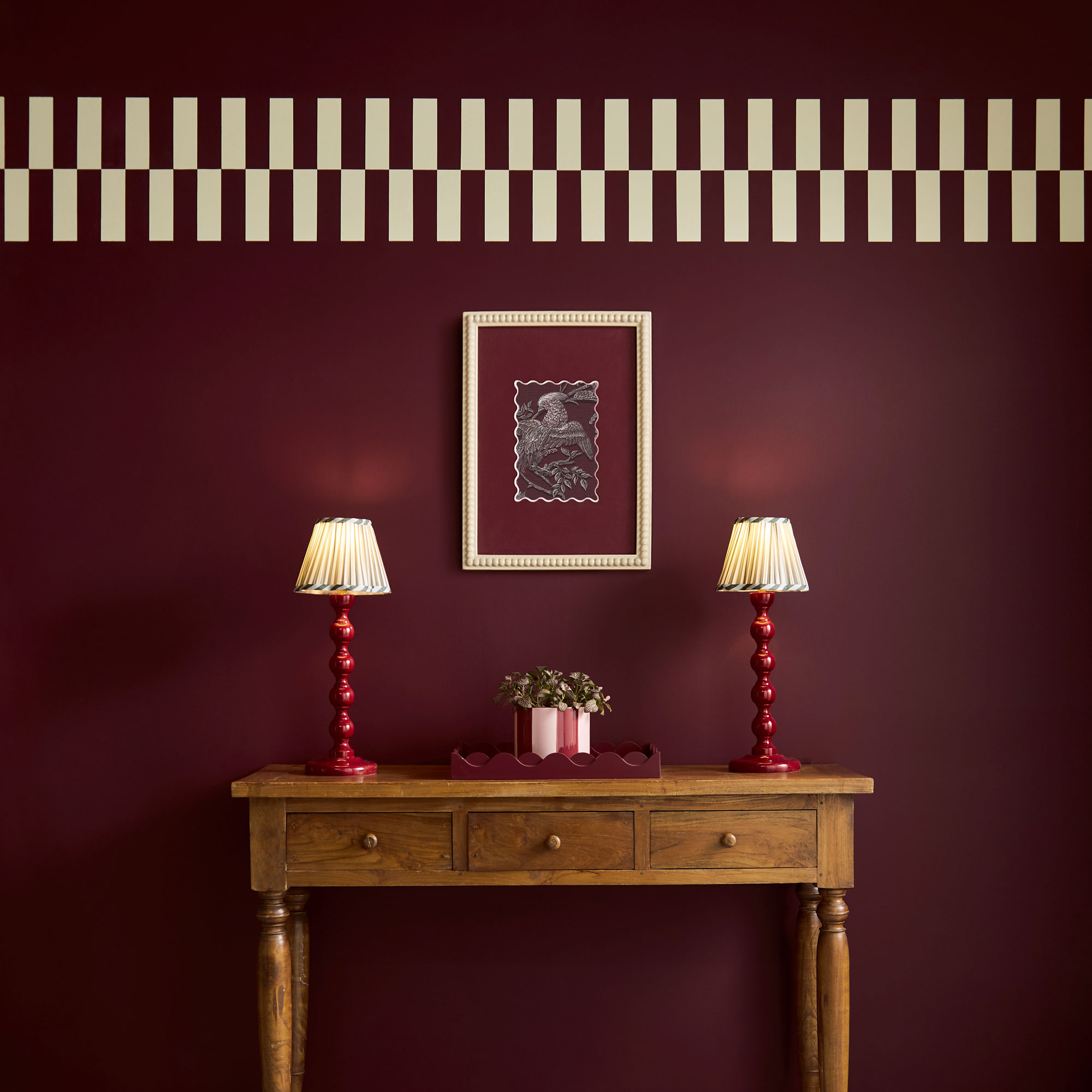
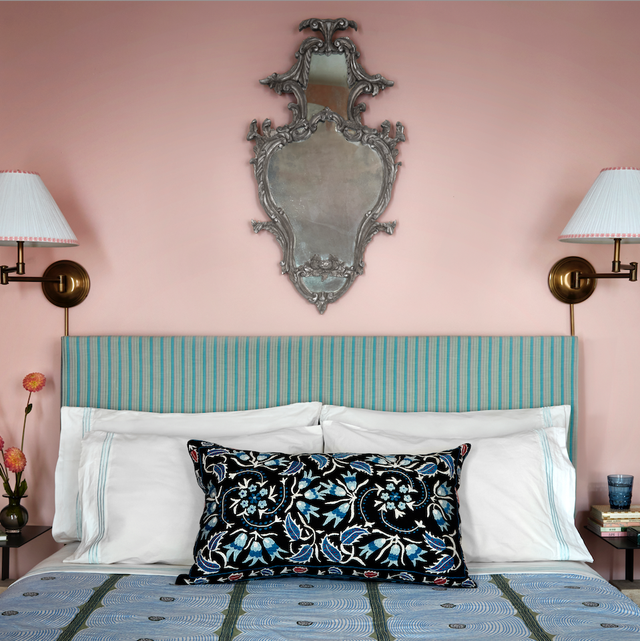
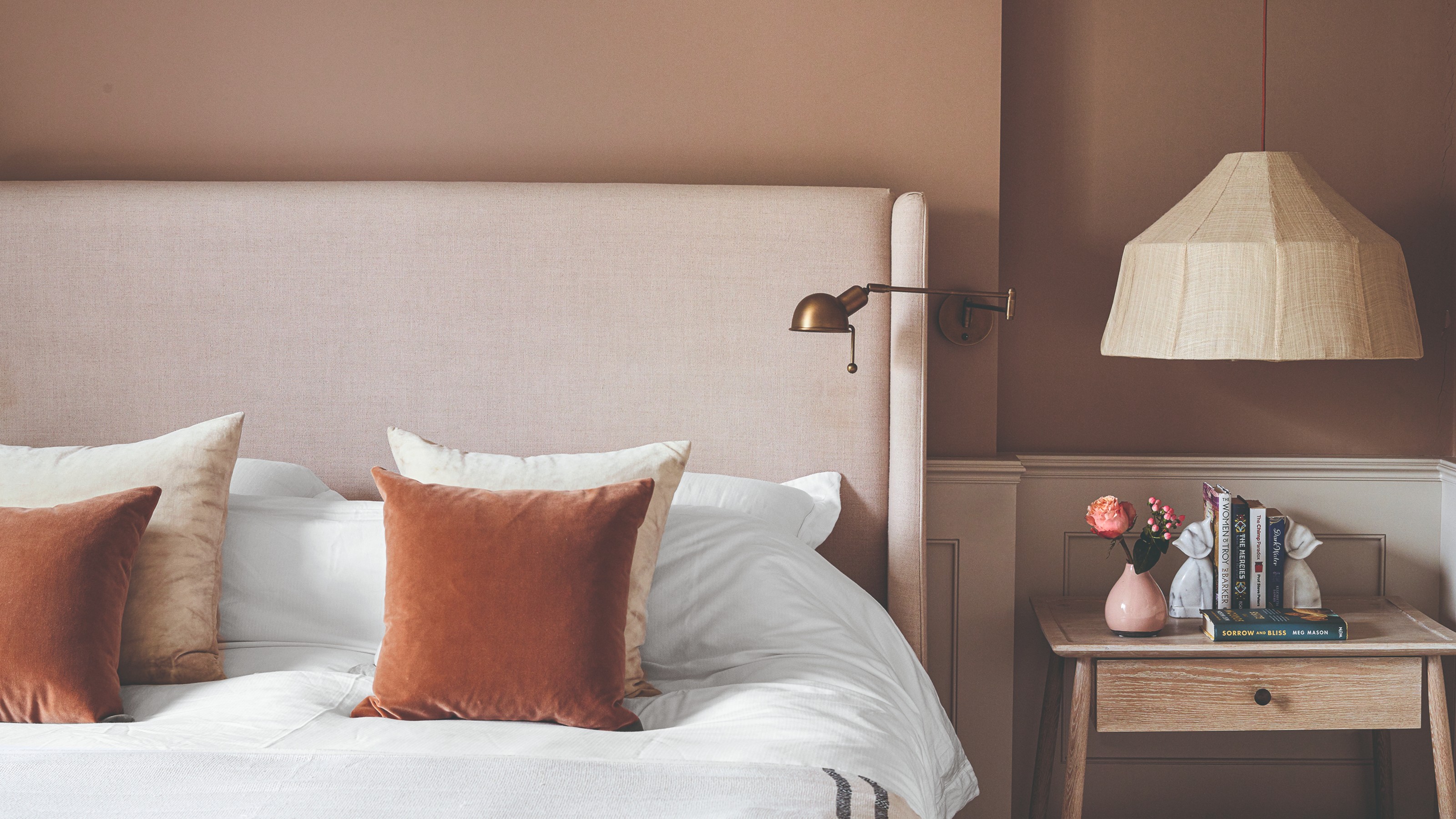
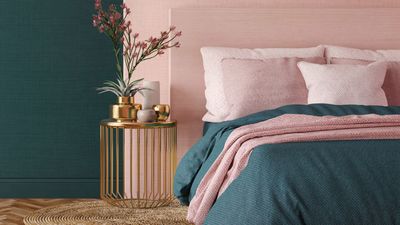
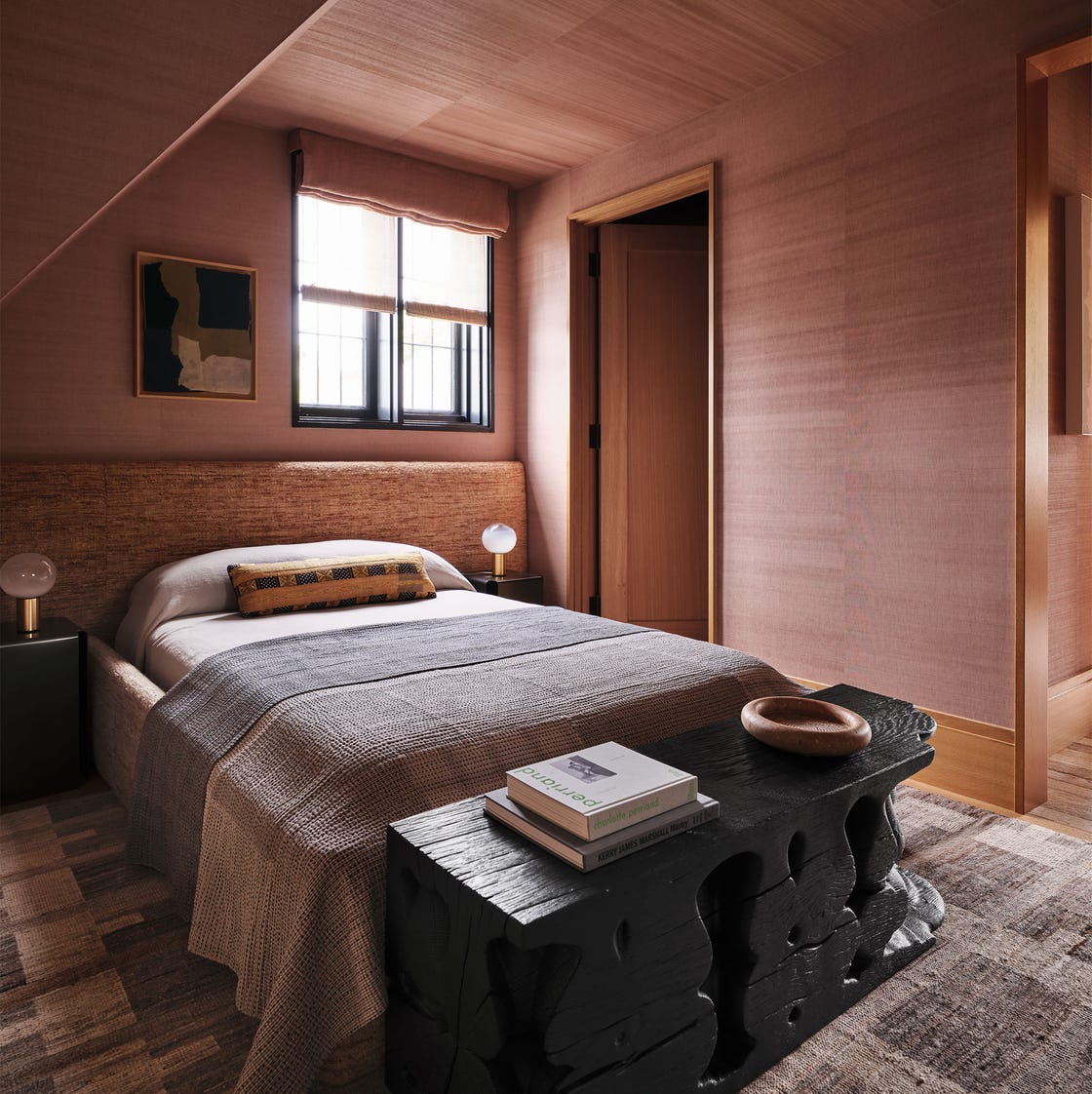
One significant trend is "Color Drenching," where entire rooms, including walls, ceilings, and trim, are painted in a single hue. This technique moves beyond the accent wall, which Anselmo believes disrupts conceptual flow, to create a cohesive and intentional atmosphere. Chenin predicts bolder forms and nuanced layering in 2026, with saturated rooms in shades like clay pinks, dusty plums, and deep sages, incorporating tonal shifts across various elements. The goal is to achieve confidence and scale, even integrating color with built-in cabinetry or matching ceilings to bedding. For those new to the trend, Chenin suggests starting with one confident color and layering textures to prevent the space from feeling flat.
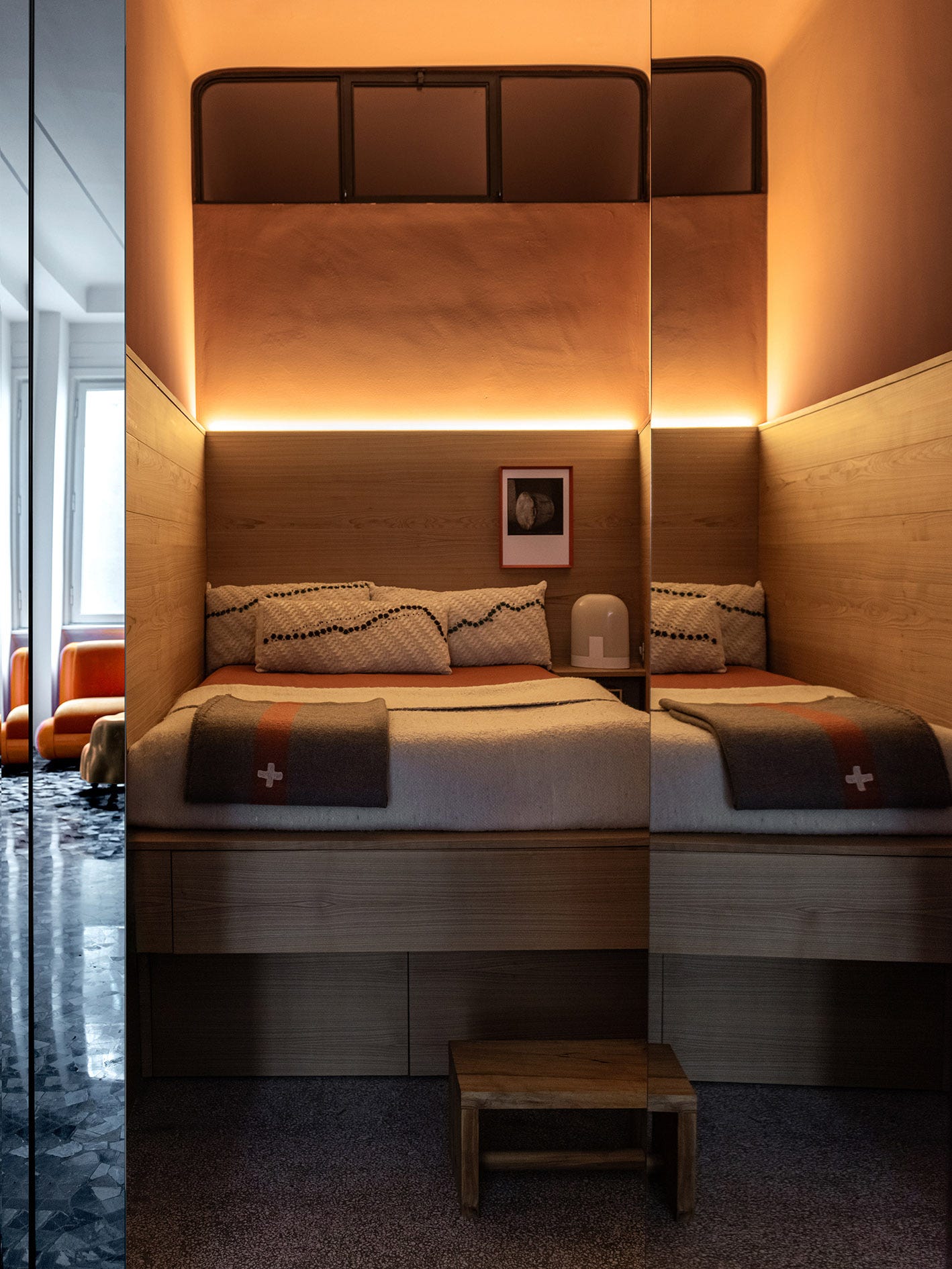
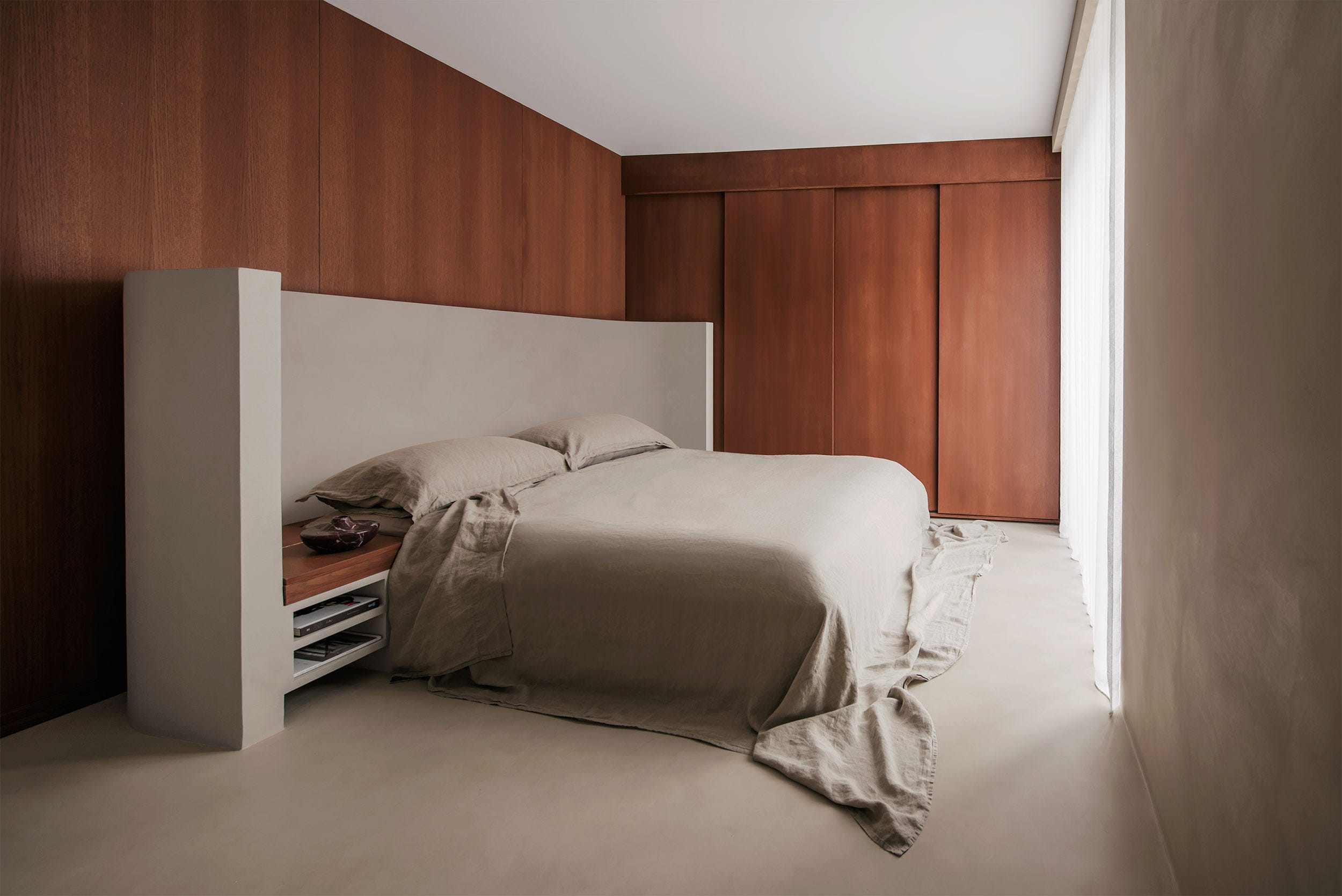
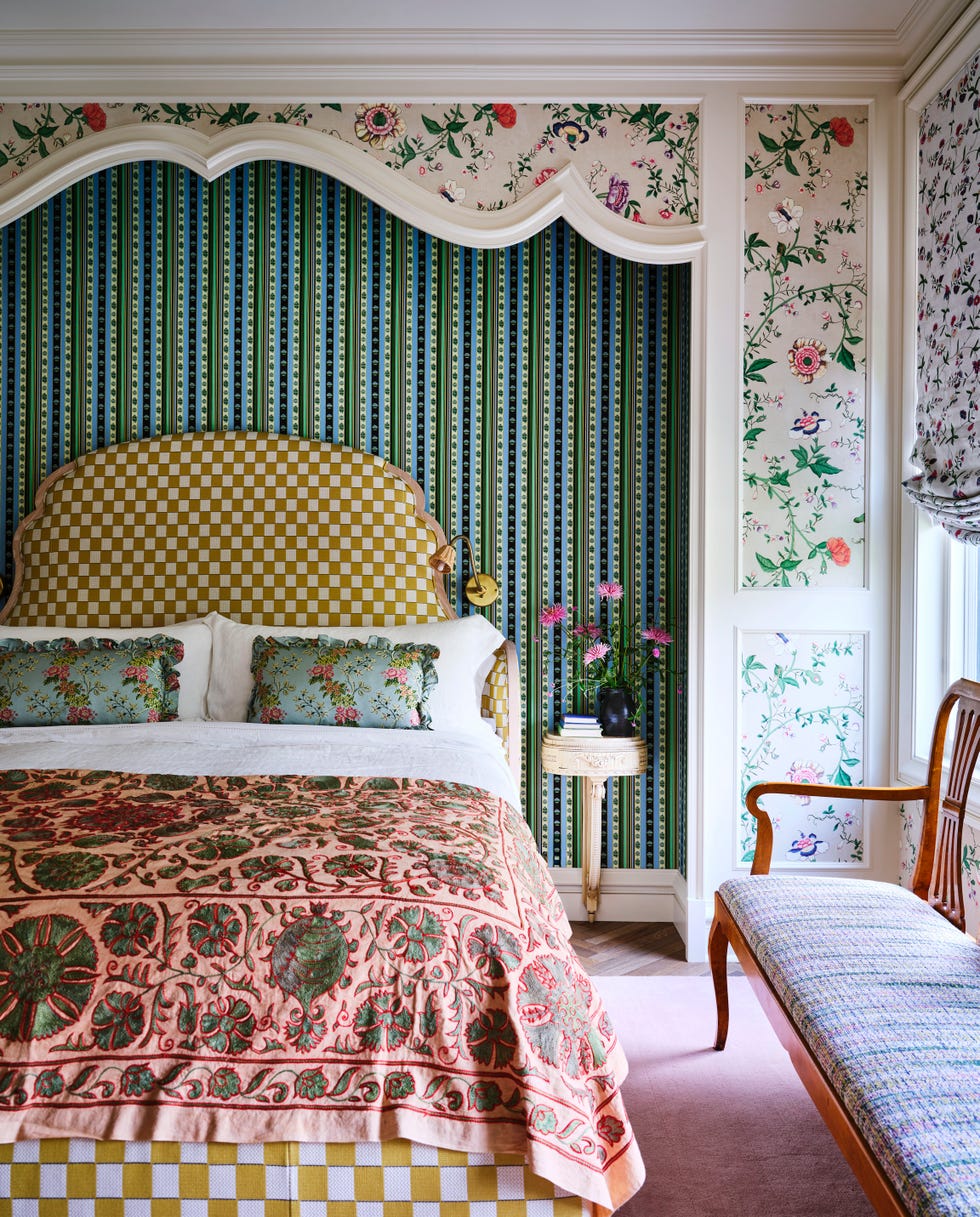
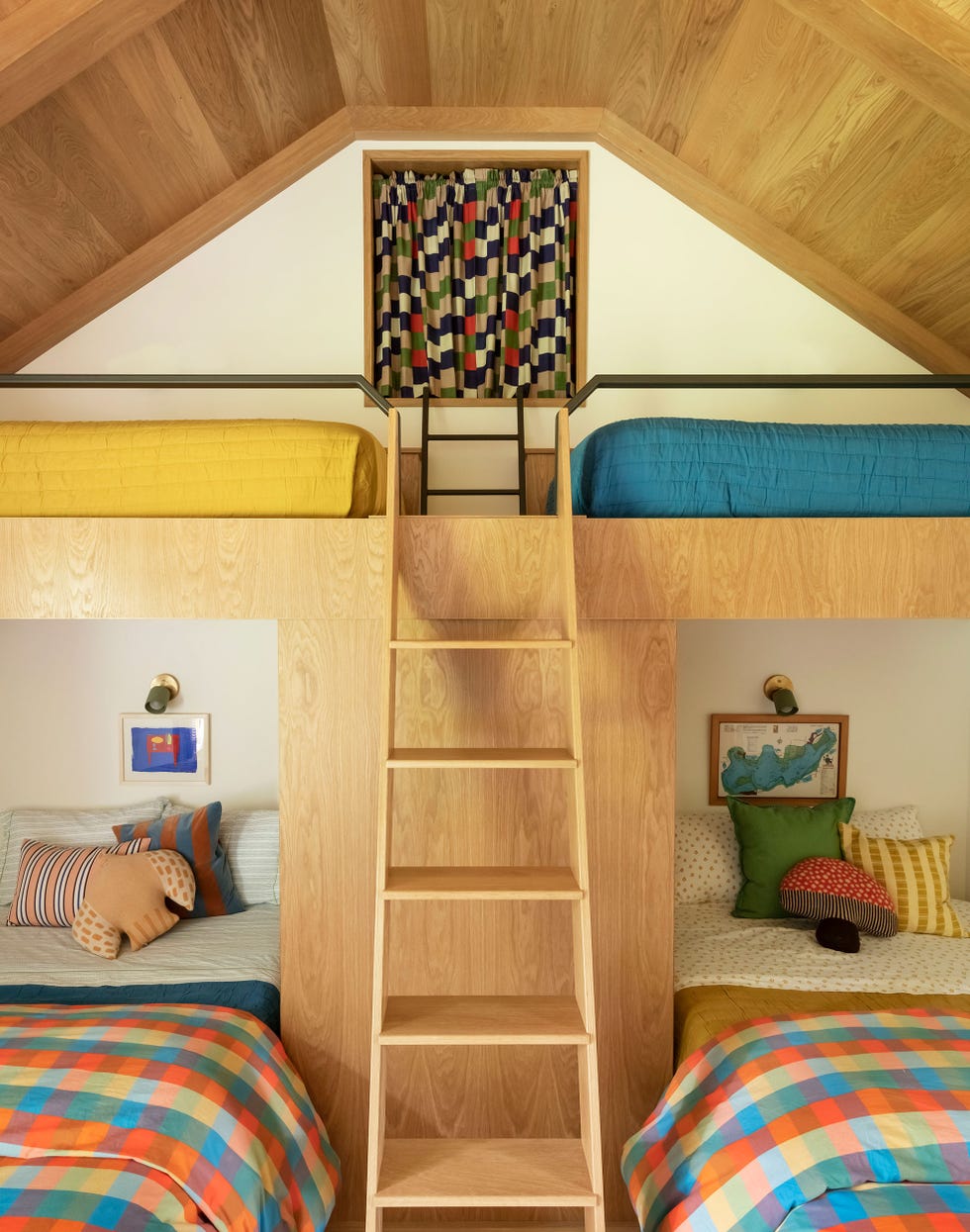
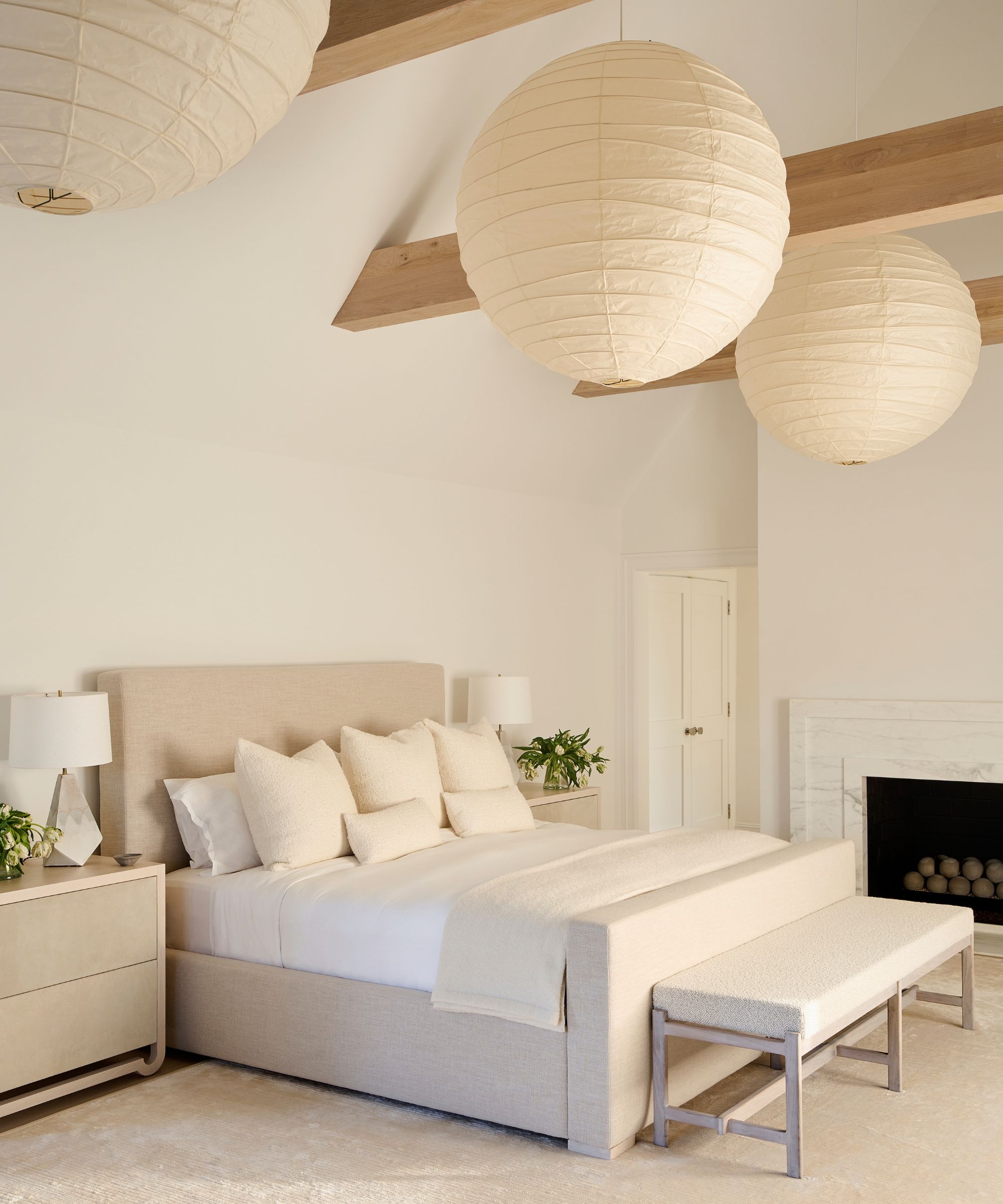
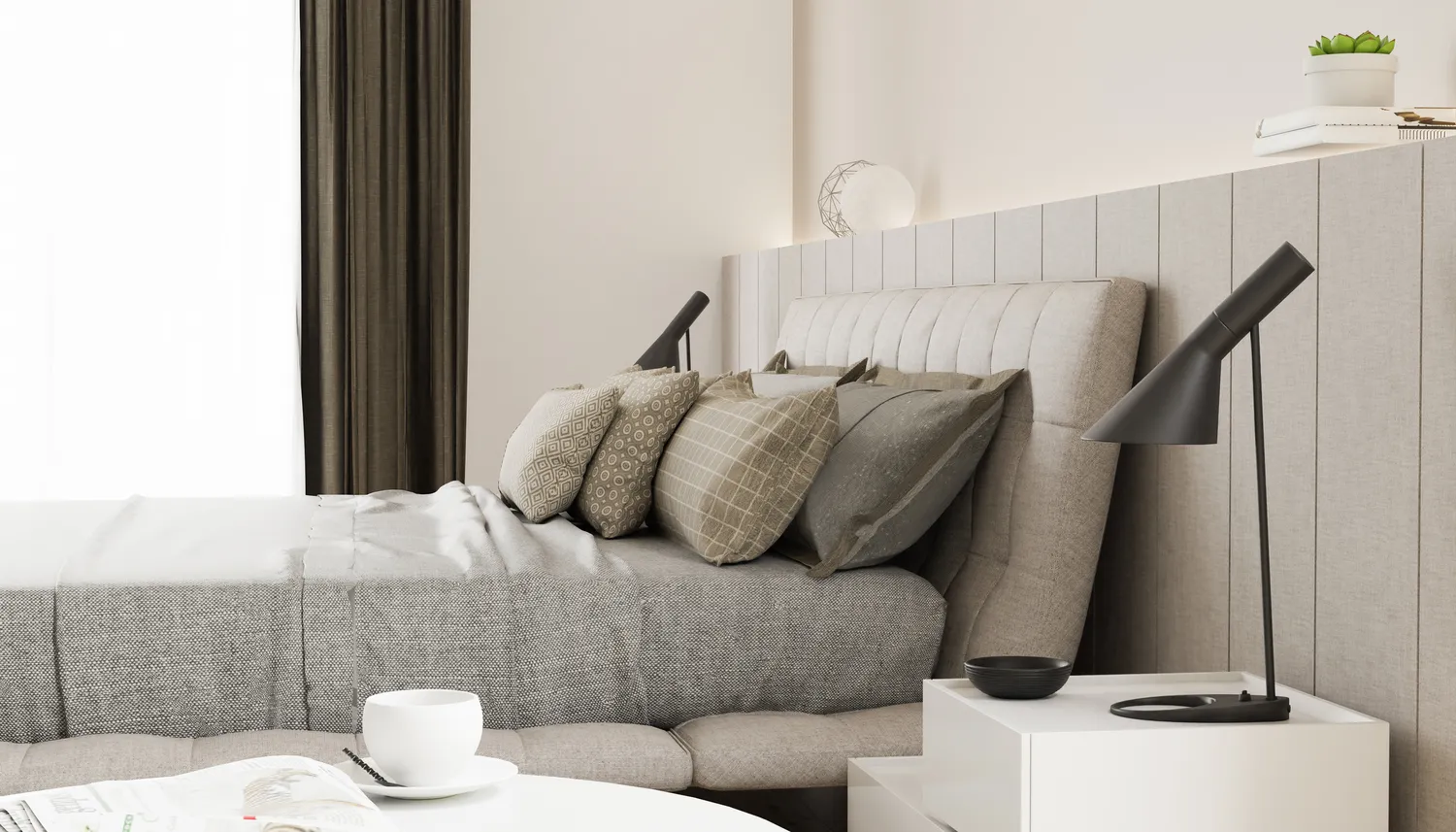
"Built-In Beds" are also gaining popularity for their ability to ground a room and create a sense of cohesion. Integrating the bed frame directly into the architecture makes the space feel intentional and sculptural. This approach also offers practical benefits, such as seamless integration of storage drawers, nightstands, or shelving, establishing the bed as a central, functional art piece.
"Kinetic Lighting" is evolving into an architectural element that responds to mood and function. Chenin envisions frames of light wrapping ceilings or headboard walls, changing tone and intensity throughout the day. This theatrical yet practical approach allows homeowners to simulate a sunrise in the morning, provide ambient light for relaxation, or create a subtle glow for nighttime navigation. These lighting strategies are designed to support well-being by aligning with natural circadian rhythms, using cooler light for alertness and warmer amber tones for rest.
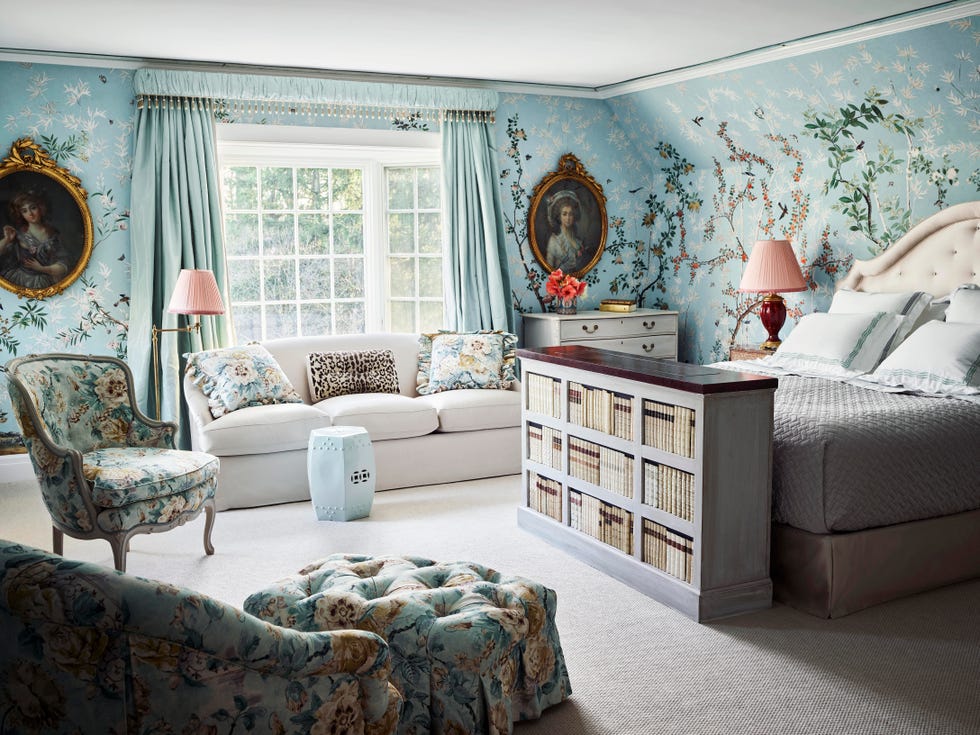
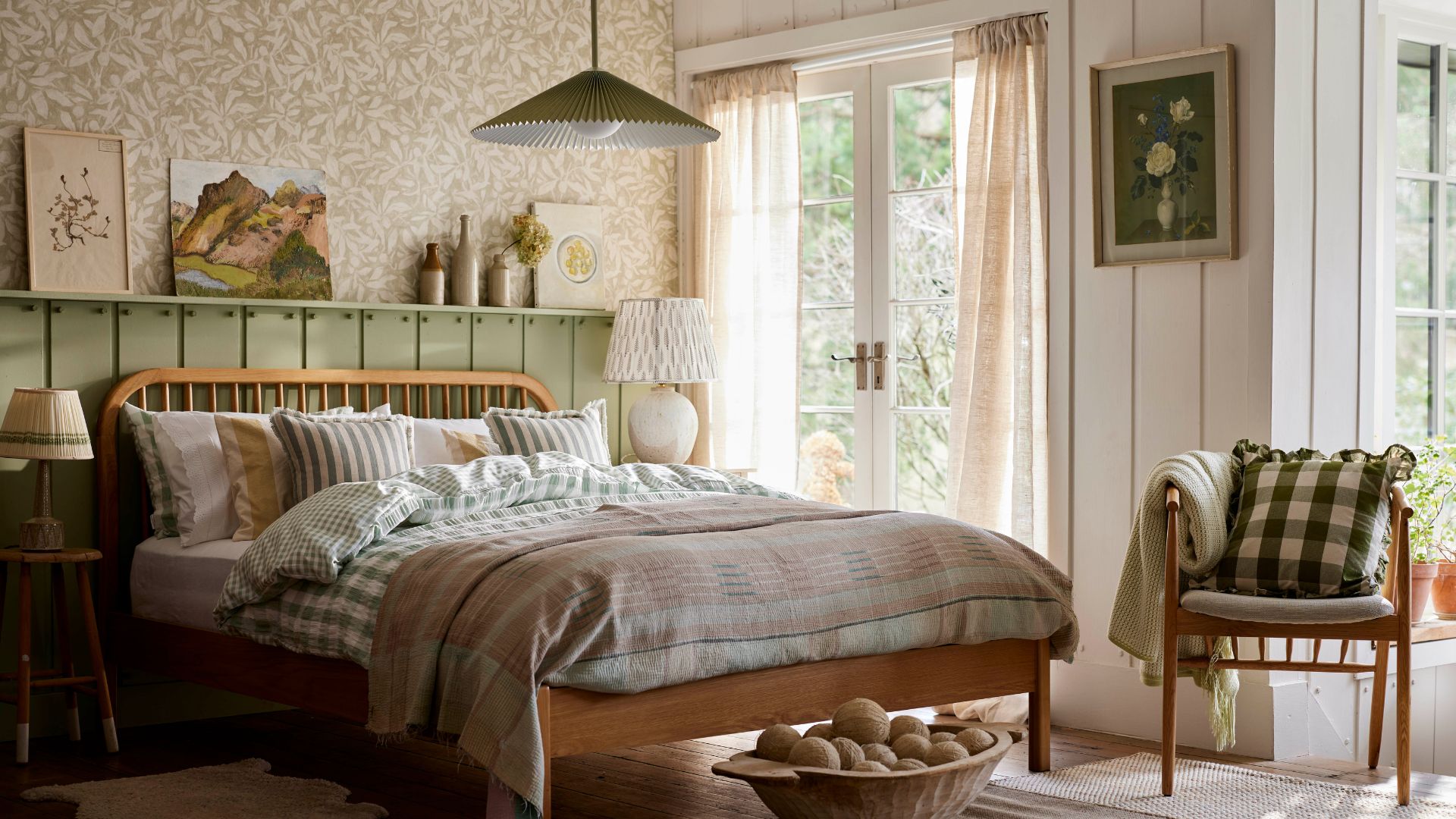
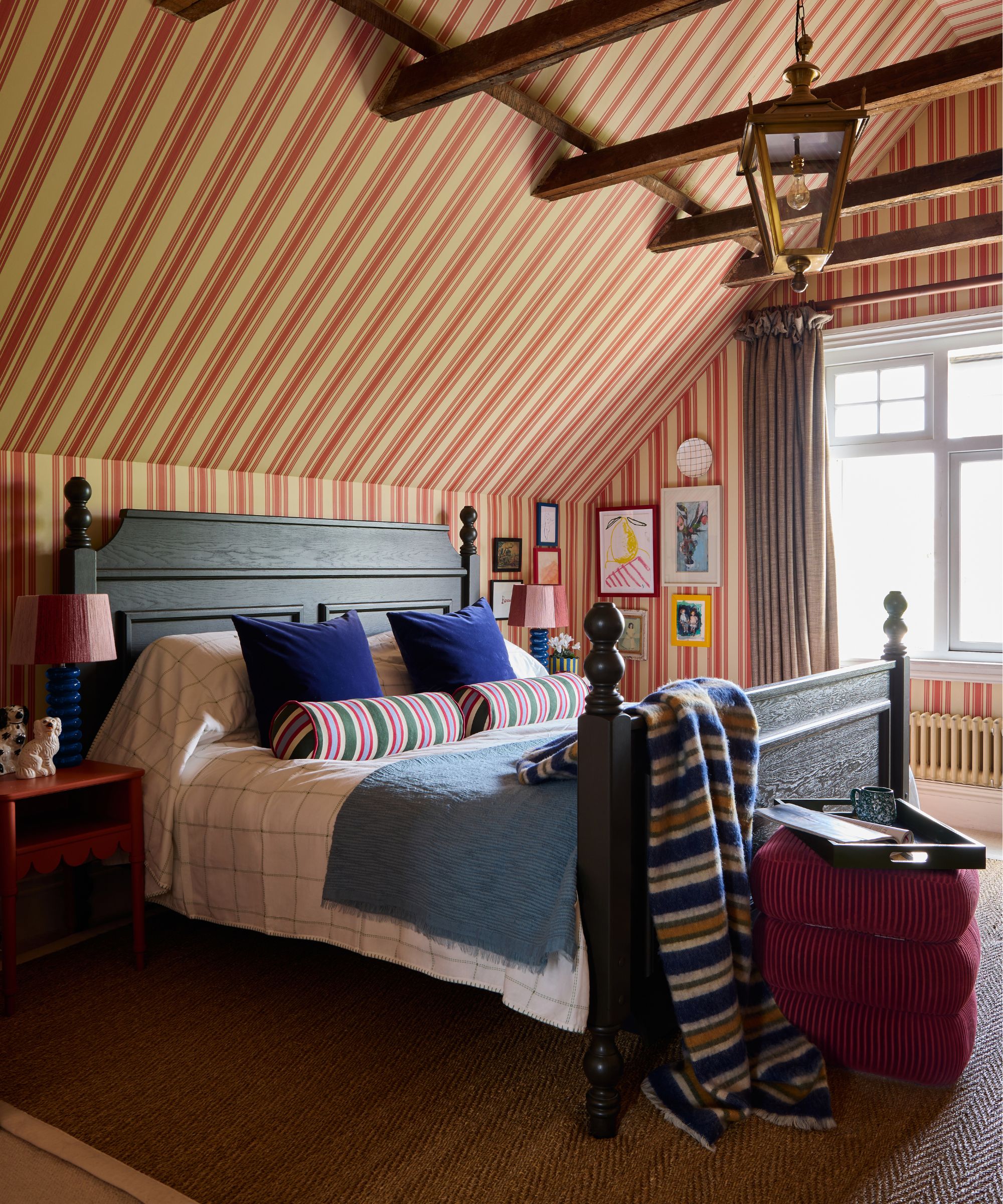
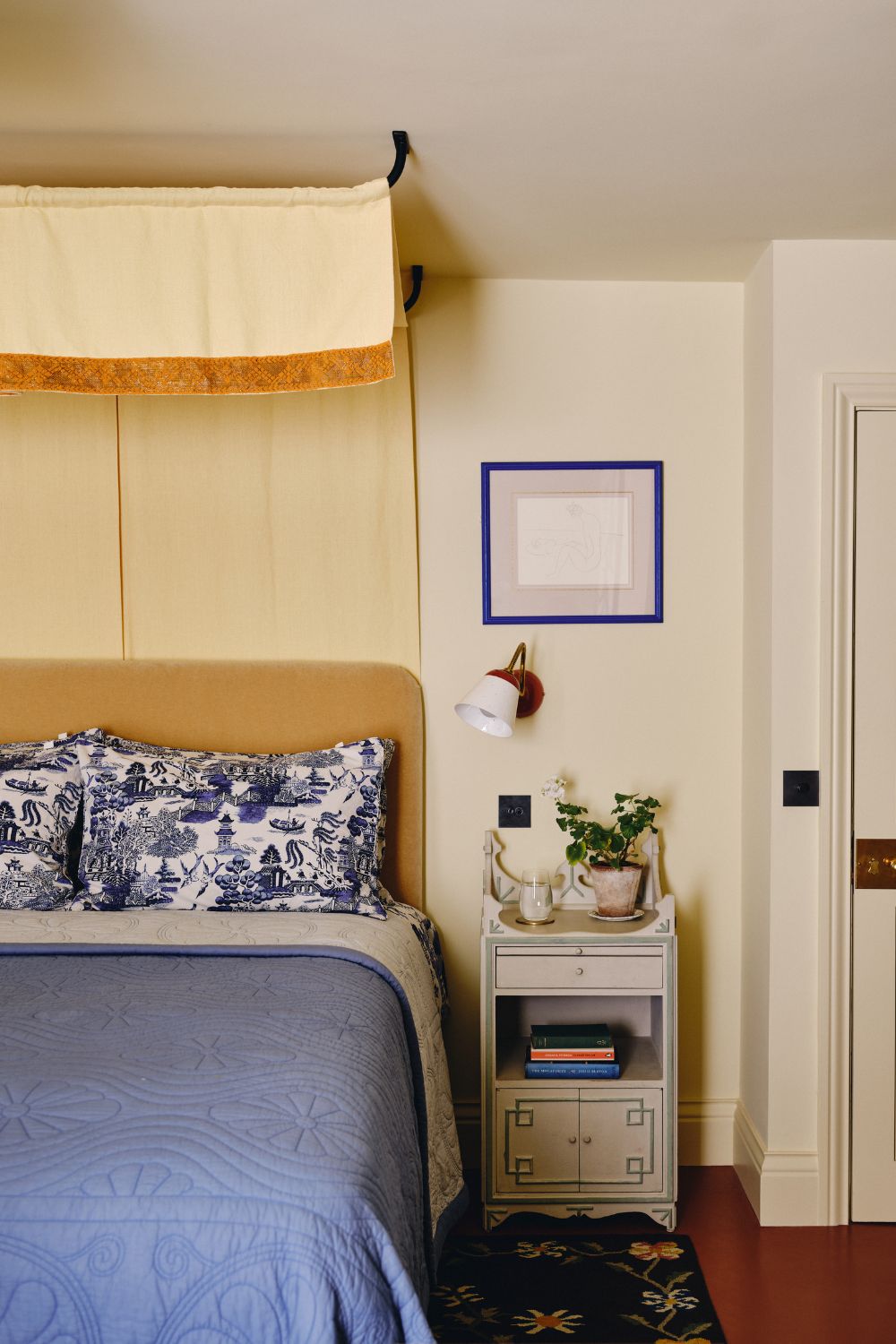
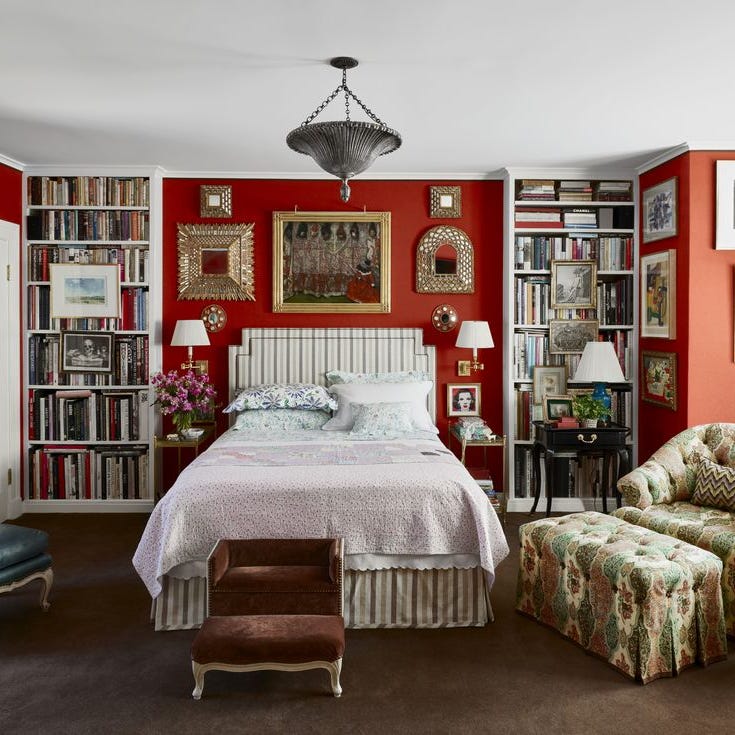
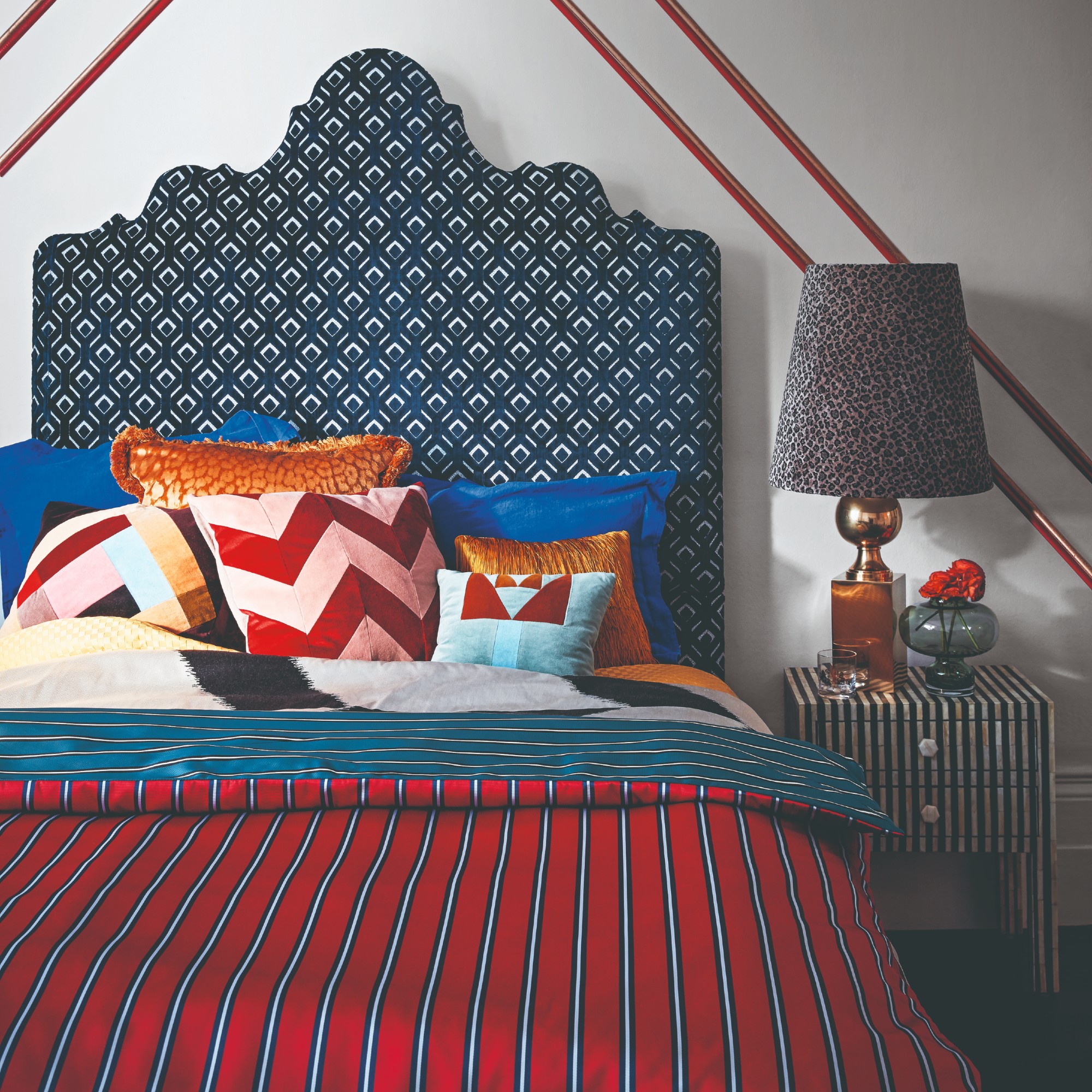
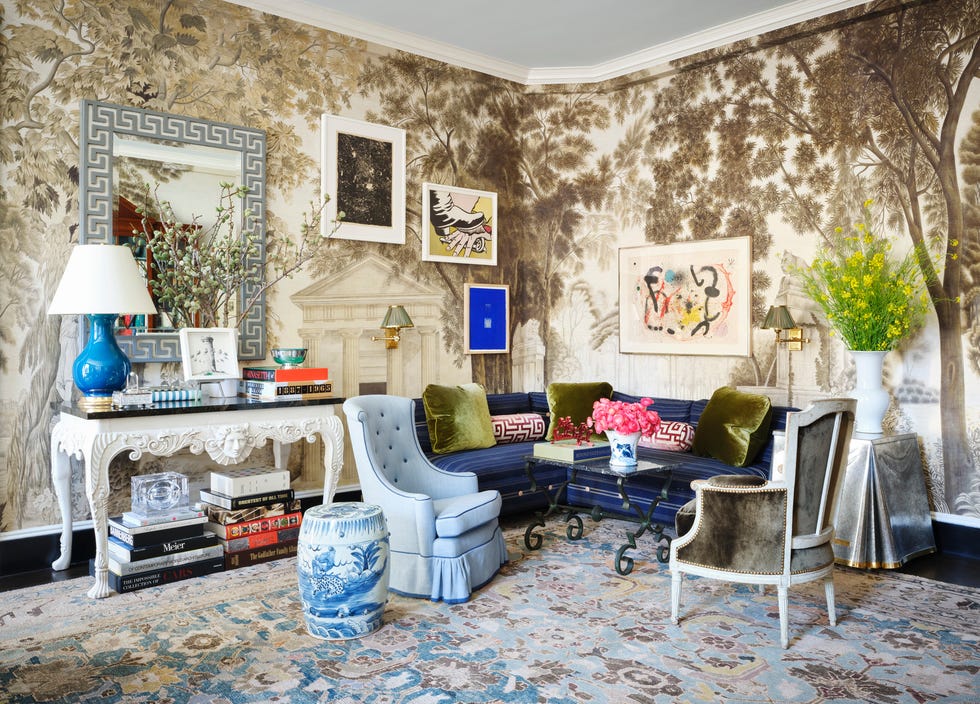
The emphasis on "Individual Character" reflects a broader rejection of transient trends. Anselmo notes that people are increasingly designing spaces that truly reflect their personality, incorporating personal objects, nostalgic items, and travel souvenirs that tell a story, rather than opting for mass-produced décor. This shift favors vintage and secondhand pieces, fostering rooms that feel unique and authentic.
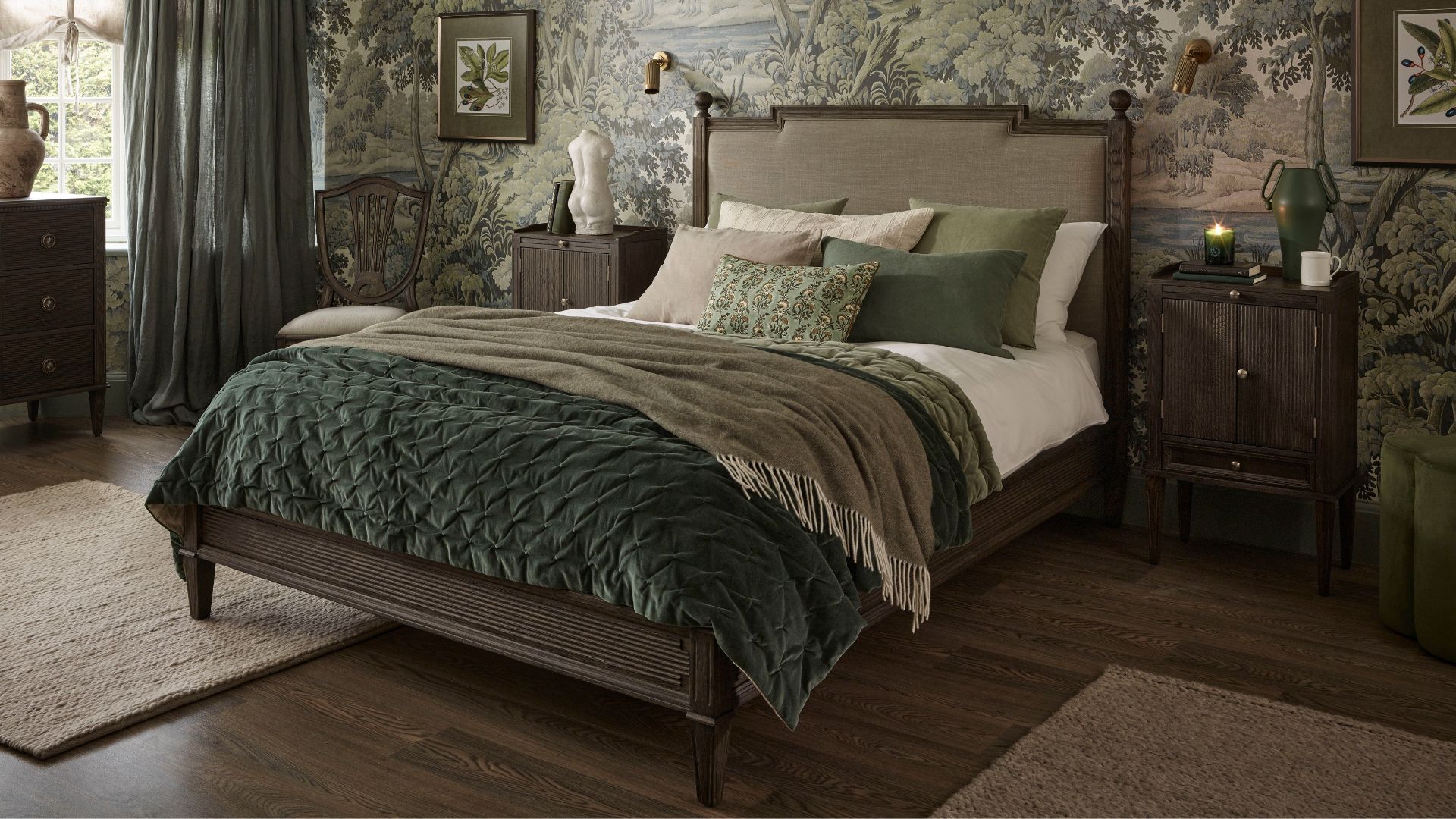
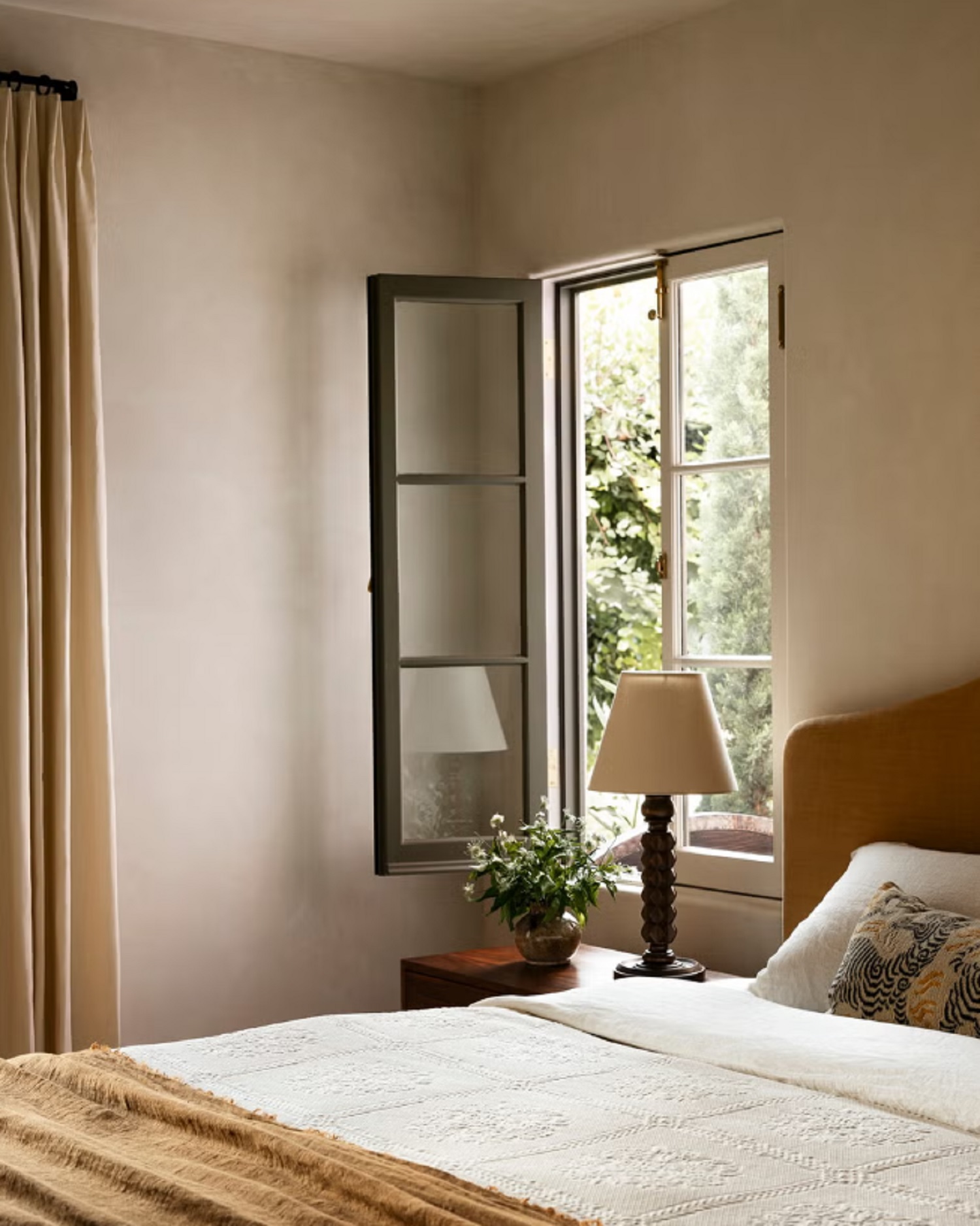
"Textural Walls" are making a comeback, moving away from flat, painted surfaces to finishes that engage the sense of touch. Chenin describes surfaces echoing natural erosion, bark, or mineral strata. Plaster reliefs or subtly carved walls behind the bed can add depth and softness, eliminating the need for excessive artwork. Homeowners can experiment with a single tactile wall or large-scale textured wallpaper to subtly but powerfully transform a room into a multi-sensory retreat.
"Mini Ecosystems" are extending the presence of indoor plants into bedrooms, creating immersive environments that balance light, texture, and humidity. Chenin envisions mineral-textured walls regulating moisture, paired with self-watering planters and concealed backlighting. This trend integrates warm evening tones and cooler morning light to support circadian rhythms and highlight tactile surfaces, creating living, restful spaces. This concept often extends to adjoining bathrooms, featuring natural materials like clay walls and stone basins, and integrated greenery.
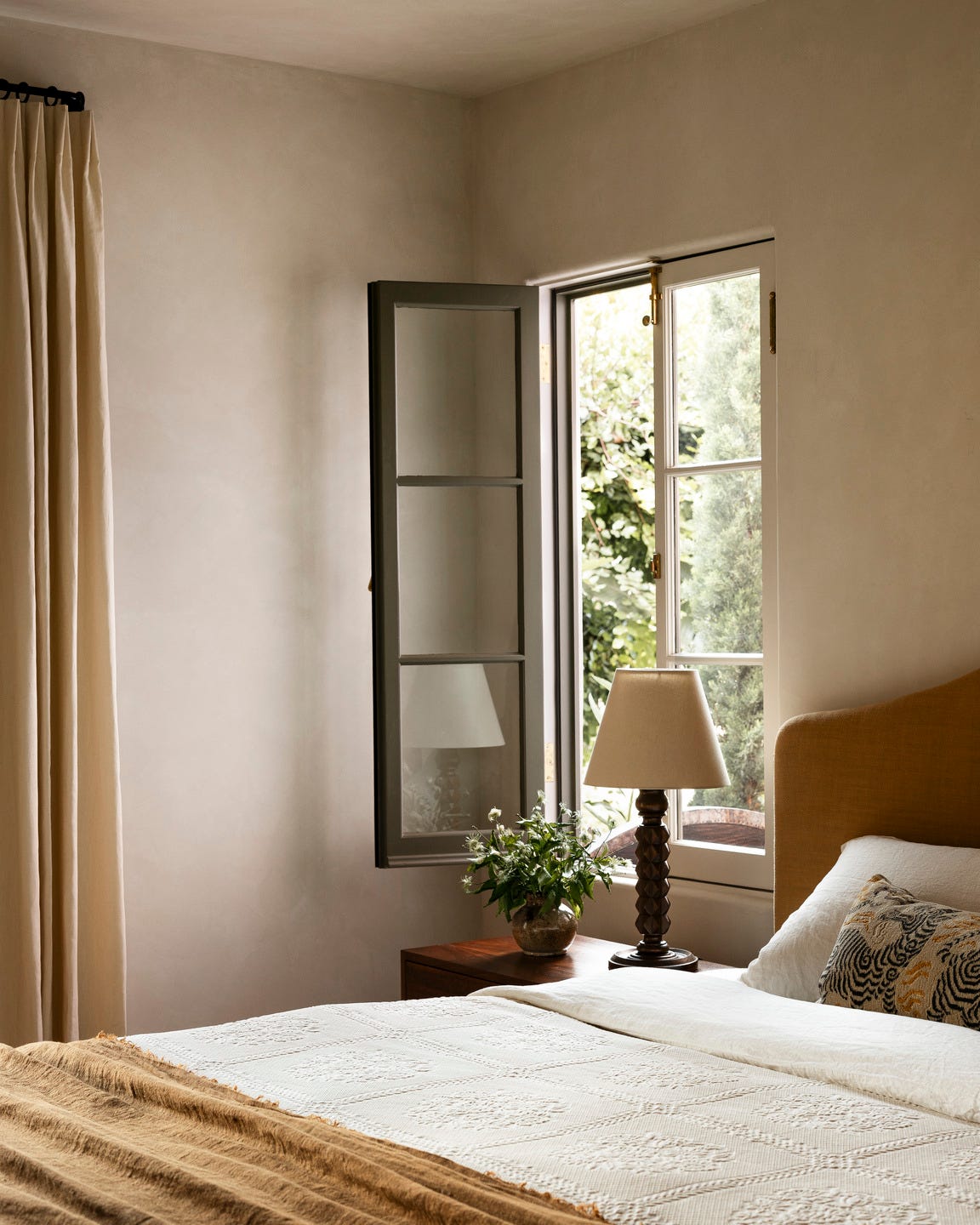
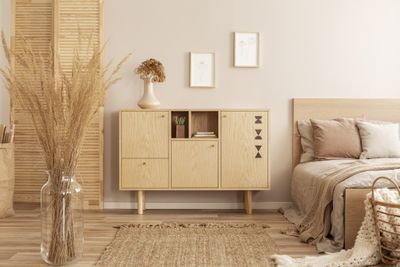
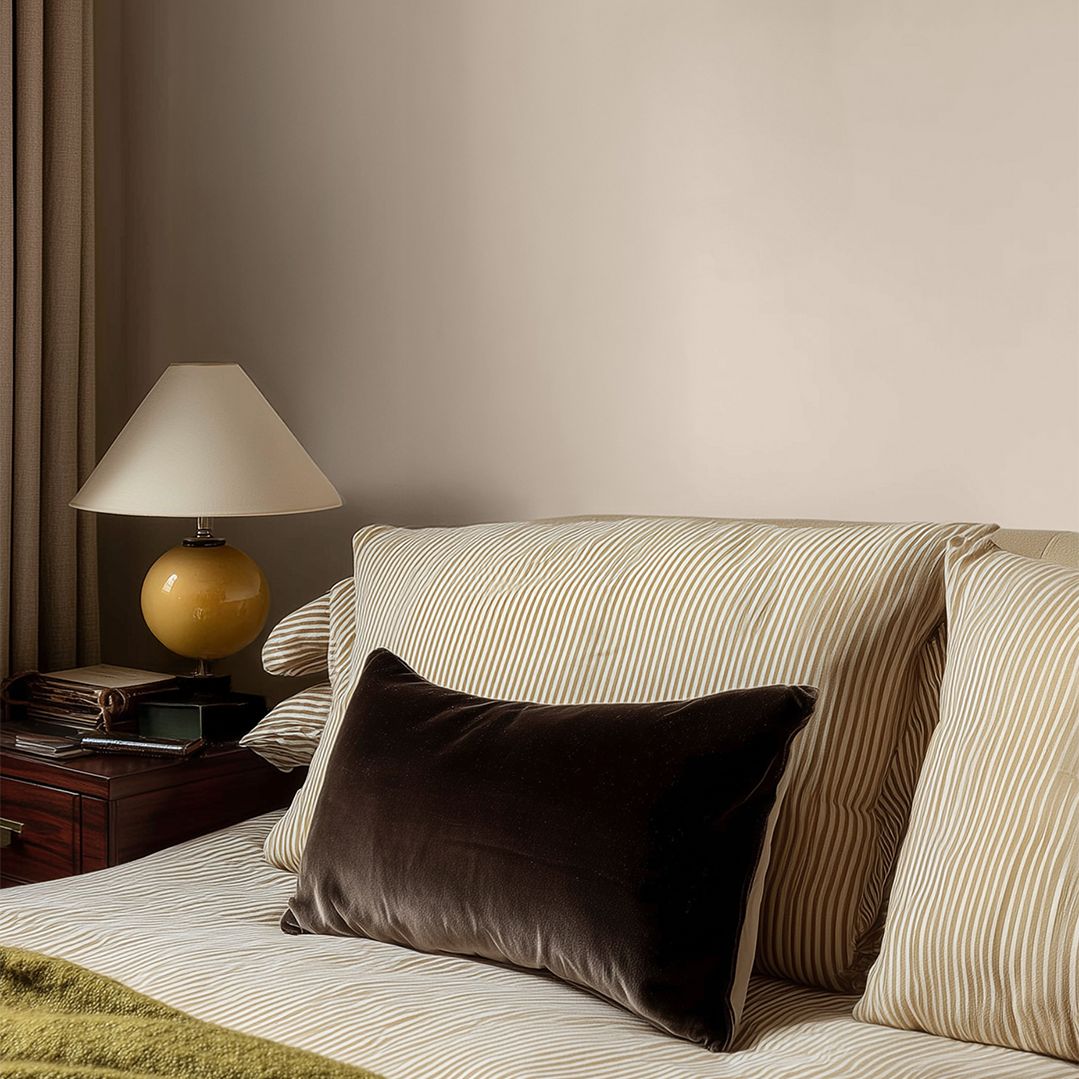
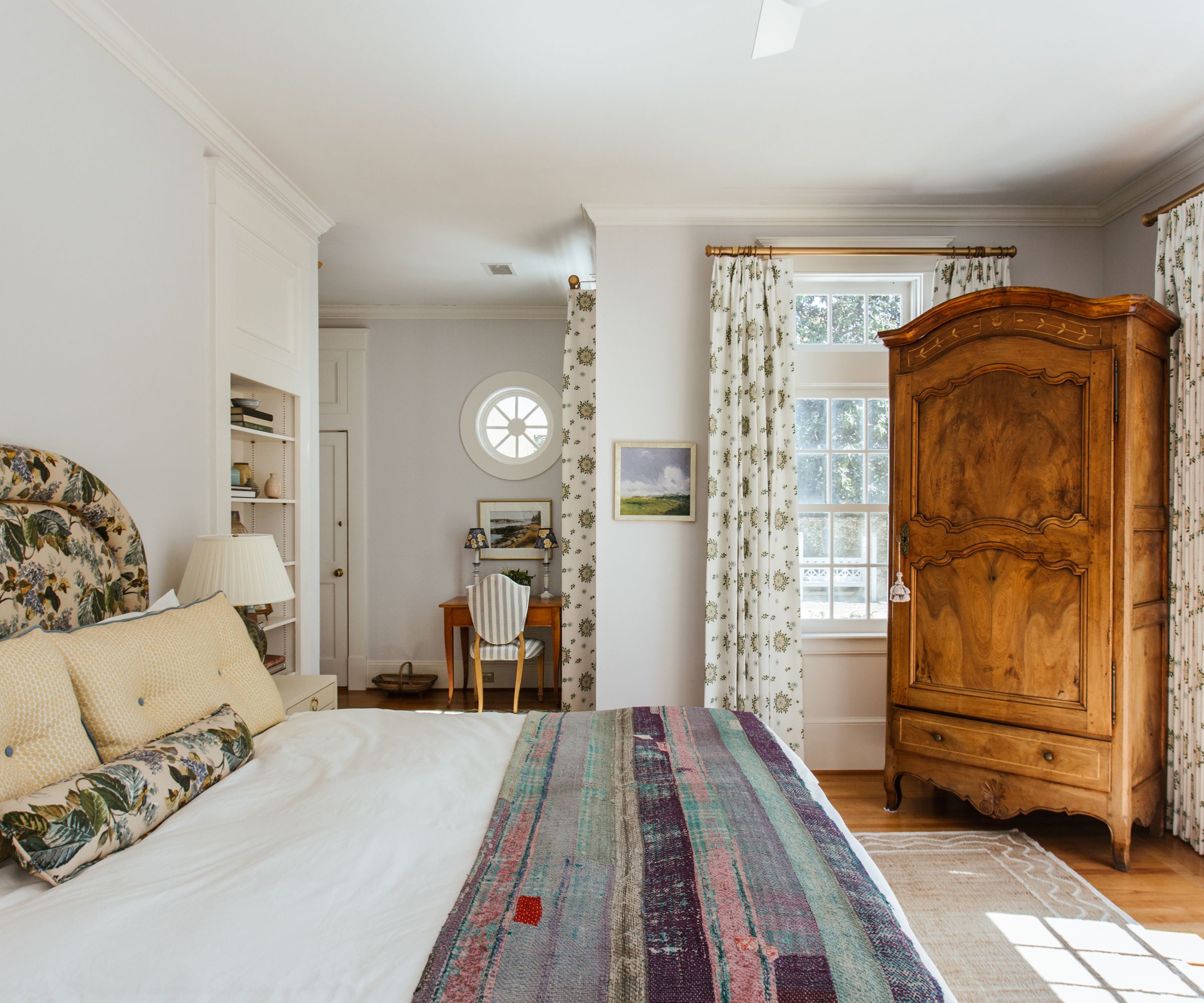
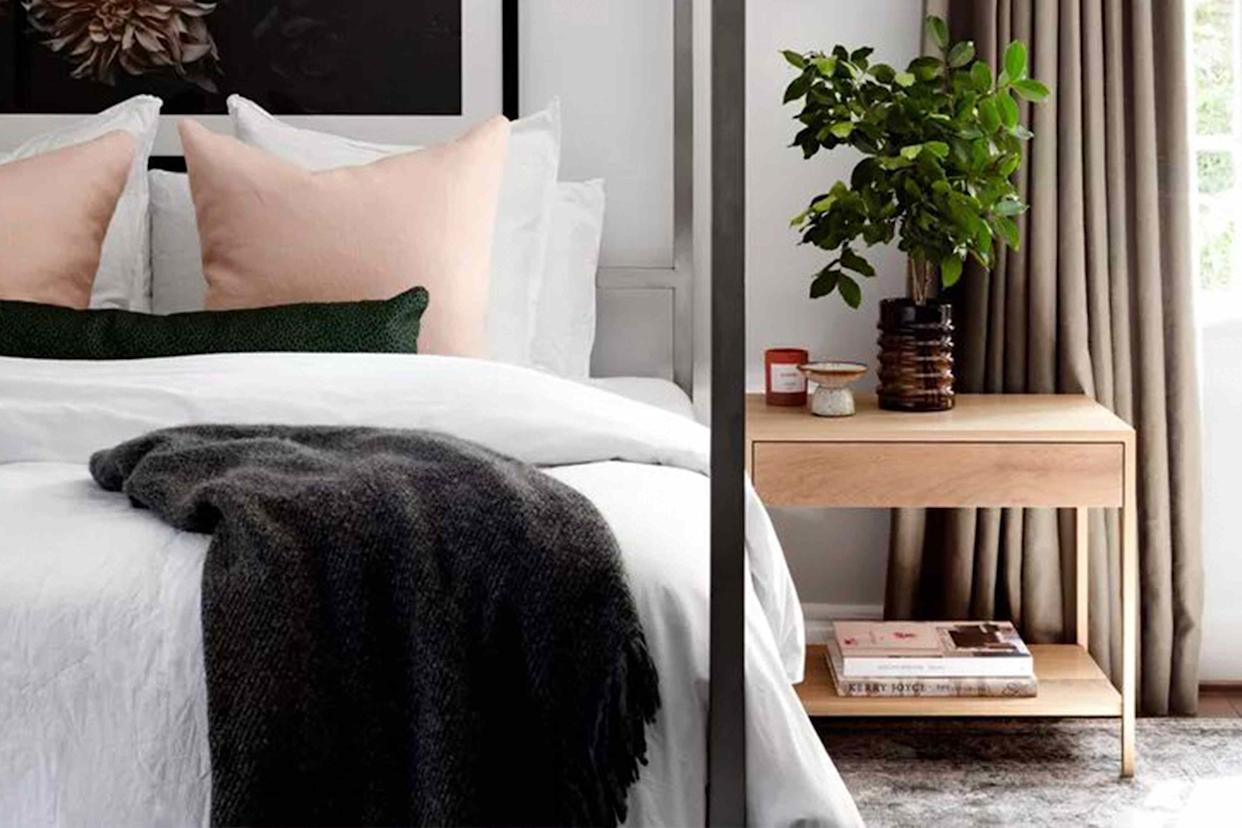
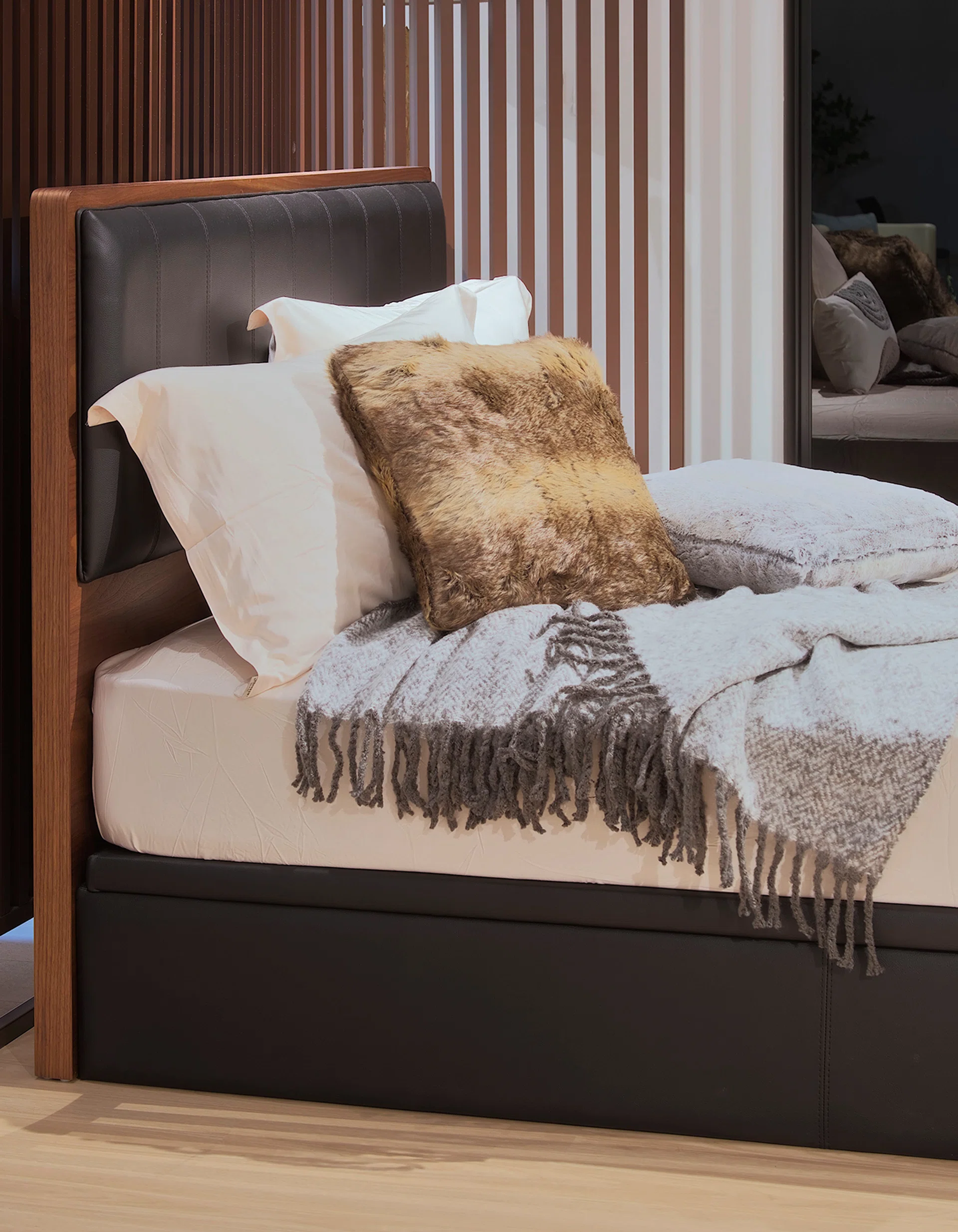
"Natural Wood and Warm Tones" are becoming central to creating inviting and grounded rooms. However, Anselmo warns against an overcorrection from "millennial grey" to overly dark and moody spaces. She advocates for balance, suggesting lighter wood grains, soft amber lighting, and mixed textures to achieve a cozy feel without making the space seem oppressive.
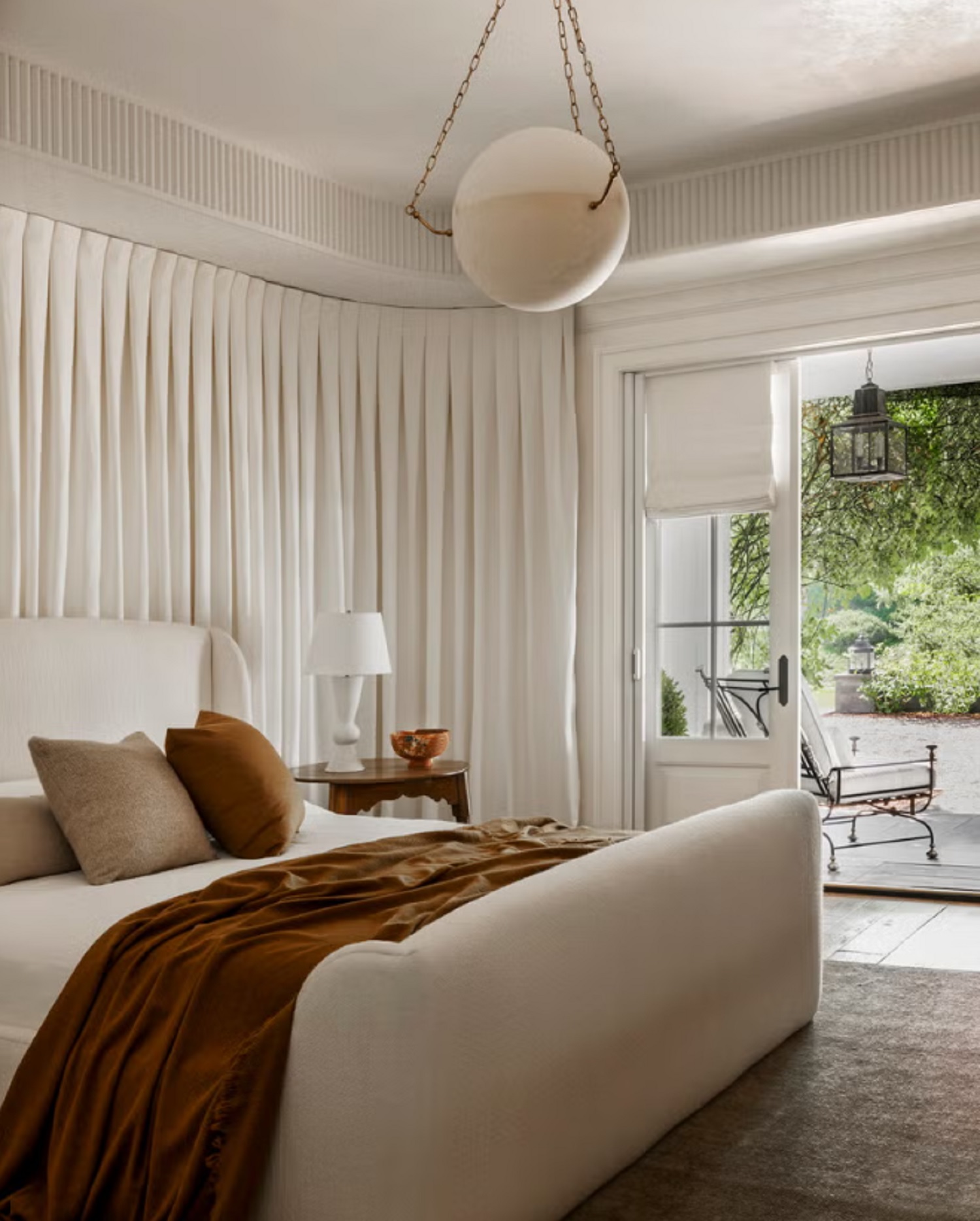
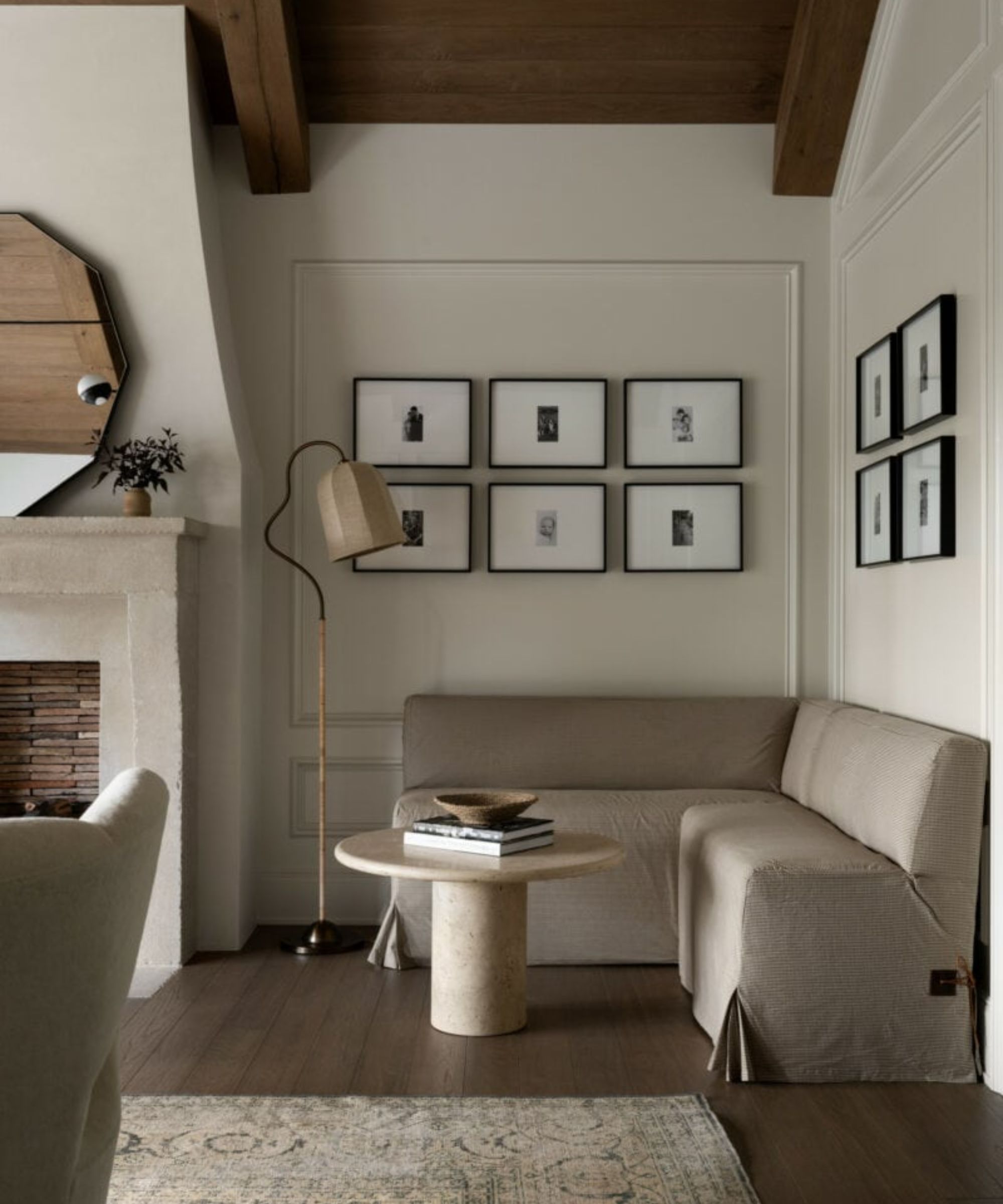
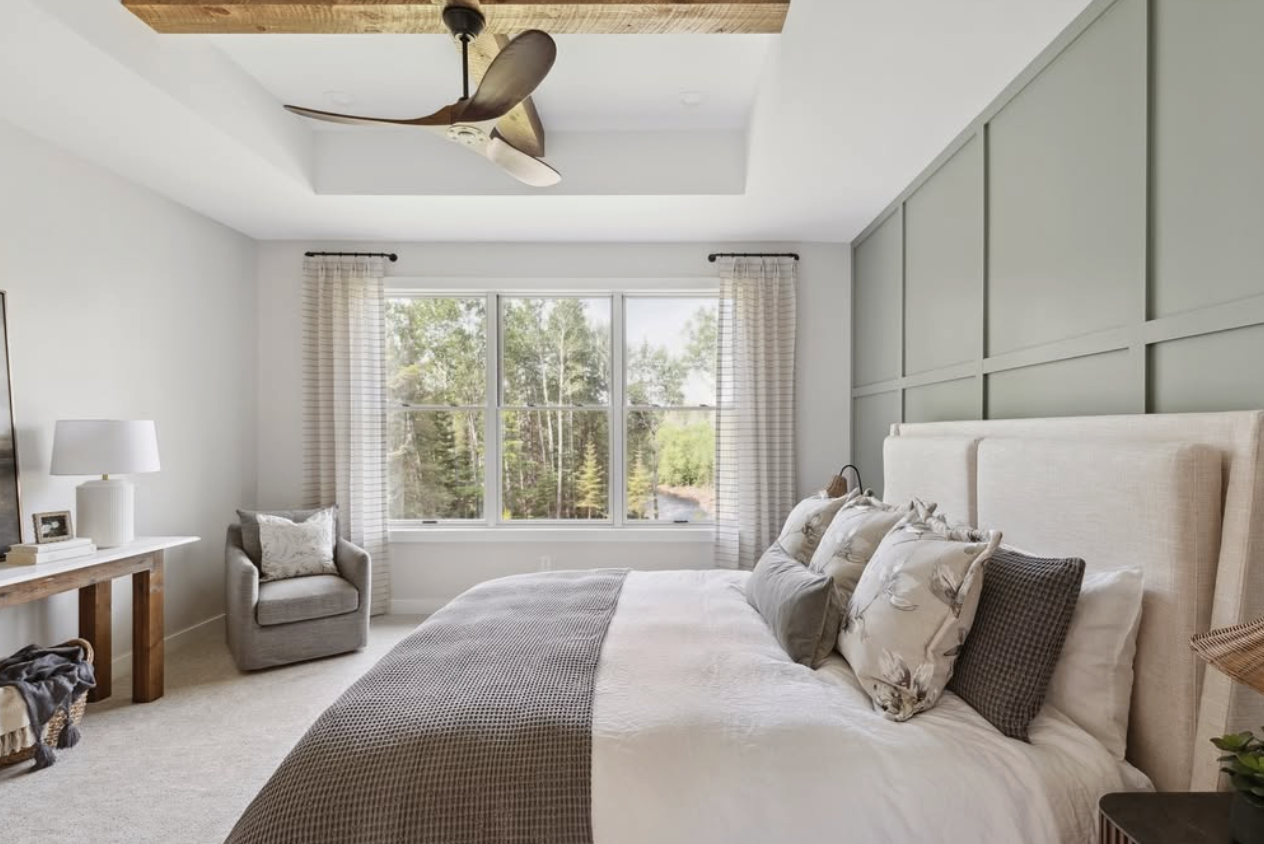
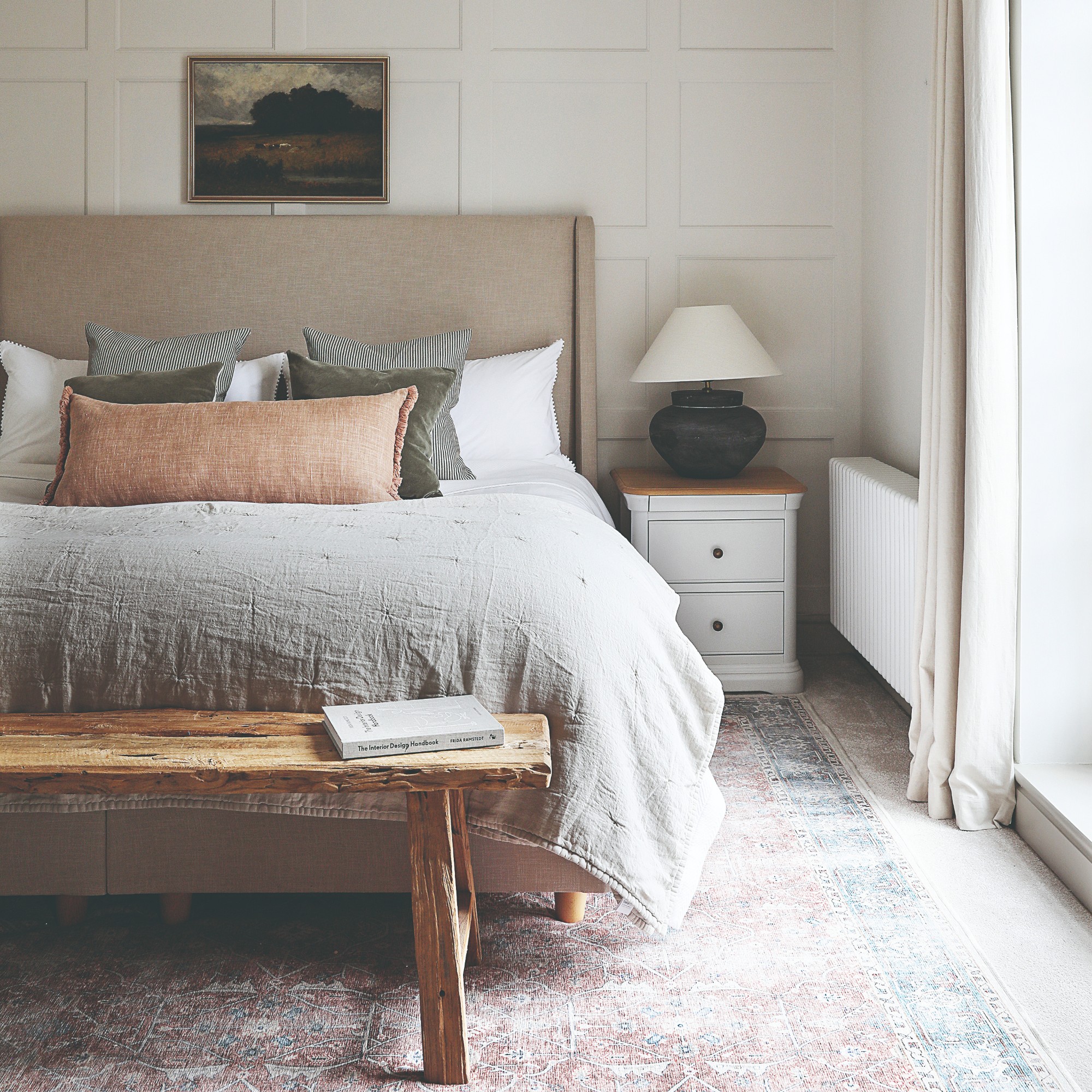
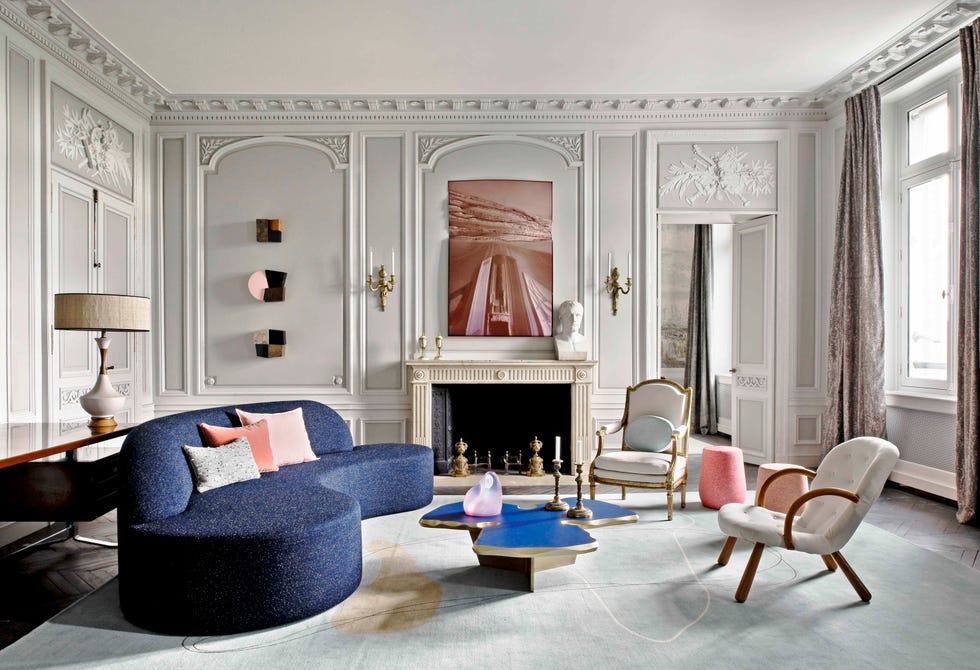
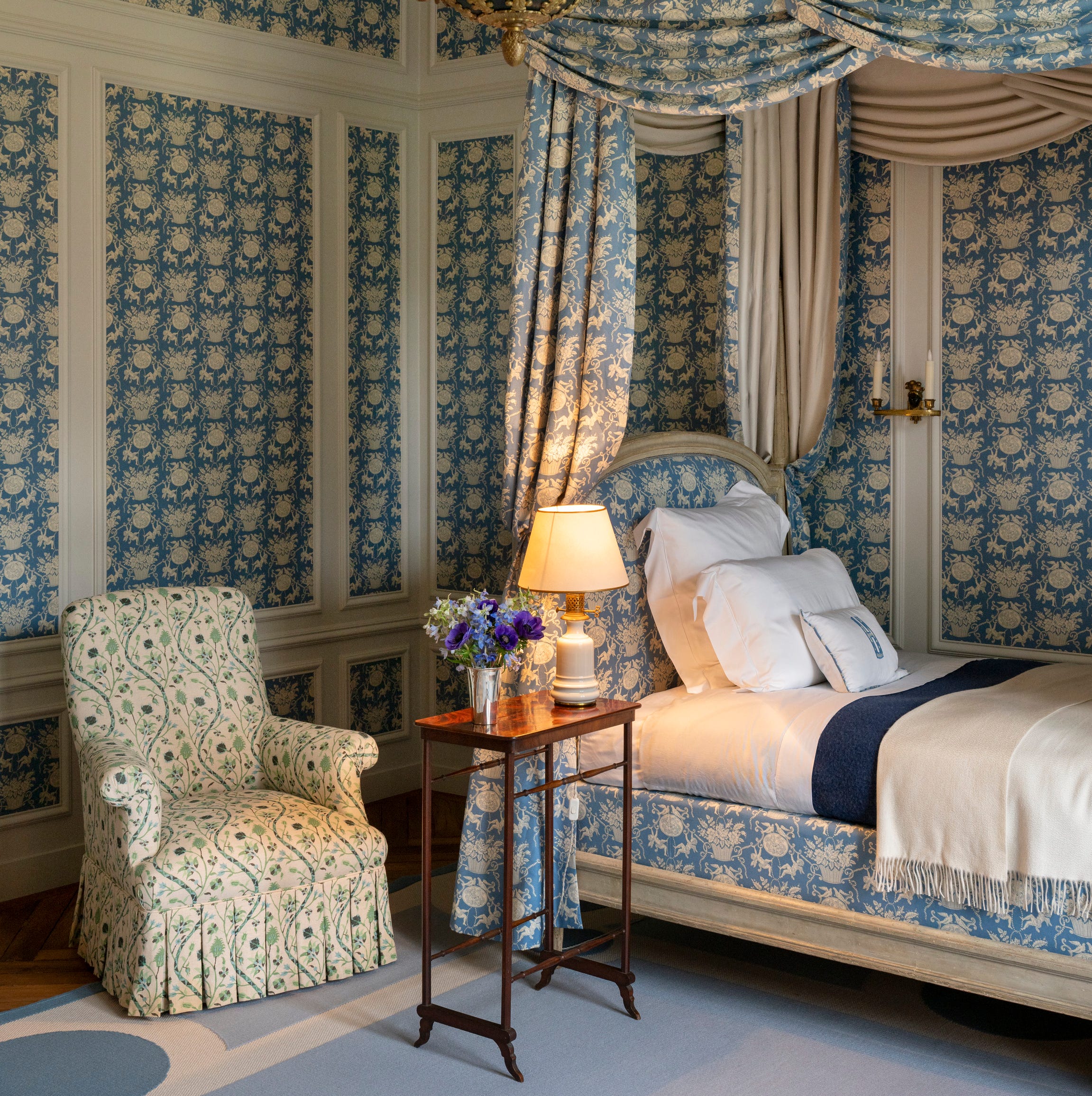
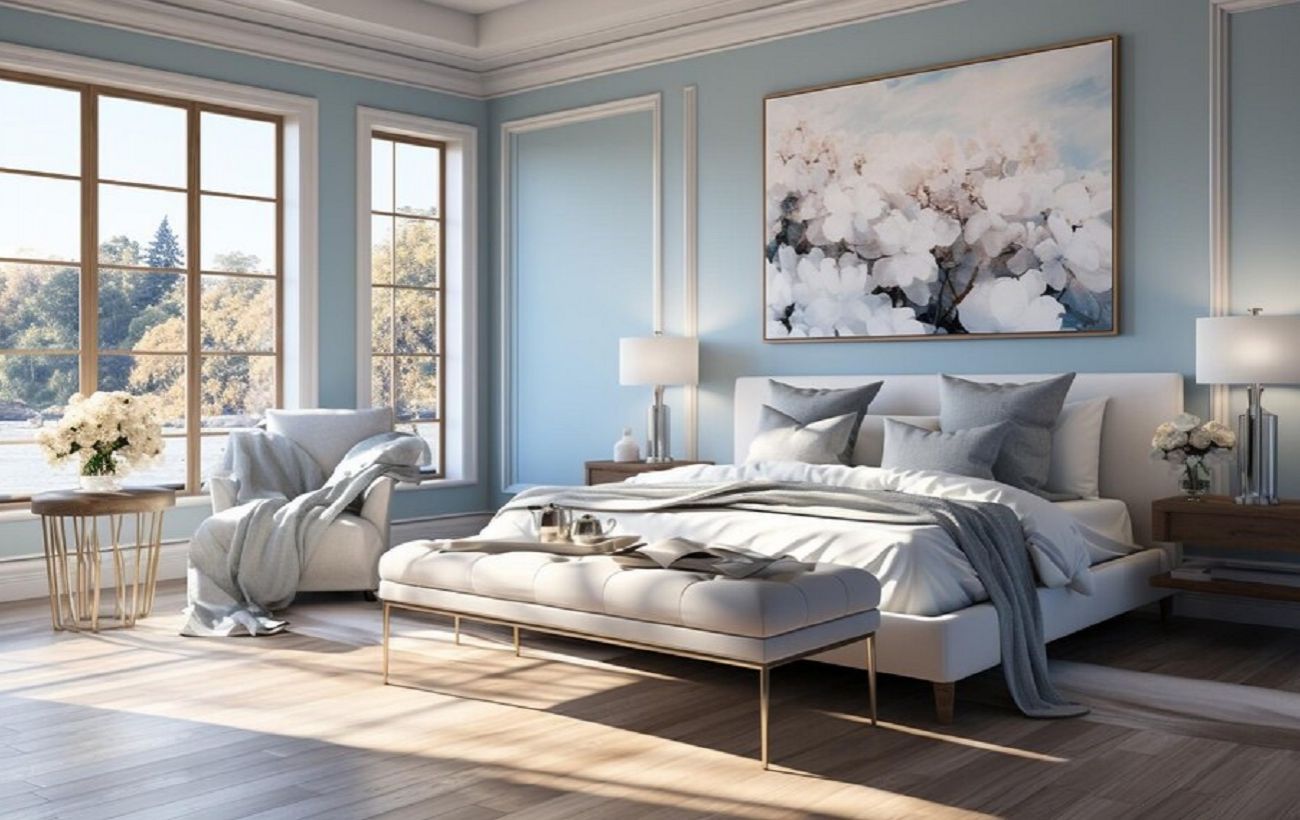
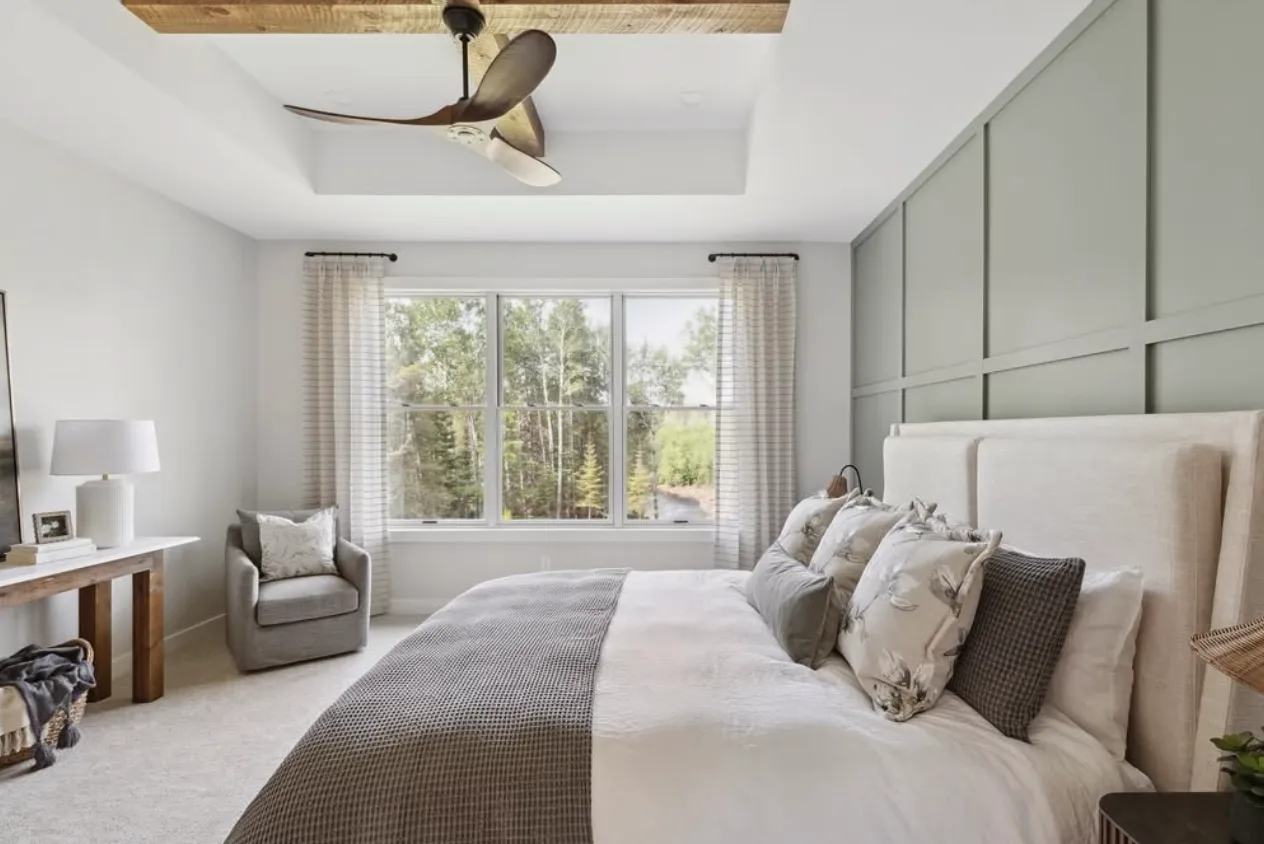
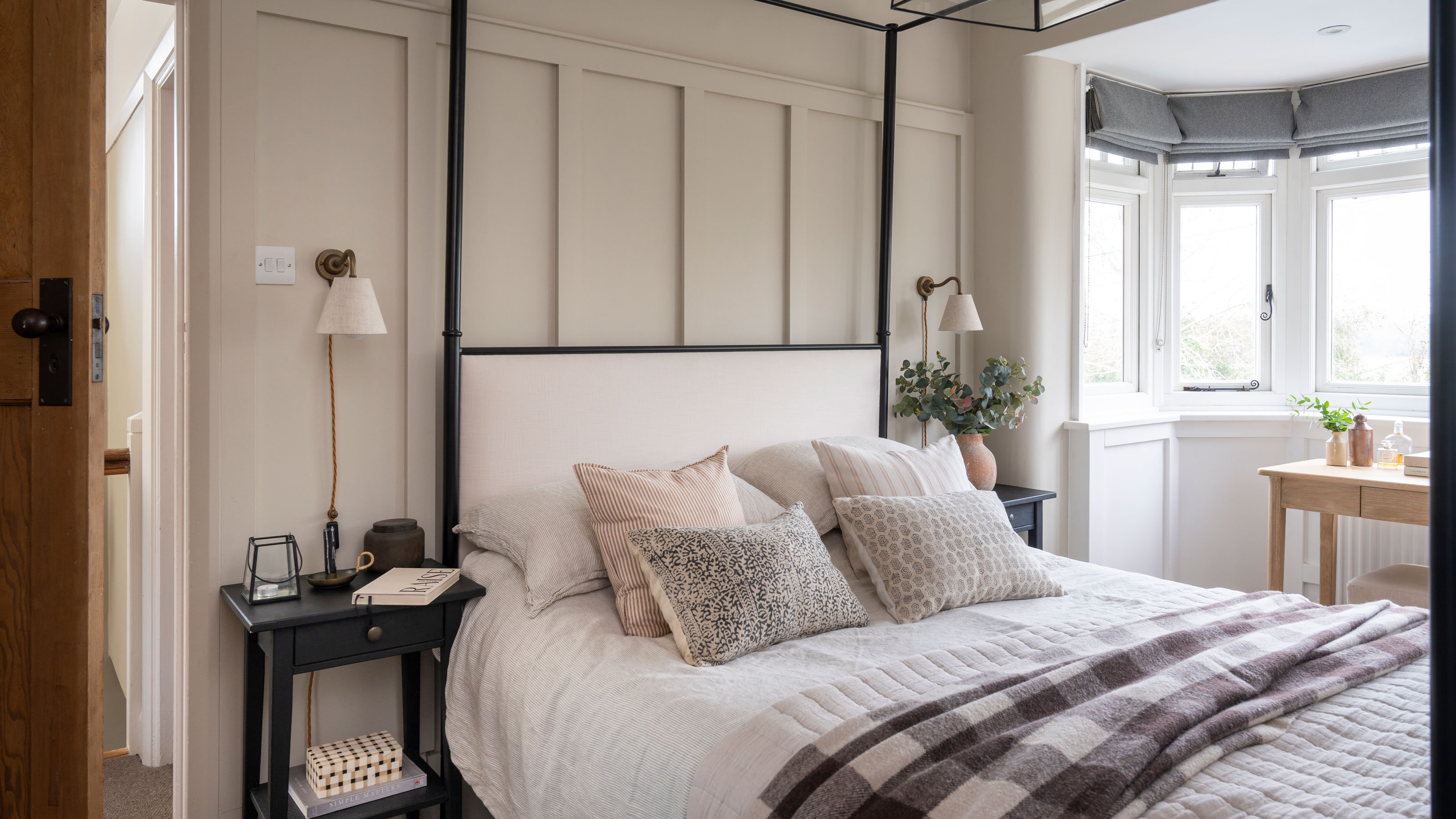
"Architectural Details" are being reinvested in to add character to minimalist bedrooms. Anselmo highlights a resurgence of moldings, wainscoting, and trim work that frame walls, windows, and doors, making rooms feel thoughtfully designed rather than staged. These details, when combined with color, texture, and lighting, can elevate a simple bedroom to one of quiet elegance.
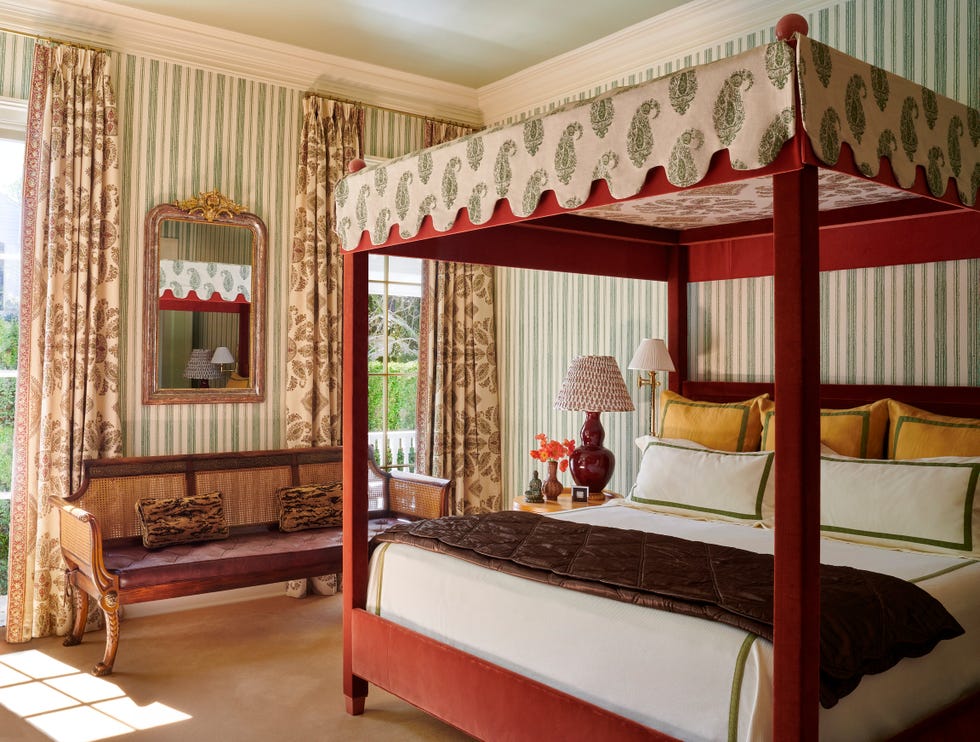
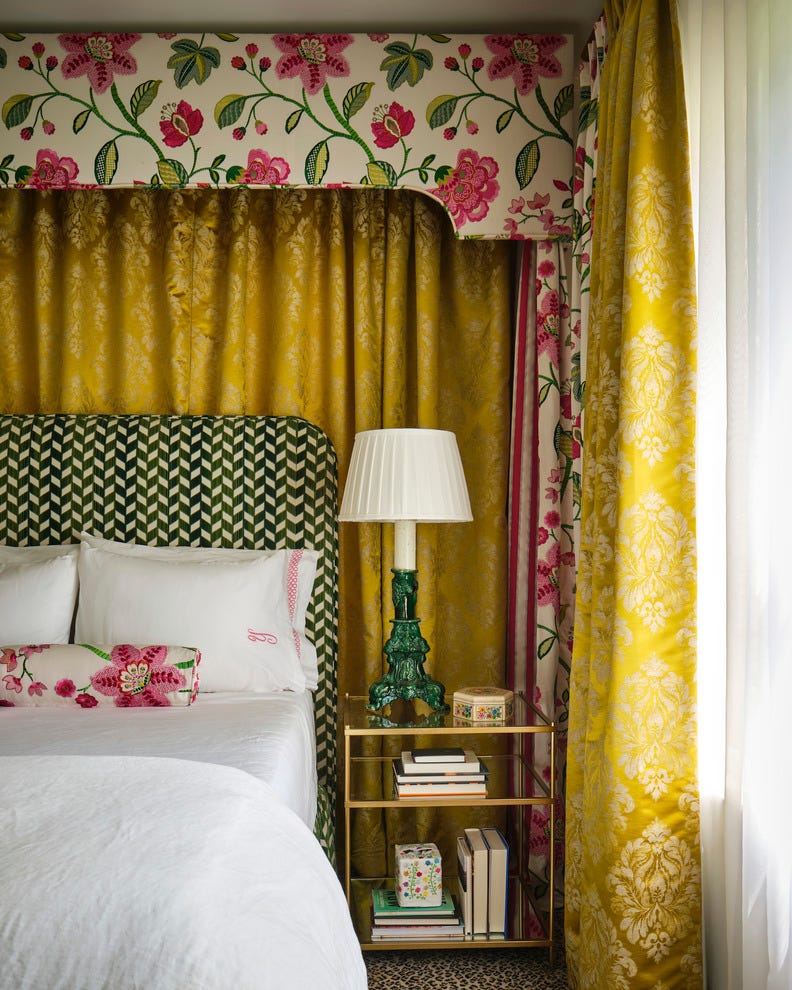
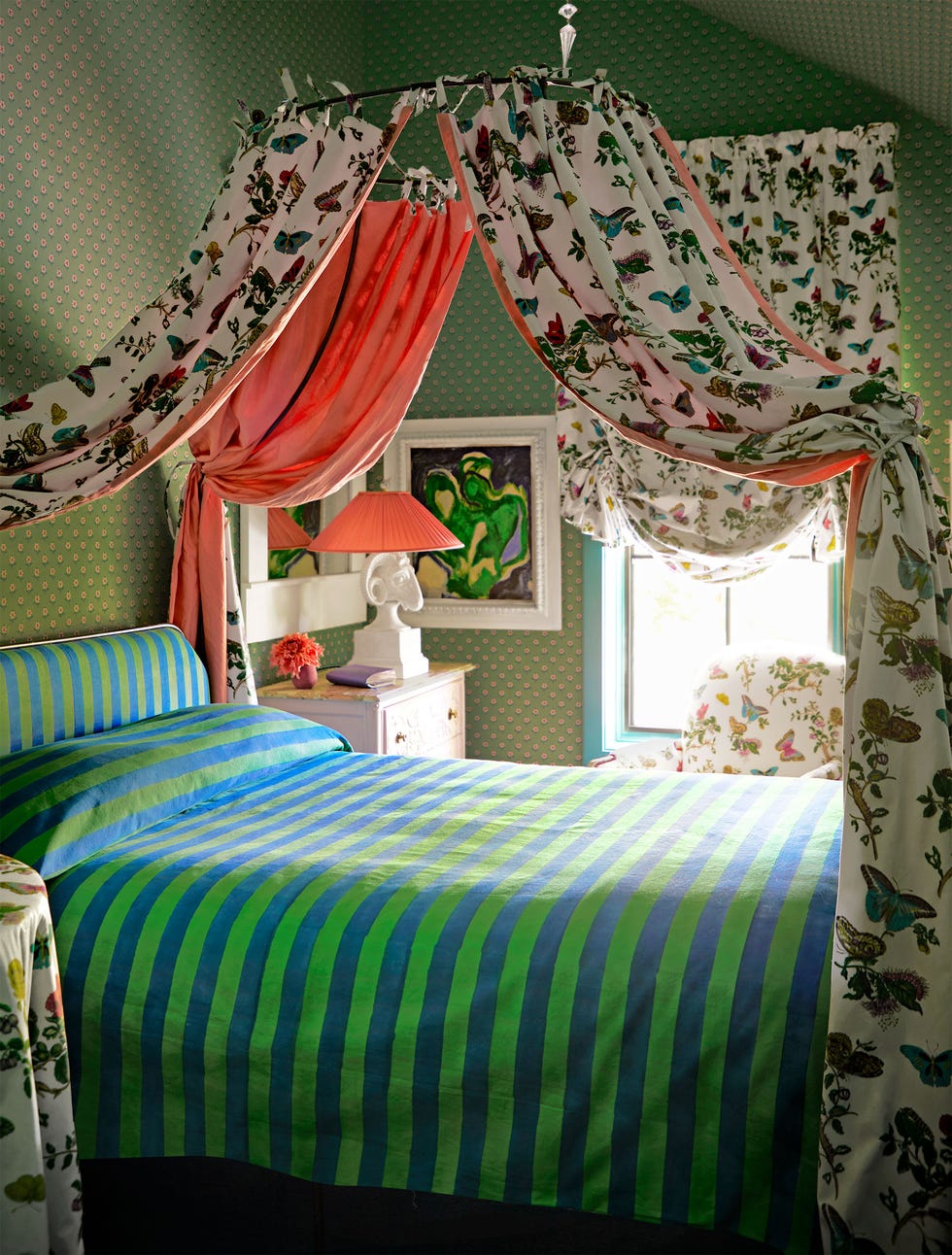
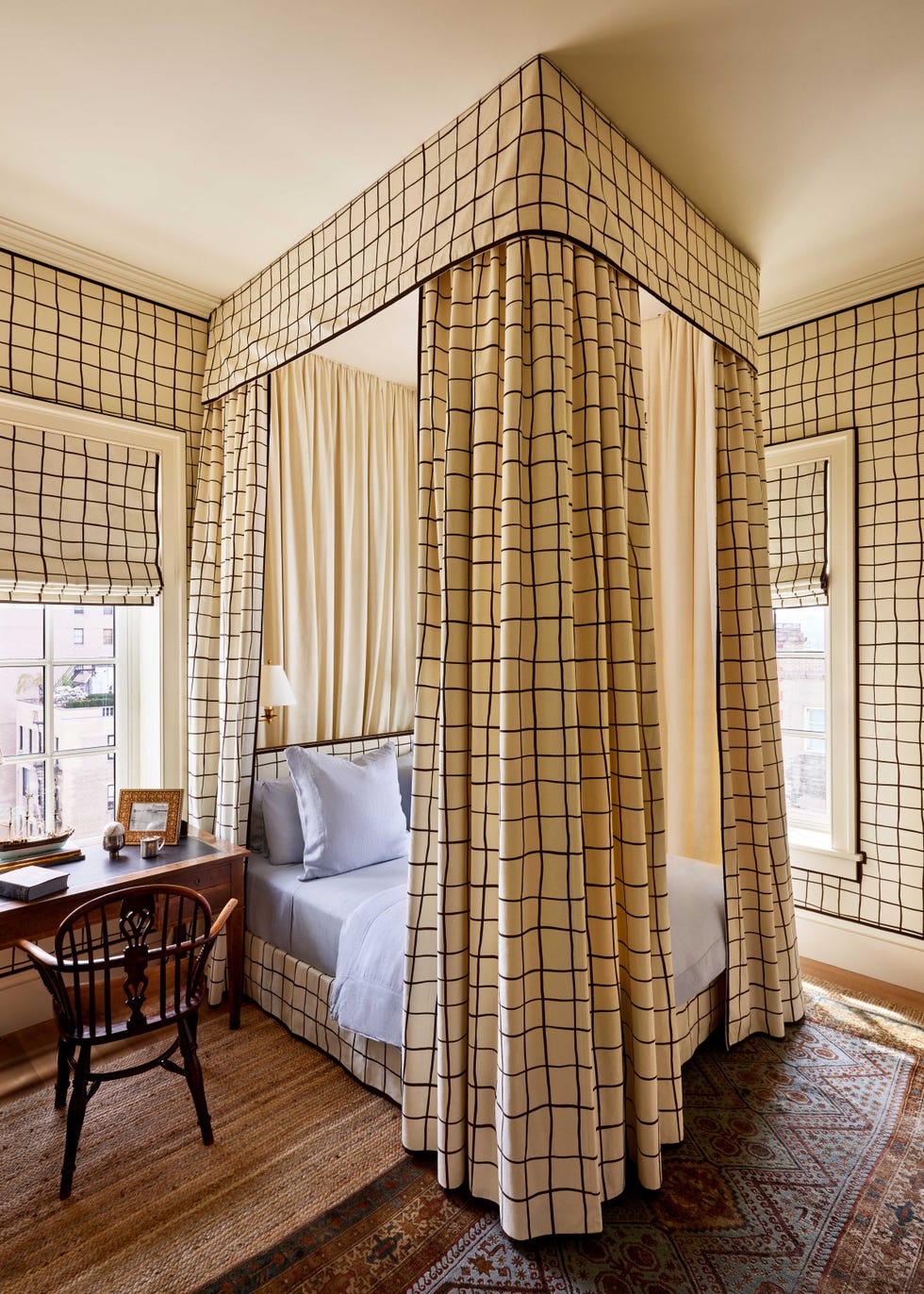
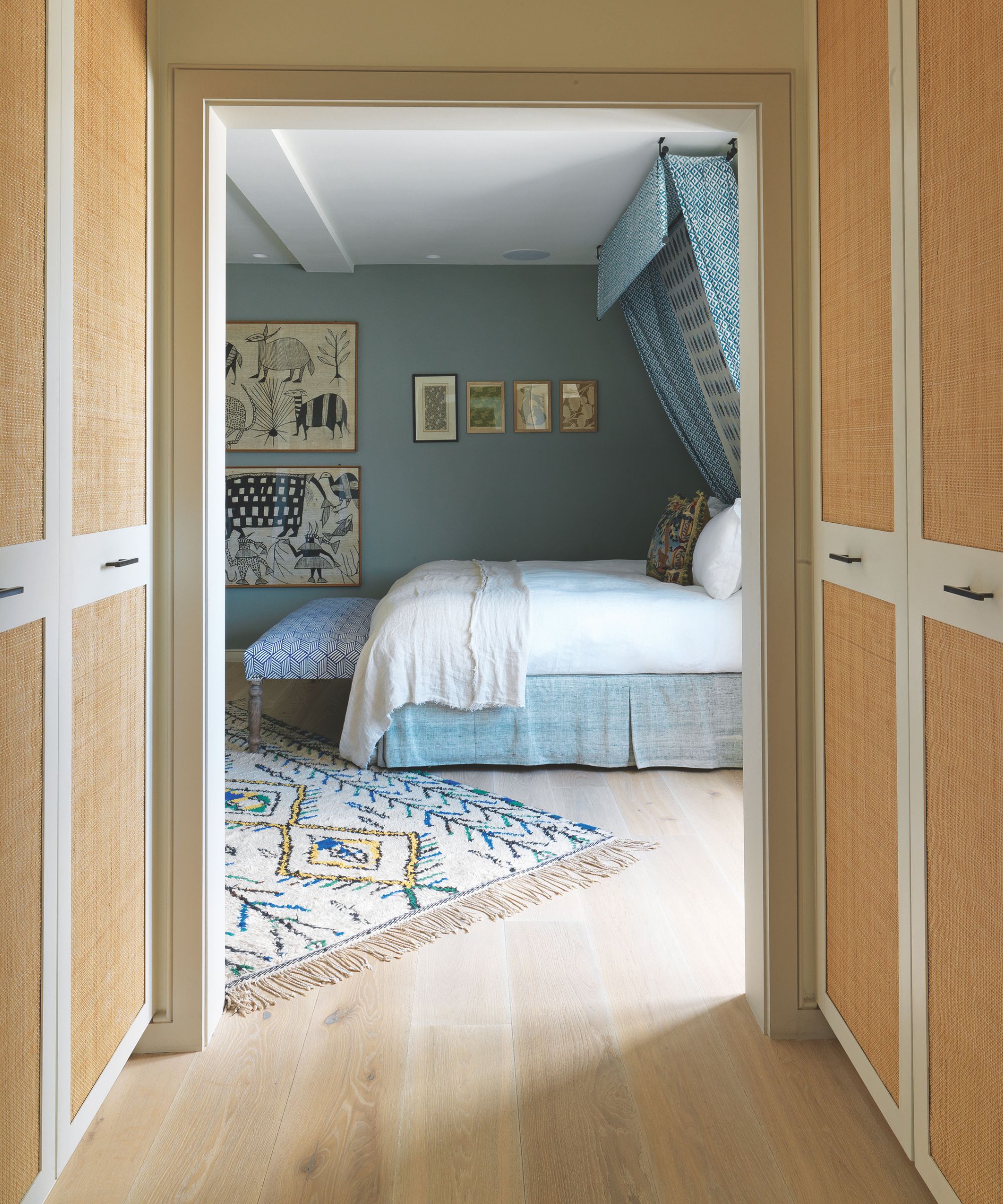
Finally, "Curtain-Wrapped Rooms" offer a new way to introduce texture and softness. Anselmo predicts the use of curtains to conceal closets or even envelop entire rooms. This approach is both practical and transformative, softening architectural lines, improving acoustics, and creating intimacy. Often, these curtains match the wall color, reinforcing the color-drenching trend and creating a cocoon-like retreat with fluid, intentional boundaries.
#BedroomTrends #InteriorDesign #HomeDecor #ColorDrenching #BuiltInBeds #KineticLighting #PersonalizedSpaces #TexturalWalls #MiniEcosystems #NaturalMaterials #ArchitecturalDetails #CurtainWrappedRooms #BedroomTrends #InteriorDesign #HomeDecor #ColorDrenching #BuiltInBeds #KineticLighting #PersonalizedSpaces #TexturalWalls #MiniEcosystems #NaturalMaterials #ArchitecturalDetails #CurtainWrappedRooms
0 comment in total
 No comments yet
You may also like
Designers Say These Are the Bedroom Trends Actually Worth Trying in 2026
Bedroom trends 2025: Interior experts reveal 9 trending colours and designs

Home Gurus Are Saying These Will be the Hottest Bedroom Trends of 2024
6 Bedroom Trends Designers Say You Won't See Again in 2026

Interior Designers Predict These 7 Bedroom Trends Will Be Everywhere in 2026

Bedroom design trends of 2025 - What designers choose
6 Bedroom Trends That Will Be in Every Home in 2026, According to Designers
2026 is all about 'cocooning' bedrooms – the 7 bedroom decor trends shaping our sleep spaces in the new year

9 Bedroom Trends for 2025
6 Bedroom Trends That Will Be in Every Home in 2026, Designers Say
Bedroom trends 2025 – the 9 most important styles and looks of the year to decorate your sleep sanctuary with
Designers Predict These 6 Living Room Trends Will Be Everywhere in 2026

9 Bedroom Trends That Will Dominate 2026, According to Interior Designers
Bye Bye Bland Bedrooms, Designers Are Predicting 2026 Trends Are All About Color, Cozy, and Character

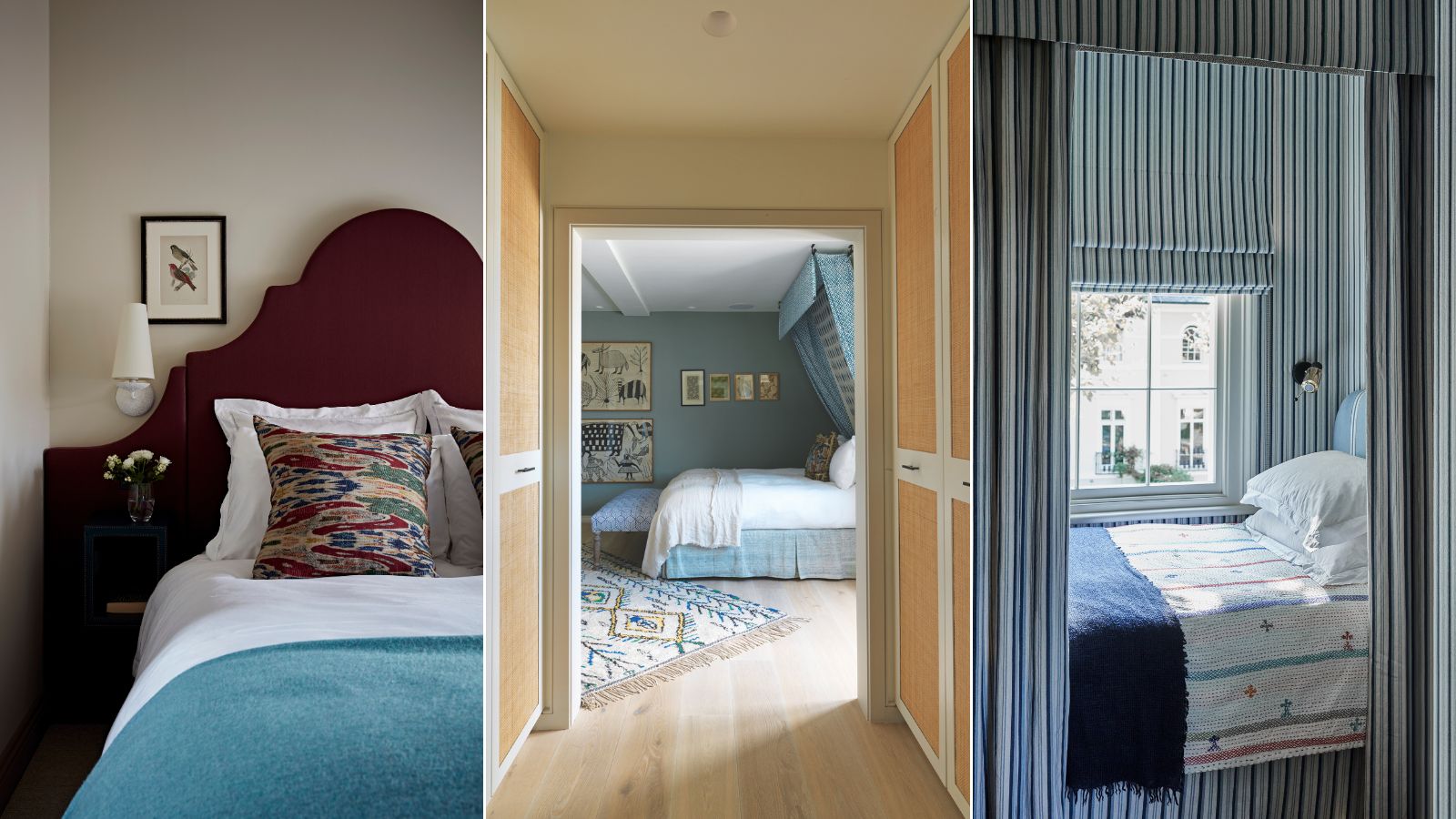
The top bedroom design trends of 2025 to inspire a dreamy makeover of your most important space

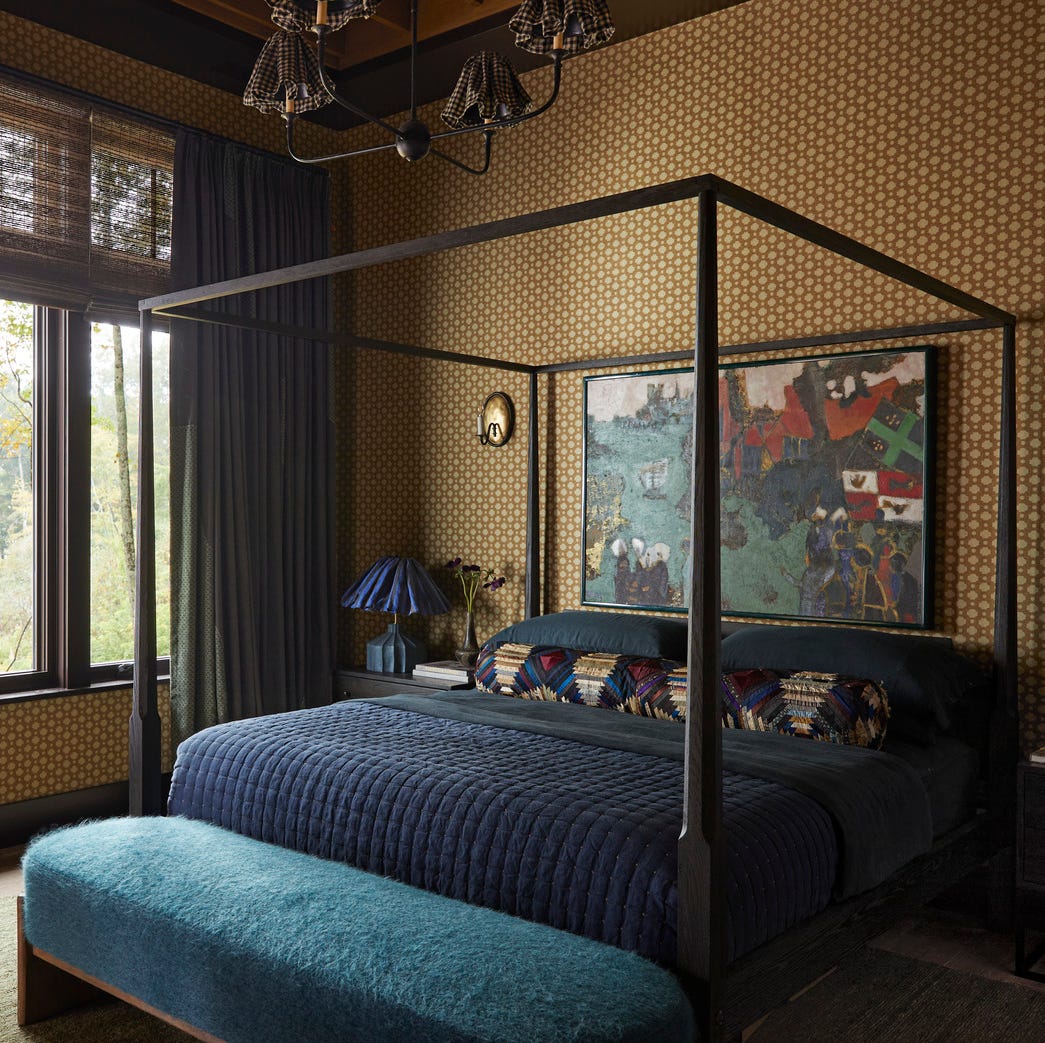
10 designer-approved bedroom furniture trends to take note of in 2025
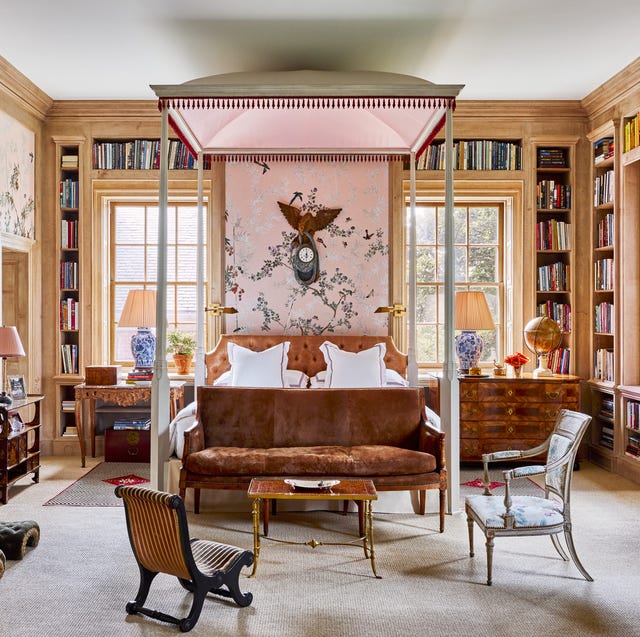
These Are the Top Bedroom Trends for 2025, According to Designers

5 Bedroom Trends That Experts Predict Will Be Everywhere in 2024
5 Bedroom Design Trends to Spice Things Up in 2024

7 Living Room Trends Designers Expect To Take Over In 2026