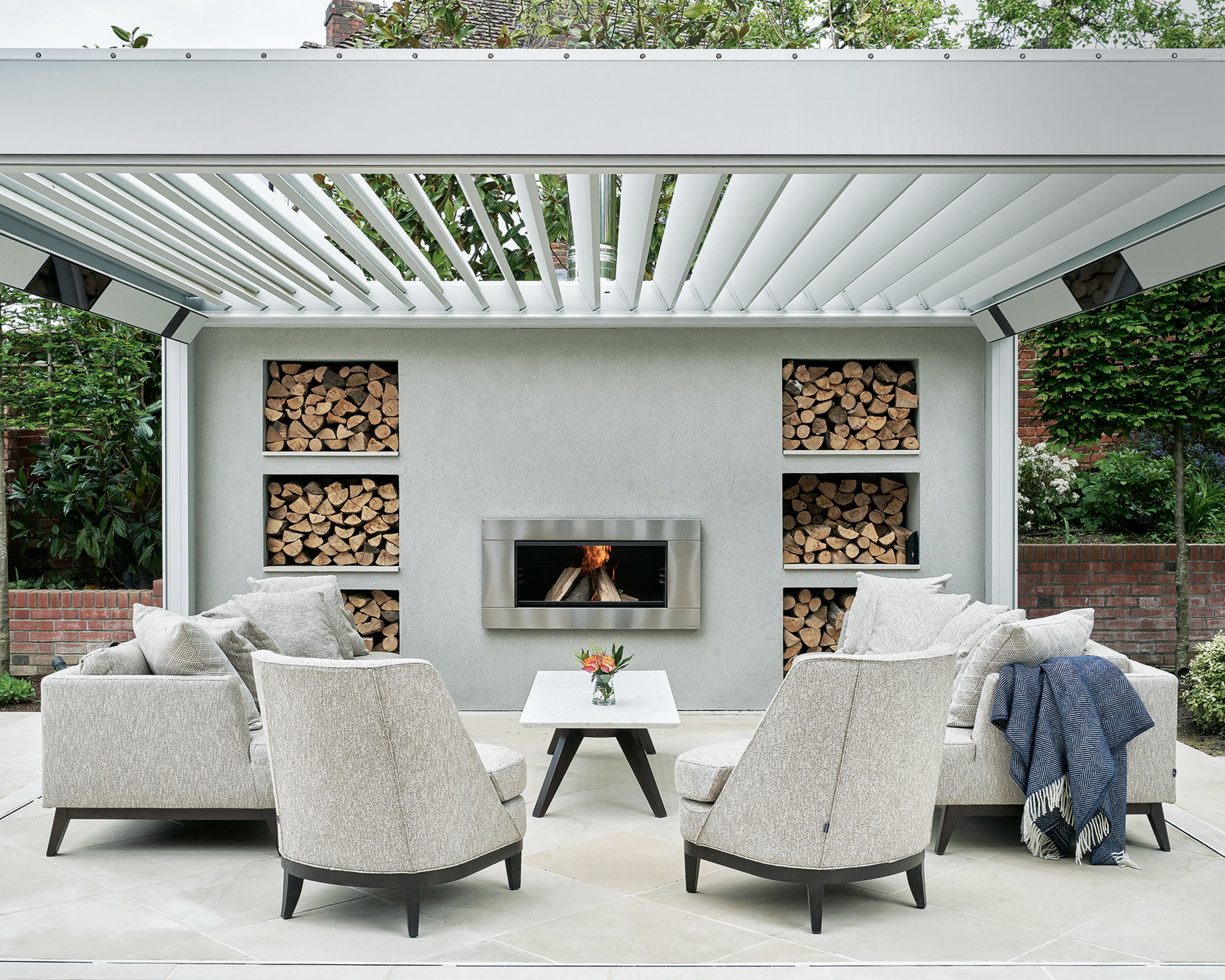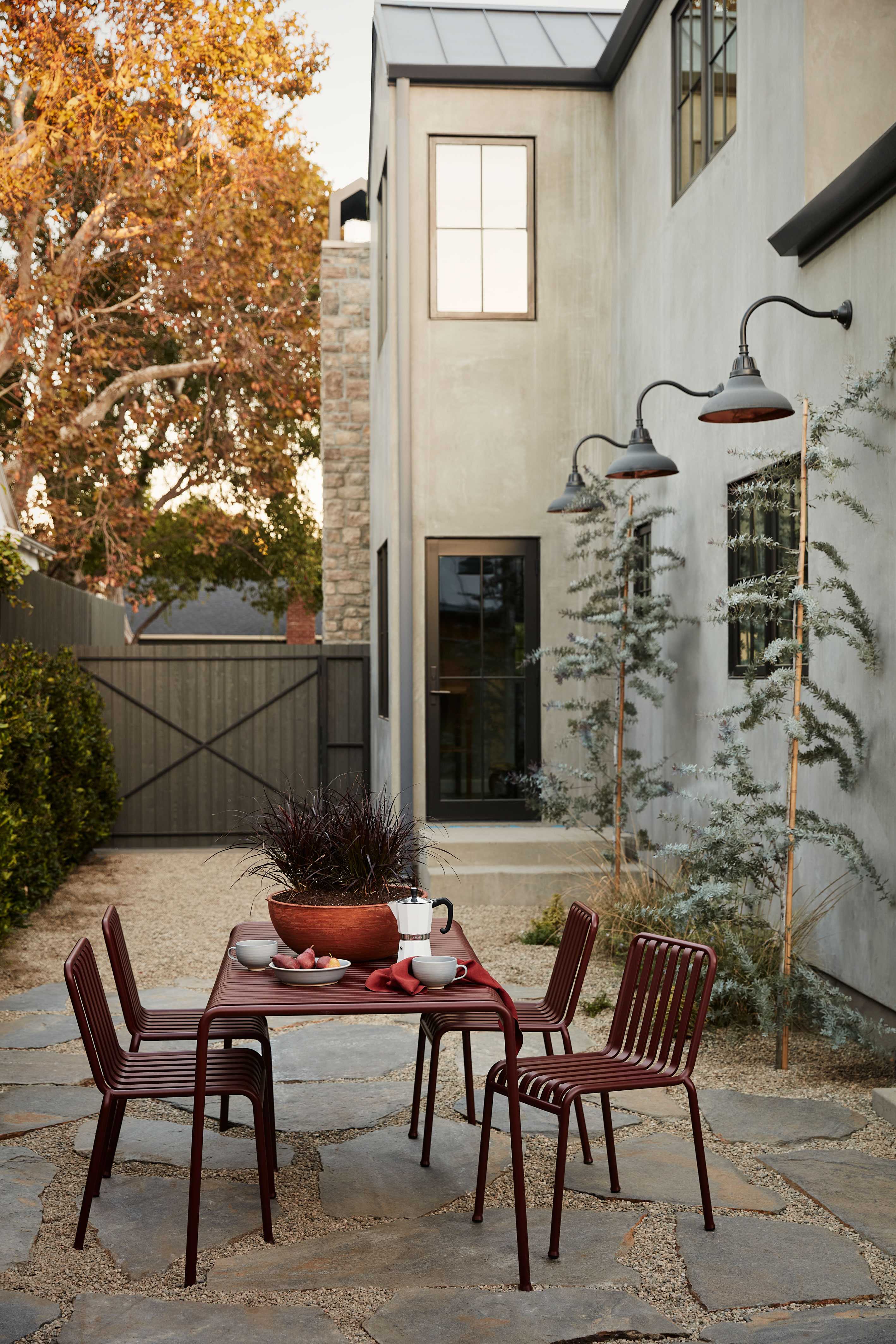
1/9
10 Clever Patio Lighting Ideas — Because a Pitch-Black Yard All Winter Is Depressing
This article explores ten clever patio lighting ideas designed to enhance outdoor spaces during darker winter evenings, providing both aesthetic appeal and increased security. While patio lighting is often associated with summer use, the piece emphasizes its value in extending the usability and ambiance of outdoor areas throughout the colder months. Experts like Nina Lichenstein, founder of Custom Home Design by Nina Lichtenstein, and David Thompson, founder of Assembledge+, contribute their insights on various lighting solutions.
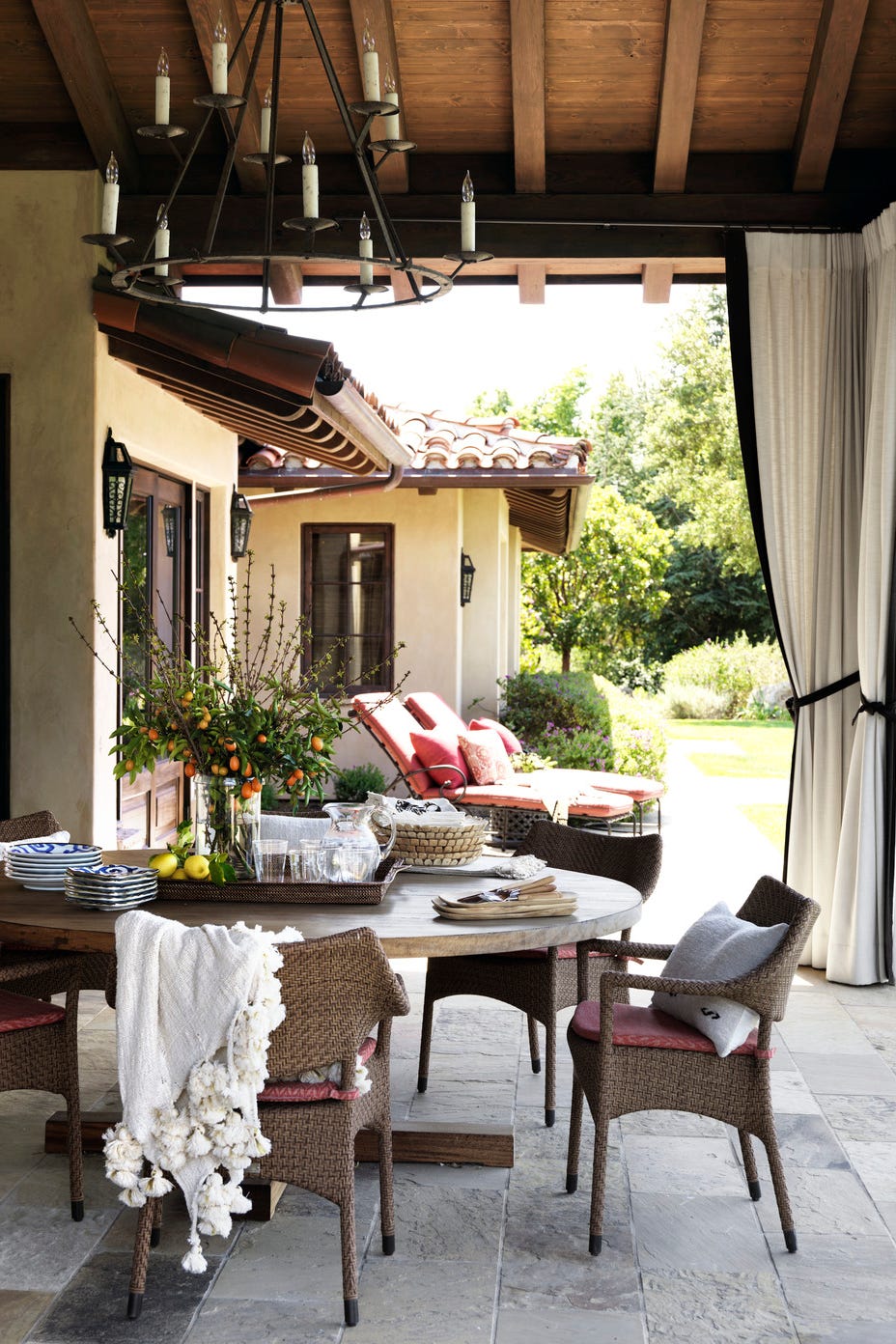
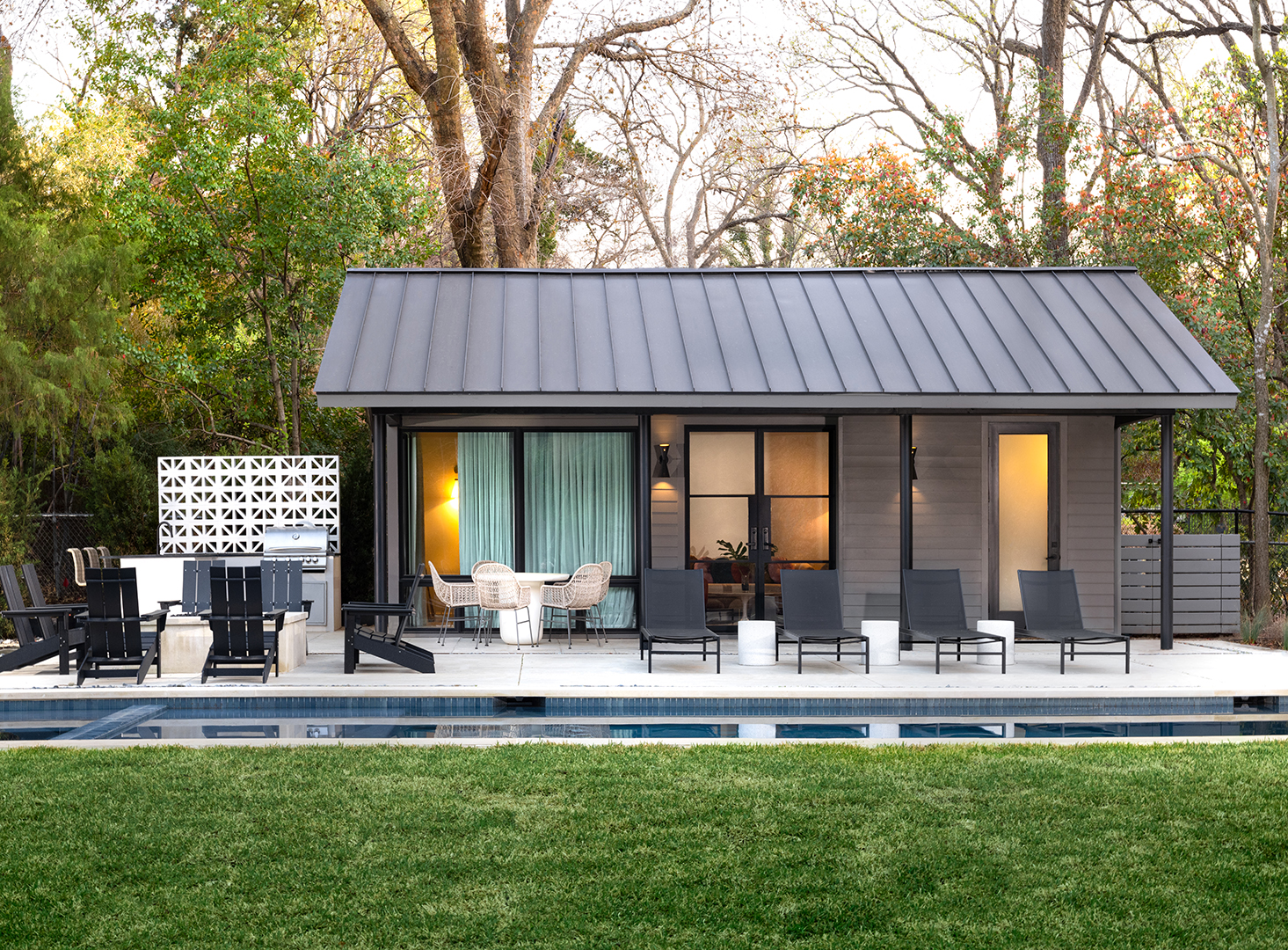
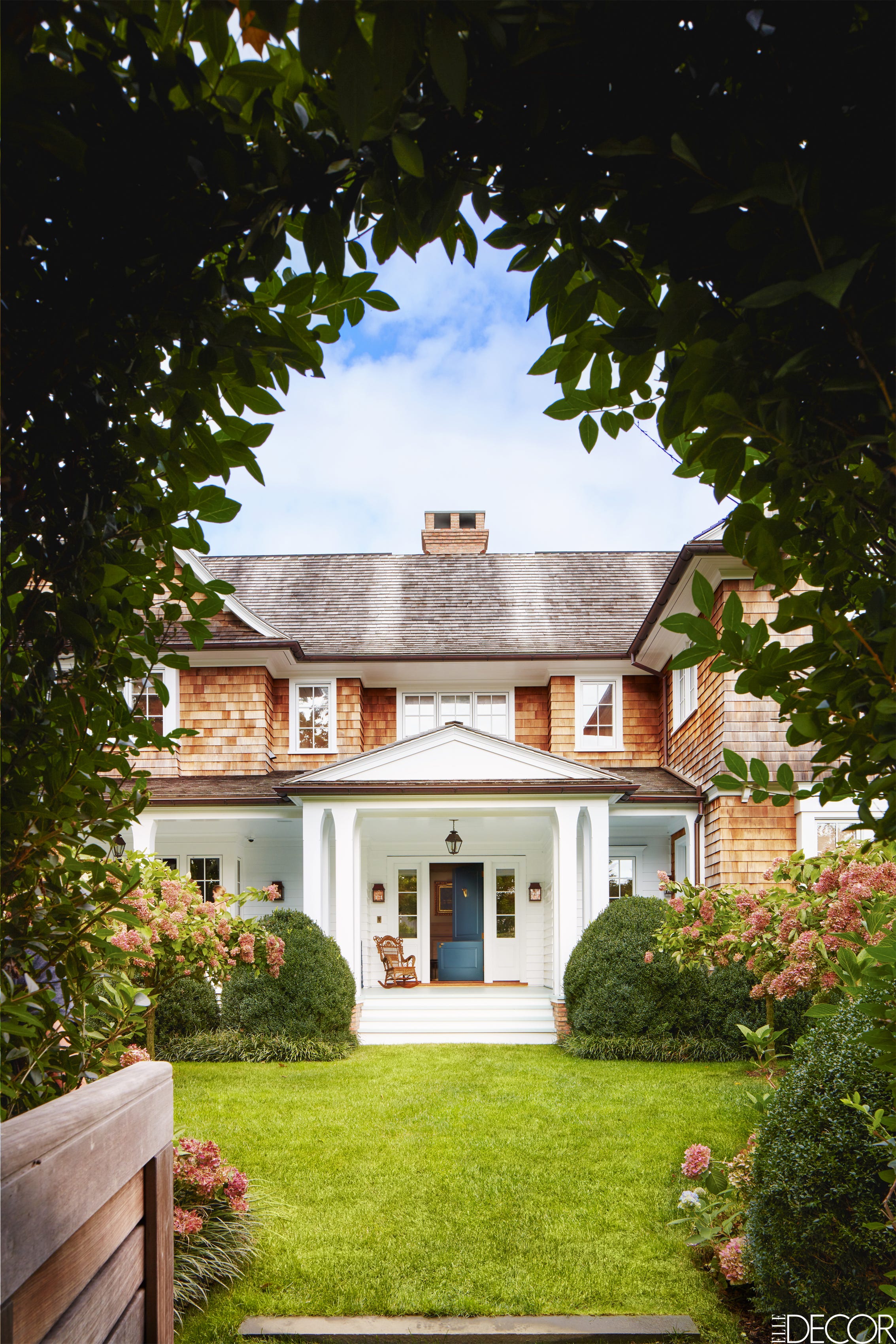
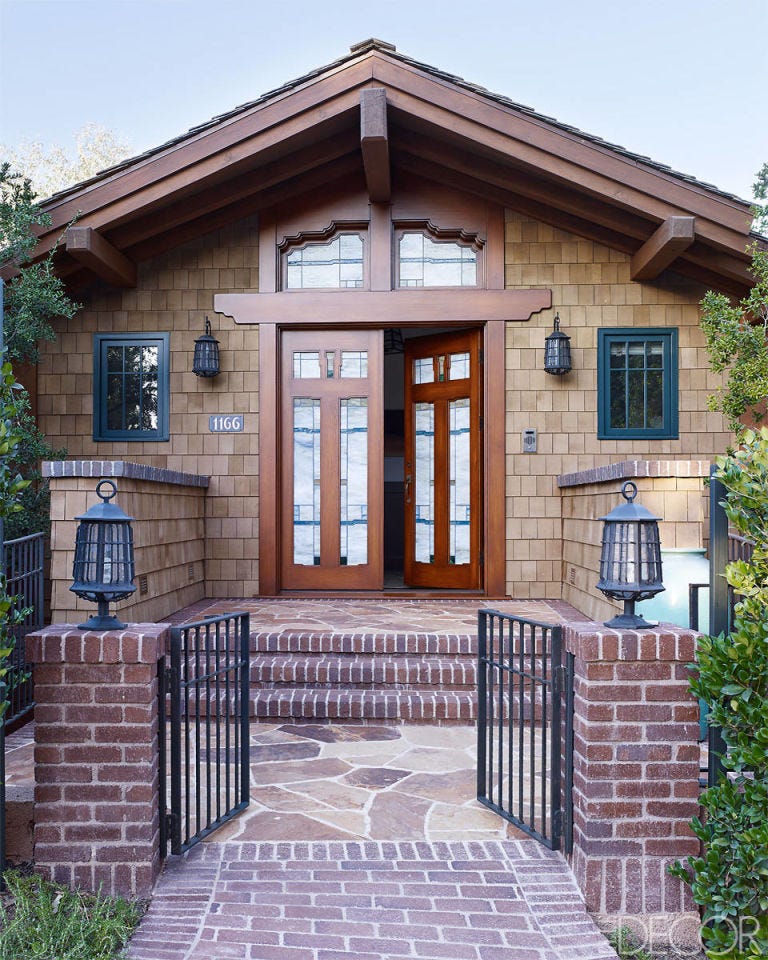
One prominent suggestion is the installation of wall sconces. These fixtures, placed on exterior walls, cast a warm glow and highlight the patio. The choice of sconce style, whether modern or rustic, should complement the existing patio decor, and they should be fitted with warm LED bulbs. David Thompson notes that sleek, weatherproof sconces offer both functional light and enhance architectural forms.
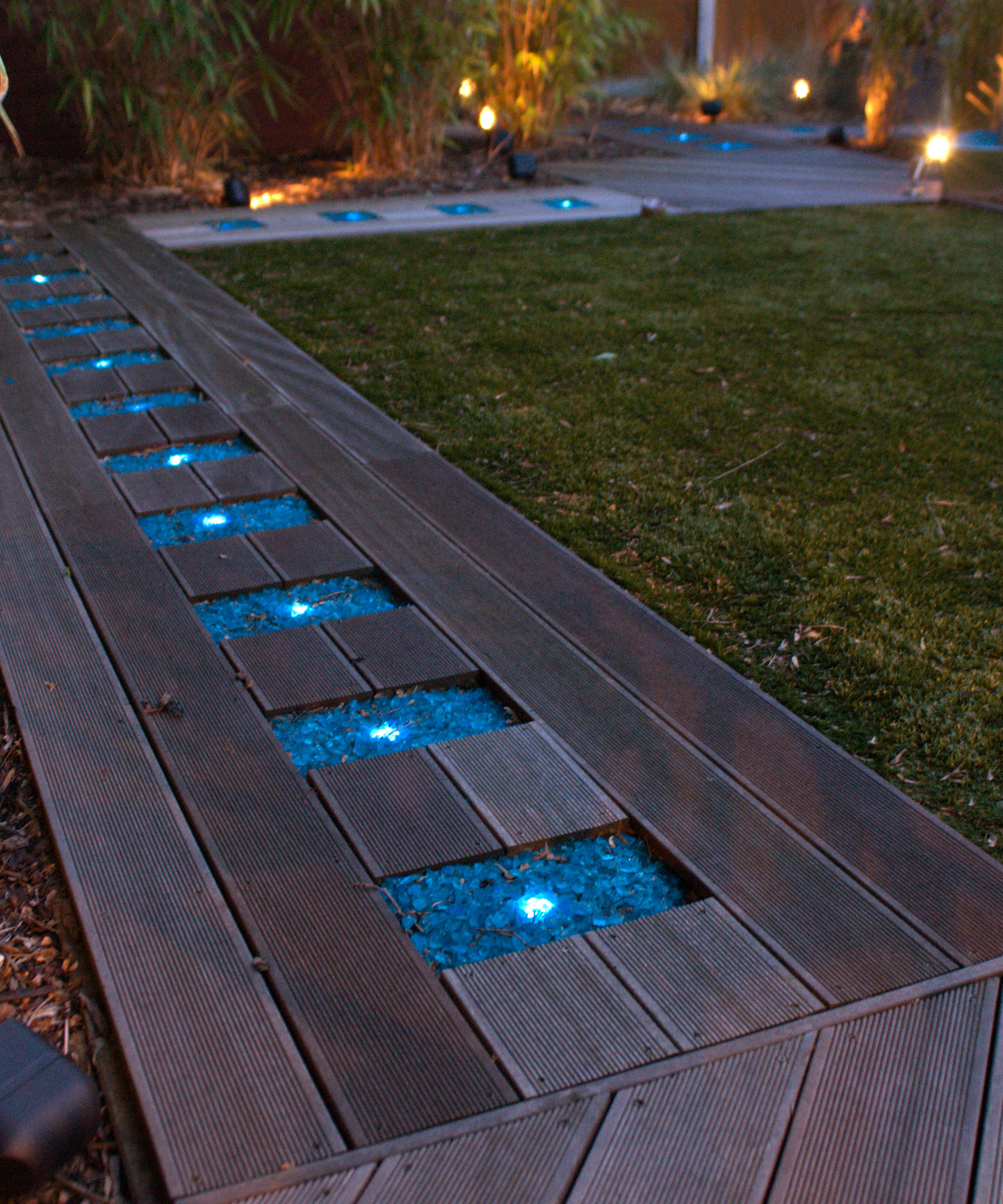
Another practical and cost-effective solution involves solar lights for patios and pathways. These ground-level lights improve safety and aesthetics, making outdoor spaces accessible and inviting after dark. Solar-powered lights are recommended for their eco-friendliness, and consistent illumination can be achieved by spacing them approximately 3 to 4 feet apart. Frosted solar lights provide a subtle, understated aesthetic.
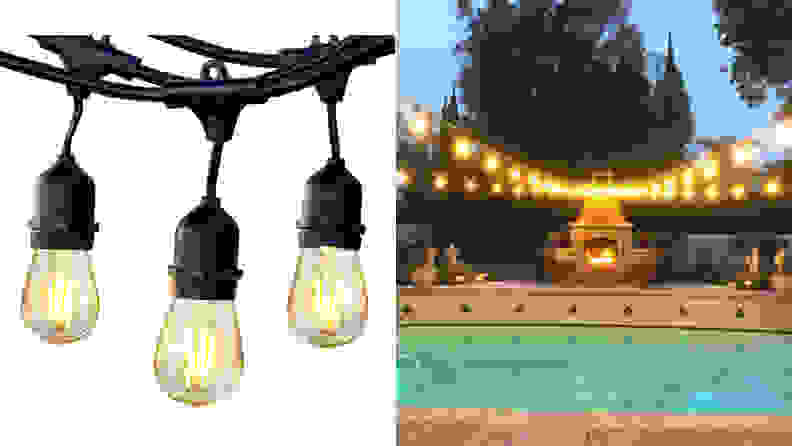
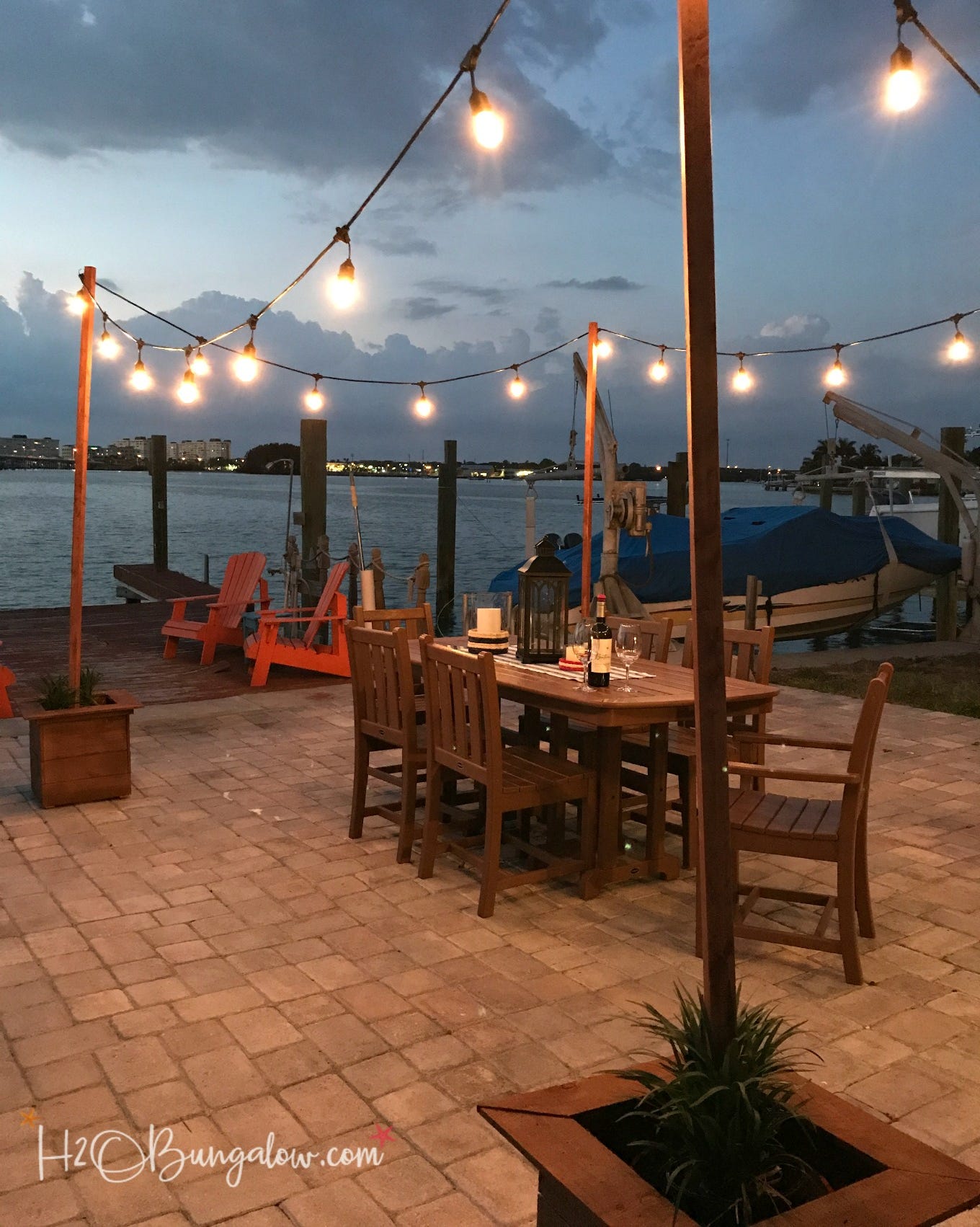
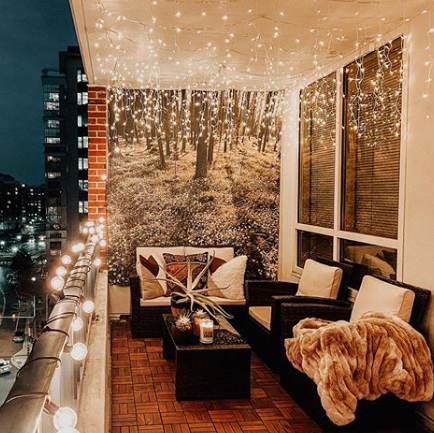
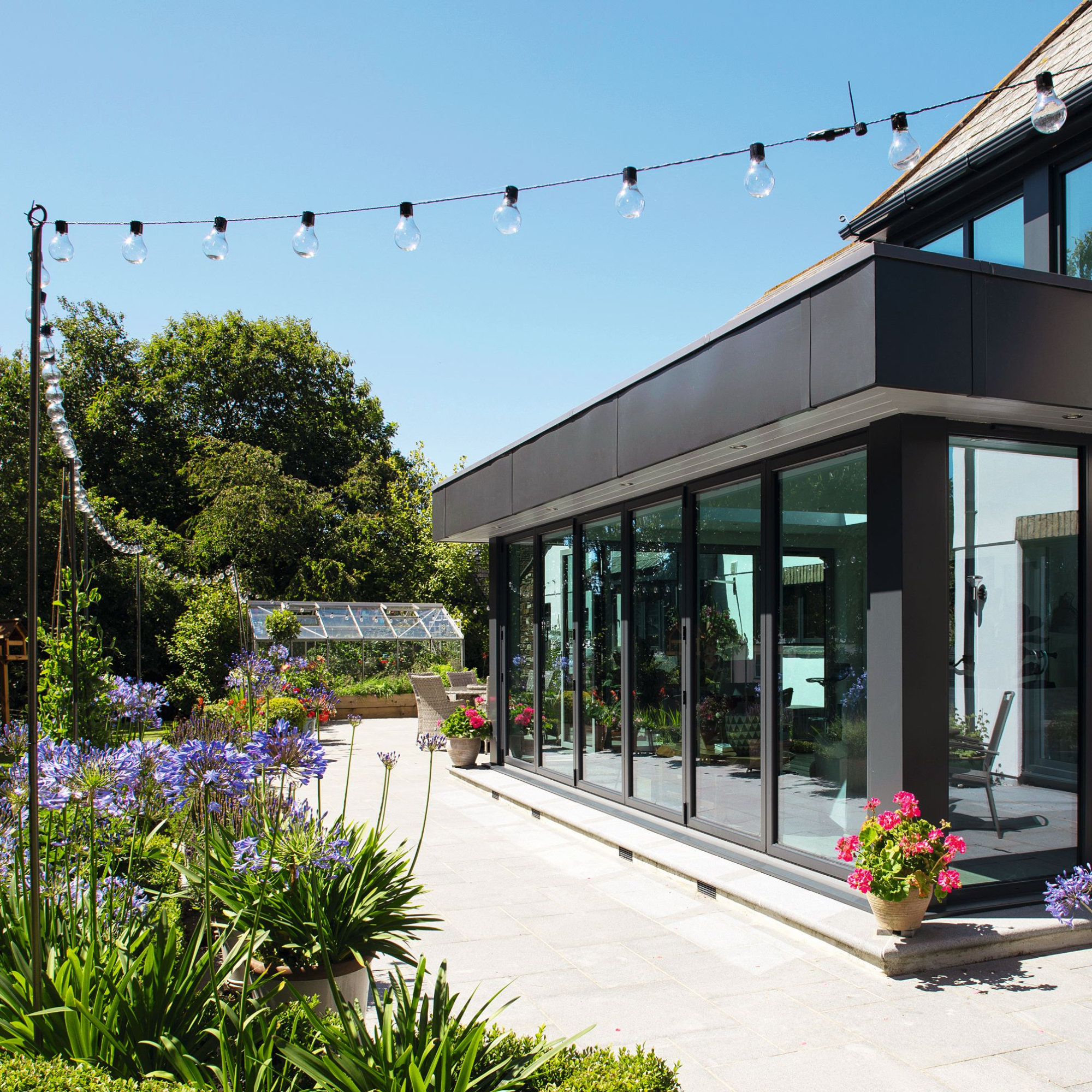
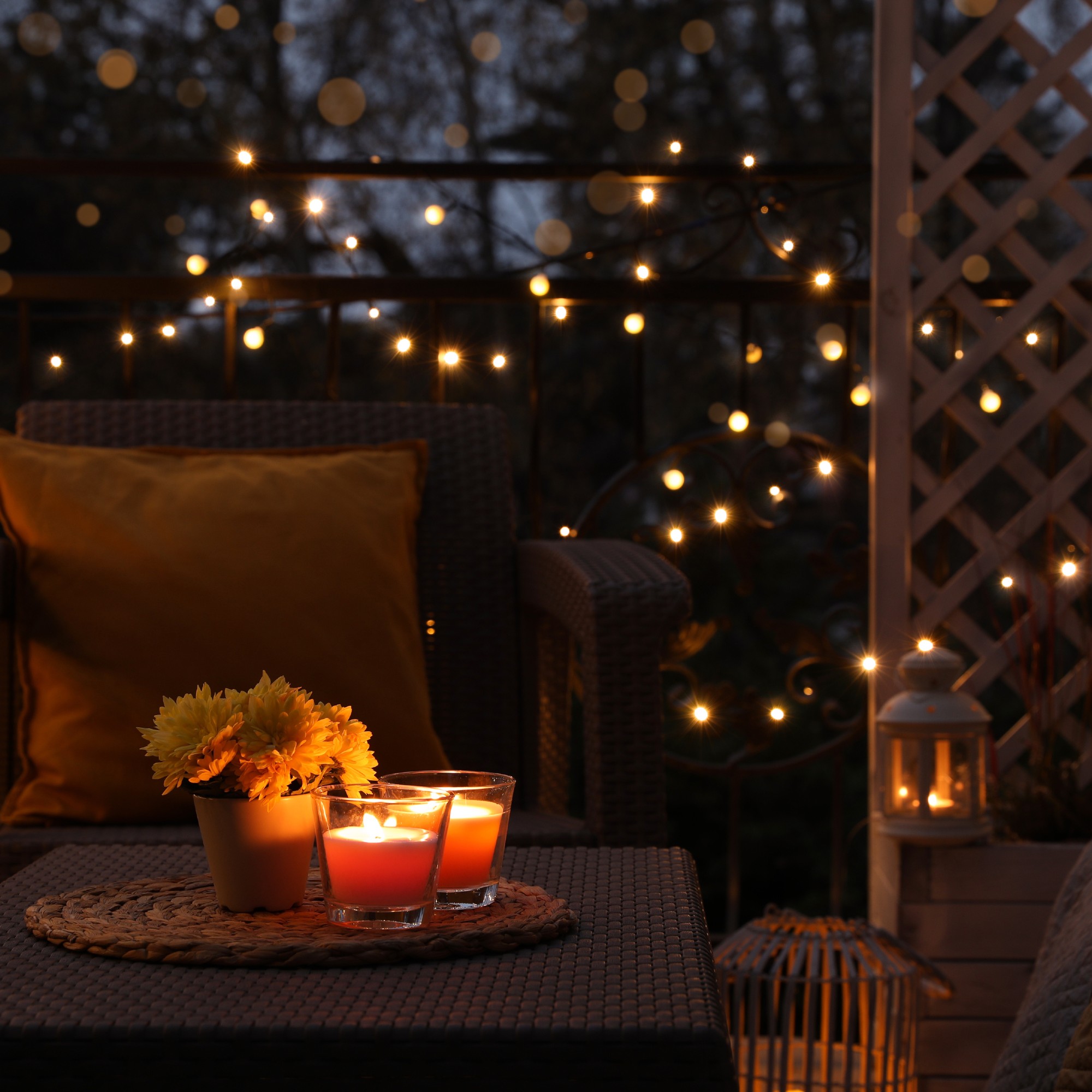
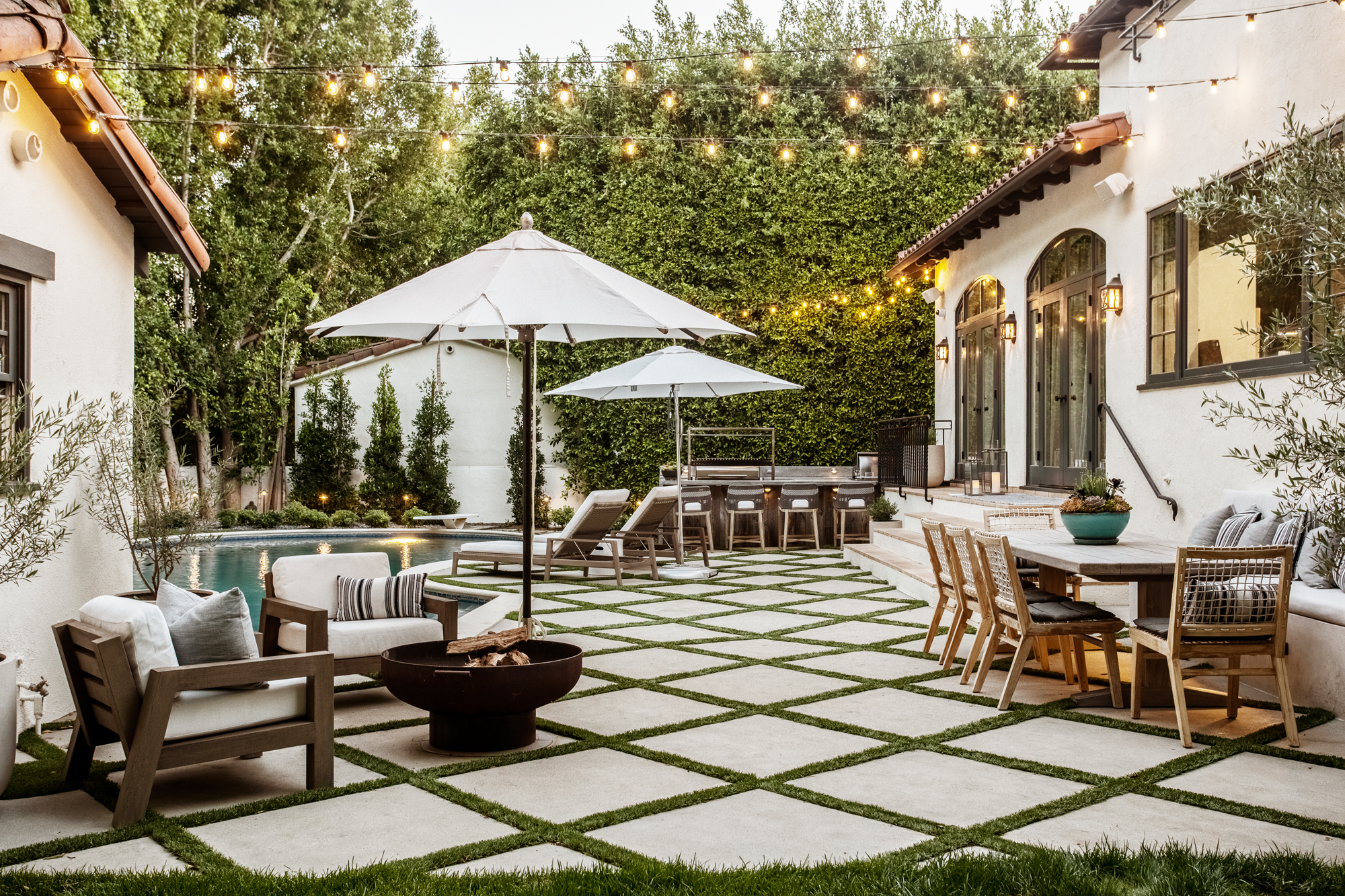
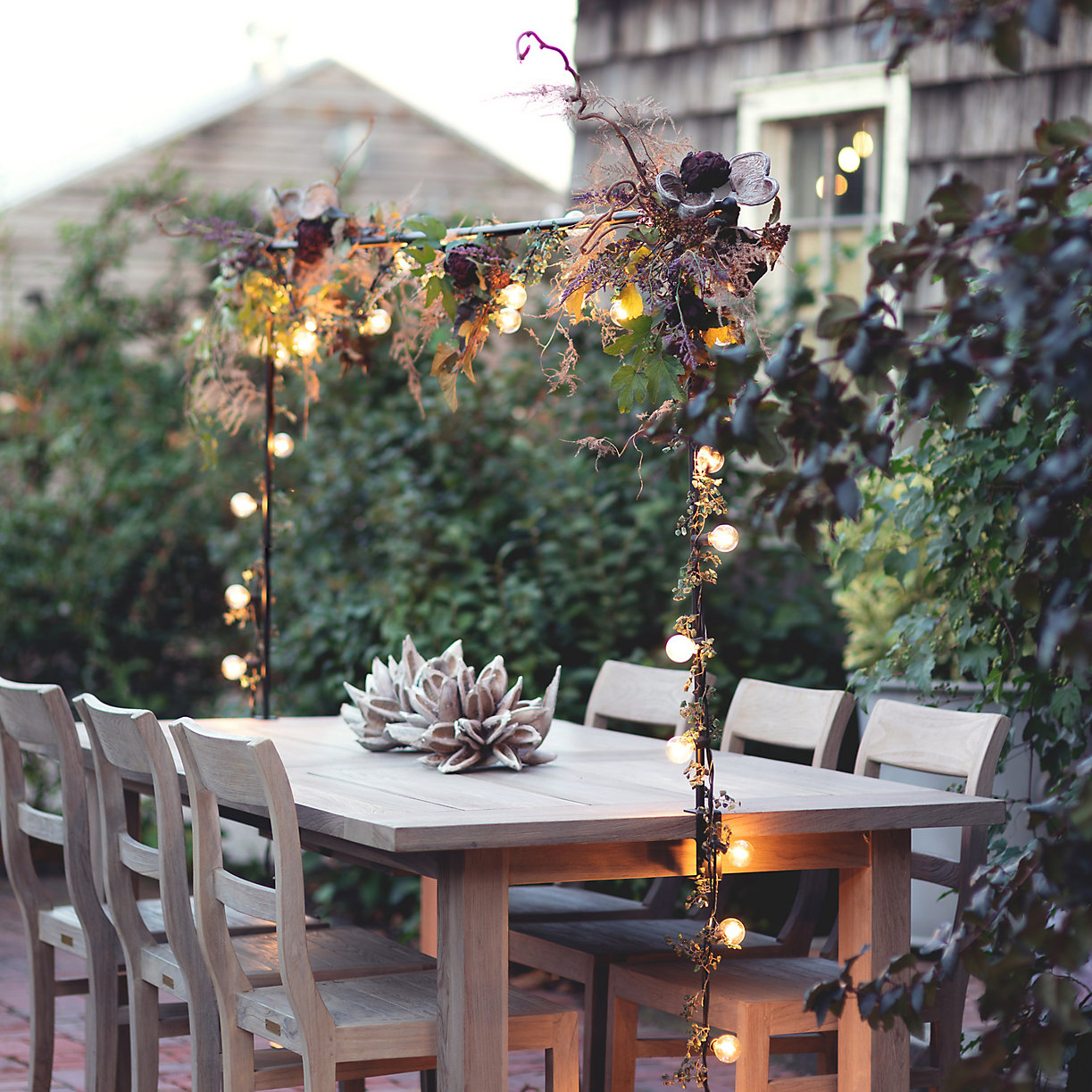
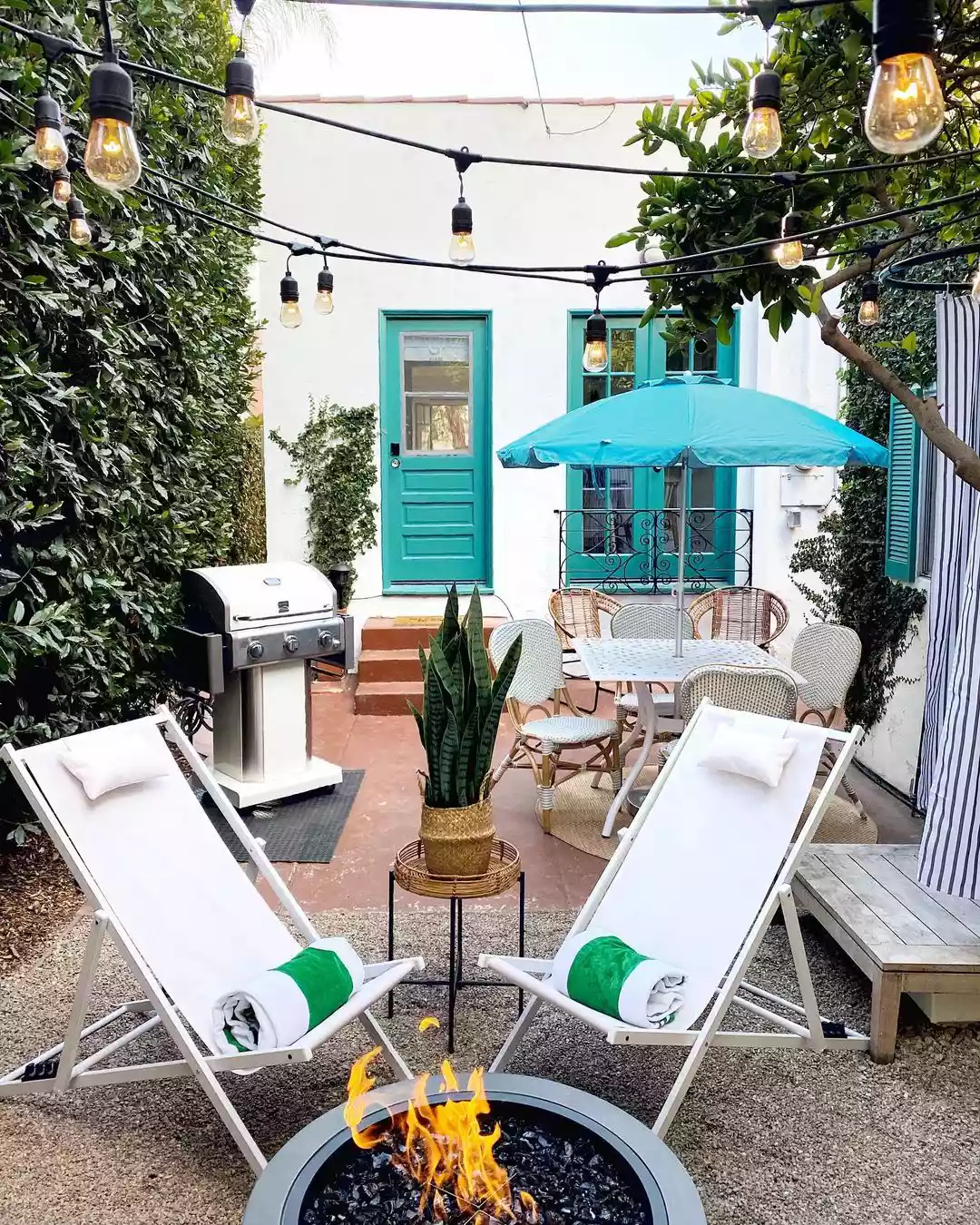
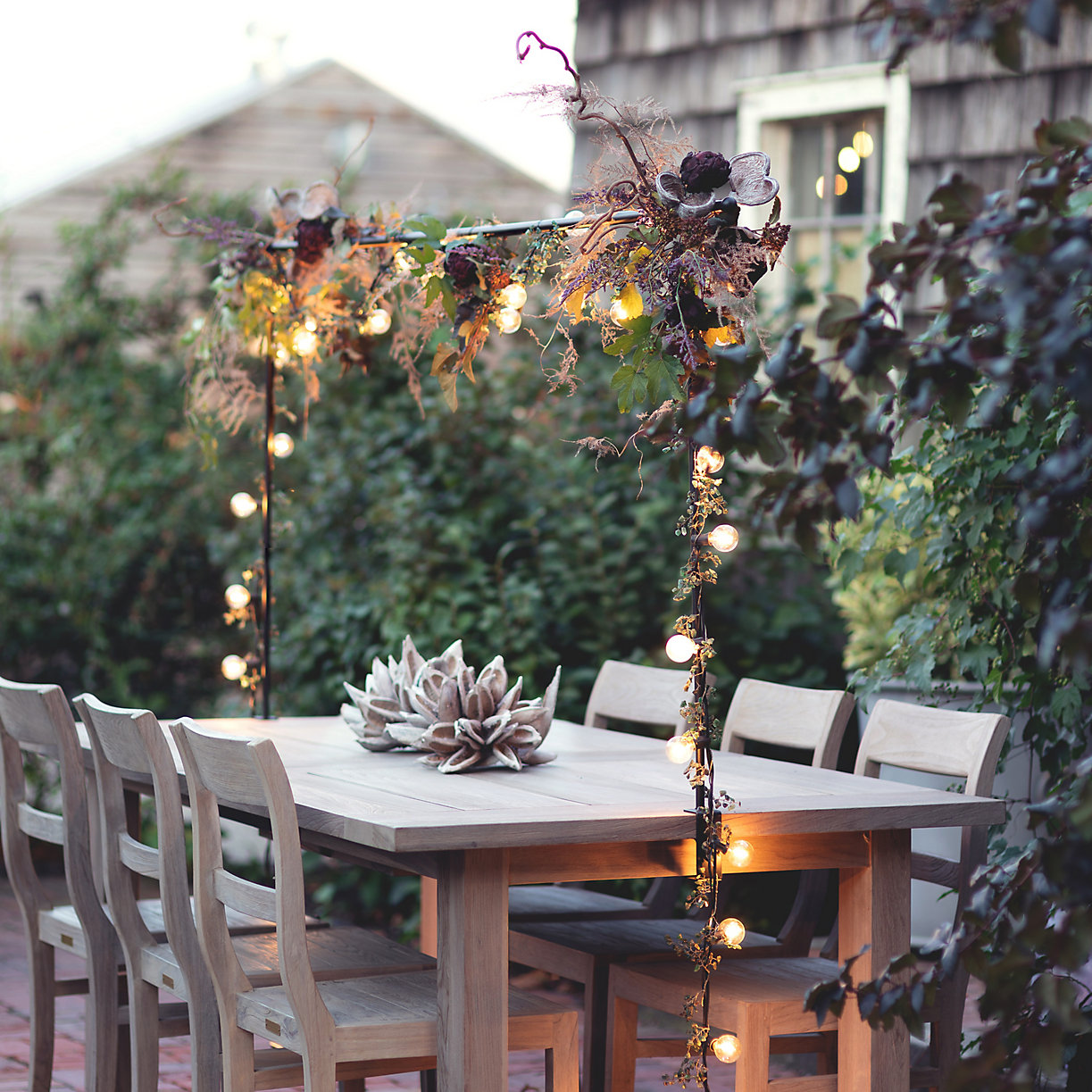
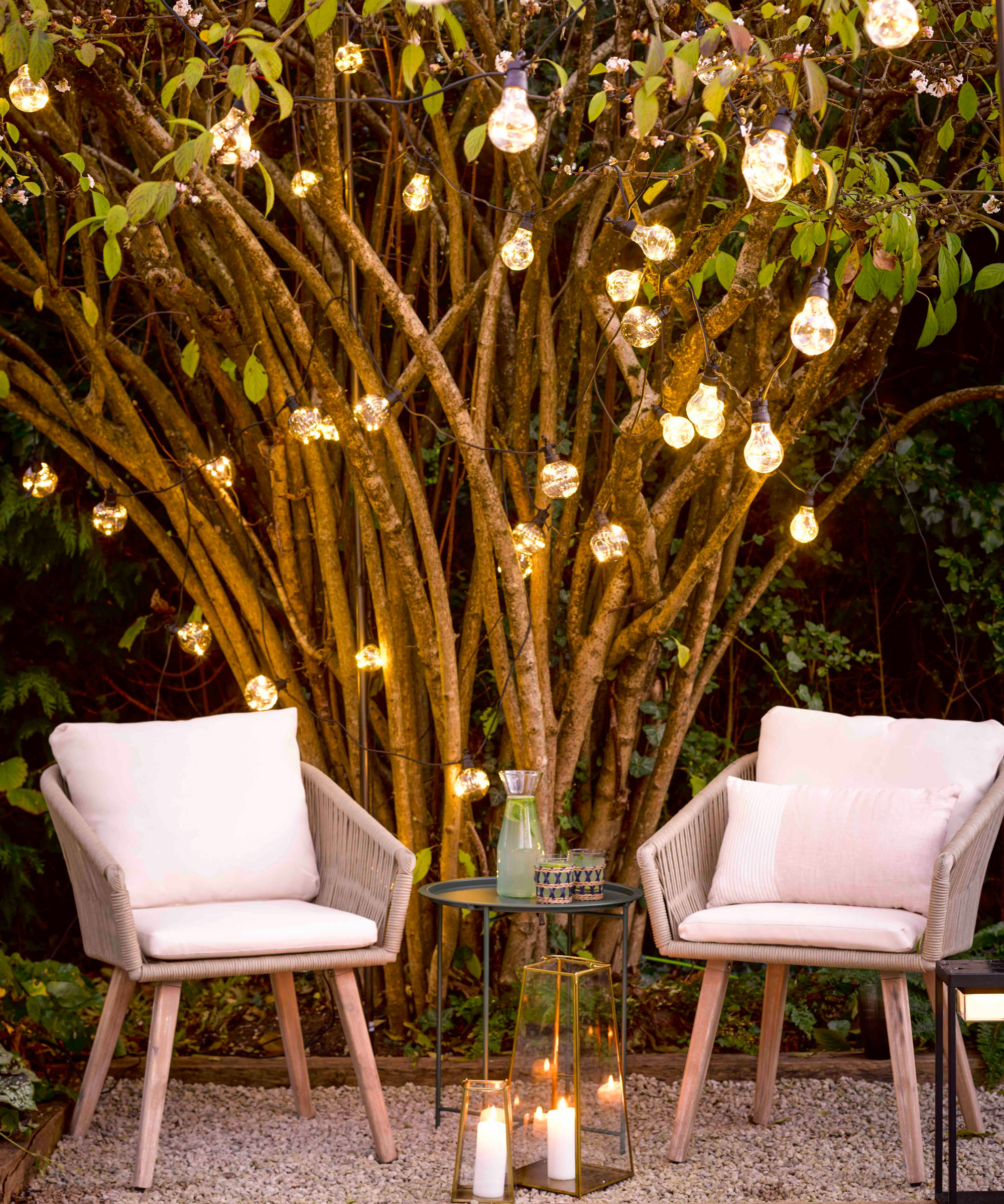
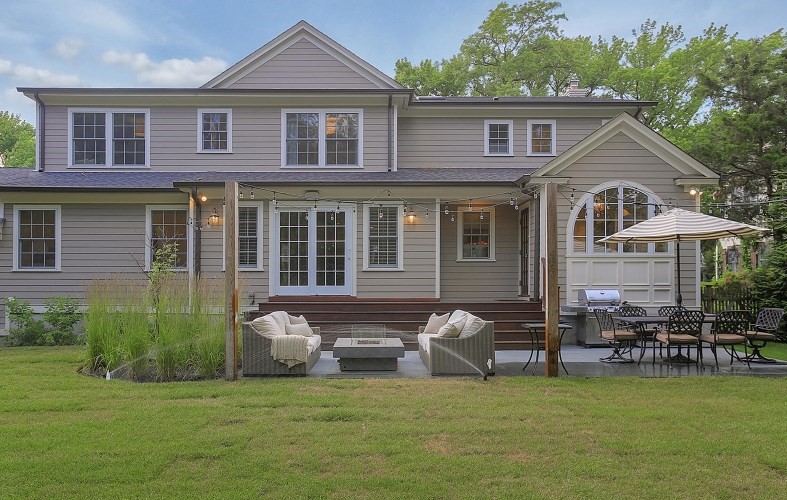
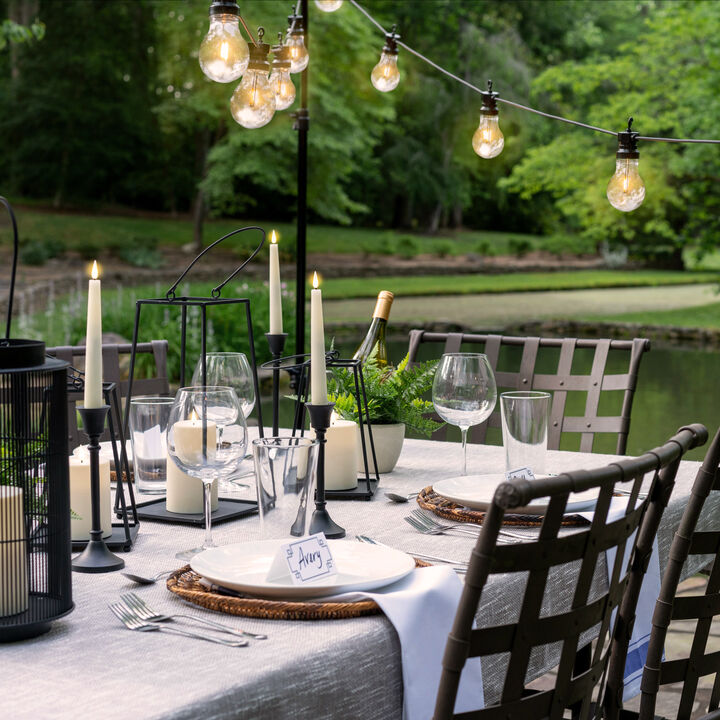
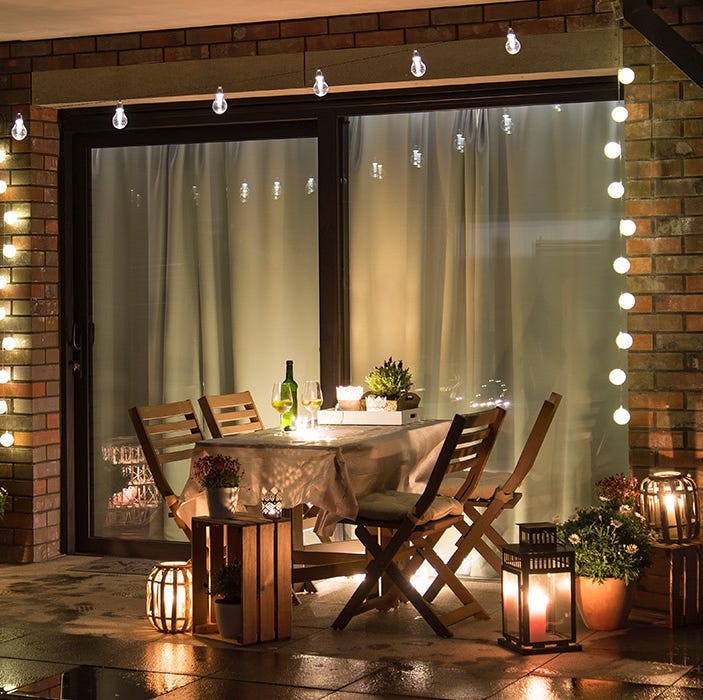
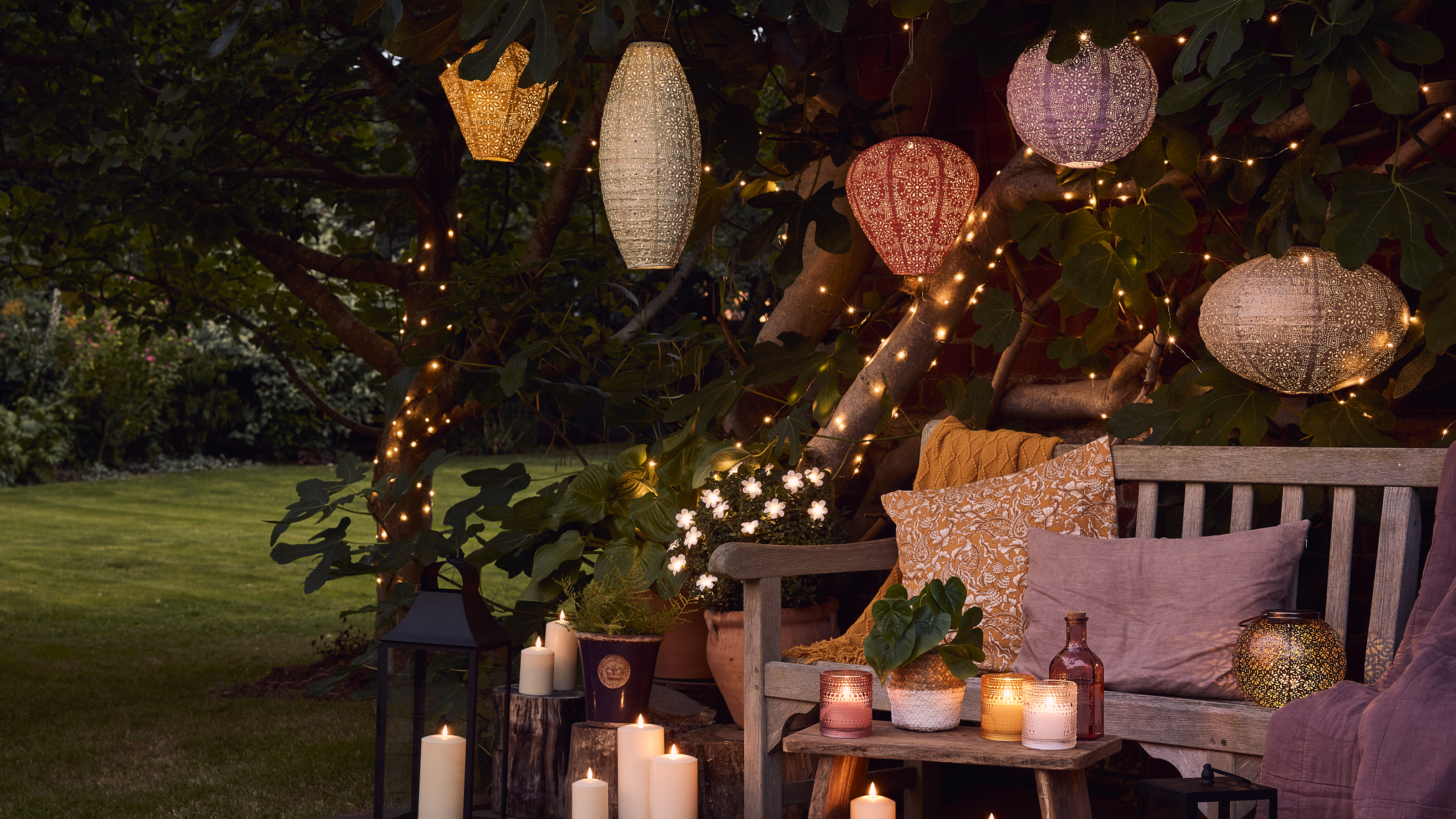
String lights are presented as a versatile option to create a whimsical and magical atmosphere, suitable not only for summer gatherings but also for fall and winter evenings. Proper spacing of 3 to 4 feet between bulbs is advised to ensure optimal brightness and an effective, non-sagging arrangement.
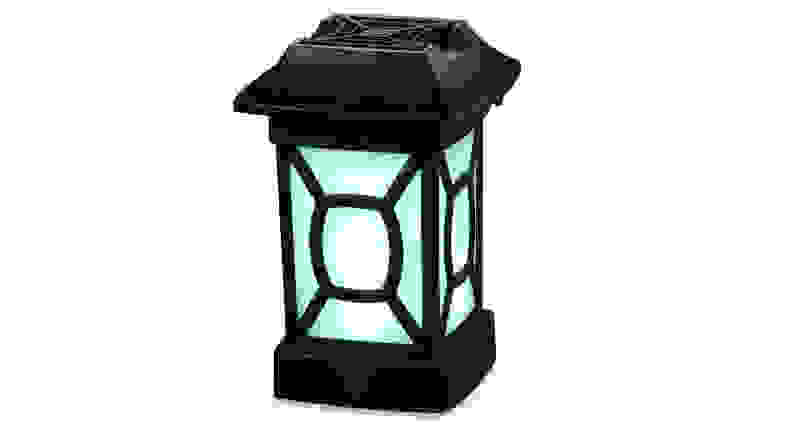
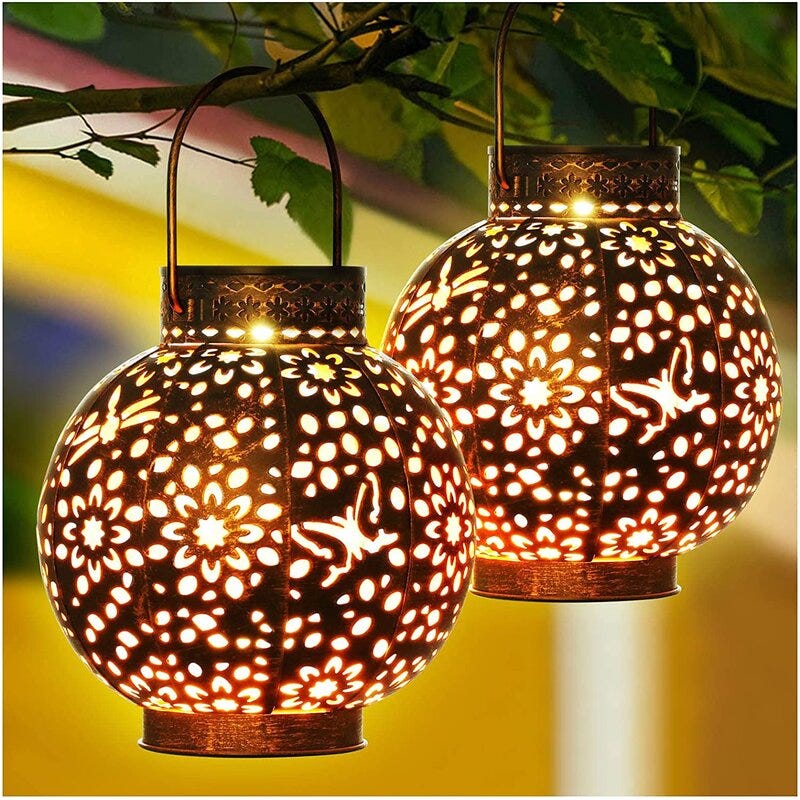
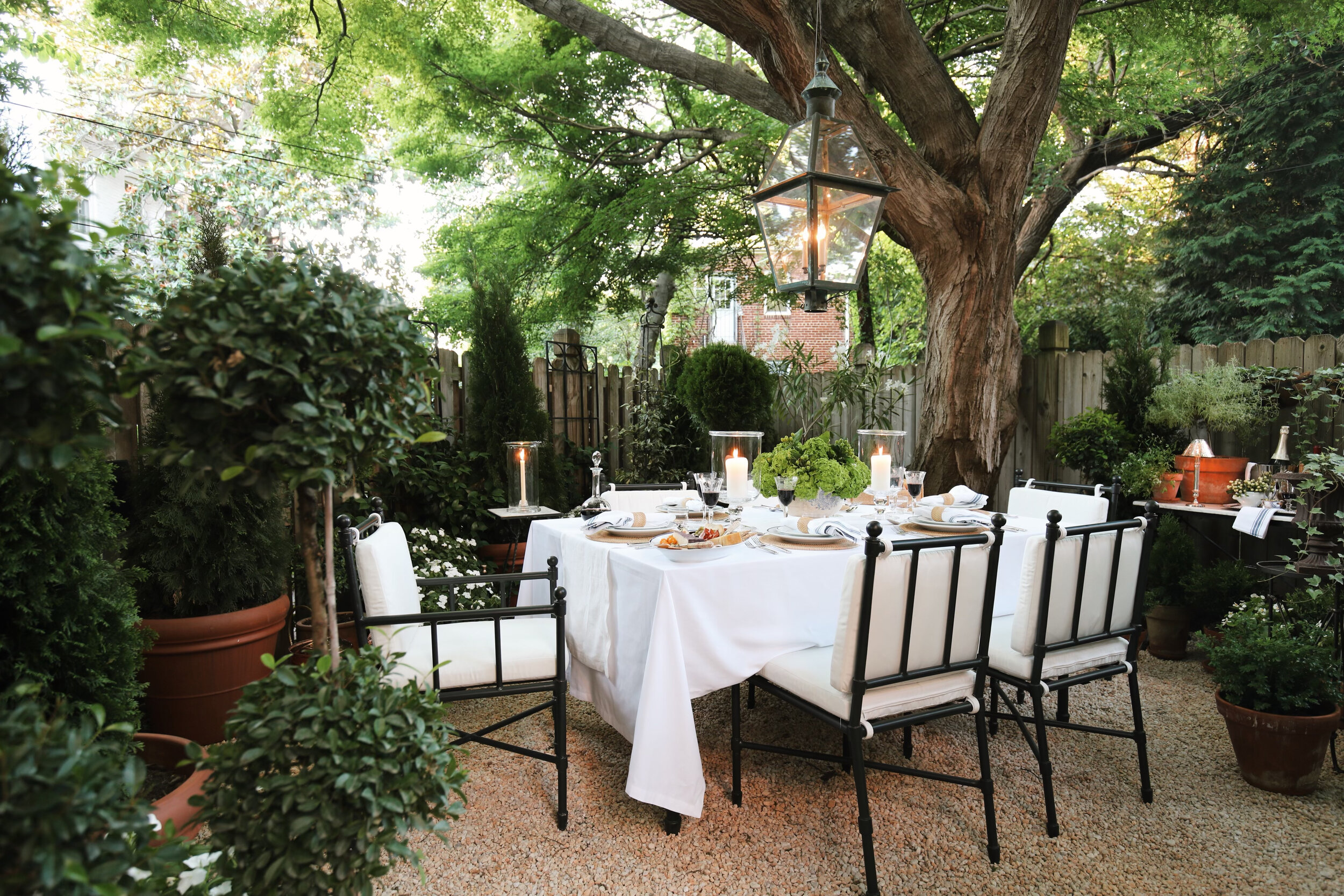
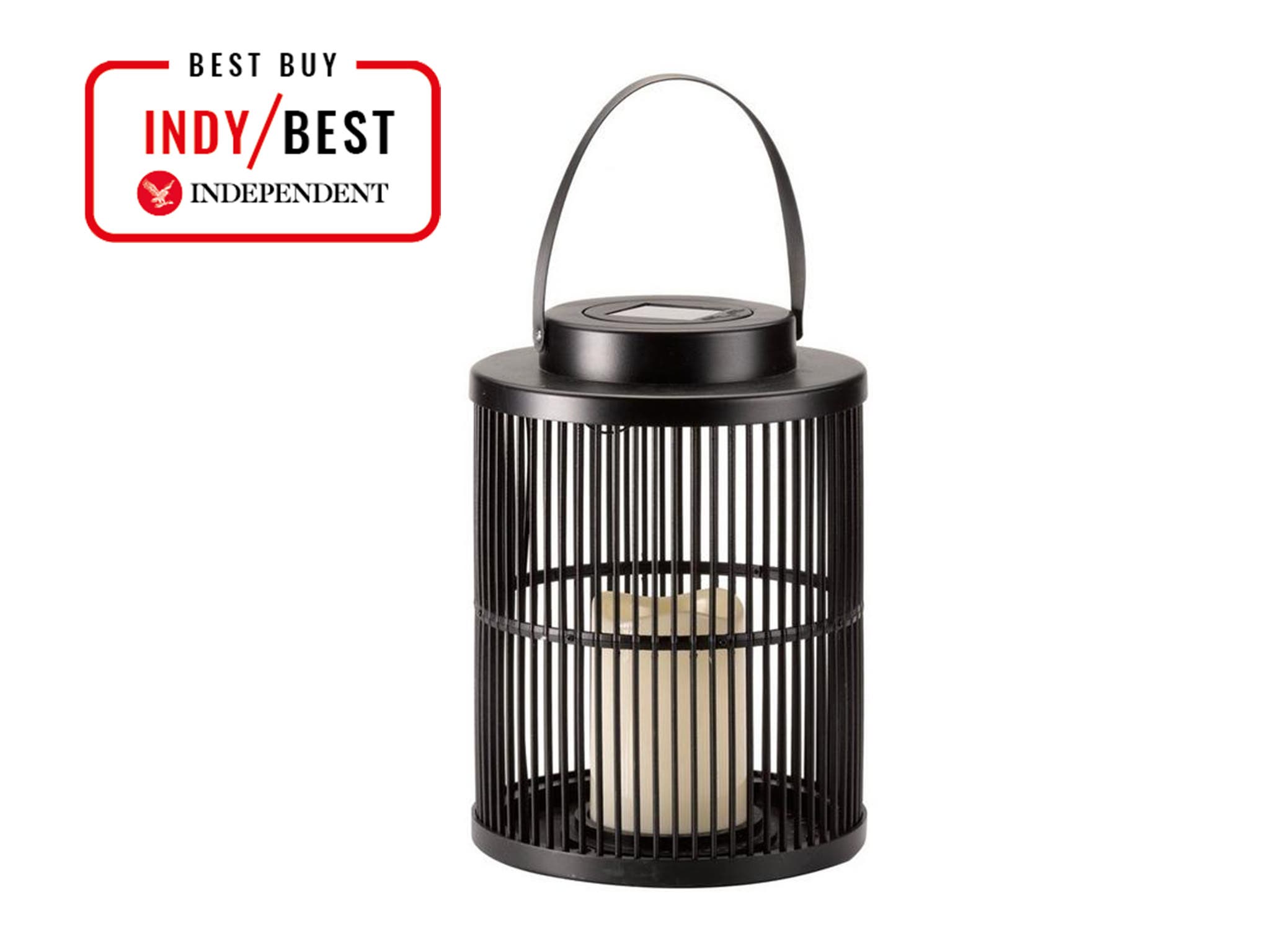
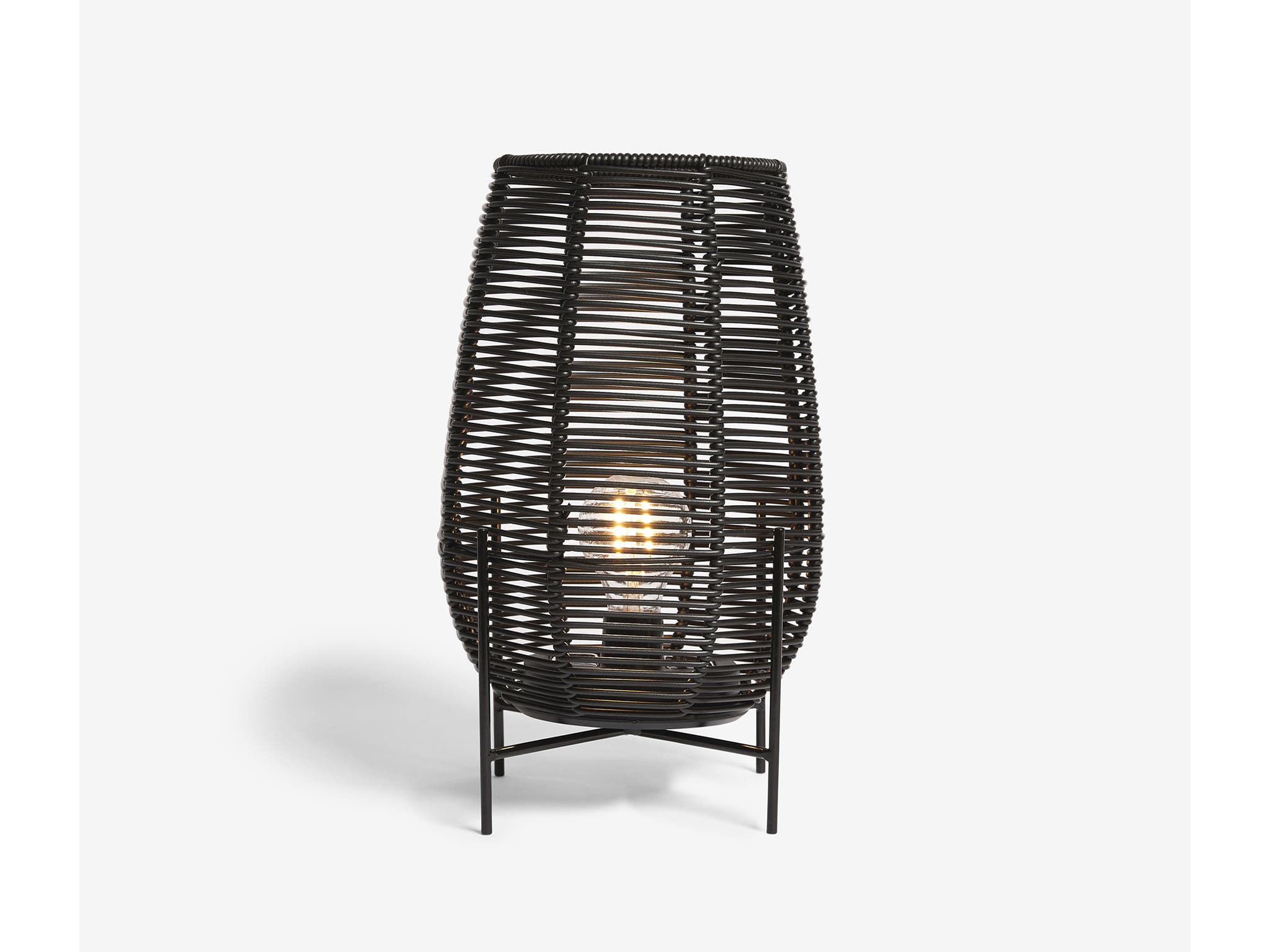
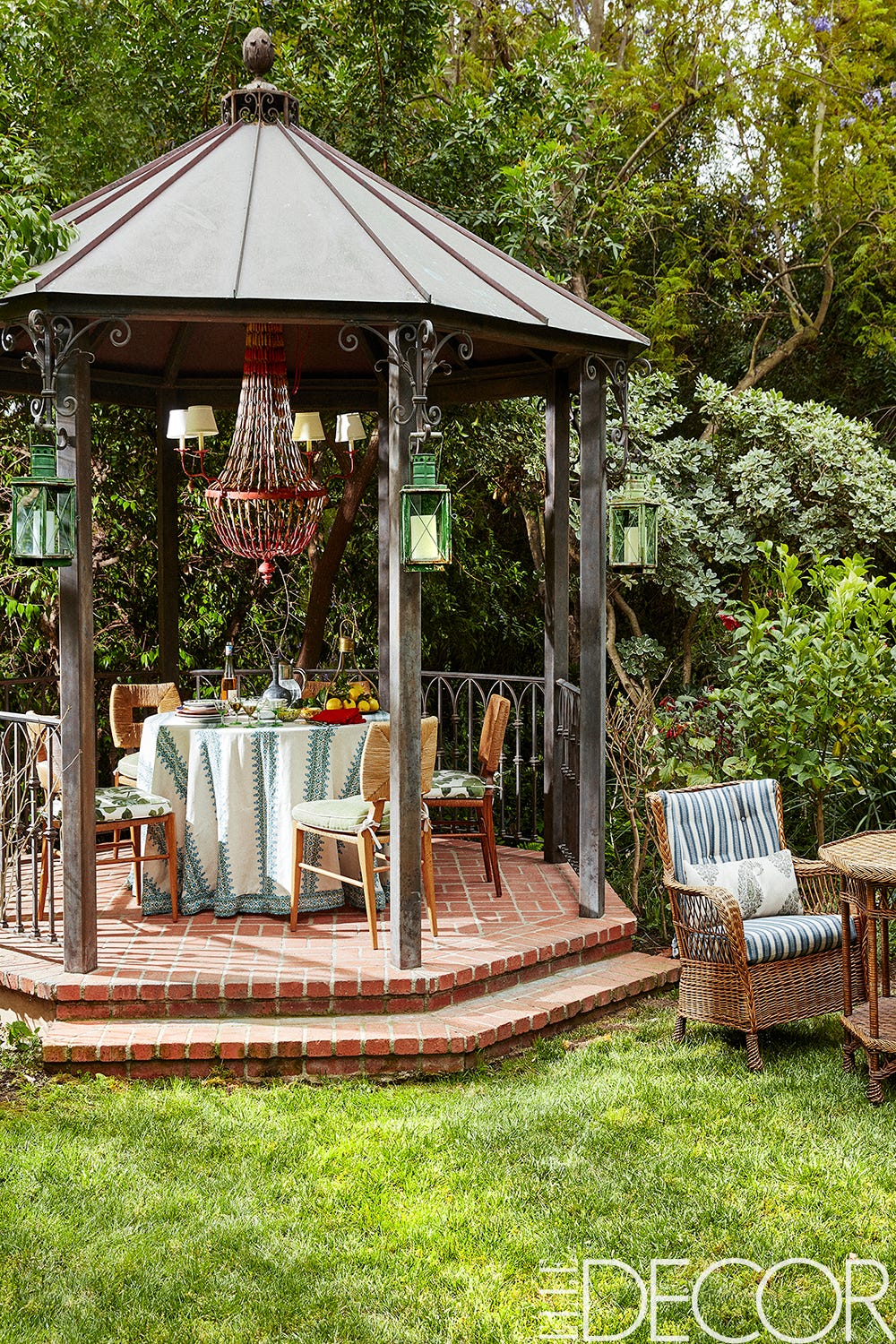
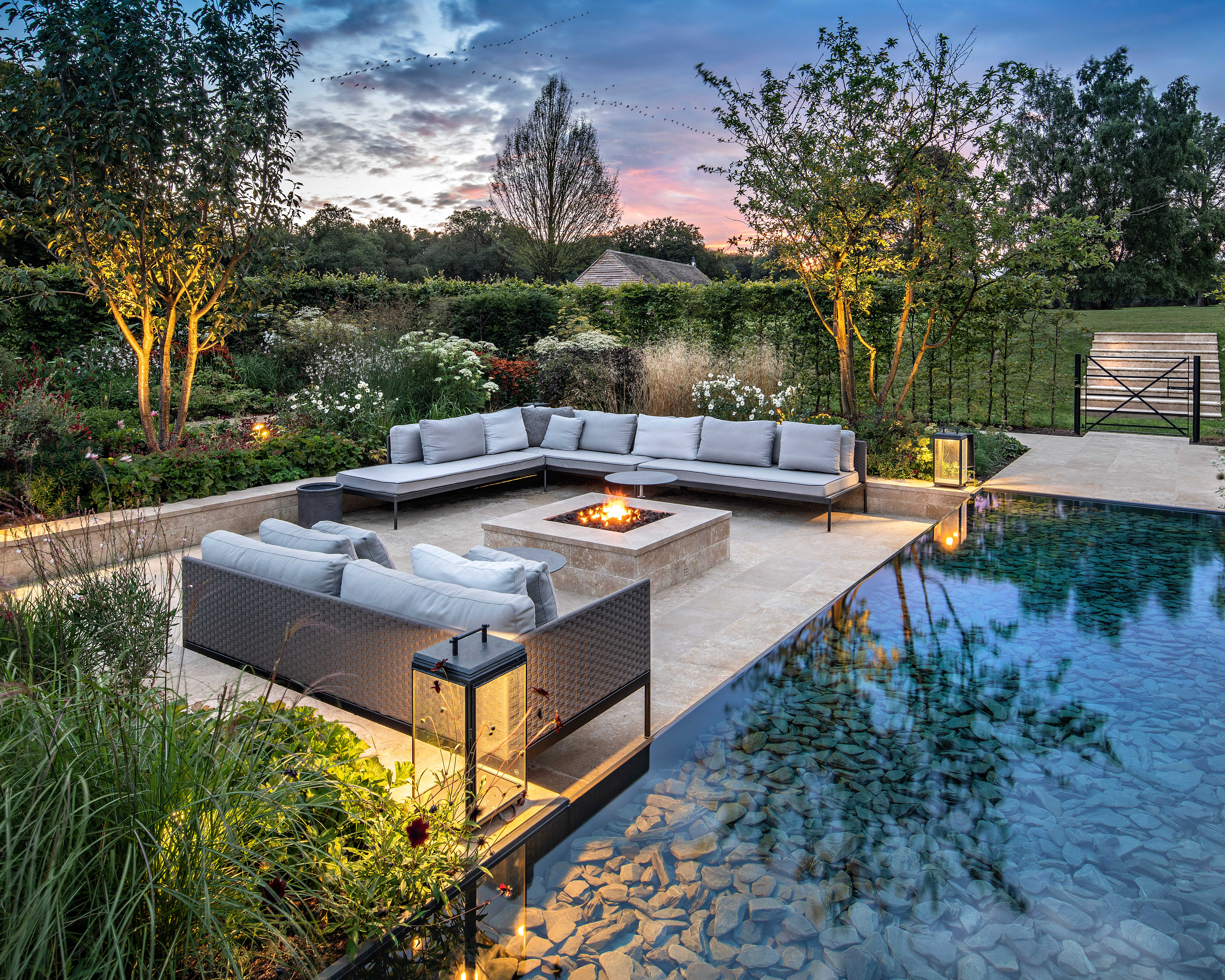
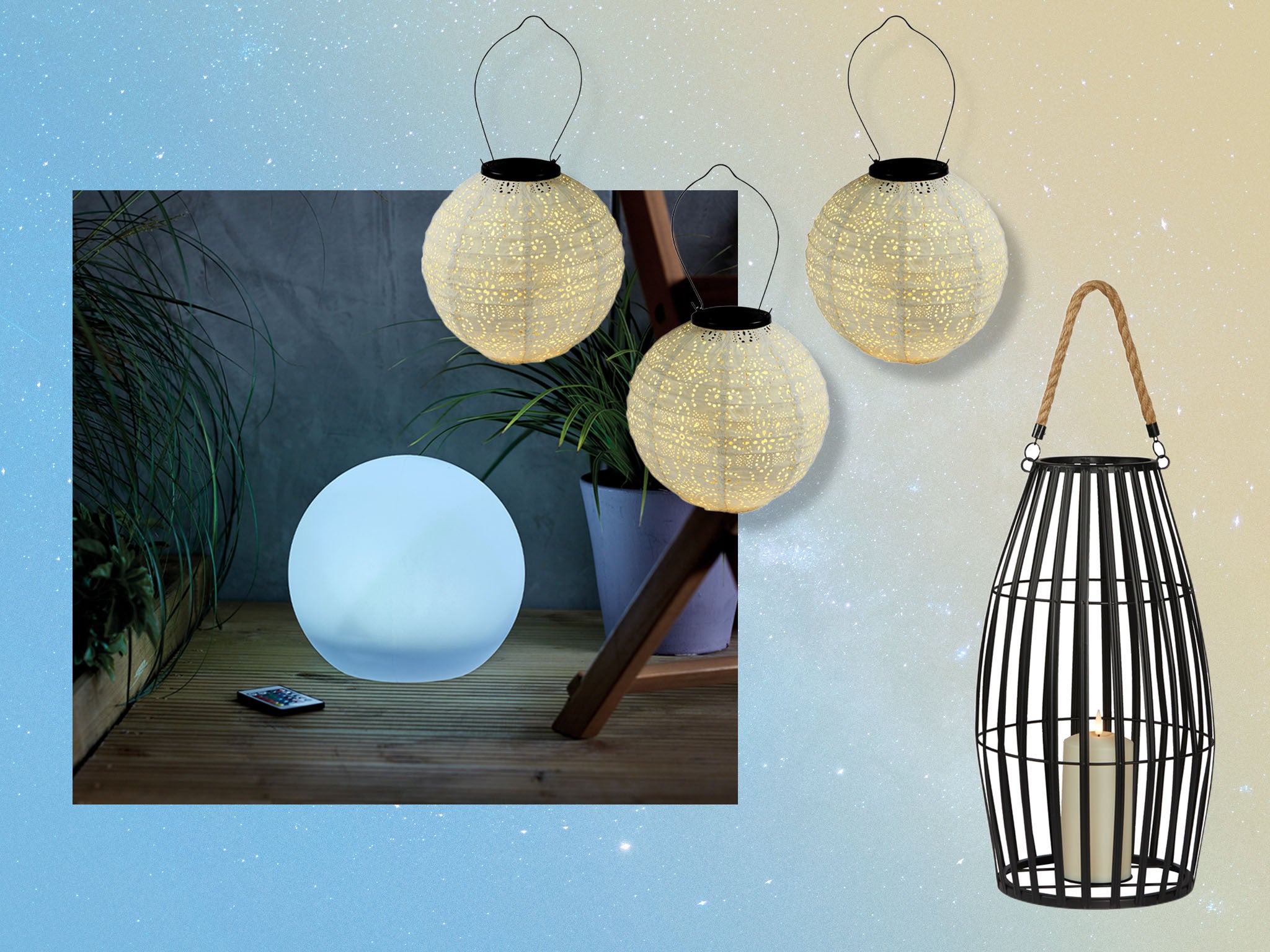
For illuminating dark corners or specific areas, portable lanterns are highlighted as an attractive and convenient choice. These can be placed in planters or on tables, providing additional layers of light and enhancing the view from indoors with their ambient glow.
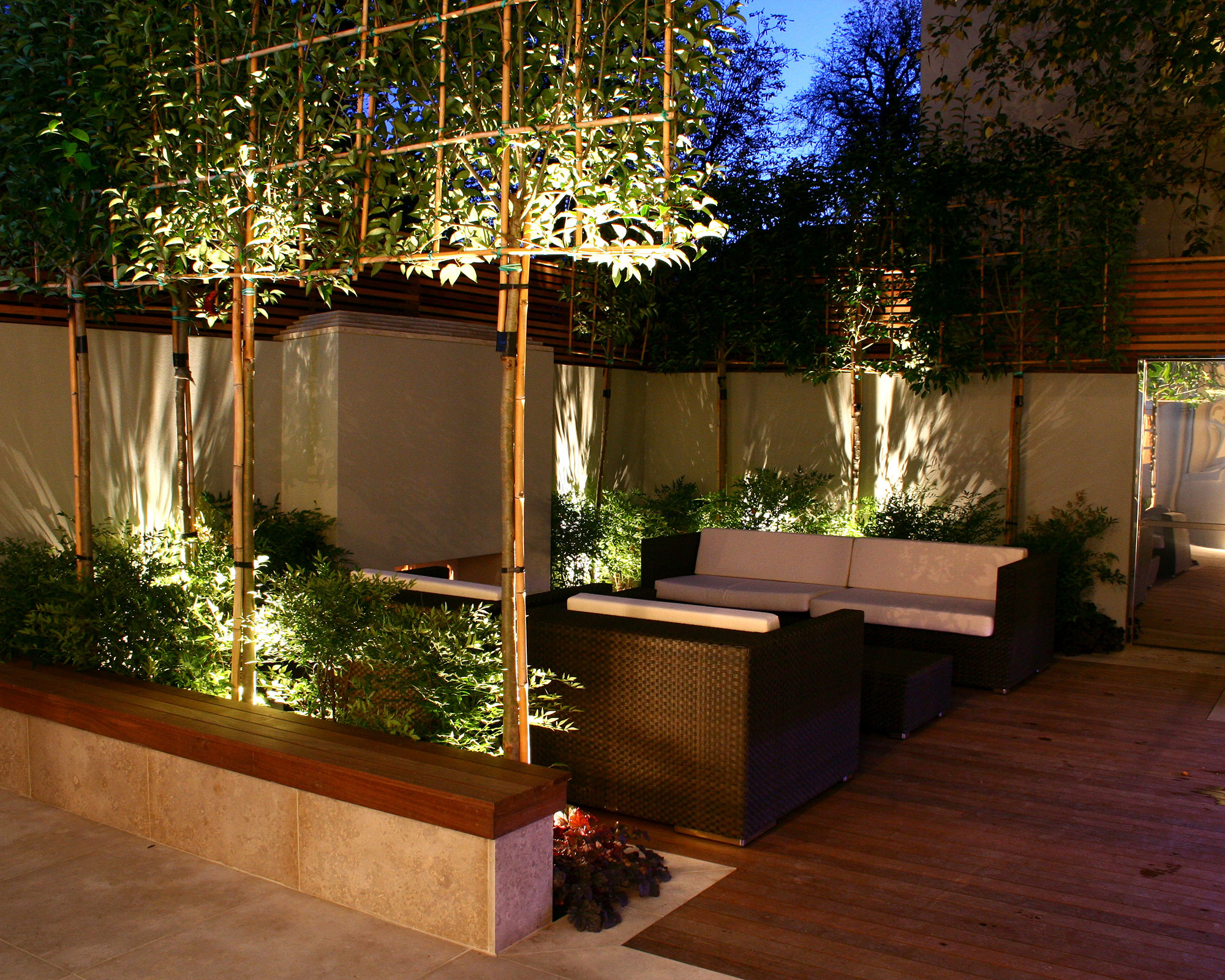
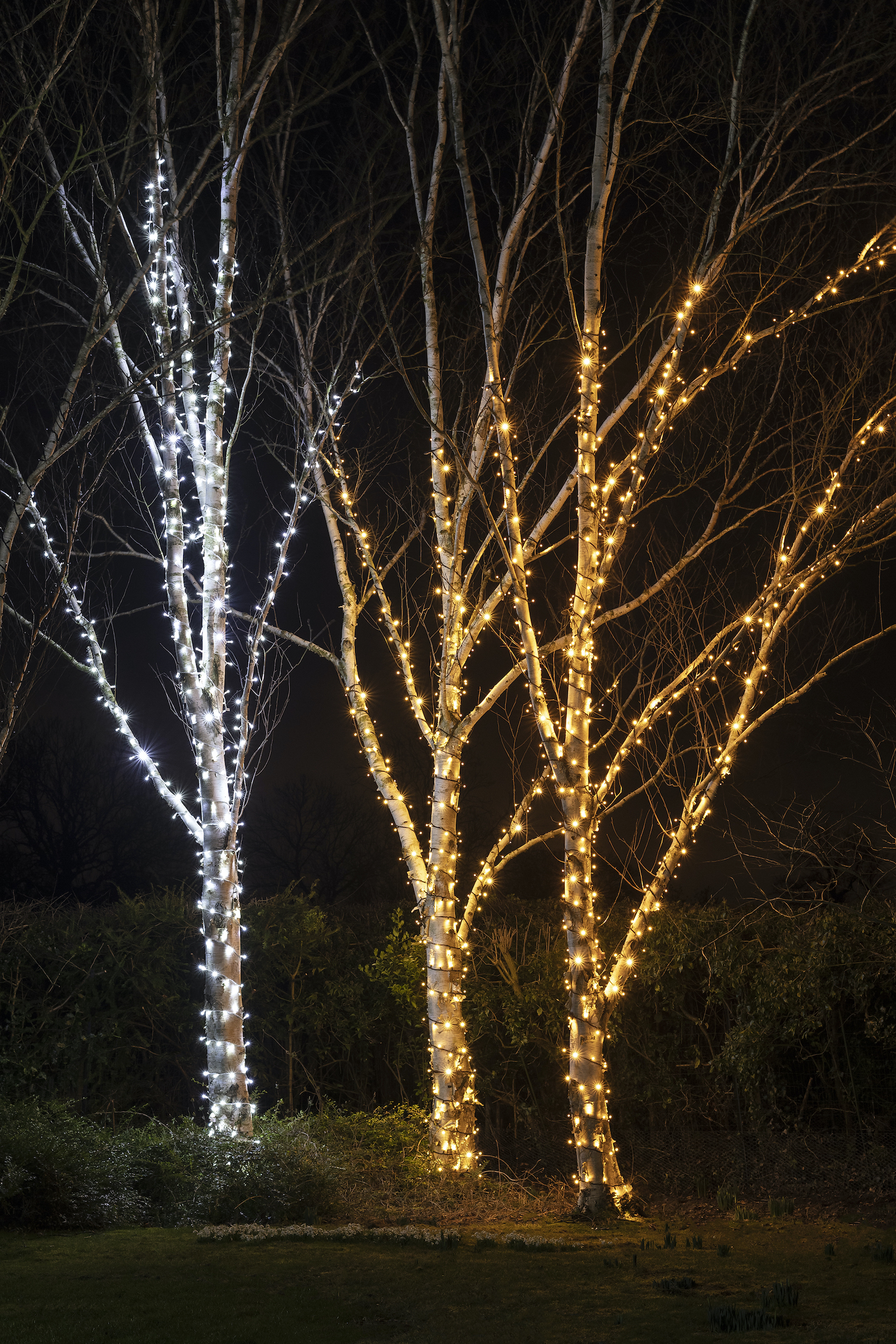
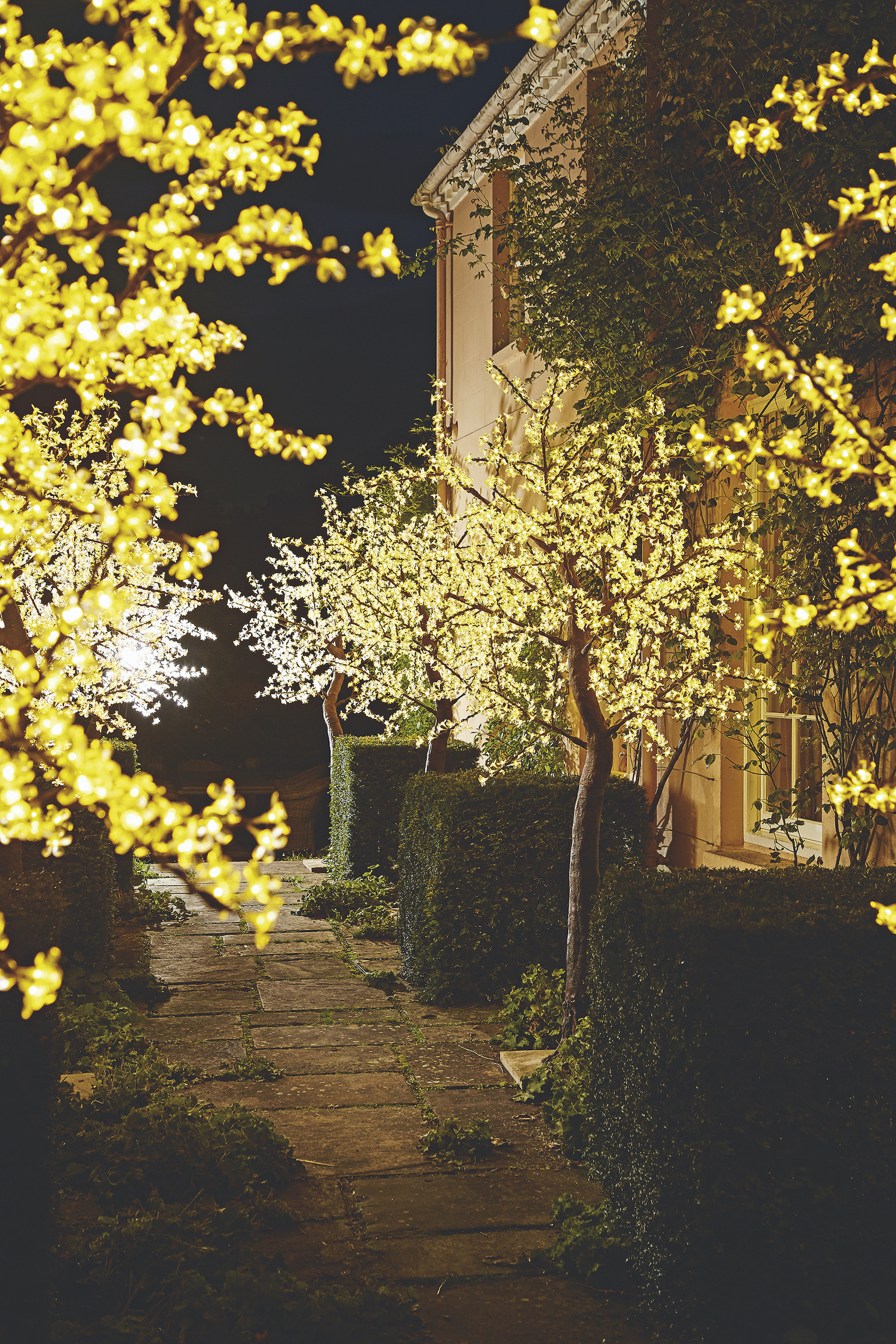
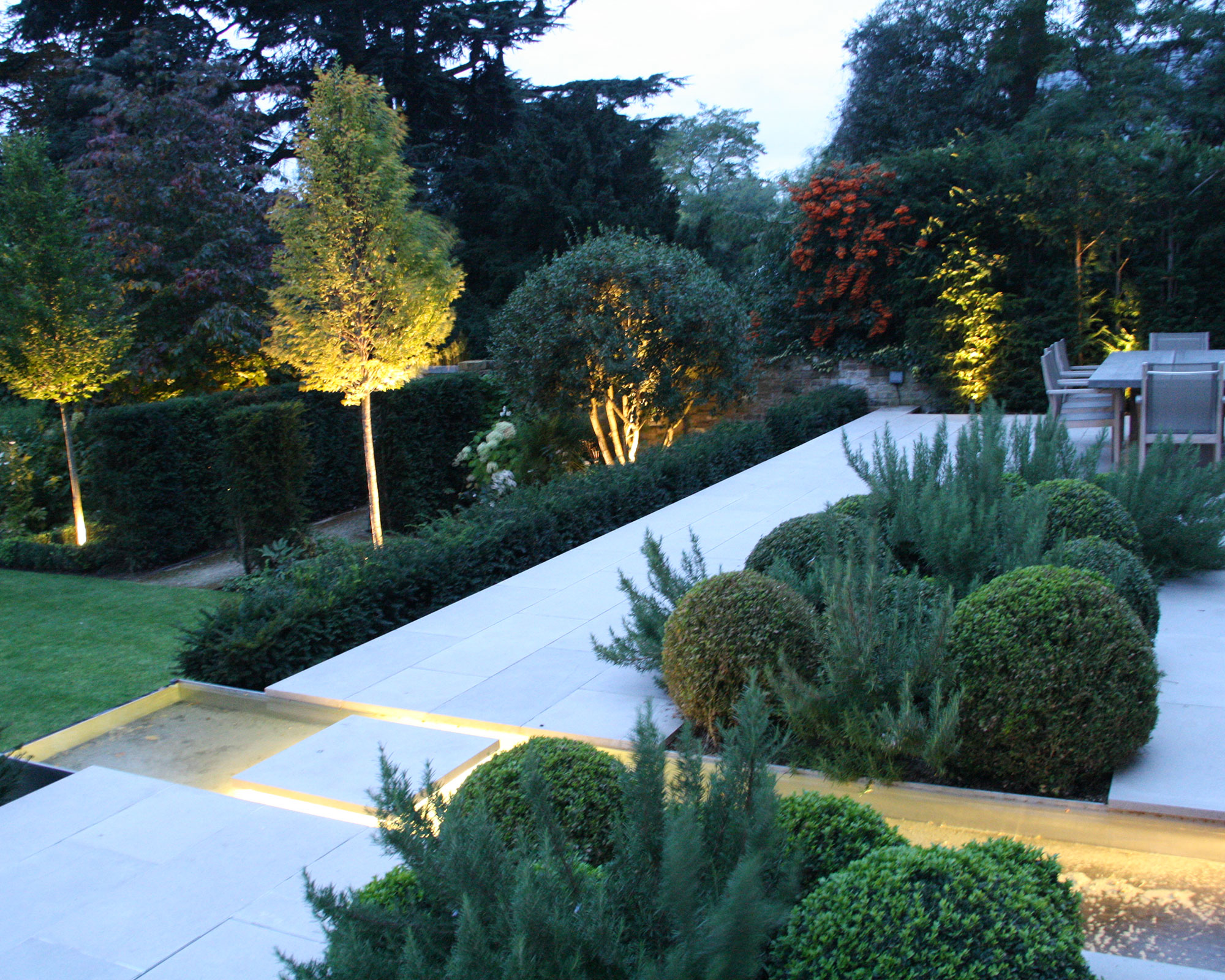
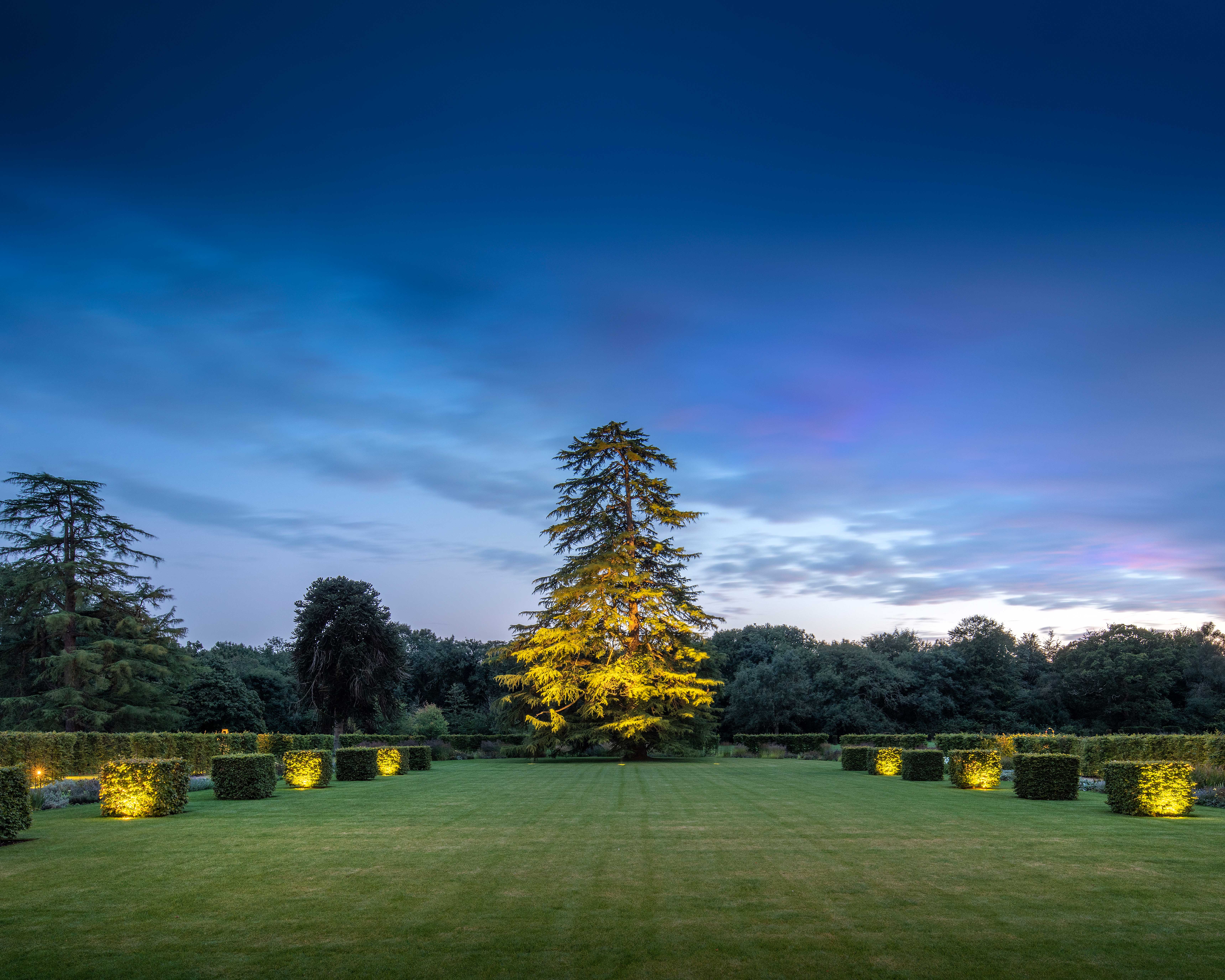
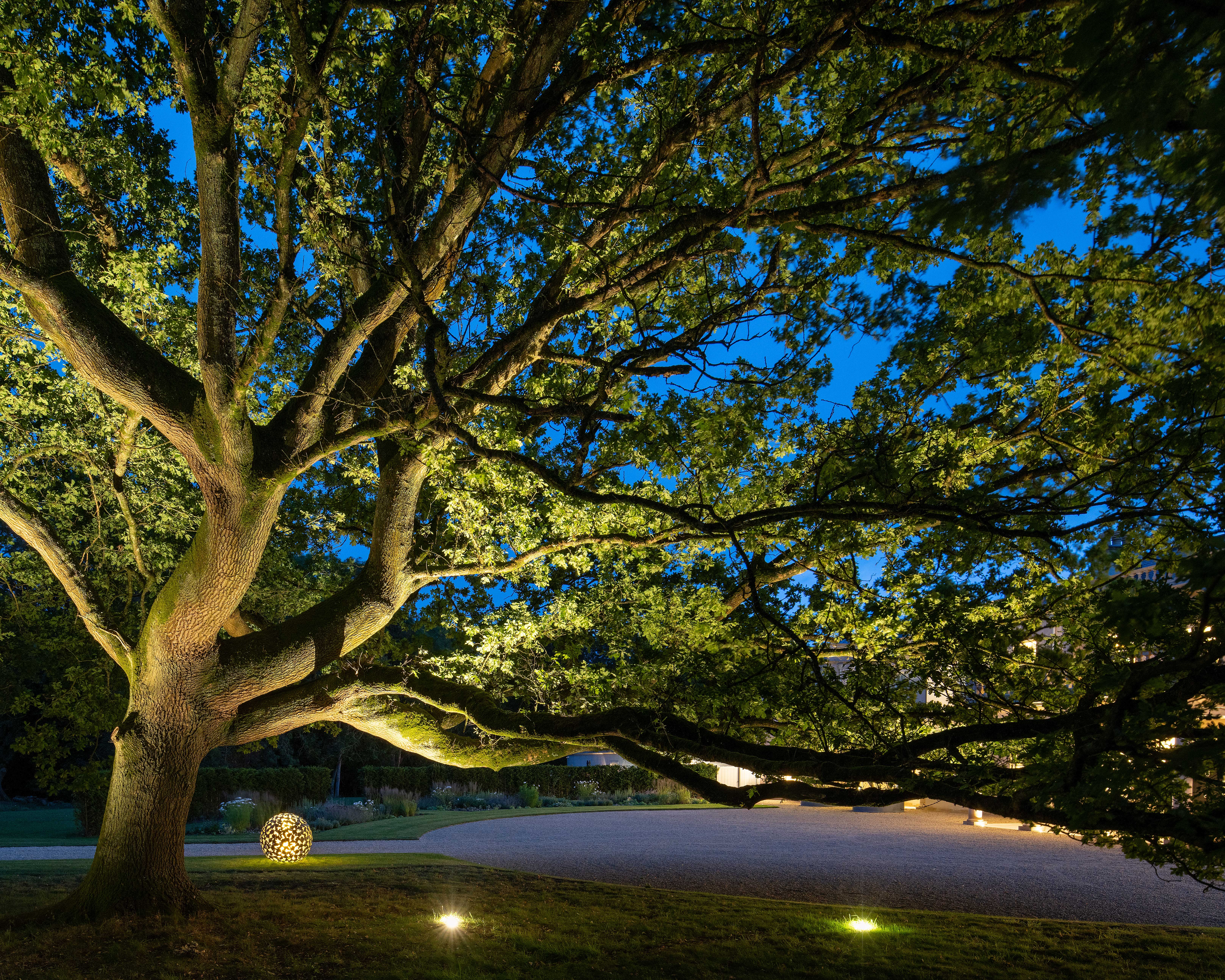
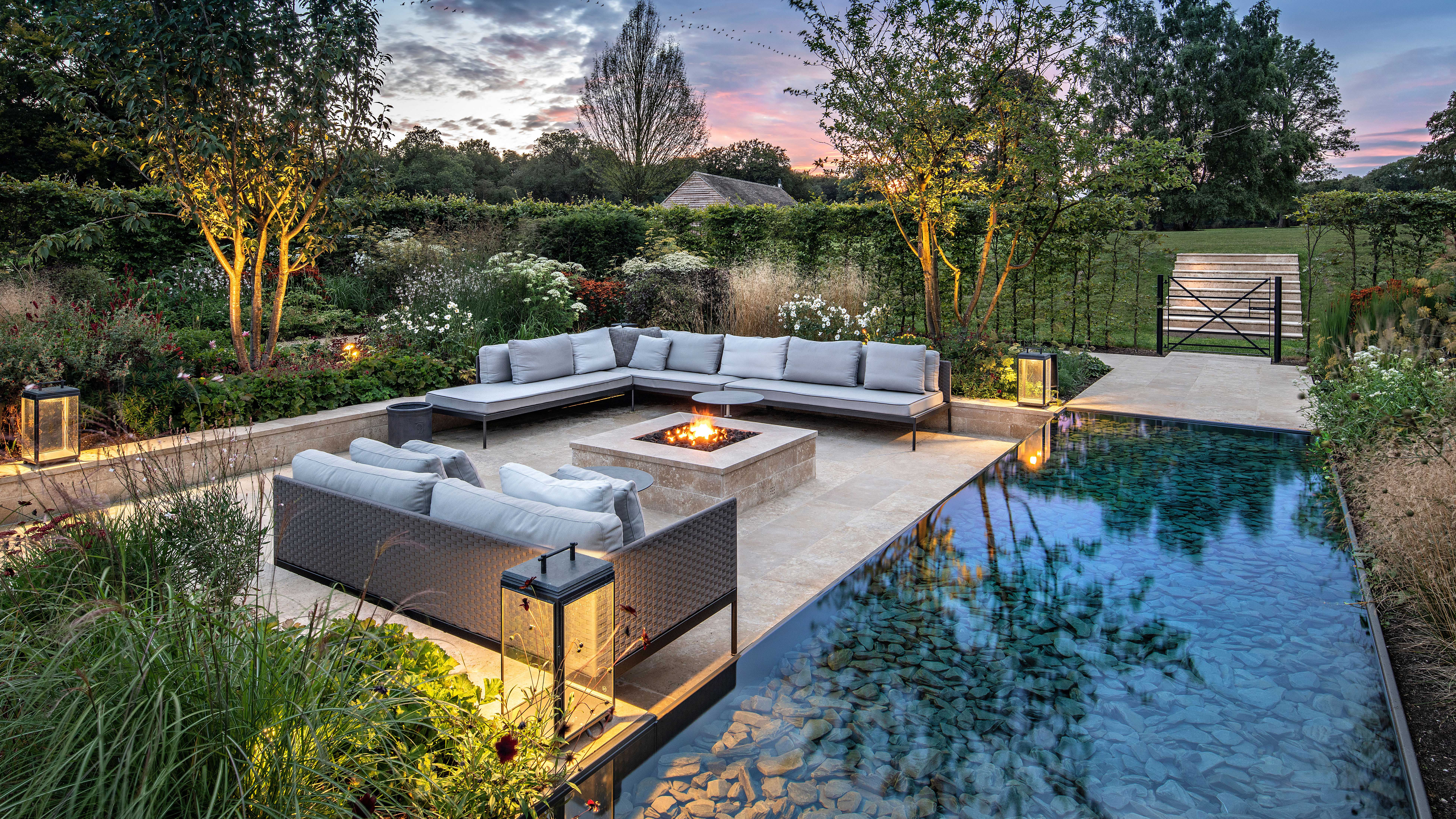
Uplighting is suggested for accentuating natural features like the base of trees or attractive walls. Landscape designers advocate for discreet lighting where the source is hidden, creating cones of light or rhythmic patterns that add dramatic effect. Similarly, "moonlighting" involves dangling small downlights from tree branches to cast intricate shadows on the patio, though users are reminded to turn them off overnight to minimize light pollution.
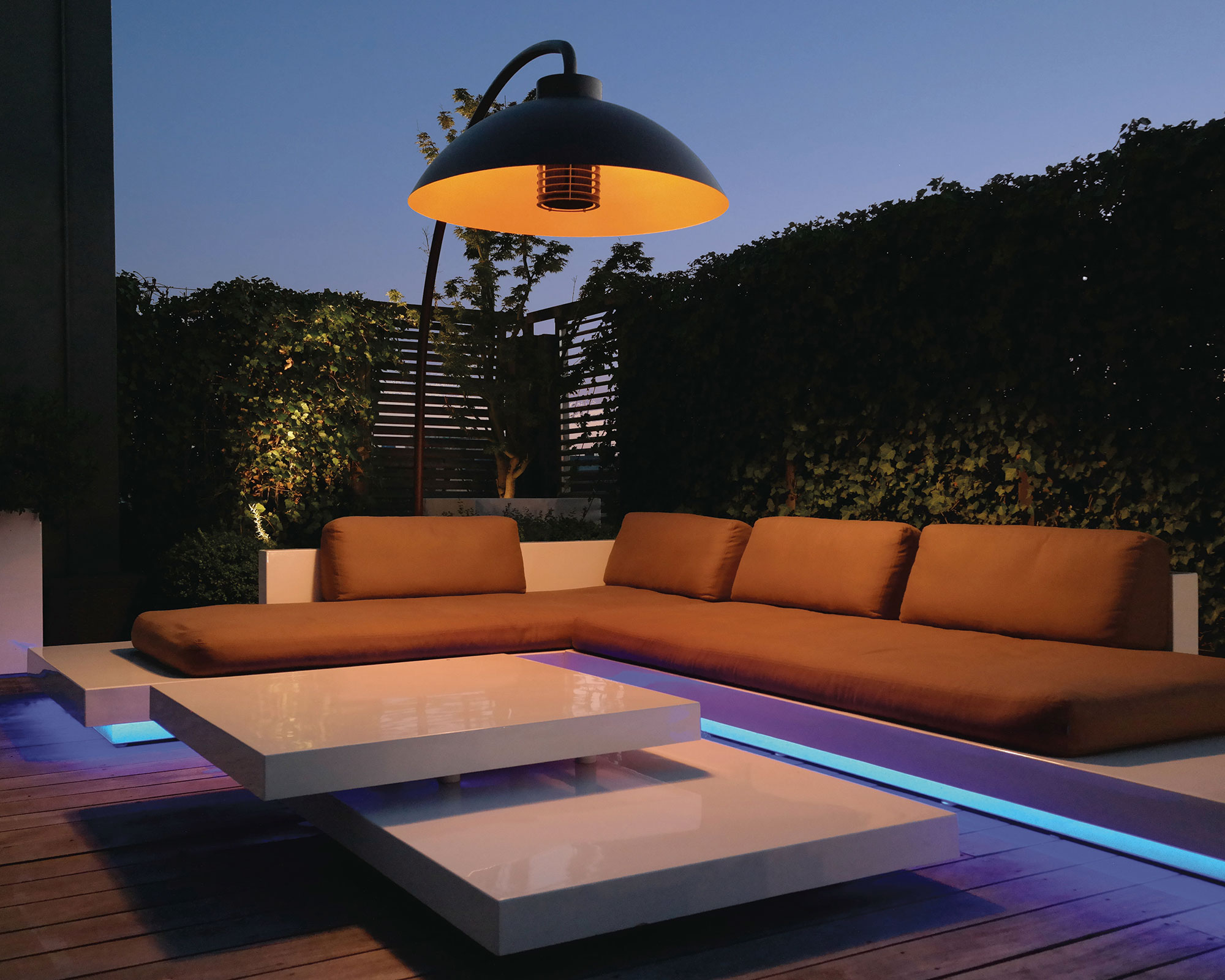
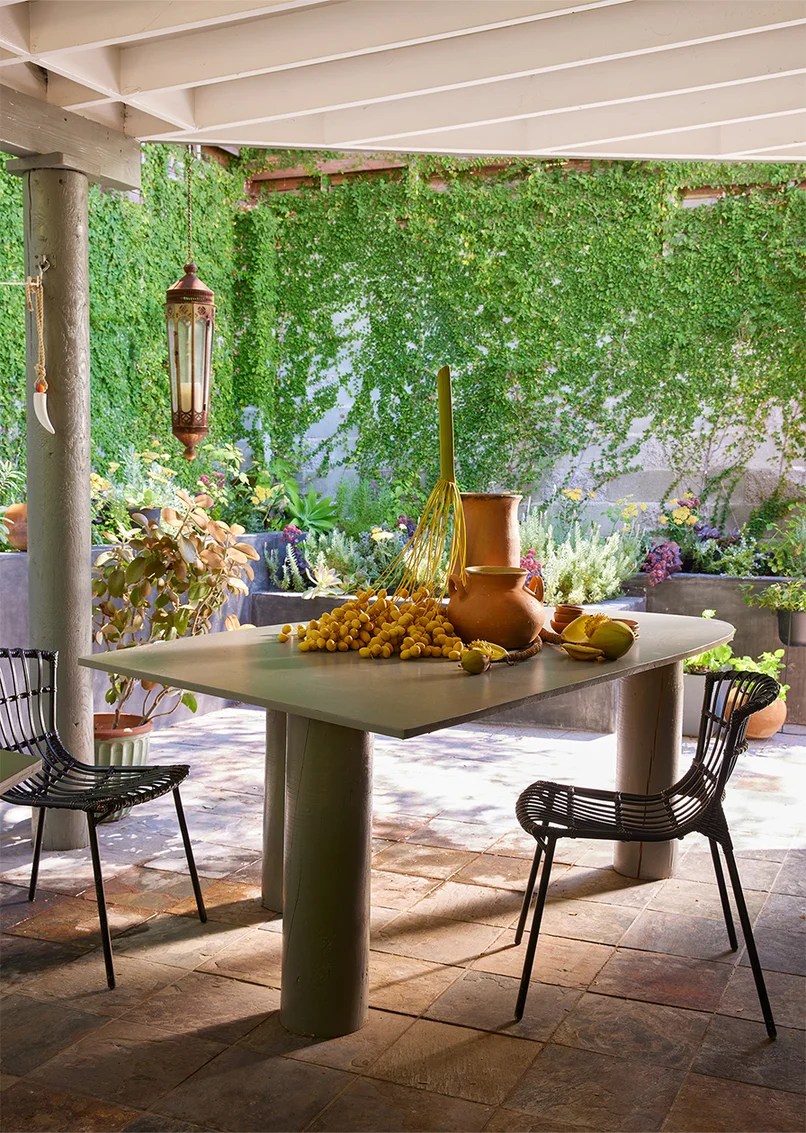
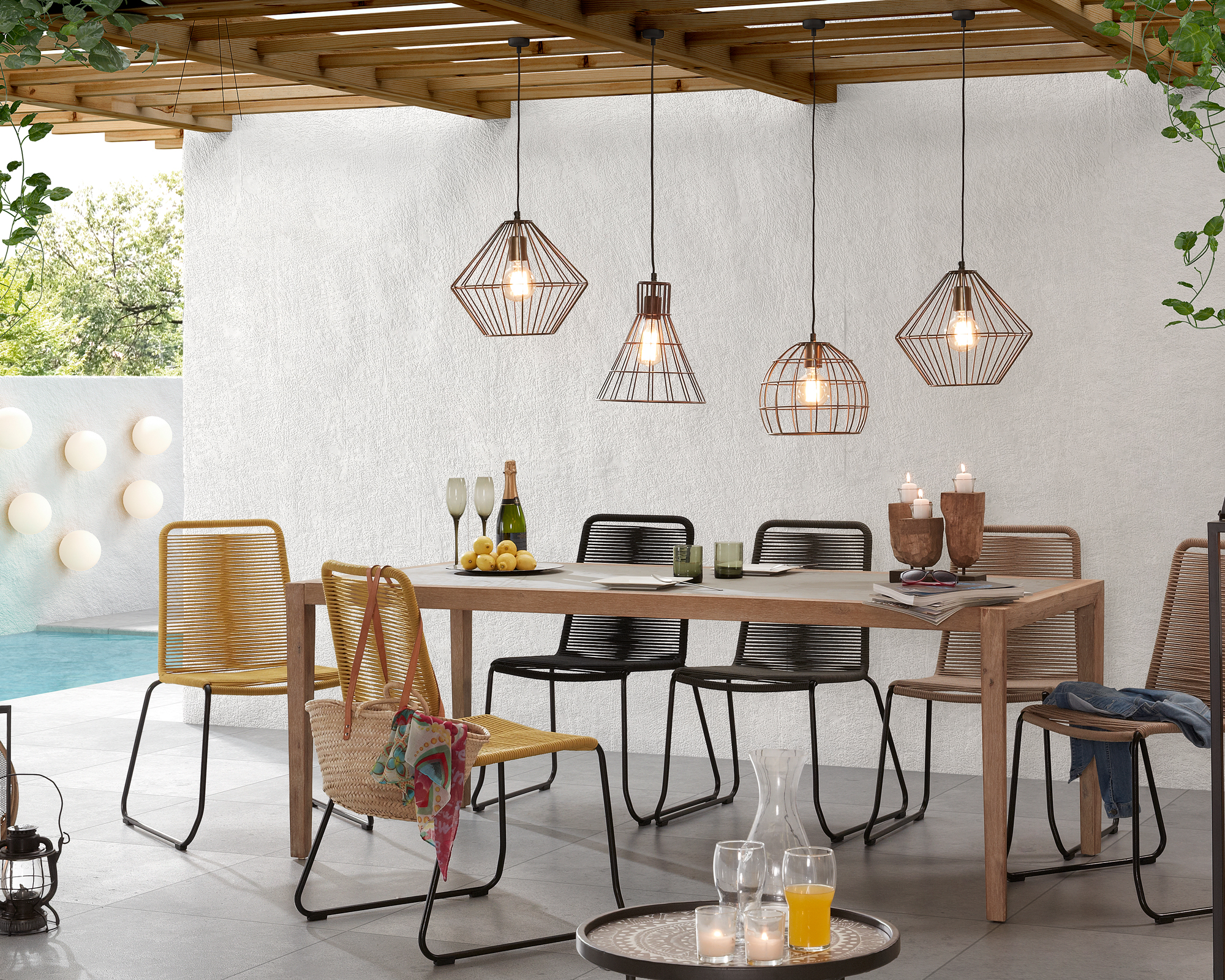
Pendant ceiling lighting is an option for covered outdoor areas such as pergolas or back porches. Combining pendant lights with wall sconces can create a layered and inviting ambiance, with dimmable features allowing for adjustable brightness. For a more subtle approach, recessed lighting in porch overhangs or pergolas offers focused light for seating or walkways, providing clarity and comfort during colder months, especially when using dimmable, warm-temperature LEDs.
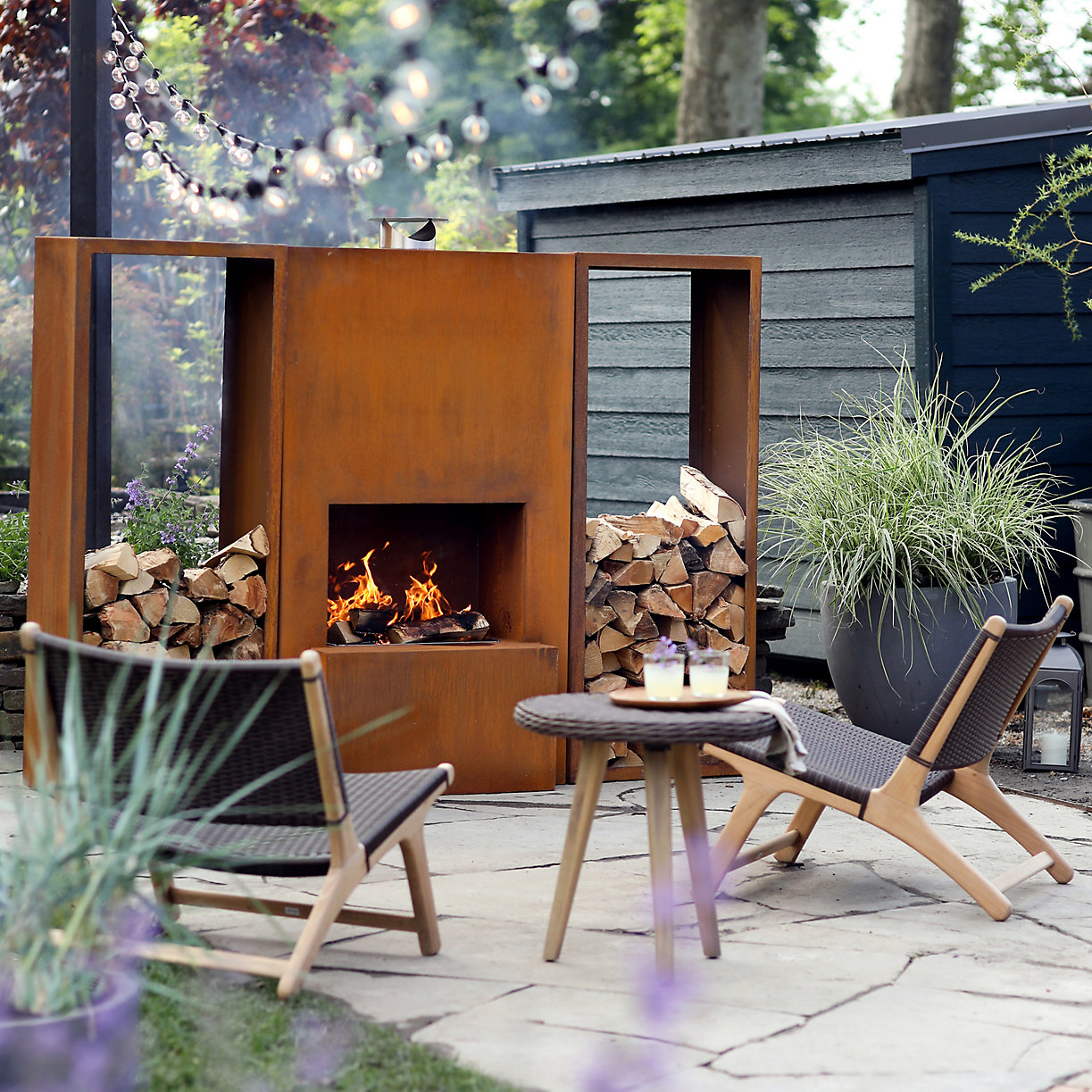
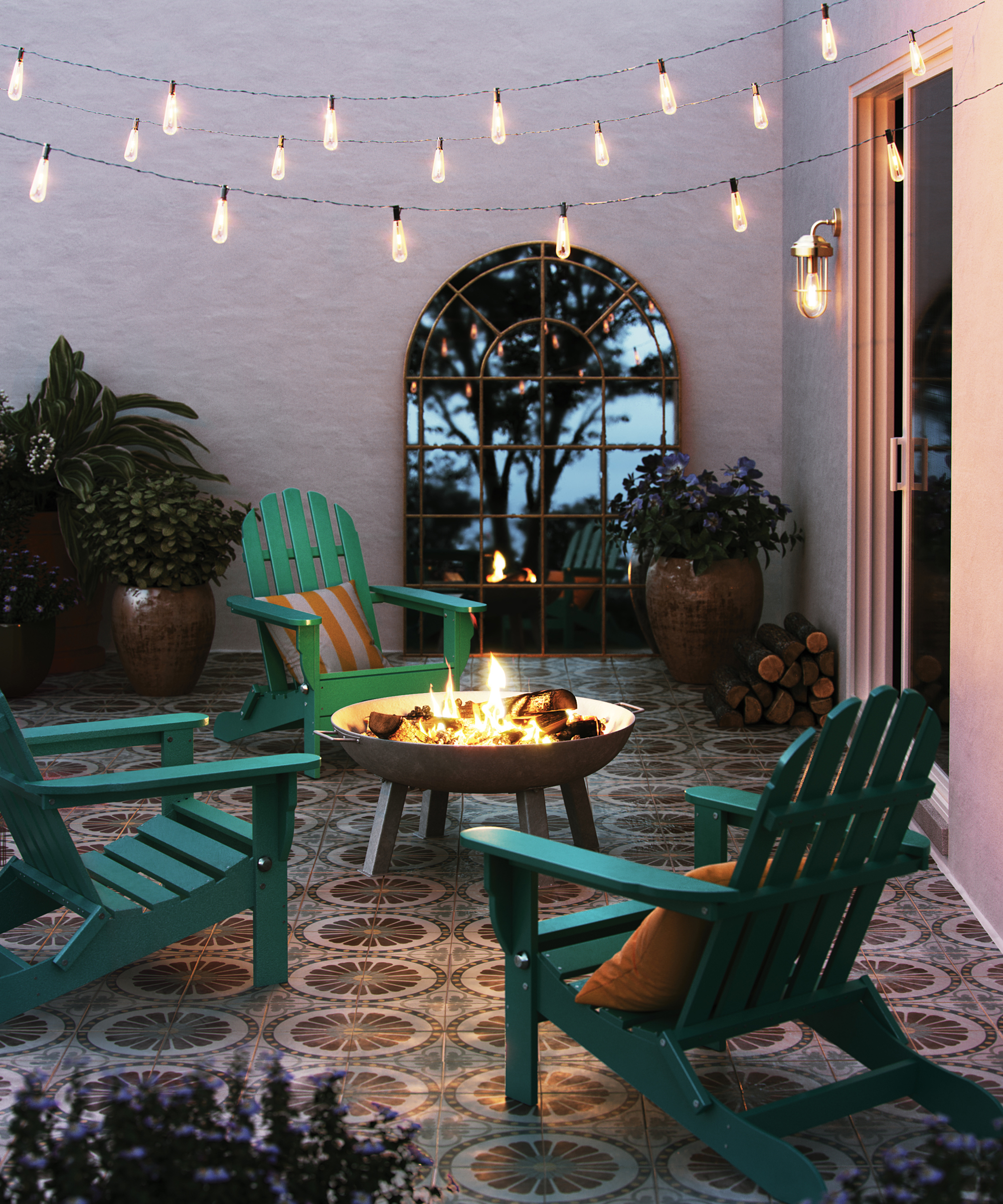
Ground lights, particularly solar ones, can be used not only for pathways but also to illuminate specific features like garden beds, planters, or firepit areas, creating a dramatic effect without overpowering the space. Finally, for safety and visibility on outdoor decking with steps, stair lights fitted with sensors are recommended. The article concludes by reiterating the benefits of layered lighting schemes in extending patio usability throughout the winter, emphasizing the creation of cozy and inviting outdoor environments.
#PatioLighting #OutdoorLighting #WinterDecor #HomeImprovement #LandscapeDesign #ExteriorDesign #SolarLights #StringLights #WallSconces #RecessedLighting #PatioLighting #OutdoorLighting #WinterDecor #HomeImprovement #LandscapeDesign #ExteriorDesign #SolarLights #StringLights #WallSconces #RecessedLighting
0 comment in total
 No comments yet
You may also like
10 outdoor lights to make your backyard pop

Christmas light ideas for outdoor trees – 11 ways to add a sparkle to your yard

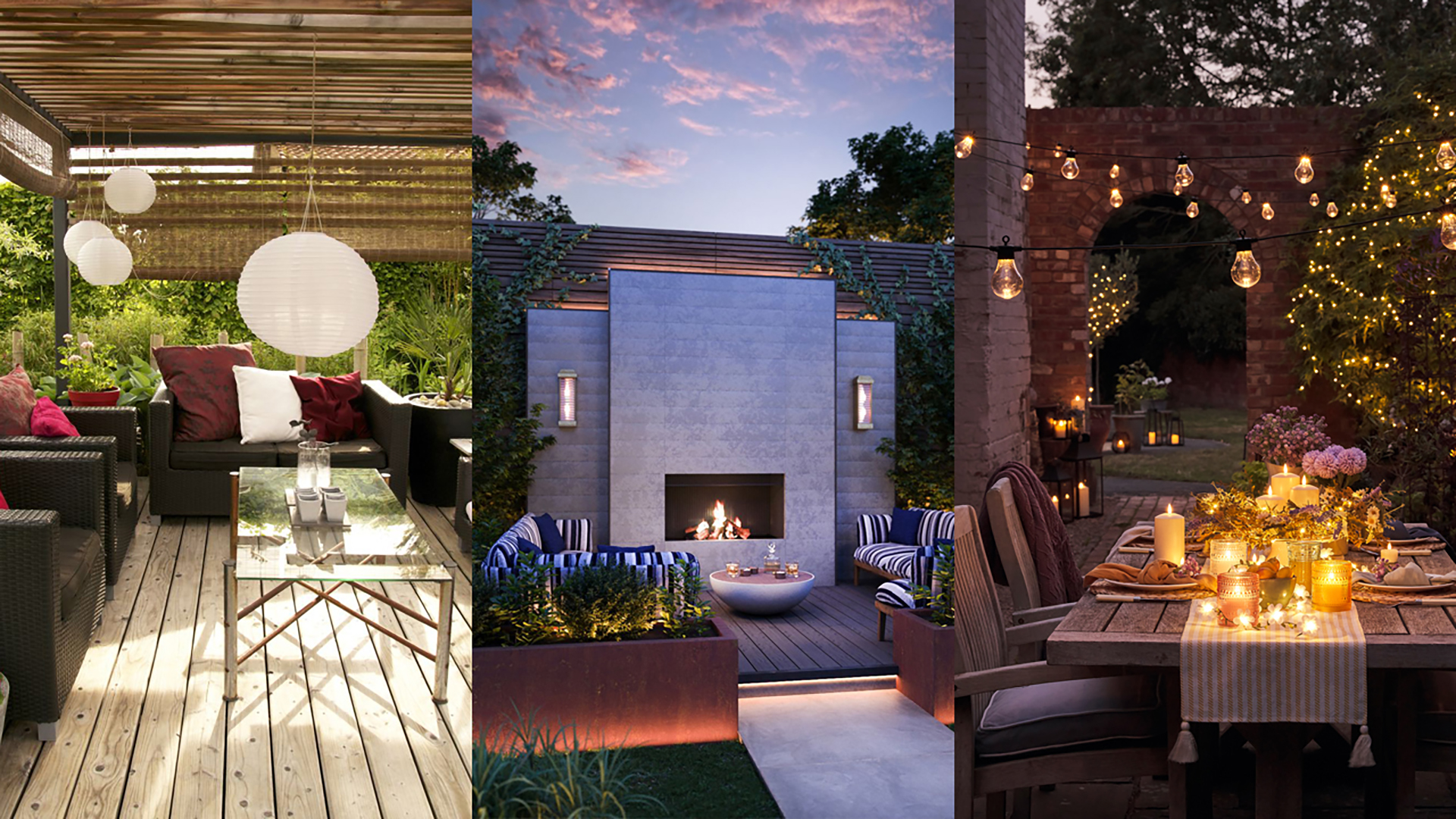
Patio lighting ideas – 23 creative ways to light a patio

15 Shade Garden Ideas to Brighten Up the Darkest Spots in Your Yard
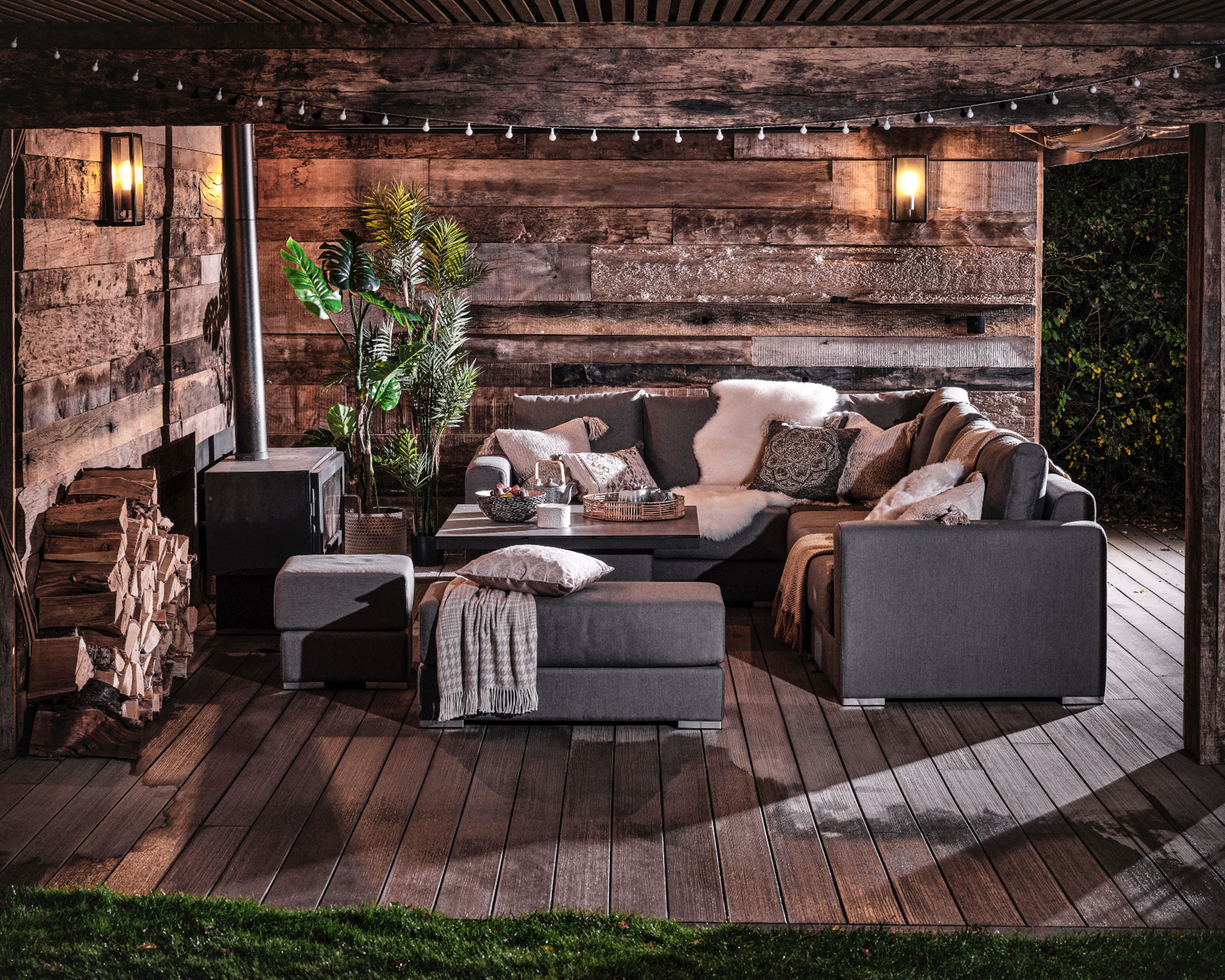
Deck lighting ideas – 10 ways to complement your space at night
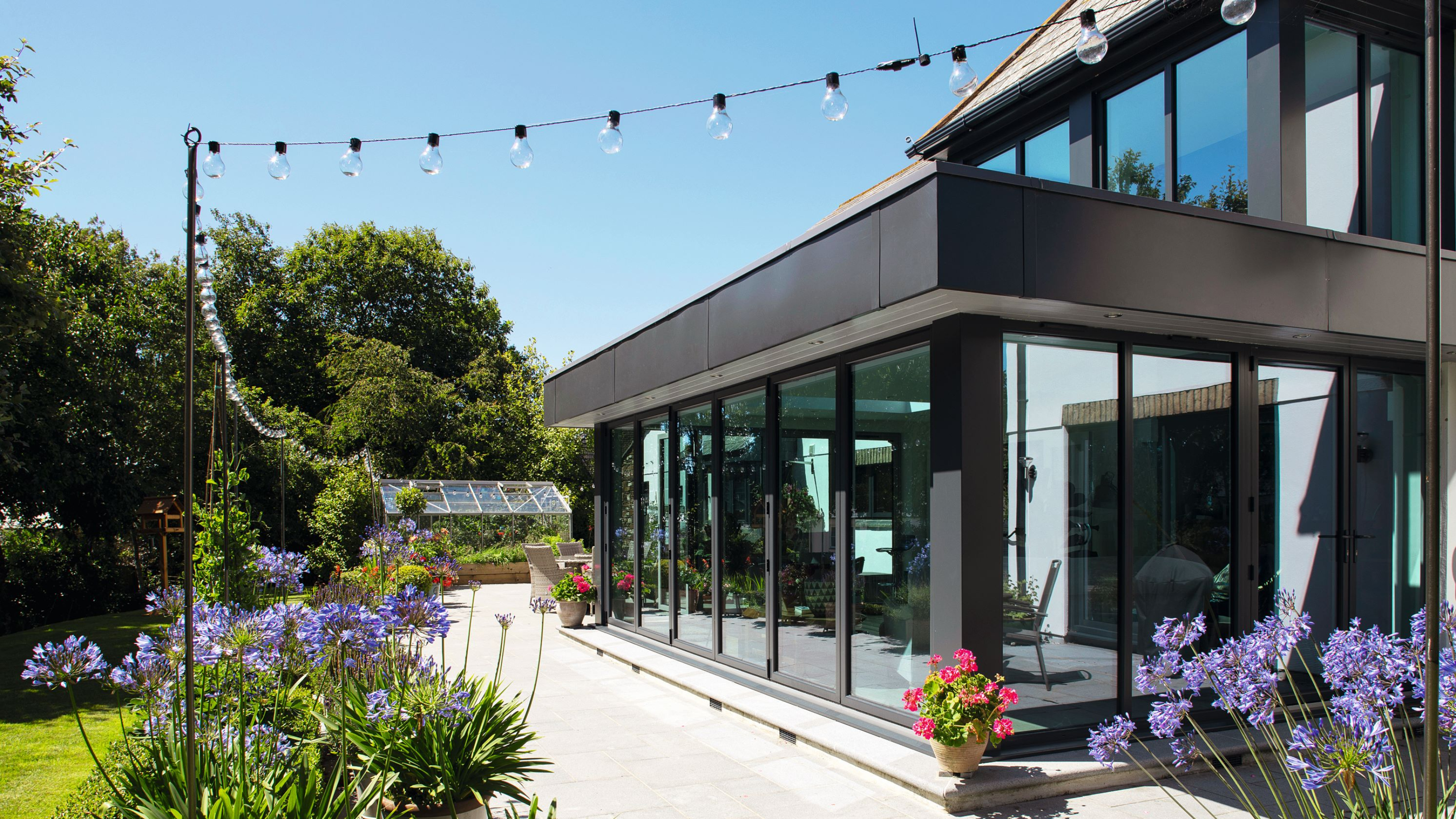
35 garden lighting ideas to breathe life into your outdoor space after dark
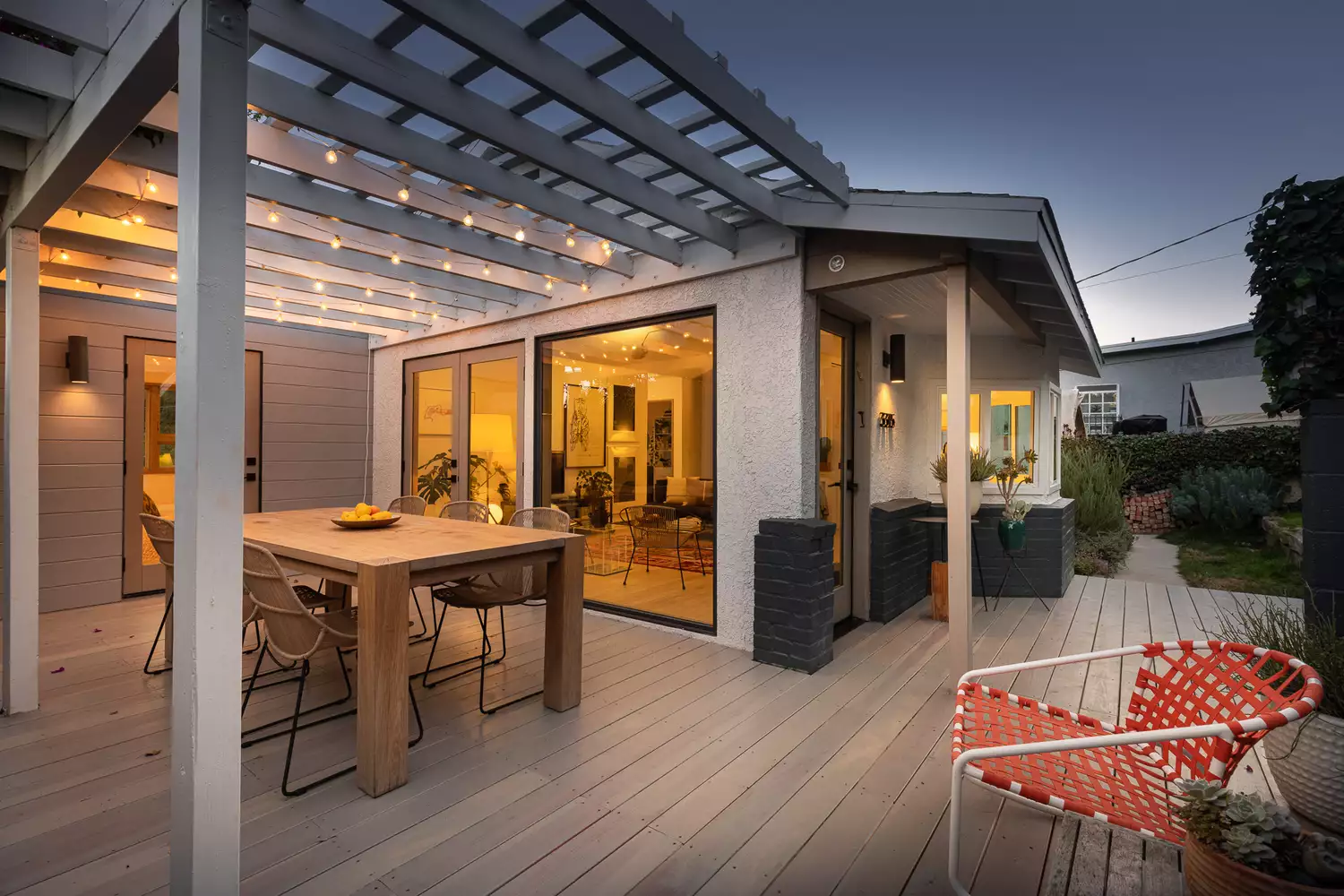
41 Outdoor Lighting Ideas to Brighten Up Your Yard

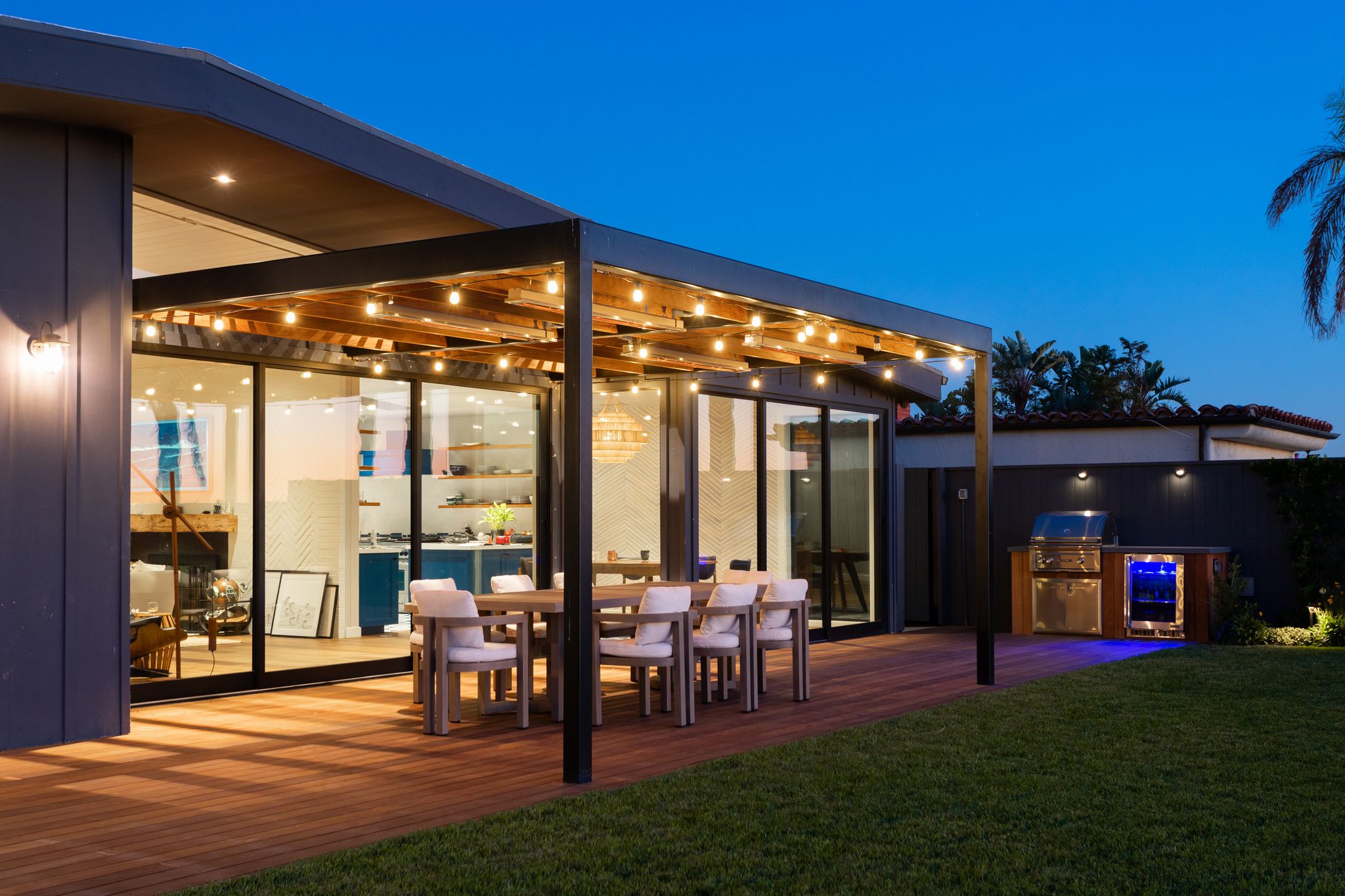
These 10 string light ideas will help you bring a cozy glow to any size and shape of backyard

These Patio Lighting Ideas Amp Up Your Outdoor Ambiance

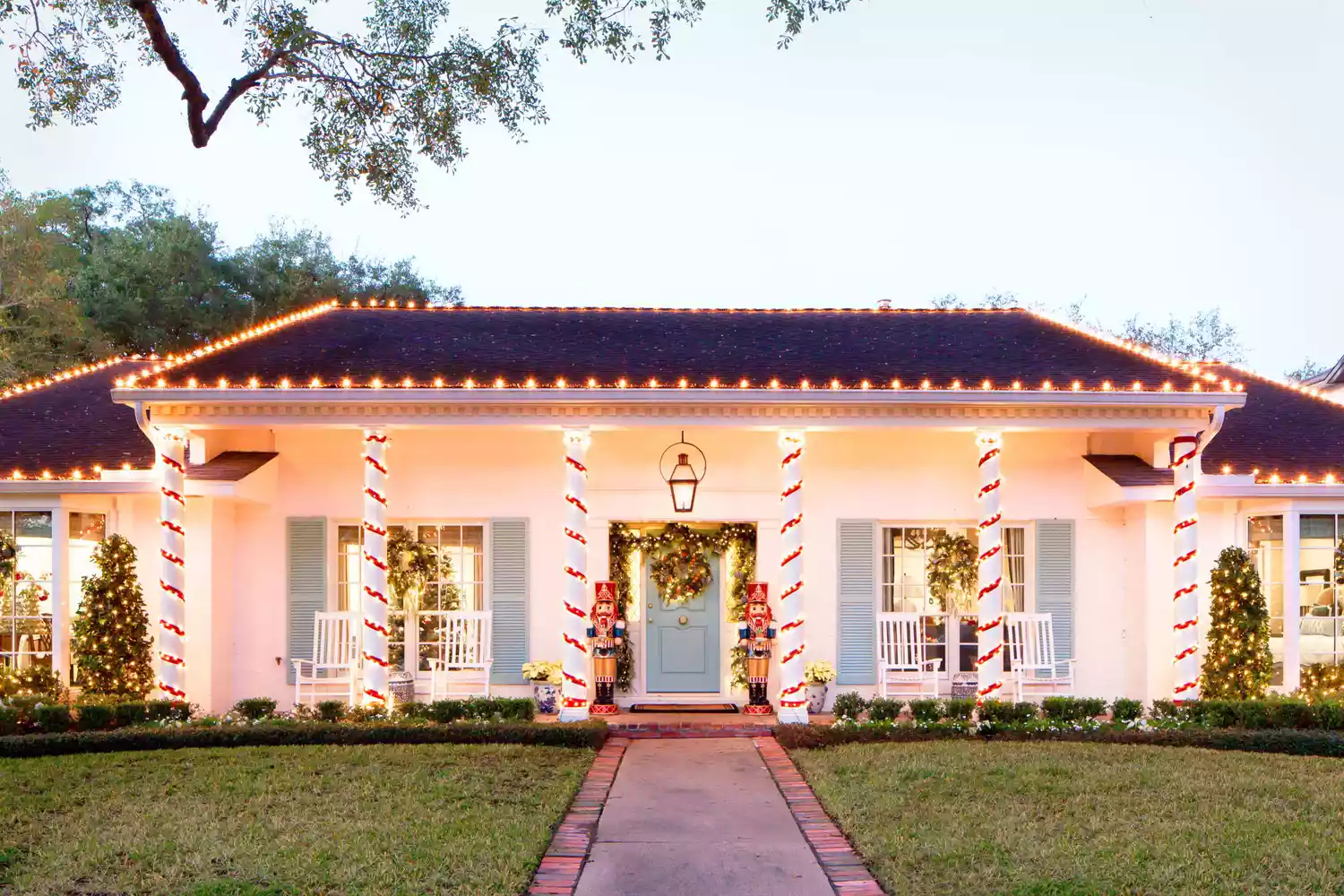
The Best Outdoor Christmas Lights Ideas And Tips To Make Your Home Shine This Season
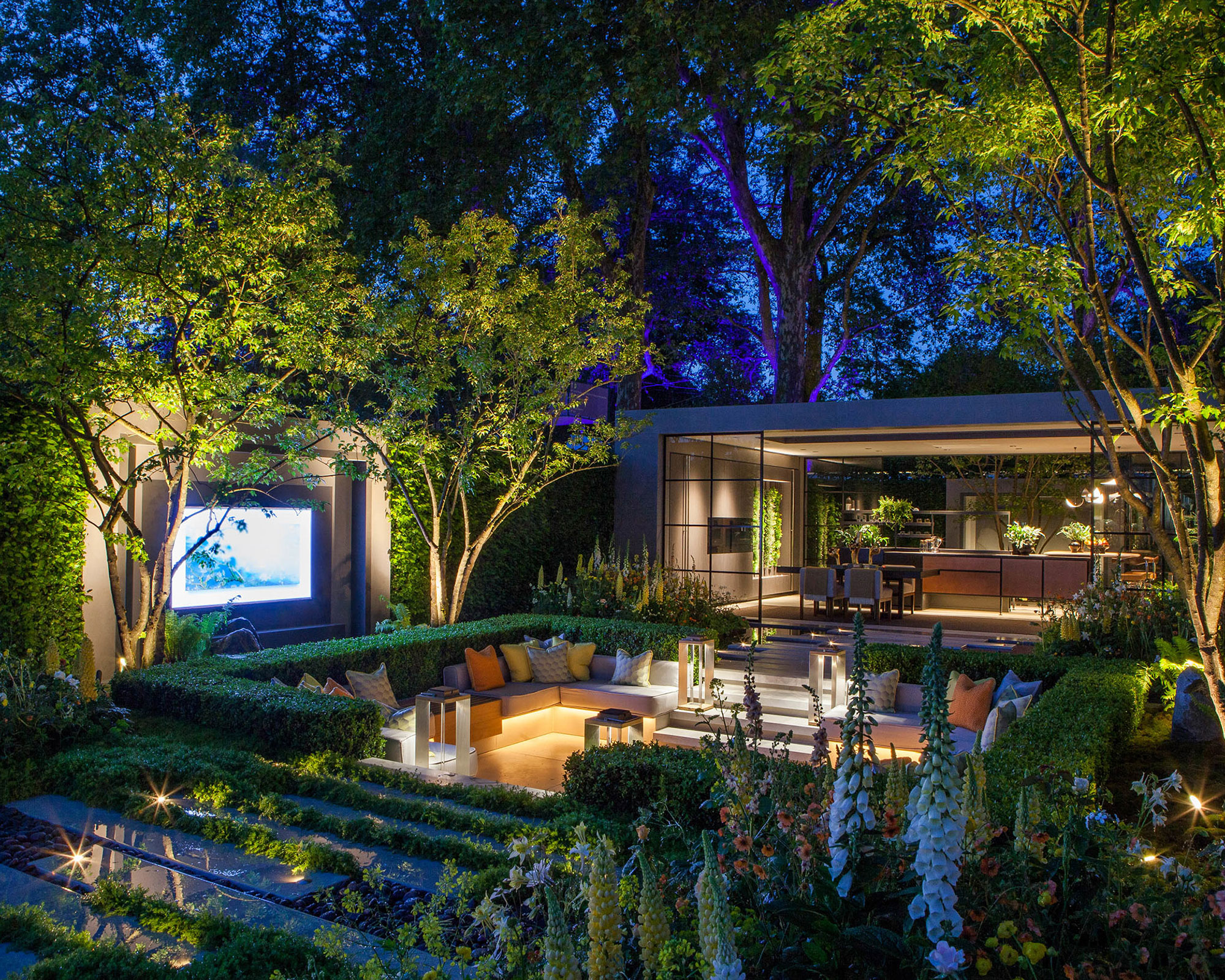
Backyard lighting ideas – 15 ways to illuminate your space beautifully

15 Outdoor Lighting Ideas For The Perfect Backyard Oasis

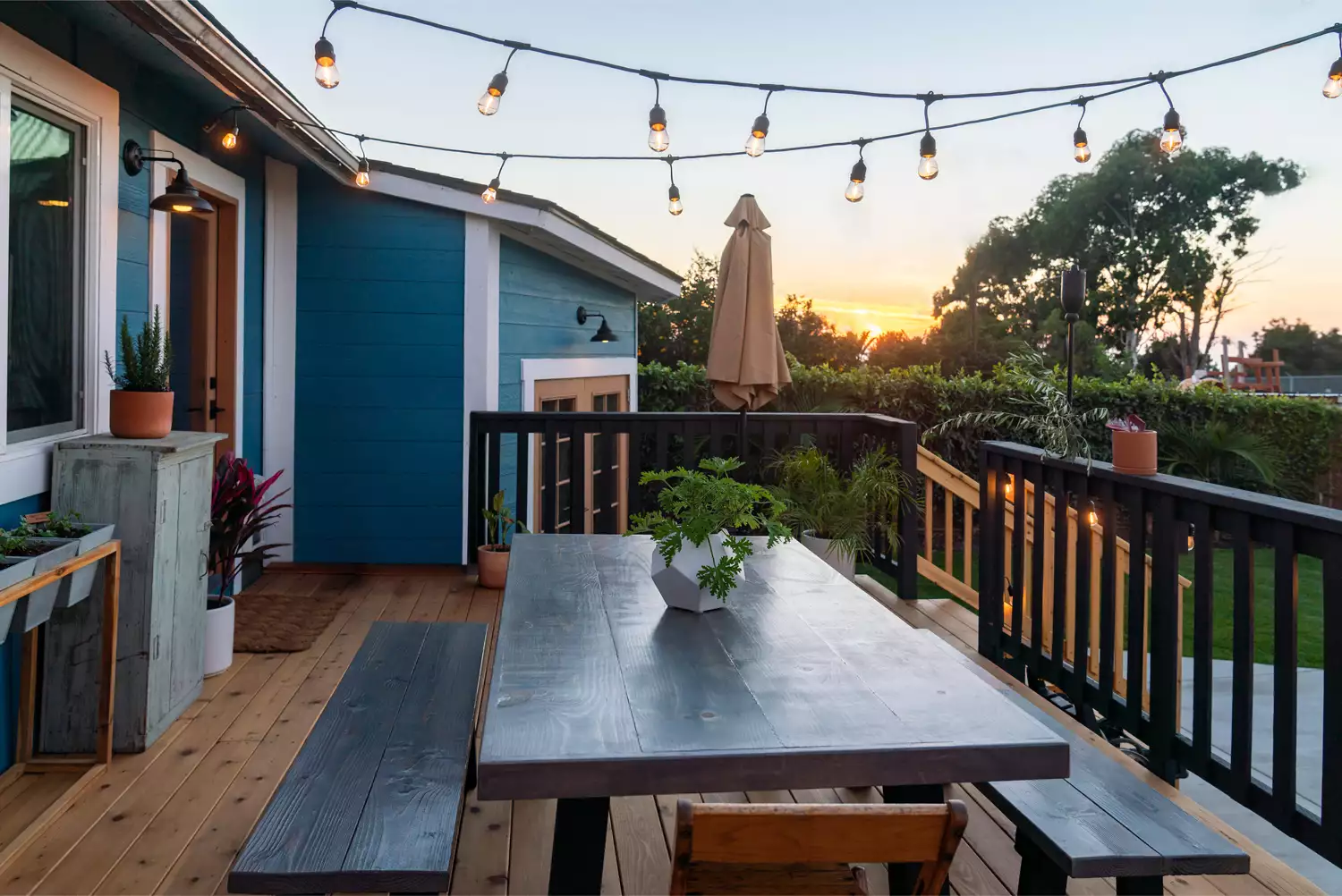
19 Deck Lighting Ideas to Brighten Your Outdoor Space

Throwing a Summer Party? You're Going to Need These Outdoor Lights
11 best outdoor lights to bring ambience and style into your garden
Outdoor lighting ideas – 30 best ways to use garden lighting
Make Your Backyard Magical with These Gorgeous Outdoor Lighting Ideas

Patio Lighting Ideas That Brighten Up Your Outdoor Space Without Blending In

36 garden lighting ideas for a bright and beautiful outdoor space all year


Tim McGraw and Faith Hill's picture-perfect backyard patio is the ideal place to extend your evening outside