13 Secrets Only Professional Closet Organizers Know
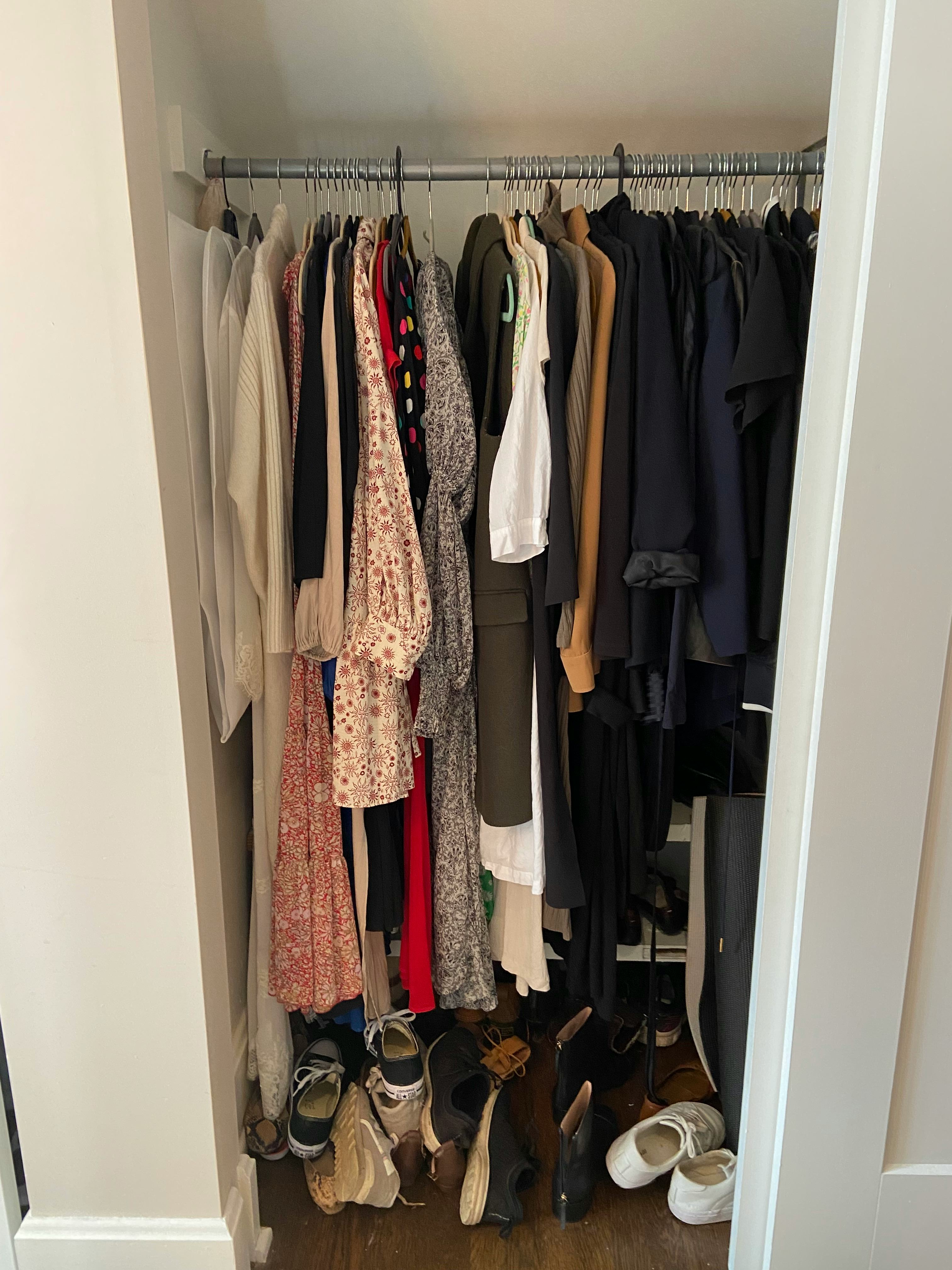
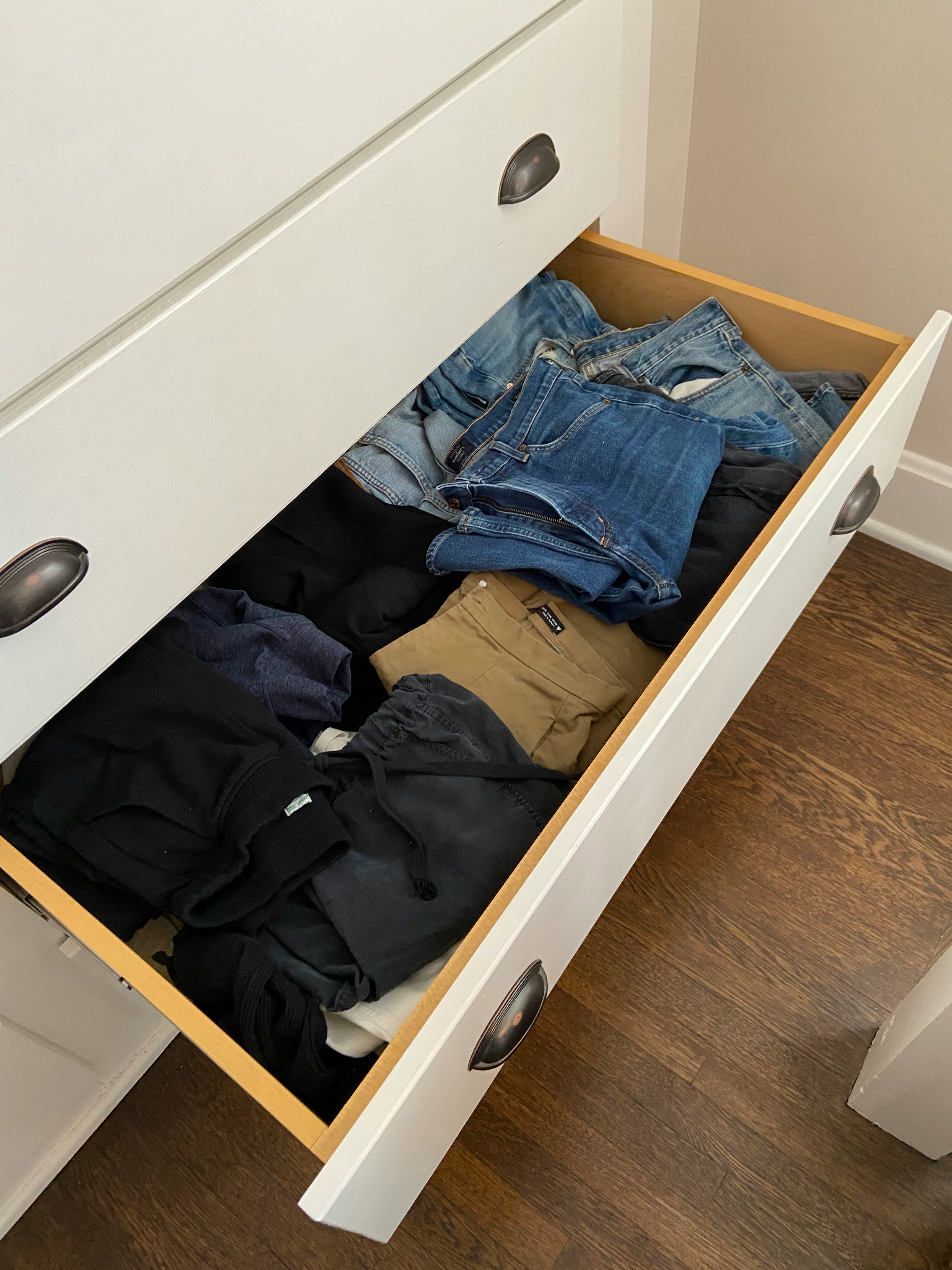
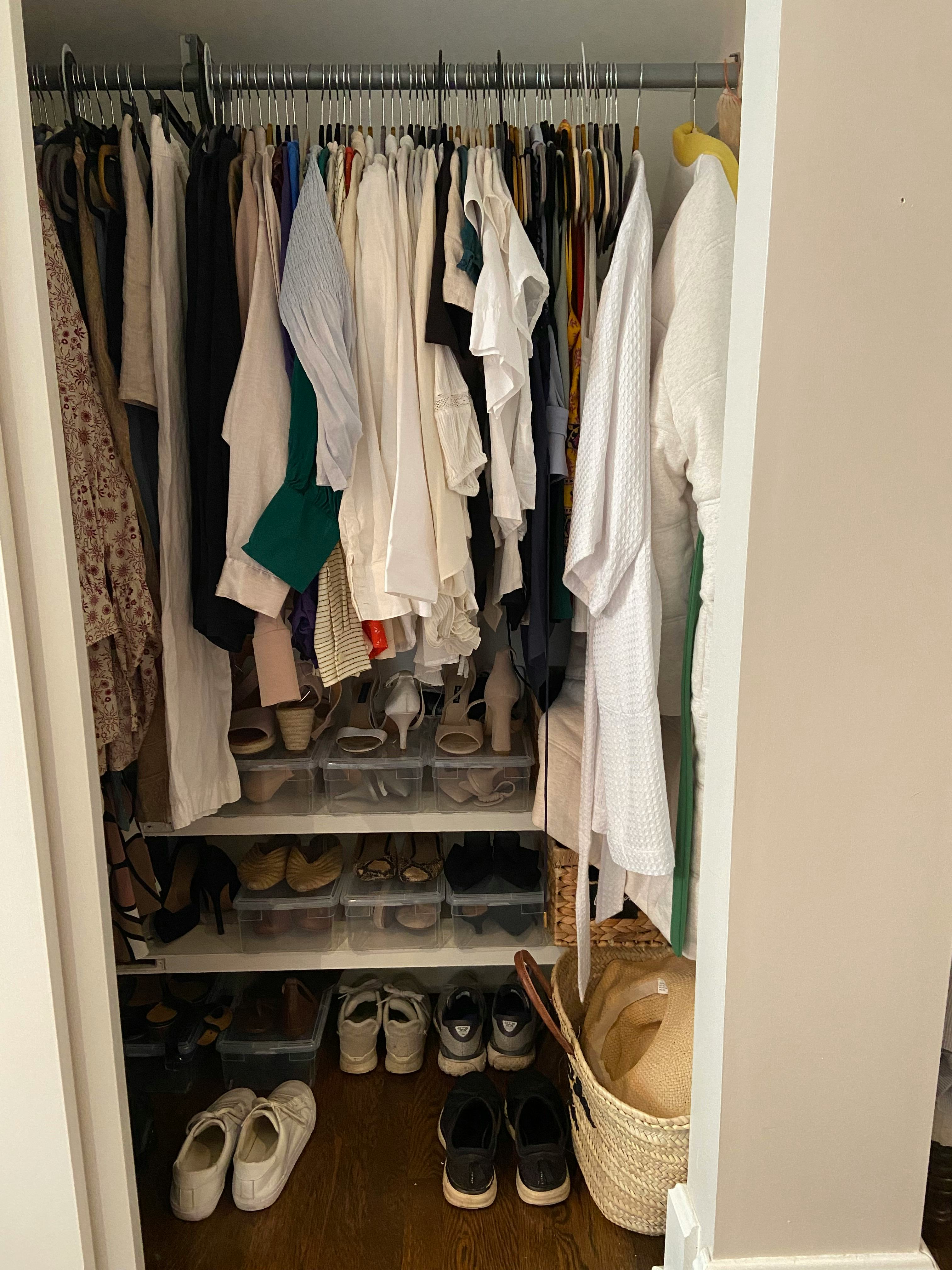
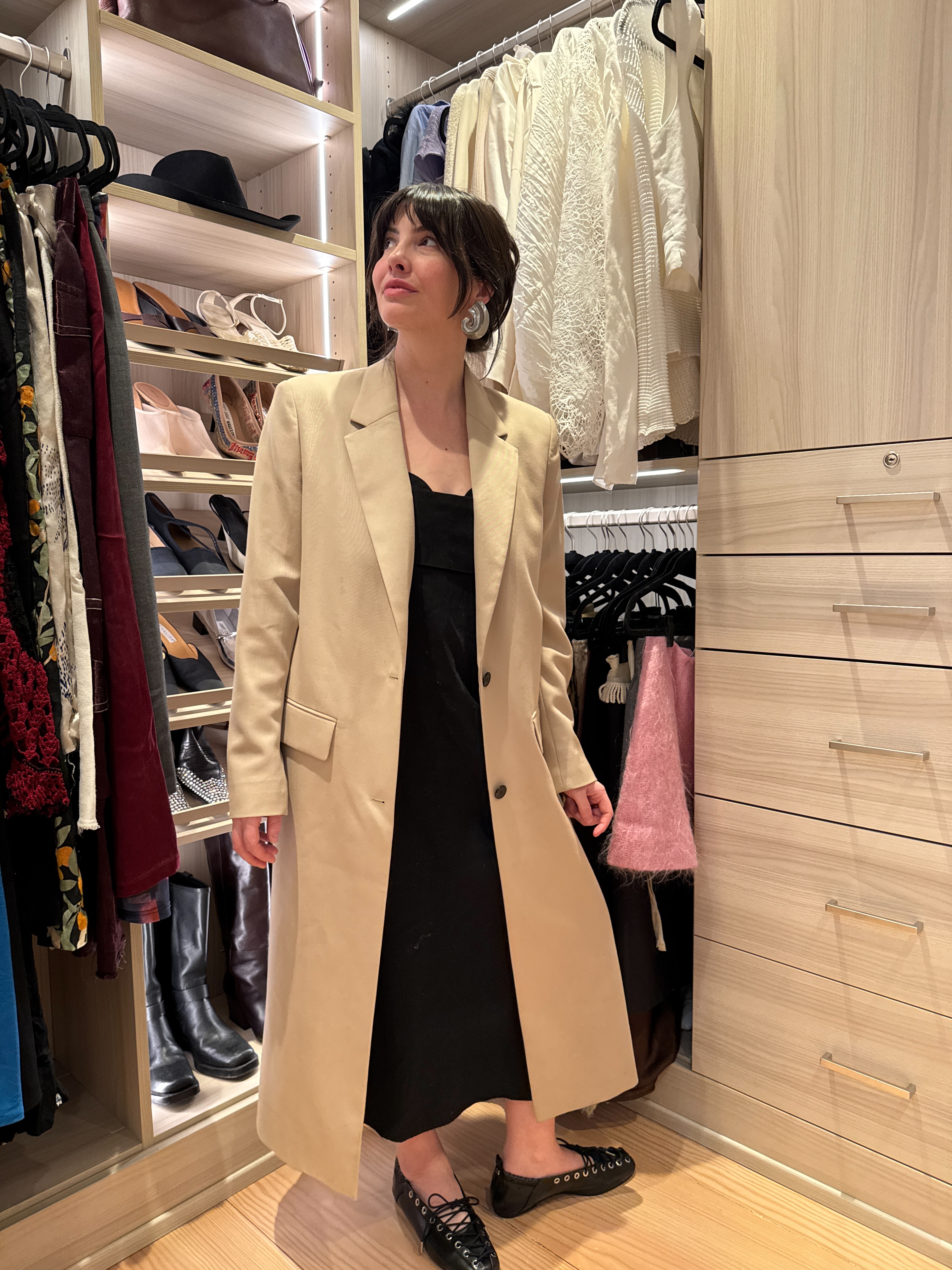
This article shares 13 expert tips from professional closet organizers to help individuals effectively clean out and organize their closets. The advice aims to transform daunting closet organization tasks into manageable and even enjoyable projects, enhancing both functionality and aesthetics. The foundational principle emphasizes grouping similar items together, such as shirts with shirts and pants with pants, to create a logical system that simplifies finding and returning items.
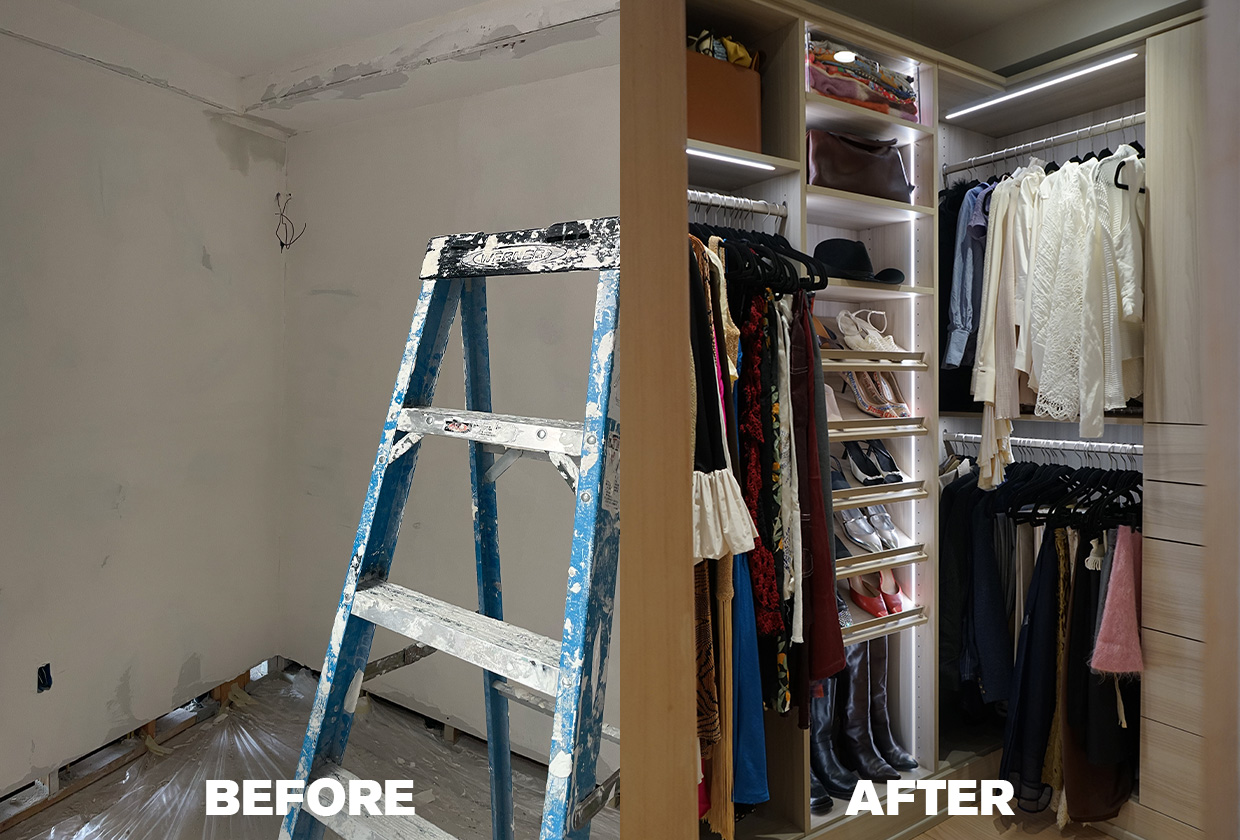
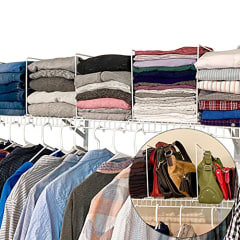
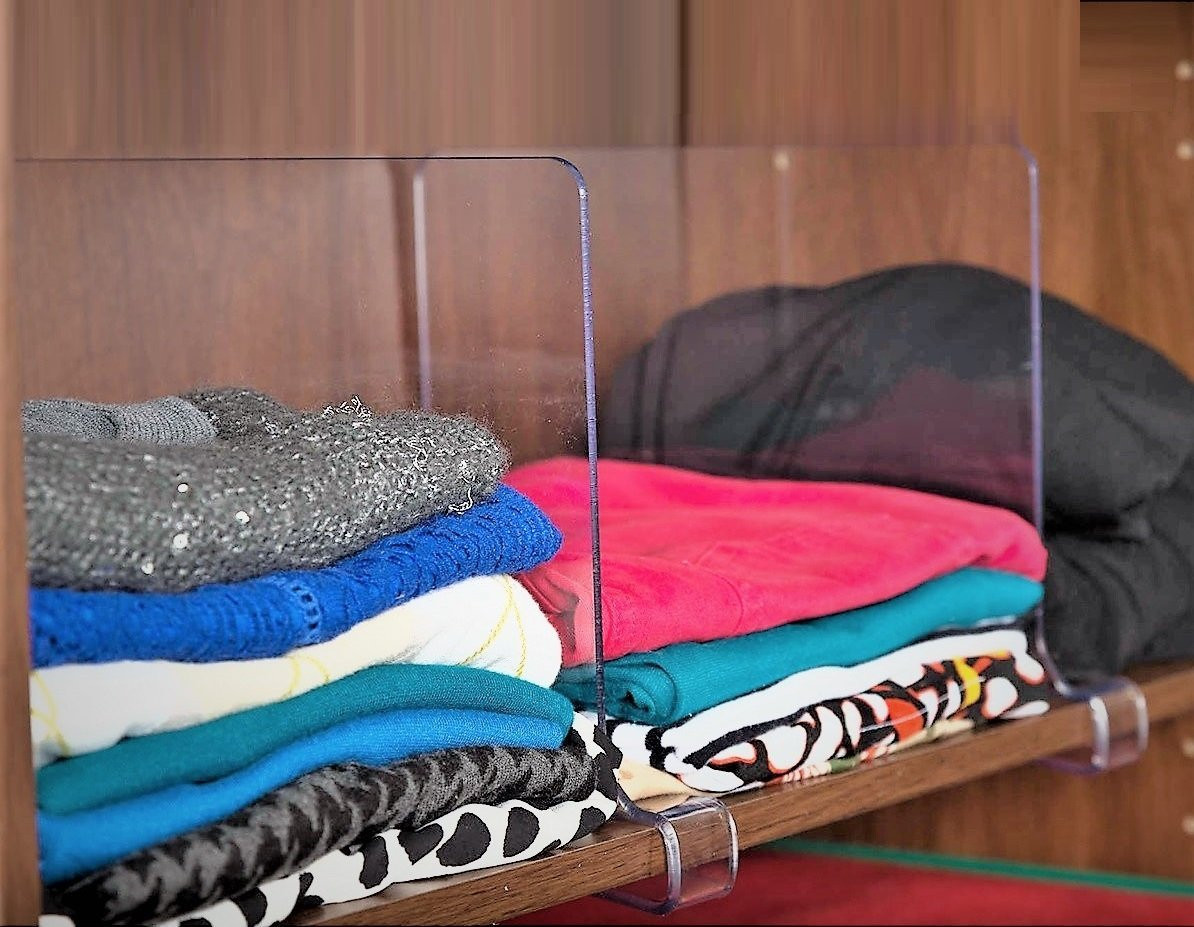
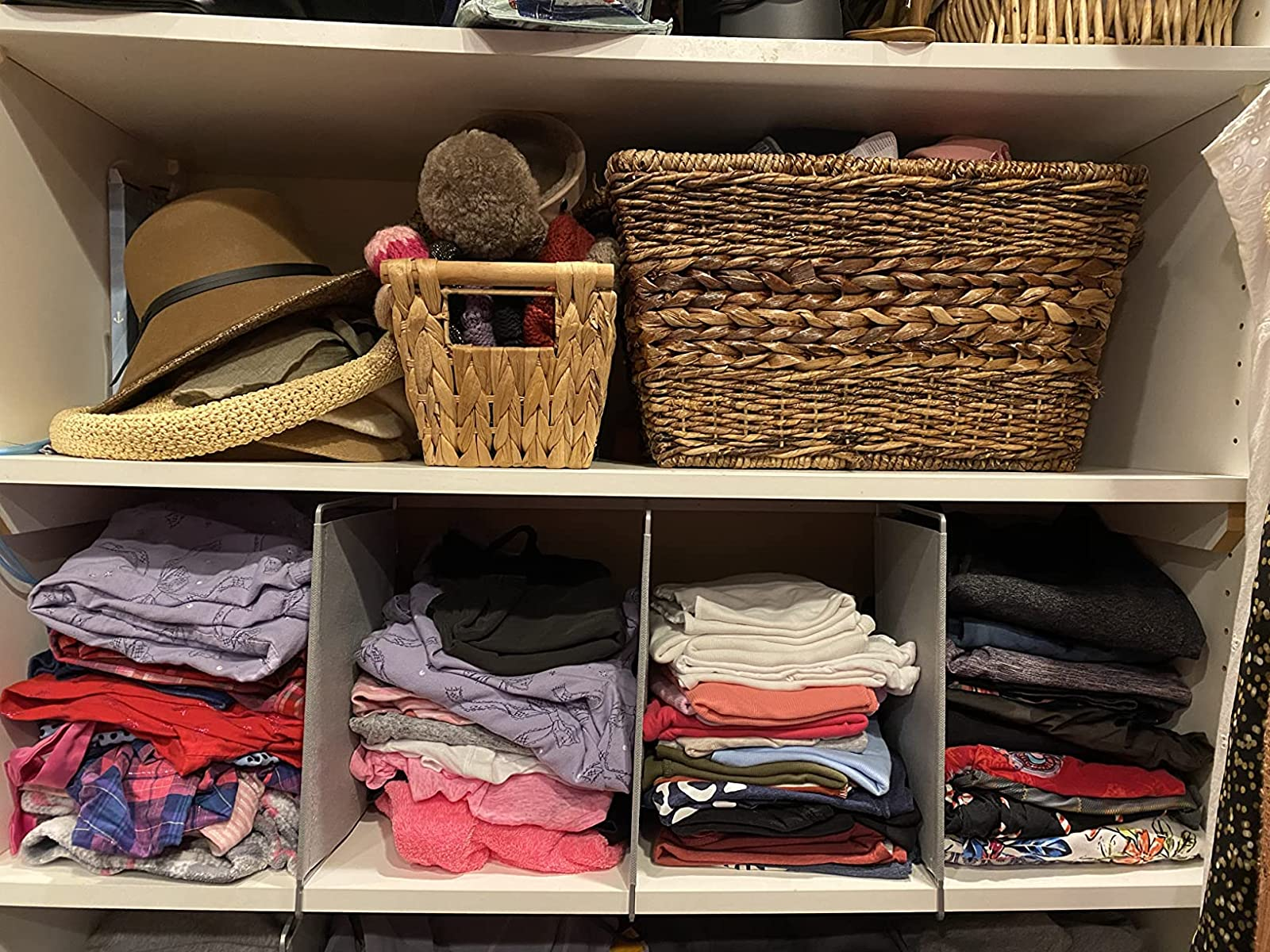
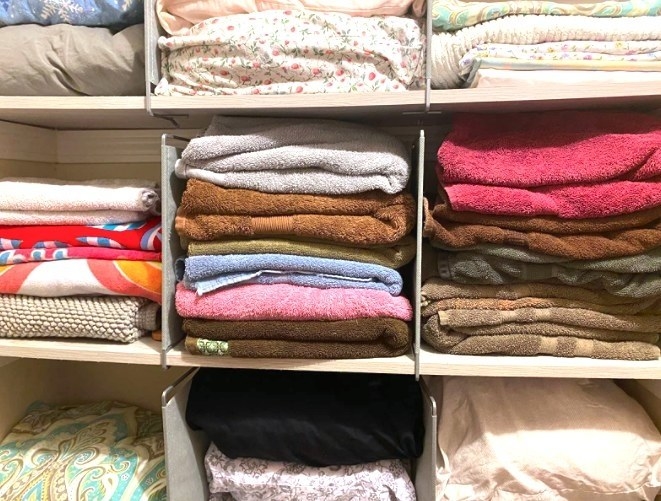
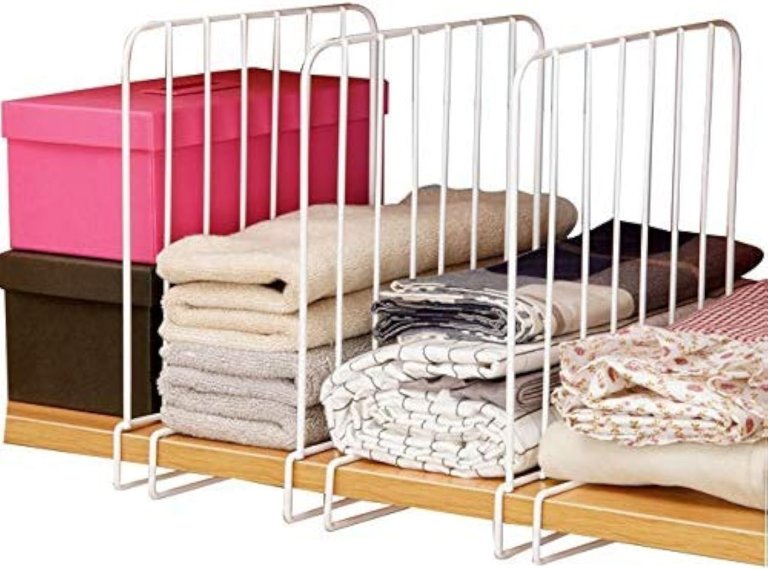
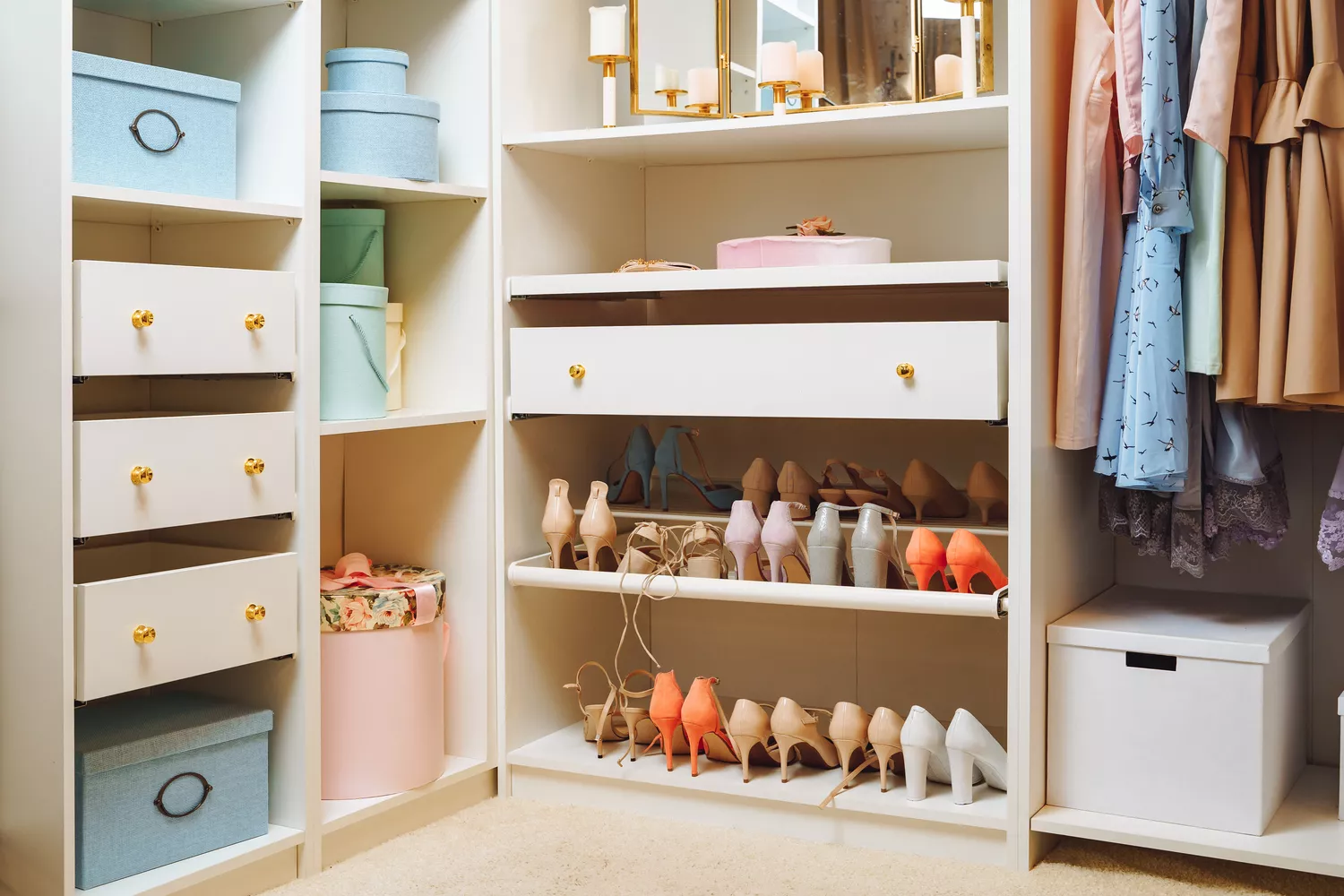
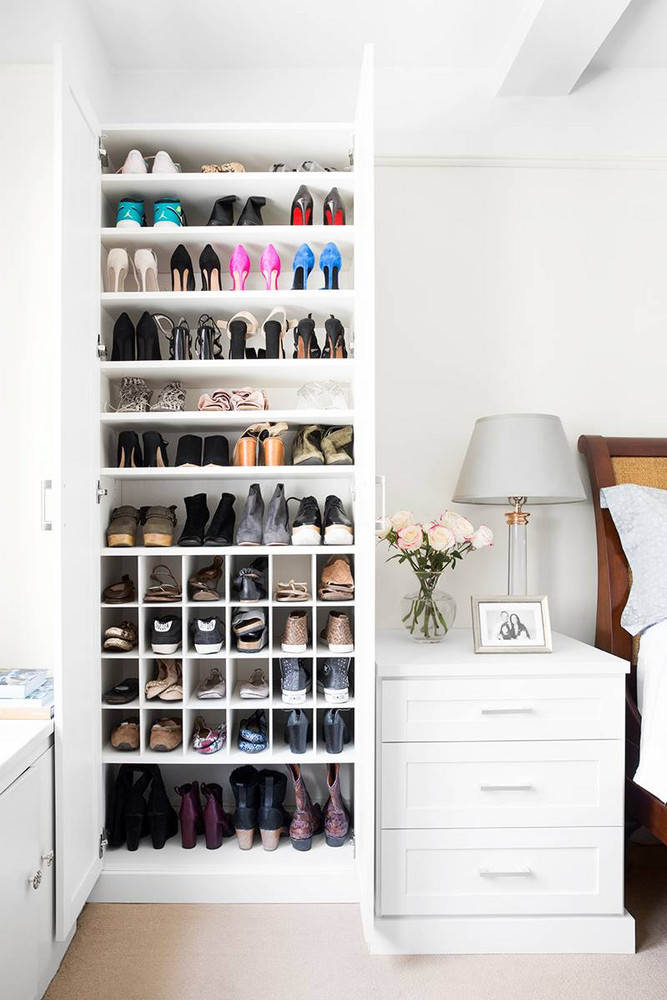
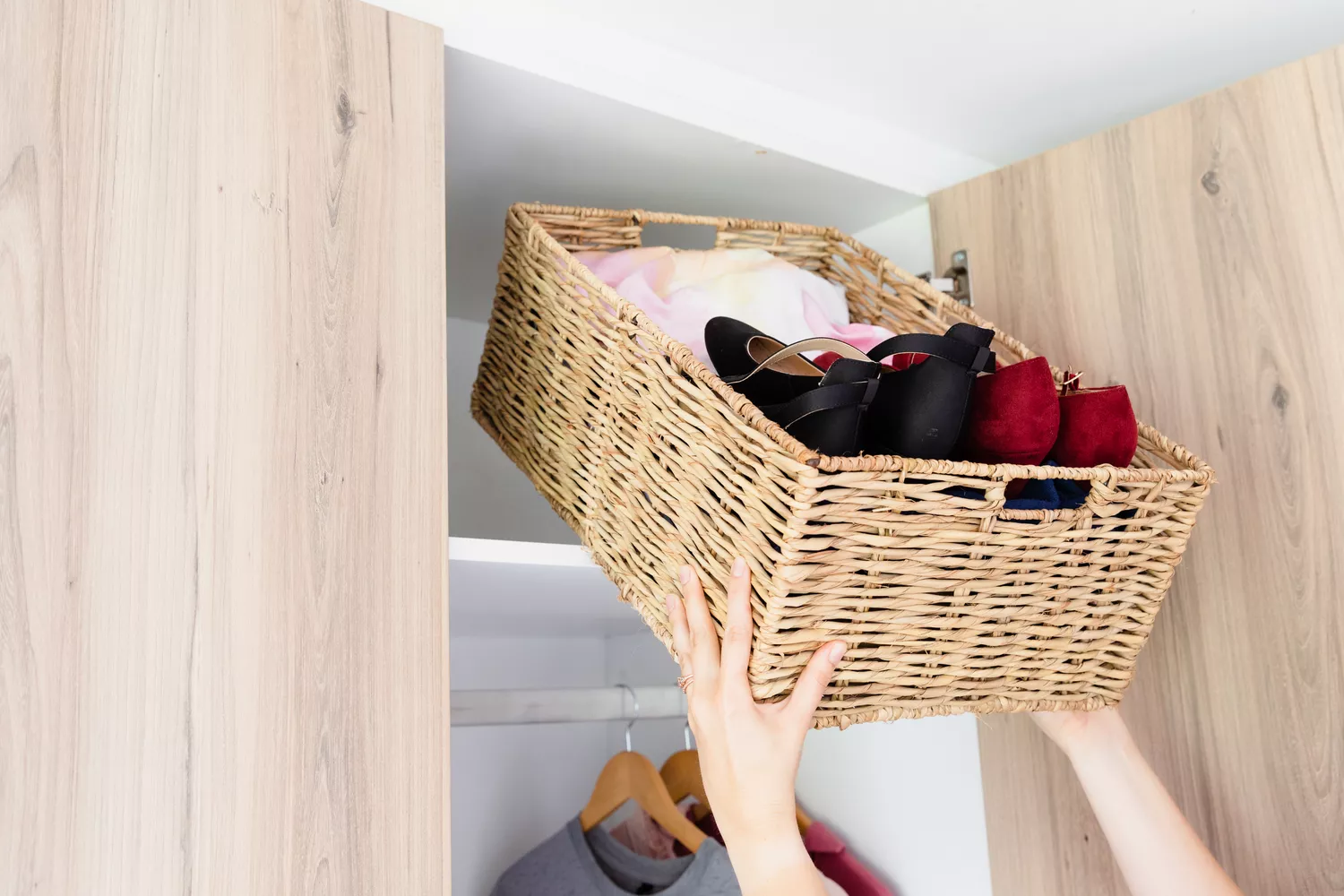
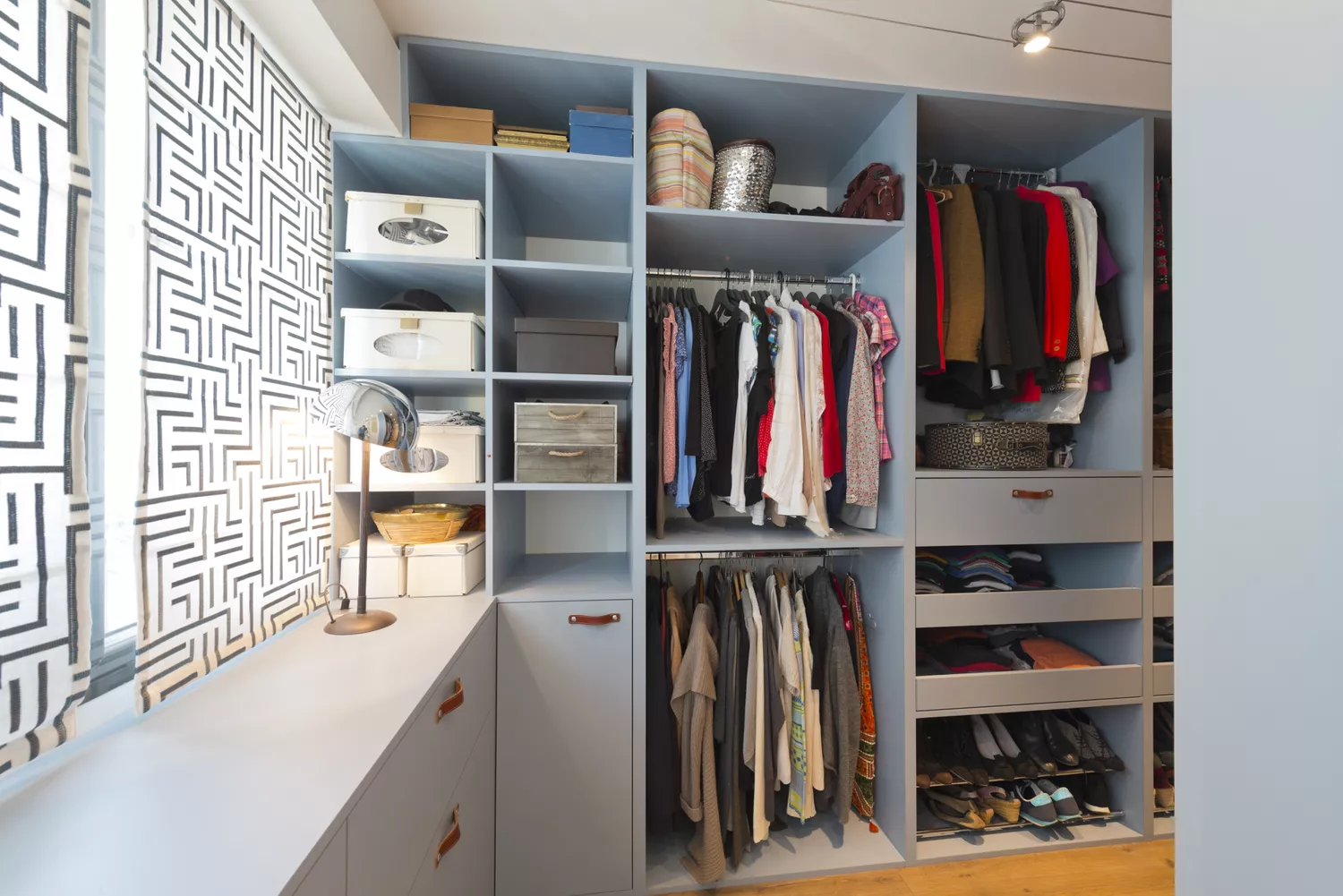
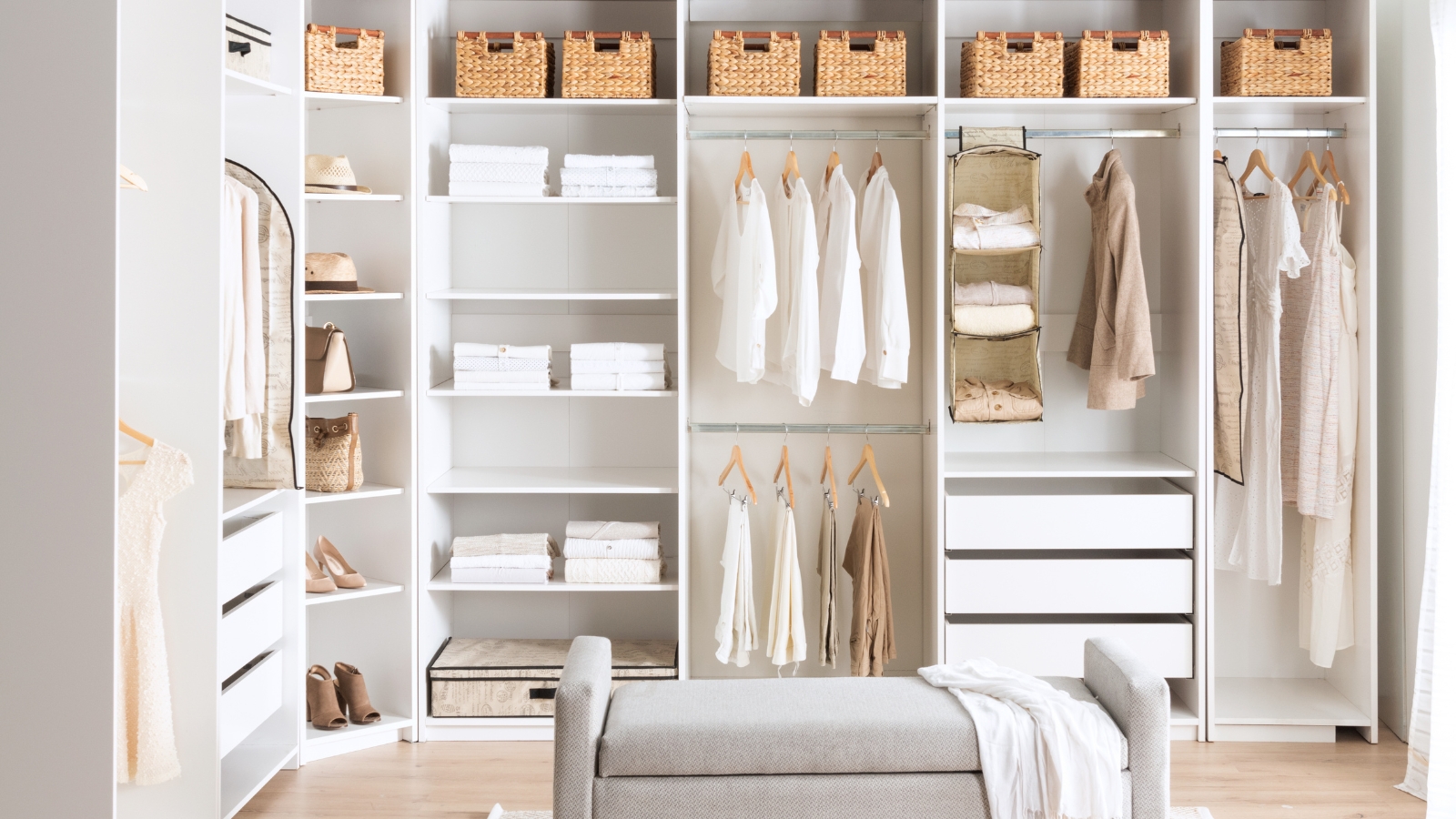
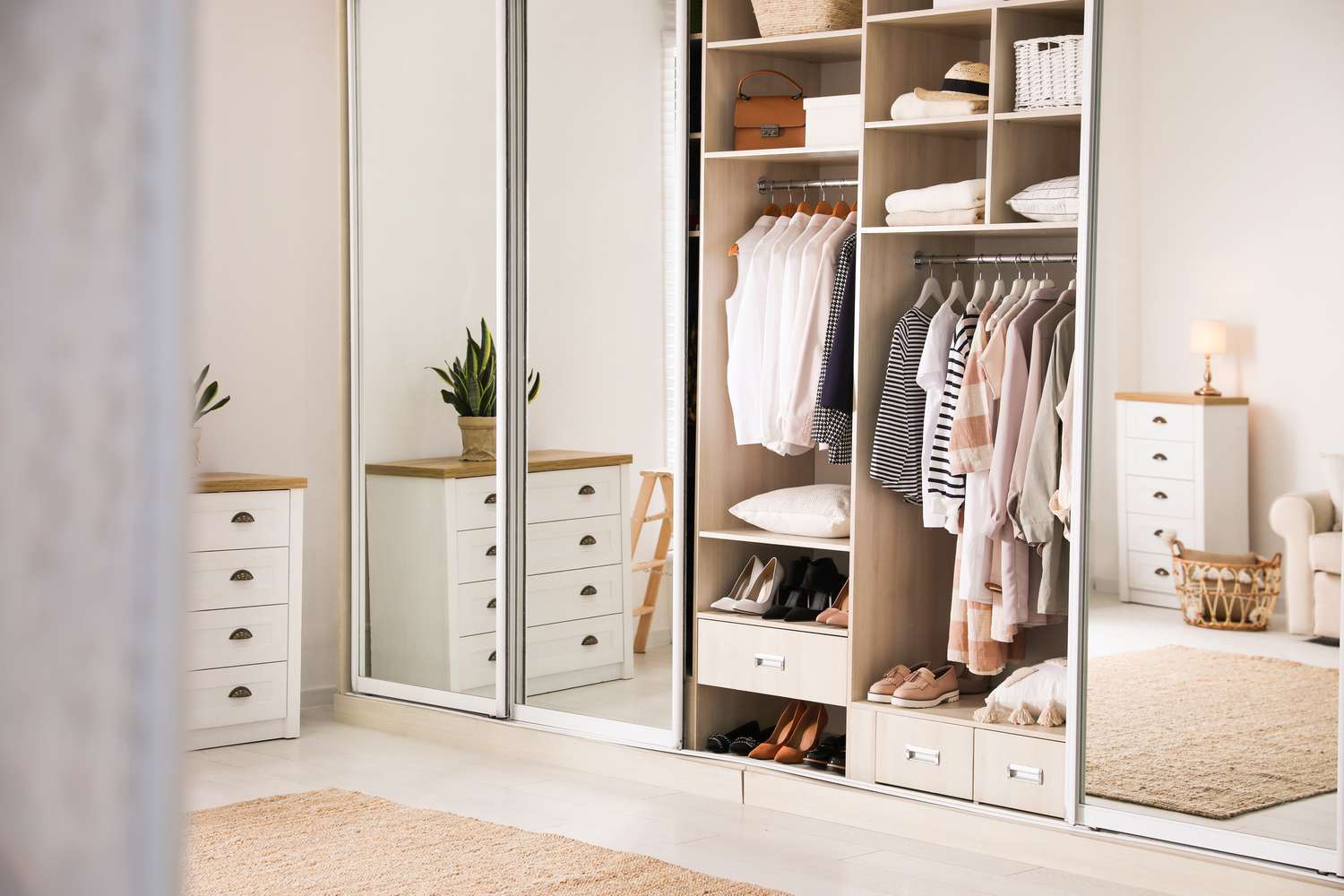
The article highlights the flexibility of shelving, suggesting that if at least 12 inches of space exists between shelves, an additional shelf can be incorporated for increased storage. It encourages customizing shelving to suit specific needs, such as adjusting shelf height for tall boots or for stacks of folded clothing to prevent toppling. Another key strategy involves storing items based on their frequency of use, placing less-used items, like an air mattress, on higher shelves or at the back of the closet to ensure frequently used items are easily accessible.
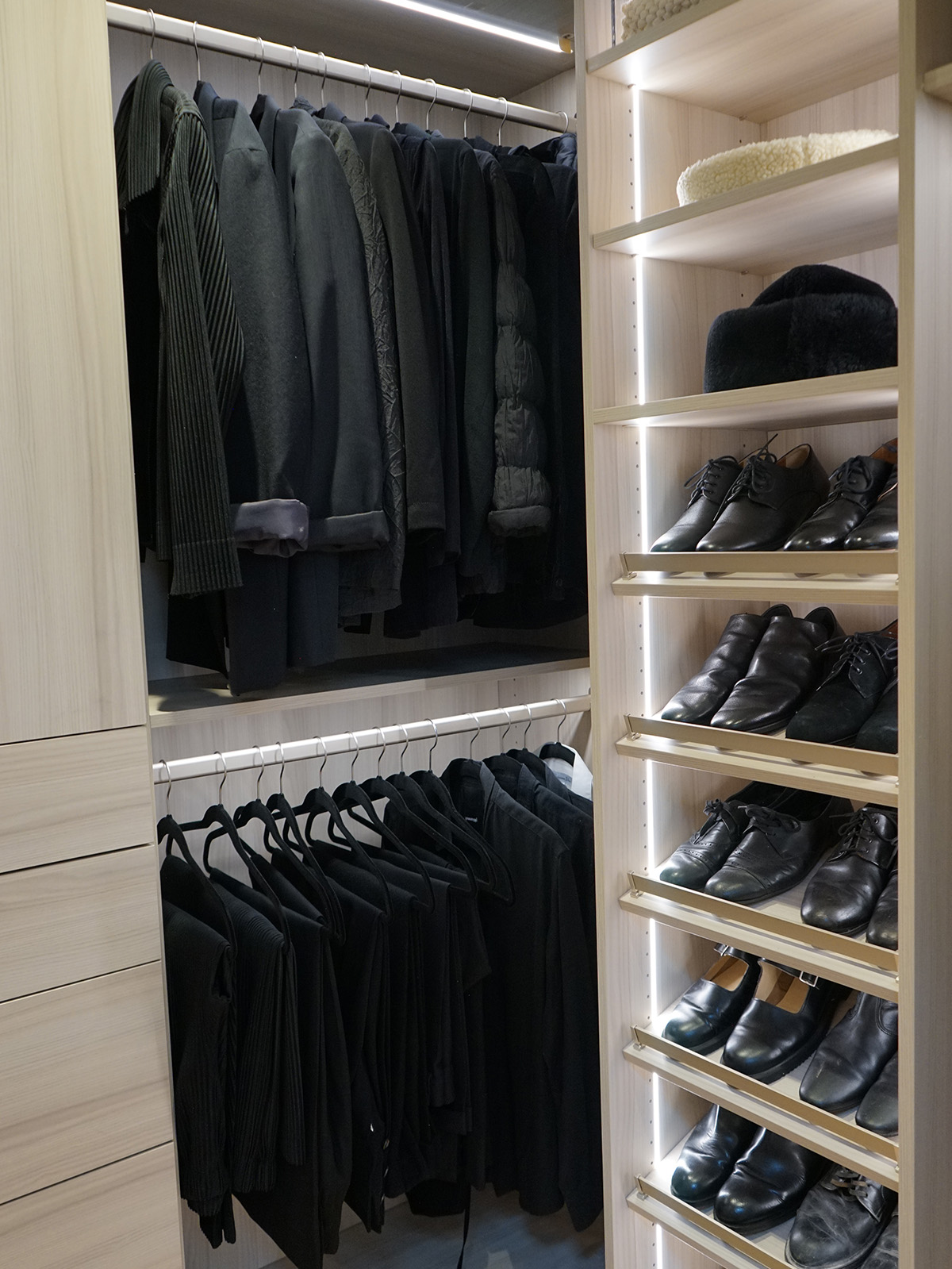
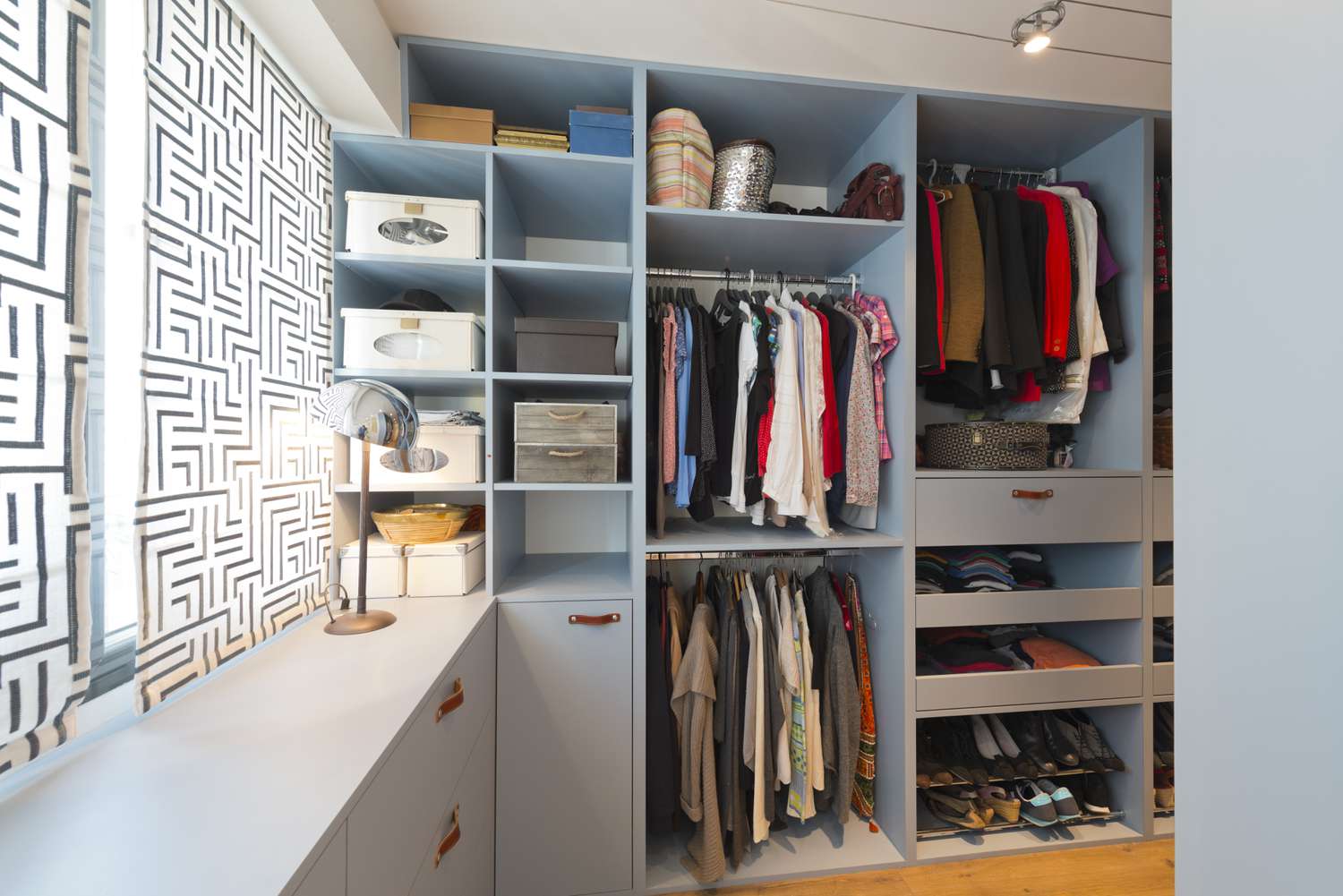
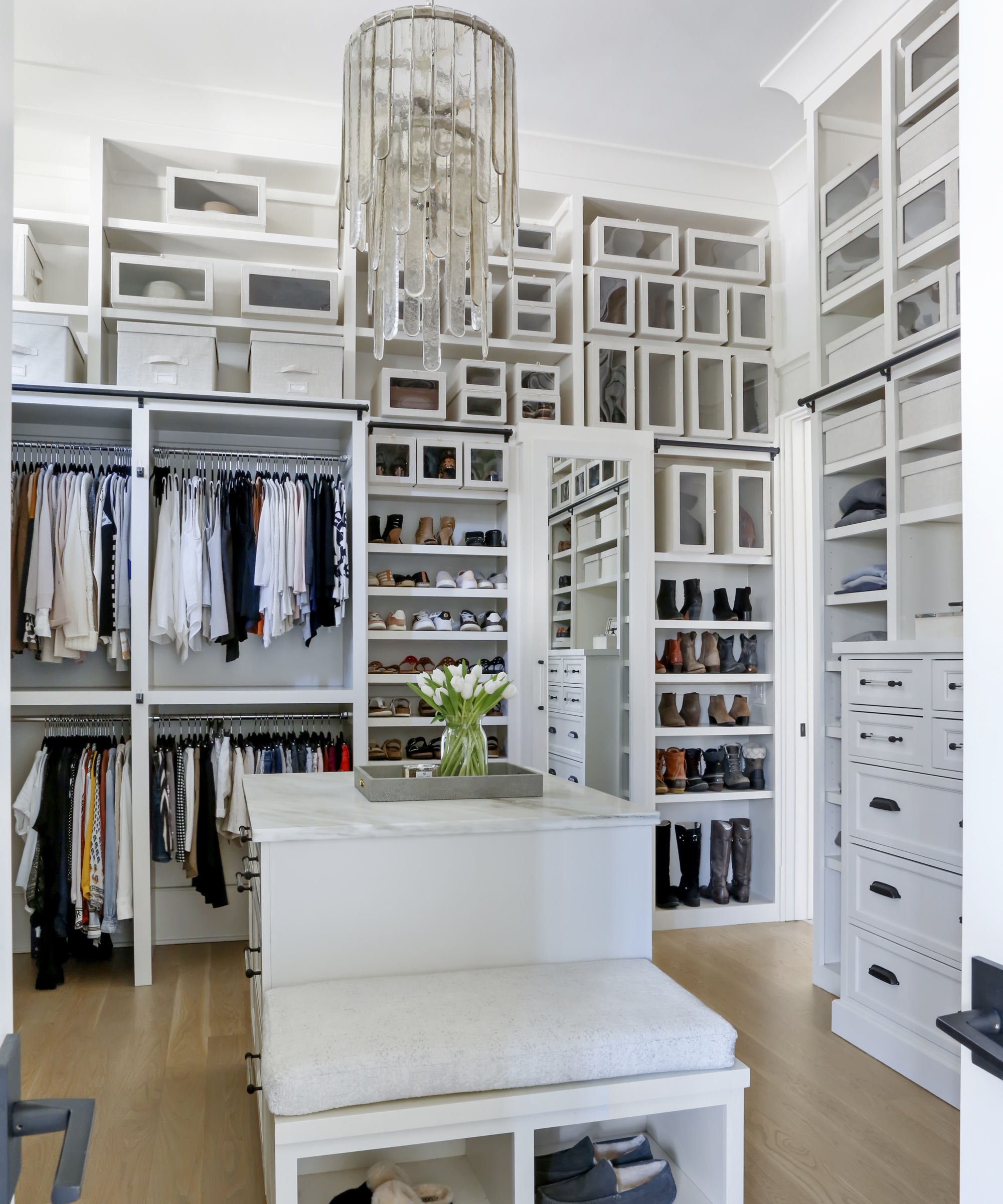
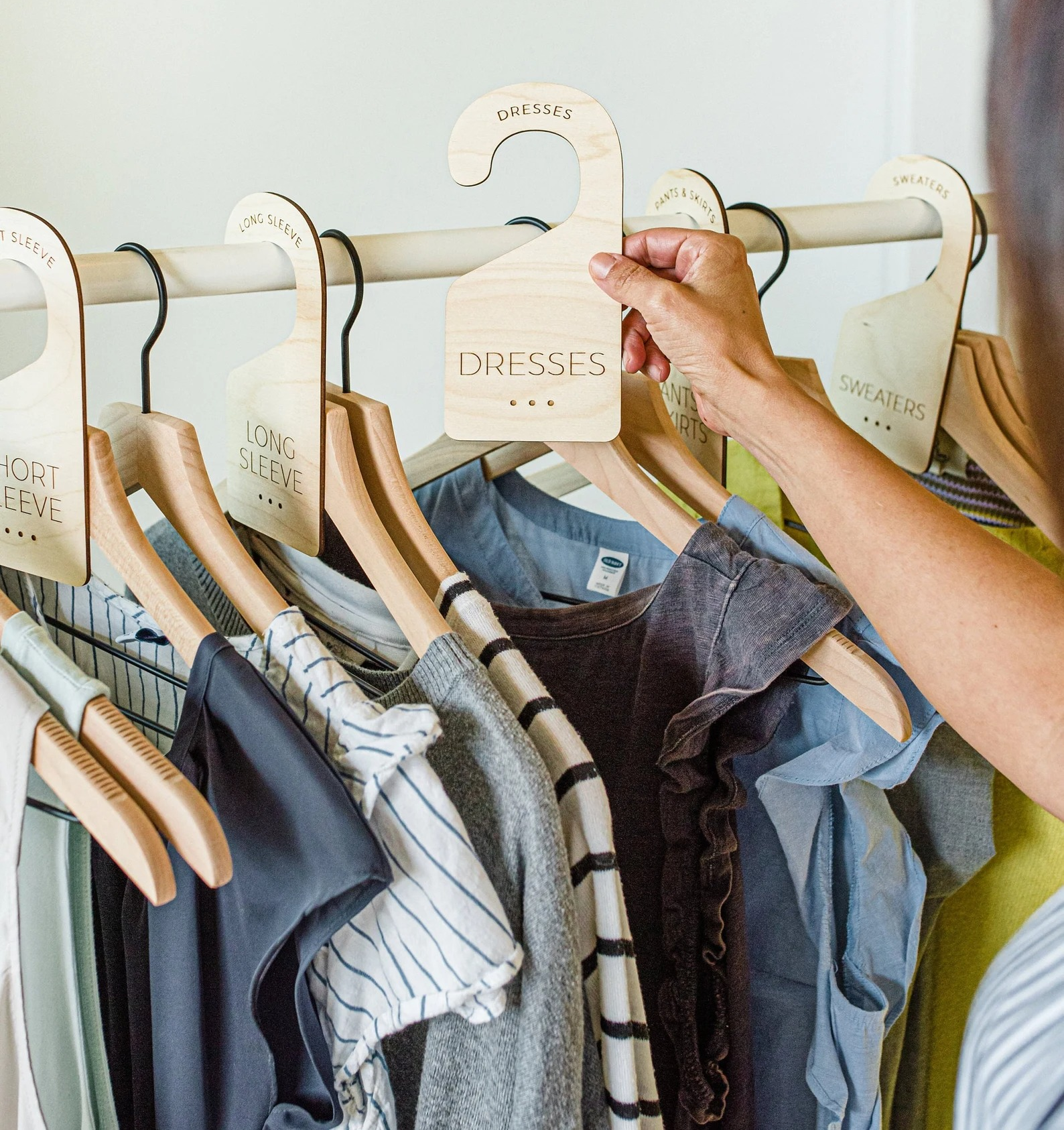
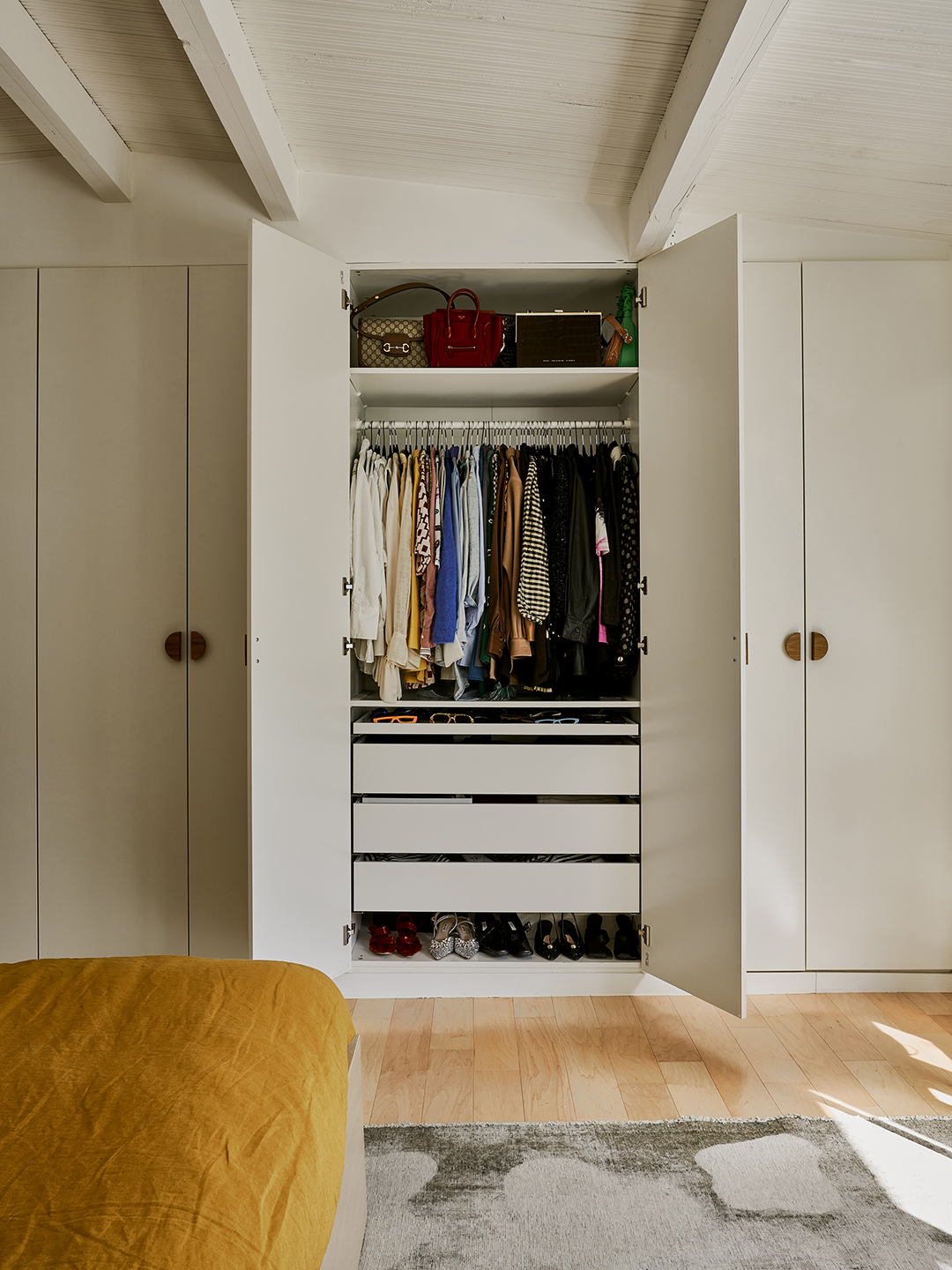
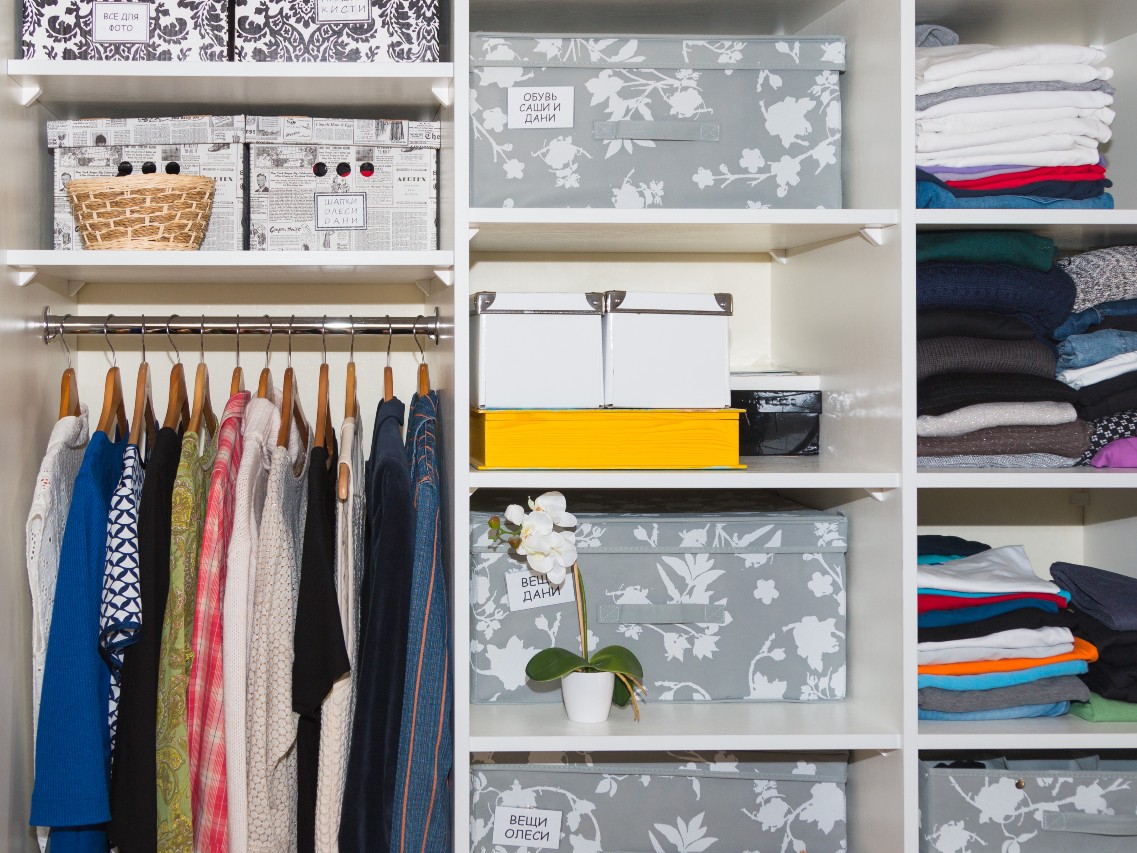
Categorization is presented as crucial for maintaining an organized closet. This involves hanging clothes by type (tops, pants, dresses) and then color-coding within each category. Breaking down categories by season is also recommended, allowing out-of-season clothing to be stored elsewhere. To elevate the closet's ambiance, incorporating decorative elements like a rug or even a small chandelier can transform it into a more respected and aesthetically pleasing space, encouraging better maintenance.
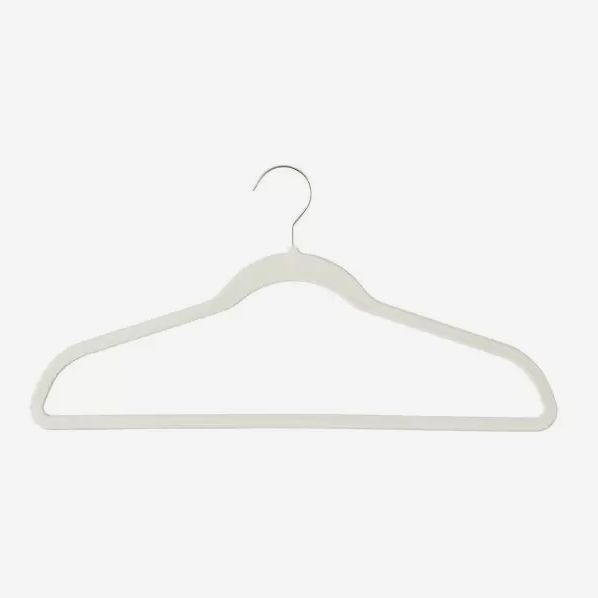
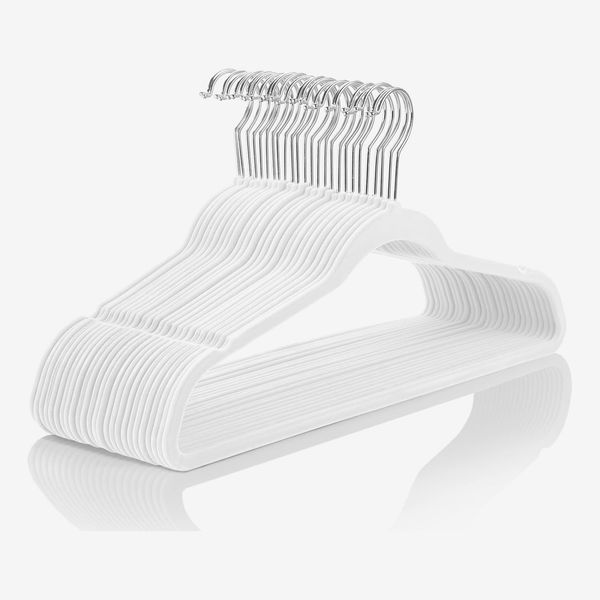
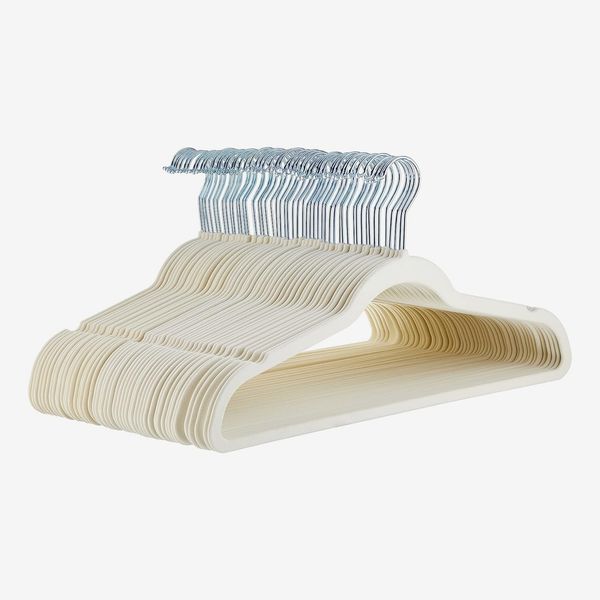
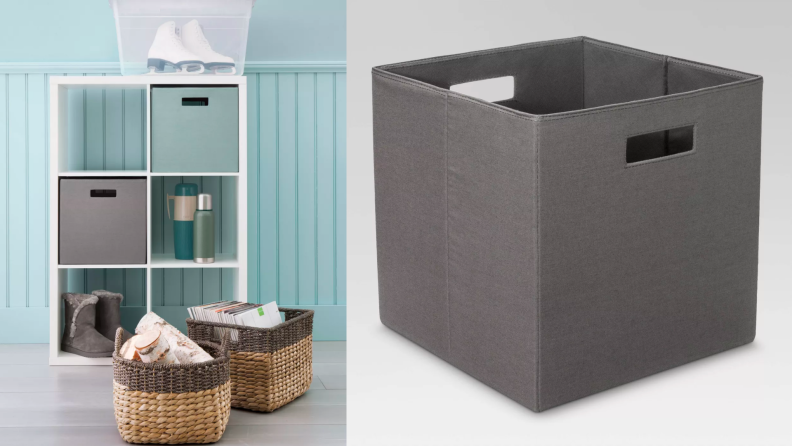
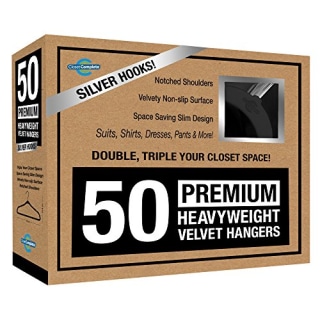
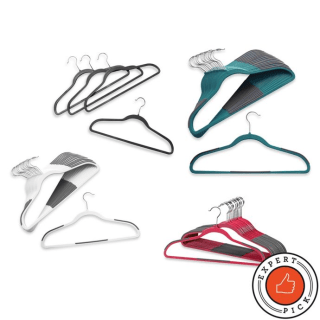
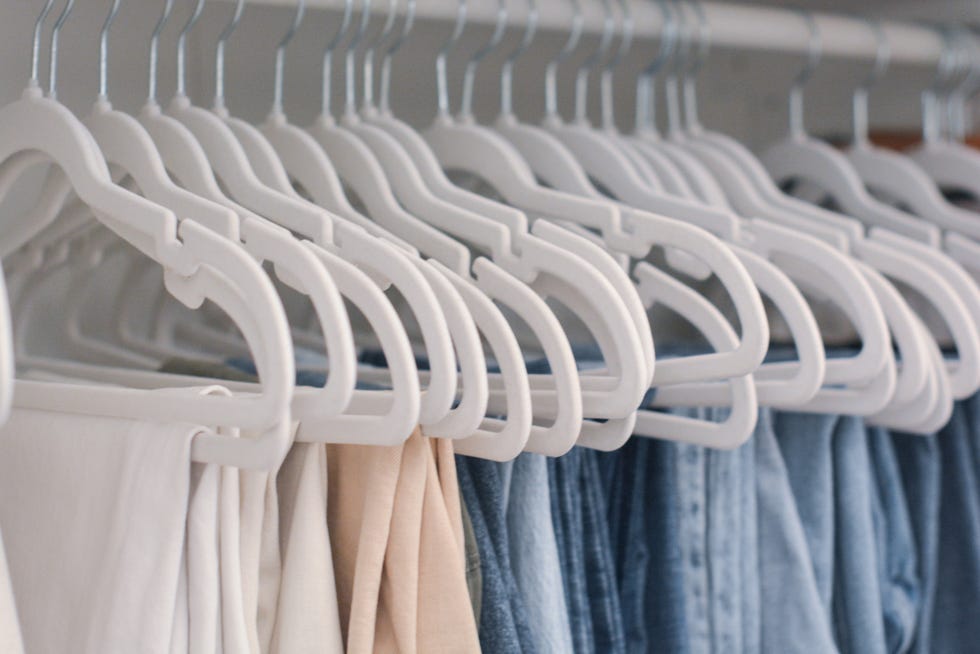
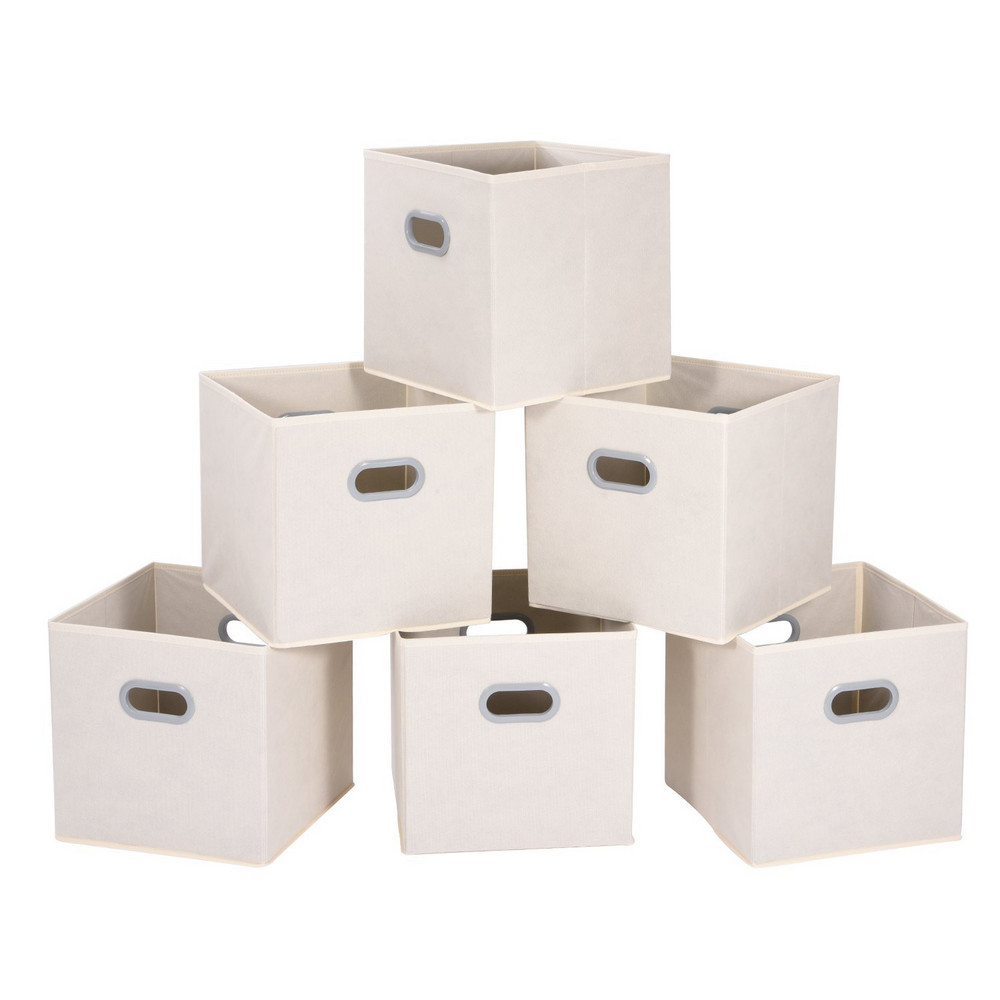
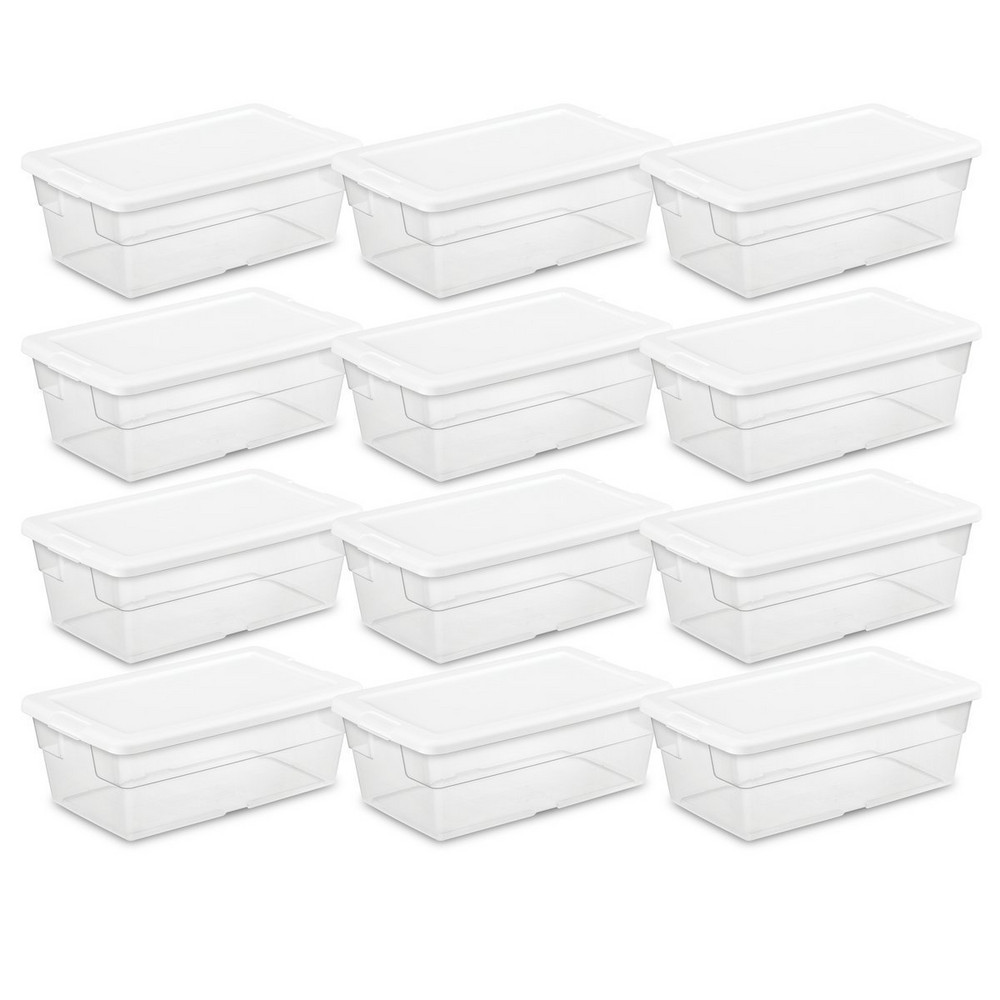
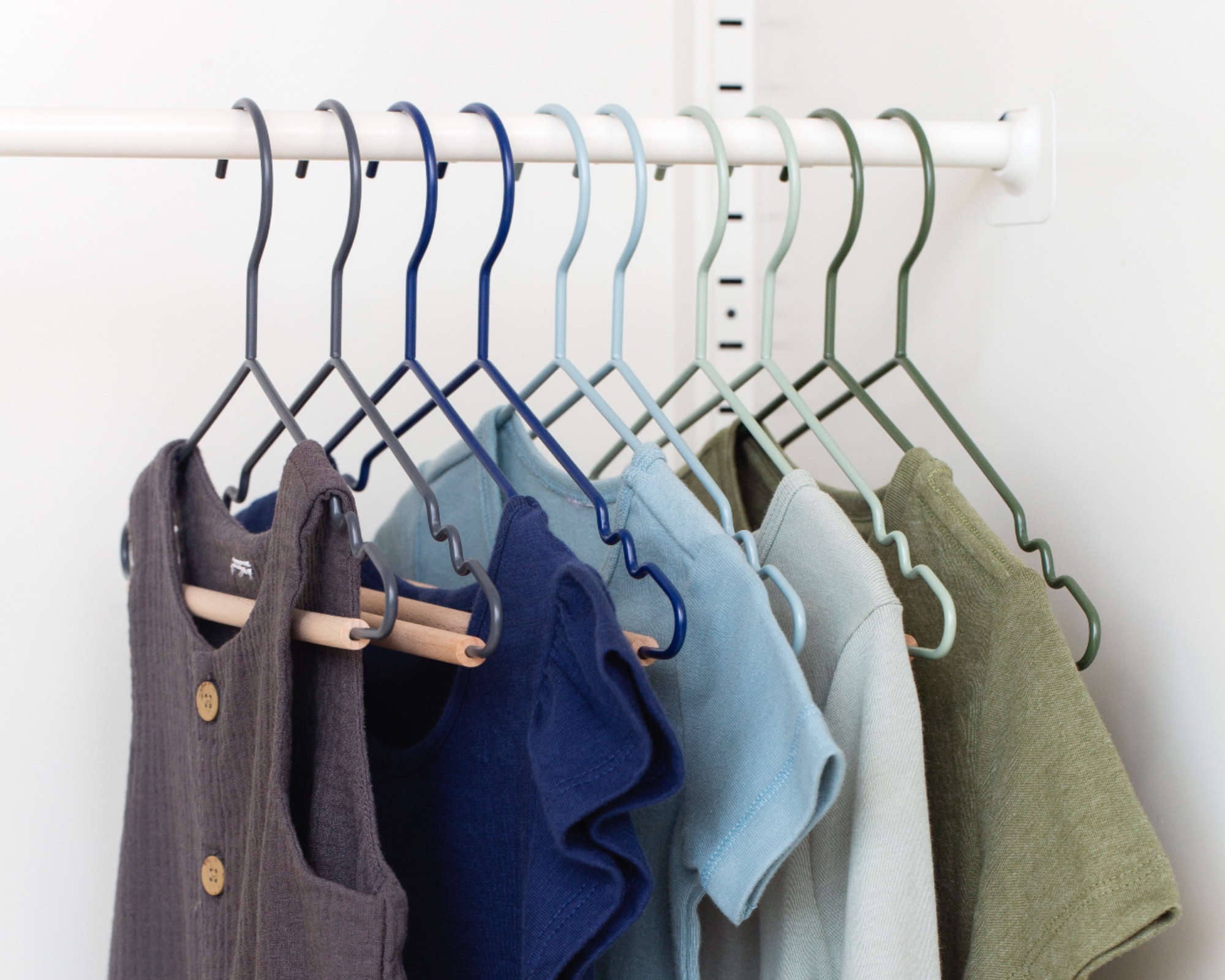
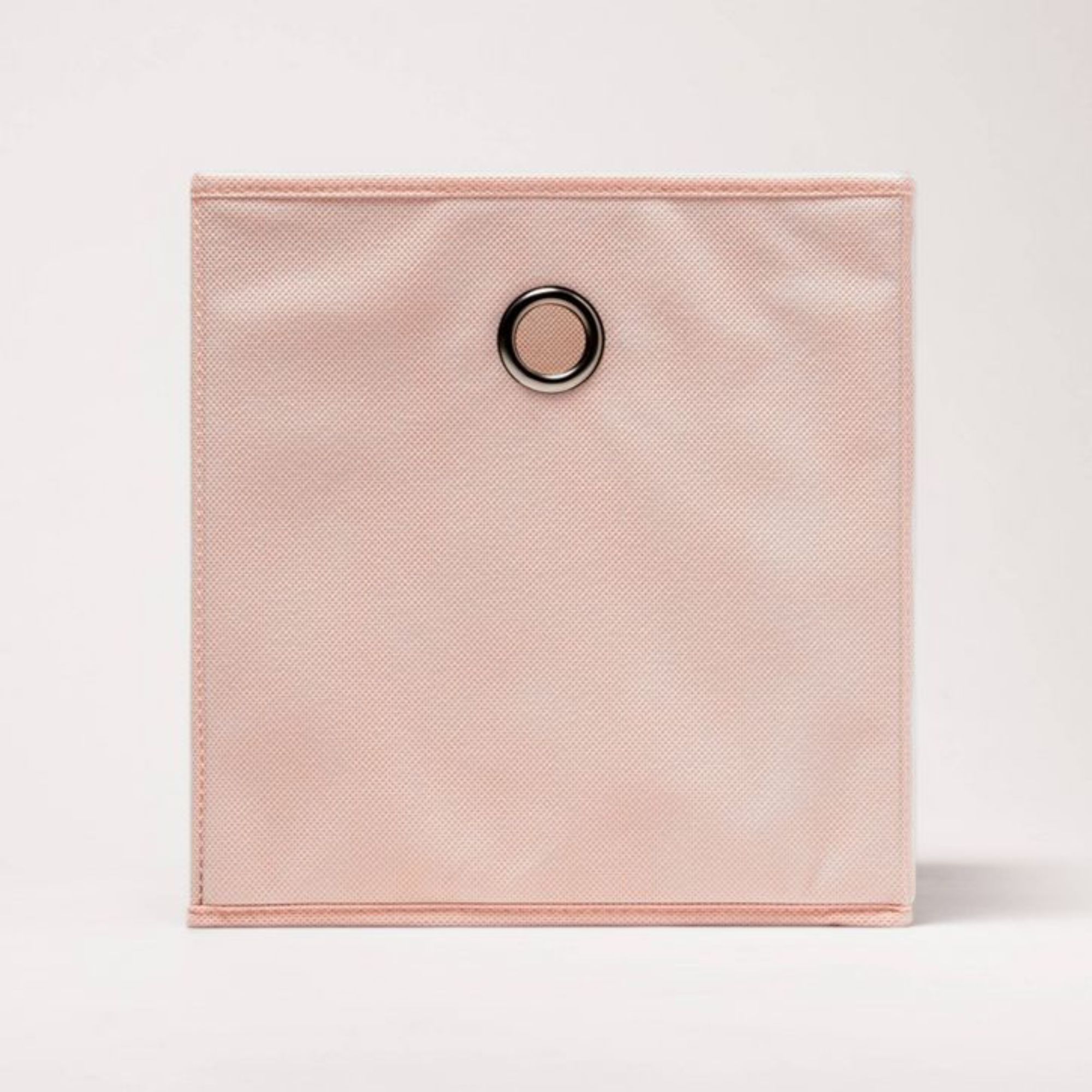
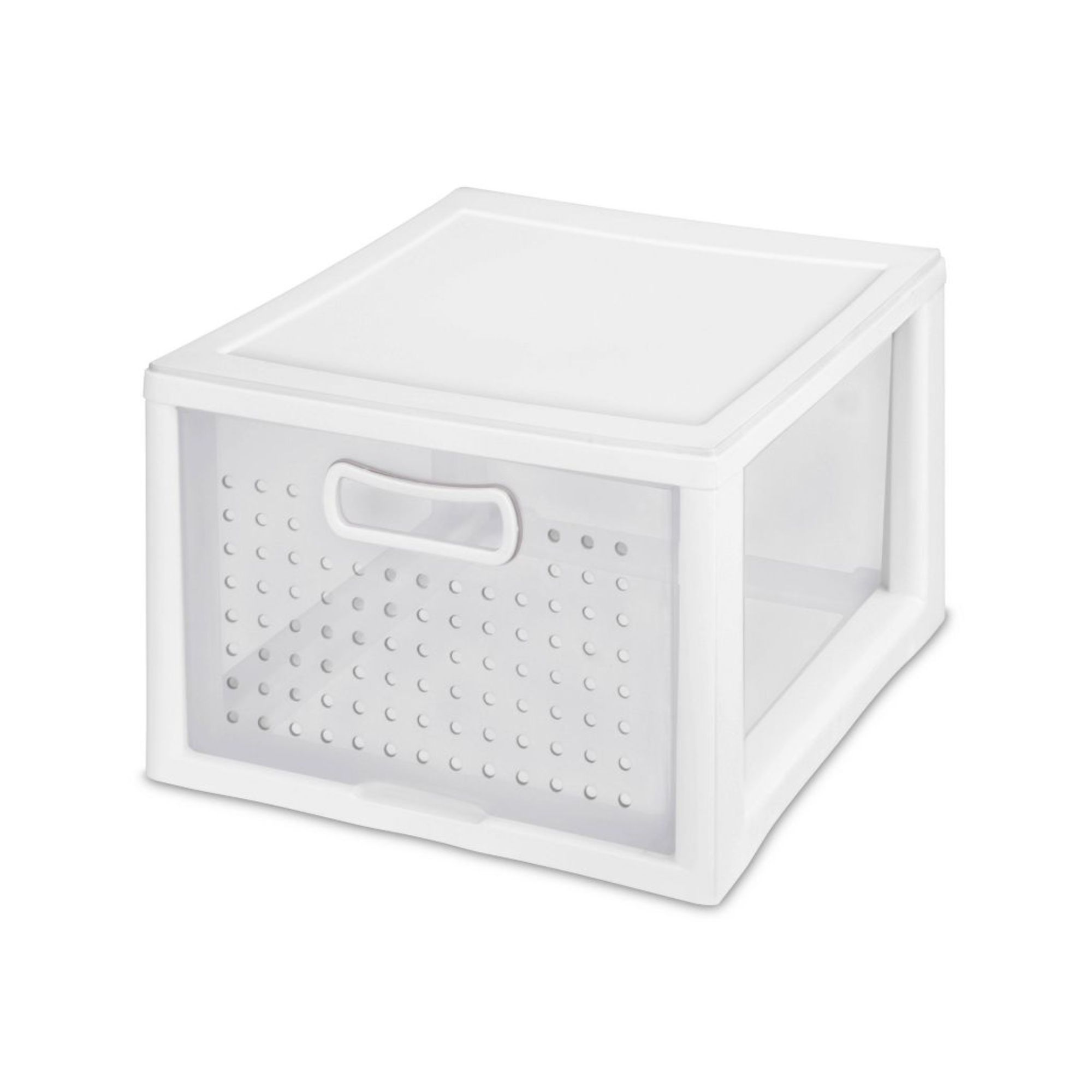
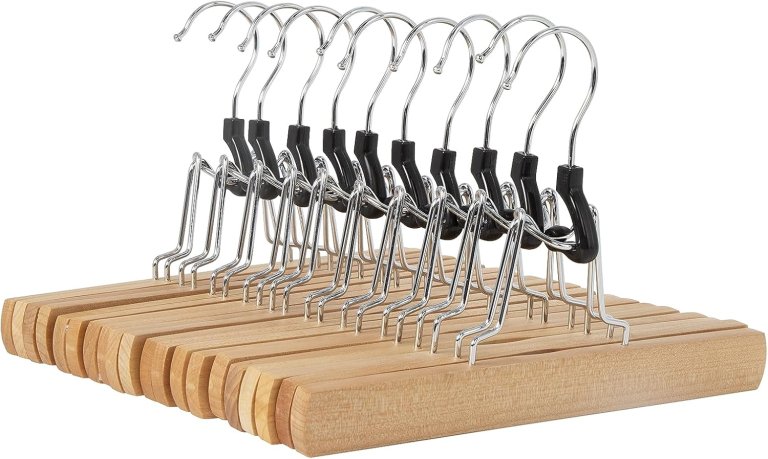
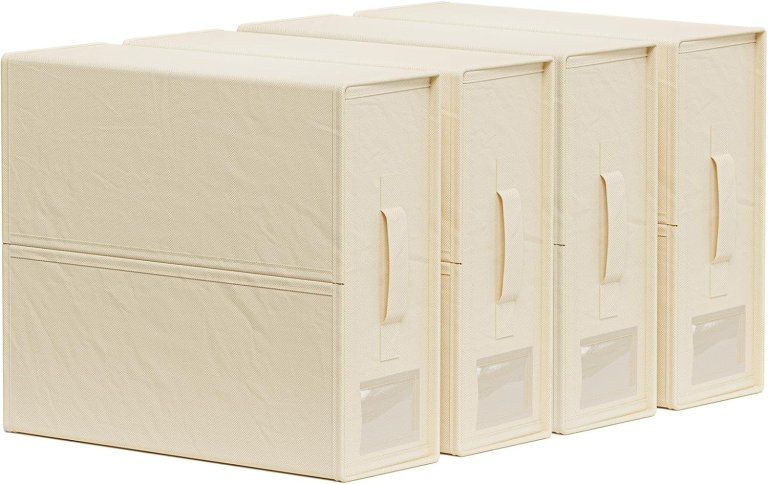
Uniformity in storage solutions, such as matching hangers, shoe boxes, and containers, is advised to reduce visual clutter and motivate consistent organization. The article also suggests having extra hangers readily available for new purchases or dry-cleaned items. The concept of an 'expandable' closet is introduced, encouraging the use of nearby nooks, wall space, or under-the-bed storage for items that do not fit within the main closet area.
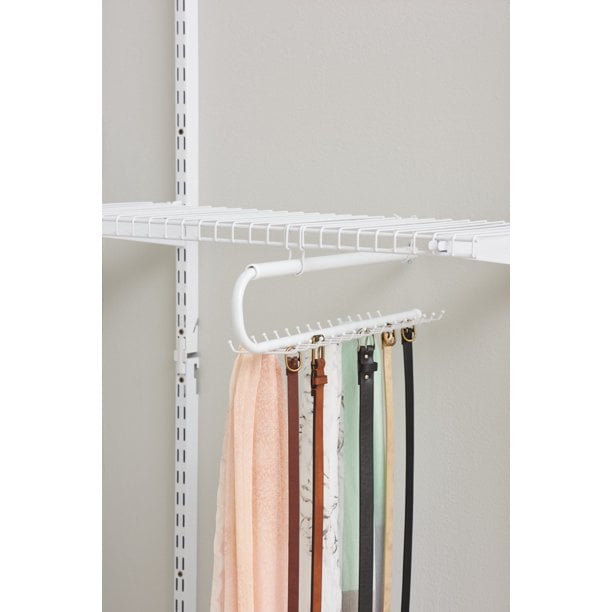
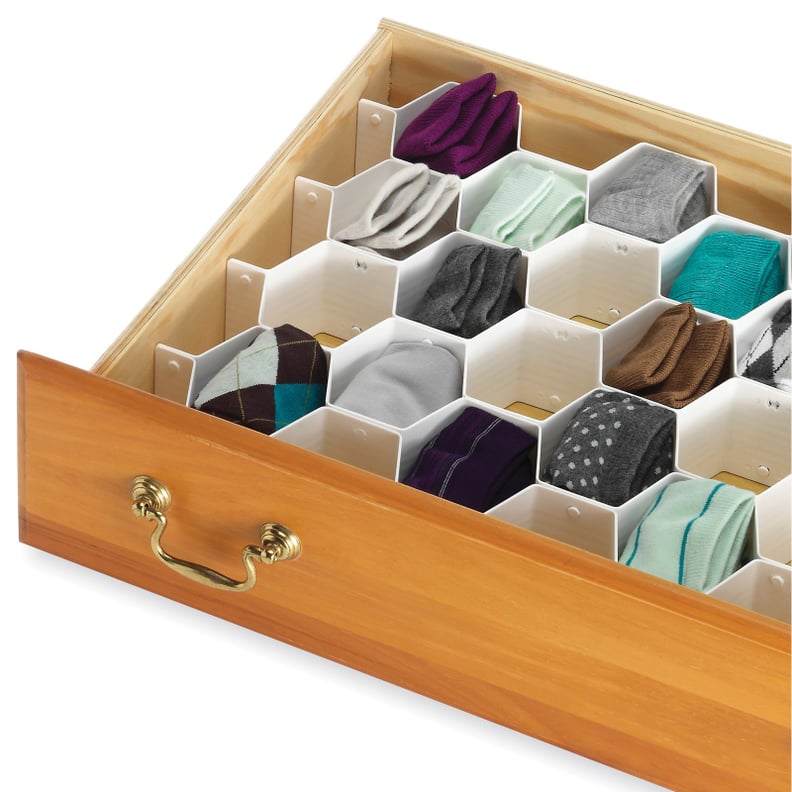
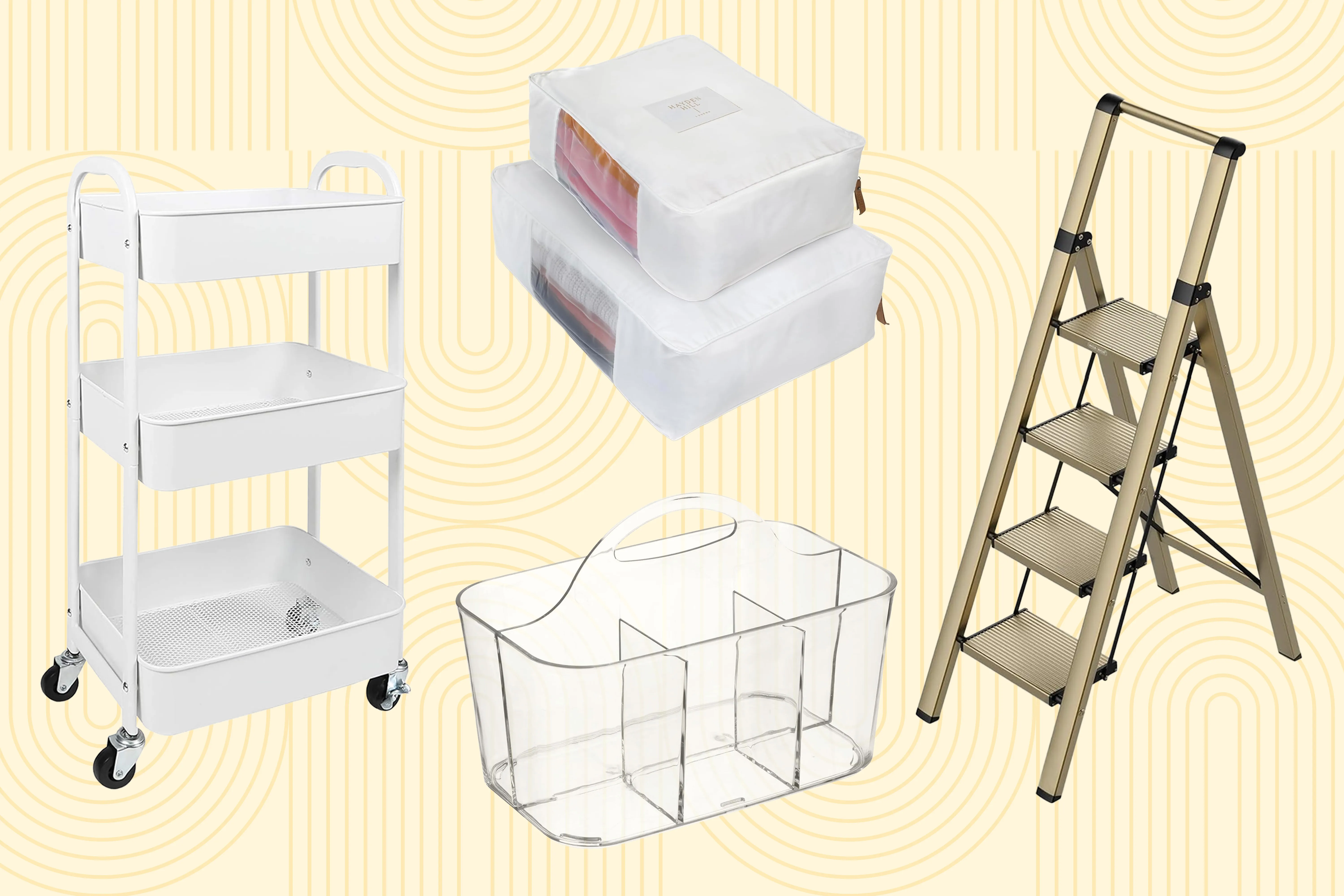
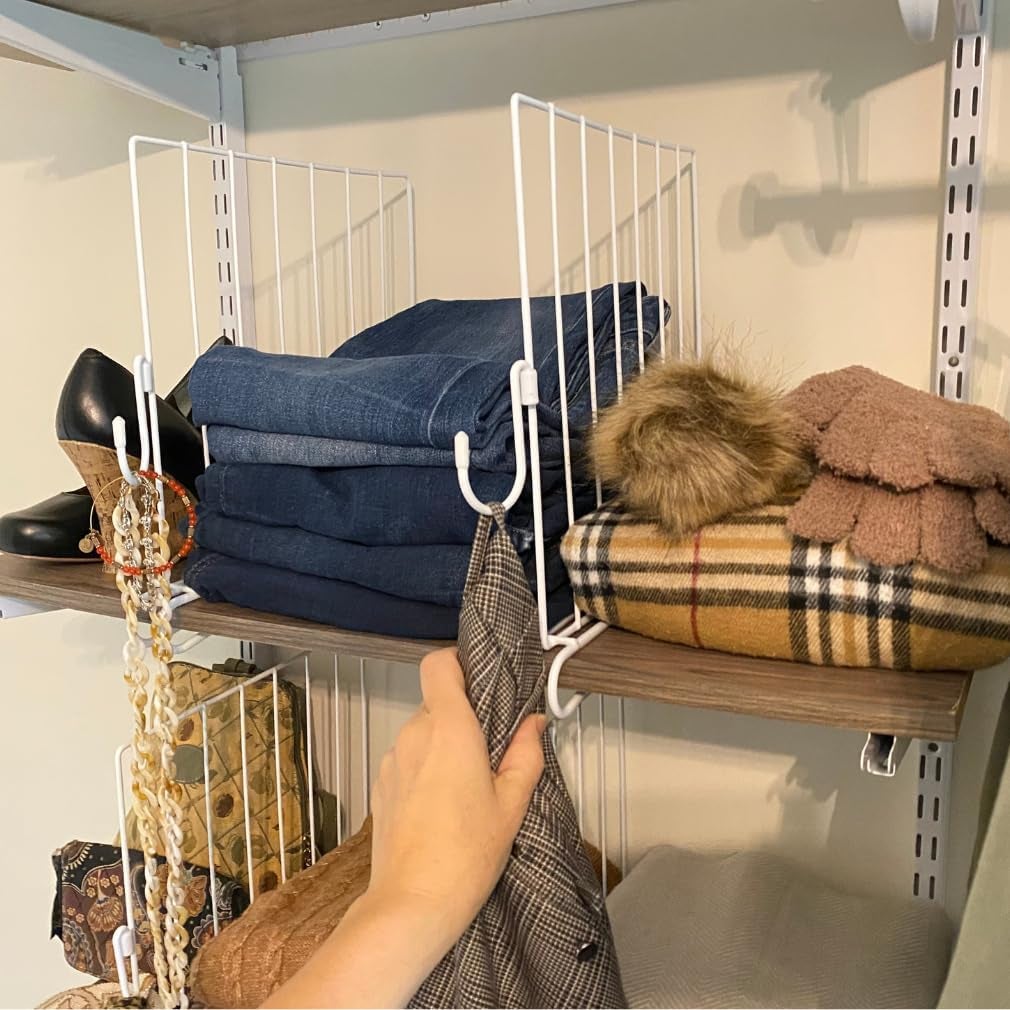
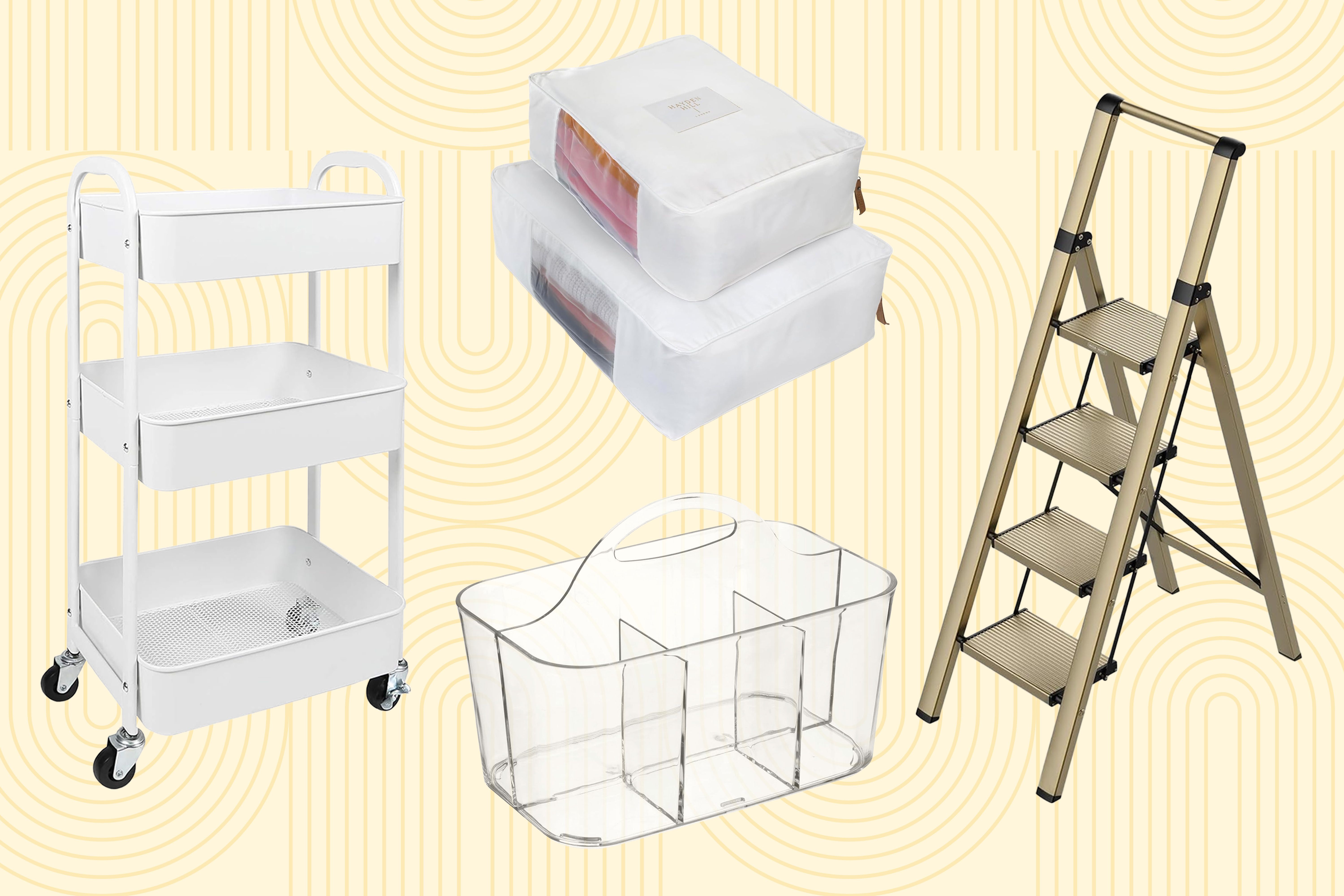
Creating designated 'stations' or zones within the closet for specific item categories, like shoes, accessories, or gym clothes, helps streamline the retrieval and return process. Using drawer and shelf dividers, along with closet rod organizers, can further enhance these zones. The article draws an analogy between a closet and a house, designating eye-level areas as the 'main floor' for everyday items and upper shelves as the 'attic' for infrequently used belongings. To facilitate access to higher shelves, keeping a slim stepladder or stool within the closet is recommended.
For households with children, the article advises creating accessible systems, such as double hanging rods and labeled bins in cubbies, to empower kids to manage their own clothes. This approach aims to teach organizational skills early. To prevent clutter accumulation, the article suggests maintaining an ongoing donation basket. Anytime an item no longer feels right, it can be immediately placed in the basket, which is then donated once full. This proactive approach helps keep wardrobes fresh and current.
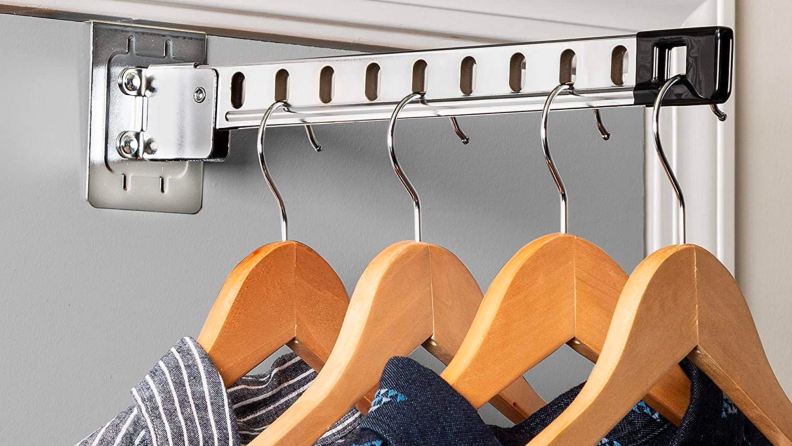
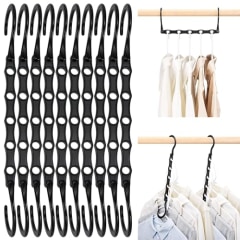
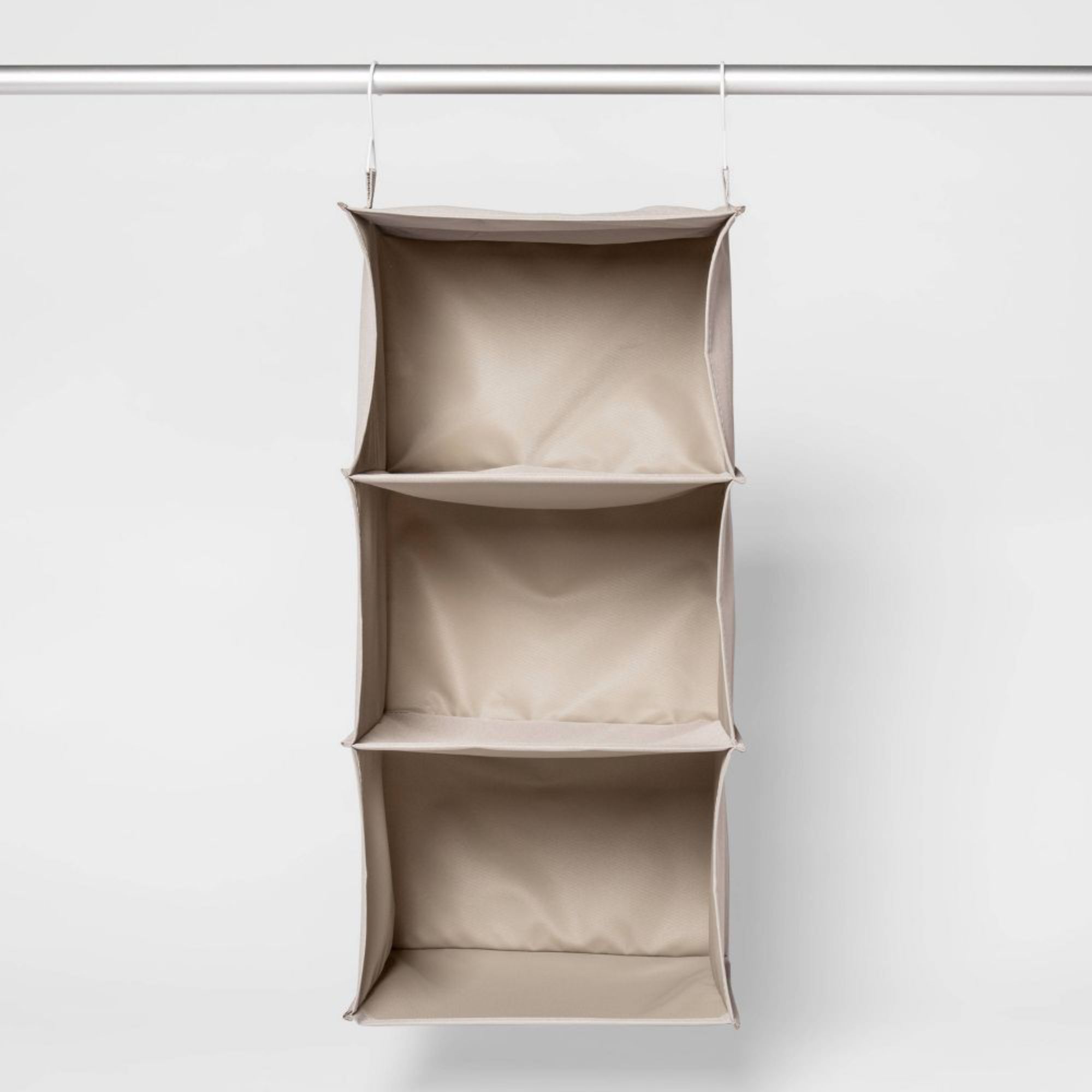
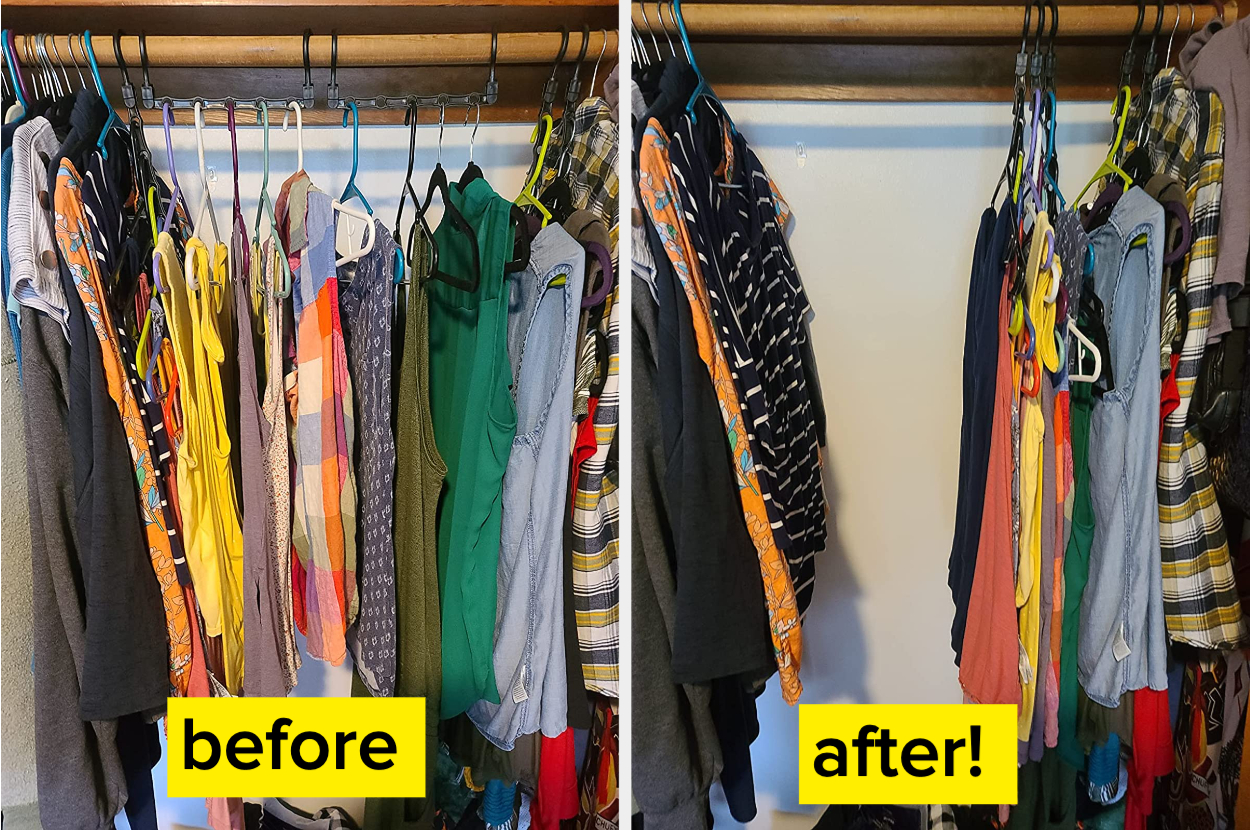
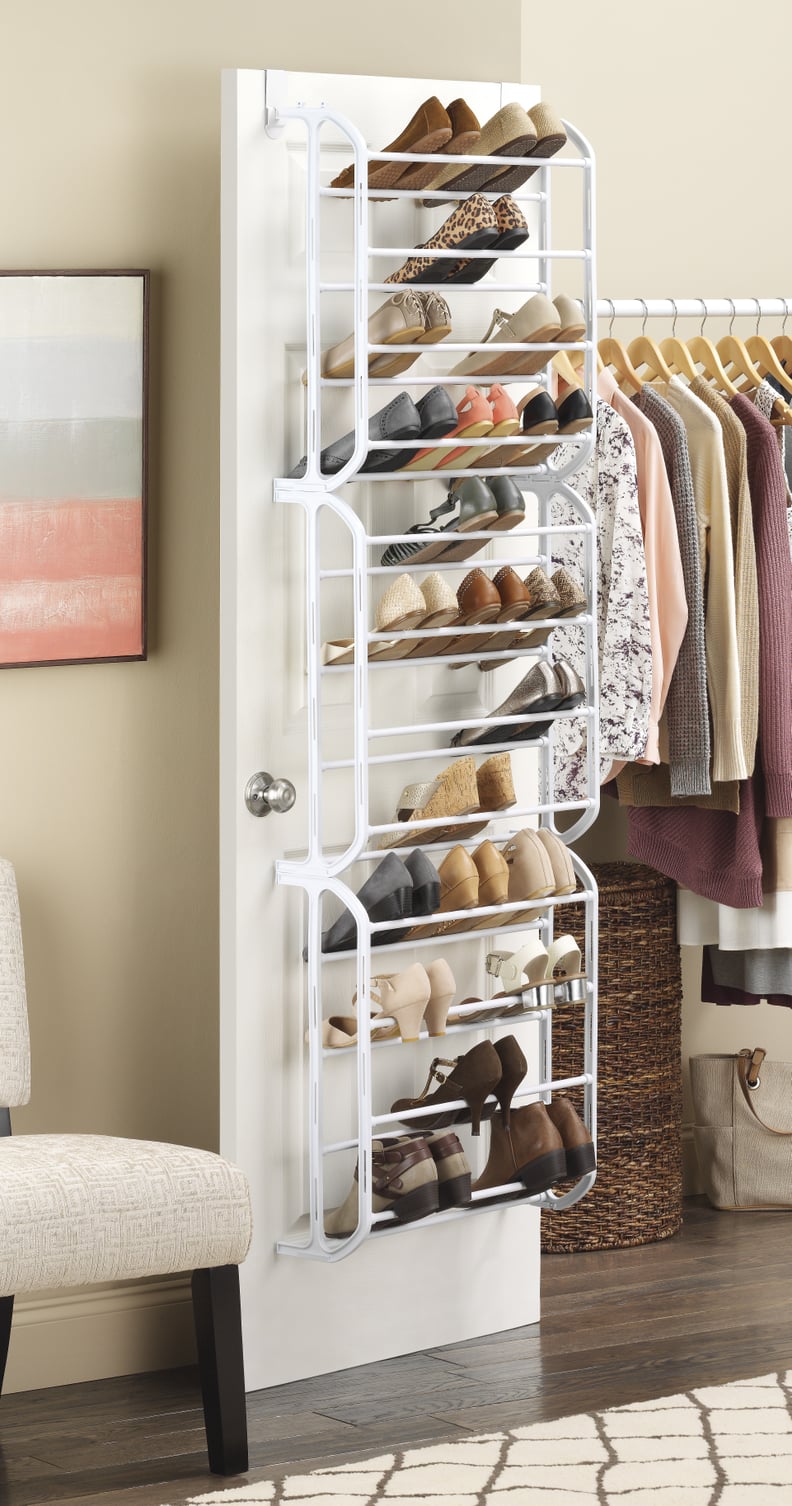
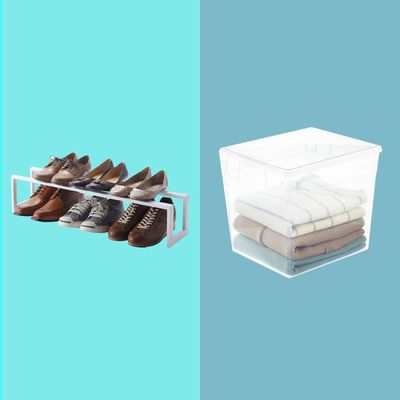
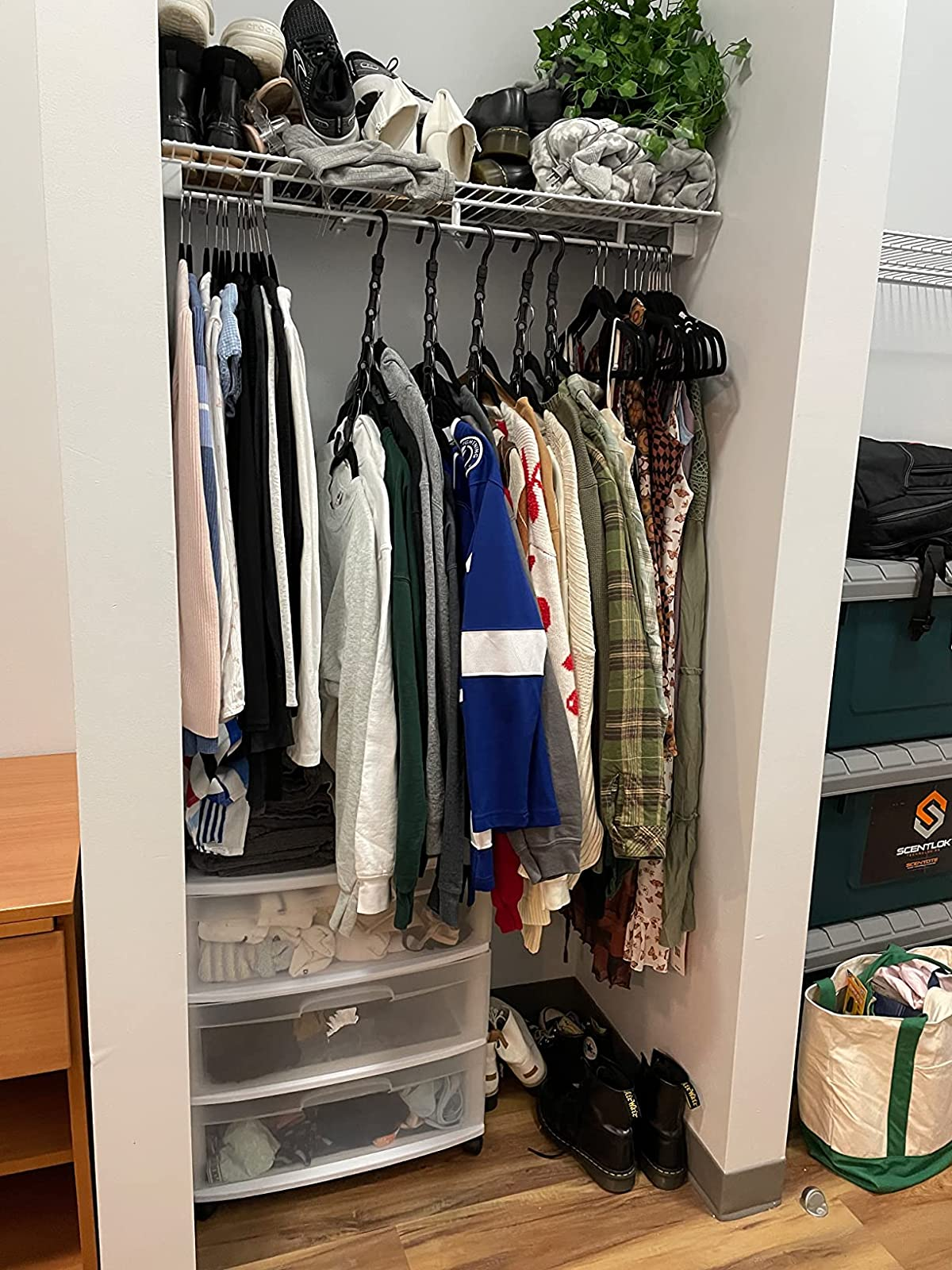
Finally, the article emphasizes thinking vertically to maximize storage, particularly in smaller spaces. Utilizing often-overlooked areas like the back of a closet door, the floor, empty walls, or unused spaces between shelves can create hidden storage. Solutions such as over-the-door units, modular shoe shelves, and hat hooks are suggested to efficiently use every square inch of space.
#ClosetOrganization #HomeOrganizing #StorageSolutions #DeclutteringTips #SpaceMaximization #ProfessionalOrganizerSecrets #WardrobeManagement #HomeDecor #FunctionalDesign #ClosetOrganization #HomeOrganizing #StorageSolutions #DeclutteringTips #SpaceMaximization #ProfessionalOrganizerSecrets #WardrobeManagement #HomeDecor #FunctionalDesign
0 comment in total
 No comments yet
You may also like
I Hired A Yelp-Famous Closet Organizer — And Was Shocked By The Results
7 of the best space saving hangers to organize your closet

10 Must-Haves For an Organized Closet
Organizers Say These 8 Things Don’t Belong in Your Closet — Here’s Why

I Spent a Year Designing My Closet—Here Are My Top 8 Organizing Tips

33 Best Closet Systems of 2025, According to Experts

15 Of The Best Closet Organization Ideas, According To An Expert
12 Products That Actually Work to Organize Every Closet in Your House

The Best Closet Storage, According to Professional Organizers
12 Professional Organizer-Approved Hacks for Managing Closet Clutter—and Keeping It Tidy 24/7

7 things the most organized people have in their closets – and what they always do first

If Your Closet Is A Total Horror Show, These 30 Things Will Turn It Into An Organized Dream Come True

13 Professional Organizer-Approved Hacks for Managing Closet Clutter—and Keeping It Tidy 24/7
Banish Closet Chaos with These Storage Organizers

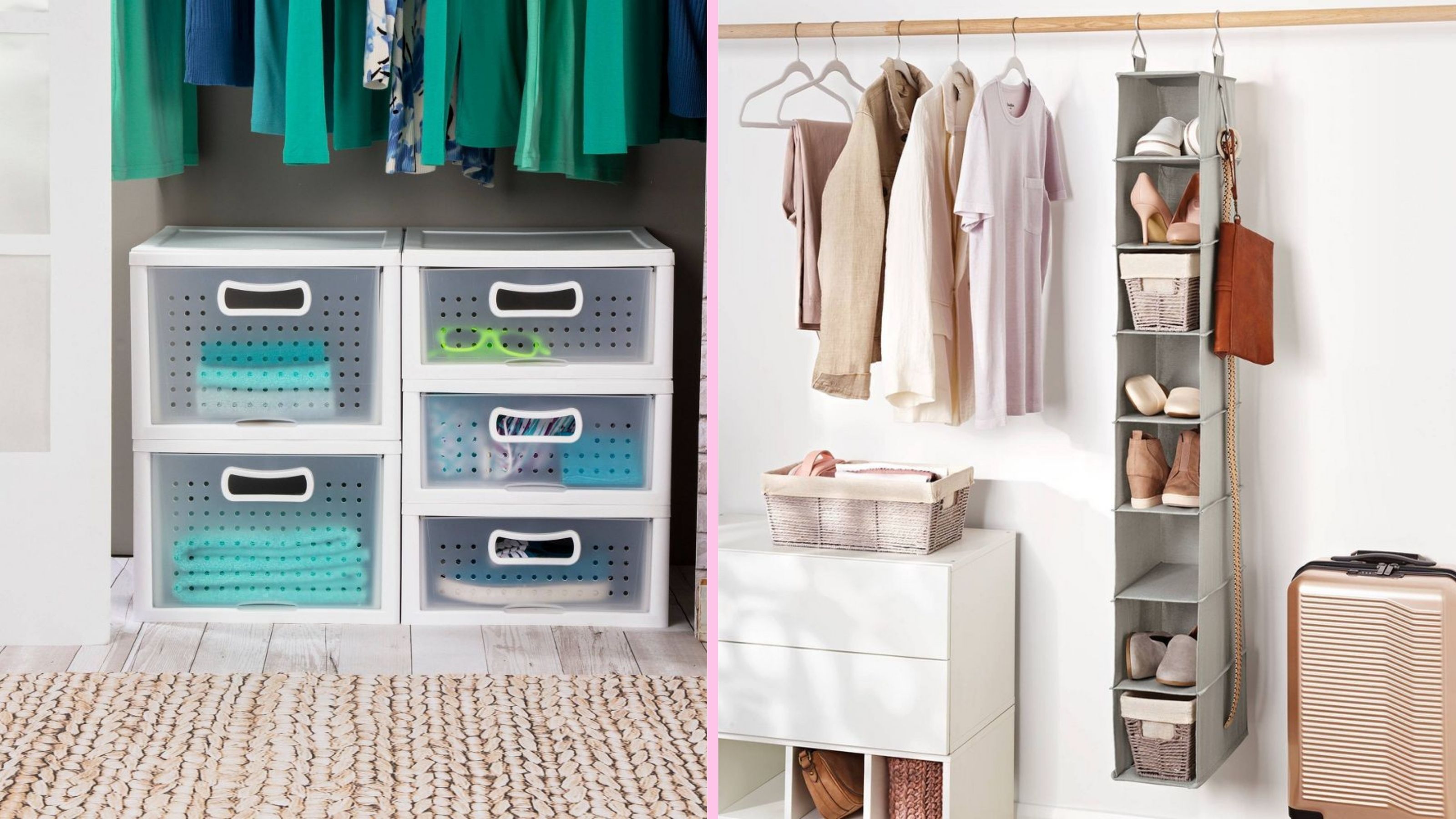
9 Target closet organizers shoppers always snap up to fix overflowing wardrobes

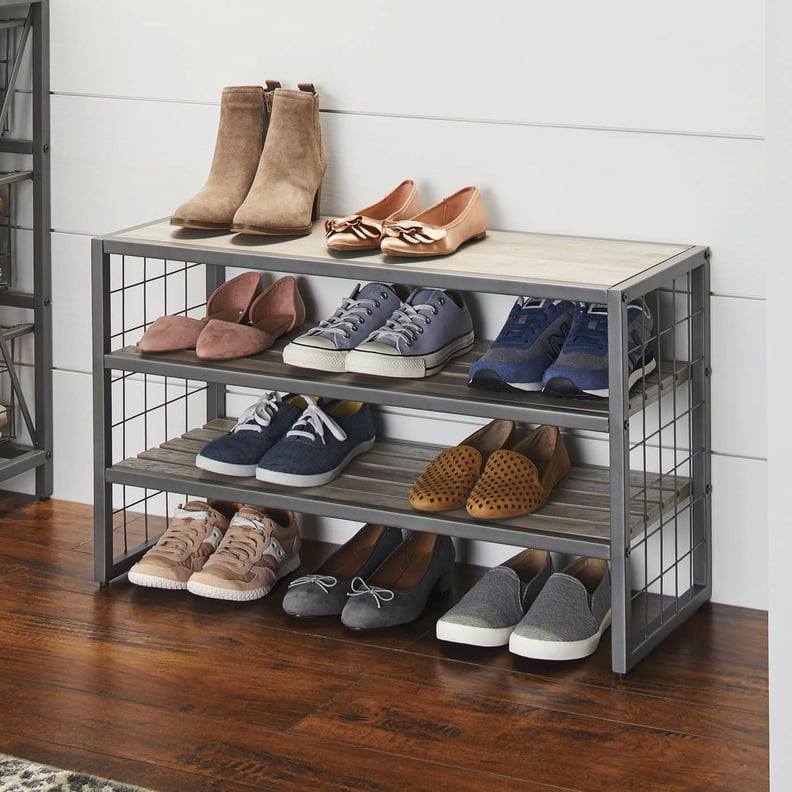
17 Closet Organizers So Clever, You'll Wonder How You Ever Functioned Without Them
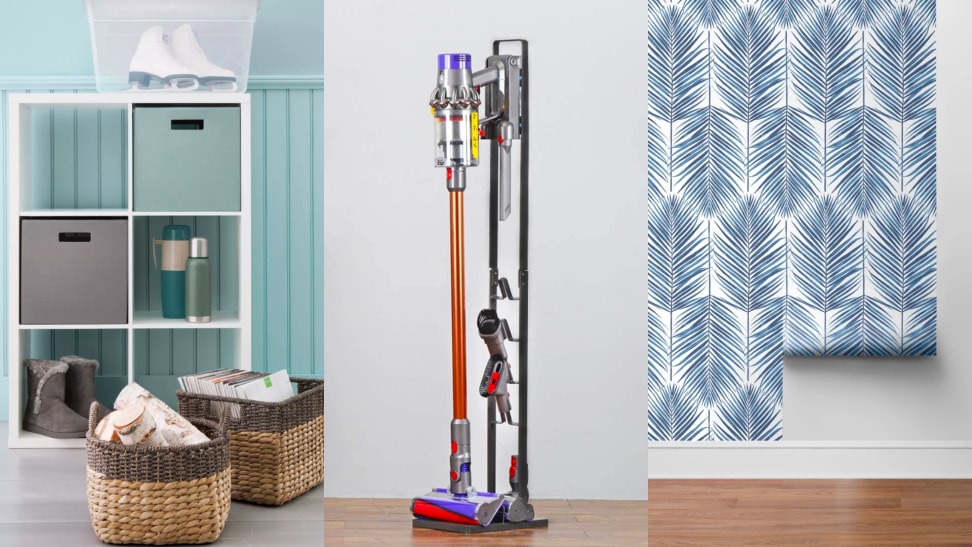
Expert tips for organizing a closet and maximizing storage space

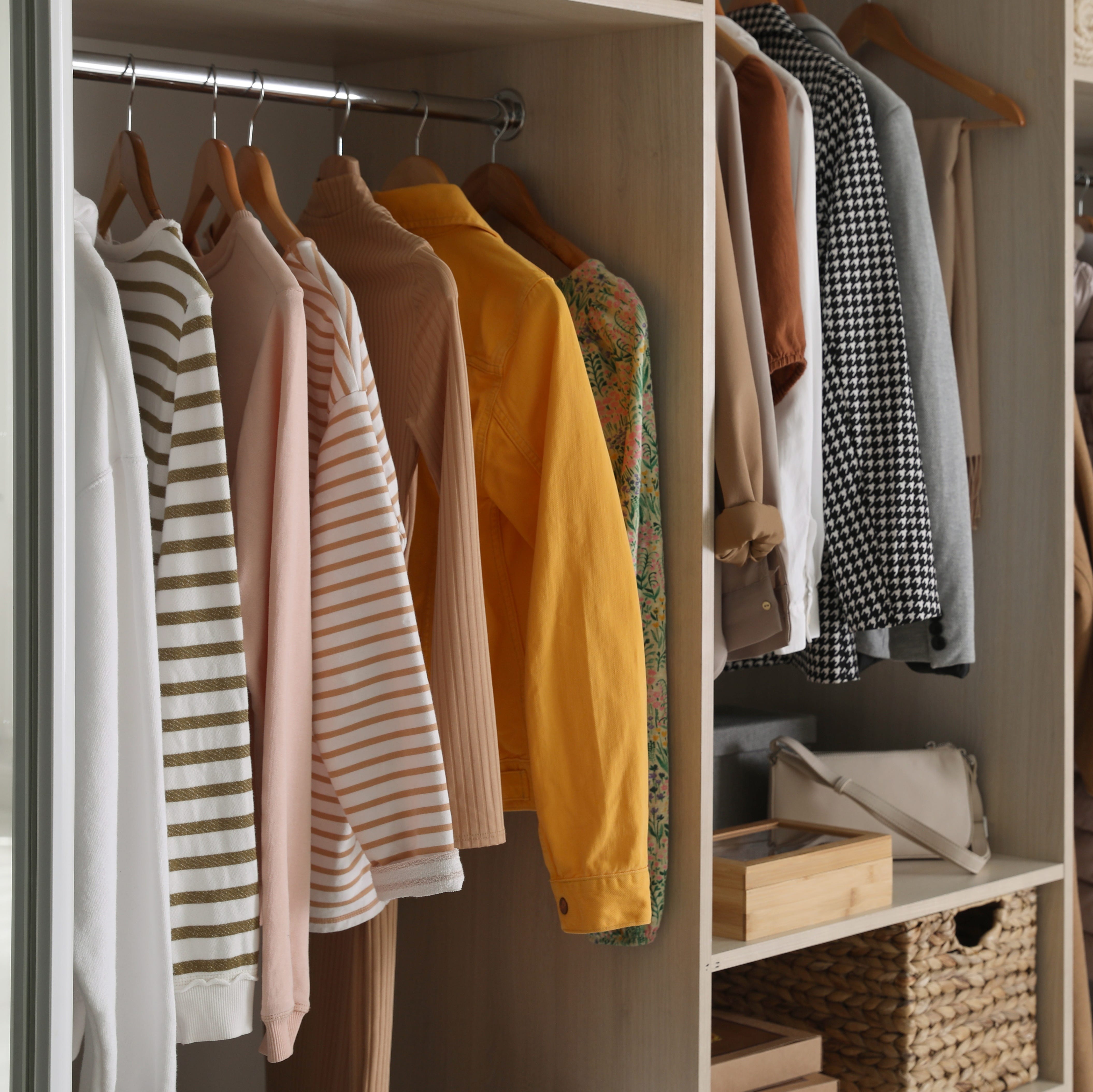
Never Make These Closet Organization Mistakes, Warn Experts

17 Of The Best Closet Organizers To Keep Pesky Clutter Out Of Your House
10 Closet Organization Mistakes That Make Getting Dressed More Stressful