1/10
We Cracked the Code on Mixing and Matching Hardware
Achieving a layered, personalized look in interior design often involves eschewing perfectly coordinated sets in favor of curated pieces that complement rather than identically match. This principle extends to often-overlooked elements like hardware, which can act as "jewelry for your home," injecting originality and a sense of 'je ne sais quoi' into a space. This approach allows homeowners to create a distinctive aesthetic that feels built over time and reflects their unique perspective.
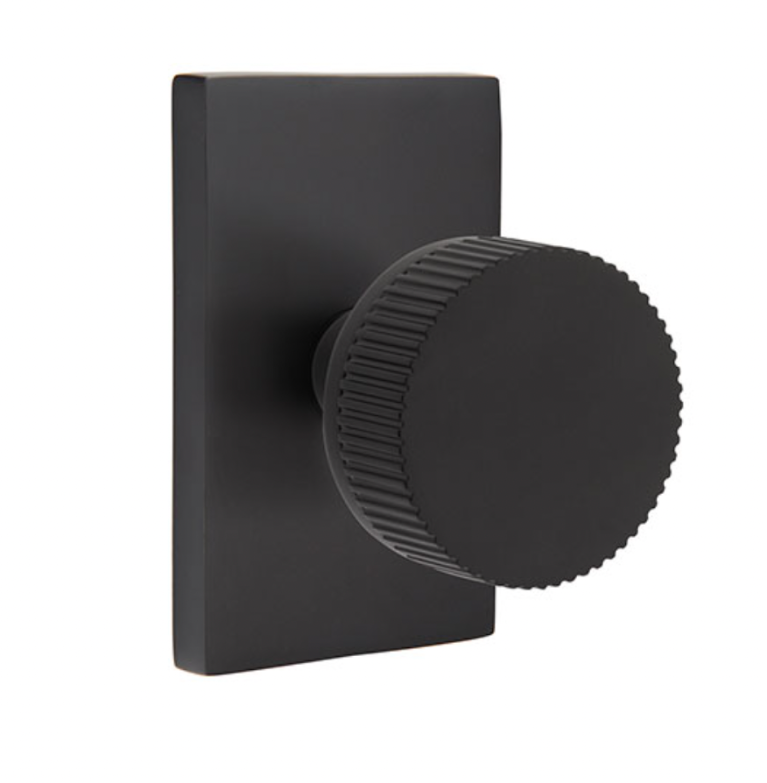
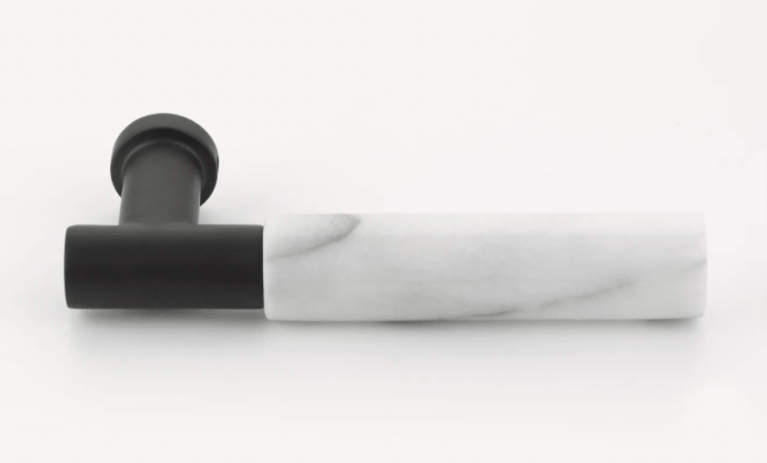
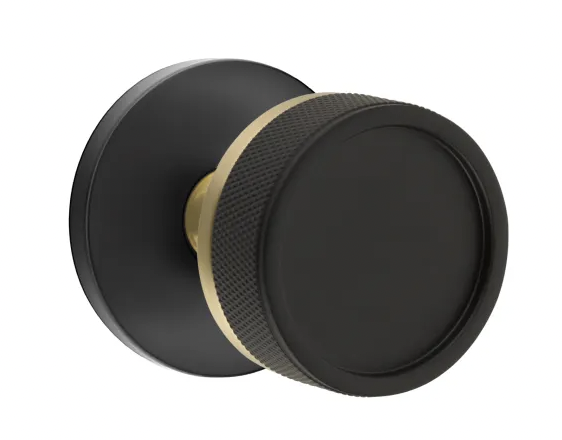
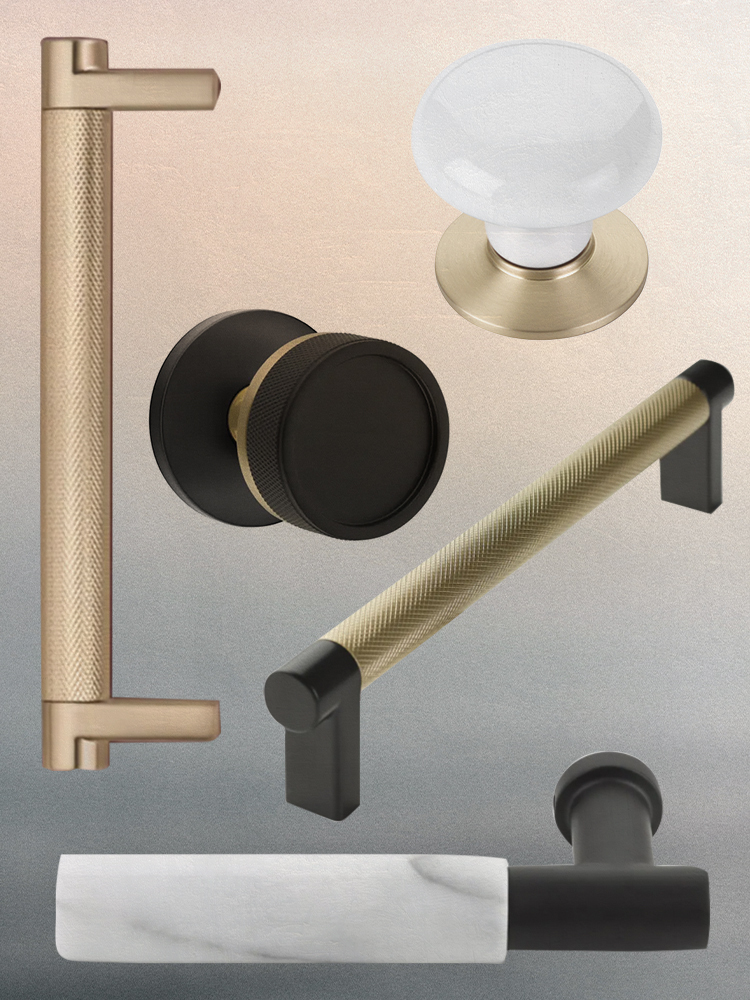
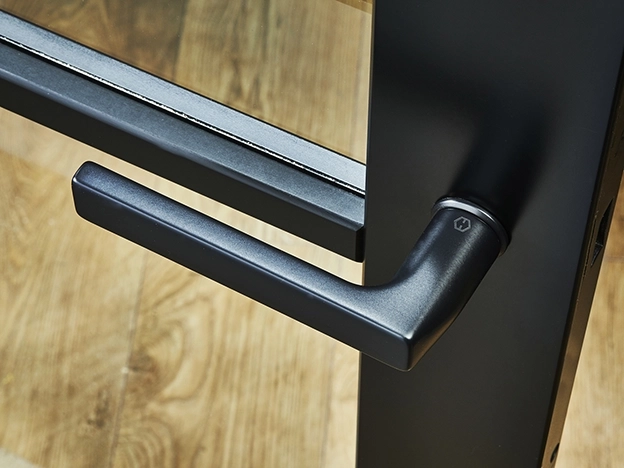
When considering mixing and matching hardware, several strategies can be employed to ensure a cohesive yet eclectic outcome. One method involves combining items with incongruous details but similar finishes. For instance, a knob with a ridged linear texture can be paired with a smooth marble lever, both finished in flat black. This creates a harmonious mismatched effect, suitable for contrasting interior and exterior door hardware. Another technique is tone-on-tone pairing, where different components of a single hardware piece—such as stems, bars, knobs, rosettes, and handles—are given varying finishes. A flat black knob combined with a satin brass pull, for example, can add a special touch to built-in cabinetry, offering subtle yet impactful contrast.
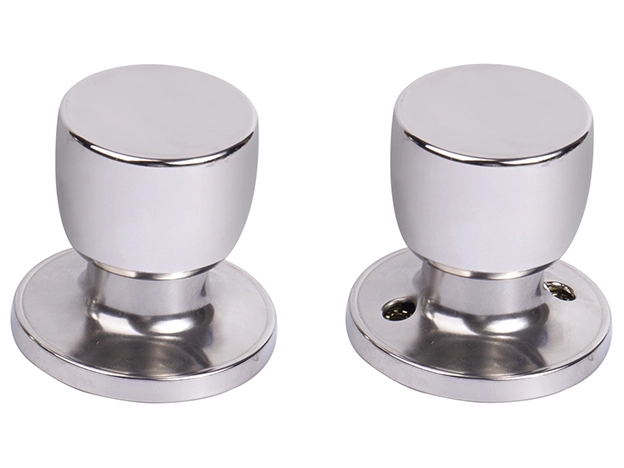
Maintaining a consistent finish while varying textures is another effective strategy. If an existing fixture, such as a bathroom faucet, has a specific finish like chrome, carrying that same finish across different textured hardware pieces (e.g., straight and conical knurling) can serve as a unifying element. This approach ensures that despite textural differences, the overall hardware scheme remains tied together by a common metallic thread. Alternatively, for items that share a similar shape and material, like rounded porcelain knobs, designers can introduce variation through contrasting side plates or rosettes, preventing an overly uniform appearance.
Finally, the article suggests a nuanced approach for cabinet hardware, where single-finish pulls on upper cabinets can be combined with two-tone pulls on lower cabinets. To maintain balance in this scenario, it is crucial to keep the texture and stem styles consistent across both types of pulls. This method allows for a playful contrast in finishes while ensuring the overall design feels intentionally coordinated rather than haphazard. By implementing these strategies, homeowners can transform mundane hardware into a powerful design tool, enhancing the individuality and aesthetic depth of their living spaces.
#HomeDecor #InteriorDesign #HardwareMixing #DesignInspiration #KitchenDesign #CabinetHardware #Emtek #PersonalizedDesign #HomeStyling #HomeDecor #InteriorDesign #HardwareMixing #DesignInspiration #KitchenDesign #CabinetHardware #Emtek #PersonalizedDesign #HomeStyling
 No comments yet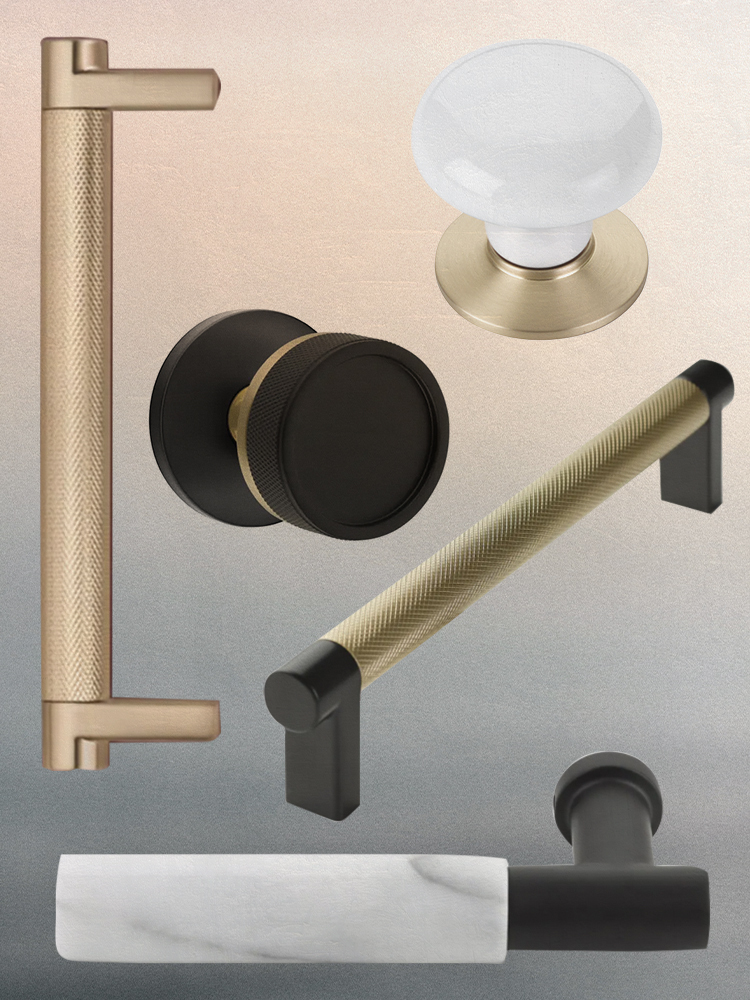
We Cracked the Code on Mixing and Matching Hardware
Hardware & Security