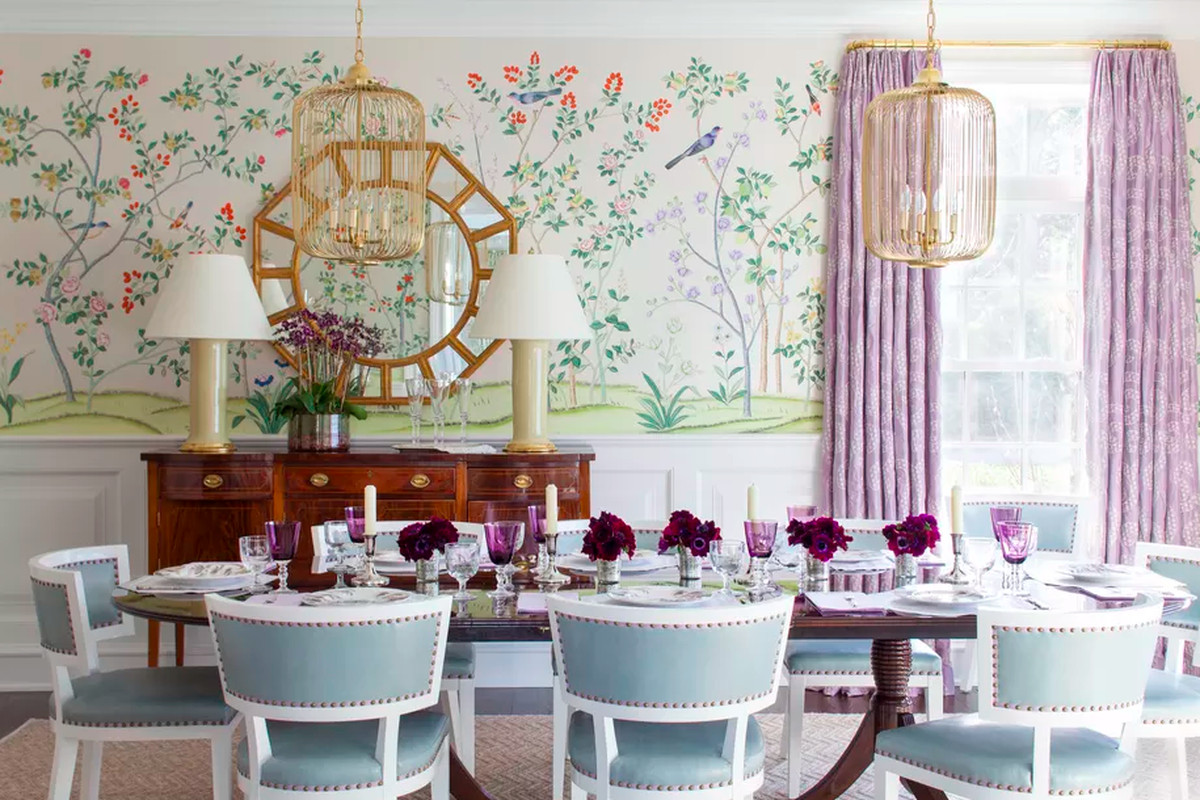
1/2
The hunt for vintage wallpaper: Where to find and how to decorate with it
This article explores the enduring appeal and practicalities of incorporating vintage and historically-inspired wallpaper into contemporary home design, focusing on scenic panoramas and chinoiserie panels. It delves into the challenges and rewards of sourcing antique wallpaper while also highlighting modern companies that continue these traditional crafts.
Finding true antique wallpaper from earlier periods, such as the 18th or 19th centuries, is extremely difficult due to the fragility and natural degradation of the materials over time. Suzanne Lipschutz, founder of Secondhand Rose, notes that while she has some pieces from the late 19th and early 20th centuries, most early wallpapers have simply disappeared. She more commonly finds European wallpaper from the 1960s and 1970s, or papers from the 1990s that emulate older patterns. Max Sinsteden of Olasky & Sinsteden emphasizes the unique charm and "magical" patina that comes with genuinely antique papers, though he acknowledges that finding and reinstalling them often involves an extraordinary story.
For those seeking vintage wallpaper, options include finding houses on the market that already feature it, such as a Natchez, Mississippi, home with Zuber’s Scenes of North America wallpaper. Alternatively, online marketplaces like eBay and 1stdibs, along with online auction houses, can offer individual panels or incomplete sets. If a set is incomplete but from a brand still in operation, like Zuber, the manufacturer may be able to help complete it. The article advises not to be deterred by missing panels, as manufacturers can often reproduce them.
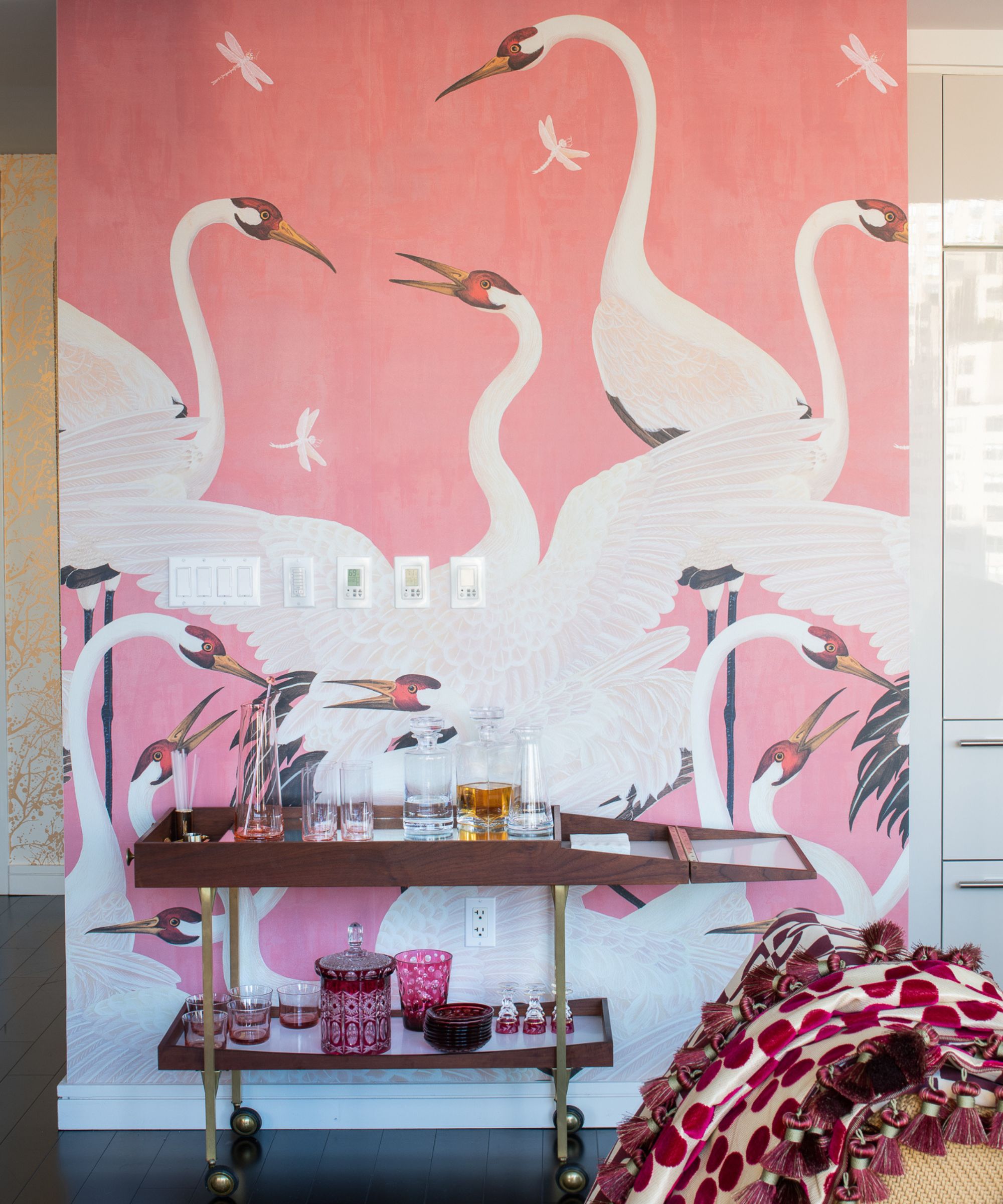
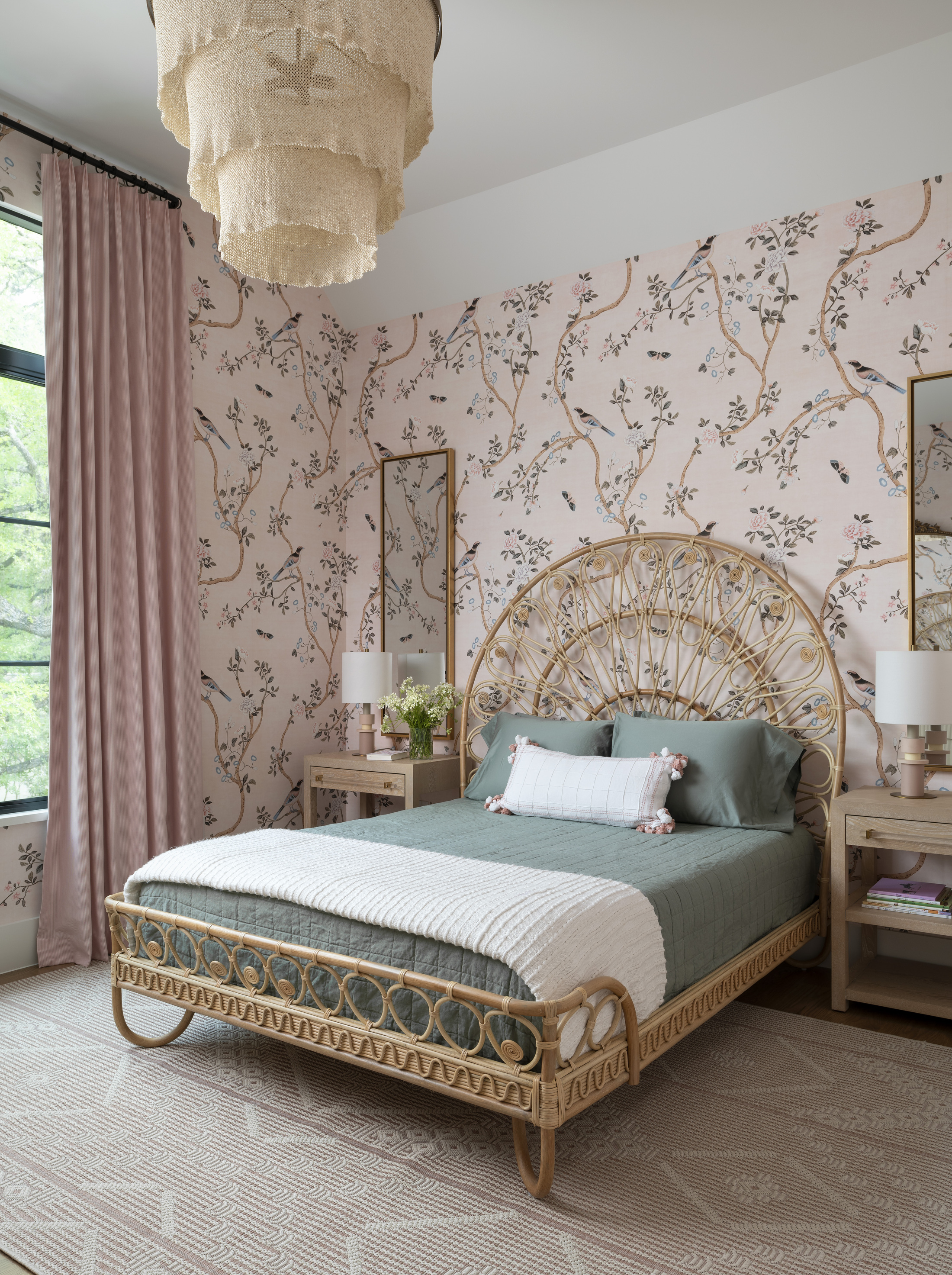
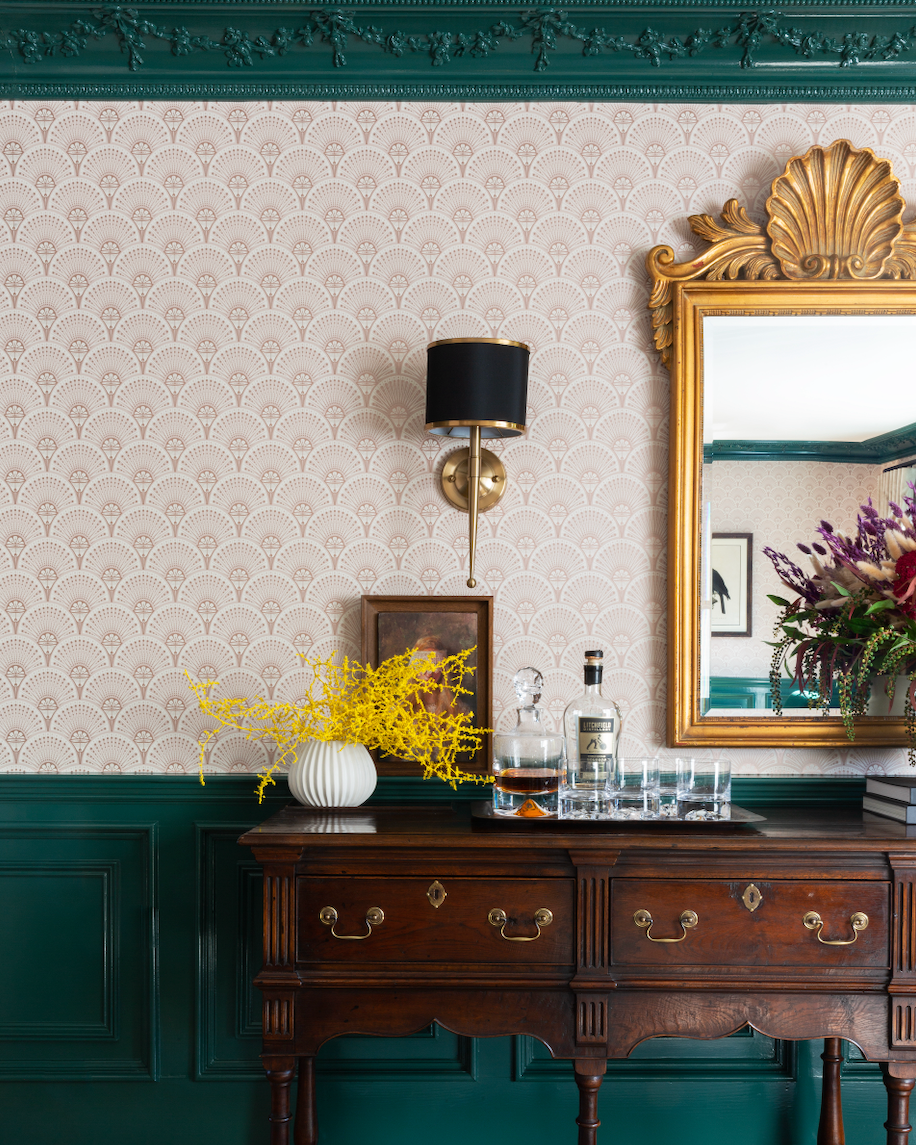
Modern companies like de Gournay carry on the tradition of hand-painted scenic and chinoiserie wallpapers. Claud Cecil Gurney founded de Gournay in 1986 after a frustrating experience trying to restore antique Chinese wallpaper. His company now offers customizable hand-painted designs. Interior designer Ashley Whittaker expresses her fondness for these wallpapers, stating they provide an excellent starting point for a home's entire color palette. She suggests using these impactful wallpapers in prominent areas like a foyer or dining room to set the tone immediately, rather than hiding them in less visible spaces. Whittaker also encourages layering mirrors and artwork over the wallpaper, treating it as a backdrop rather than something too precious.
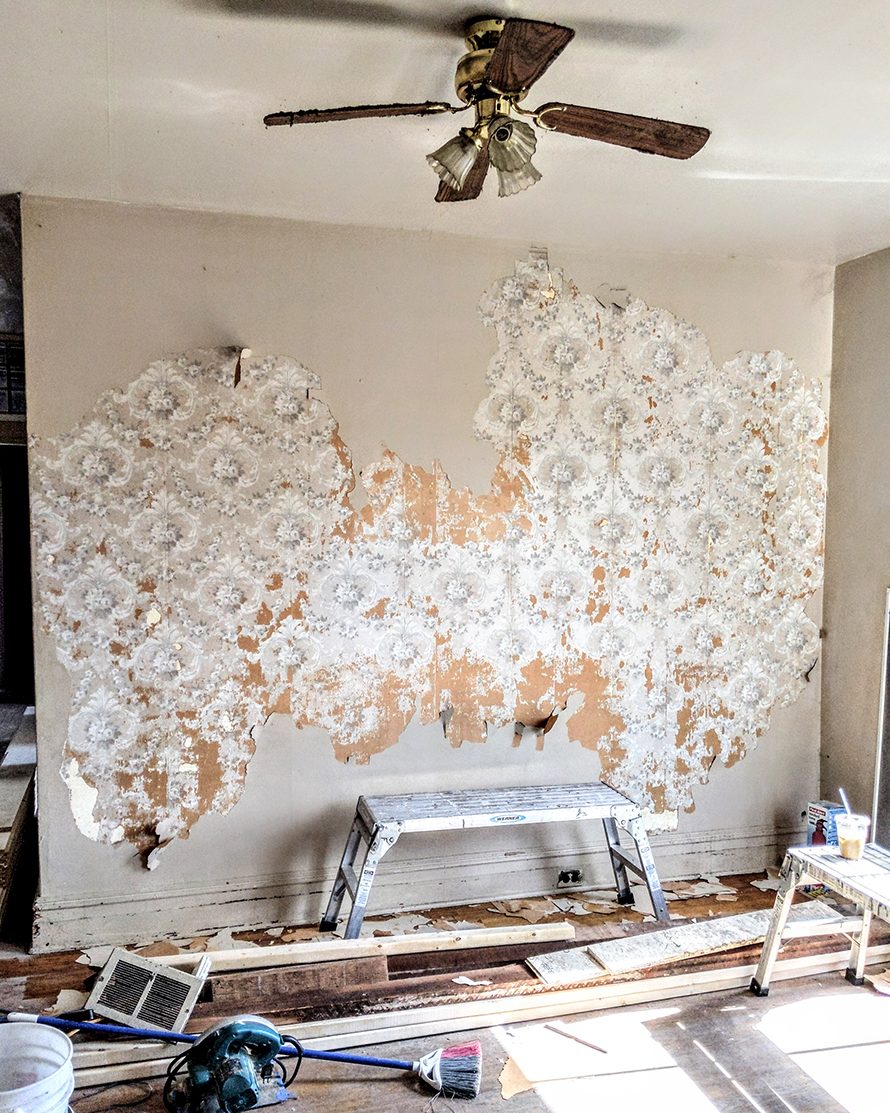
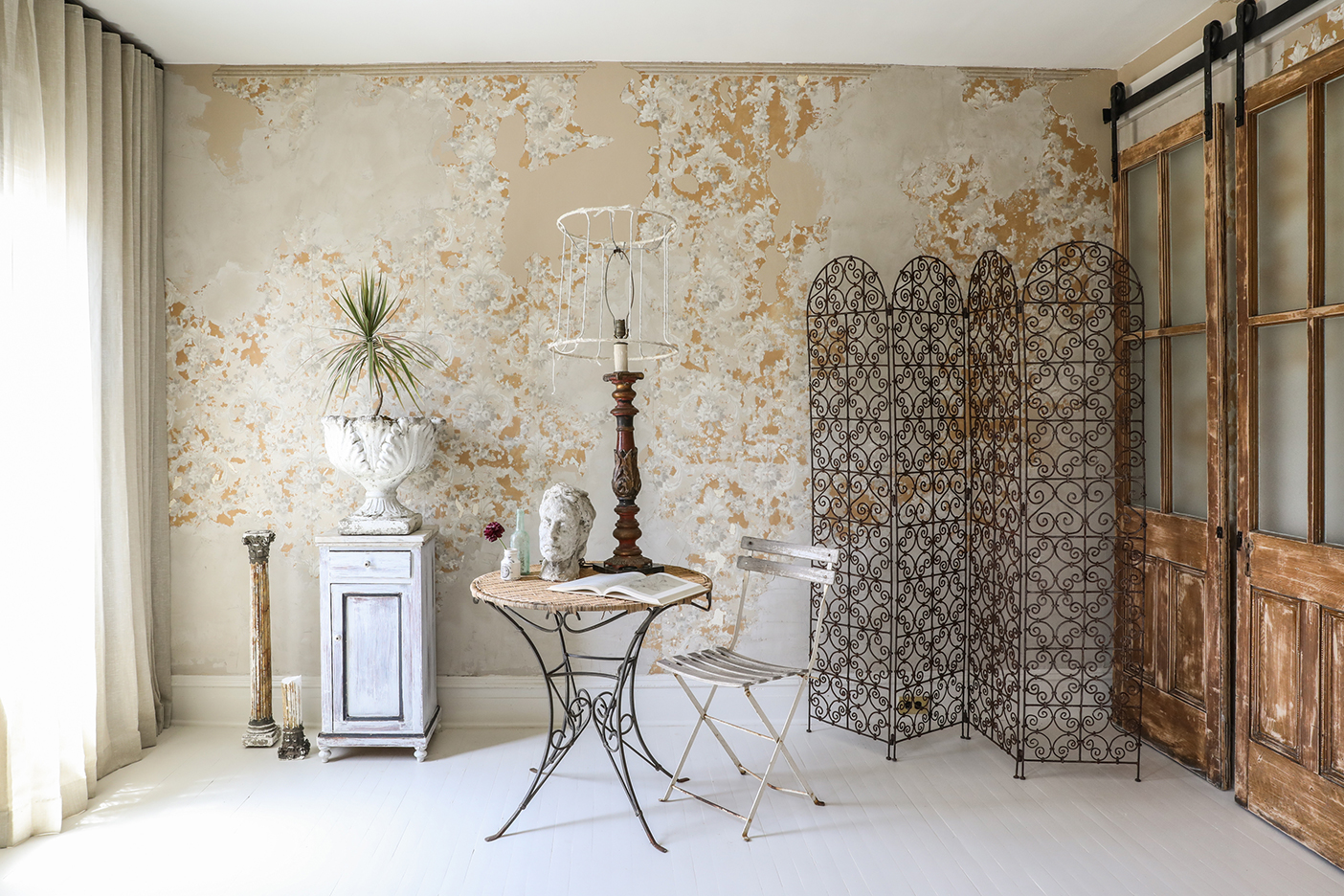
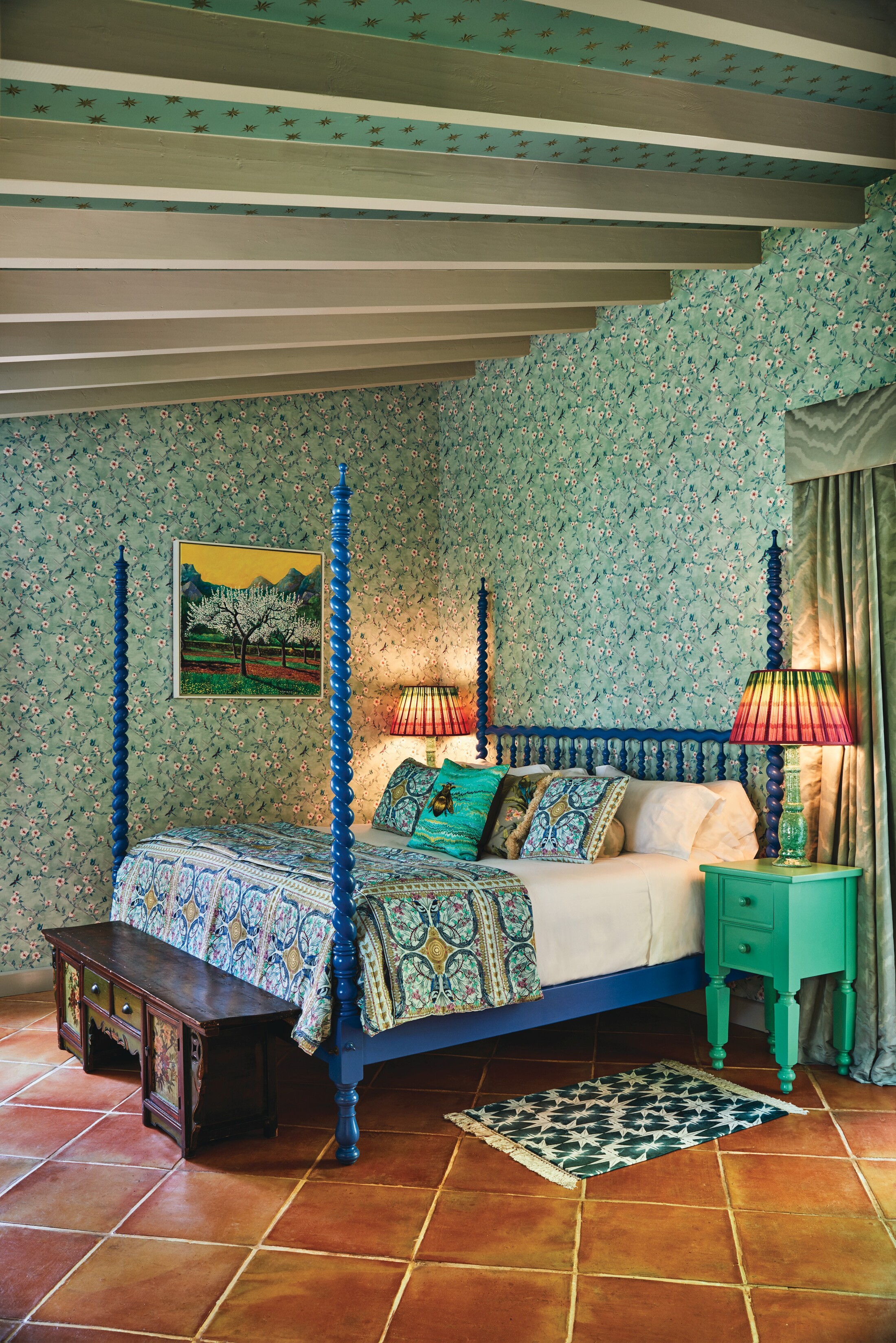
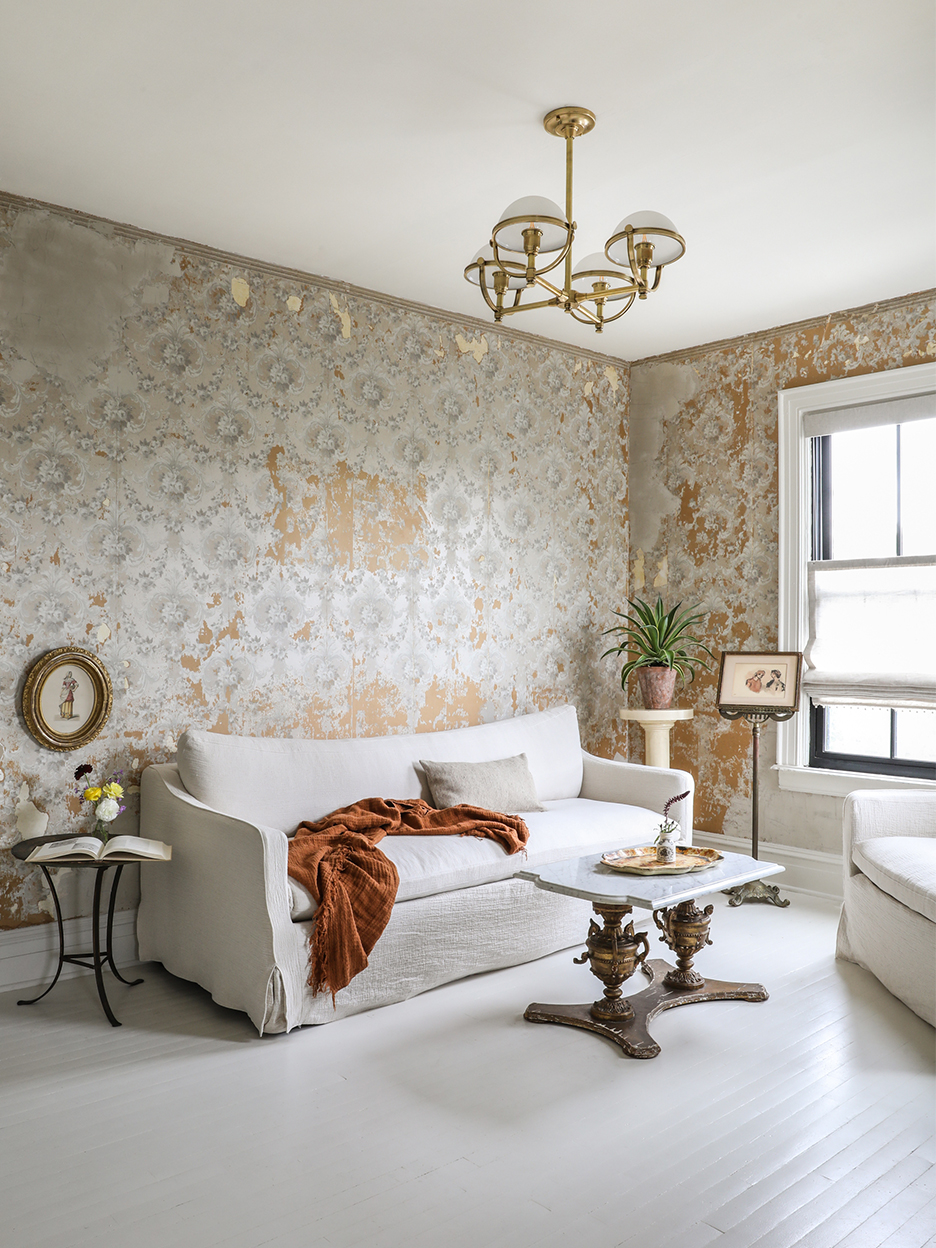
The article also touches on the versatility of these special papers. While they are often seen as a status symbol in public rooms, Catherine Olasky of Olasky & Sinsteden suggests placing chinoiserie wallpaper in more private areas like a bedroom, allowing the homeowner to enjoy it more frequently. A crucial piece of advice for installing high-quality wallpapers is to use a muslin backing. This three-part installation process, described by master paperhanger Jim Yates in a previous piece, allows the wallpaper to be removed and moved to a new location, transforming it into an heirloom. A notable example is Jackie Kennedy Onassis moving Zuber’s Scenes of North America wallpaper from a house slated for demolition into The White House in the 1960s. This practice elevates wallpaper from a temporary decoration to a lasting family treasure. Finally, the article encourages embracing imperfections like watermarks and staining in vintage wallpaper, as these features can enhance its beauty and character.
#VintageWallpaper #HistoricDesign #InteriorDesign #Chinoiserie #ScenicWallpaper #HomeDecor #WallpaperInstallation #DeGournay #Zuber #VintageWallpaper #HistoricDesign #InteriorDesign #Chinoiserie #ScenicWallpaper #HomeDecor #WallpaperInstallation #DeGournay #Zuber
0 comment in total
 No comments yet
You may also like
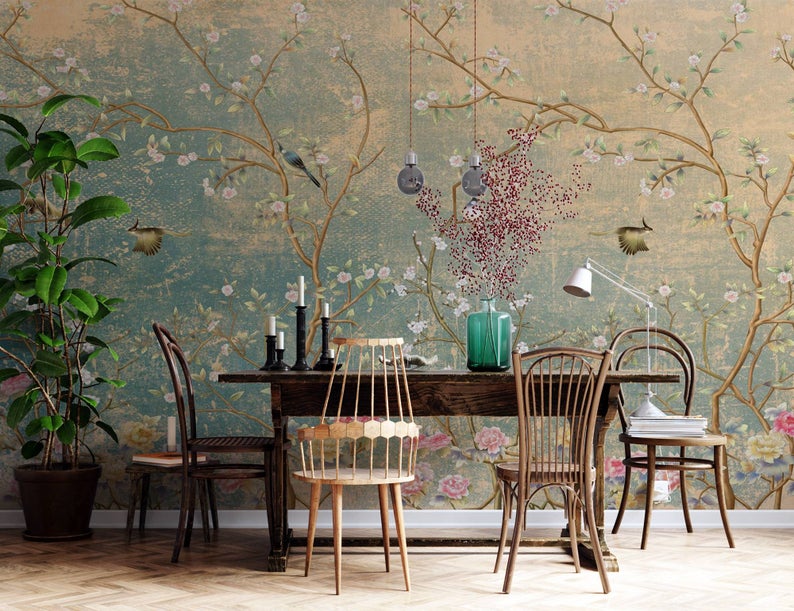
This old-school wallpaper trend is everywhere—here's how to use it


23 Wallpaper Designs That’ll Rev Up Any Room

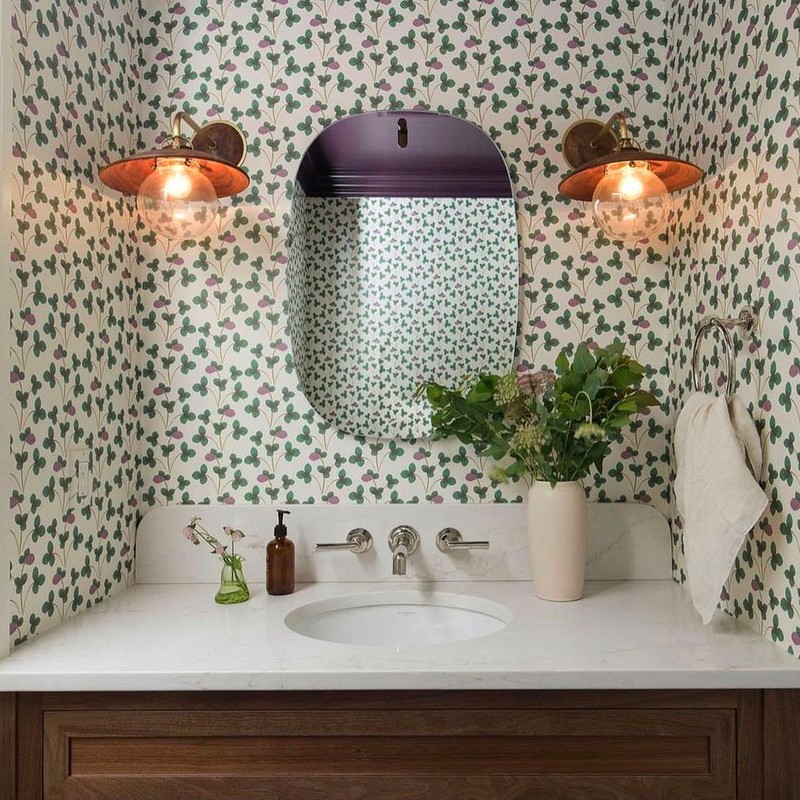
A Wallpaper & Fabric Expert Shares Her Little Black Book

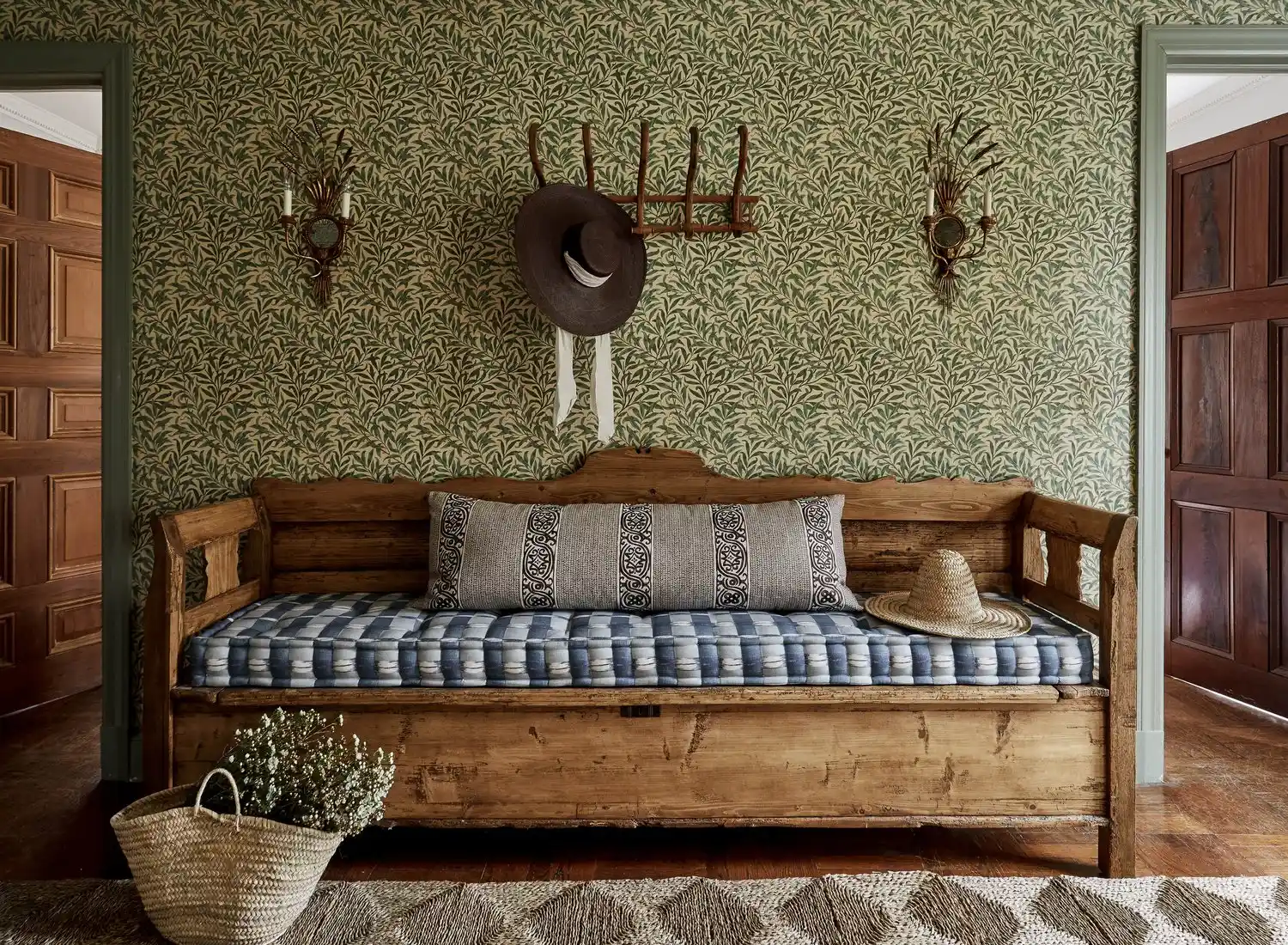
Vintage '70s Wallpapers Are This Year's Unexpected Decor Trend, Designers Say

Three Vintage Wallpapers to Try at Home

Wallpaper Ideas To Spruce Up Your Space

The Best Places to Shop for Wallpaper, According to Interior Designers

7 Retro Design Trends Making a Comeback, According to Interior Designers

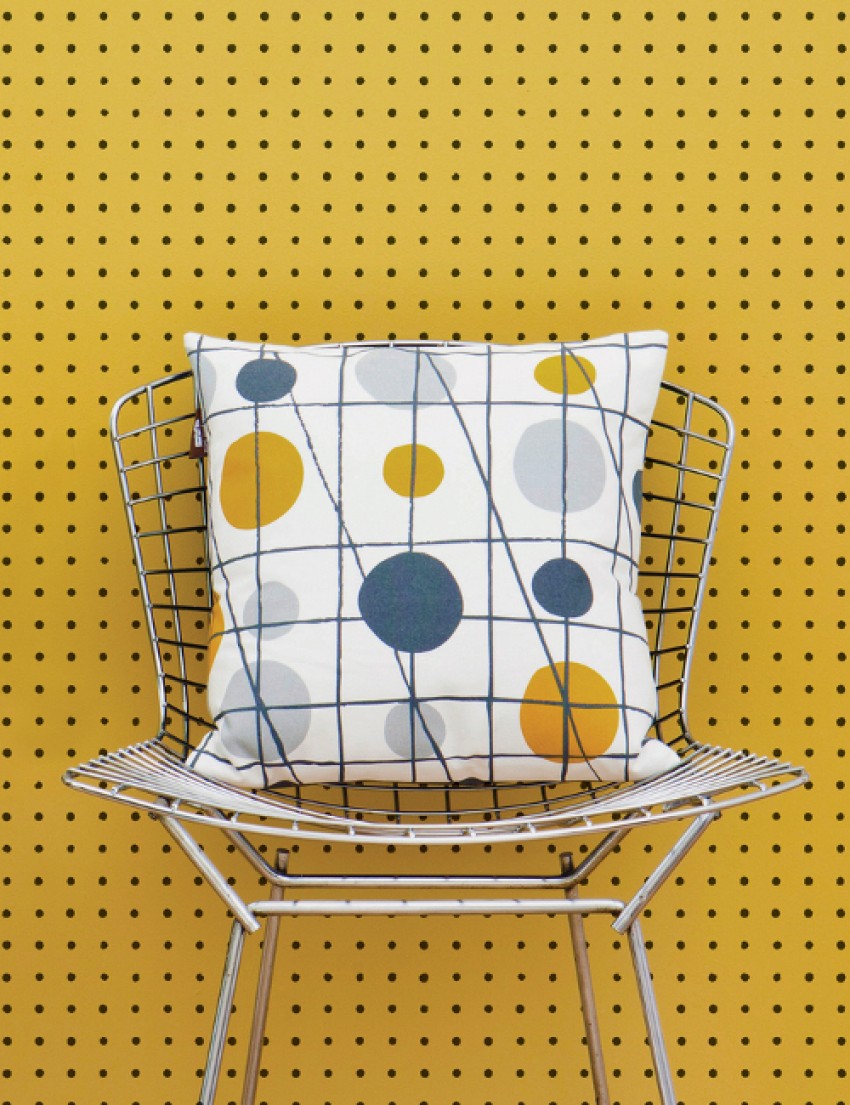
Retro Wallpapers - Our Pick of the Best
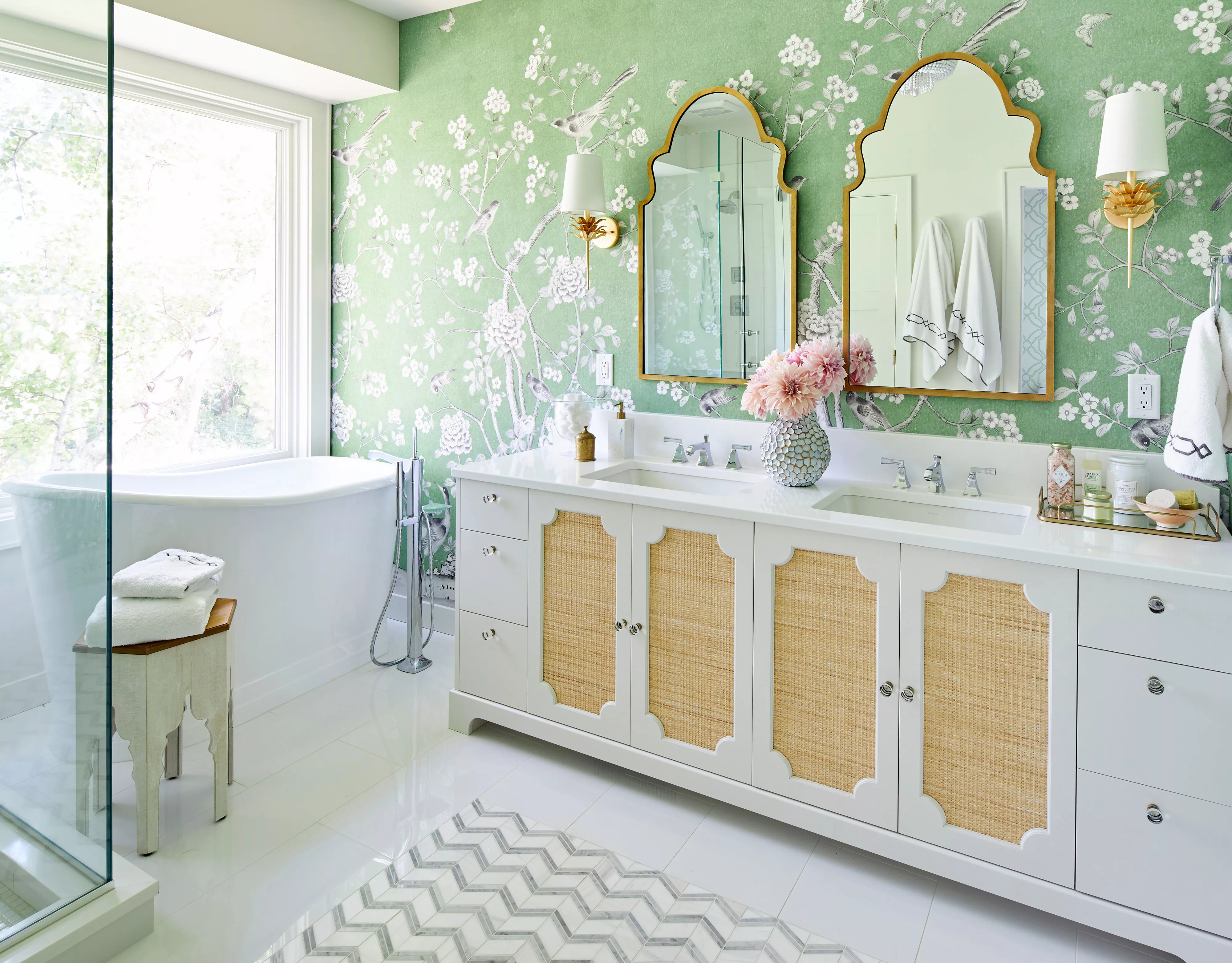
This Old-World Wallpaper Trend Is Everywhere—Here’s How to Make It Work for You

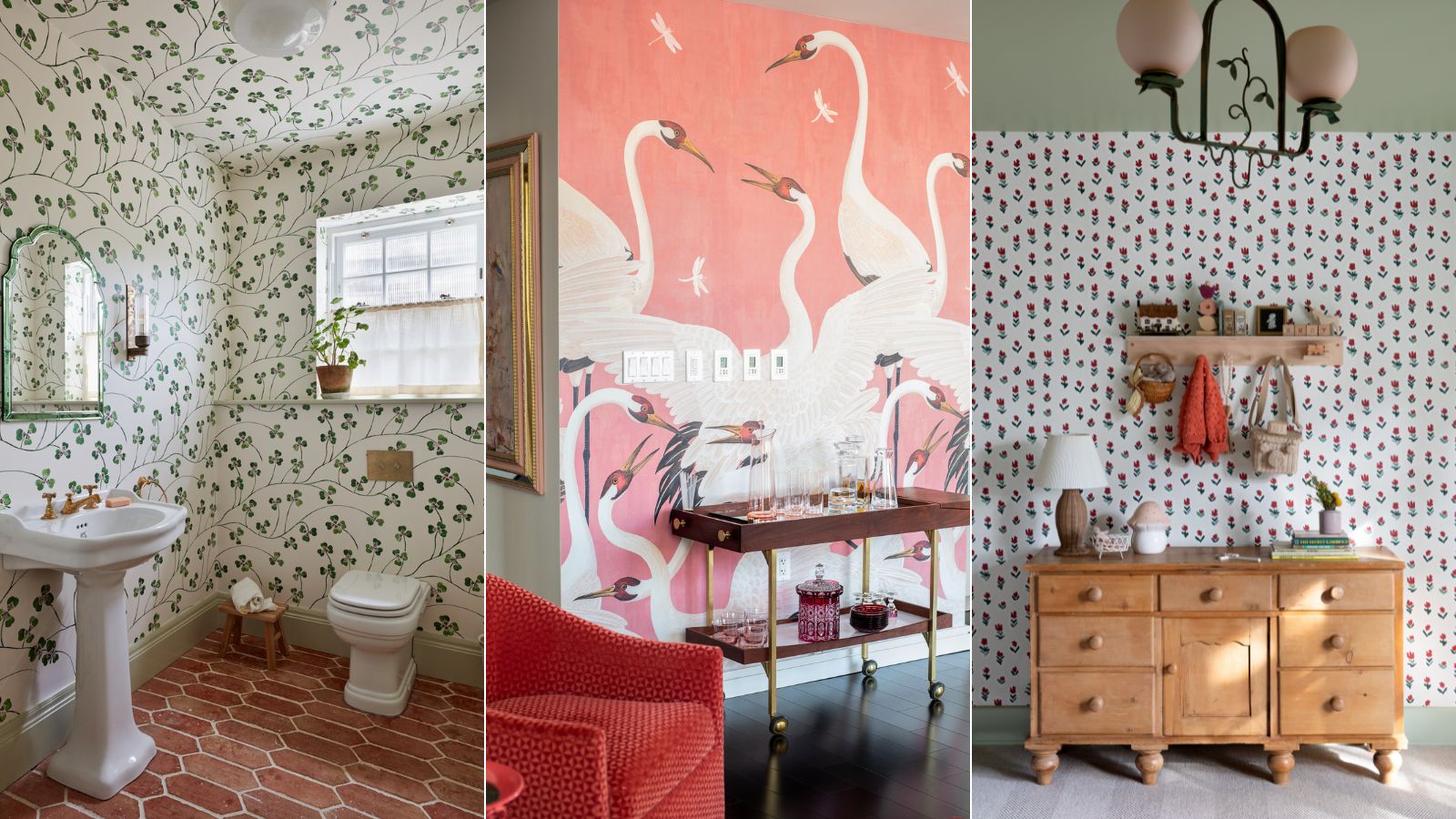
Decorator's Address Book: 23 interior designers on the best places to shop for wallpaper

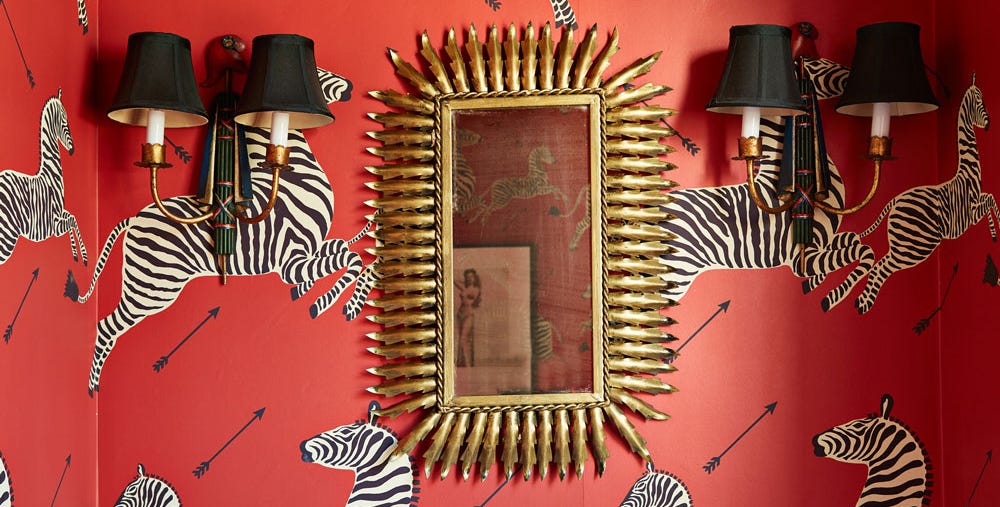
These are the 14 Most Iconic Wallpaper Designs of All Time

Real Simple Editors' Favorite Wallpapers Right Now

11 Trendy Old-World Wallpaper Patterns (& The Best Way To Style Them)

16 Latest Wallpaper Trends That Designers Are Loving for 2023


Wallpaper Is Back. Here's How to Add this Bold Accent Into Your Home.

There’s No Secret Recipe for Restoring Wallpaper—But This Approach Is Close

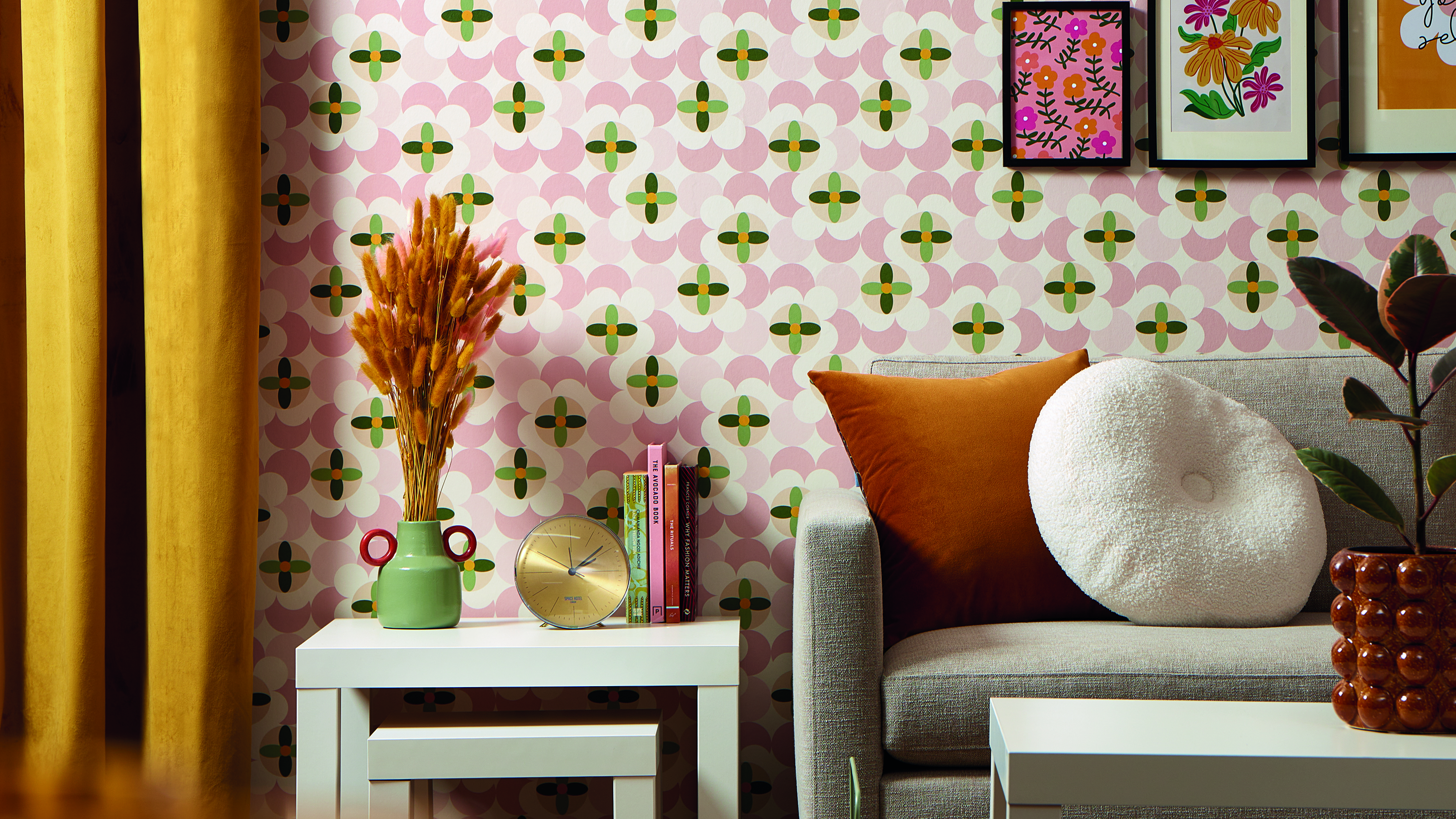
30 wallpaper ideas - clever ways to add colour and pattern to your home
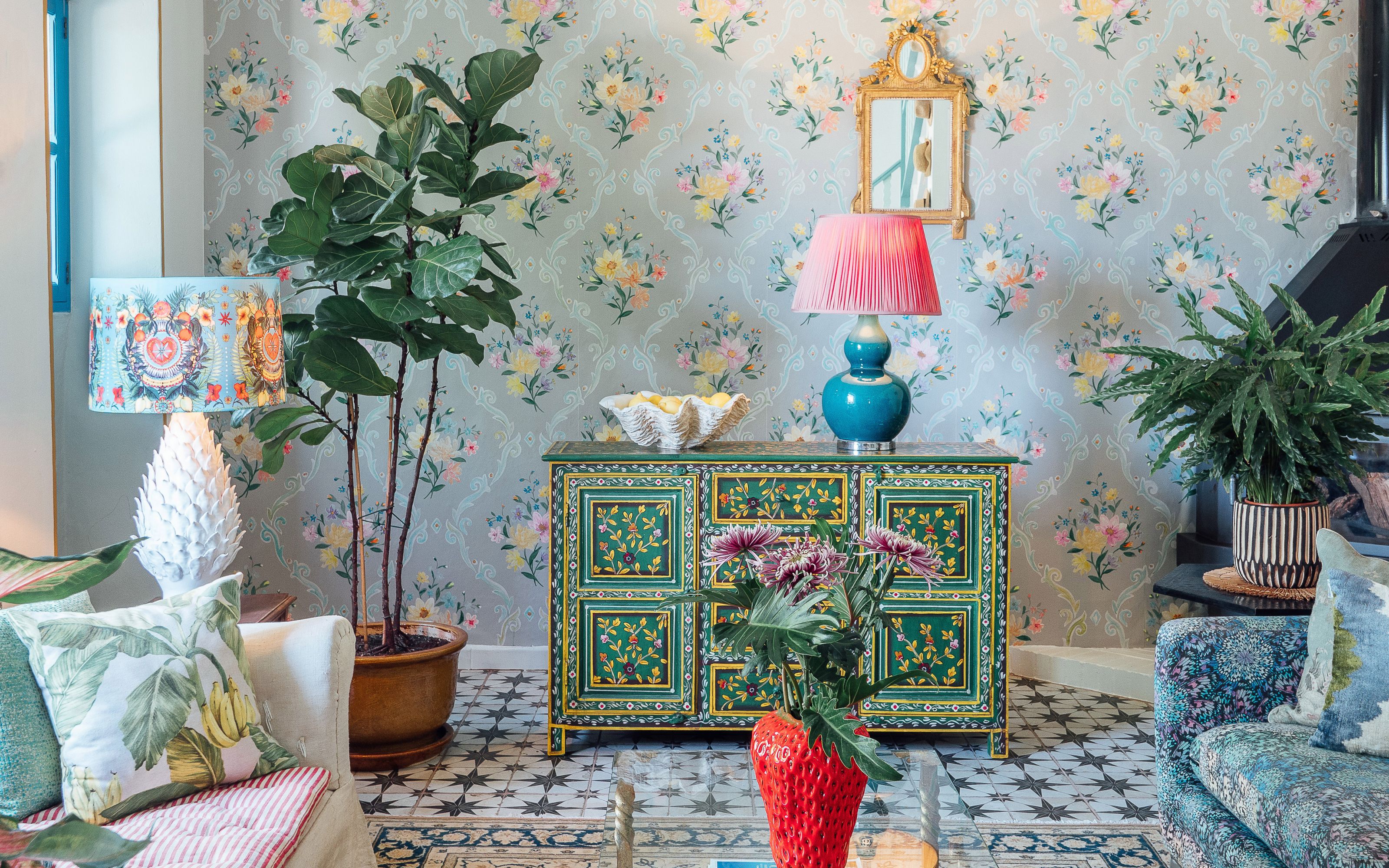
5 Wallpapered Rooms we say Prove Vintage-Style Wallcoverings are Making a Comeback This Year


The Wallpaper That Made Antique Prints Feel Fresh Again