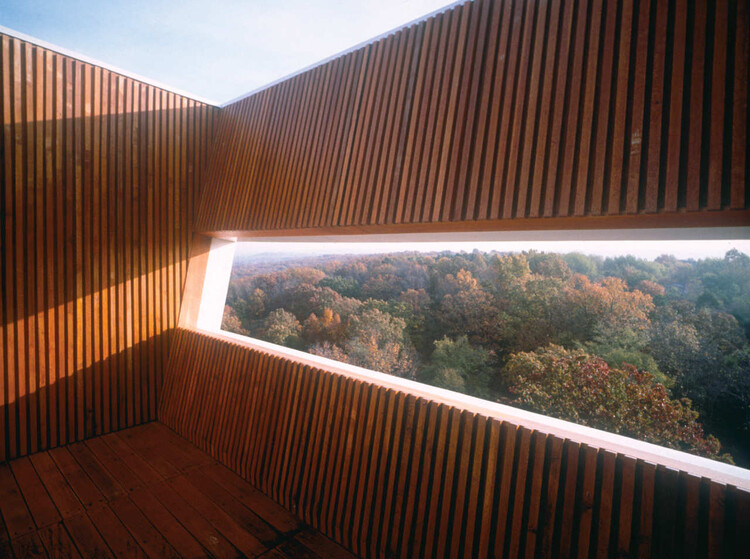
1/5
Nature's Geometry: The Impact of Fractals on Human Well-being
Architect and designer Andrea Keller discusses the profound impact of incorporating nature's principles, specifically fractals, into interior design to enhance human well-being. With nearly three decades of experience, Keller observed a disconnect in modern design from the fundamental purpose of improving the human condition, leading her to explore the integration of natural elements more deeply. Her research into fractals, their role in biomimicry, and their positive neurobiological effects led her to launch Star Tile, a company specializing in custom, three-dimensional ceramic tiles inspired by fractal geometry.
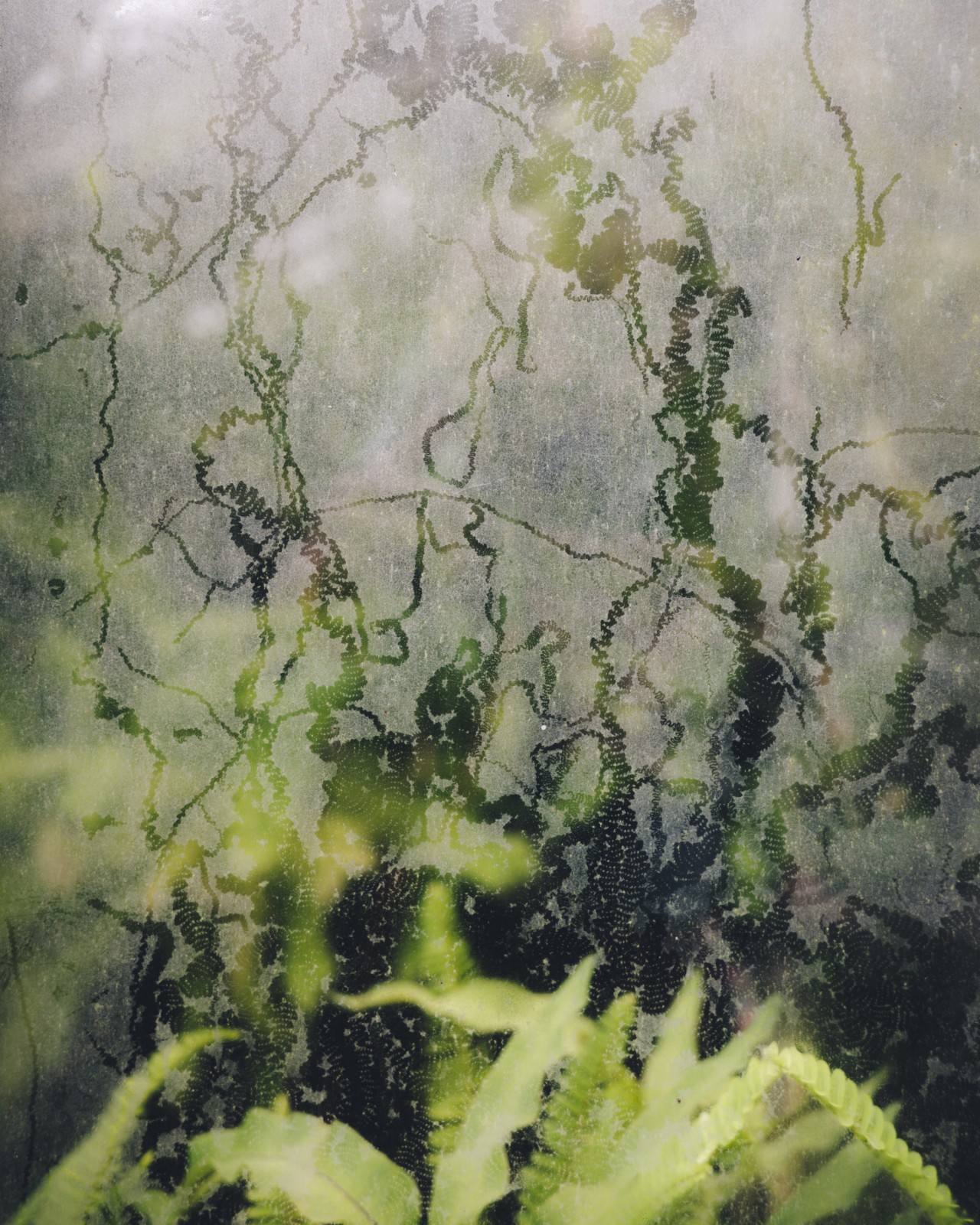
Keller explains that fractals are self-similar geometries found at multiple scales in nature, such as branching trees or Fibonacci spirals seen in sunflowers. These patterns are also intrinsic to human biology, present in neurological, cardiovascular, and respiratory systems. When fractals are integrated into design, they trigger a subconscious shift from a sympathetic (fight-or-flight) to a parasympathetic (calming) response, promoting relaxation and well-being. She advocates for design that performs more 'heavy lifting' by contributing to healing and positive emotional states.
Distinguishing between biophilic and biomimetic design, Keller clarifies that biophilia involves an appreciation for nature, while biomimicry focuses on replicating nature's underlying principles and mathematical structures. Simply displaying images of nature is biophilic, but biomimetic design delves into the higher fractal patterns that organize natural forms, creating a deeper, more resonant connection. Star Tile's three-dimensional ceramic tiles, which are based on fractal geometry, demonstrate this principle. Users often interact physically with these tiles, experiencing a grounding and calming effect, which Keller and her team have observed repeatedly.
The insights from neuroscience further support the application of fractals in design. Studies indicate that observing fractals, even in art forms like Jackson Pollock paintings, stimulates specific brain regions, reducing panic and stress by up to 67%. This research forms the basis for products like Mohawk Group's fractal-based carpets. Keller emphasizes that these principles can be applied across various scales and elements in any project—from carpets and lighting to art and tile—without compromising a designer's unique style. The key is to subtly incorporate these elements, transforming spaces into environments that promote creativity, confidence, and productivity, building upon the benefits already observed with basic biophilic design.
Challenges to wider adoption include the limited availability of fractal-based products and a general lack of awareness among designers. Keller believes that increased demand from architects and designers will stimulate supply. Several product manufacturers are already leveraging fractals. Momentum Textiles & Wallcovering, in collaboration with 13&9 Design and physicist Dr. Richard Taylor, released the 'Renaturation' collection, featuring wallcoverings with fractal geometries optimized for stress reduction. Mohawk Group's 'Relaxing Floors' collection, also informed by Dr. Taylor’s research, has demonstrated significant stress reduction in commercial settings. Star Tile, founded by Andrea Keller, provides hand-crafted, three-dimensional ceramic tiles that engage the senses and ground occupants through natural branching and spiraling forms. These efforts collectively aim to create environments that heal, calm, and connect individuals by harnessing nature's inherent geometry.
#FractalDesign #Biomimicry #BiophilicDesign #NeuroscienceOfDesign #WellnessInDesign #SustainablePractices #CeramicTile #InteriorDesignInnovation #HumanWellbeing #FractalDesign #Biomimicry #BiophilicDesign #NeuroscienceOfDesign #WellnessInDesign #SustainablePractices #CeramicTile #InteriorDesignInnovation #HumanWellbeing
 No comments yet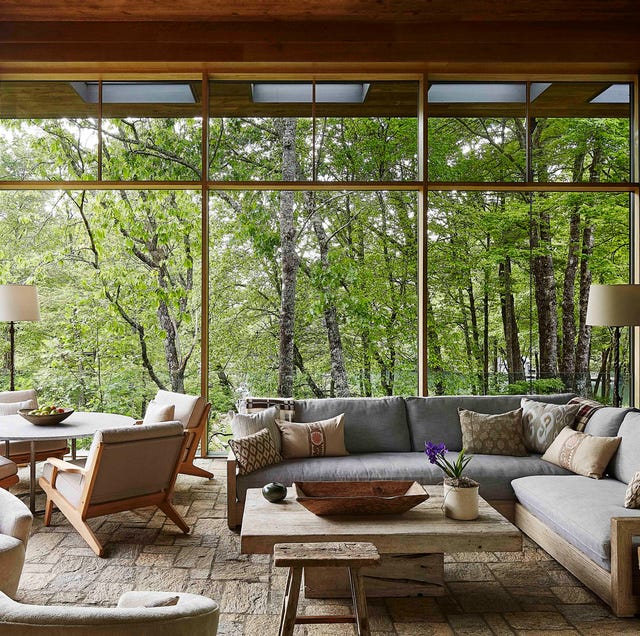
Want Your Home to Feel Happier and Calmer? It's Time to Consider Biophilic Design

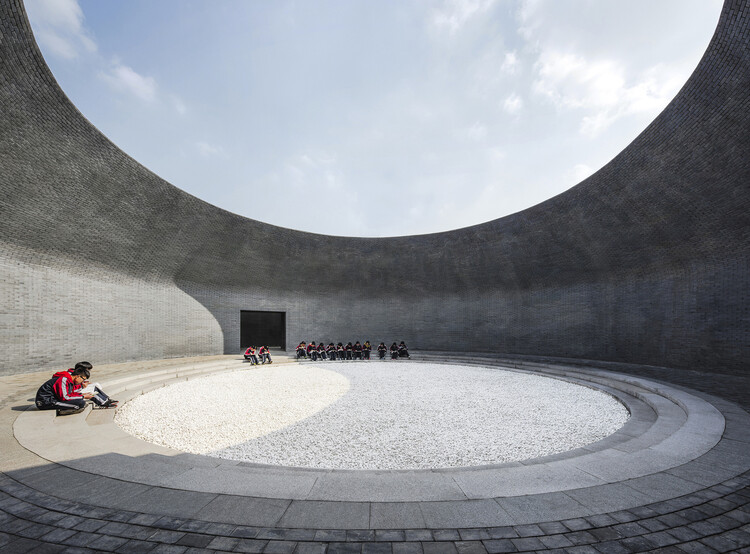
The Power of Scale: How Proportions Shape Human Experience

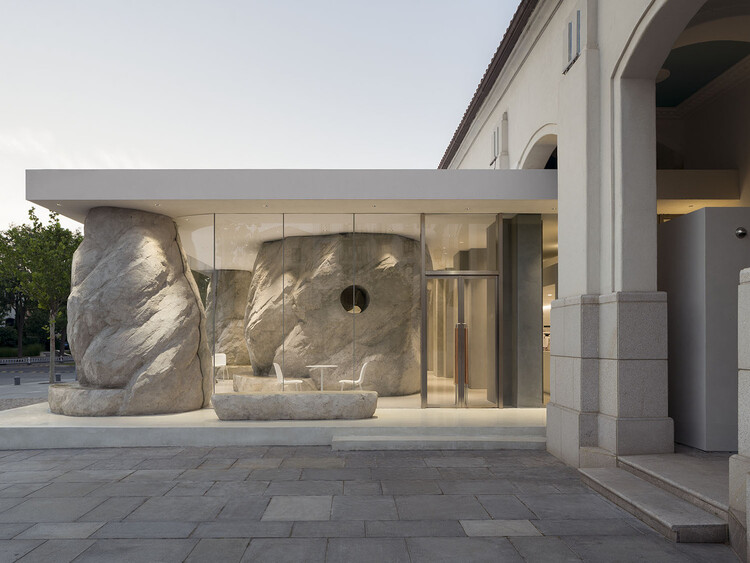
Biophilic Architecture without Plants: Invisible Design for Wellbeing
Reimagining Care Through Nature: The Case for Biophilic Design