1/10
Ceramic Flooring That Can Be Installed 8 Times Faster Than Conventional Tiling
Flooring plays a critical role in interior design, influencing a room's aesthetic, initial impression, and overall user experience. However, floors are constantly exposed to demanding conditions like moisture, heat, foot traffic, and heavy furniture, leading to inevitable degradation over time. Consequently, renovating floors is essential for maintaining the integrity of interiors, particularly in high-traffic areas. When selecting a new flooring material, building owners, architects, and designers typically prioritize comfort, durability, and aesthetics. For establishments that cannot afford prolonged closures, such as supermarkets, offices, and restaurants, installation speed becomes a paramount consideration. Recognizing that time is a valuable commodity, recent innovations in flooring technology have focused on developing quick, easy, and efficient installation methods that do not compromise visual appeal or resilience.
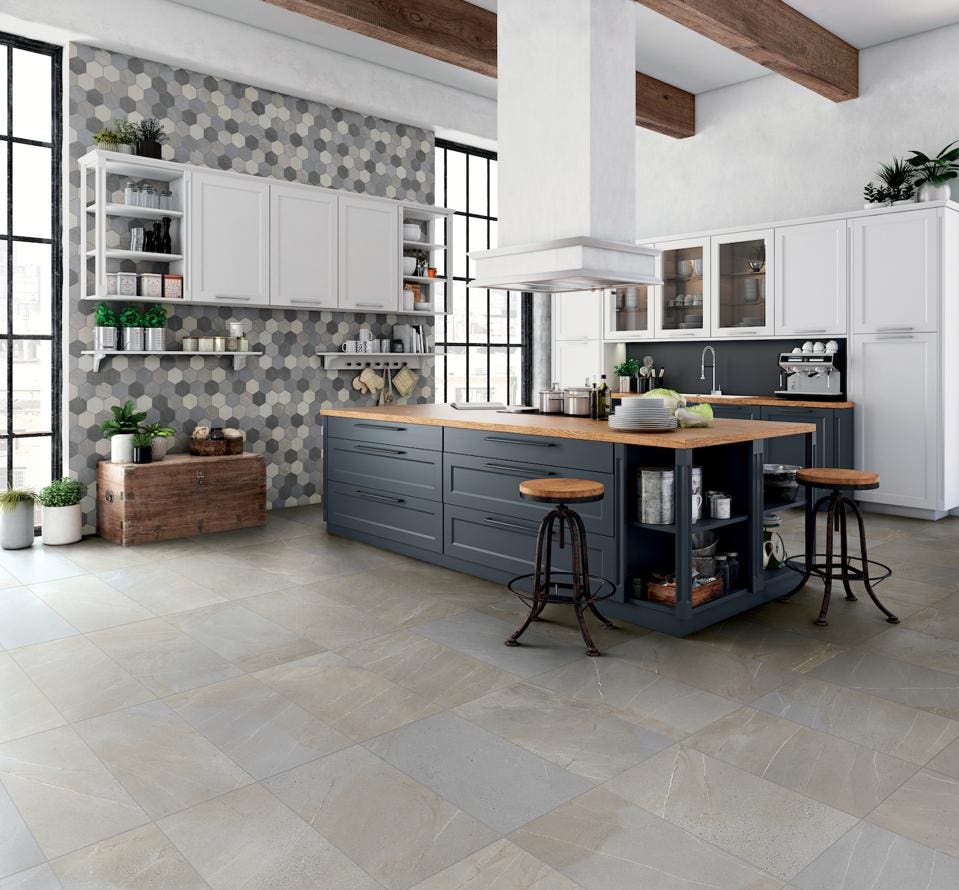
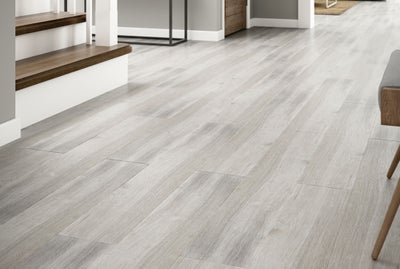
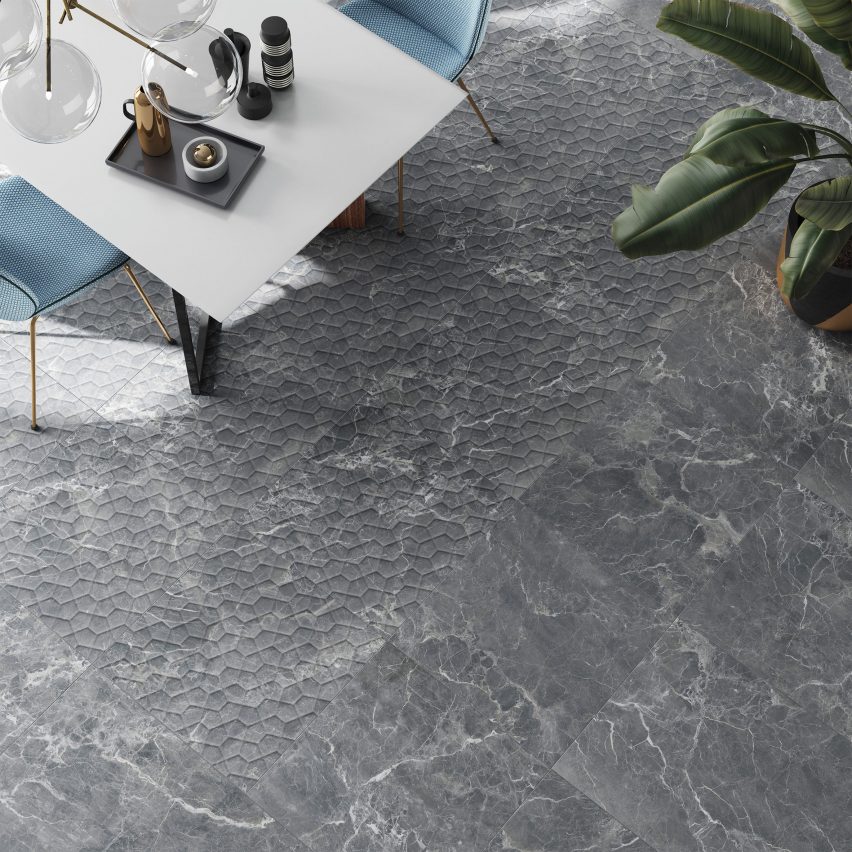
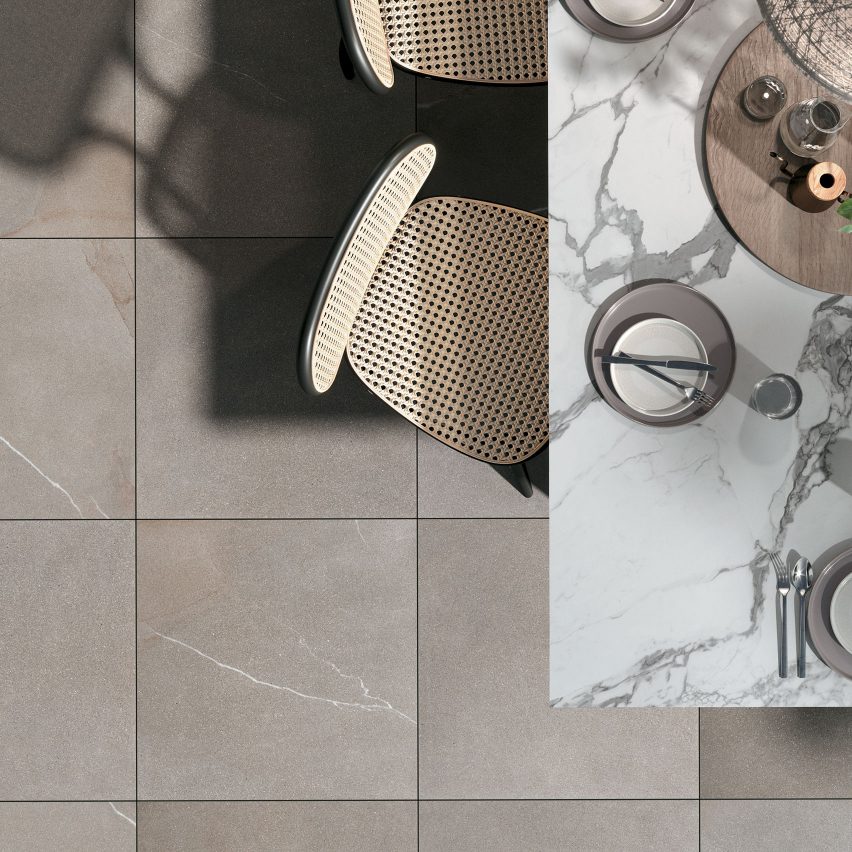
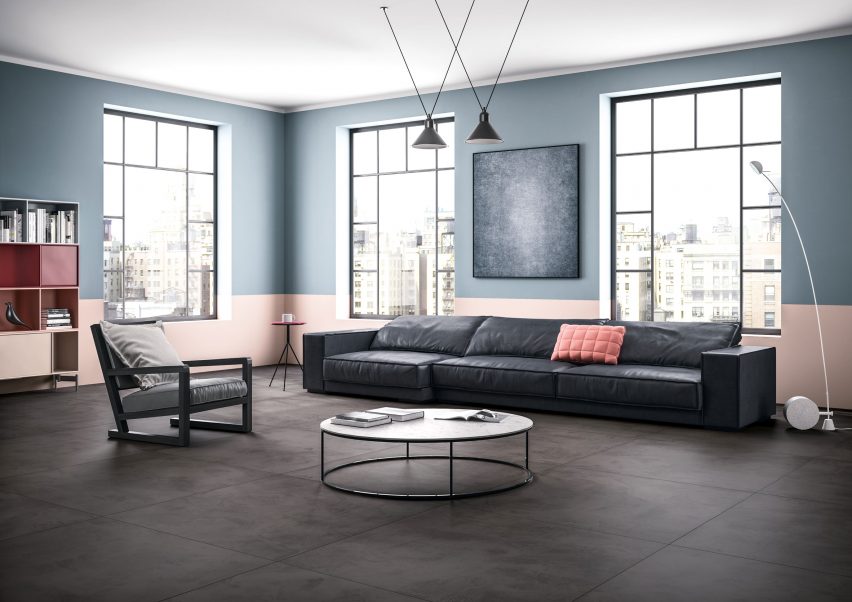
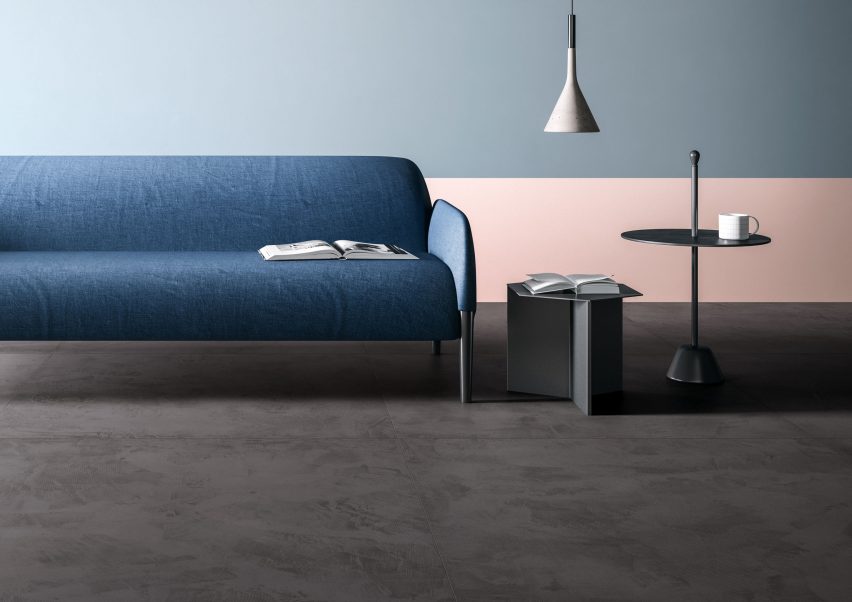
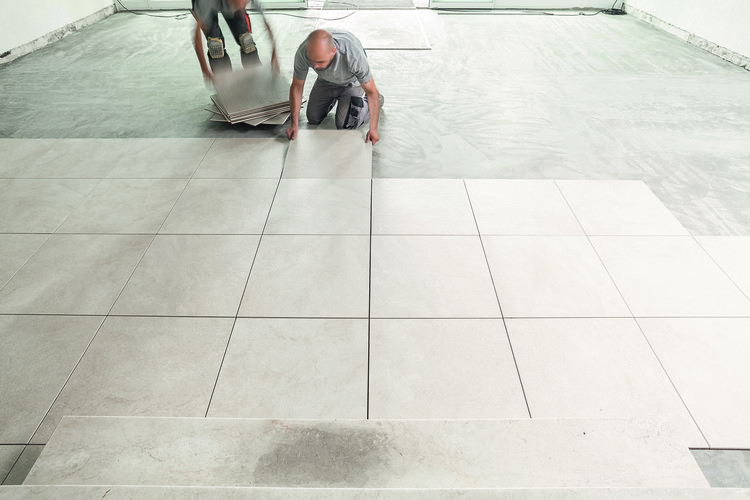
One such innovation is DryTile, a high-quality flooring system developed by ceramic tile company AGROB BUCHTAL. This system allows for adhesive-free installation in significantly less time than conventional tiling, while retaining the appearance, beauty, and properties of raw ceramic. DryTile leverages the inherent advantages of ceramic, making the tiles UV, water, and stain resistant, odorless, non-flammable, light-fast, non-fade, recyclable, impervious to heat, and resistant to pressure marks from heavy furniture. A distinguishing feature of DryTile is the specially developed thin layer of cork affixed to the underside of each tile. This cork layer is PVC-free, chlorine-free, and plasticizer-free, formed thermally under constant pressure, and permanently bonded to the ceramic back. This innovative design eliminates the need for a mortar bed and adhesives, facilitating a dry installation process.
The installation relies on a simple principle: the tile's weight creates a vacuum-like effect, pressing the cork layer onto the substrate and ensuring a firm adherence. This cork layer also enhances impact sound insulation, especially in floating installations, and protects the tile during transit, thereby reducing packaging requirements. Furthermore, the cork layer features a precisely defined, slight projection on all four sides, which automatically forms a system joint when tiles are laid tightly together. This combination of ceramic and cork results in an innovative, large-format porcelain stoneware system that can be installed as a floating construction on new or existing subfloors.
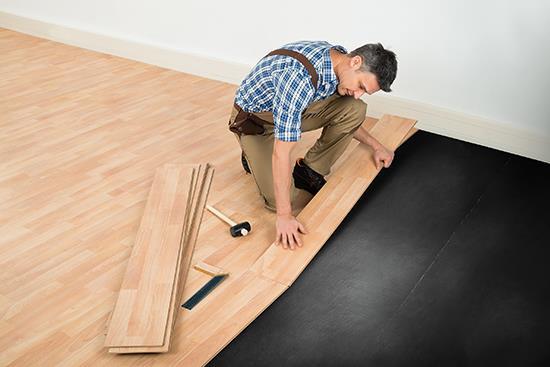
The dry tiling installation process is streamlined into three main steps. First, the subsurface must be assessed for smoothness and evenness using appropriate measuring instruments, with any necessary rework completed beforehand. Second, the joint grid is defined, and the cork edges are placed tightly against each other. Third, the tiles are grouted using a special dispersion joint mortar, ensuring the correct water-to-mortar mixing ratio as per the manufacturer's instructions. An advantage of this method is that the surface can be walked on immediately before grouting, allowing other construction tasks like painting or electrical installation to proceed concurrently. After grouting, the floor is ready for foot traffic within 12 hours and achieves full resistance after an additional 12 hours. The process is also virtually dust-free, which improves working conditions for installers. In cases of damage, change of use, or breakage, DryTile tiles can be easily removed, replaced, and re-grouted without significant mess or drying times, supporting a circular economy model.
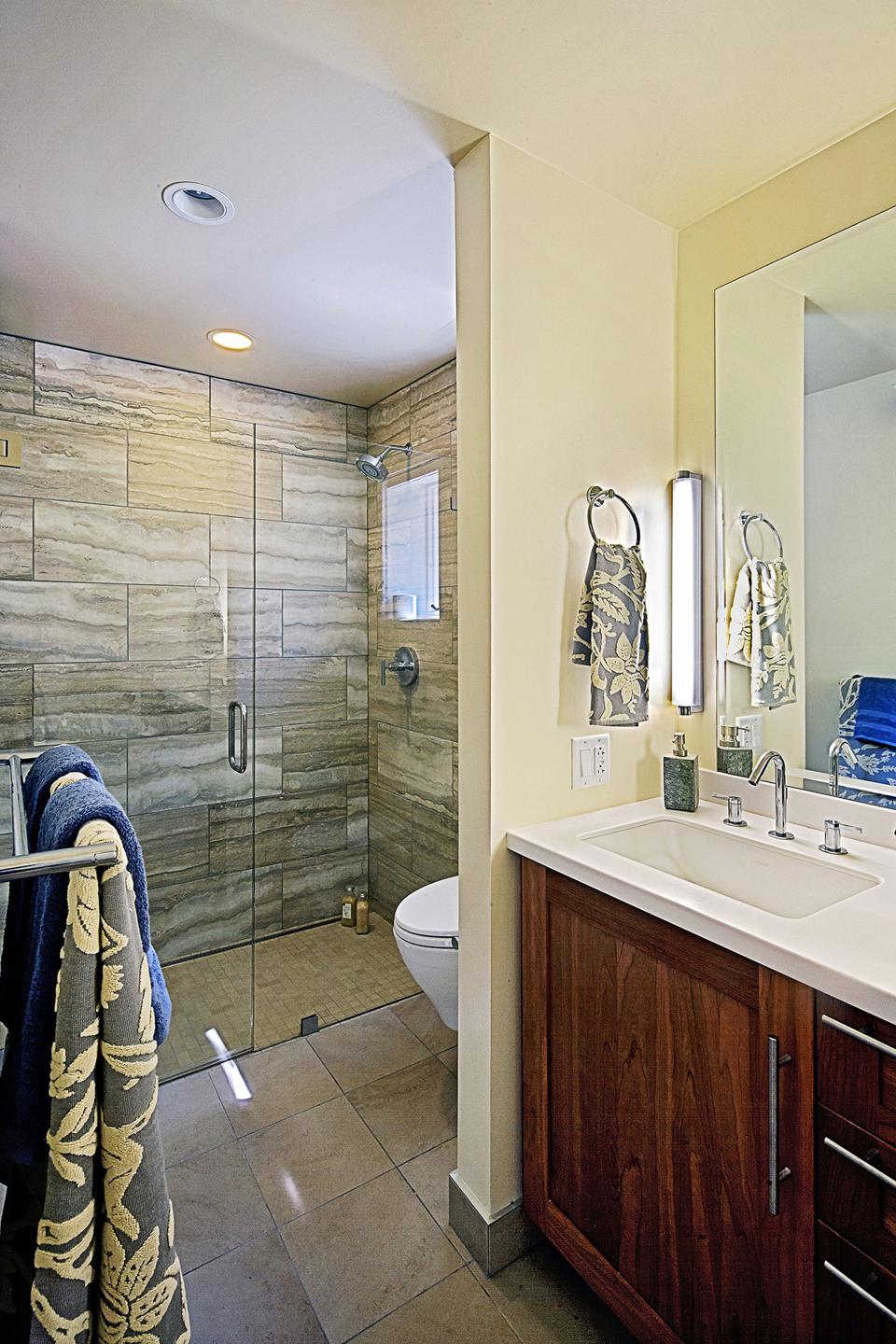
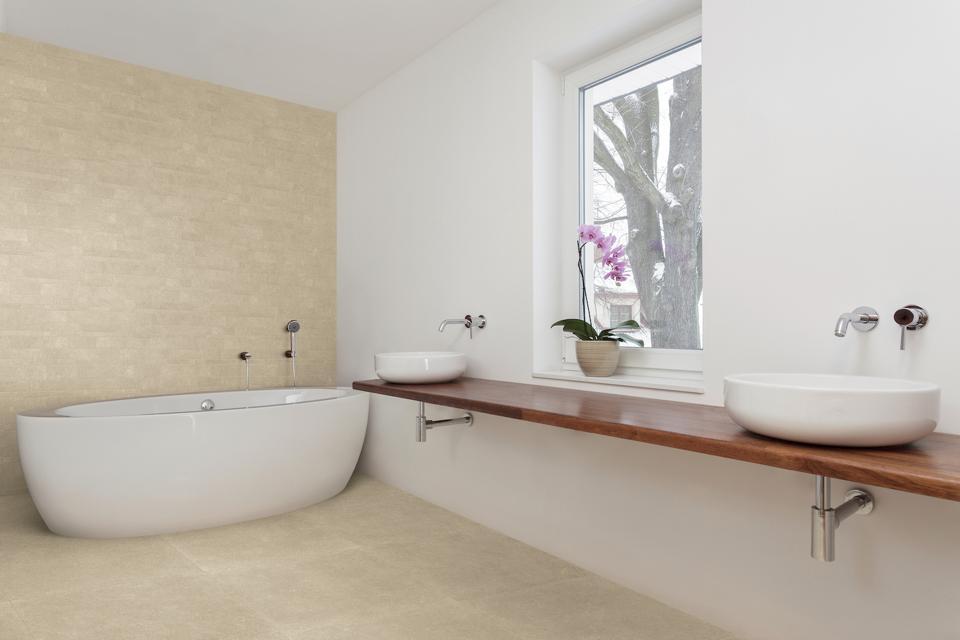
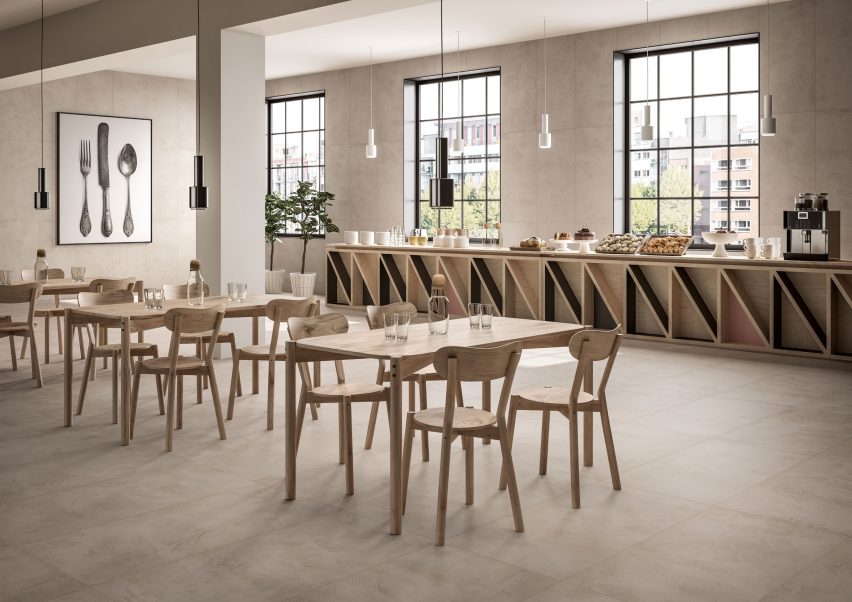
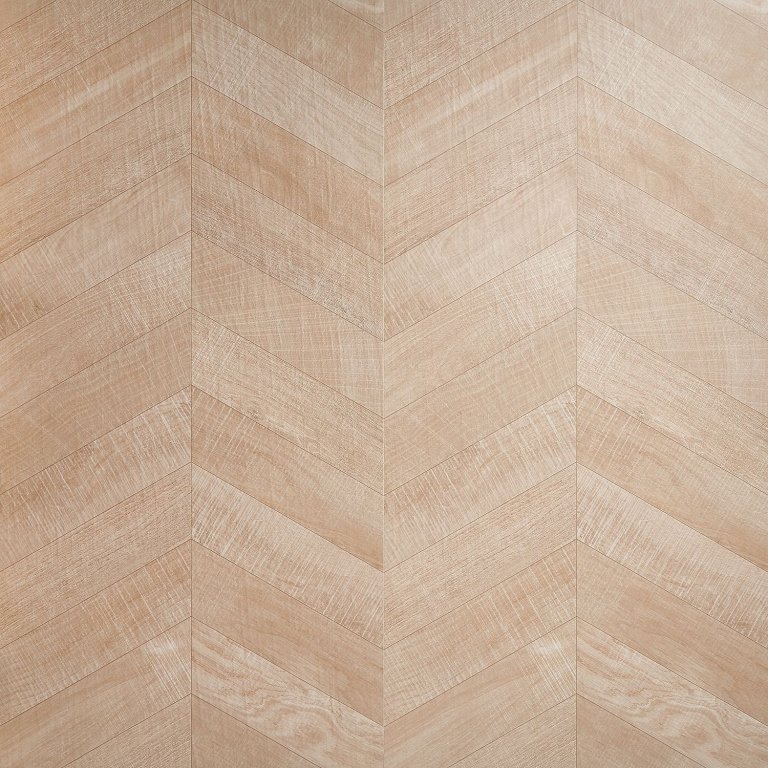
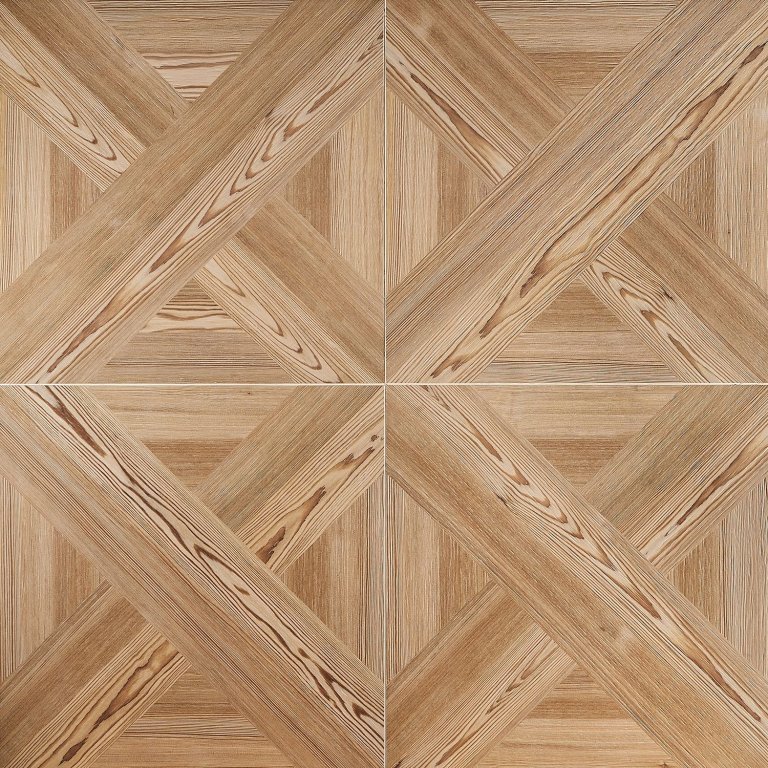
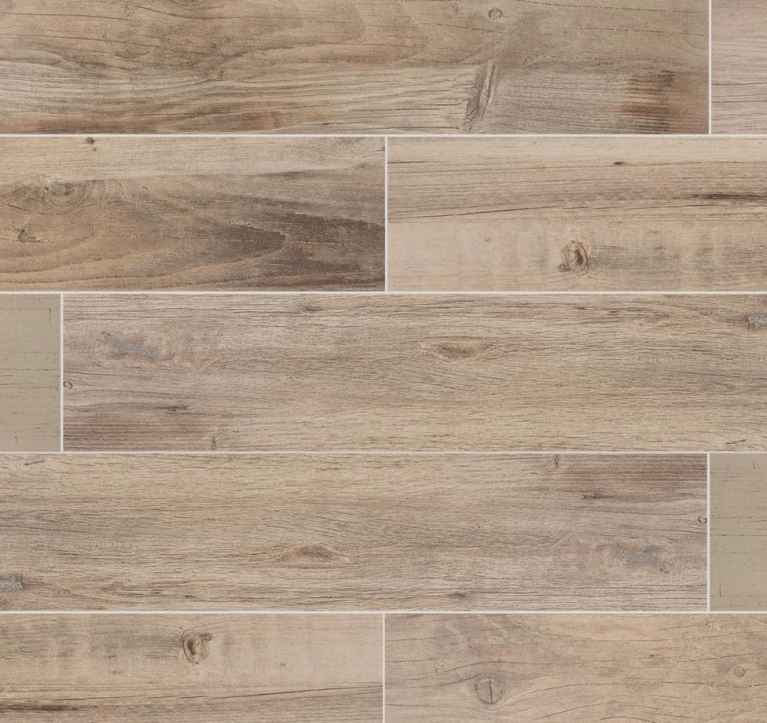
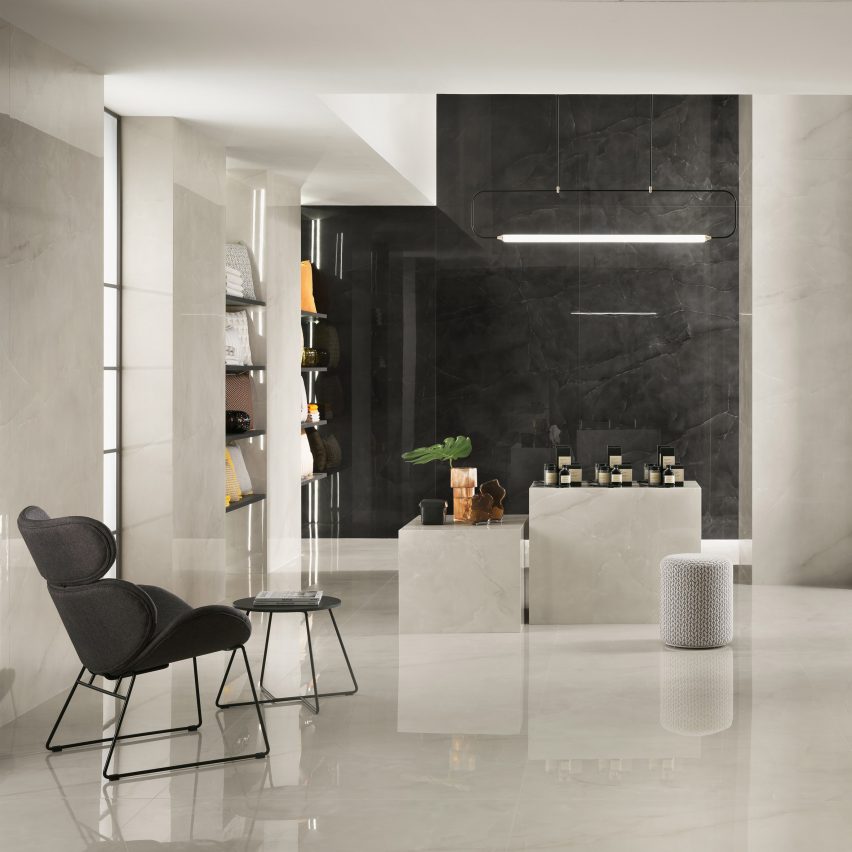
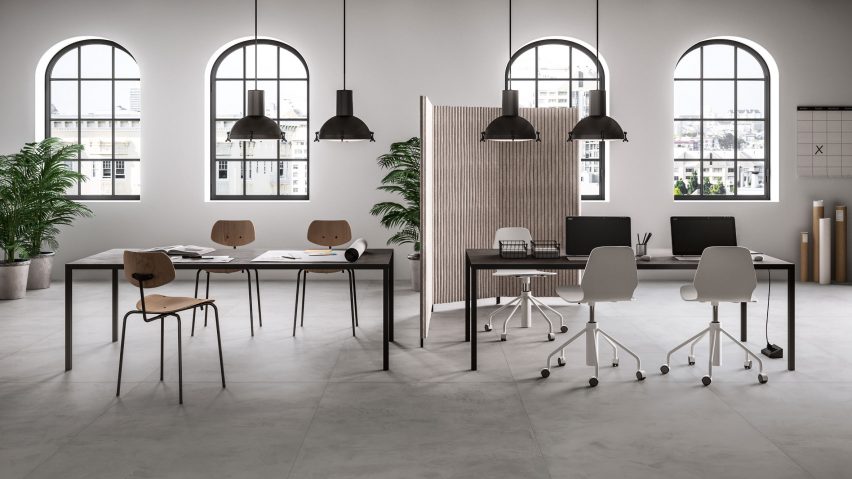
DryTile significantly reduces construction time, offers flexibility, and optimizes the installation process, being up to eight times faster than traditional tiling methods. This makes it particularly suitable for commercial buildings that require minimal downtime. A notable example is a food market in Much, Germany, where 2,000 square meters of DryTile flooring were installed in just four working days, dramatically reducing the time typically needed for conventional re-flooring. The product's versatility and durability, coupled with its availability in natural tones ranging from cream to clay-brown and graphite, make it suitable for various commercial interiors, including showrooms, offices, museums, stores, schools, and restaurants. This flooring innovation addresses modern design trends that prioritize flexibility, enabling surfaces to quickly adapt to evolving needs, offering a timeless aesthetic, improving working environments, and streamlining the entire construction process.
#CeramicFlooring #DryTile #FastInstallation #FlooringInnovation #ConstructionEfficiency #BuildingMaterials #InteriorDesign #CommercialInteriors #Renovation #CeramicFlooring #DryTile #FastInstallation #FlooringInnovation #ConstructionEfficiency #BuildingMaterials #InteriorDesign #CommercialInteriors #Renovation
0 comment in total
 No comments yet
You may also like
Why Homeowners Should Install High Definition Porcelain Tiles In Their Home

Ceramics of Italy predicts tile trends for 2019
More and More People Are Skipping Pricey Wood Floors for This Alternative
Floor Prep and Underlayments: Critical flooring performance attributes reside below the surface - Jan 2021

Flooring

Ceramiche Refin launches Craft tiles influenced by hand-applied cement surfaces
Top 10 Ceramic Tiles Manufacturing Companies In India

Tiles & Flooring Offers
Discover The Top 10 Tile Trends Discusses at Coverings 2025
Best Tile Manufacturers and Tile Brands

Tiles Unlimited of Queens has the latest 2016 trends and they’ll blow your mind

Six surfaces and tiles designed to enhance floors in interiors
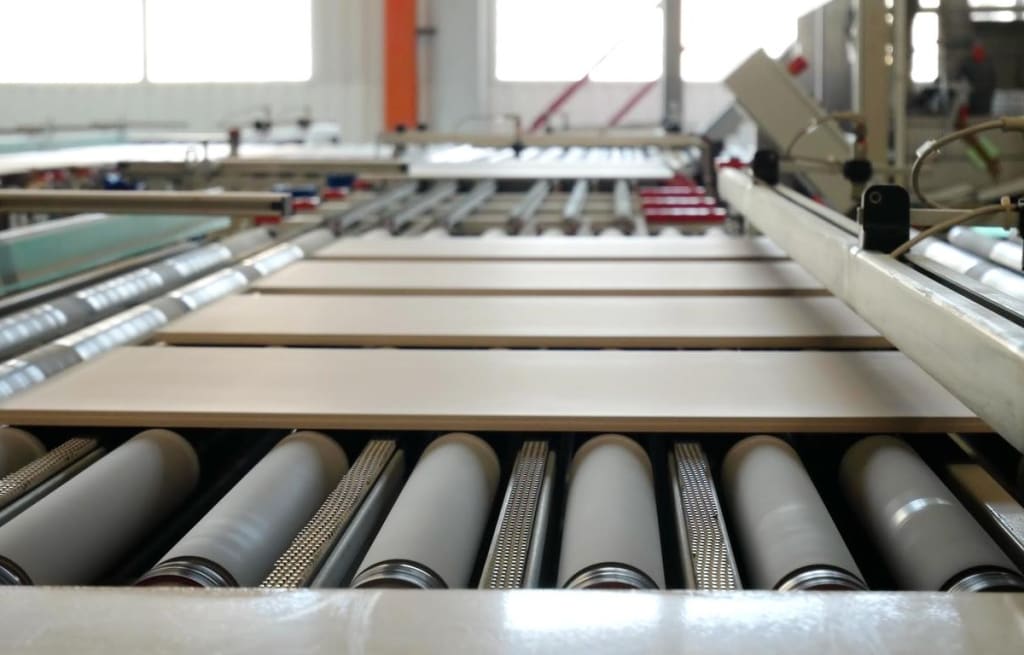
Top 10 Ceramic Tiles Manufacturing Companies In India

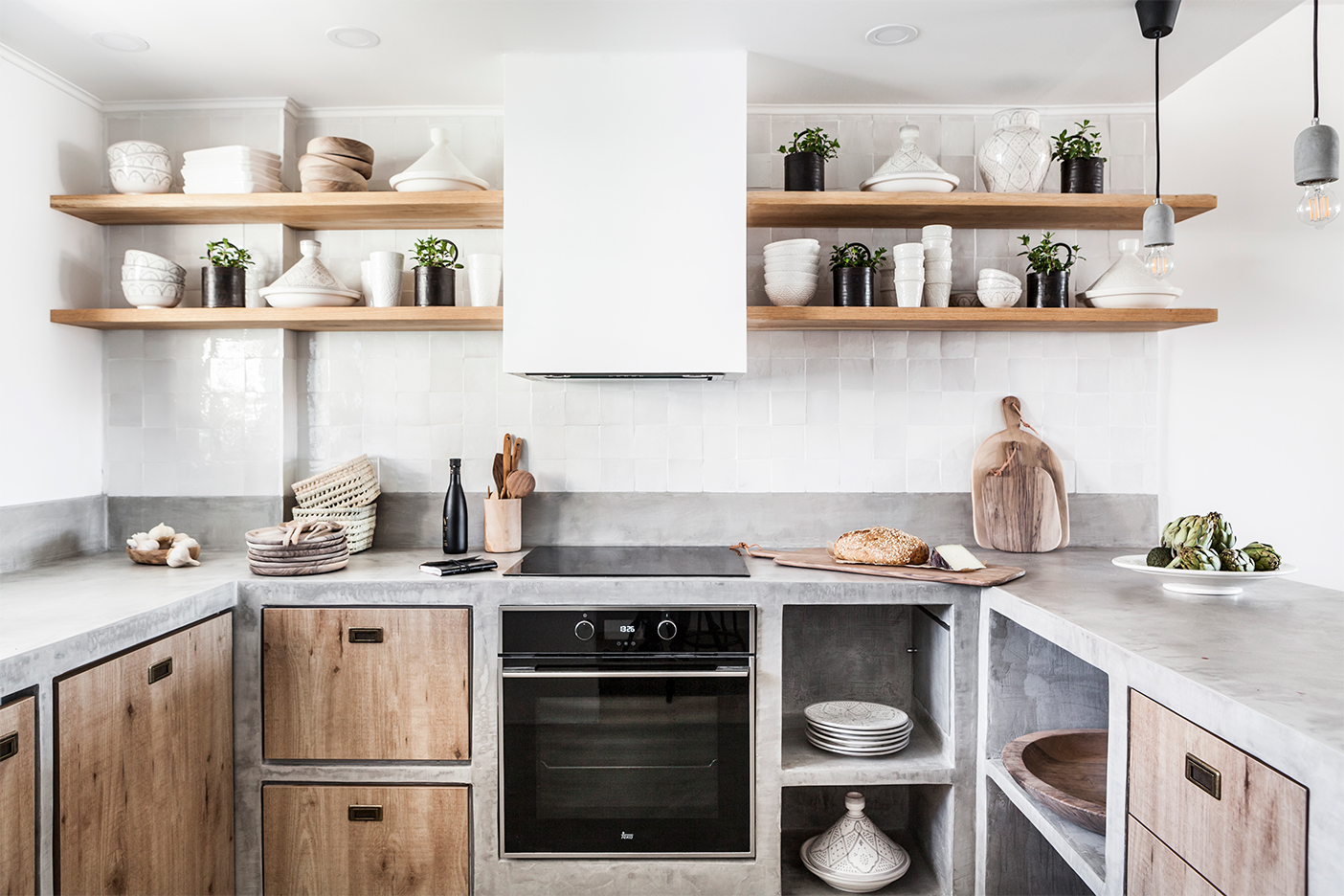
More Practical Than Plaster and Cement: This Material Is on Our Reno Radar
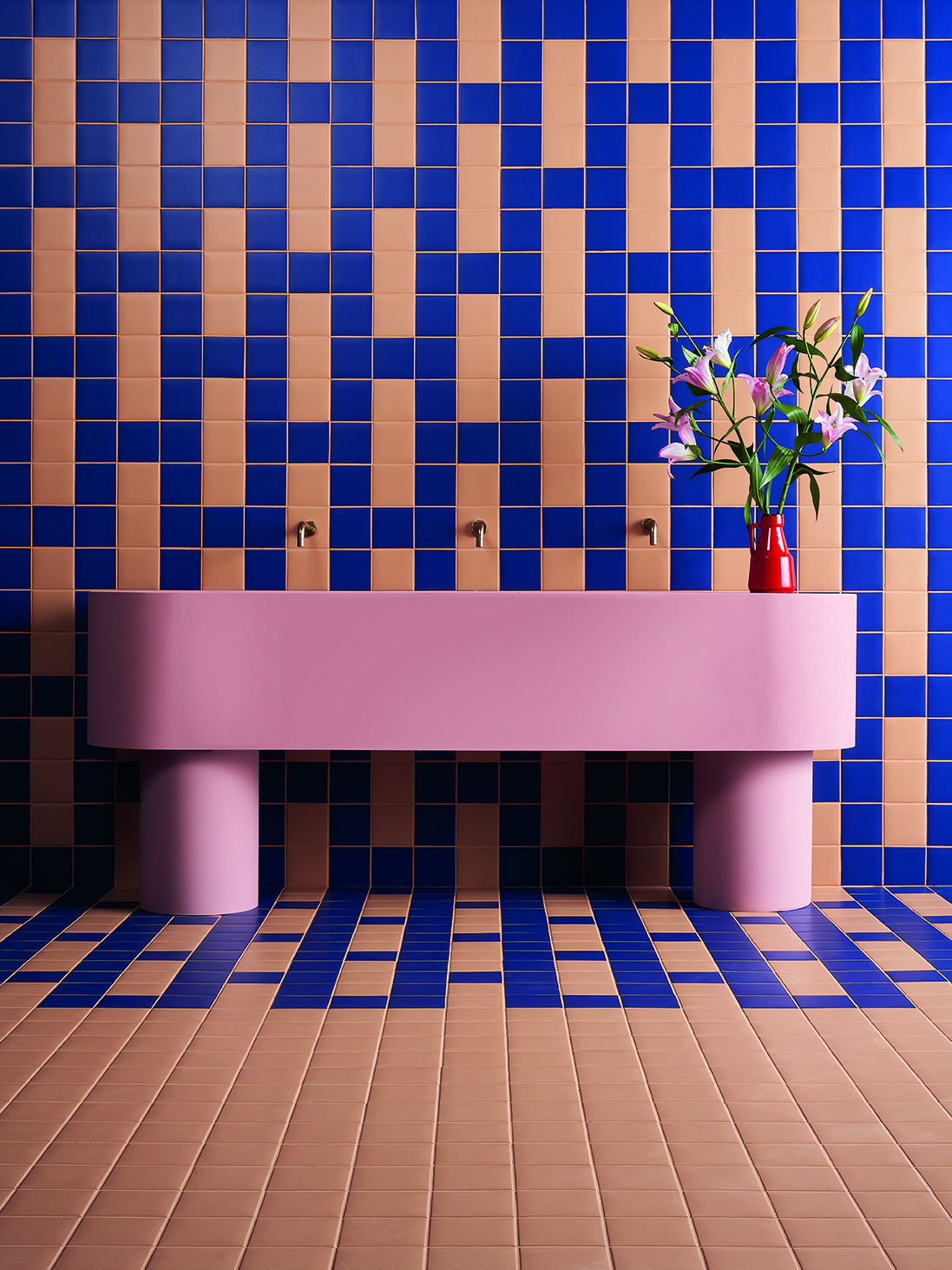
Patchwork Stripes and Jungle Florals—These Are the 7 Big Tile Trends

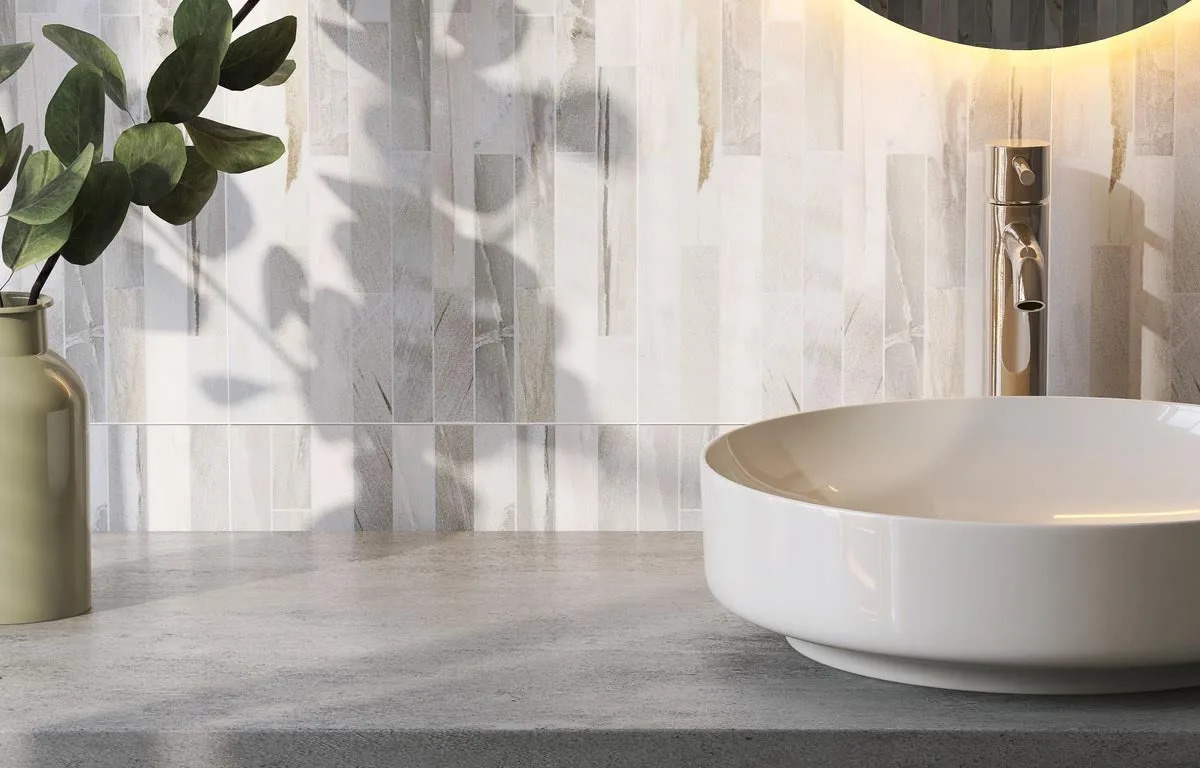
The 9 Best Tile Brands of 2023

Can I use mosaic tiles on the floor? Expert advice you need to know before making your decision

Marble, Stone and Wood Effect Floors: Ceramics Inspired by Nature

8 Best Tile Suppliers & Shops In Singapore For Flooring That Will Elevate Your Interior Design

New-old flooring: cement tiling on its way back| Gulf Times