1/13
This nearly 100-year-old tile company owes its beginnings to India’s freedom struggle
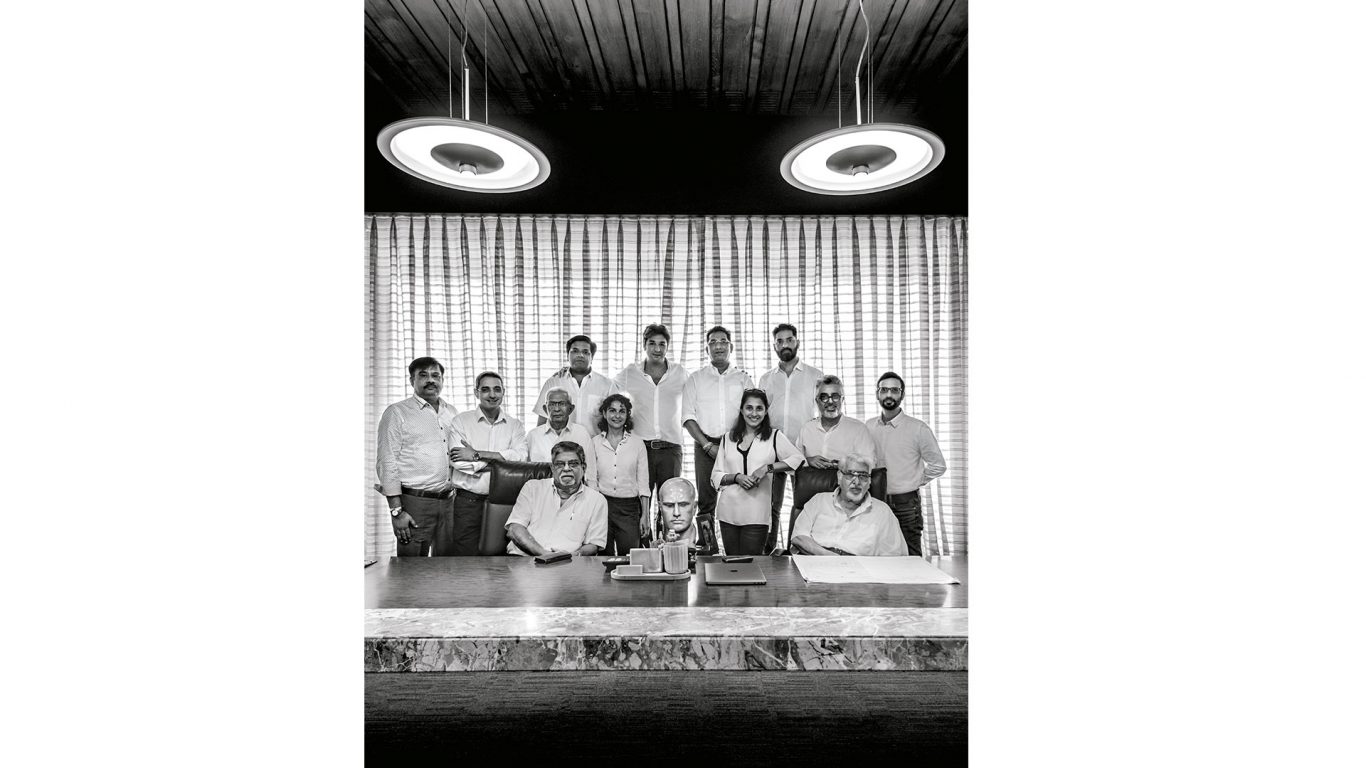
Bharat Floorings, a Mumbai-based company manufacturing vintage cement tiles, has a rich history dating back to 1922 when it was founded by Pherozeshah Mehta and his nephew Rustom Mehta. Inspired by India's freedom struggle and the call for economic independence, the company initially stamped each tile with a map of undivided India as a symbol of patriotism. Their products quickly gained popularity among Indian maharajas, with examples still found in places like Umaid Bhavan Palace in Jodhpur, and even the ruling British class, who used them in universities and public buildings.
The company has consistently adapted to technological advancements throughout its history, from the Art Deco movie theatres of the 1940s to the terrazzo and mosaic tiles of the 1970s, and the heavy-duty Stilan tiles used in India's railway stations. In the new millennium, Bharat Floorings has contributed to significant restoration projects, including the UNESCO award-winning Dr Bhau Daji Lad Mumbai City Museum and The Royal Bombay Yacht Club.
Today, Bharat Floorings focuses on design innovation, collaborating with various designers such as Alice Von Baume (textile designer), Sameer Kulavoor (graphic designer), and Tanya and Sandeep Khosla to create diverse collections. Their 'Made in India' collection, developed with Idea Spice Design, features patterns inspired by different Indian states, like the phulkari from Punjab and the jharoka from Rajasthan. The handcrafted heritage tiles, which celebrate the culture of old Bombay, remain their most popular collection, appealing to designers like Isla Van Damme (Loulou), who values traditional craftsmanship over mechanization.
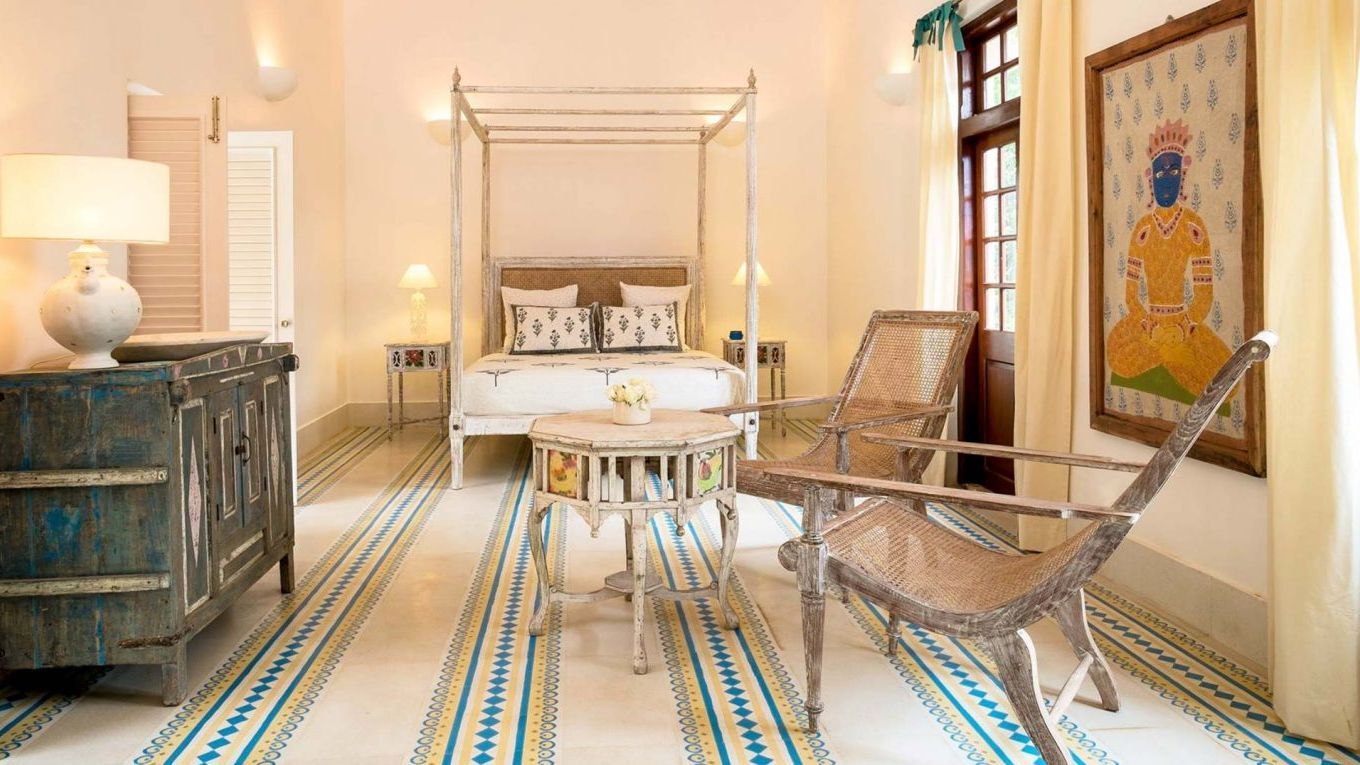
The increasing popularity of patterned floors, fueled by social media trends like #ihavethisthingwithfloors, has drawn renewed attention to unique flooring options. Firdaus Variava, vice chairman of Bharat Floorings, notes the growing demand for their products, particularly for vacation homes and resorts in states like Goa. Architects and designers, such as Gurmeet Akali of Studio Momo and Raya Shankhwalker, appreciate the rustic texture and muted tones of cement tiles, which provide an old-world, bohemian character. These tiles offer a durable and permanent flooring solution, lasting decades at a reasonable price, in contrast to mass-produced vitrified tiles.
The manufacturing process for cement tiles is labor-intensive, involving about seven manual steps over 25 days, from mixing colors to hand-pressing them into molds, followed by water curing and air drying. This handcrafted approach provides employment to numerous artisans and results in unique, sturdy tiles with variations that machine-made alternatives lack. Designers like Loulou have used Bharat tiles in prominent projects, including the original Bungalow Eight concept store in Mumbai and several luxury homes and boutique hotels in Goa. Gurmeet Akali even recounted an instance where leftover tiles were creatively repurposed to form unique patterns, adhering to a zero-waste policy. Bharat Floorings exemplifies a successful blend of traditional Indian craftsmanship with modern consumer relevance, transforming a historical technique into a cherished design element.
#CementTiles #IndianCraftsmanship #ArchitecturalDesign #InteriorDesign #HistoricPreservation #GoaHomes #FlooringSolutions #MadeInIndia #DesignInnovation #CementTiles #IndianCraftsmanship #ArchitecturalDesign #InteriorDesign #HistoricPreservation #GoaHomes #FlooringSolutions #MadeInIndia #DesignInnovation
 No comments yet
Best Marble Companies in India | Top 10 Manufacturers

Top 10 Ceramic Tiles Manufacturing Companies In India


Exclusive: The Indian label revolutionising the Benarasi weave is now turning 10
Top 10 Ceramic Tiles Manufacturing Companies In India
The Enduring Artistry of Vintage Tiles

One of India’s oldest design firms gets a fresh burst of life

How Spain’s Decocer is taking quality ceramic fashion global