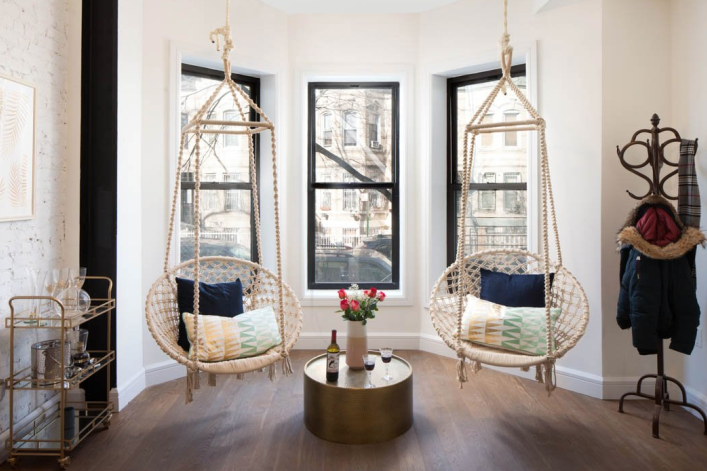
How to install a swing, hammock, or pull-up bar in your NYC apartment—if you're allowed
Installing whimsical furniture accents like swings, hanging chairs, or hammocks, or practical items like pull-up bars, in a New York City apartment presents unique challenges and considerations, primarily due to building regulations and structural integrity. Before proceeding with any installation, it is crucial to obtain permission from the landlord, co-op board, or management company, as many buildings in NYC have strict rules against anchoring items into concrete ceilings or walls due to safety concerns and potential structural impact. While brownstones and houses may offer more flexibility, apartment buildings, particularly those with concrete construction, are often more restrictive.
Expert opinions from professionals such as Jeffrey Streich of Prime Renovations NYC and Walter Marin of Marin Architects highlight the difficulties associated with such installations in NYC. They emphasize that while some installations are feasible in brownstones with higher ceilings and different construction materials, concrete buildings pose significant obstacles. Streich notes that most buildings prohibit anchoring into concrete, and Marin points out the distinction between 'live load' (dynamic movement like a swing) and 'dead load' (static weight like a hammock), both of which require different structural support considerations and entail safety issues.
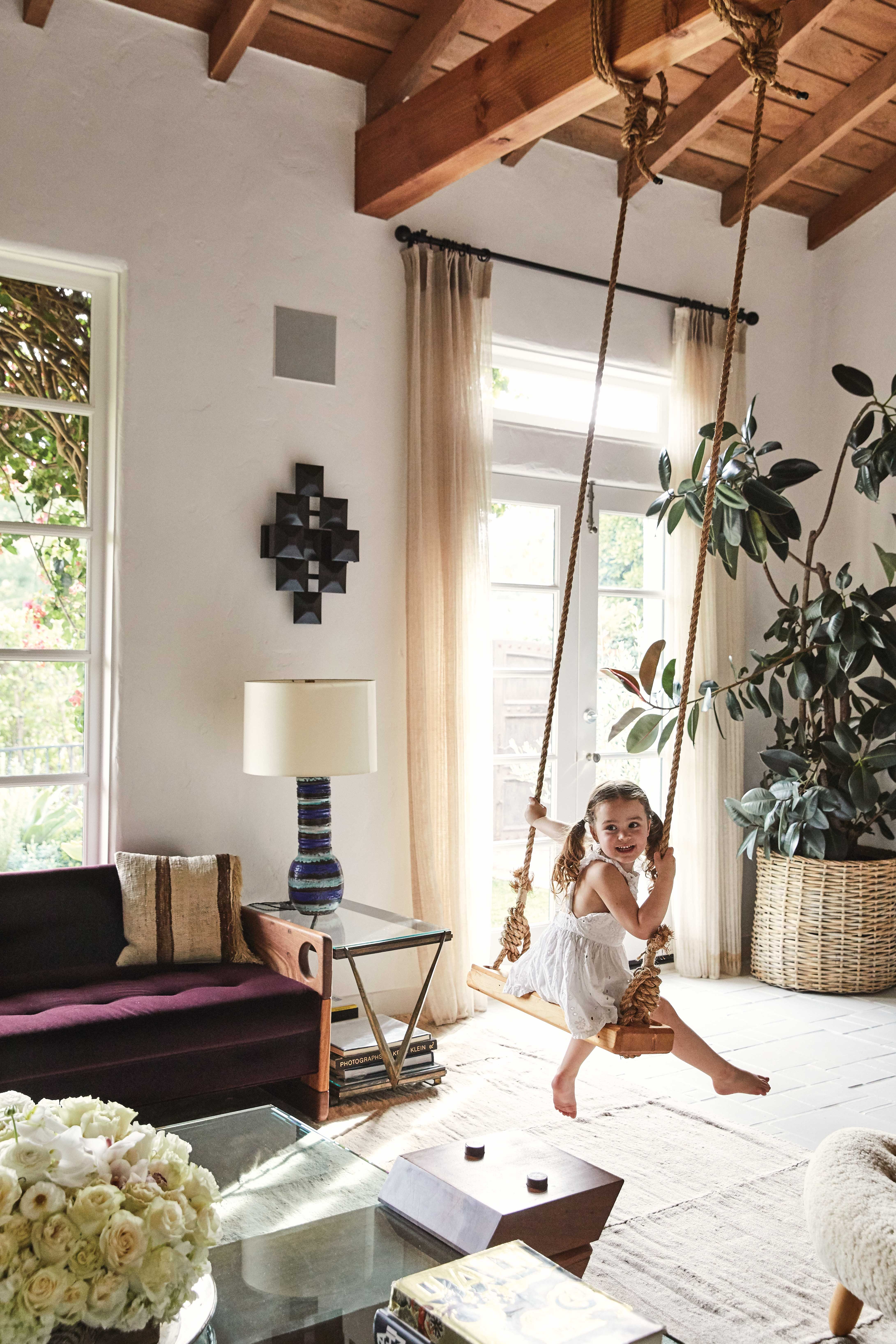
Dan DiClerico, Home Expert & Smart Home Strategist at HomeAdvisor, advises that approval is generally required when the installation involves the building’s structure, including ceiling joists and wall studs. If permission is granted and one proceeds with a swing or hammock installation, careful planning is necessary. The chosen location must provide ample space for movement – several feet in front and back, and about a foot on either side. DiClerico also warns against DIY attempts without proper knowledge, as improper anchoring can lead to structural damage or serious injury. For those unsure of their capabilities, hiring a professional handyman, costing between $150 and $200, is recommended.
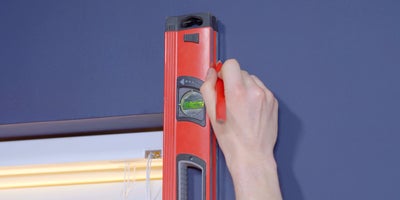
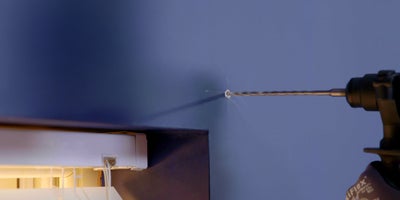
For swings, Streich describes a method involving mounting wood cladding to the concrete ceiling, securing the swing mounts with concrete nails, and finishing with a layer of sheetrock, similar to hanging a heavy chandelier or cabinets. For hammocks, a similar process is applied to walls. DiClerico outlines a DIY process for hanging hammocks or swings: first, locate a ceiling joist, ideally two-by-eight inches, using a stud finder. Mark the joist edges and install mounting hardware, such as six-inch eye hooks, in the center of the joist. Attach S-hooks to the eye hooks and then loop the chain or rope of the hammock or swing.
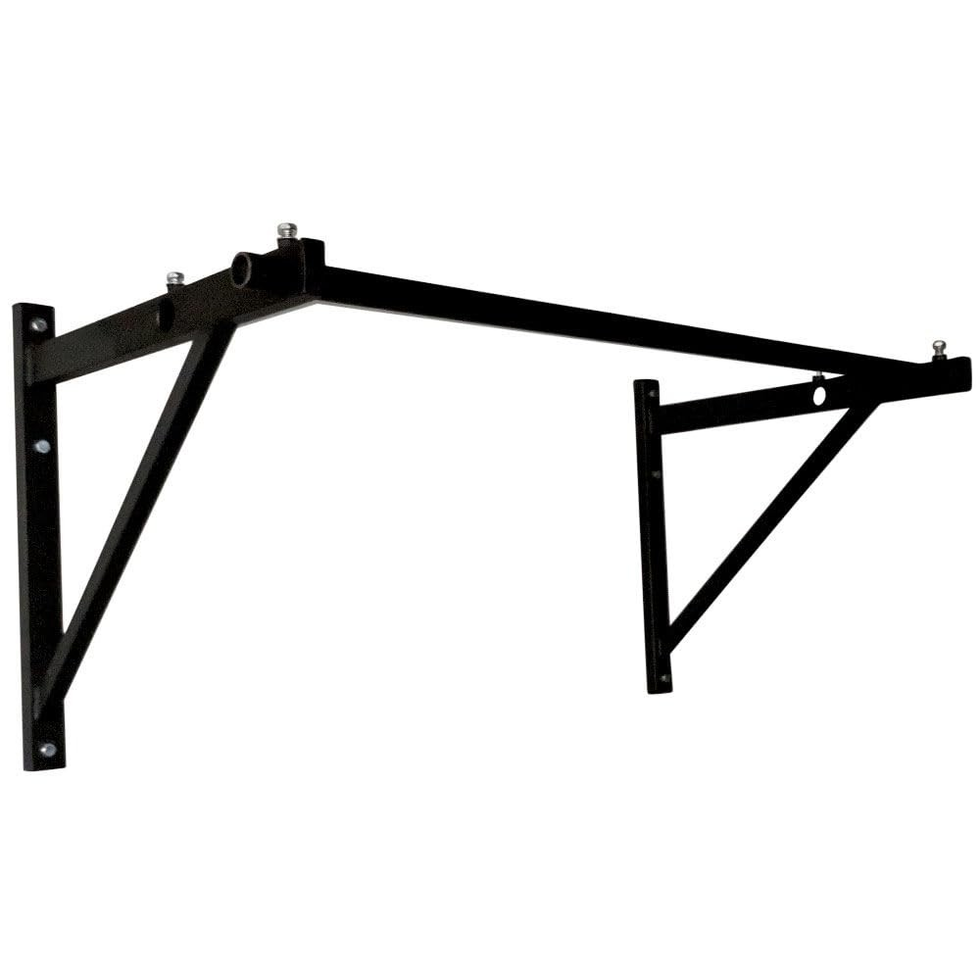
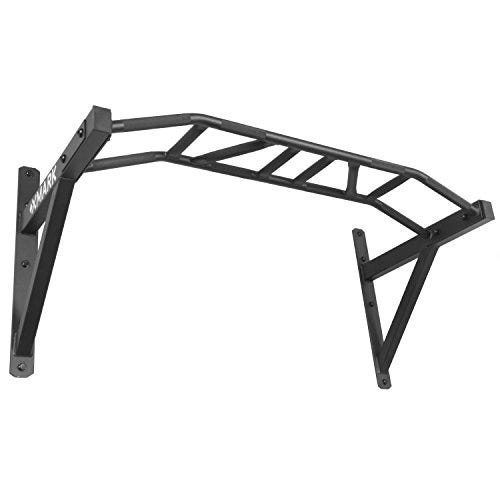
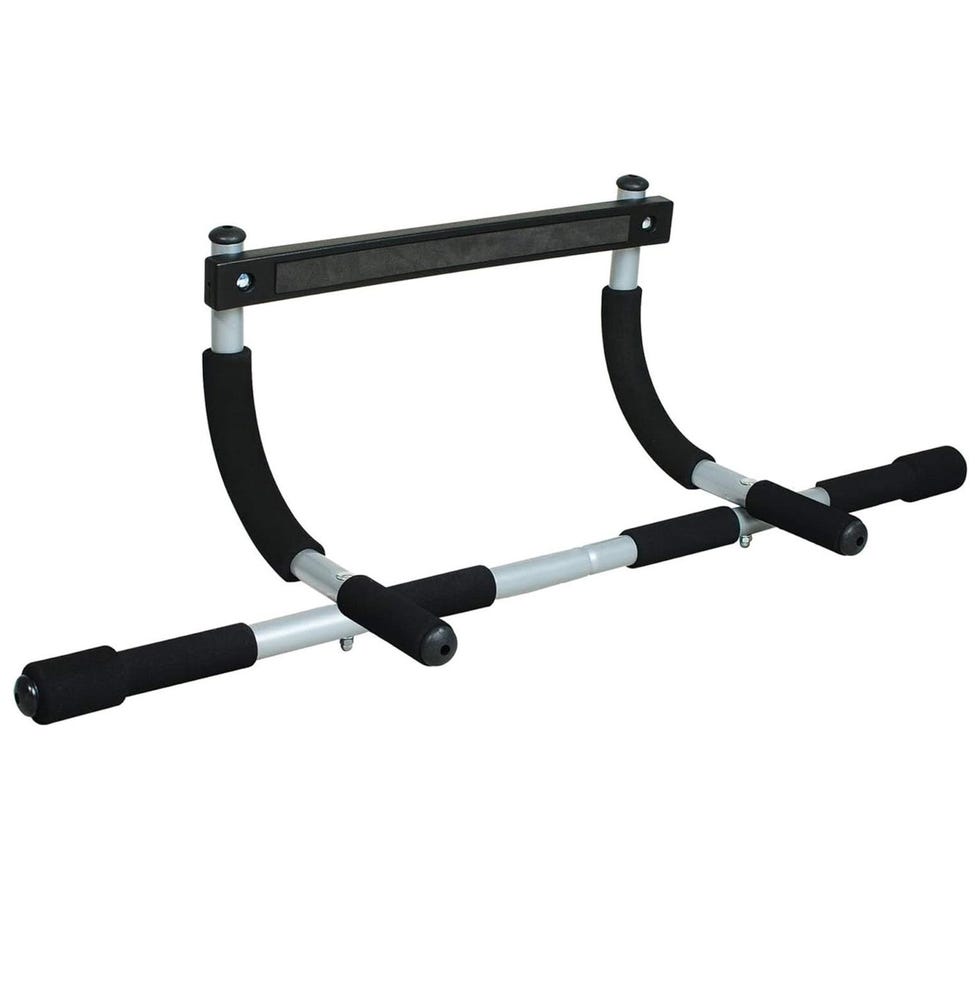
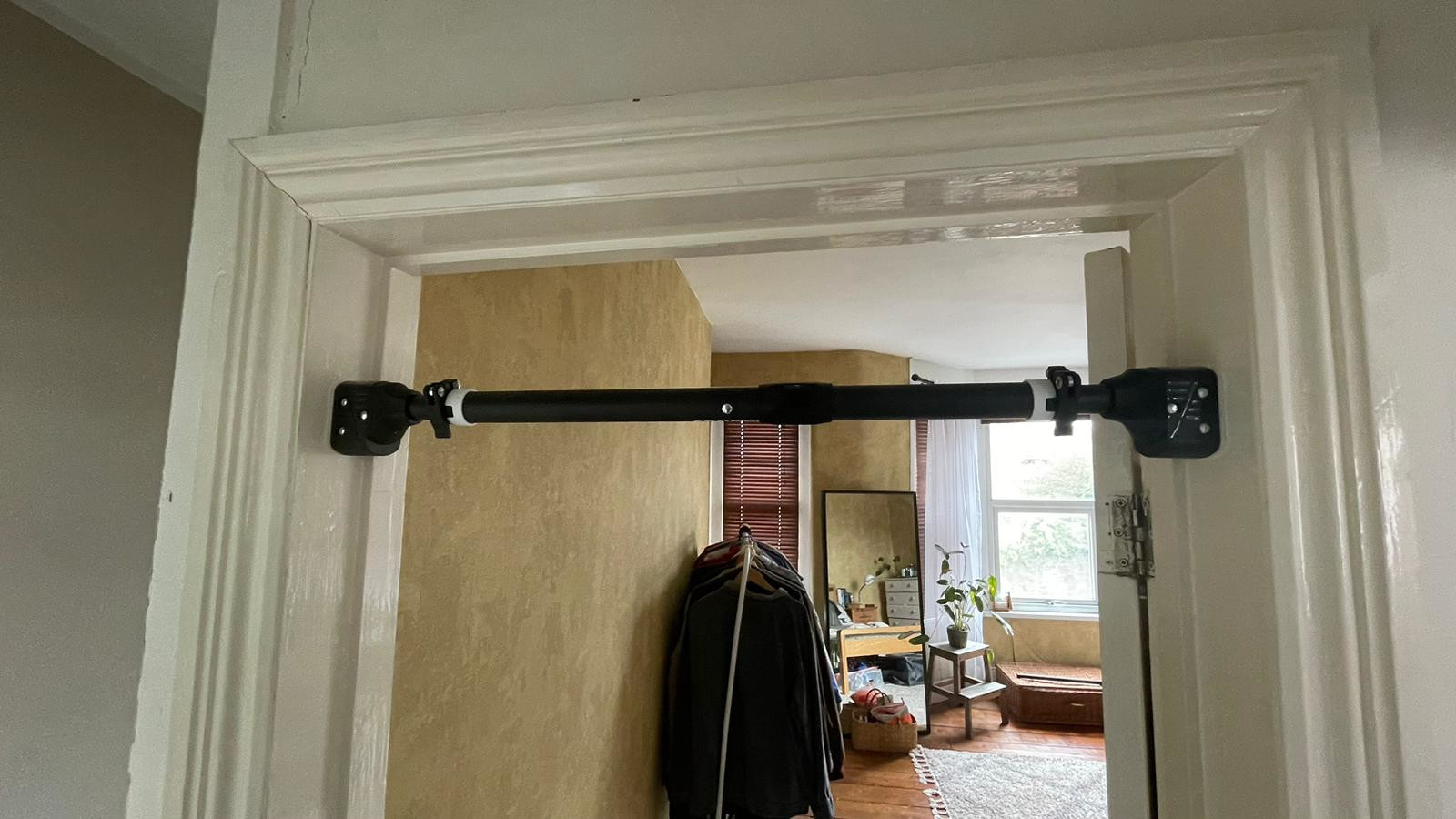
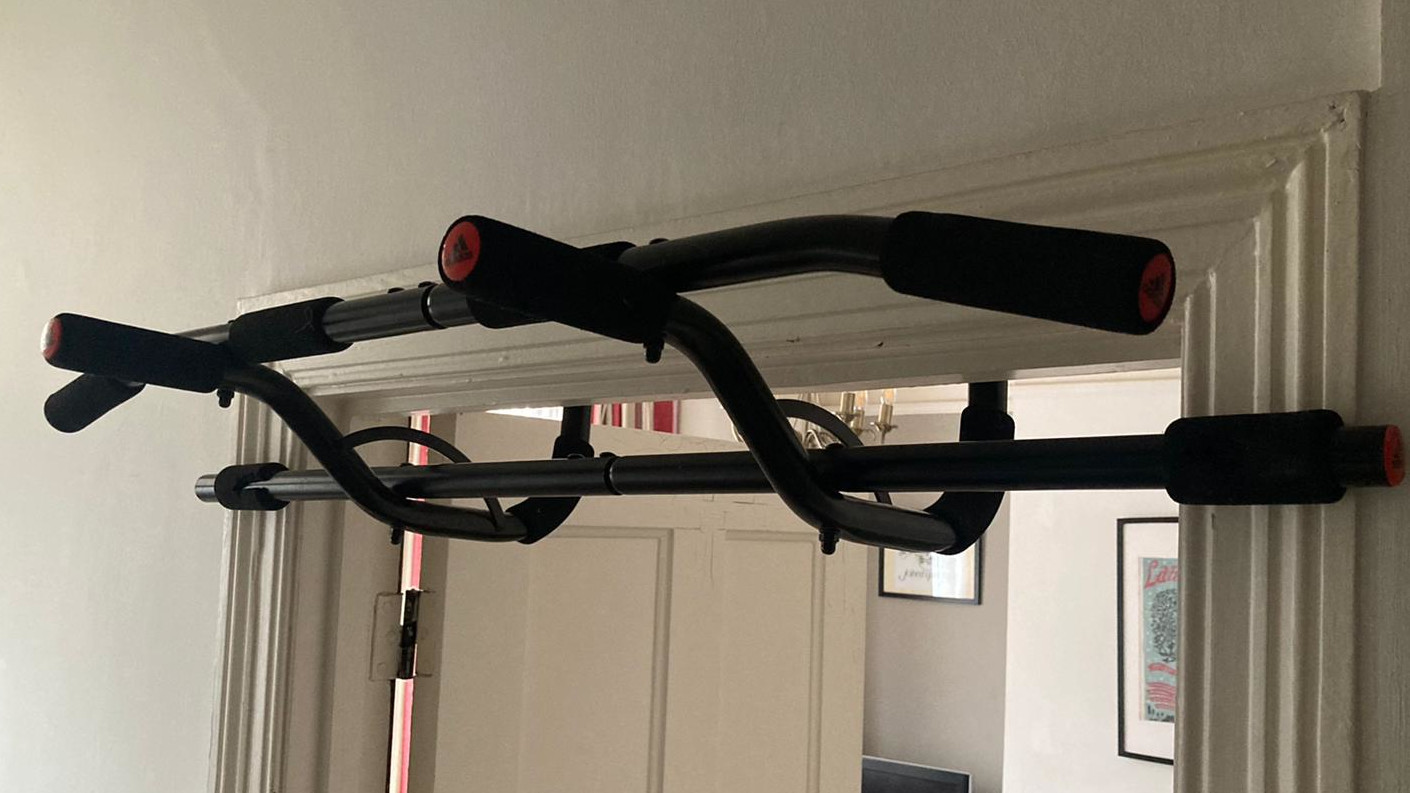
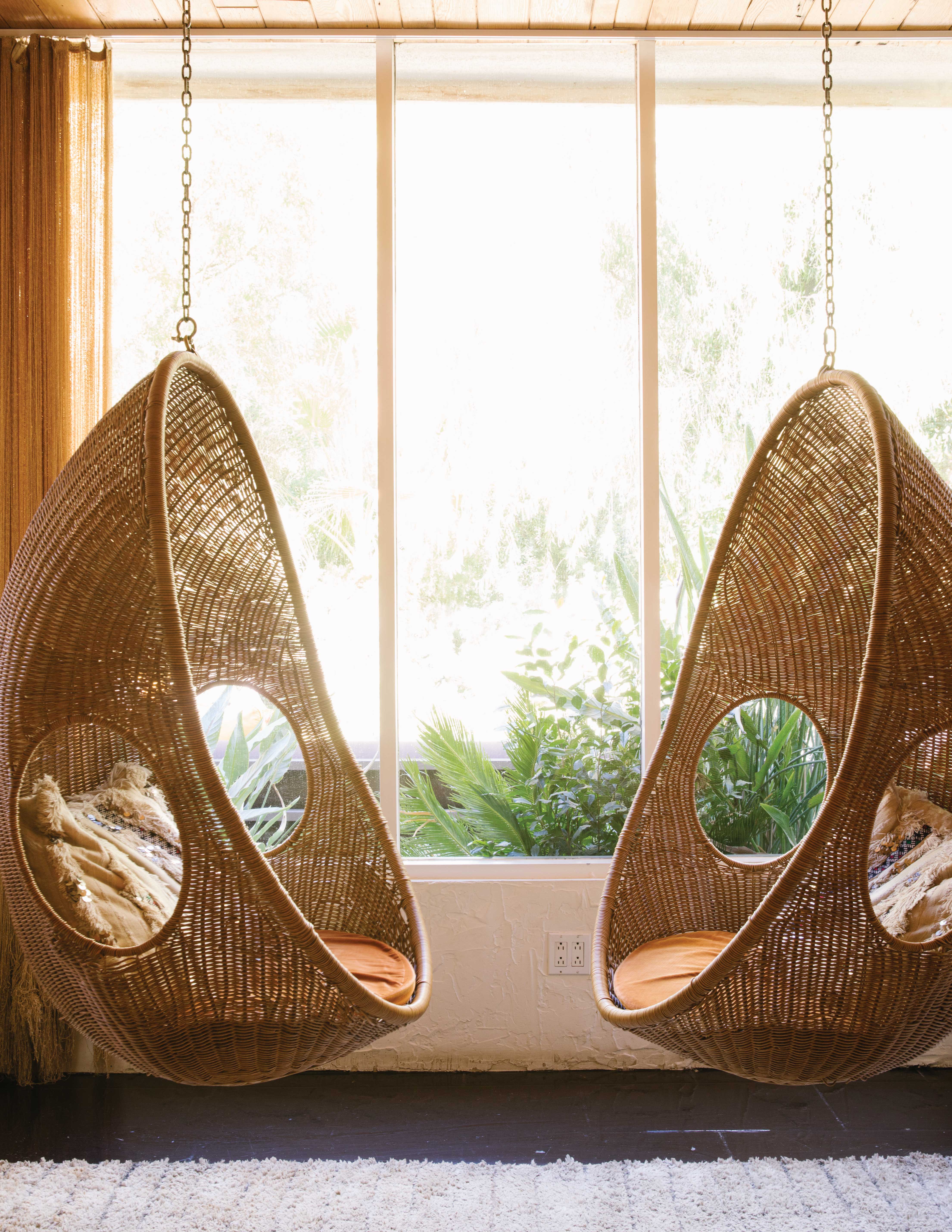
Pull-up bars are generally simpler to install, typically positioned inside a doorway. DiClerico recommends ensuring the bar is securely anchored to the two-by-two-inch framing studs behind the door jamb using the provided hardware. For wall and door bar installations, standard two-by-four-inch wall studs are usually sufficient. For individuals seeking the aesthetic or functional benefits of suspended seating or exercise equipment without the hassle of structural modifications or seeking approval, frame-supported hanging chairs or hammocks are an alternative. These options require more floor space but bypass the need for ceiling or wall anchors. Similarly, many pull-up bars on the market do not require drilling, offering a less intrusive solution. Ultimately, the feasibility and method of installation depend heavily on the type of building, its structural components, and the regulations set by management or ownership.
#NYCRealEstate #ApartmentLiving #HomeImprovement #DIYHome #InteriorDesign #RenovationPermits #BuildingRegulations #SafetyFirst #NYCRealEstate #ApartmentLiving #HomeImprovement #DIYHome #InteriorDesign #RenovationPermits #BuildingRegulations #SafetyFirst
0 comment in total
 No comments yet
You may also like

No Room for a Home Gym? I Use This Pull-Up Bar Every Day to Build Upper-Body Strength.
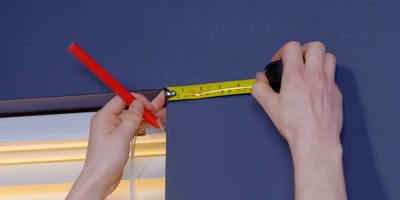
How to hang a curtain pole


The Easiest, Foolproof Way to Hang Curtains, According to Design Pro

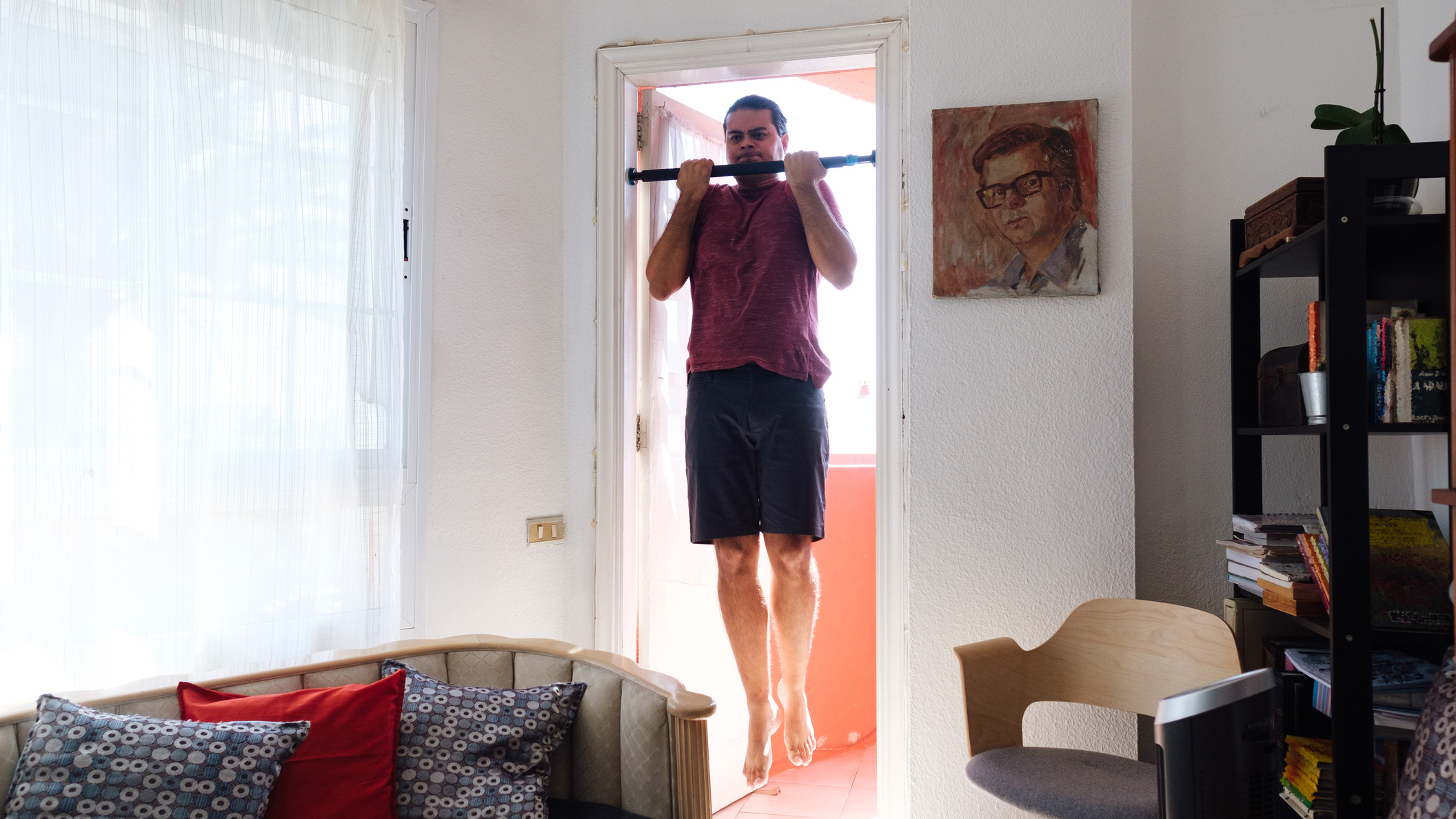
The Best Pull-Up Bars For Your Home Workouts

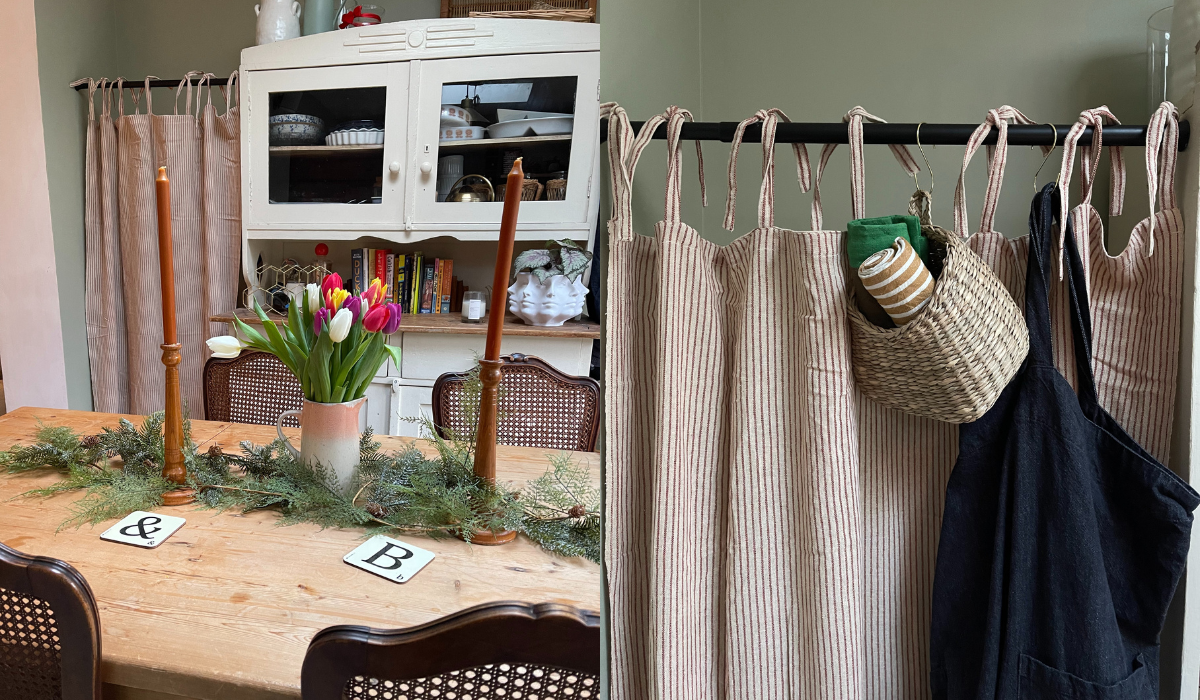
How to use a tension rod to make cute storage space anywhere in your home

Joist & Truss Hangers, Brackets & Straps

4 renter-friendly ways to hang curtains without drilling, according to both DIY and interior experts
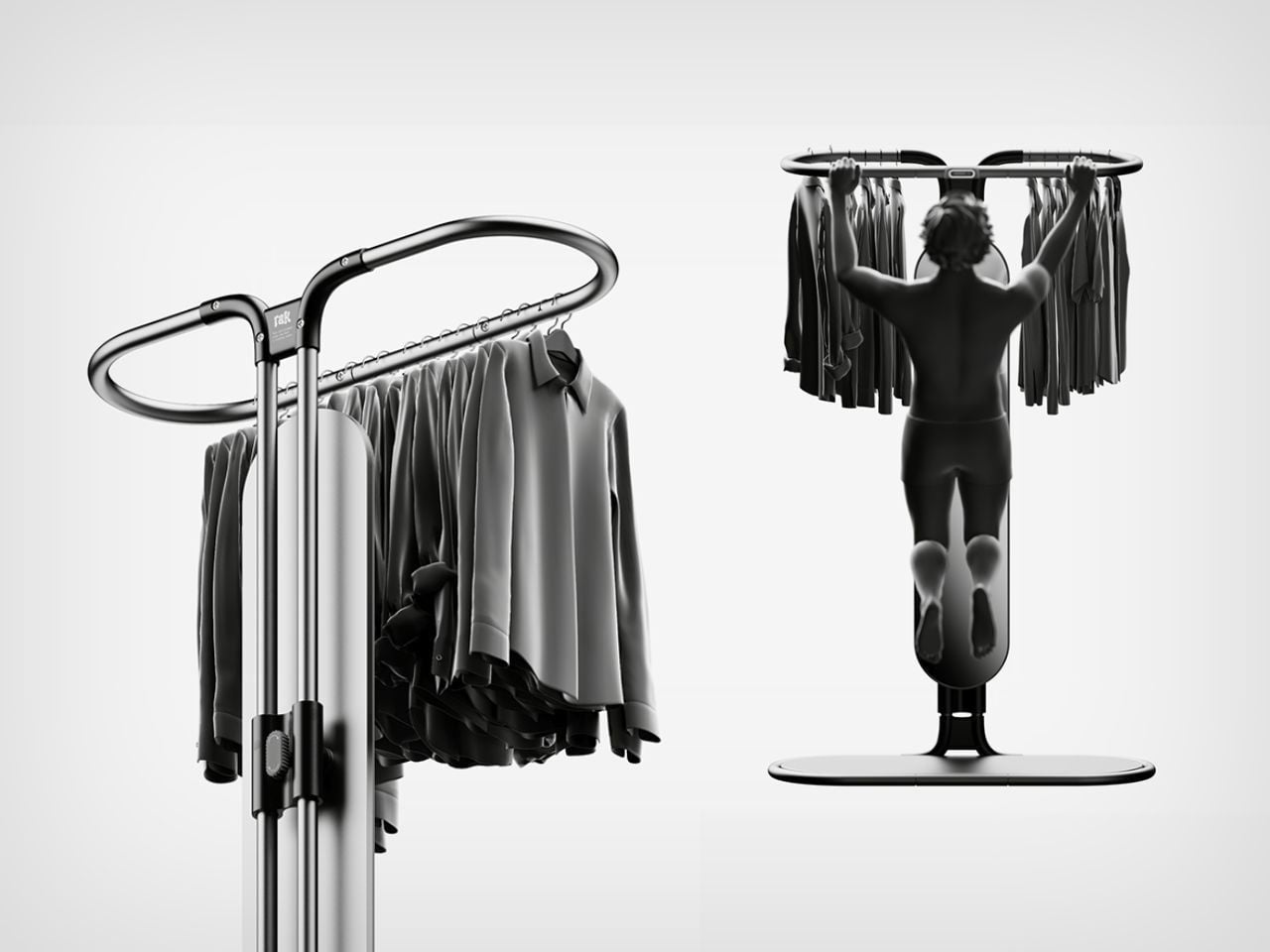
This Clever Minimalist Pull-Up Bar Doubles as a Stylish Clothes Rack
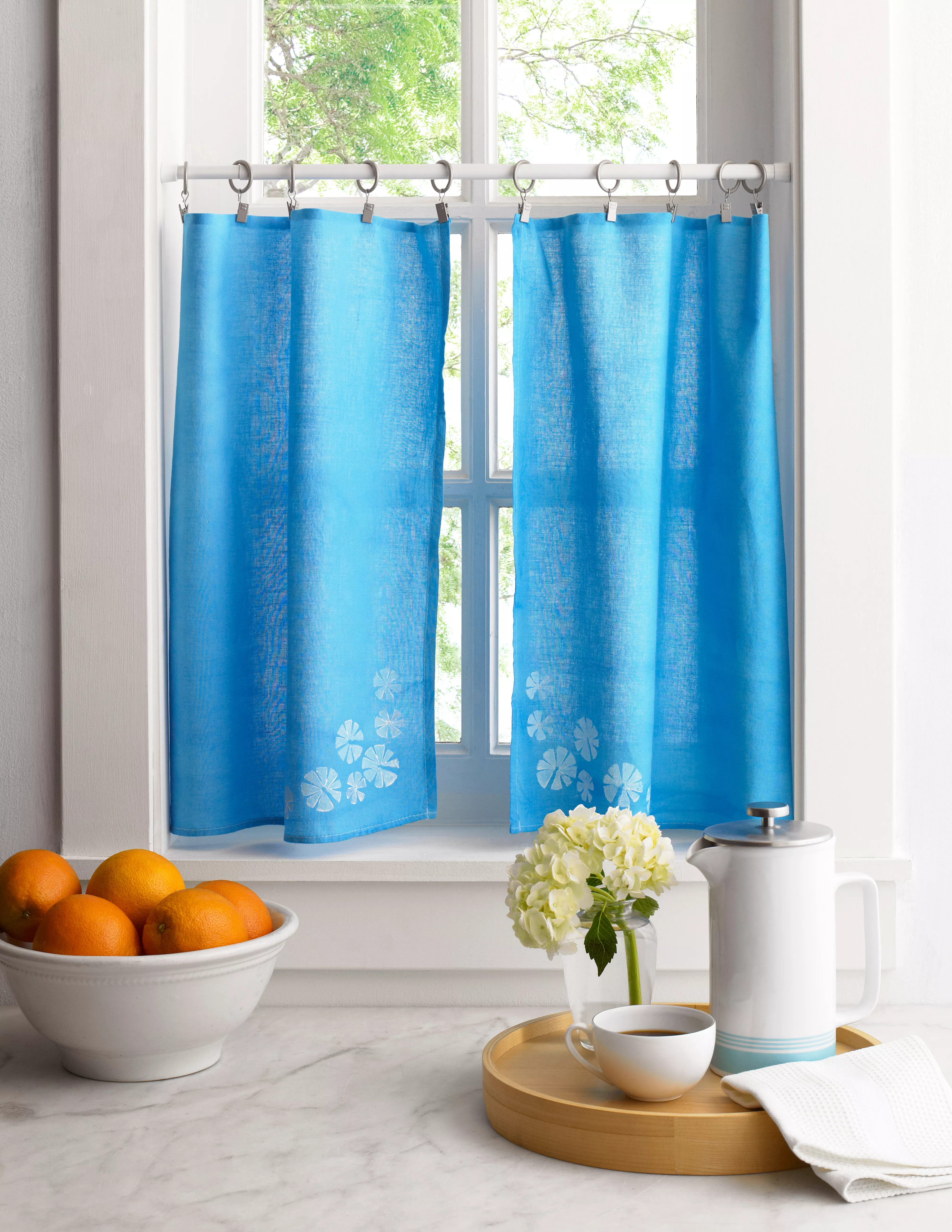
19 Ways to Use a Tension Rod That Goes Beyond Hanging Curtains


How to Install a Hanging Chair for Retro-Style Seating

Install Renter-Friendly Shelves Like a Pro—Here's What You Need


Damage-Free Ways To Hang Plants In Your Rental

Here's How to Hang an Indoor Swing