1/4
Sonos Beam Gen 2 Review: A Serious Living Room Upgrade
The Sonos Beam Gen 2 represents an evolution of Sonos's acclaimed soundbar line, aiming to enhance the home audio experience through a blend of compact design, smart features, and improved sound technology. This review details the various aspects of the Sonos Beam Gen 2, from its physical design and integrated features to its setup process and audio performance, ultimately assessing its value proposition in the competitive soundbar market.
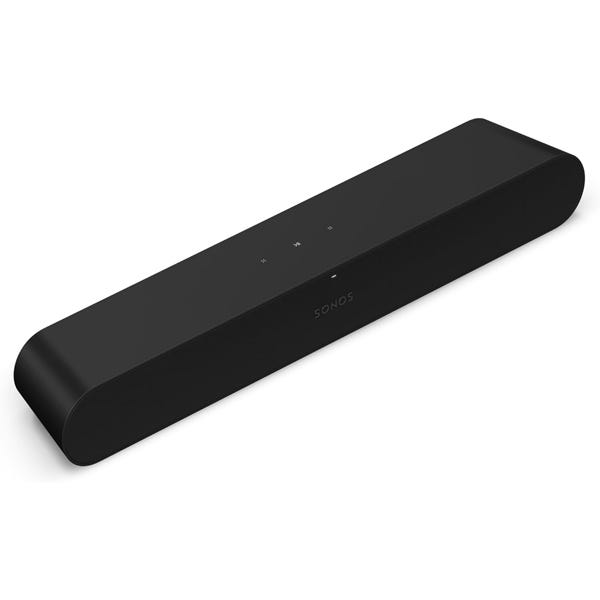
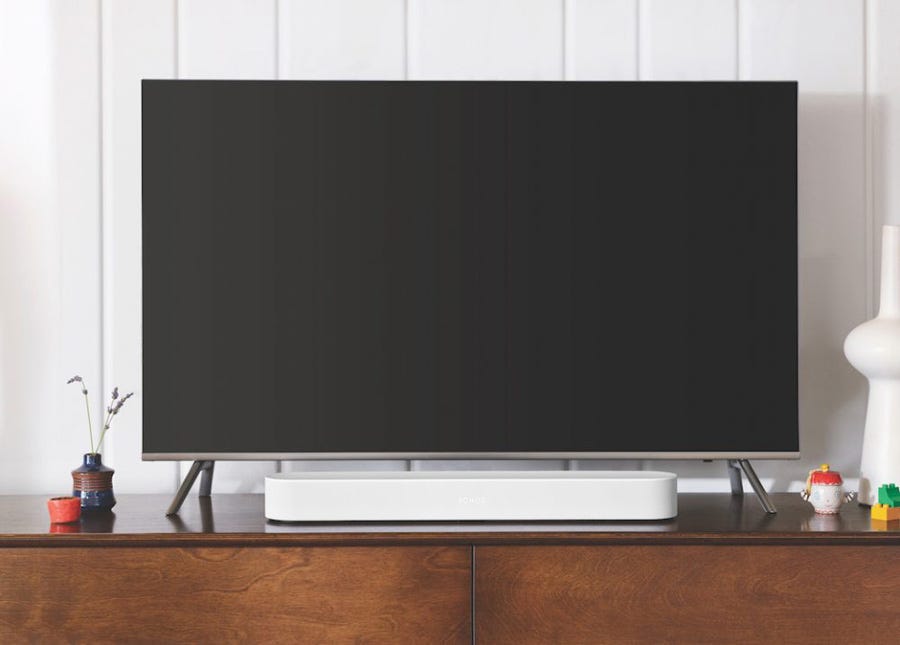
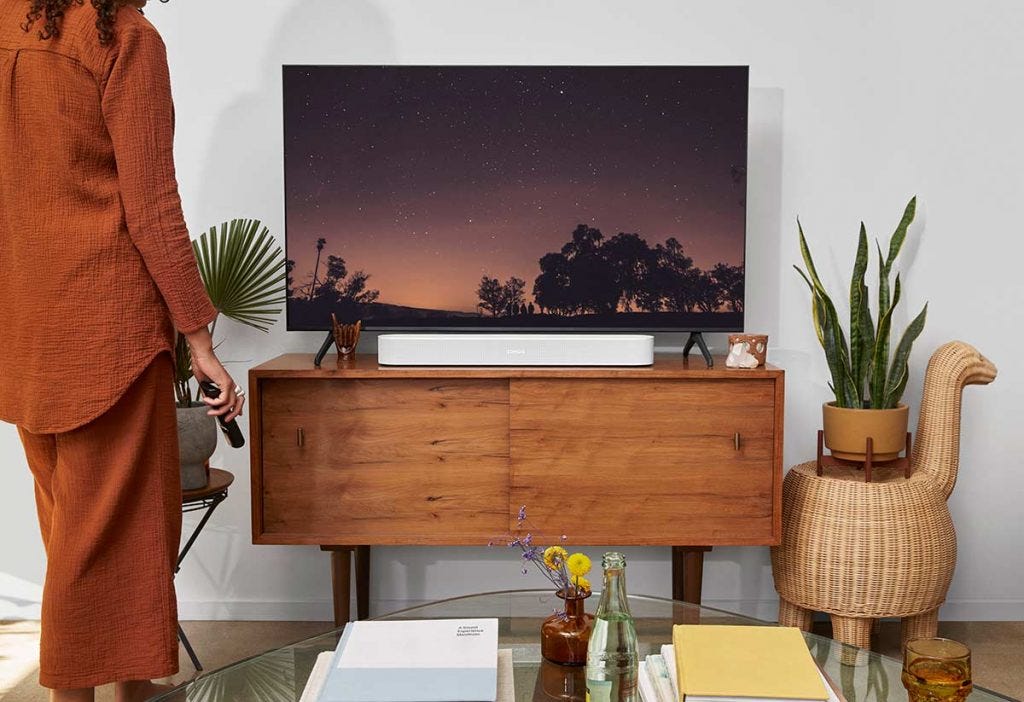
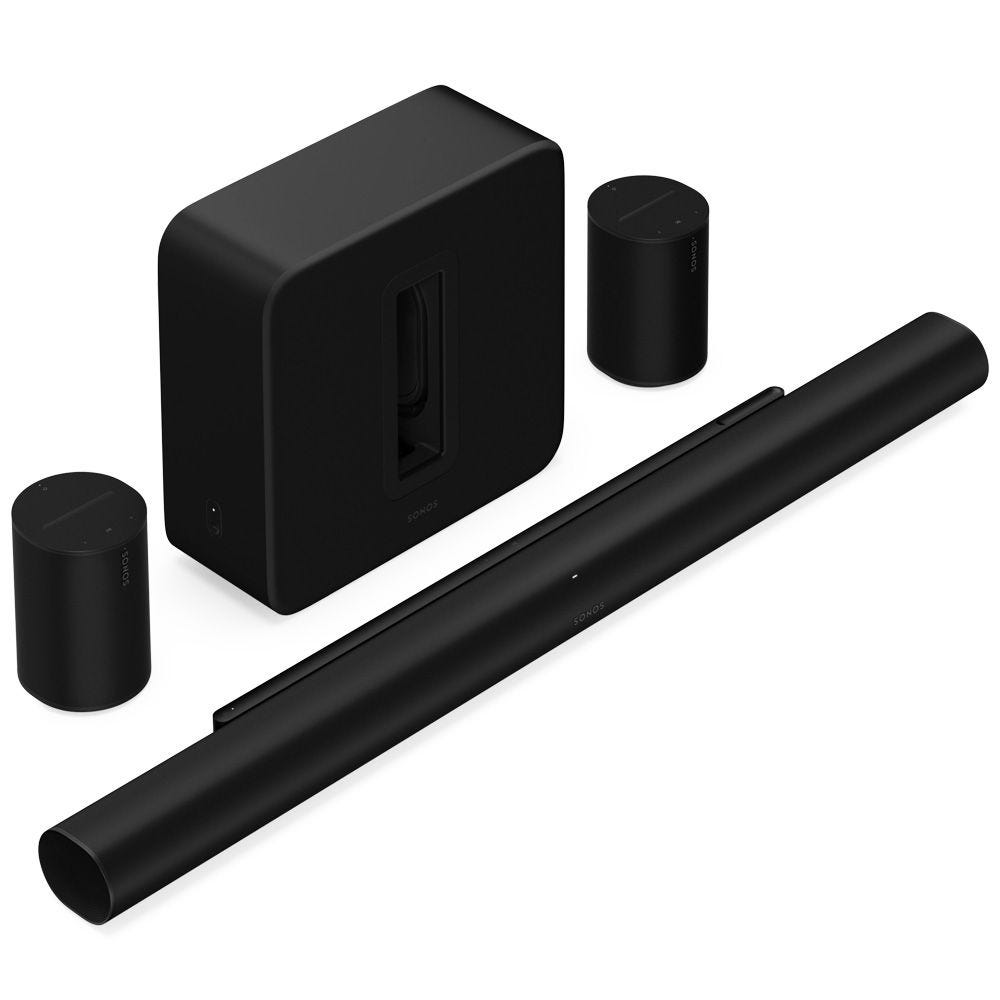
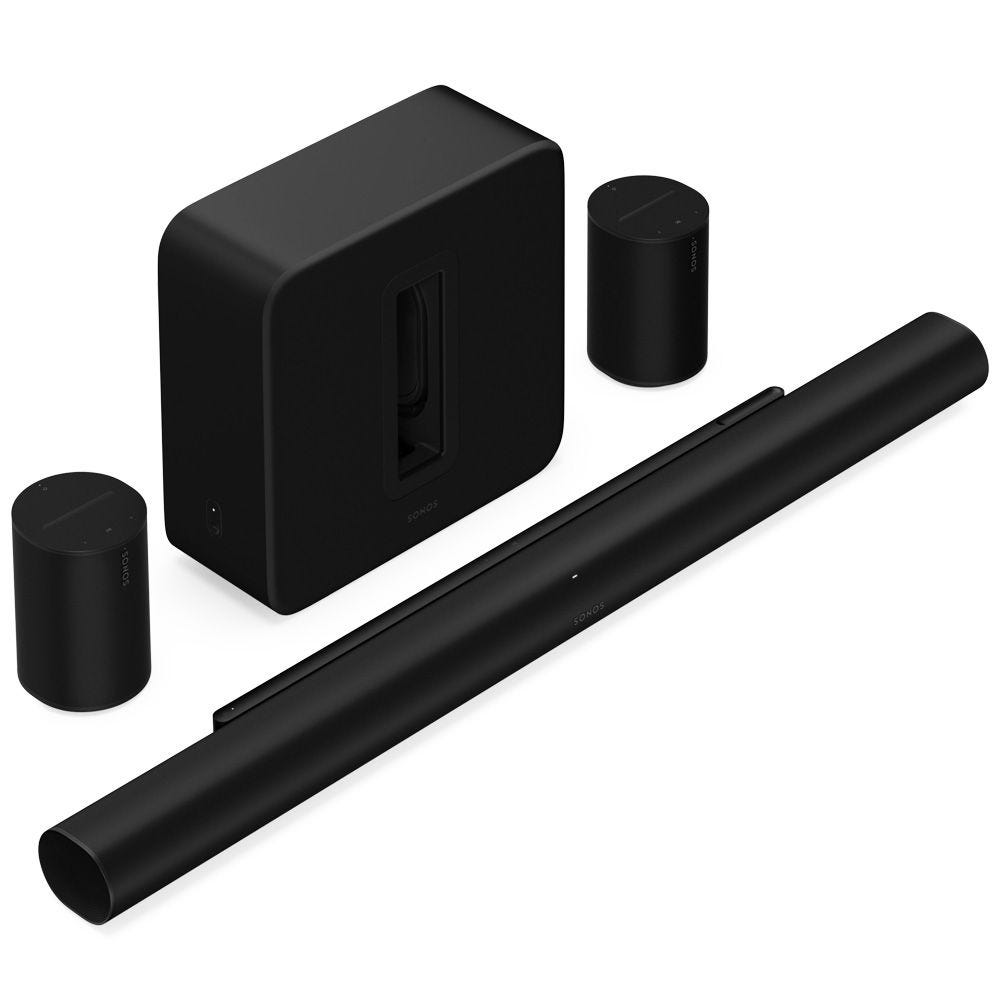
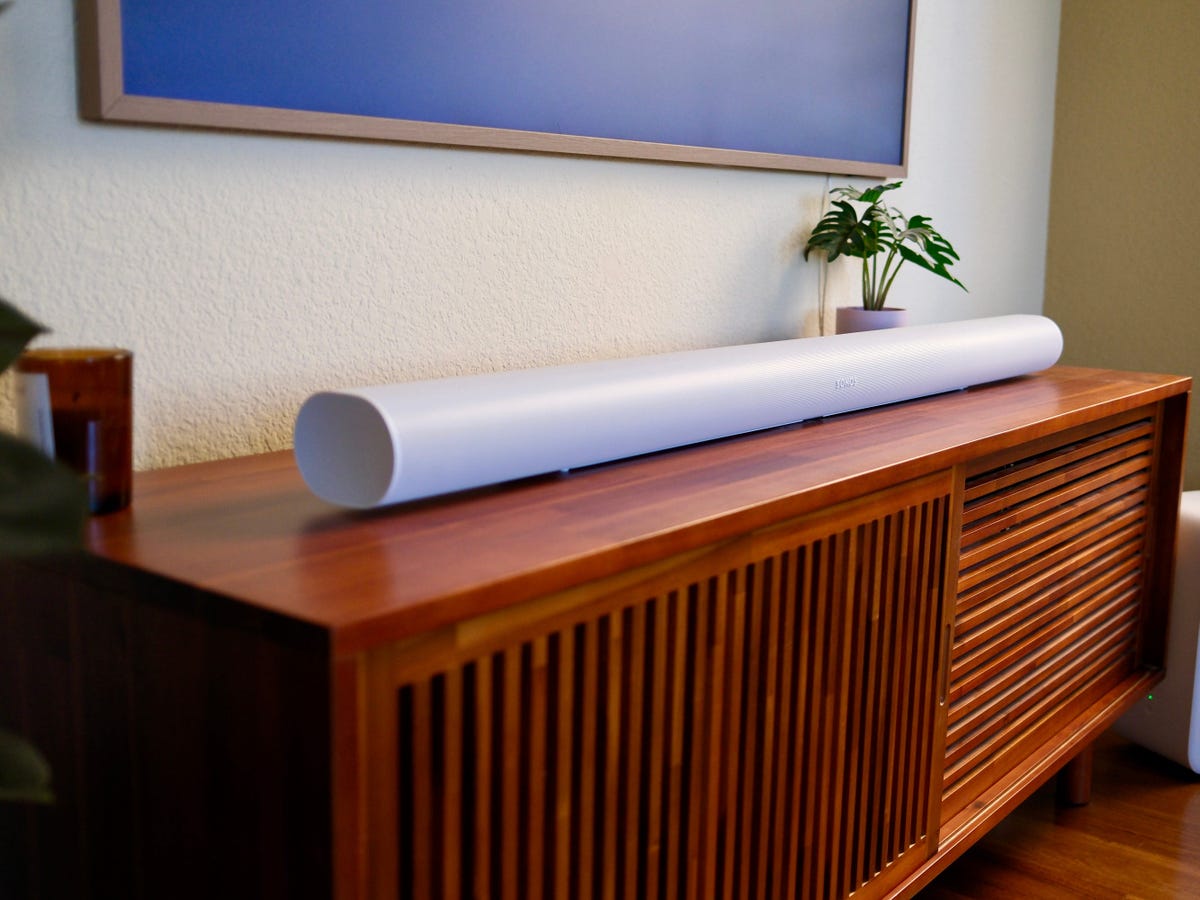
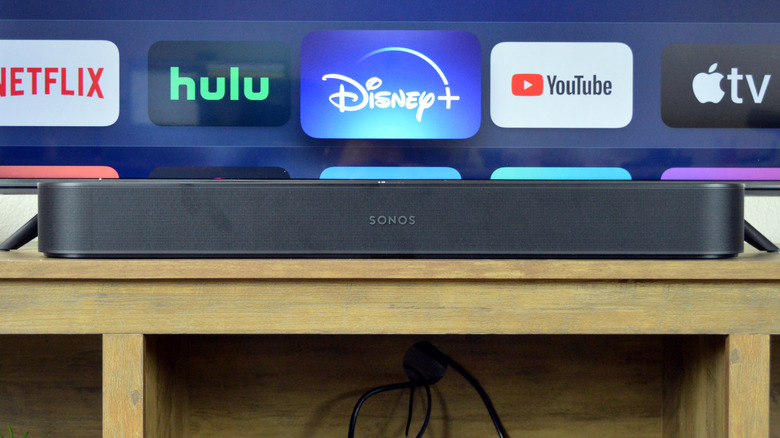
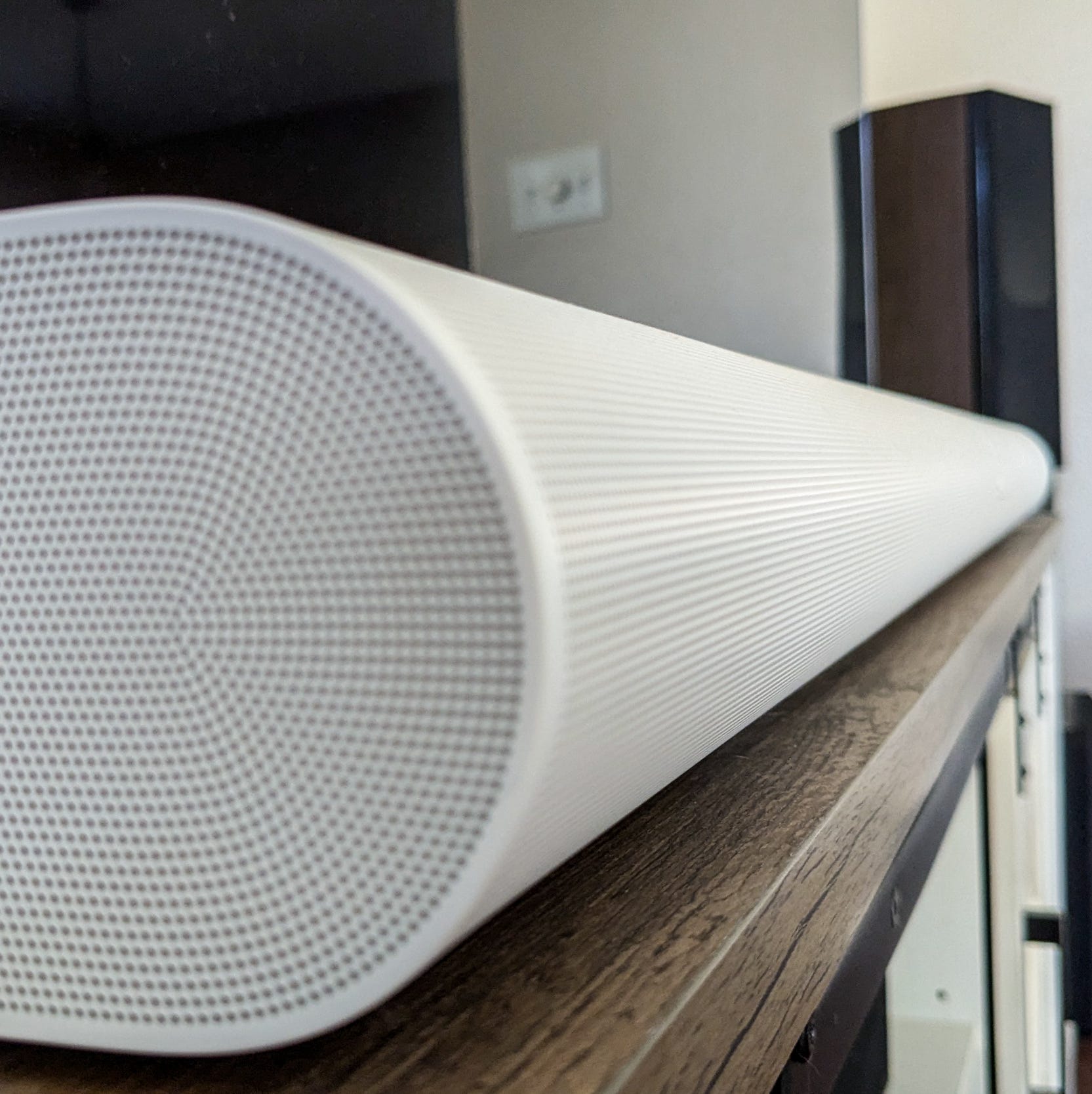
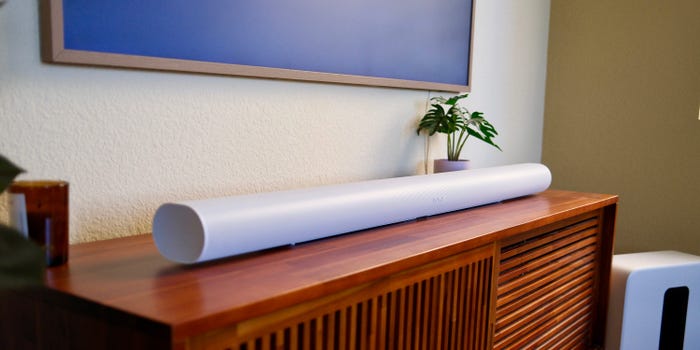
The design of the Sonos Beam Gen 2 largely mirrors its predecessor, maintaining a compact form factor that is 25.6 inches wide, 3.9 inches deep, and 2.3 inches tall, allowing it to fit seamlessly in most living room setups without obstructing TV views. It is available in black and white finishes. A notable design change is the switch from a fabric covering to a polycarbonate grill, which aligns it with the aesthetic of the more premium Sonos Arc and offers easier maintenance. The soundbar features capacitive touch controls for volume, playback, and microphone, alongside an NFC chip for streamlined setup. Connectivity options include an HDMI port for ARC/eARC and an Ethernet port. Although it lacks a built-in optical port, an adapter is provided to ensure compatibility with a broader range of televisions.
Feature-wise, the Beam Gen 2 builds upon the original's strengths by incorporating modern smart home integrations. It supports both Amazon Alexa and Google Assistant, offering users flexibility in voice control. Apple users can leverage AirPlay 2 for audio streaming. The multiroom audio functionality is available through the Sonos app, assuming other Sonos speakers are present in the home. A significant addition is Dolby Atmos support, which provides a more immersive audio experience for compatible content. To fully utilize lossless Dolby Atmos via Dolby TrueHD, a TV with an eARC connection is required. The soundbar also retains Sonos's TruePlay technology, which calibrates the sound output to the specific acoustics of the listening room.
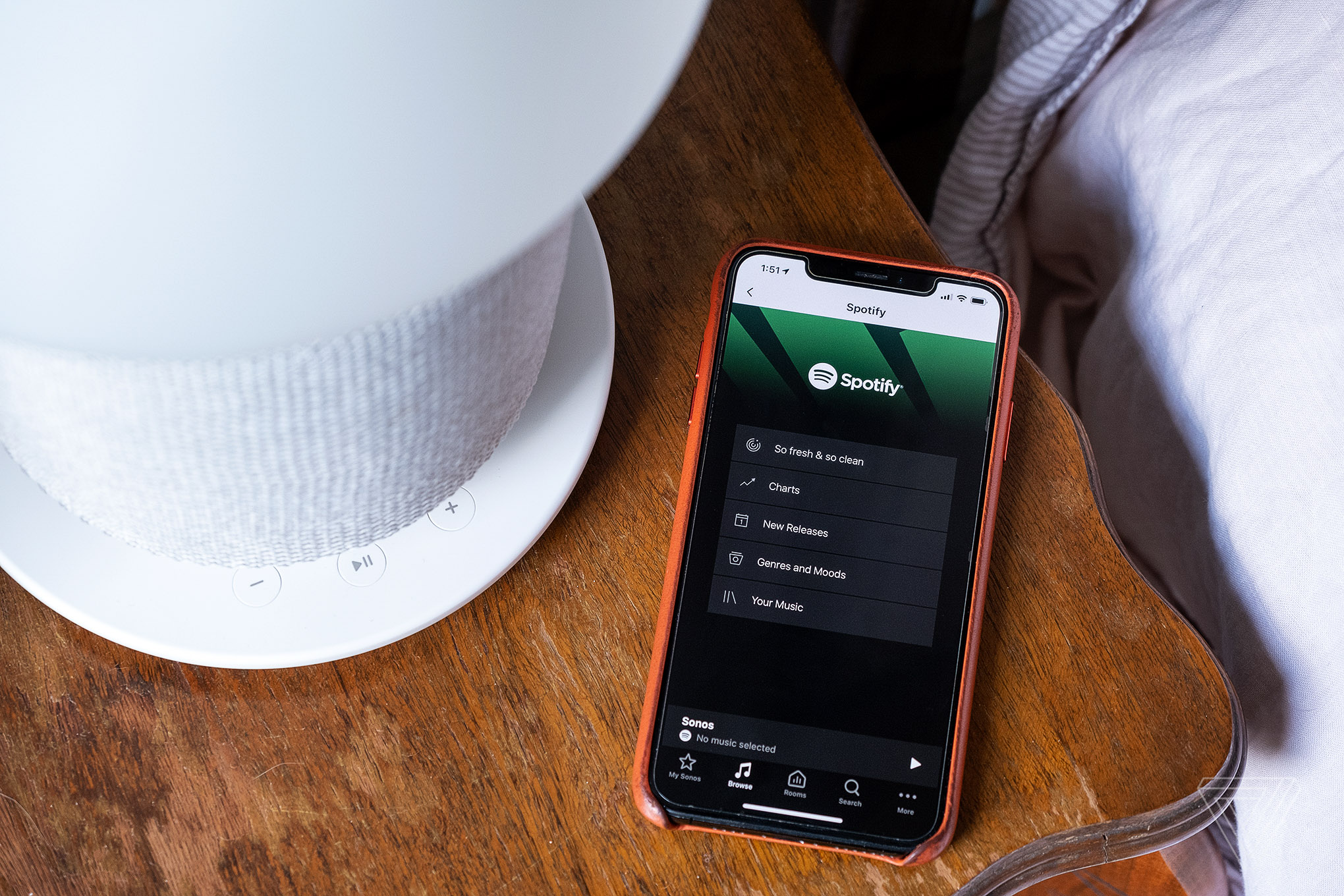
The setup process for the Sonos Beam Gen 2 is designed for simplicity, guided by the Sonos app. Users can quickly connect the soundbar to their Wi-Fi network by tapping their phone to the NFC chip. Post-setup, optional steps include integrating voice assistants and activating TruePlay calibration for iPhone users. The Sonos app itself is user-friendly, facilitating speaker grouping, settings adjustments, and volume control. It also supports integration with a wide array of music streaming services, including Apple Music, Spotify, and YouTube Music.
In terms of audio performance, the Sonos Beam Gen 2 delivers excellent sound quality. It produces a deep bass response, suitable for both movie effects and music, although users seeking more pronounced bass extension may consider adding a separate subwoofer. The mid-range and high frequencies are clear and detailed, ensuring vocal clarity without harshness. The soundbar creates a wider soundstage than its physical dimensions suggest. The Dolby Atmos implementation, while not leveraging physical upward-firing speakers like the Sonos Arc, uses virtualization to create a sense of overhead sound, offering a more immersive experience compared to traditional 3-channel soundbars.
In conclusion, the Sonos Beam Gen 2 is presented as a compelling upgrade. While existing Beam owners might not find it essential to upgrade unless Dolby Atmos is a priority, it is highly recommended for those moving beyond basic TV speakers or older, less capable sound systems. It stands out in its price category by offering a comprehensive package of audio quality, smart features, and seamless integration within the Sonos ecosystem, making it a strong contender for a premium living room audio enhancement.
#SonosBeamGen2 #SoundbarReview #DolbyAtmos #HomeAudio #SmartHomeIntegration #TechGadget #LivingRoomUpgrade #AudioTechnology #SonosBeamGen2 #SoundbarReview #DolbyAtmos #HomeAudio #SmartHomeIntegration #TechGadget #LivingRoomUpgrade #AudioTechnology
0 comment in total
 No comments yet
You may also like

IKEA Sonos table lamp Gen 2 review
The 10 Best Home Theater Systems For Cinephiles

The Best AV Receivers, Whether You’re a Home Theater Novice or Enthusiast


Designers Agree: This One Upgrade Instantly Elevates Any Room—And It’s Worth Every Penny


We tested every Sonos soundbar to find the top picks for different kinds of listeners
Ikea and Sonos Put Sound on the Wall With the Symfonisk Picture Frame With Wi-Fi Speaker


'These are the custom living room finishes you didn't know you wanted', according to designer Shea McGee


How Can We Double the Living Space in Our Homes? BEYOME: The Flexible and Modular System with Robotic Furniture

Ikea and Sonos have teamed up to make the best lamp we've ever heard
AGM Renovations Reviews the Latest Trends in Basement Remodeling

The Ultimate Sonos Setup: Which Speakers Are Best for Your Space?

Is Your Soundbar Ruining Your Living Room’s Aesthetic? Here’s How to Conceal It Like a Designer
Sonos Arc Ultra Review: Atmos Muscle Meets Tall-Ceiling Style
Tech Lighting Railtones Wireless Sound System Review

IPORT Home LUXE WallStation iPad Mount Review
Ikea’s new speakers are the most affordable way to get Sonos in your home

Ikea and Sonos picture frame speaker review: wall of sound
Enhance Your Listening Experience With These Expert Rated Ceiling Speakers
Immerse Yourself in Your Next Binge Watch With The Best Surround Sound Systems
Sonos Arc Ultra soundbar review: A powerful all-in-one Dolby Atmos home theater system