
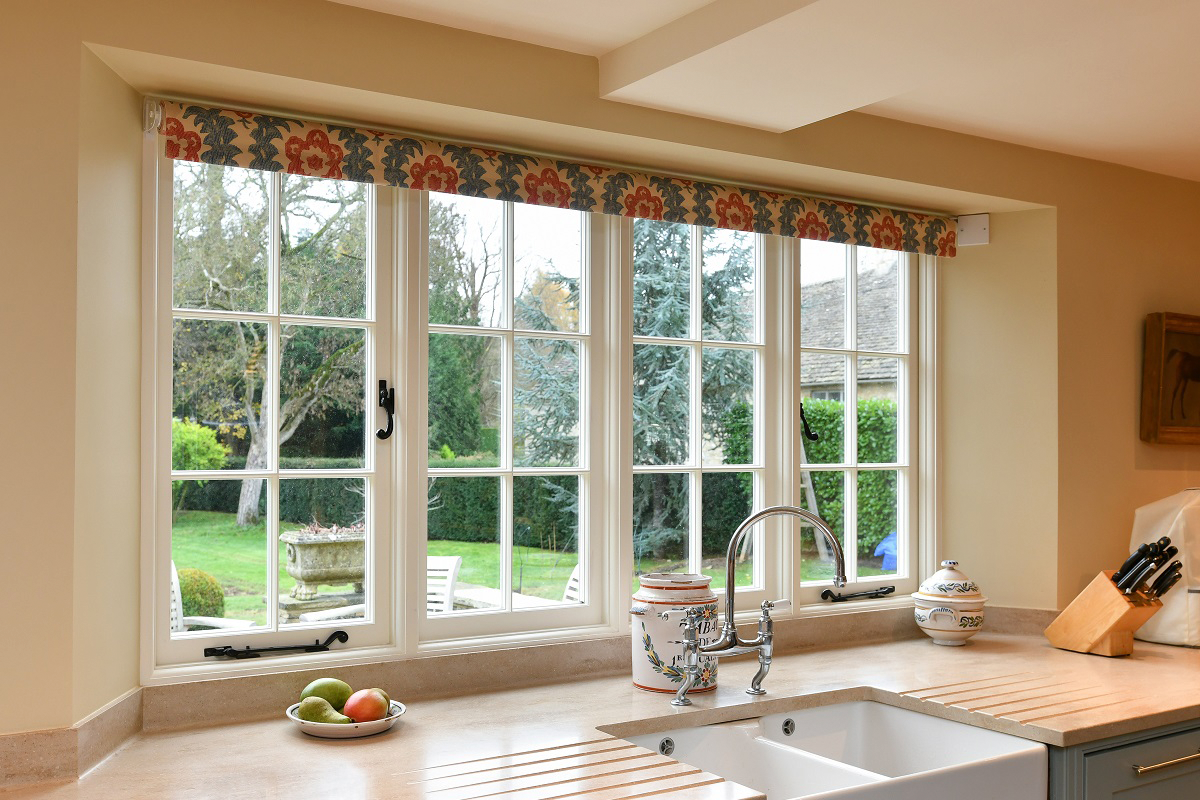
It's an open and shut case
Sash windows, a design classic dating back to the 17th century, have maintained their fundamental structure of two vertically sliding glazed sashes within a timber frame. Early examples were bulky, but advancements in glass production by the 18th century led to the more elegant Georgian-style sashes, a trend further refined with the introduction of plate glass in the 1850s. Theoretically, with proper maintenance, these original windows could last indefinitely. However, neglect over decades or centuries often compromises their integrity, turning them into a source of problems for homeowners.
For owners of period homes, restoring original sash windows is an option, but replacing them with new sash windows that incorporate modern technology while adhering to traditional aesthetics is also a viable solution. A significant challenge for modern sash window manufacturers is incorporating double glazing, which is mandated by current building regulations for all new or replacement windows, except in listed buildings. Companies like the Original Box Sash Window Company discreetly integrate slim, sealed double-glazed units into traditionally crafted frames, aiming to preserve the historical appearance and property value. This company, based in Merthyr Tydfil, Wales, also offers advanced features such as security glass and self-cleaning glass, which is coated to prevent dirt accumulation, allowing rain to wash it away or requiring only a hose down during droughts.
Refitting an entire house with new sash windows from the Original Box Sash Window Company can average around £15,000, or £10,000 for a couple of large bay windows, with economies of scale making it more cost-effective to replace multiple windows at once. Despite the 21st-century glass technology, many traditional sash makers prefer wood for frames over UPVC. Ken Franklin of the London-based Original Double Glazed Sash Window Replacement Company, who has installed approximately 5,000 sash windows, criticizes UPVC for its toxic fumes in fires, limited lifespan (around 10 years), and inability to be recycled, leading to environmental concerns. Timber, conversely, can last indefinitely with proper care. Modern water-based microporous paints, applied in the workshop to ensure thorough coverage of concealed parts, allow the wood to breathe and can last at least 10 years before re-coating is needed. Franklin also uses hardwood sills for enhanced durability, unlike the softwood often used in older windows, and employs efficient modern glues.
For projects undertaken by Franklin, a complete window typically costs between £1,500 and £1,800, with more elaborate or curved designs costing more. Planning regulations significantly influence window choices, especially in conservation areas or for listed buildings, where timber replacements are often mandatory. Ian Hall from Harmony Home Improvements Ltd notes that much of their work involves replacing inappropriate 1980s conversions with original-style windows. Harmony also provides "lookalike" options that mimic sashes but function differently, such as tilting or casement openings, offering a more affordable alternative to traditional hardwood sashes, which can cost £1,500 each. Even large national glazing companies like Everest now offer their versions of timber sash windows, with traditional vertical sliding or easy-clean dual-turn options. For budget-conscious homeowners where conservation rules permit, UPVC remains an option. Hall recommends the Rehau brand of UPVC, which is approved by English Heritage, as its appearance from a distance is hard to distinguish from wood. Rehau offers a maintenance-free solution and is permitted in some conservation areas, costing roughly two-thirds to three-quarters the price of timber replacements, making it a strong pound-for-pound option when cost and planning permissions are factors.
#SashWindows #WindowDesign #HomeRenovation #PeriodHomes #BuildingRegulations #DoubleGlazing #TimberWindows #UPVCWindows #HistoricPreservation #SashWindows #WindowDesign #HomeRenovation #PeriodHomes #BuildingRegulations #DoubleGlazing #TimberWindows #UPVCWindows #HistoricPreservation
 No comments yet
The End of Open-Plan Everything

Is This the End of the Open-Plan Layout?