We Tested 48 Robot Vacuums—These 3 Kept Our Carpets the Cleanest
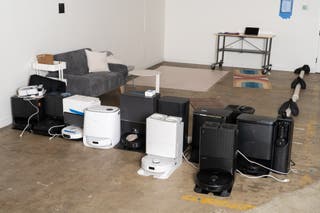
Selecting an effective vacuum for carpeted surfaces can be challenging, particularly when seeking a robot vacuum that provides thorough cleaning without requiring manual effort. This article details the testing process and top recommendations for robot vacuums specifically designed for carpet, evaluating nearly 50 models in both laboratory and home environments. The primary criteria for selection included debris pickup efficacy, maneuverability, ease of setup, dustbin emptying convenience, and battery runtime.
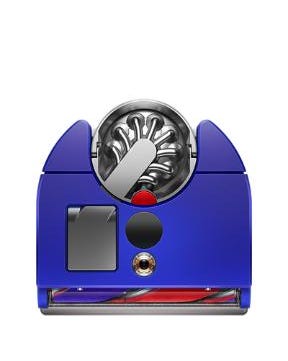
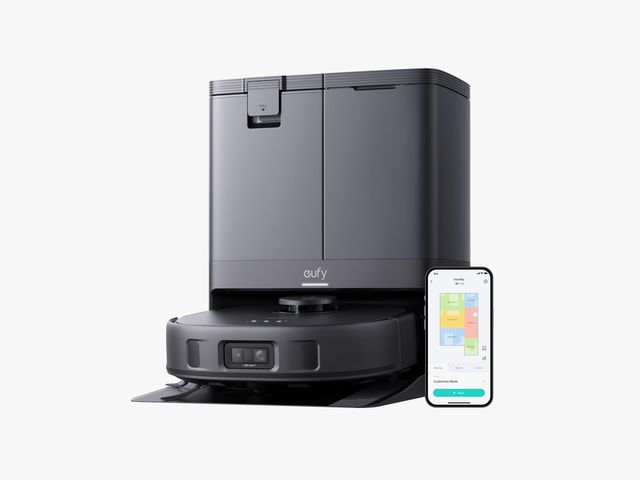
The Dyson 360 Vis Nav Robot Vacuum is identified as the "Best Overall" choice, distinguished by its versatility across various surfaces, including rugs, wood floors, and tile. Its D-shaped design and 12-inch brush bar are noted for efficient debris collection, particularly from rug fibers. The vacuum automatically increases suction when detecting higher concentrations of debris and features a 0.5-liter dustbin. While it is the most expensive option, its robust performance, easy assembly, and smart mapping capabilities, which allow for customizable cleaning zones, justify its position. Despite not being self-emptying, its dustbin is designed for easy and mess-free disposal.
For those seeking a more budget-friendly option, the ILife V3s Pro Robot Vacuum is highlighted as the "Best Value." This model excelled in carpet cleaning, picking up nearly 90% of debris, including long hair, and proved effective on bare floors. It boasts a 100-minute battery life, the longest among the recommended models. Its straightforward design bypasses complex app installations in favor of remote control operation, making setup quick and user-friendly. Although it lacks smart mapping features, it includes obstacle detection sensors and scheduling capabilities, navigating effectively around furniture while occasionally struggling with wires.
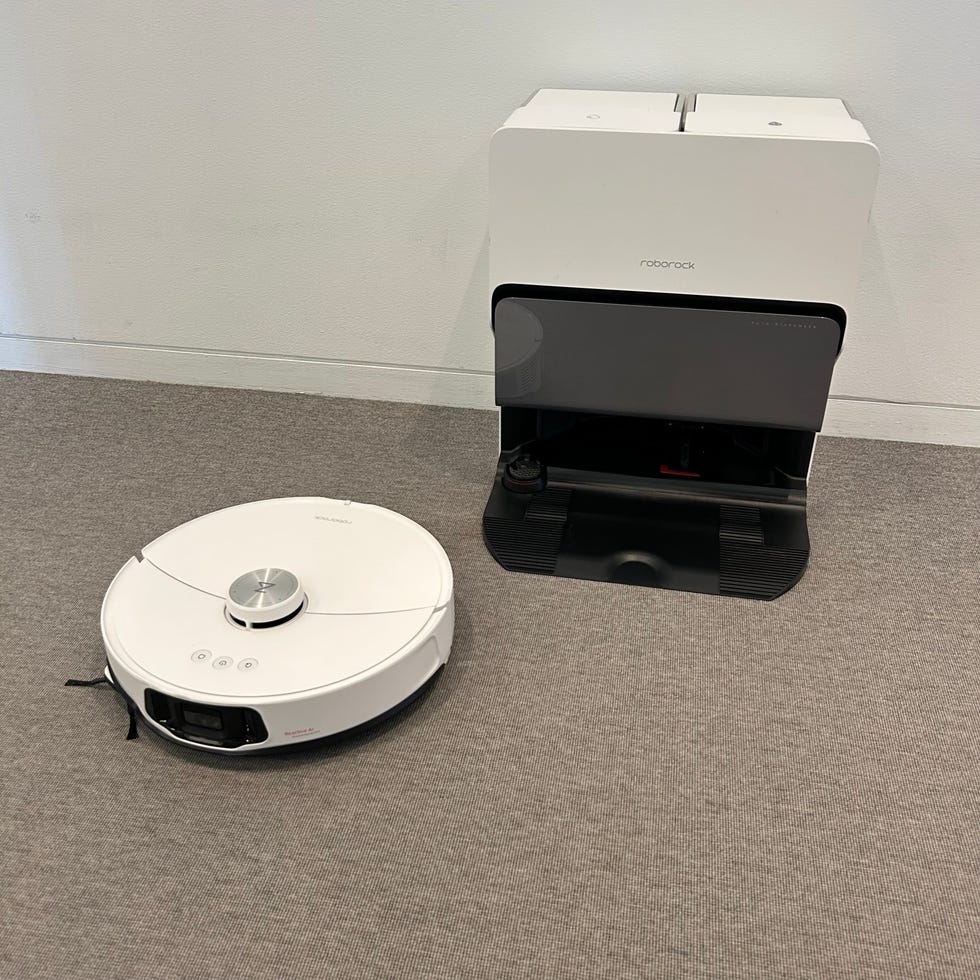
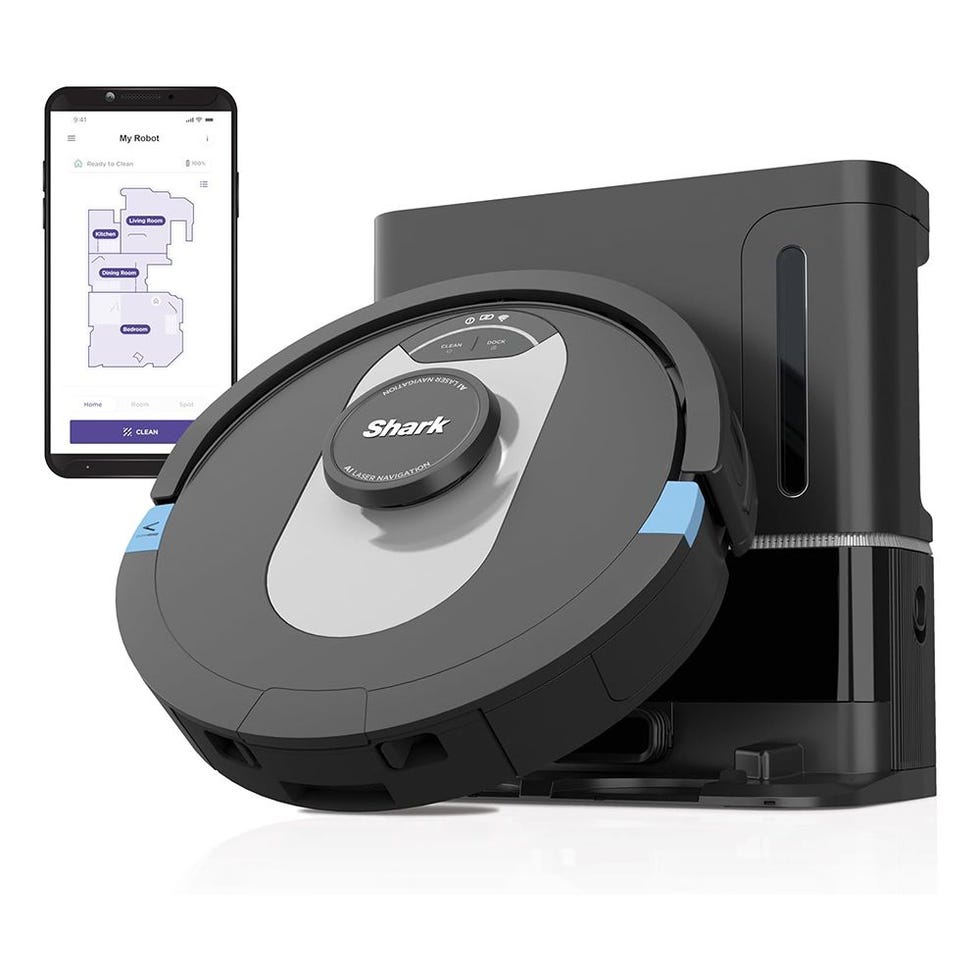
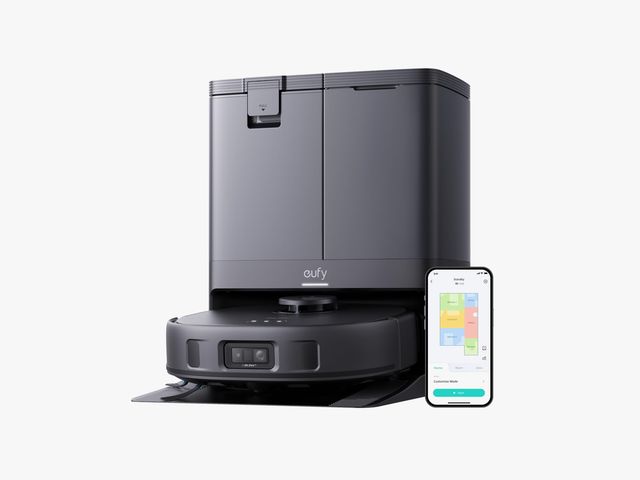
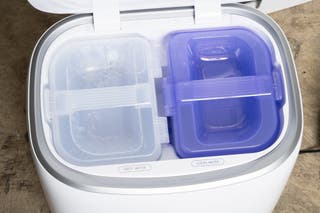
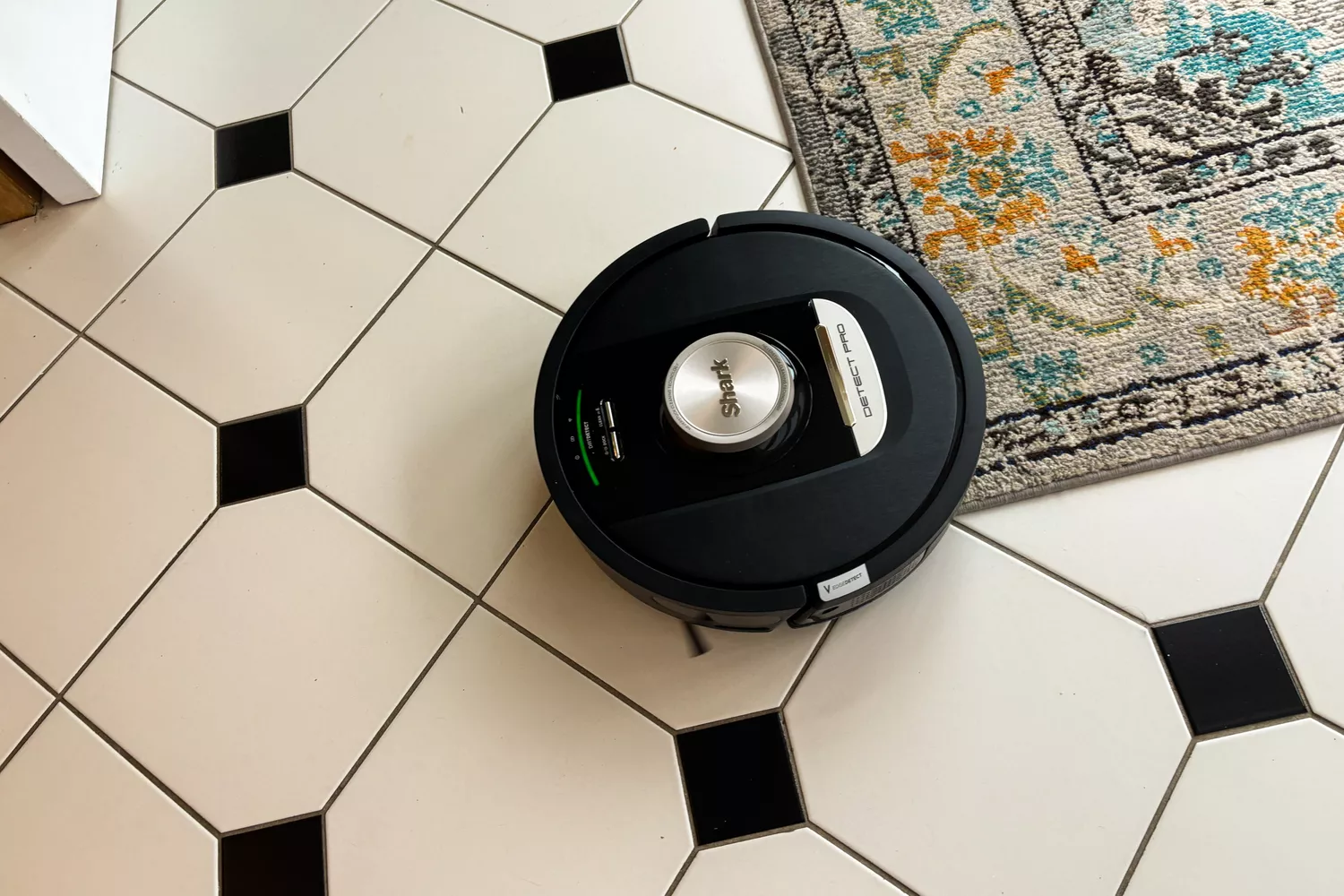
The Shark Detect Pro Robot Vacuum is recognized as the "Best Self-Emptying" option. This vacuum addresses the inconvenience of manual dustbin emptying by automatically docking and clearing its contents. While the self-emptying process can be loud, the vacuum itself is noted for quiet operation. It performs consistently well on carpets, tile, and hardwood floors, efficiently collecting debris in few passes. Equipped with NeverStuck Technology, it adeptly maneuvers around obstacles and seamlessly transitions between different floor types by adjusting its height. Despite a smaller 0.2-liter dustbin capacity, it offers a substantial 90-minute battery life and smart mapping features. The article notes that its thorough cleaning process can be time-consuming, as it often revisits areas multiple times, and its "spot mode" functionality appears less refined.
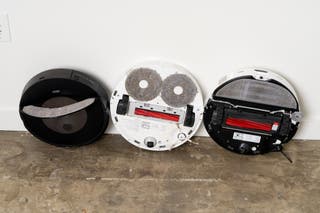
The article also provides a comprehensive guide on how to select a robot vacuum for carpet, emphasizing factors such as carpet type (deep pile and plush carpets may require stronger suction), home layout, and desired features. Key bonus features discussed include smart mapping technology for methodical cleaning and establishing no-go zones, self-emptying functions for reduced maintenance, and automatic dirt detection that adjusts suction power based on debris levels. The importance of brushes, like the wide brush on the Dyson 360 Vis Nav, for lifting embedded particles from thicker rugs is also highlighted. The overall consensus is that robot vacuums serve as a supplementary cleaning tool rather than a complete replacement for more powerful upright or canister vacuums, making them ideal for routine maintenance and lighter cleaning tasks.
#RobotVacuum #CarpetCleaning #HomeCleaning #VacuumReview #SmartHome #Dyson #ILife #Shark #HomeAutomation #RobotVacuum #CarpetCleaning #HomeCleaning #VacuumReview #SmartHome #Dyson #ILife #Shark #HomeAutomation
0 comment in total
 No comments yet
You may also like
After Testing Hundreds of Vacuums, These Are Our Top Recommendations

The 6 Best Robot Vacuums, With Proven Results After Our 1,000+ Hours of Rigorous Testing in Real Homes

We Tested 16 Newfangled Robot Vacuum-Mop Combos. Don’t Buy One. | Reviews by Wirecutter
We Tested Hardwood Floor Cleaners, and These 5 Will Give You the Most Effective Results

The Best Robot Vacuums You Can Buy, Based on Over 300 Hours of Testing
I've Reviewed Robot Vacuums for 8 Years. These Ones Actually Work
We’re Vacuum Experts — These Are Our Favorite Cordless Vacuums for Everyday Messes
The best vacuum cleaners to buy in 2025: Cordless, robot, handheld and more
We Cleaned More Than 300 Messes to Find the Best Mops for Floors

We Tried 20 Carpet Cleaners—These 5 Beat The Rest On Tough Stains
After 20 Hours of Testing, the Best Hardwood Floor Cleaner Machines Made Our Floors Look Like New

We tested the top portable carpet cleaners for pet mess, spills, and stains — including the viral Little Green
Our cleaning experts tested dozens of vacuum cleaners to find the best ones for every home and budget
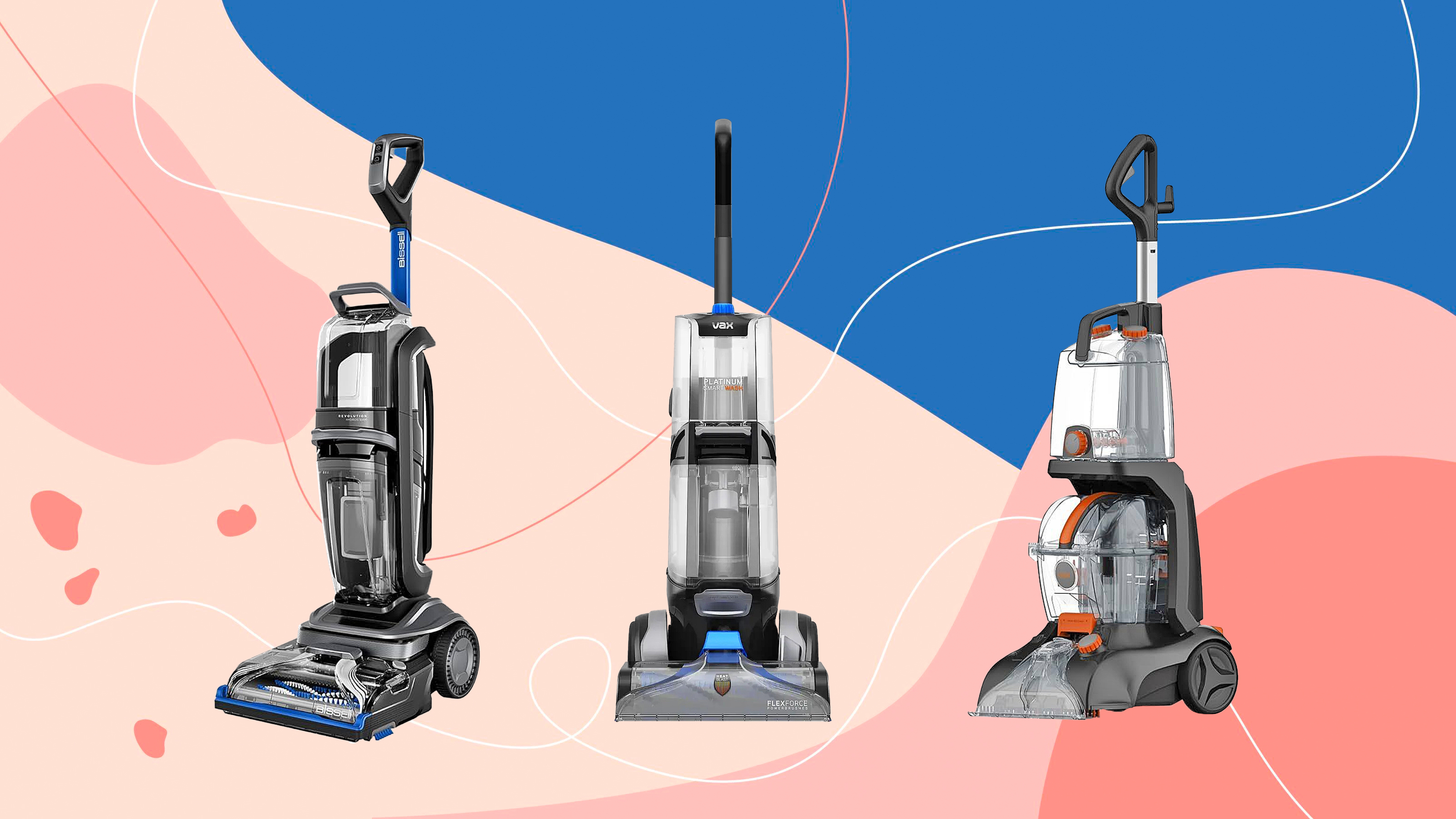
I tested the best carpet cleaners in my own home — these are my top picks for cleaning carpets, rugs and sofas
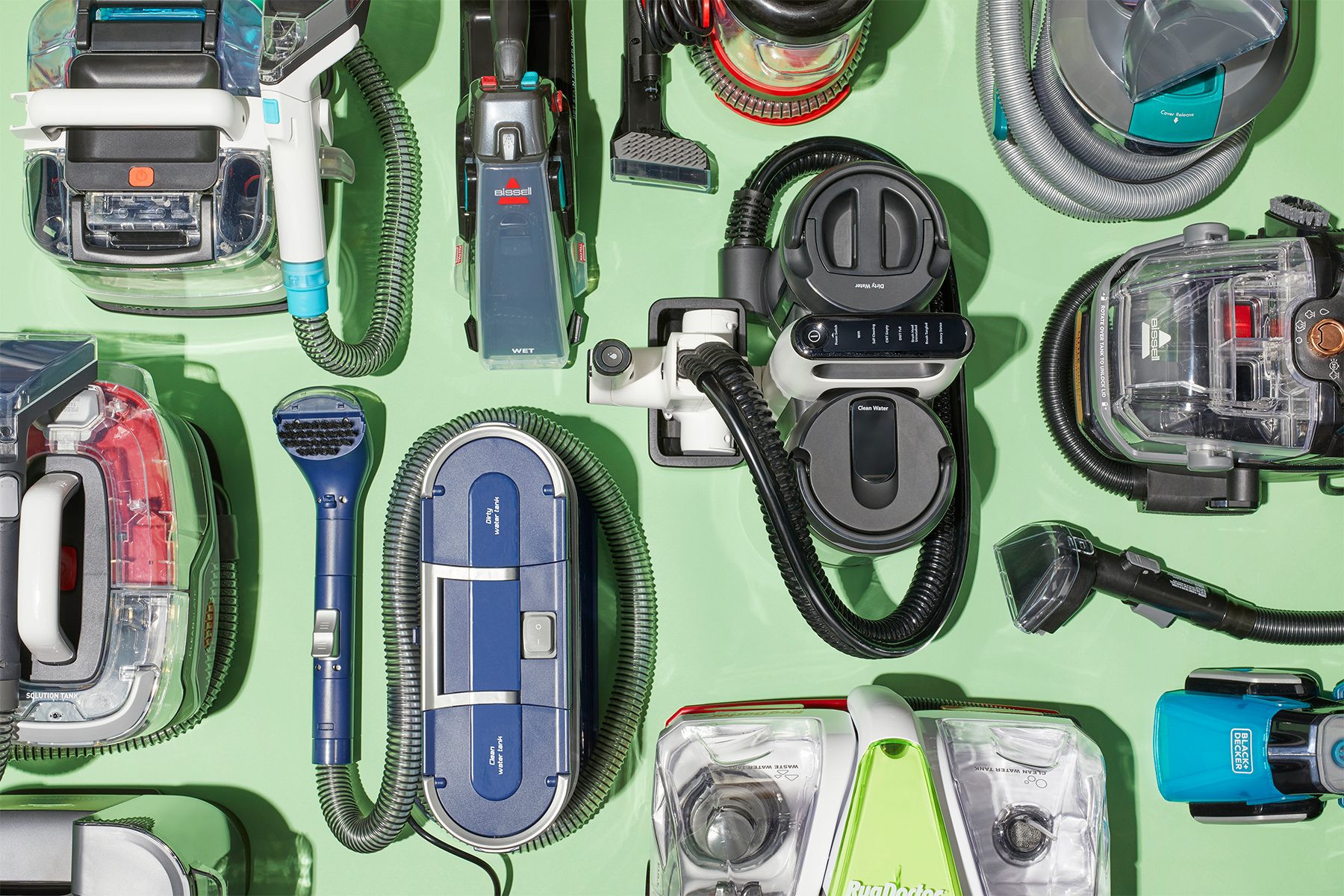
We Had Pet Owners Test the 6 Best Carpet Cleaners for Pet Messes and Stains

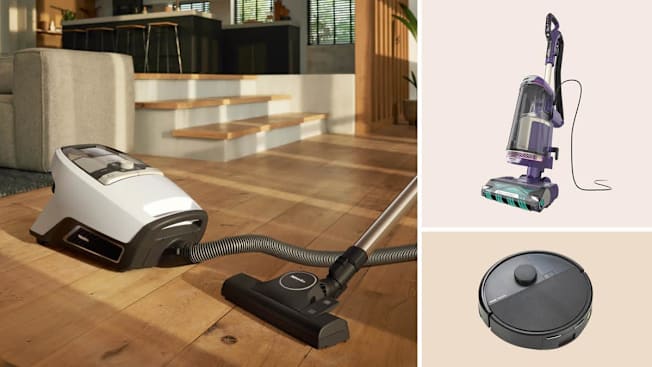
8 Best Vacuums of 2025, Lab-Tested and Reviewed
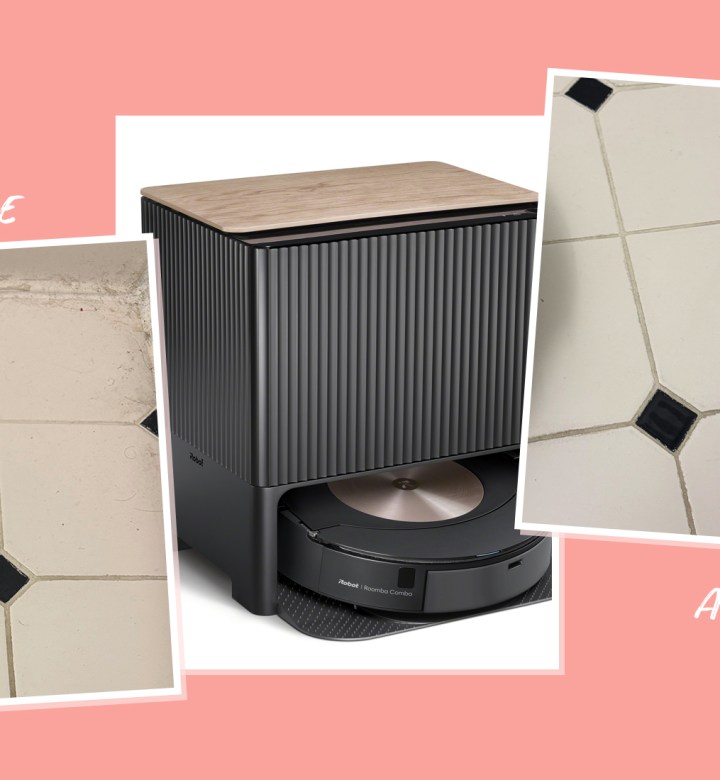
This Is the Best Robot Vacuum I’ve Tested (and Trust Me, I’ve Been Through Many)
From Robot Vacuums to Dysons, Here Are All the Best Vacuum Cleaners We’ve Ever Tried
The Best Robot Vacuums, Tested and Reviewed
We've Tested Dozens of the Best Robot Vacuums—These 5 Are Actually Worth the Money