What Is MDF, and Is It Right for Your Next Project?
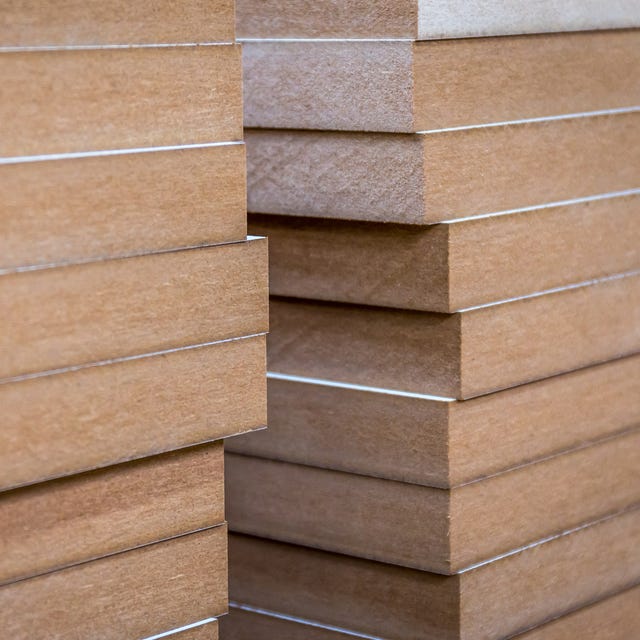
This article provides a comprehensive overview of medium-density fiberboard (MDF), a versatile sheet good commonly used in woodworking projects, and evaluates its suitability for various applications. MDF is a composite material made from wood-mill byproducts, including sawdust and wood shavings. These materials are ground into a fine powder, dried, and then mixed with resins and wax before being pressed into flat, hard panels. Unlike plywood, MDF presents a uniform light-brown color without a discernible wood grain, offering a consistent and smooth surface. It is also notably harder, smoother, and denser than plywood, free from voids, knots, or splinters, which are common in natural wood products. MDF is readily available at most home centers and lumberyards in standard 4x8-ft sheets, typically in ½-inch and ¾-inch thicknesses, with ¼-inch panels also offered in smaller 2x4-ft sizes. Specialized moisture-resistant and fire-resistant variants are available, usually by special order.
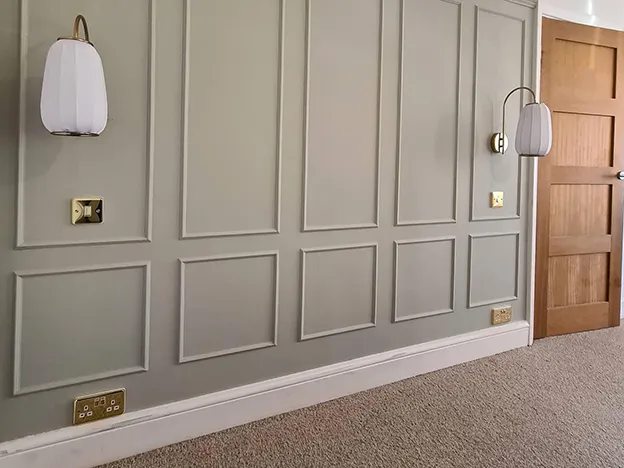
The benefits of using MDF are numerous. It is exceptionally hard, dense, and perfectly flat, exhibiting high resistance to warping, and it is relatively inexpensive. Its super-smooth surfaces make it an ideal substrate for painting, providing a flawless finish. As MDF is composed of wood byproducts, it can be cut, routed, and drilled using standard woodworking tools. It expands and contracts less than solid wood, contributing to its stability. MDF parts can be securely fastened using a variety of nails or screws, including pocket screws, and it serves as an excellent substrate for wood veneer or plastic laminate. It adheres well with virtually any type of adhesive, such as carpenter’s glue, construction adhesive, and polyurethane glue. Furthermore, MDF can be machined, routed, and shaped to create decorative moldings and raised door panels without the risk of tear-out or splintering, making it highly compatible with solid wood components, for example, in cabinet door frames.
However, MDF also comes with several drawbacks that users should be aware of. It is significantly heavier than plywood, necessitating caution during transport and handling to prevent injury. The edges of MDF sheets are notably sharp, requiring the use of gloves for protection during handling. Working with MDF generates a fine dust that can irritate nasal passages and lungs; therefore, a dust mask or dual-cartridge respirator is essential, and work should be conducted in a well-ventilated area or outdoors. When fastening MDF with a pneumatic nail gun, the surface may pucker, leaving small raised nibs that need to be removed with sandpaper or a wood chisel. Exposed MDF edges are susceptible to absorbing water and excessive humidity, leading to swelling, which can be mitigated by covering the edges with wood veneer, plastic laminate, solid-wood edging, or two coats of polyurethane varnish. MDF does not accept wood-stain finishes. Driving screws into the edges can cause splitting, making pre-drilled pilot holes necessary. Similarly, when driving screws into the face of MDF, a counter-bore hole should be drilled to ensure the screw head sits flush or below the surface. Shelves constructed from MDF require proper support, either through vertical dividers or solid-wood edging, to prevent sagging. Lastly, MDF tends to dull saw blades more quickly than natural wood, so high-quality carbide-tipped saw blades are recommended for clean cuts and to minimize dulling.
#MDFWoodworking #MediumDensityFiberboard #DIYProjects #WoodworkingMaterials #HomeImprovement #SheetGoods #BuildingMaterials #CarpentryTips #MDFWoodworking #MediumDensityFiberboard #DIYProjects #WoodworkingMaterials #HomeImprovement #SheetGoods #BuildingMaterials #CarpentryTips
 No comments yet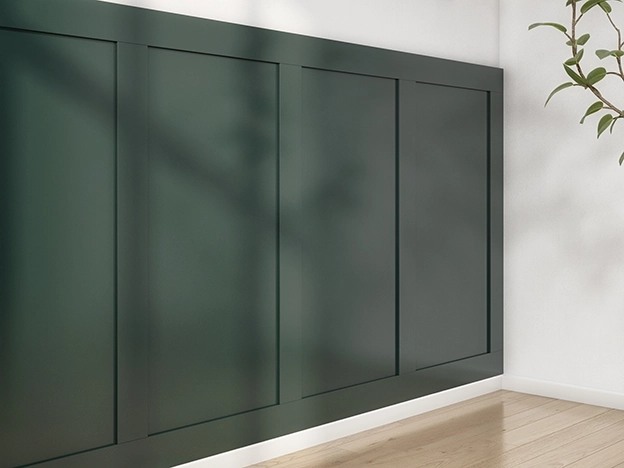
MDF Wall Panels | Decorative Wall Panelling