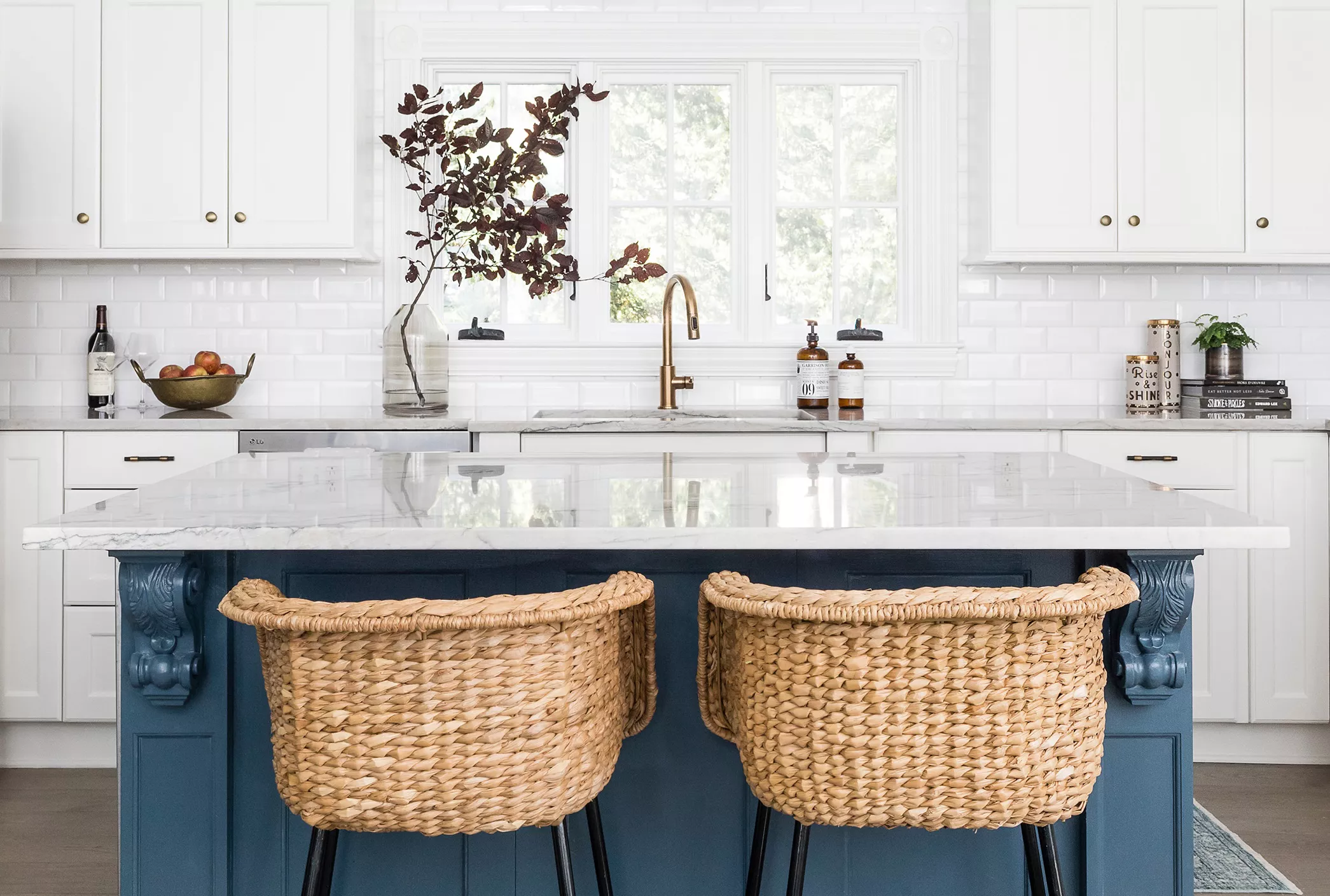
Wicker Is Back! 4 Designer-Approved Ways to Incorporate It into Modern Decor
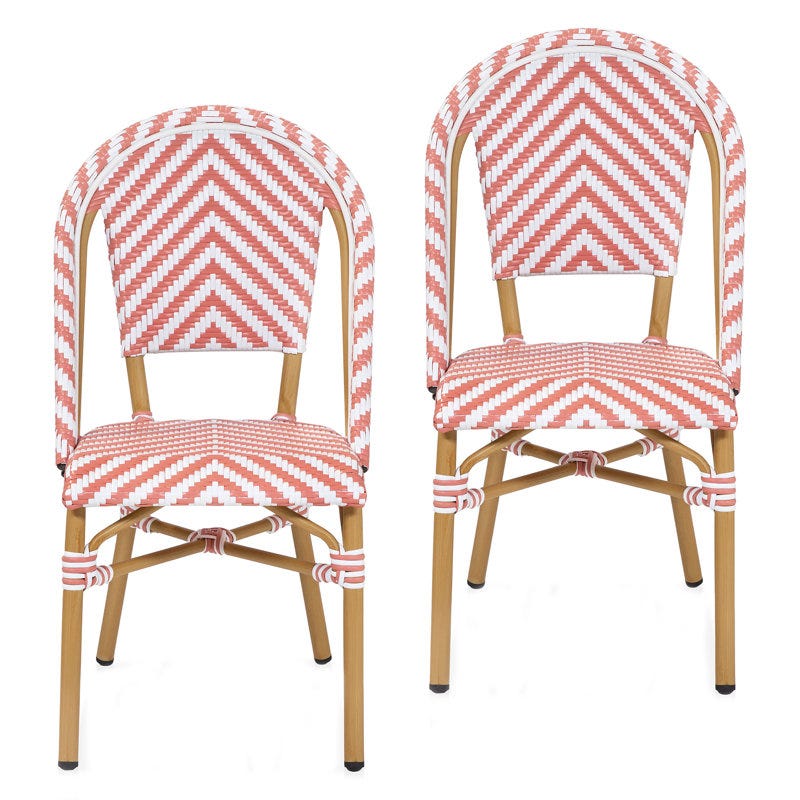
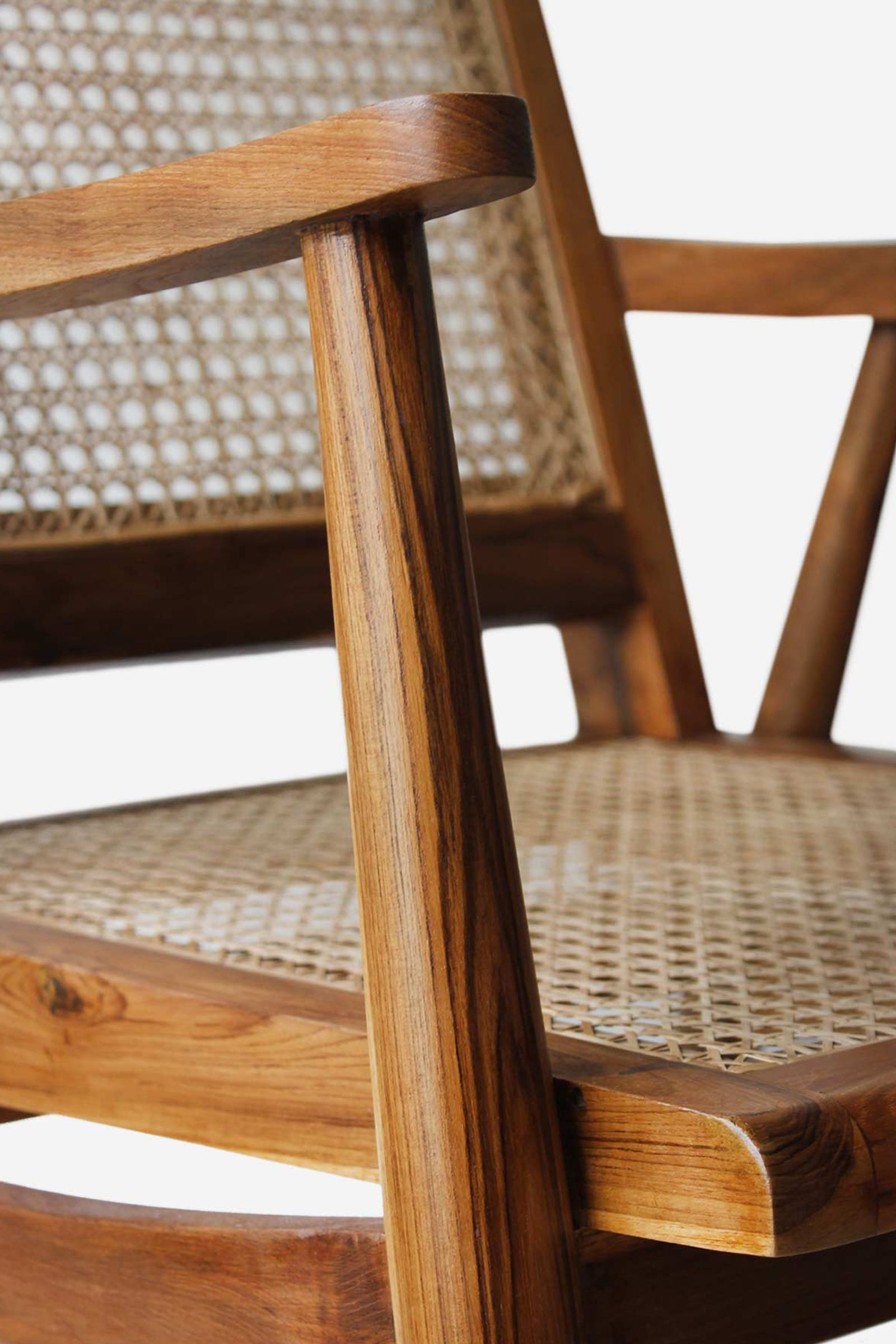
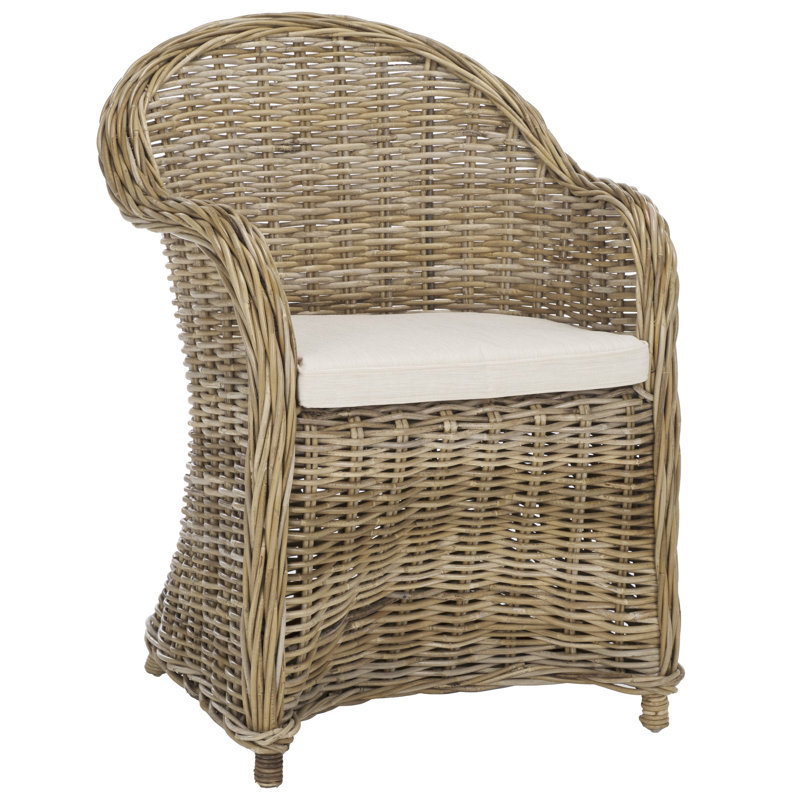
Wicker, a material with a long history in interior design dating back to the Roman Empire, is experiencing a contemporary resurgence in popularity. While it saw a decline after WWII with the rise of modernism, and a subsequent comeback in the late 20th century, particularly during the 1990s' shabby-chic aesthetic, it is once again trending. This time, however, designers are emphasizing its integration into modern home decor with a fresh perspective.
The renewed interest in wicker can be attributed to its versatility and inherent playful quality, as noted by Megan Prime, co-founder of JAM, who highlights its flexibility for sculptural forms. Isabel Ladd of Isabel Ladd Interiors expresses a strong affinity for wicker, particularly its ability to be shaped into unique curves, making pieces special. Beyond aesthetics, wicker offers practical benefits. Both natural wicker, made from plant materials like rattan or bamboo, and manufactured wicker, composed of synthetics such as plastic or resin, are easy to clean and maintain. Artificial wicker is particularly valued for outdoor furniture due to its durability and weather resistance. Furthermore, in an era of growing environmental consciousness, wicker aligns with the 'slow decorating' movement, offering a sustainable alternative to 'fast furniture' given its potential for secondhand acquisition, use of organic materials, and longevity when properly cared for.
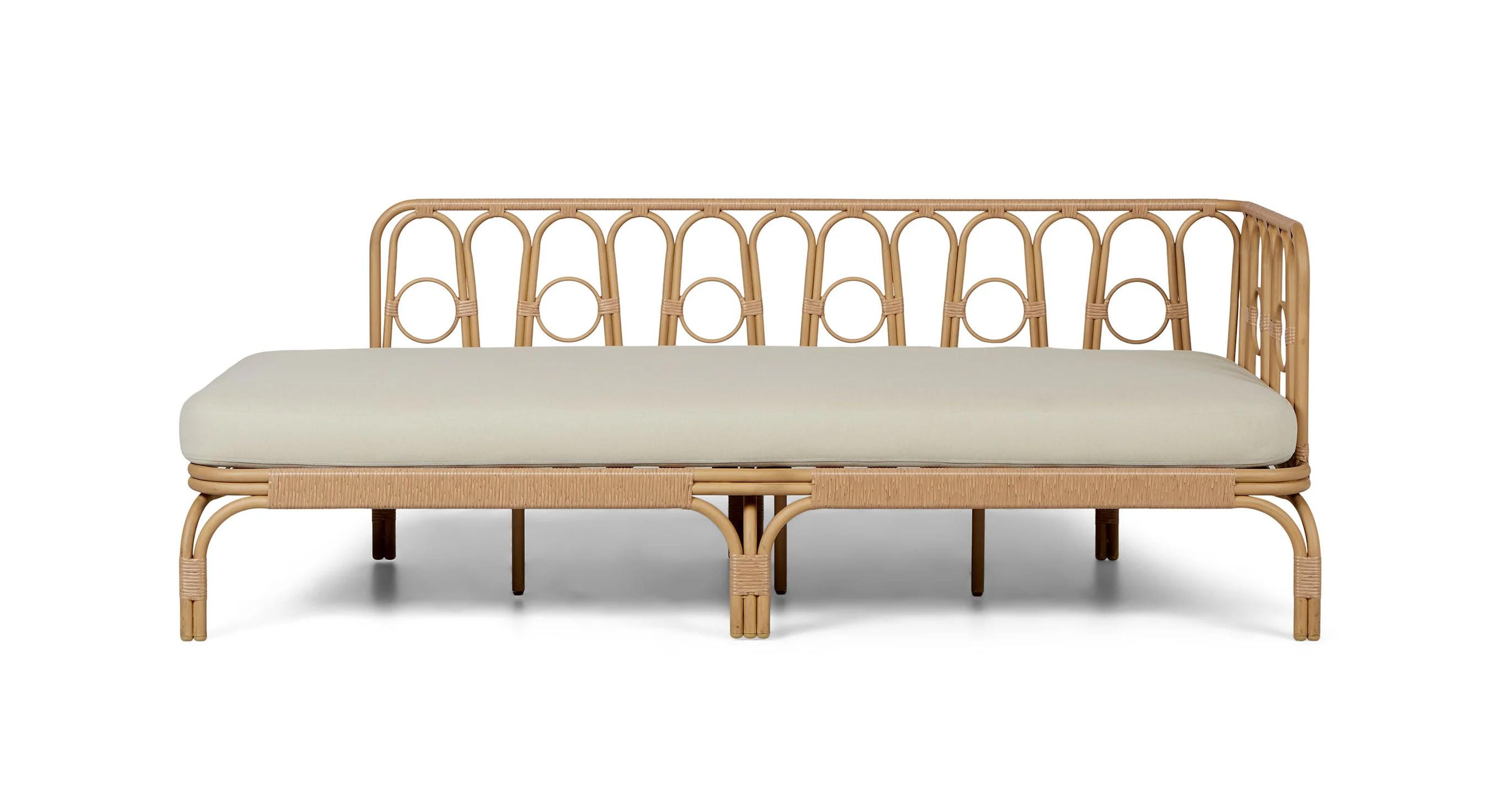
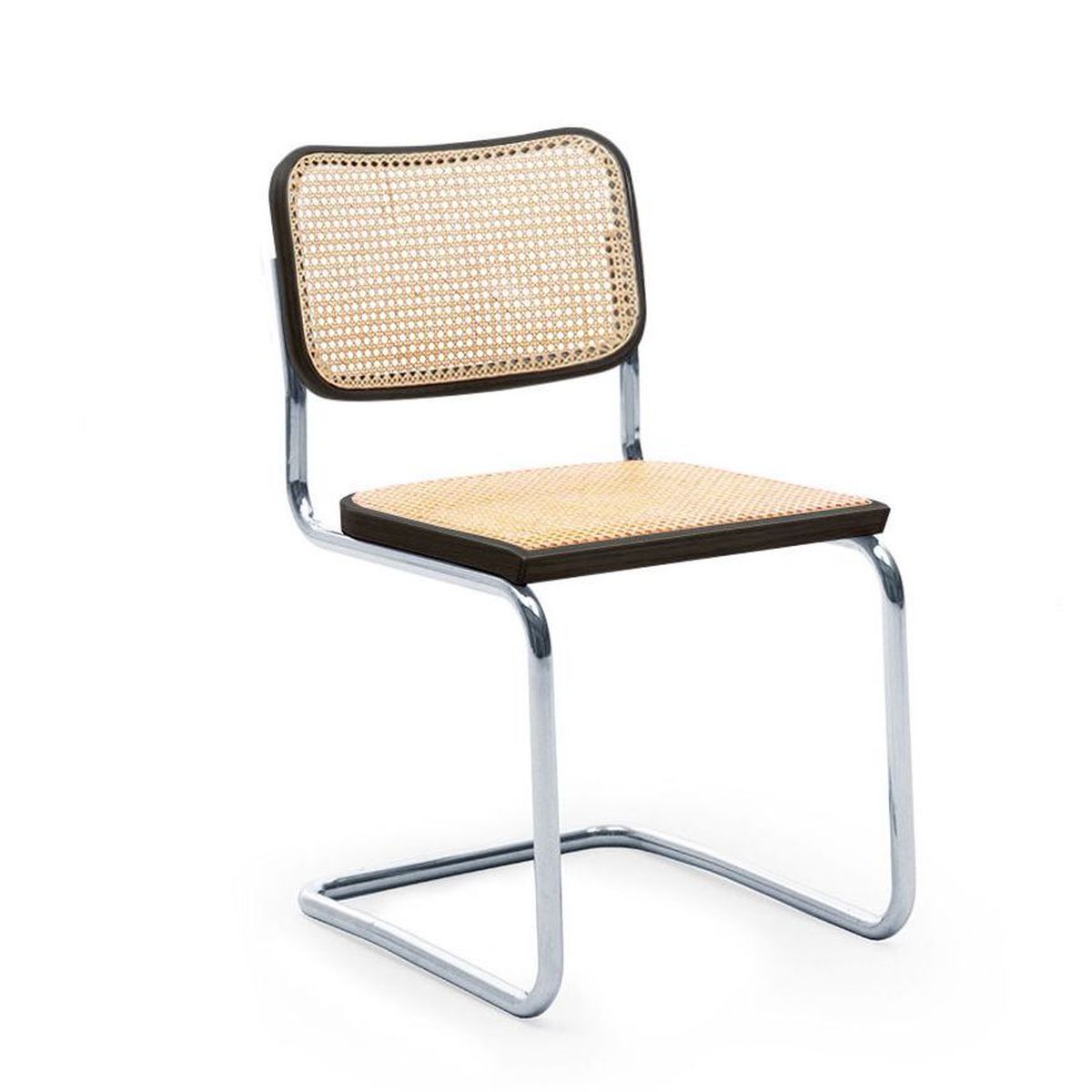
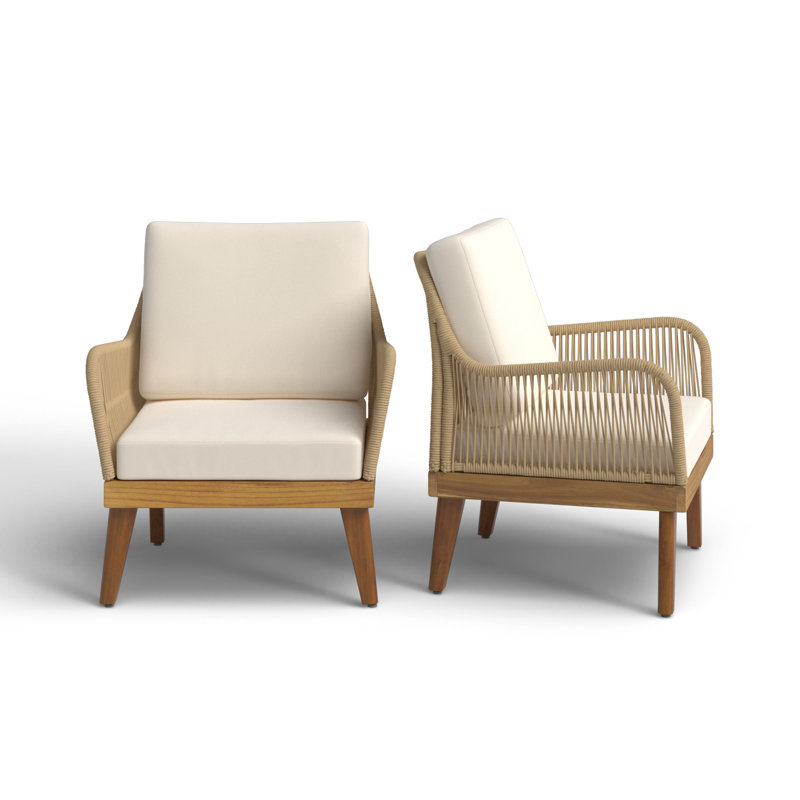
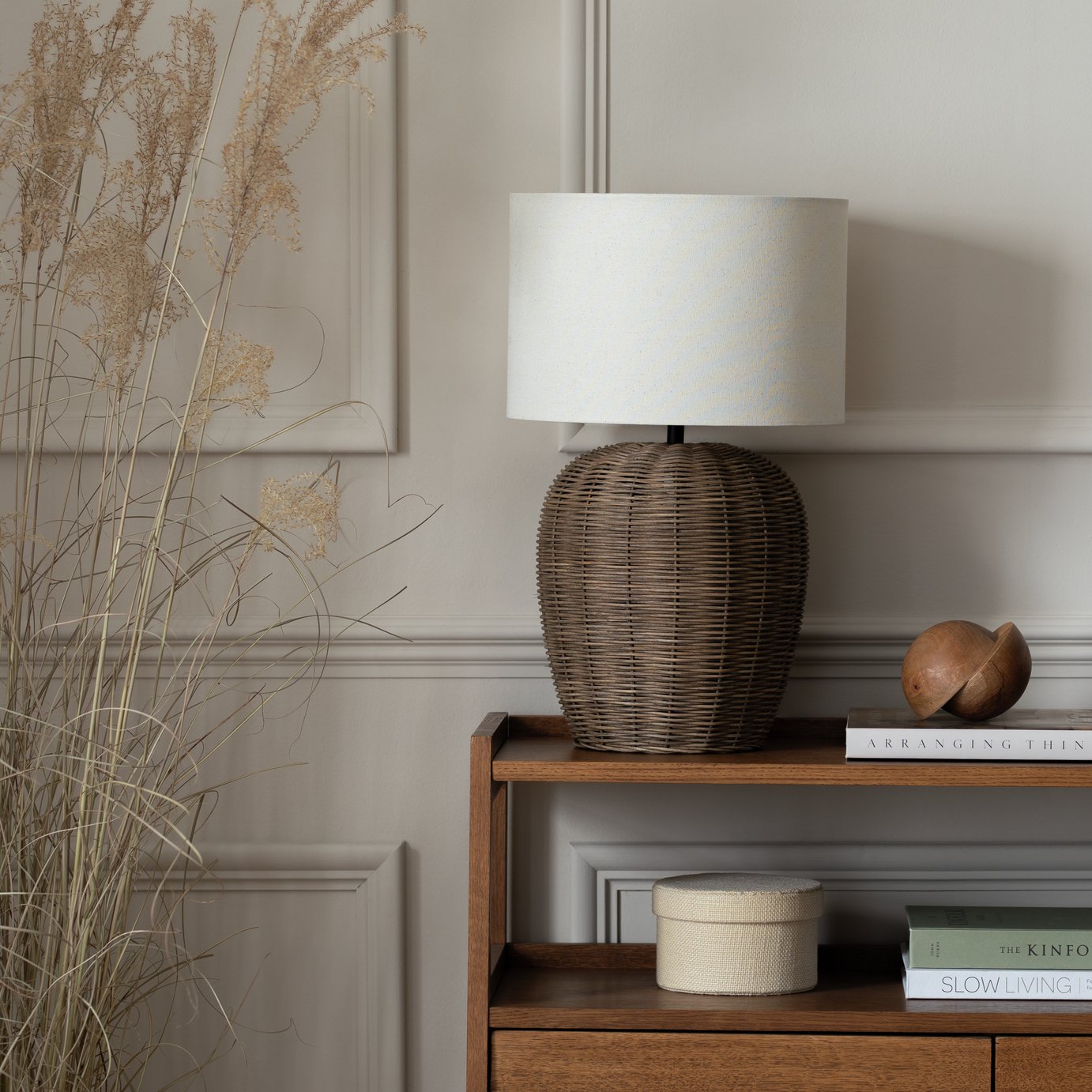
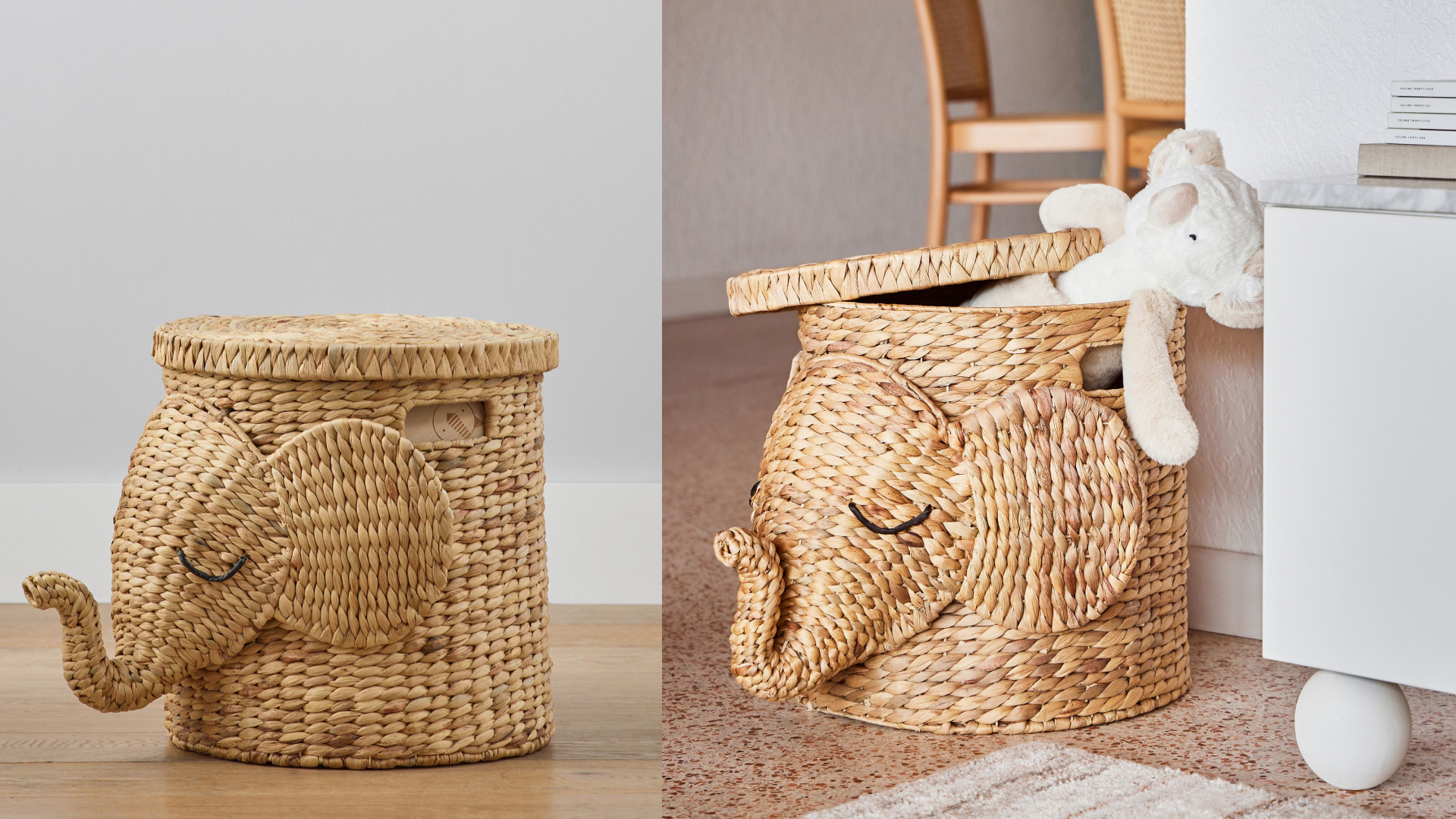
Interior designers offer specific guidance on how to integrate wicker into modern living spaces. The first tip is to prioritize modern shapes. Designers suggest moving away from the '90s-era, often fussy, designs associated with sun porches and bedrooms. Instead, the focus is on stylized silhouettes, clean lines, and sophisticated details, such as side tables with finely woven scalloped borders. This approach ensures that wicker pieces feel contemporary rather than nostalgic.
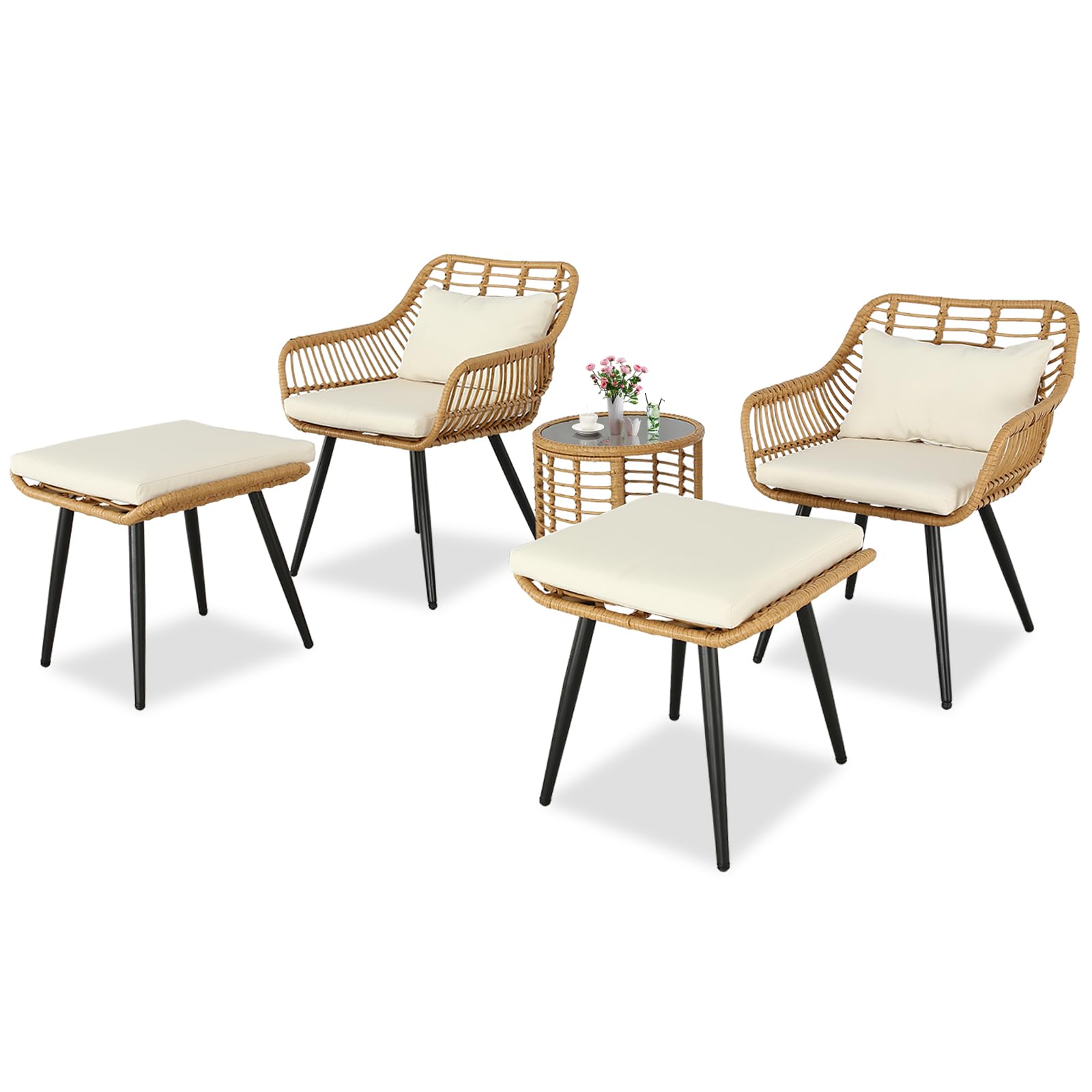
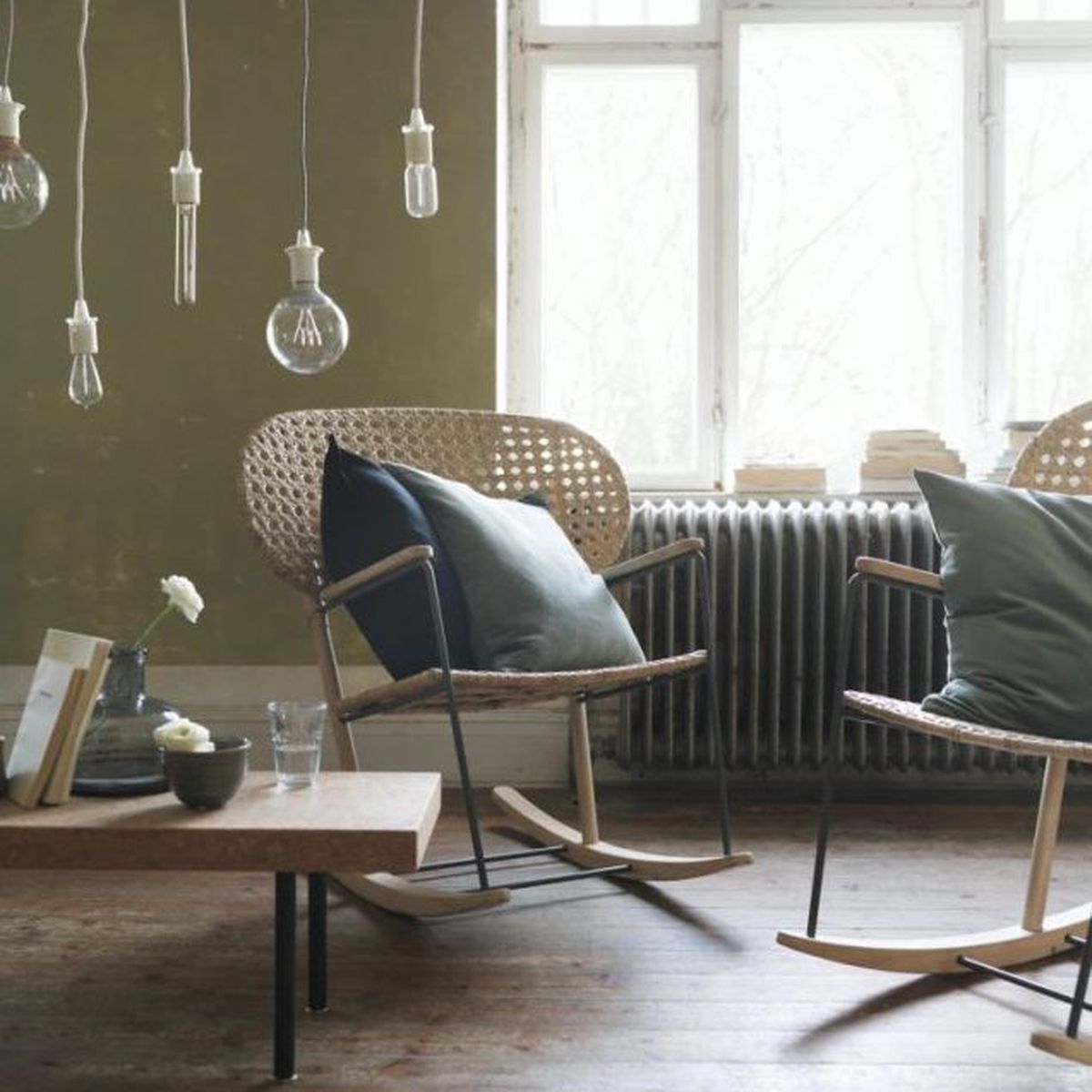
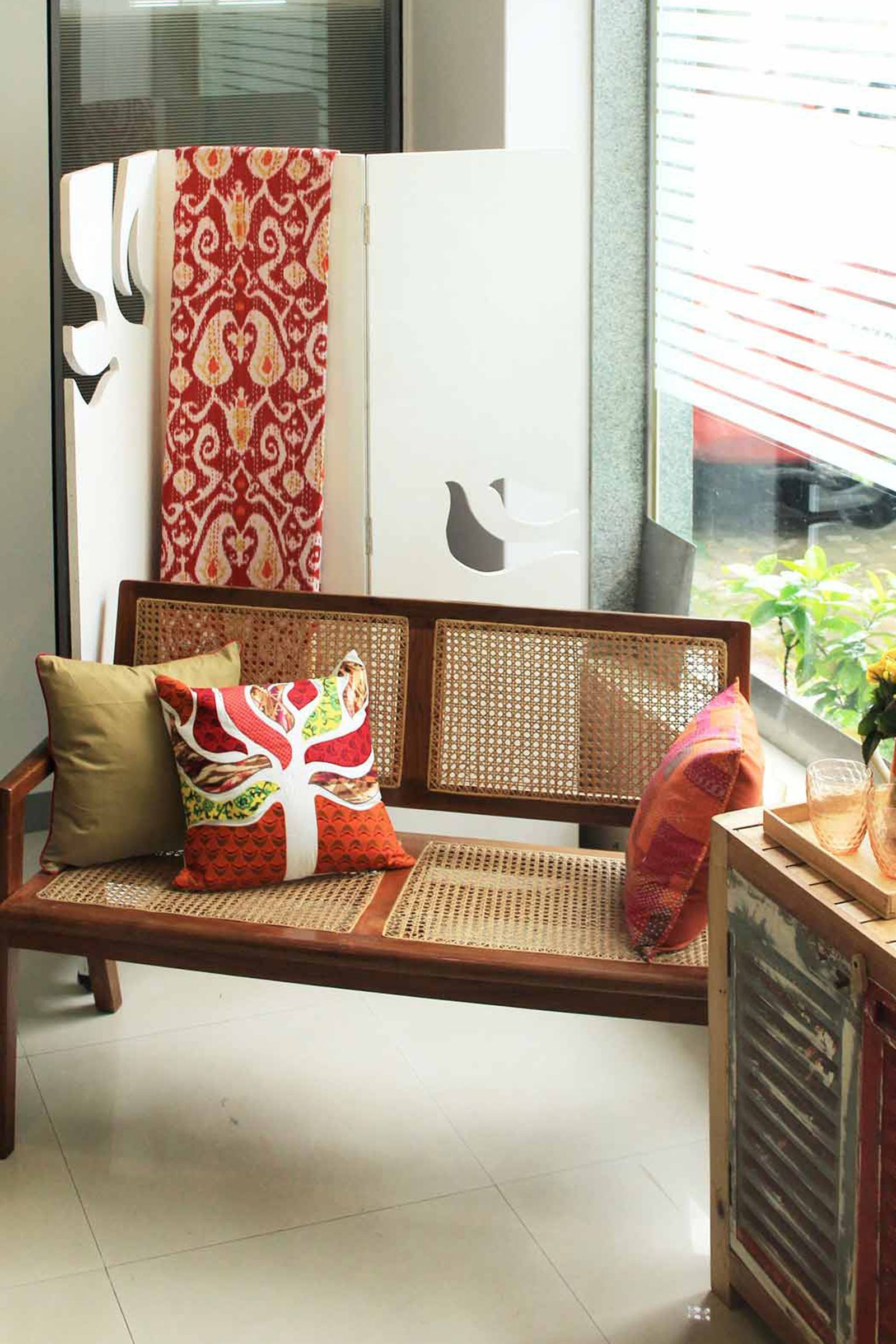
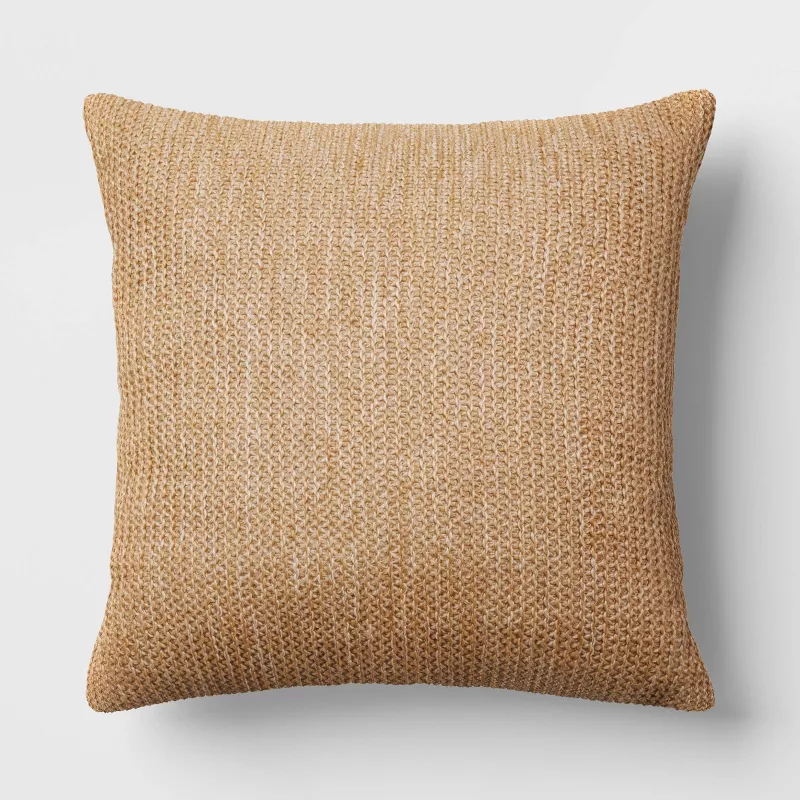
The second strategy involves using wicker as an accent. Both Prime and Ladd recommend incorporating wicker in smaller doses to introduce texture and natural elements without overwhelming the space. By utilizing wicker for accent pieces, its unique texture and patterns can be celebrated more effectively, preventing it from becoming the dominant material in a room.
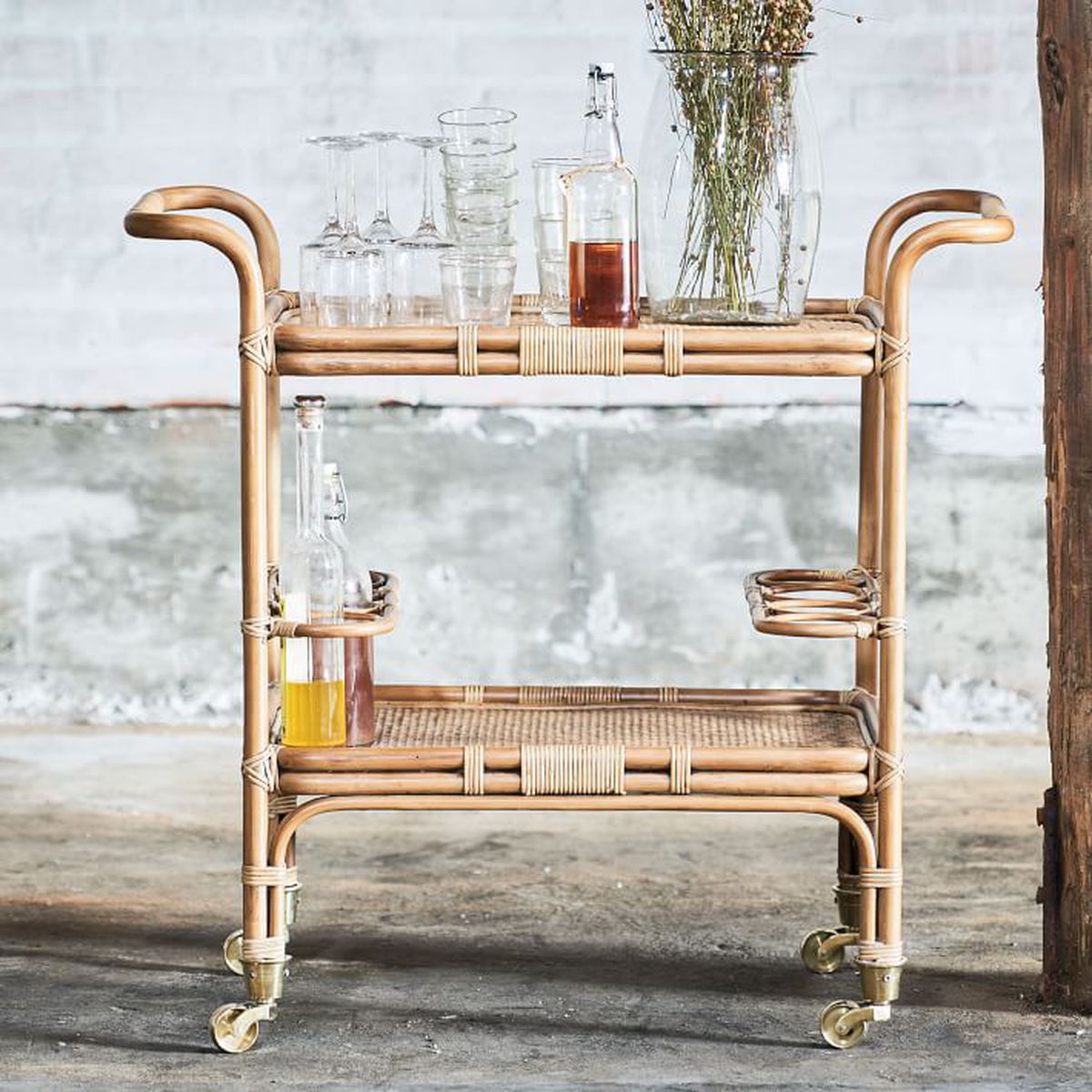
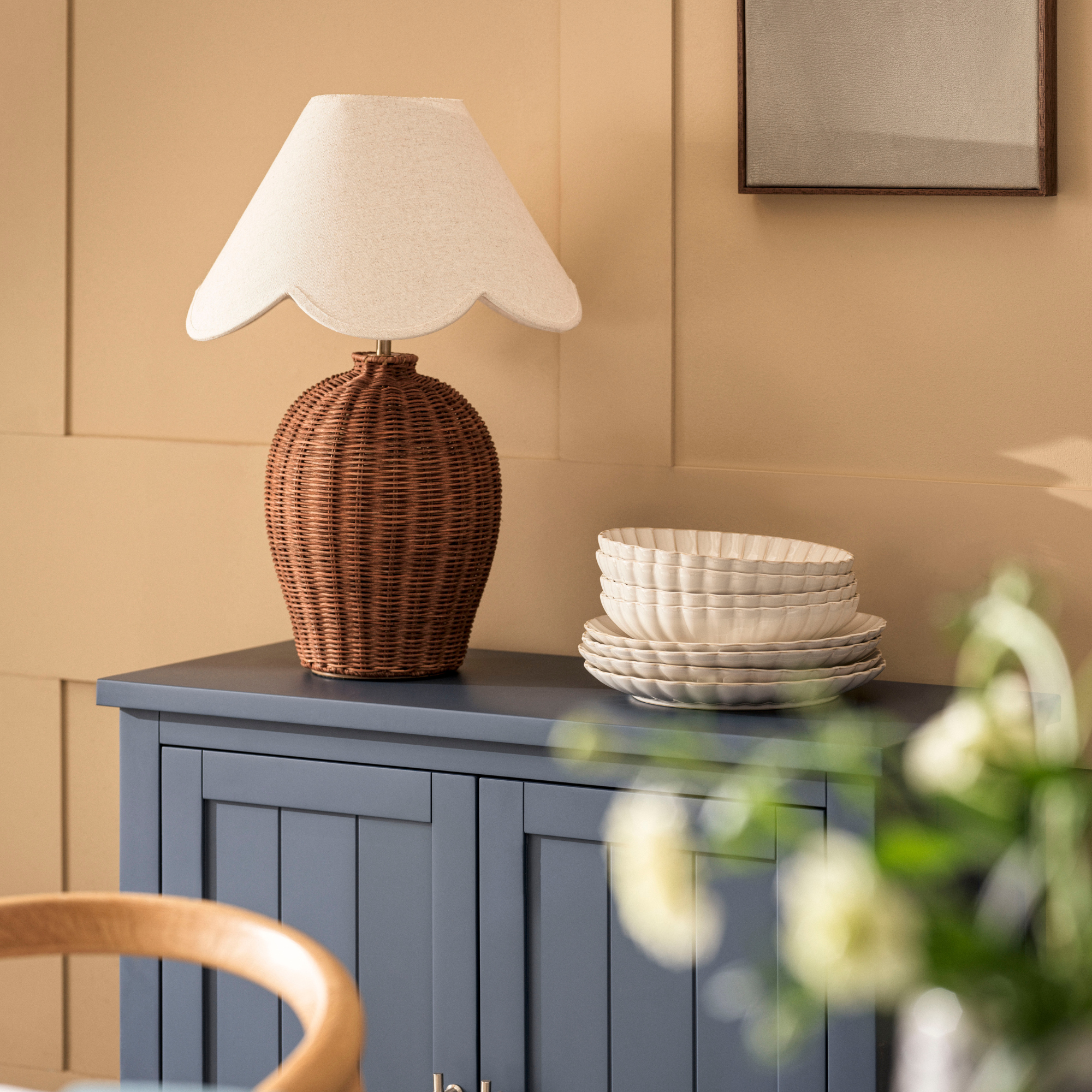
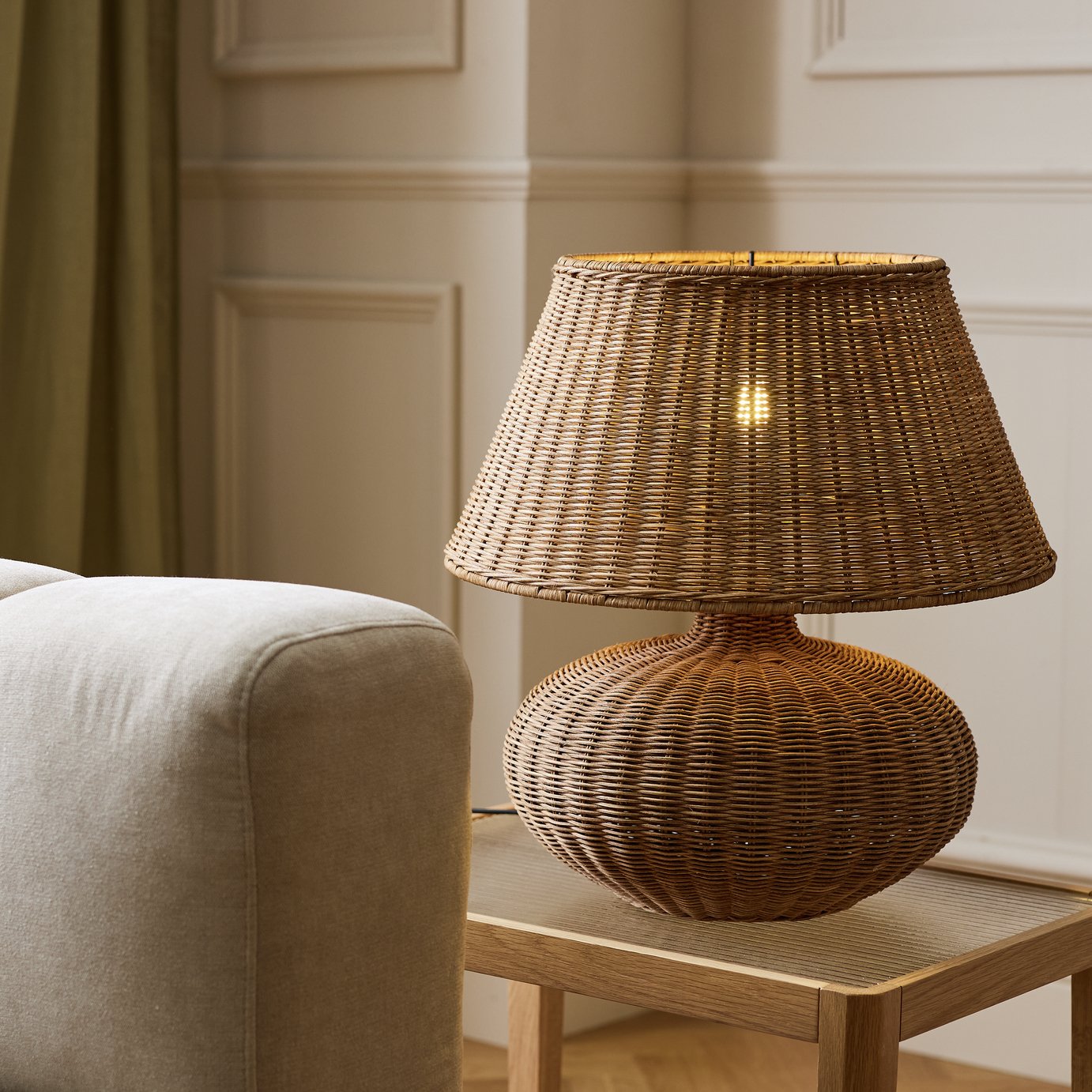
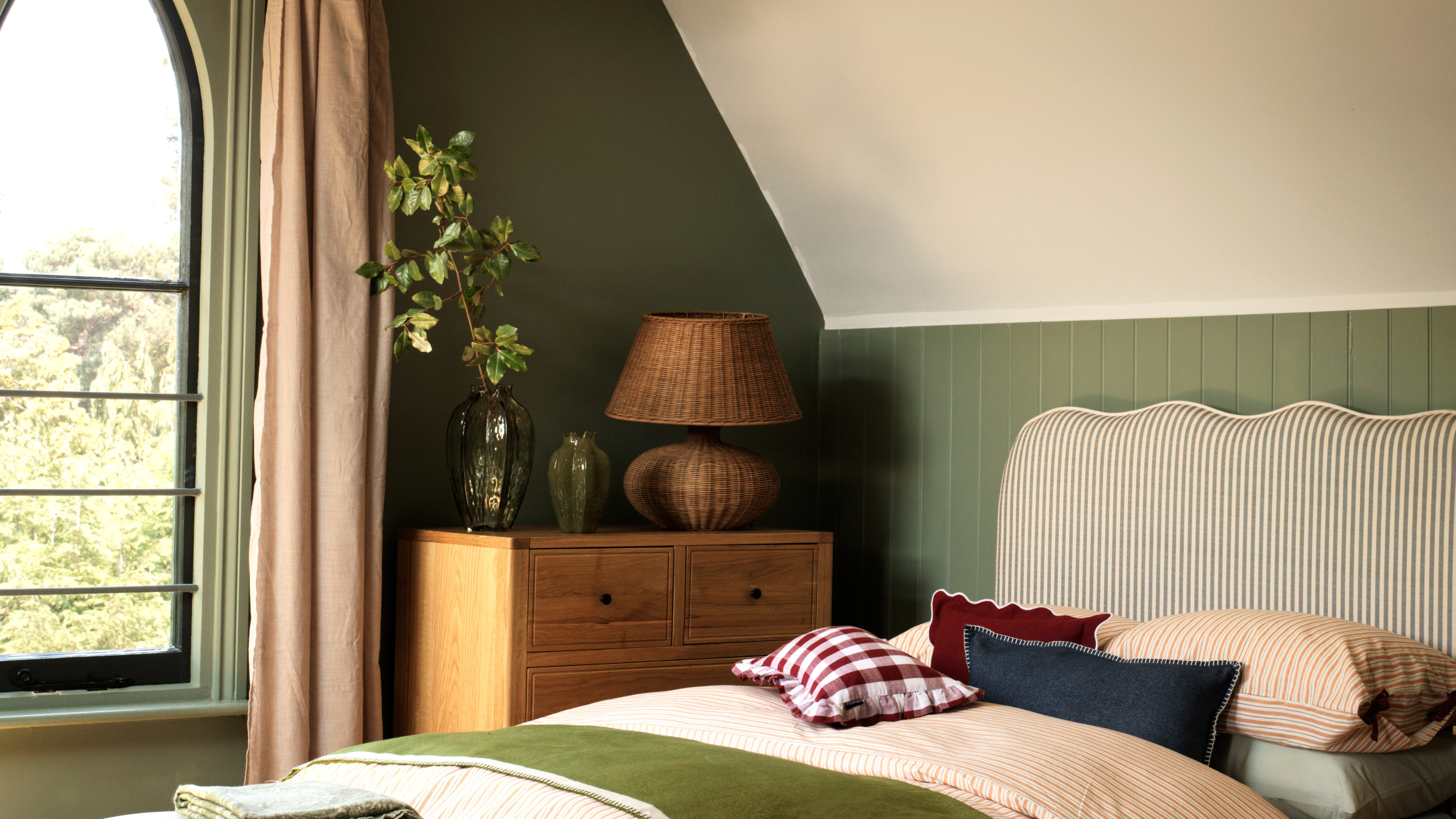
Embracing unexpected pieces is another key recommendation. Rather than limiting wicker to traditional furniture like tables and chairs, designers suggest exploring alternative applications. Prime specifically highlights wicker's potential as a dynamic medium for lighting, suggesting items like wicker lanterns for outdoor spaces or wicker lampshades for bathroom sconces, offering novel ways to introduce the material.
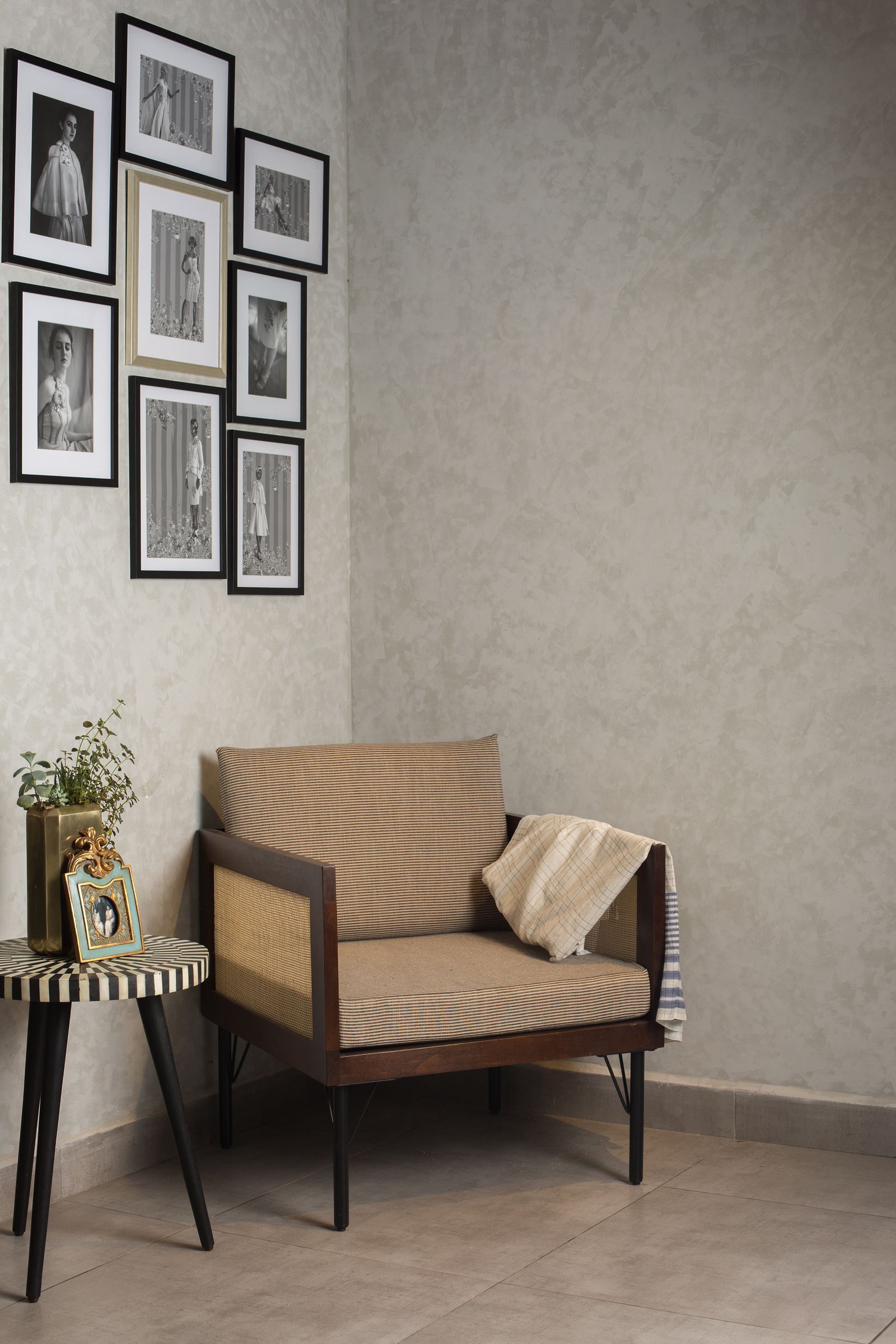
Finally, designers advise treating wicker as a neutral element in decor. Isabel Ladd, known for her vibrant design style, uses wicker to balance and ground spaces that feature a lot of color and pattern. This perspective reinforces the idea of using wicker subtly and as an understated accent. Megan Prime concurs, stating that using a heritage material like wicker in a simple form makes it more captivating and an instant classic, suggesting that its inherent natural quality can seamlessly blend with various design schemes.
#WickerDecor #ModernHomeDecor #InteriorDesignTrends #SustainableDecor #AccentPieces #HomeStyling #DesignerTips #NaturalMaterials #TexturalElements #WickerDecor #ModernHomeDecor #InteriorDesignTrends #SustainableDecor #AccentPieces #HomeStyling #DesignerTips #NaturalMaterials #TexturalElements
0 comment in total
 No comments yet
You may also like
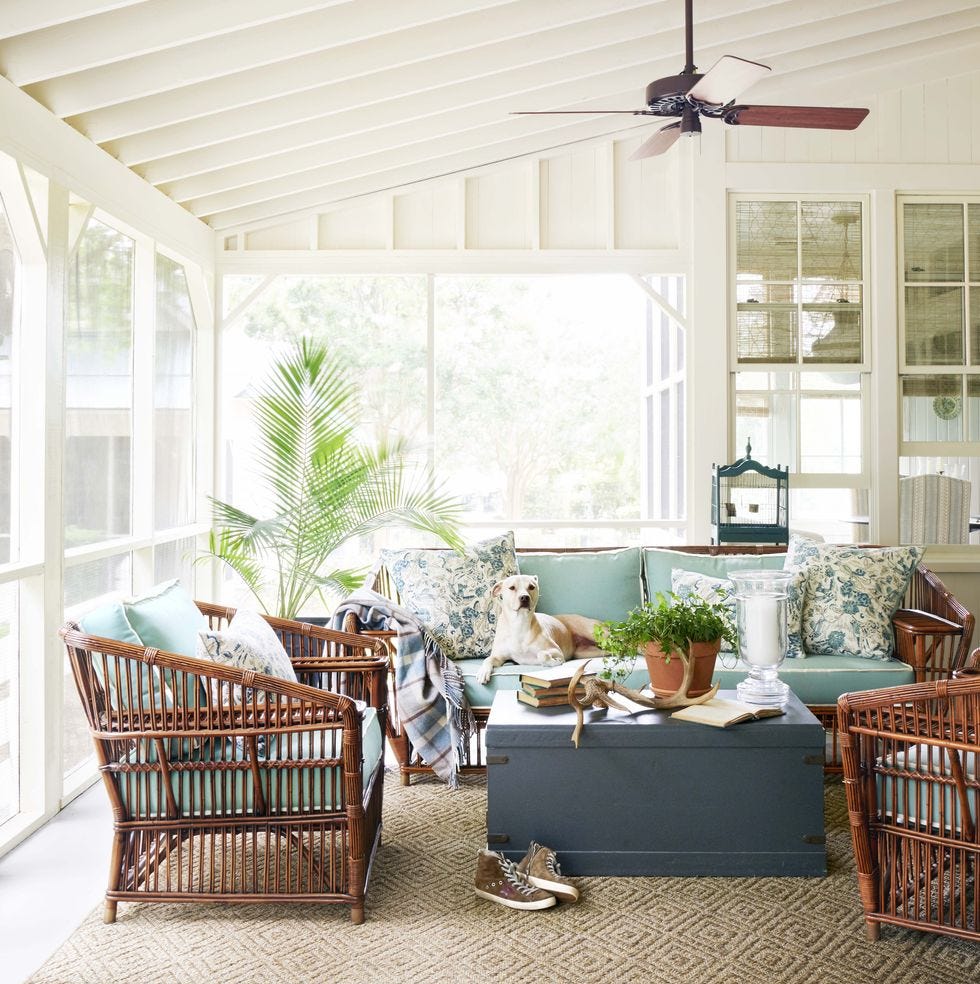
Wicker Outdoor Furniture Is Officially Back, and It's More Stylish Than Ever
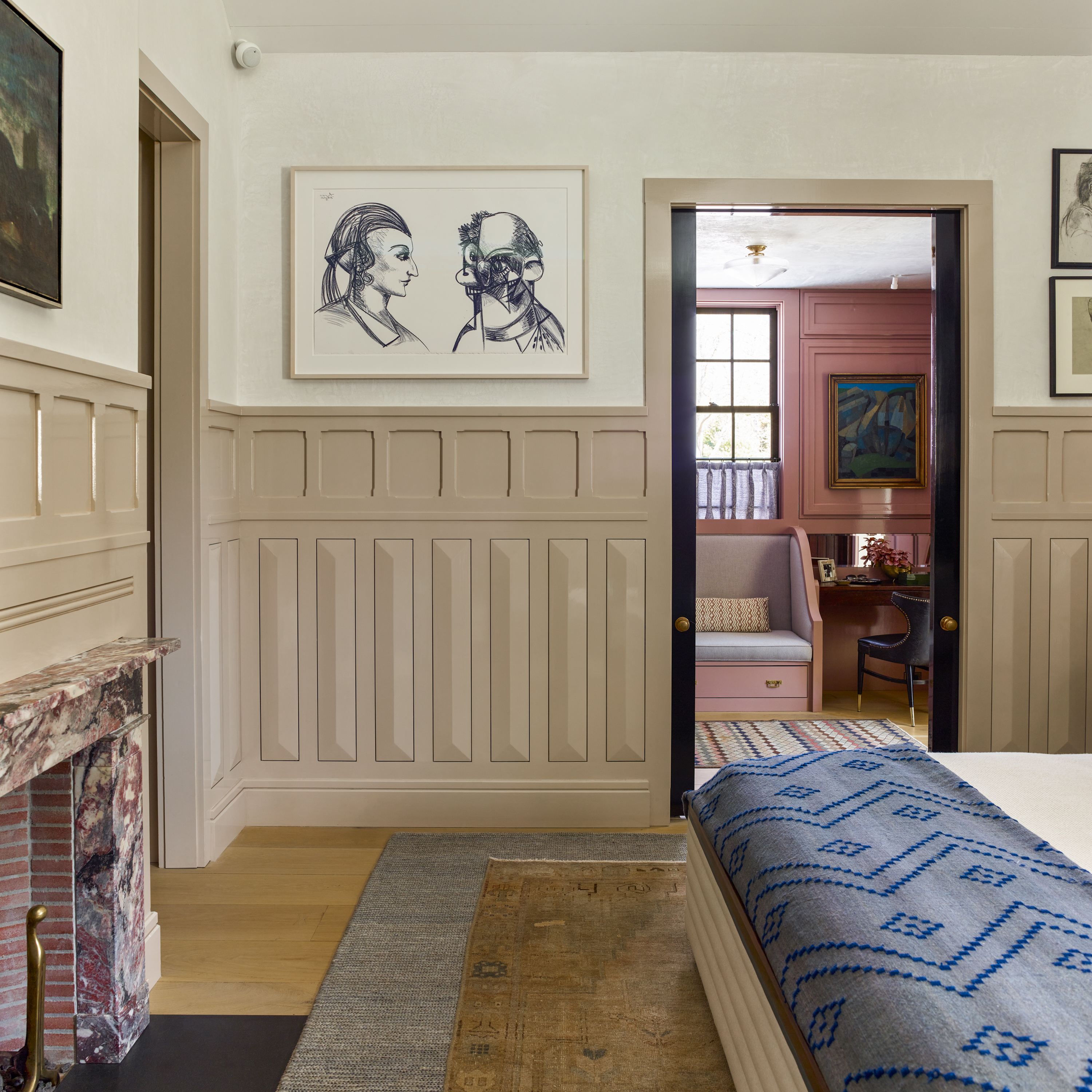
Wainscoting ideas – designers are rediscovering how this ancient millwork can uplift modern interiors

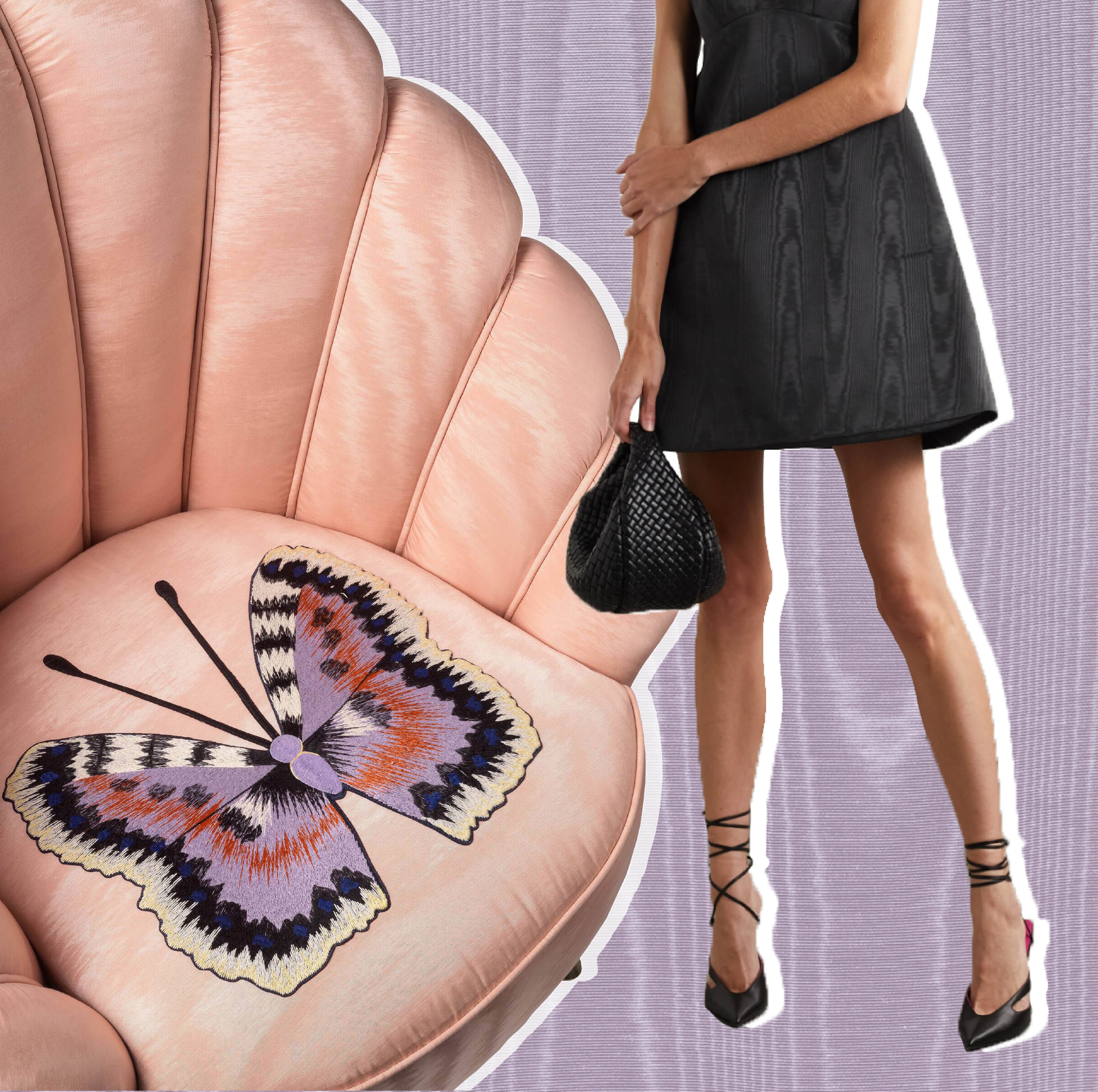
This Throwback Fabric Trend Is Back in a Major Way | What Is Moiré?
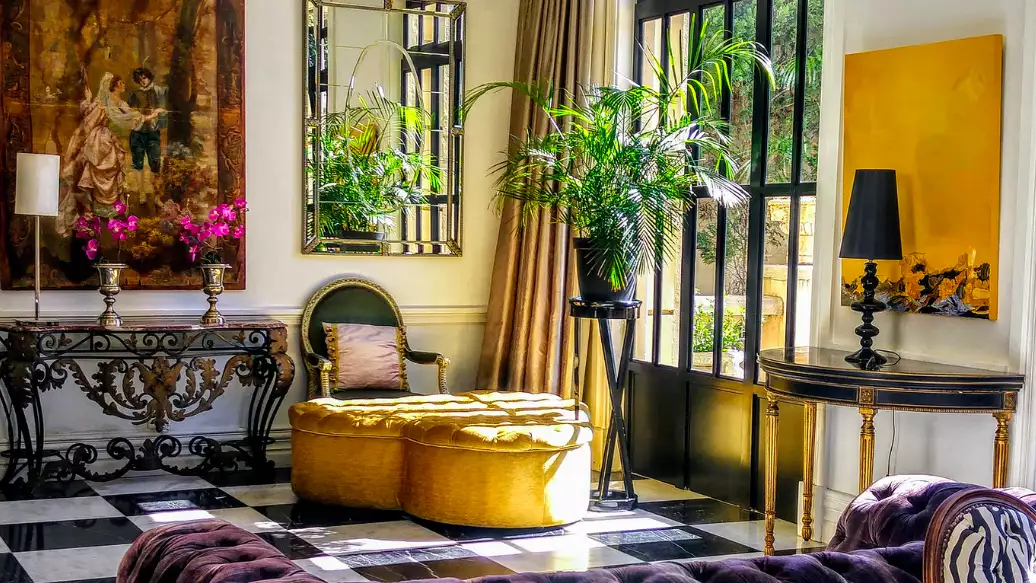
27 Modern Victorian Decorating Ideas That Are Anything But Stuffy

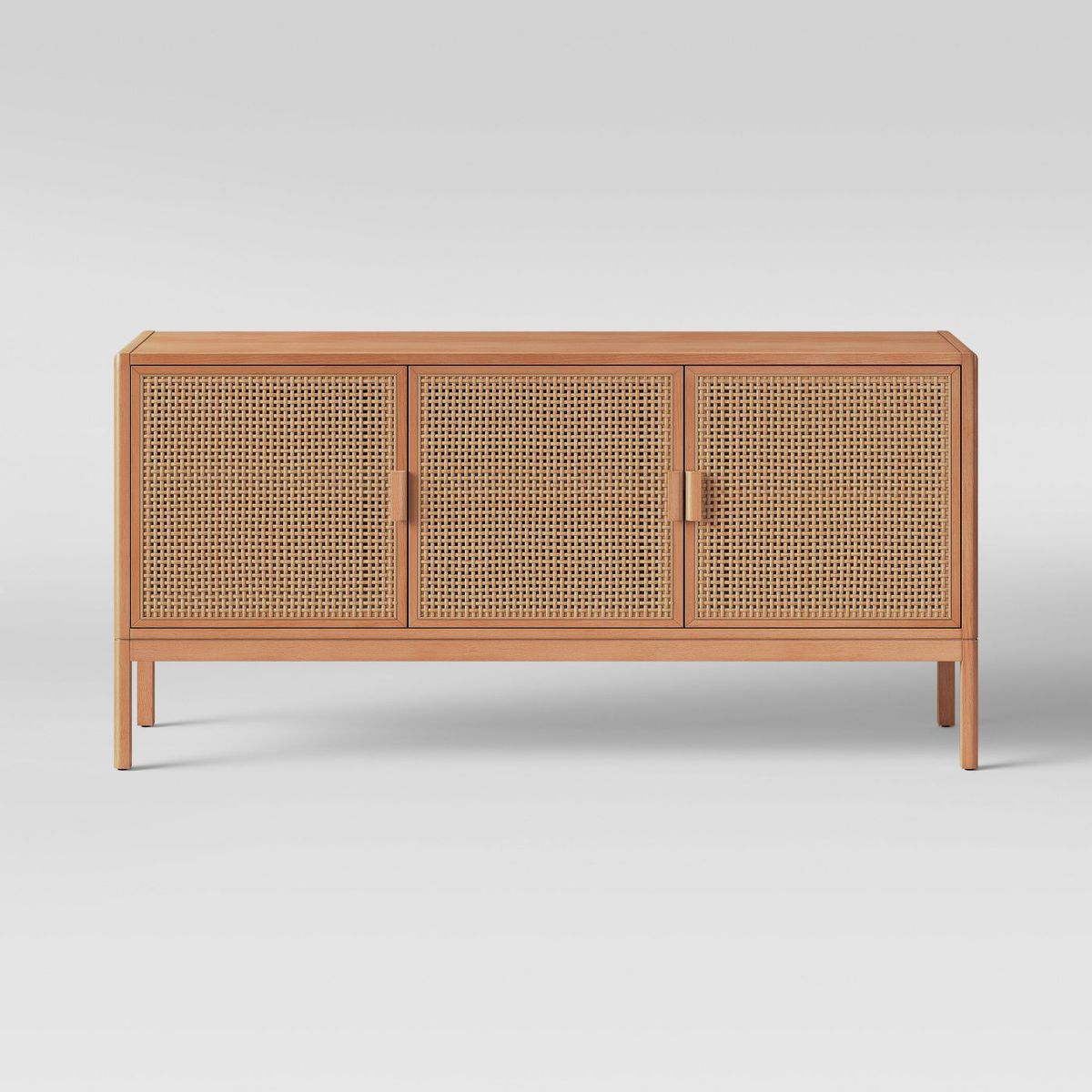
How to shop the wicker obsession
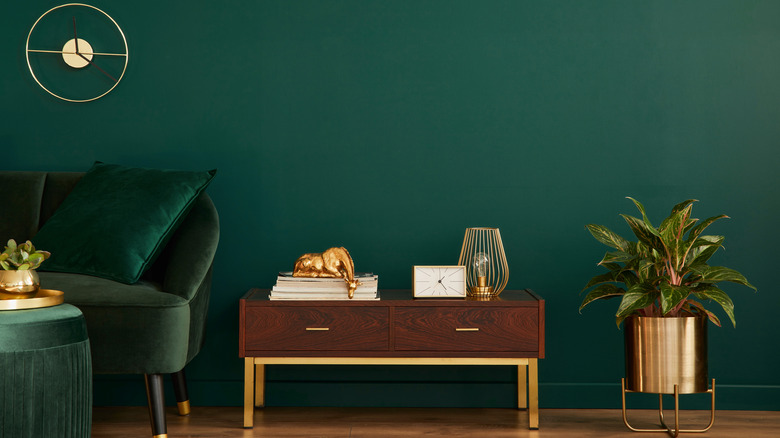
Vintage Home Design Trends That Are Making Huge Comebacks

Woven Wonder: A look at the revival of rattan in interiors
I’ve seen this rustic lighting trend at every major brand this year – and it's popping up in every stylish home I know
Wood and wicker make a comeback in Indian homes

Wood Paneling Is Officially Cool Again—Here's How Designers Are Using It Now

This 400-Year-Old Pattern Is the Emerging Trend That Designers Are Using to Bring 'Rhythm' to Their Projects
32 Spectacular Fabrics and Trims Coming to Market This Year

Grandma's Wicker Is Back In Style—But Southerners Know It Never Left
Moiré is coming back in a way – here's how interior designers are using the pattern
Trend alert: 4 window treatments ruling interiors right now
Bouclé vs Corduroy — What's the Difference and How To Pick

Wood Paneling and 11 More Vintage Decor Trends Making Huge Comebacks
Interior Designer Mom Is Back With the Home Decor Trends to Care About This Spring


I Thought It Was Too Early to Dream About Outdoor Furniture, but Amanda Seyfried’s Rattan Furniture Has Convinced Me Otherwise

6 Decor Trends From The '70s That Are Making A Comeback