1/12
Where To Buy That Cane Chair You’ve Been Seeing Everywhere
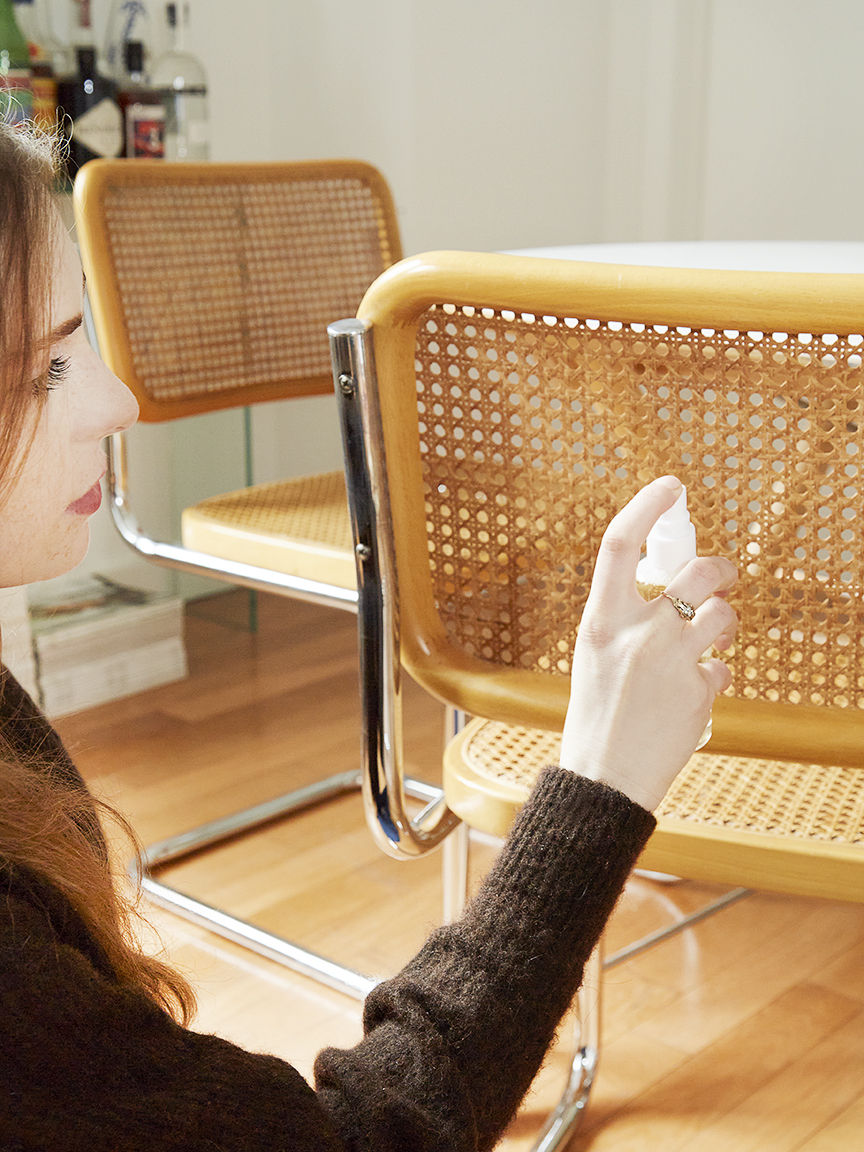
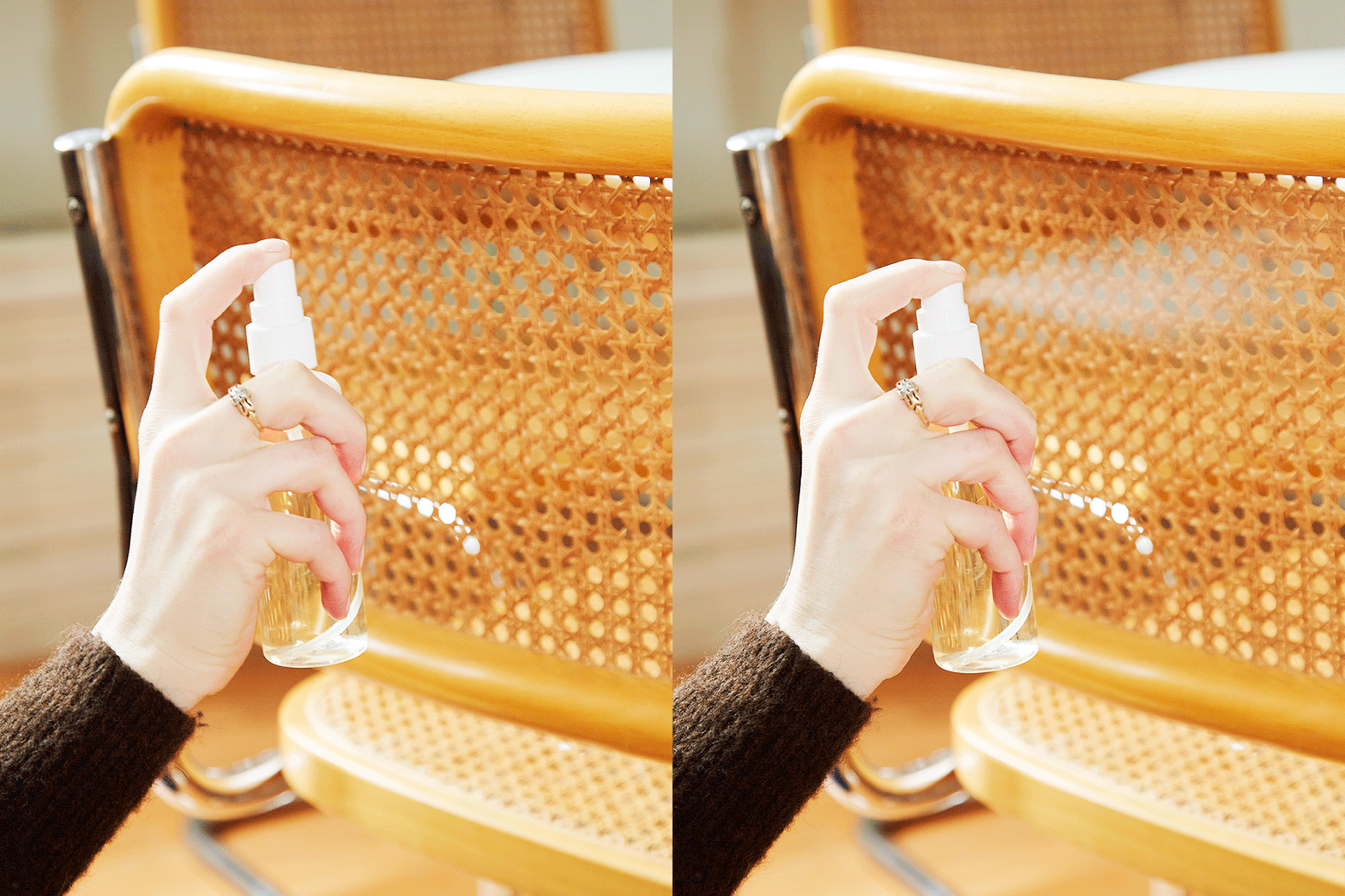
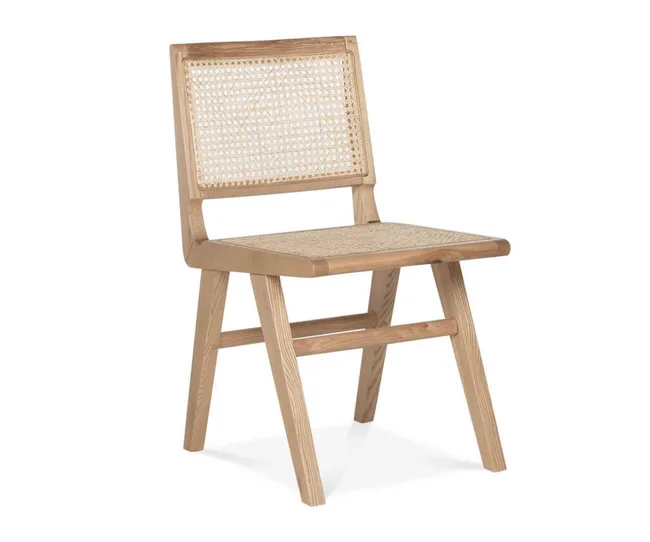
The article explores the recent surge in popularity of cane chairs, particularly on social media platforms like Instagram. Initially, the author dismissed the chair's frequent appearance as targeted advertising but soon realized its widespread presence, prompting an investigation into its origins and contemporary appeal. The caning chair is characterized by its woven-wicker back and warm, honeyed hues, designed more for aesthetic display than for lounging.
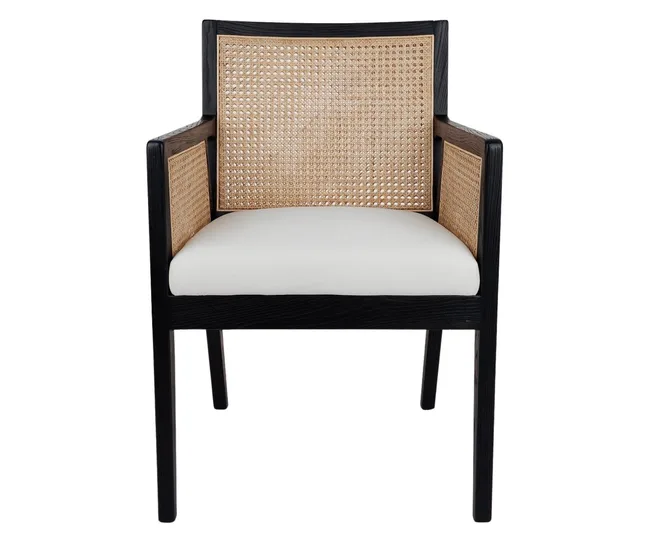
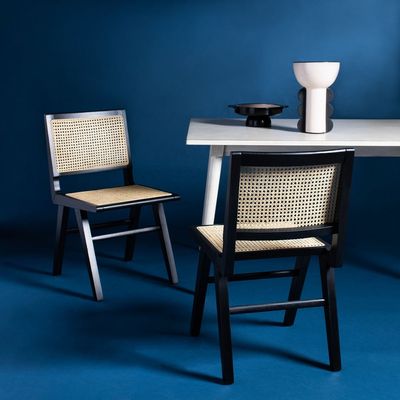
The history of the caning chair is extensive, with its earliest known examples dating back to 1300 B.C. in Egyptian tombs. Despite its long history, its modern resurgence often overlooks the labor-intensive traditional caning process. Interior designer Leanne Ford, who incorporates cane pieces in her furniture collection with Crate & Barrel, highlights the chair's historical significance, noting that due to the arduous process before modern weaving machines, caning furniture was once exclusive to European royalty. Ford’s designs aim to blend historical materials with a modern aesthetic, maintaining a neutral color palette for timeless appeal. She also faced challenges in developing a black caning, a variation she envisioned to give the classic style a more modern and masculine touch.
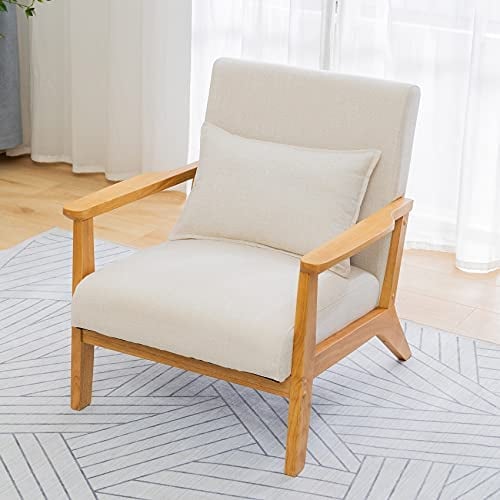
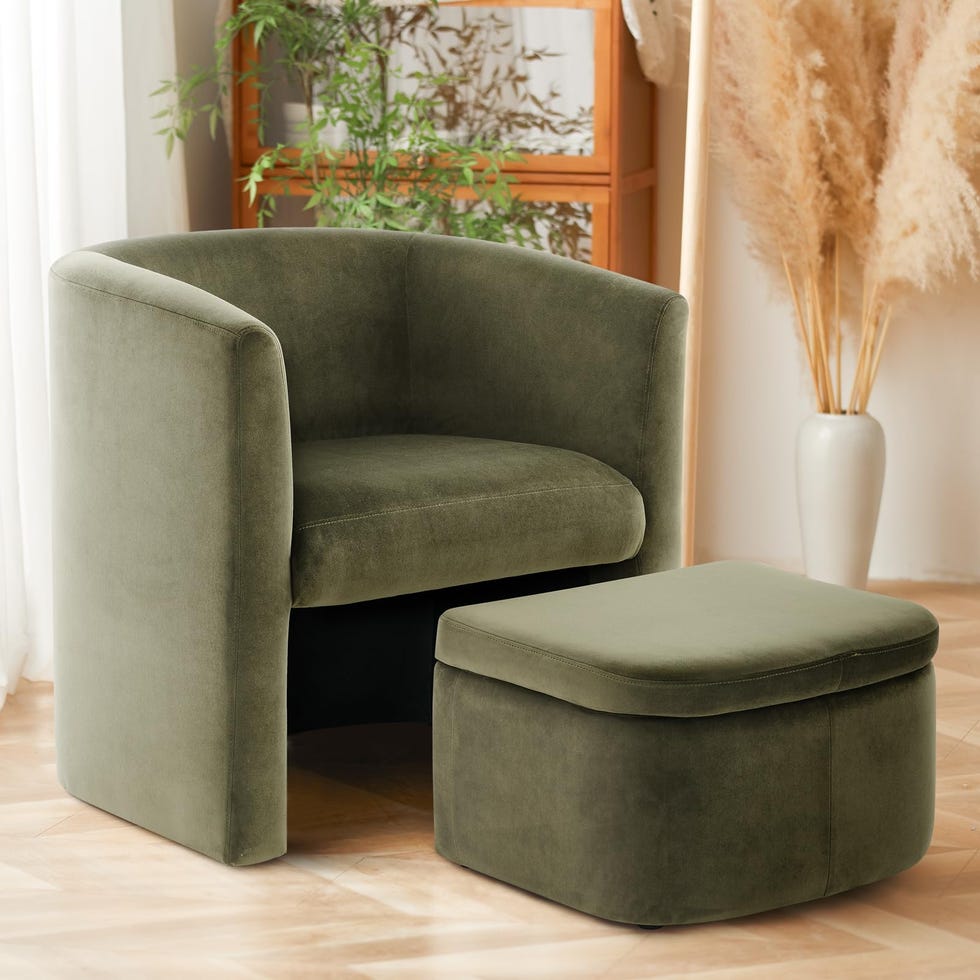
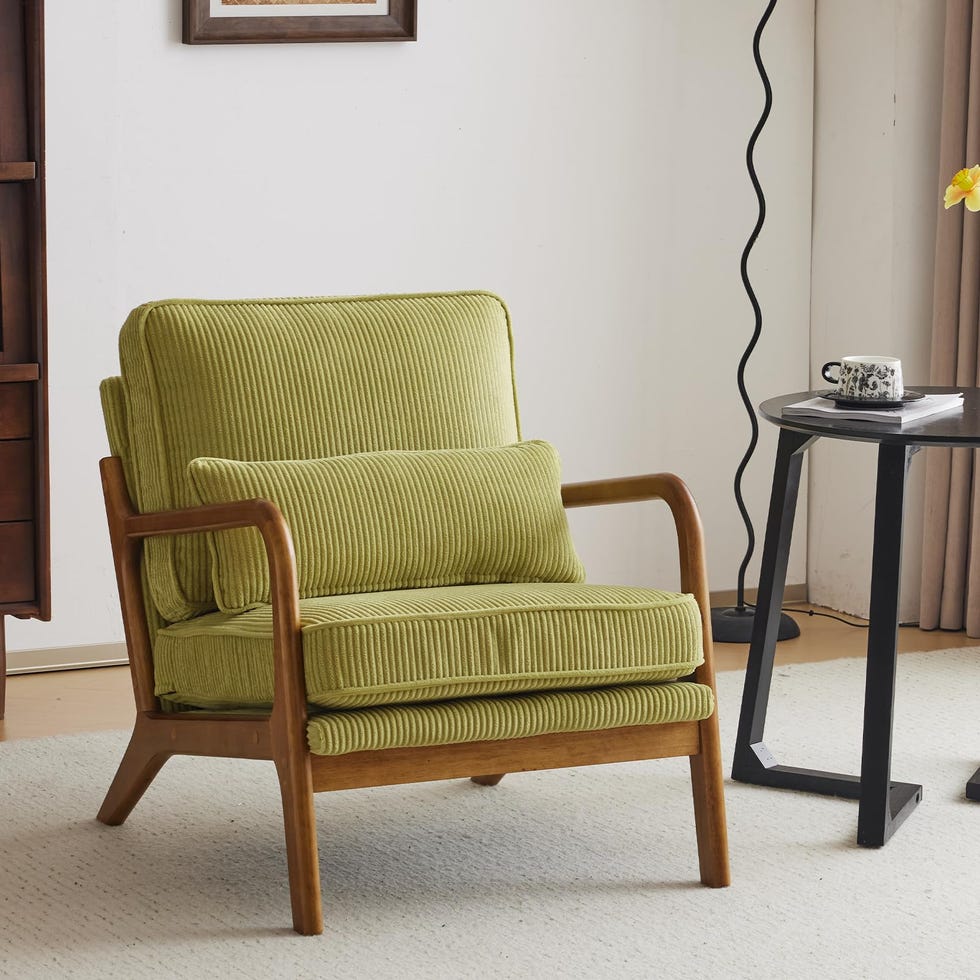
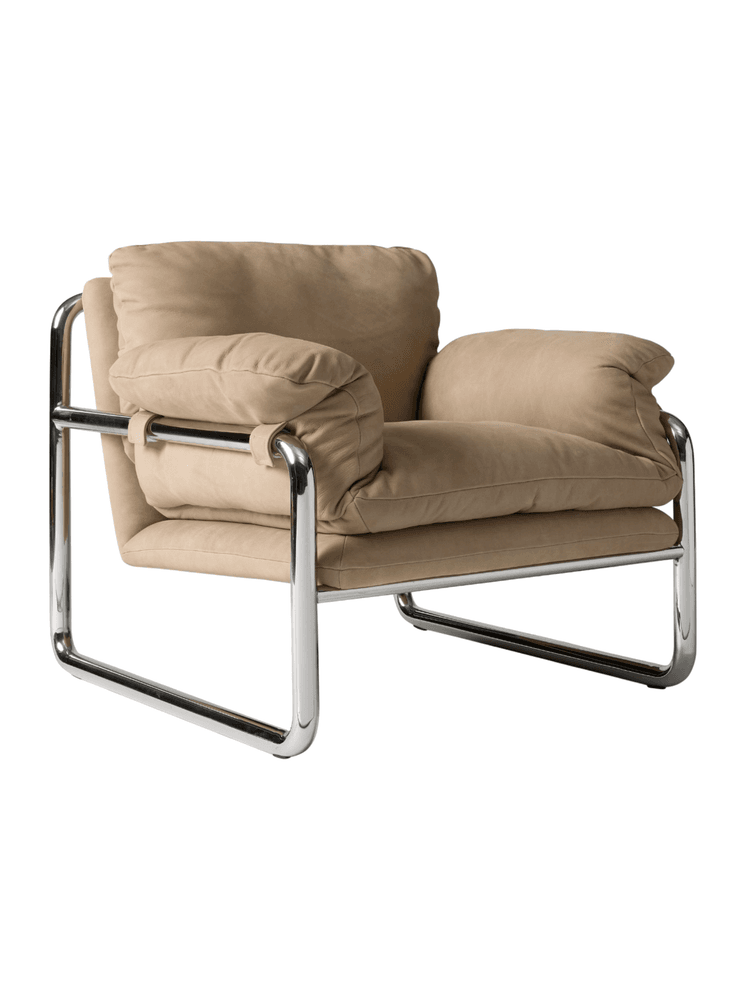
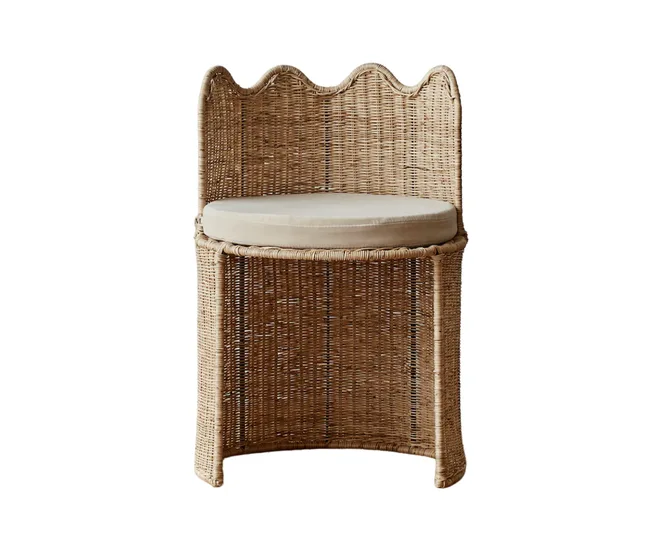
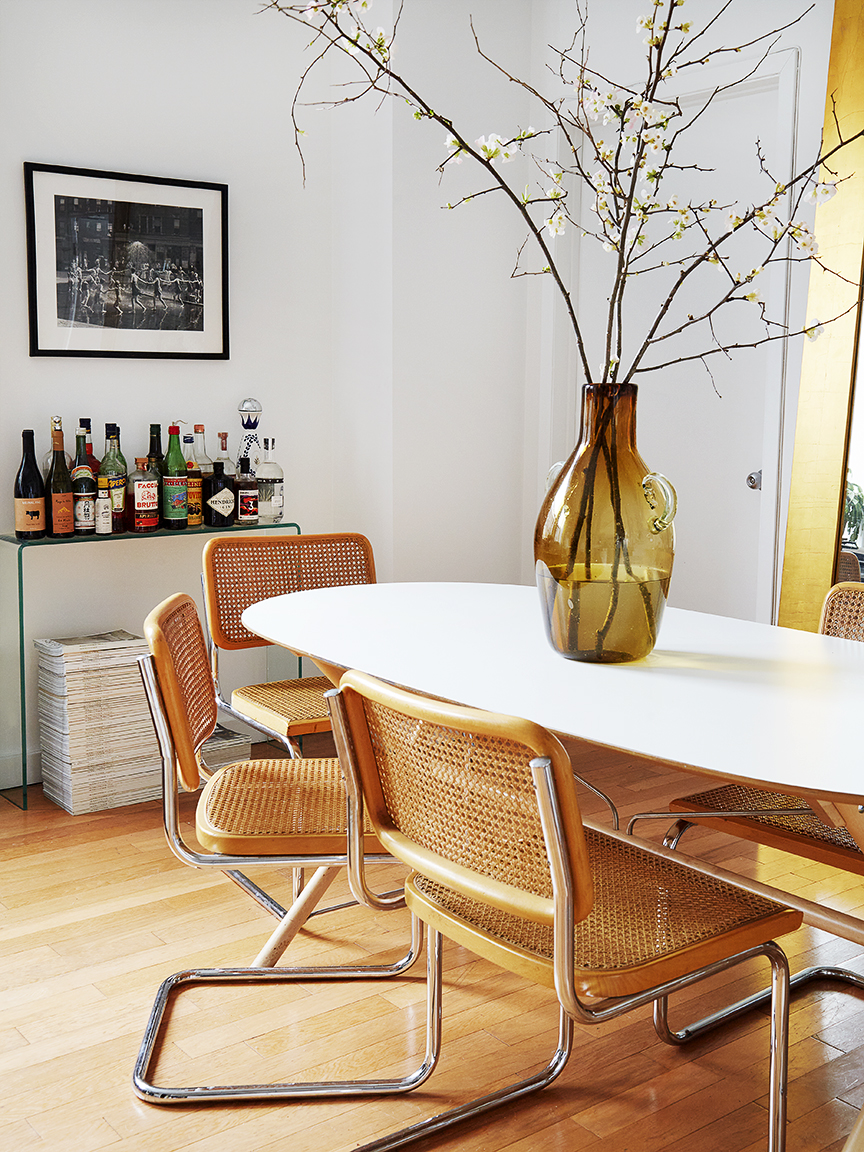
The contemporary interpretation of the caning chair sees variations with velvet or linen cushions and different wood or leather bases, while the woven back remains a defining characteristic. The “Cesca chair,” designed by Marcel Breuer in 1928 and popular in the 1960s, is identified as a significant precursor to the current trend, frequently requested by second-hand furniture shoppers. Dobbin St. Vintage Co-op in Greenpoint, known for its art deco and mid-century modern pieces, observes that the chair evokes feelings of nostalgia and tradition for many customers.
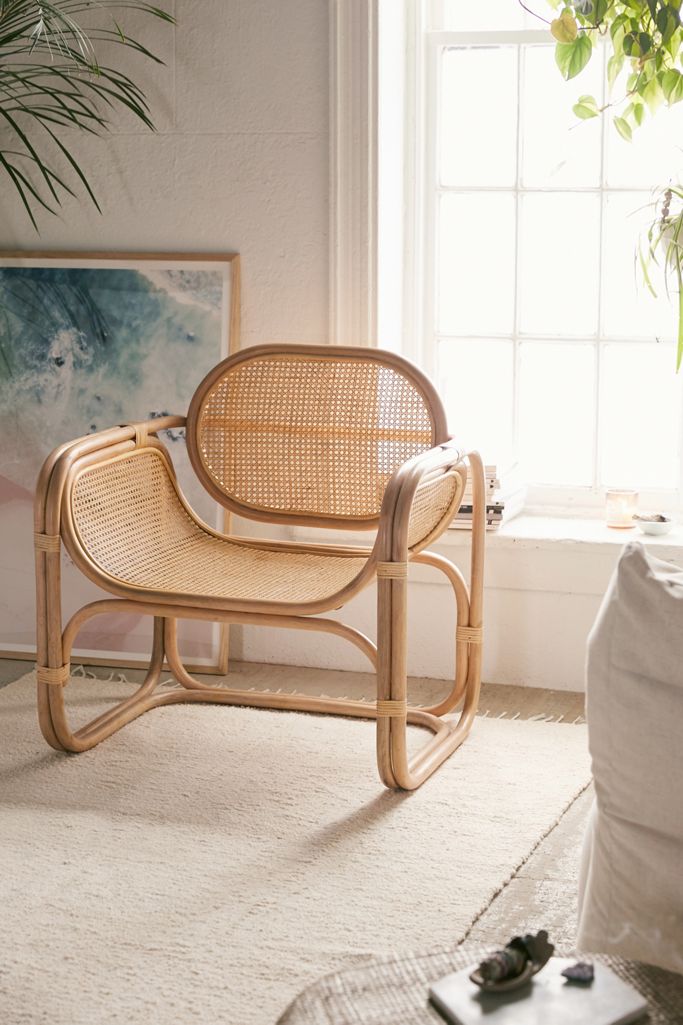
During the early stages of the pandemic, there was a noticeable increase in home decor and furniture sales, as people invested in enhancing their living and working spaces. This trend aligns with consumers seeking comfort and familiarity in their homes. The handwoven feel and earthy texture of cane chairs are believed to offer a sense of serenity and familiarity, creating a "zen space" that helps combat the monotony of working from home. Prominent individuals like photographer Ella Snyder and podcast host Olivia Lopez express admiration for the chair, with Lopez crediting the resurgence to the comeback of the Pierre Jeanneret chair, which shares structural similarities with modern cane chairs. Holistic Nutritionist Bianca Valle also views the cane chair as an elegant design piece that visually opens up a space.
The article concludes by acknowledging the chair's dual identity: a social media sensation and a piece with deep historical roots in industrial design. The widespread marketing and increasing interest in interior design contribute to its current popularity, making it a compelling item for many consumers.
#CaneChair #InteriorDesign #HomeDecor #FurnitureTrends #MidCenturyModern #SocialMediaInfluence #LeanneFord #CescaChair #WickerFurniture #CaneChair #InteriorDesign #HomeDecor #FurnitureTrends #MidCenturyModern #SocialMediaInfluence #LeanneFord #CescaChair #WickerFurniture
0 comment in total
 No comments yet
You may also like
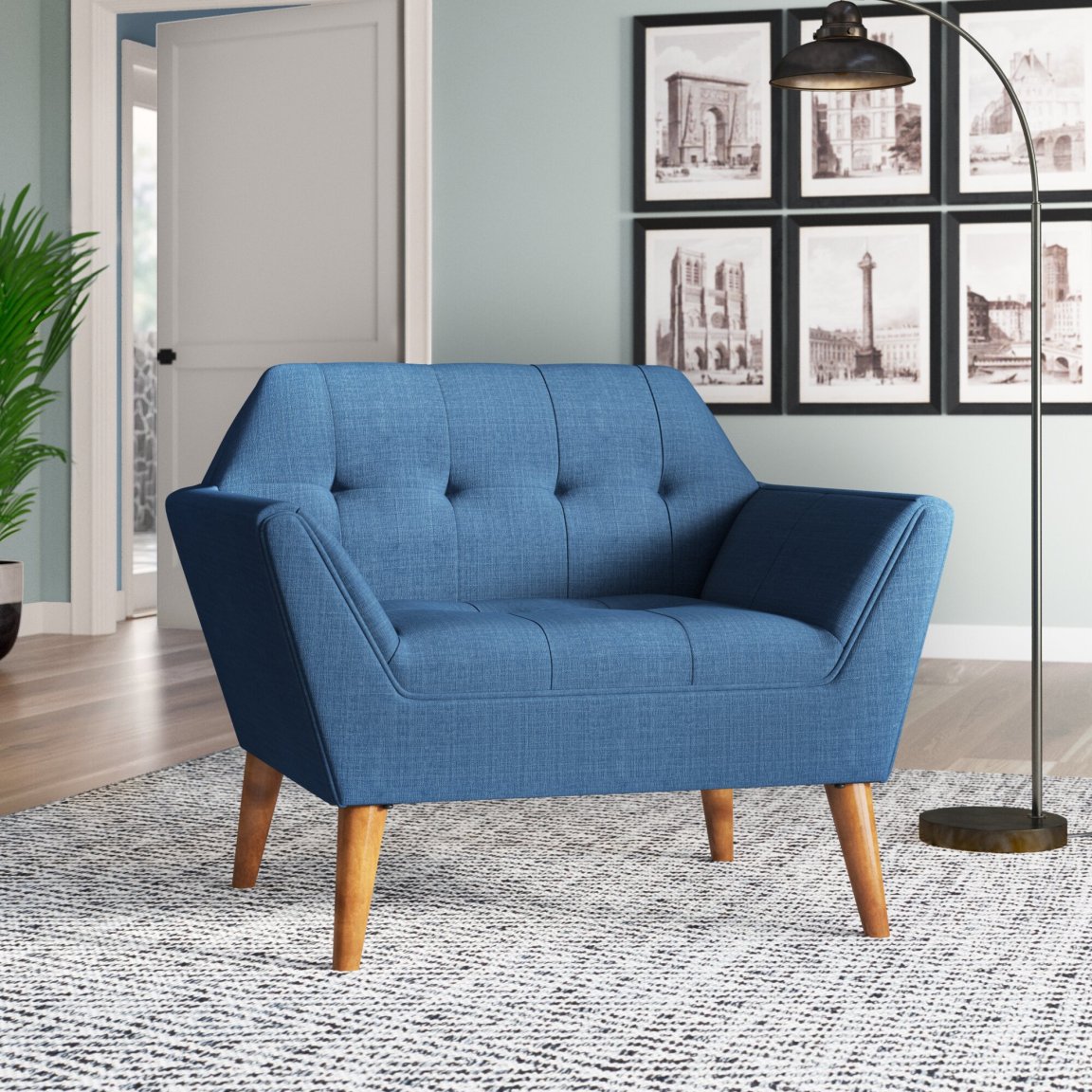
The 6 Best Places To Buy Armchairs and Accent Chairs


You Need One of These Cute Bedroom Chairs in Your Life
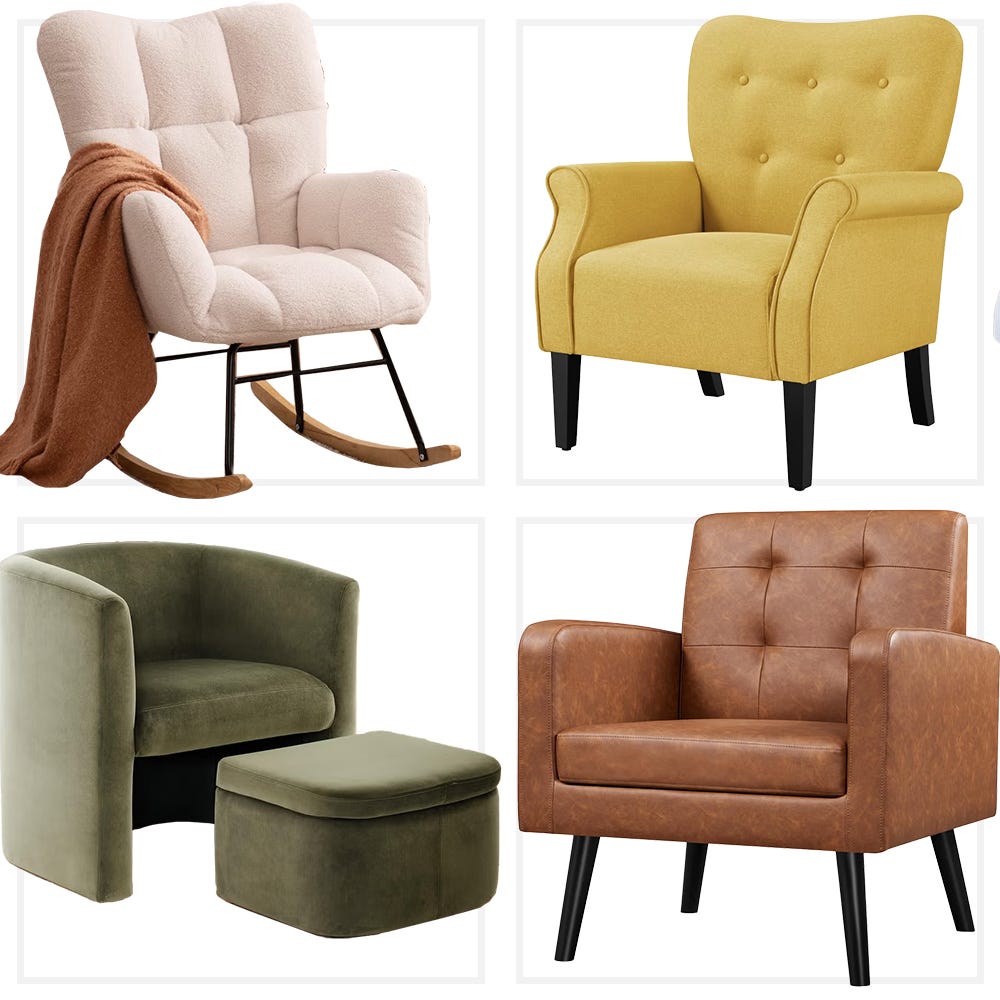
We Found the Coziest Reading Chairs on Amazon

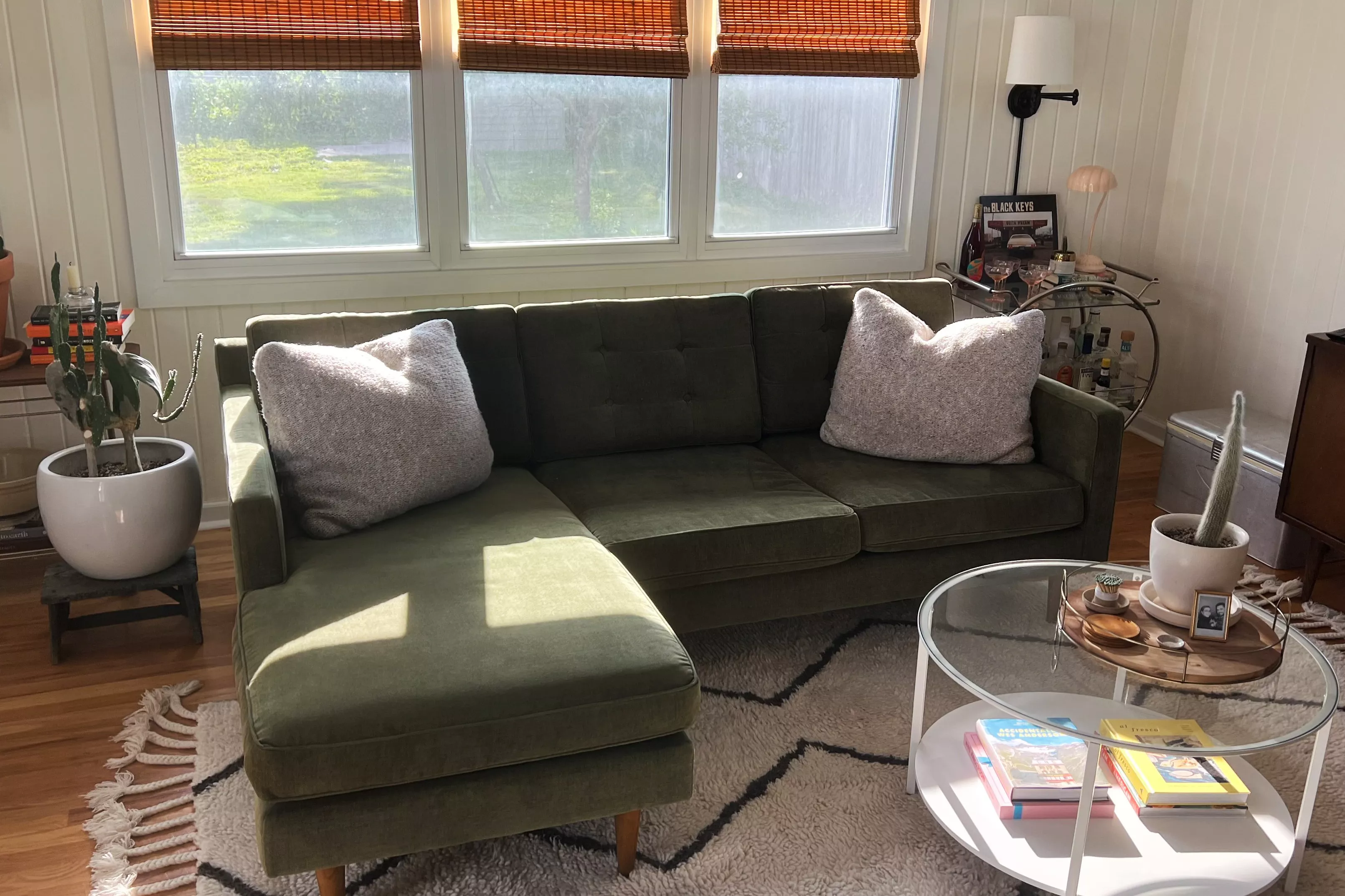
Are You Sitting Down? These Are The 16 Best Places to Buy Couches

I found an $89 lookalike of the viral Pottery Barn Anywhere Chair on Amazon
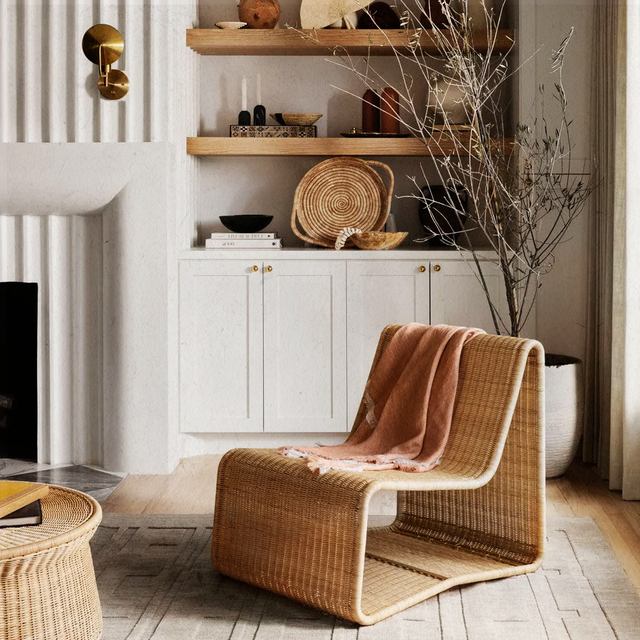
Alert Your Fellow Bookworms: We Found the Coziest Reading Chairs on the Market
The 12 Best Places to Buy a Couch

The Secret to Making Your Cane Furniture Last Forever
Ask the Strategist: So, I Bought a Cane Chair. Now What?
Shopping for Wingback Chairs (Published 2017)


This Popular Reading Chair Is Even Comfier Than It Looks
The 6 Best Places to Buy Used Furniture
Shopping for Rocking Chairs (Published 2019)
The Best Places to Buy a Couch, From Custom Makers to Stylish Budget Finds

Looking for a New Couch? These Are the Best Places to Shop

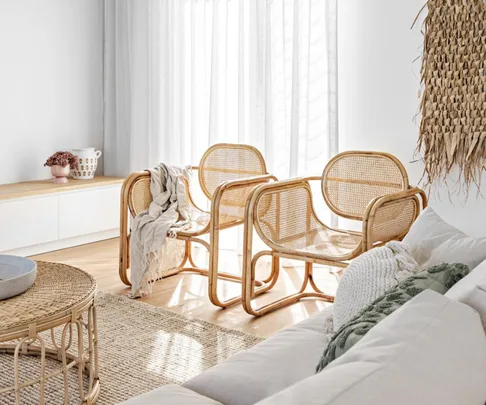
8 totally versatile rattan and cane chairs we’re adding to our homes

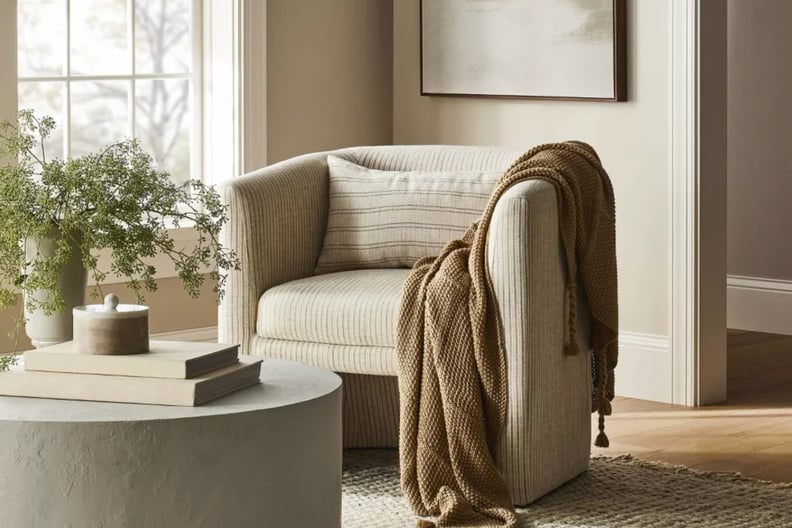
The Best Accent Chairs to Shop Online From Amazon, West Elm, and More
Attention: Here's Where You Should Be Shopping for Furniture Online

The Internet’s Favorite Furniture Brand Now Offers Chic, Affordable Benches and Credenzas

The 10 Best Places to Buy a Couch