1/2
Elfa Closet Systems Vs IKEA: Which Is Right For Your Room?
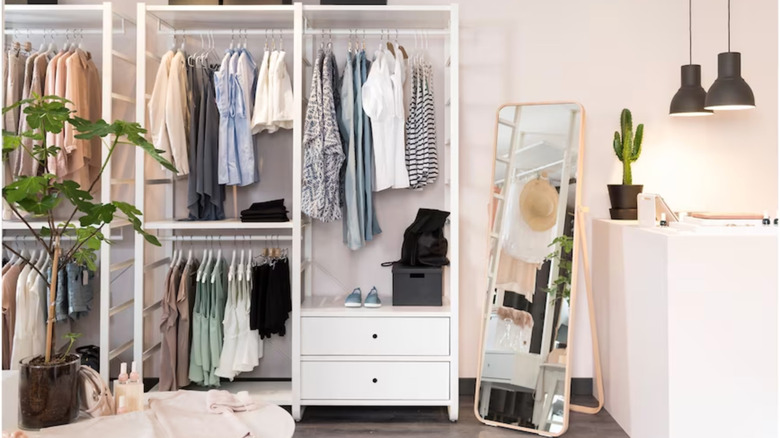
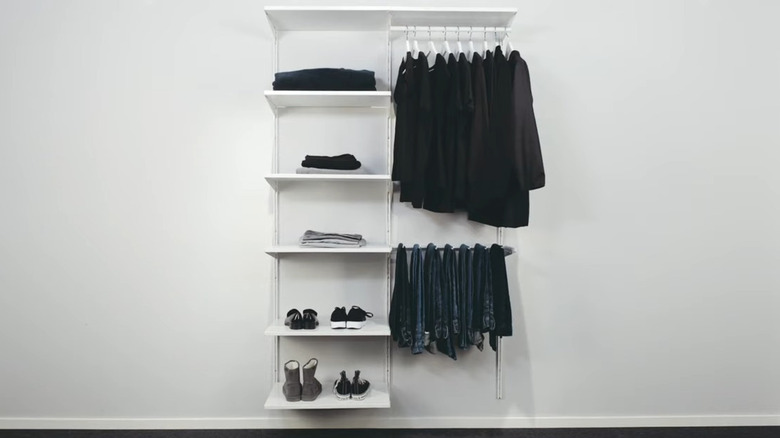
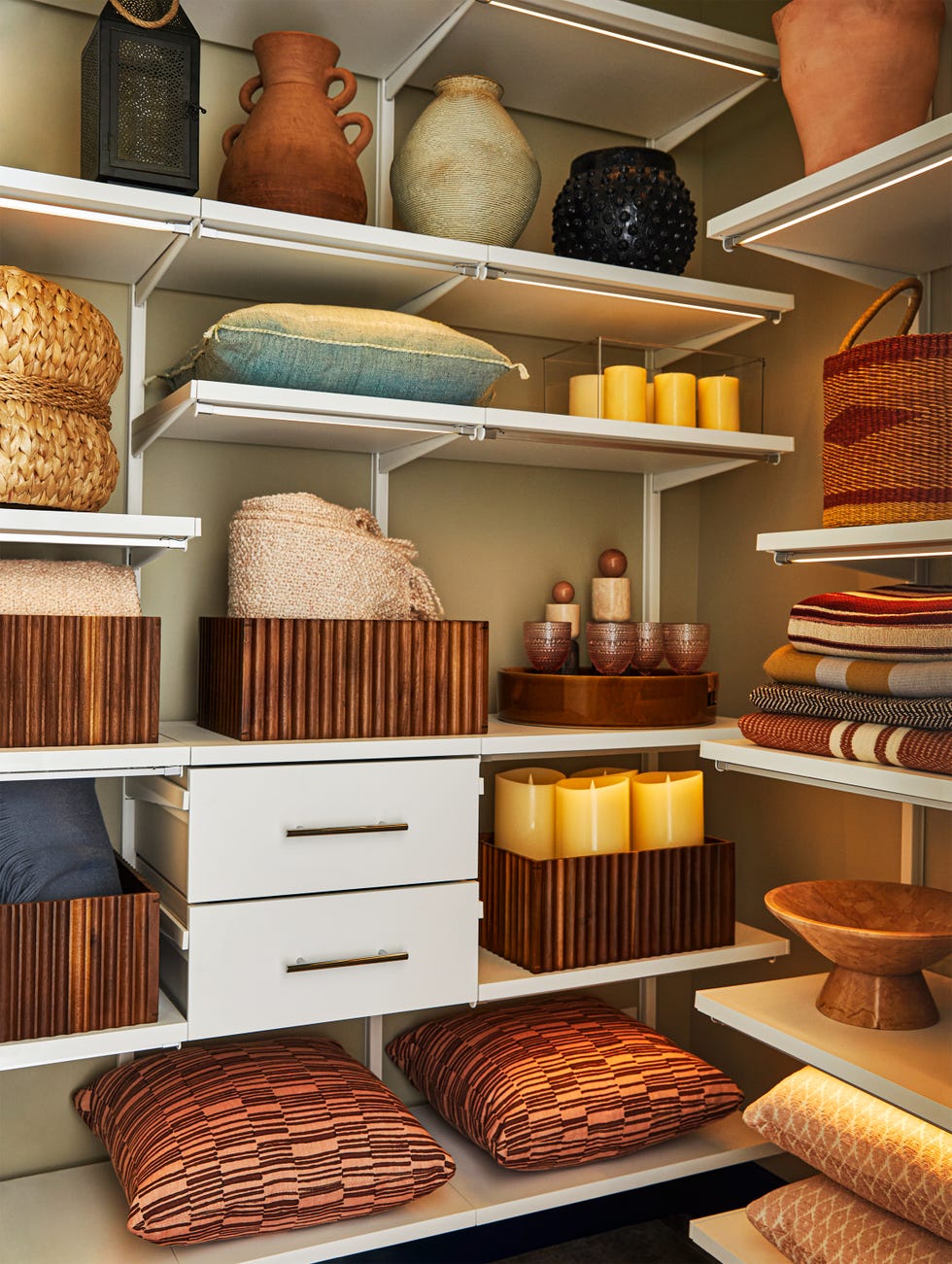
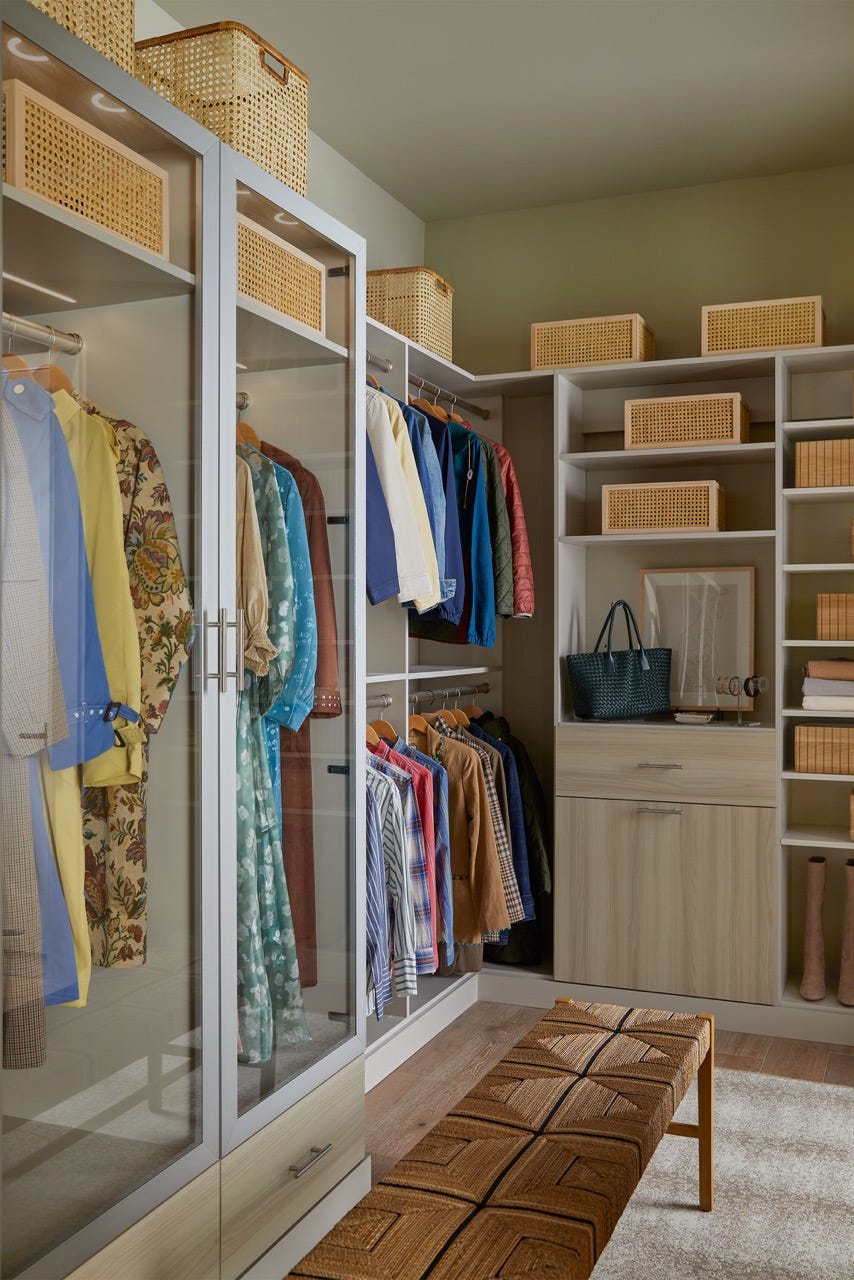
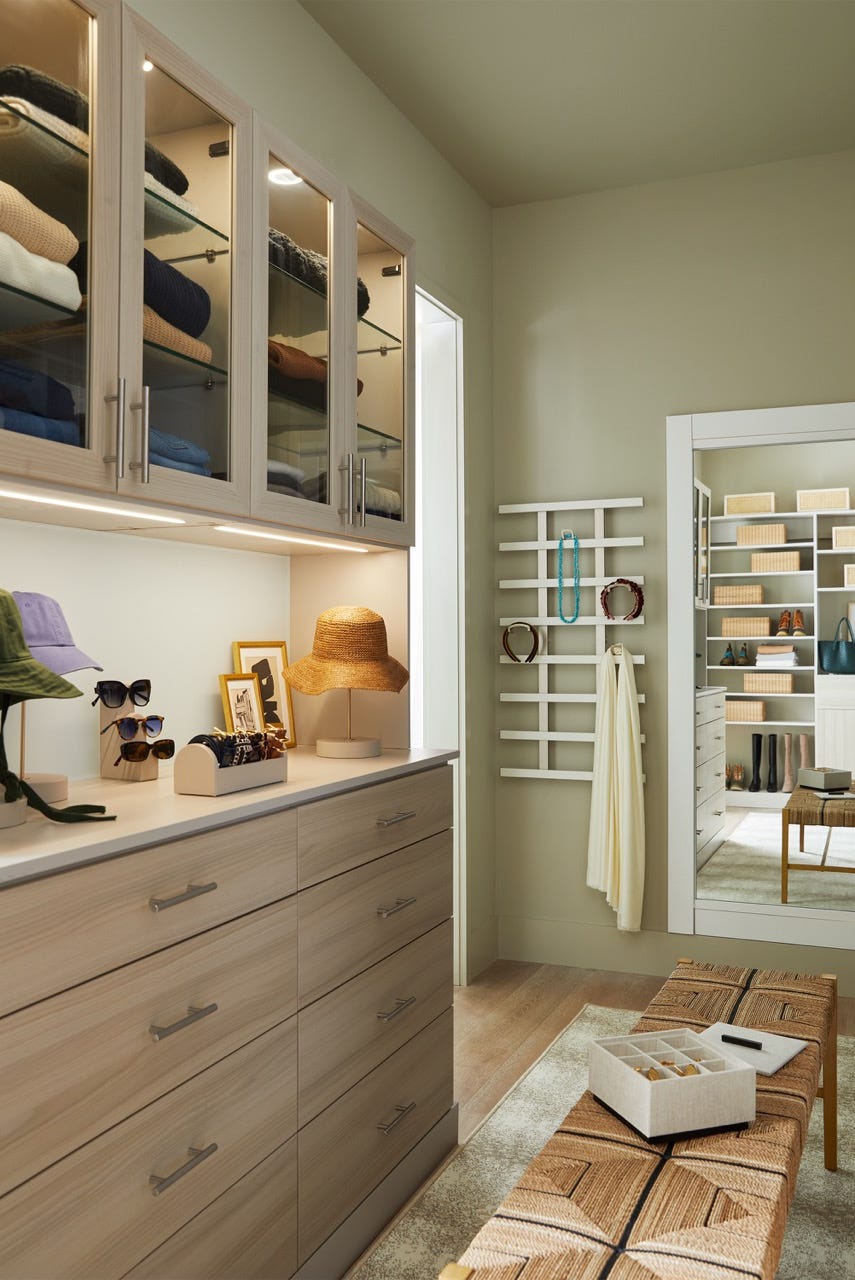
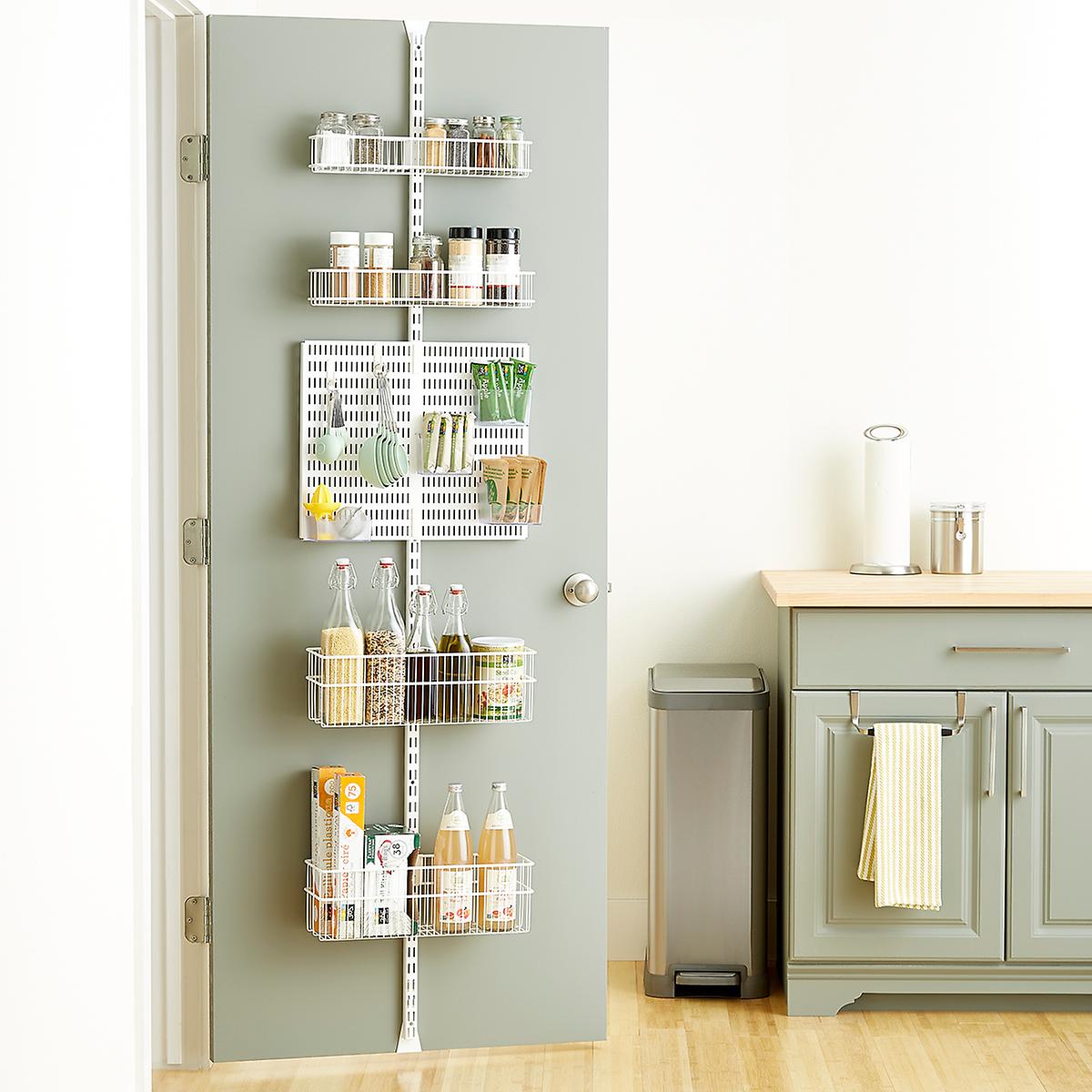
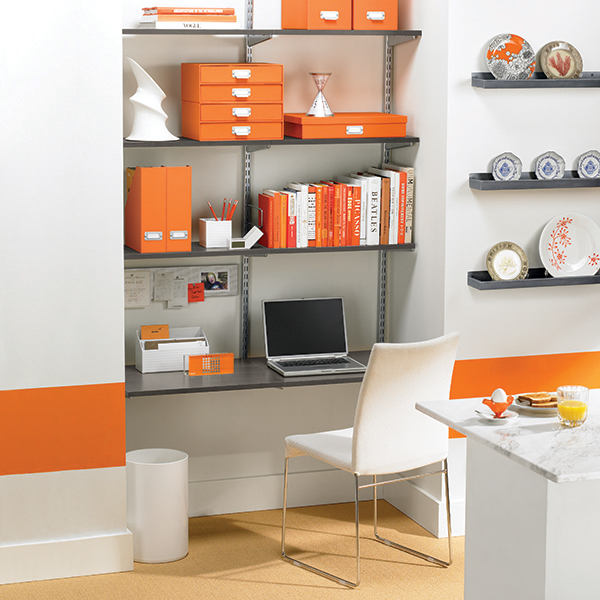
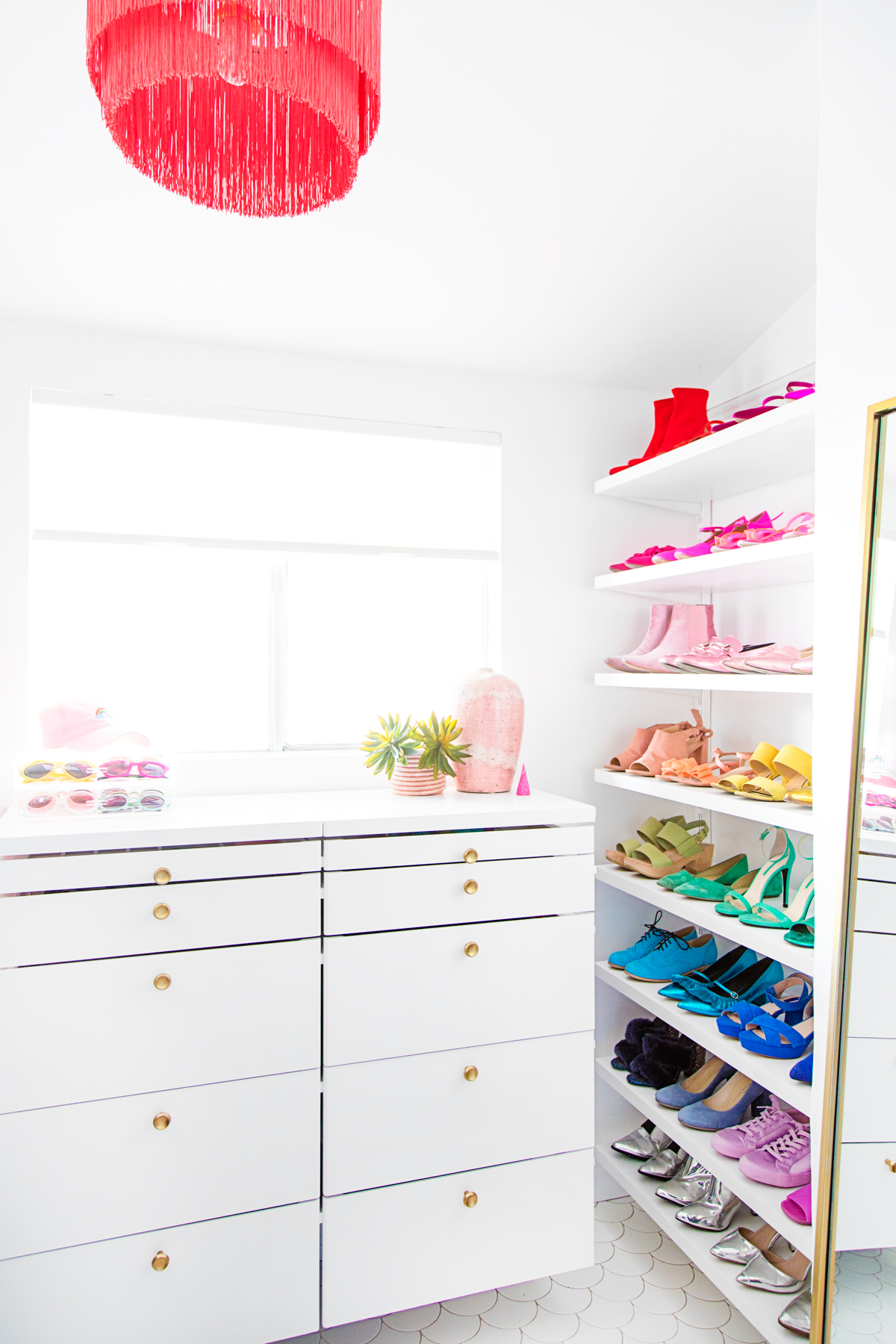
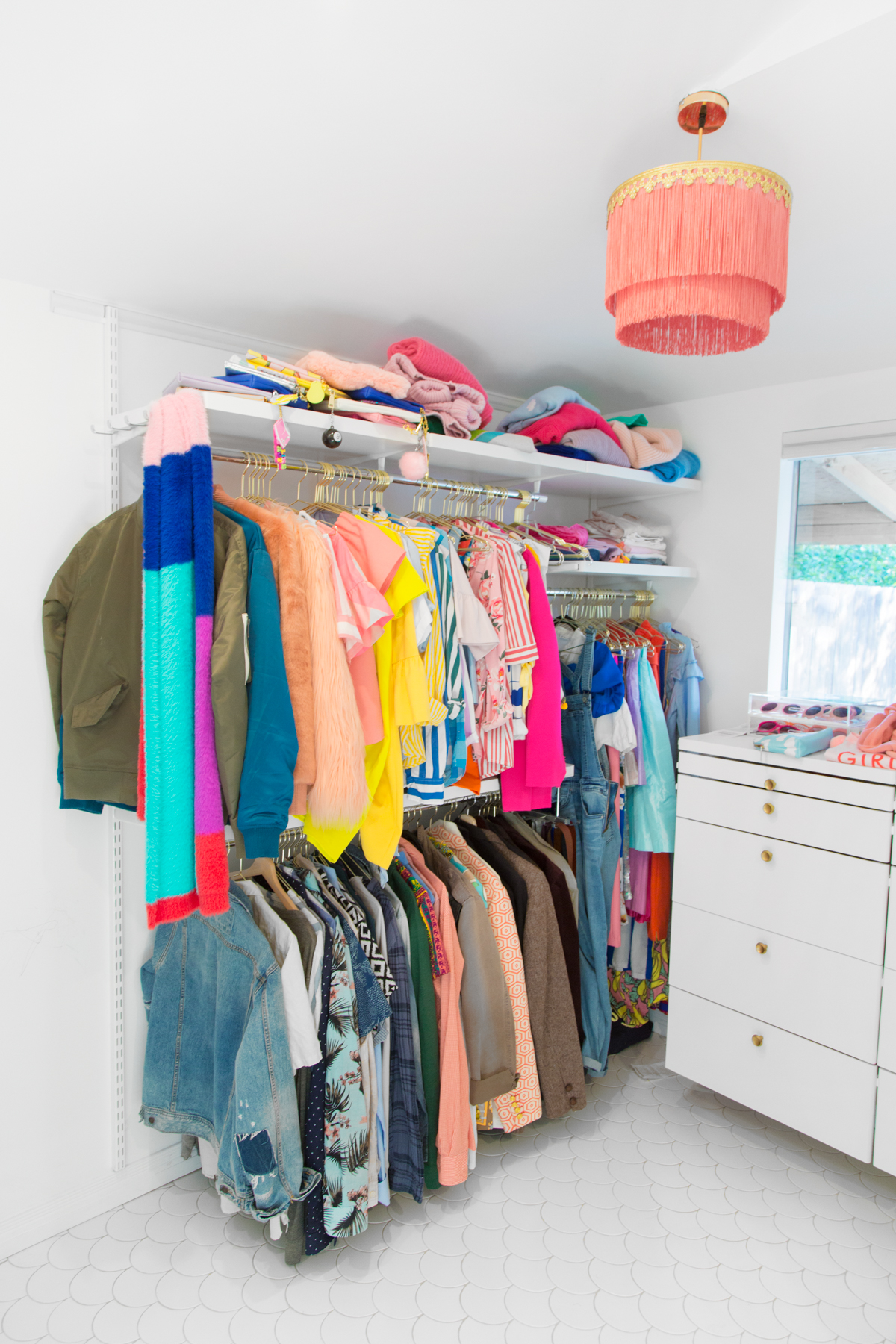
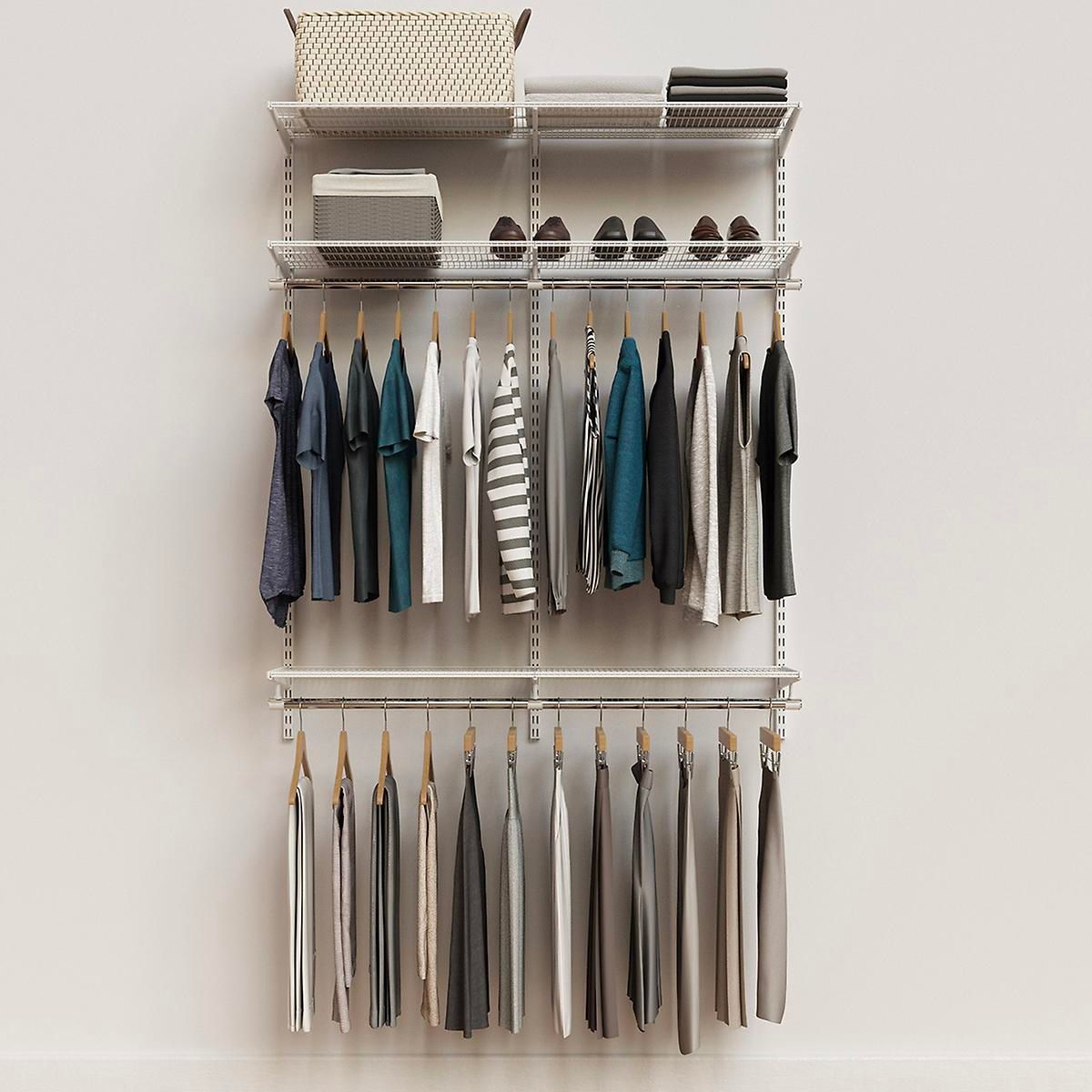
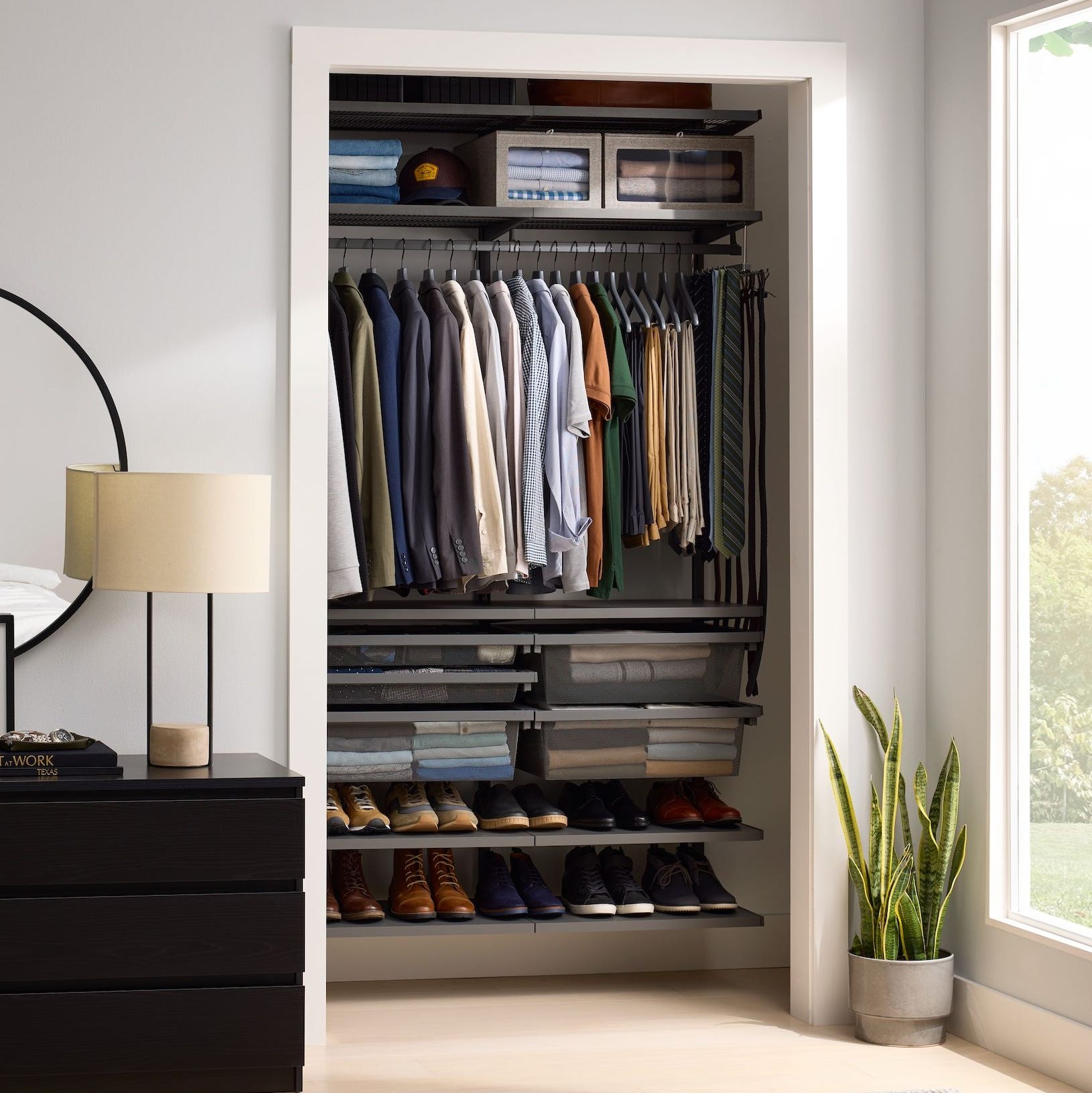
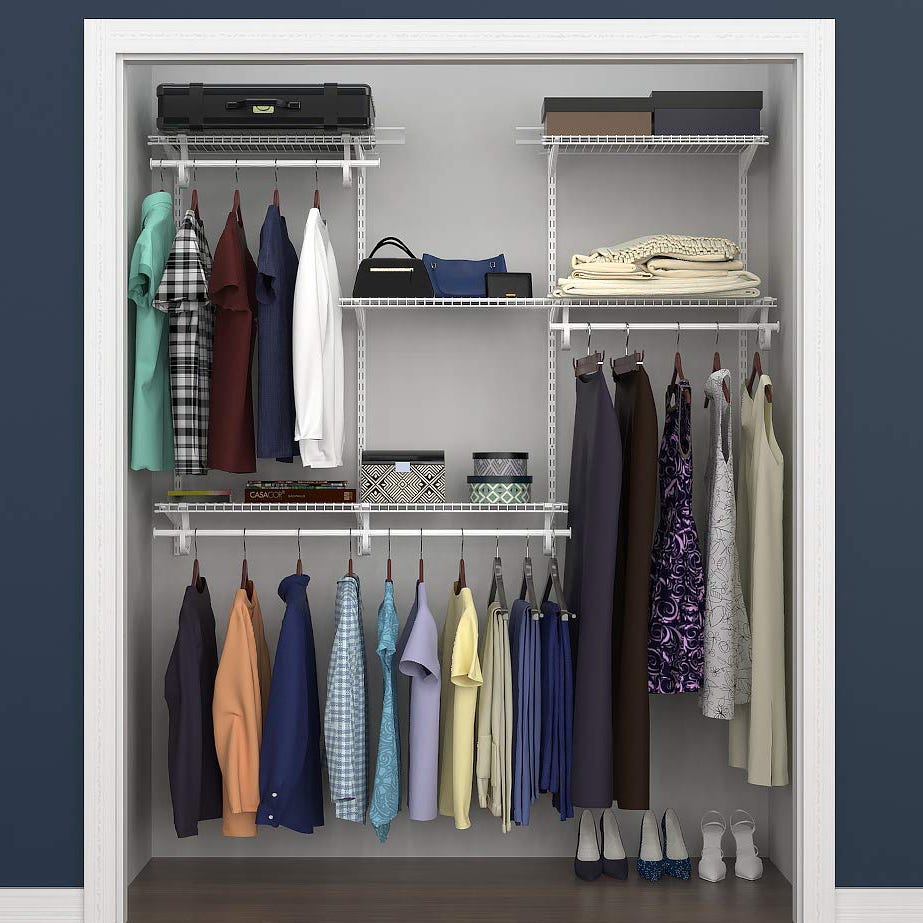
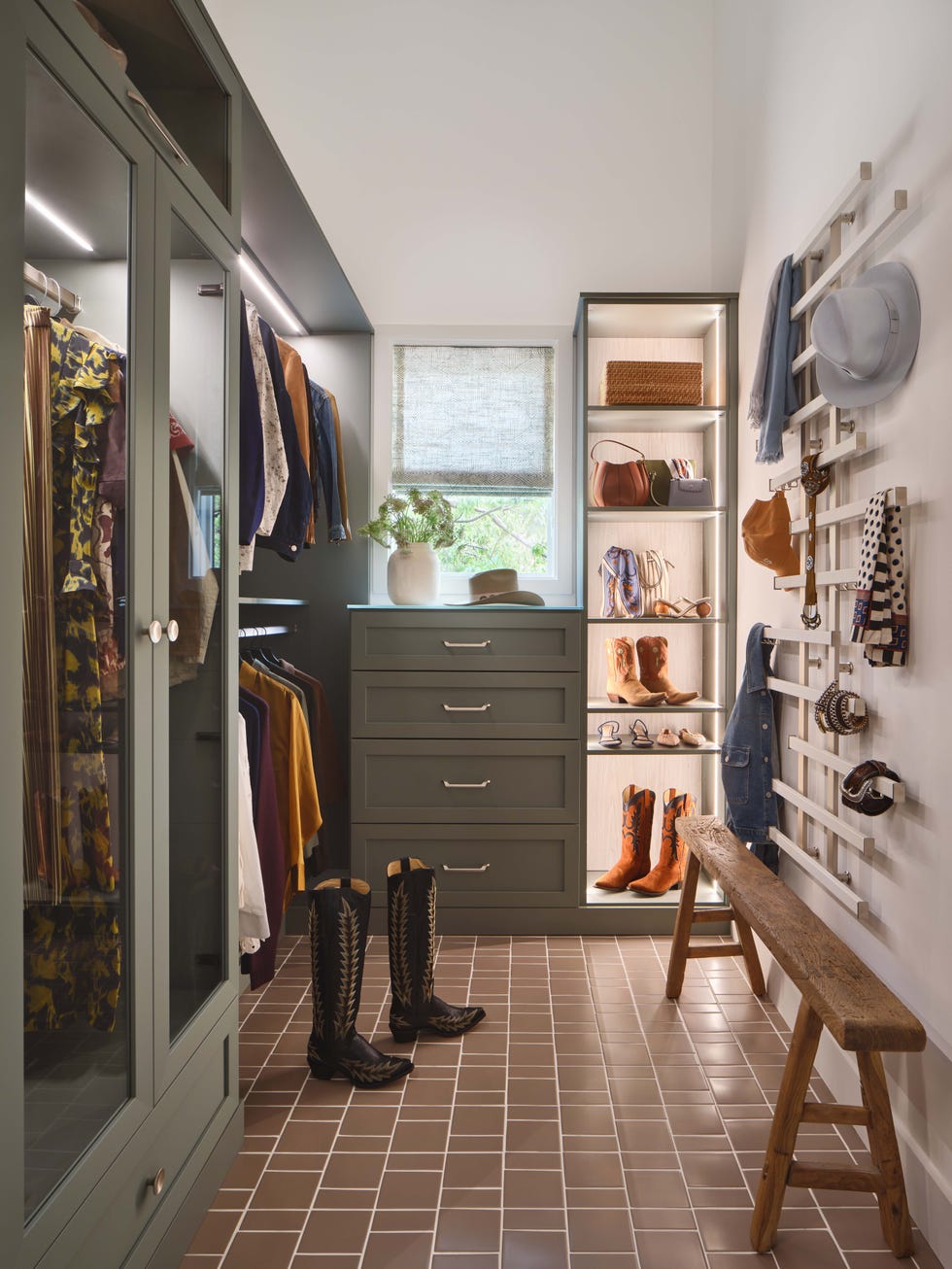
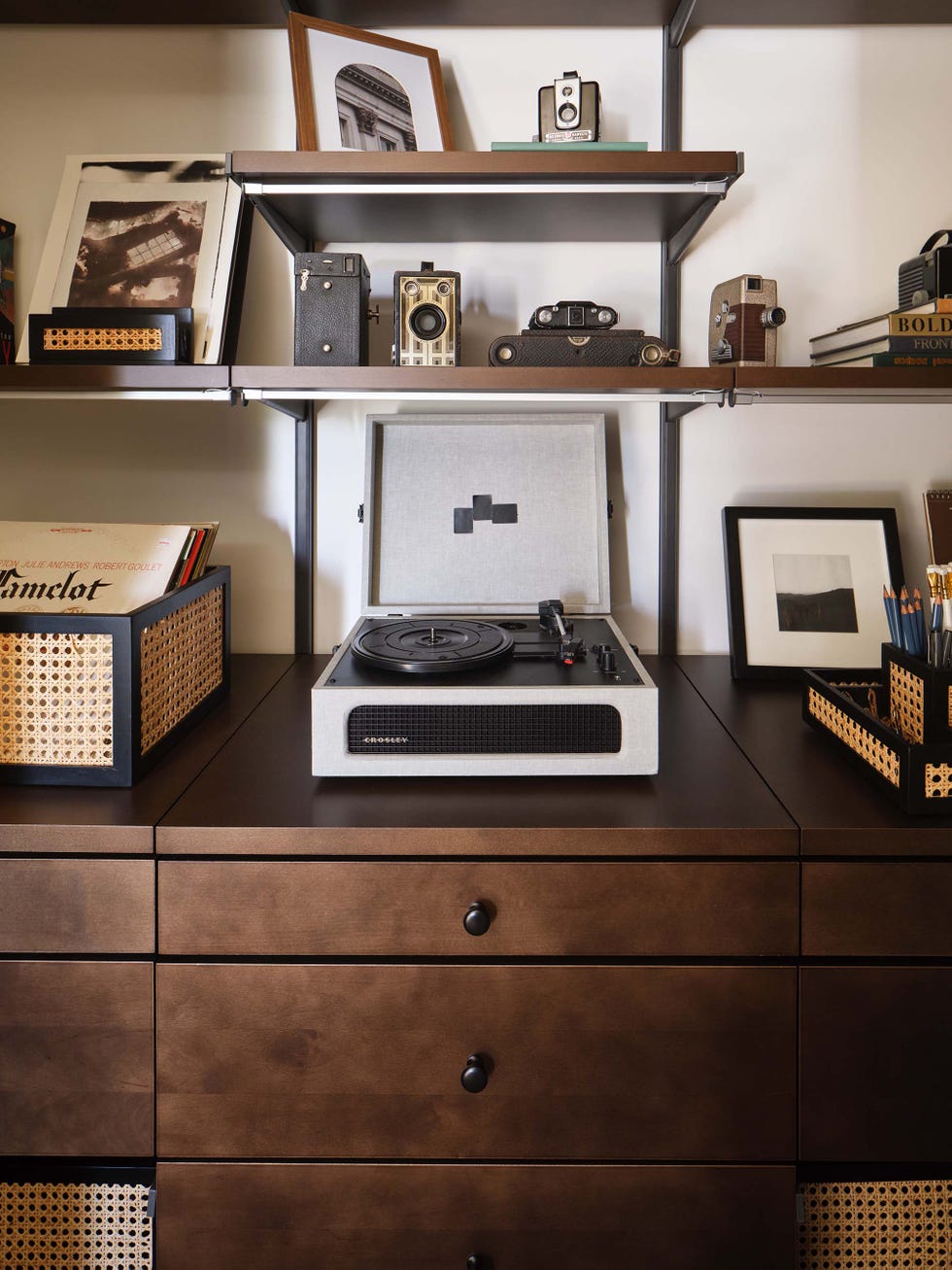
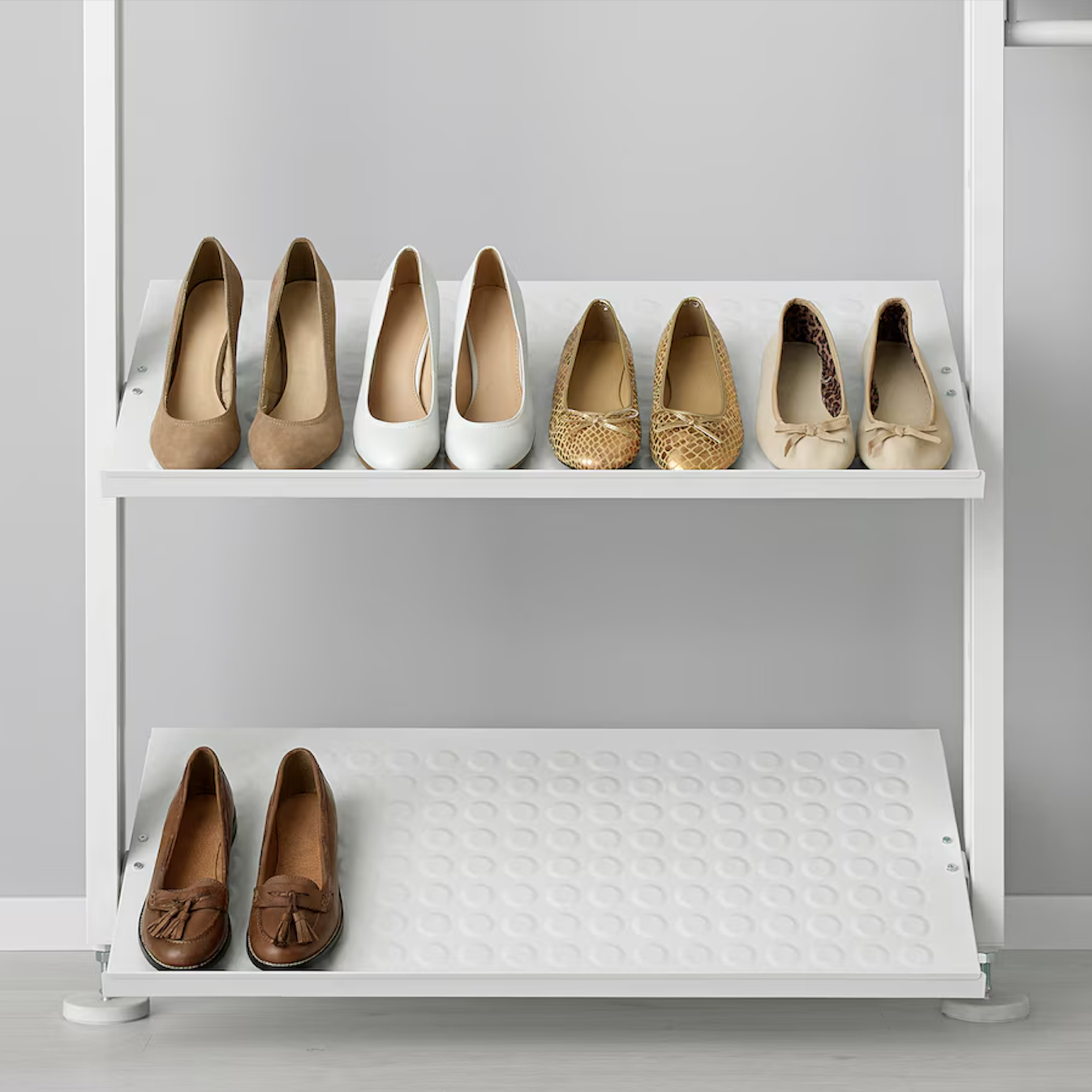
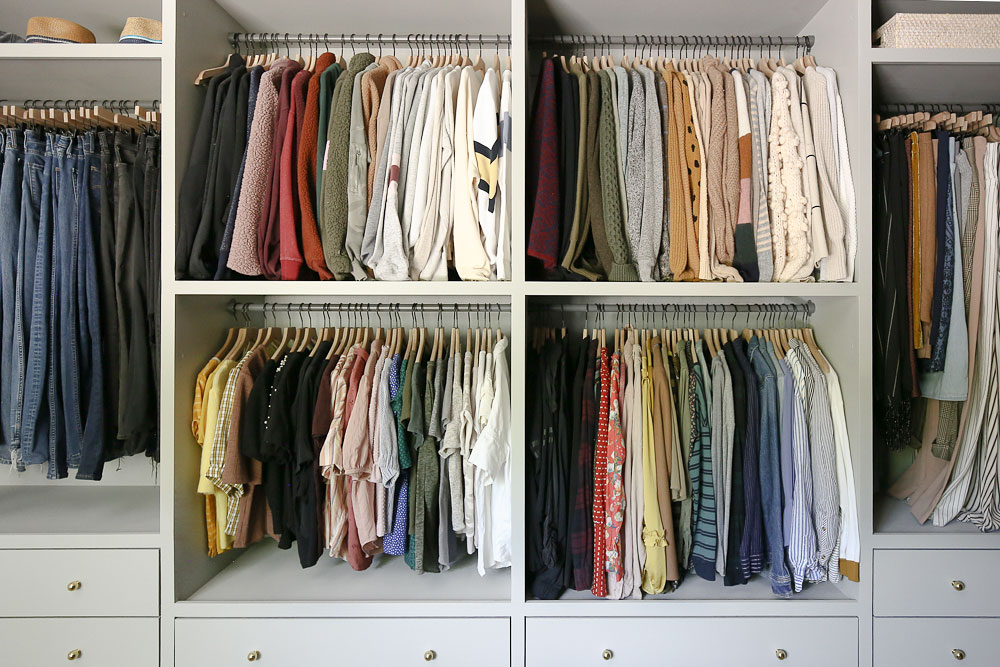
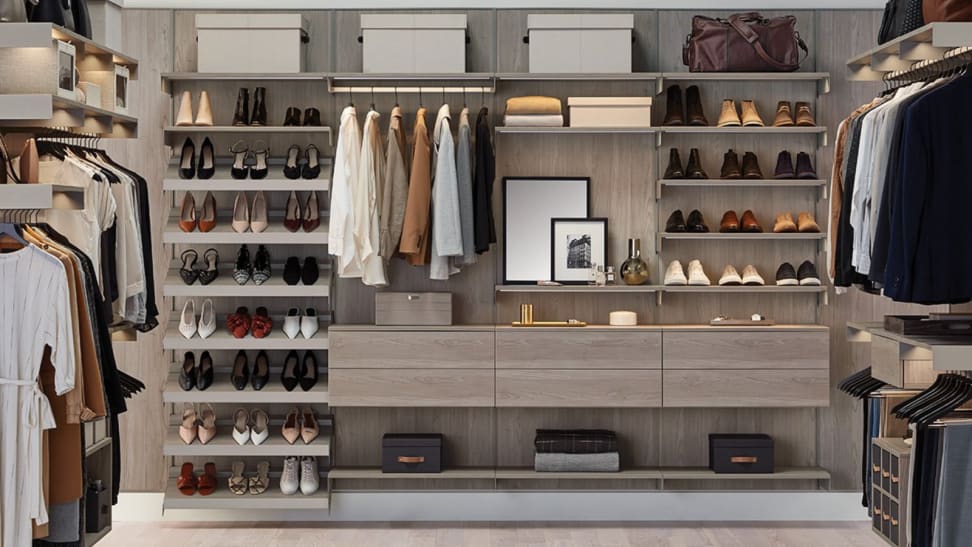
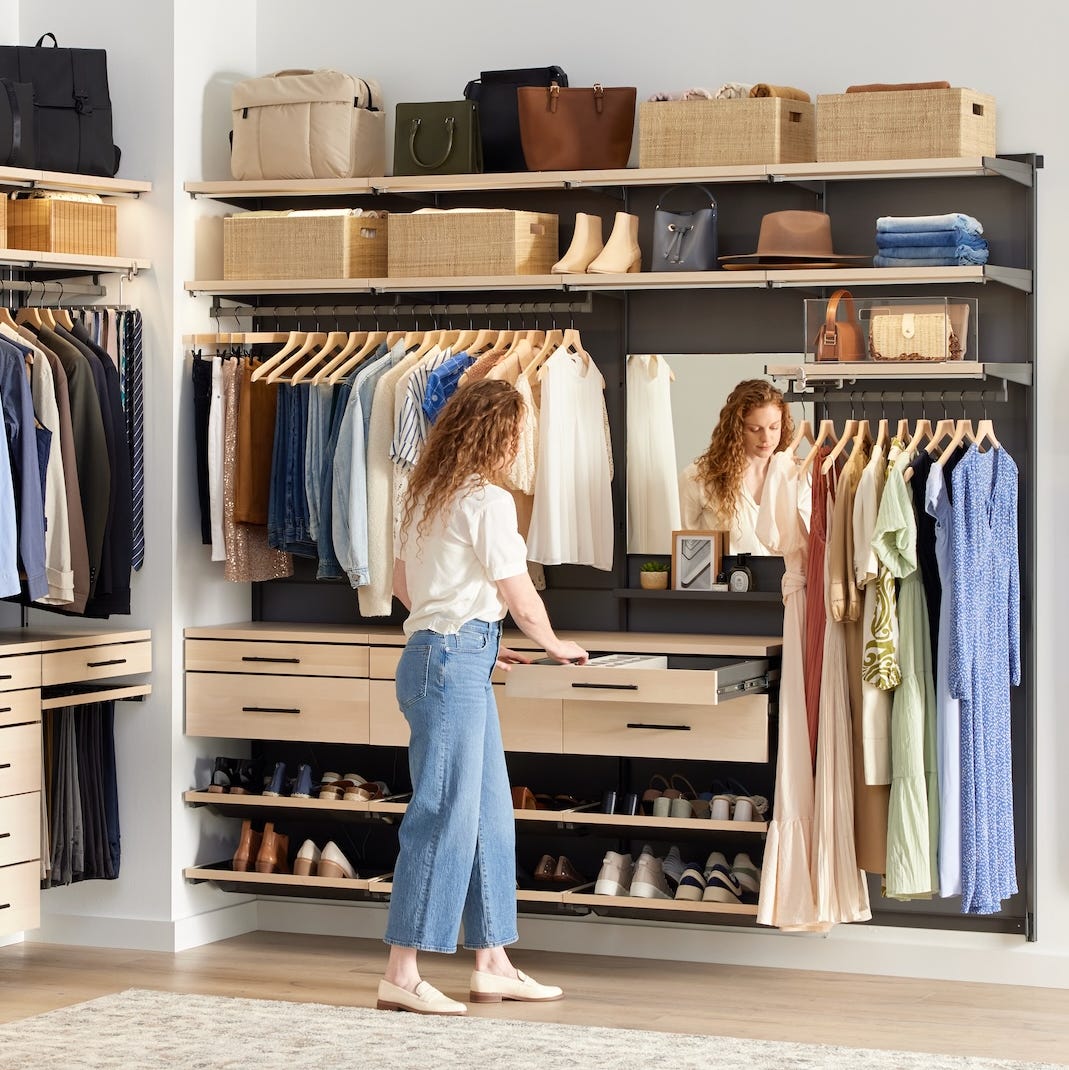
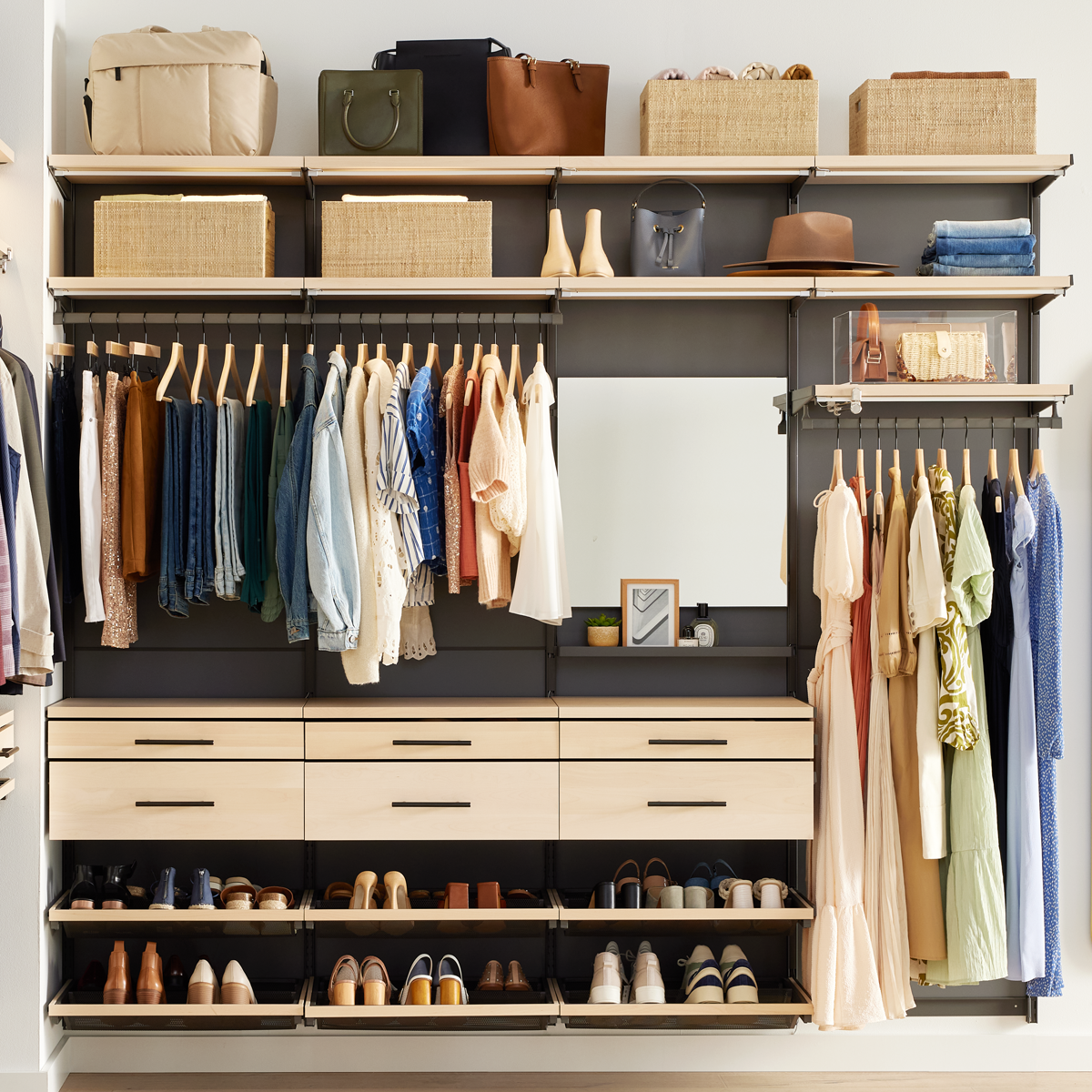
The article compares two prominent closet system brands, Elfa and IKEA, to help consumers decide which best suits their needs for a closet upgrade. Elfa systems, sold through The Container Store's Decor+ Elfa collection, are highlighted for their high quality, full customization, and durability. They offer a personalized storage setup with various styles, pre-designed spaces, and the option for free design consultations to tailor solutions specifically to individual spaces. Elfa products are crafted with high-quality finishes, soft-drawer slides, and eco-friendly materials, contributing to their higher cost. The modular design allows for easy adjustments as storage needs evolve, and the systems come with a 10-year repair or replacement warranty, making them a long-term investment. However, Elfa's price point can be a significant deterrent, with costs ranging from $228 for smaller components to over $5,300 for comprehensive designs. The strong metal materials, while durable, can create noise, and ventilated shelves may require liners to prevent small items from slipping through.
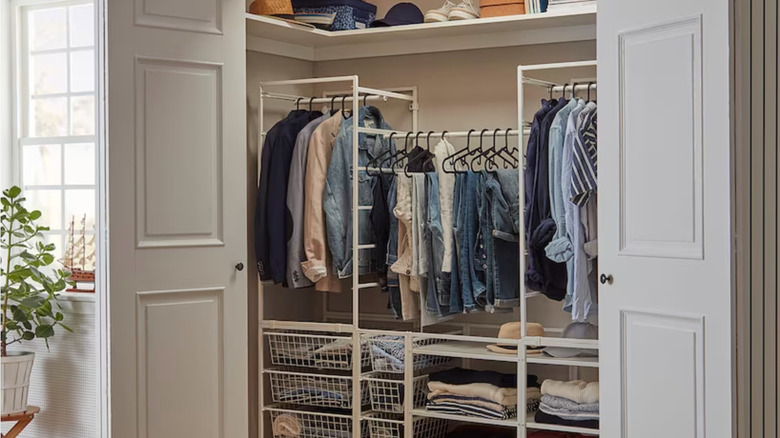
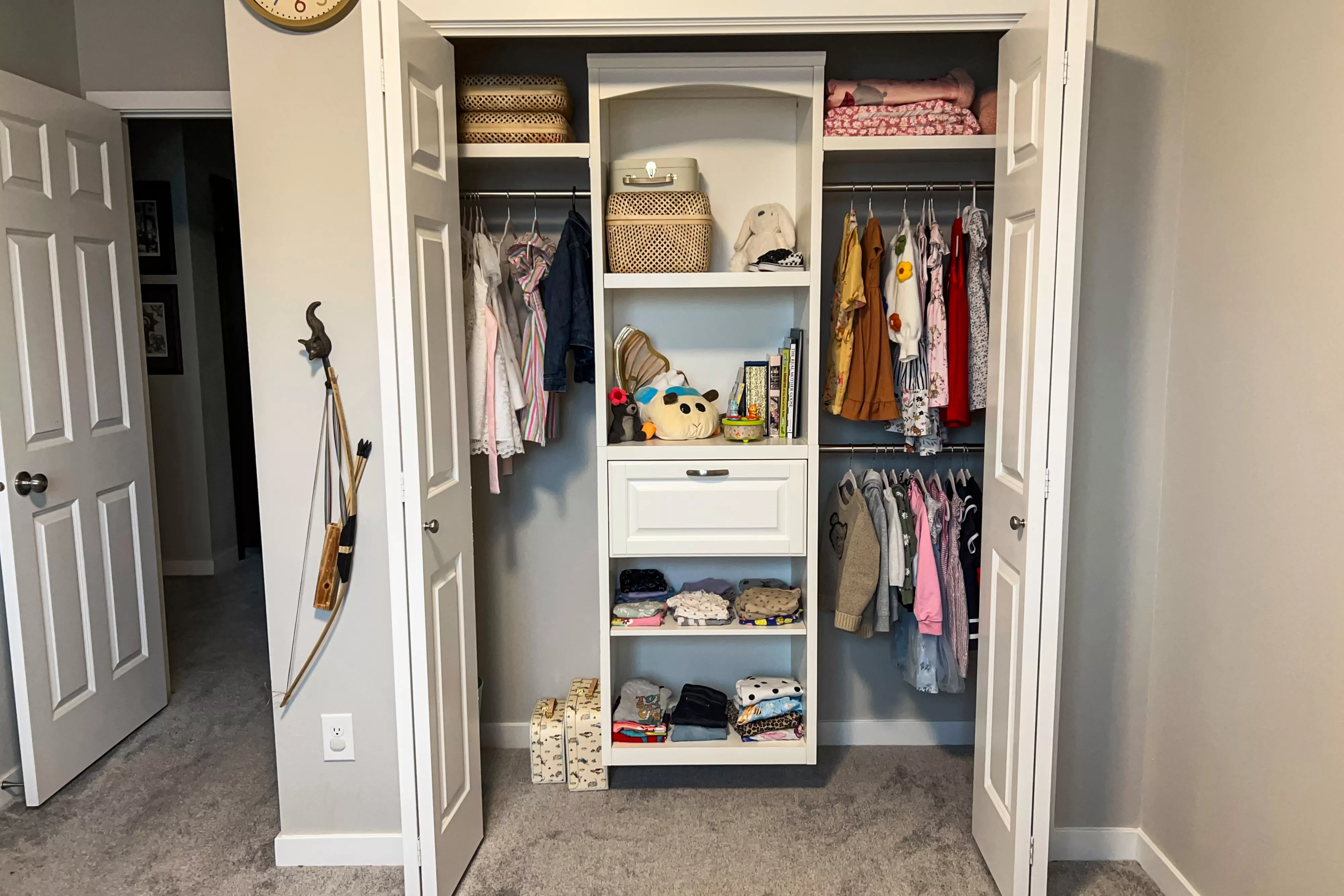
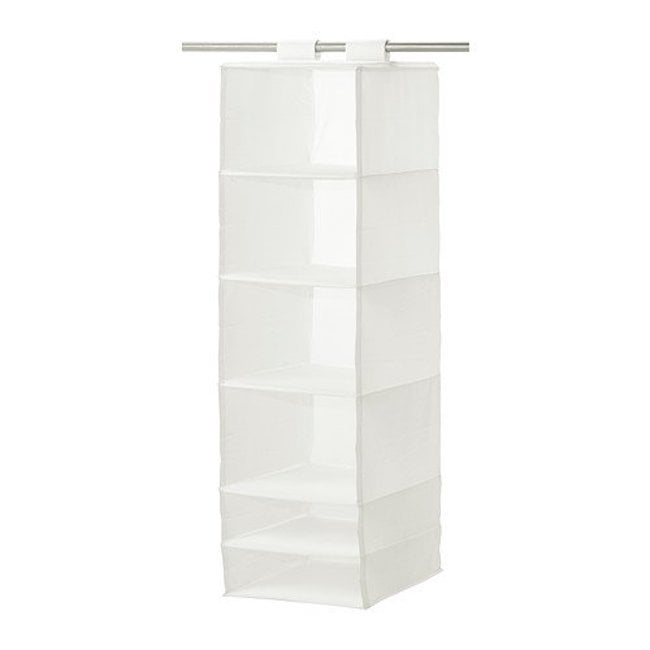
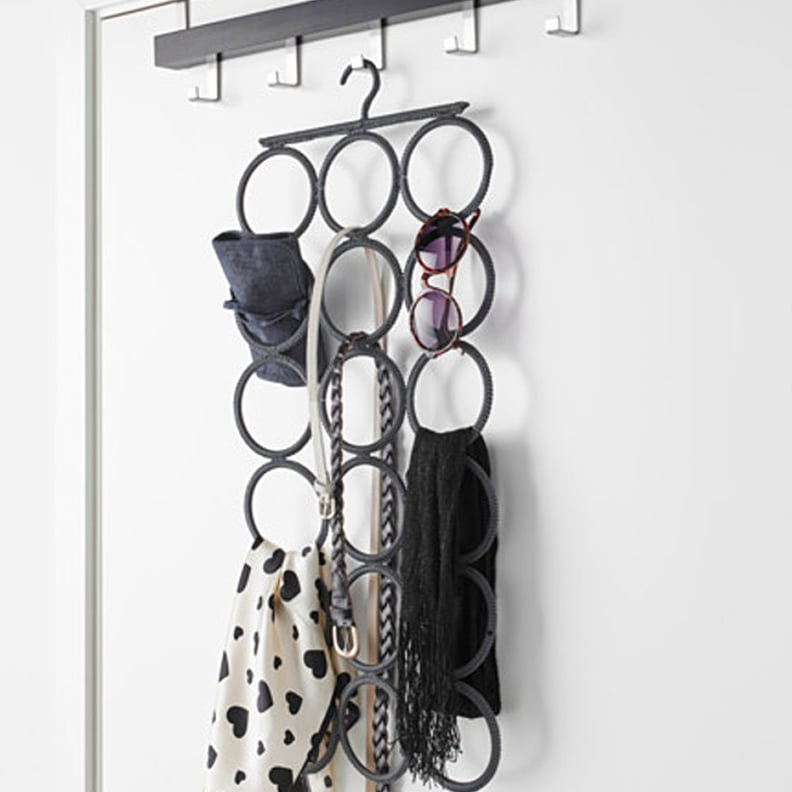
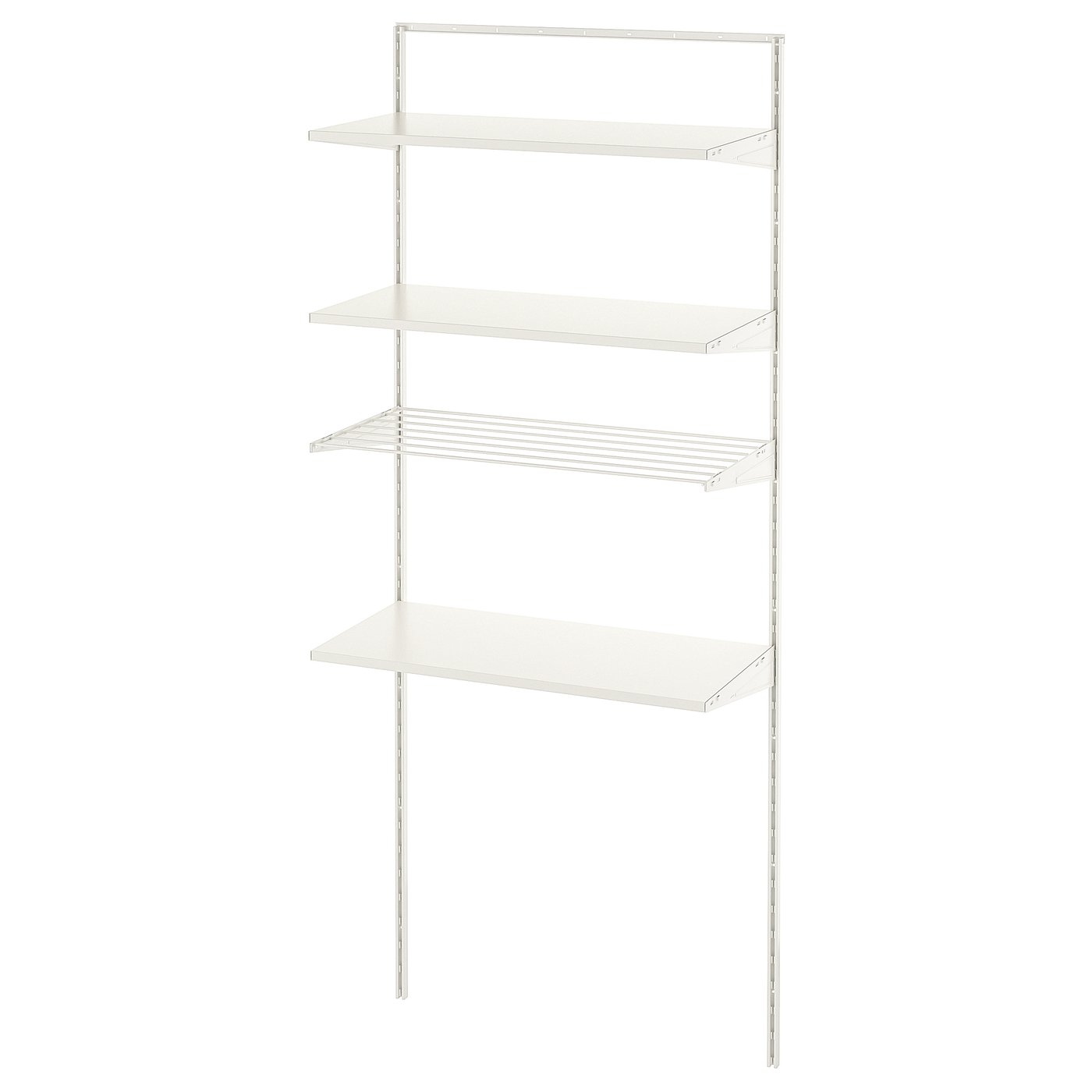
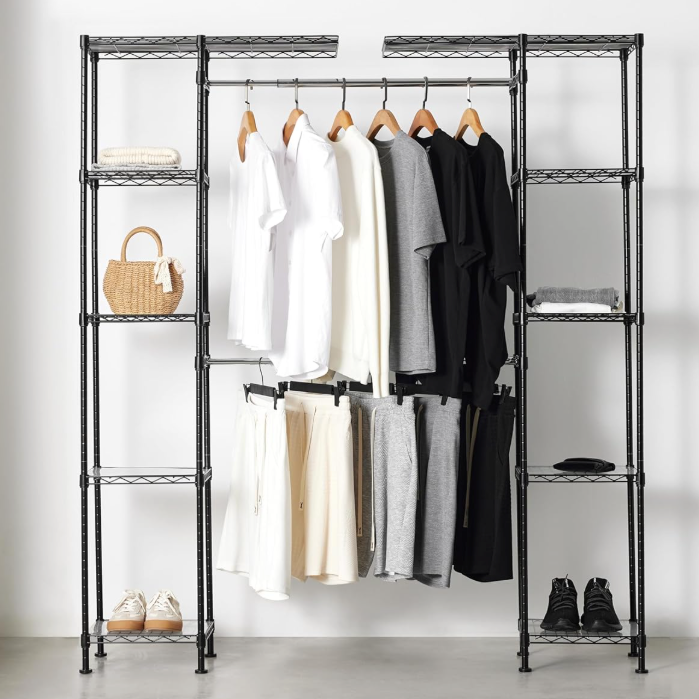
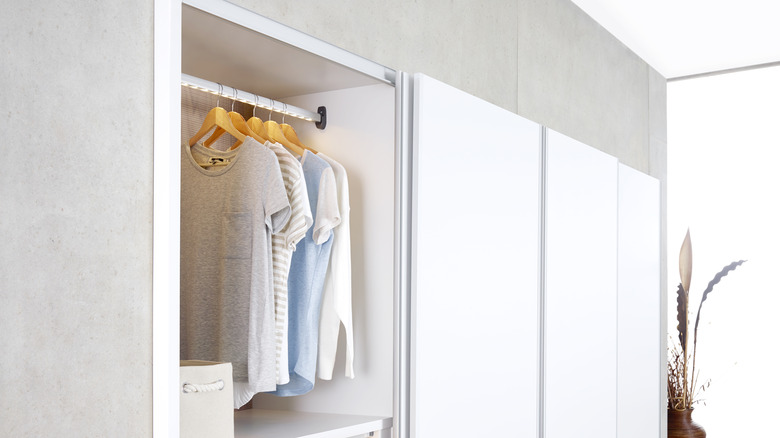
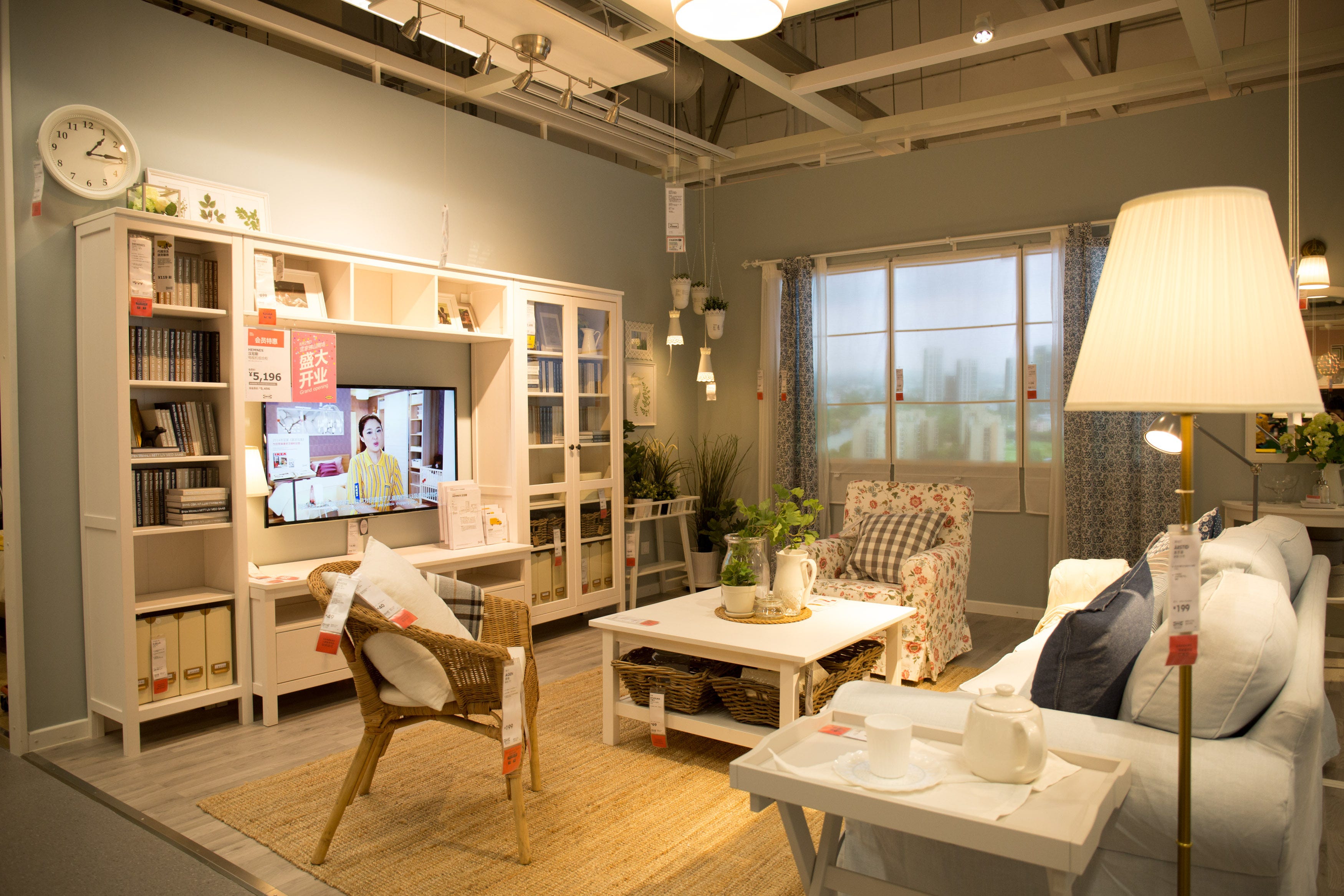
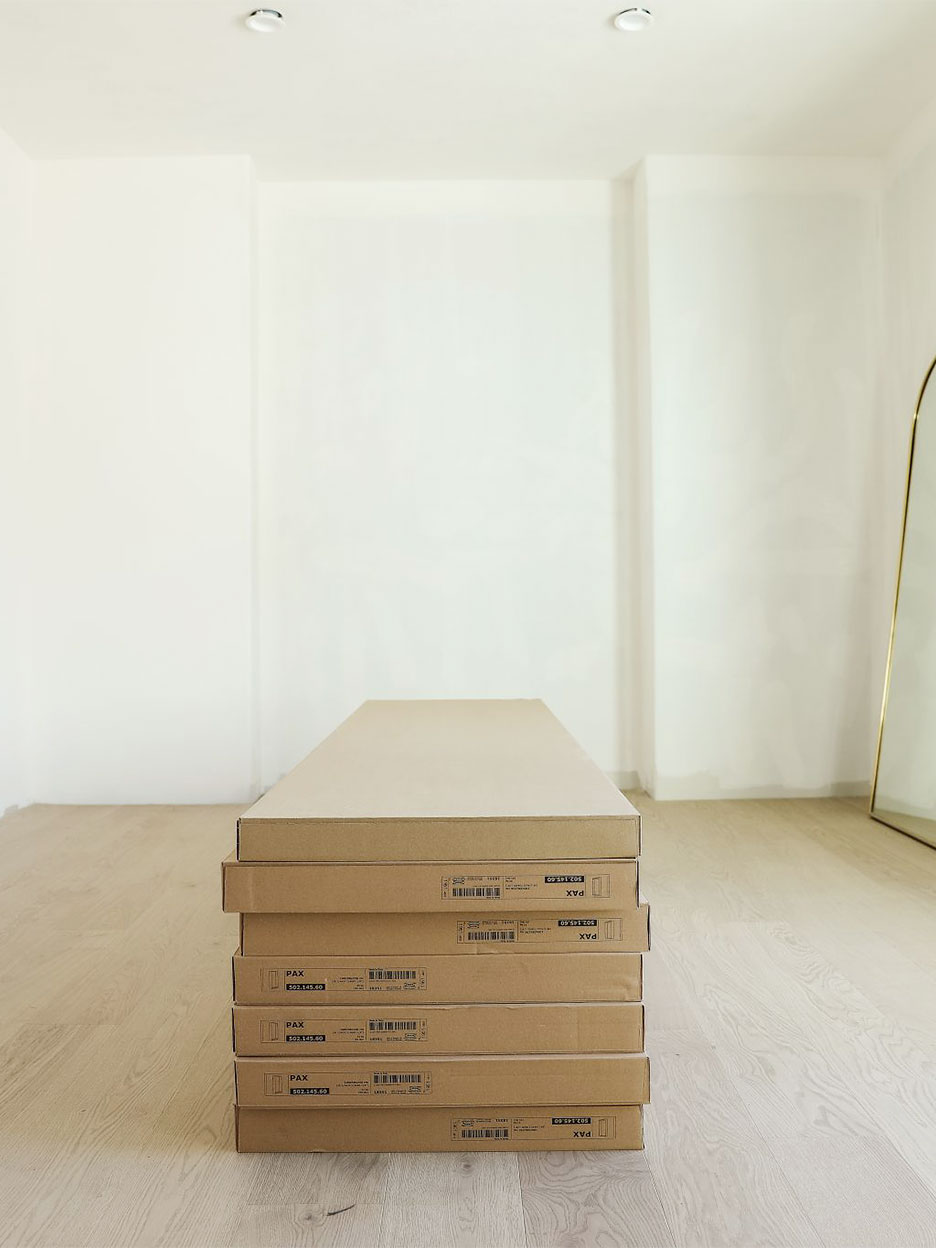
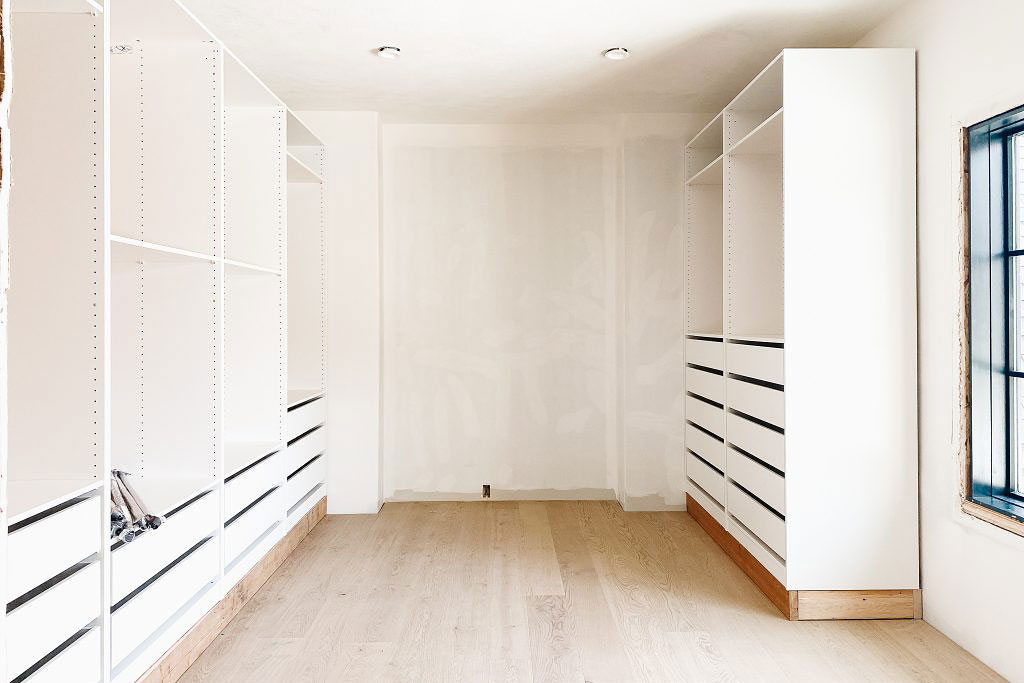
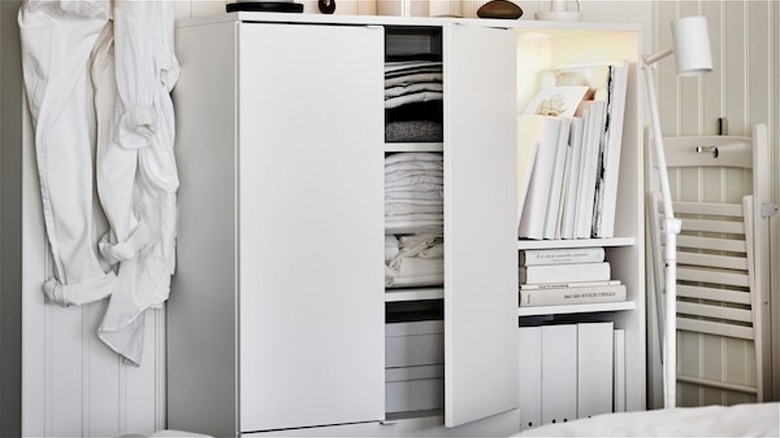
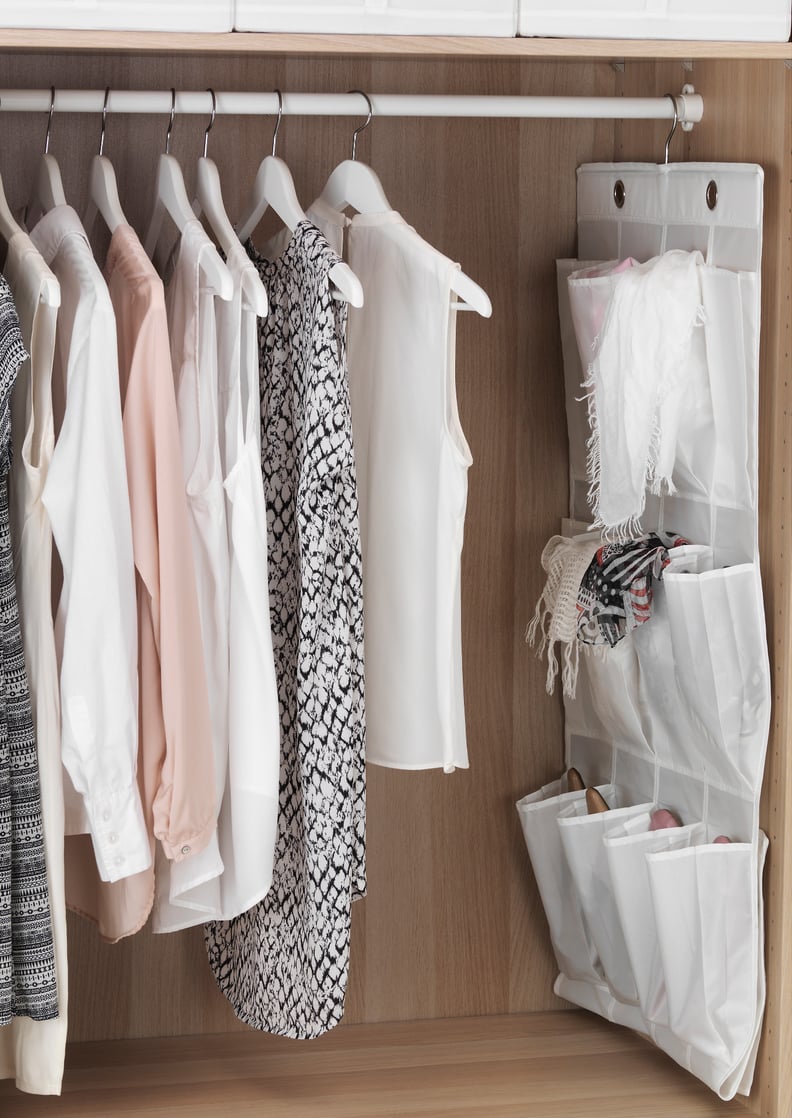
IKEA closet systems, particularly the PAX and KOMPLEMENT lines, are presented as an affordable alternative, catering to those seeking budget-friendly storage solutions. Prices for IKEA systems are considerably lower, starting from $13 for accessories and reaching up to $2,145 for expansive walk-in configurations, with many substantial setups costing under $600. IKEA offers a variety of custom accessories, including sliding and hinged doors, to enhance storage with simple yet effective details. The brand provides an online planner for personalized design without the added expense of professional consultation, and popular designs like PAX and KOMPLEMENT include a 10-year warranty for certain components. Despite the affordability and design flexibility, IKEA systems come with their own set of drawbacks. The assembly process is often complex and time-consuming, a common characteristic of IKEA furniture. The materials, typically particleboard and veneer, may not offer the same level of quality and durability as higher-end systems like Elfa. While customization options are available, they are not as extensive as those offered by Elfa, potentially limiting the ability to fully tailor the system. Additionally, some users have noted that finer details, such as racks and rods, can feel less robust and perform poorly, which might make IKEA less appealing for those prioritizing a more durable and refined storage solution.
Ultimately, the choice between Elfa and IKEA depends on individual priorities. Elfa is ideal for those who value premium quality, extensive customization, long-term durability, and are willing to invest a higher amount. IKEA, conversely, appeals to consumers who prioritize affordability, stylish design, and a reasonable degree of customization, even if it means compromising on material durability and assembly convenience. The article encourages potential buyers to weigh the pros and cons of each brand against their budget, storage requirements, and expectations for longevity and ease of use.
#ElfaClosetSystems #IKEAPAX #HomeOrganization #ClosetStorage #CustomClosets #BudgetFriendly #HomeImprovement #DesignComparison #ElfaClosetSystems #IKEAPAX #HomeOrganization #ClosetStorage #CustomClosets #BudgetFriendly #HomeImprovement #DesignComparison
0 comment in total
 No comments yet
You may also like

IKEA's Closet Systems Ranked By Reviews
The Container Store is having a huge sale on closet systems
DIY The Custom Closet Of Your Dreams Using IKEA Products
Why The IKEA VIHALS Series Is Perfect For Adding Extra Storage To Your Closet
The Container Store transformed my closet—here's how

Our Closet Laundry Room Reveal + Ideas

The 22 Best IKEA Products For An Impressively Organized Closet
4 Thoughtfully Designed Closets That Will Organize Everything You Own

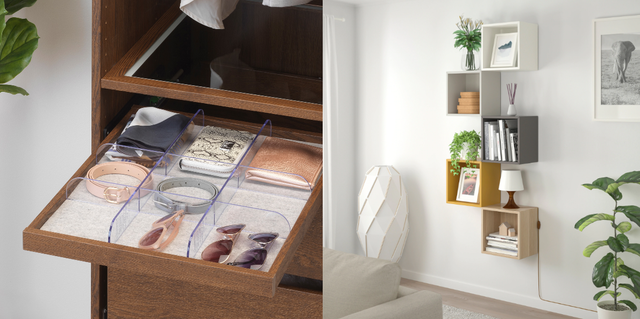
Ikea's Most Popular Organizing Products Will Change Your Life

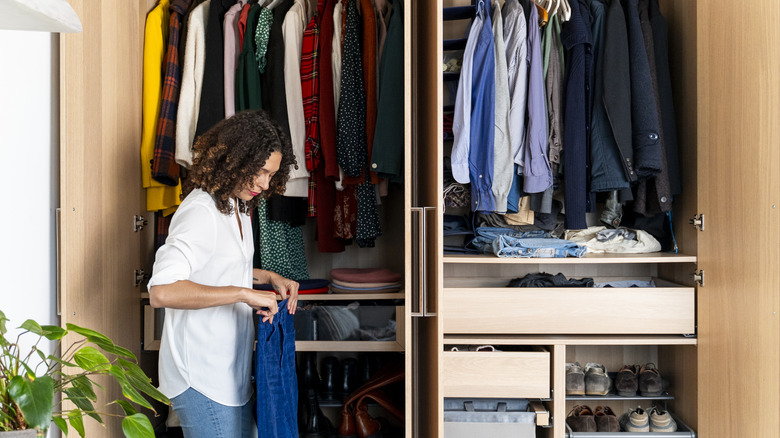
Is The Elfa Closet System Worth It? Here's What We Know Based On Reviews
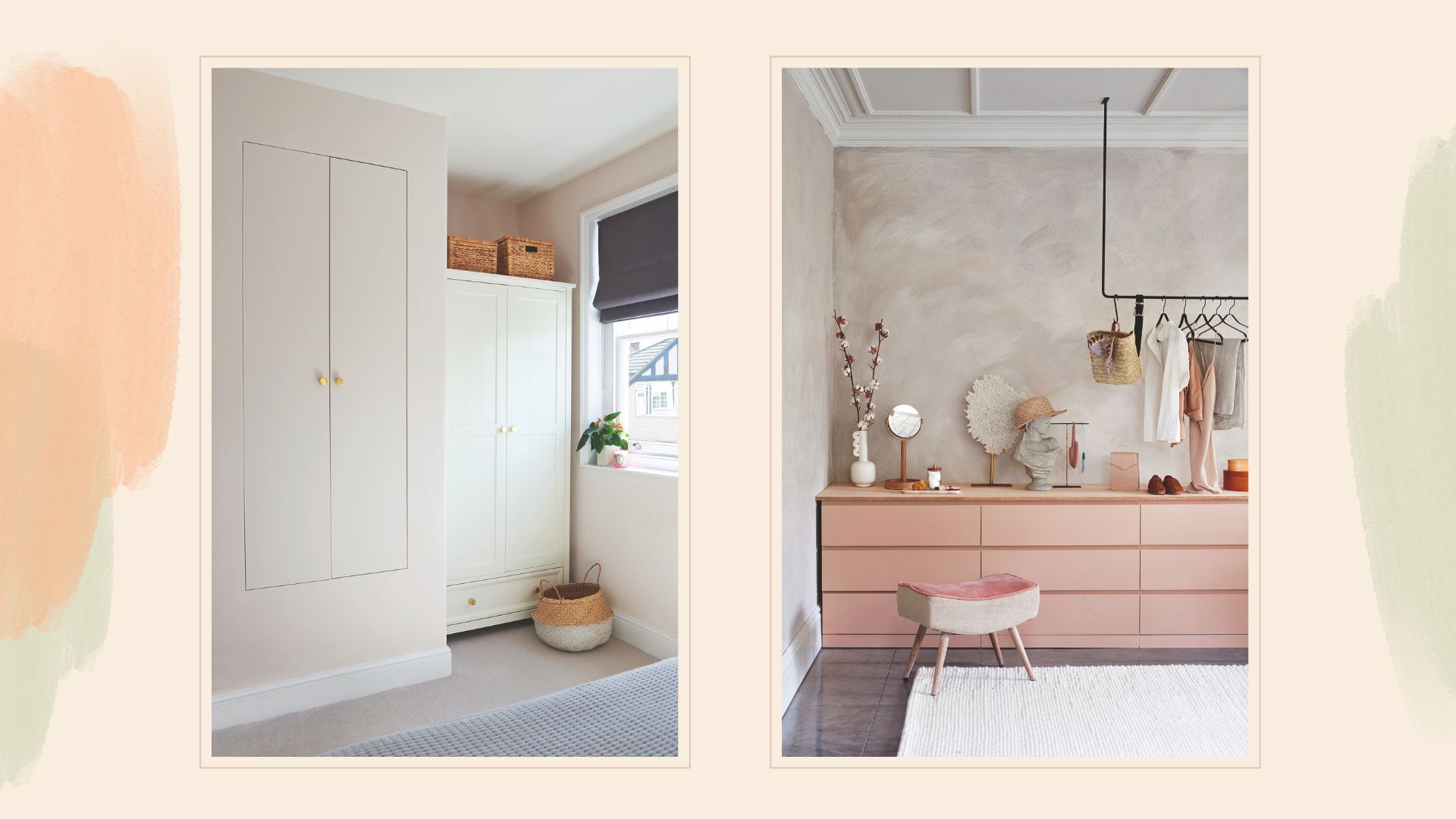
I've tried IKEA's most space-savvy storage solutions to organise my wardrobe – here are the ones worth buying

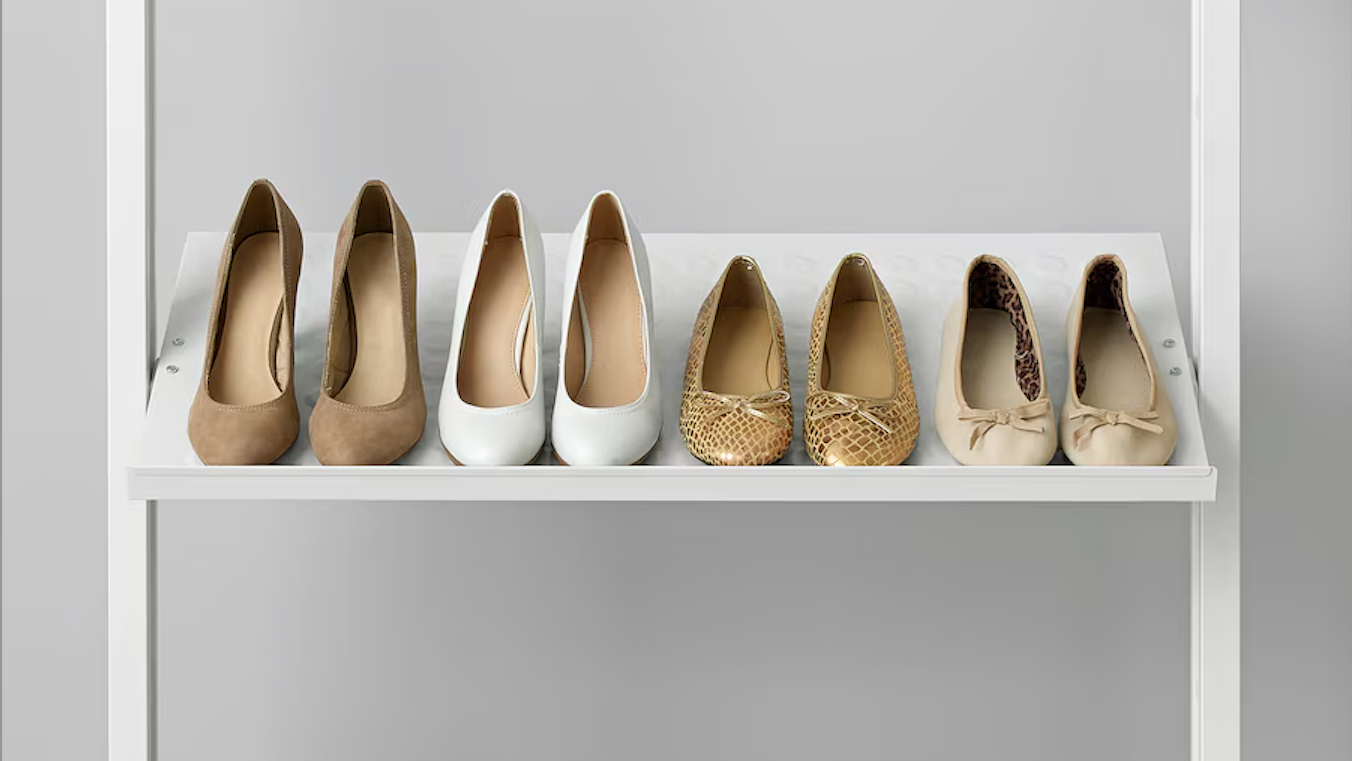
I’m a Design Editor—And I Just Found the World’s Most Perfect IKEA Piece
Is The Elfa Closet System Worth It? Here's What We Know Based On Reviews

Organize Your Wardrobe with the 5 Best Closet Systems We Tested

You don't need a fancy utility room to have an organised home – this IKEA buy is the best storage to buy

We Saved $27K on a Custom Closet by Hacking IKEA Pax Wardrobes
The Container Store Conquered Every Closet at This Year's Whole Home
Get Your Closet Organized With These 10 Genius Products From Ikea
The 10 Best Closet Organization Systems to Maximize Your Space

4 Thoughtfully Designed Closets That Will Organize Everything You Own