Experts Say Buying More Storage Bins Might Be The Worst Thing You Can Do For Closet Organization
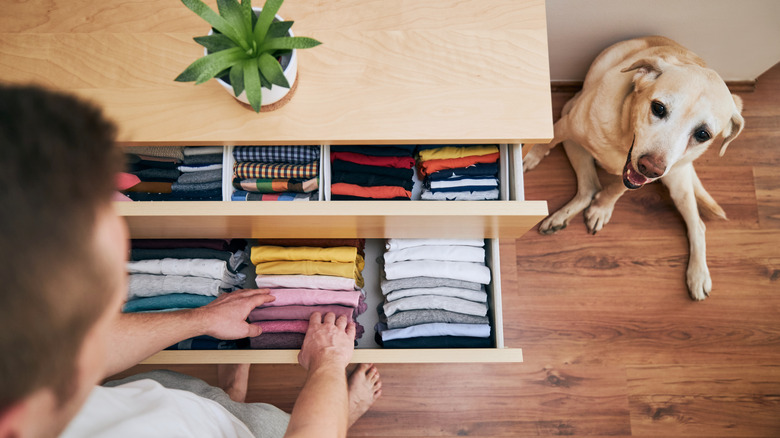
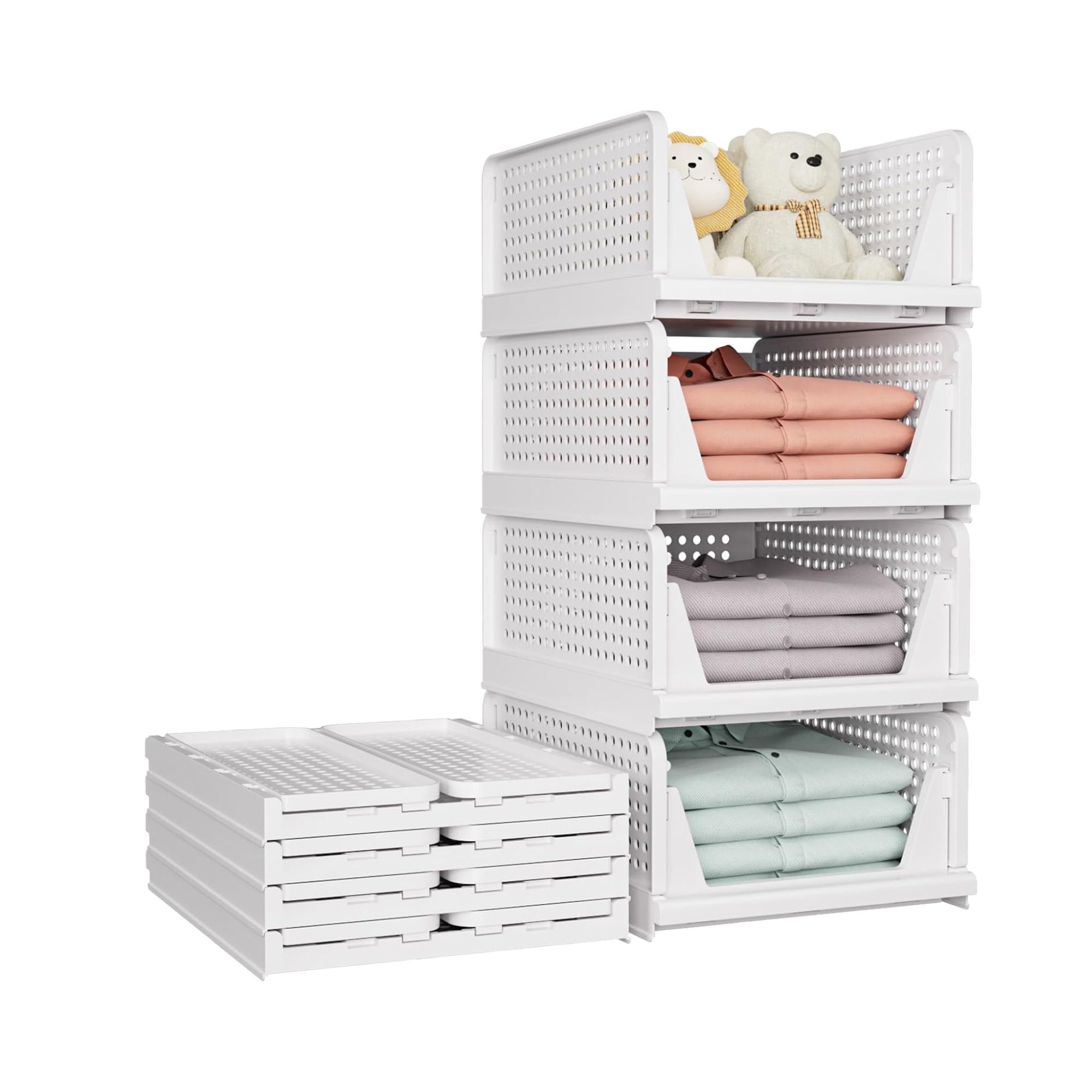
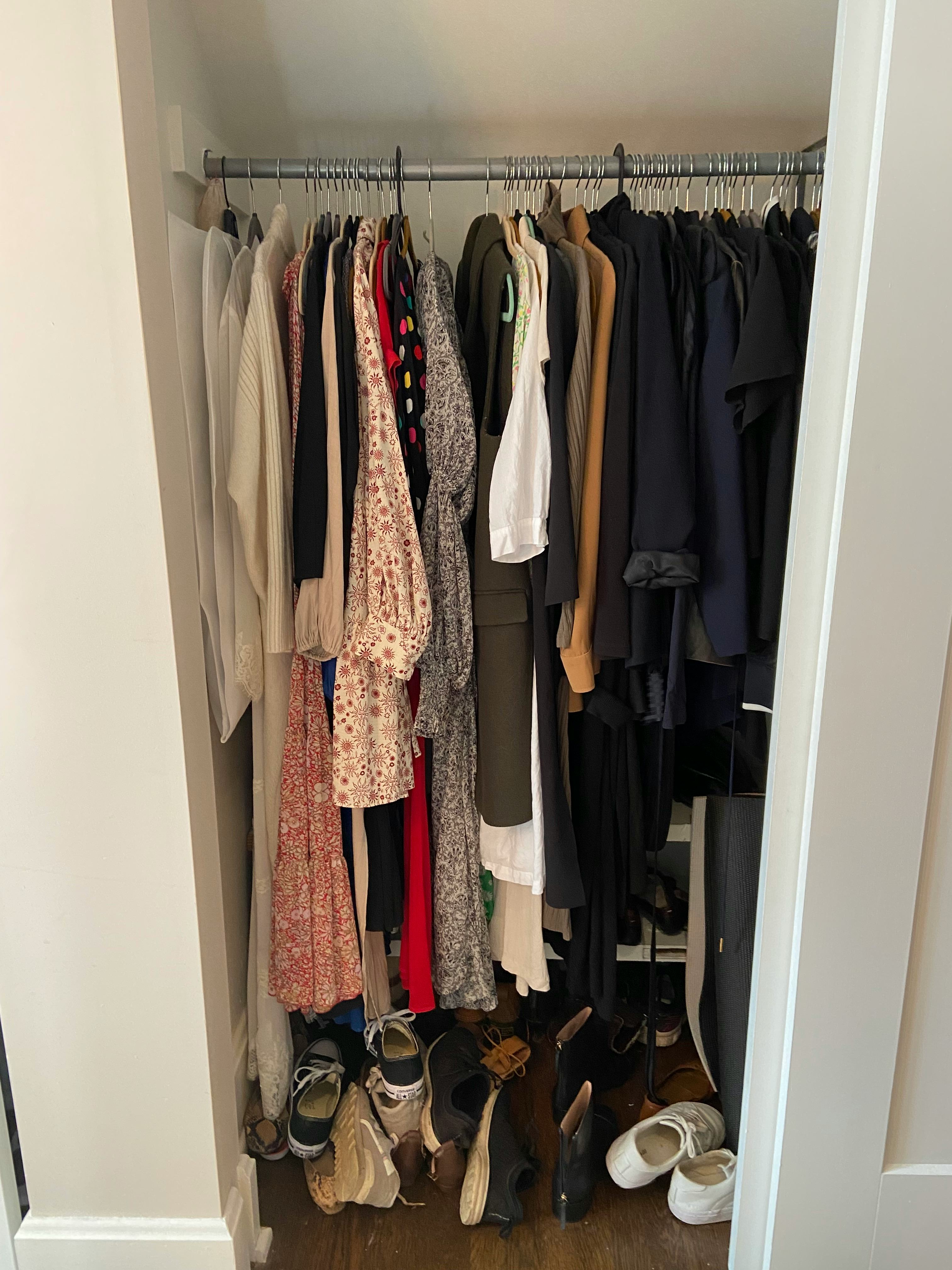
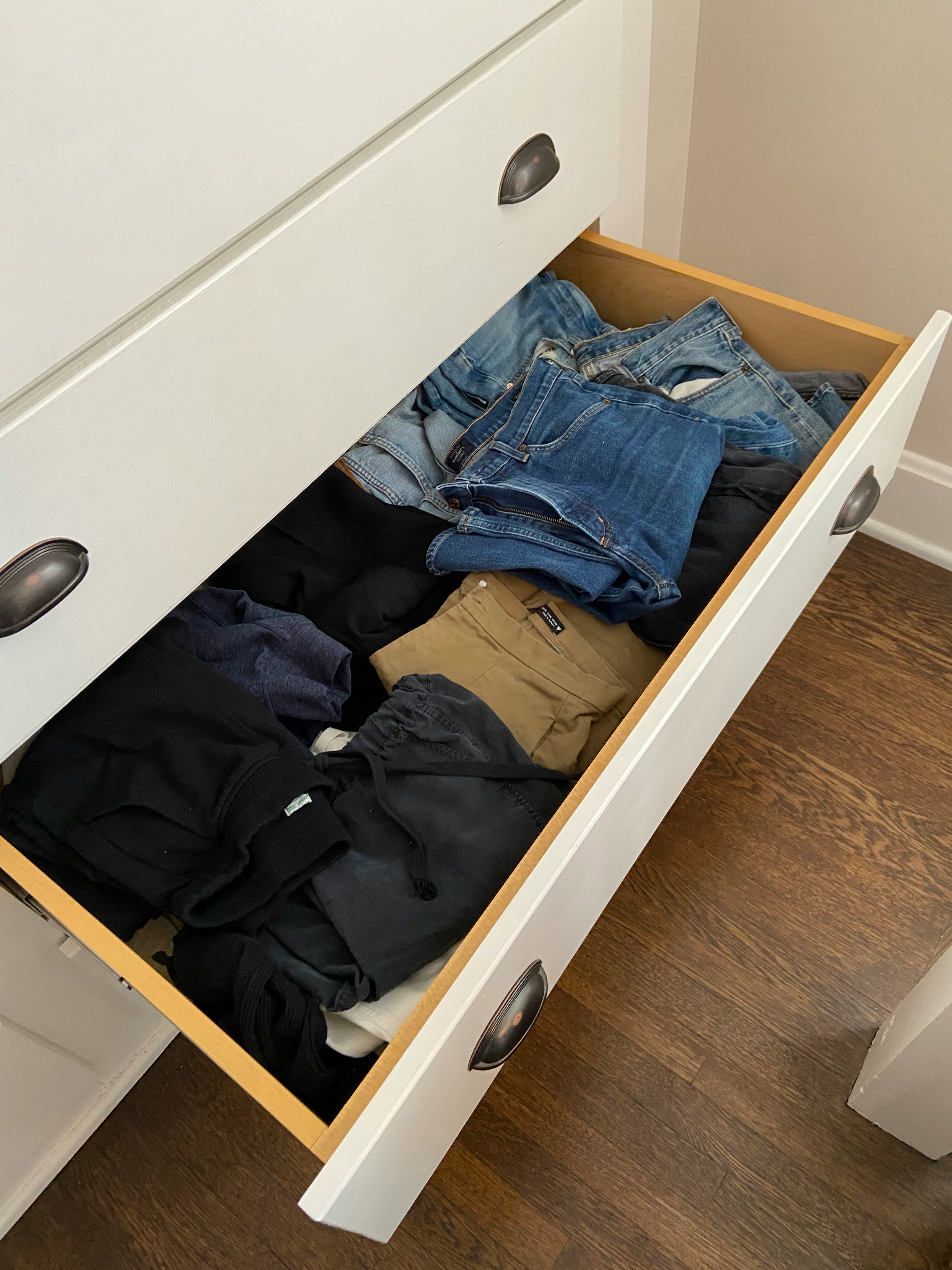
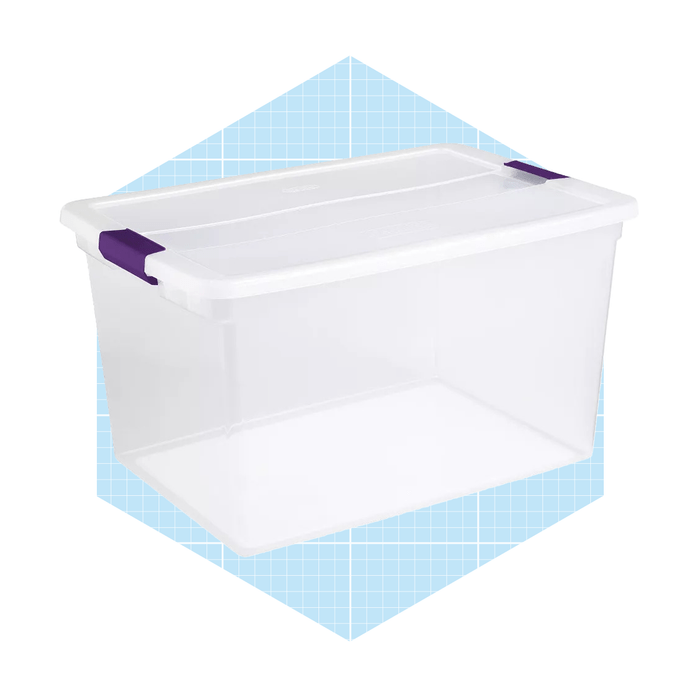
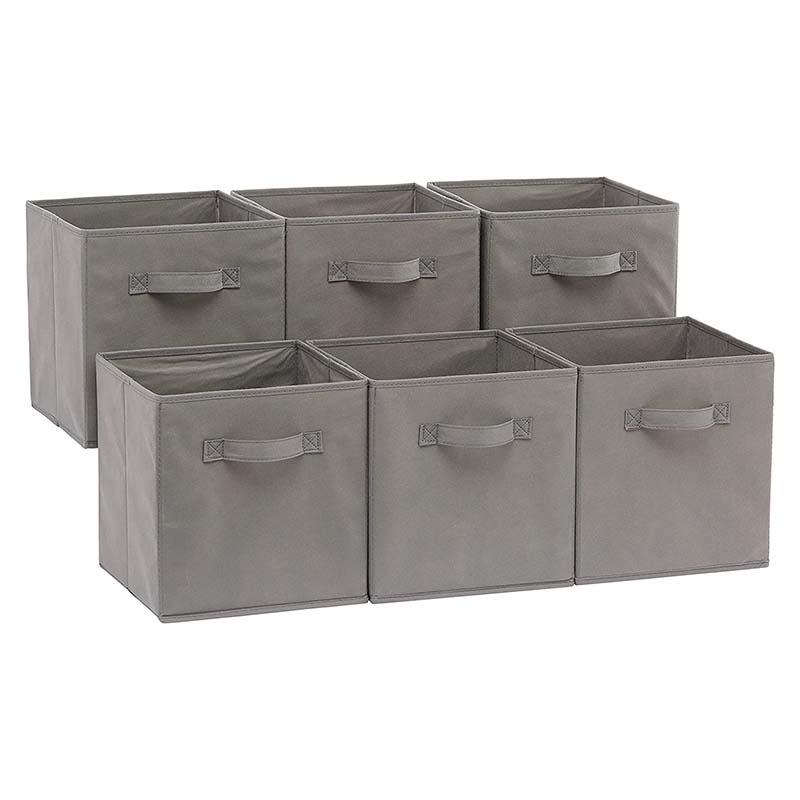
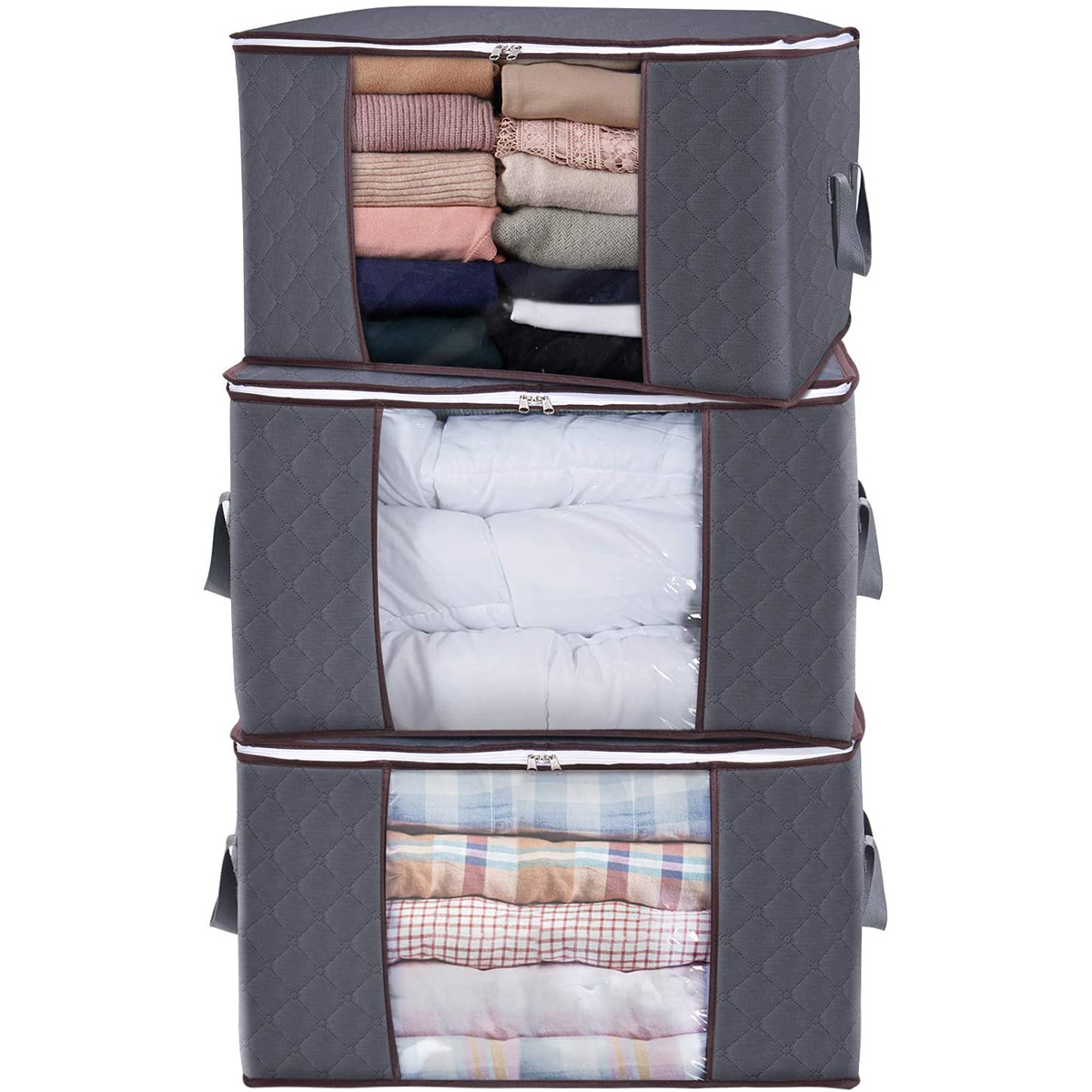
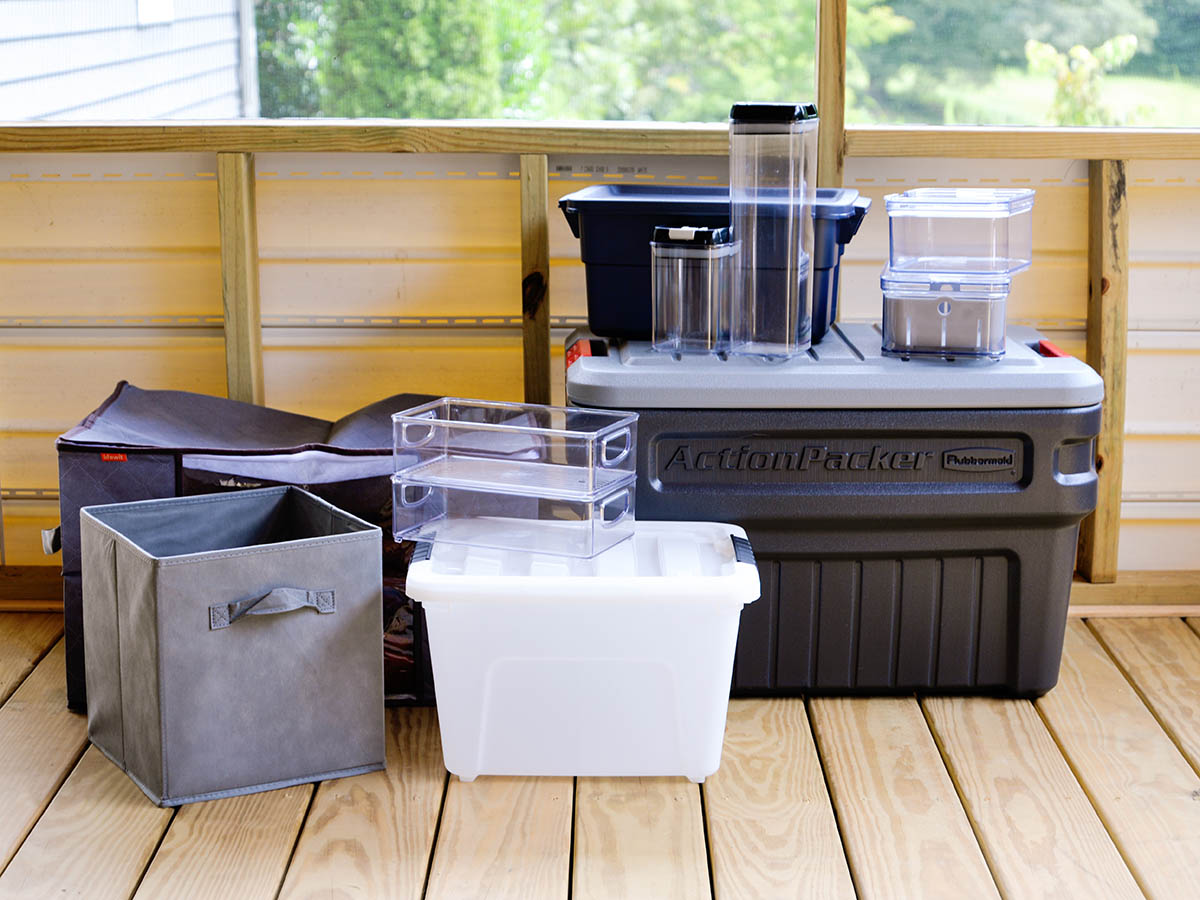
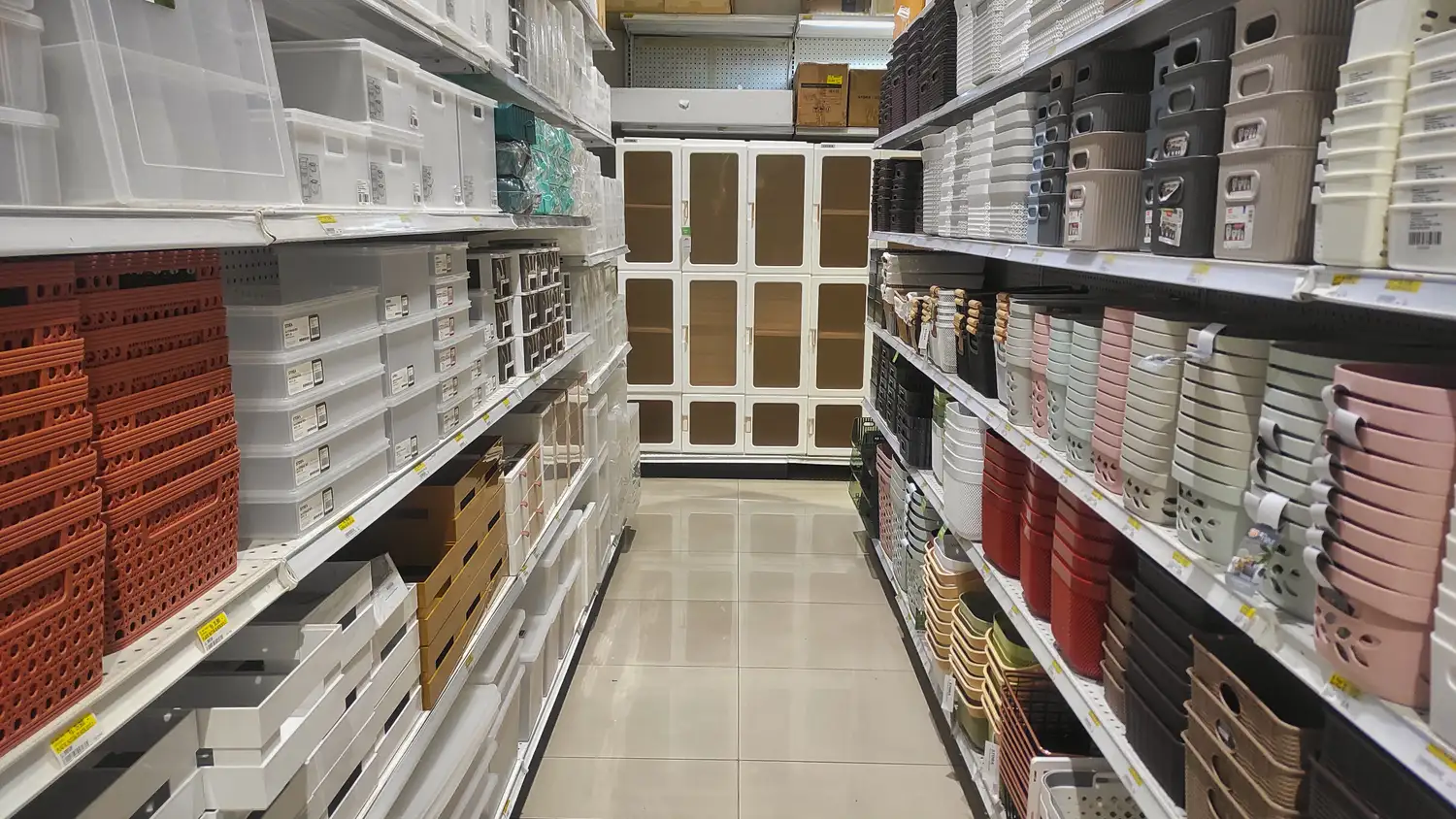
The common impulse to purchase storage bins to organize a closet often leads to more disarray rather than a tidy space, according to professional organizers and closet designers. This approach is frequently cited as one of the least effective strategies for establishing a functional wardrobe area. Instead of immediately acquiring storage solutions, experts emphasize that effective organization must begin with a thorough editing process. This involves a comprehensive decluttering, where individuals remove all items from their closet, identify what they truly need and use, and then discard or donate what is no longer wanted or worn.
Angelia York, a custom closet designer with over three decades of experience, highlights that buying storage before decluttering is a significant mistake. When people invest in bins prematurely, they are essentially creating storage for items they might not even wish to keep, transforming these bins into mere hiding places for clutter rather than genuine organizational tools. She stresses that no amount of storage can compensate for a closet overflowing with unused clothing. A proper edit helps to clarify actual storage needs, which are often much simpler than initially perceived.
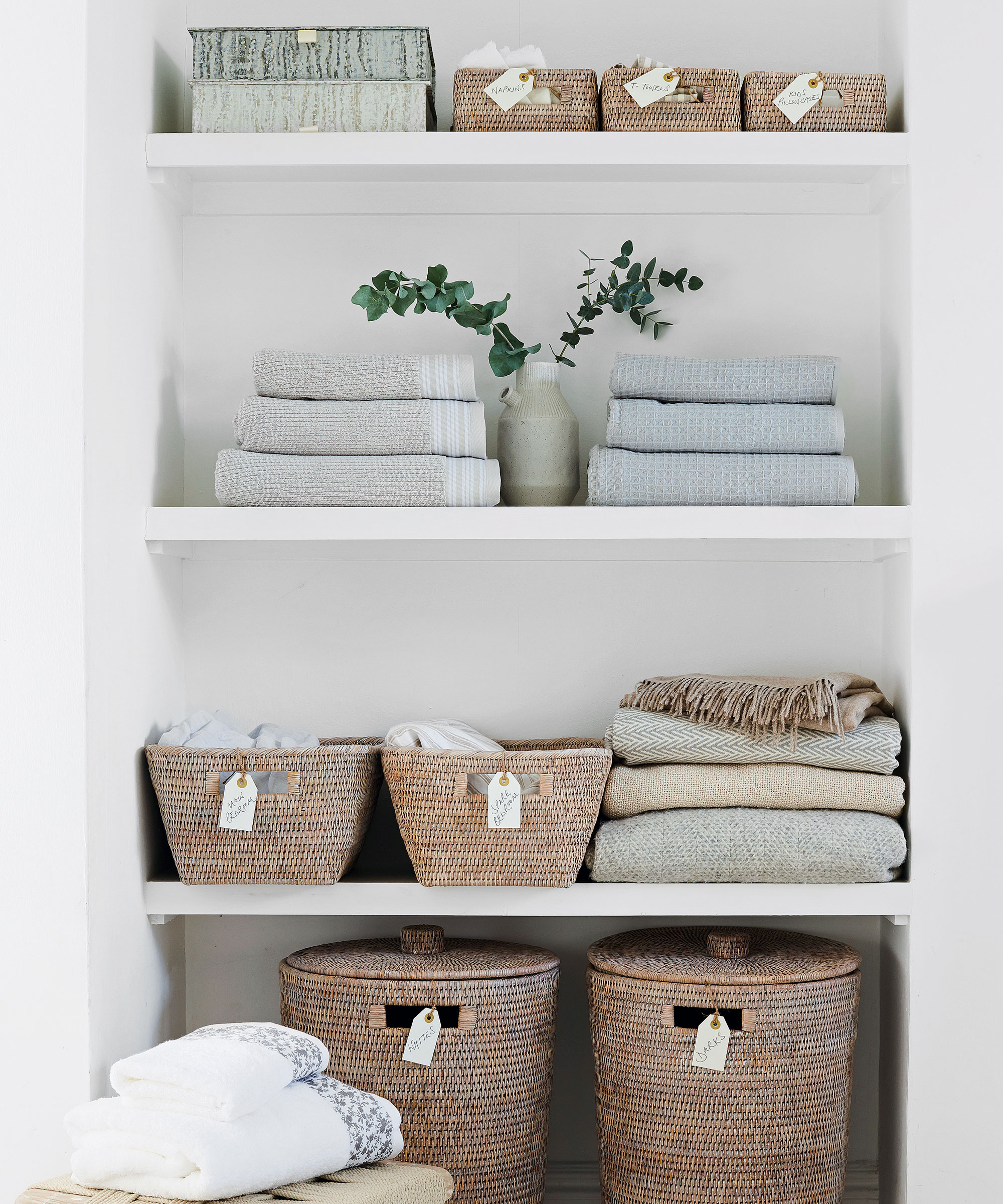
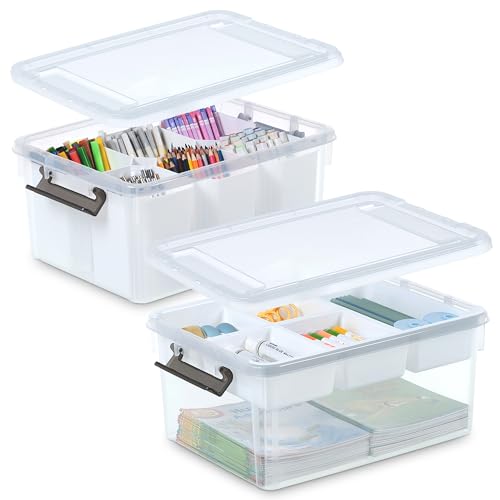
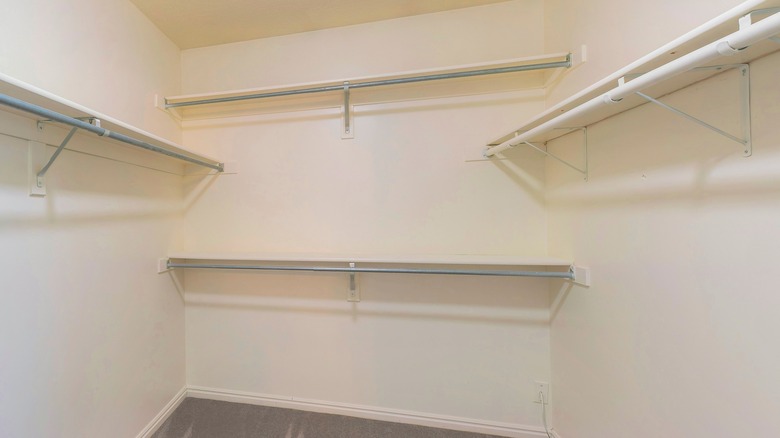
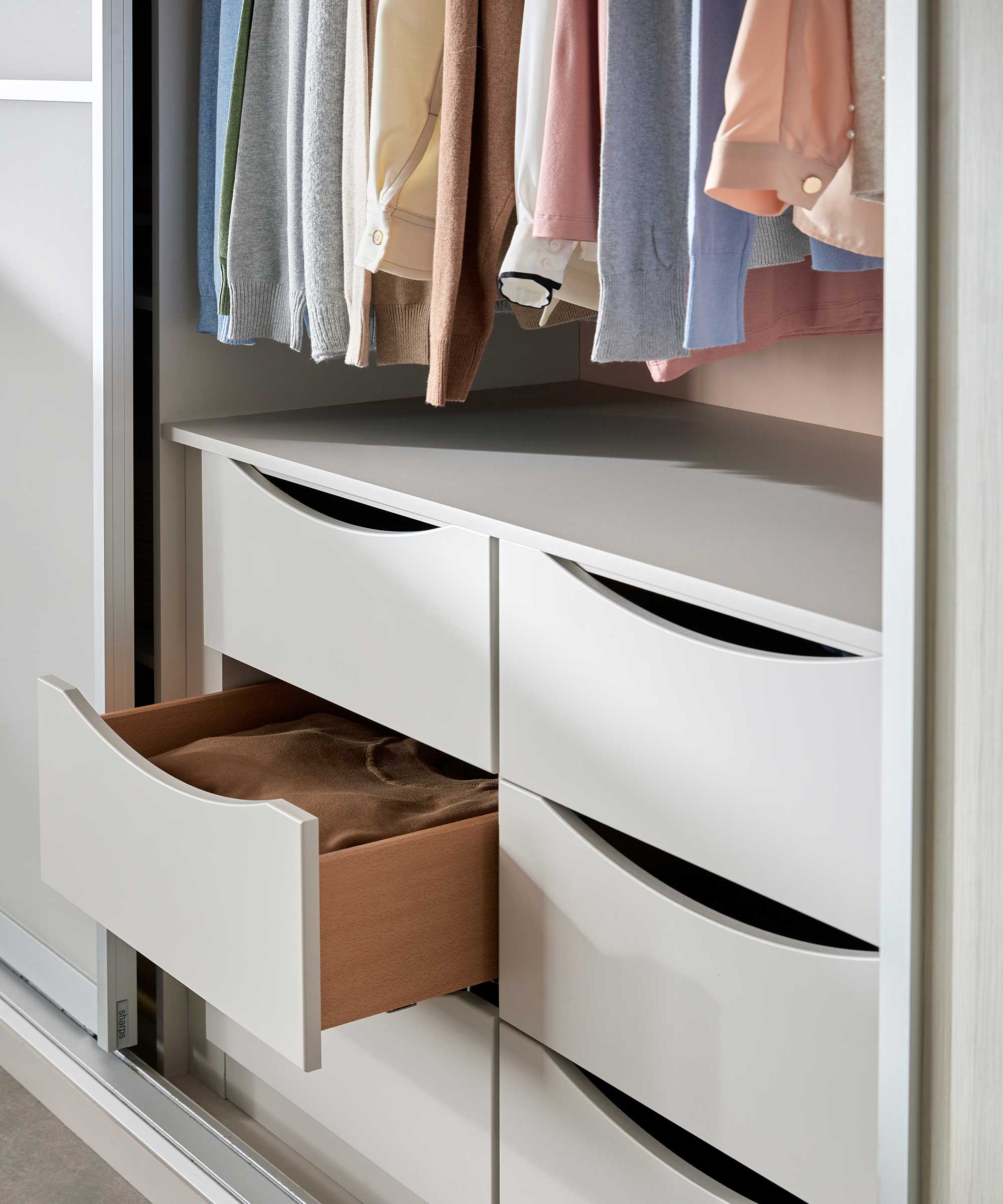
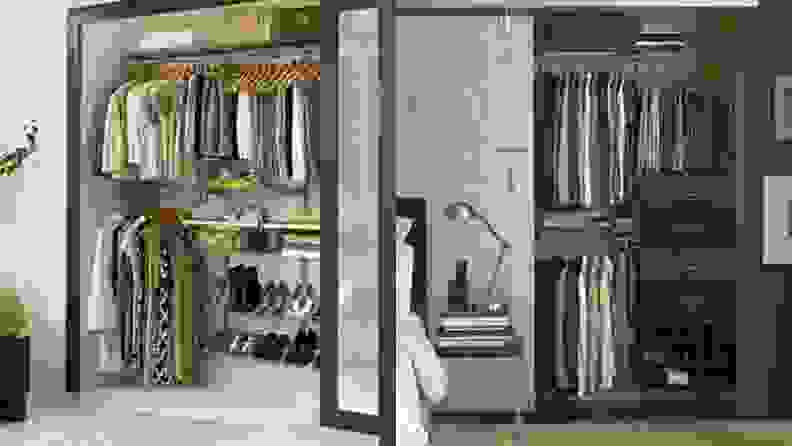
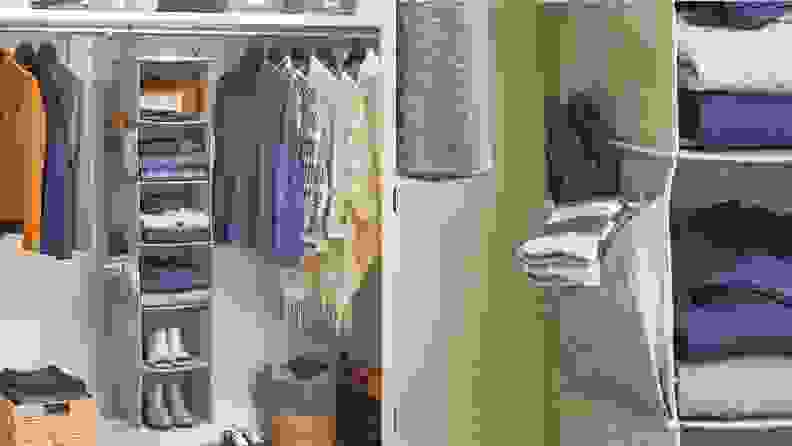
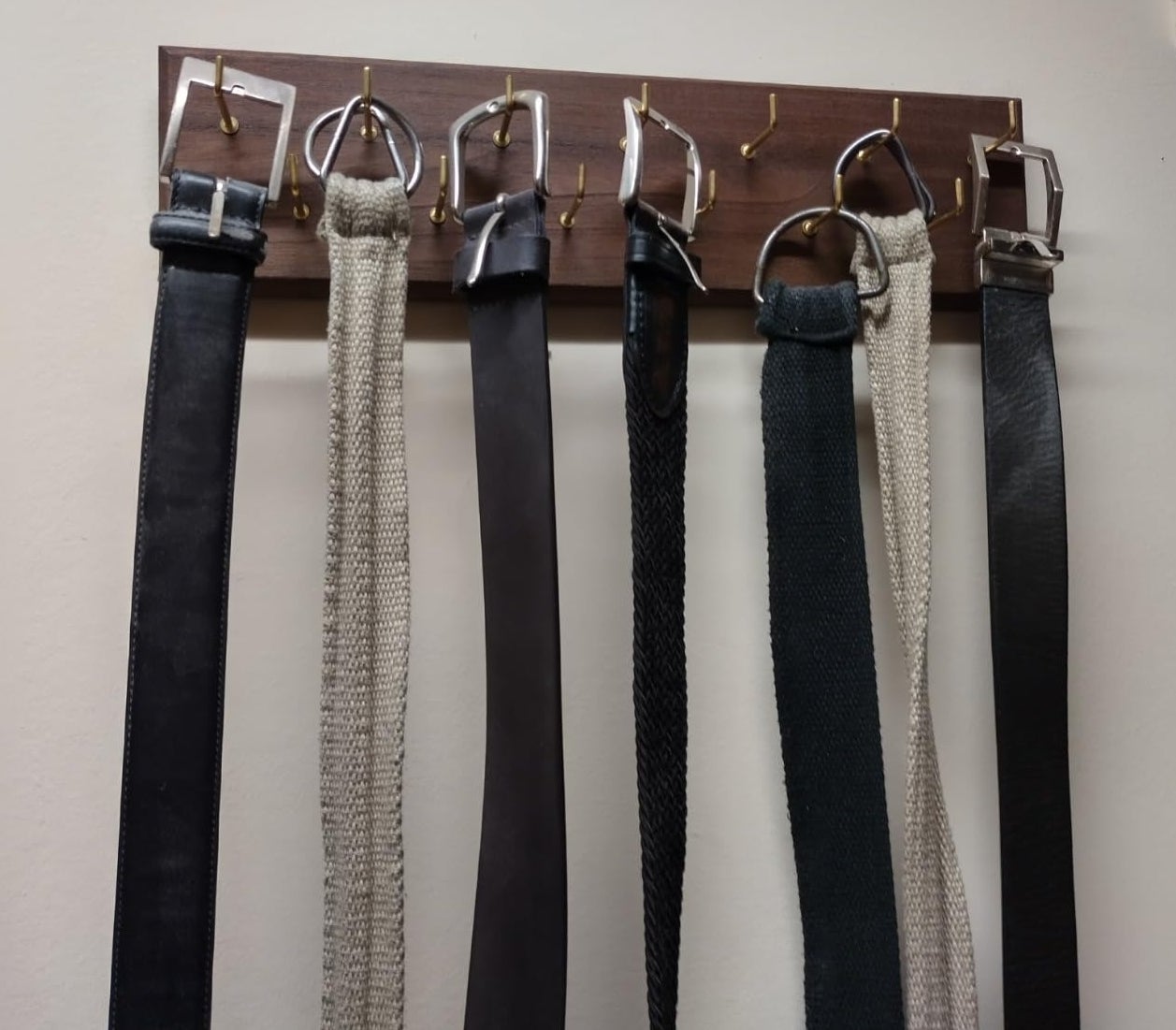
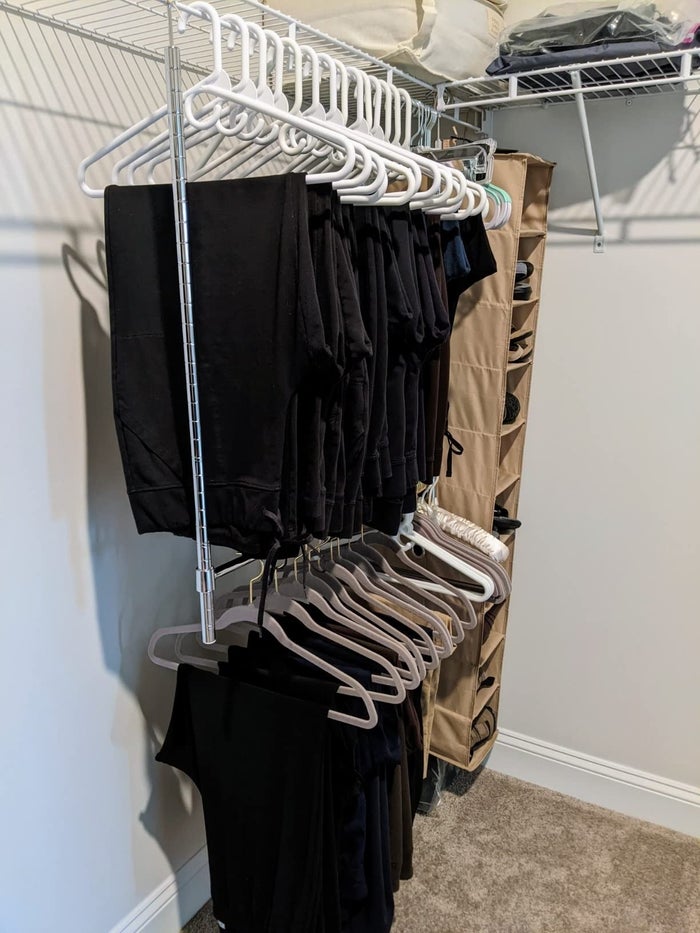
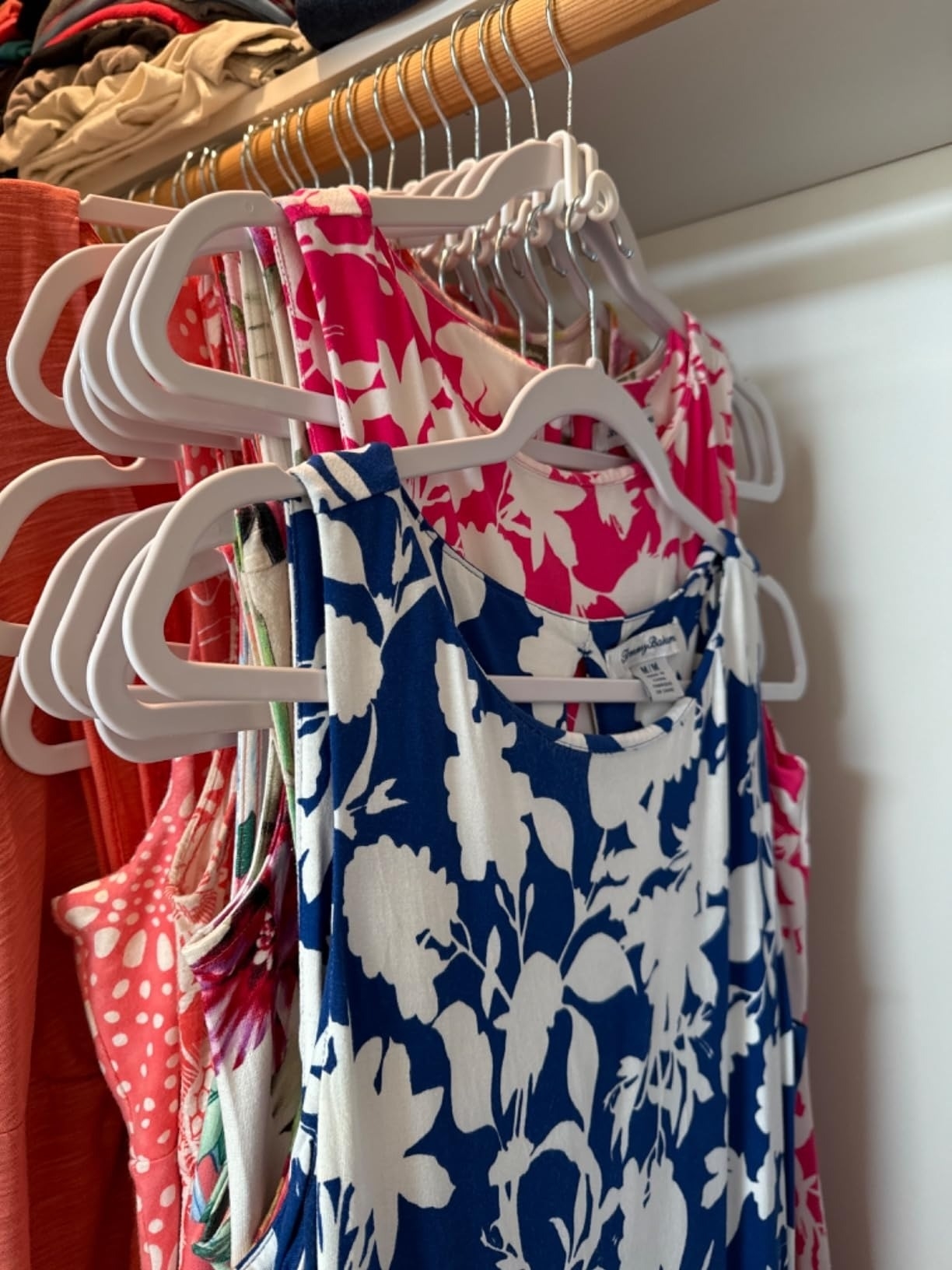
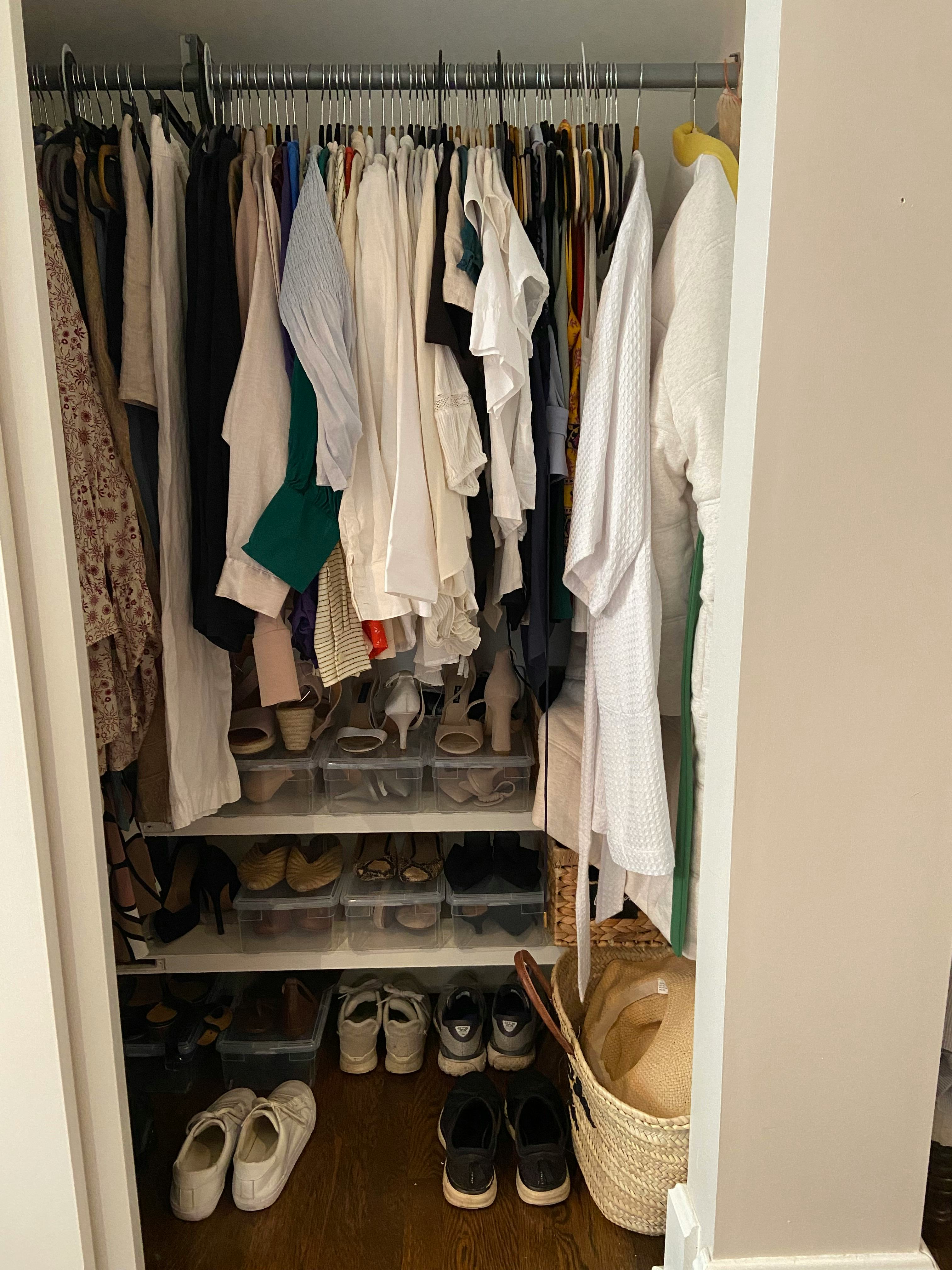
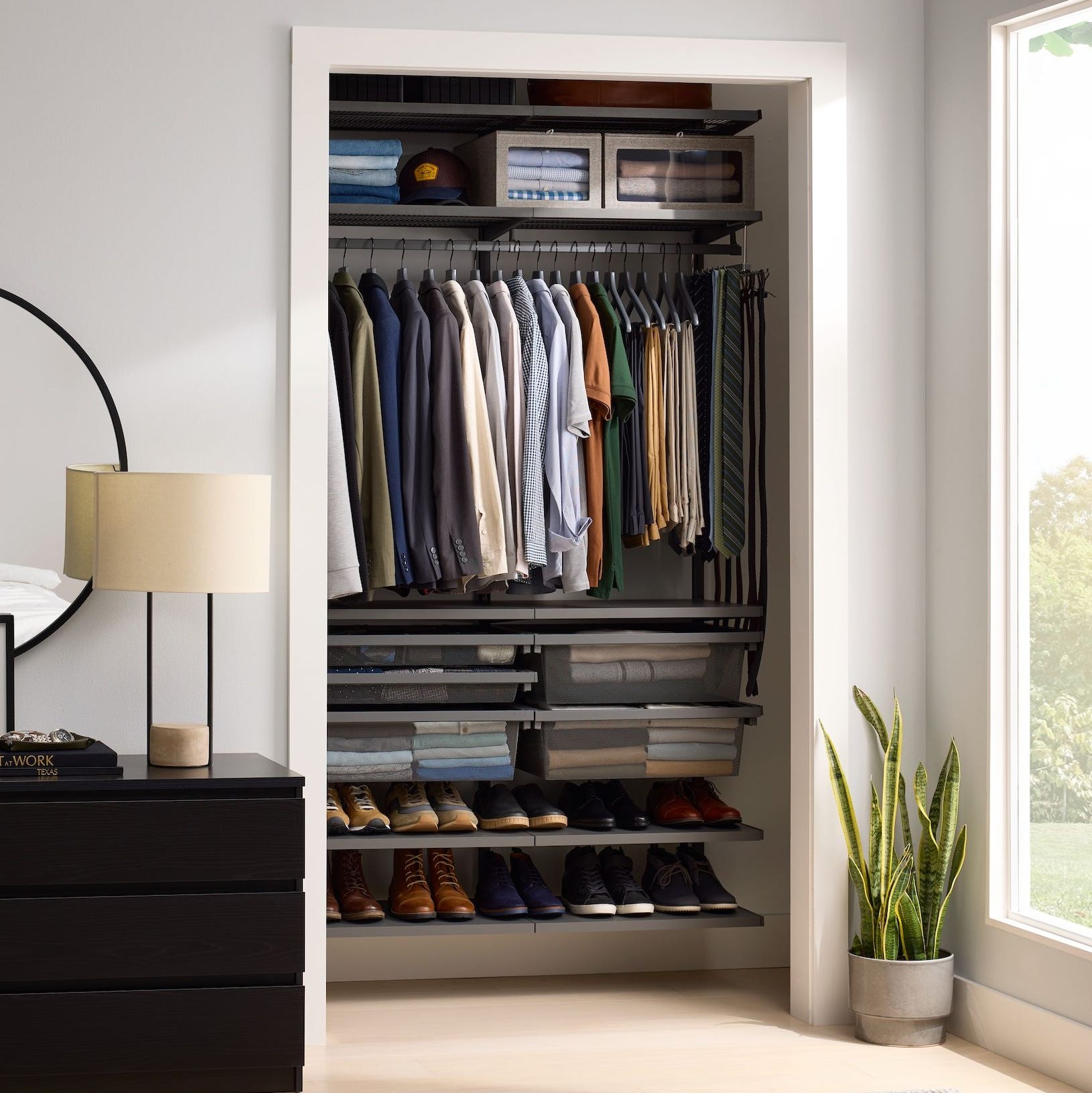
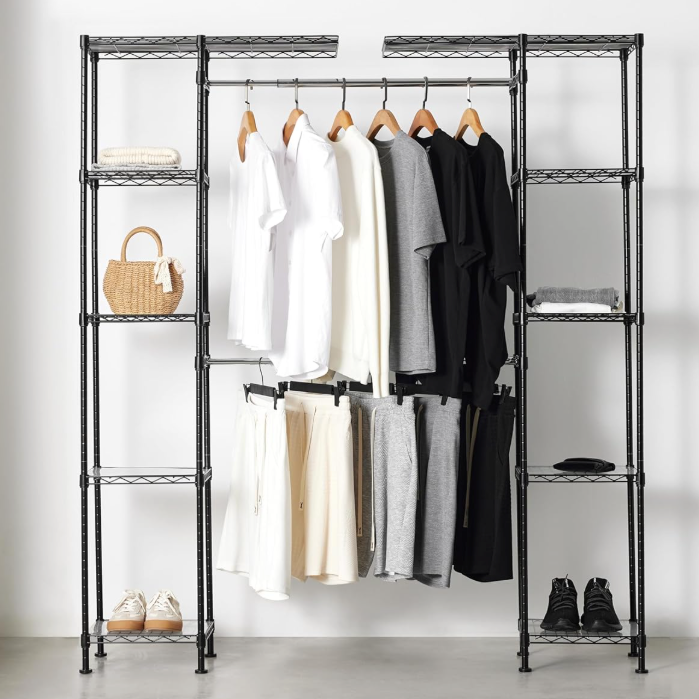
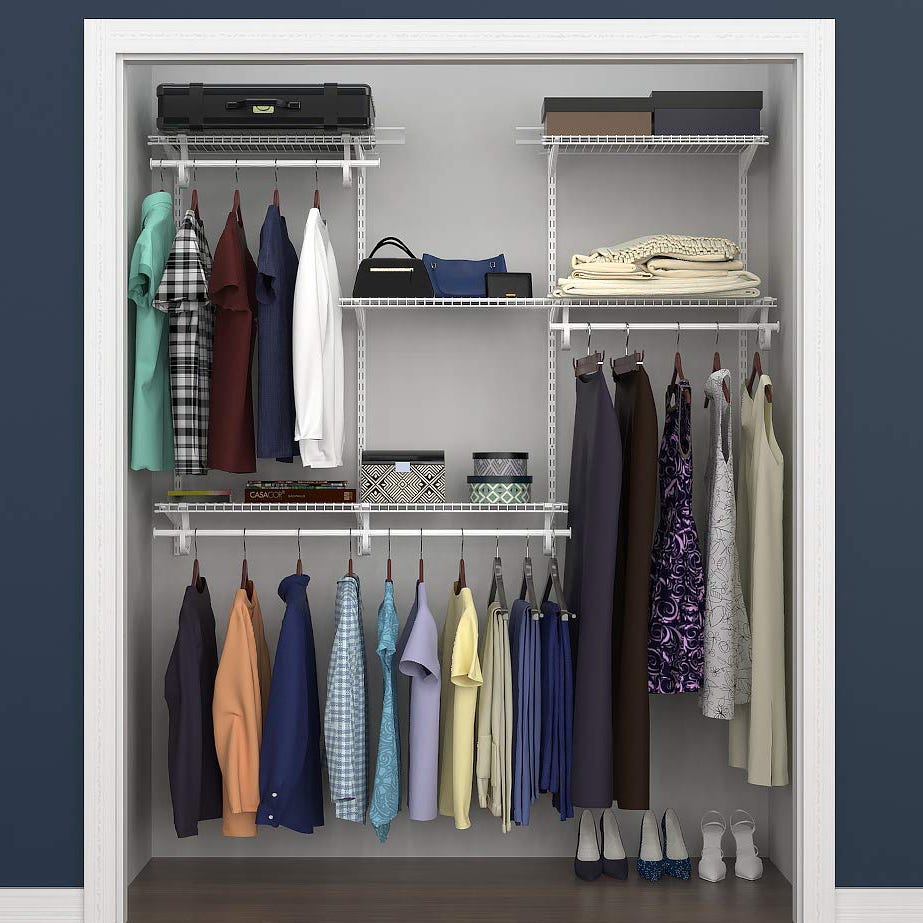
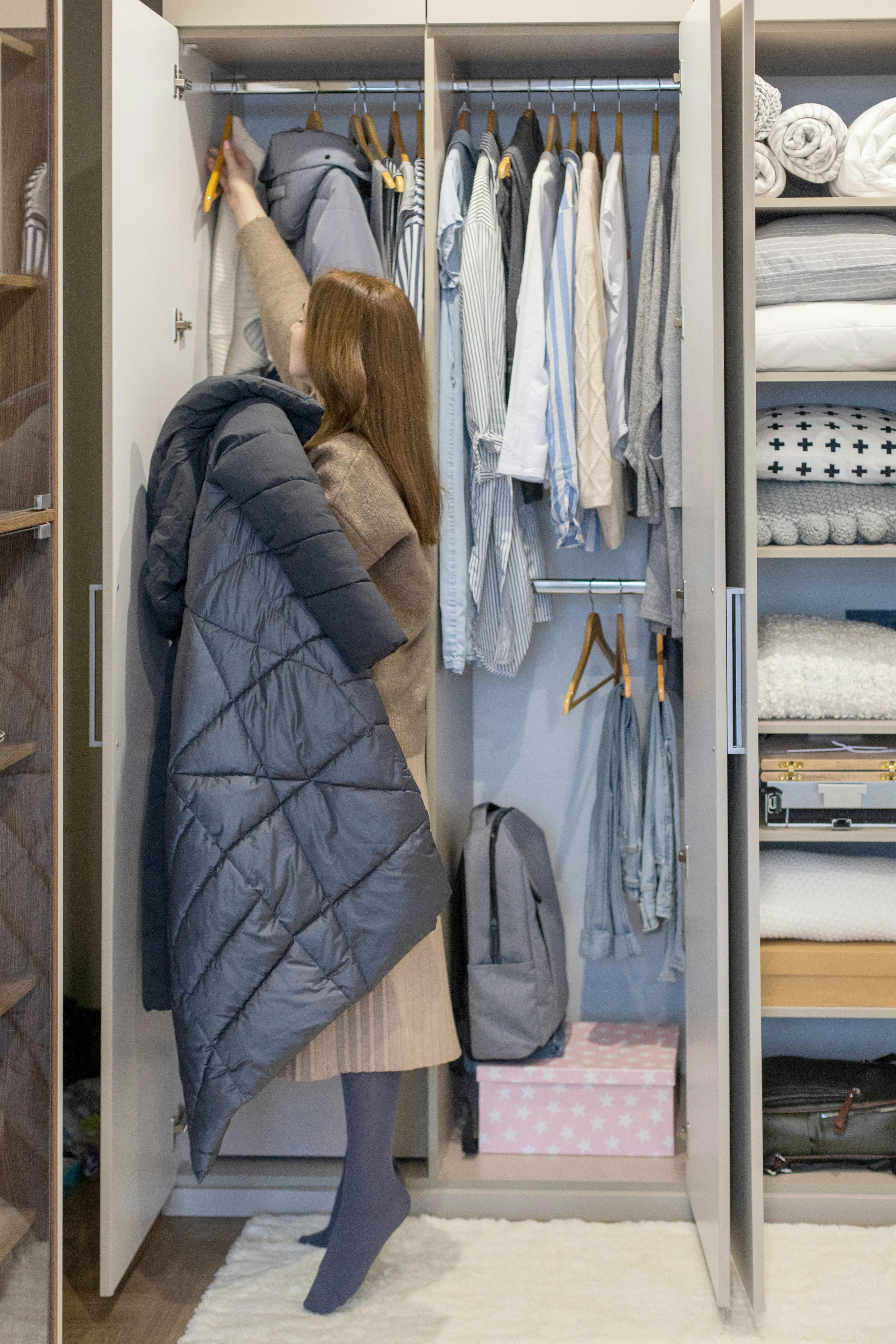
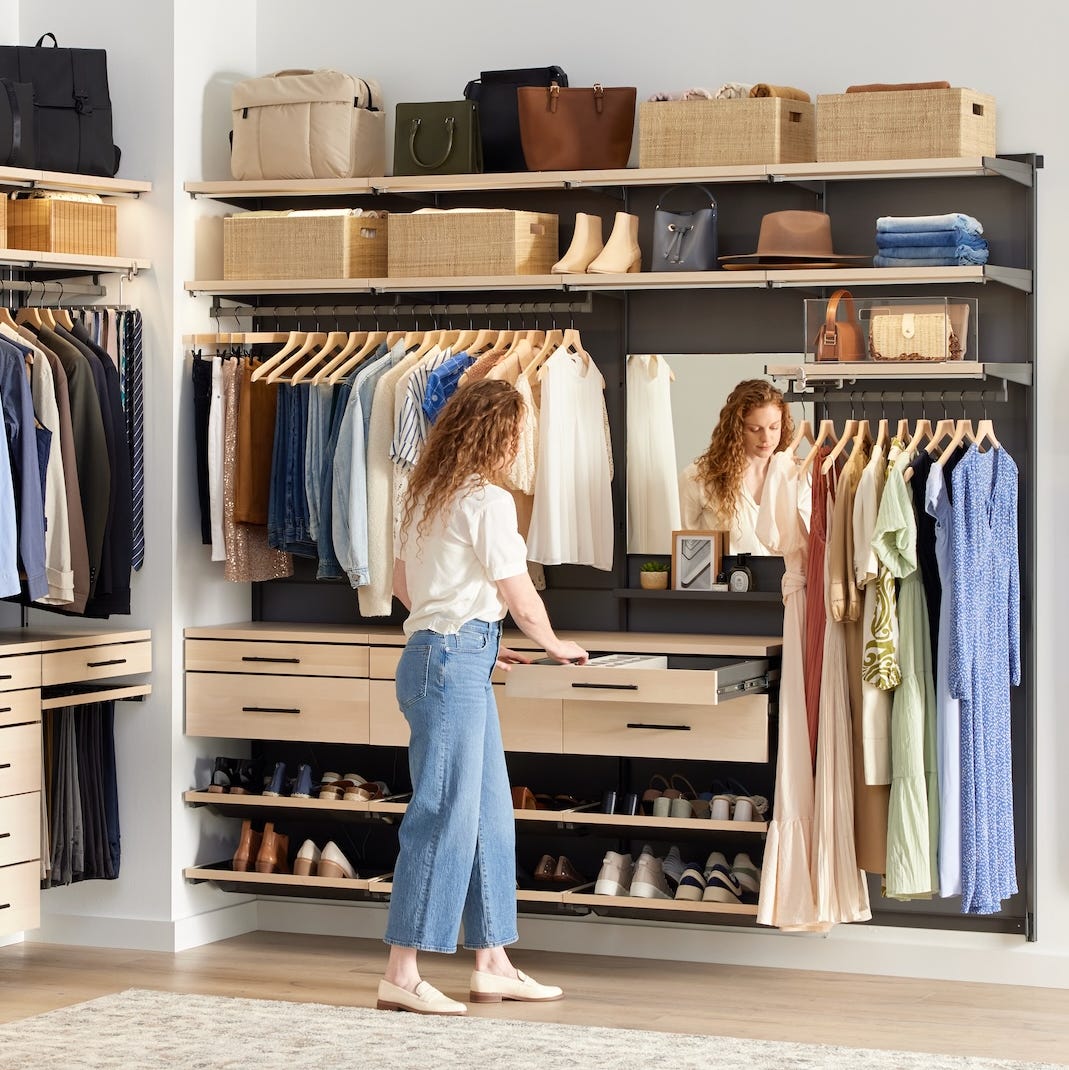
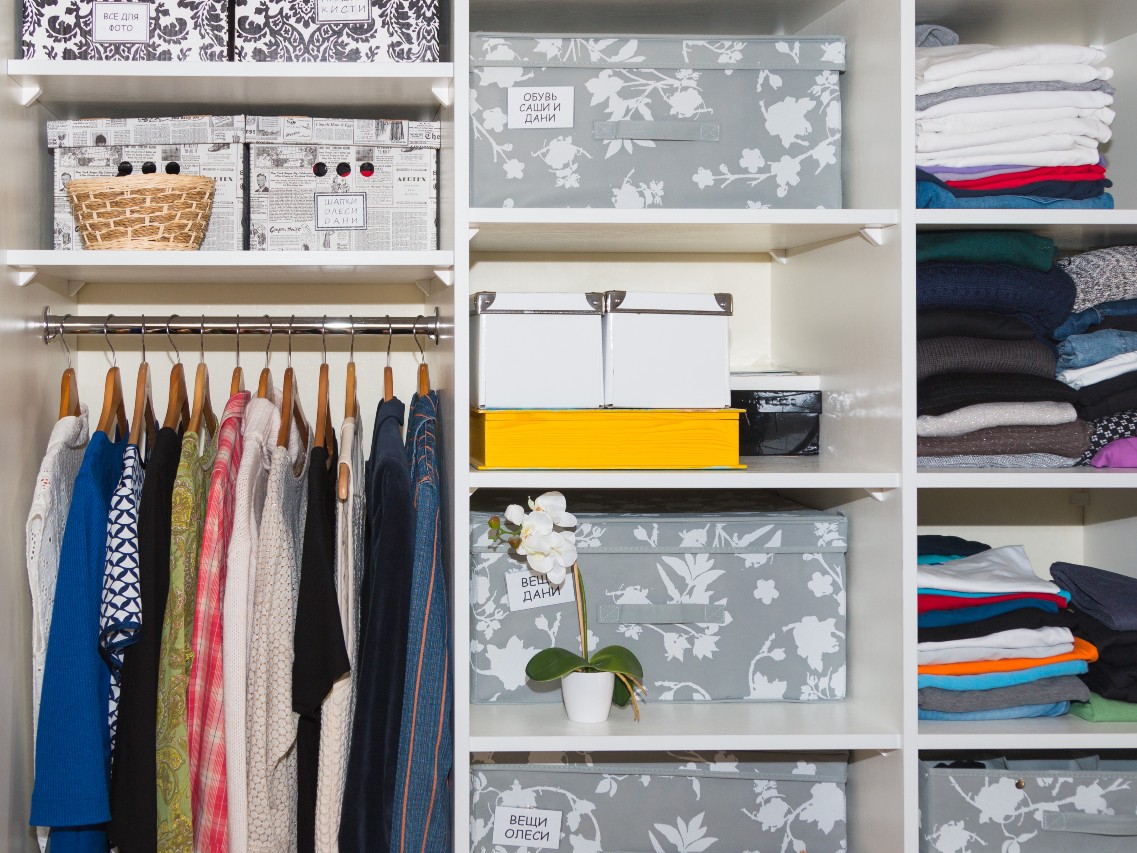
Furthermore, the addition of numerous bins and containers can contribute to visual clutter within a closet. Closets typically house various textures and colors, and an assortment of mismatched storage units can make the space appear even more chaotic. York suggests that existing closet structures, such as adjustable shelving and rods, are often sufficient for effective organization once decluttering has occurred. Simple structural additions like an extra shelf, a double hanging rod, or strategically placed hooks can be far more efficient than introducing more baskets or plastic bins. Bins, she advises, should be a last resort, chosen intentionally, sized correctly, and only acquired after a complete inventory and decluttering of items.
Jake Fry, CEO of Smallworks and a designer of functional small homes, echoes this sentiment, noting that new storage items rarely address the fundamental problem. He argues that the core issue isn't a lack of storage but inefficient use of existing space. Keeping items that have gone untouched for years, he explains, will not be resolved by adding another drawer; in fact, extra storage can encourage consumers to acquire more belongings to fill the new containers. The critical step is deciding what to keep and what to discard before making any new purchases.
Fry recommends optimizing current space by rearranging items, installing hooks, or swapping a single long-hanging section for a double rod. These structural adjustments tend to have a greater impact than simply adding more containers. The goal, he asserts, is to create a space that aligns with one's needs and lifestyle, not merely to fill it with new items. Professional organizer Jennifer Yang supports this by explaining that buying bins prematurely is detrimental because it only conceals clutter rather than confronting the underlying problem of retaining unneeded items. She advocates for setting up intentional “zones” for different categories of belongings, emphasizing that clarity in categorization is more important than the containers themselves. When a zone becomes full, it signals the need for another clear-out, reinforcing the importance of regular editing over perpetual bin purchasing.
#ClosetOrganization #HomeDecluttering #StorageSolutions #ProfessionalOrganizers #HomeImprovement #SpaceUtilization #WardrobeManagement #MinimalistLiving #HomeDecor #ClosetOrganization #HomeDecluttering #StorageSolutions #ProfessionalOrganizers #HomeImprovement #SpaceUtilization #WardrobeManagement #MinimalistLiving #HomeDecor
0 comment in total
 No comments yet
You may also like
7 classic organizational staples experts actually hate – and what to pick instead

Items to never store in an entryway, according to cleaning, organizing and interiors experts
7 types of storage you should never use in a pantry – they'll make utilizing this space well 10 times harder, pros say
Organizers Say These 8 Things Don’t Belong in Your Closet — Here’s Why

9 things professional organizers wish you wouldn't spend your money on – and what's worth the spend instead
Stackable clothes bins solved my rented stroage woes
10 Closet Organization Mistakes That Make Getting Dressed More Stressful
7 Storage Bins That Won’t Crack or Warp Under Pressure According to Our Tests

How To Create More Closet Storage, According To A Professional Organizer
5 Pretty Storage Solutions That Actually Create More Clutter (According to the Designers Who Regret Using Them)

If Not Now, When? 27 Things To Finally Organize Your Closet

23 affordable closet organizers that’ll declutter your wardrobe

These Popular Closet "Upgrades" Are Secretly Limiting Your Storage Space, Organizers Say
12 must-have products to keep your closet organized

I Hired A Yelp-Famous Closet Organizer — And Was Shocked By The Results
The 10 Best Closet Organization Systems to Maximize Your Space

Banish Closet Chaos with These Storage Organizers

Open storage might be causing you bad luck – here's why Feng Shui experts advise against it
7 Best Storage Containers and Bins to Get Your Home Organized

8 Closet Organization Mistakes That Annoy Pro Organizers—and Make Your Space Way Less Functional