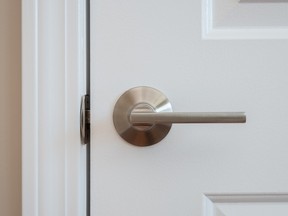
Handyman Hints: Choosing casings and baseboards for your new doors
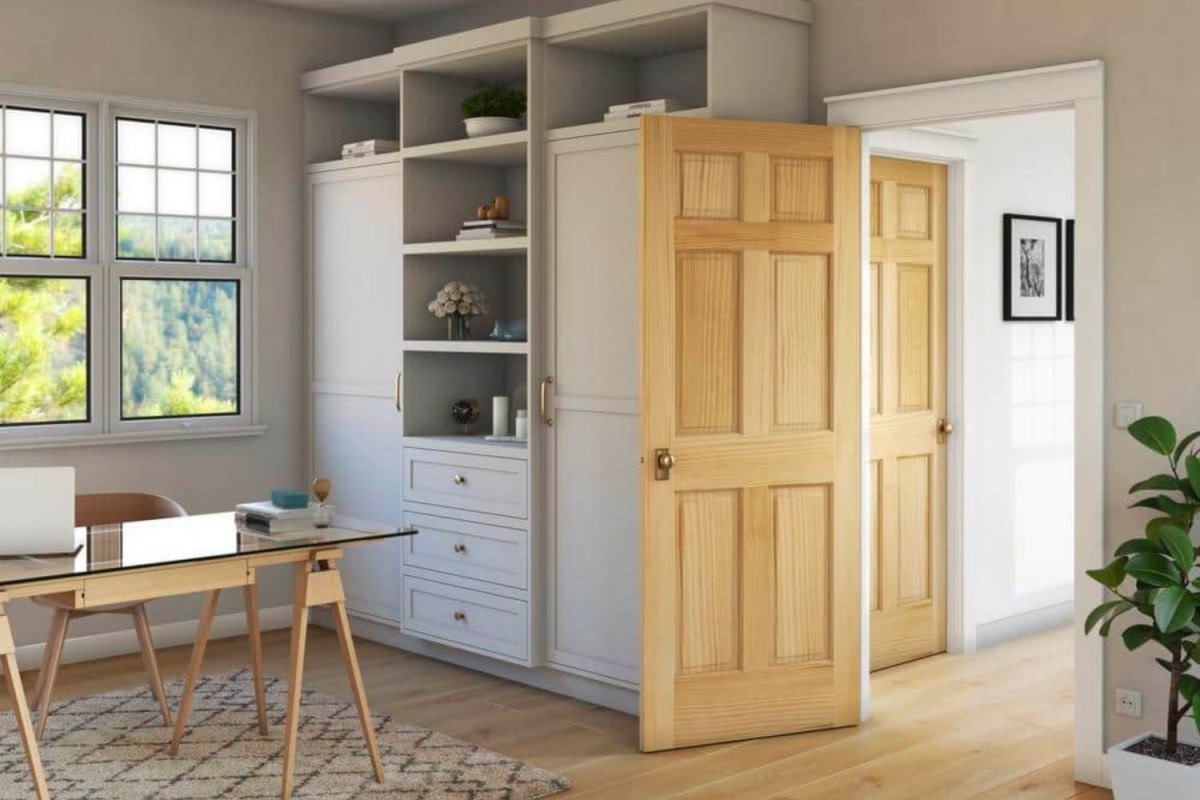
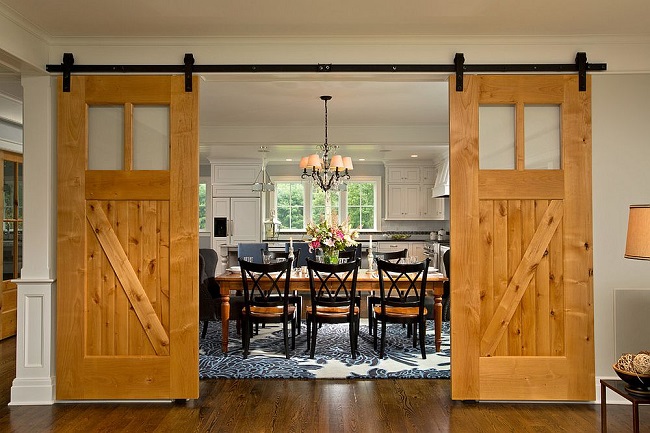
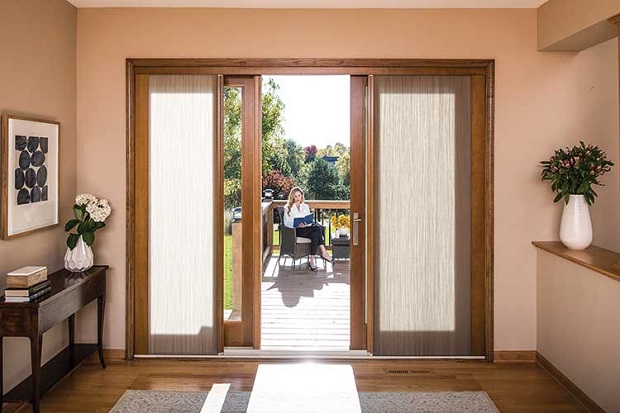
This article discusses the considerations involved in selecting casings and baseboards when replacing interior doors, emphasizing that an upgrade to doors often necessitates an update to these accompanying mouldings. Historically, standard mouldings were relatively narrow, with 2.125-inch casings and 3.125-inch baseboards being common. However, contemporary trends favor wider and taller mouldings. This shift is attributed to several factors: a departure from older, standard sizes; the increasing popularity of painted trims over stained wood finishes like mahogany or oak; and the advent of Medium-Density Fibreboard (MDF) mouldings. MDF has made larger casings and baseboards more affordable, offering better value in terms of size compared to the more diminutive finger-joint, paintable pine options, thereby driving the trend towards more substantial dimensions.
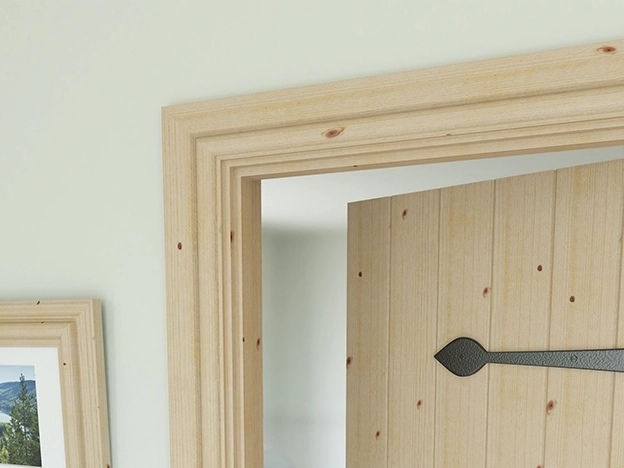
The article provides two fundamental rules for selecting casings and baseboards to ensure aesthetic harmony: the casing must always be thicker than the baseboard, and the baseboard should always be wider than the casing. Adhering to these guidelines helps prevent common décor mistakes. The selection process typically begins with the casing, as it is the more prominent moulding and should align with the chosen interior door slab's style. Once a casing pattern is selected, its corresponding baseboard partner usually shares similar patterns, simplifying the choice.
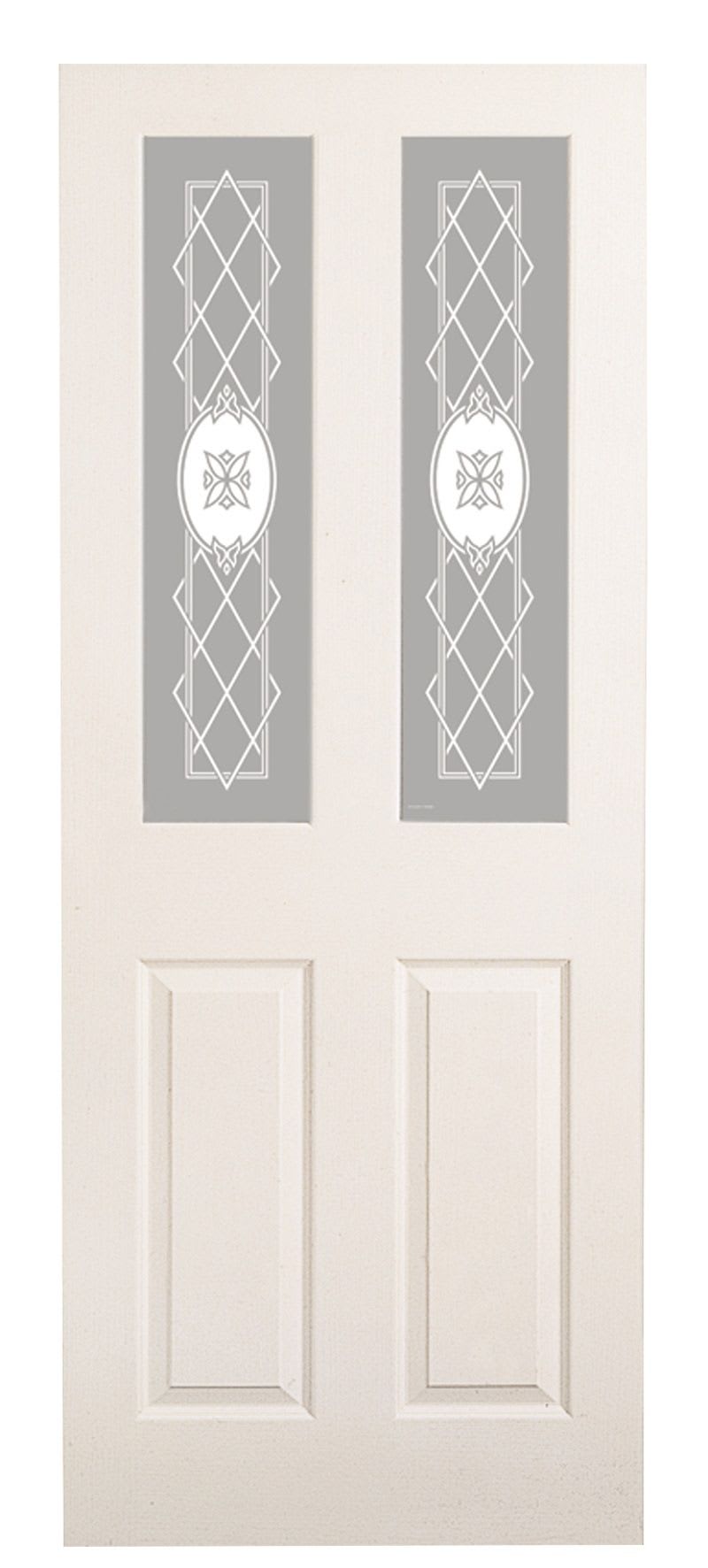
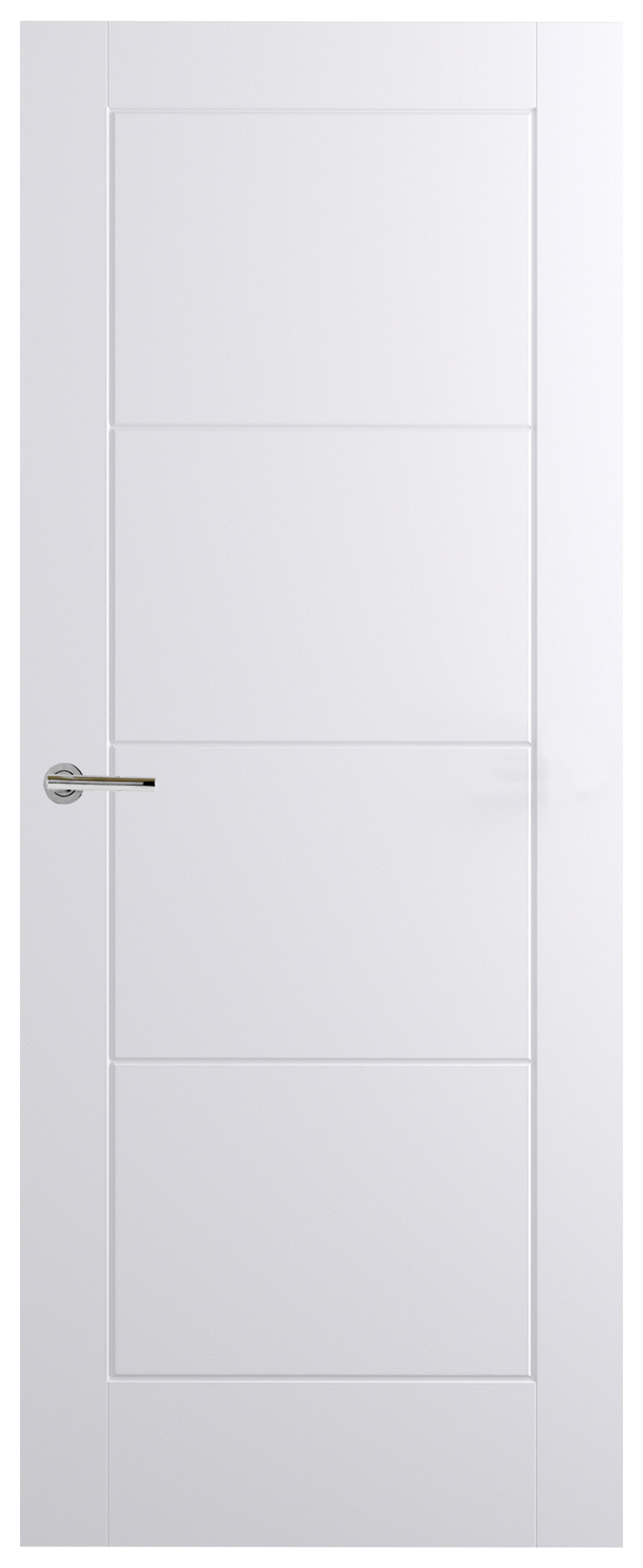
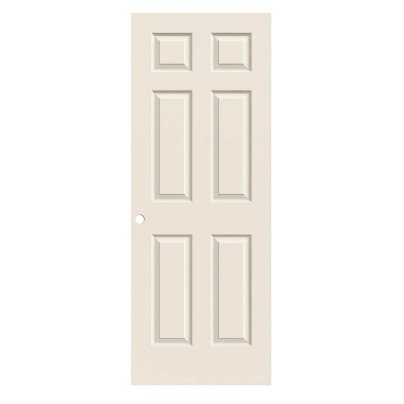
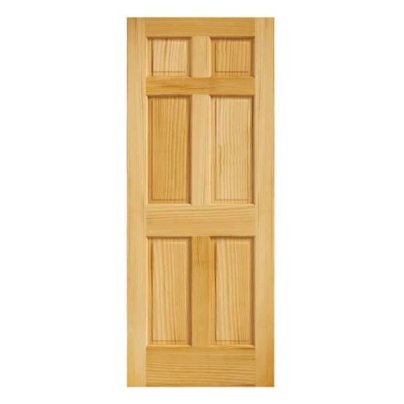
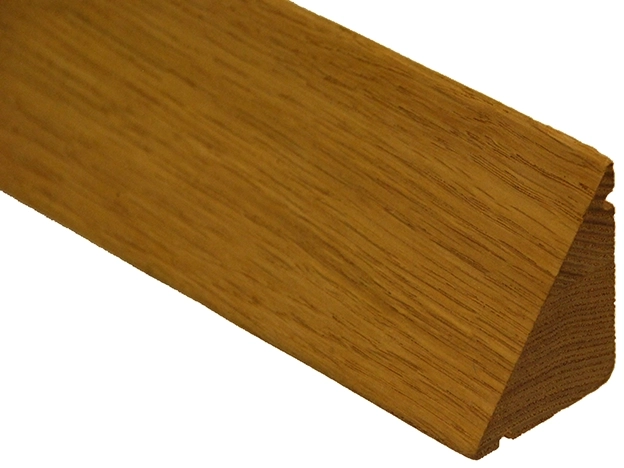
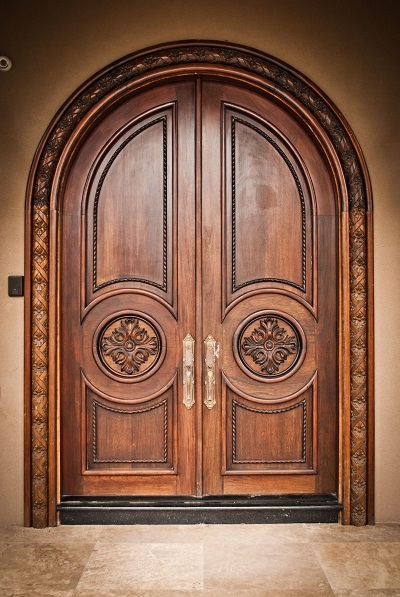
While colonial-style doors and their accompanying ornate, line- and curve-rich colonial casings and baseboards remain popular, the preferred sizes have increased to approximately 3.5 inches wide for casings and 5.5 inches wide for baseboards. Alongside these traditional styles, modern mouldings with minimalist designs, featuring fewer lines, slanted edges, and no curves, are gaining significant traction. Contemporary styles, characterized by their rectangular, plain, and unadorned forms, also represent a growing segment of the market.
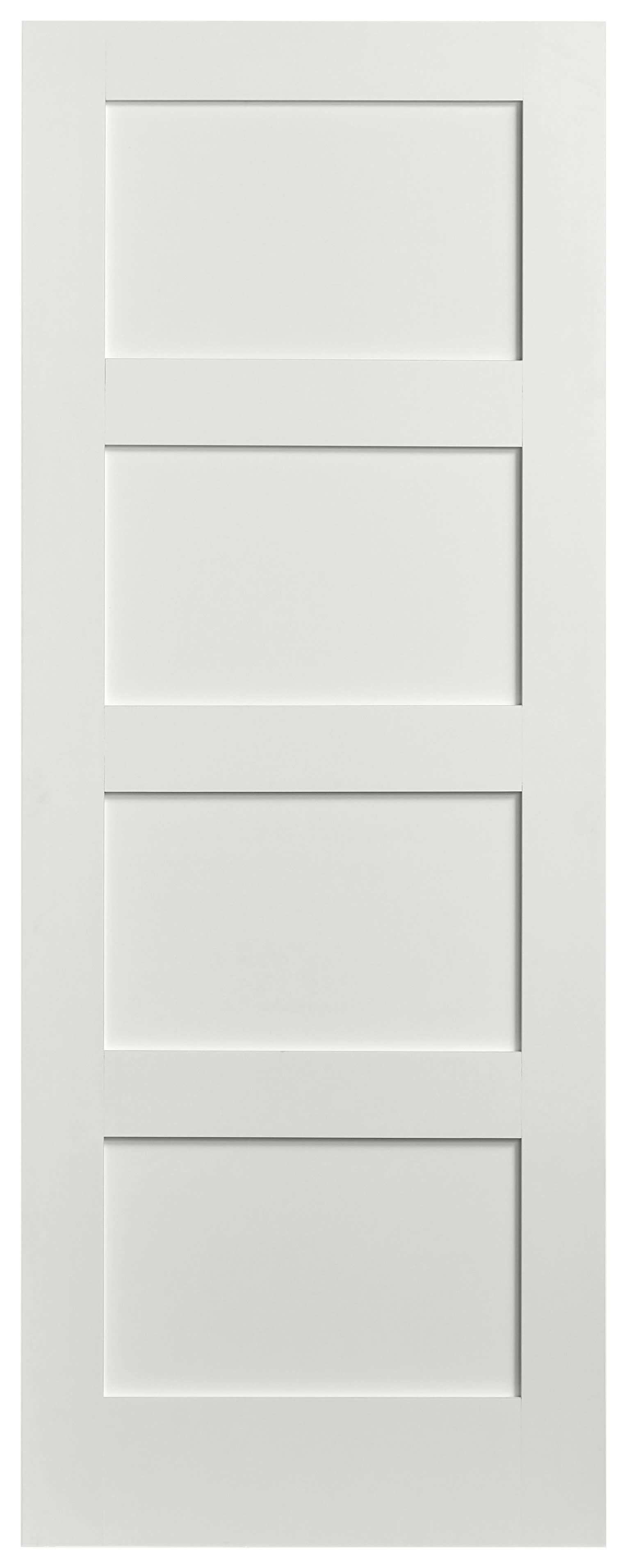
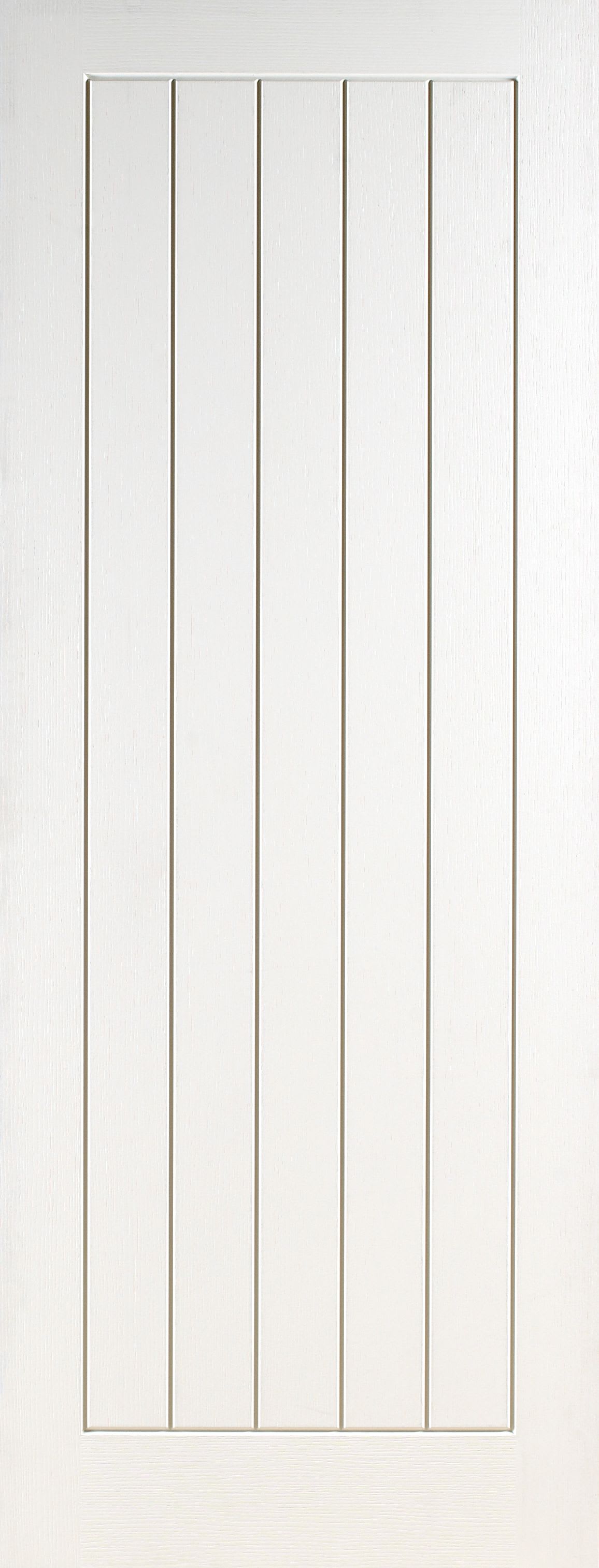
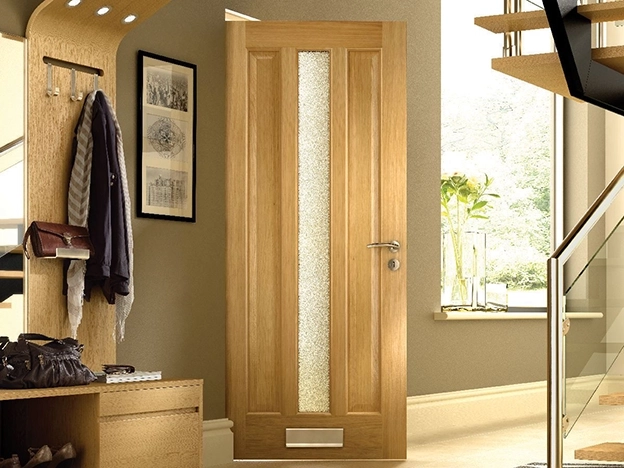
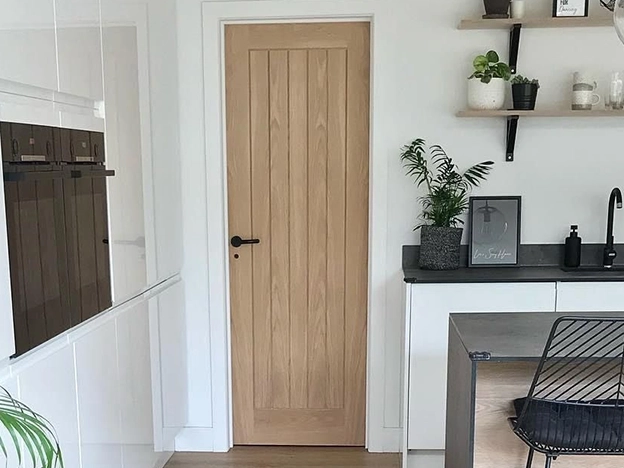
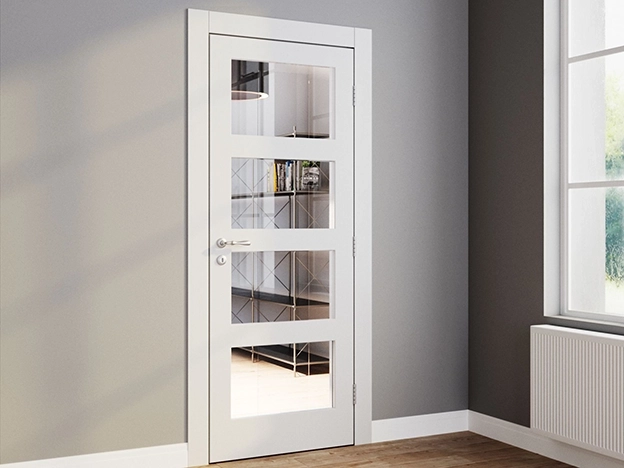
It is crucial to match the style of the casing and baseboard to the interior door. For instance, pairing a simple shaker-style door with an ornate Victorian or colonial casing would create a visual clash. The article suggests a practical method for selection: laying partnered casings and baseboards on the floor at a building supply center, simulating their wall arrangement, and stepping back to assess the visual appeal. If the initial pairing is unsatisfactory, experimenting with different sizes or styles is recommended. The overarching advice is that for casings and baseboards, a larger size generally constitutes a better aesthetic choice.
#HandymanHints #HomeImprovement #InteriorDesign #DoorCasings #Baseboards #MouldingStyles #MDFMouldings #HomeRenovation #DecorTrends #HandymanHints #HomeImprovement #InteriorDesign #DoorCasings #Baseboards #MouldingStyles #MDFMouldings #HomeRenovation #DecorTrends
0 comment in total
 No comments yet
You may also like

Internal Door Frames & Casings

How Much Should You Spend on Door Hardware?


Building Big Doors, On Site

The Best Doormats To Spruce Up Your Porch This Spring

Internal Door Frames & Casings | Interior Door Linings


Front door design: a guide to choosing a new front door
Choose the Right Exterior Door With Our Buying Guide

How To Build Modern Barn Doors for Your Home (DIY)

The Best Interior Doors

How to Choose the Right Type of Baseboards for Your Home

15 Best Hall Door Designs With Pictures In 2023

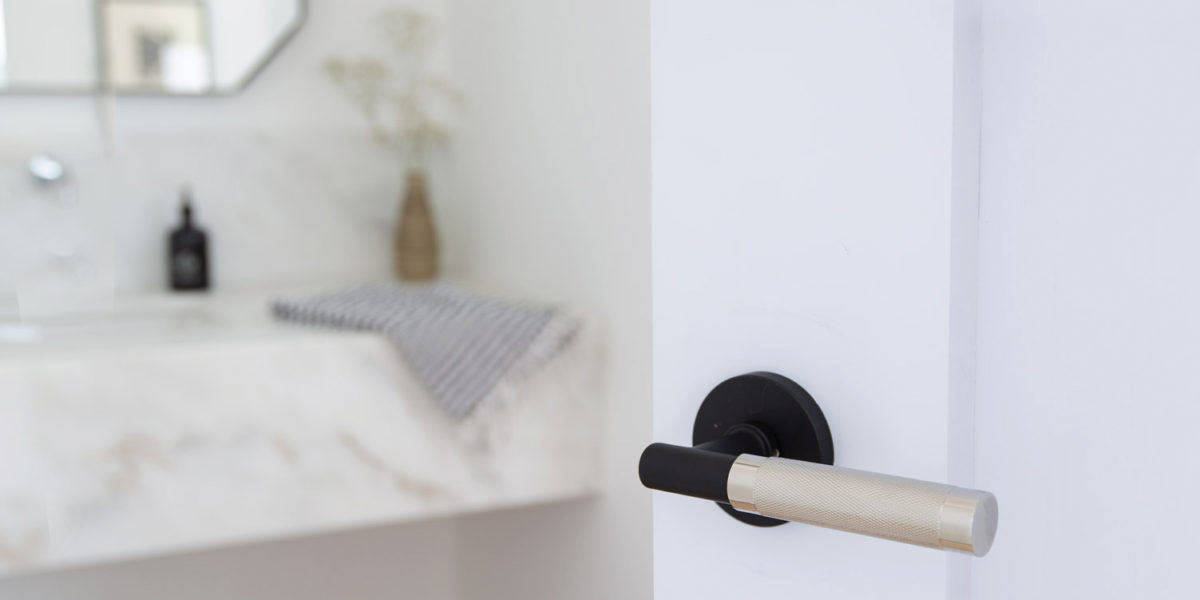
How the Right Door Hardware Can Be the Perfect Finishing Touch in Your Home
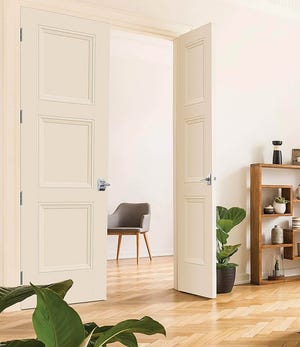
Something old is new again with interior doors
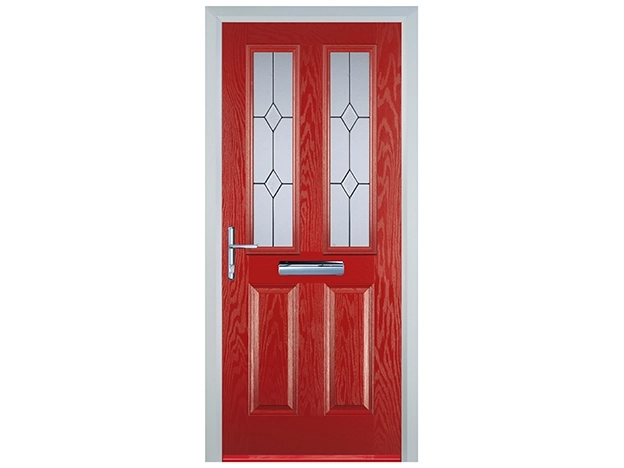
Front Doors | Back Doors
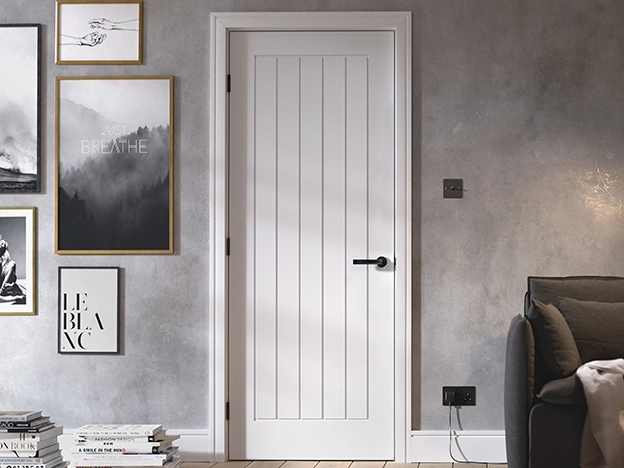
Internal Doors
Door Handles
Door Frames & Fixings
Interior Doors Shouldn’t Be an Afterthought — 11 Ideas That Will Actually Elevate Your Home's Design


The 15 Very Best Doorknobs
Doors: A forgotten design element