1/9
The Best Place to Hang Bird Feeders for Safety and Optimal Viewing
Birdwatching is a rewarding and relaxing hobby that also contributes to local wildlife by providing food and fresh water. Birds can also benefit your garden through pest control. To effectively attract various bird species to your backyard, strategic placement of bird feeders is crucial. This guide provides essential tips for optimal bird feeder placement and details on where to hang eight popular types of bird feeders.
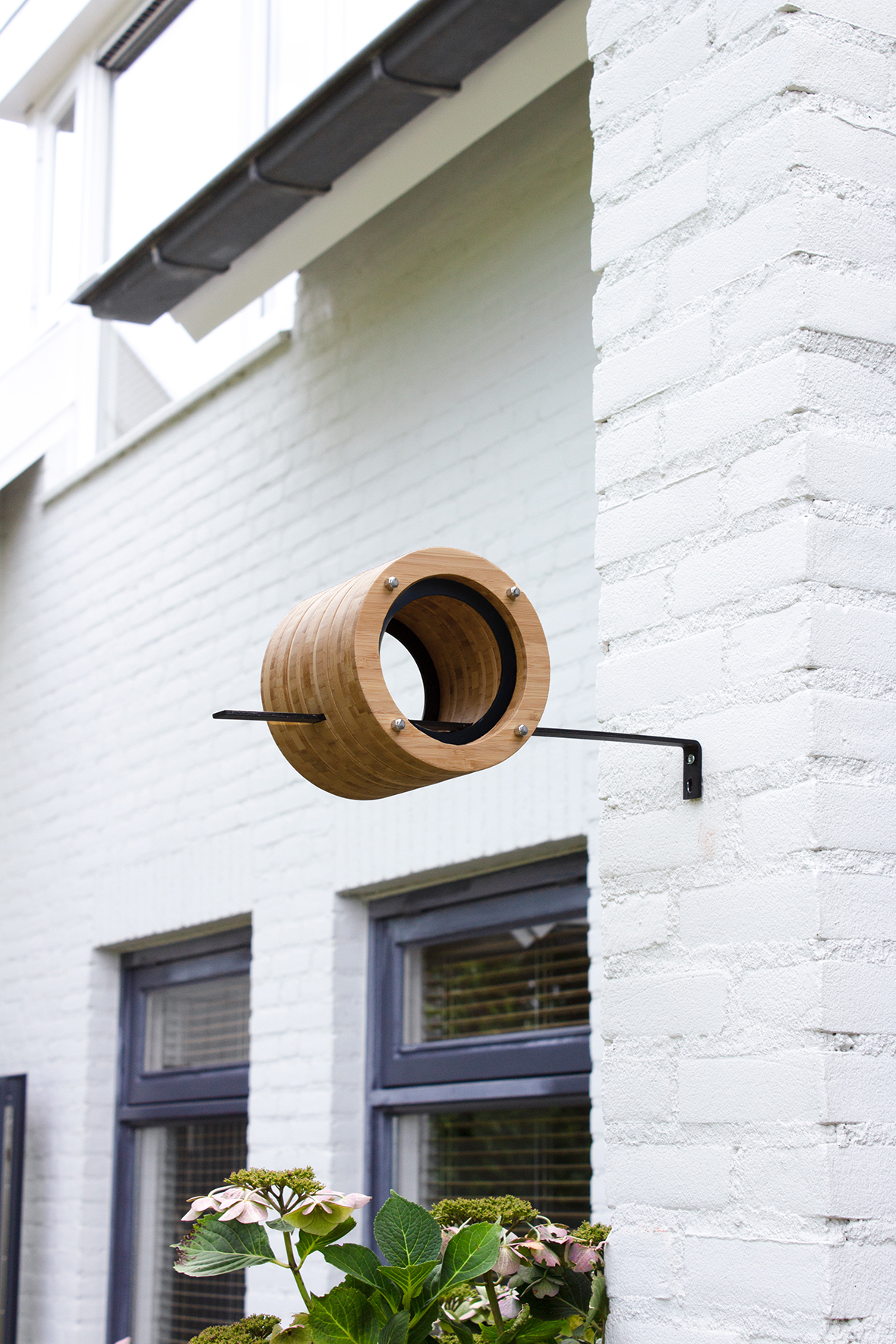
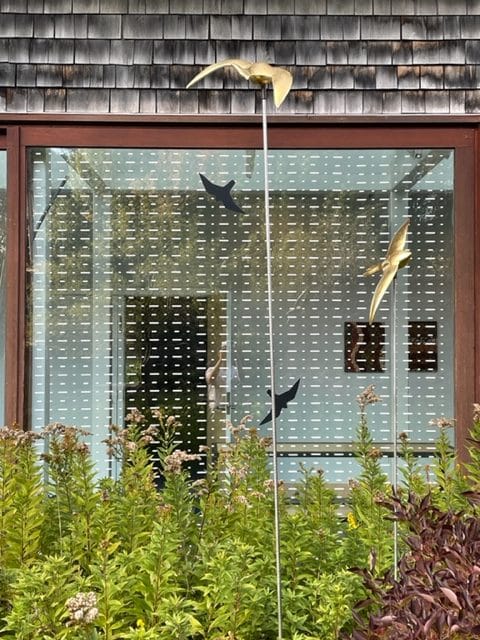
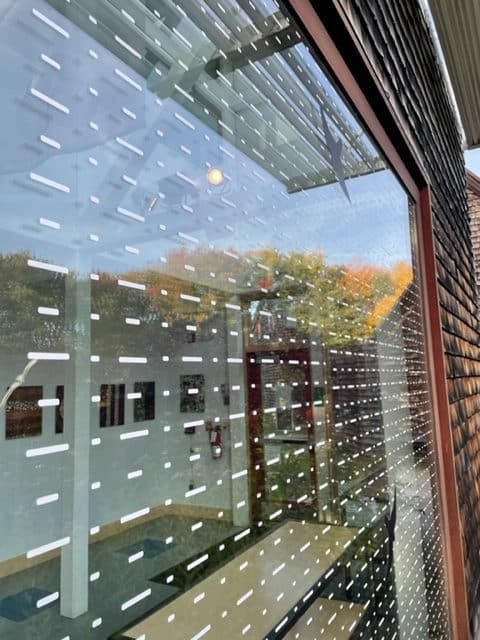
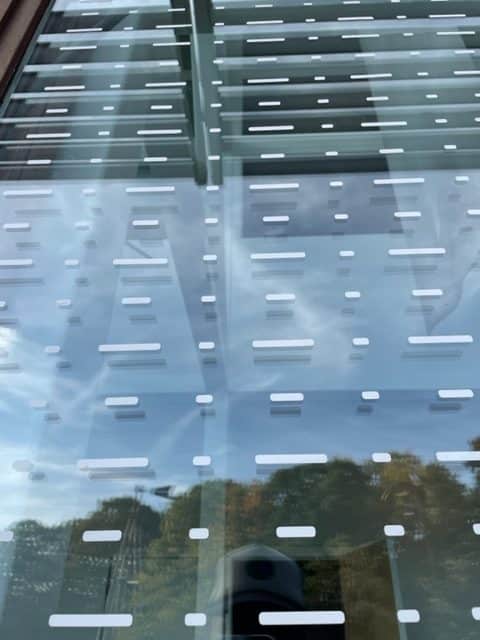
Key considerations for placing bird feeders include preventing window collisions, ensuring safety from predators, providing natural shelter, selecting a quiet location, maintaining visibility, and protecting against the elements. To prevent window strikes, feeders should either be mounted directly on windows (using brackets or suction cups) or placed within 3 feet of windows. Feeders positioned more than 10 feet from windows give birds sufficient space to react and avoid collisions. Hanging feeders high enough prevents ground predators like feral cats from reaching the birds. Stable S-shaped tree hooks are recommended for hanging feeders from tree branches.
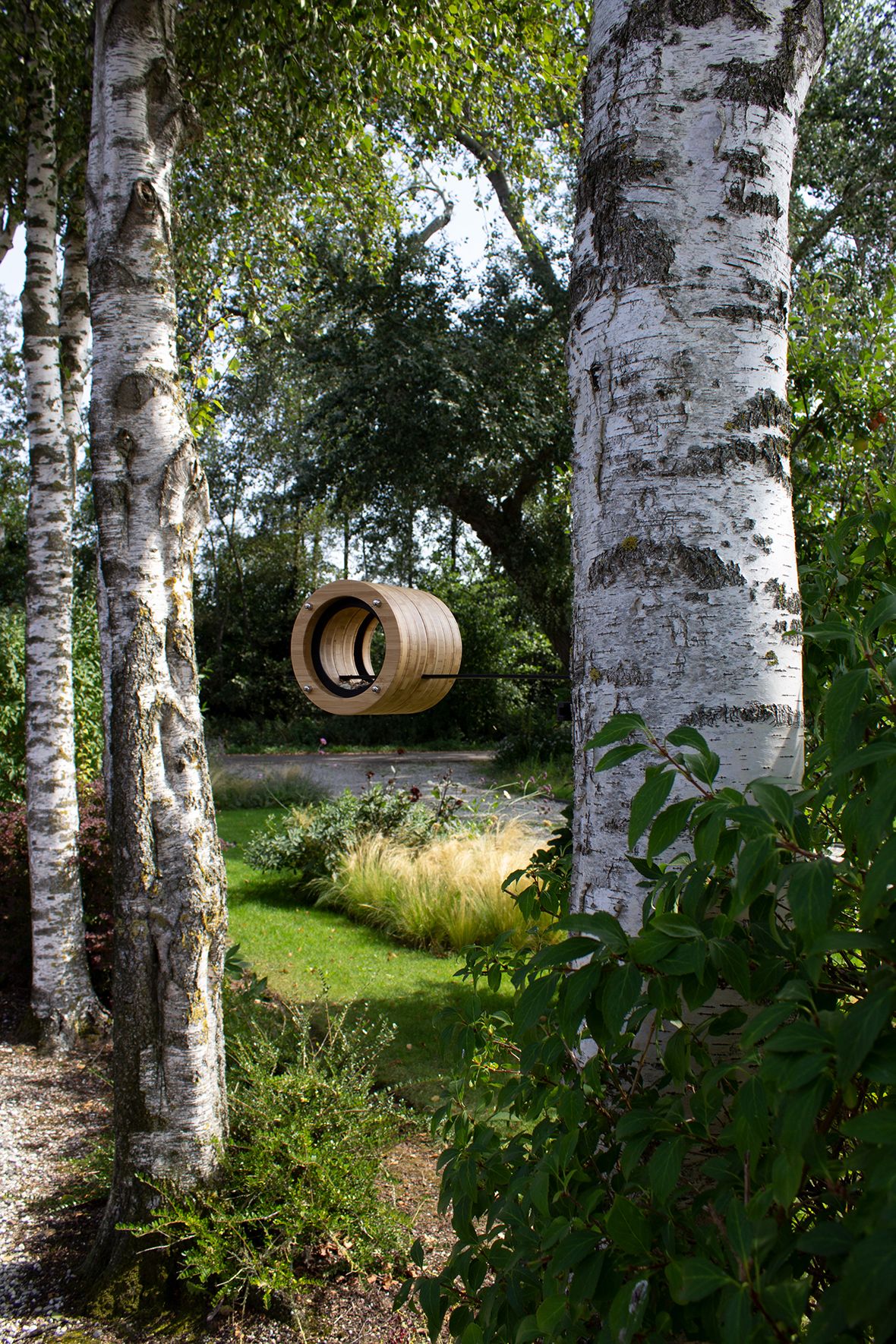
Birds benefit from nearby natural shelter such as trees and shrubs, which offer protection from predators and harsh weather, and provide resting spots between feedings. Evergreen and berry-producing plants like bayberry, winterberry holly, and crabapple are excellent choices for providing shade and protection. However, feeders should not be too close to natural cover; a distance of 10 to 12 feet is ideal to prevent squirrels and other predators from easily accessing the feeders from branches.
Choosing a quiet, undisturbed spot is vital, as birds are sensitive to commotion. Feeders should be kept away from high-activity areas like patios, barbecues, swing sets, pools, or garage doors. Minimizing exposure to loud noises like wind chimes or heavy traffic also helps. For optimal viewing and bird attraction, feeders need to be visible to birds flying overhead, preferably in a sunny, open area. Decks are often suitable locations, offering easy access for both birds and homeowners.
Protecting feeders from weather elements is important to prevent spoilage of birdseed and other foods. In areas prone to storms or strong winds, sheltered locations help prevent spillage and make maintenance easier. Protection from direct sunlight is also crucial, as heat can quickly spoil birdseed and nectar. Mimicking a bird's natural feeding preferences is key to attracting specific species.
The article then details placement recommendations for eight popular bird feeder types. Bottle hummingbird feeders, filled with nectar, should be placed in sheltered, shaded areas to prevent spillage and slow nectar spoilage. Dish-style hummingbird feeders, which hold nectar in shallow bowls, should be spaced at least 10 feet apart if multiple are used, encouraging more hummingbirds to visit. Suet feeders, typically wire or plastic mesh cages containing suet cakes, are best placed near tree trunks or thick branches, attracting woodpeckers, nuthatches, and chickadees, especially in cold weather.
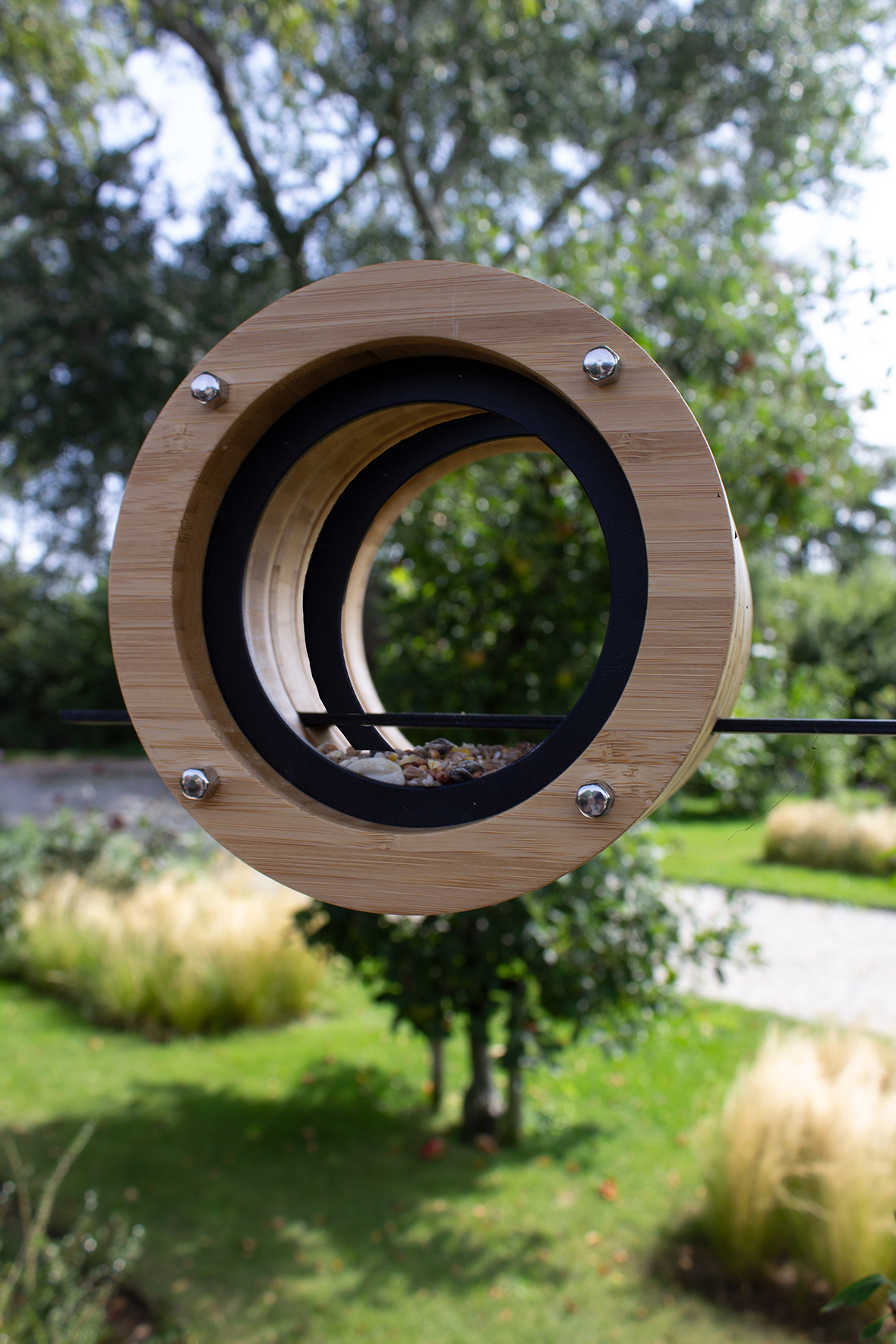
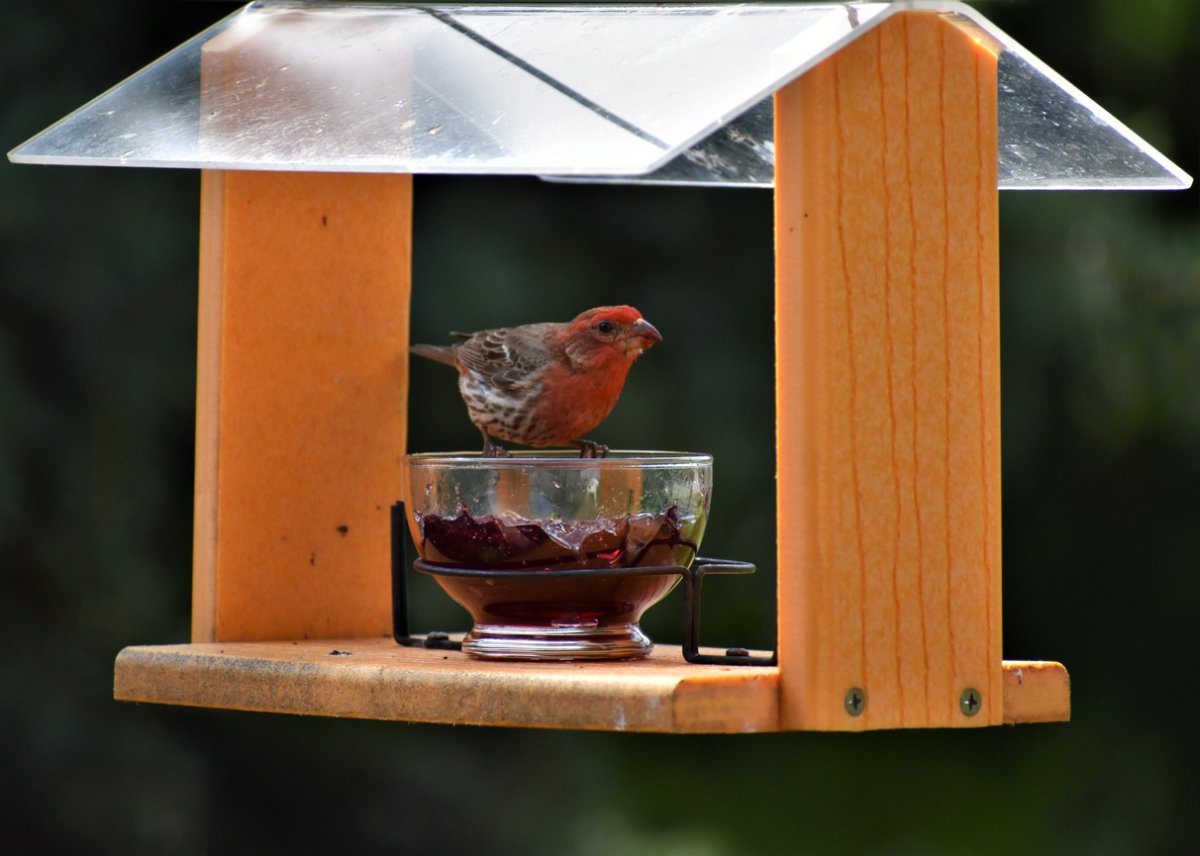
Tube feeders, clear plastic cylinders holding birdseed with small openings and perches, are commonly hung from hooks or tree branches. They attract smaller birds like sparrows, chickadees, and finches. Ground feeders, shallow trays with short legs, are ideal for birds that forage on the ground, such as doves and cardinals. They should be placed under covered patios or tree cover, with only a day's supply of food to deter rodents. Hopper feeders, designed like small houses, dispense seed into a tray and can be hung from branches or mounted on poles, attracting a wide variety of birds. Thistle seed feeders, made of mesh or tubes with small portals, provide nyjer seed and are best placed near shrubs or trees to offer birds a sense of security. Finally, peanut feeders, often shaped like tubes or wreaths with large holes, should be mounted high and away from squirrels, attracting blue jays, nuthatches, and woodpeckers.
#Birdwatching #BirdFeeders #BackyardBirds #WildlifeCare #GardenDesign #HummingbirdFeeders #SuetFeeders #SquirrelProofing #OutdoorLiving #Birdwatching #BirdFeeders #BackyardBirds #WildlifeCare #GardenDesign #HummingbirdFeeders #SuetFeeders #SquirrelProofing #OutdoorLiving
 No comments yet
These Sustainable Houses + Feeders Are for the Birds
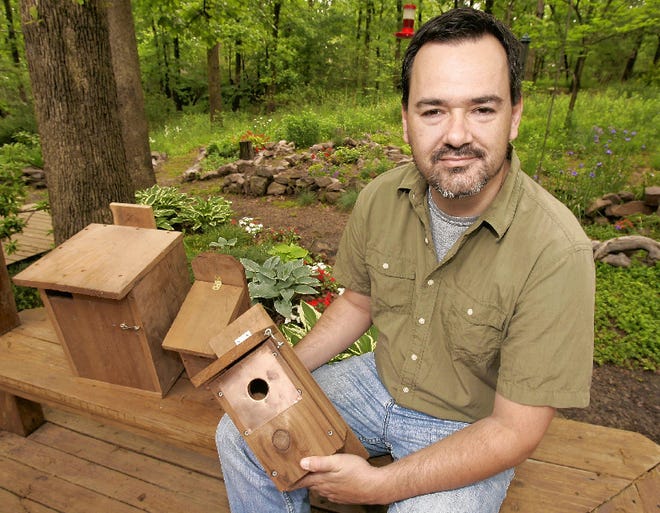
Build-your-own birdhouses can be as simple or elaborate as you want
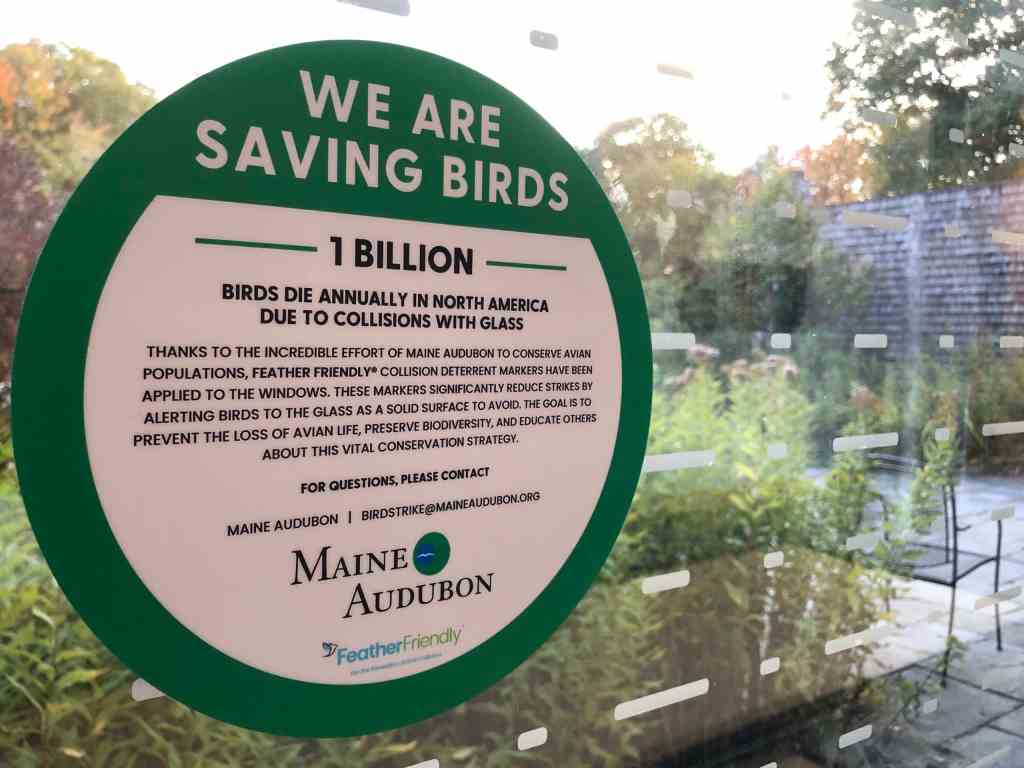
Installing Bird Safe Windows at Gilsland Farm

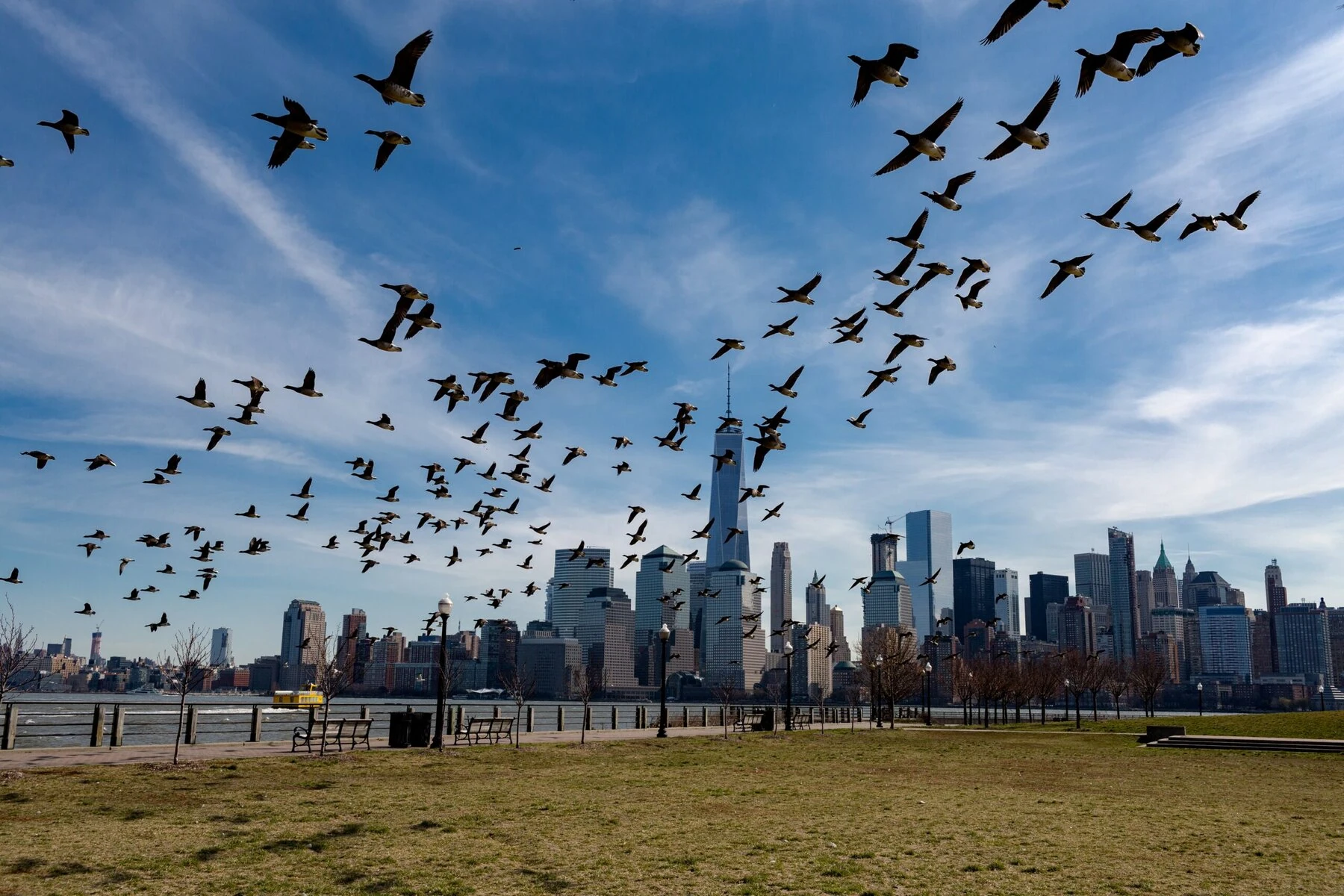
We Can Stop Glass Windows From Killing Birds


Best Google Nest Hub mounts and stands
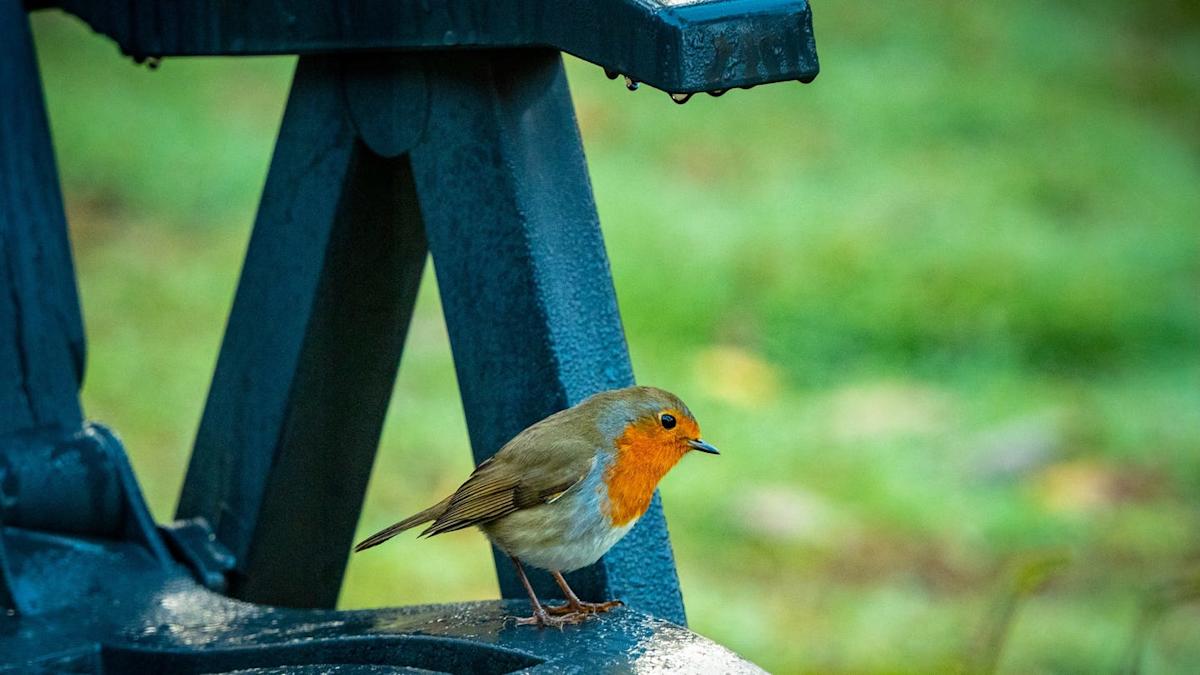
How to Stop Birds Pooping on Your Patio: 6 Expert Tips

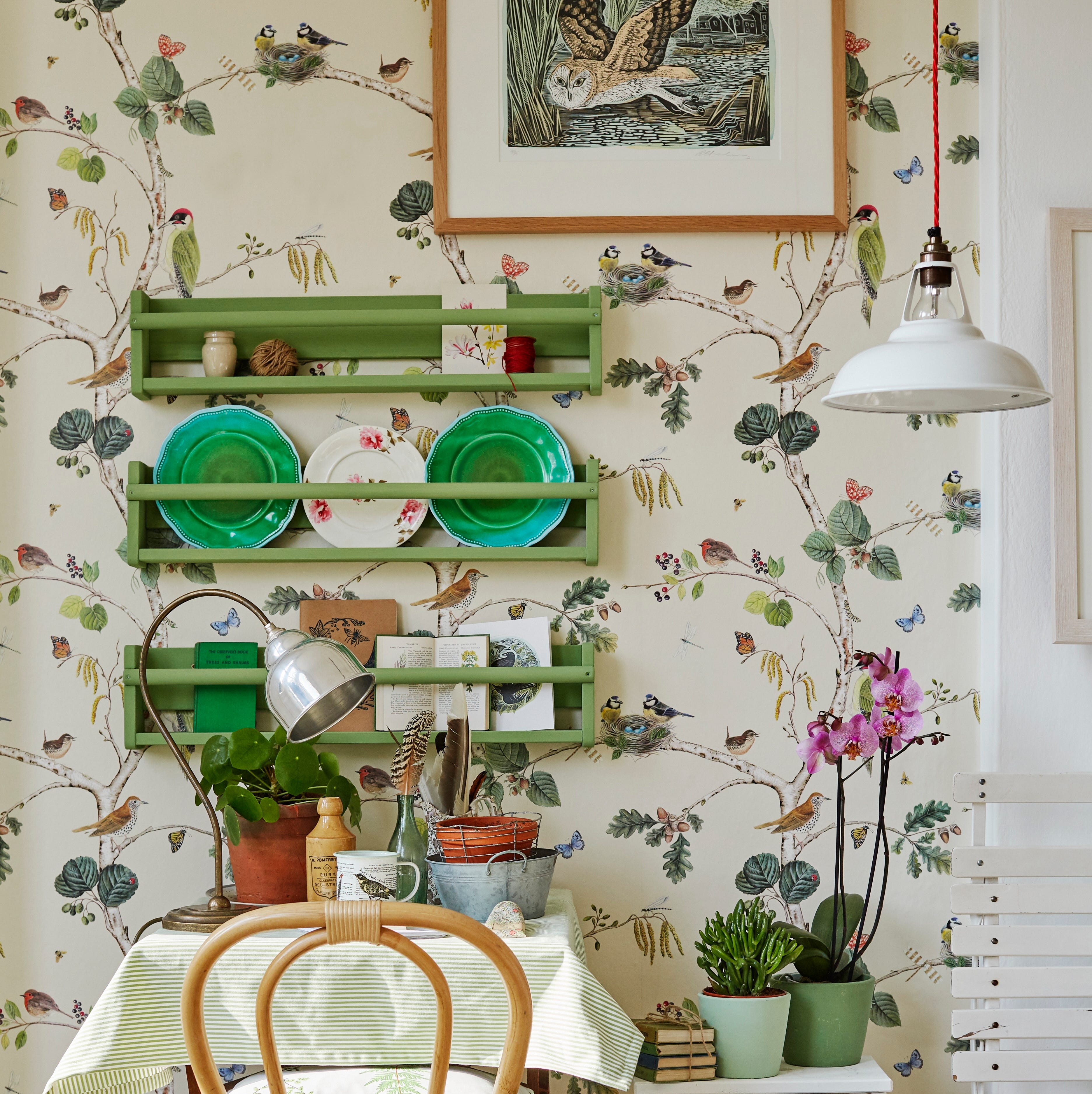
Love Birds? 4 Beautiful Ways to Bring the Birdwatching Aesthetic into Your Home