1/2
Foam wall panelling is the latest DIY hack going viral on TikTok - the results are impressive, but is it a good idea?
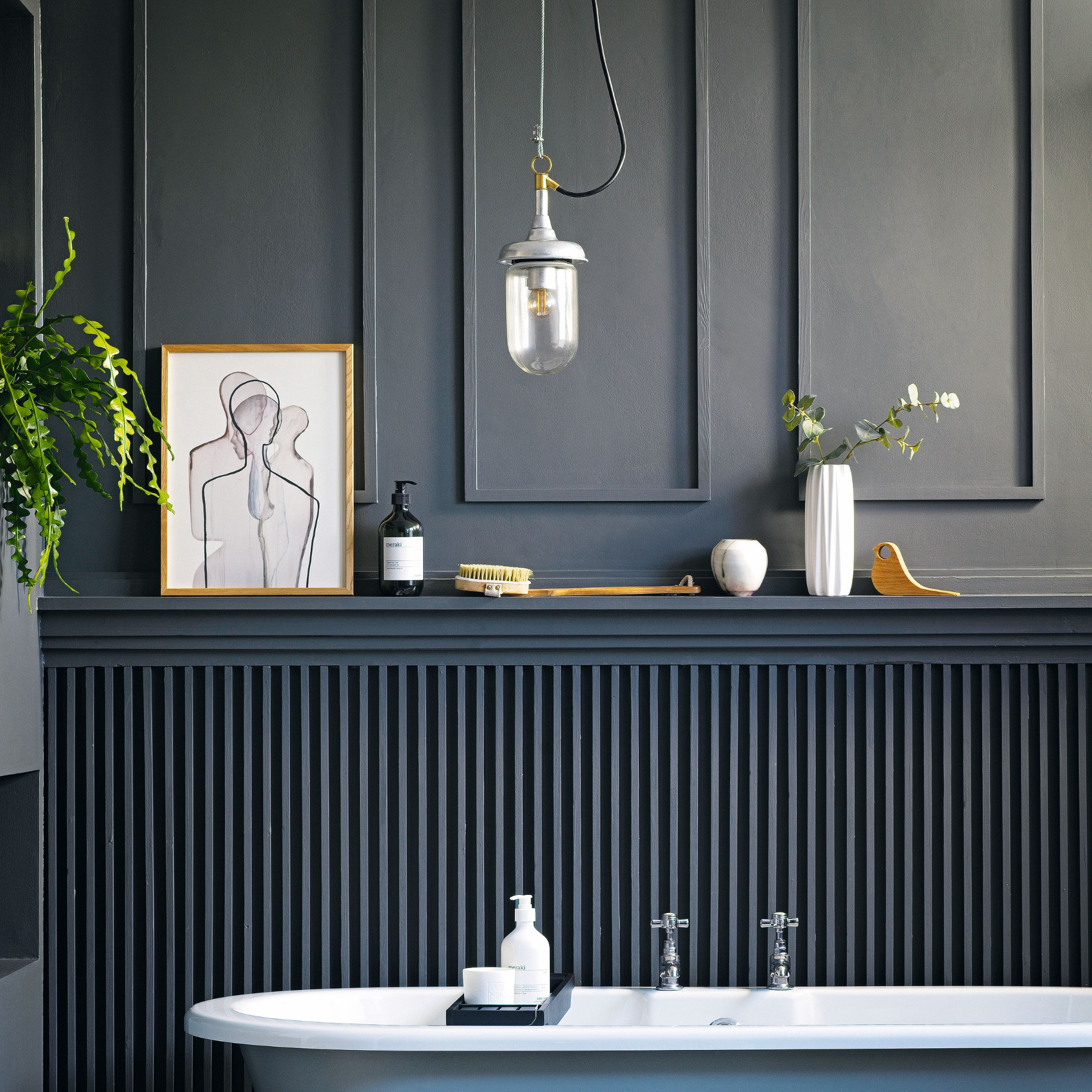
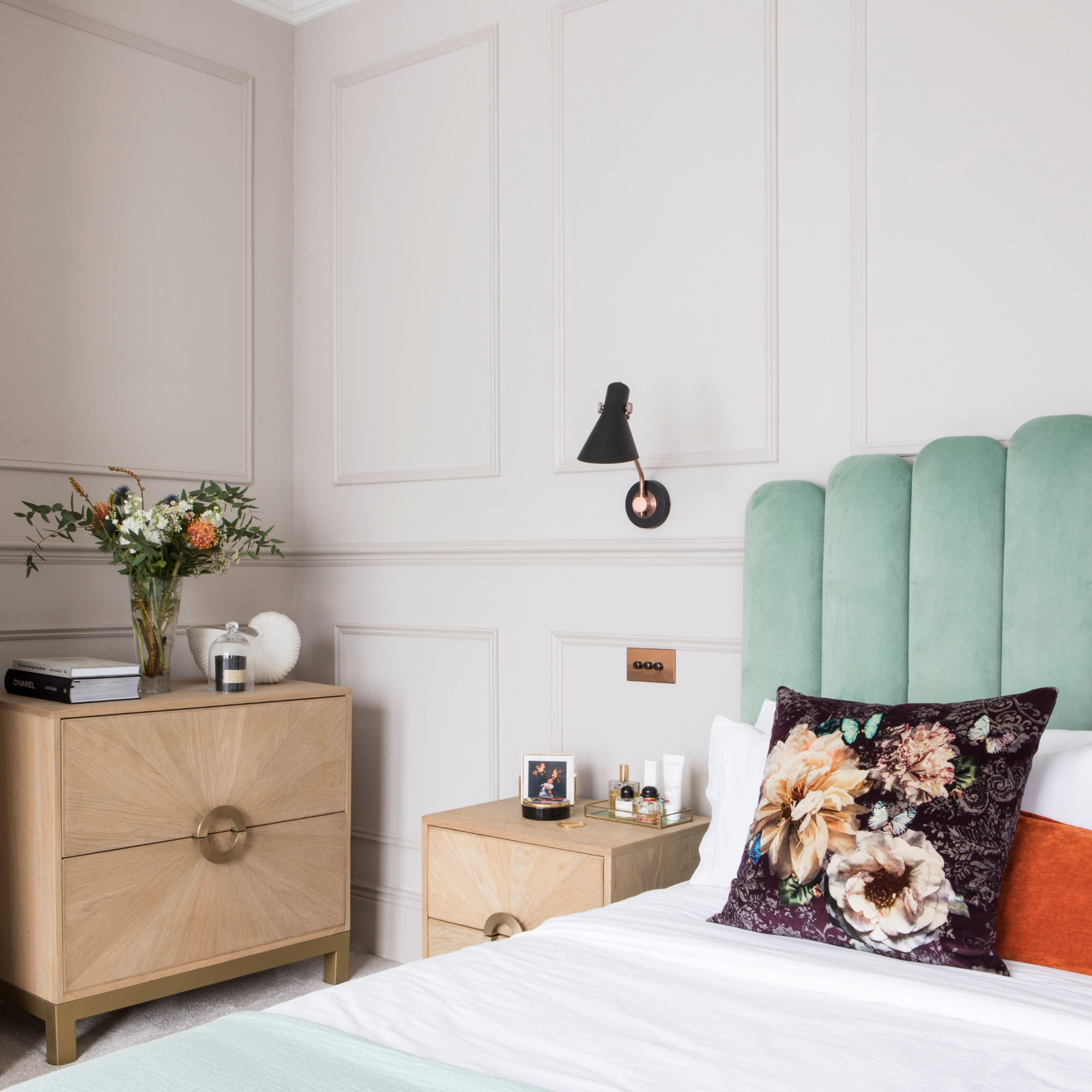
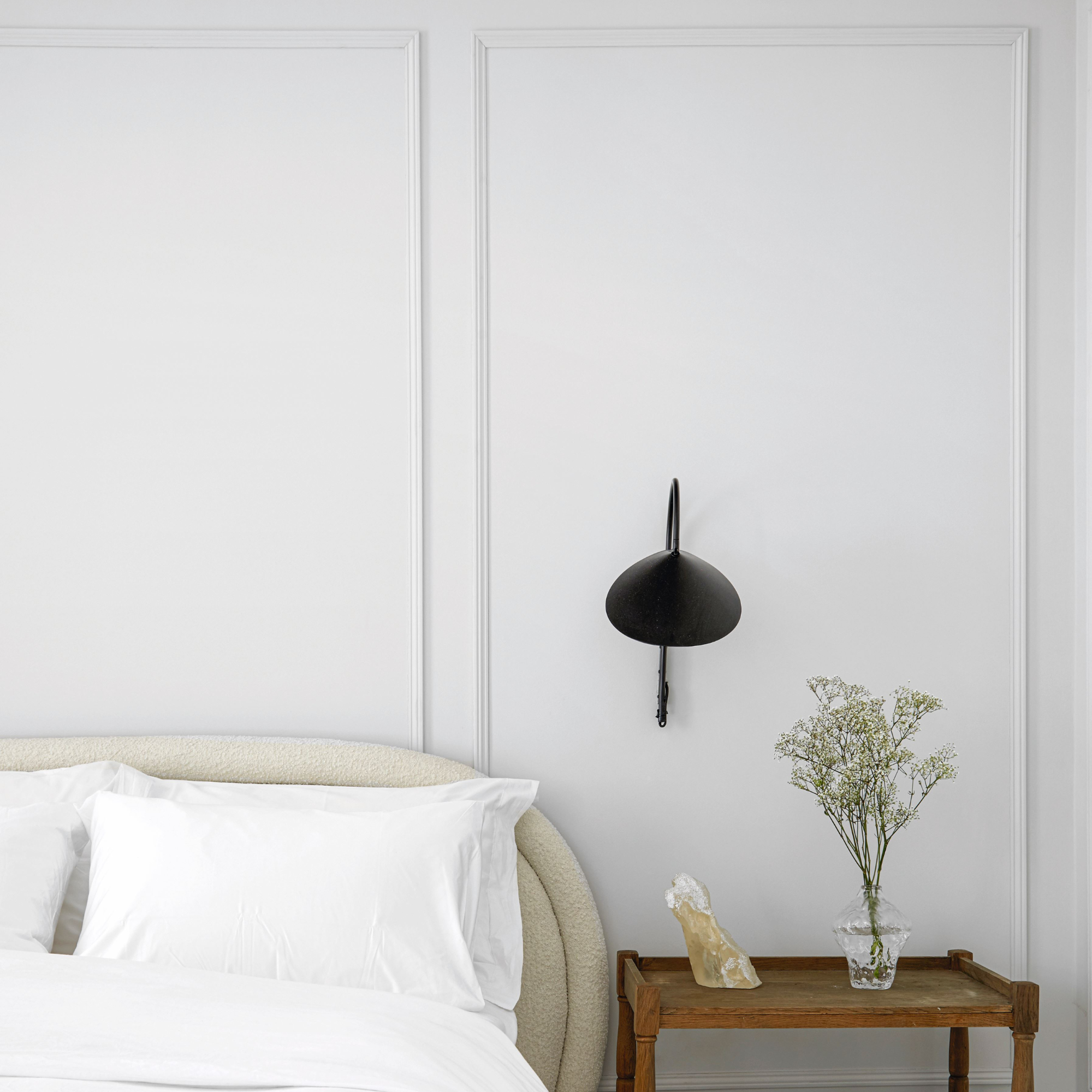
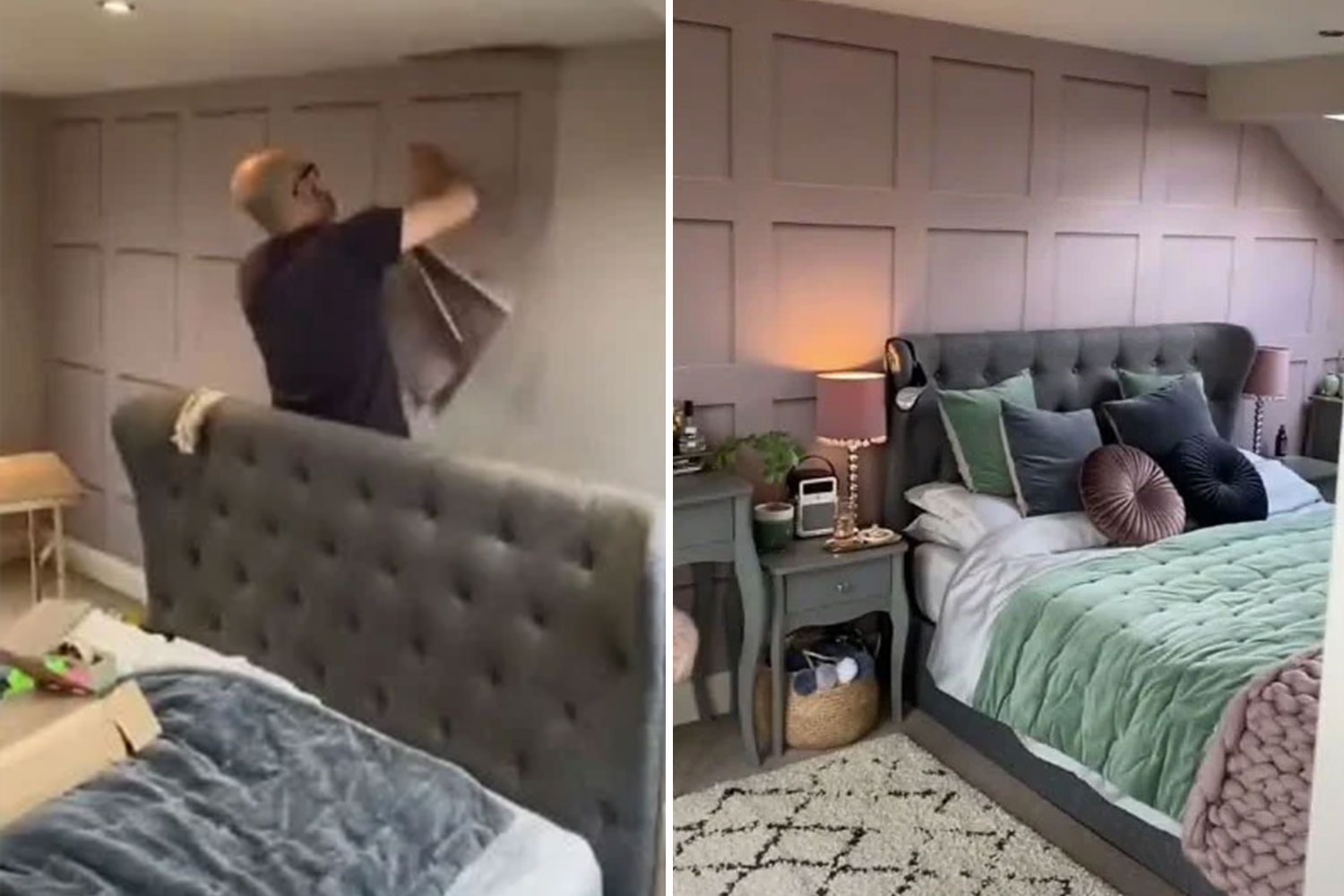
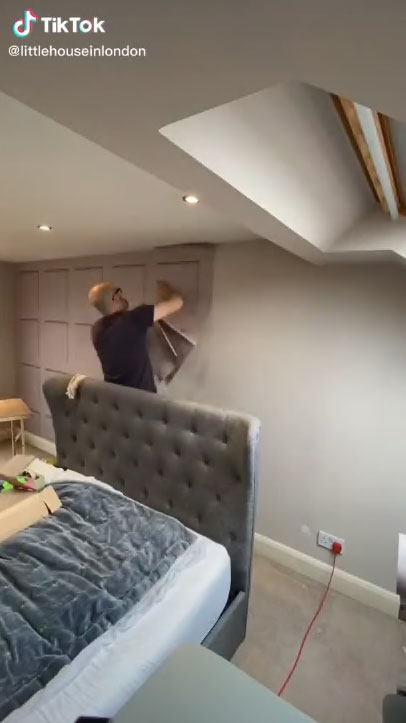
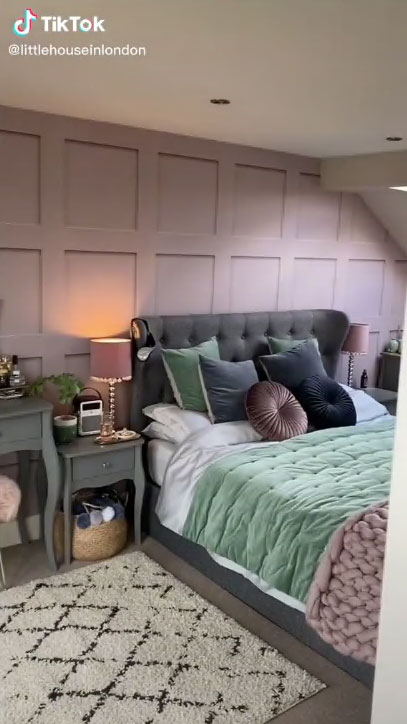
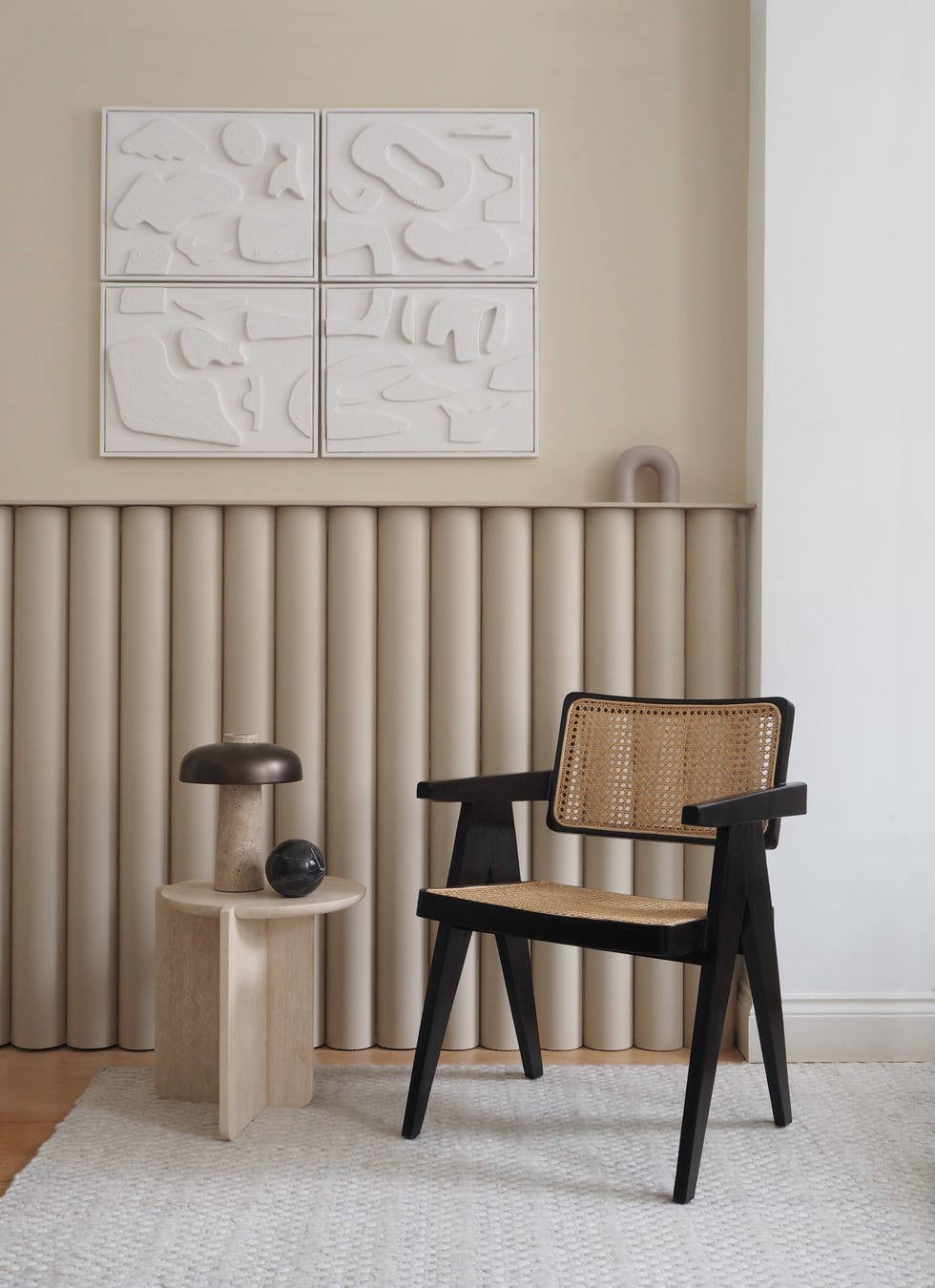
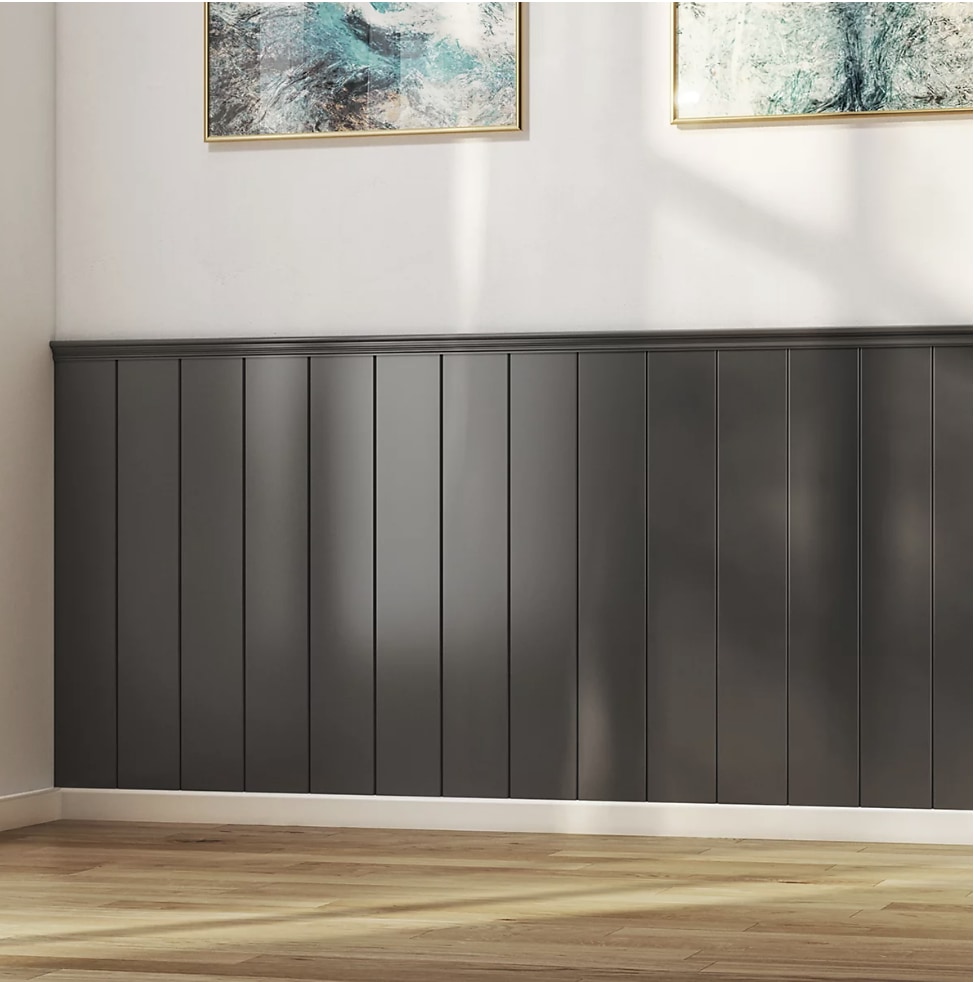
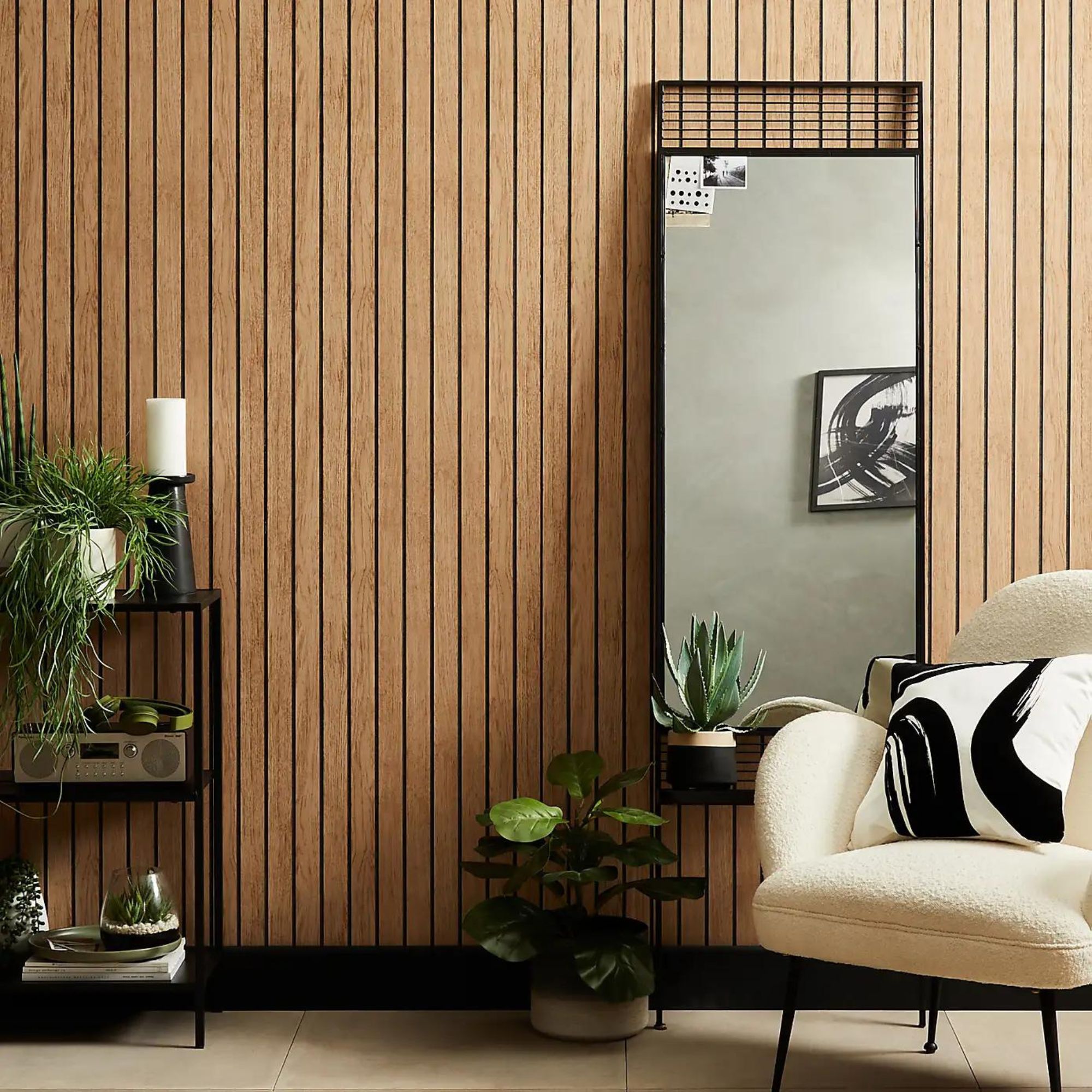
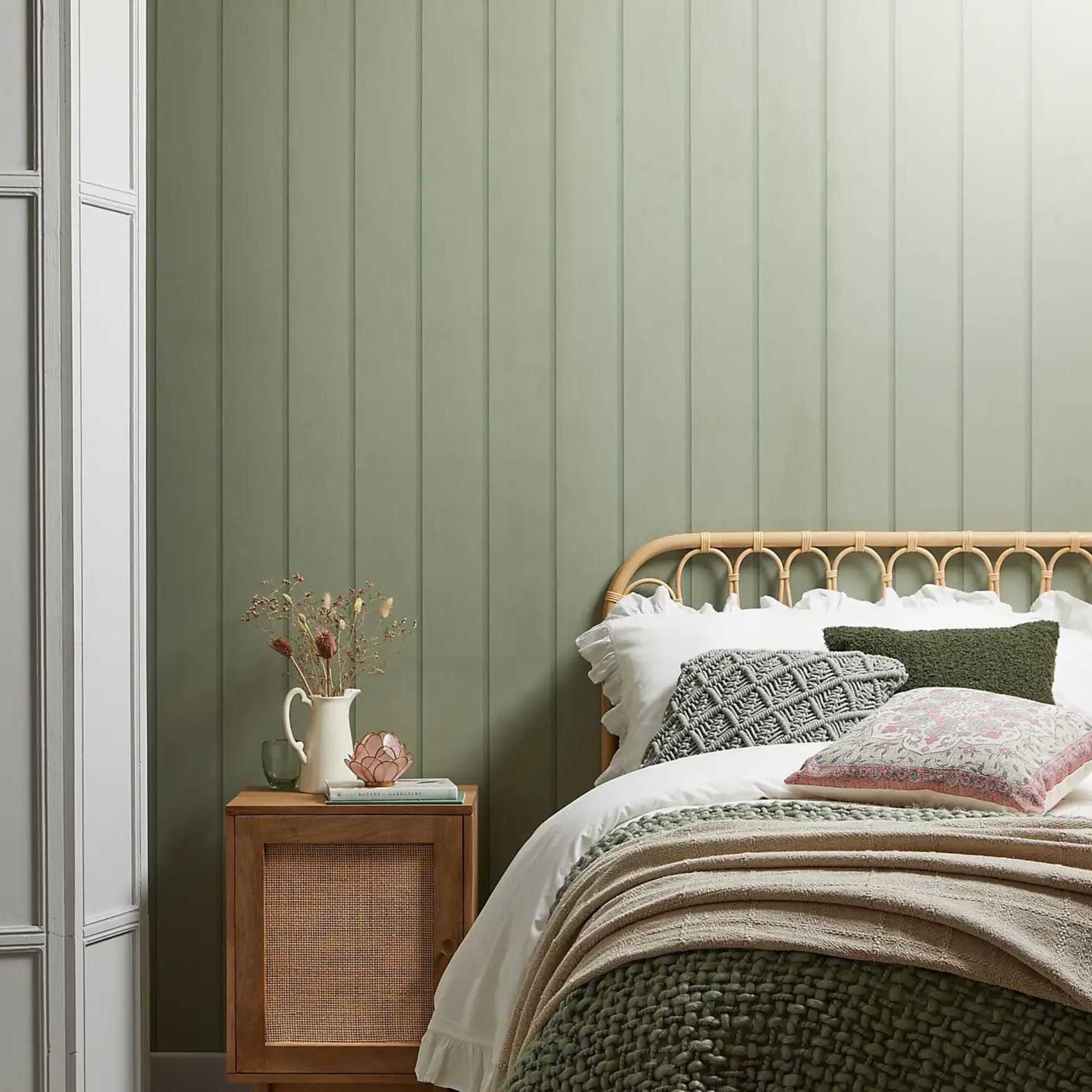
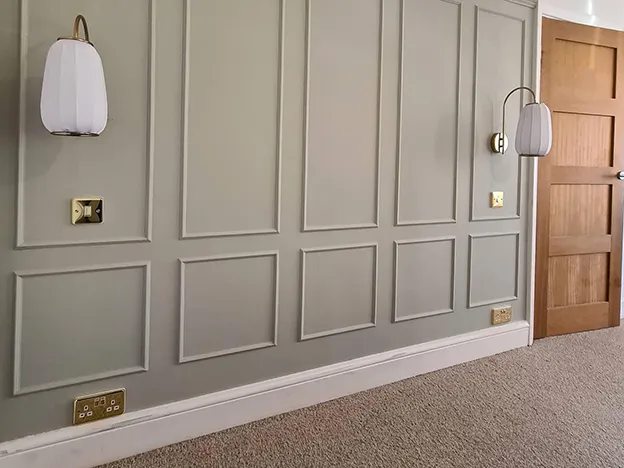
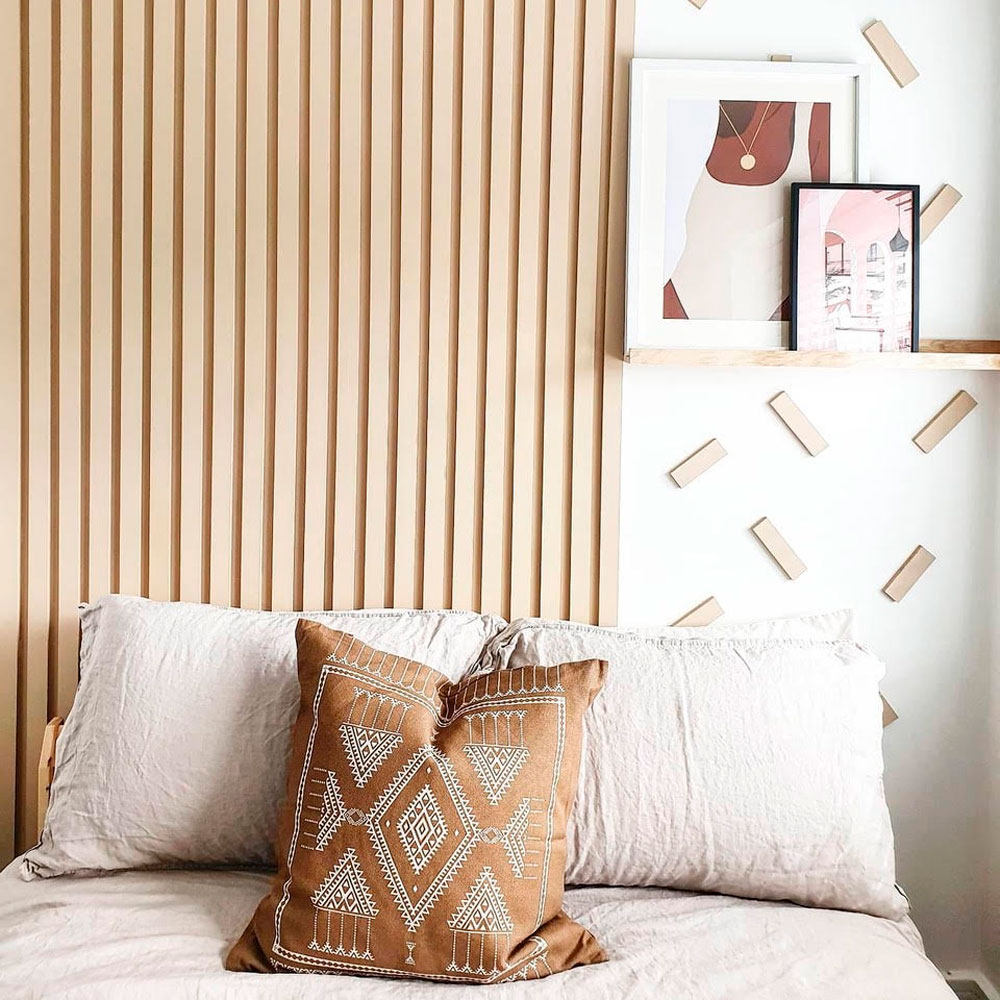
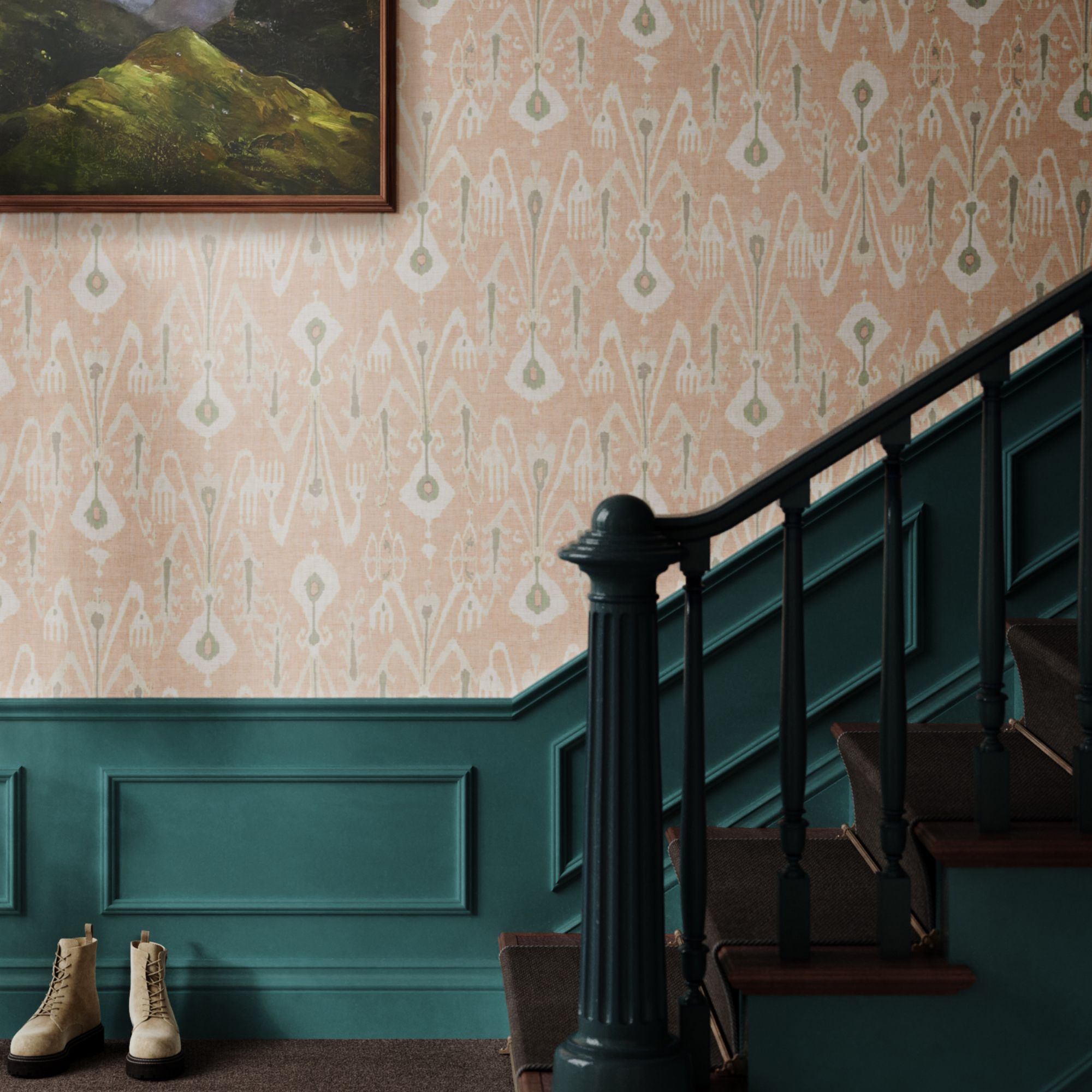
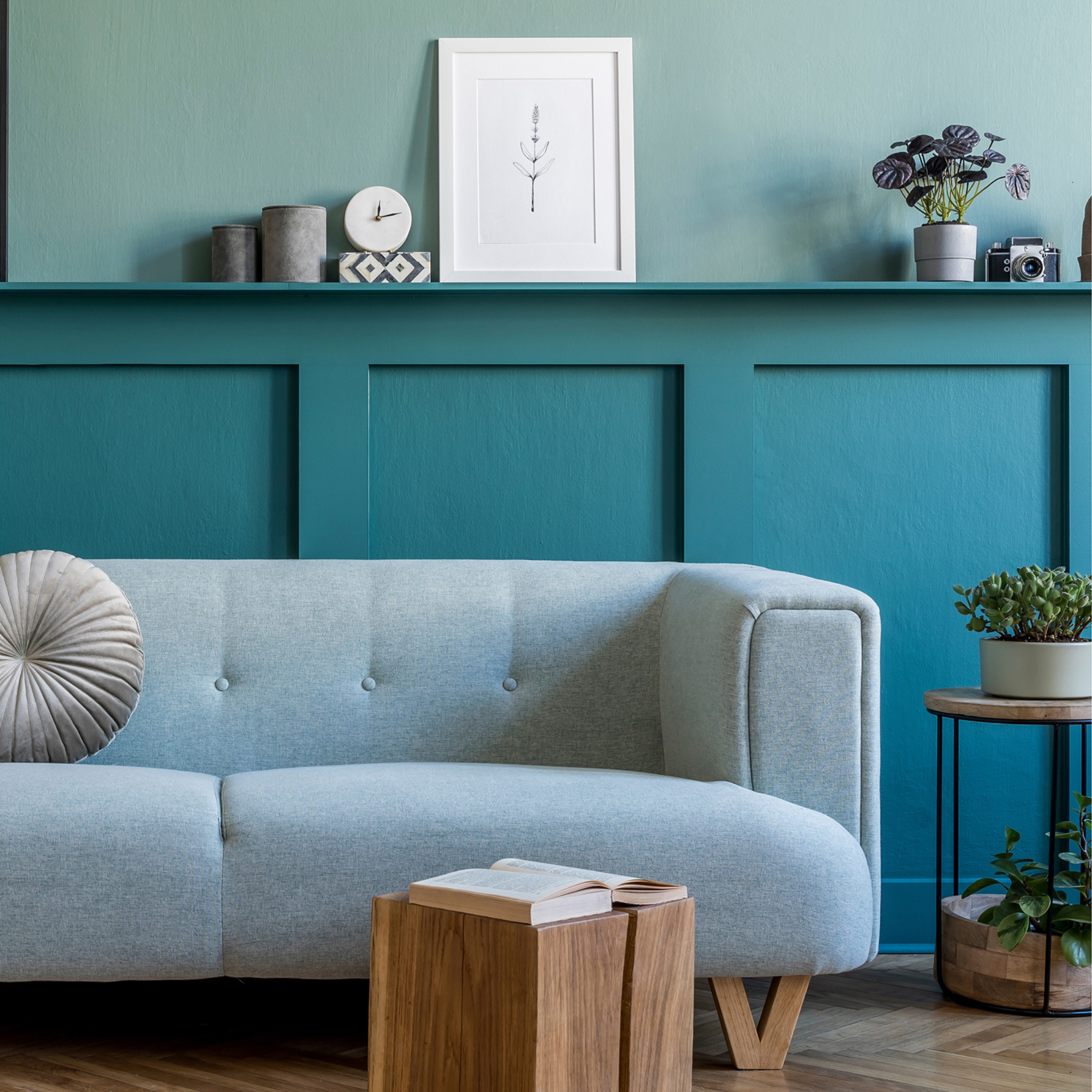
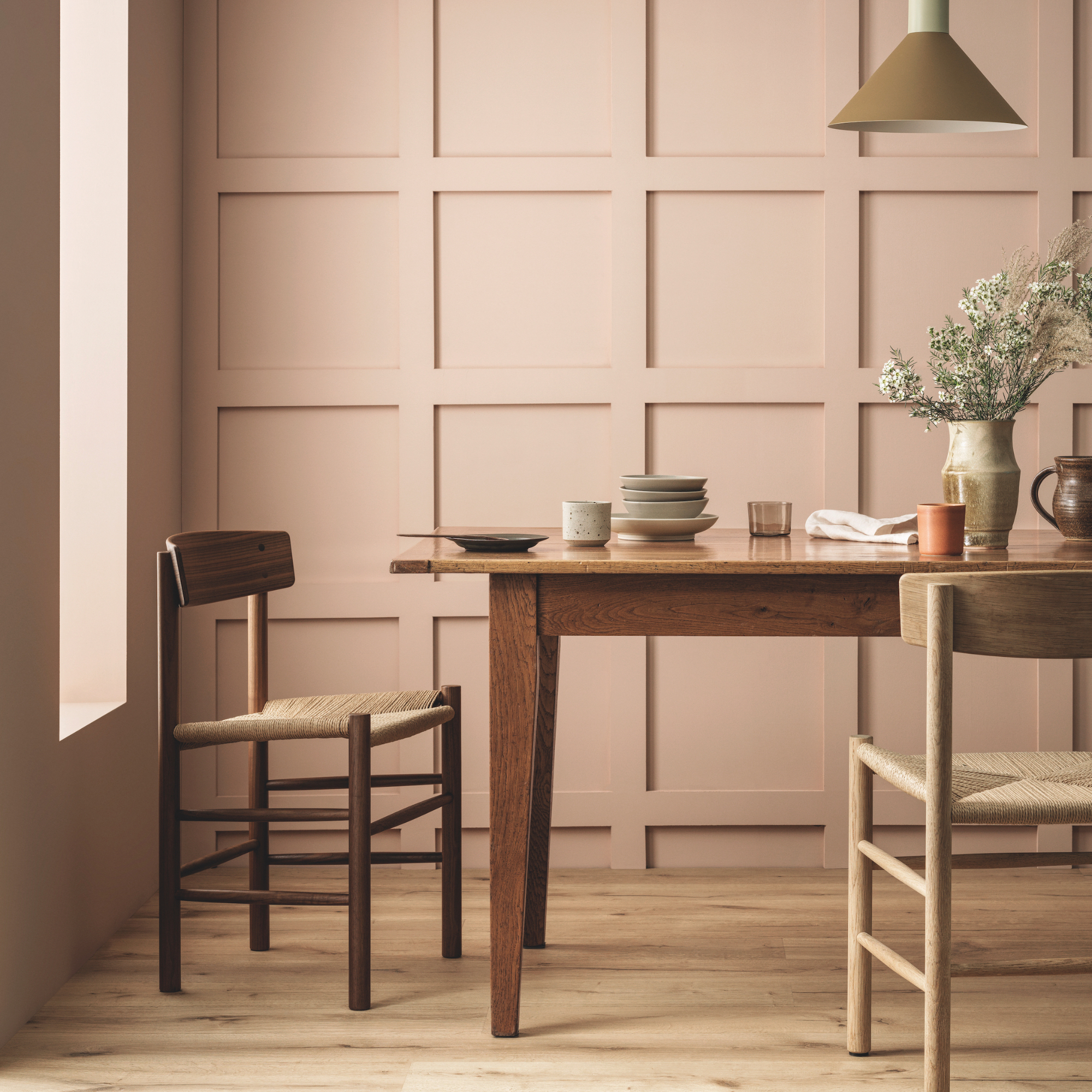
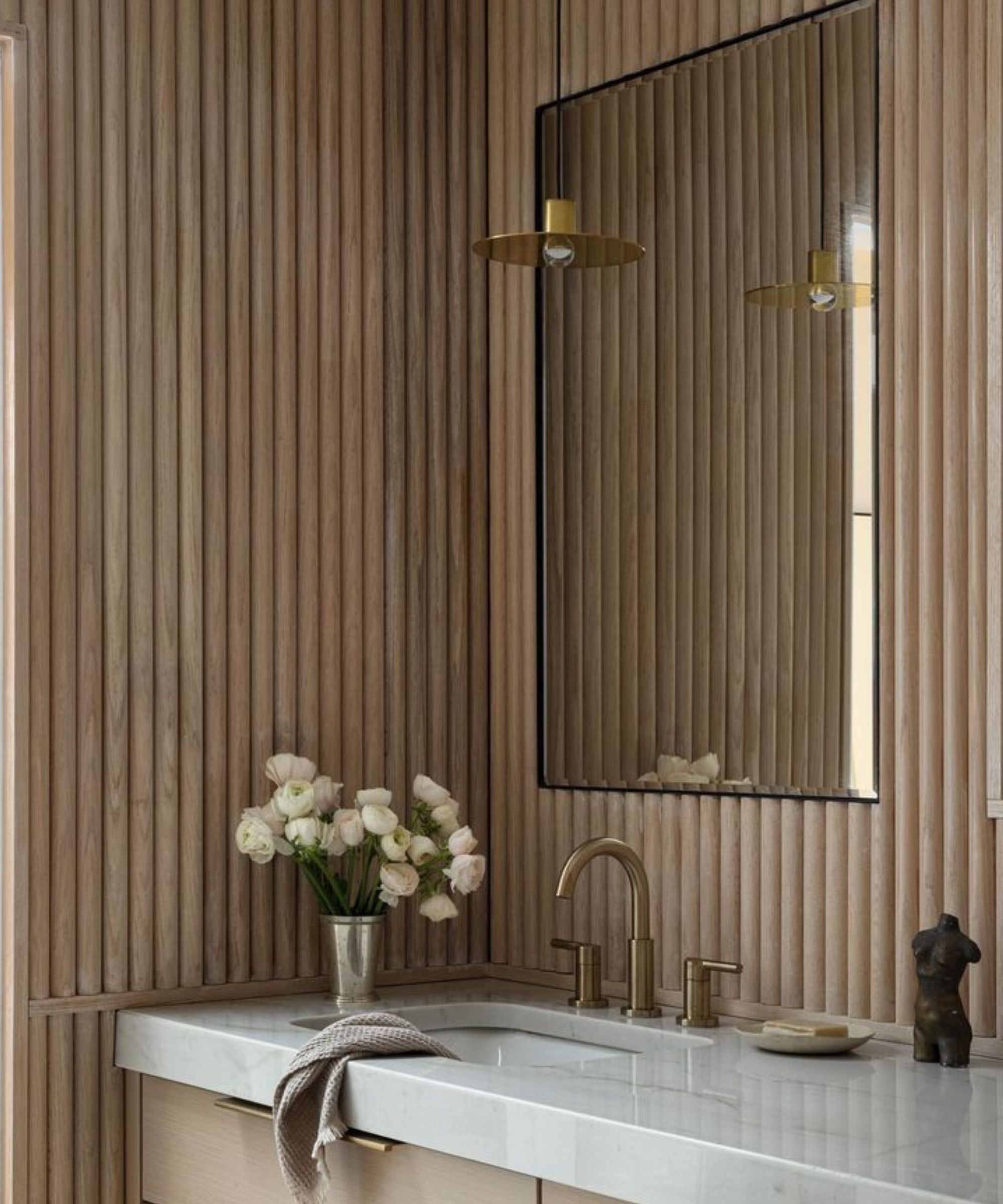
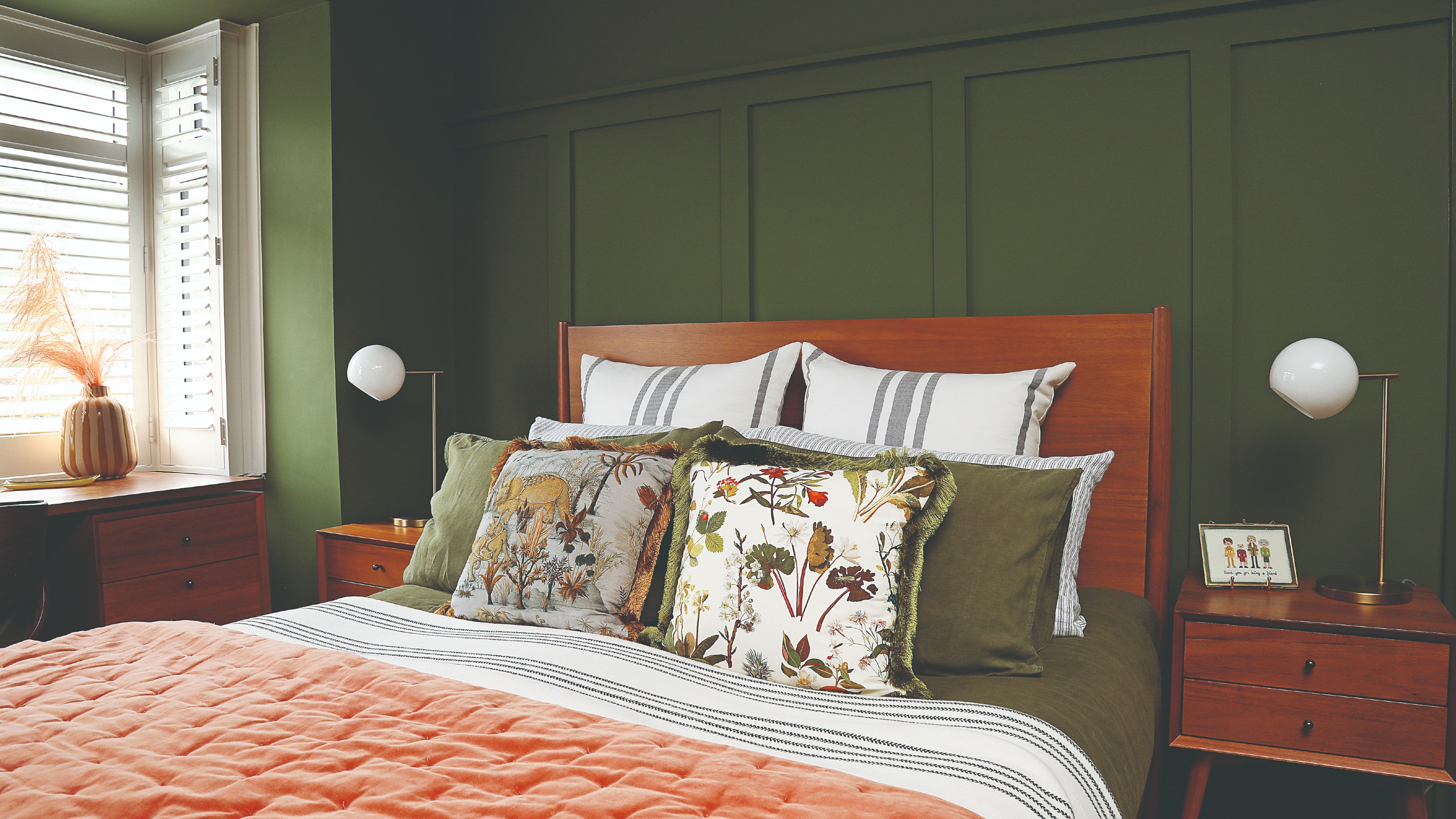
The latest DIY trend circulating on TikTok involves using foam pipe insulation to create wall panelling, offering a seemingly quick and easy alternative to traditional wood or MDF panelling. This hack capitalizes on the growing popularity of wall panelling, which adds texture and depth to interior spaces. Instead of dealing with the dust and labor associated with wooden boards, this method utilizes flexible foam tubing, readily available from retailers like Amazon.
The foam's flexibility allows for the creation of curves and arches with minimal effort, providing the illusion of more sophisticated, traditional panelling once painted. A notable example is a TikTok video by @rowenhomes, which showcases the use of foam pipe insulation to construct three elegant arches, achieving a minimalist aesthetic. This particular video garnered 1.9 million views, with many viewers expressing admiration for its simplicity and cost-effectiveness. Gary Jarman, a building expert at Building Shop, supports the idea that foam piping and draught excluders offer a more convenient and less cumbersome approach to achieving a panelled effect compared to conventional methods.
Jarman highlights the lightweight nature and ease of cutting foam materials, noting that they can be easily attached to walls using adhesives such as double-sided tape or suitable glues. This contrasts with MDF panels, which often necessitate nails or screws, potentially leading to more extensive work and possible damage to walls, making the foam option particularly appealing for renters. However, despite its immediate appeal, the long-term viability and safety of foam panelling are questioned.
Foam panelling lacks the durability of MDF wood, making it susceptible to damage and unlikely to last as long. Jarman emphasizes that while foam piping and draught excluders provide an easy and fuss-free way to create a panelled look, they come with significant drawbacks concerning durability and safety. These issues render them unsuitable for various locations within a home, including hallways, bedrooms, and living spaces. While this method might be acceptable for a quick DIY project or purely decorative purposes, it is not recommended for long-term use or in areas where fire safety is a critical concern. Jarman advises homeowners to always consider fire safety regulations and potential risks before incorporating foam materials into their homes. For a safer and more durable solution, traditional MDF or wood panelling remains the preferred choice, underscoring the principle that ease of execution does not always equate to the best outcome.
#DIYHomeDecor #WallPanelling #TikTokHack #FoamInsulation #InteriorDesignTrends #HomeImprovement #DecoratingTips #BuildingMaterials #SafetyConcerns #DIYHomeDecor #WallPanelling #TikTokHack #FoamInsulation #InteriorDesignTrends #HomeImprovement #DecoratingTips #BuildingMaterials #SafetyConcerns
0 comment in total
 No comments yet
You may also like
This wall panelling method is going viral on TikTok – how to get the look, according to DIY experts

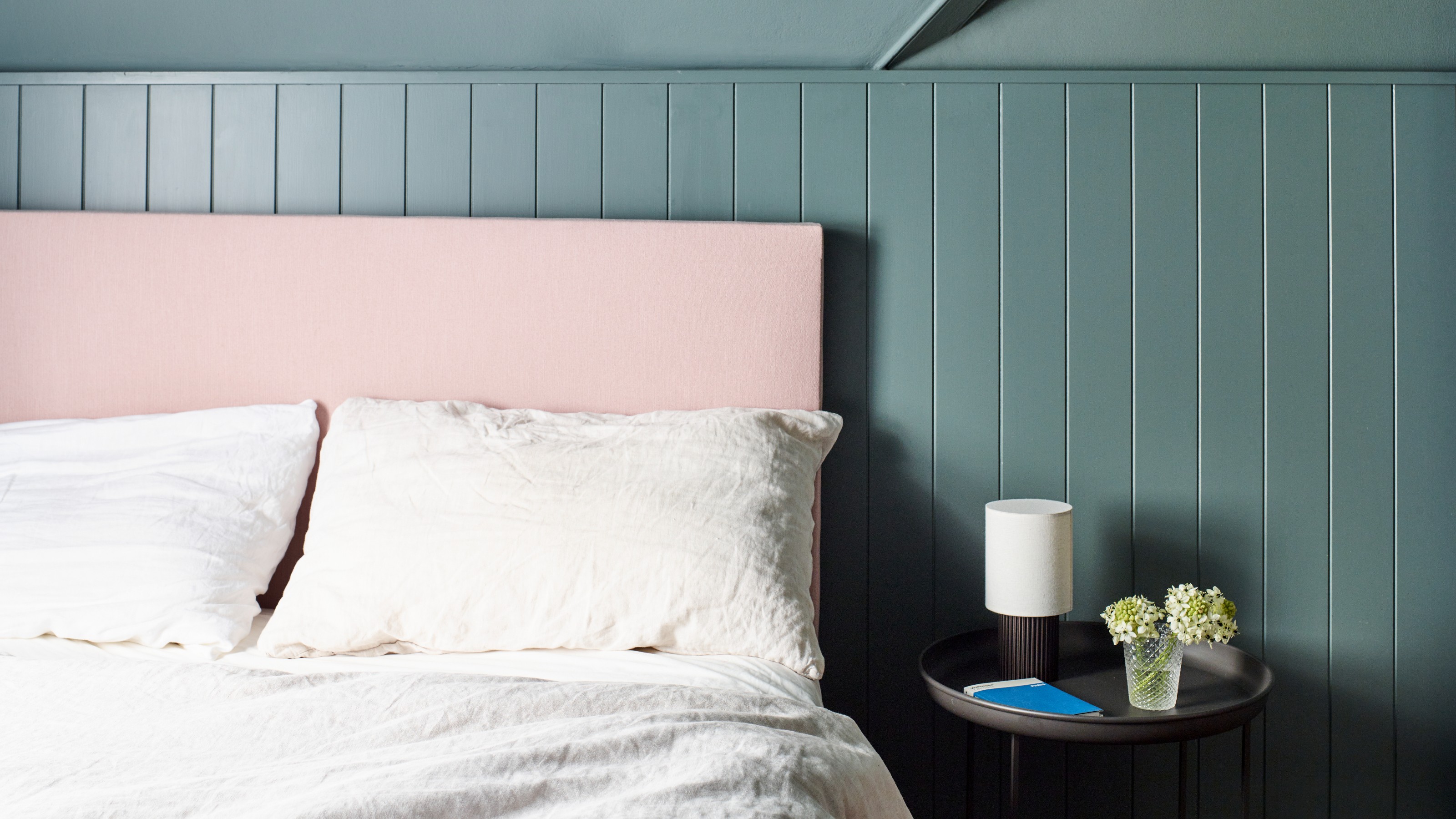
6 ways to fake wall panelling and create the sought-after look on a budget
Lad shows off £10 DIY makeover - but his 'wonky' bricks are bothering people

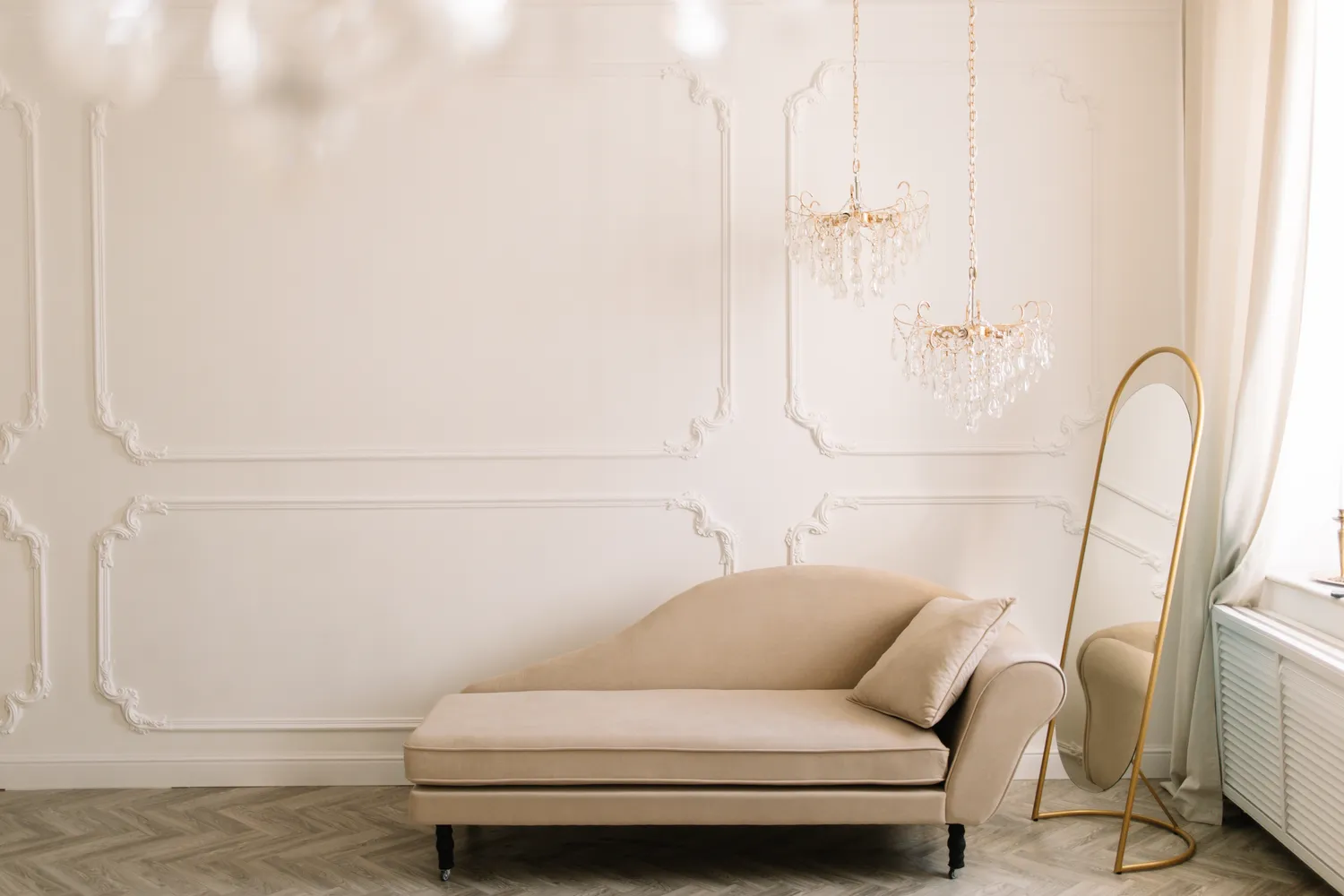
How to Add DIY Wall Molding That Looks Luxe—Even If You’re Renting
We created a posh wall panel in seconds using a sneaky stick-on hack - everyone is convinced it’s real wood

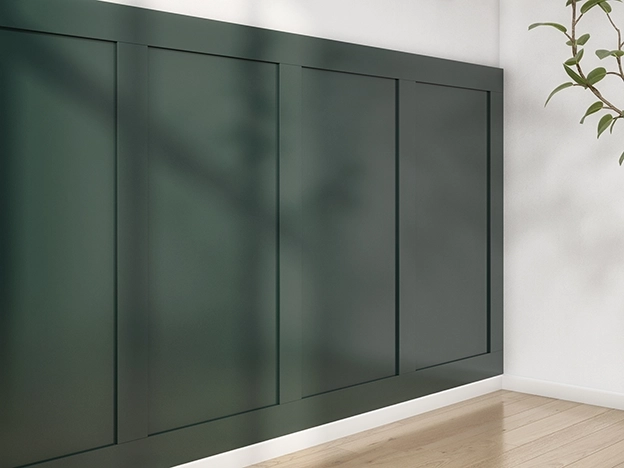
Wall Panels

Rapi Wall And Lasting Long, Check Out 5 Tips For Choosing Wall Panels For Modern Housing


How to install wooden panelling
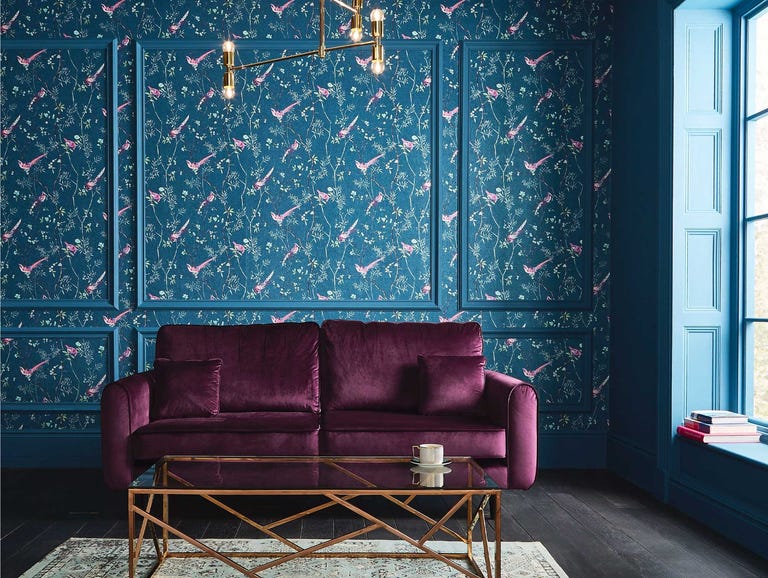
The best wall panelling ideas and trends, according to the experts

How to smooth walls without plastering, according to design experts

Homeowner wows with DIY version of latest feature wall trend – and the results are stunning!
This paneling trend is a simple trick for making your walls look more expensive

Woman's £35 living room transformation mocked for looking 'like a McDonald's'

Wall paneling ideas – 18 ways to add decorative cladding and moulding
This New DIY Will Make Your Windows and Wall Treatments Look Way More Luxe and Fun

Multipanel’s Elliott Fairlie – Why bathroom wall panels are an attractive proposition
TikTok's 2025 panelling trends and how to ace them

MDF Wall Panels | Decorative Wall Panelling
How to panel a wall – DIY this trending look in your home this weekend
The TikTok Trend Dominating Gallery Walls In 2025: How To Get The Look