1/10
'Bookshelf Wealth' has changed the way I style my home – here's everything you need to know about this designer-approved trend
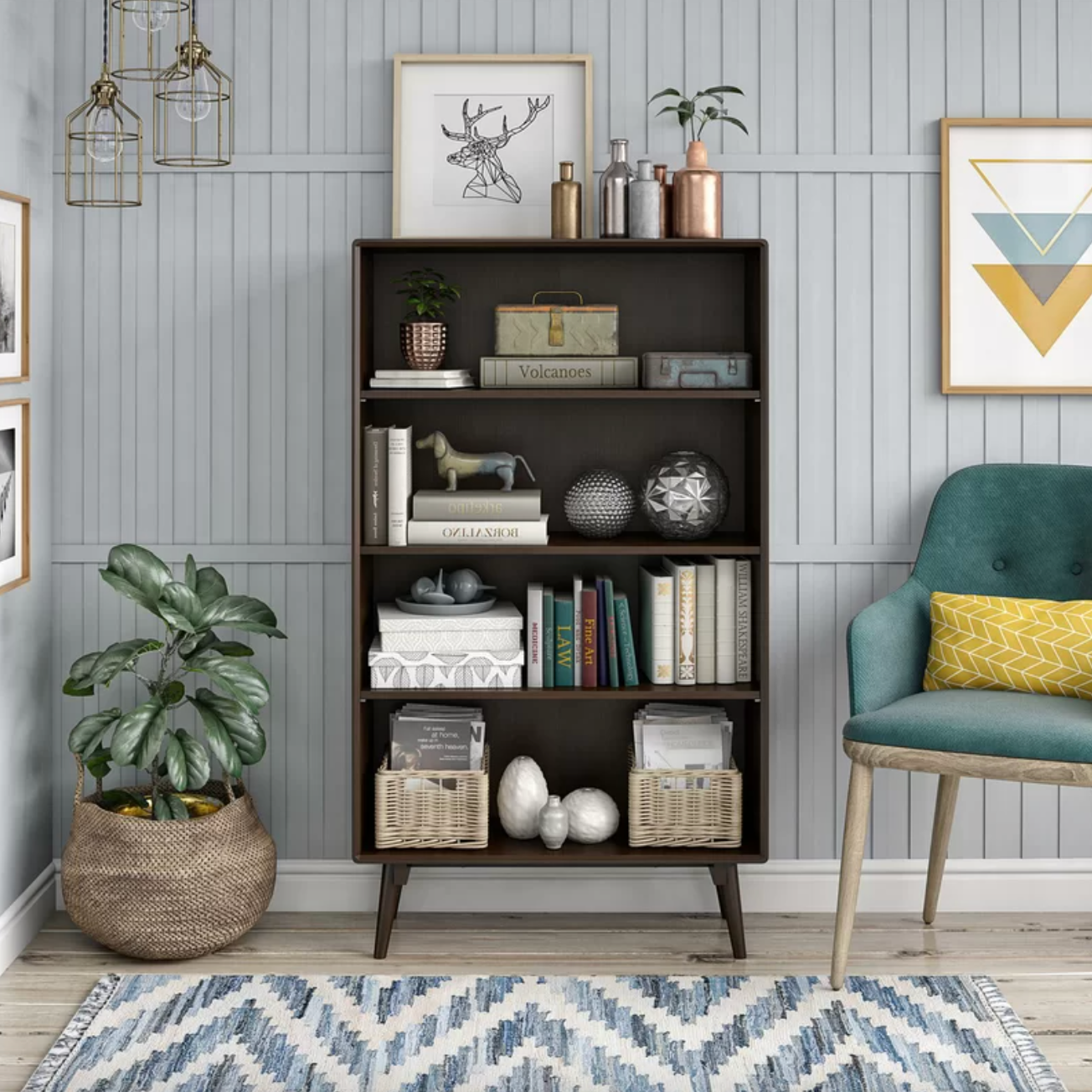
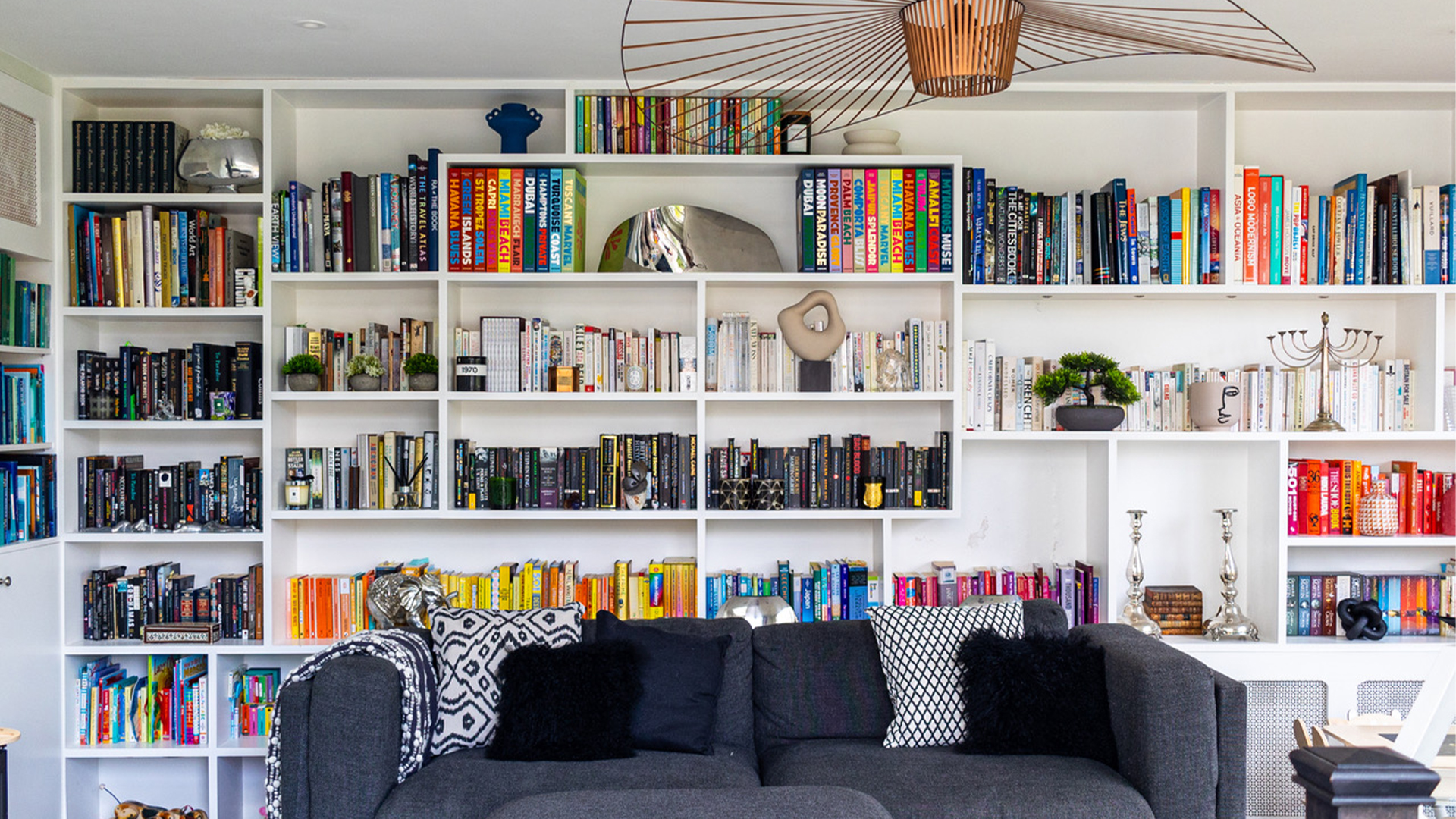
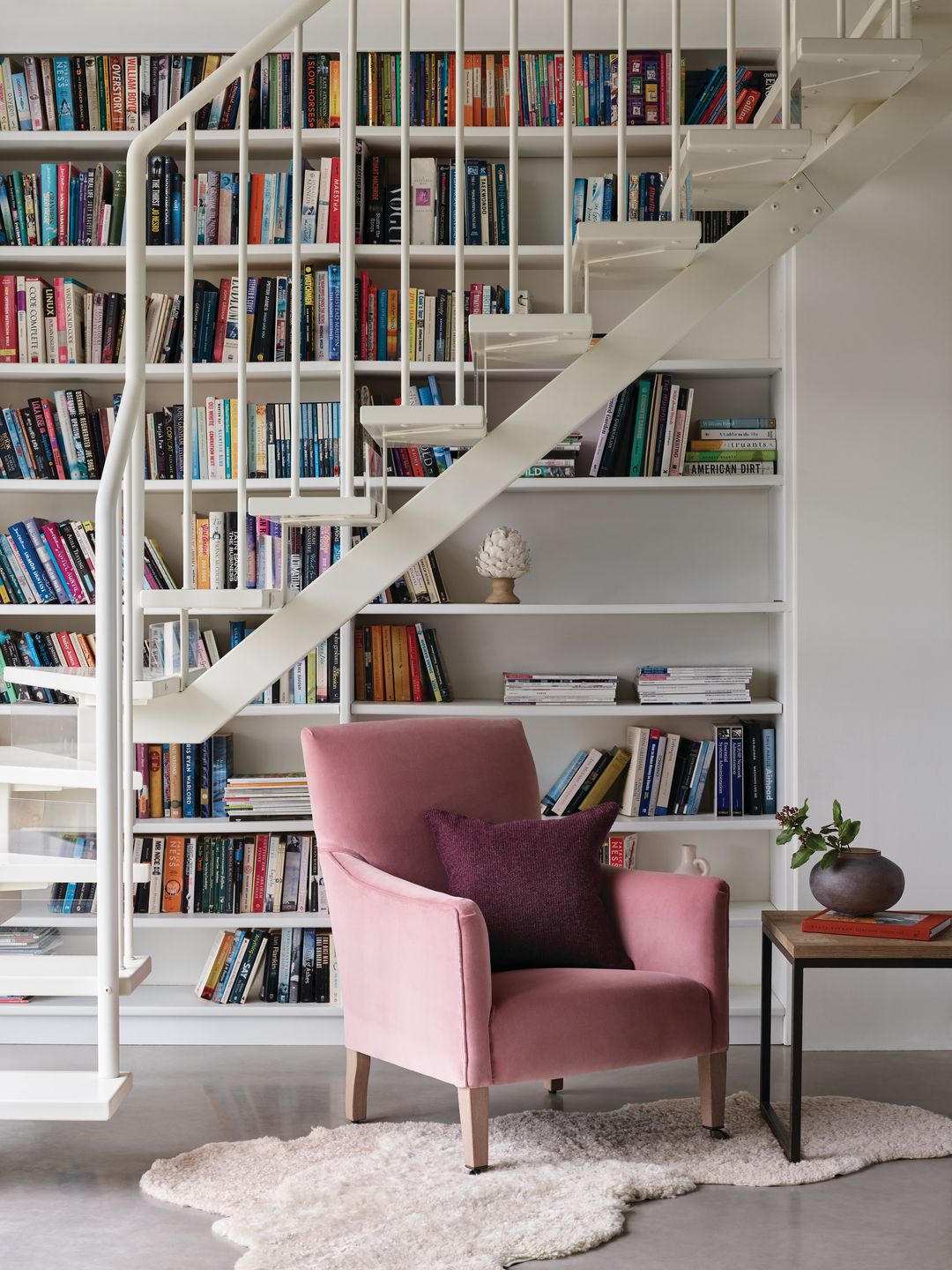
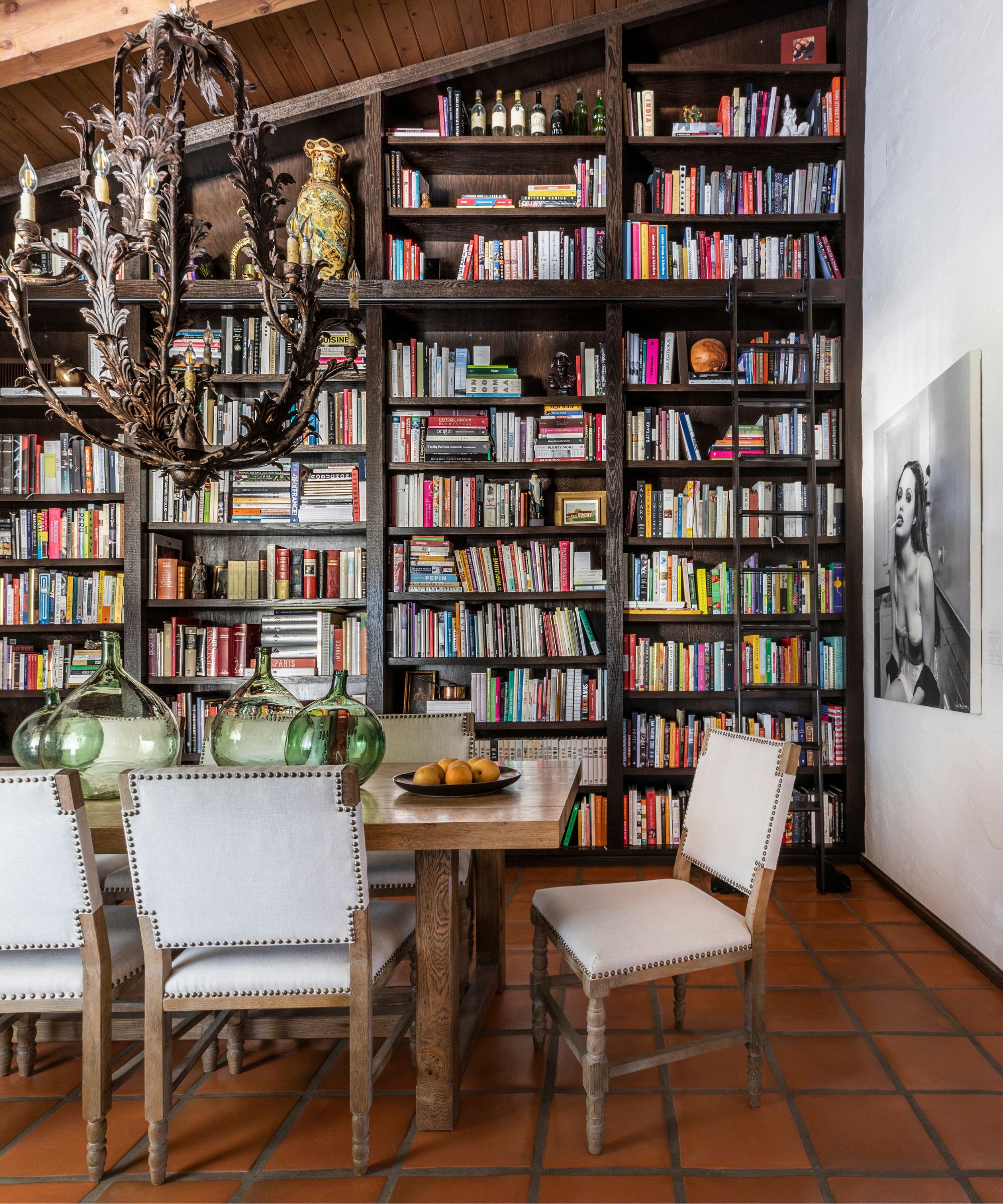
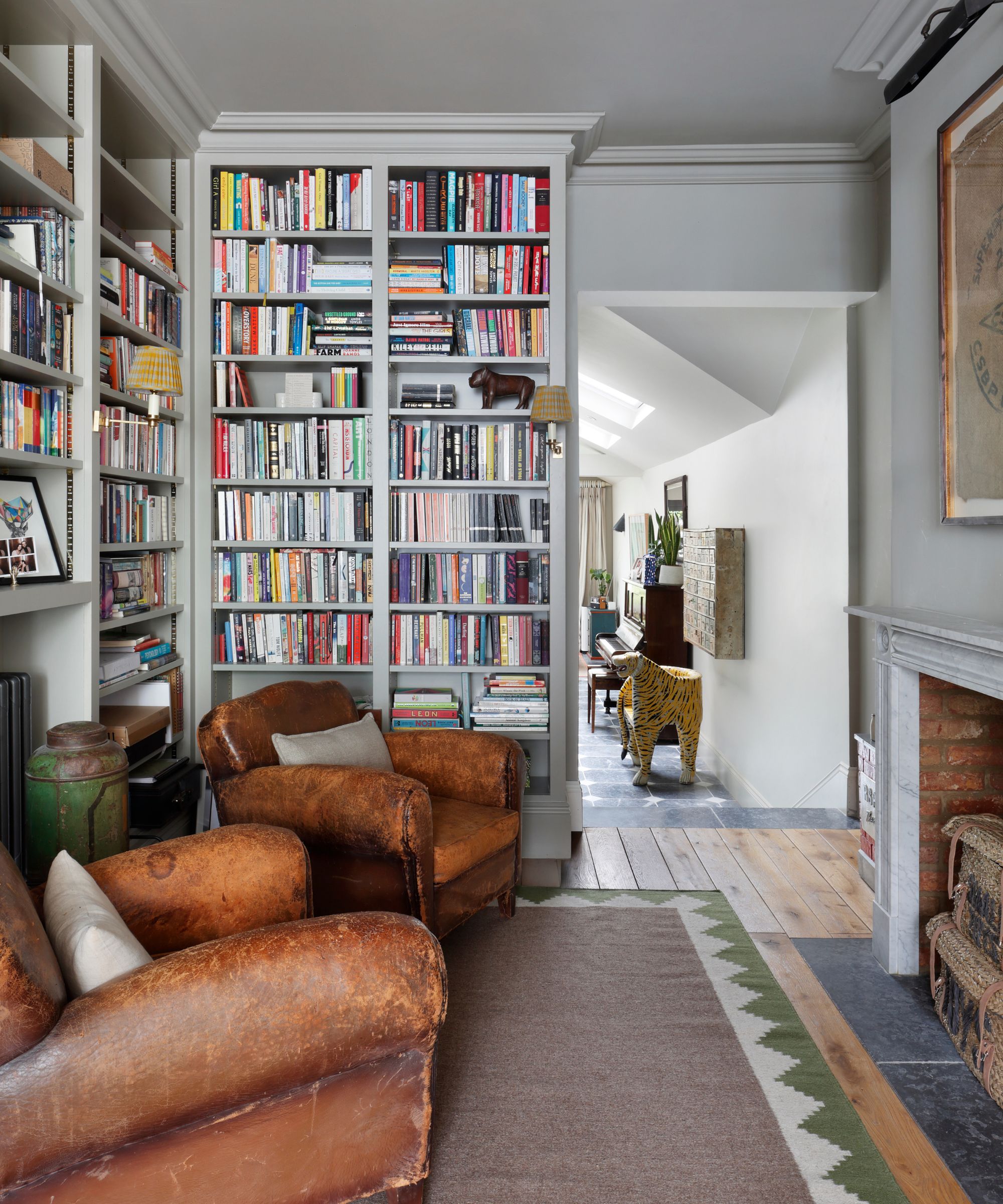
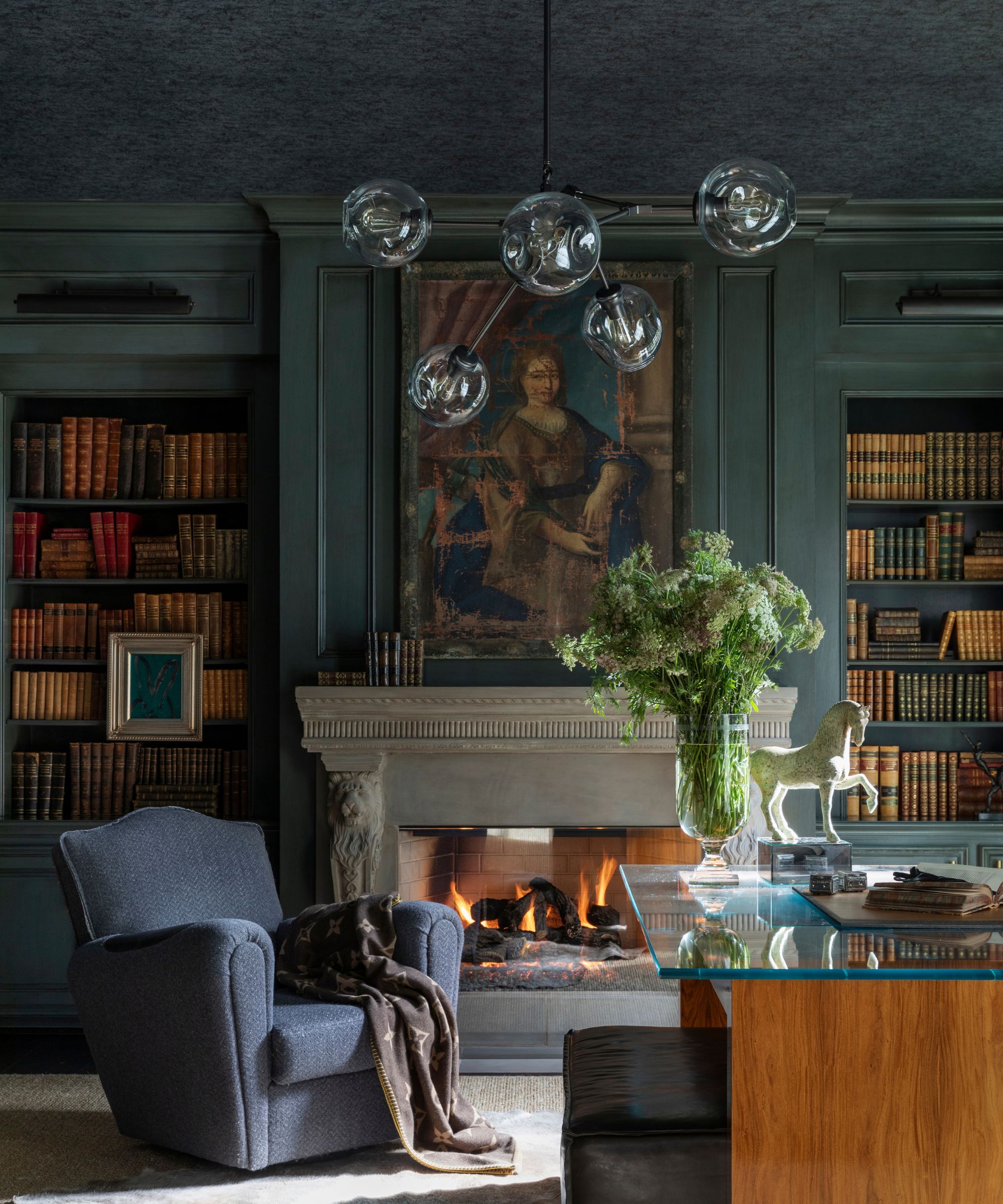
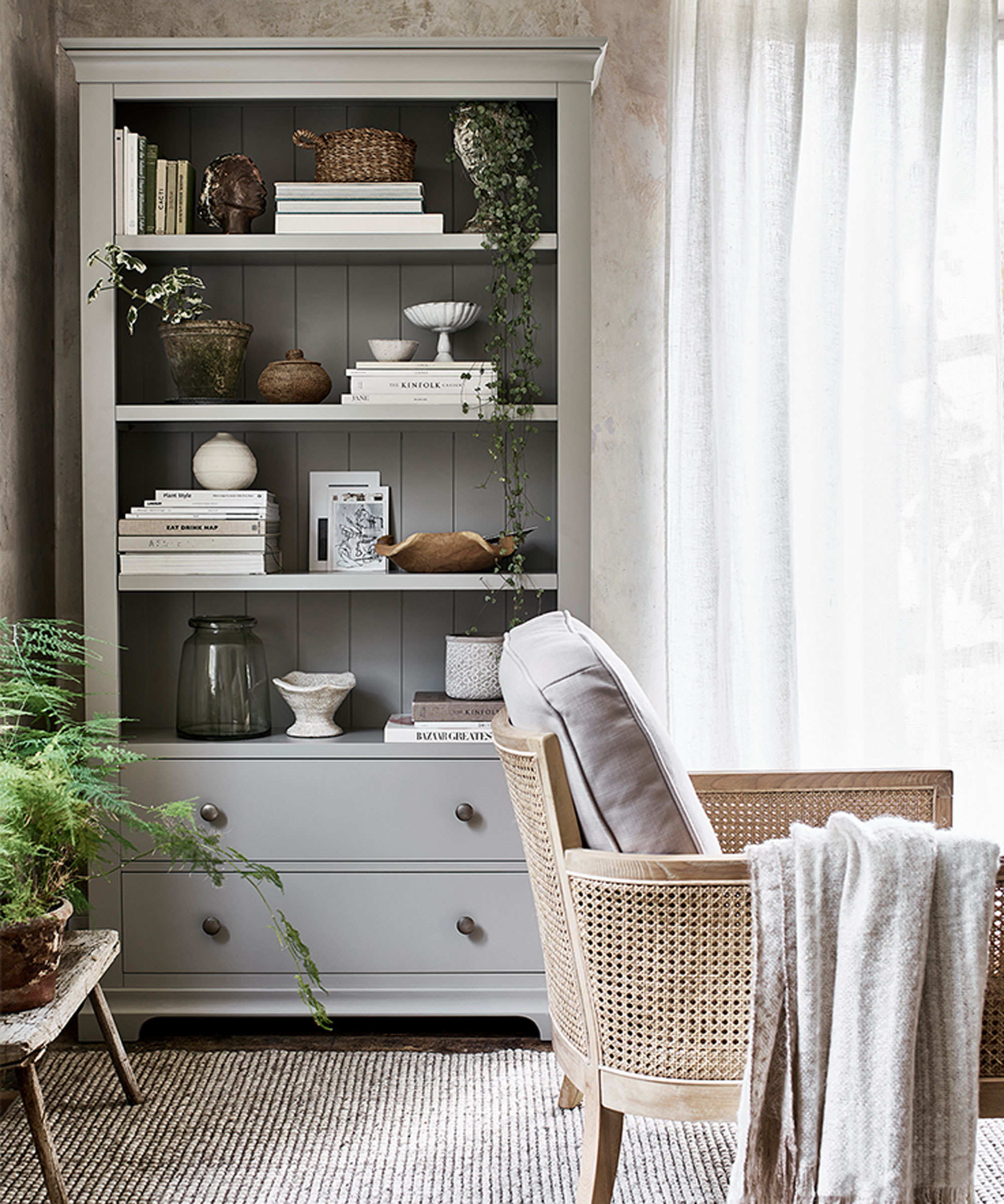
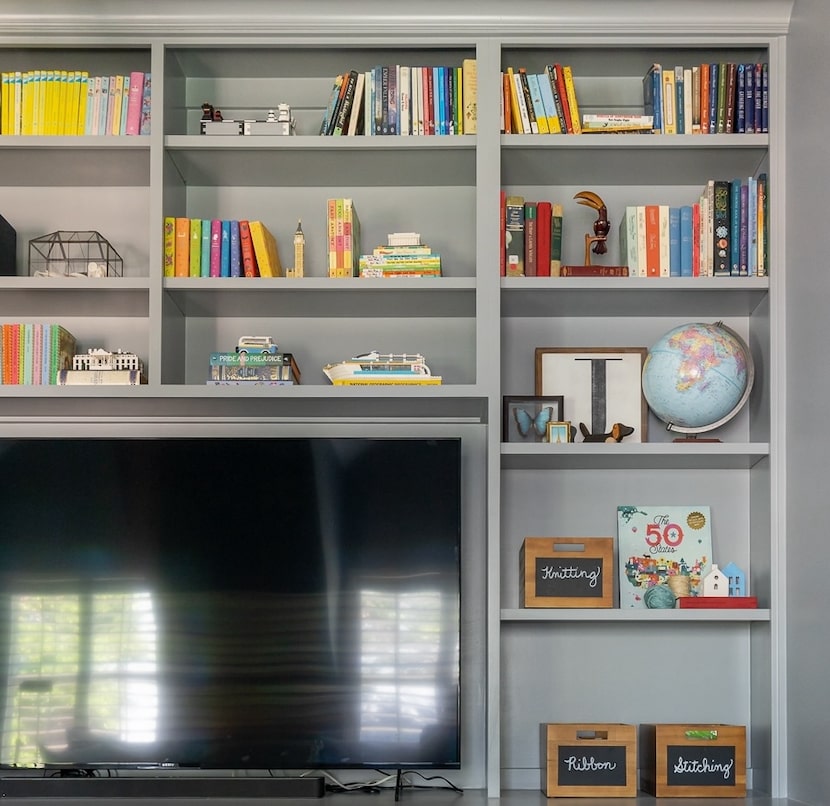
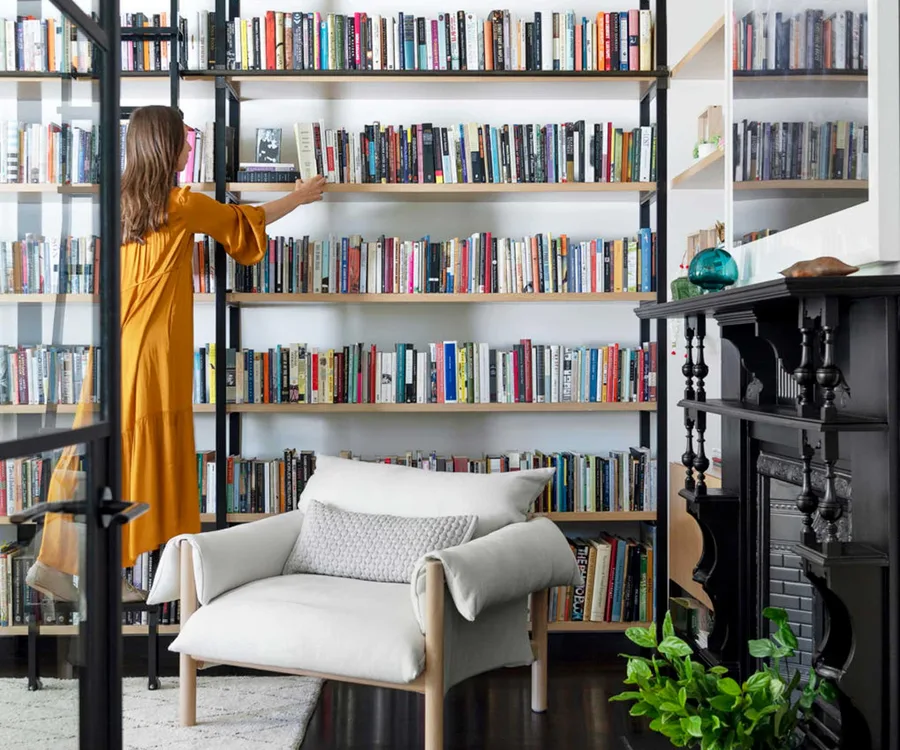
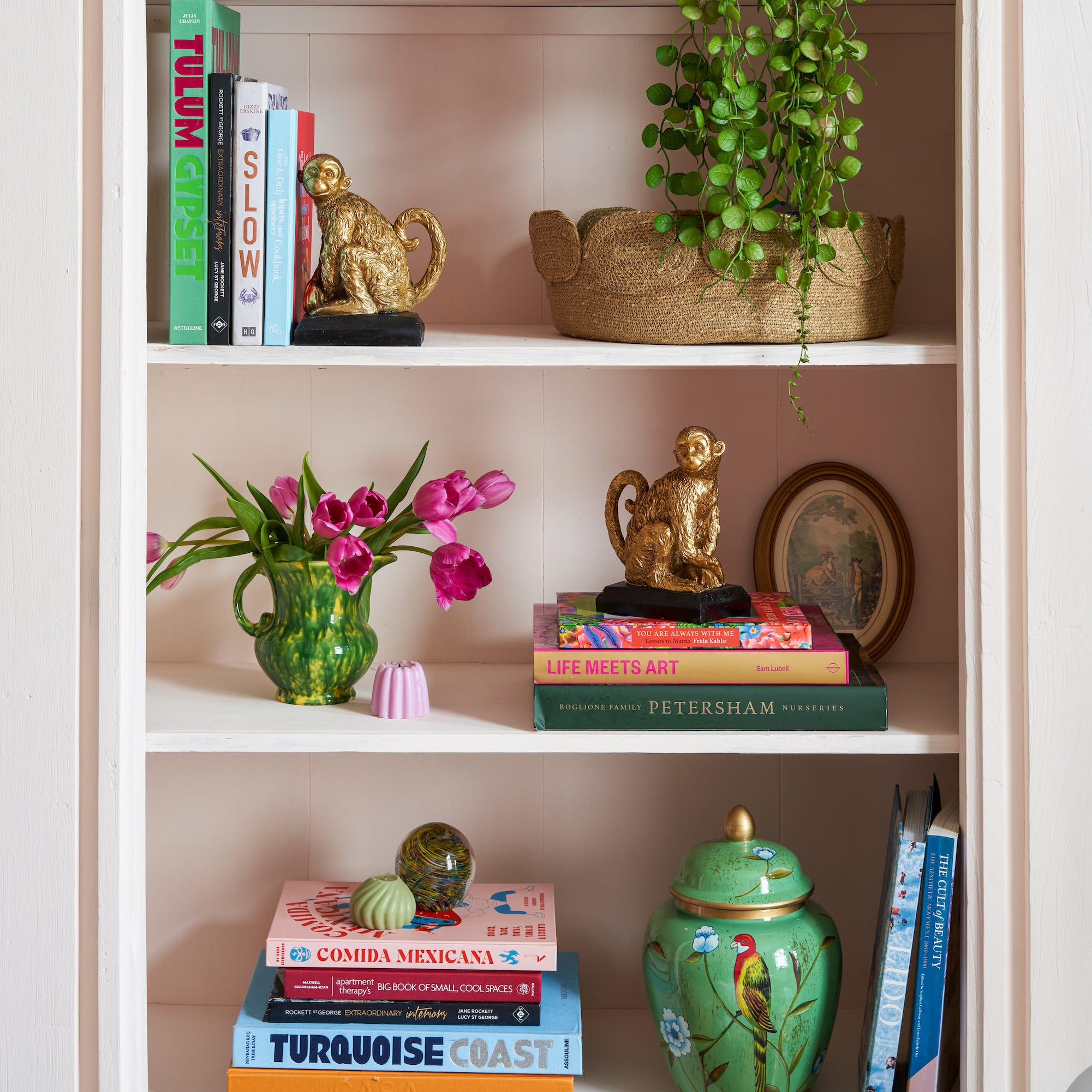
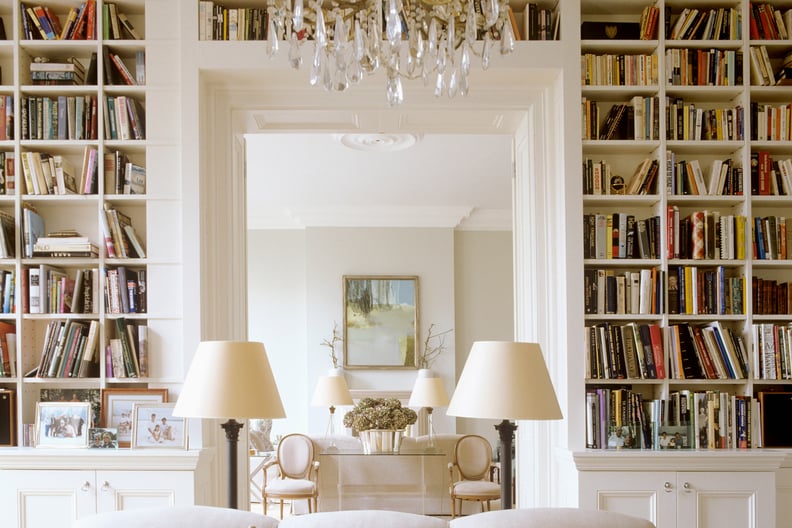
The 'bookshelf wealth' trend, a departure from minimalist or color-coded shelf displays, advocates for full, layered, and personalized bookshelves. Coined by San Diego-based interior design firm House of Hive Design Co., this aesthetic gained significant traction on TikTok in 2024 and has fully established itself in 2025. It celebrates a curated yet collected look, where books, art, and decor are displayed in authentic, lived-in ways, suggesting a history of thoughtful accumulation rather than staged perfection. This approach results in a casual yet refined appearance, giving the impression that items have been collected over many years.
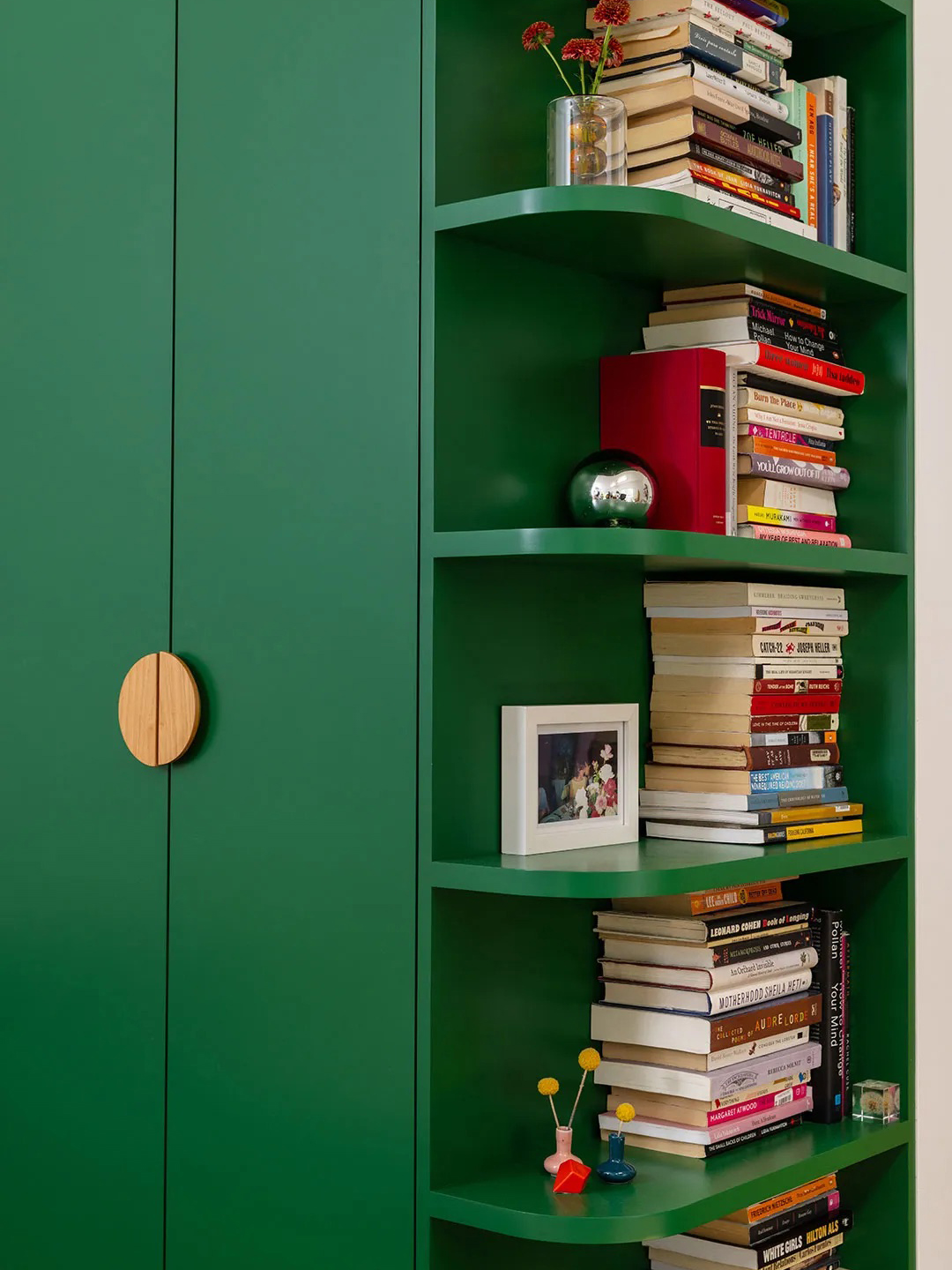
According to Kailee Blalock, co-founder of House of Hive, the key differentiator is that the books are genuinely curated and read, not merely for display. Art is also integral, but it is showcased unconventionally, often stacked, hung over shelves, or arranged asymmetrically. This creates a cozy and lived-in atmosphere, a stark contrast to more traditional or overly pristine presentations. Elizabeth Krueger, a principal designer, emphasizes the personal narrative that emerges when items are gathered over time, noting that such character cannot be artificially fabricated. The trend embraces intentional clutter and imperfections, allowing the passage of time to imbue shelves with unique personality.
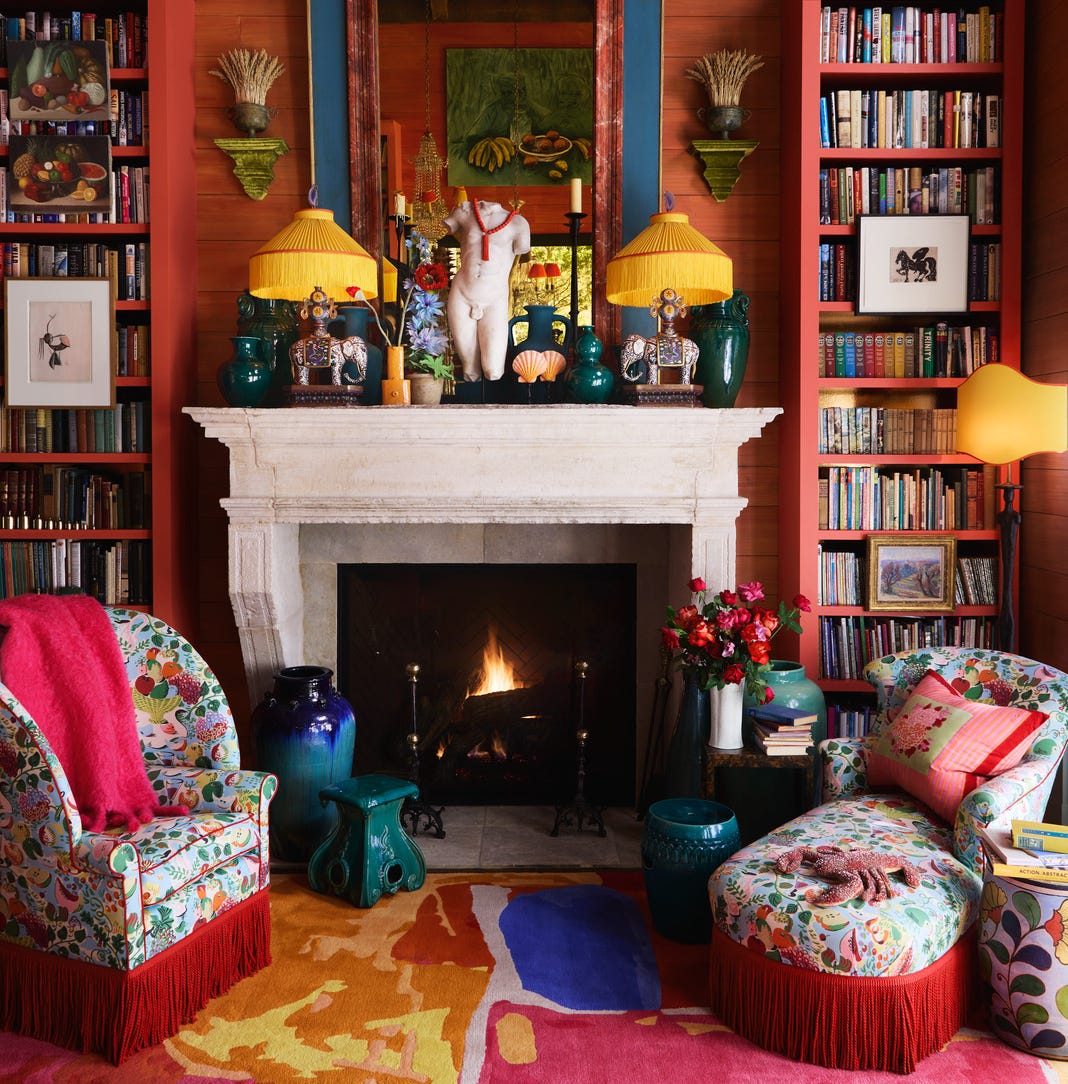
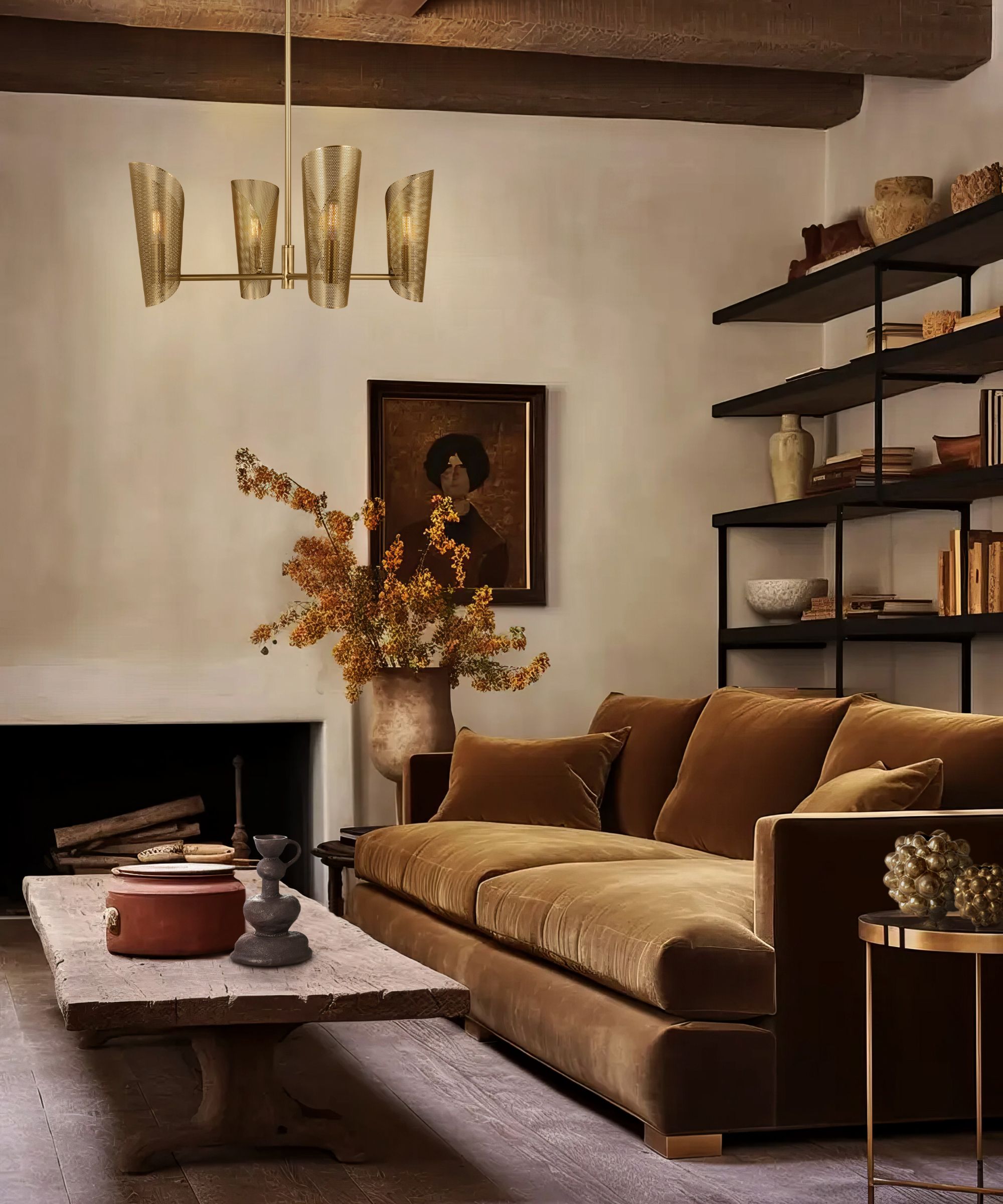
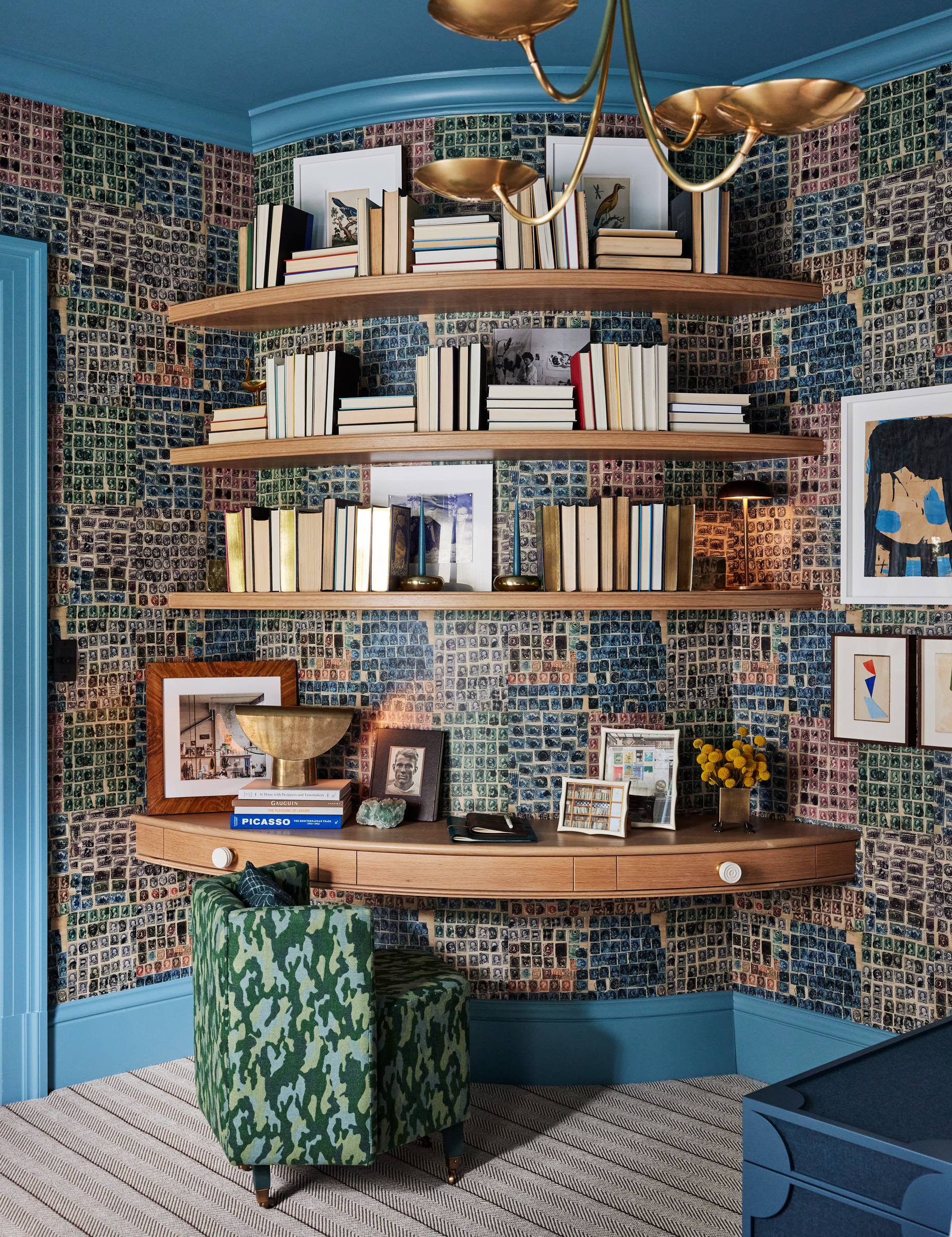
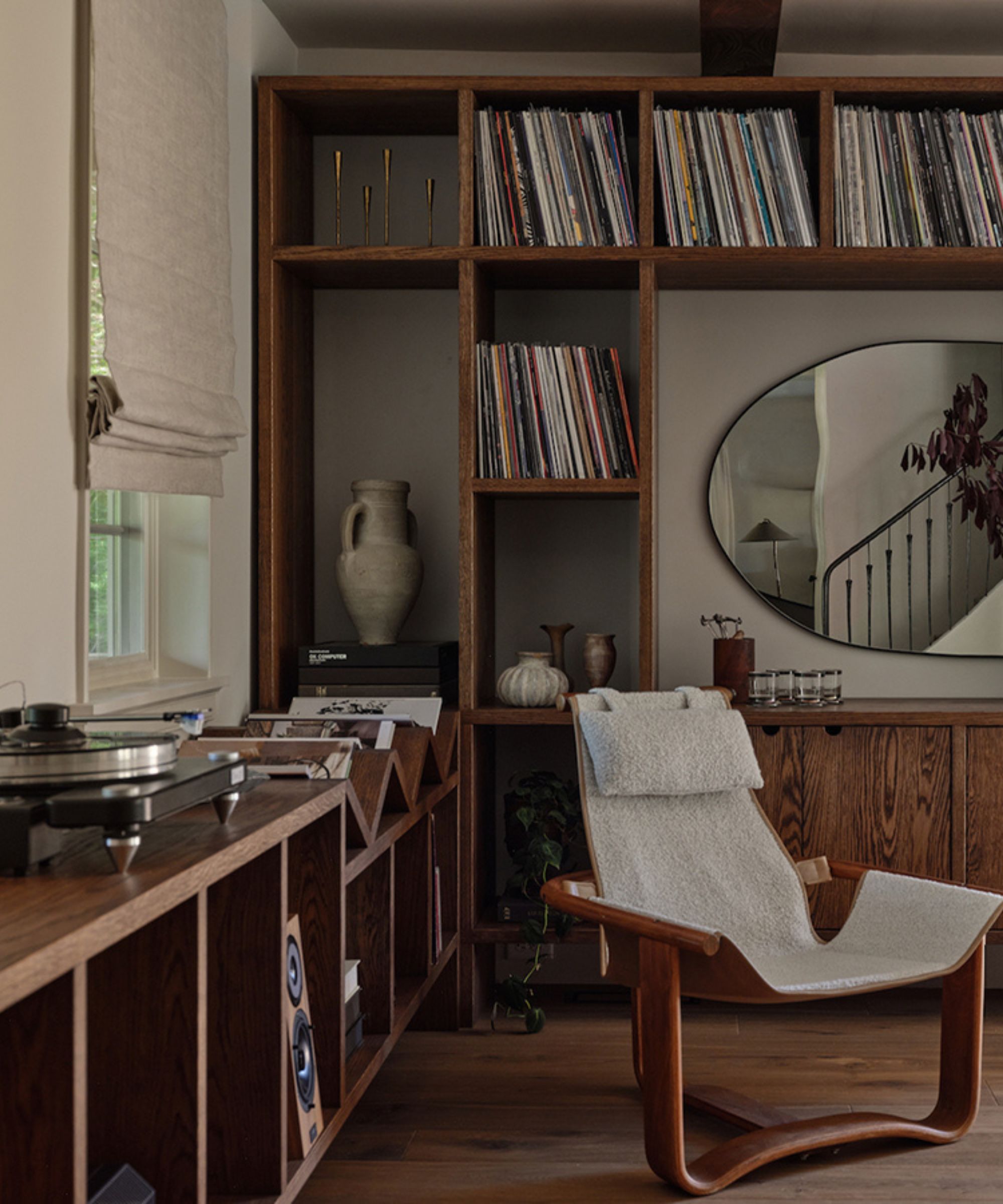
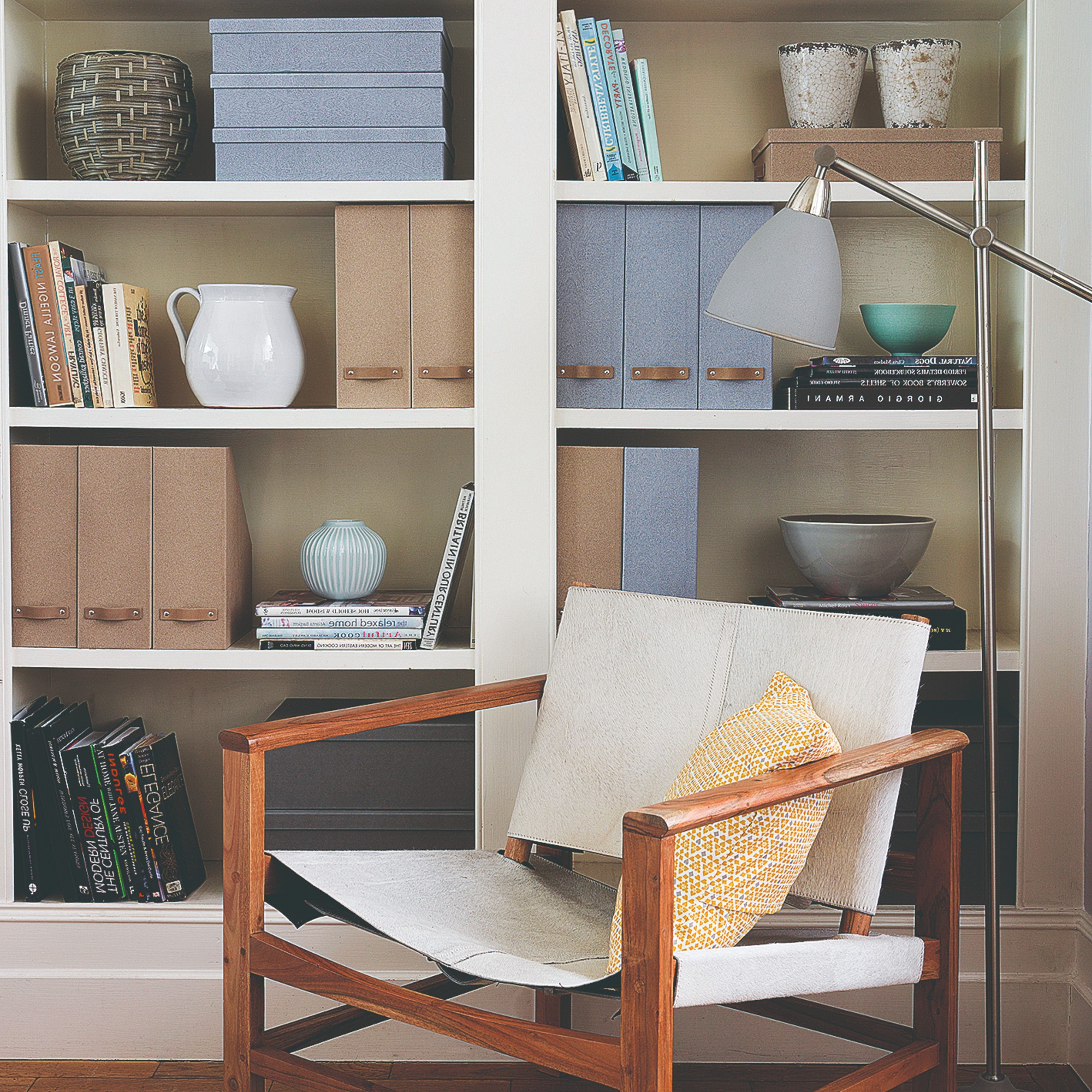
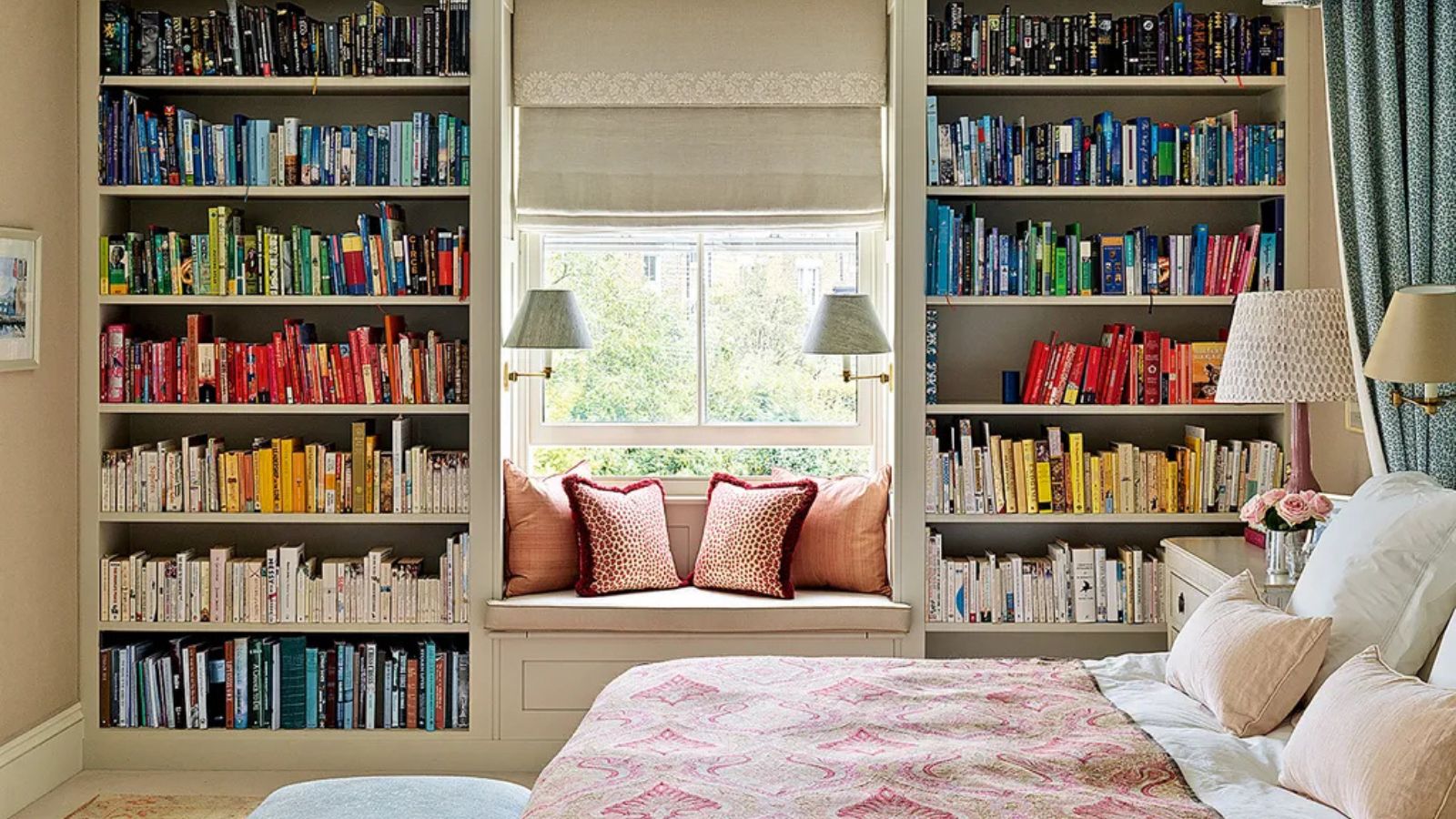
Beyond books and art, the 'bookshelf wealth' aesthetic incorporates other elements such as eye-catching patterns, comfortable seating areas like armchairs or reading nooks, and strategically placed moody light fixtures. Kathy Kuo, an interior designer, views this trend as a harmonious blend of quiet luxury and the 'shelfie' concept, where practical and personal items like heirlooms and antiques add depth and individuality to a home's interior design.
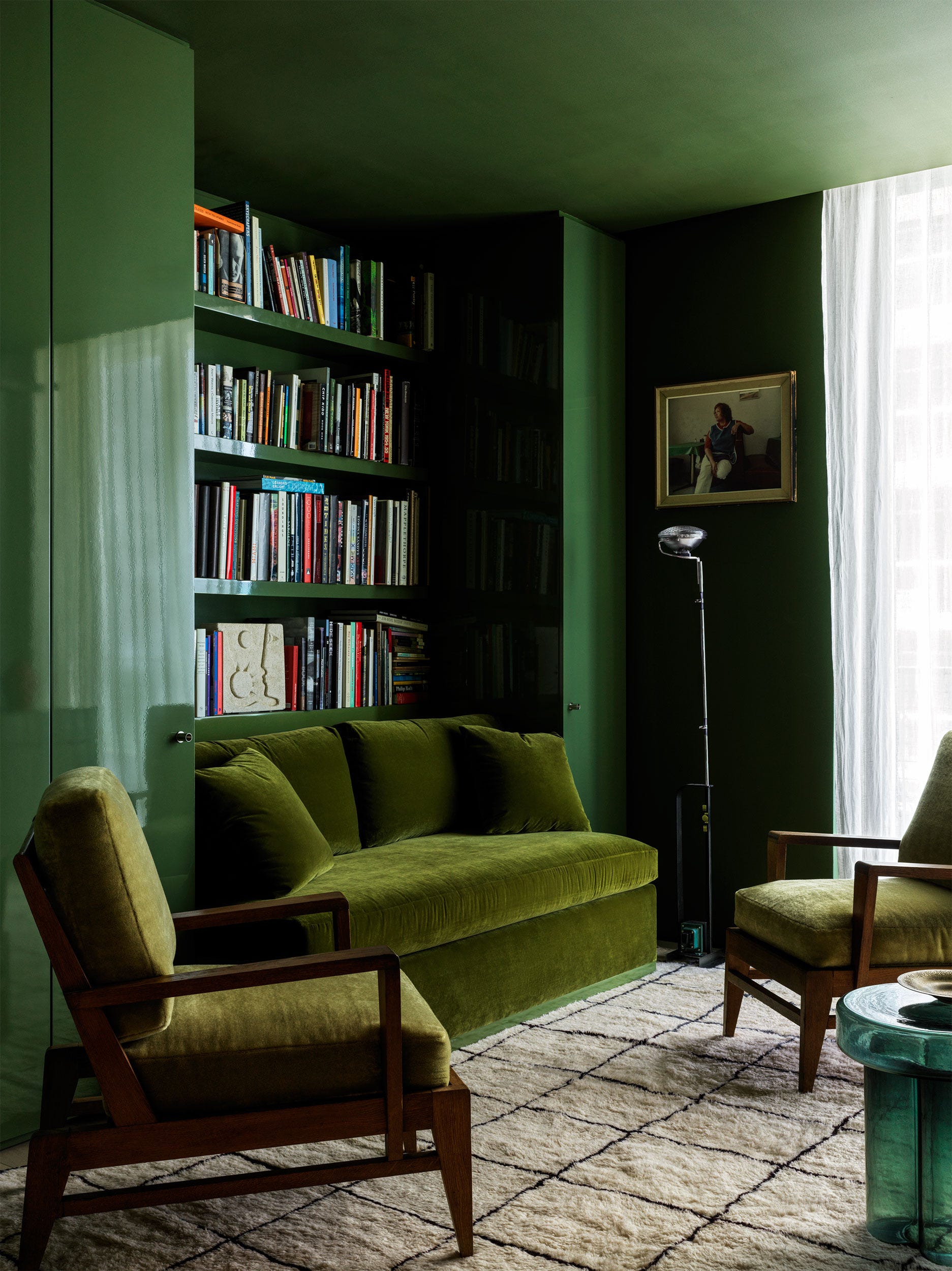
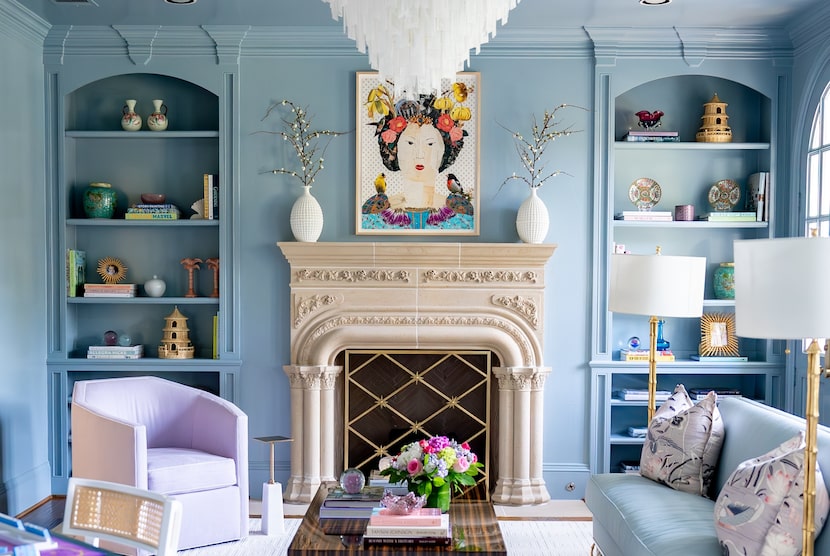
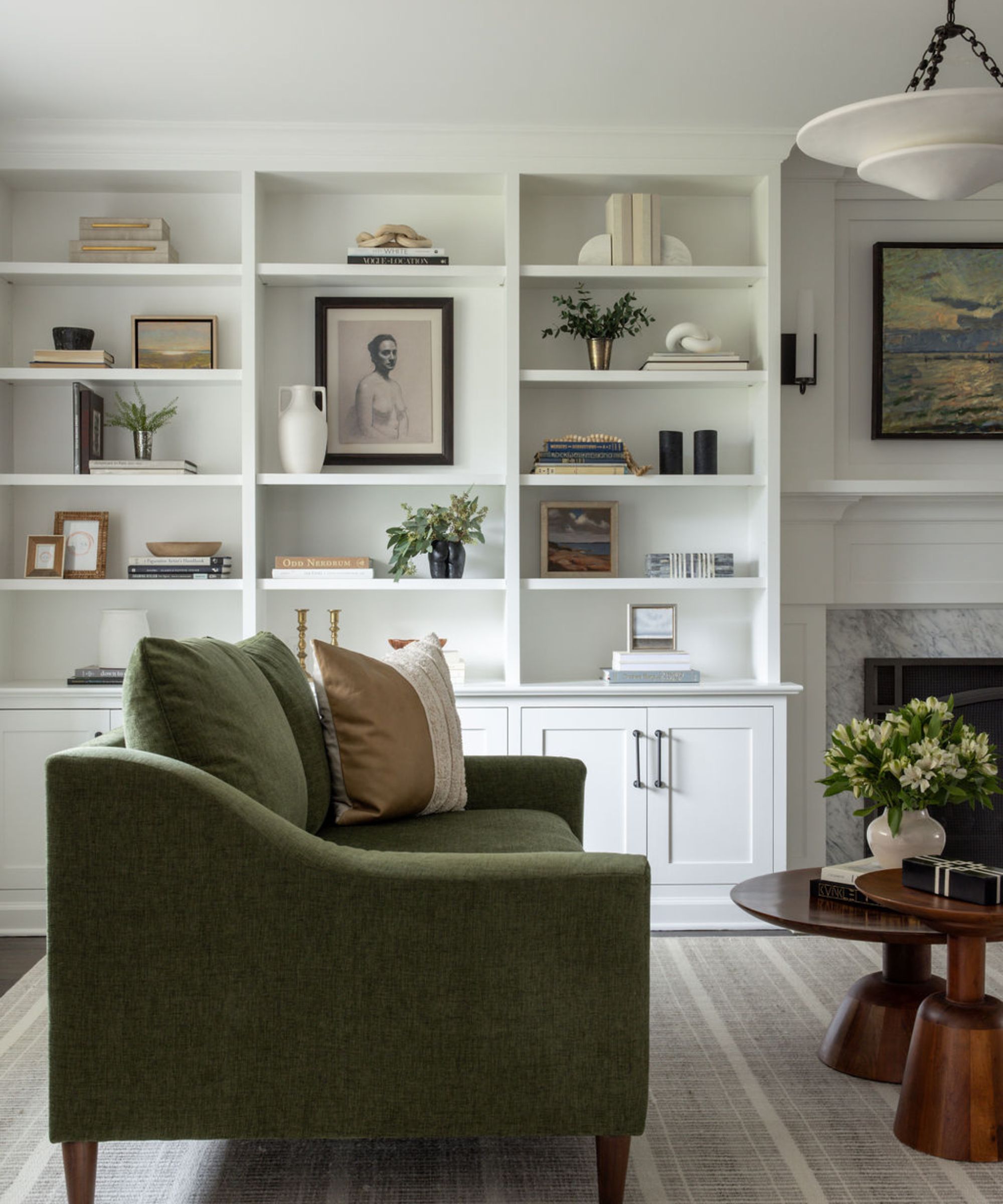
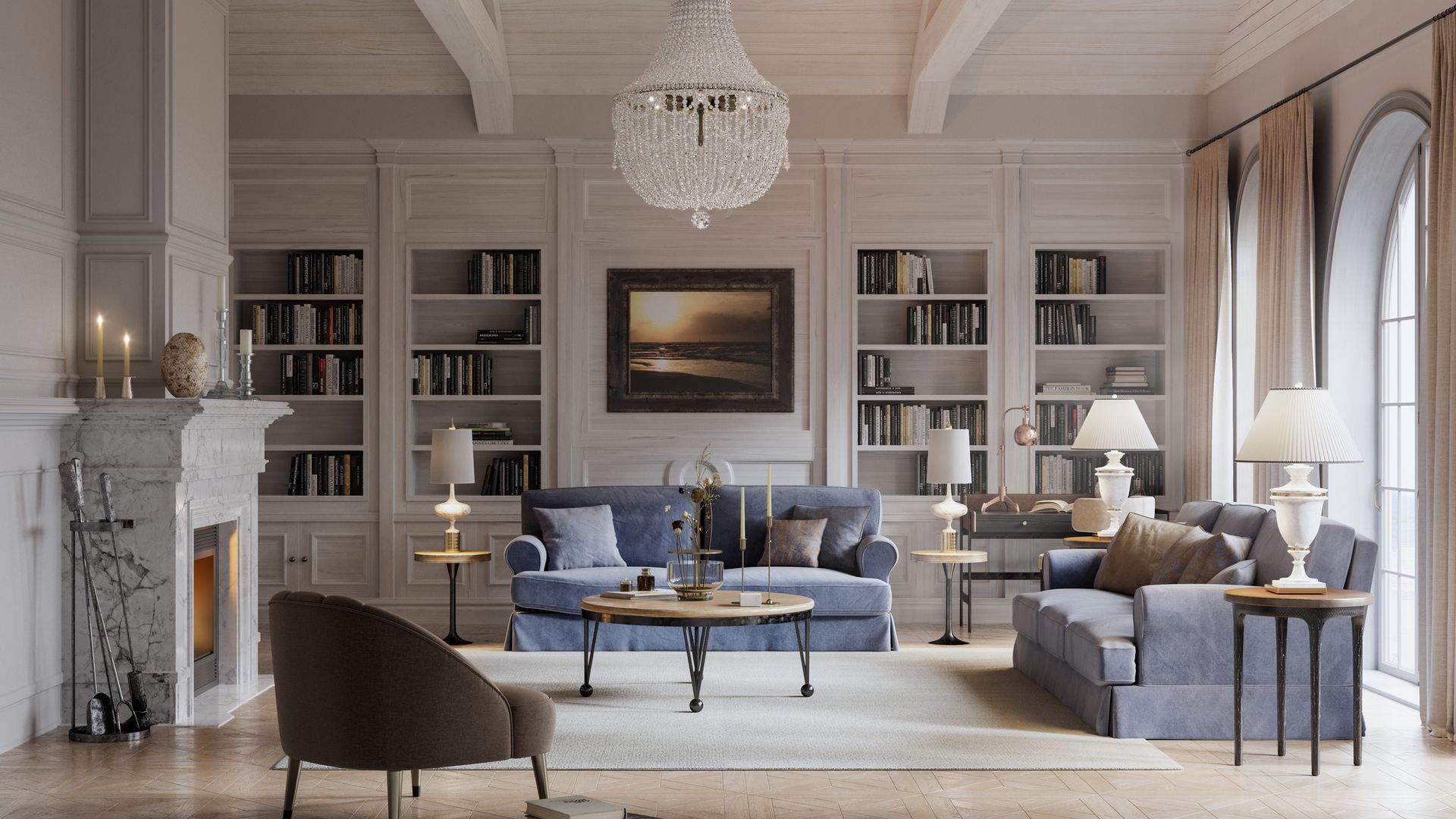
To achieve the 'bookshelf wealth' look, several design principles are recommended. First, shelves should reflect the homeowner's passions and interests, showcasing items from travels, inspirational books, or significant artwork. The style is highly personal and avoids rigid rules, encouraging creative expression. Avery Cox of Avery Cox Design highlights that a bookshelf truly comes alive when it tells the story of the home and its inhabitants, advocating for authenticity over contrived aesthetics. Second, the trend encourages creating a cozy reading room environment, integrating floor-to-ceiling joinery, traditional fireplaces, and moody paint colors to enhance warmth and character.
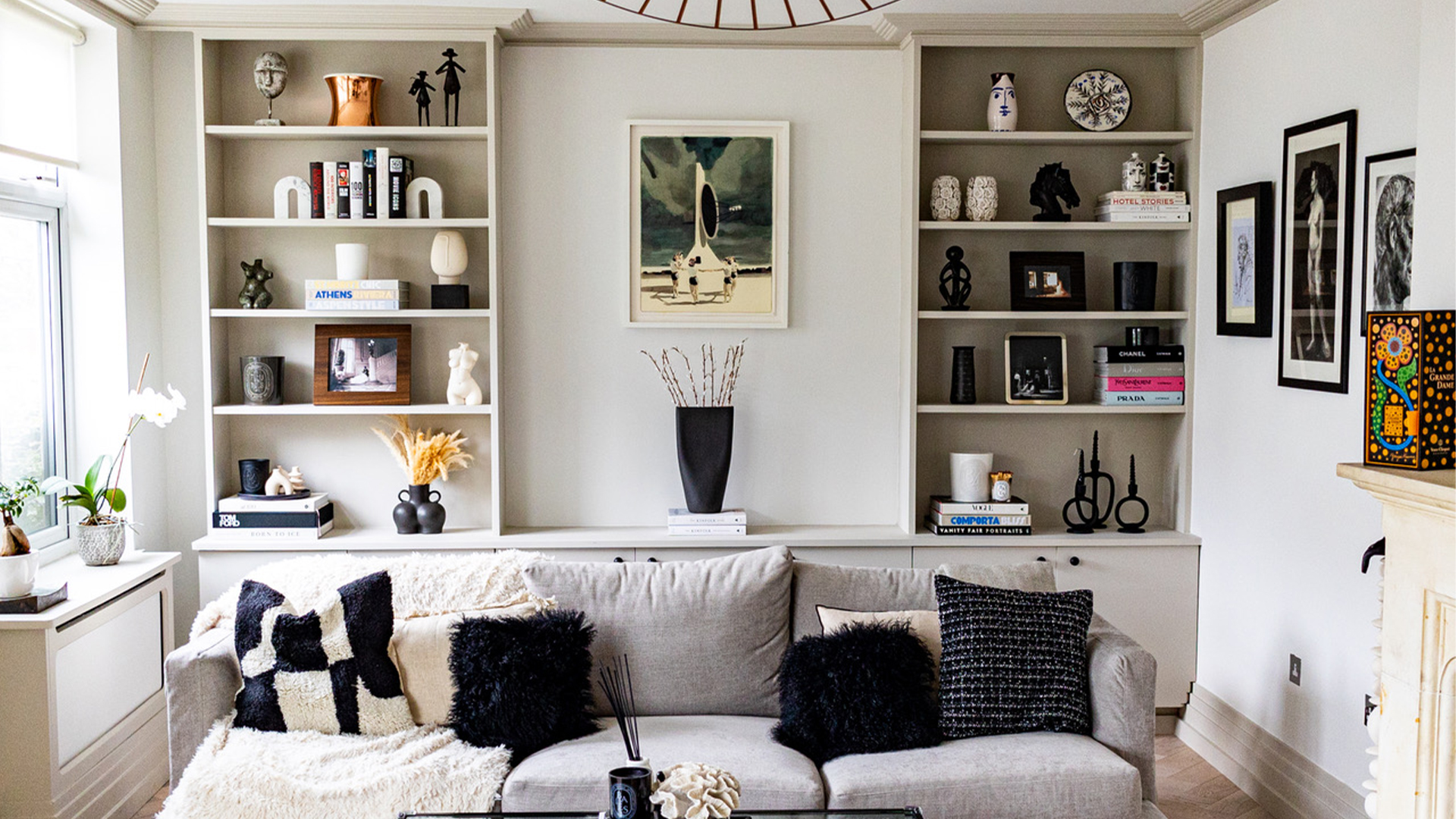
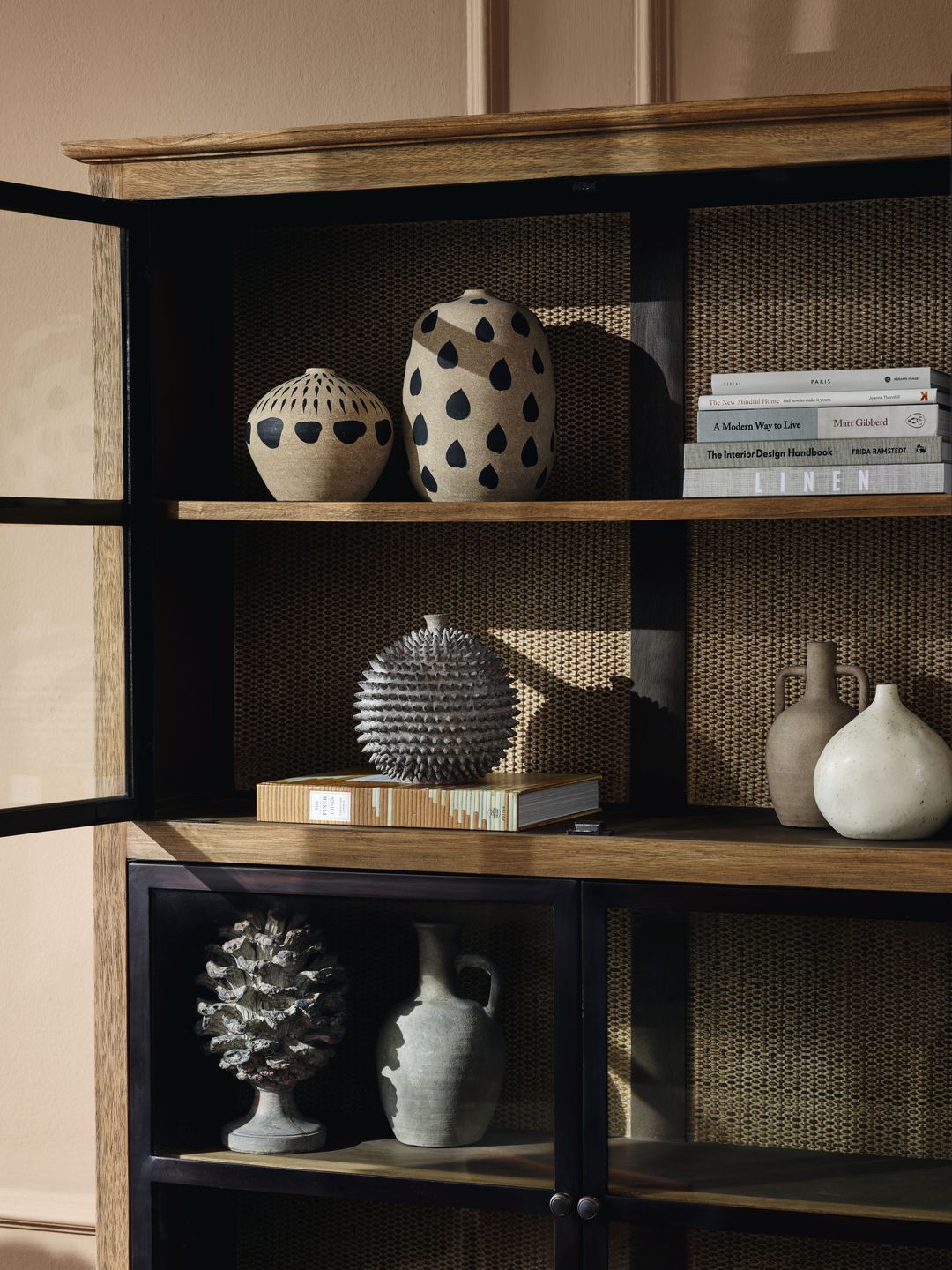
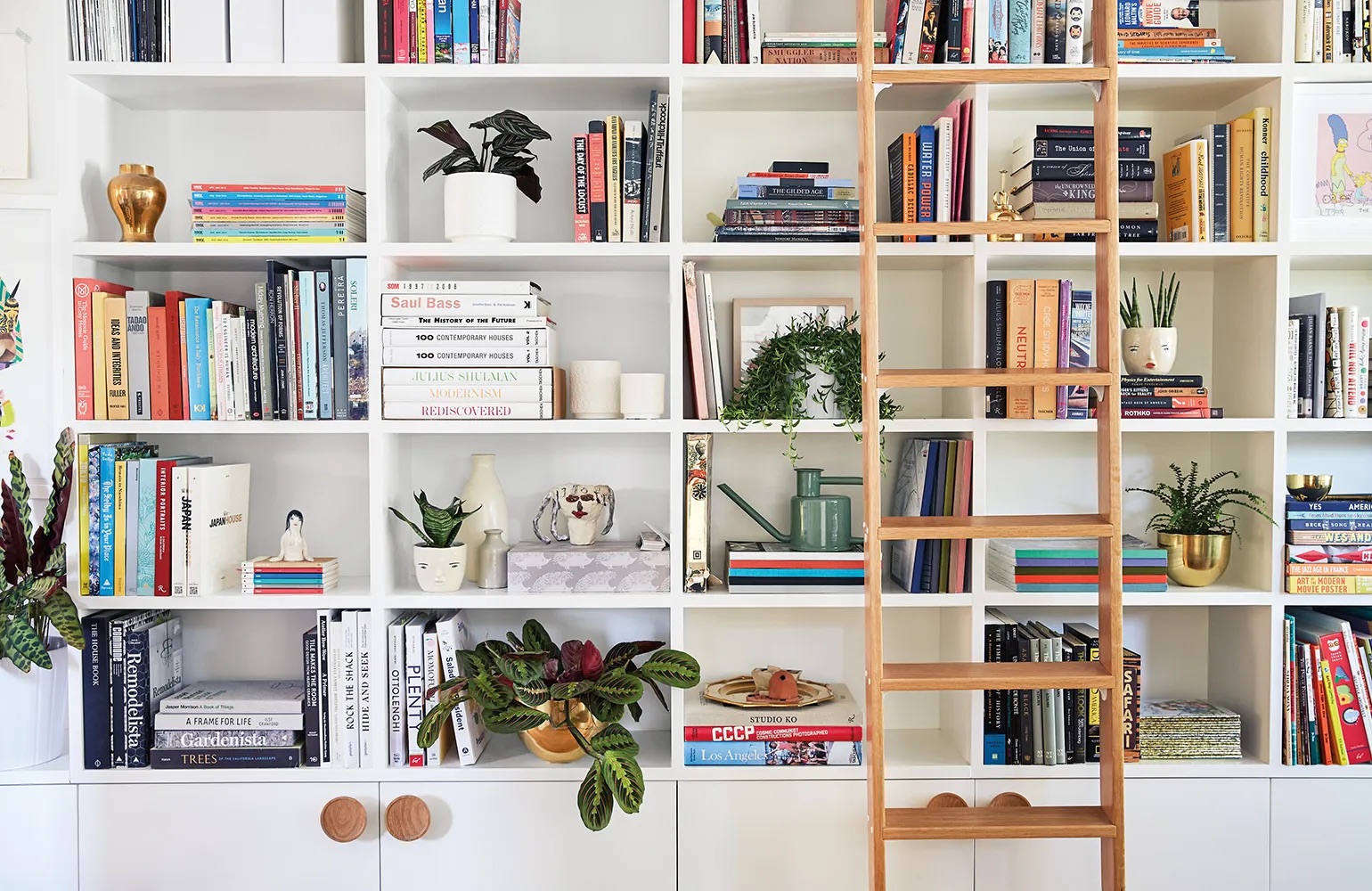
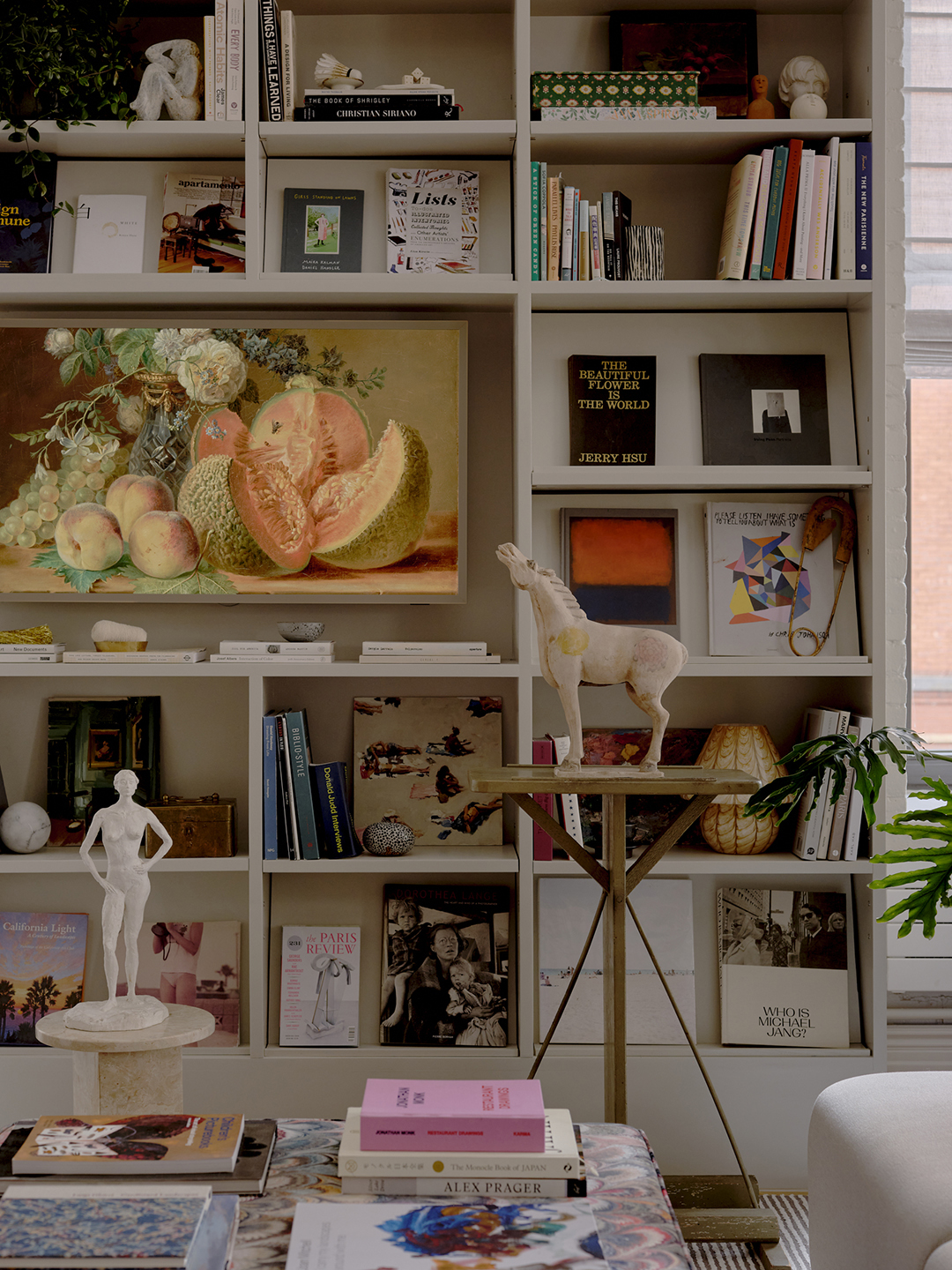
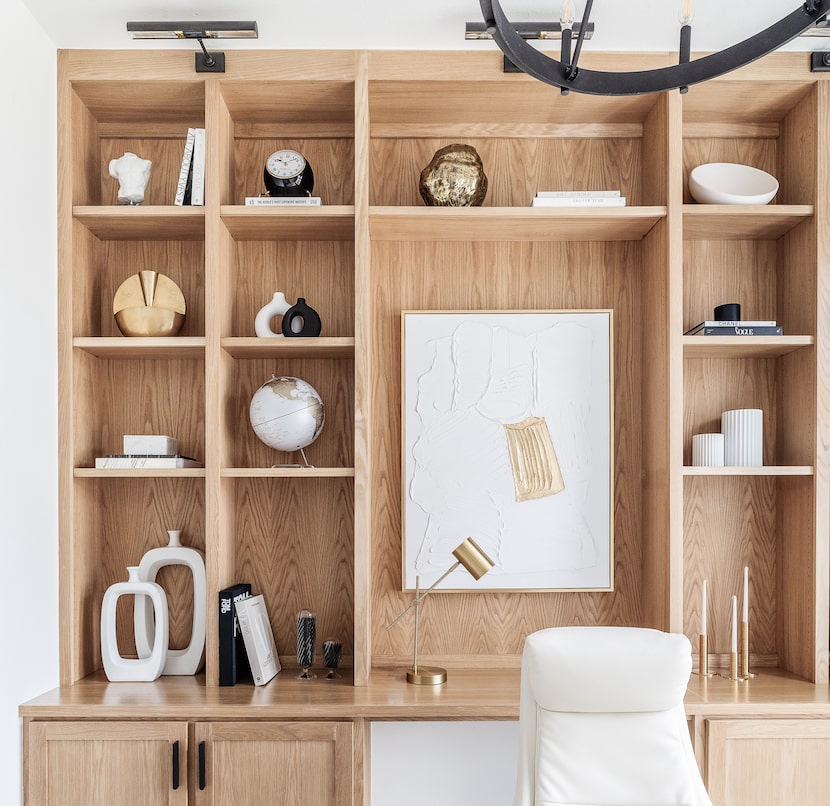
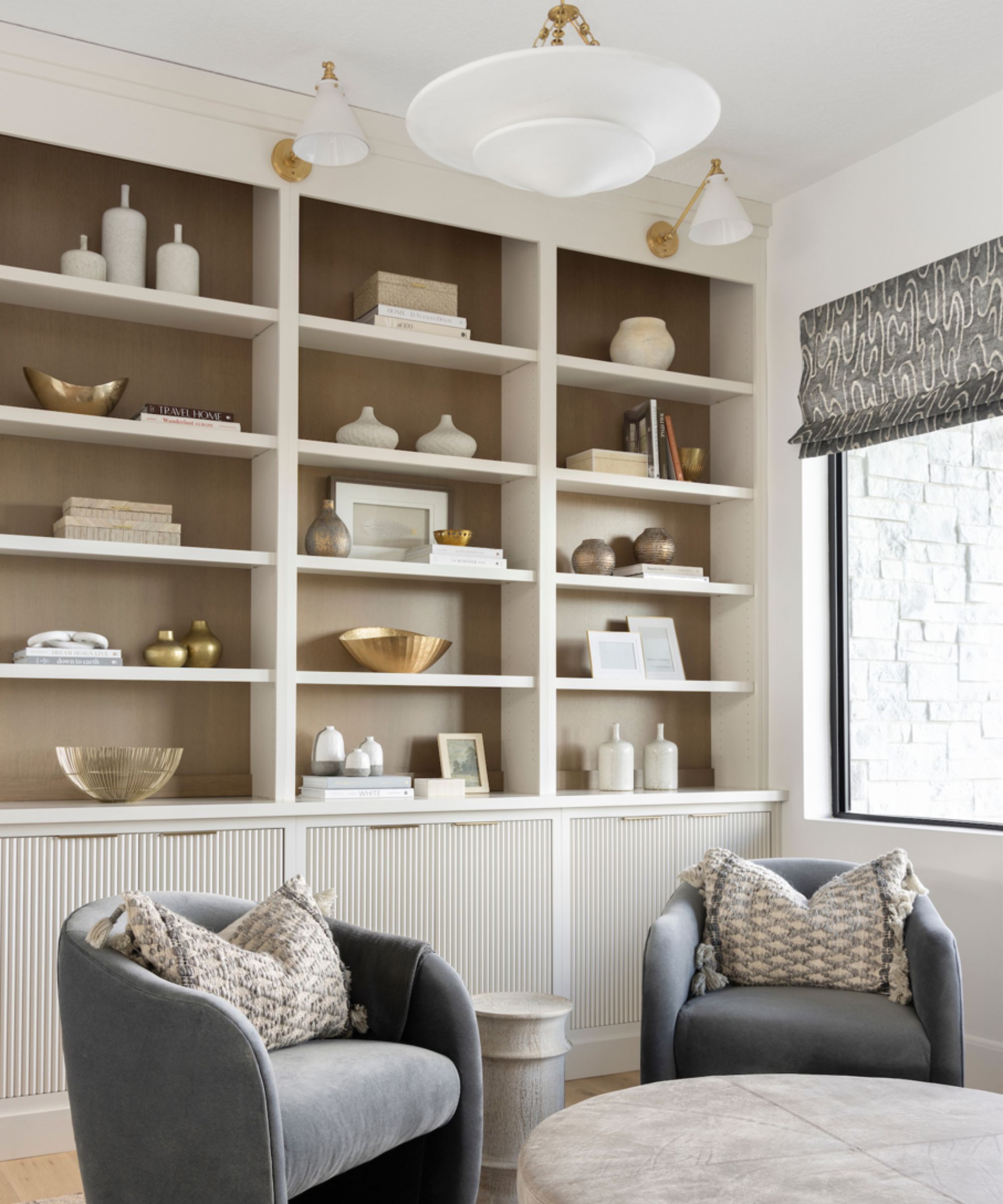
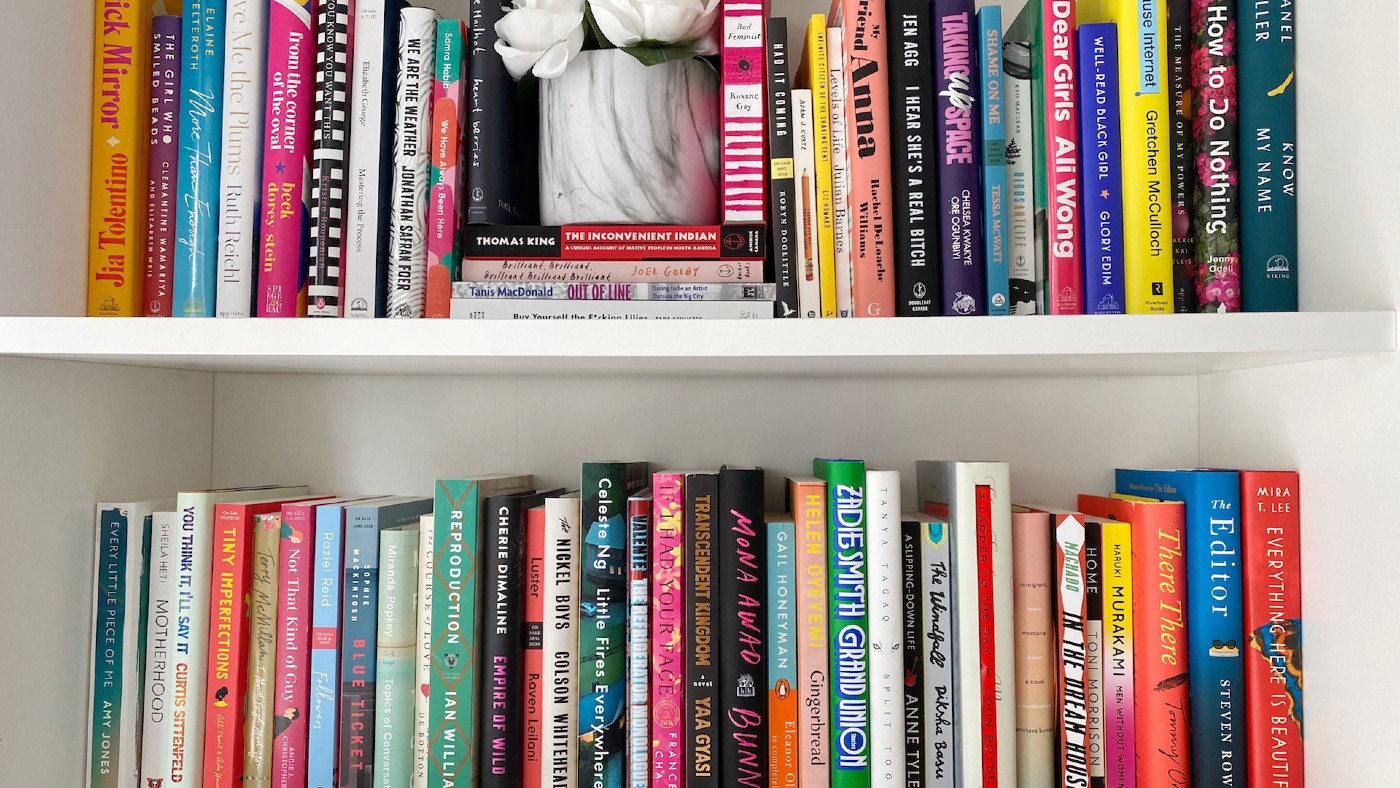
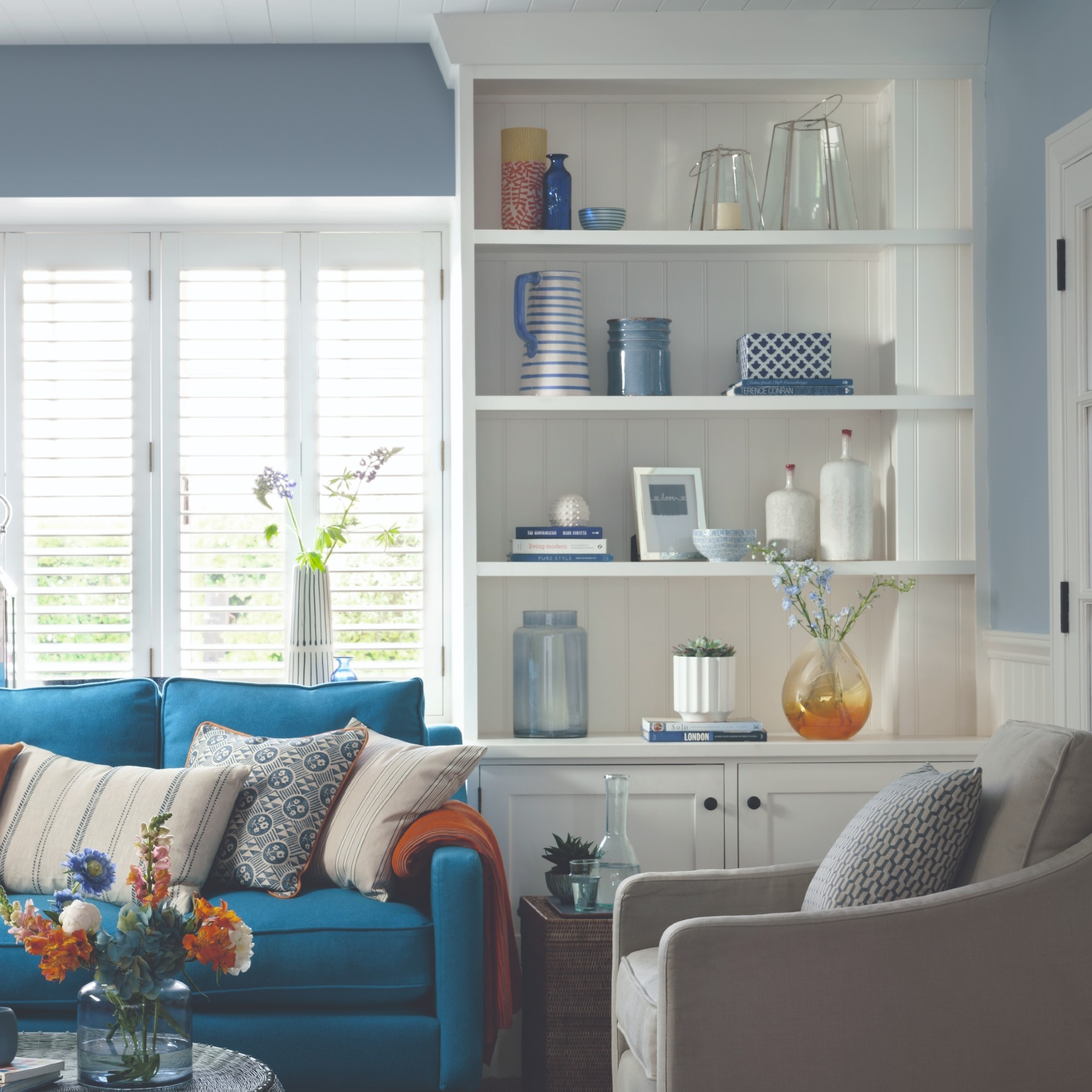
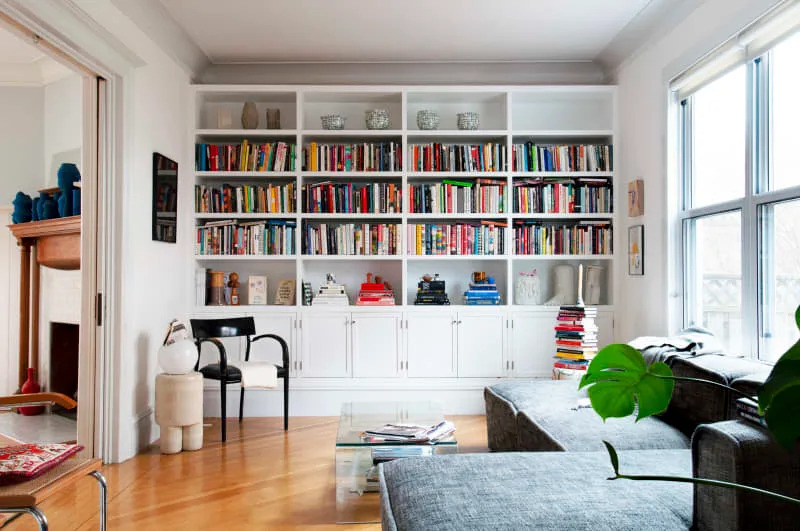
Third, while filling shelves with books, it is crucial to leave deliberate pockets of negative space for vignettes. These spaces can be used to display meaningful decorative items or small pieces of art, breaking up the continuous rows of books and adding visual interest. Designer Kara Childress suggests pairing books of similar size and color for a streamlined flow, then filling gaps with personal items or art. Kathy Kuo advises showcasing two or three decorative items alongside small book stacks, repeating this arrangement as space allows. Paul Corrie underscores that creating vignettes is an art form, requiring thoughtful editing and execution of combinations.
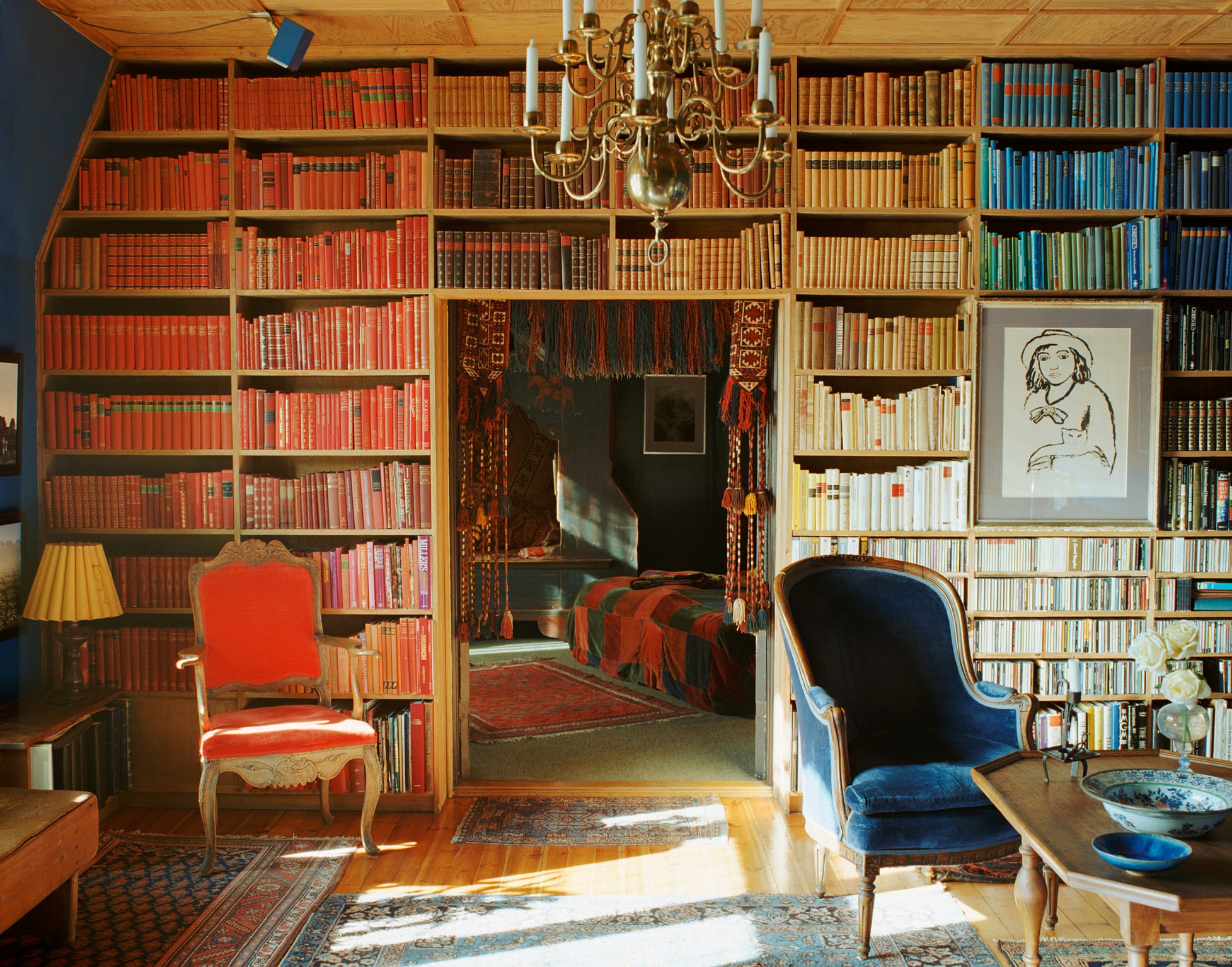
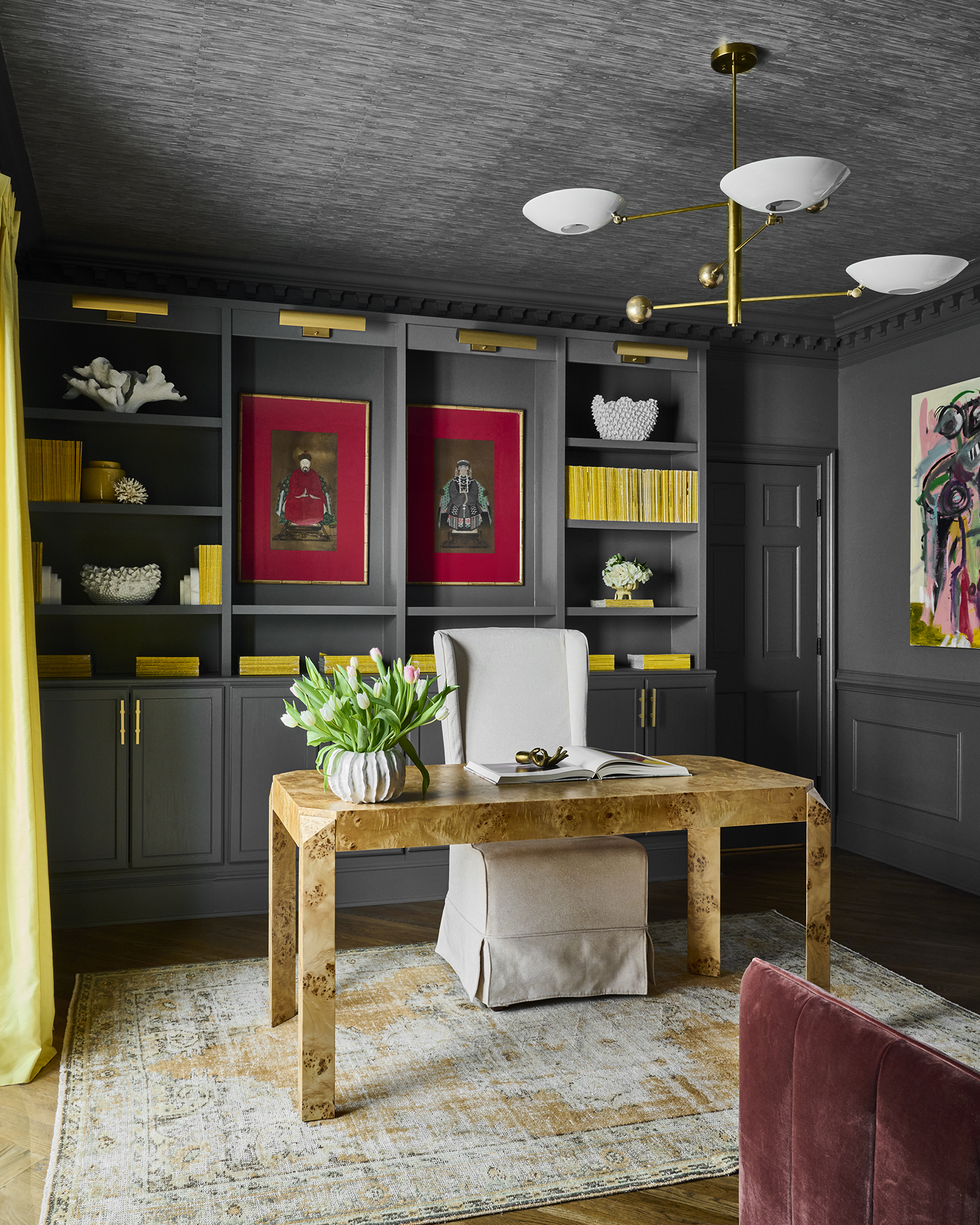
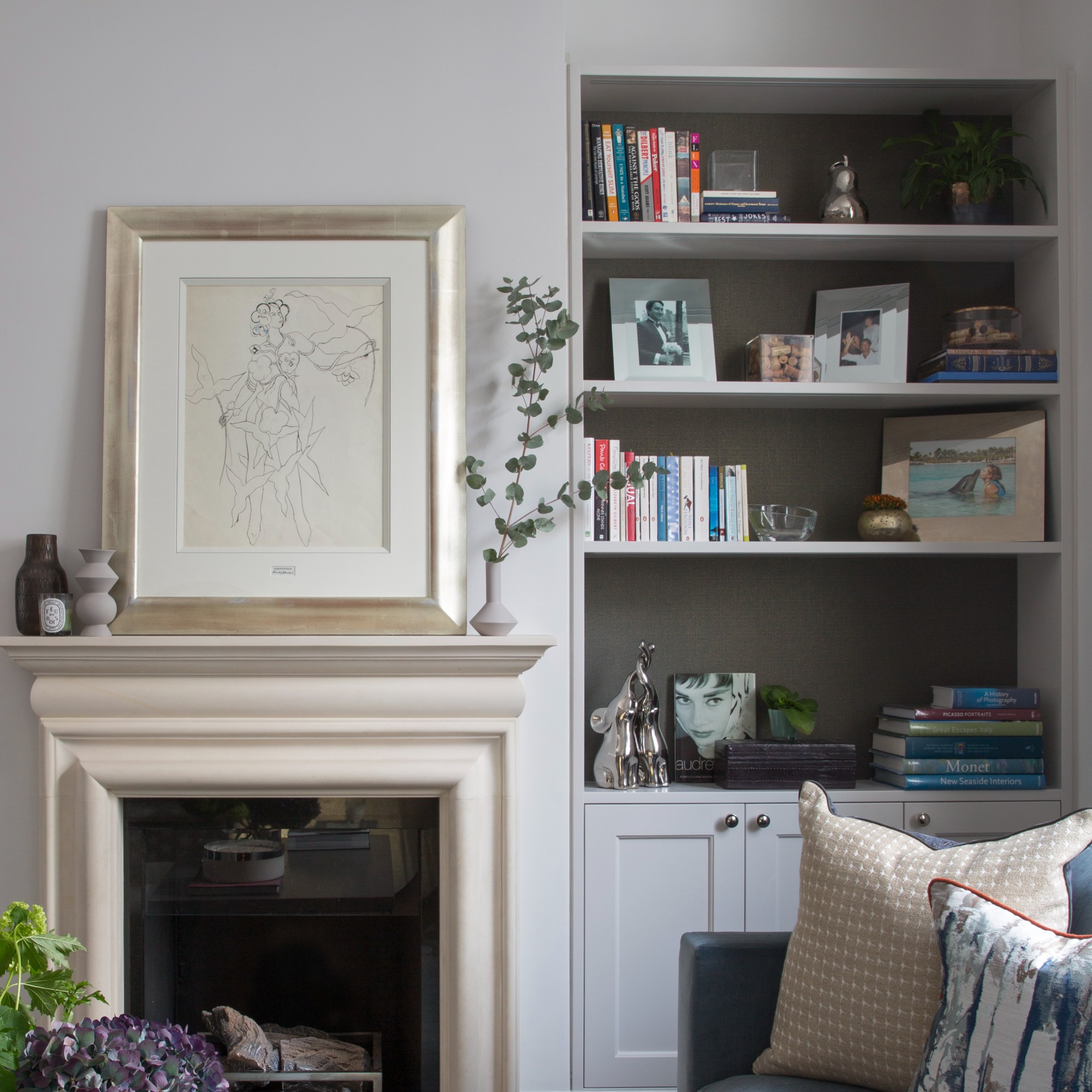
Fourth, introducing wallpaper to the back of bookshelves is an effective technique for adding character, particularly for those with smaller book collections. This creates an interesting backdrop and allows gaps to appear intentional rather than bare. Elizabeth Hay, a designer, also recommends adding small library lights with shades for enhanced detail and soft evening illumination. Fifth, the aesthetic encourages blending old and new elements, incorporating contemporary book selections with varying heights and shades, mixed with objects that offer a more informal look. This approach allows a space to feel as if it has evolved through generations, combining historical gravitas with modern sensibilities.
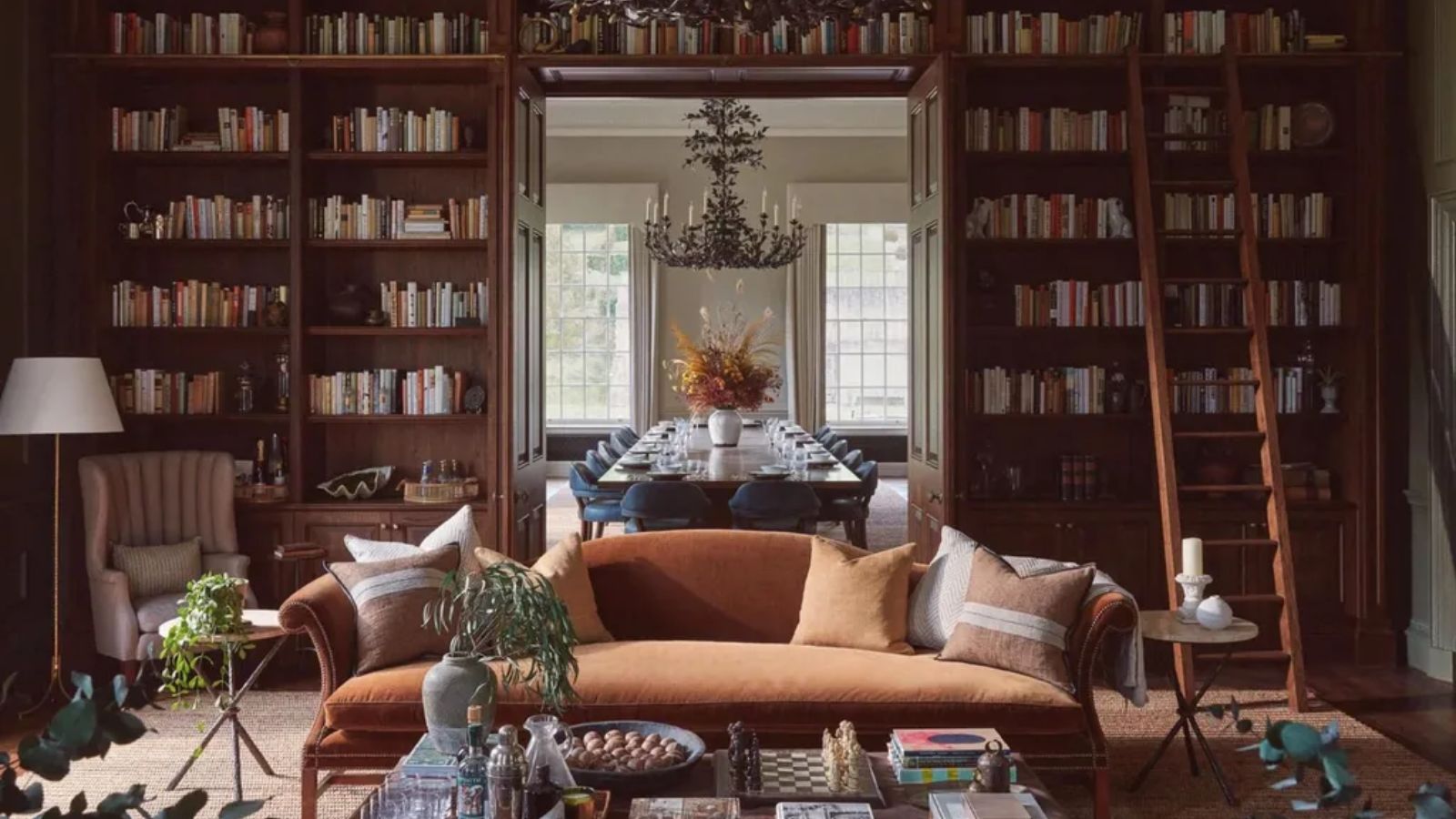
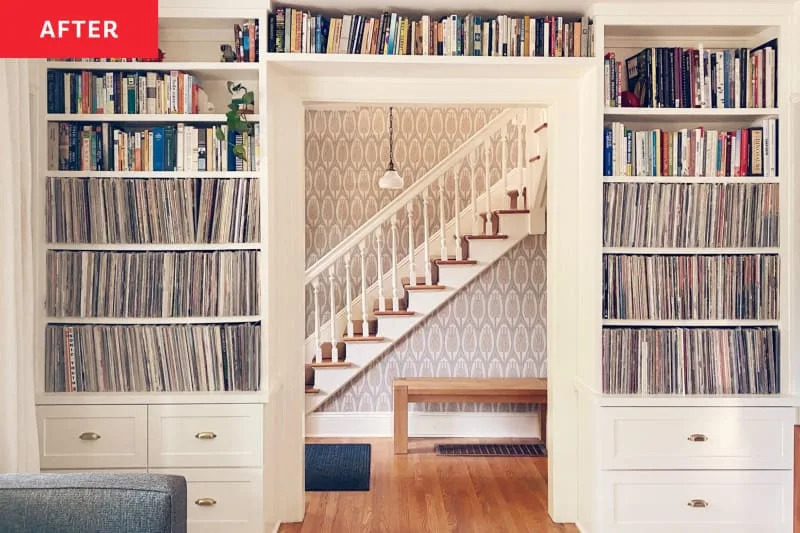
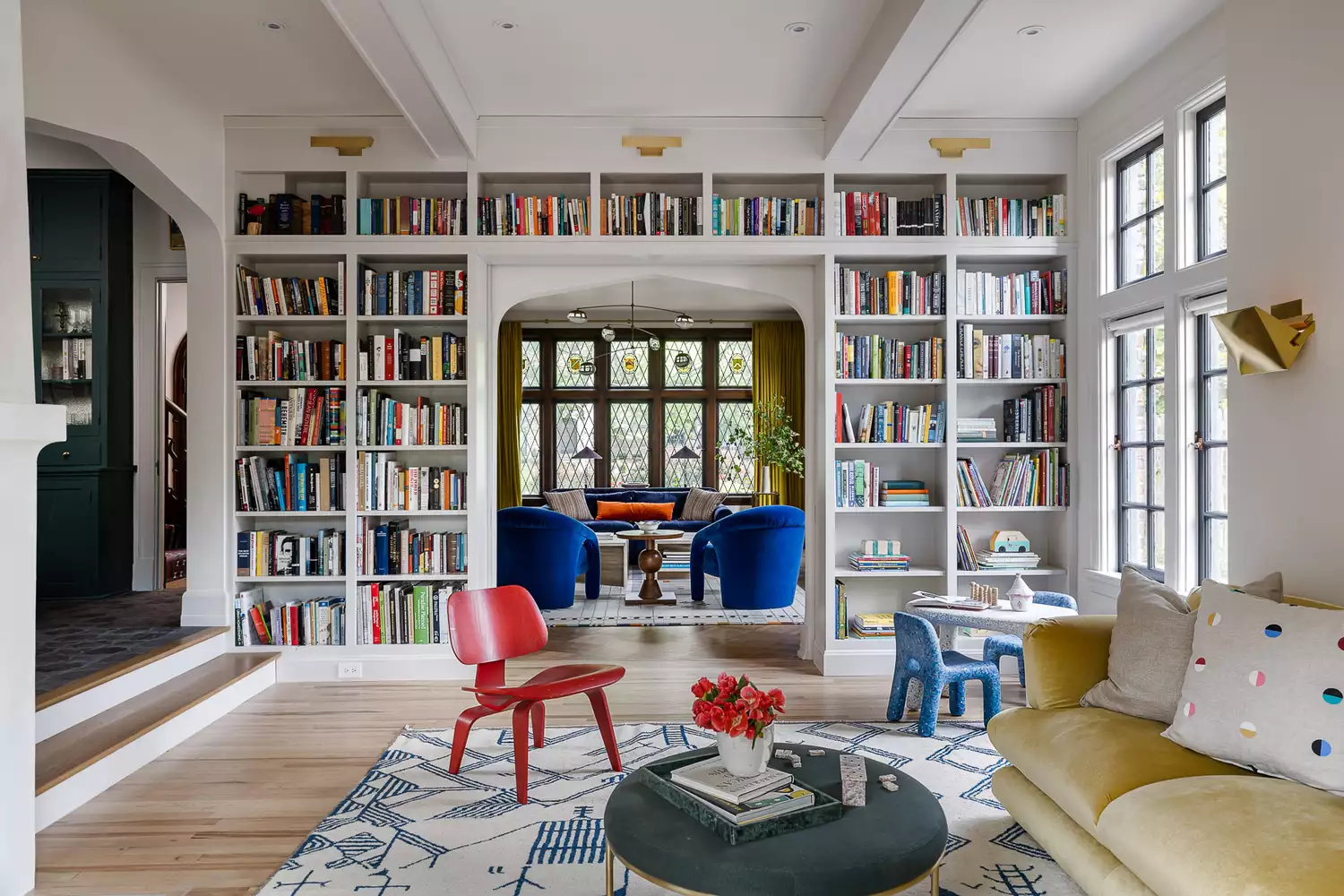
Sixth, bookshelves can be ingeniously used as room dividers, as demonstrated by Bethany Adams, who designed a floor-to-ceiling bookcase to separate a living room and family room. This not only provides a continuous color scheme through the spines of books but also cleverly conceals pocket-reeded glass doors, offering flexibility in room separation. Finally, grouping 'like' items together, such as antique toys, vintage cameras, or specific book collections, can create a powerful visual impact and a sense of cohesion. Avery Cox emphasizes the importance of grouping items to make an impact on scale and incorporating art or natural objects for changes in depth, scale, and texture. Paul Corrie reiterates the need to balance aesthetic appeal with function, ensuring that shelves remain usable while being visually pleasing. Ultimately, 'bookshelf wealth' is about designing homes that feel personal, timeless, and layered, allowing homeowners to express their unique stories through their cherished possessions.
#BookshelfWealth #InteriorDesignTrends #HomeDecor #PersonalizedSpaces #CozyInteriors #CuratedBookshelves #LivedInLook #ShelfStyling #MaximalistDecor #BookshelfWealth #InteriorDesignTrends #HomeDecor #PersonalizedSpaces #CozyInteriors #CuratedBookshelves #LivedInLook #ShelfStyling #MaximalistDecor
0 comment in total
 No comments yet
You may also like
'Bookshelf wealth' is all the rage, so this is how you can tap into this design trend for your home

Bookshelf Wealth: The chic interior design trend everyone can try at home

“Bookshelf Wealth” Is the New (Viral!) Way to Style Your Old Books & Trinkets
8 Ideas for Transforming Plain Bookshelves into “Quiet Luxury” Decor

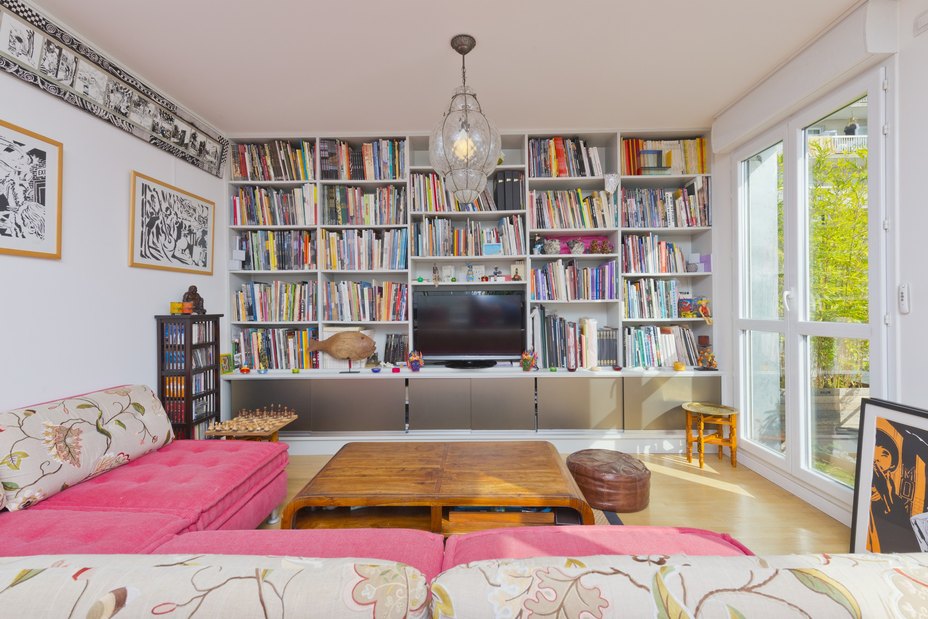
Bookshelf wealth: how to make the new shelfie trend work for you
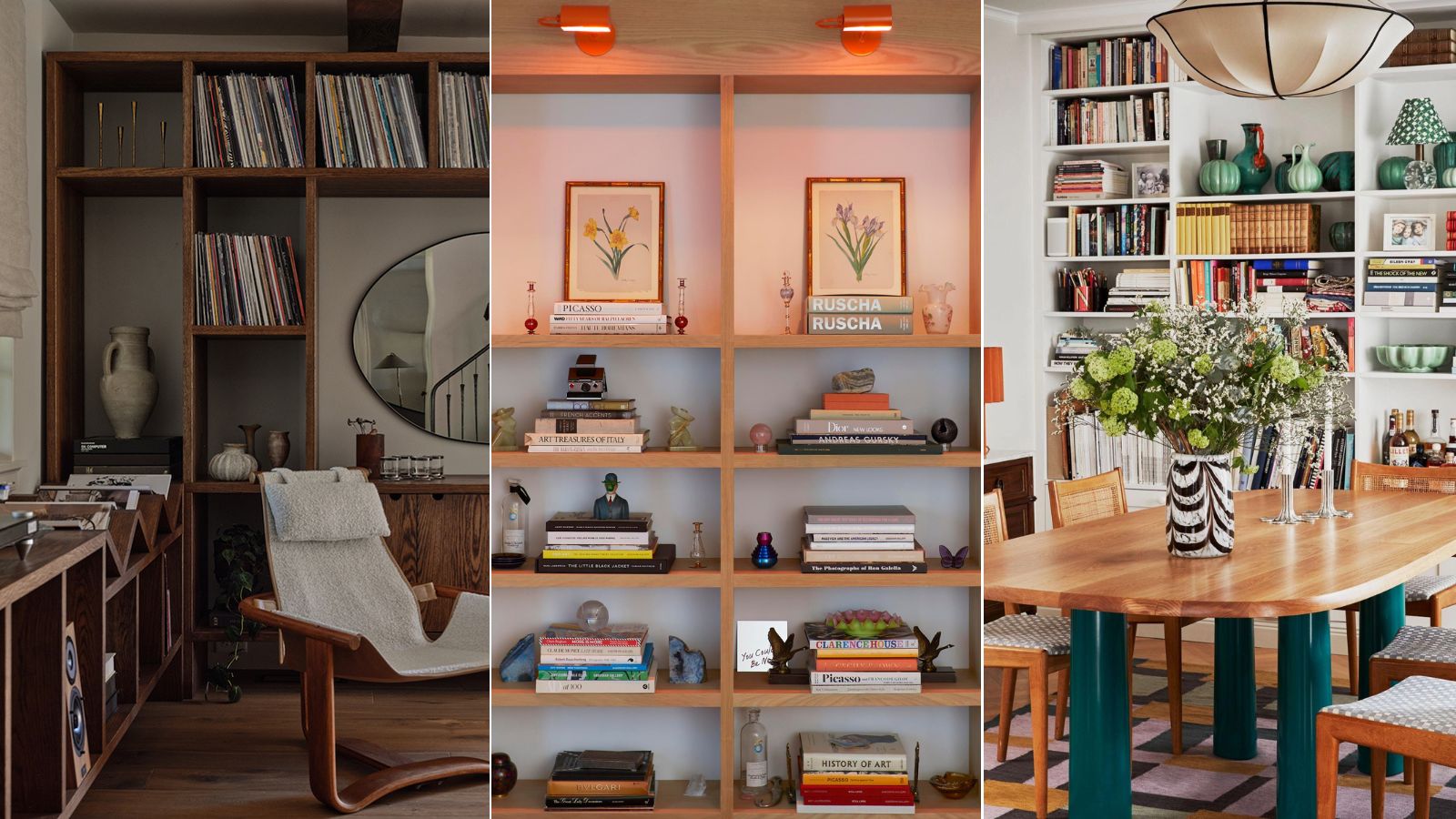
How 3 Designers Would Spend $200 to Style Your Bookshelf

Jessica Simpson's bookshelves show us how styling is a fine art – but it's one we can master with these simple tips
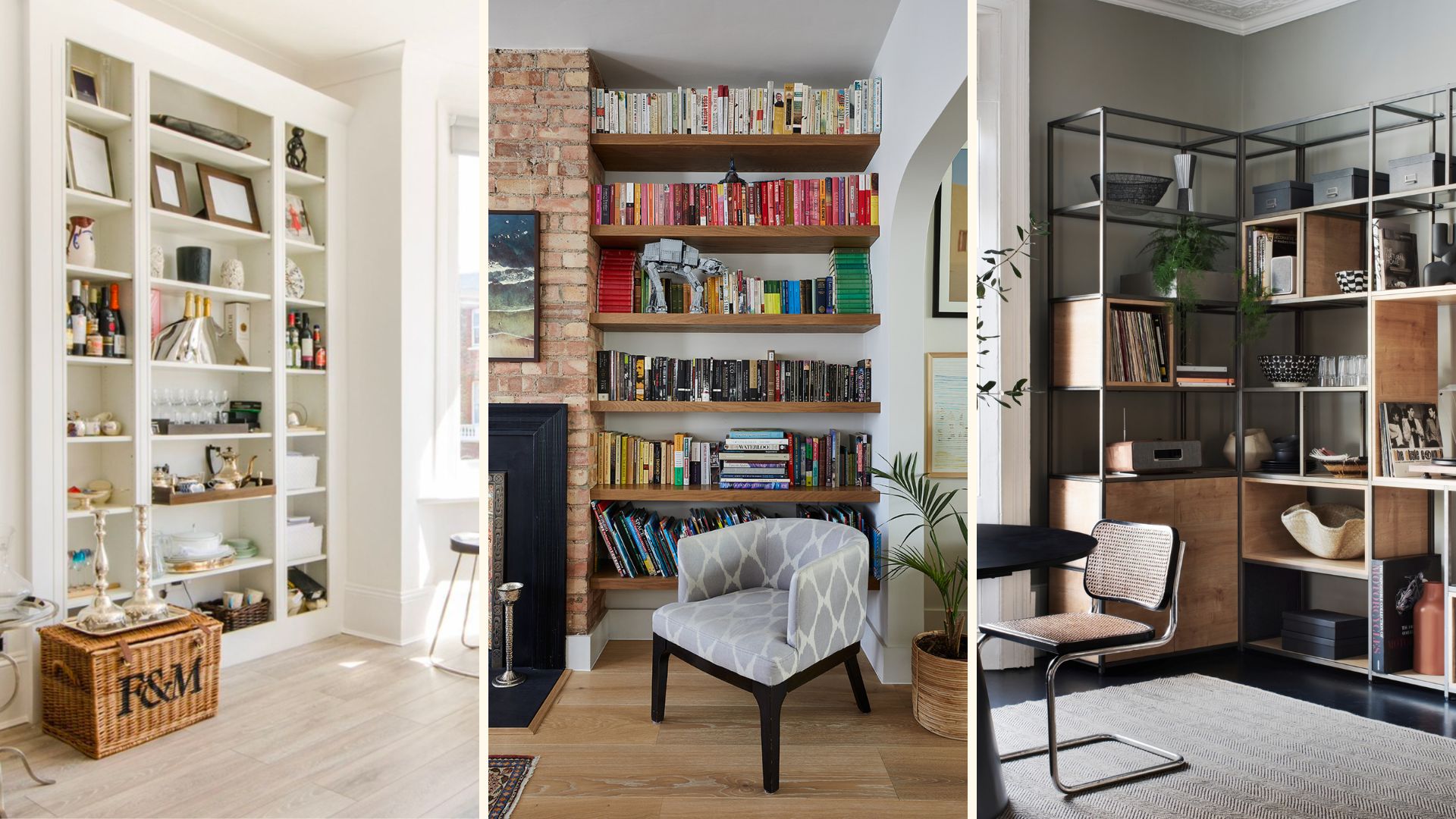
Interior designers warn against these 17 bookshelf styling mistakes – this is what you should avoid
What is ‘Bookshelf Wealth’ and why is it becoming the stand-out design trend of 2024?

“Bookshelf Wealth” Isn’t New. So Why Is It Taking Off?

Bookshelf trends – 8 stylish ways designers are displaying their books in 2025
How to use books for home decor and interior design

Bookshelf Wealth Is the Ultimate Design Trend for Readers


Olivia Rodrigo's living room embraces 'bookshelf wealth,' 2024's most eclectic design trend
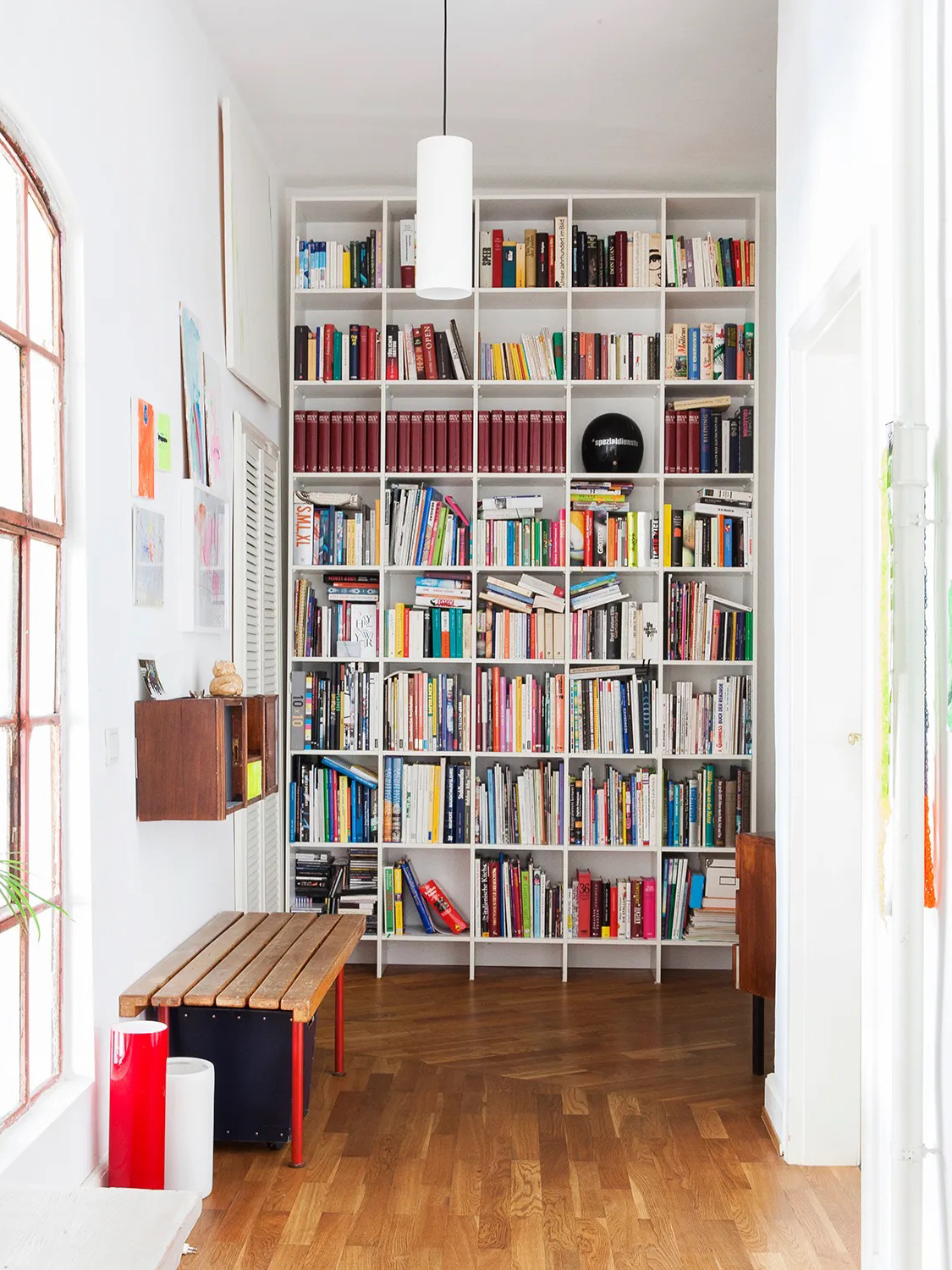
The Space People Struggle to Style the Most—And How to Master It


I’ve been using Kelly Hoppen’s top tip for styling shelves for years – and it always gets me compliments from guests
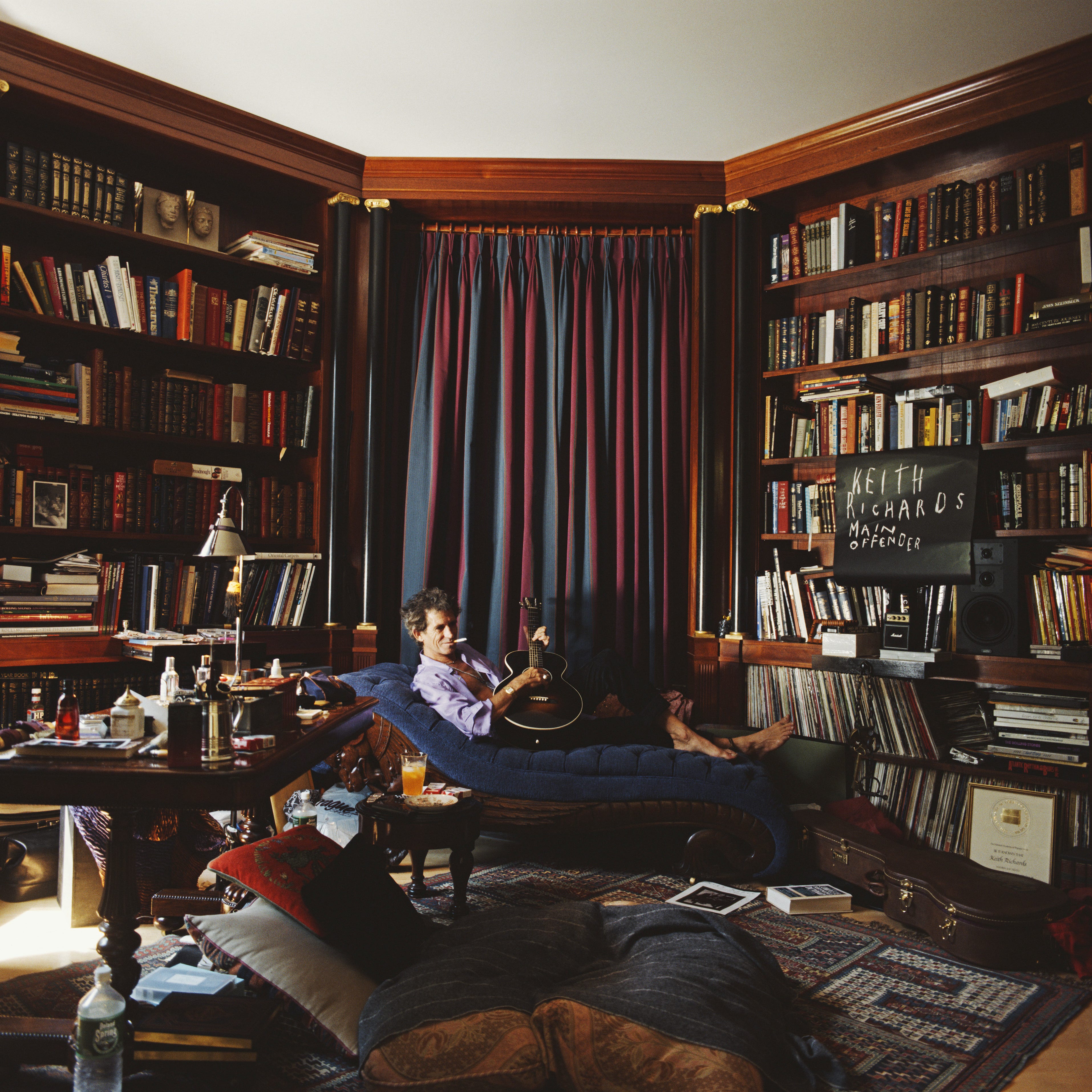
How Bookshelf Wealth Became the Ultimate Status Symbol
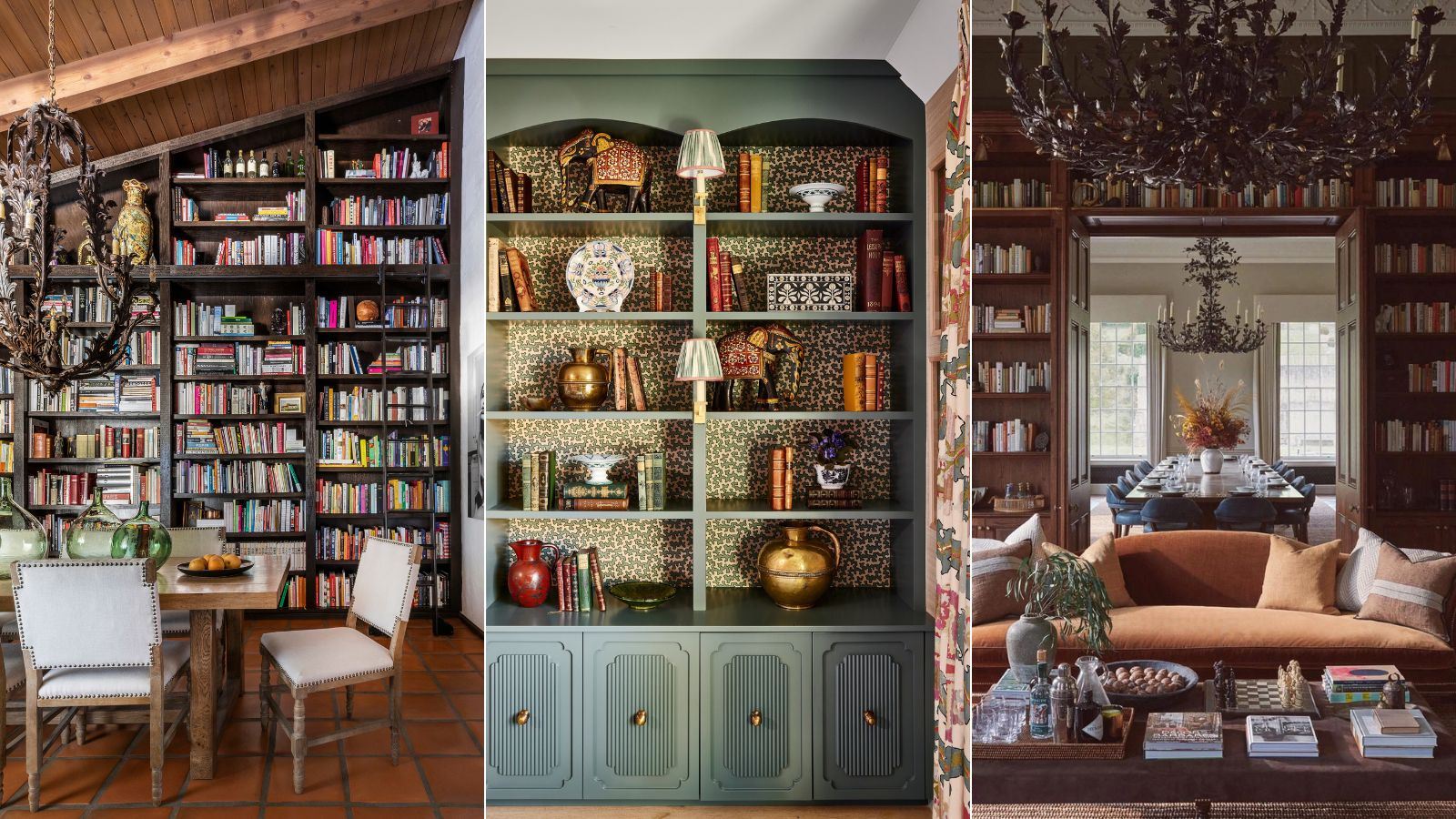
7 examples of Bookshelf Wealth that are nailing this timeless trend (and styling tips from the designers behind them)
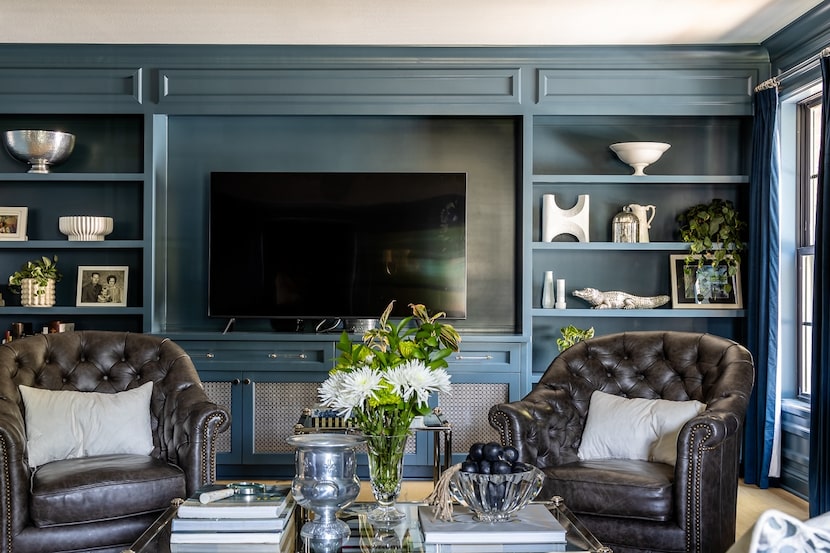
Master the art of styling bookshelves with these tips from design experts

How to Get the "Bookshelf Wealth" Look, According to an Interior Designer