1/9
Can a $12 Stud Finder Outperform a $100 Pick? We Put Them Both to the Test.
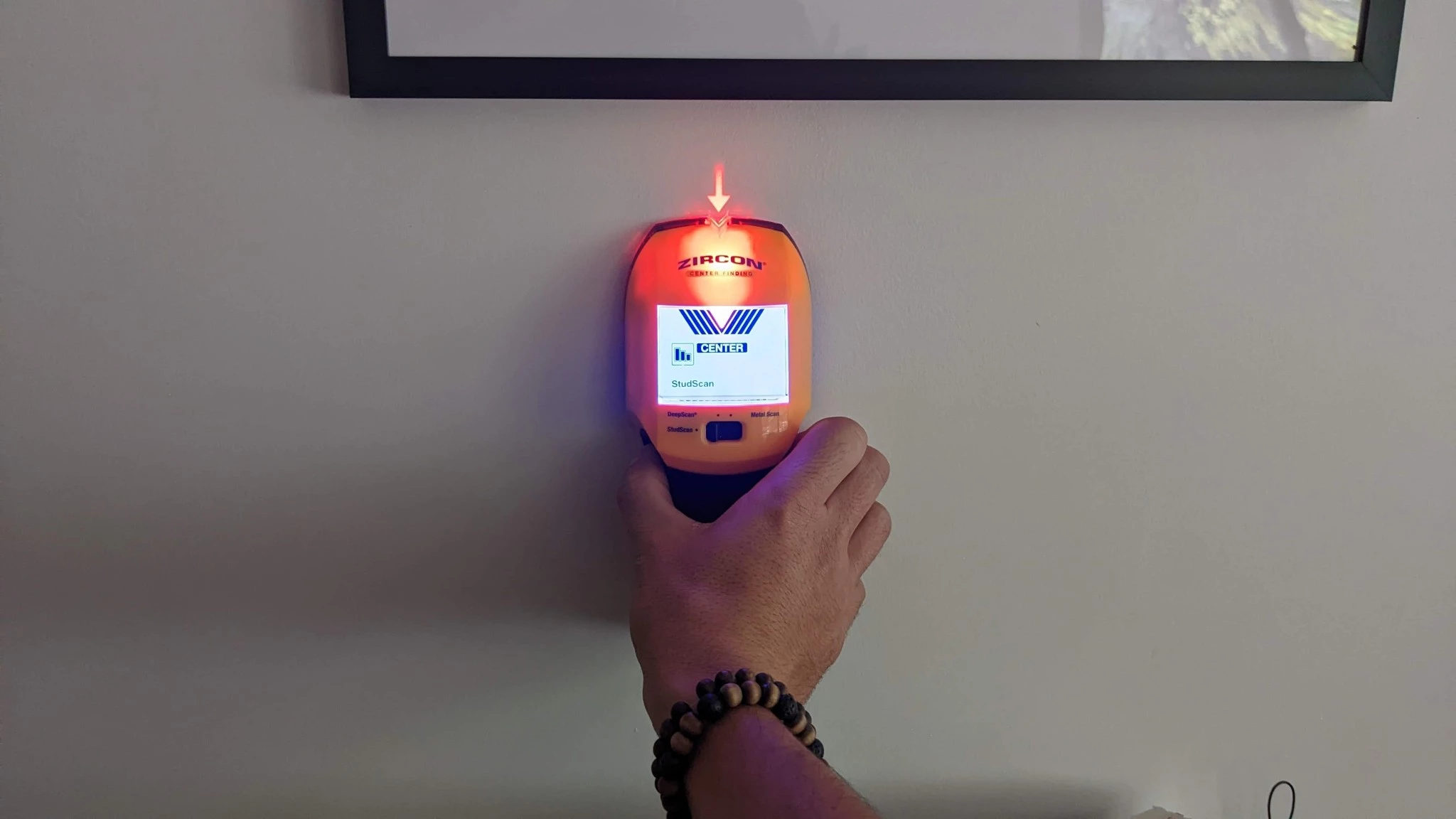
When hanging heavy items like mirrors or flat-screen TVs, securing them to studs, the wooden or metal beams forming a home's frame, is crucial. Stud finders are essential tools for locating these hidden supports behind drywall or plaster, thereby preventing potential wall damage and saving time. Beyond basic stud detection, some advanced models offer deep scanning and live wire detection, which helps avoid costly mistakes such as drilling into pipes or electrical wiring. It is important to note that even with technological advancements, no device can differentiate between pipes and wires with 100% accuracy.
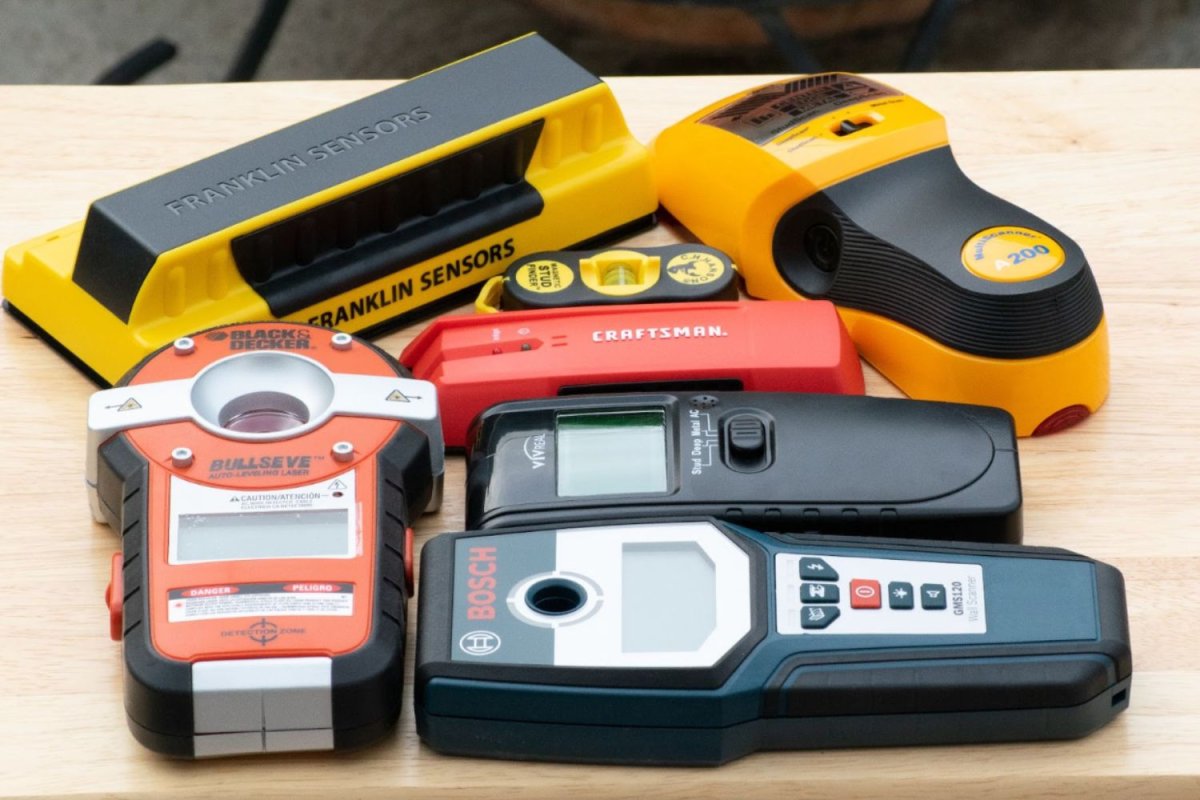
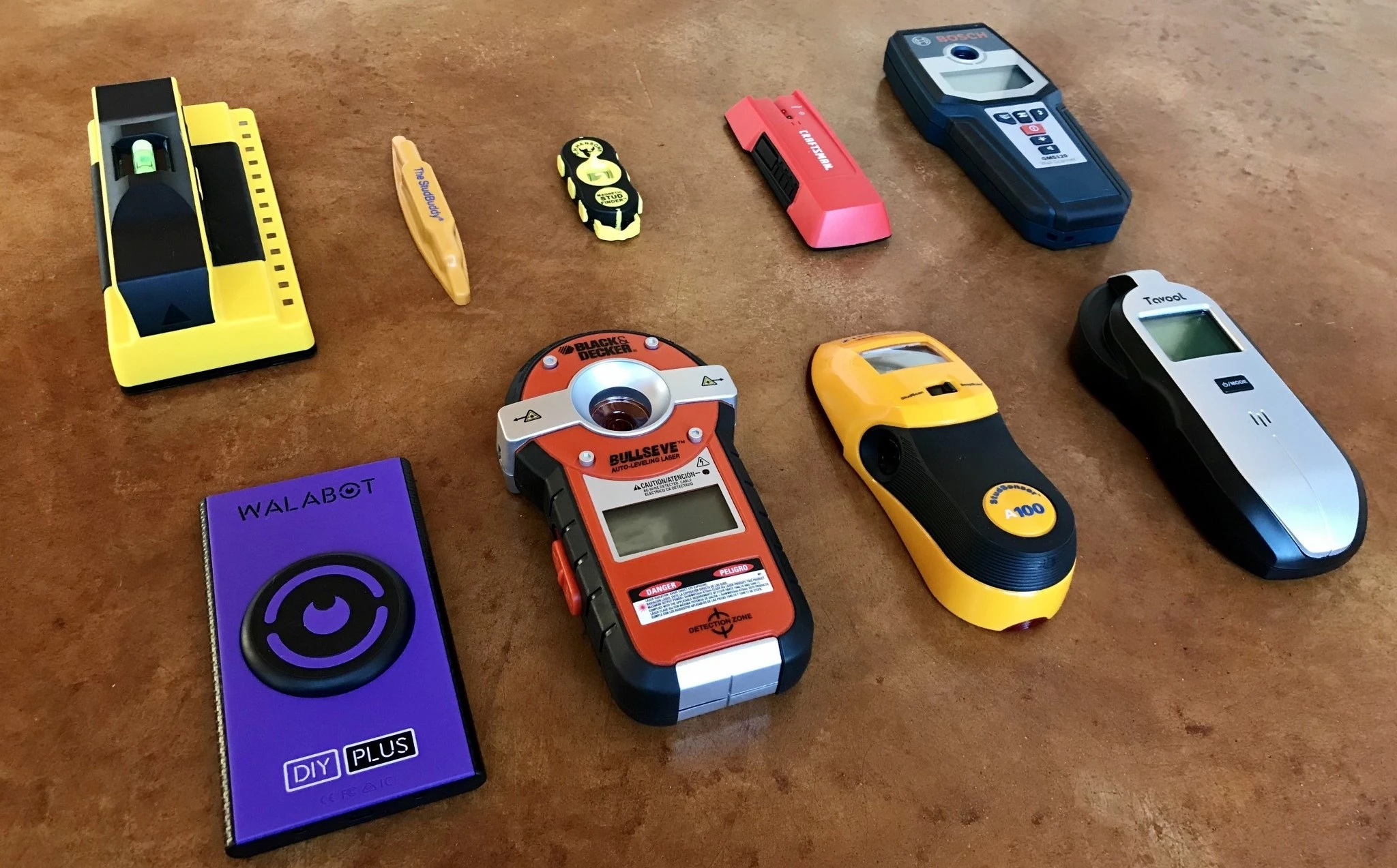
To identify the most effective stud finders, a comprehensive hands-on testing process was conducted on seven different models. This evaluation covered their performance across various wall surfaces and home constructions. The Bosch GMS120 Stud Finder was determined to be the best overall option due to its versatility and accuracy. The selection process involved leveraging personal experience as a residential and commercial carpenter, where accurate stud location was critical for mounting large, load-bearing objects like shelving and digital monitors. This experience also highlighted that different stud finders are better suited for specific tasks.
After initial selection, each stud finder underwent rigorous testing. This included an assessment of ease of use, design intuitiveness, and whether necessary batteries were included. Each device was tested in two distinct home environments: one with modern drywall and another with 100-year-old plaster and lath construction. The primary goal was to evaluate their efficacy in locating studs and other underlying elements like wiring or plumbing, and to compare their detection depth against advertised claims. The effectiveness of alerts, including LEDs, digital displays, and audible signals, was also considered. Furthermore, the article paid attention to how gently each stud finder interacted with wall surfaces, noting the presence of felt pads to prevent scuffing.
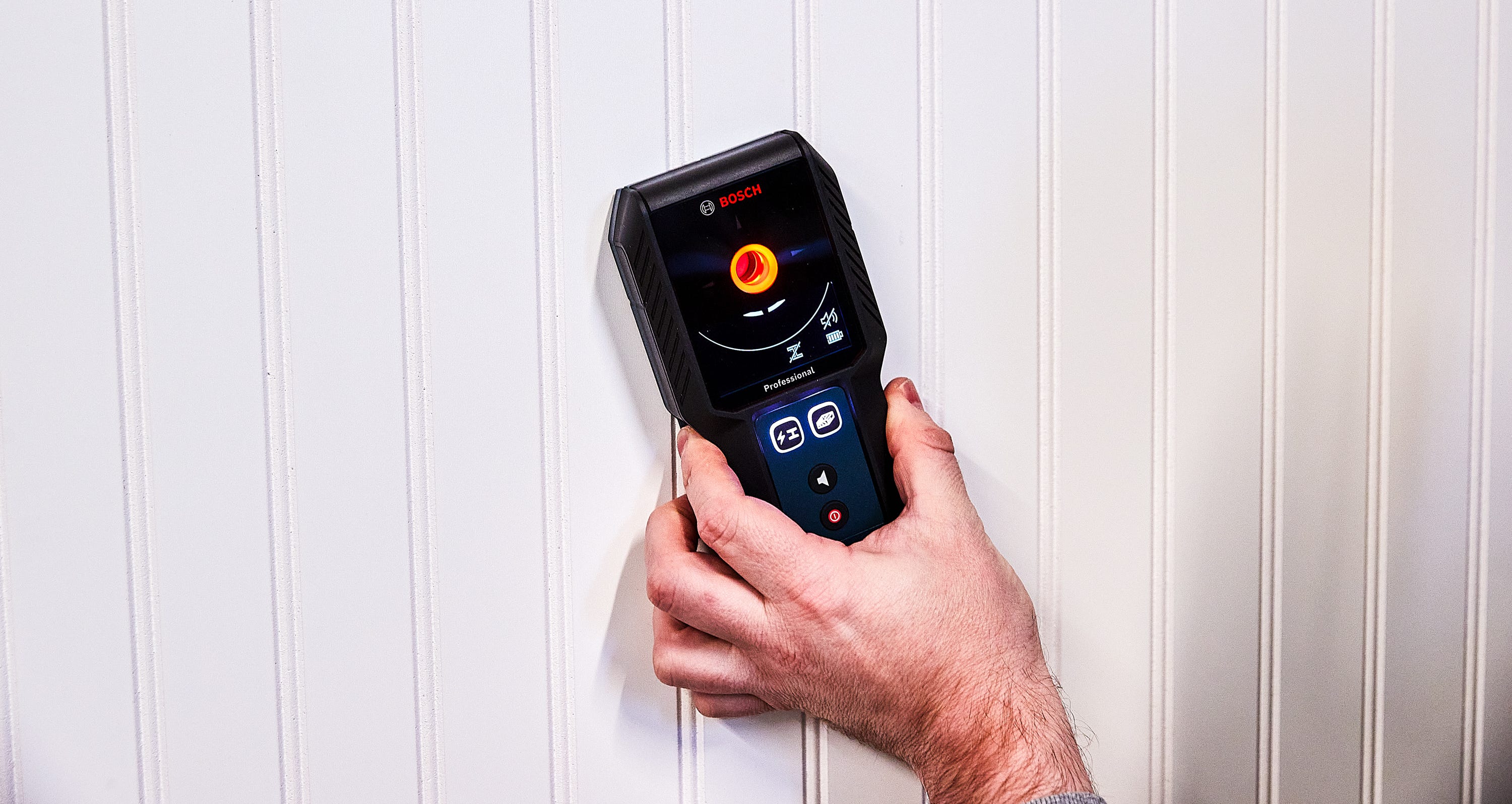
Five models were highlighted for their specific strengths. The Bosch Wall Scanner and Stud Finder was recognized as the 'Best Overall' for its ability to identify various materials beyond wood studs, including live AC wiring and metal objects, despite having a steeper learning curve due to a poorly designed instruction manual. Its illuminated ring, multi-colored display, and audible tones provide clear guidance, with a convenient display hole for accurate center marking. The Craftsman Hi-Vis Stud Sensor, named 'Best Budget,' impressed with its effective detection abilities for wood studs in drywall, simple operation, and a center cutout for accurate marking, despite its lightweight feel and inability to reliably detect anything beyond studs in plaster walls.
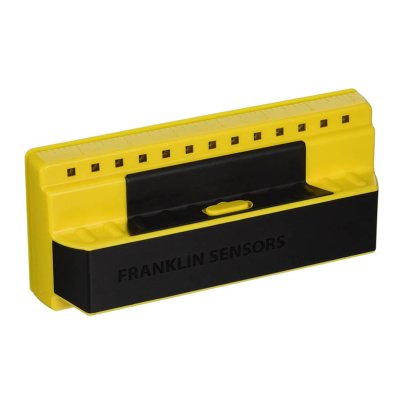
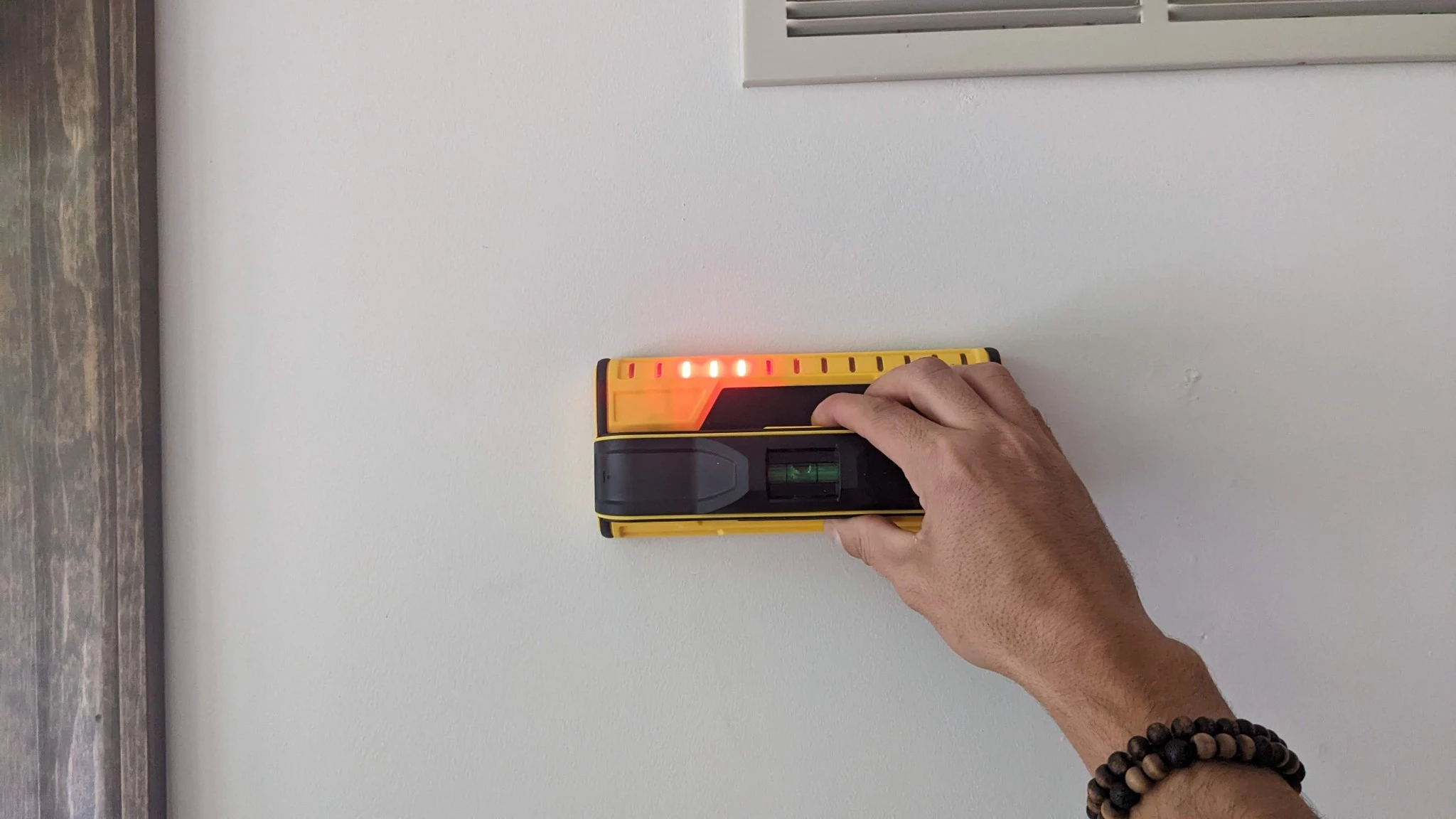
The CH Hanson Magnetic Stud Finder was designated 'Best Magnetic' for its powerful magnets, accurate marking capabilities, built-in bubble level, and durable construction, though it struggled to maintain a hold on plaster walls. The StudBuddy Magnetic Stud Finder, or 'Most Portable,' was lauded for its simplicity and effectiveness in locating nails, screws, and metal studs behind drywall using strong neodymium magnets, making it ideal for basic, on-the-go use, although it also could not penetrate plaster. Finally, the Franklin Sensors ProSensor MAX Stud Finder, or 'Best Splurge,' was noted for its superior usability and comprehensive LED display, providing an extremely accurate representation of objects behind walls with 13 internal sensors and 35 bright LEDs, despite its bulkier size and inability to differentiate between material types. This model also offers two depth detection modes for varying wall thicknesses. A more affordable, scaled-down version, the Franklin Sensors 710 Professional Stud Finder, was praised for its straightforward operation and simultaneous display of stud edges and center, working well on single-layer drywall but lacking the depth for plaster walls or material differentiation.
For hanging heavy items, electric stud finders are recommended over magnetic ones due to their higher accuracy and ability to identify metal pipes and electrical wires. The article also discusses the vulnerability of plastic electric models to moisture and impact, suggesting the importance of IP-ratings for those used in wet conditions. Larger stud finders typically offer more functionality, such as adjustable depth detection modes, which conserve battery life and cater to different wall thicknesses. Multifunctional devices, while more complex to operate, offer significant advantages by differentiating between various hidden objects, reducing the risk of accidental damage during drilling.
#StudFinders #HomeImprovement #DIYTools #WallMounting #HomeMaintenance #ProductReview #ToolTesting #Carpentry #ElectricalSafety #StudFinders #HomeImprovement #DIYTools #WallMounting #HomeMaintenance #ProductReview #ToolTesting #Carpentry #ElectricalSafety
 No comments yet
The Best Stud Finders of 2025, Tested and Reviewed

The Best Stud Finders