1/17
'I didn't know I could have this in a small space!' This new furniture trend makes the most of even the tiniest homes
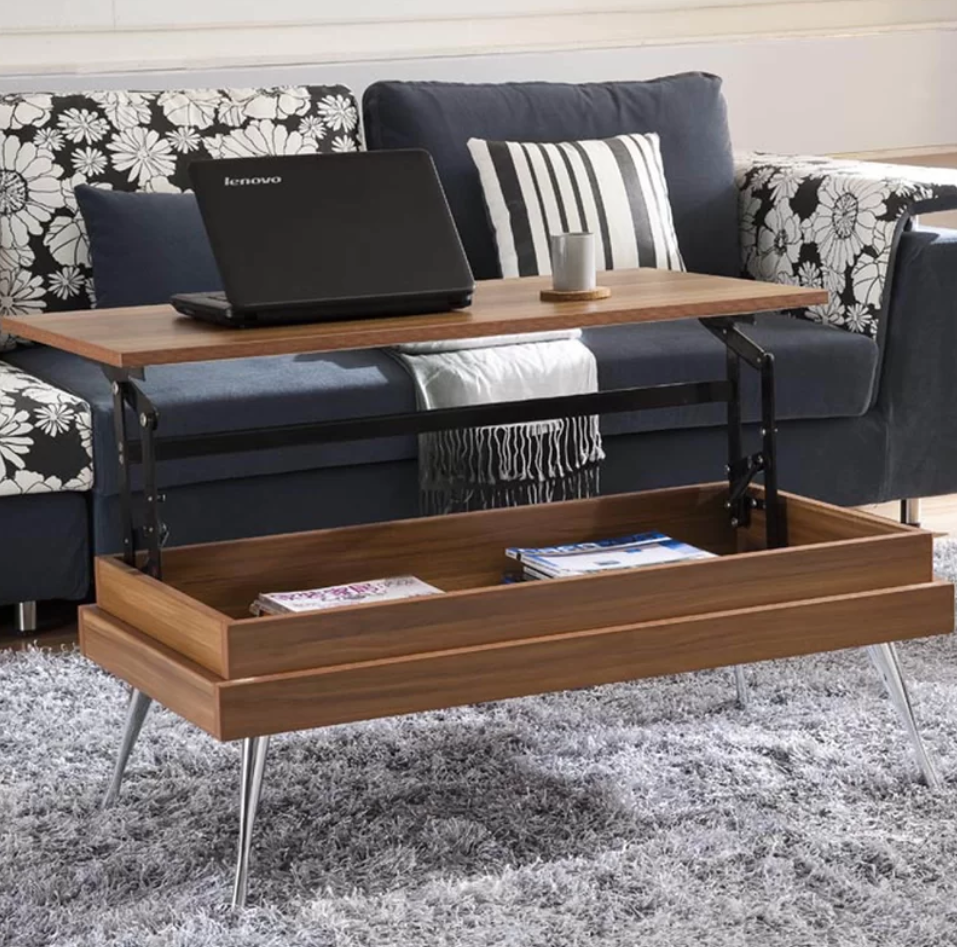
In contemporary interior design, transforming furniture is increasingly recognized as a sophisticated and practical solution for maximizing space in smaller homes. Far from the fantastical, futuristic concepts of past decades, modern multifunctional designs are sleek, stylish, and highly effective. For spaces with limited square footage, every piece of furniture must offer significant utility, ideally serving multiple purposes or being expandable to enhance usability. This article explores various innovative transforming furniture ideas, highlighting how designers are approaching flexible furnishings to create highly adaptable living environments.
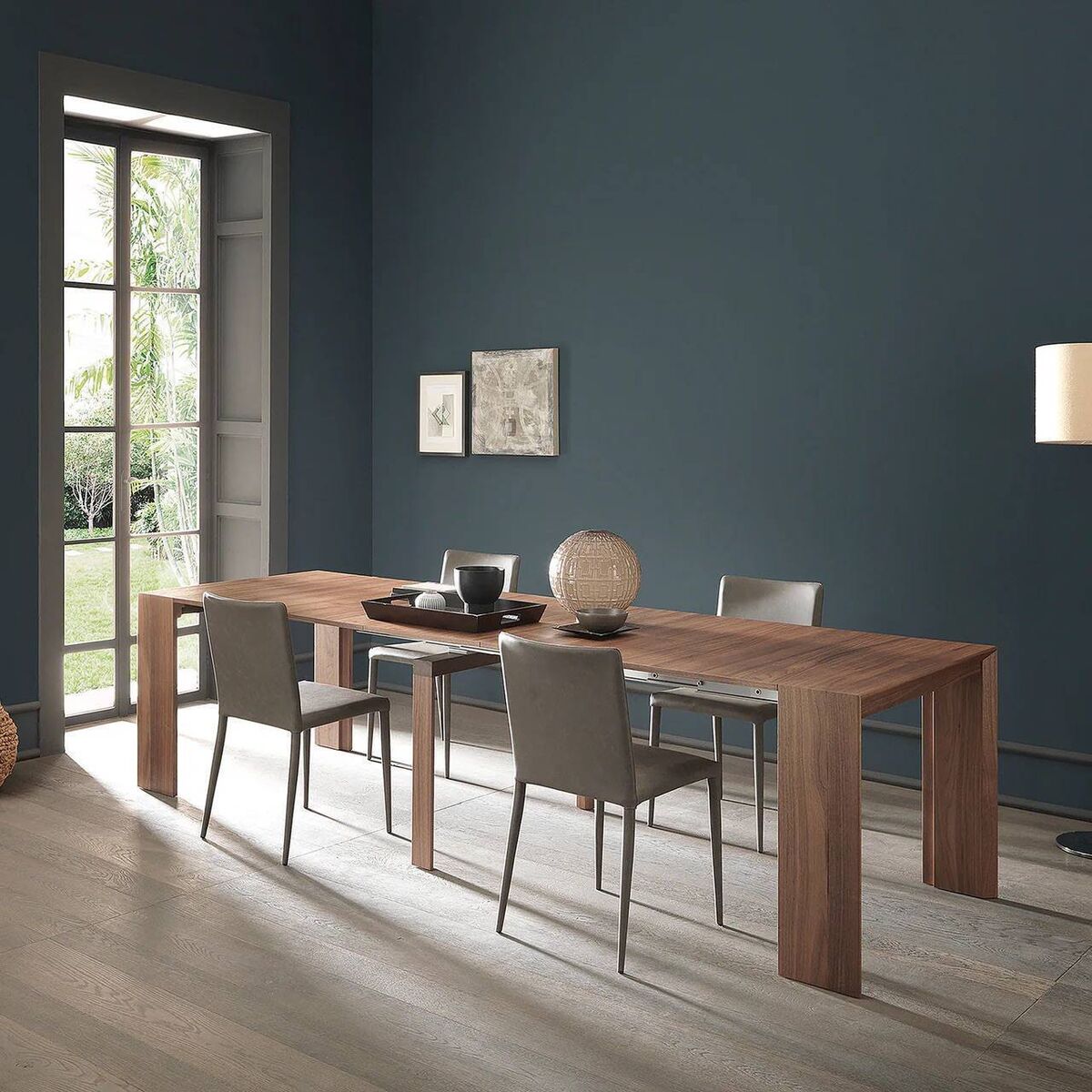
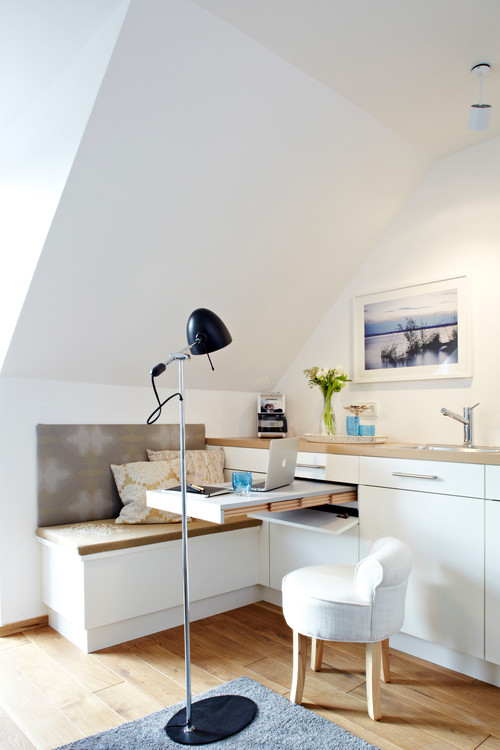
One prominent example of transforming furniture in kitchen design involves extending peninsulas into full dining tables. This approach addresses the challenge of fitting a large dining table into a small kitchen, where such a table is only necessary during meal times. Designer Nicholas Gurney illustrates this with a discreet dining table that slides neatly under a peninsula when not in use, expanding into a sizable table for family meals. This allows for complete flexibility in open-plan living and dining areas, optimizing circulation space. Similarly, another design by Gurney features a dining table that folds out from a kitchen cabinet, occupying a space no larger than a kitchen drawer. This design prioritizes circulation and openness, demonstrating how multi-functional furniture can bridge the spatial divide between small and large areas without requiring additional floor space.
In tiny homes, such as a 139-square-foot London house designed by Studiomama, transforming furniture is integral to the overall design strategy. An expandable bench in the small kitchen exemplifies how creative solutions can make the most of limited space. Studiomama's co-founder, Jack Mama, emphasizes the need to rethink living arrangements as space becomes a premium, catering to a new generation embracing micro-living and nomadic lifestyles. The studio’s designs prioritize essential elements like bed size, storage, comfortable seating, workspace, and cooking facilities within minimal footprints, often requiring custom-made interiors to ensure functionality and aesthetic coherence.
Beyond kitchens, transforming tables are evolving to be both practical and aesthetically pleasing. Tsai Design presents a particularly elegant solution with a table that converts from a compact circular form to a six-seater rectangular table. This design caters to individuals living alone or in small households who enjoy hosting, ensuring that the table’s everyday compact form is graceful while its extended version meets practical entertaining needs. This innovation represents a reversal of typical folding table designs, prioritizing an elegant compact form that expands out of necessity.
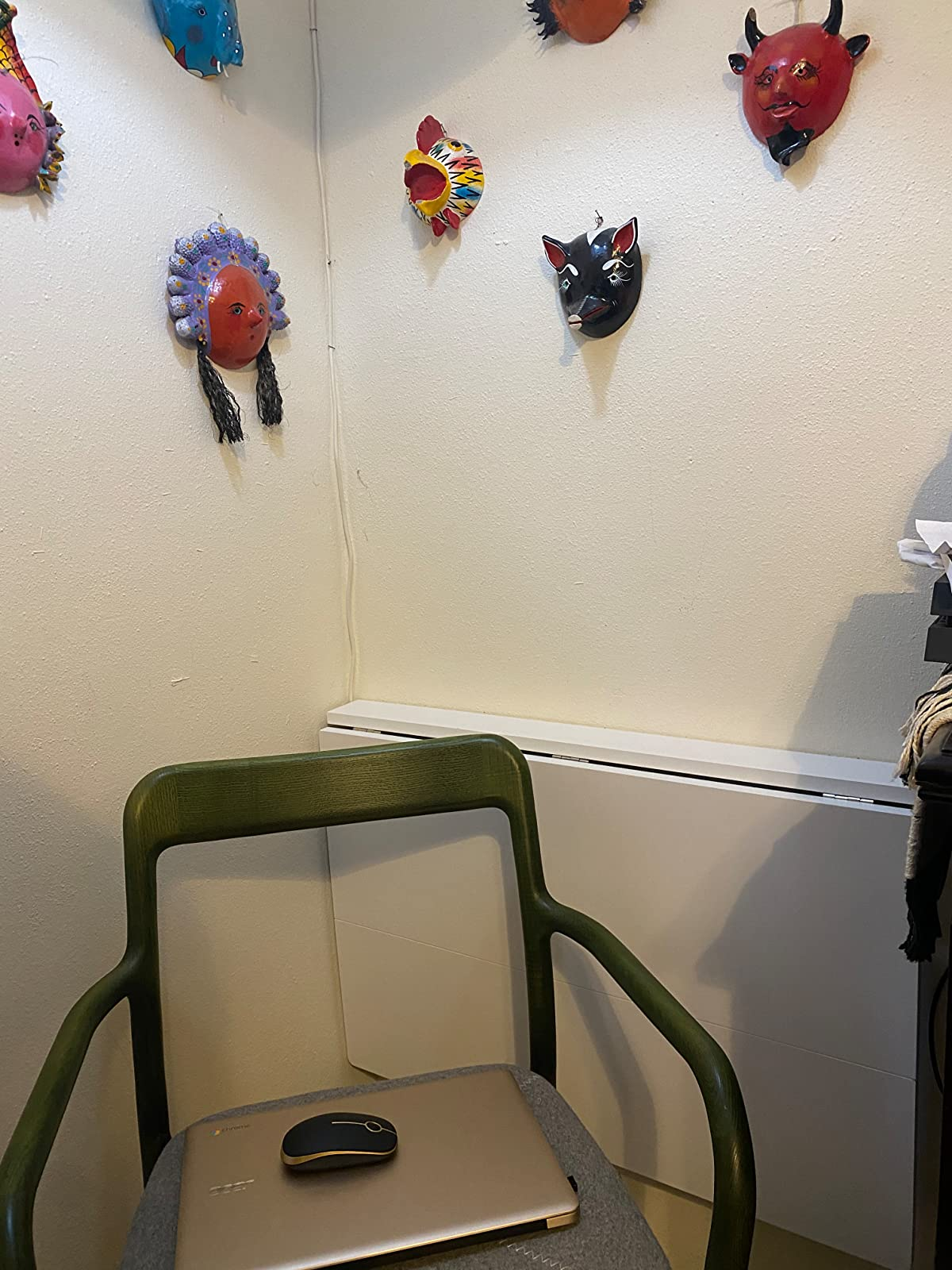
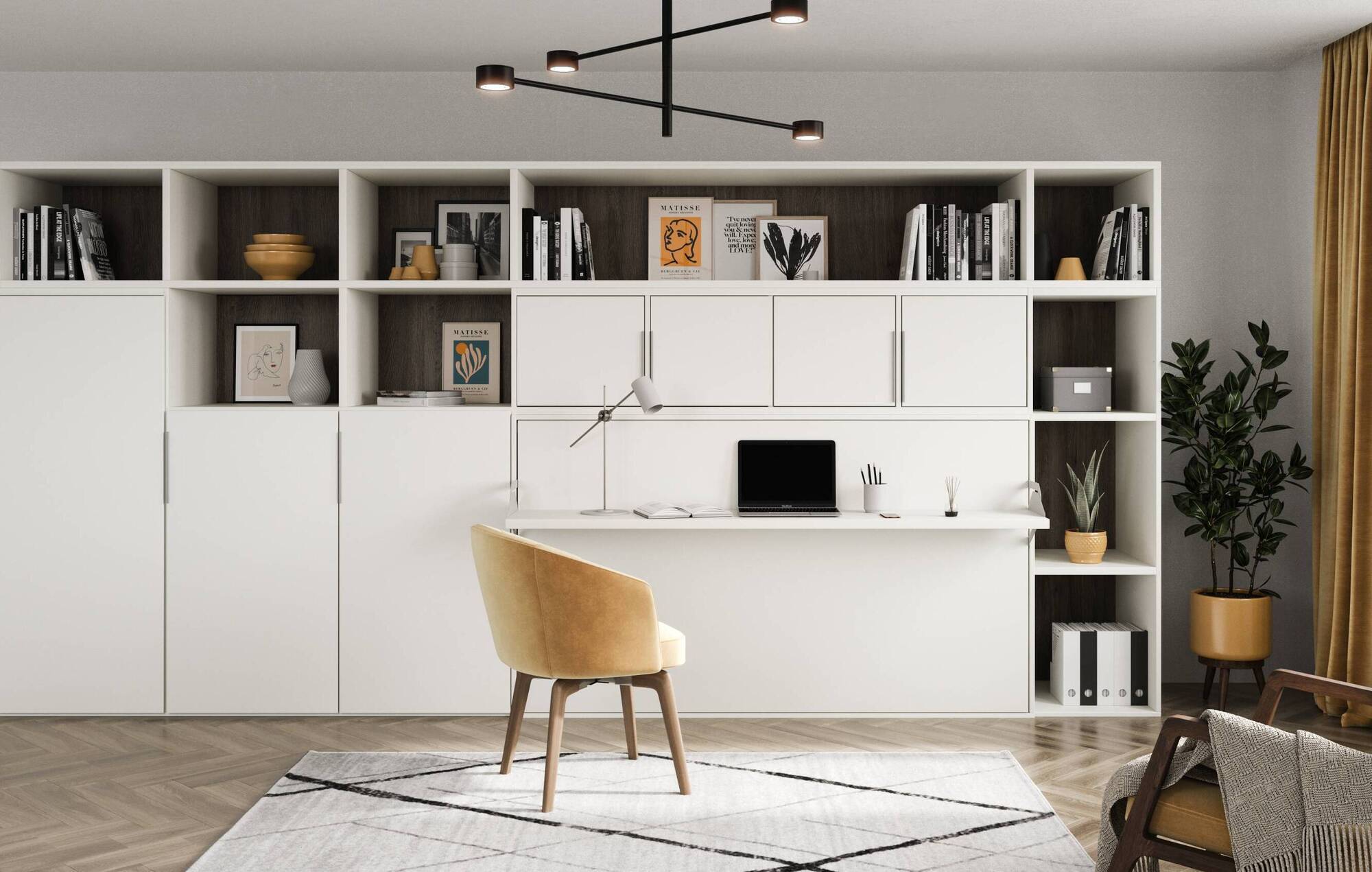
Murphy beds, traditionally seen as less glamorous, are being reinvented as stylish and discreet additions to small spaces. General Assembly demonstrates this by integrating a Murphy bed beneath a built-in desk, effectively creating a dual-purpose room that functions as a kitchen, living area, workspace, and guest bedroom without requiring furniture rearrangement. Another elegant Murphy bed example from Tsai Design features a bed hidden behind a large mirror in a dressing room, transforming a niche into a cozy guest bedroom within a studio apartment. This design draws inspiration from the building's historical architecture, incorporating dramatic elements like vaulted ceilings to create a sense of grandeur.
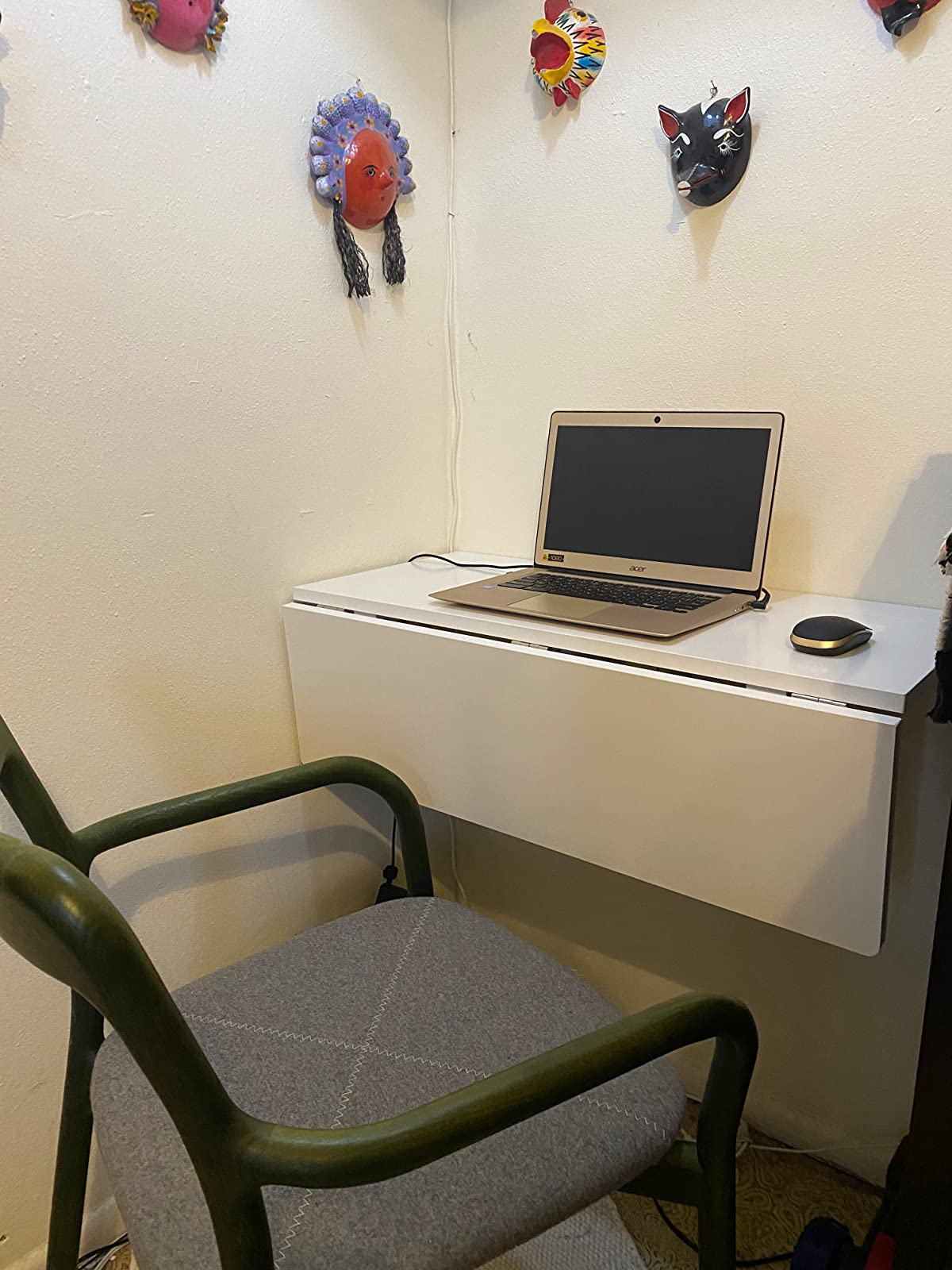
Furthermore, designers are making Murphy beds integral and beautiful pieces of furniture. Emily Brownell of Gilded Hearth conceals a Murphy bed within wooden built-in cabinetry in a living room, allowing the space to serve as an office, TV room, and occasional guest room without compromising its aesthetic. This design emphasizes the importance of vertical closed storage to maximize floor space and maintain a clutter-free environment. Similarly, a fold-in desk integrated into built-in shelving, as seen in a MWAI-designed home, allows a workspace to be discreetly hidden when not in use, ensuring that open-plan living areas remain uncluttered and functional. This approach views small apartments more like hotel suites, where all functions are carefully planned and concealed.
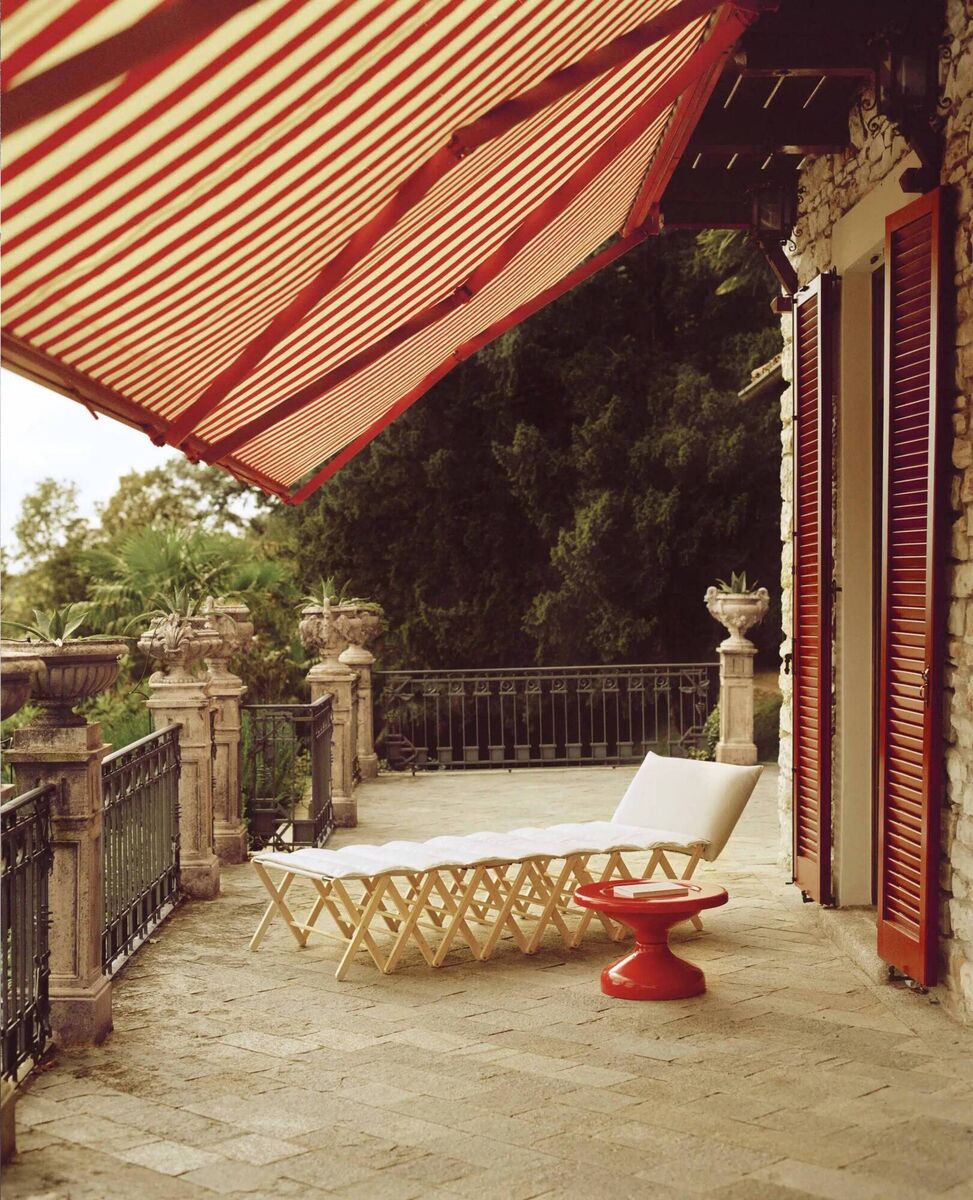
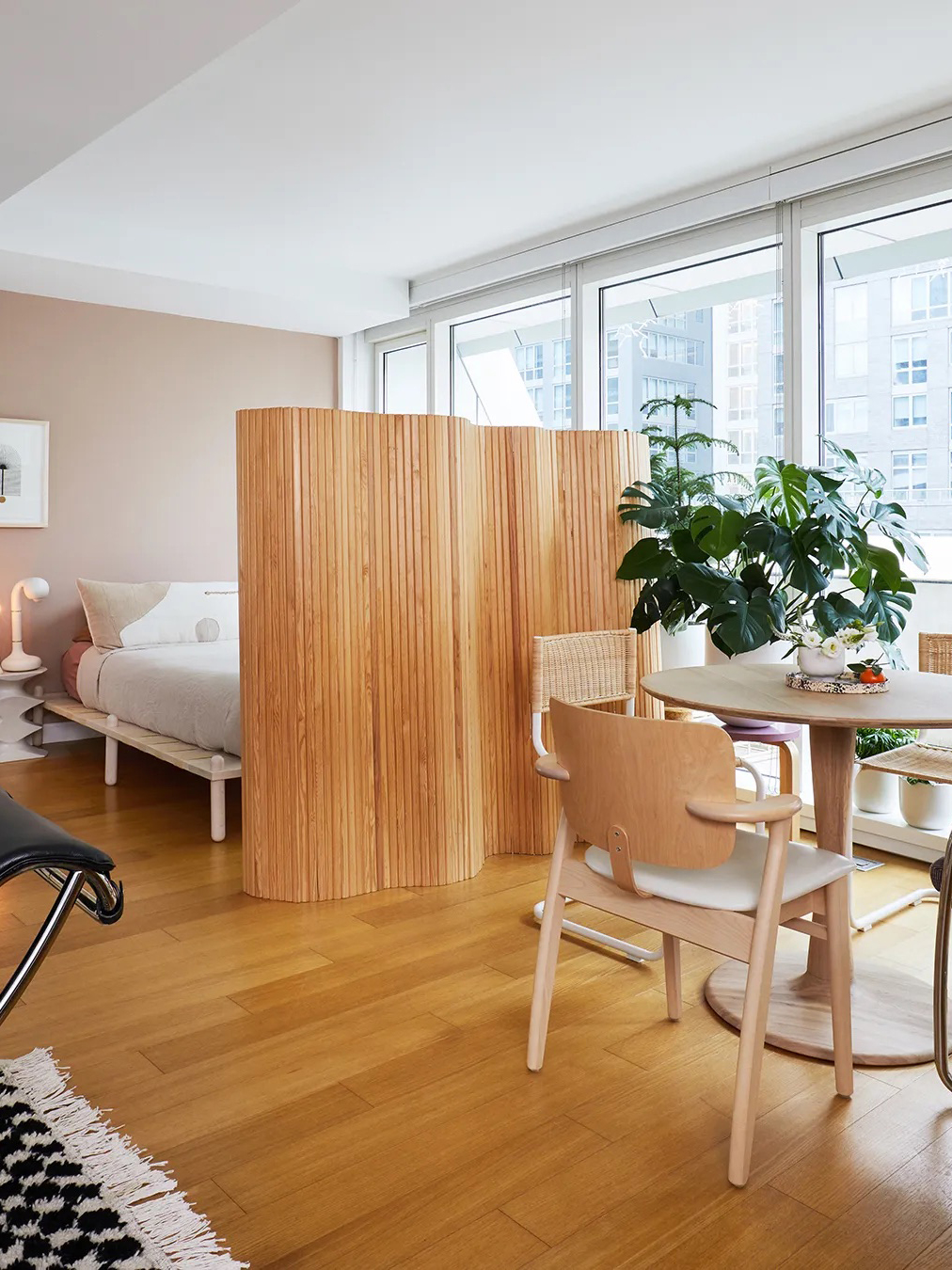
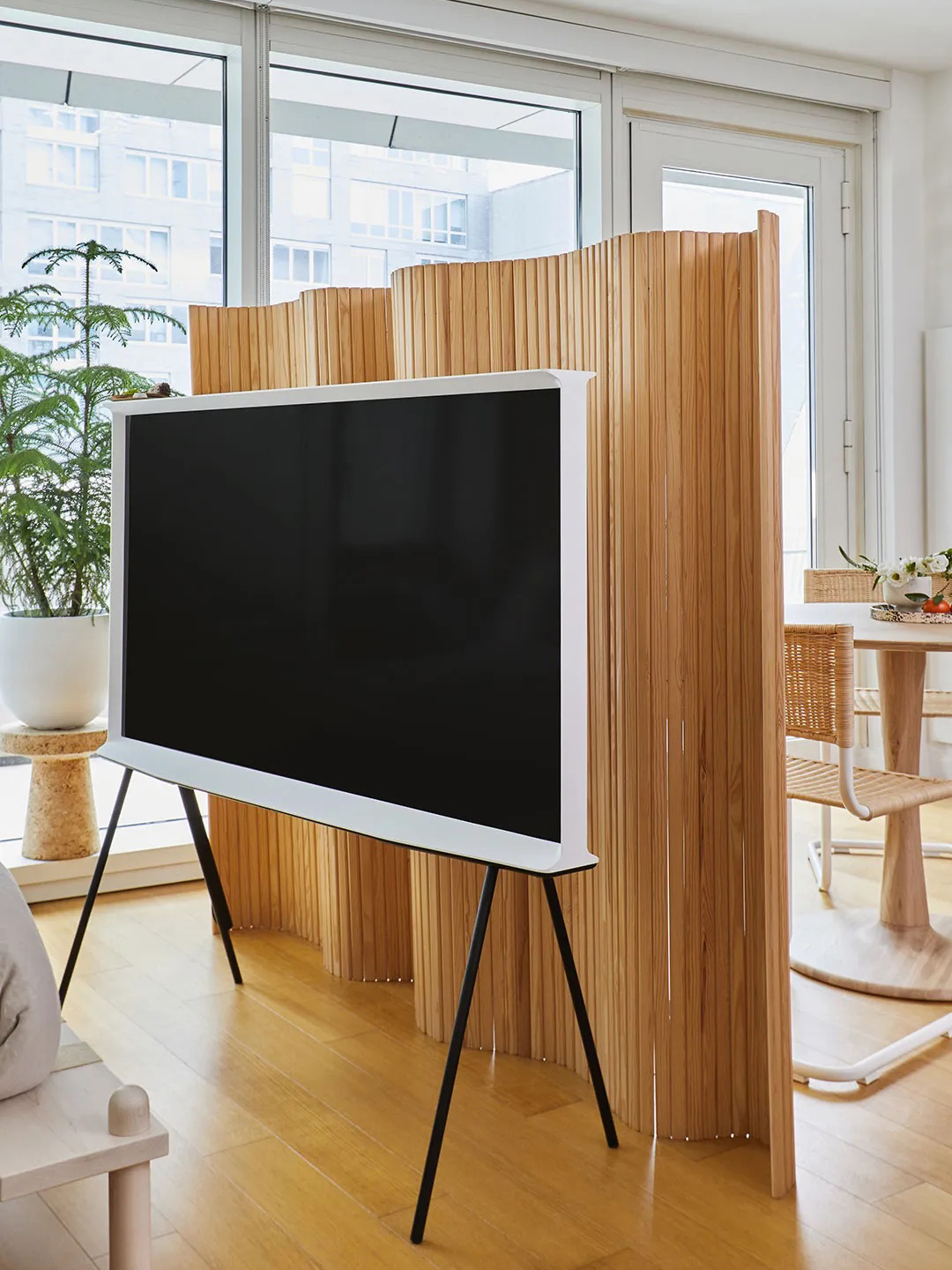
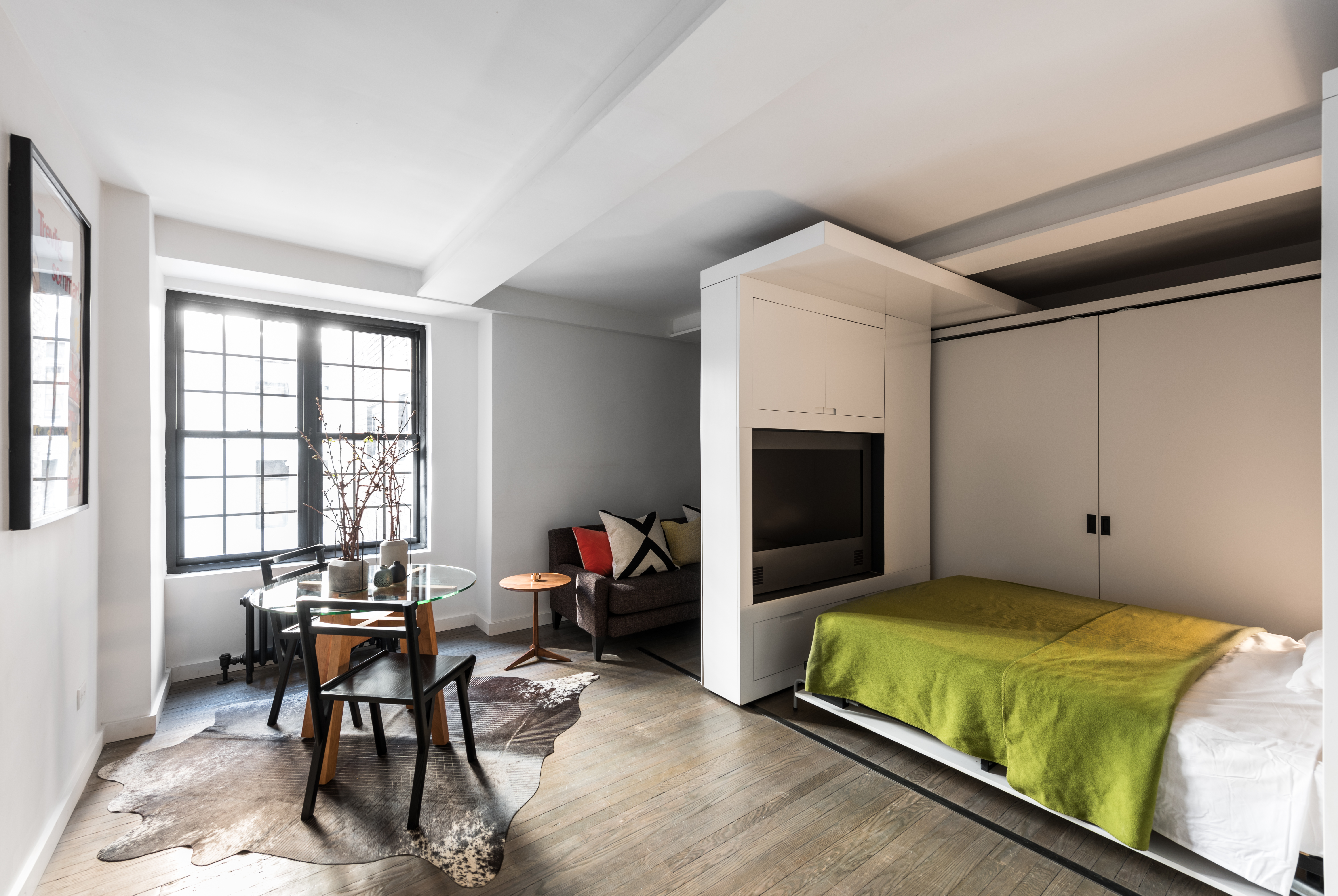
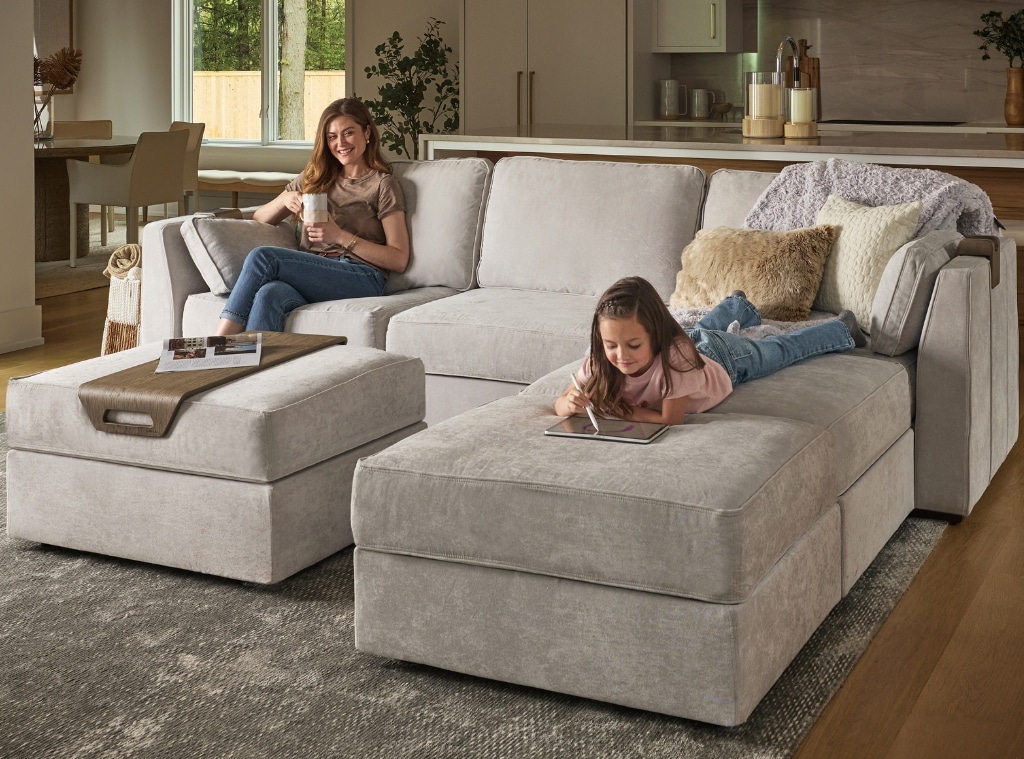
Innovative solutions extend to separating and defining spaces with movable walls. Batiik Studio’s design for a 258-square-foot apartment features a multifunctional wall that houses a dining area, kitchen, dressing room, and bathroom sink. A foldable section of this wall can hide the kitchenette or open to separate living areas, offering flexibility without compromising aesthetics. Another example is MKCA’s 5:1 Apartment, where a motorized sliding storage element glides to create distinct spaces for living, working, sleeping, and entertaining within 390 square feet. This movable volume reveals a dressing room or a queen-sized fold-down bed, allowing for a transactional exchange of space between daytime and nighttime zones, optimized through sophisticated hardware and a keen understanding of choreography and ergonomics. Even flexible floor sofas, comprising individual cushions, offer greater versatility than traditional sofa beds, allowing for easy reconfiguration into various seating arrangements or an extra bed, providing instant relaxation and adaptability for entertaining.
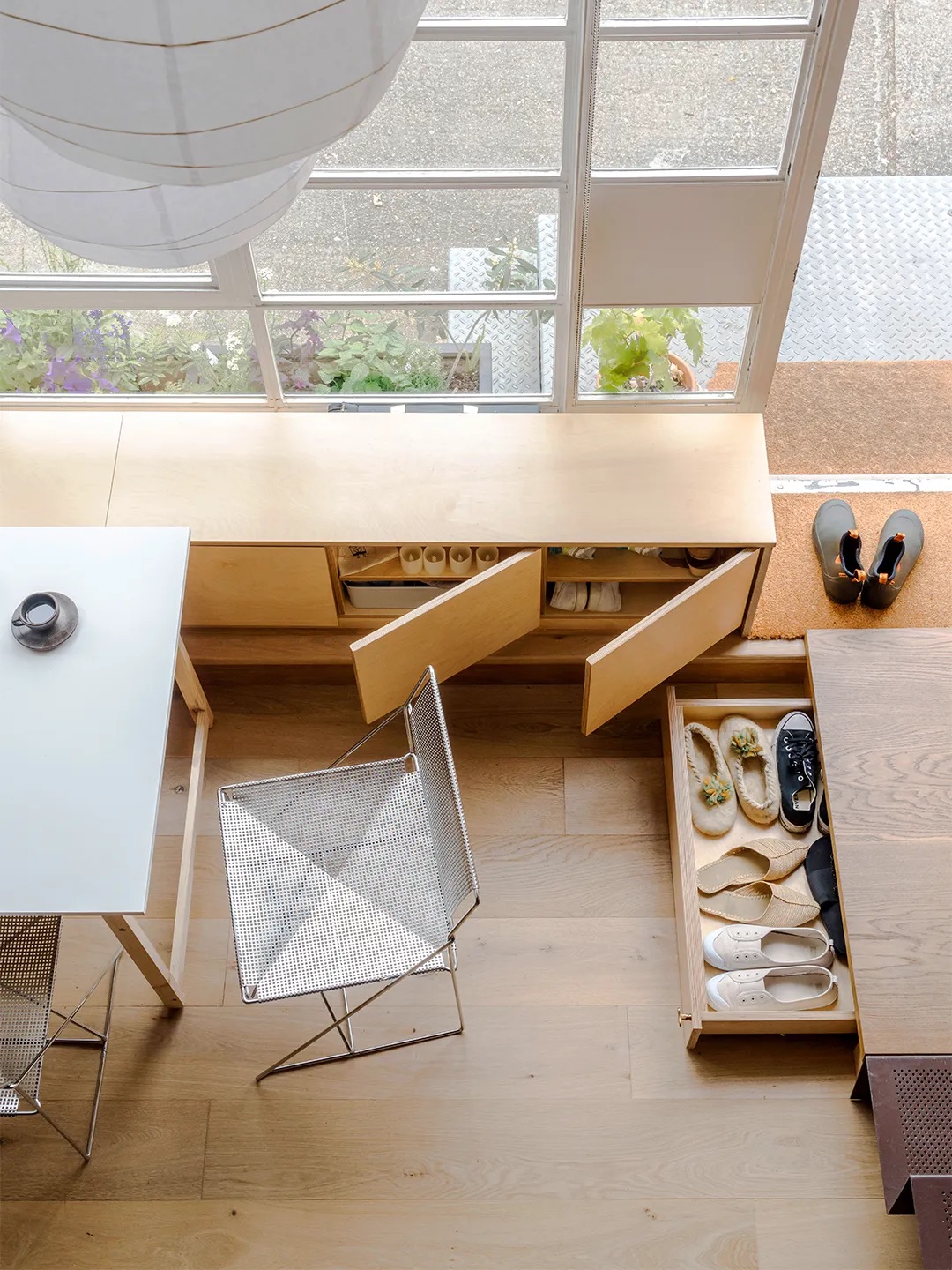
Lastly, transforming furniture also addresses practical aspects like concealing technology. Studio Oink designed a desk with sliding perforated wooden doors to hide screens and wires, allowing the room to fully transition to its other functions, particularly when used as a guest bedroom. This thoughtful integration of hidden storage ensures that the functional elements of a home office do not intrude upon the aesthetics or purpose of a shared living space. These examples collectively demonstrate that transforming furniture is no longer a niche concept but a growing and essential trend in modern home design, enabling residents to make the most of even the tiniest homes with both style and efficiency.
#TransformingFurniture #SmallSpaceLiving #MultiFunctionalDesign #SpaceSavingSolutions #InteriorDesignTrends #ModernKitchens #MurphyBeds #FlexibleFurniture #HomeOfficeSolutions #TransformingFurniture #SmallSpaceLiving #MultiFunctionalDesign #SpaceSavingSolutions #InteriorDesignTrends #ModernKitchens #MurphyBeds #FlexibleFurniture #HomeOfficeSolutions
0 comment in total
 No comments yet
You may also like
Designers are loving a new living room trend which makes even small spaces seem smart
Small sofas: 6 cozy ideas for tiny living rooms

5 small living room trends for 2025 — designs experts love these stunning styles

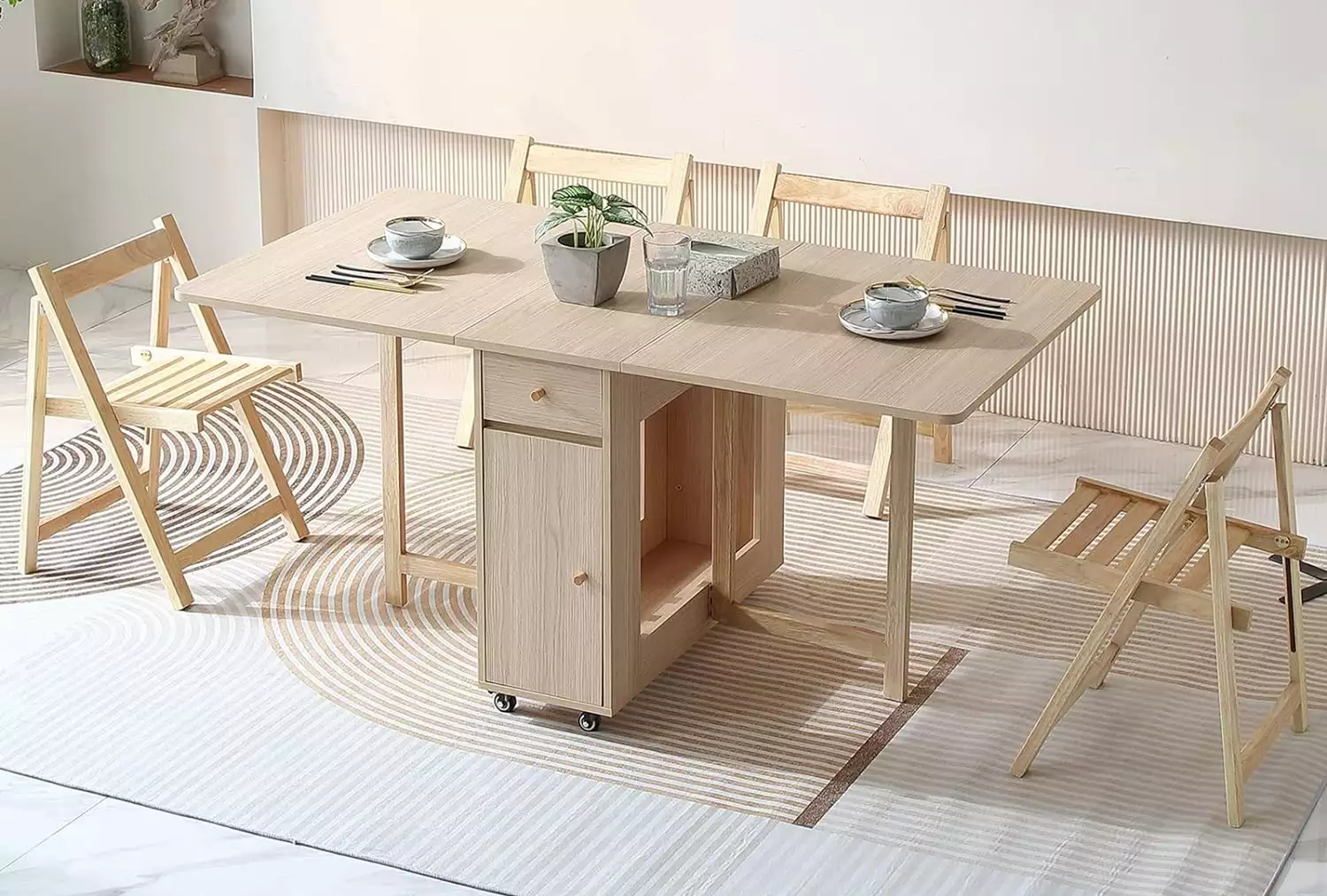
11 Space-Saving Furniture Finds on Amazon That Maximize Every Square Inch—Starting at $19

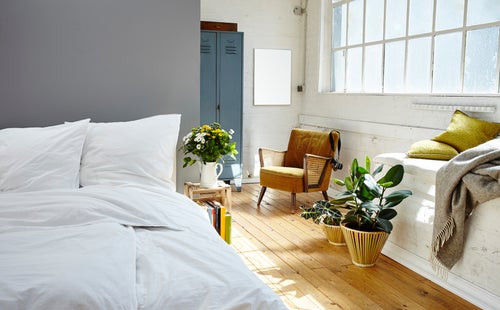
15 Small Seating Area Ideas For Rooms That Won't Fit A Couch
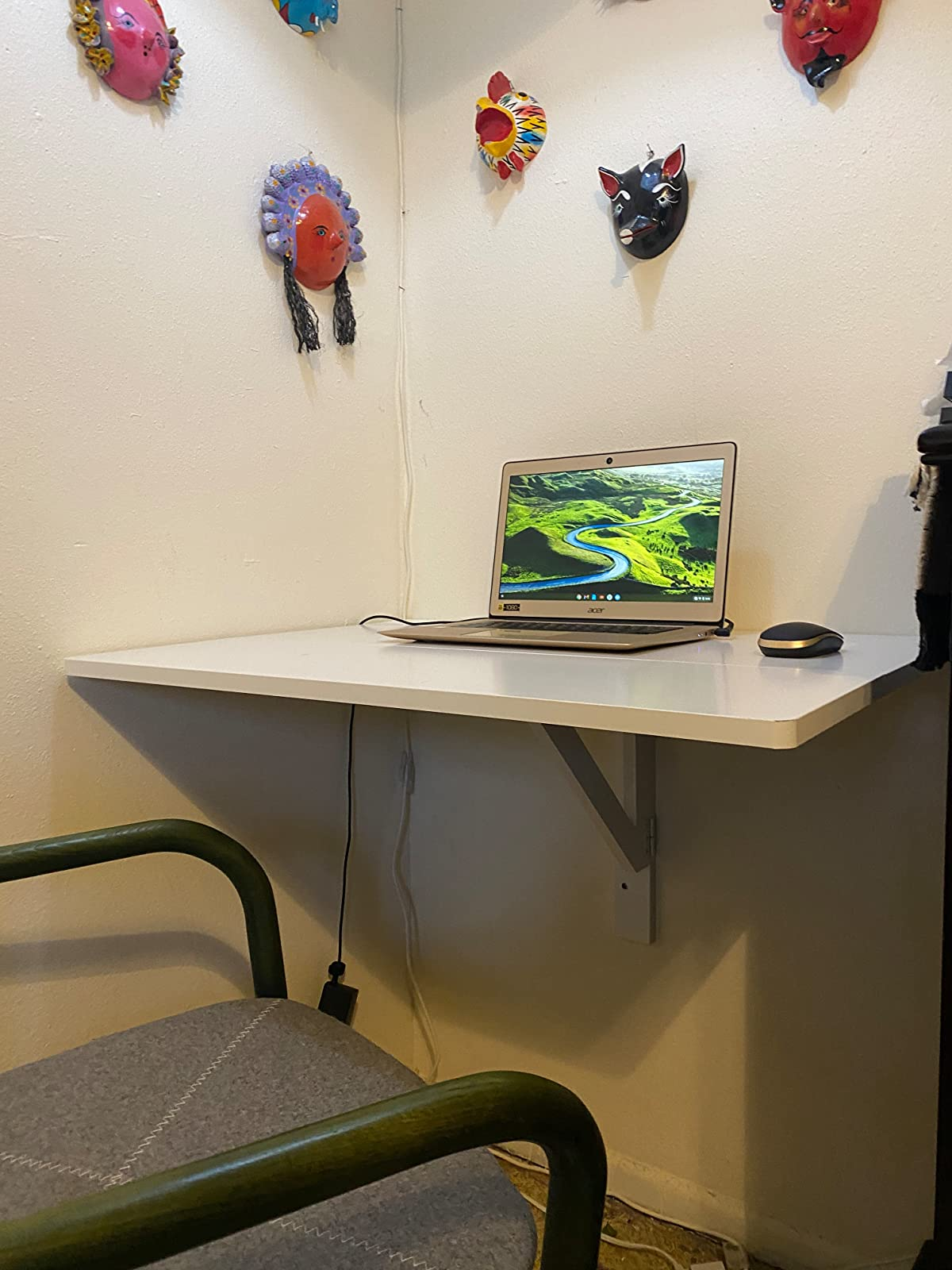
28 Genius Pieces Of Furniture That’ll Help Maximize Your Tiny Living Space In 2025
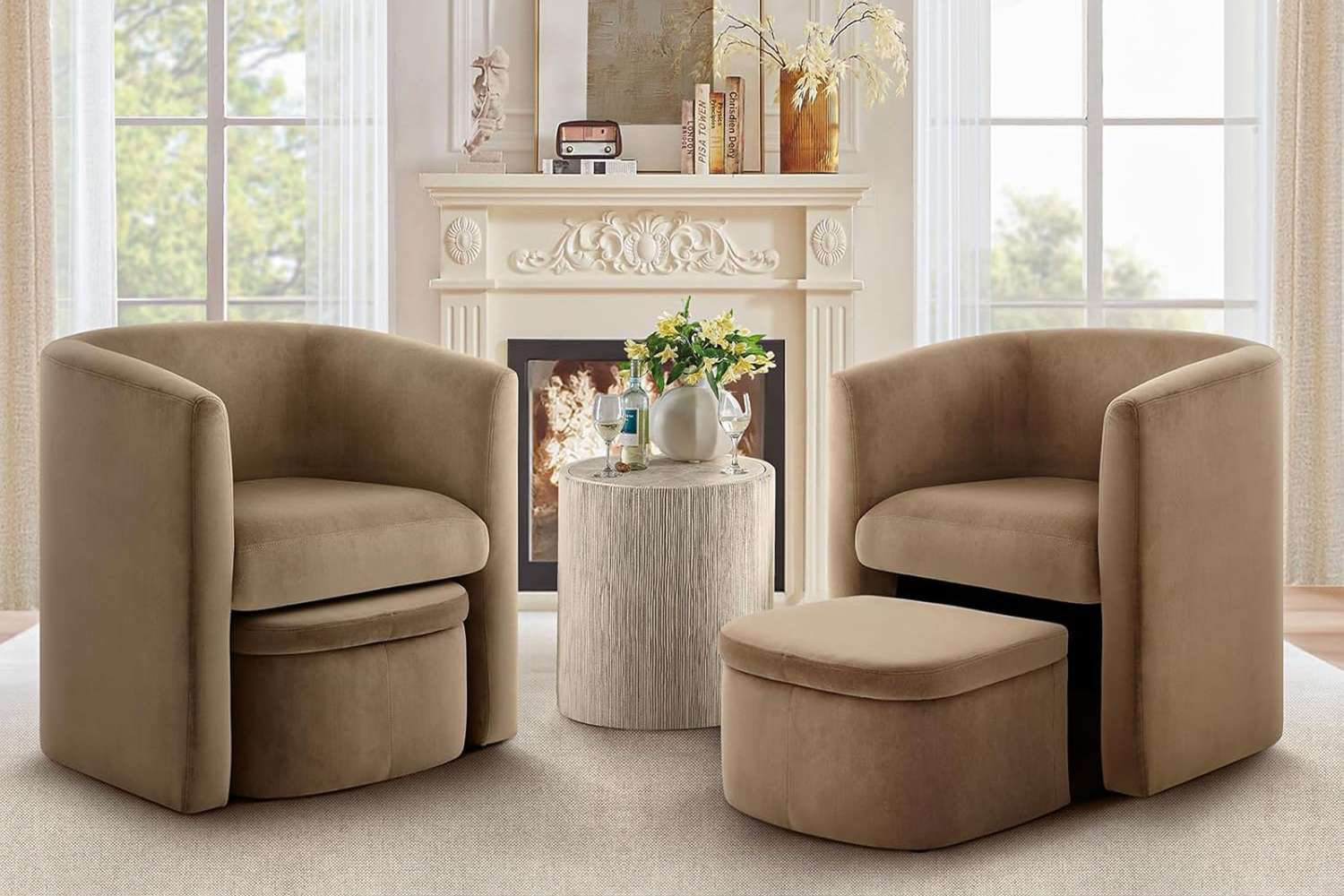
These 35 Space-Saving Furniture Finds Are as Stylish as They Are Functional—and All on Sale for Prime Day
Jennifer Sheahan: Space-saving ideas and picks for tiny homes
You Have To See This Cabinet Expand Into A Full-Blown Craft Room

8 Smart Furniture Solutions For Small Homes

It’s Official: These Are the Hottest Decor Trends on Pinterest

I’ve Covered Hundreds of Tiny Homes—These Are the 13 Best Ideas I’ve Picked Up

More Grace With Less Space: Check These 10 Best Instagram-Worthy Home Decor Products Under 999
All the Best Furniture & Storage Hacks for Studio Apartments, According to an NYC Renter
Small Room Ideas - Decorating Small Spaces
You Don’t Have to Be a Designer to Dream Up Your Own Custom Furniture

The Best Affordable, Space-Saving Furniture to Shop From Amazon
How to arrange furniture in a small living room — we love these 8 expert tips
27 Genius Pieces Of Furniture That’ll Help Maximize Your Tiny Living Space In 2026
The 14 Best Modular Furniture Pieces for Small Spaces