




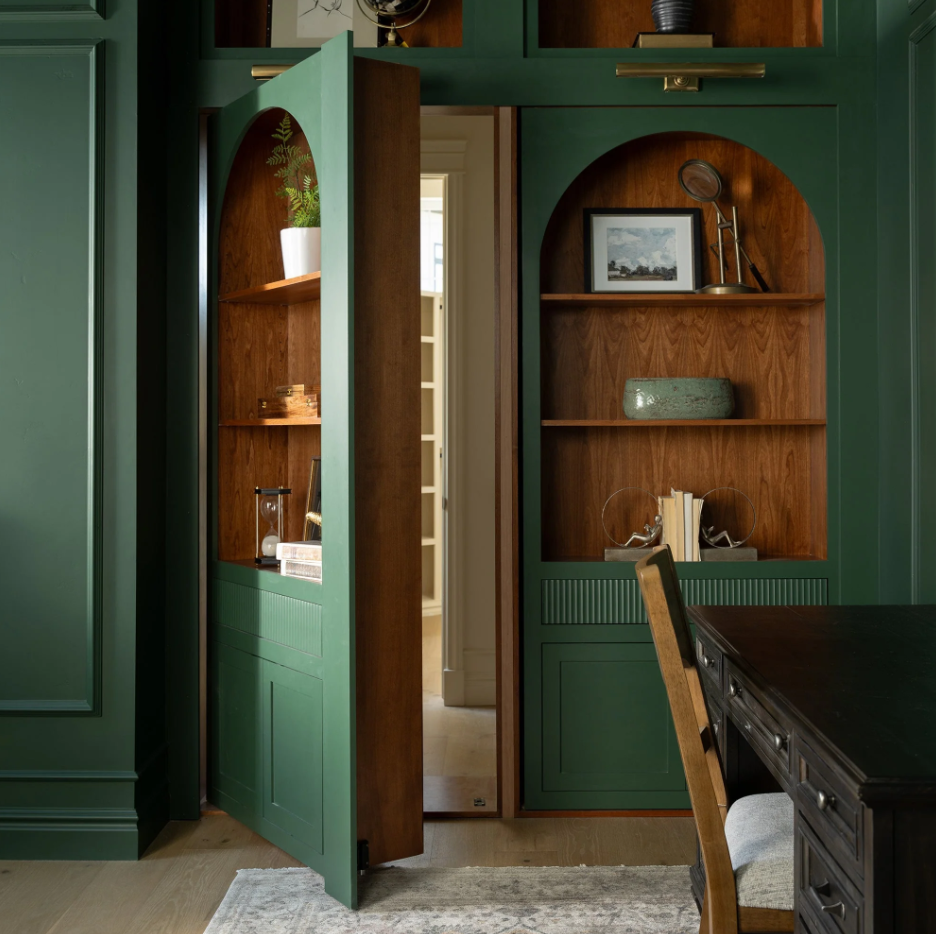
Murphy Doors: 5 Commonly-Asked Questions Answered
Murphy doors offer several benefits to homeowners, including space-saving features, aesthetic appeal, and the ability to conceal spaces. These advantages make them popular, especially for tiny houses or for those looking to add a unique element to their home while maintaining privacy. However, potential users often have questions regarding their installation and functionality, which this article addresses.
One common query pertains to the necessity of removing the original door frame during installation. The original frame must be removed and replaced with a specialized frame designed for Murphy doors. This specialized frame is crucial for the door's proper function and fit. The process requires careful handling, and incorrect installation can lead to operational issues such as the door not closing or opening correctly. Therefore, hiring a professional for the installation is recommended to ensure safety, smooth operation, and longevity.
Another question revolves around the optimal location for installing a Murphy door. The ideal placement depends on available space and the homeowner's objectives. Sufficient clearance is essential for the door to open fully without obstruction from walls or furniture, which could damage the door or impair its functionality. Before installation, it is important to verify that the wall is flat and to avoid areas where blockages might occur. Larger doors require more room for operation, while smaller ones may need less, though testing the door's movement prior to final installation is always advised.
Concerns about clearance when the door is open lead to questions about different swing options. Murphy doors come in various types, each suited for different uses. Out-swing doors open outwards, maximizing space behind the door. In-swing doors, which open inwards, are more suitable for situations where there is ample room within the concealed space. Understanding the mechanics of each type helps homeowners select the most appropriate option for their specific needs.
Homeowners also inquire about what happens if the door does not fit the wall. Out-swing Murphy doors are generally more adaptable to various wall types because their outward opening mechanism is not constrained by wall depth. In-swing doors, however, can pose challenges if the wall is not deep enough, potentially preventing them from opening completely. In such cases, adjustments to the frame or a change in the swing direction can often resolve fitment issues, typically performed by an installation technician.
Finally, the extent to which Murphy doors can open is a frequent question. A properly installed Murphy door can achieve a wide swing of up to 90 degrees. This full range of motion facilitates easy passage and movement of items. Achieving this optimal opening requires precise setup, including careful consideration of angles, wall space, and hardware. Engaging a competent professional for planning and installation is crucial to ensure that the door operates as intended and delivers both style and functionality.
#MurphyDoors #HomeImprovement #SpaceSaving #HomeDesign #DoorInstallation #HomeRenovation #InteriorDesign #MurphyDoors #HomeImprovement #SpaceSaving #HomeDesign #DoorInstallation #HomeRenovation #InteriorDesign
 No comments yet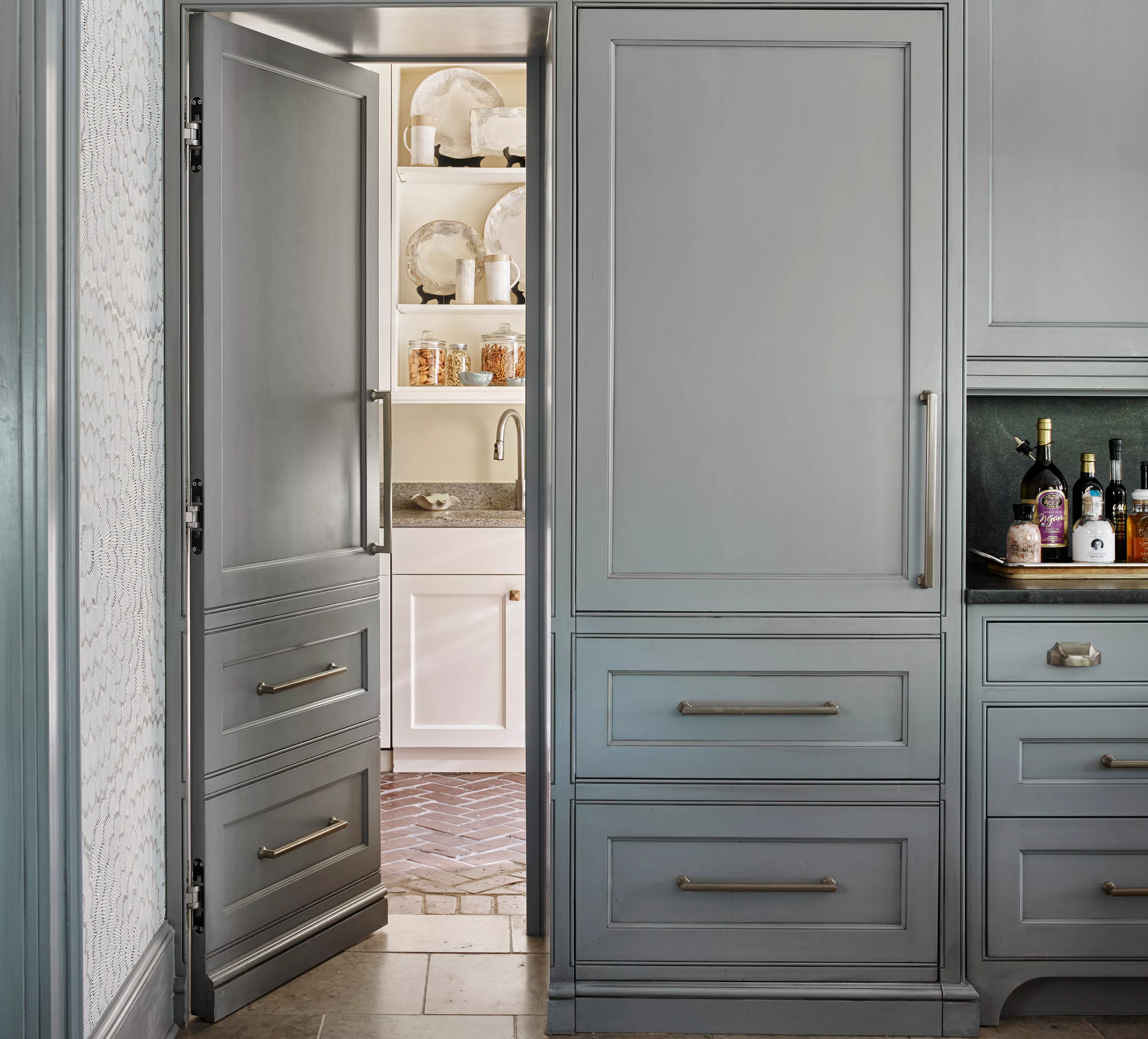
The Murphy Door Is the Hidden Storage Solution We’ve Been Waiting For
