1/11
Green dining room ideas – 10 ways to use this trending tone in your entertaining space
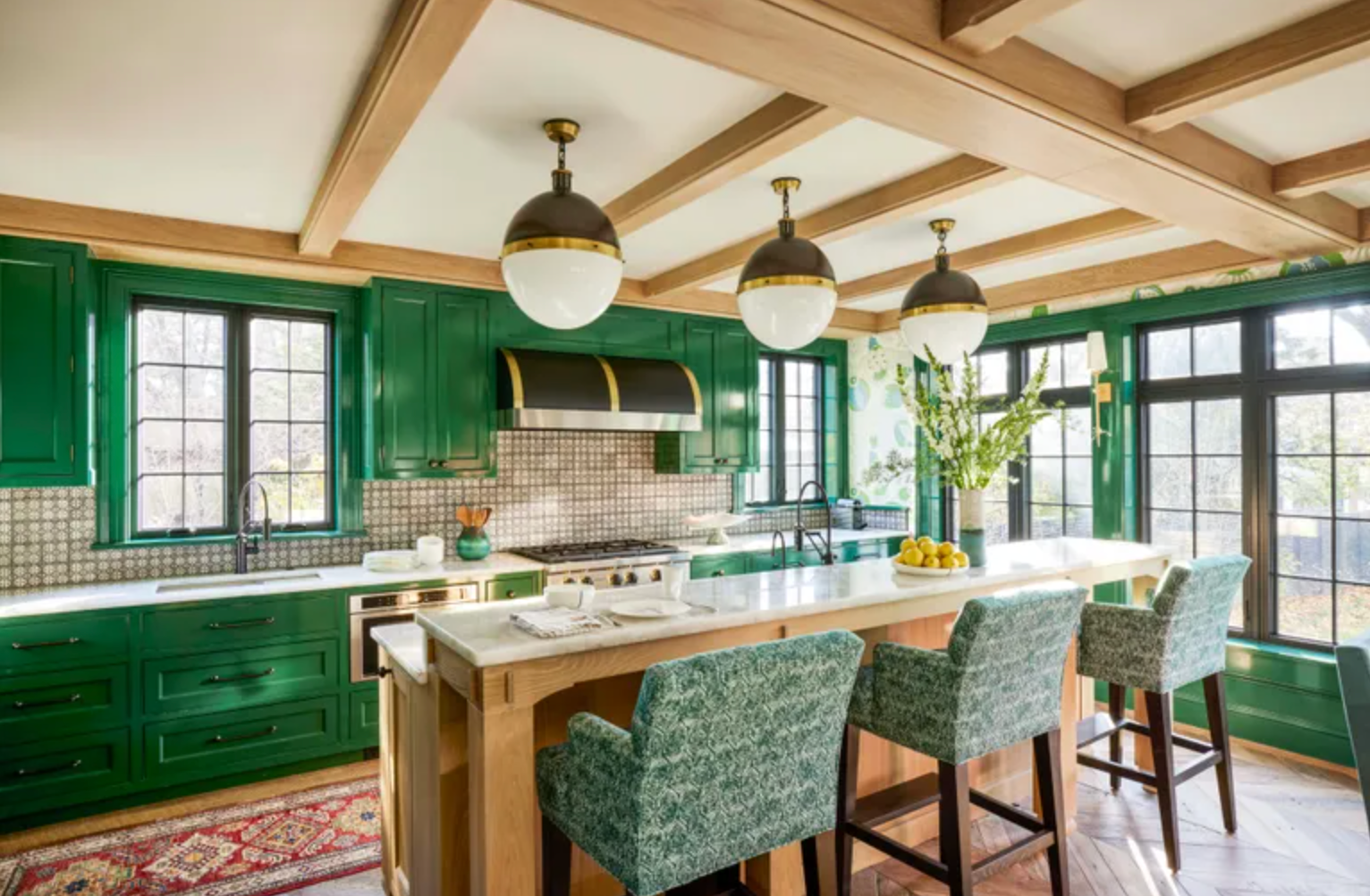
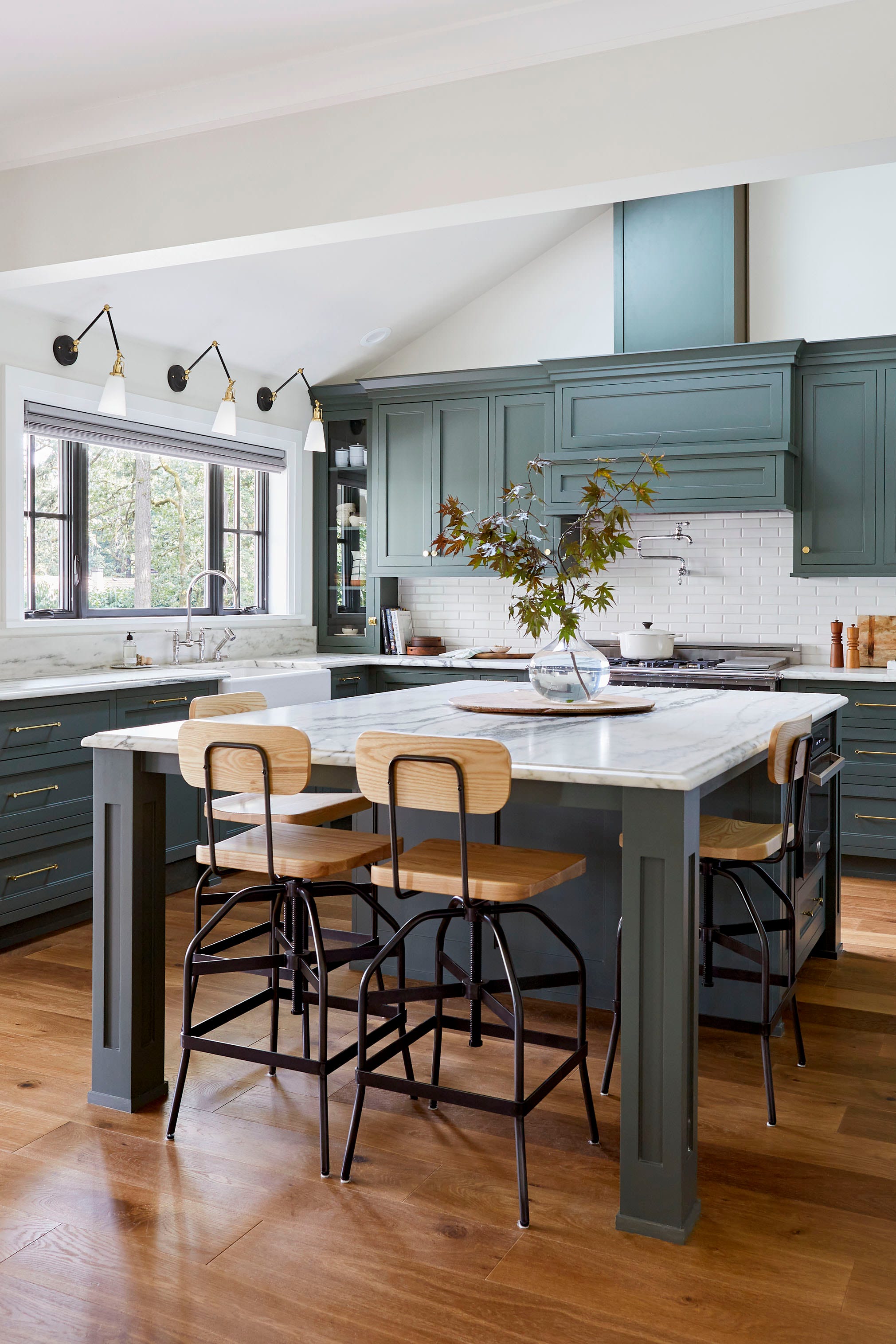
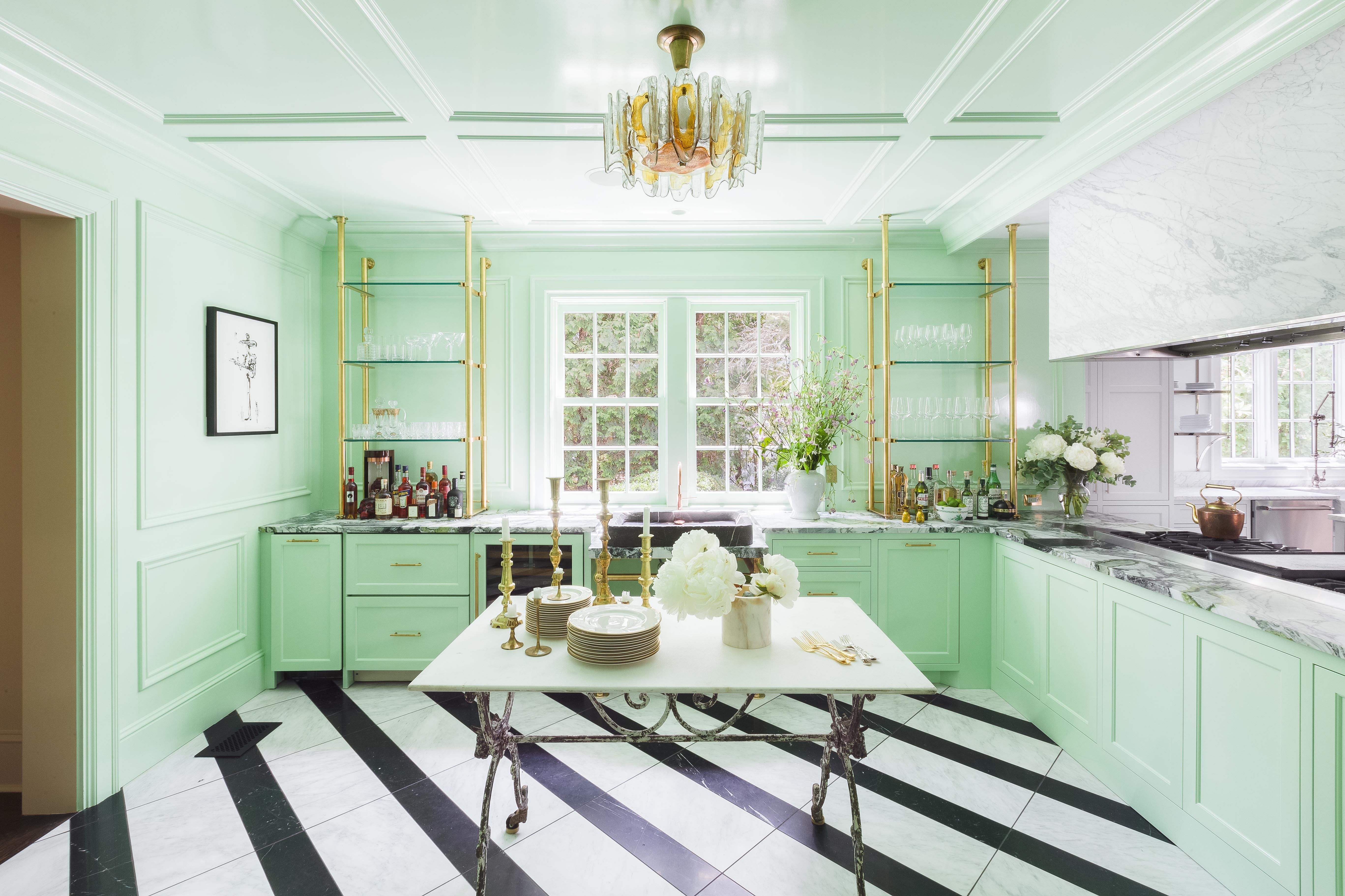
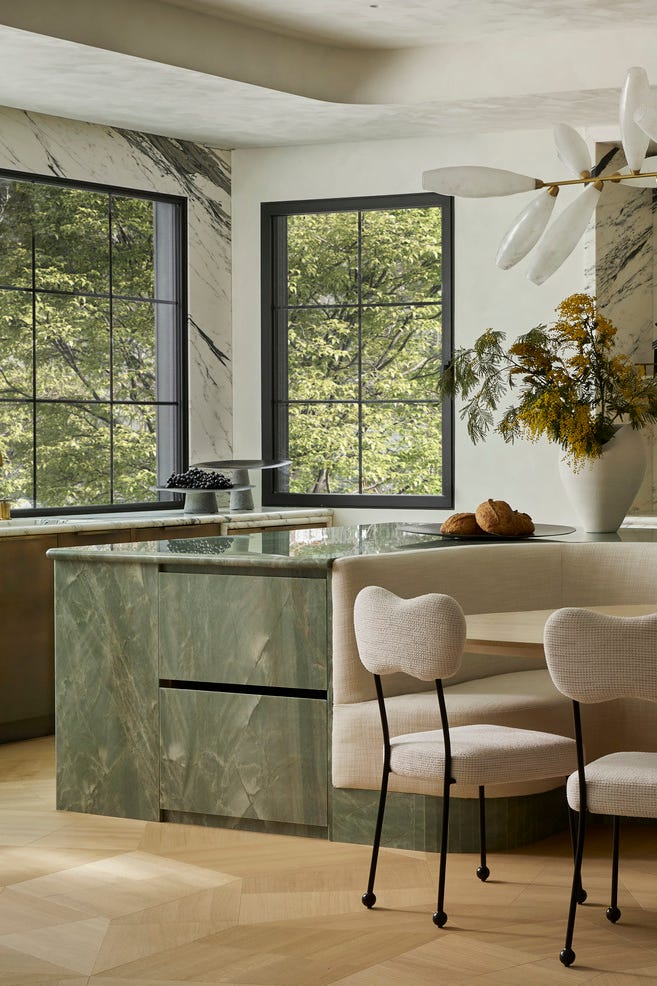
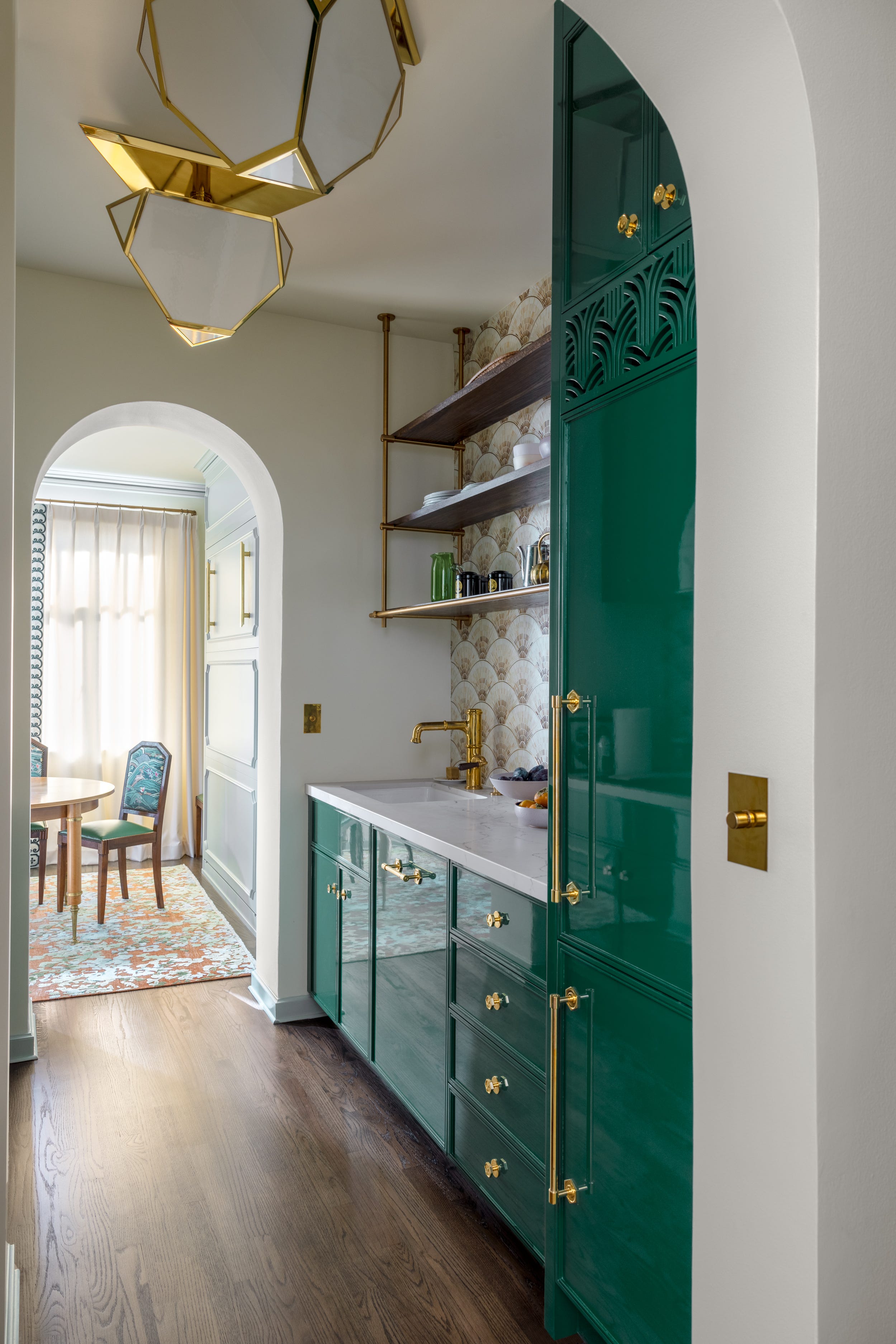
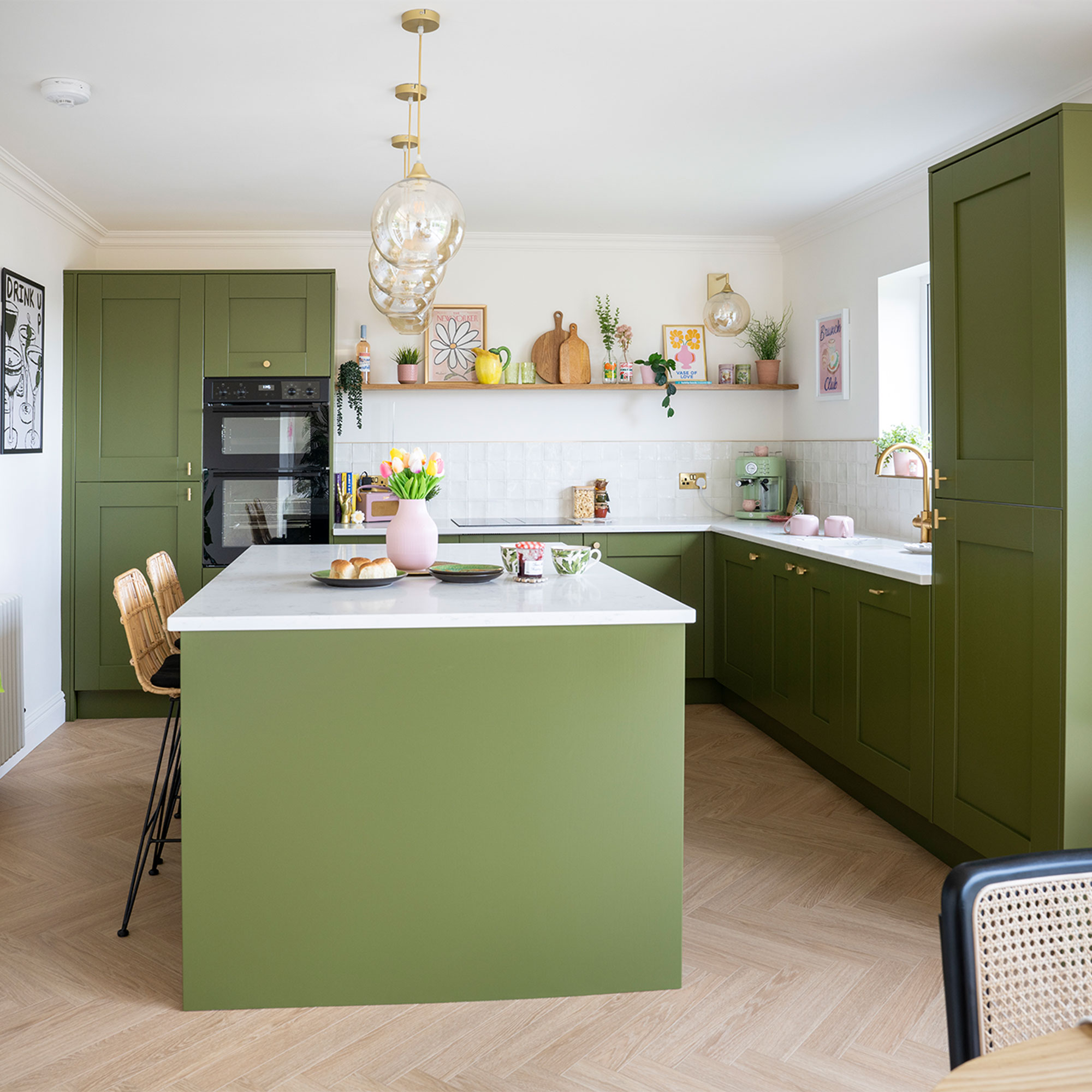
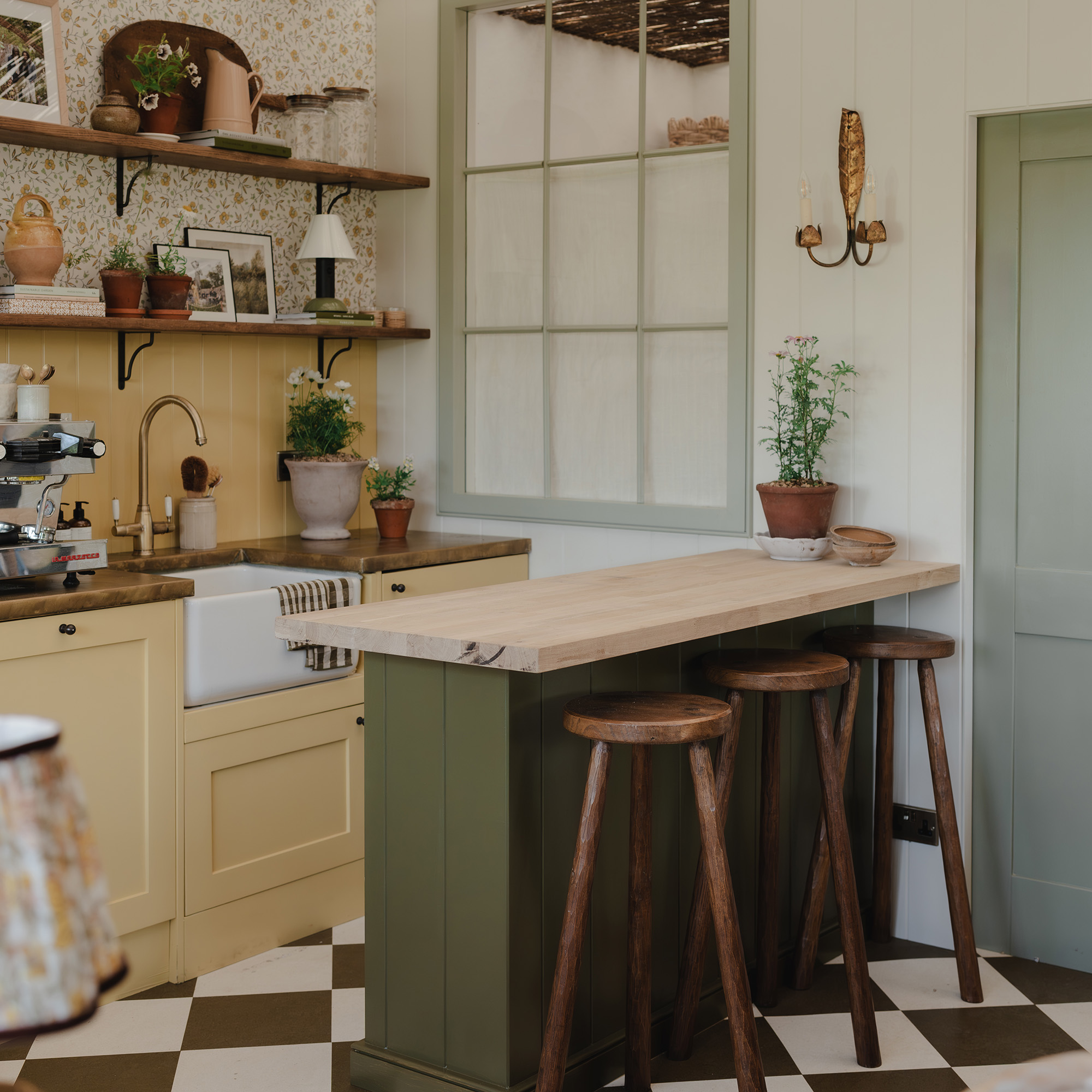
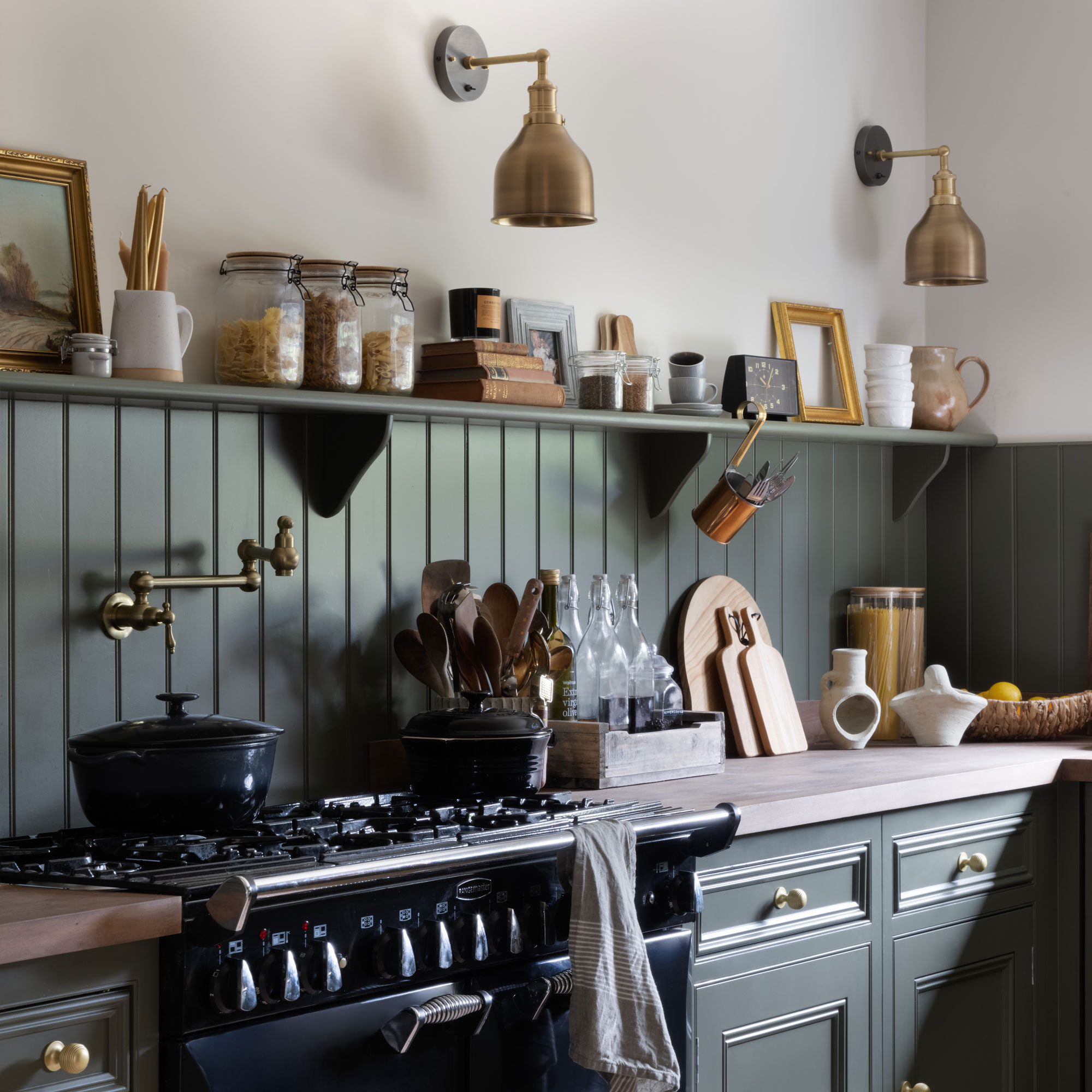
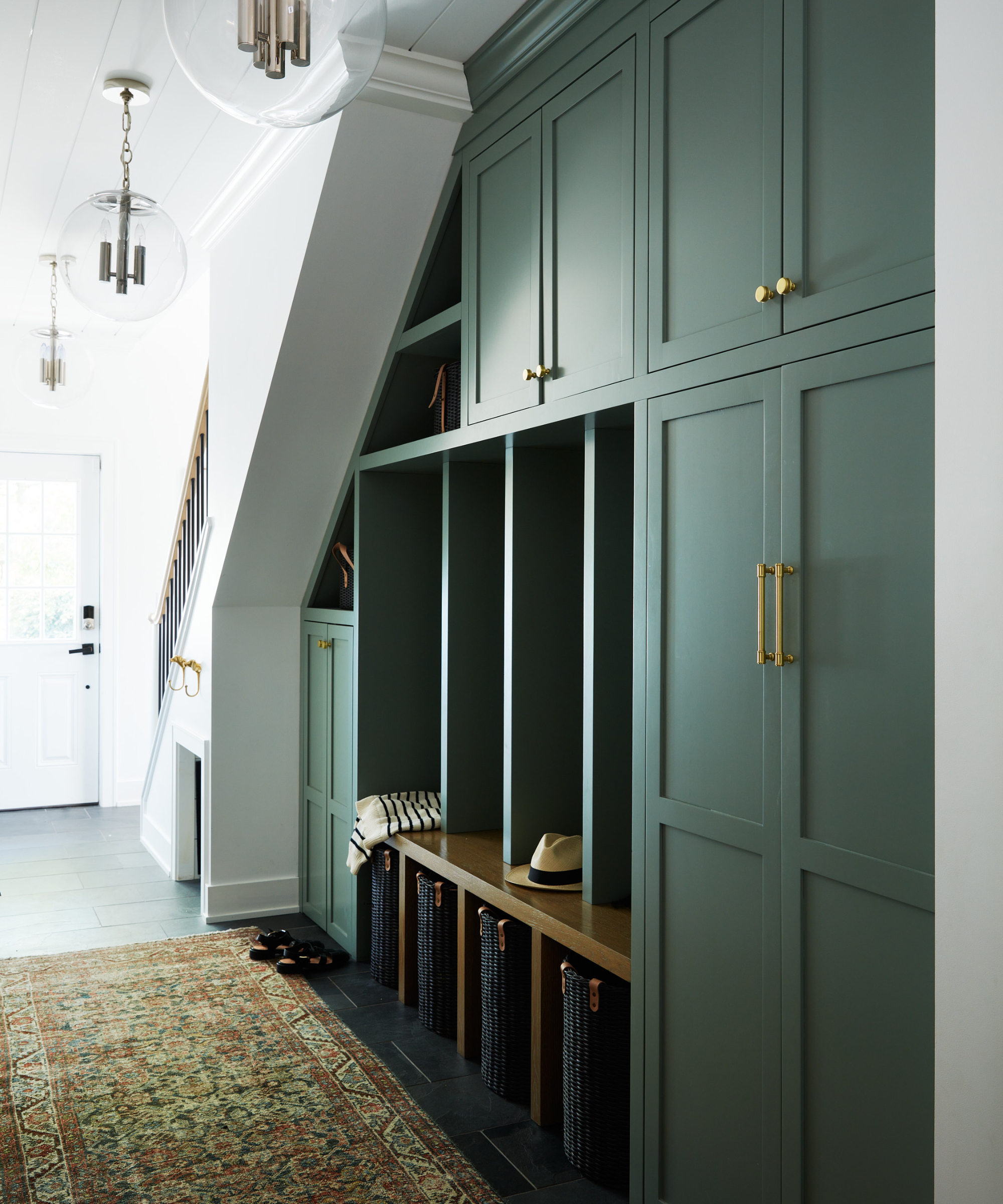
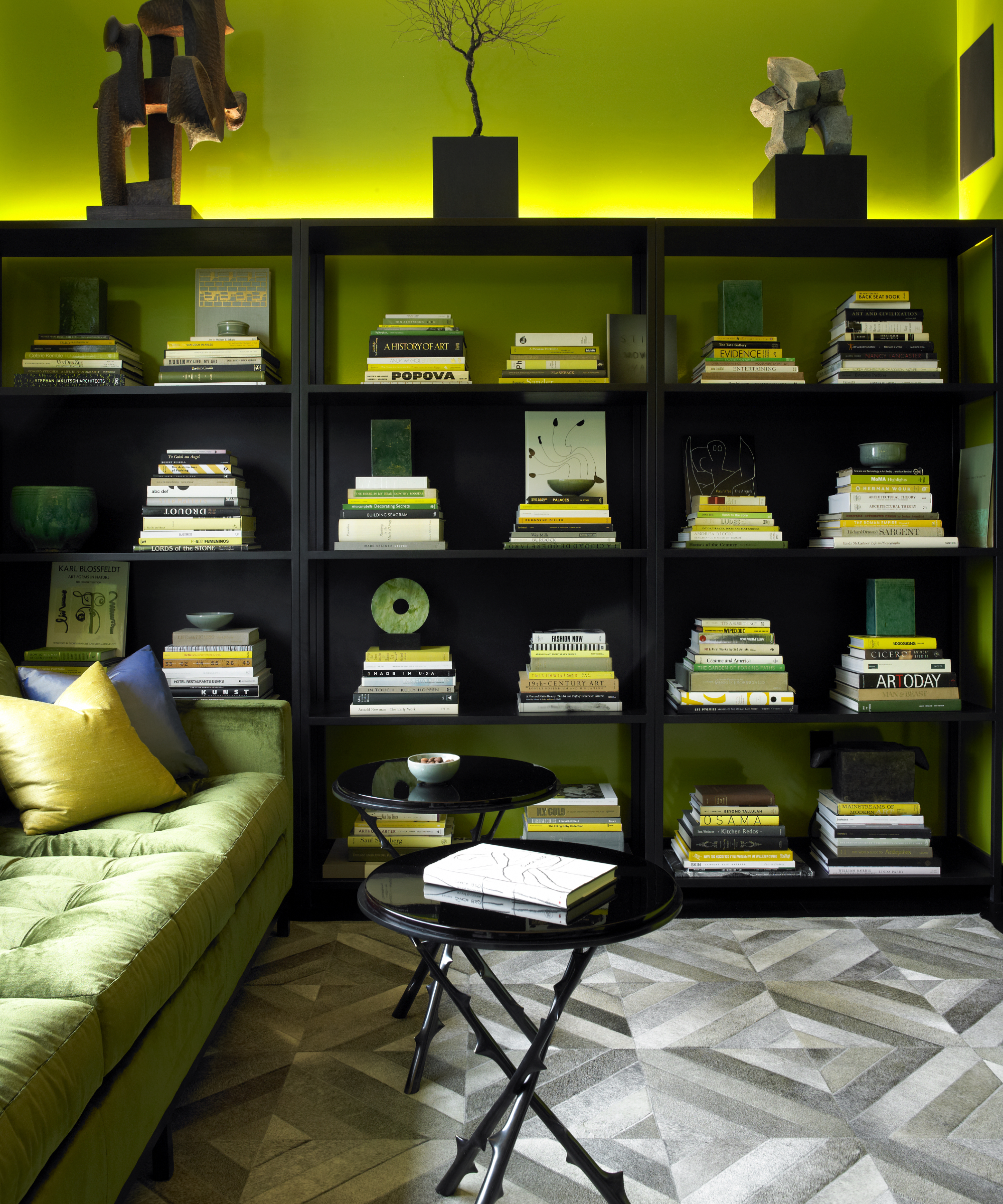
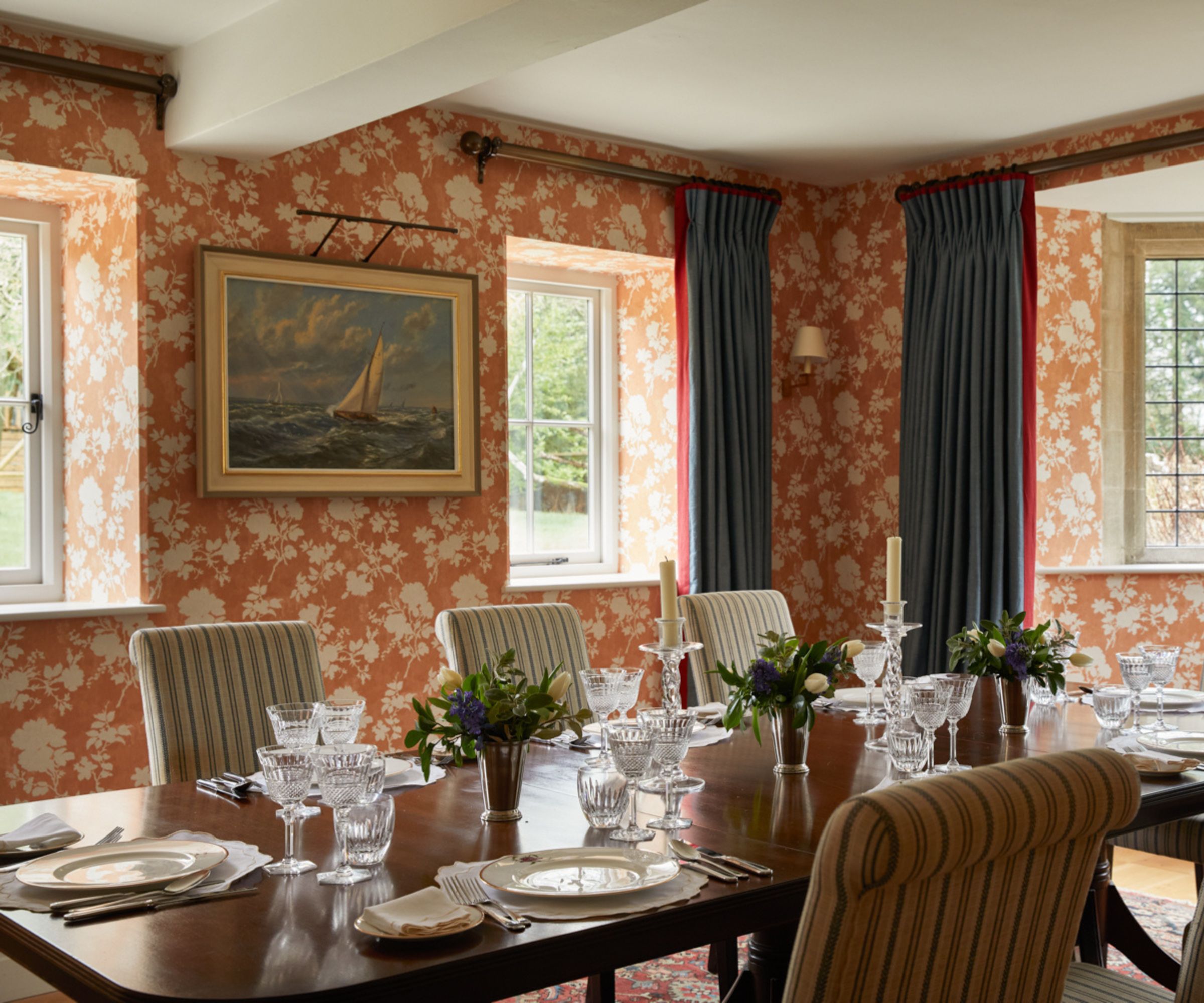
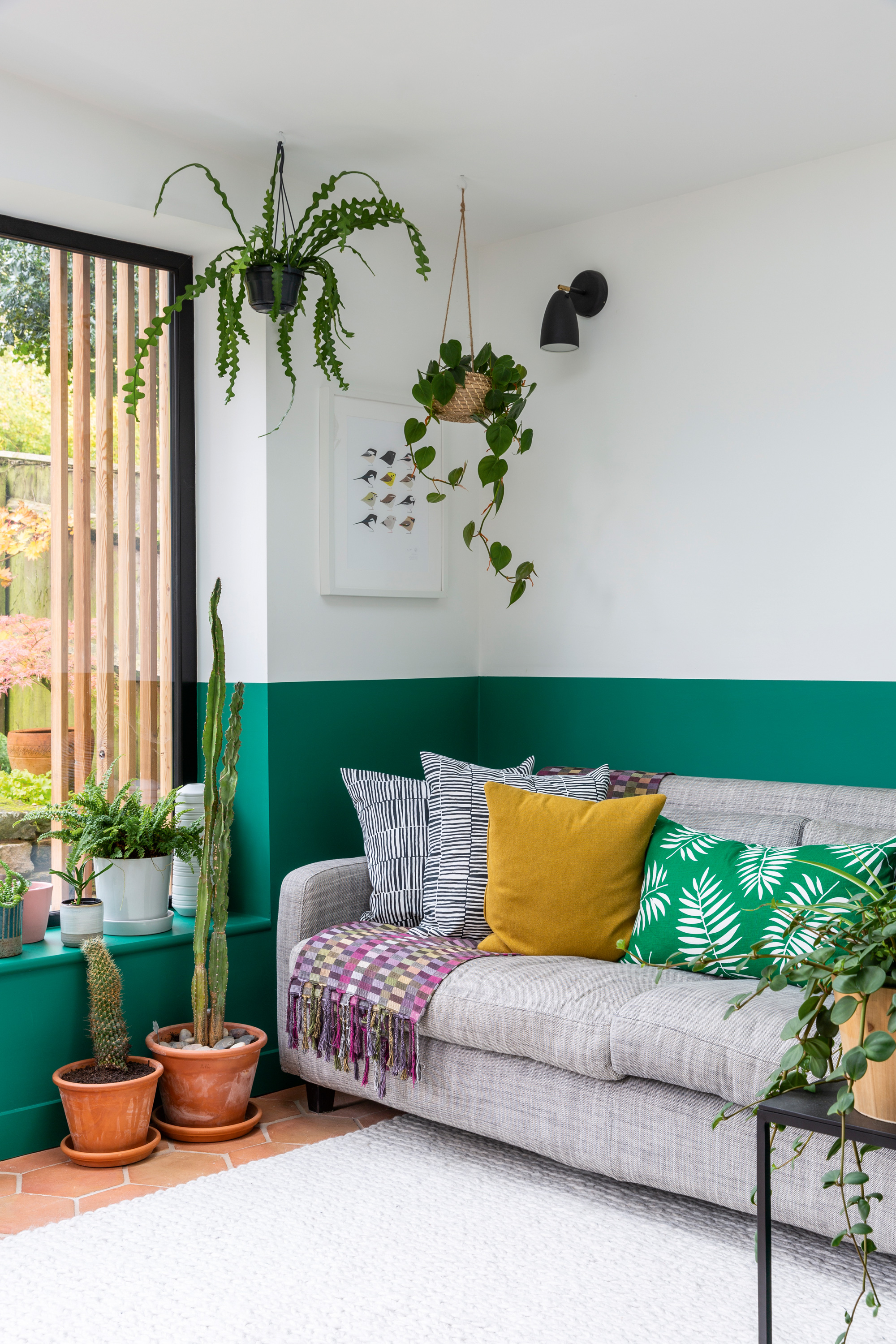
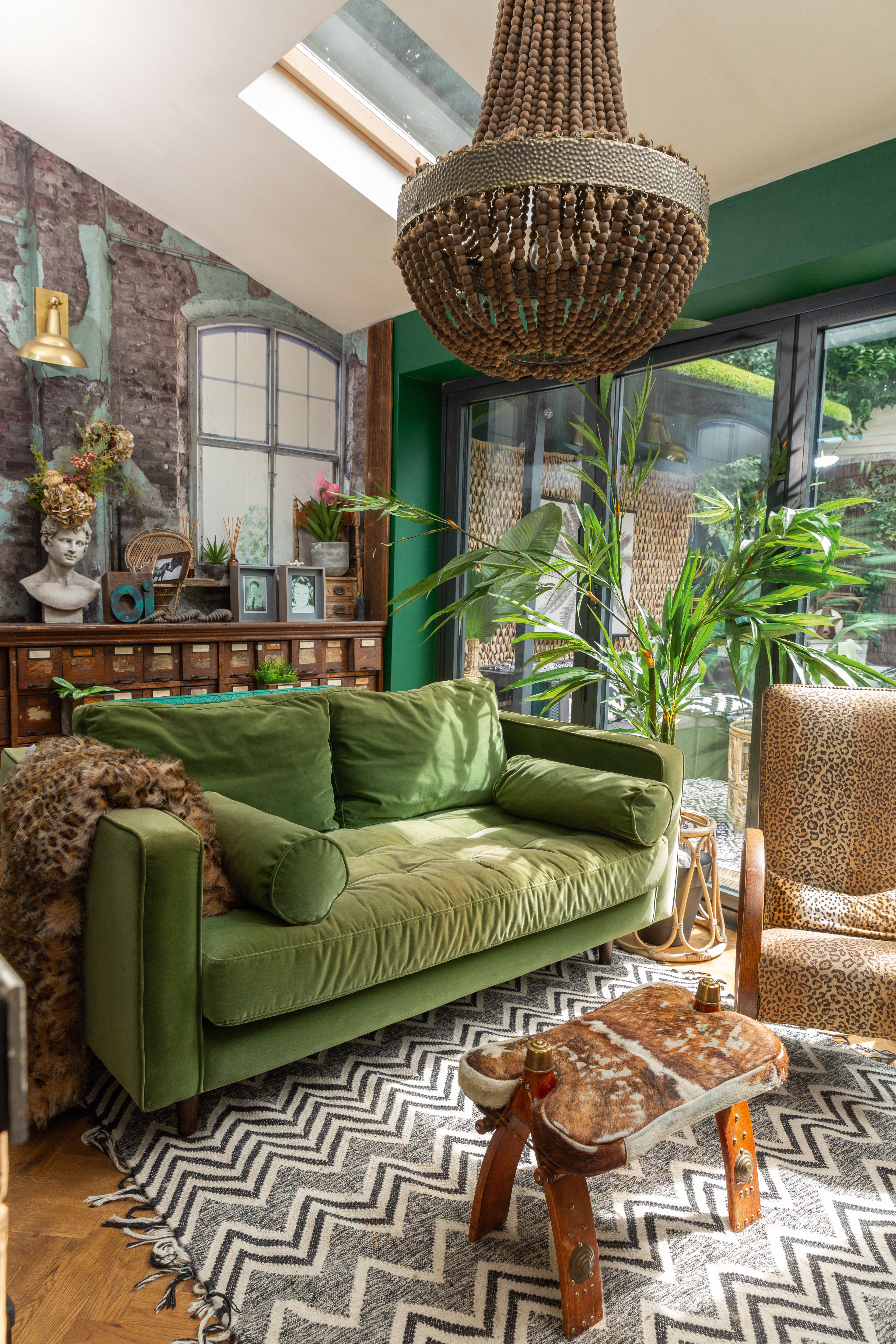
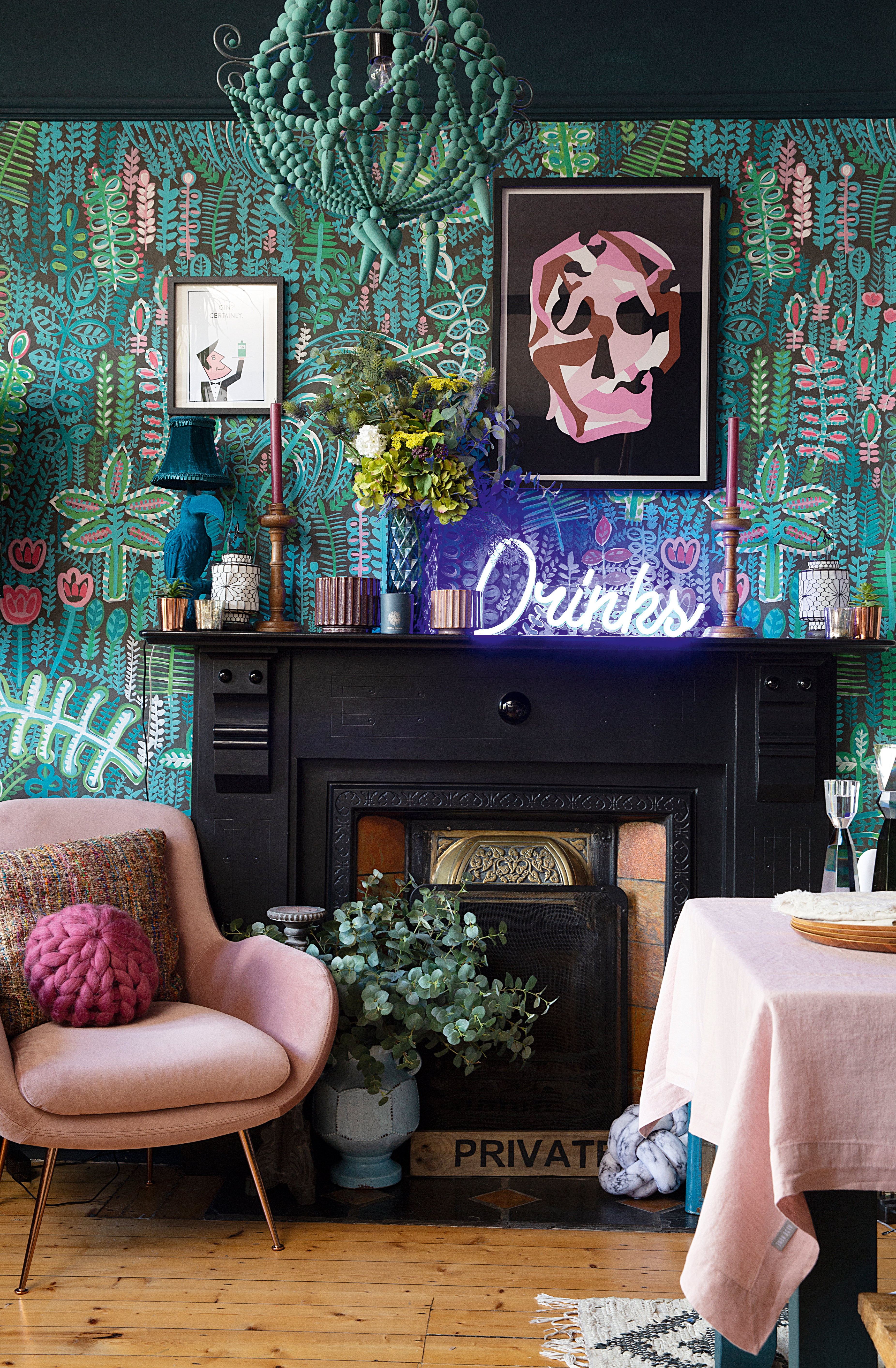
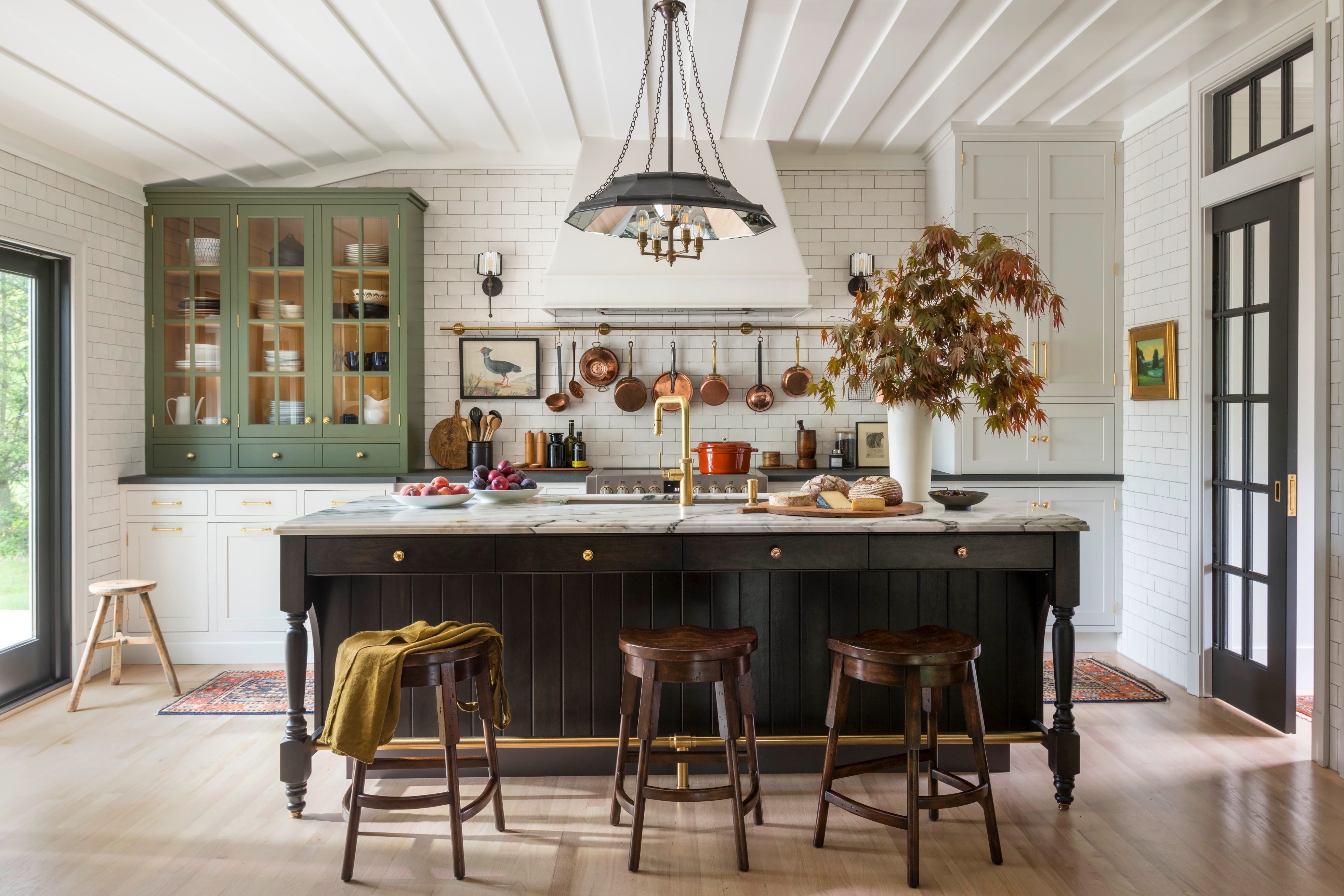
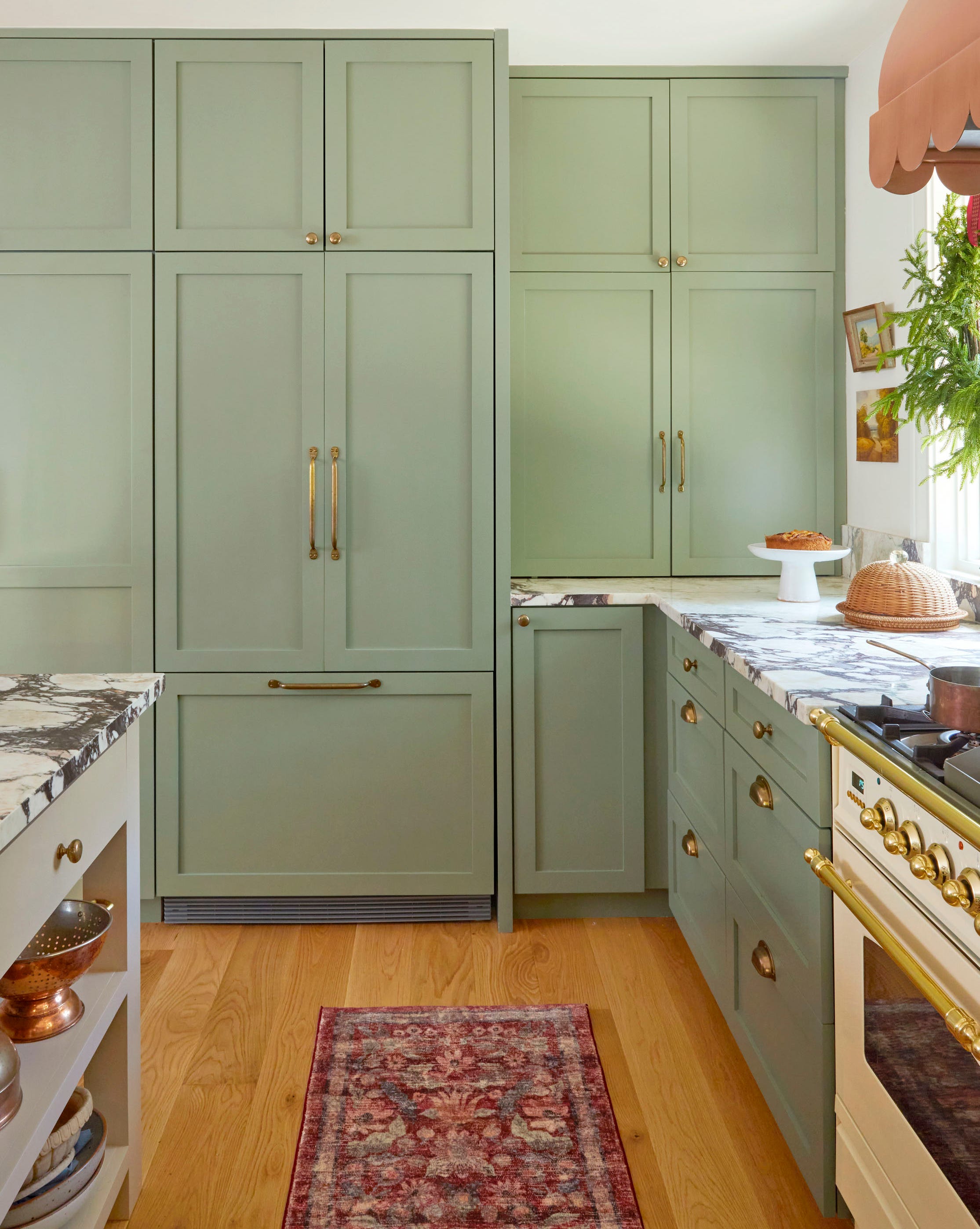
This article explores ten distinct methods for incorporating green into dining room aesthetics, highlighting green's enduring appeal as a decorating choice. Green, characterized as an "evergreen" color, offers an infinite spectrum of shades, from blue-green pines and teals to mid-tone sages and pale spearmints, making it a versatile foundation that harmonizes with a vast array of other colors. The article positions green as ideal for creating stylish dining spaces, noting that green walls can provide a sophisticated backdrop for tablescaping, while green curtains or dining chairs can elevate a neutral room. Furthermore, a bold green patterned wallpaper can transform a dining area into an exciting space for entertaining.
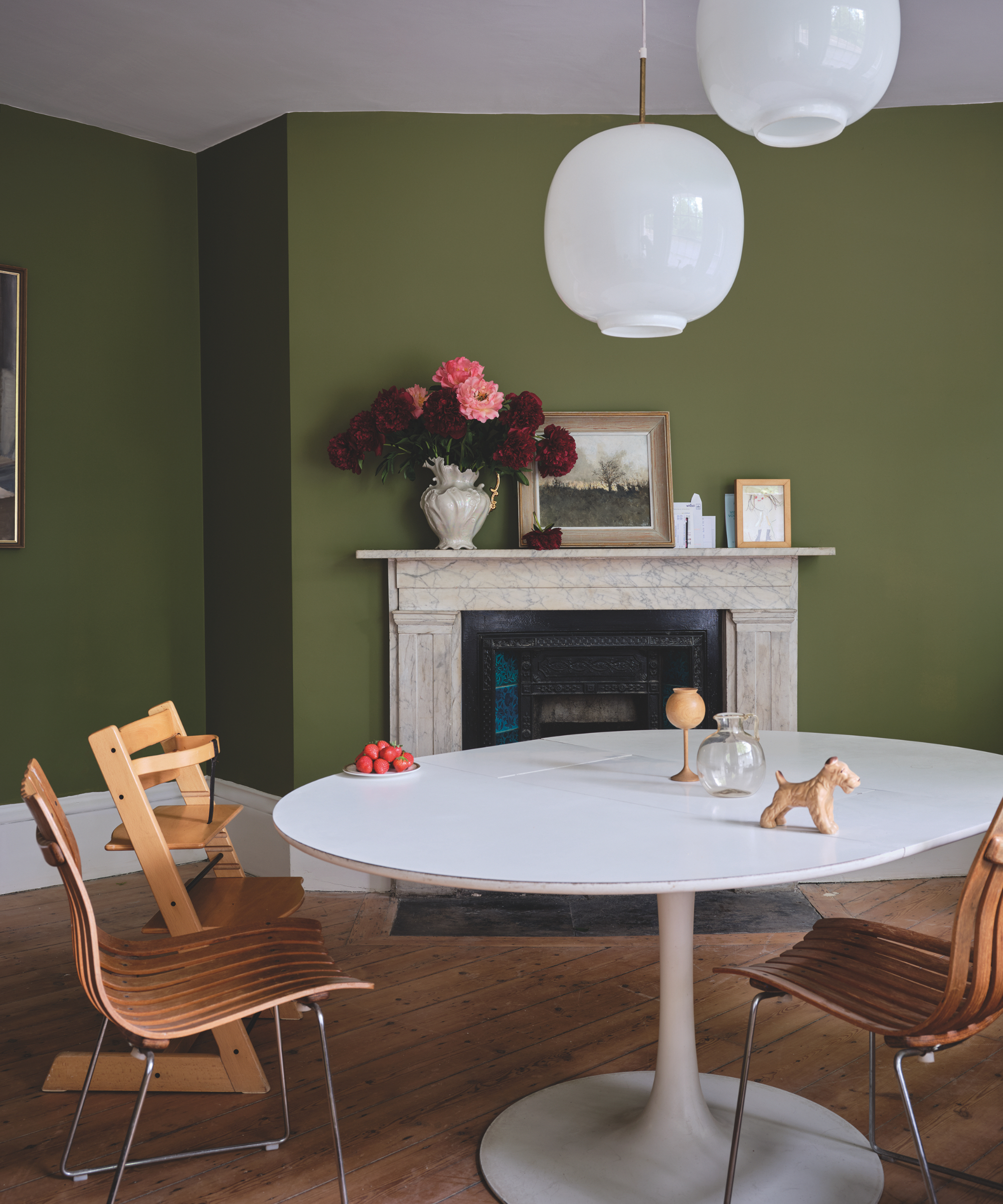
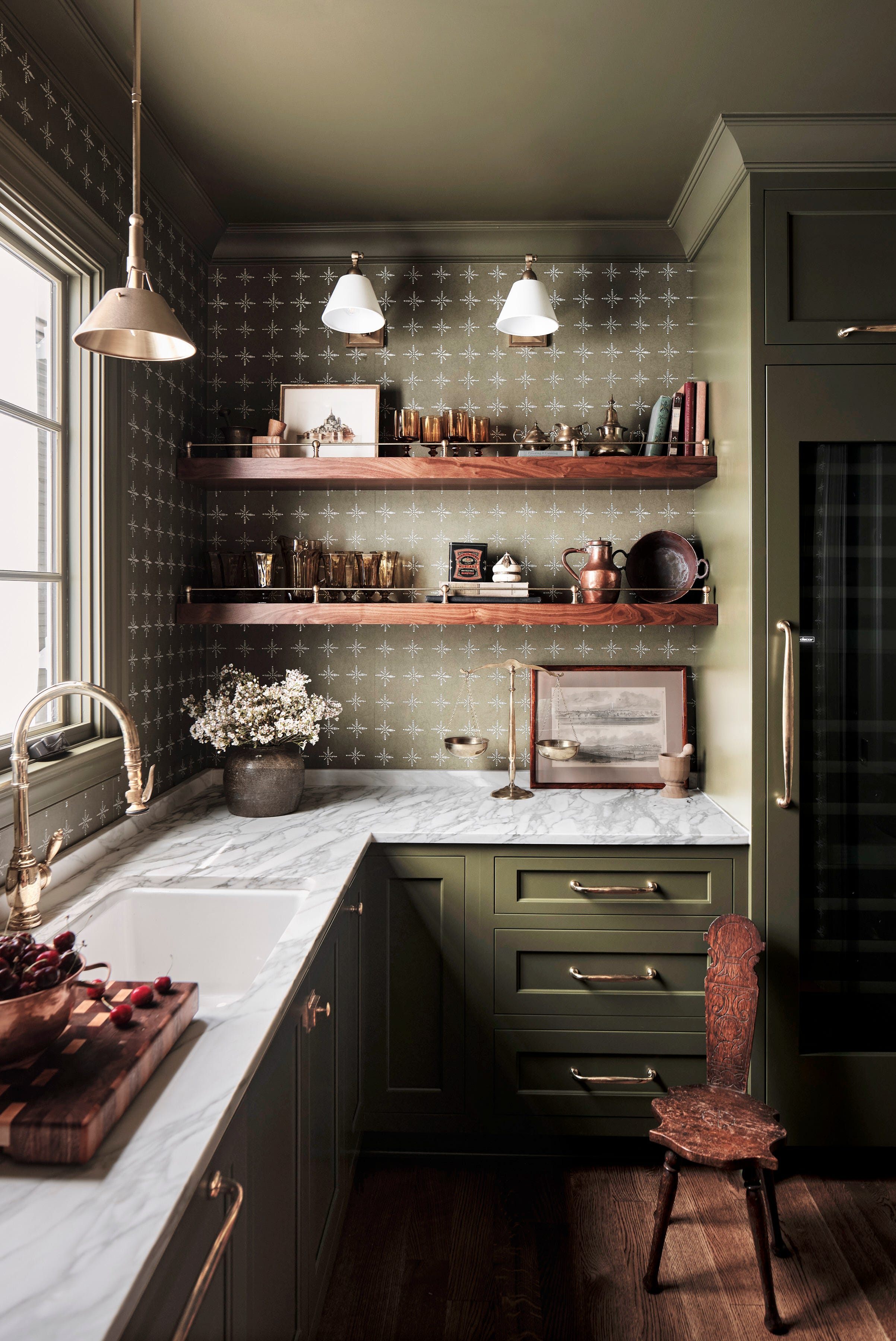
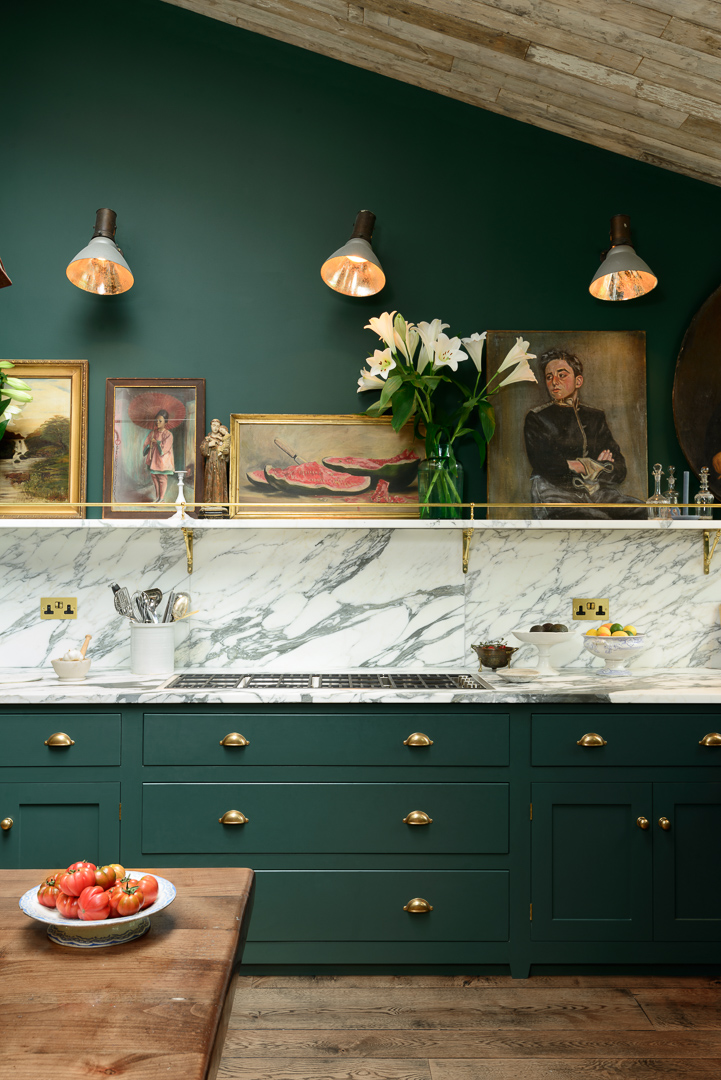
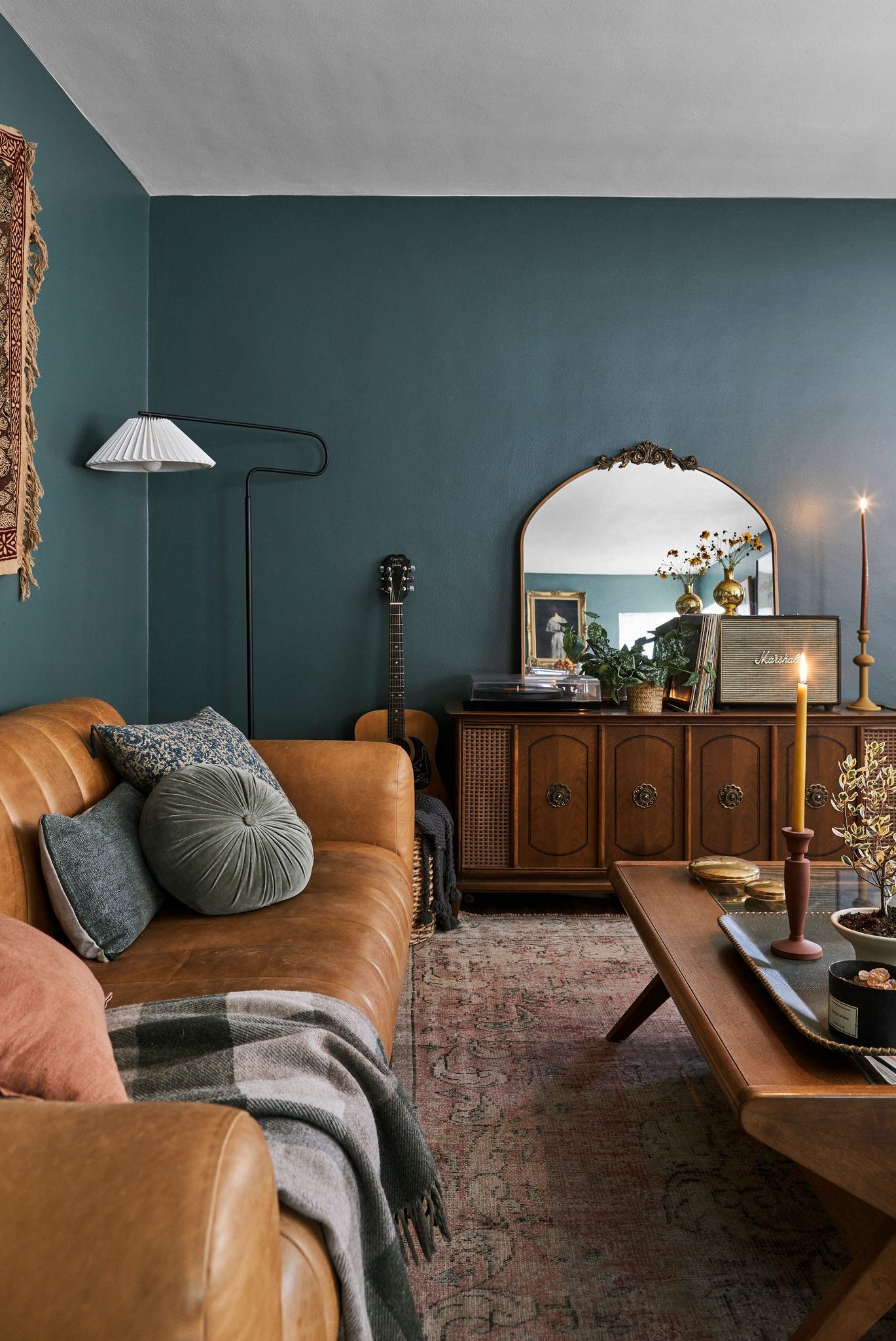
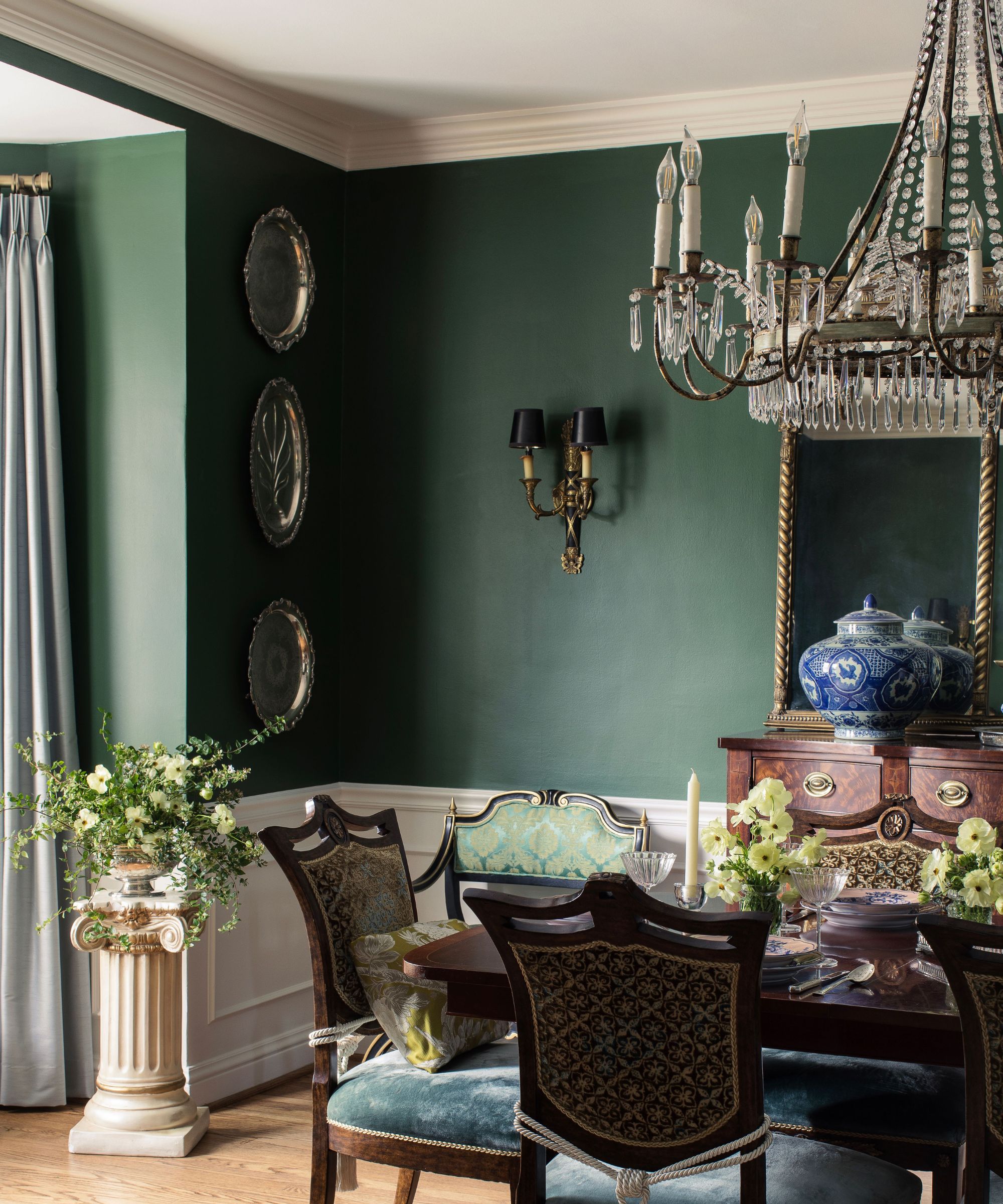
The psychological impact of green is emphasized, with experts noting its association with health, generosity, peace, and a connection to nature, thus fostering a sense of rest and security. The curated ideas aim to guide readers in styling their dining rooms to be both stylish and comfortable for eating and entertaining. The first idea, "colour drenching," involves painting walls, woodwork, and even the ceiling in a single, rich green shade, creating an immersive and intimate atmosphere. This technique, particularly effective with intense and deep tones, sets an elegant stage for meals.
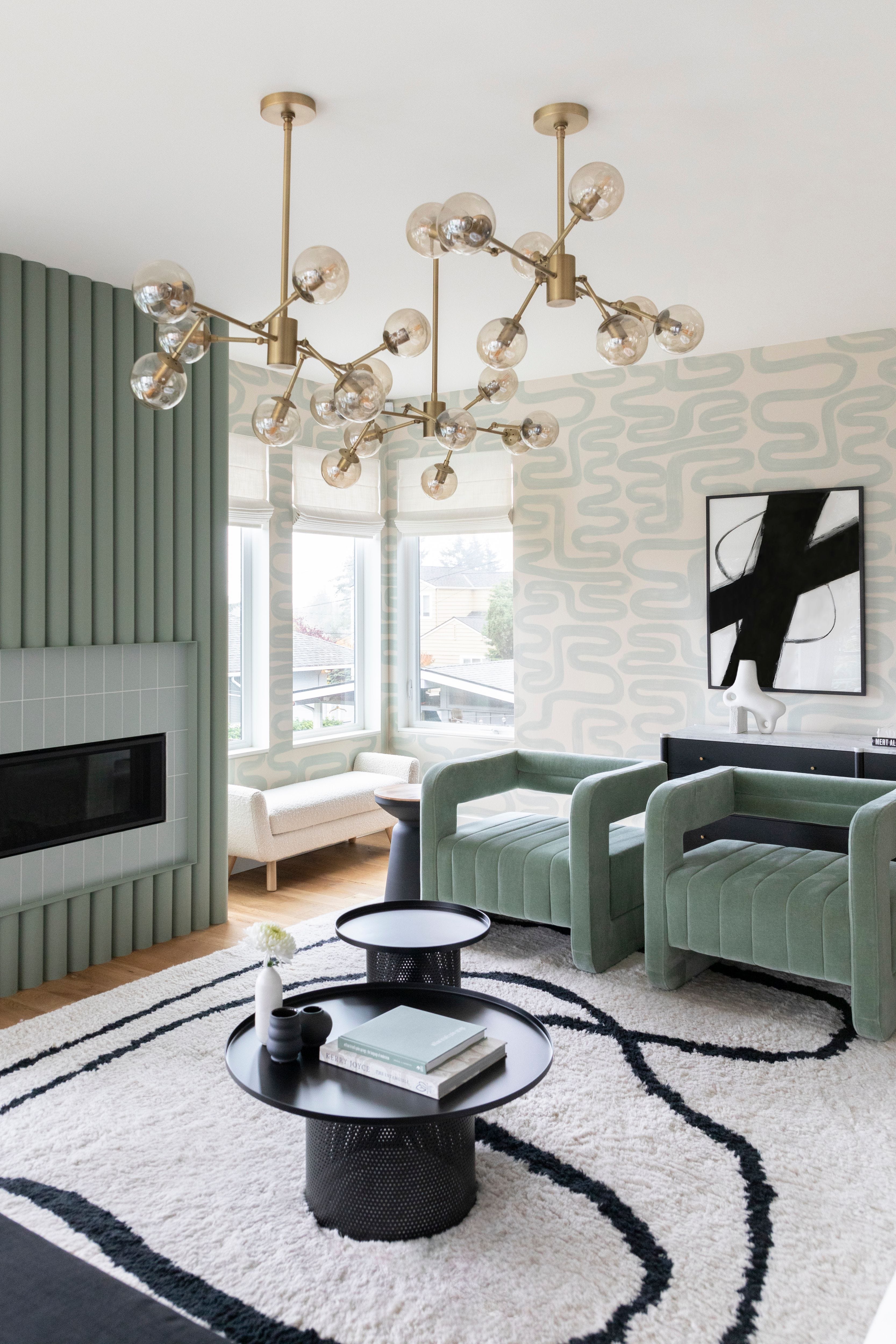
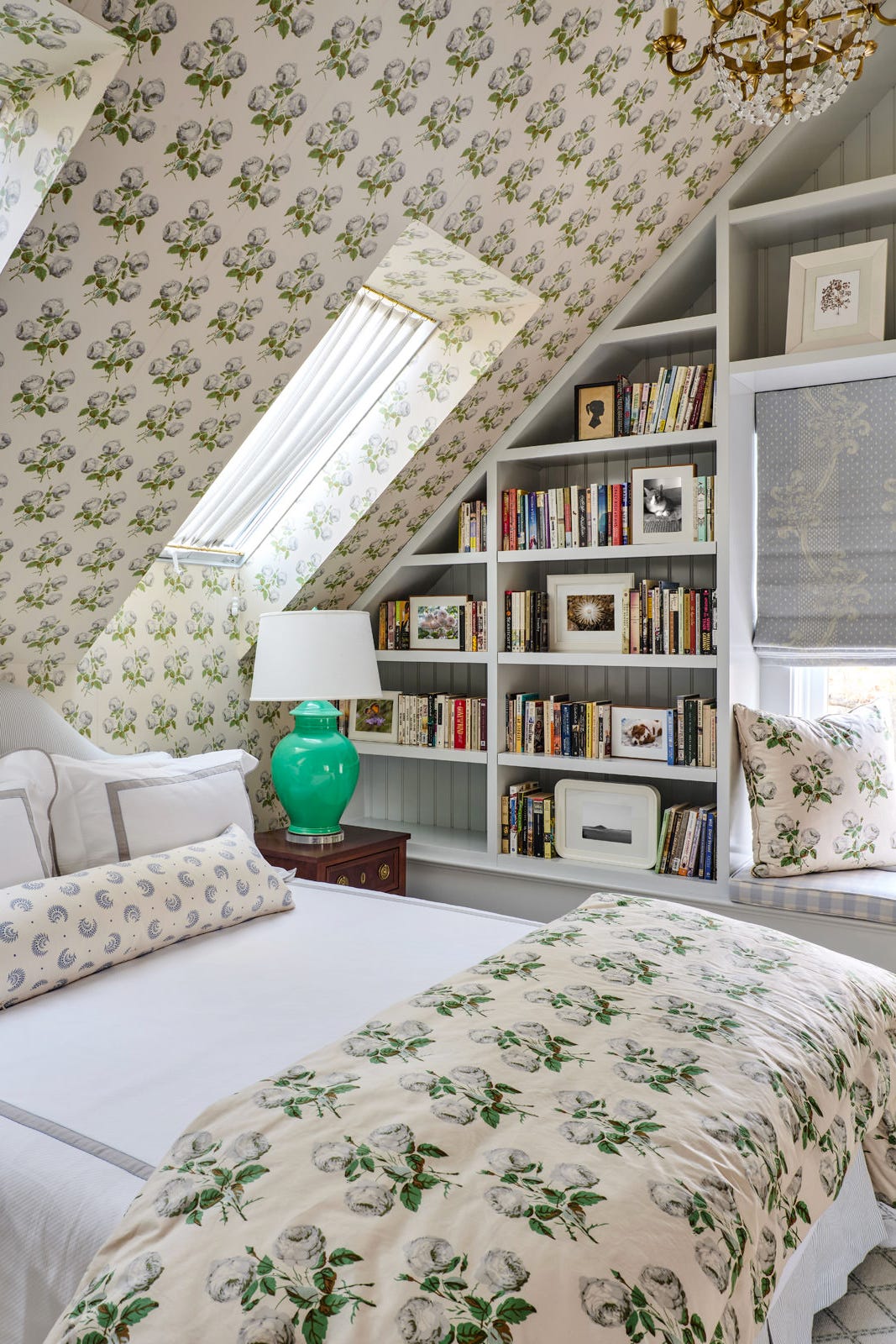
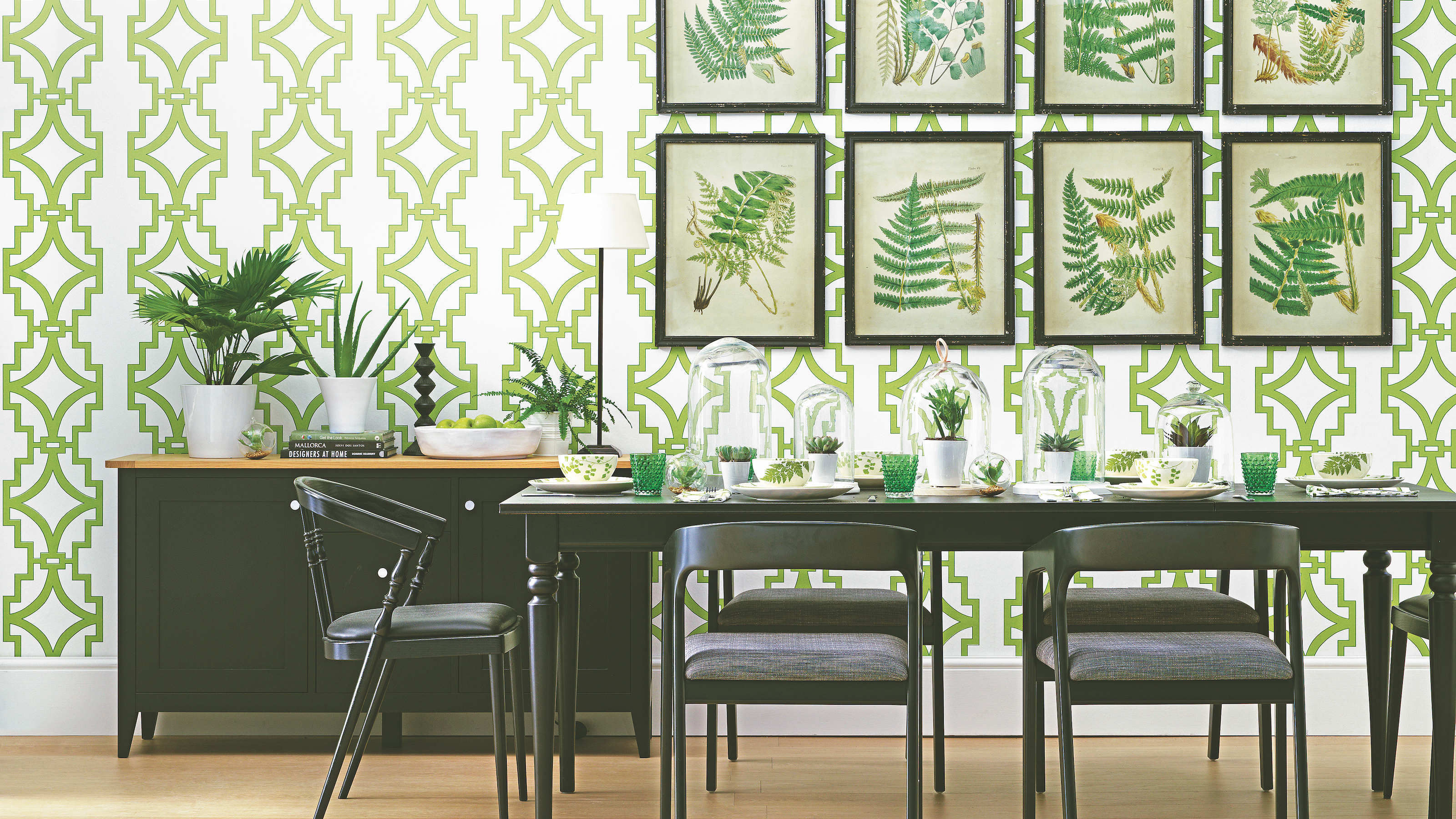
Another approach suggests embracing pattern through green wallpaper, whether as a feature wall, in decorative panels, or throughout the entire room. This method encourages moving beyond neutrals to introduce style and impact. The article also proposes adding a green-painted banquette, especially suitable for kitchen-diners, to maximize space and introduce a bold feature. This green shade can then be echoed in other room elements for a cohesive, accented scheme.
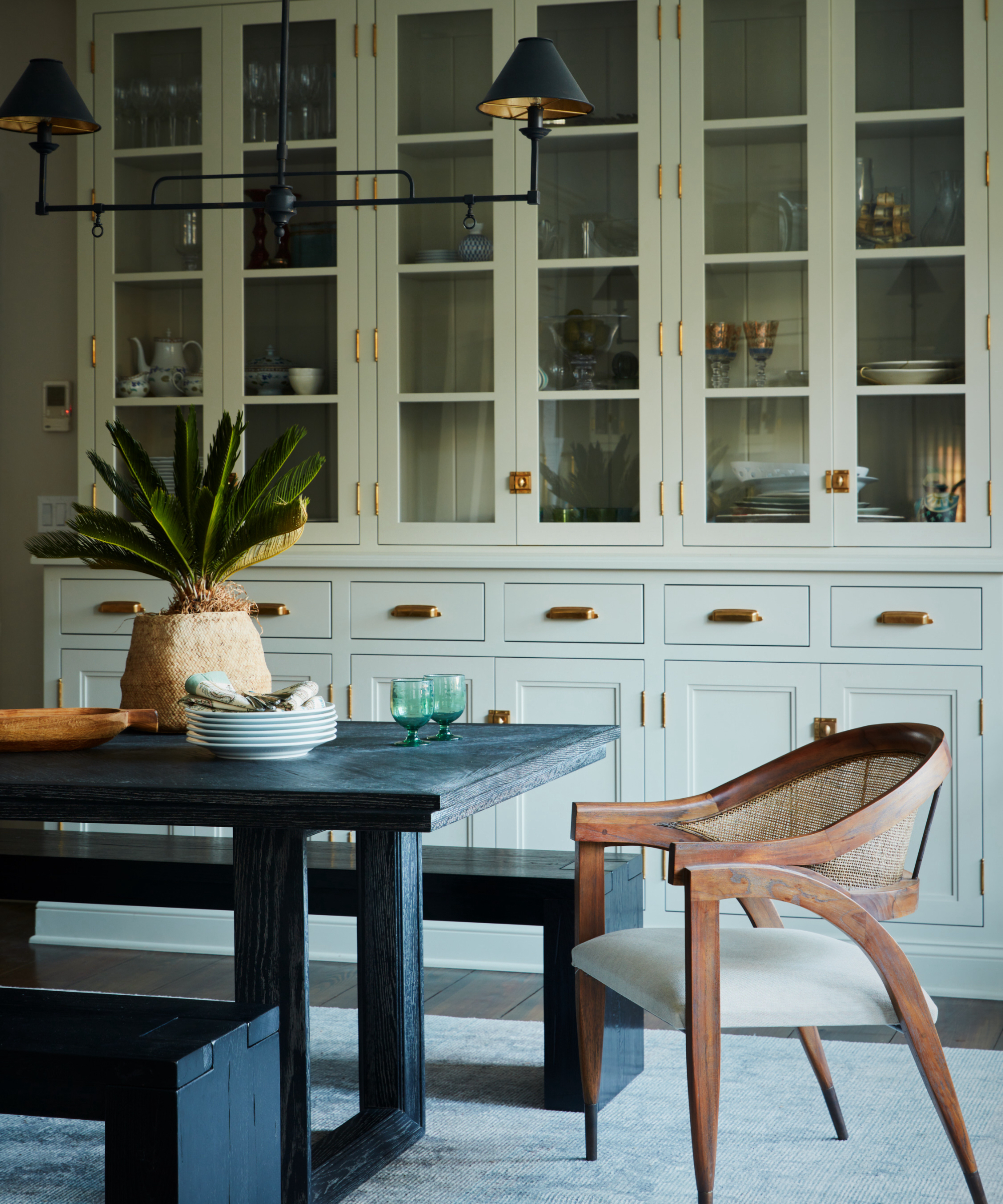
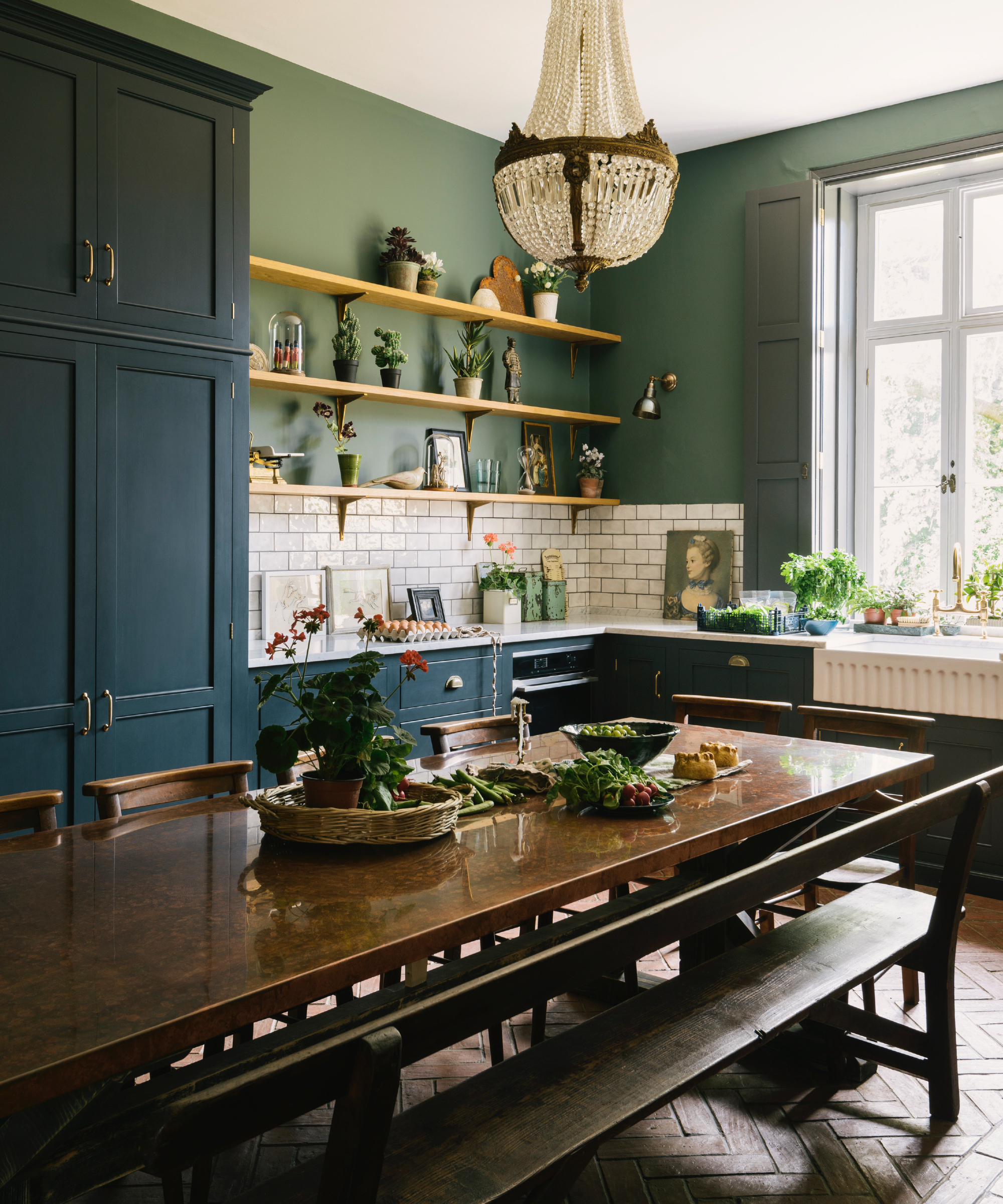
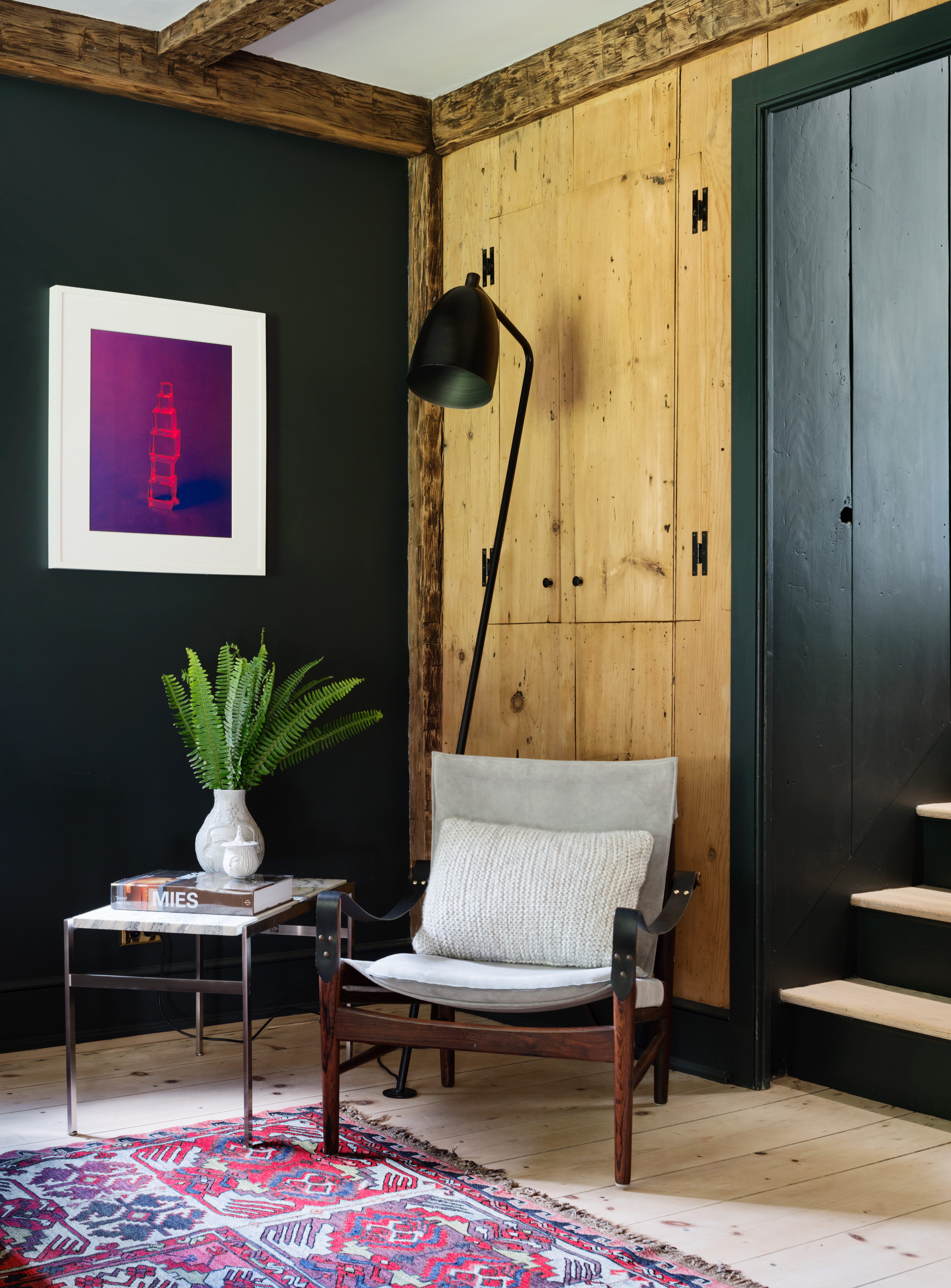
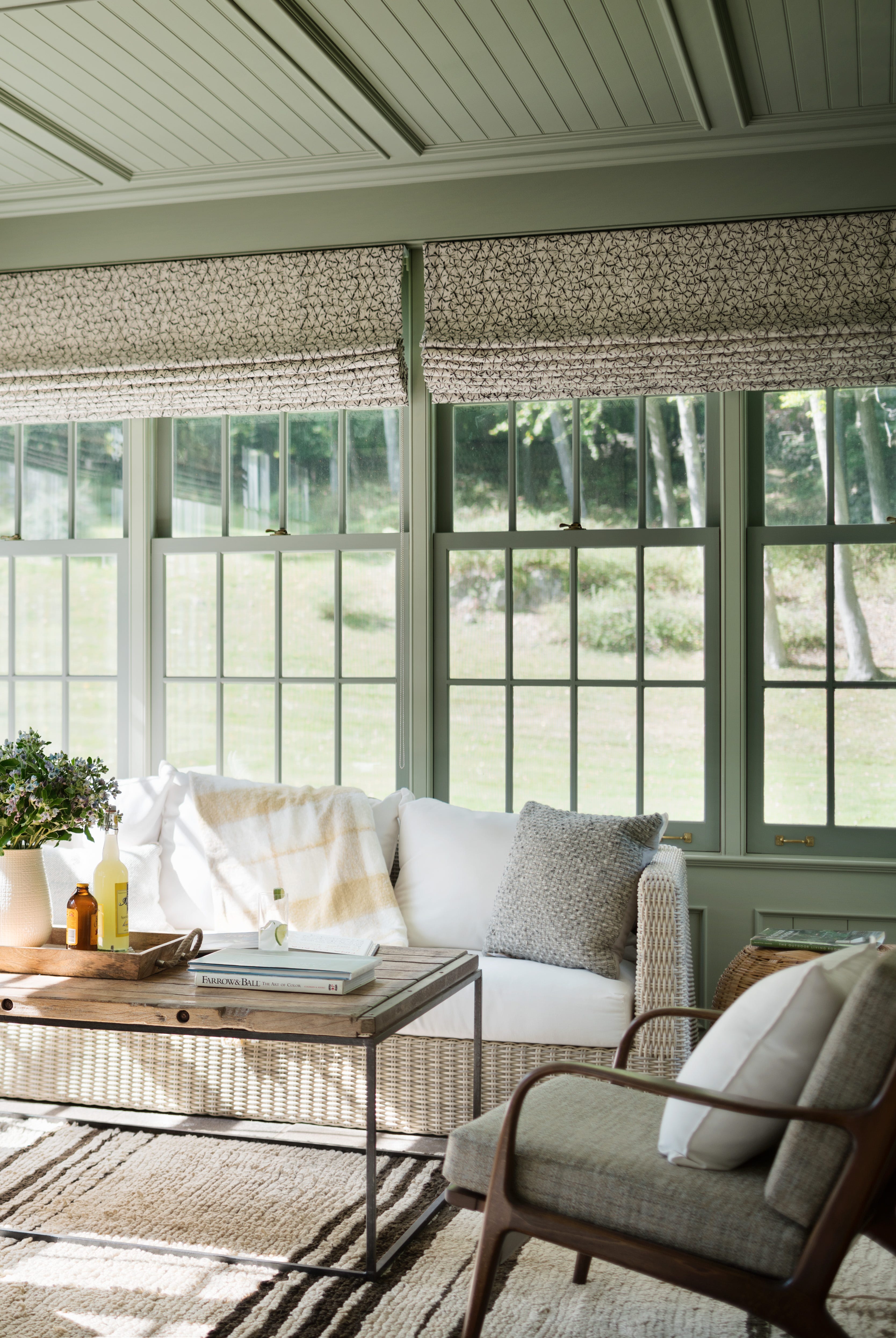
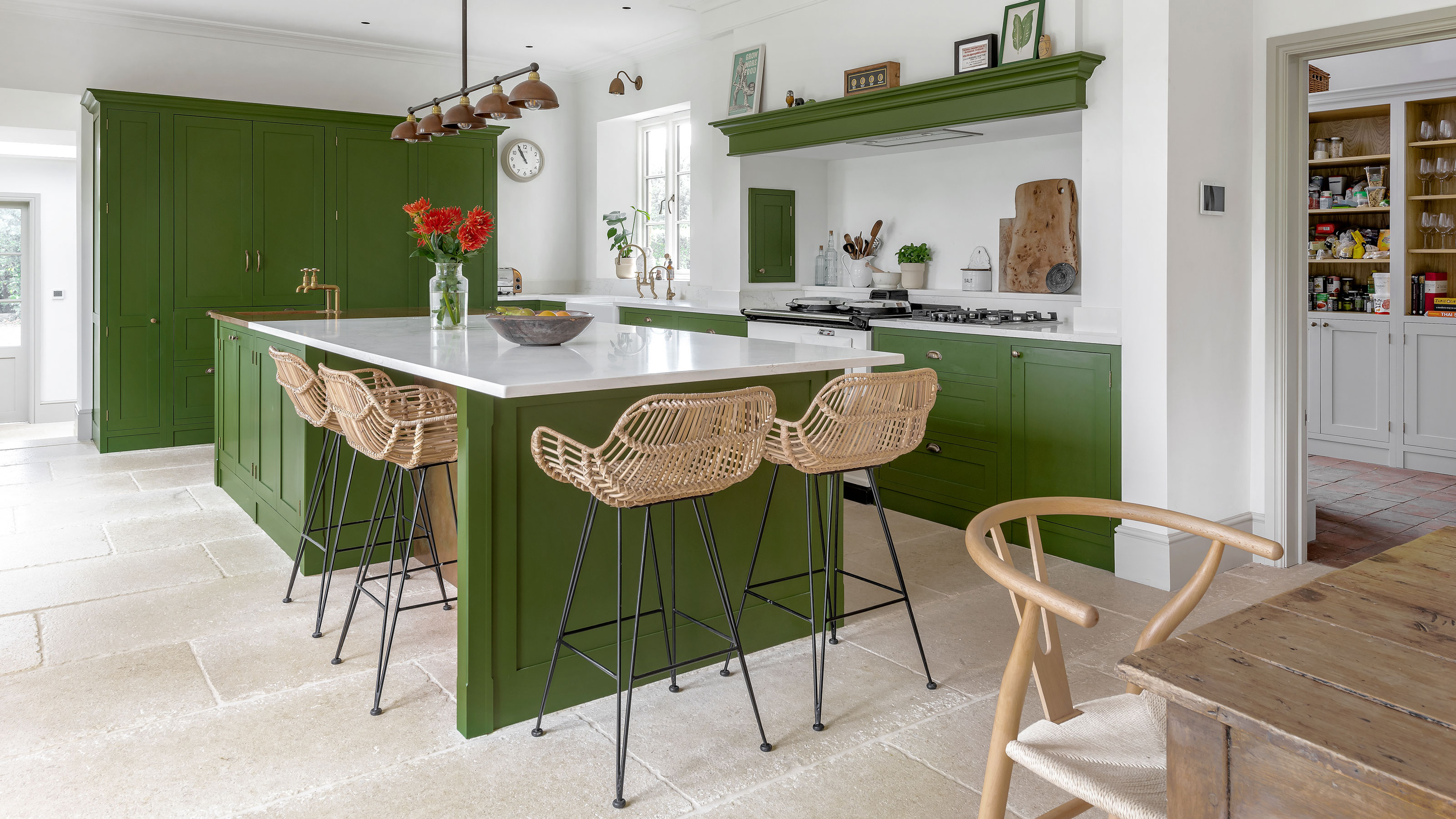
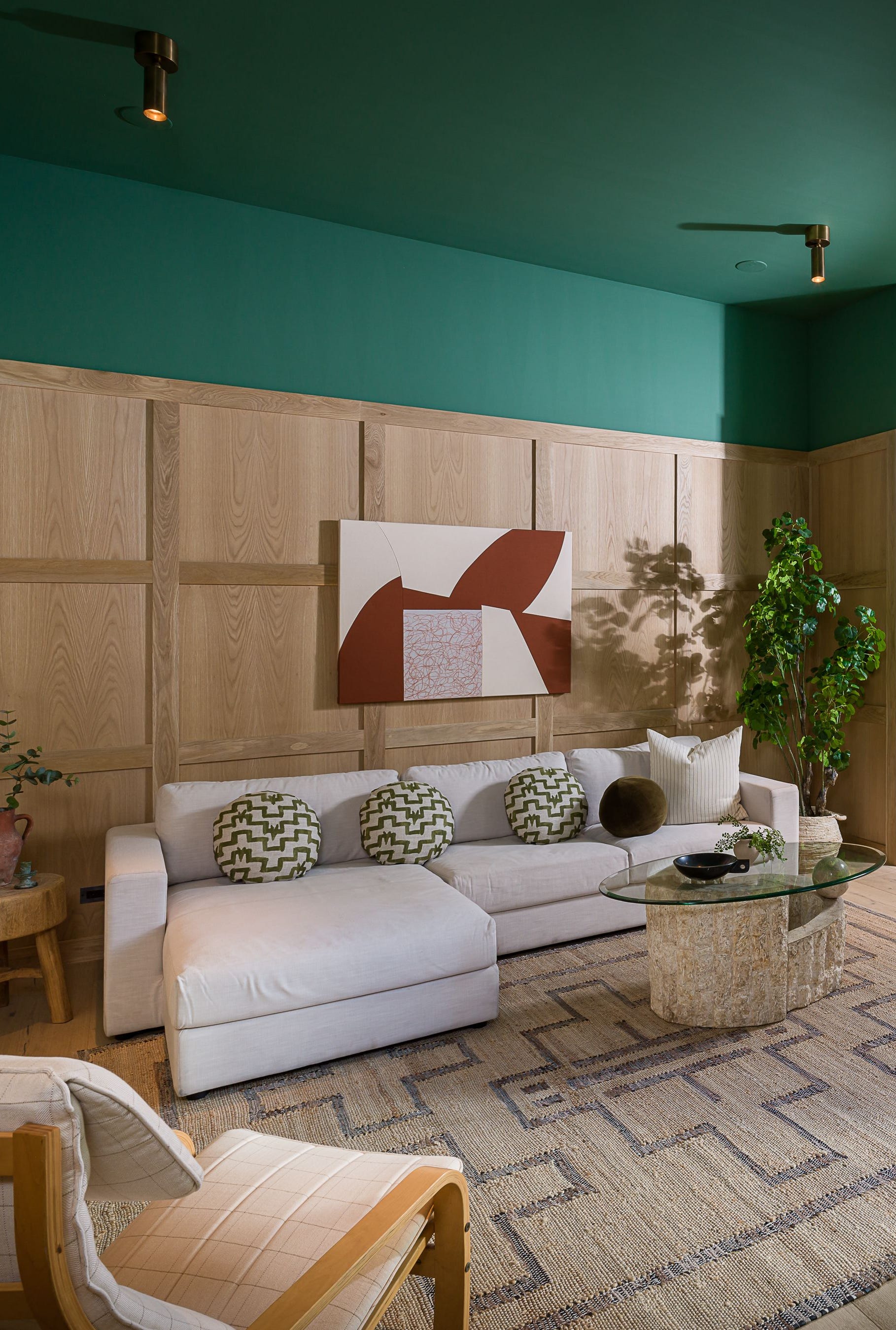
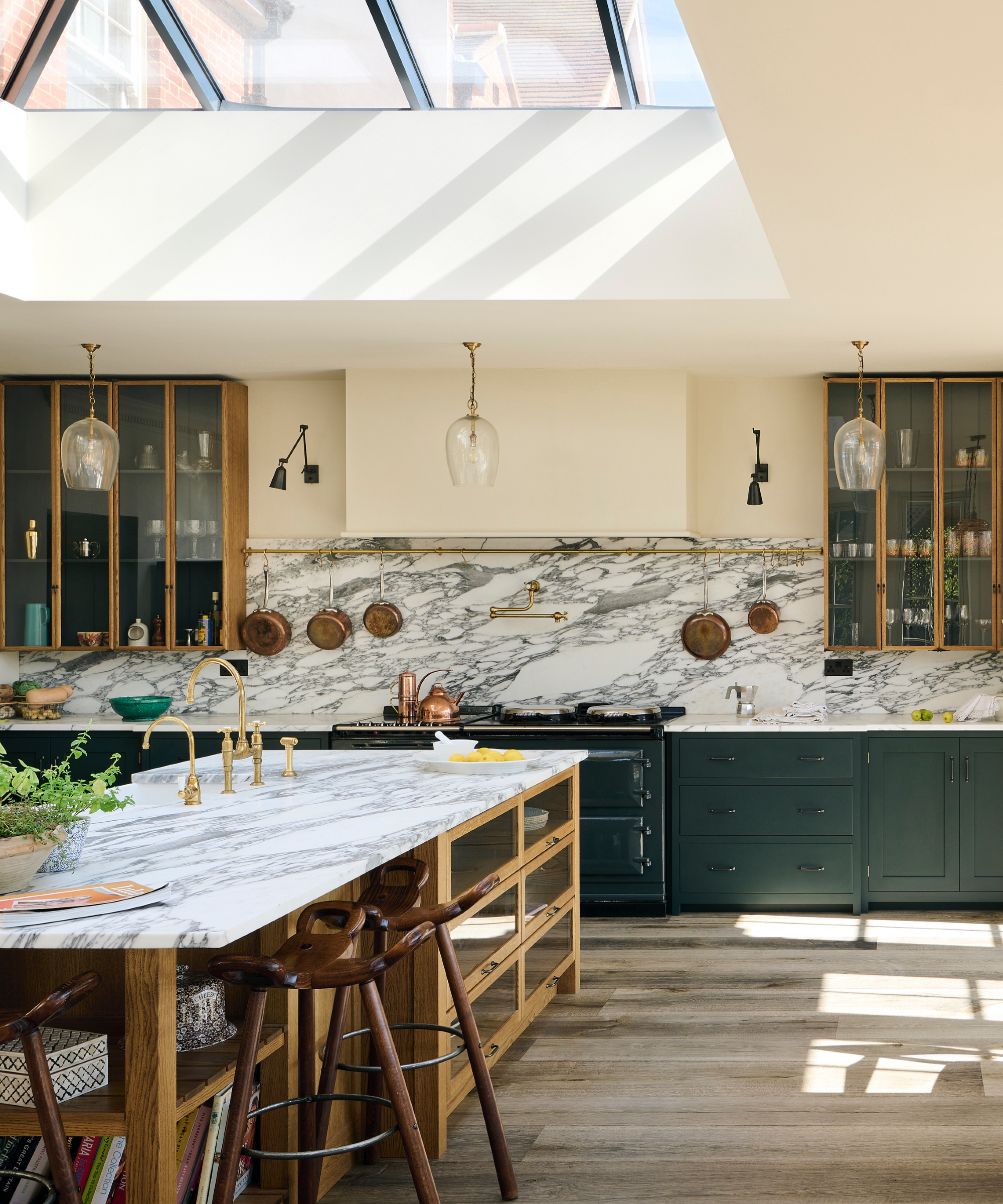
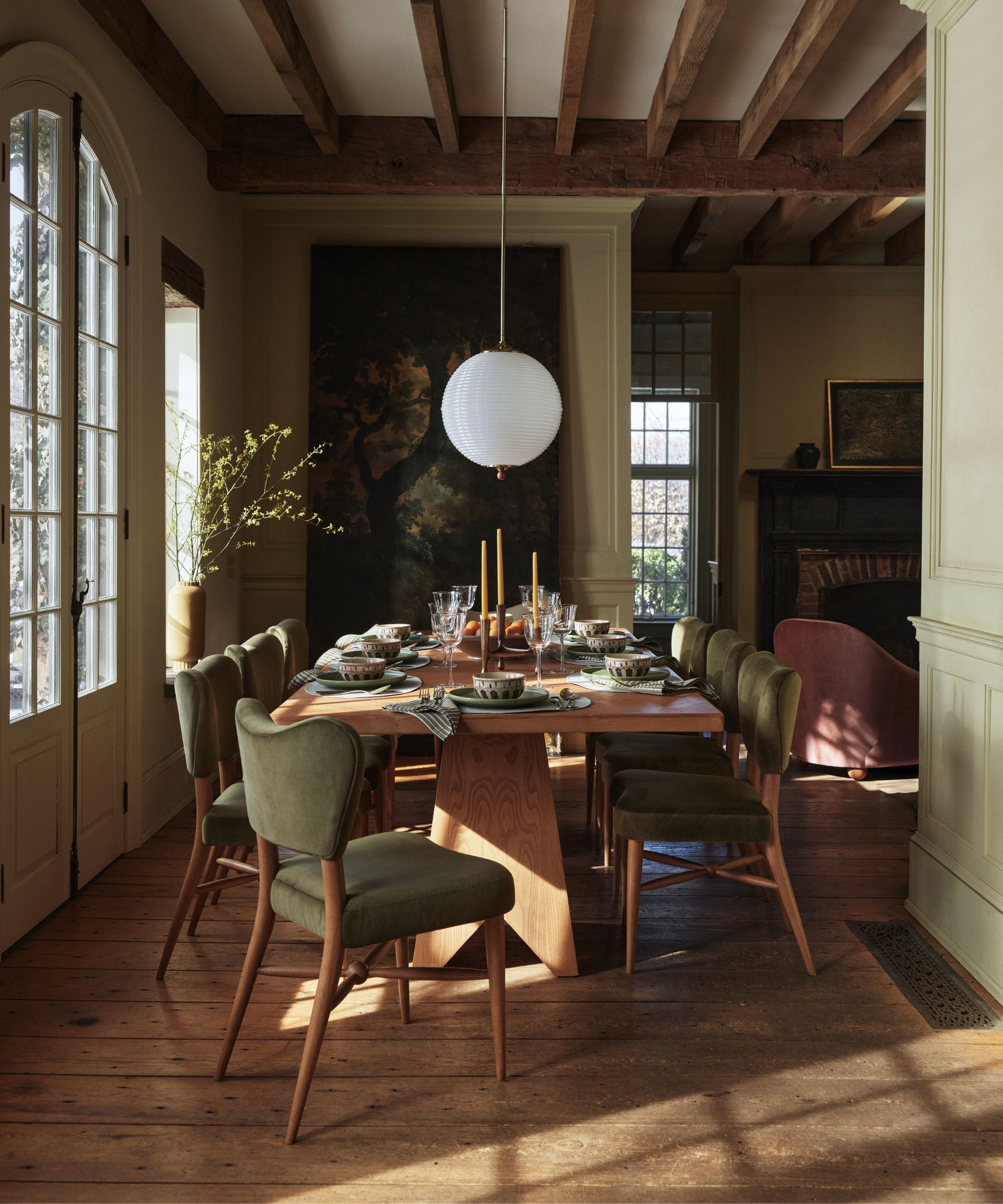
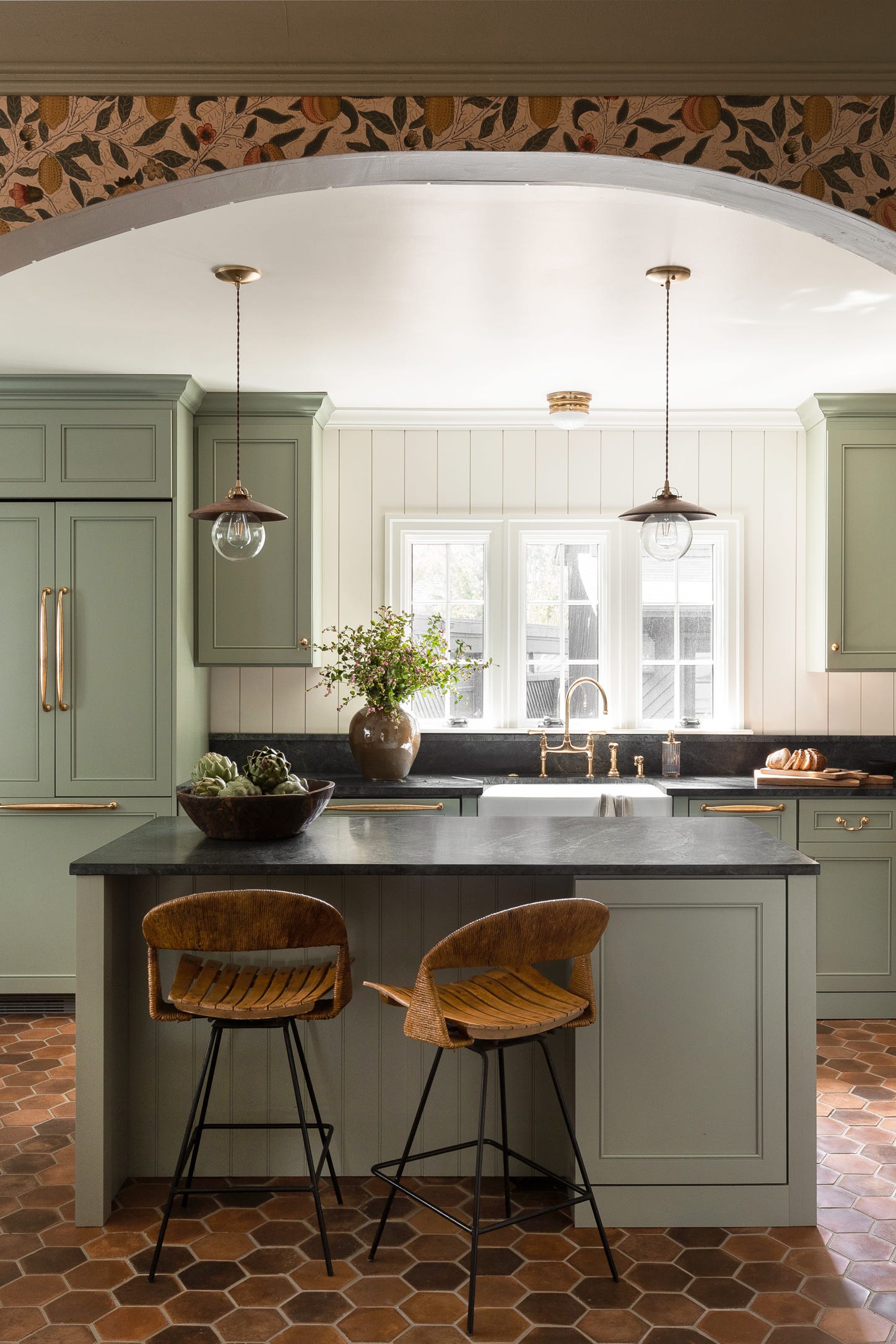
For a dramatic effect, combining black with green is recommended, allowing bold green fabrics to stand out against dark walls, creating flair and an intimate atmosphere. The natural pairing of green with wood is also highlighted, offering possibilities from classic country house aesthetics with dark green and polished mahogany to contemporary looks with sage green and warm wood. The article also suggests using green to create an indoor-outdoor connection, particularly in dining rooms that open to a garden, using light sage tones on walls and deeper greens in upholstery.
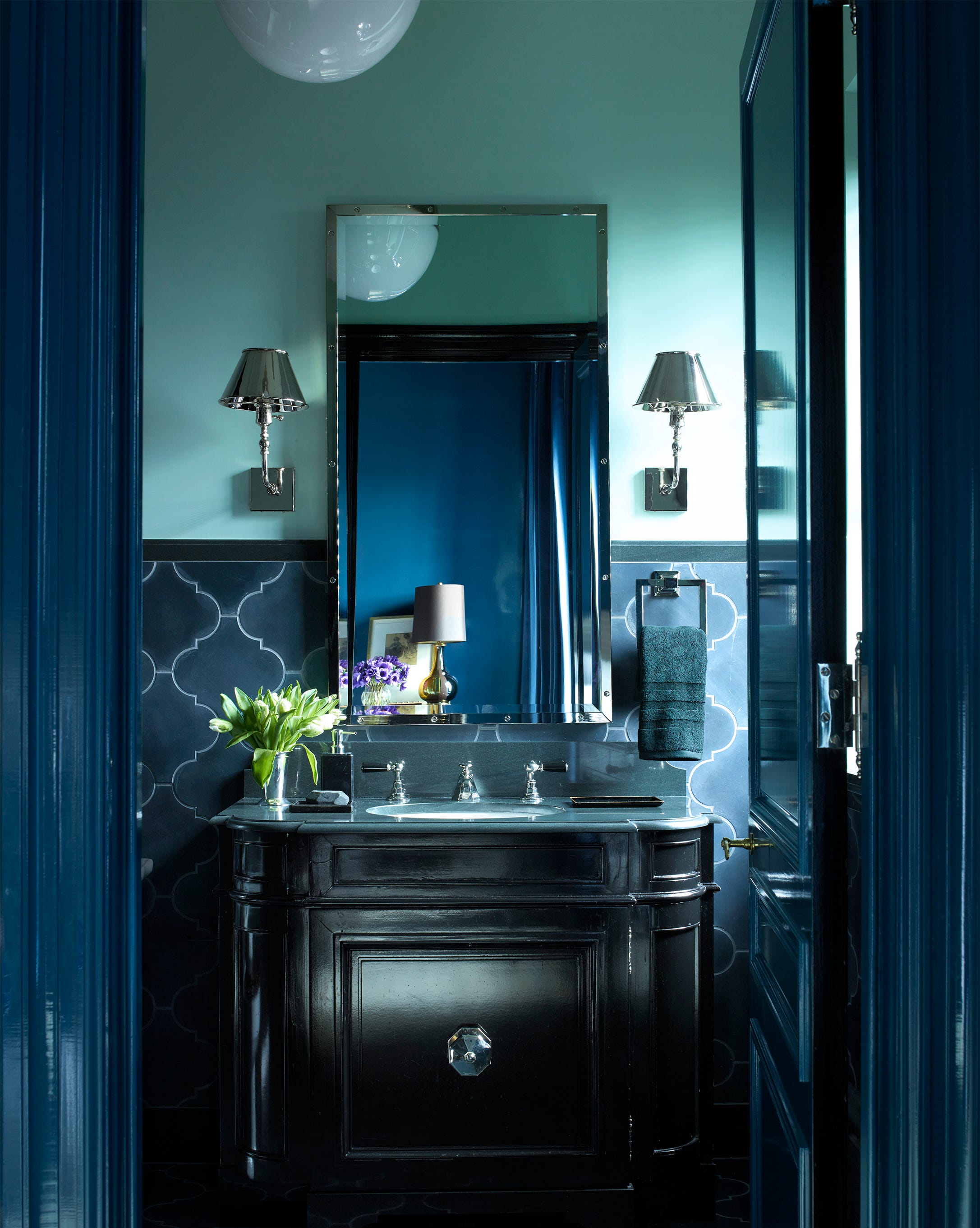
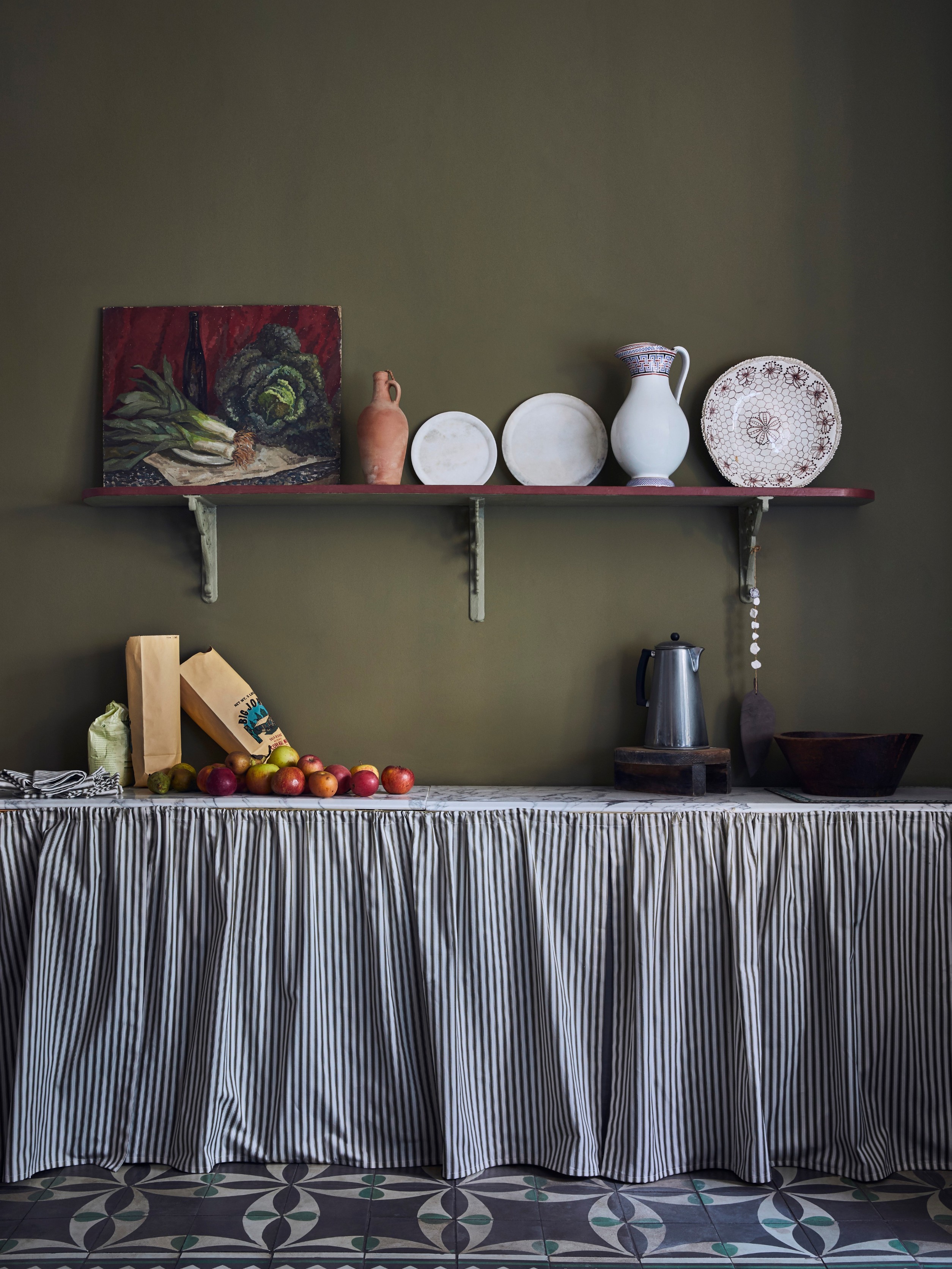
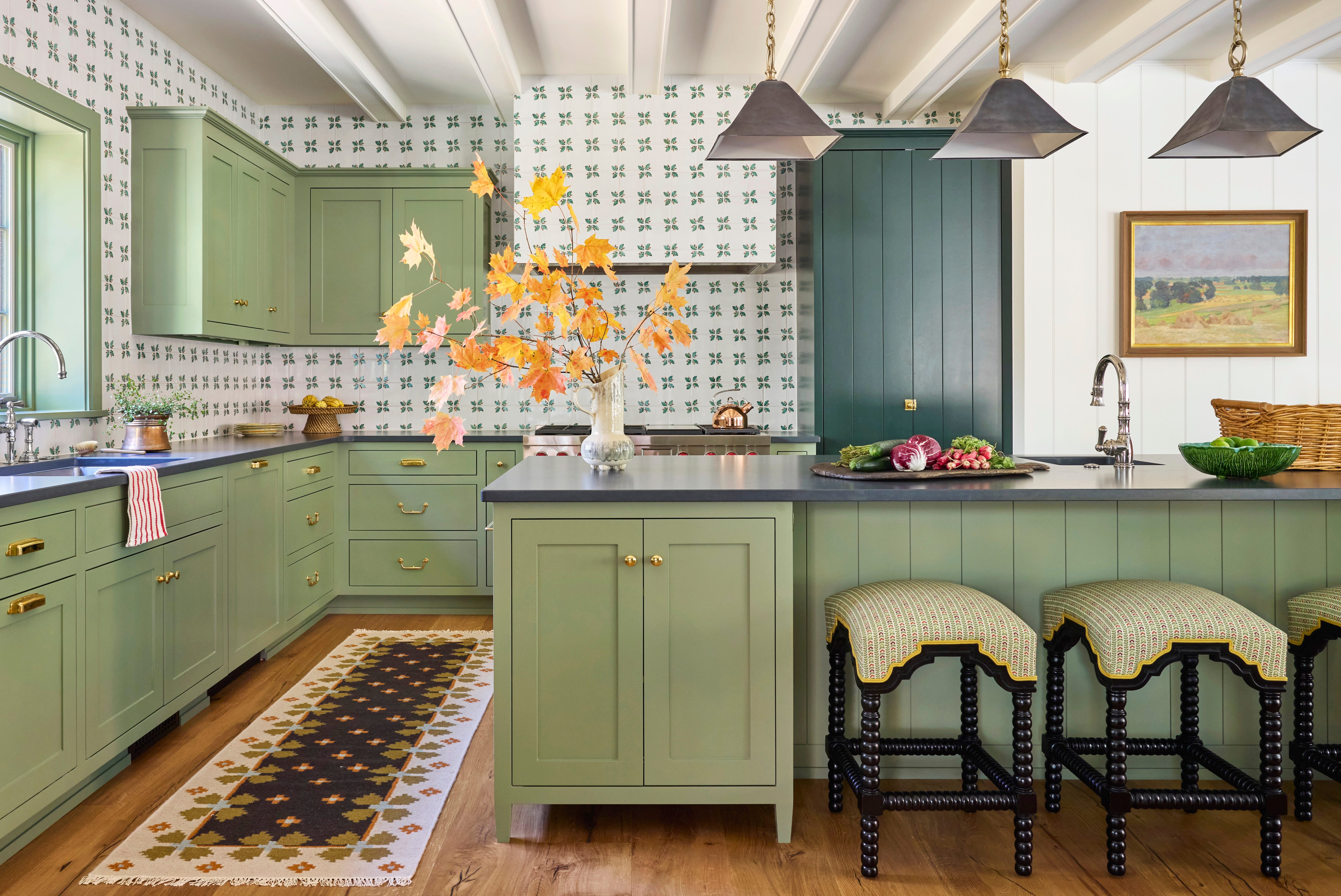
Further ideas include half-painting walls in a vibrant apple green as an inexpensive way to refresh a white dining room, and tablescaping with green ceramics, glassware, and foliage for an instant update without extensive redecoration. Bold combinations, such as green panelling with red stripes, are encouraged for small dining rooms to create a playful yet striking contrast. Finally, the article suggests teaming green with blue for dining chairs to introduce subtle color combinations and disrupt coordinated palettes, creating visual interest. It concludes by reinforcing green's suitability for dining rooms due to its calming properties and stylistic versatility, and offers advice on coordinating dining and living room colors for a harmonious home environment.
#GreenDiningRoom #InteriorDesign #HomeDecor #ColorSchemes #DiningRoomIdeas #Wallpaper #Furniture #BanquetteSeating #Tablescaping #IndoorOutdoorLiving #GreenDiningRoom #InteriorDesign #HomeDecor #ColorSchemes #DiningRoomIdeas #Wallpaper #Furniture #BanquetteSeating #Tablescaping #IndoorOutdoorLiving
0 comment in total
 No comments yet
You may also like
10 green dining room ideas that will lift a tired space

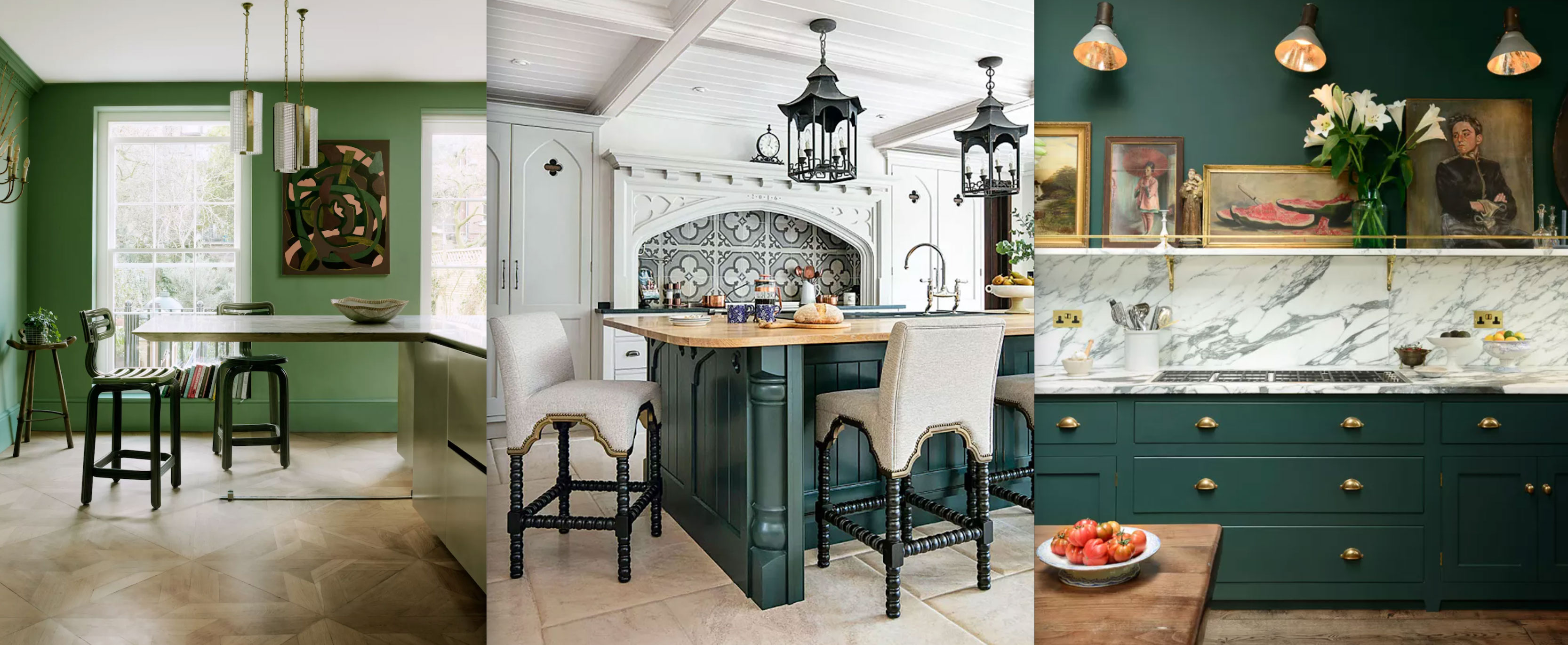
Green kitchen ideas: 16 ways to use olive, sage, apple and more

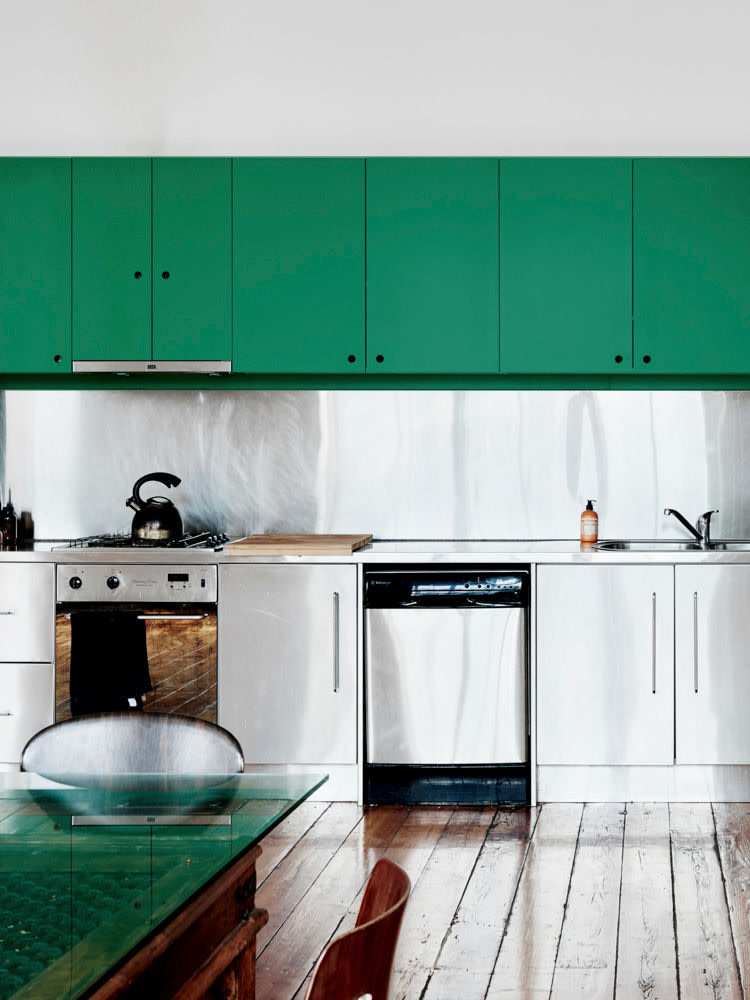
The 14 Paint Colors Featured in Our Favorite Green Kitchens

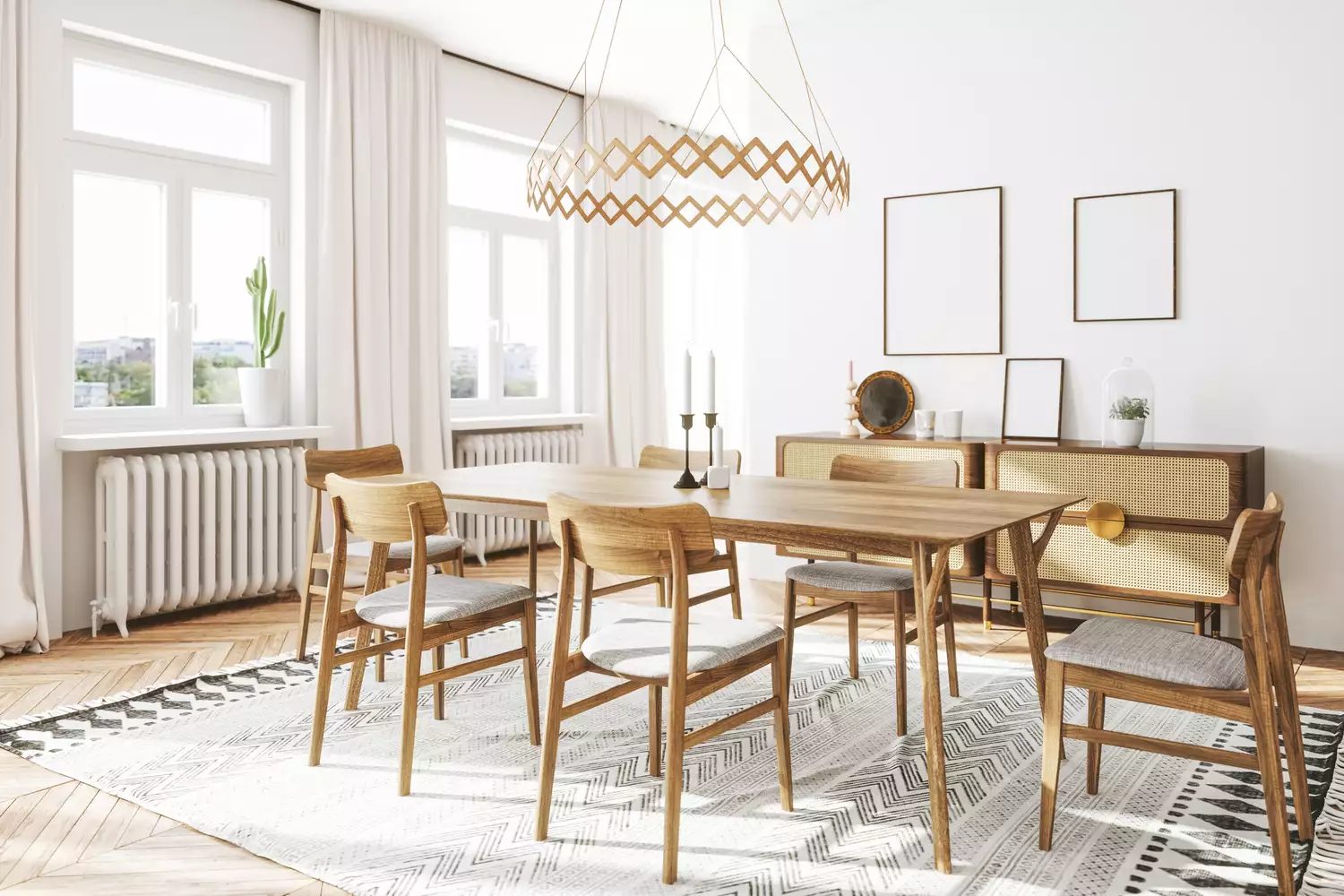
5 Dining Room Styles That Are Definitely Out of Style, Designers Say

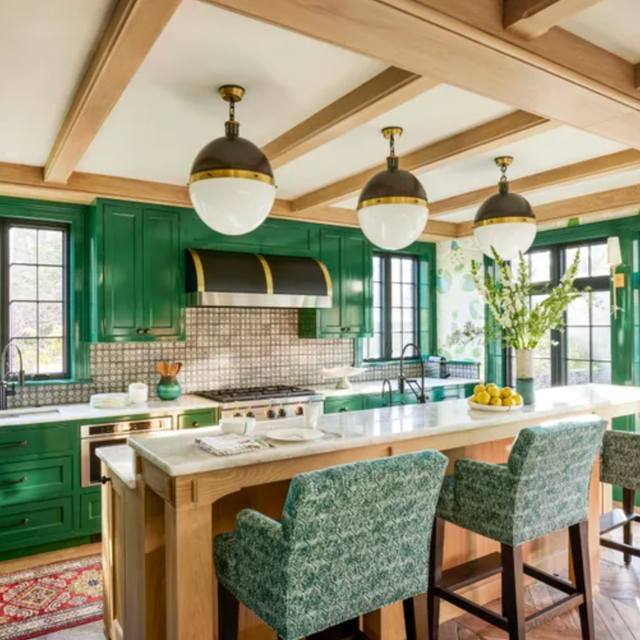
15 Green Kitchens You're About to Envy Hard

Here's How to Go Green in the Living Room

The Bold And Unexpected Color Combo You'll Be Seeing In Kitchens Everywhere In 2026
Here's How to Decorate With Green So It Actually Looks Chic
Designers Love Using THIS Color to Make a Kitchen Look More "Expensive"

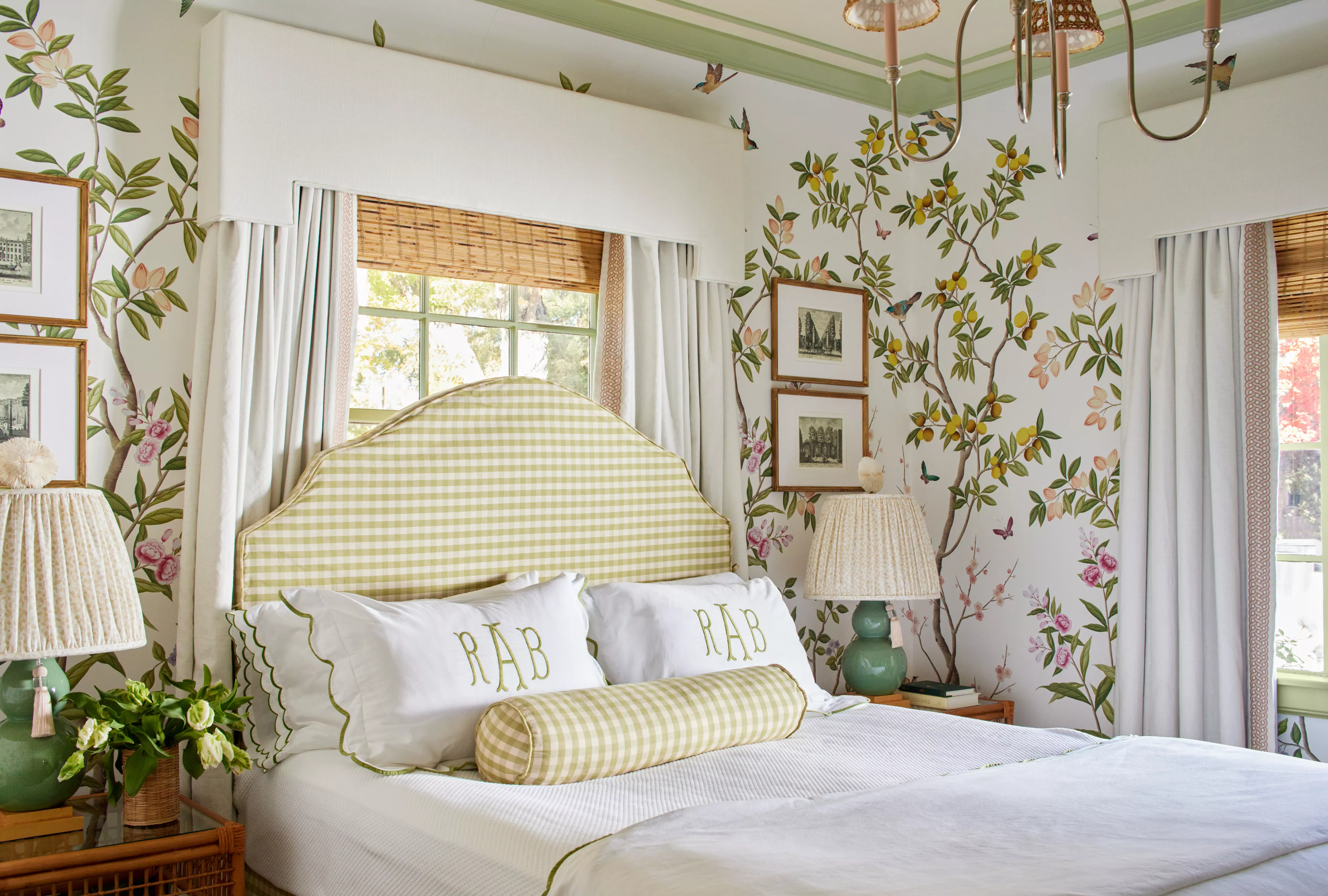
51 Green Color Schemes Perfect for Living Rooms, Bedrooms, and More

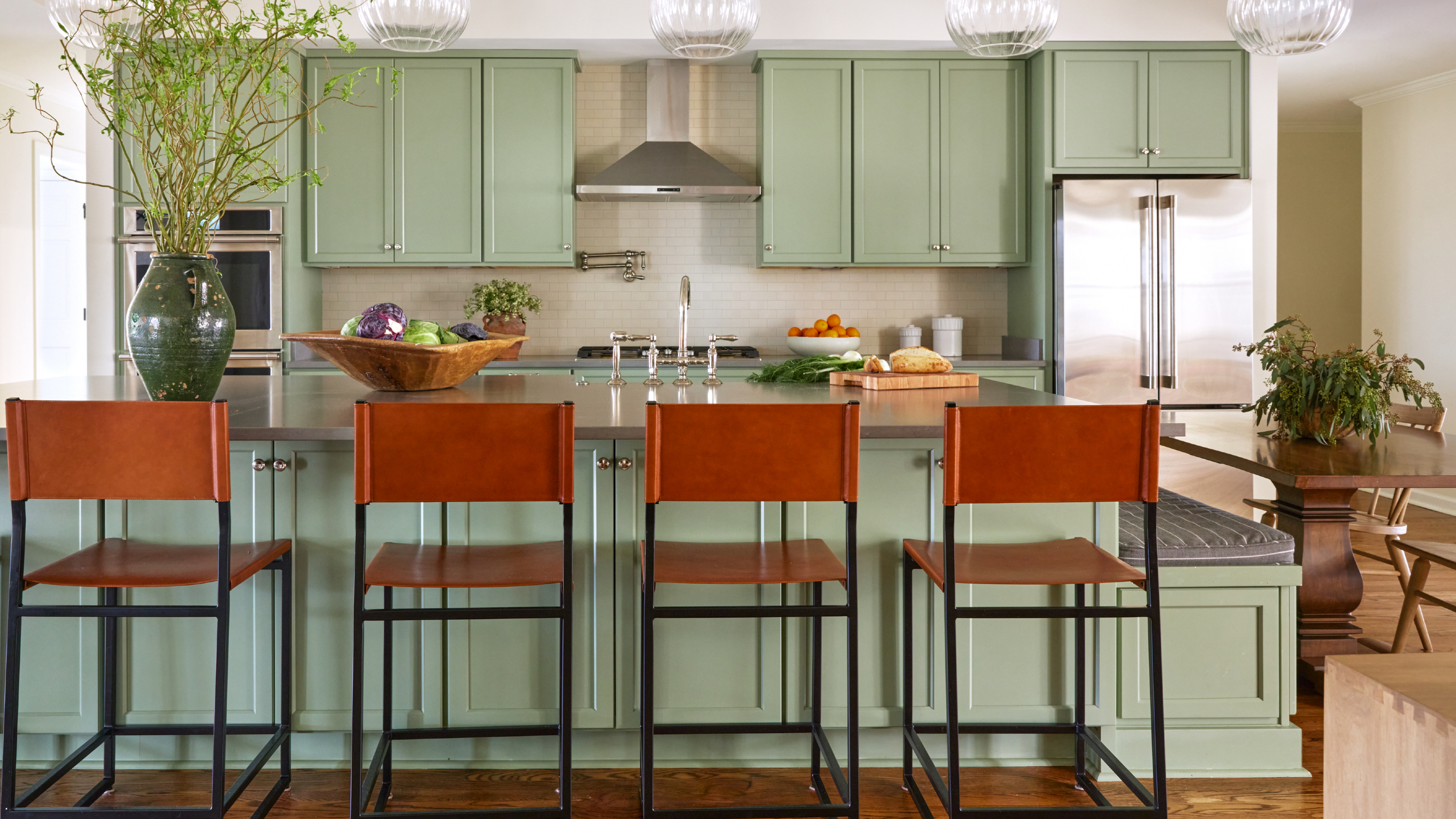
9 green kitchen cabinet ideas for a fresh look

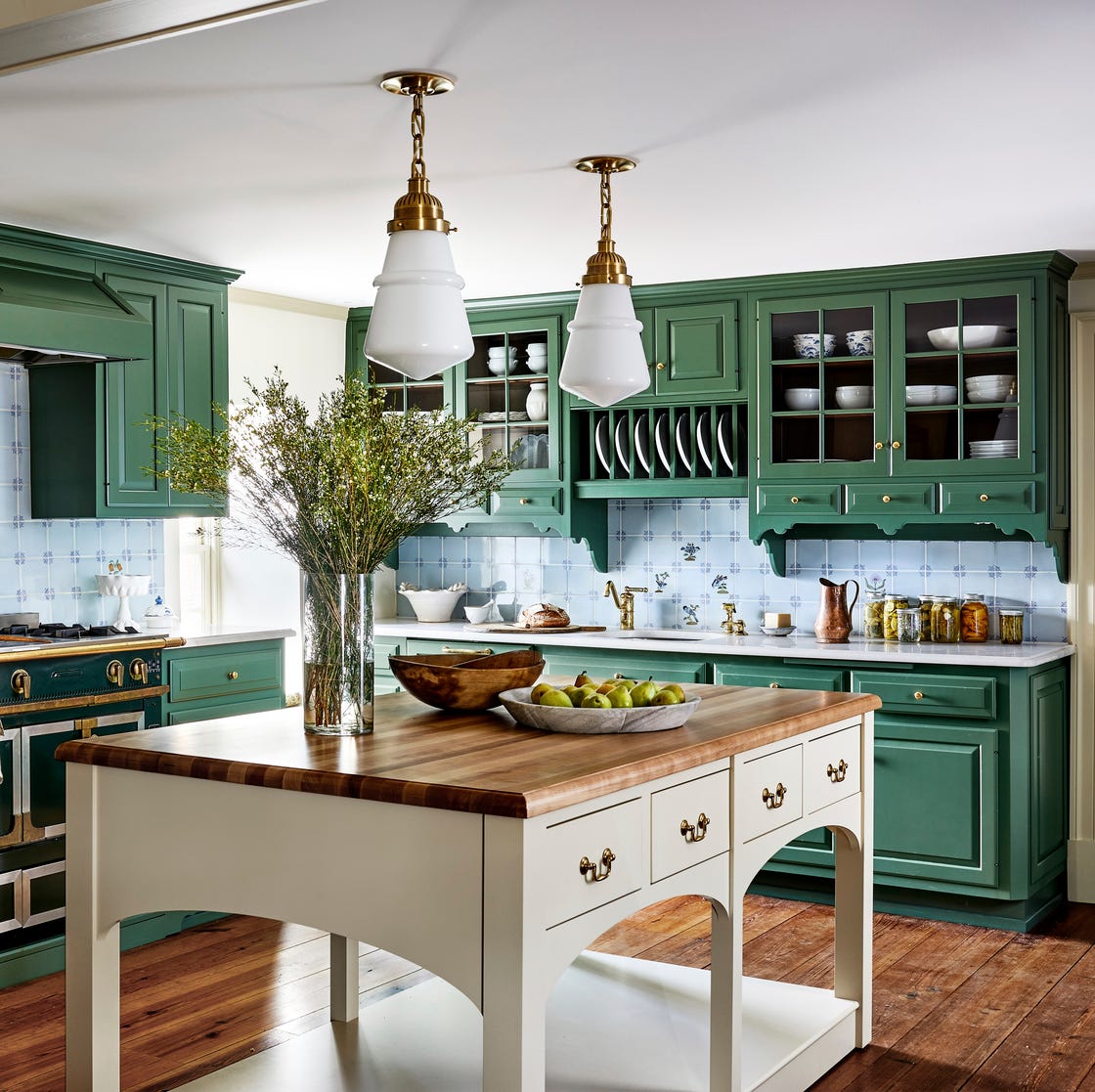
From Racing Green to Barbour Coat Green: The British-Inspired Kitchen Look You’ll See Everywhere
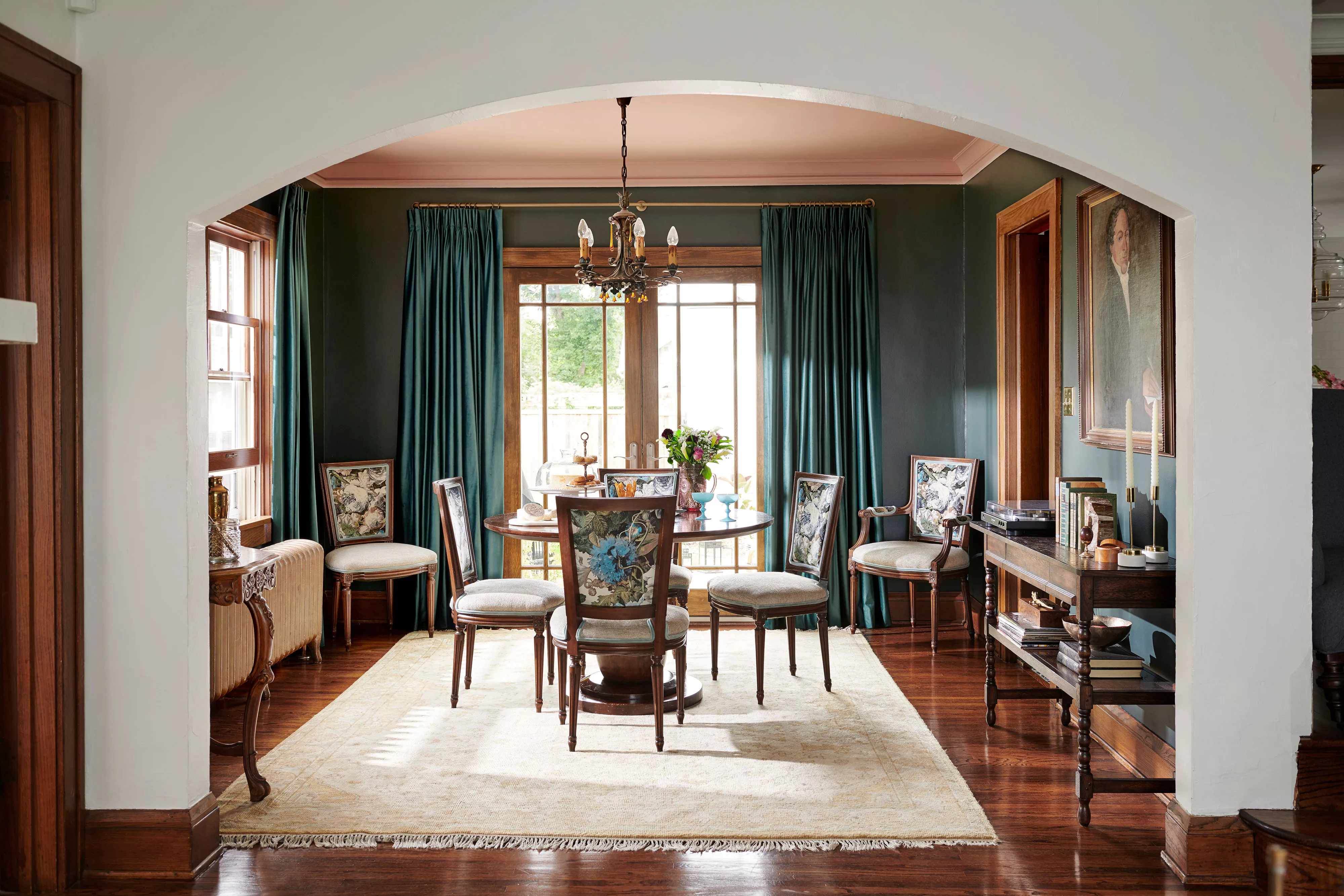
7 Dining Room Design Mistakes That Could Ruin Your Next Dinner Party
19 green kitchen ideas – verdant shades guaranteed to breathe life into your cooking space
Interior Designers Have Spoken: These are the Dining Room Trends to Know About for 2026
Are Green Kitchen Cabinets a Good Idea?
32 Green Rooms That'll Make You Feel Alive
5 best green paints that will always be classics, according to interior designers
25 green living room ideas that are the perfect spring refresh
16 Green Kitchen Cabinet Ideas for a Timeless and Stylish Space