1/10
Small dining room décor ideas – 10 ways to decorate a tiny dining room
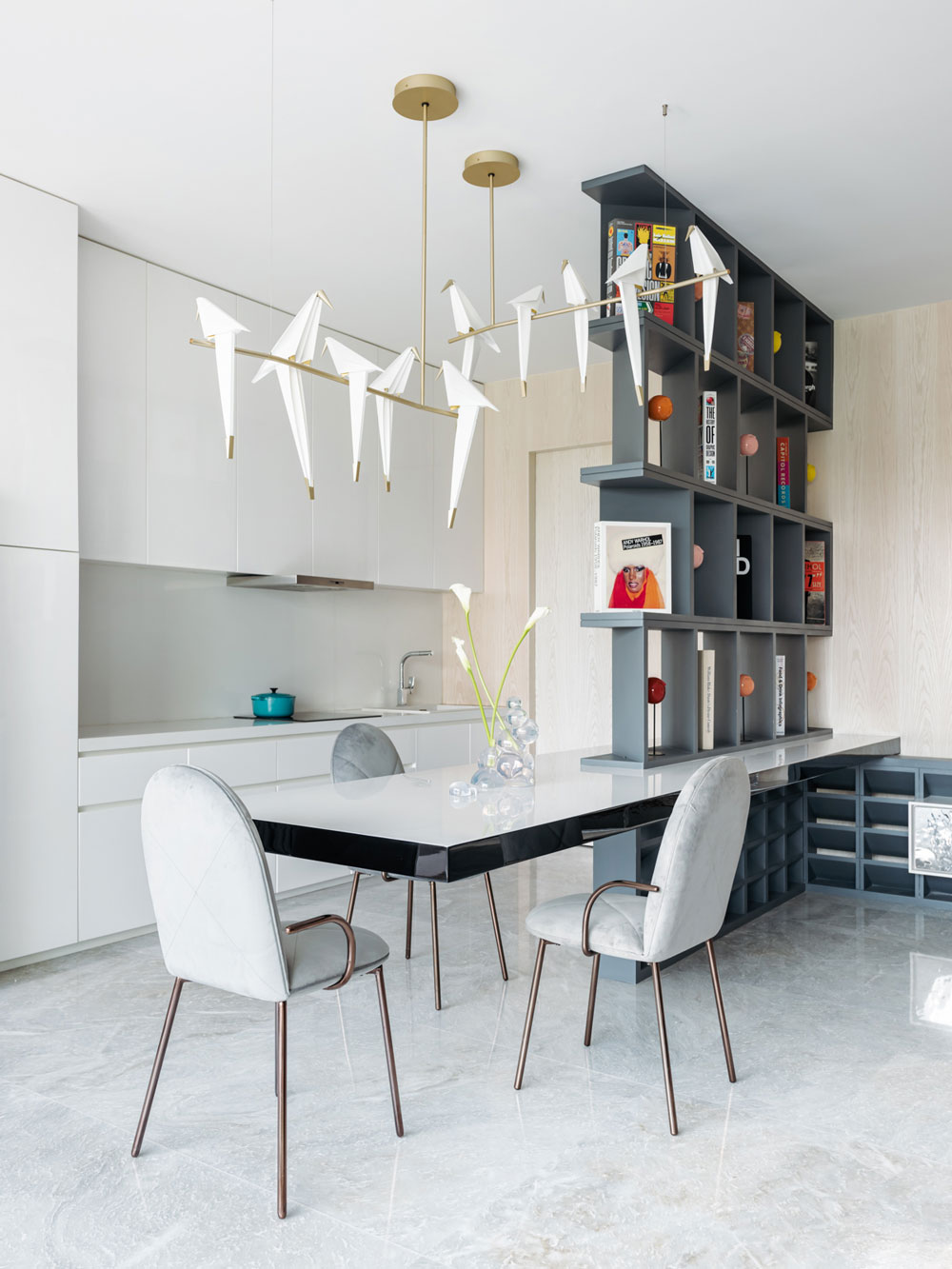
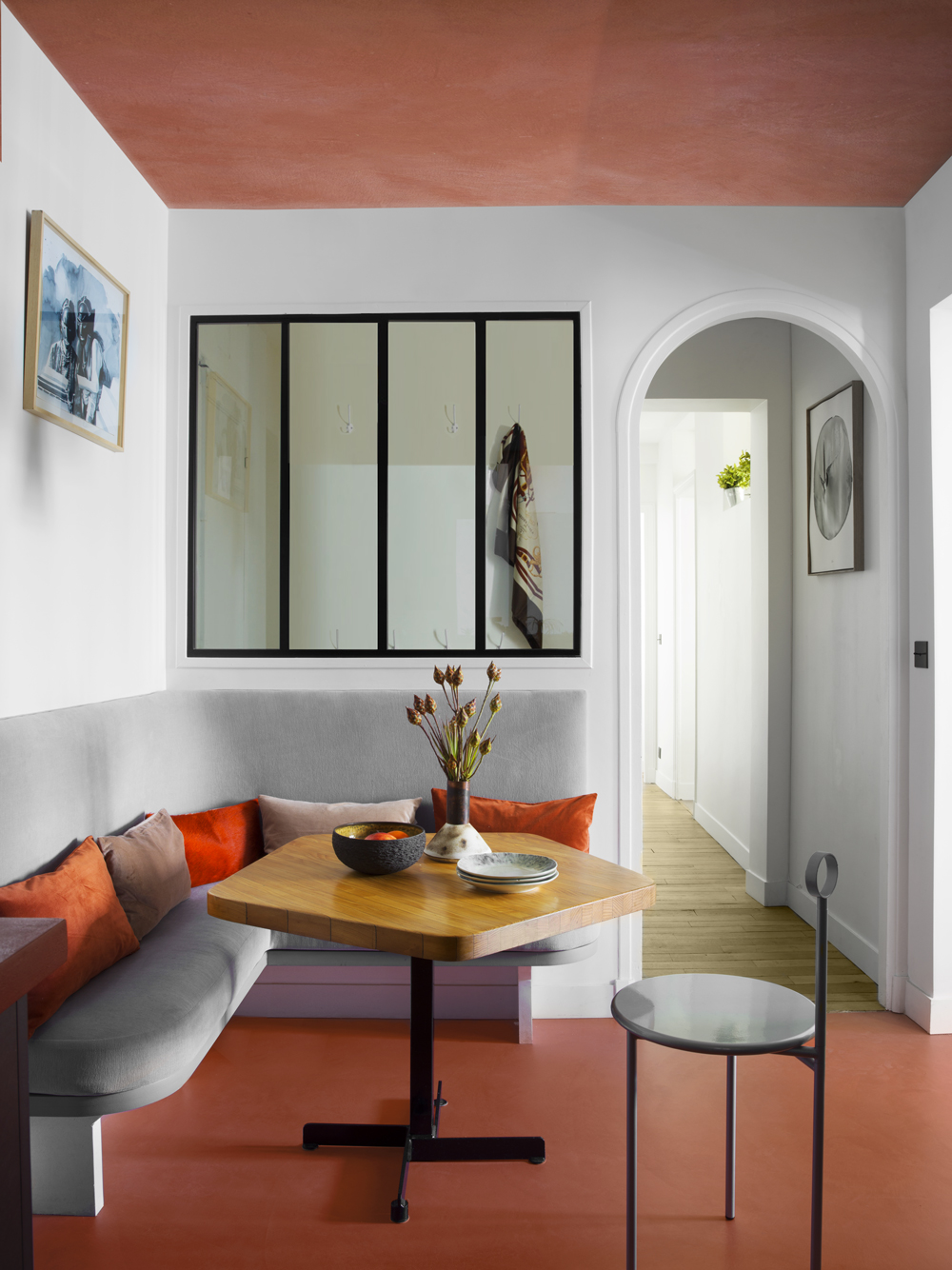
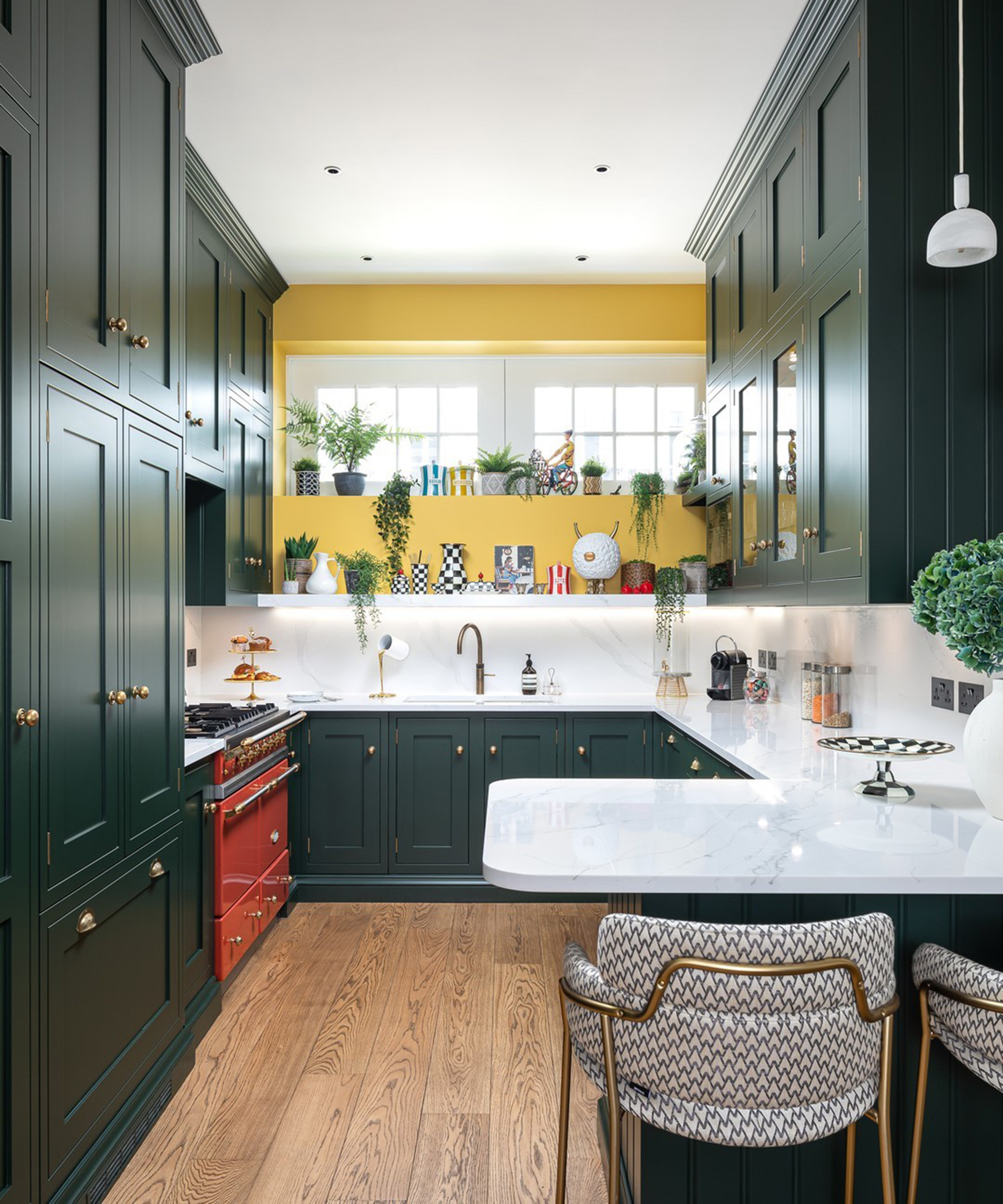
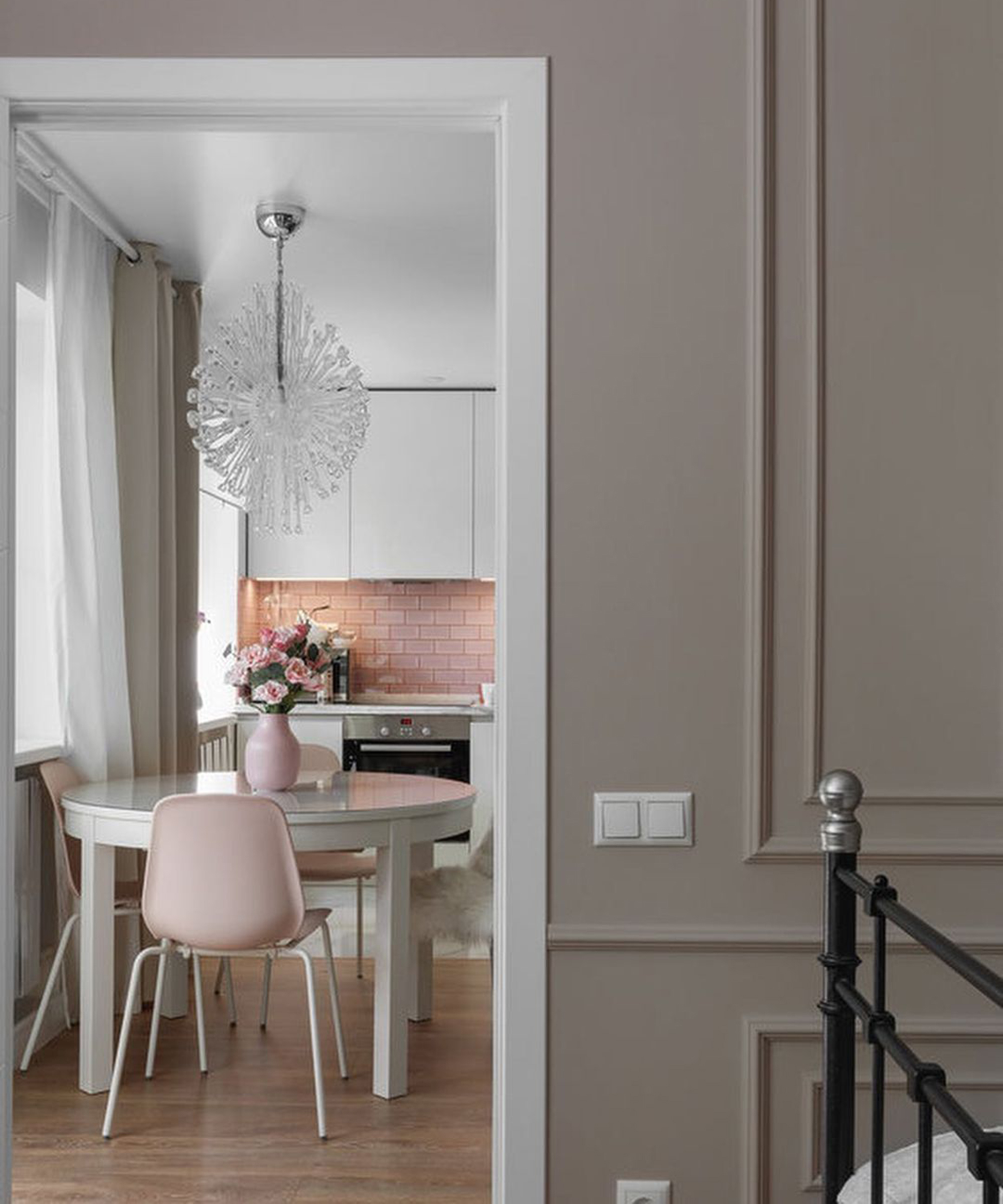
Decorating a small dining room requires strategic choices to maximize the perception of space and create an inviting atmosphere. When aiming to make a compact dining area feel larger and more open, one of the most effective initial considerations is the color scheme. Lighter and cooler colors tend to recede visually, making a room appear more expansive, while darker and warmer tones can make a space feel more enclosed. Therefore, opting for a bright, uplifting color palette is a straightforward approach to enhance the room's ambiance and perceived size.
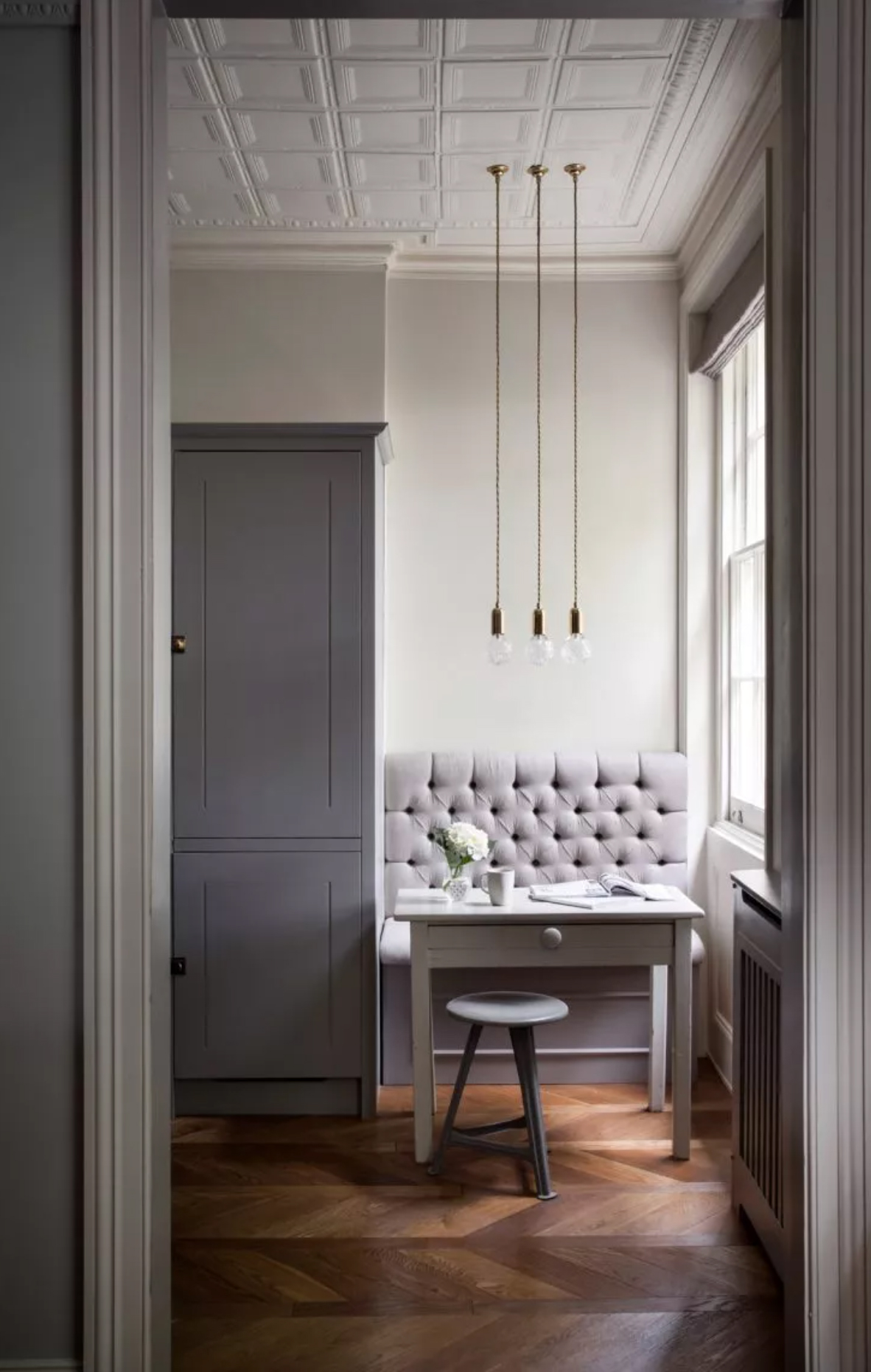
Seating arrangements are another critical element in small dining room decor. Banquette-style dining furniture, which is built-in, offers a significant advantage over freestanding chairs, as it optimizes seating capacity. Built-in seating can reduce the necessary clearance between the seat and an adjacent wall or furniture piece from a typical 90cm to as little as 30cm, directly contributing to more usable floor space.
Maintaining uncluttered surfaces is essential for promoting a sense of calm and openness in a small dining room. Avoiding excessive shelving displays, mantelpiece decorations, and elaborate tablescapes ensures that the space does not feel overwhelmed or visually busy after implementing space-saving strategies.
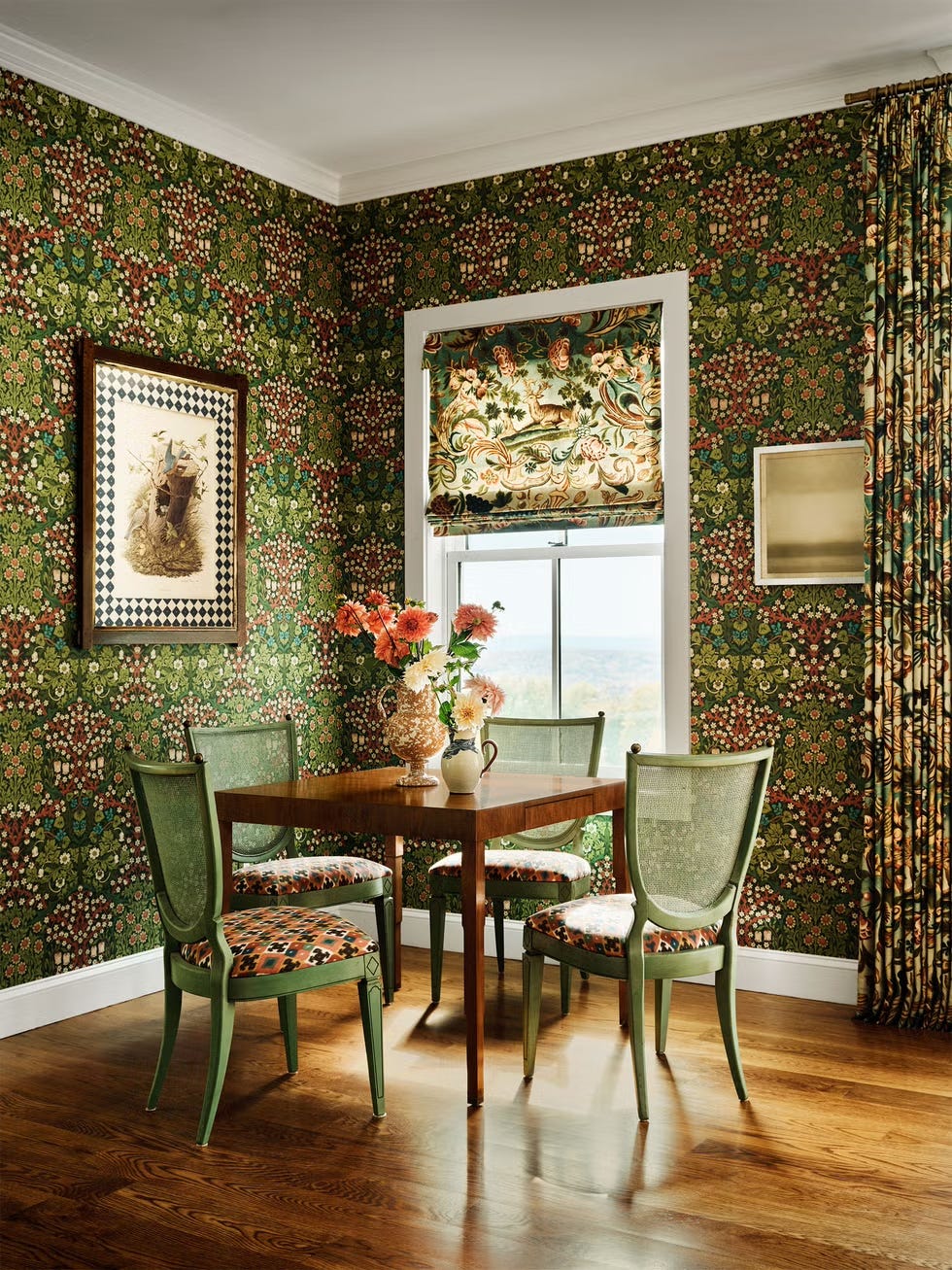
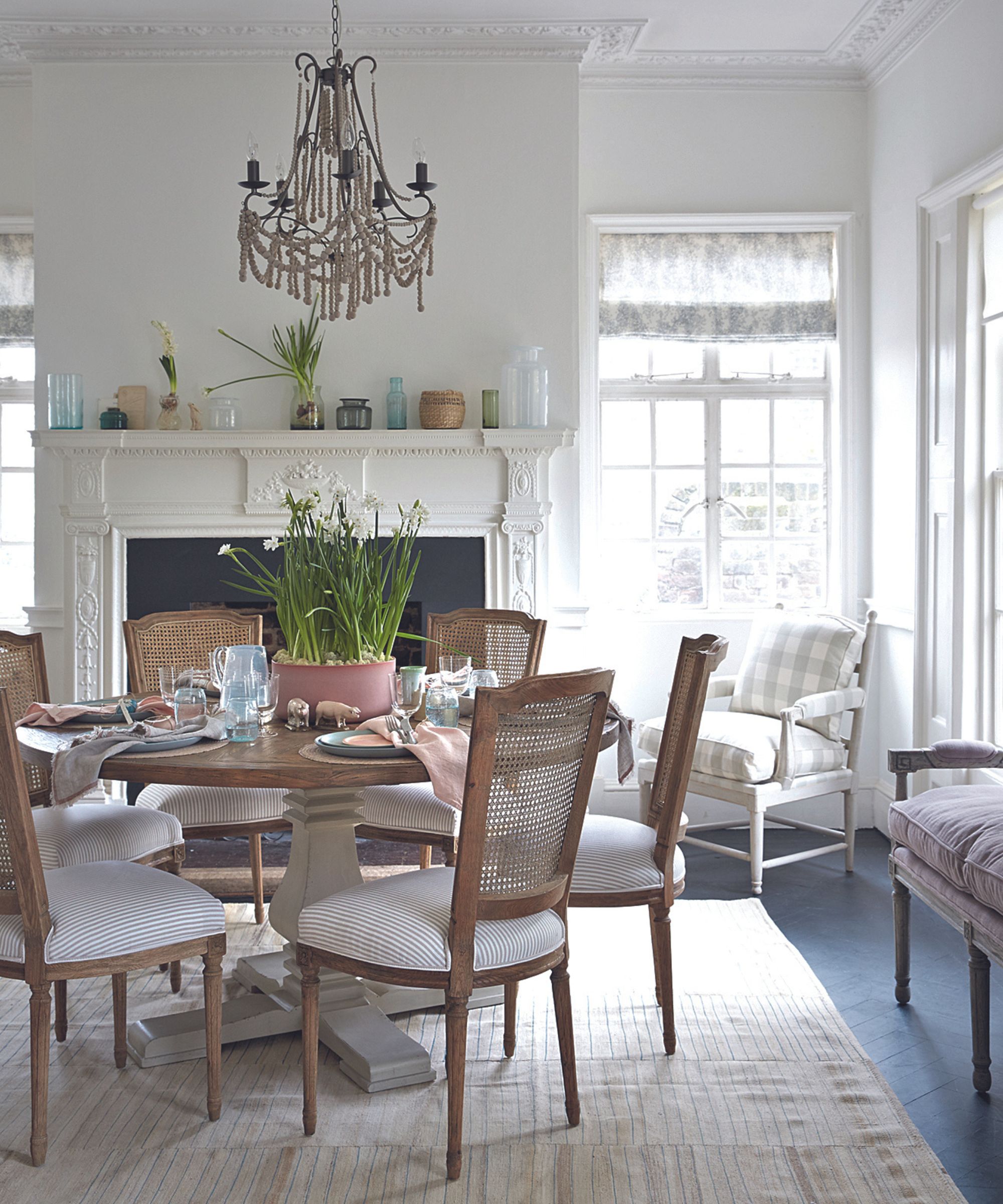
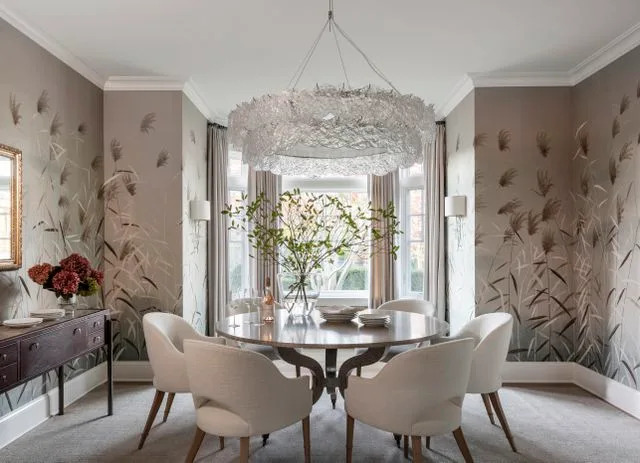
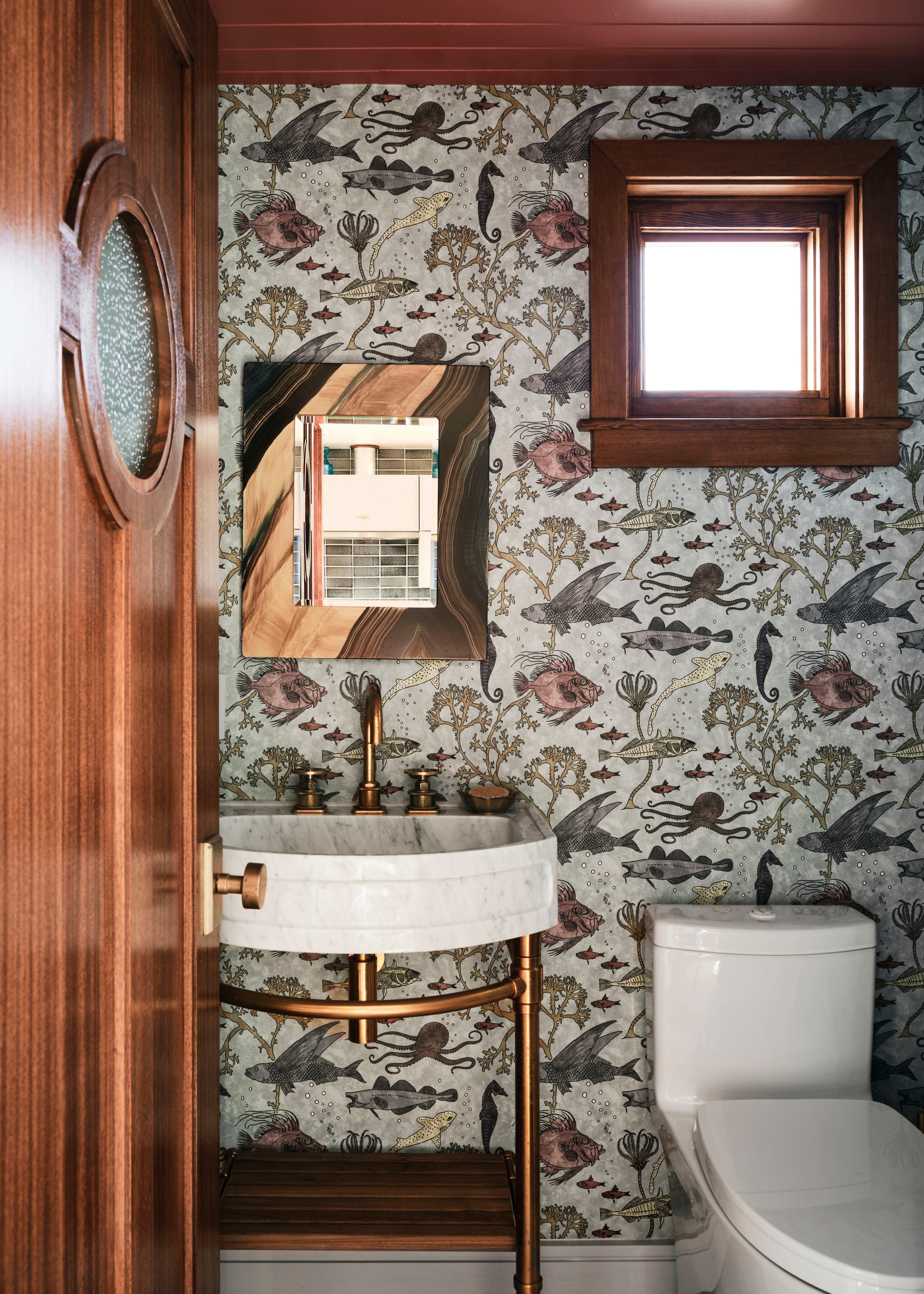
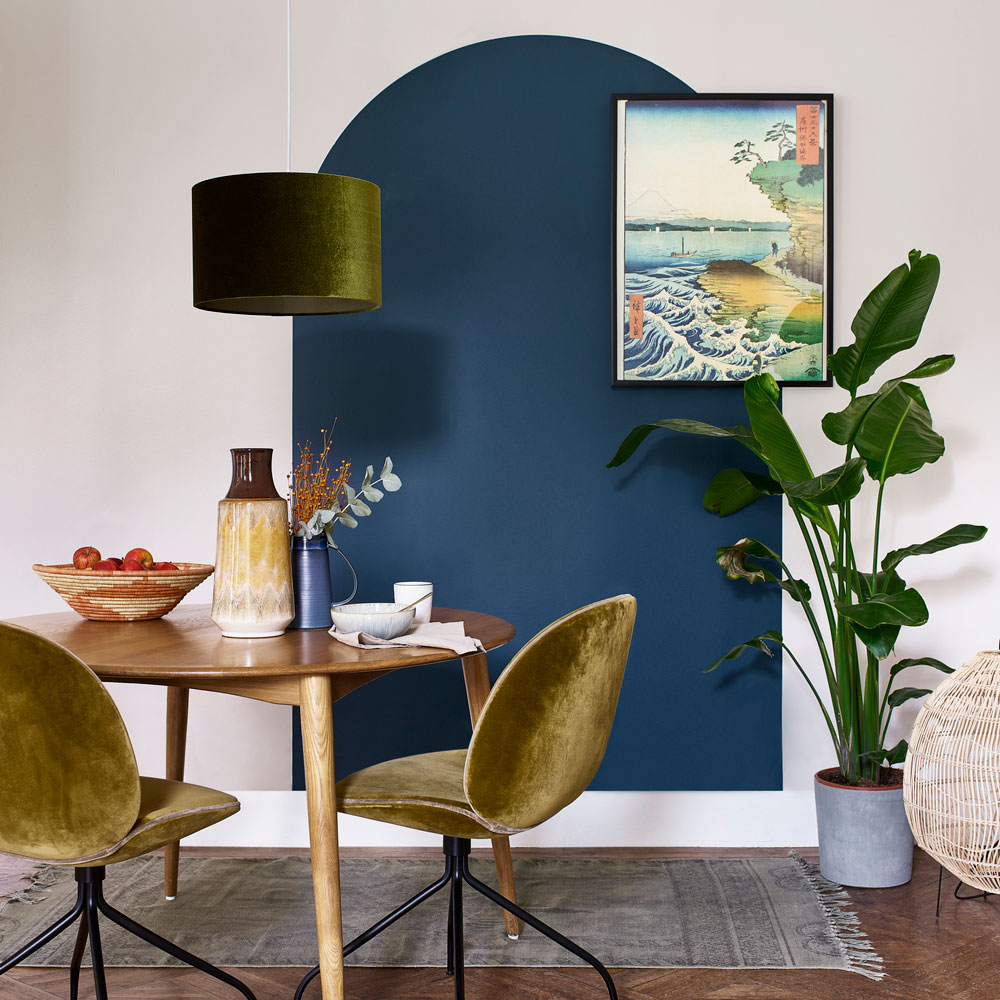
Wall panelling can dramatically impact the perceived size and sophistication of a small dining room. It creates an illusion of grandeur and draws the eye upwards, particularly if large panels are installed high on the wall. Bold panelling, such as triple-framed designs with contrasting inner and outer tones, can add depth and character. Incorporating wallpaper within panelled sections is another effective method to add visual interest without overpowering the room. Painting walls and woodwork in the same color, a technique known as color drenching, further blurs the boundaries of the room, making it appear larger by reducing visual contrasts. This method works well with neutral shades for a receding effect or with dramatic dark colors to highlight furnishings.
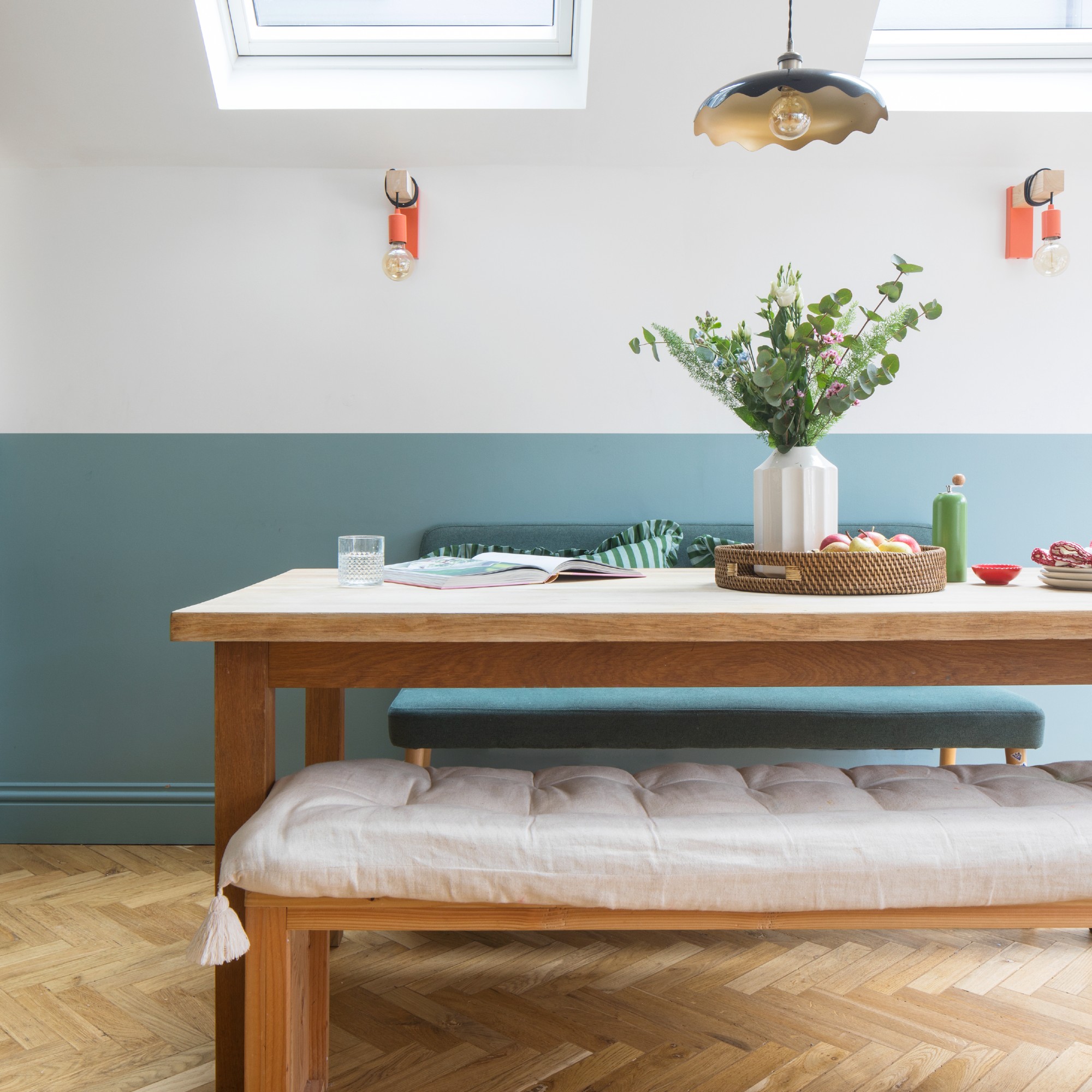
Paint effects can introduce pattern and shape effectively, particularly for zoning a dining area within an open-plan layout. Two-tone designs with straight lines, such as stripes or chevrons, are calmer and less overwhelming than curved patterns in a confined space. Using low-tack tape ensures crisp lines and a professional finish.
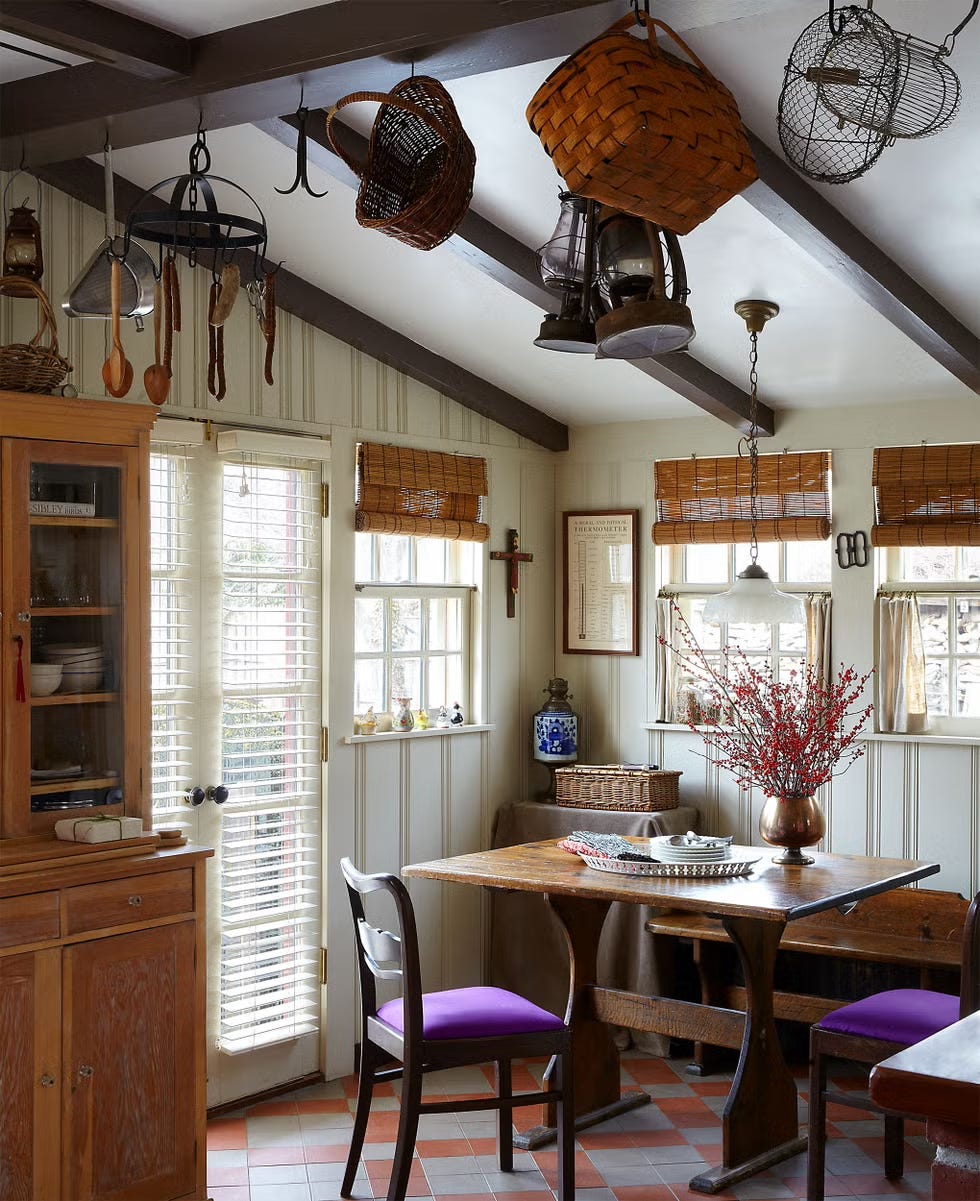
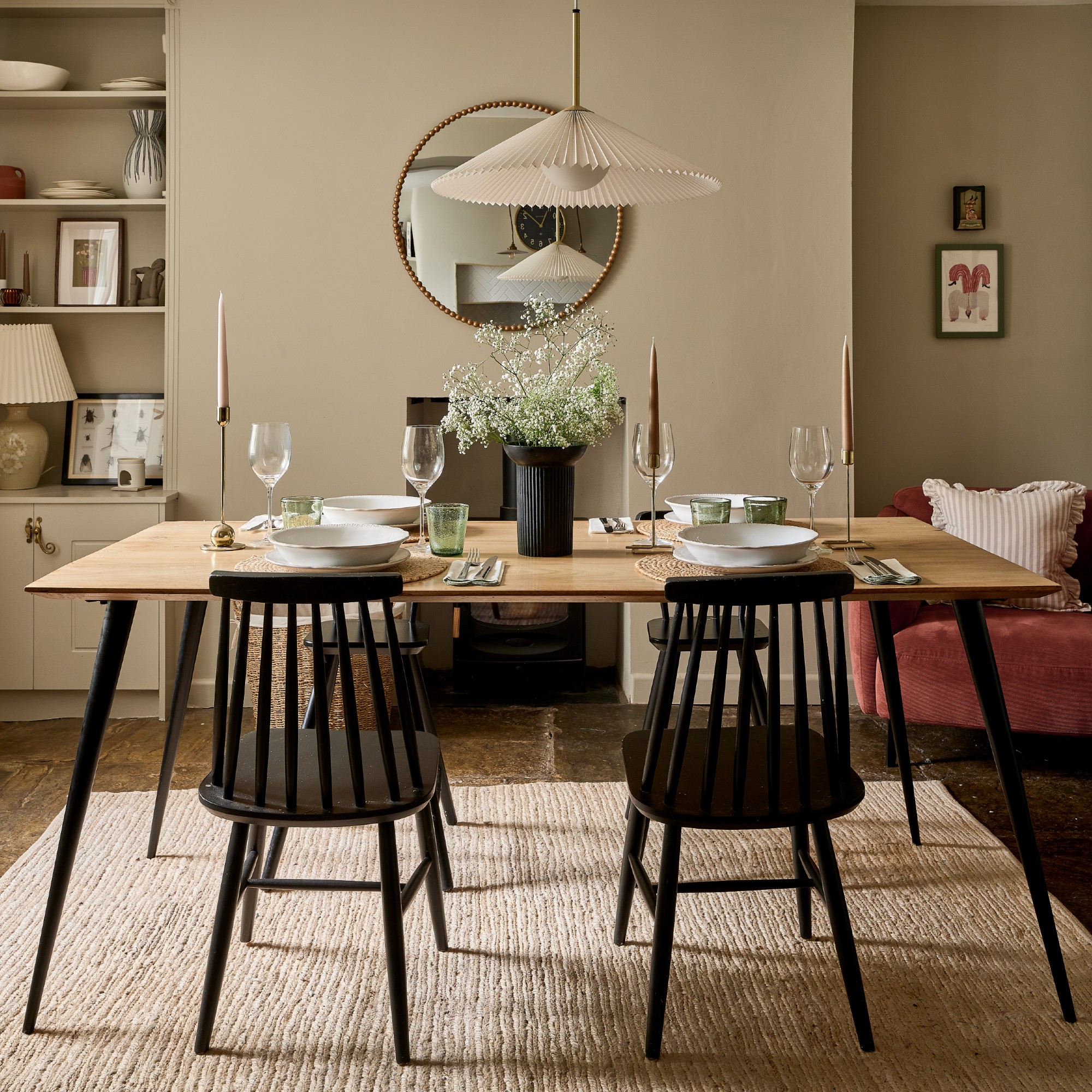
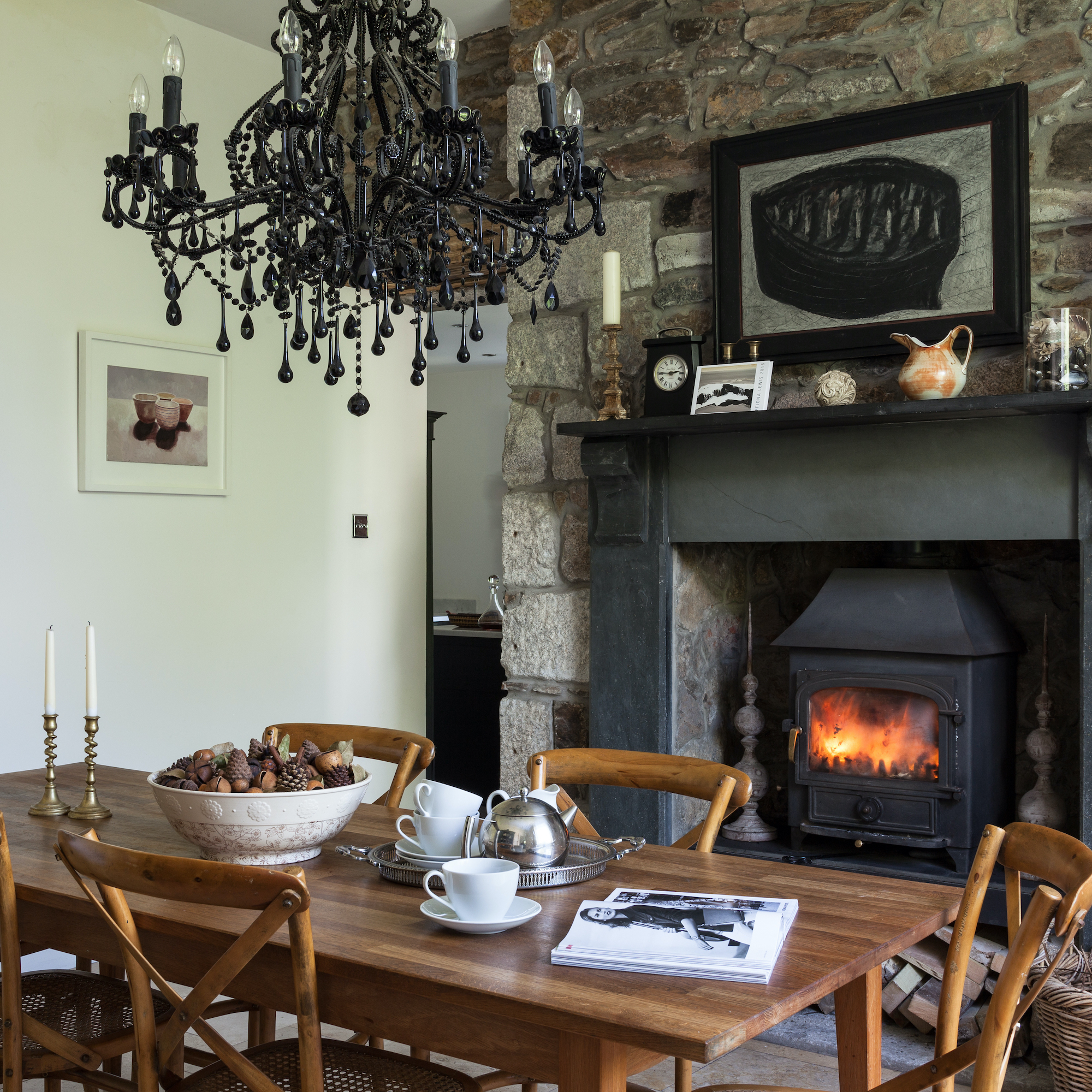
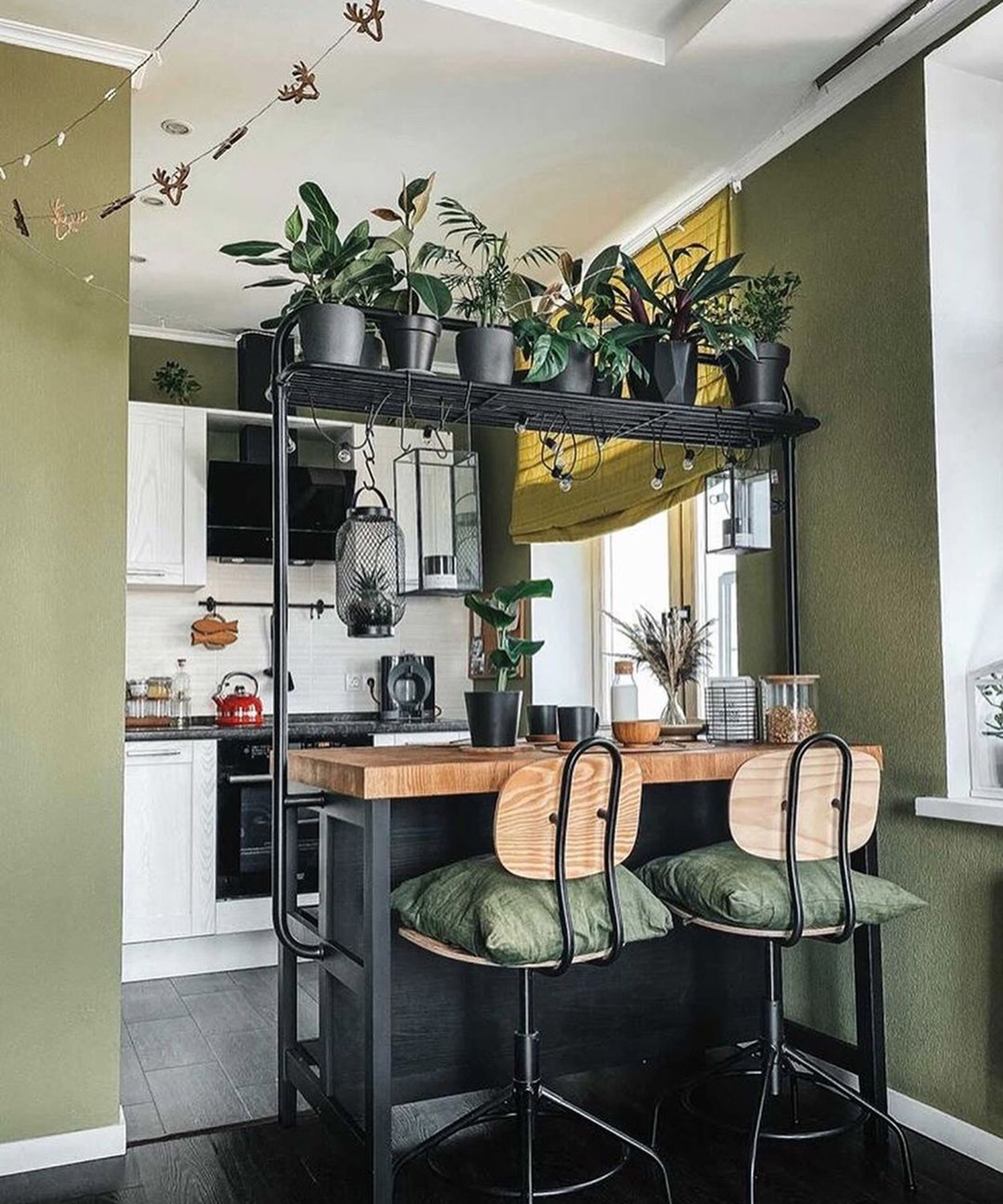
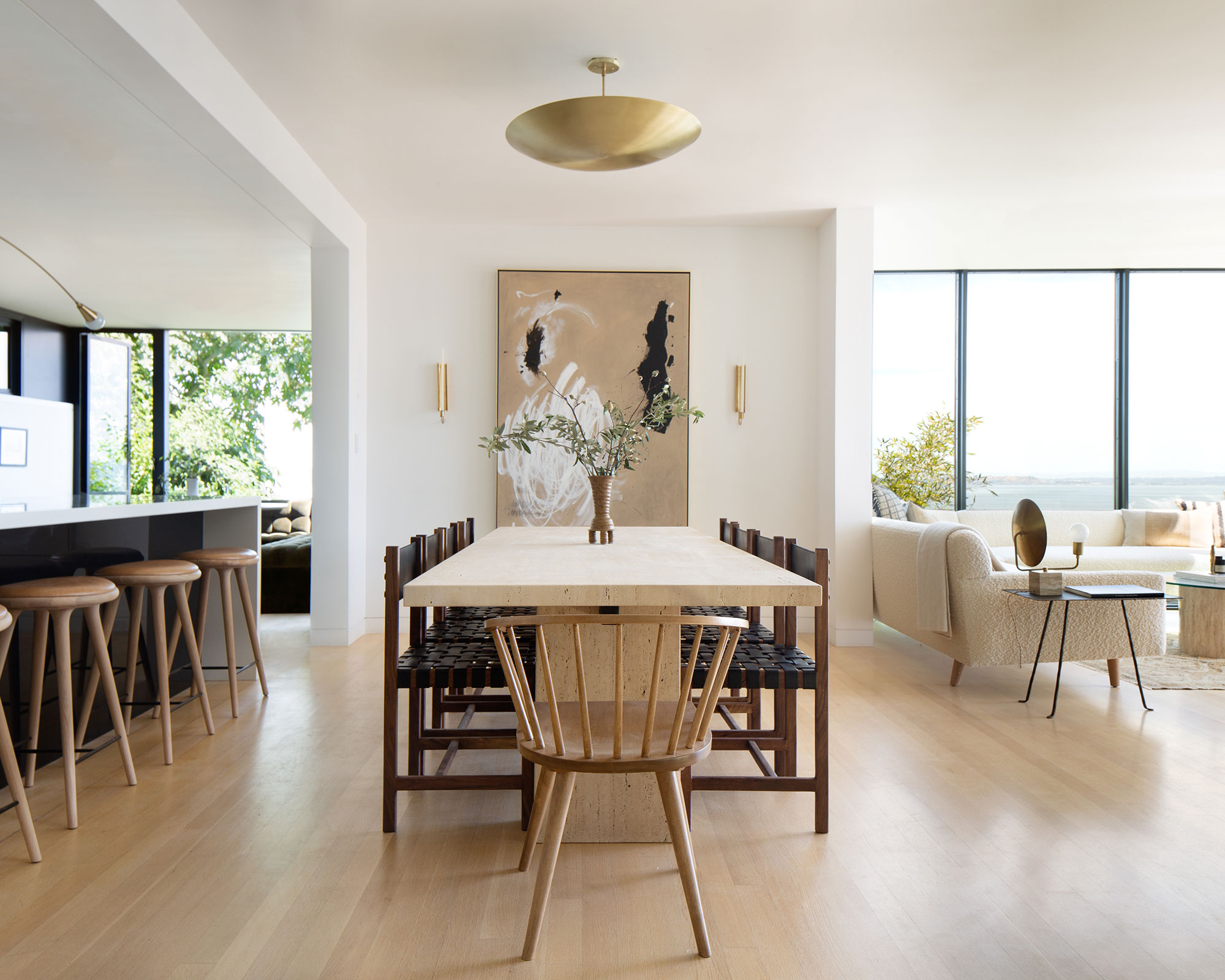
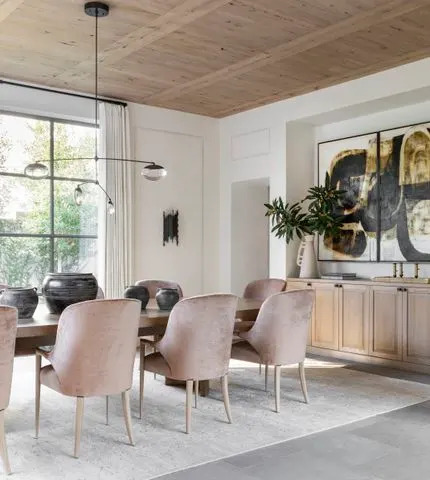
A nature-inspired decor scheme, utilizing earthy tones like mushroom, stone, and clay, alongside natural materials such as honed stone flooring, sisal rugs, and rustic timber, creates a cozy and inviting environment. These materials are also practical, durable, and easy to maintain, adding character and warmth to the room.
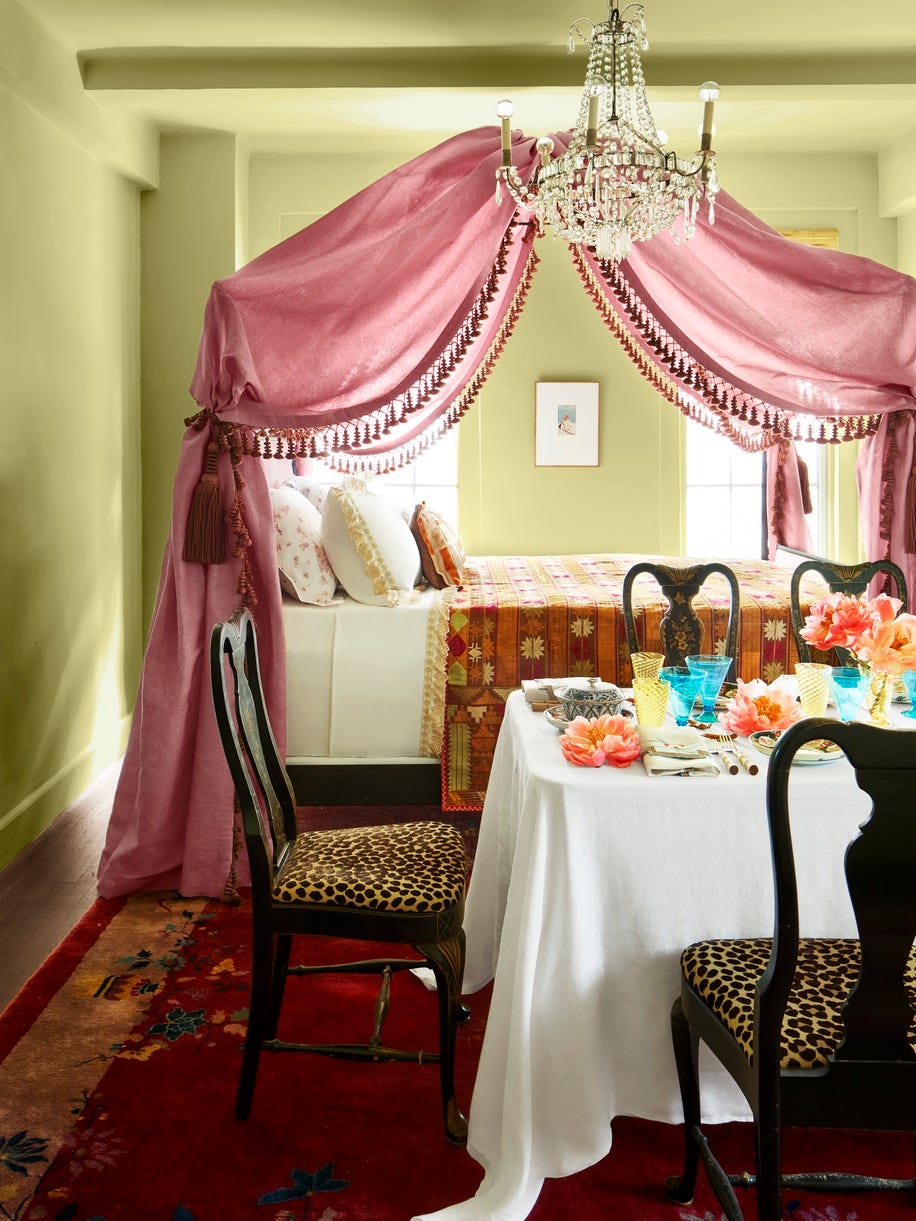
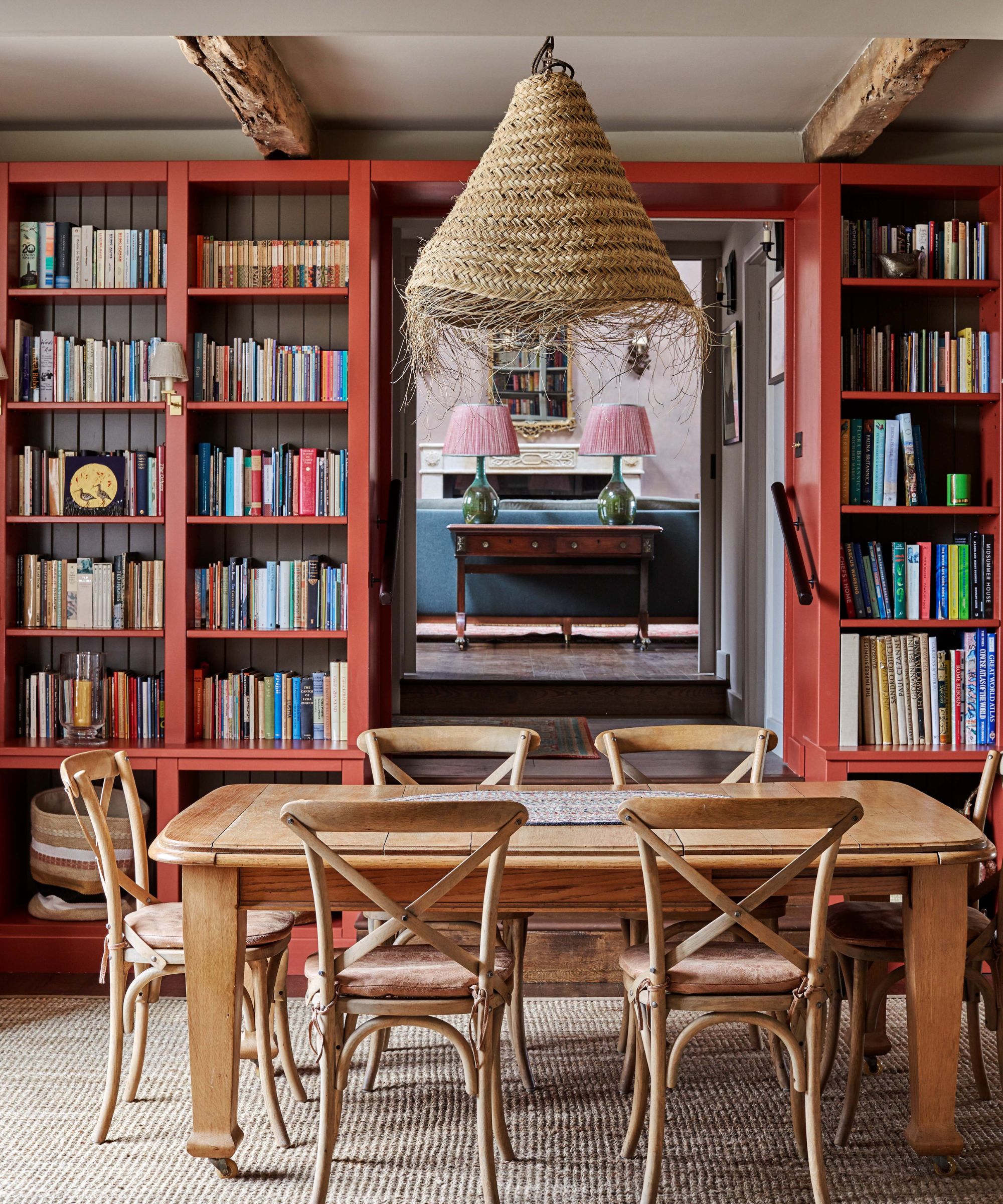
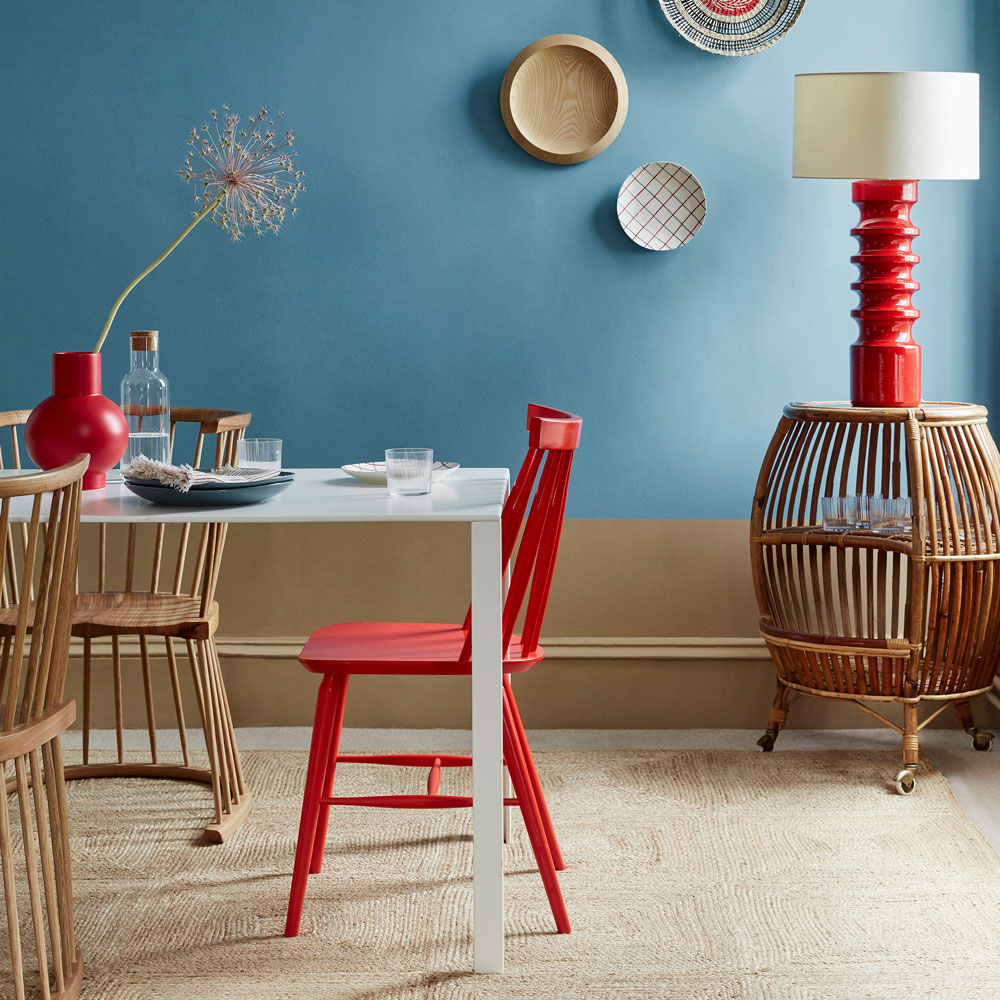
Avoiding overly coordinated or 'matchy-matchy' decor is crucial in a small space, as it can appear contrived. Instead, personalizing the room with wall-mounted display units for treasures and vintage furniture adds heritage and warmth without consuming floor space. Relaxing small dining rooms evolve with their occupants, creating natural layers of design and color. An assortment of old chairs can be unified with a fresh coat of paint, contributing to a cohesive yet authentic aesthetic.
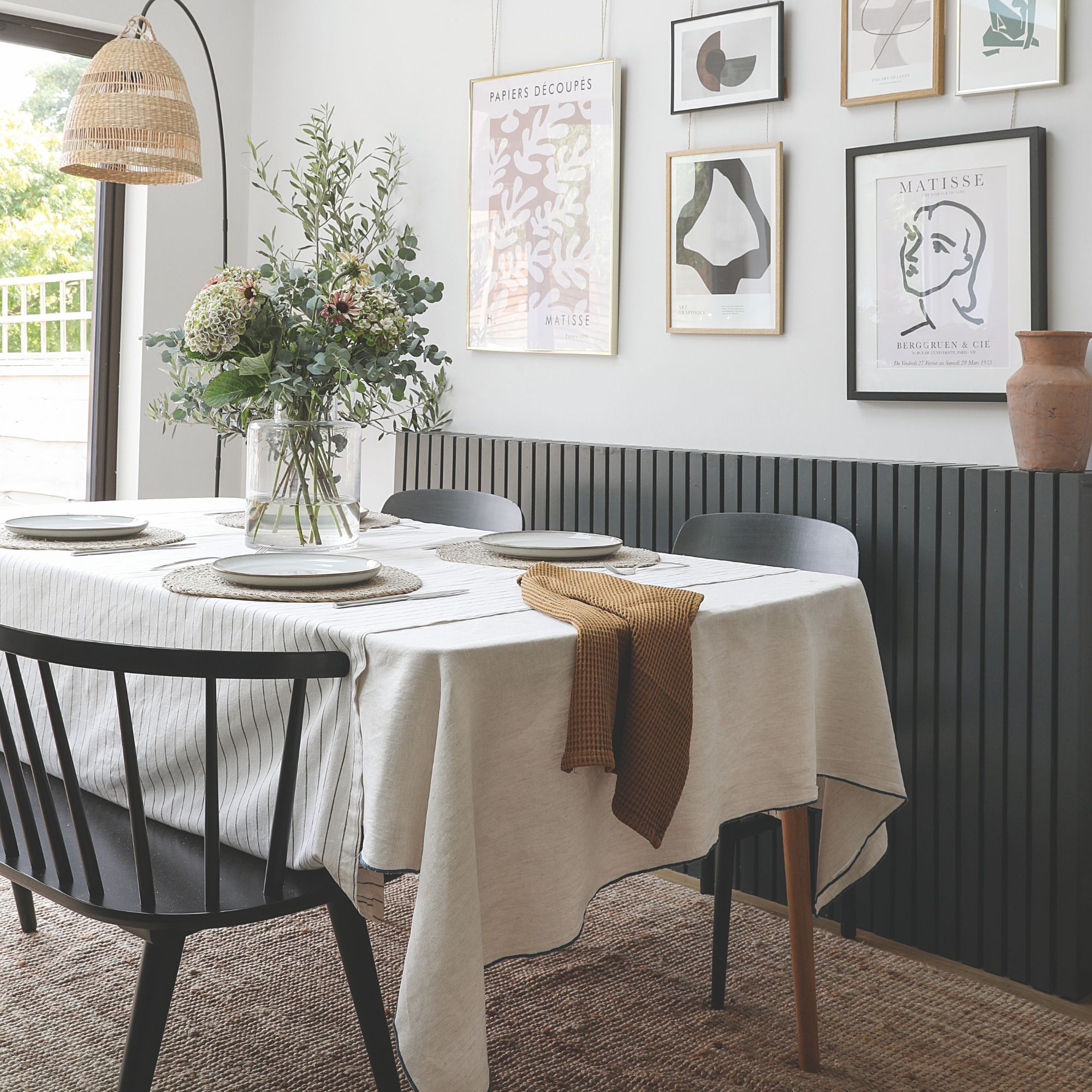
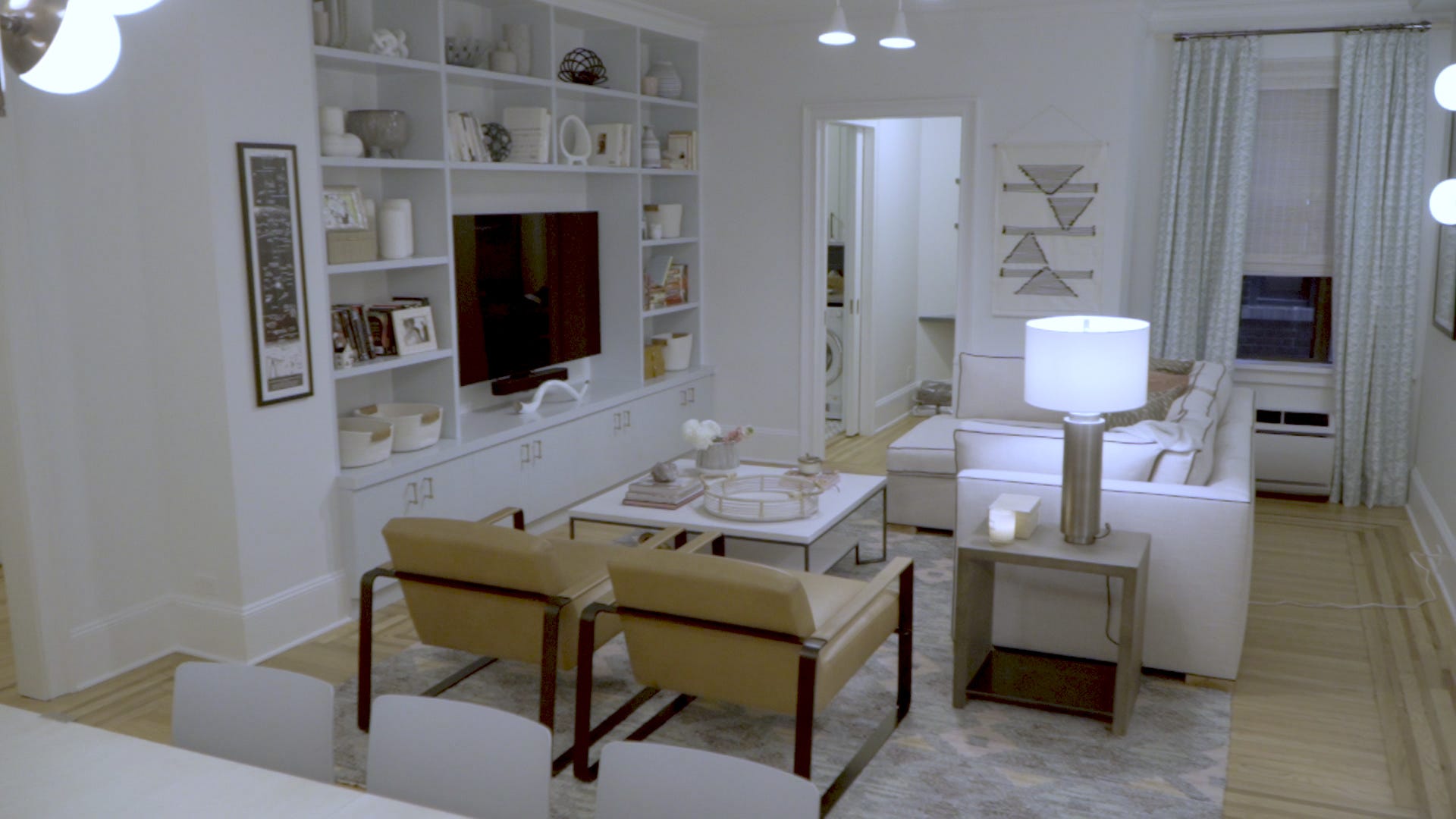
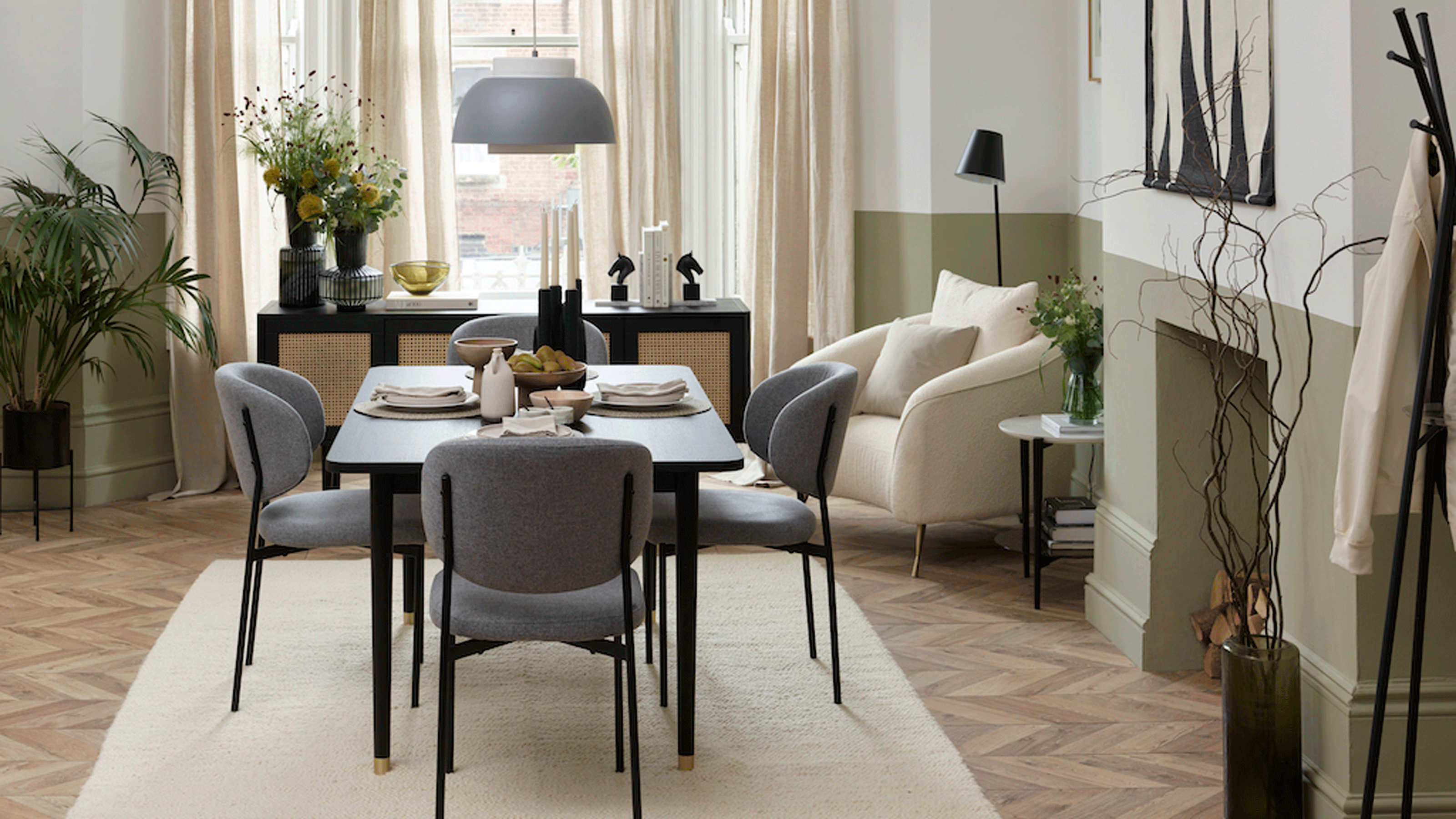
Despite seeming counter-intuitive, an outsized rug beneath the dining table can enhance the sense of space. A large rug prevents the visual dissection of the floor caused by smaller rugs, unifying the area. The rug should extend at least 80cm beyond the table to accommodate chairs being pulled out comfortably. Patterned rugs are practical for hiding stains, but the design should not be overly chaotic if other surfaces are busy.
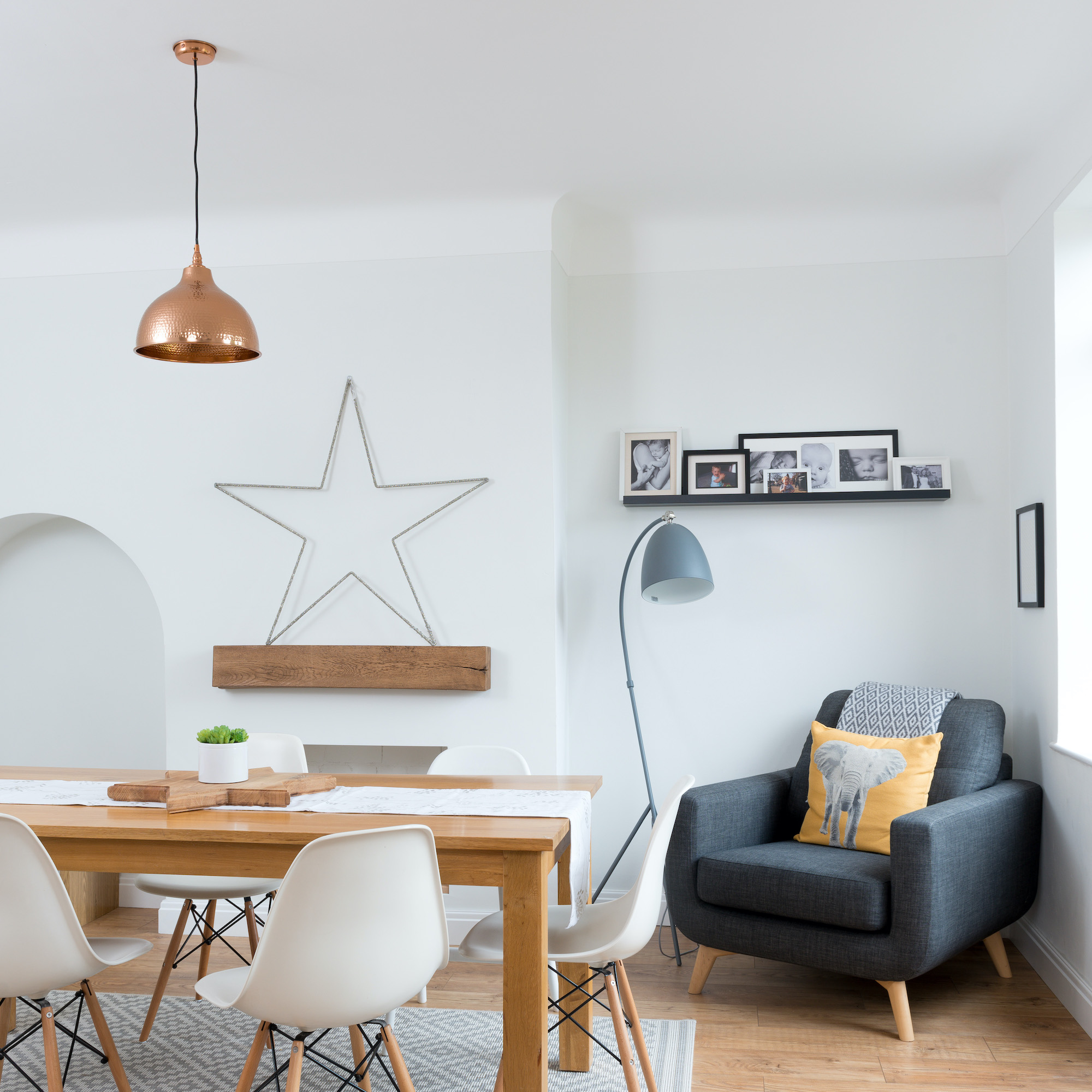
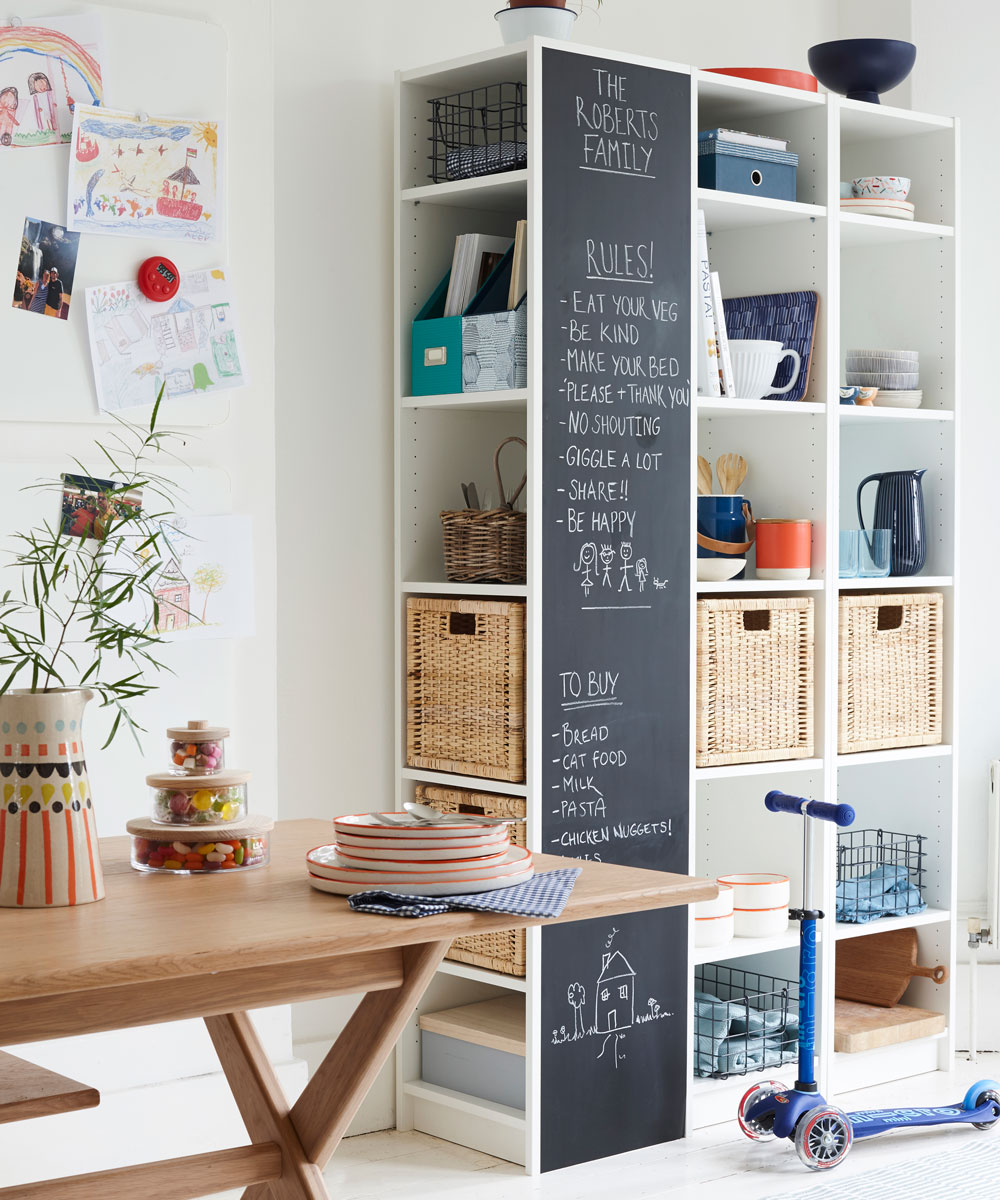
Gallery walls, when planned meticulously with symmetrical arrangements and matching frames, can provide interest and space-enhancing qualities. Sticking to monochrome pictures or photographs can instill order, and a stepped arrangement can lead the eye upwards, maximizing the perceived height of the room. Slimline shelving units, rather than bulky sideboards, free up floor space, providing display areas for decorative plates or books. Positioning bulkier furniture on the same wall as the door can also prevent it from dominating the space.
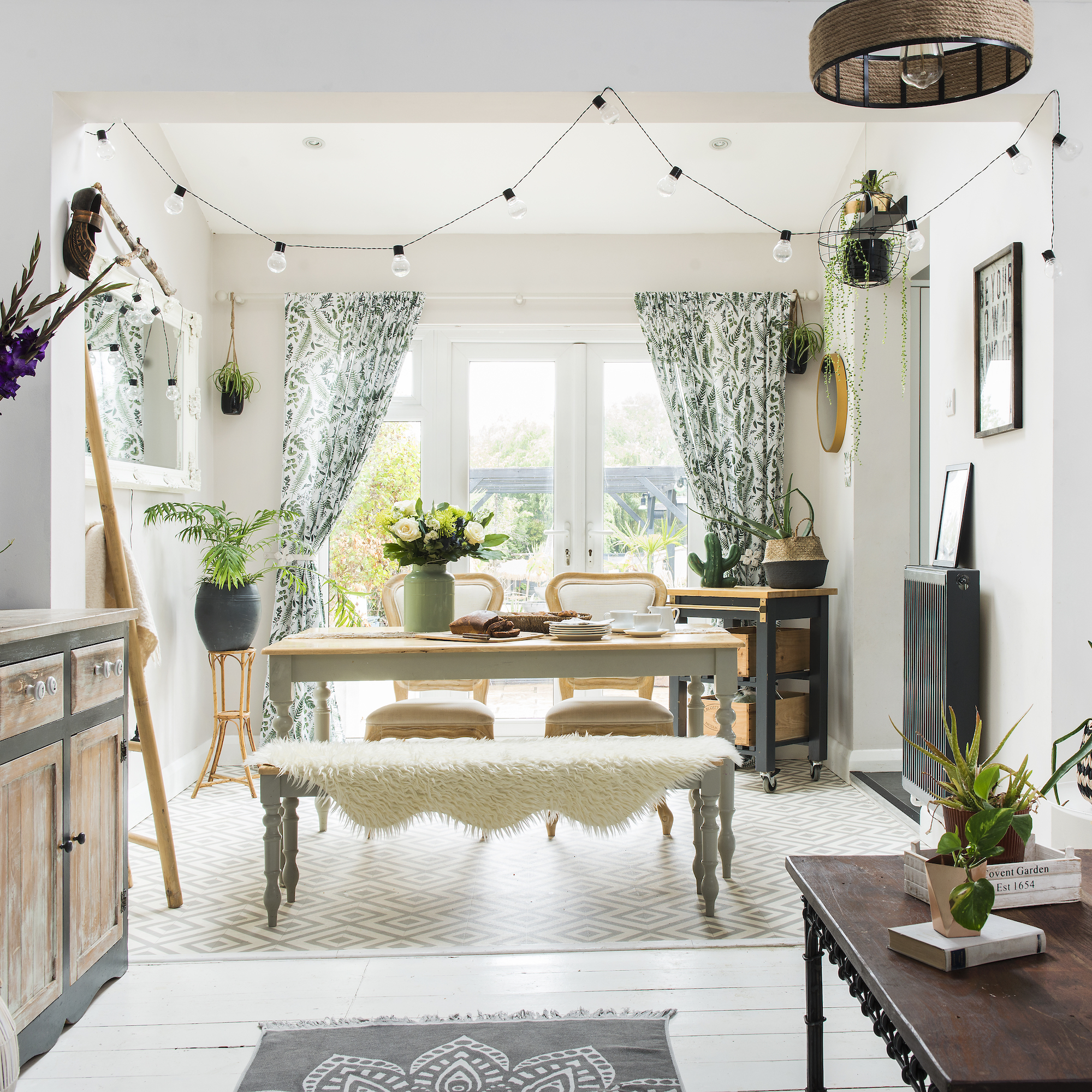
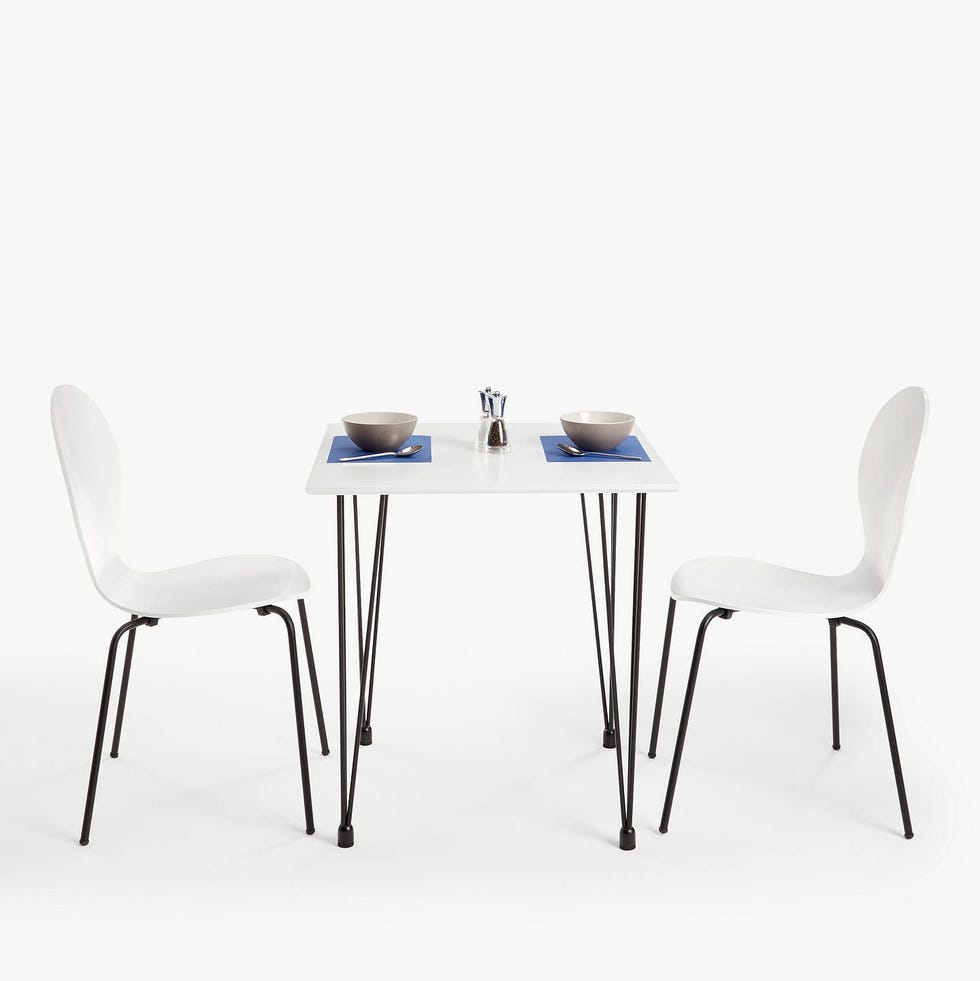
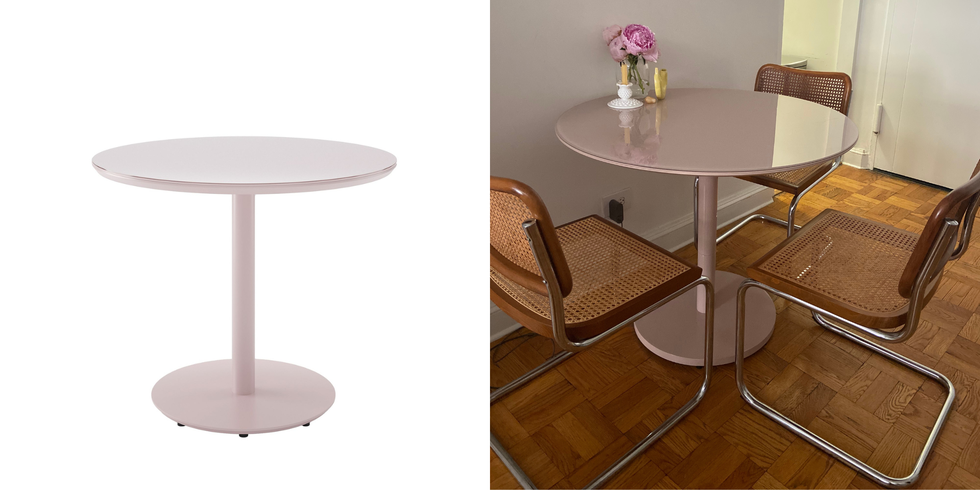
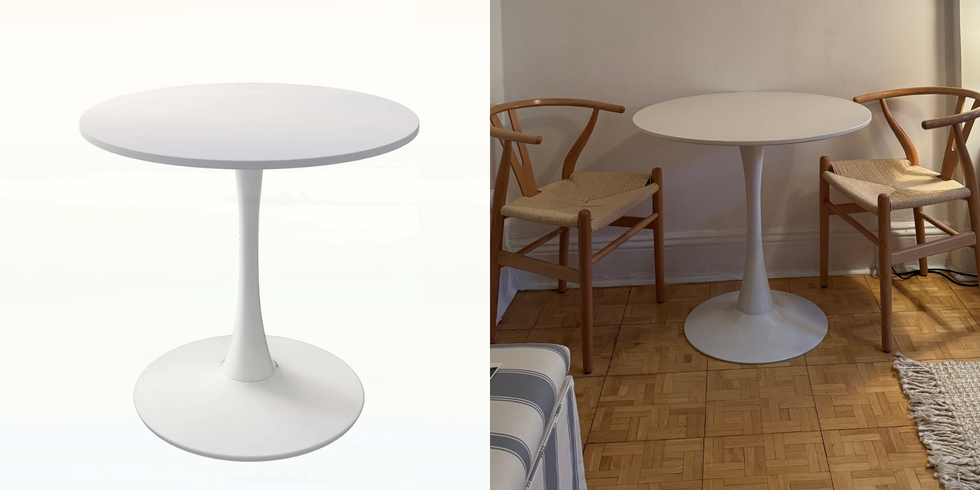
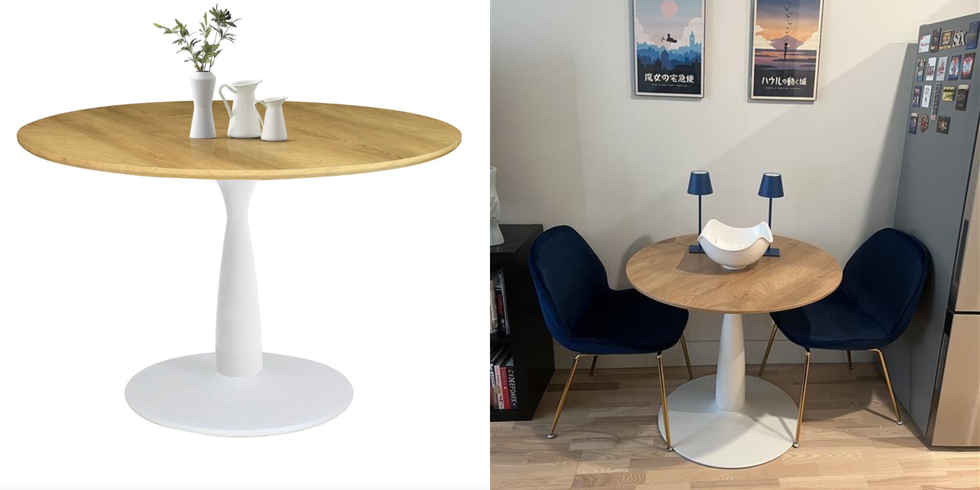
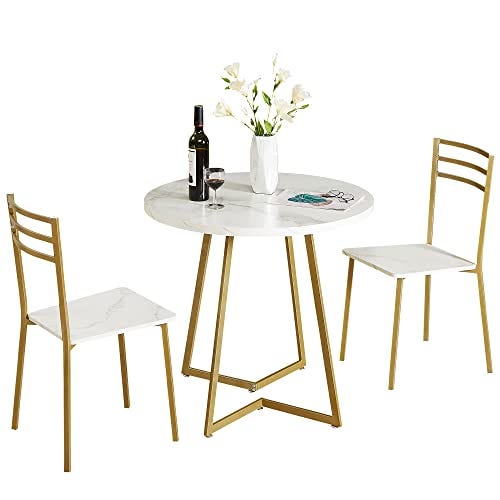
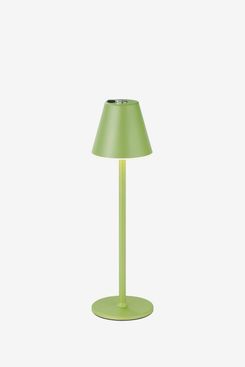
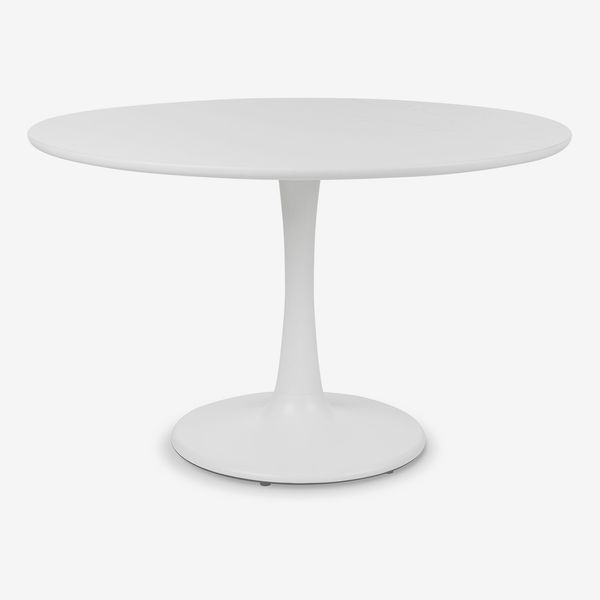
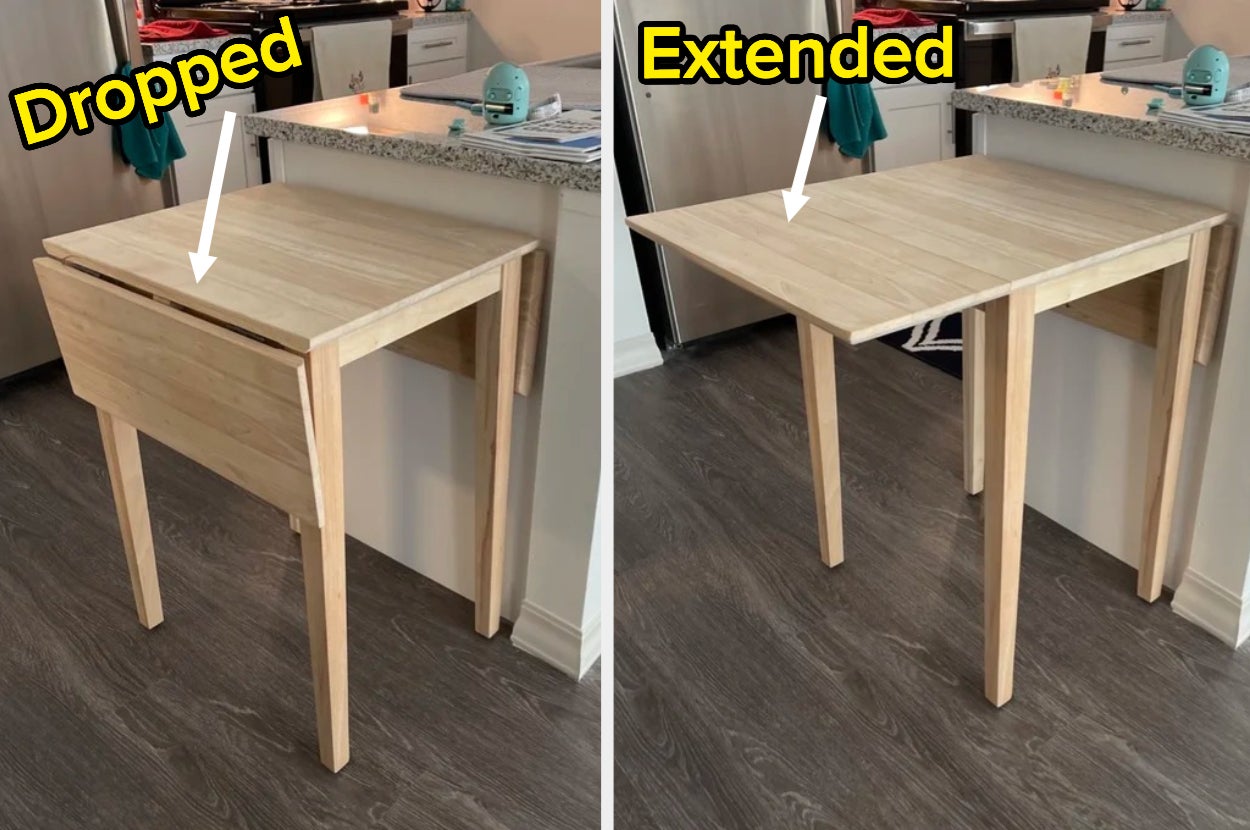
The ceiling, often referred to as the 'fifth wall,' offers a significant opportunity for decor in a small dining room. Using a bright color like yellow on the ceiling can visually expand the space, especially if it spills onto plain white walls below. Wallpapering the ceiling or incorporating decorative light sconces and cornicing can draw attention upwards, highlighting the full height of the room. For furniture choices, a round, extendable table is often the most suitable for small dining rooms, offering flexibility and promoting social interaction. Corners can be utilized for tall floor lamps to visually expand the room or for slim planters with upward-growing houseplants, adding texture and life without impeding movement.
#SmallDiningRoom #InteriorDesign #SpaceSaving #HomeDecor #ColorSchemes #FurniturePlacement #WallTreatments #BanquetteSeating #RoomLayout #LightingDesign #SmallDiningRoom #InteriorDesign #SpaceSaving #HomeDecor #ColorSchemes #FurniturePlacement #WallTreatments #BanquetteSeating #RoomLayout #LightingDesign
0 comment in total
 No comments yet
You may also like
20 Dining Room Ideas for Small Spaces

14 dining ideas for small kitchens – designs for tiny spaces

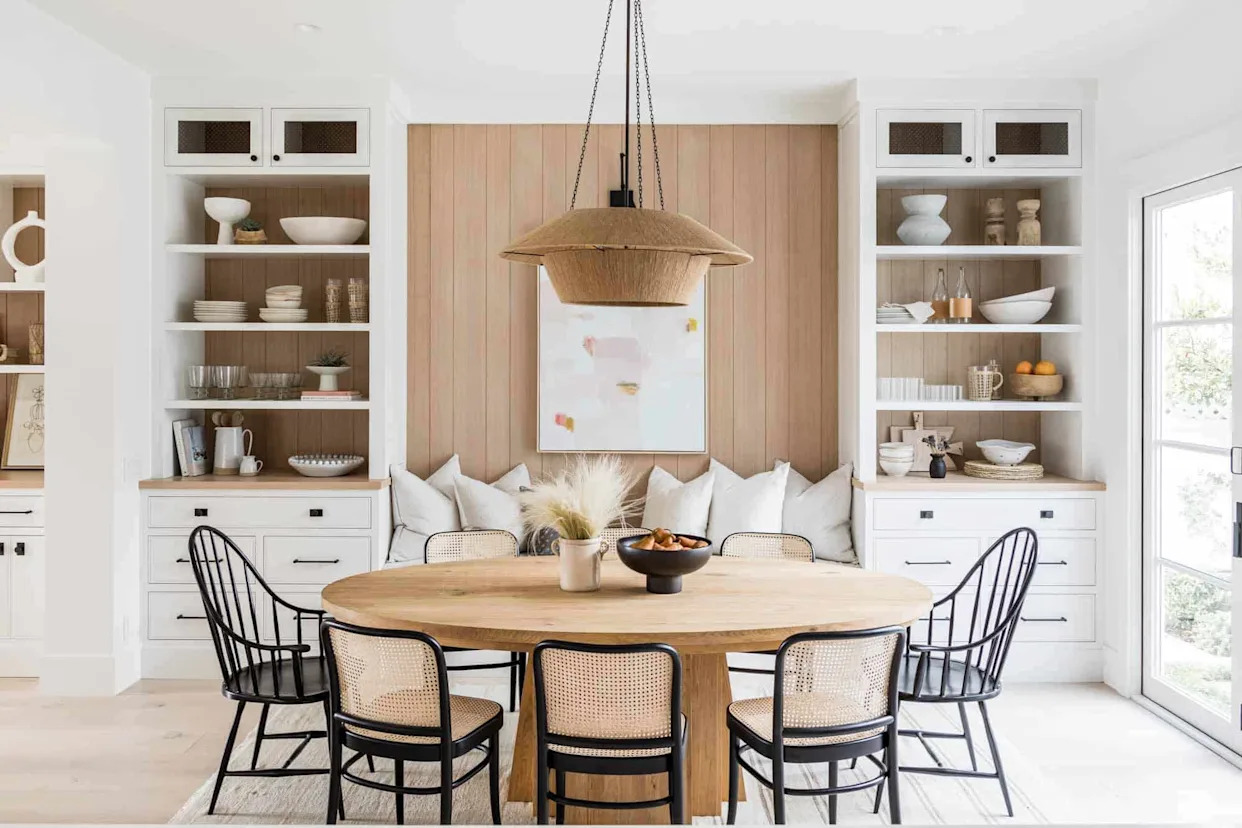
12 Layout Tricks Designers Use to Make Dining Rooms Feel Bigger and Brighter

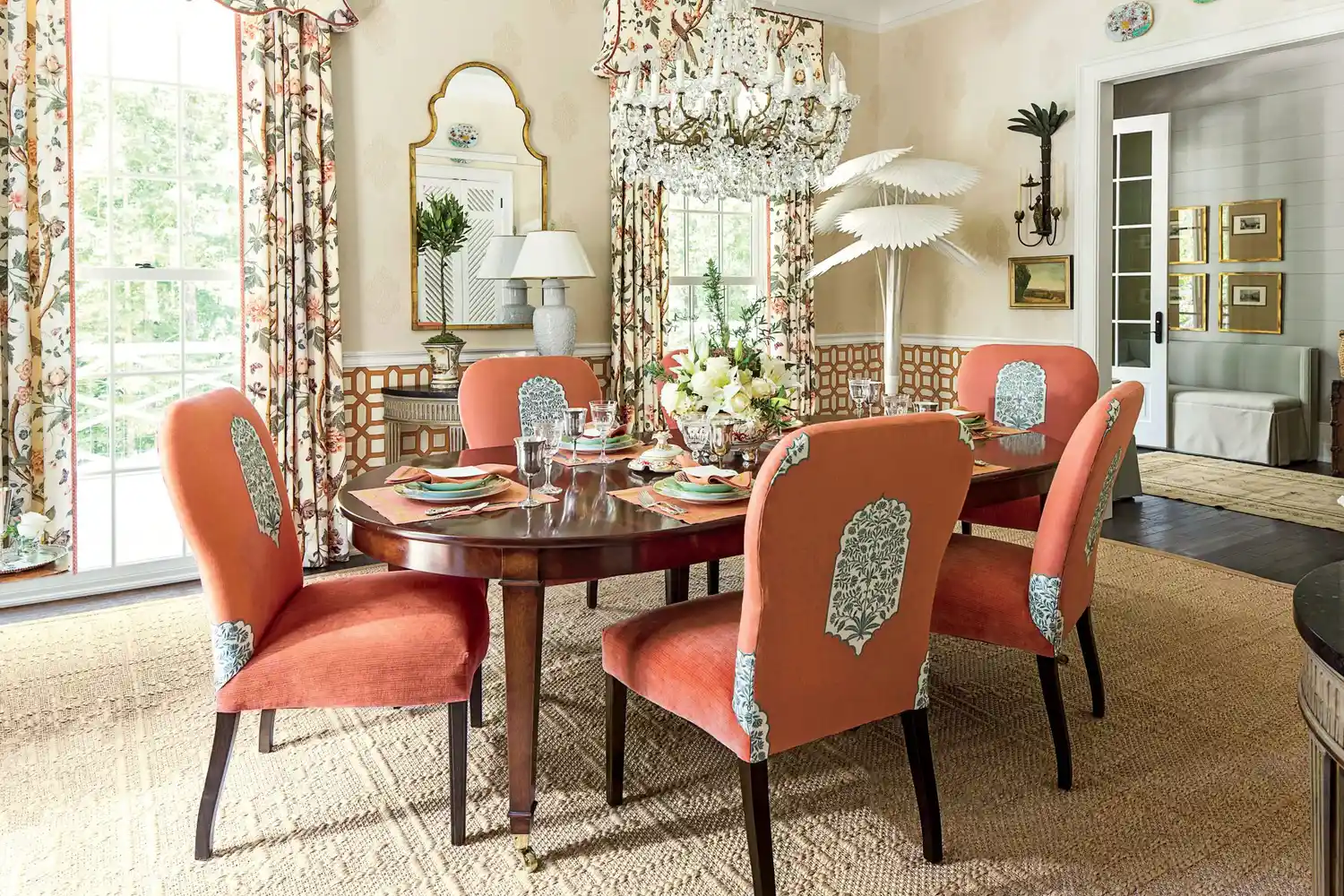
7 Ways To Make A Small Dining Room Feel Bigger, According To Designers
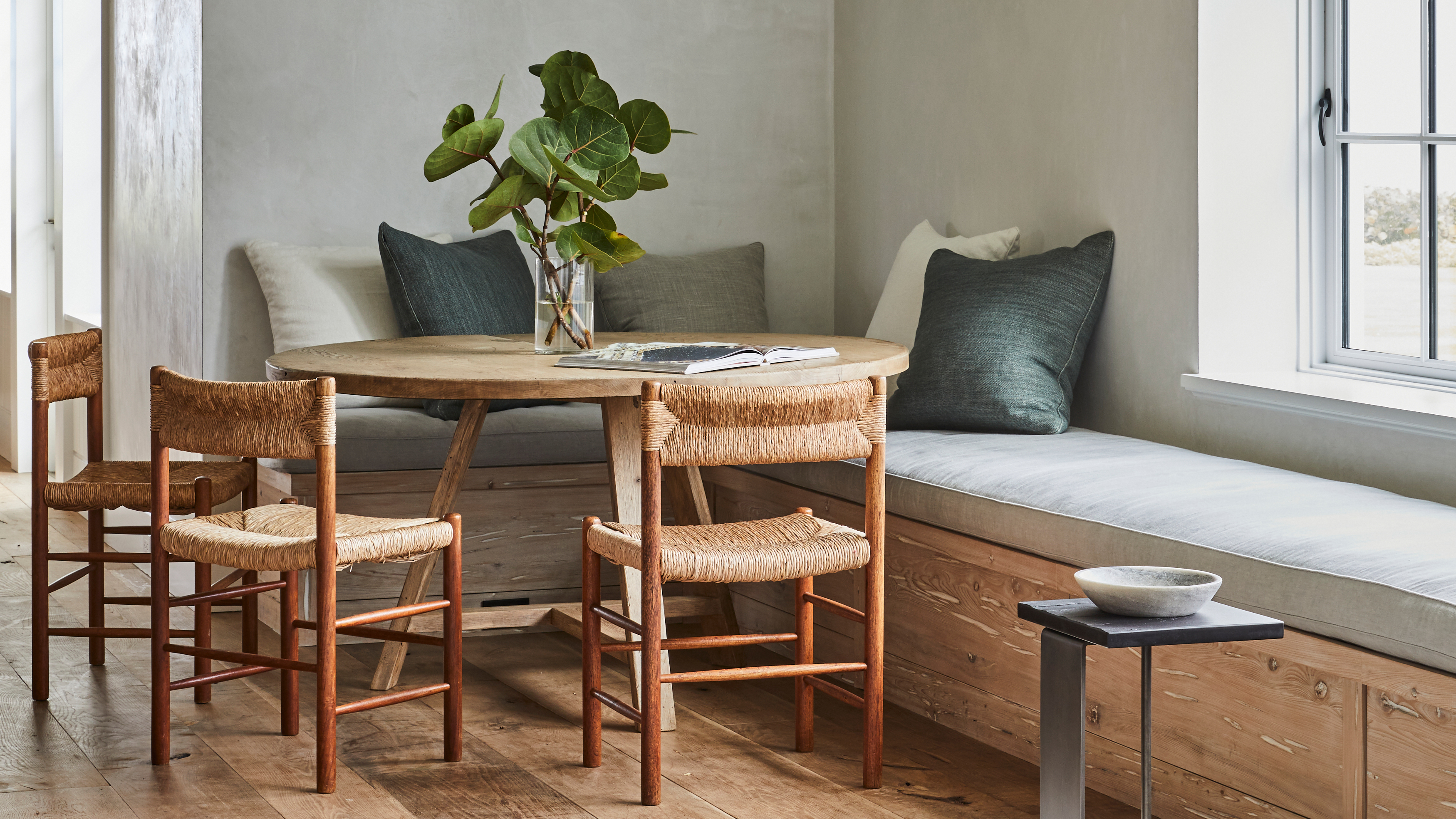
14 small dining room ideas – chic and clever ways to make the most of your space |

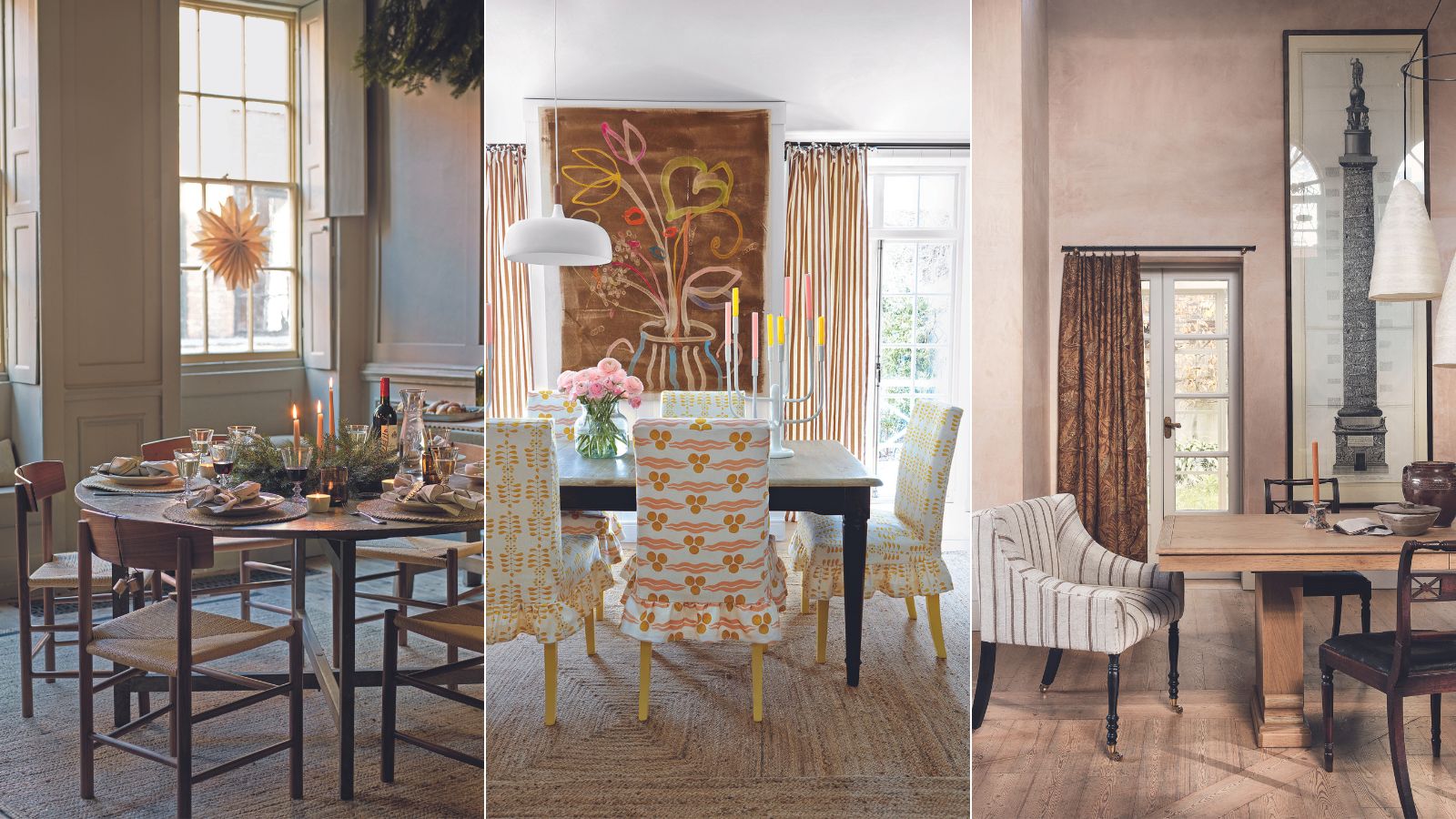
Dining room layout ideas – 6 ways to configure this hardworking space

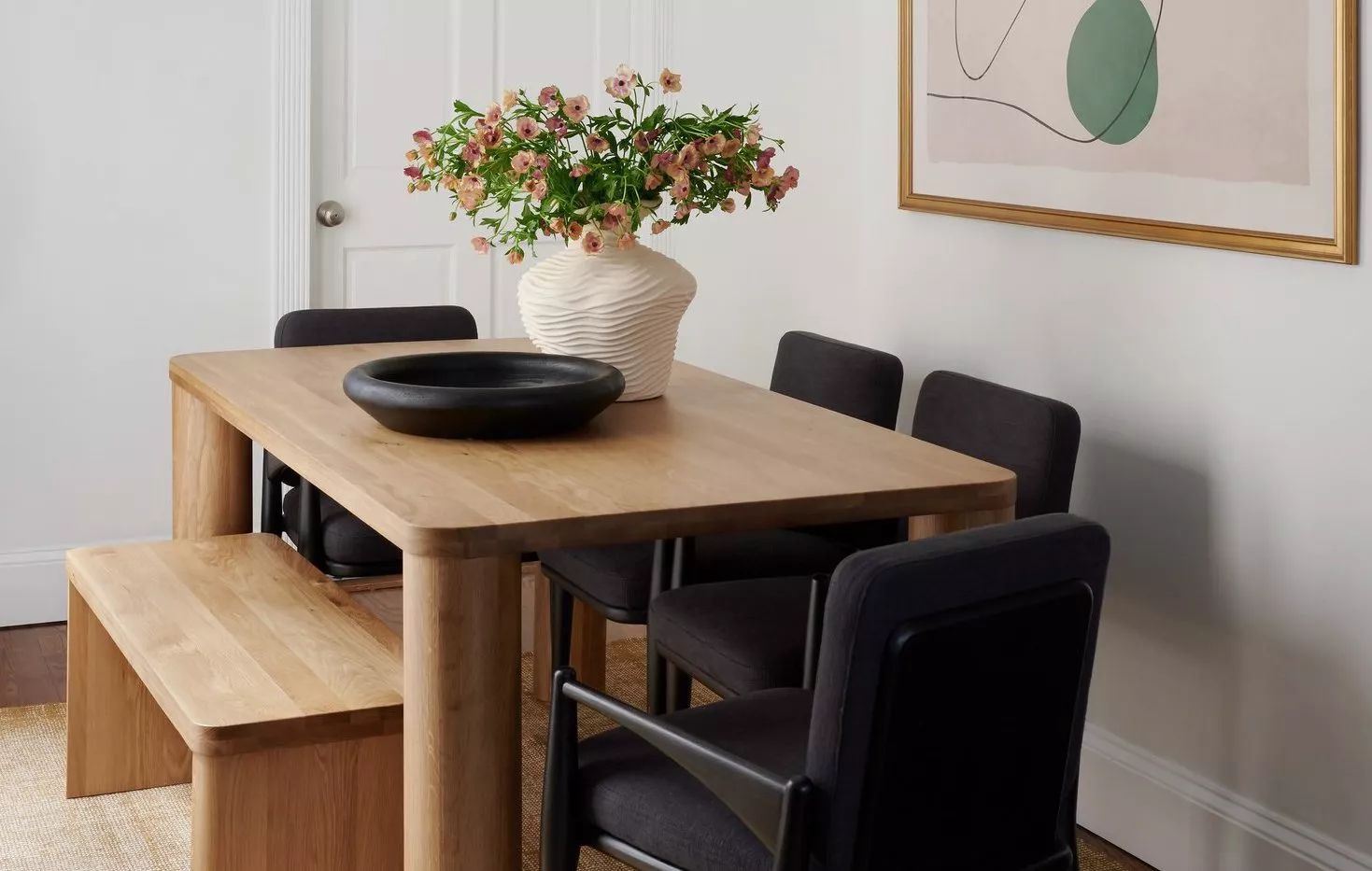
6 Easy Ways to Make Any Small Dining Room Look Larger—Instantly

31 Cheap (But Expensive-Looking) Dining-Room Décor Accents
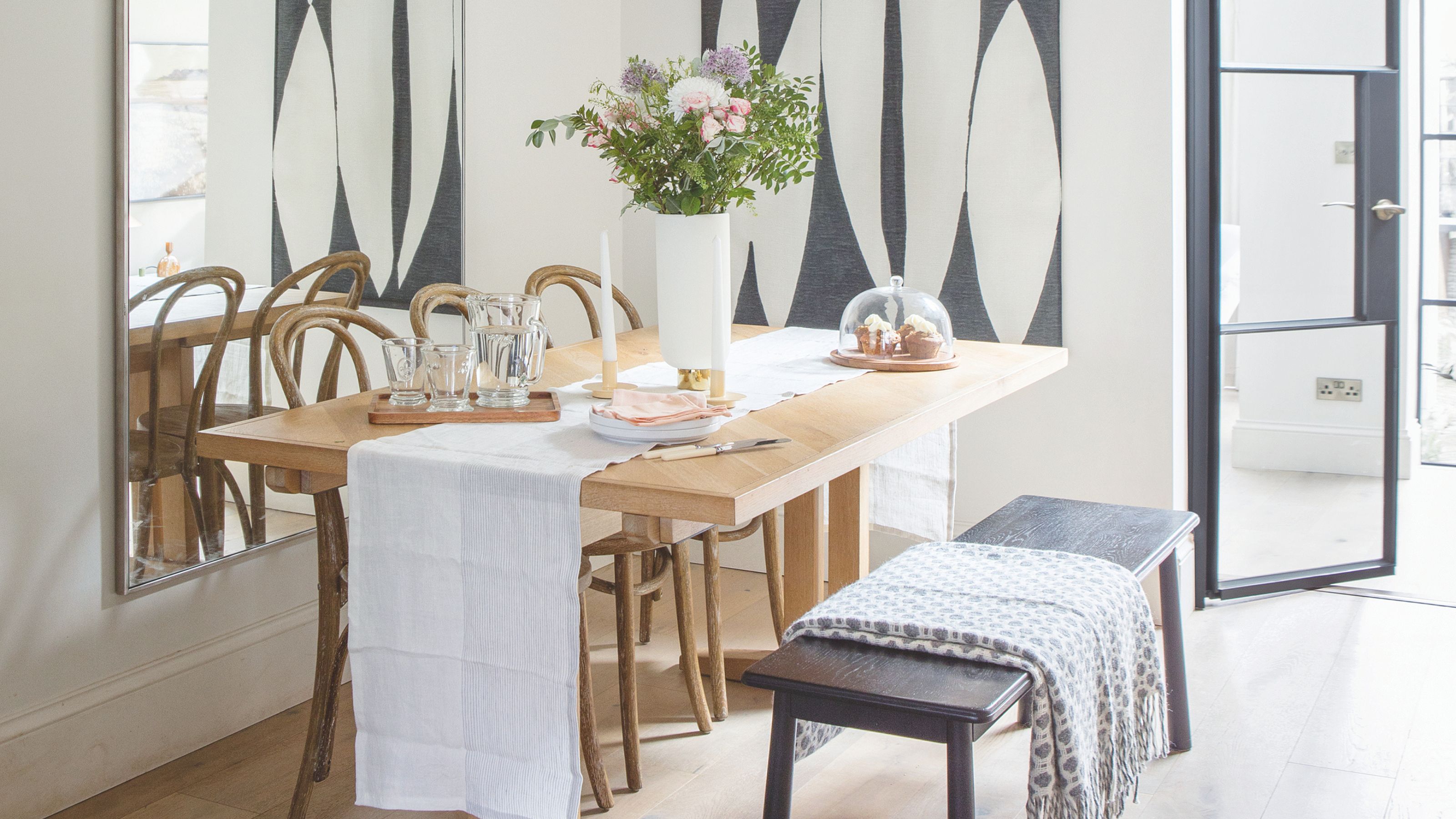
28 small dining room ideas – how to make even a tiny space work for every occasion
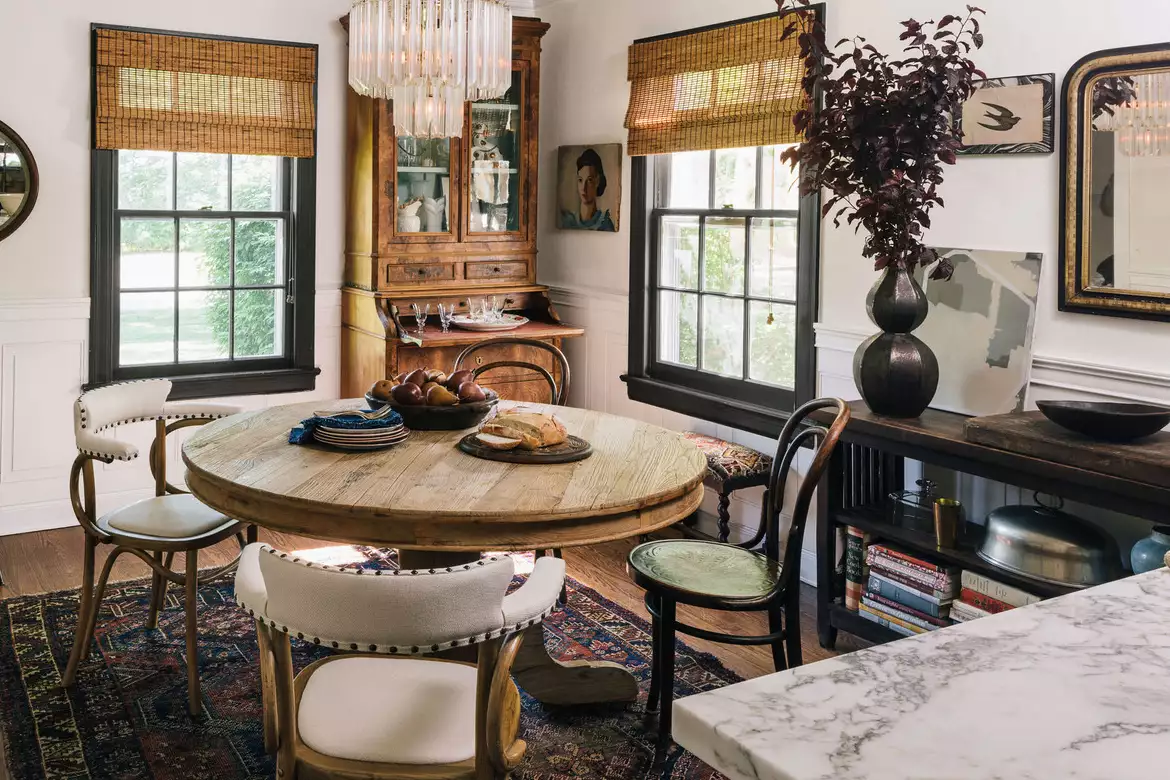
14 Small Dining Room Ideas That Will Help Maximize Your Space

These Top-Rated Small Dining Tables Won’t Eat Up Space in Your Tiny Apartment (Promise)
Budget dining room ideas – serve up fresh decor looks on a shoestring
24 Cleverly Genius Small Dining Room Ideas That Will Make Guests Forget the Size
14 of the best small dining tables for feasting in style
Small Room Ideas - Decorating Small Spaces

Here’s How I Throw Dinner Parties for 8 With No Dining Room
Small dining room lighting ideas – 10 ways to illuminate mealtimes in style
Small Dining Tables Are Having a Moment—and These 8 Are the BEST
33 Of The Best Small Dining Tables That Will Fit Even The Tightest Space

Dining Room: Tips and Decorative Inspirations