1/2
Designers Agree: These 5 Dining Room Features Are Always Eyesores
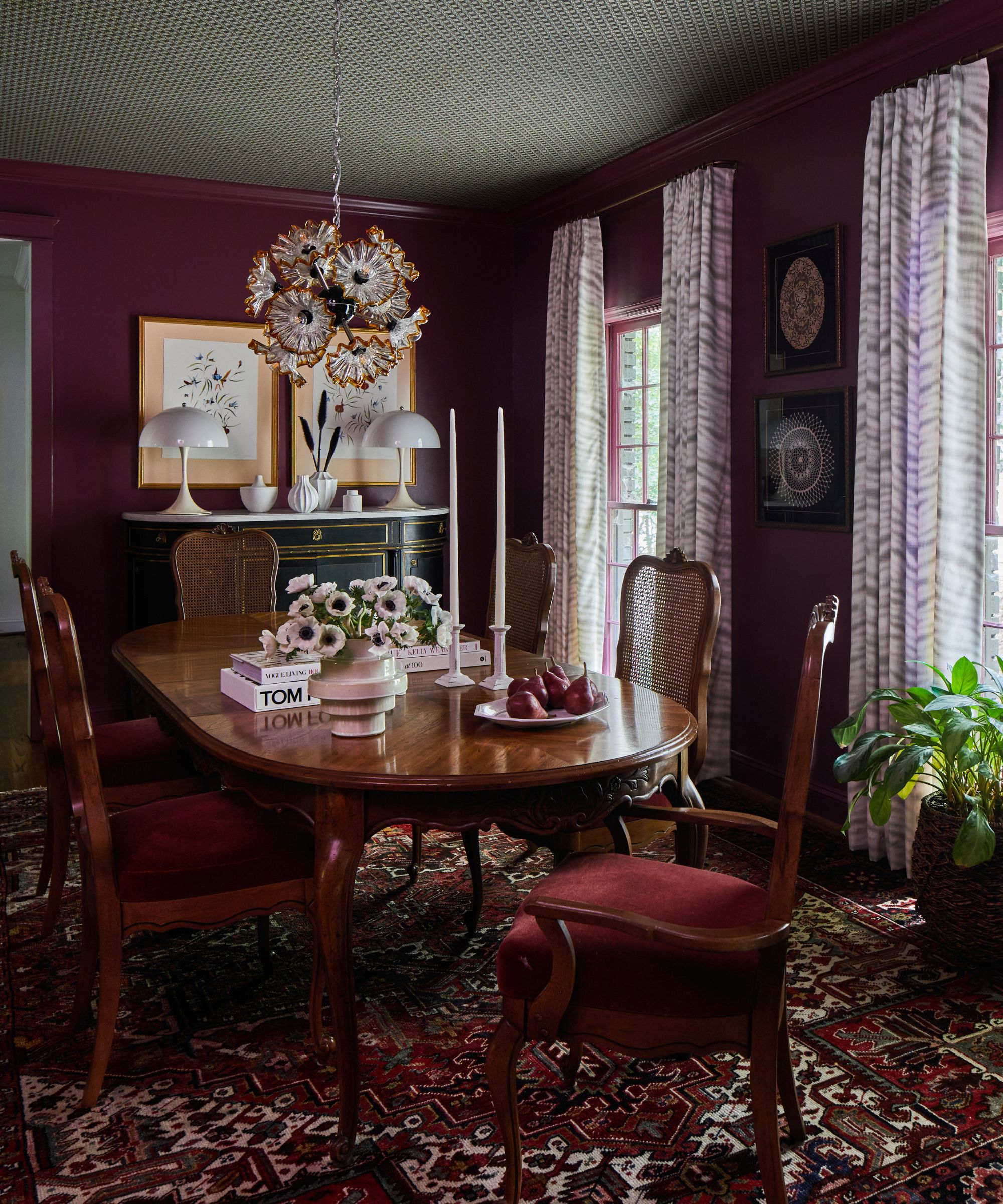
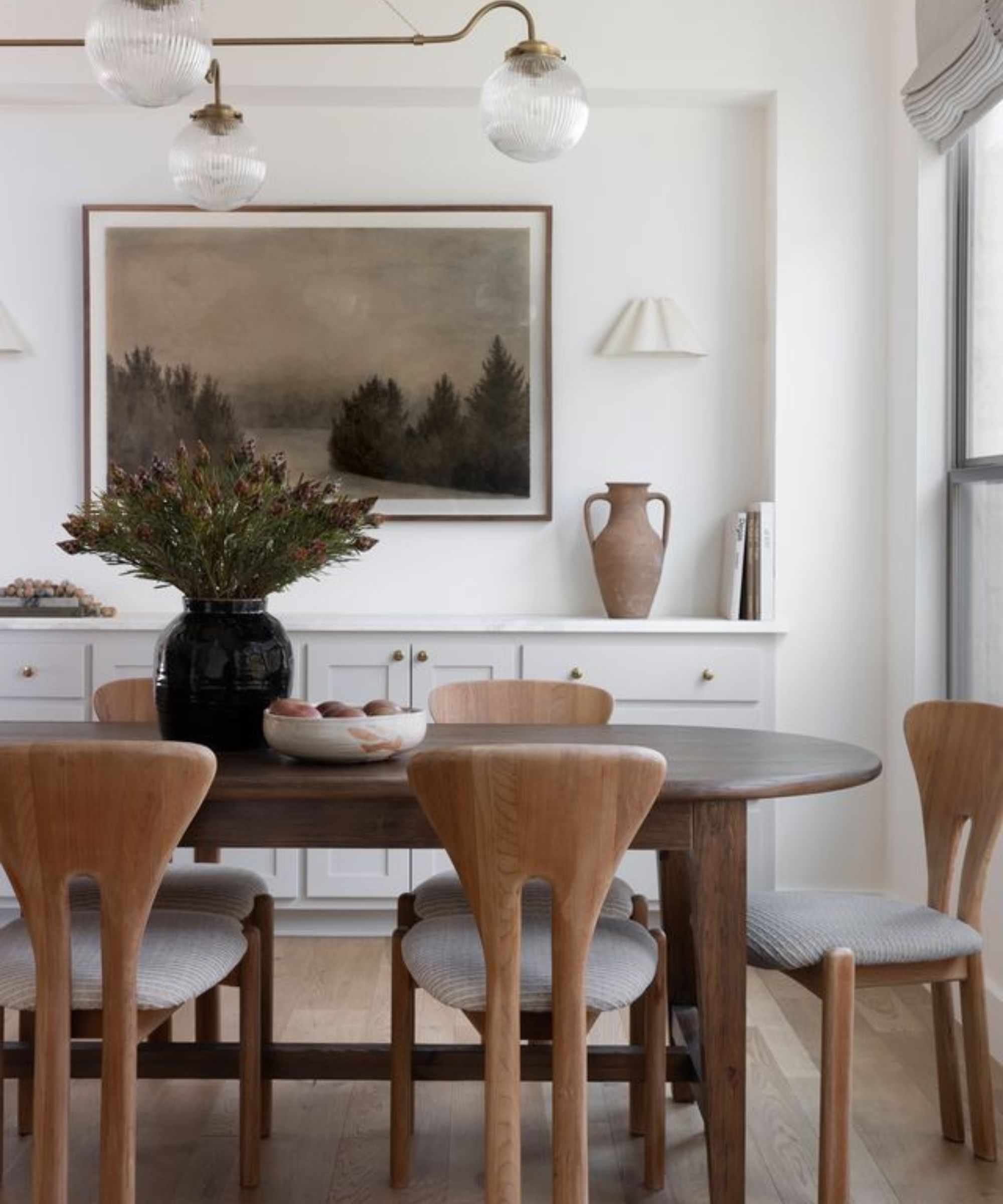
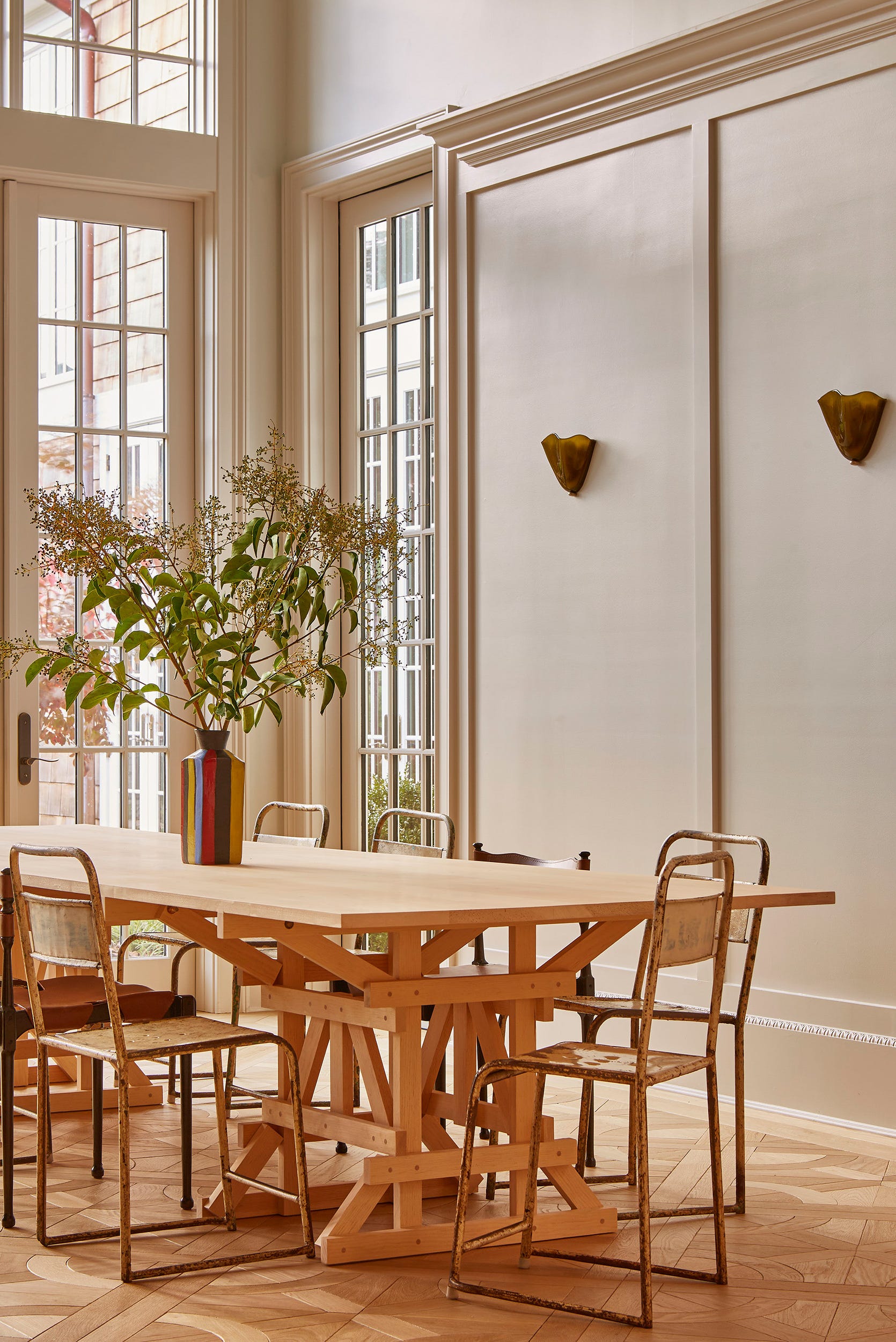
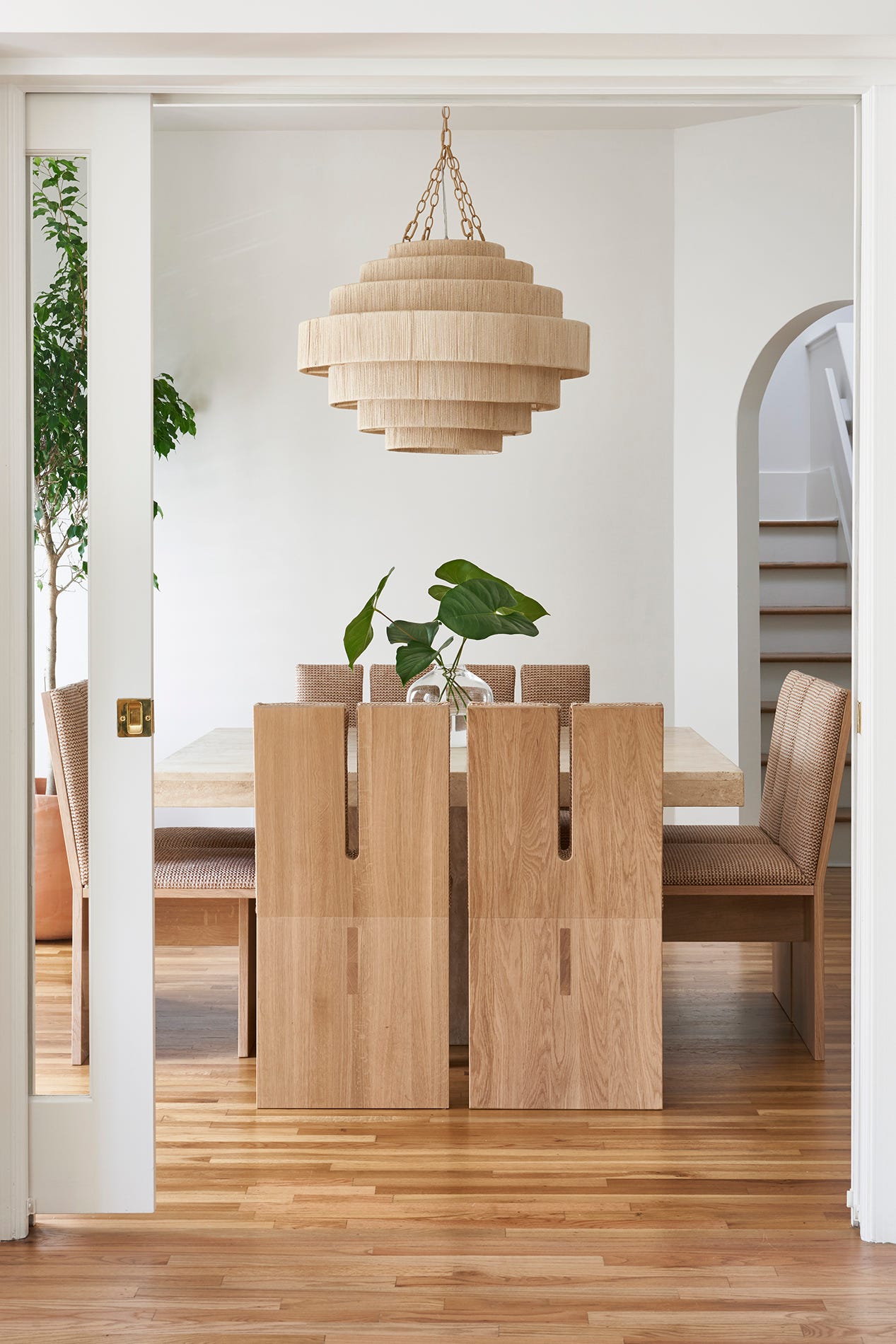
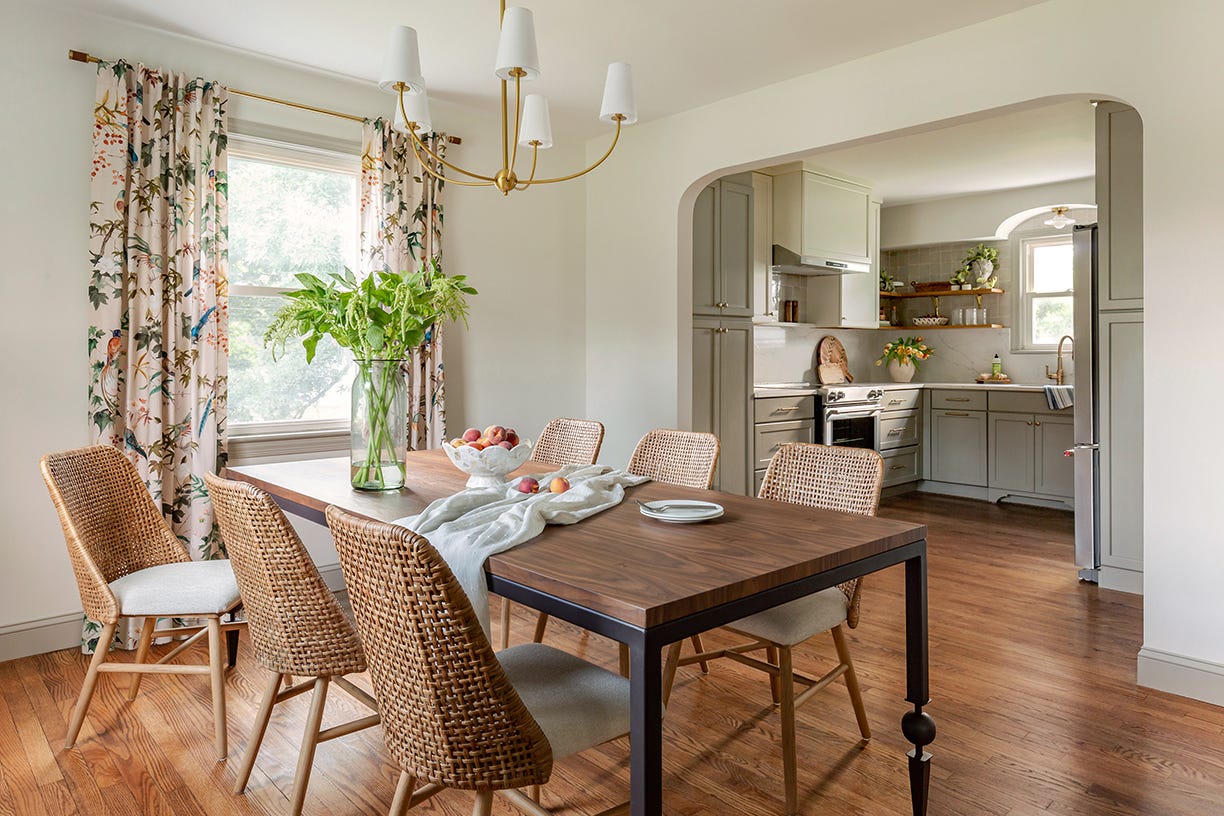
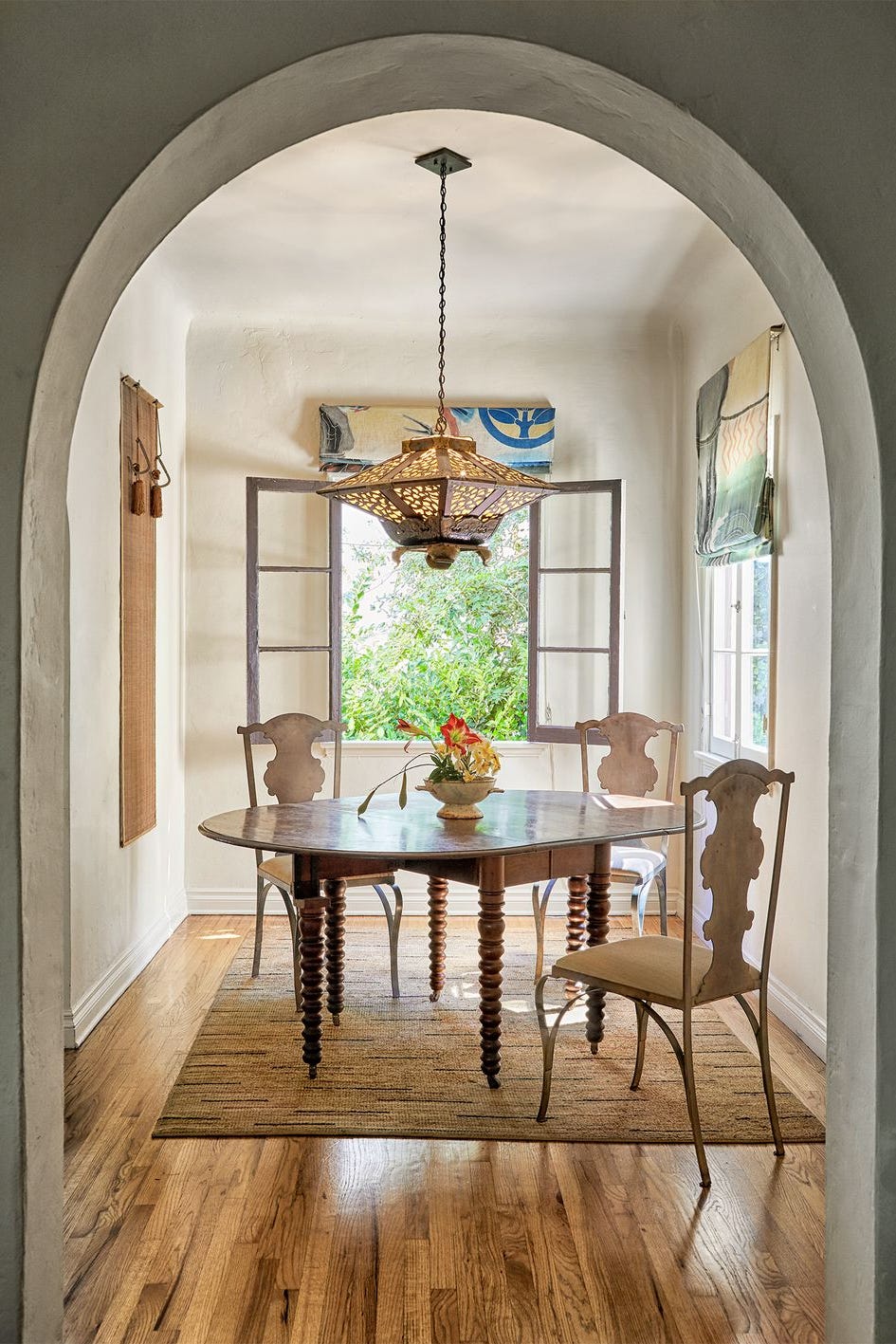
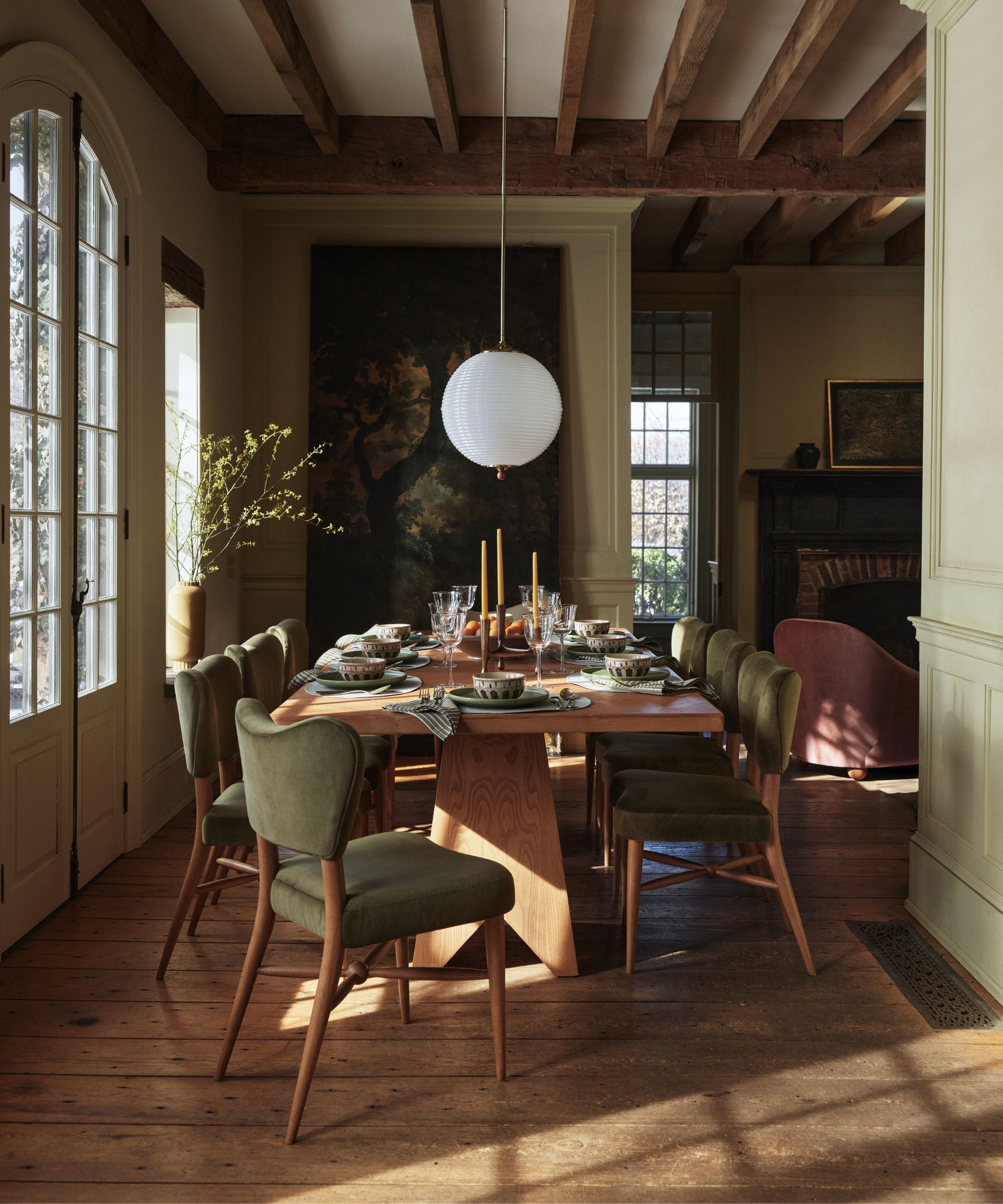
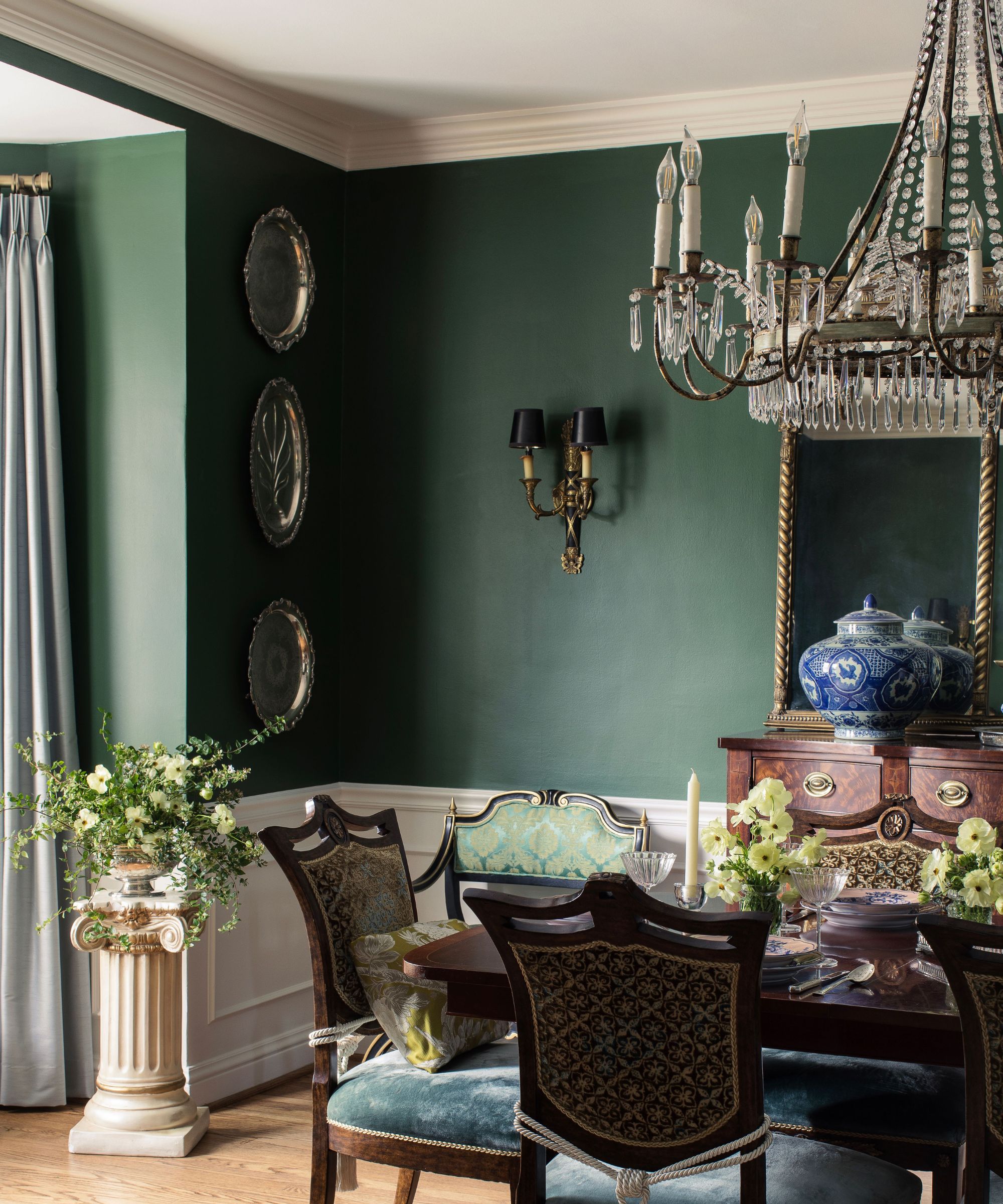
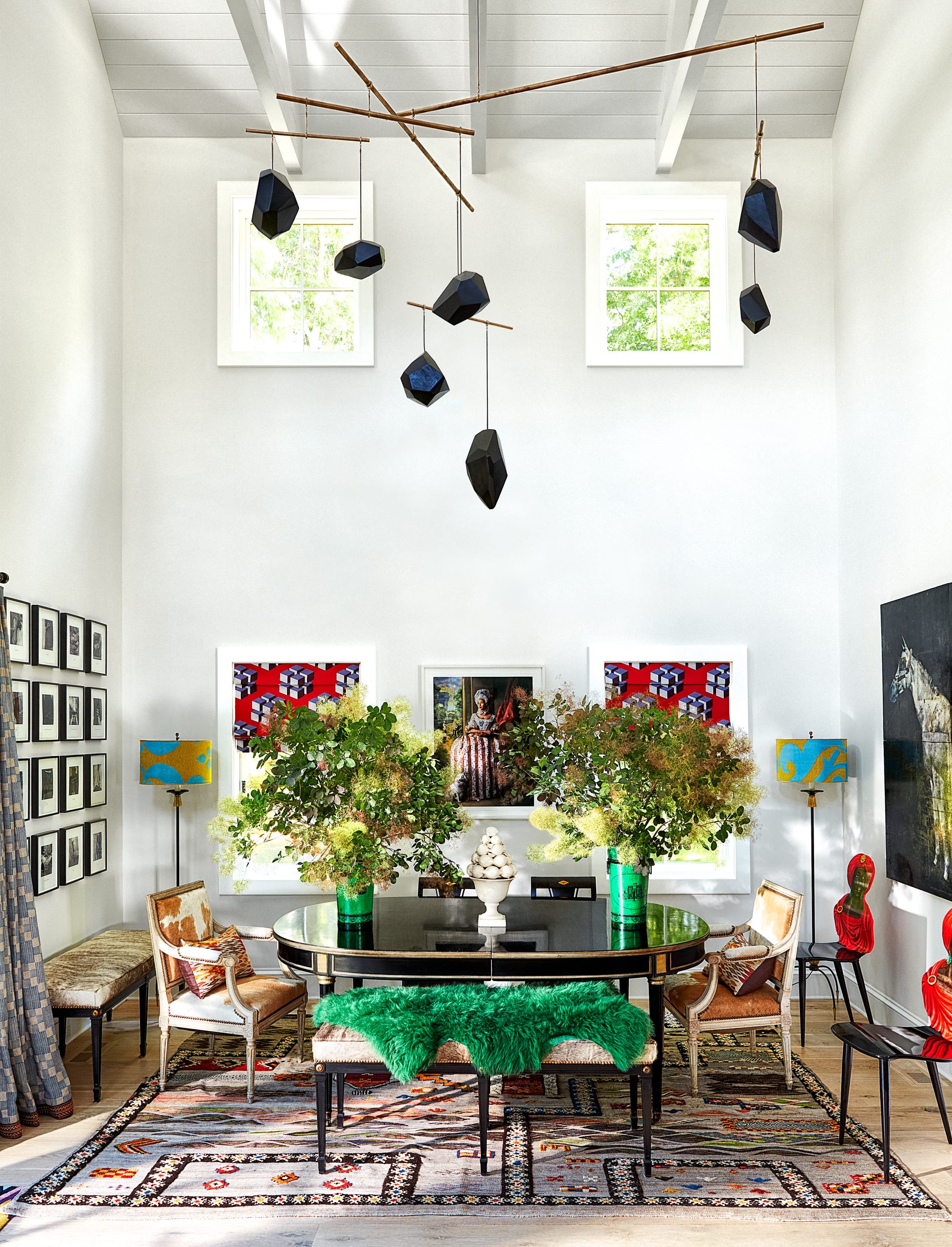
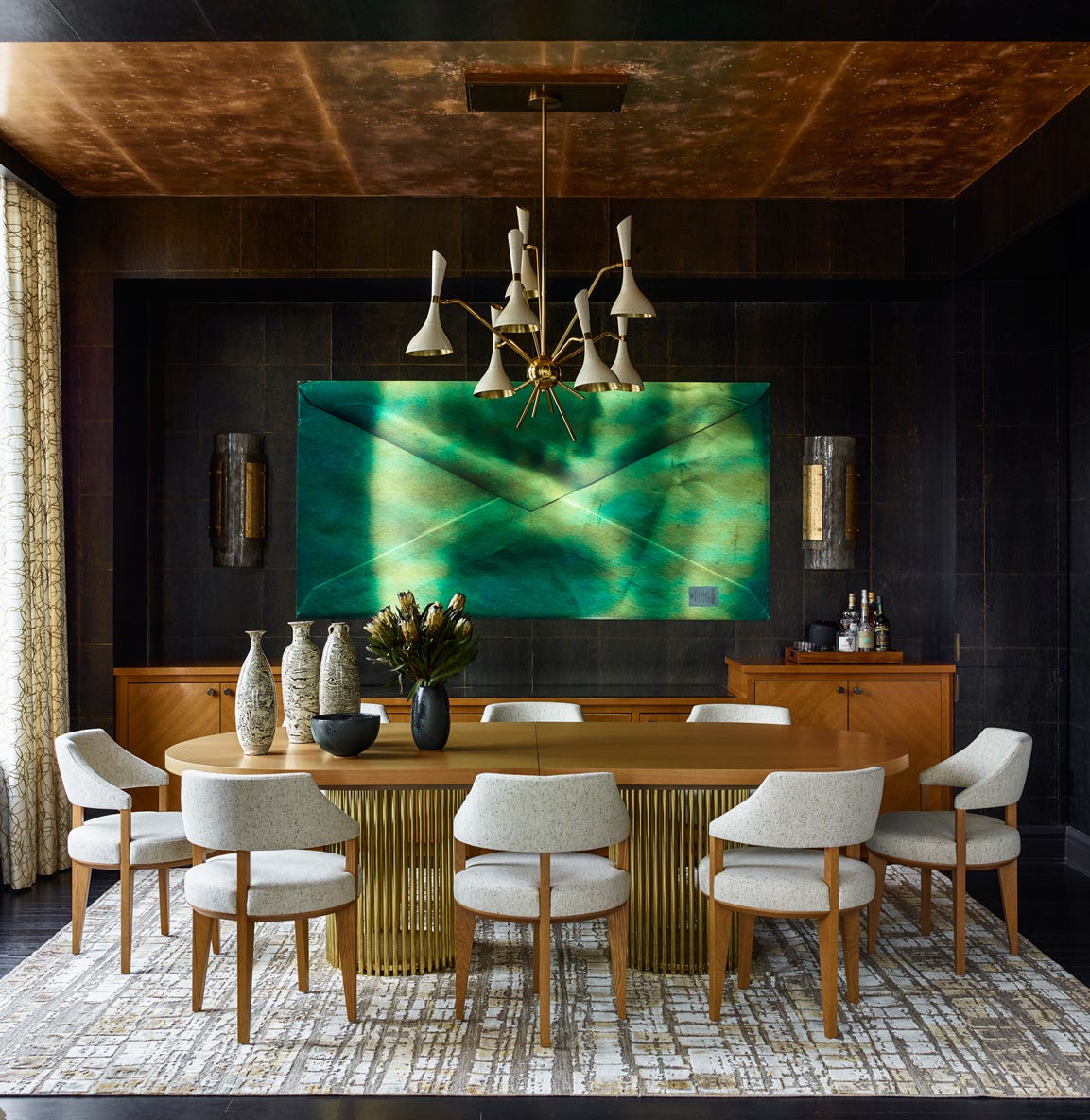
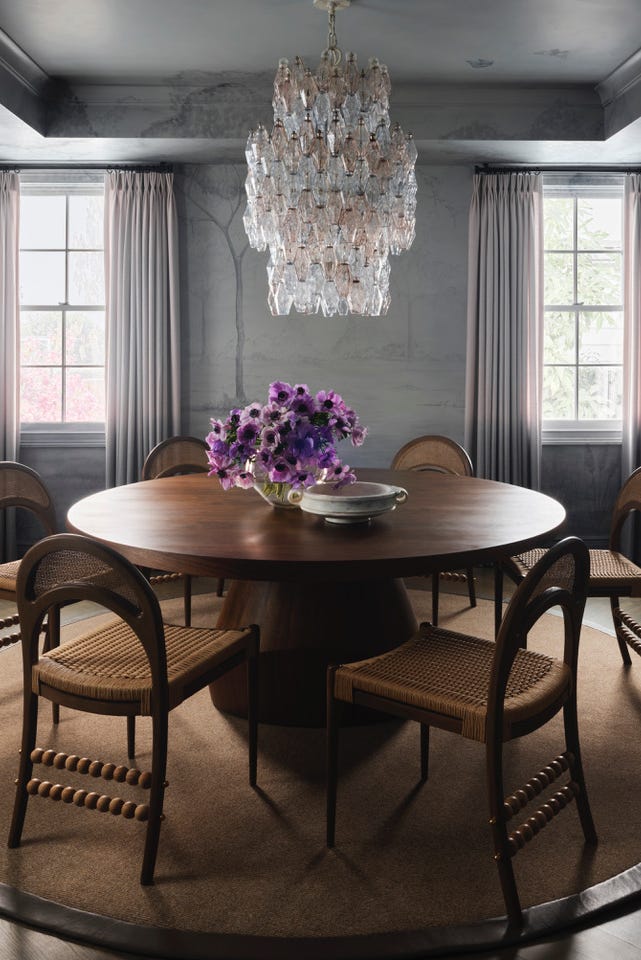
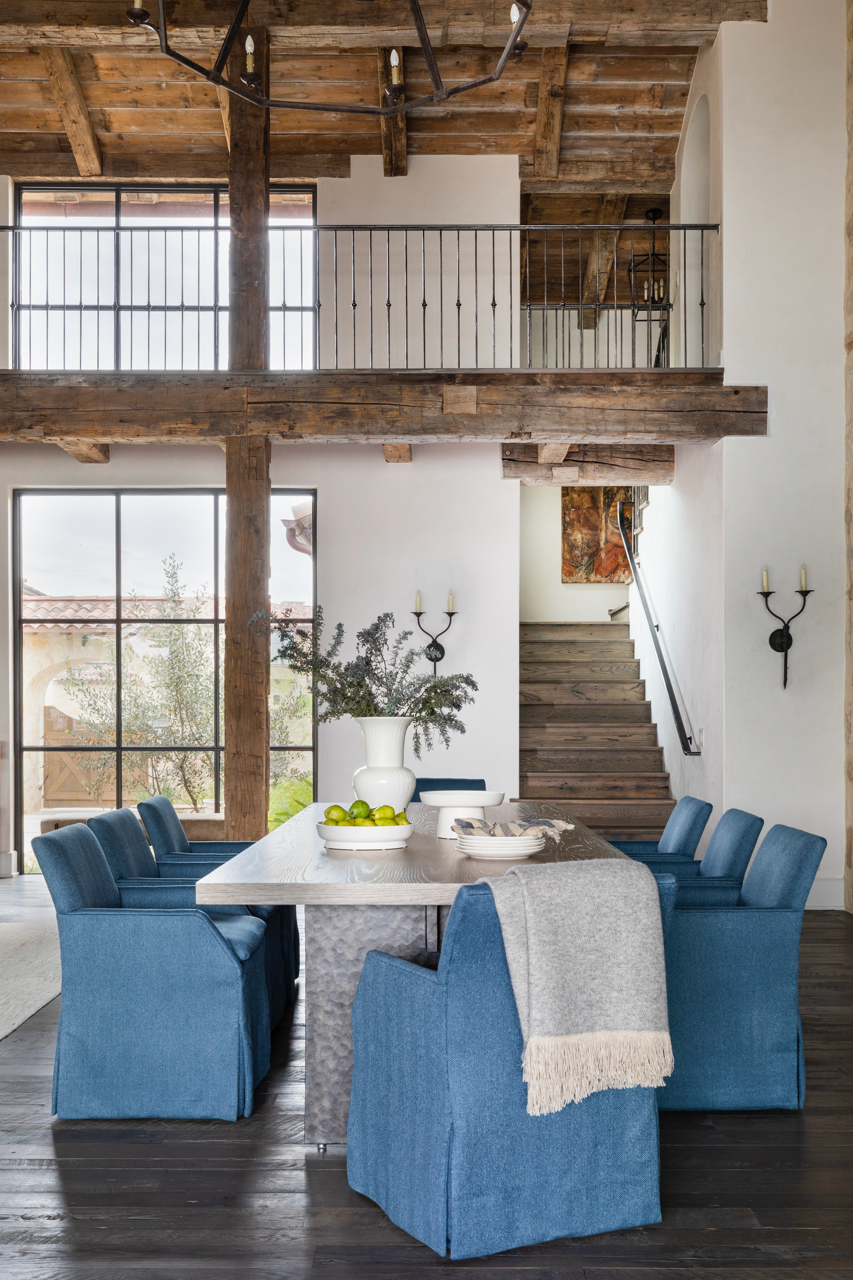
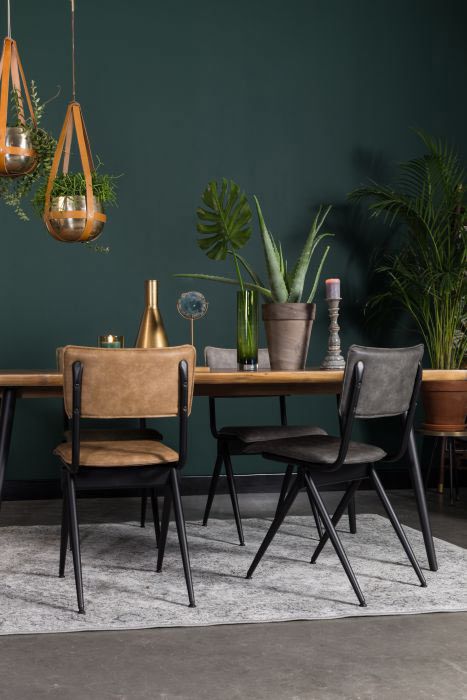
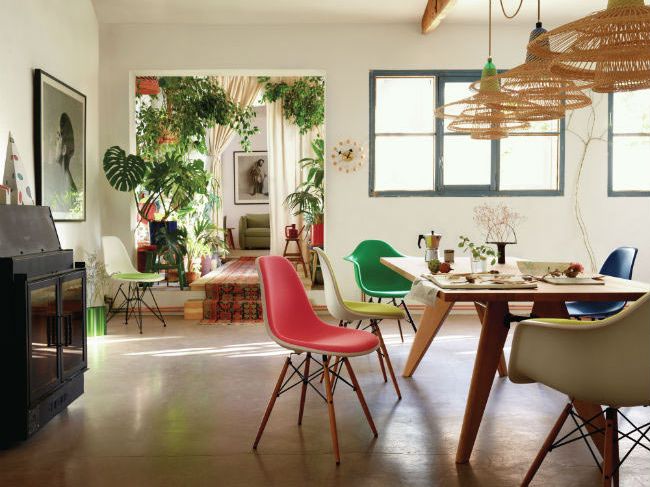
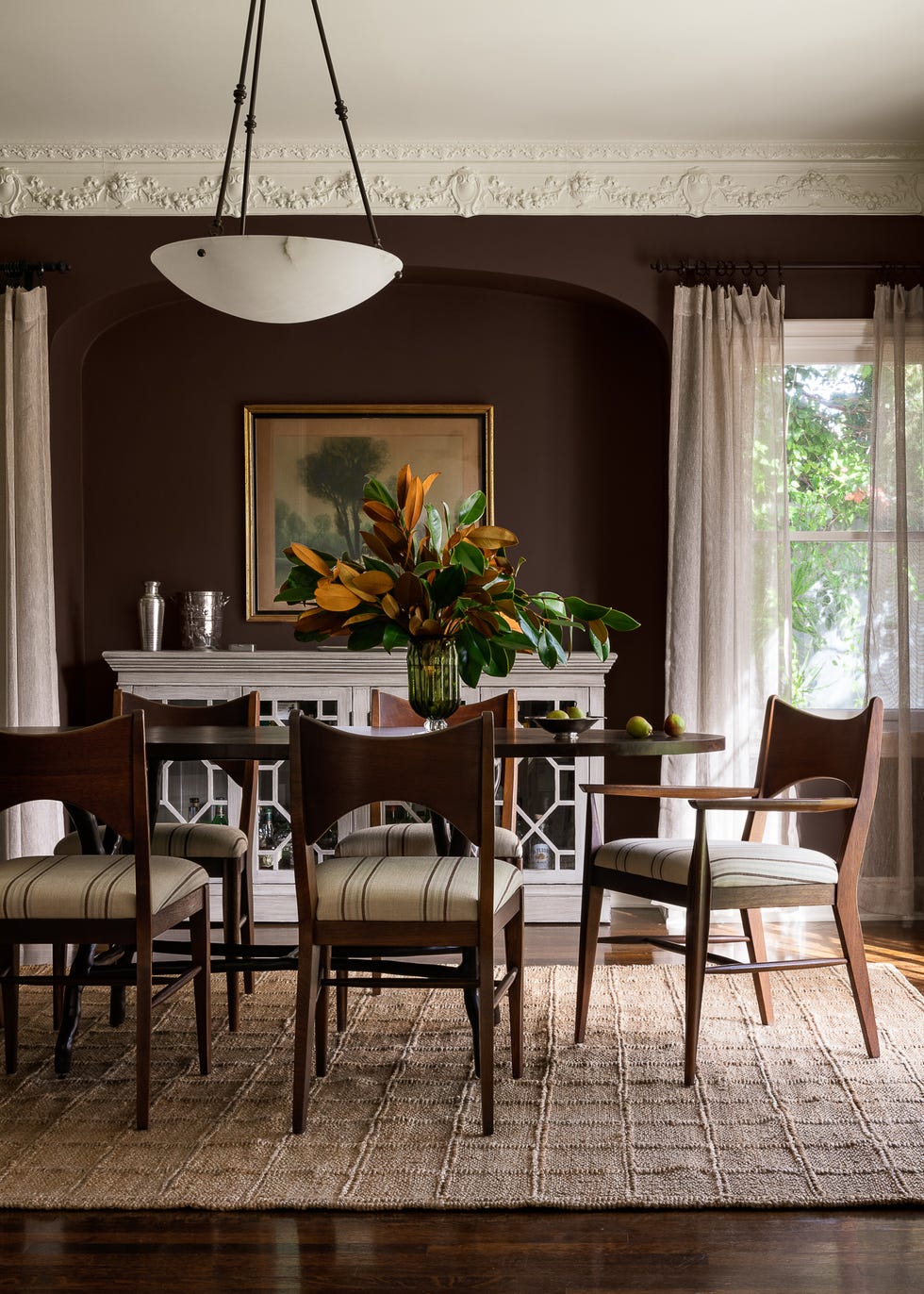
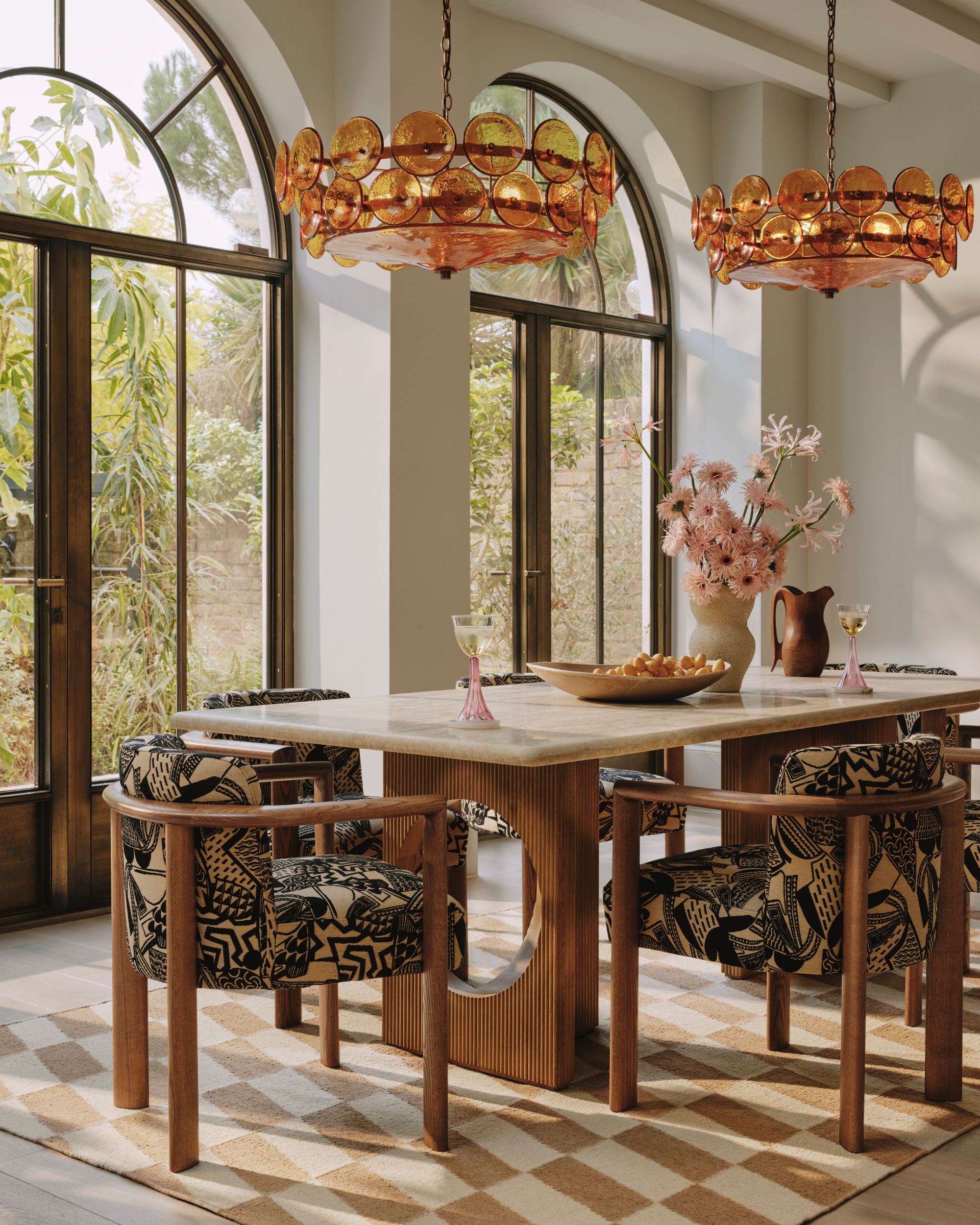
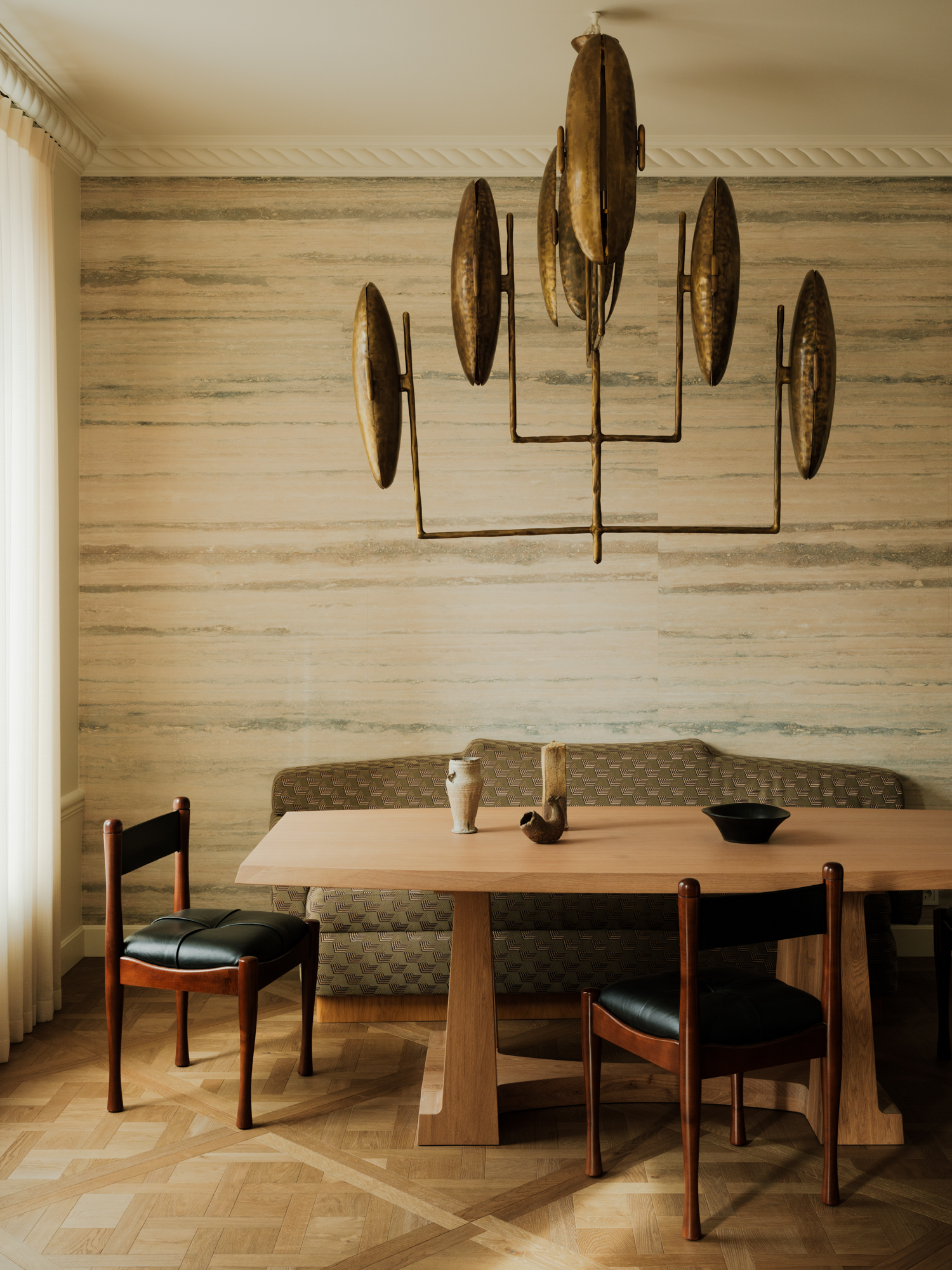
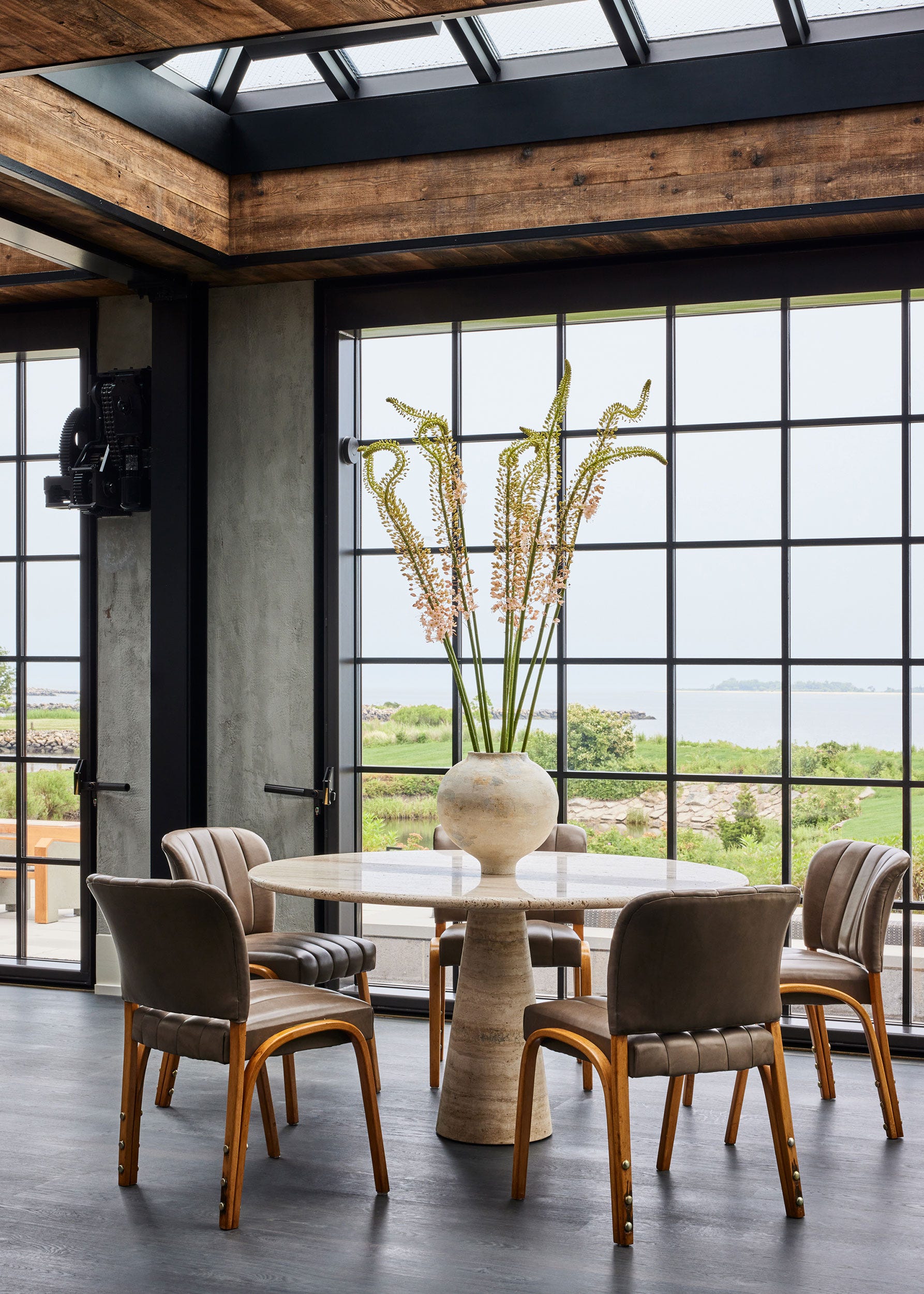
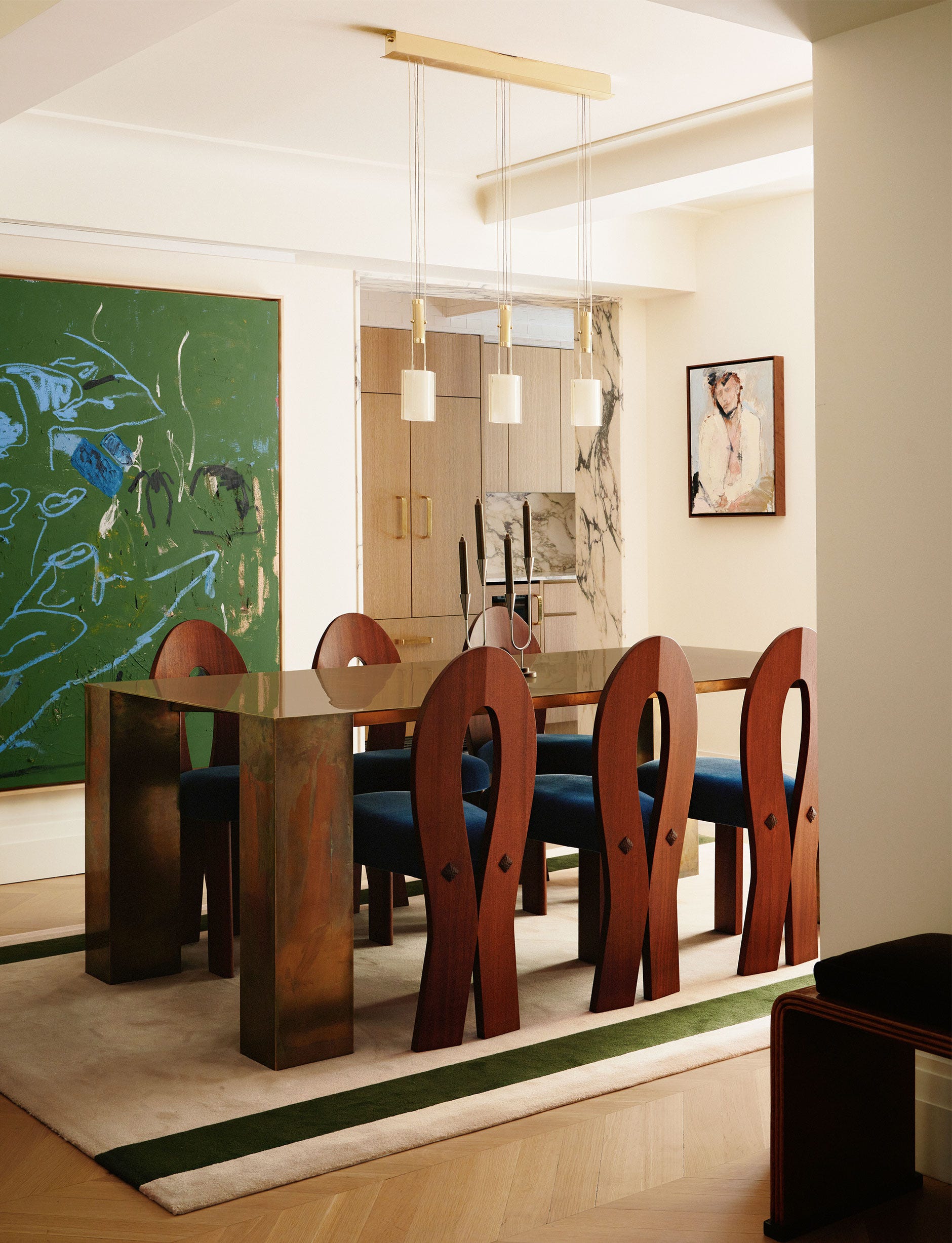
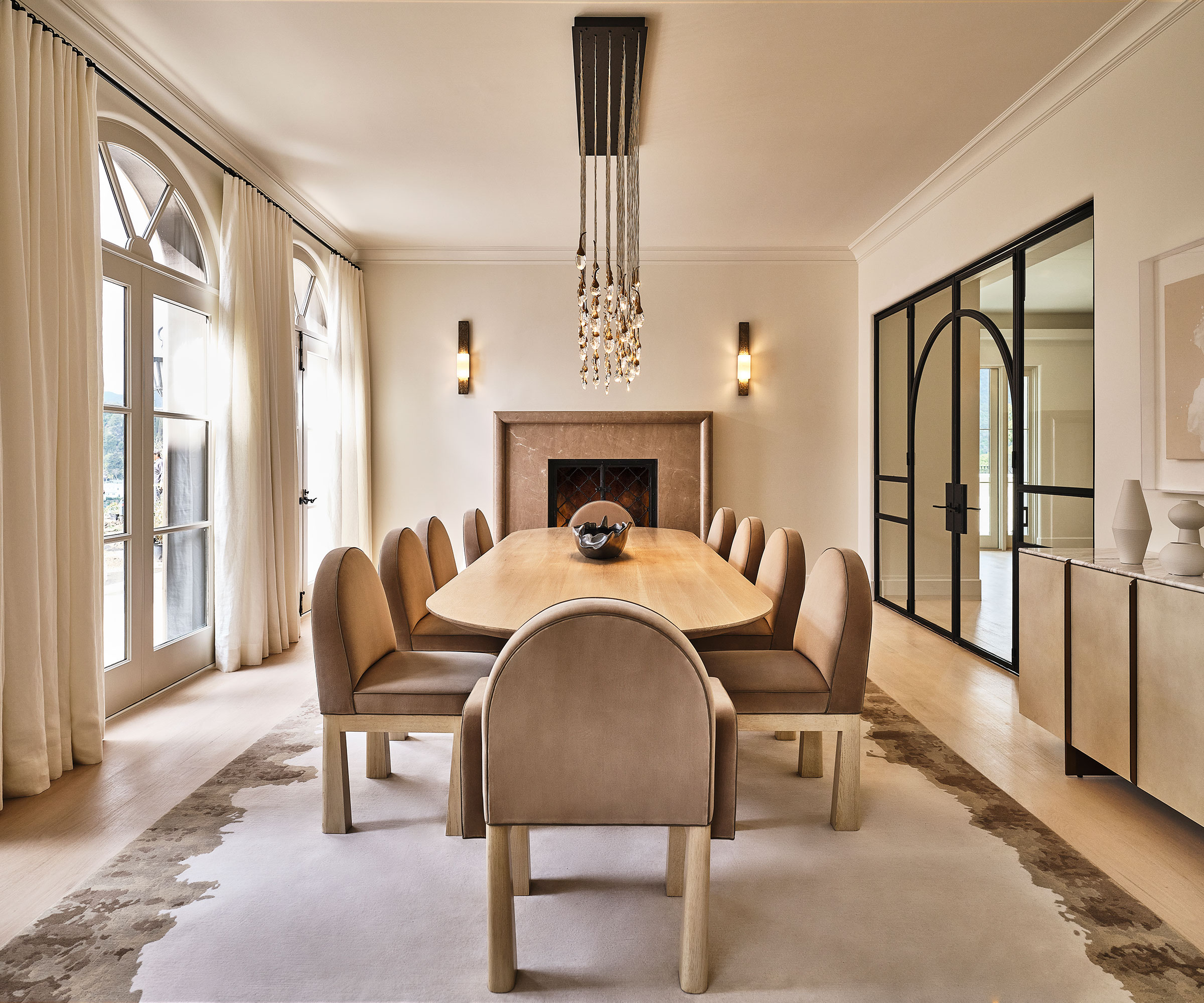
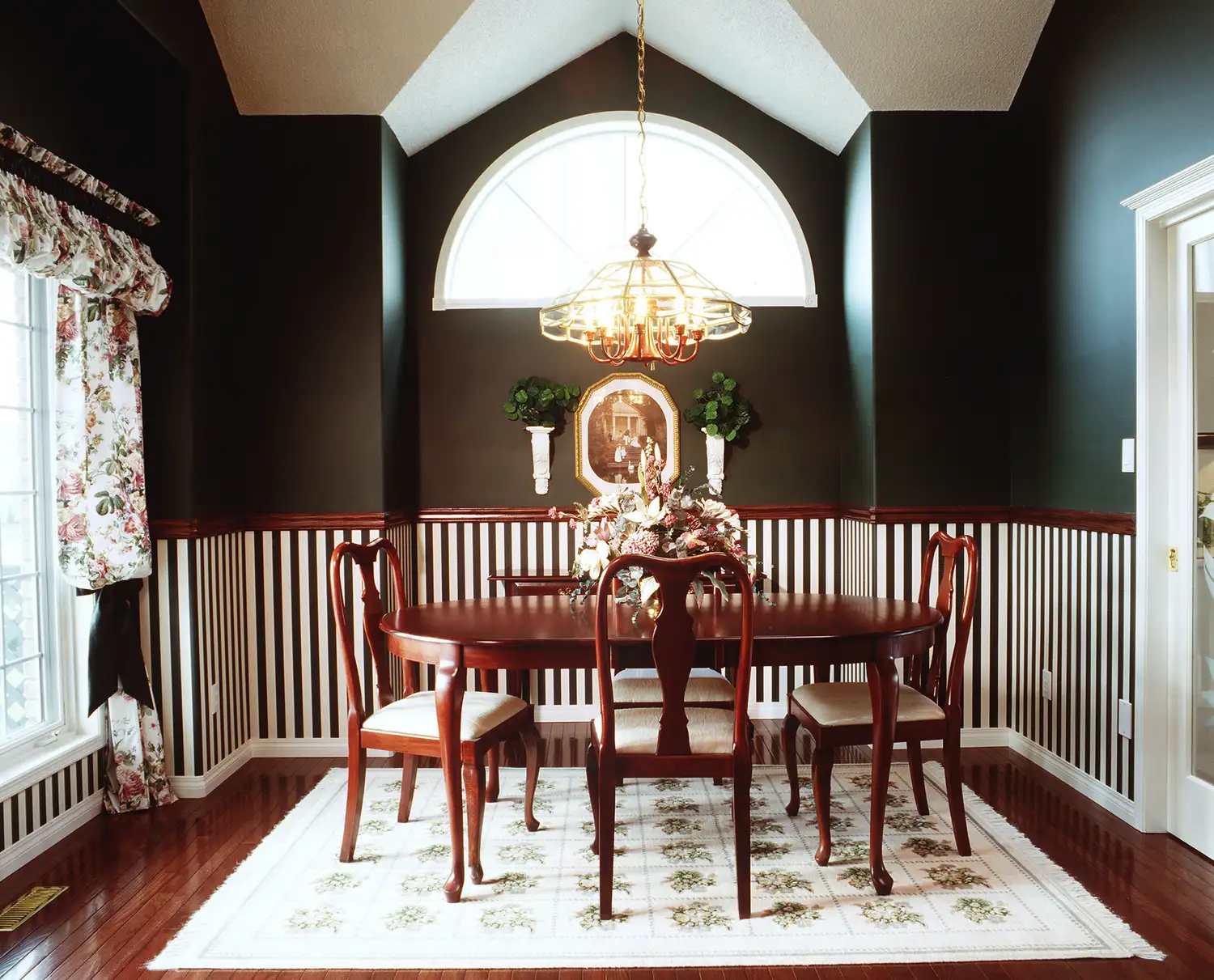
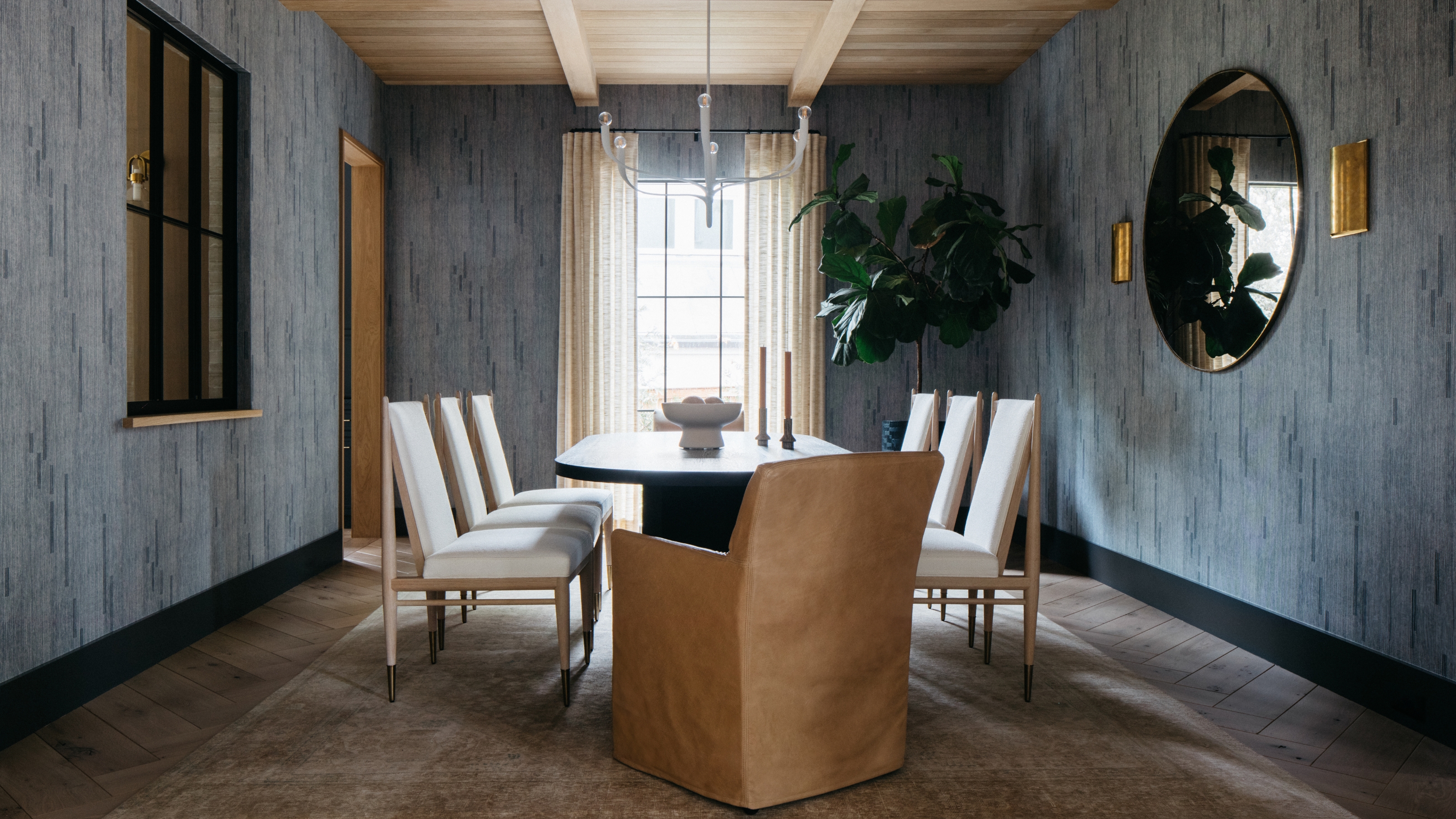
Achieving the right balance between functionality and style in dining room design is a common challenge, and several recurring design choices often lead to a space feeling flat, uninviting, or impractical. Interior designers identify five key 'eyesores' that frequently appear in dining rooms. The first common blunder is the use of overly matched furniture sets. While once popular, complete sets including table, chairs, buffet, and china cabinet are now considered dated and can make a room feel predictable, staged, or like it came straight from a catalog. Even matching just the table and chairs can have this effect. Instead, designers recommend a more curated, 'lived-in' aesthetic achieved by mixing different materials, textures, and tones. For example, pairing a wood or metal table with upholstered chairs, or using different styles or fabrics for chairs at the ends of the table, can introduce subtle contrast and personality. A buffet in a different wood tone or design can also add depth without creating a mismatched look.
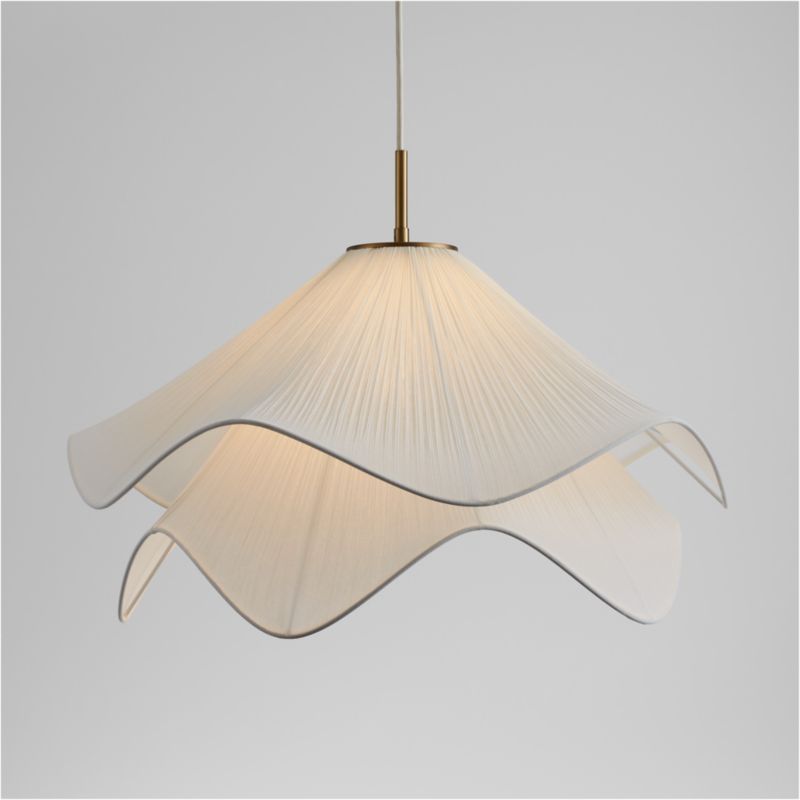
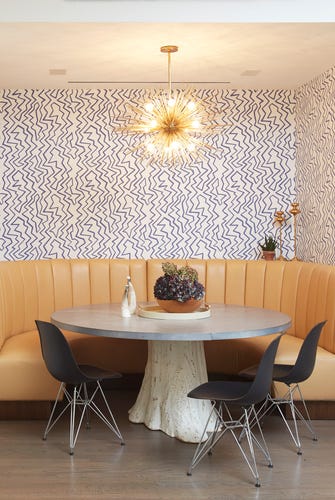
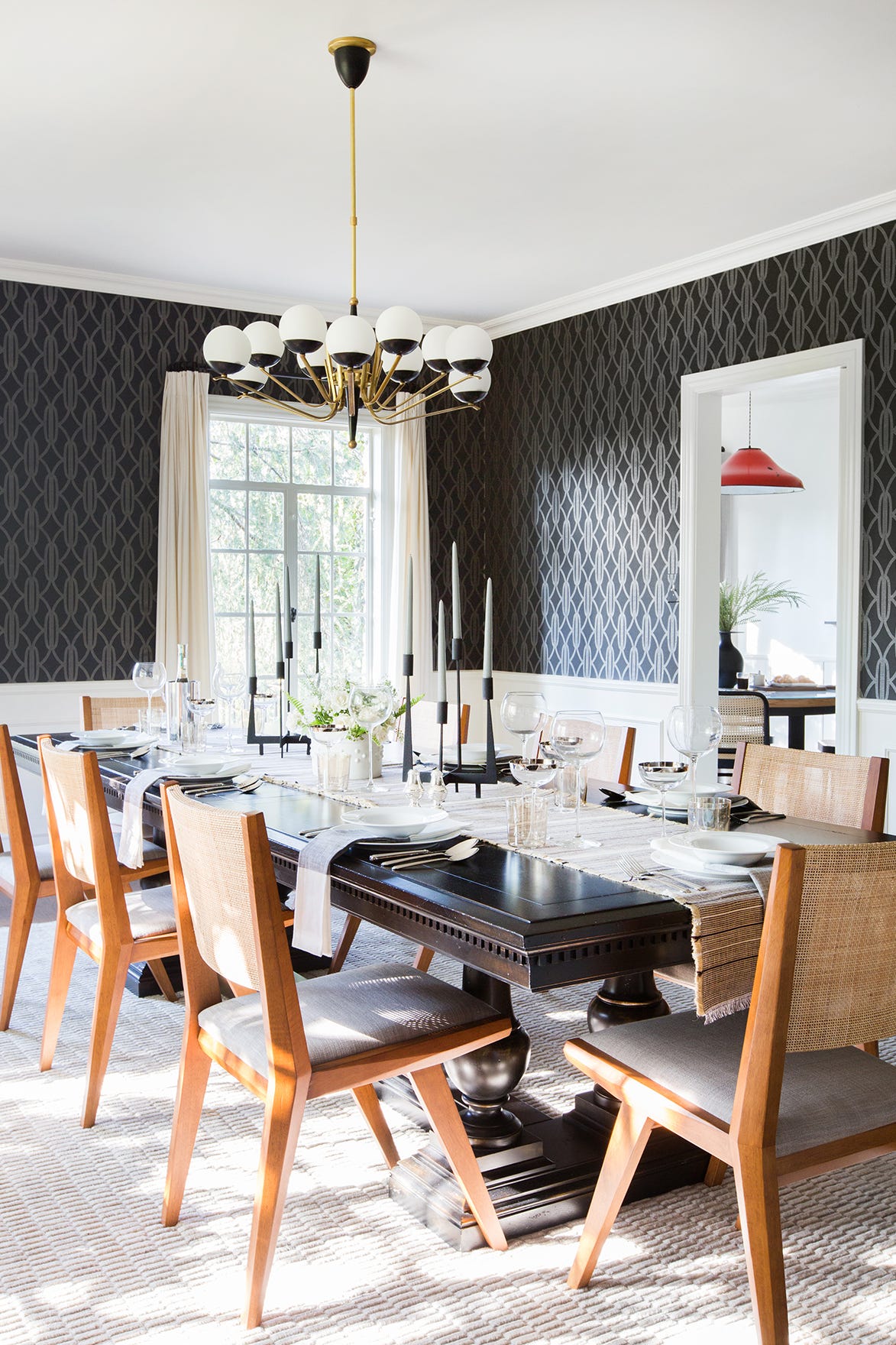
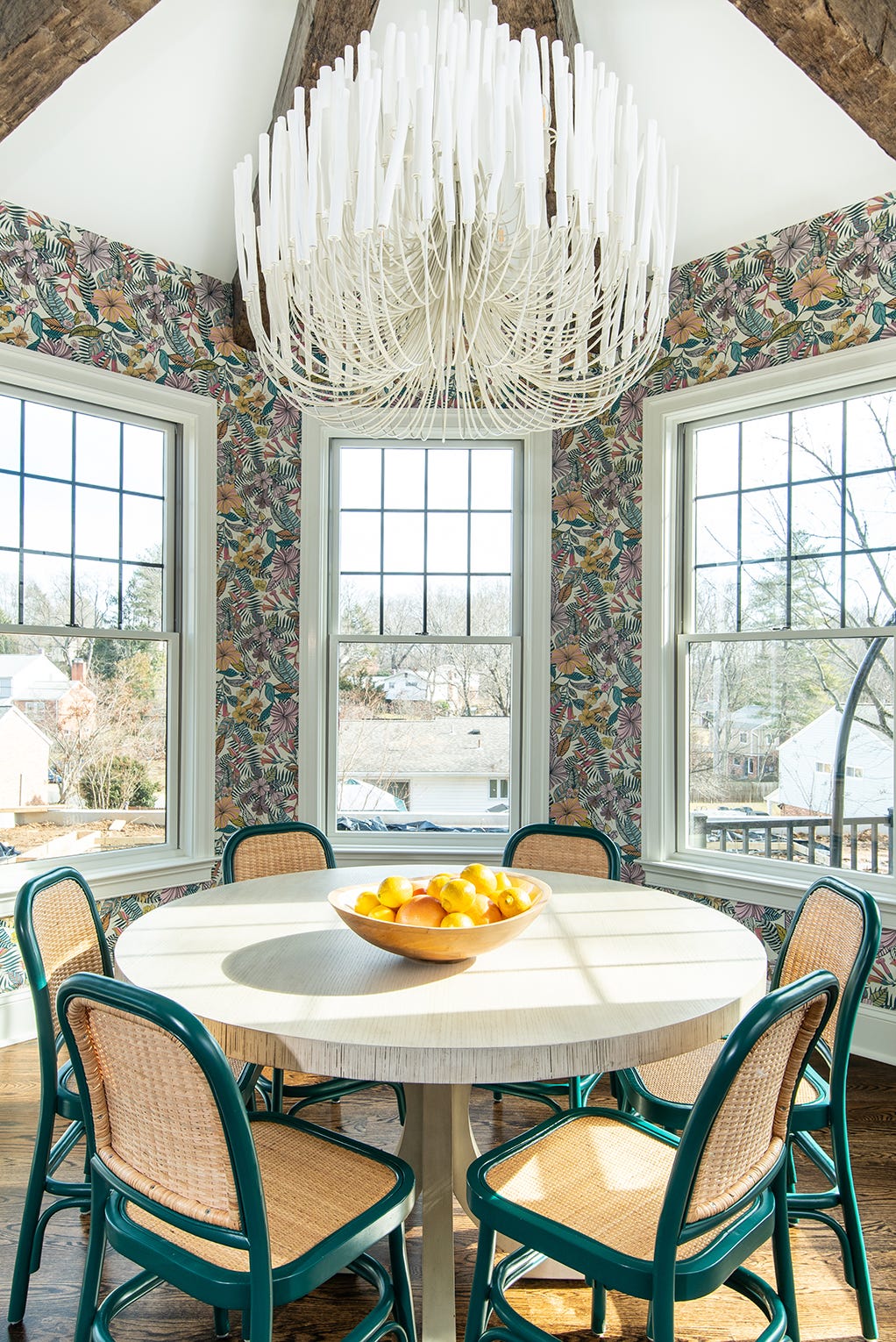
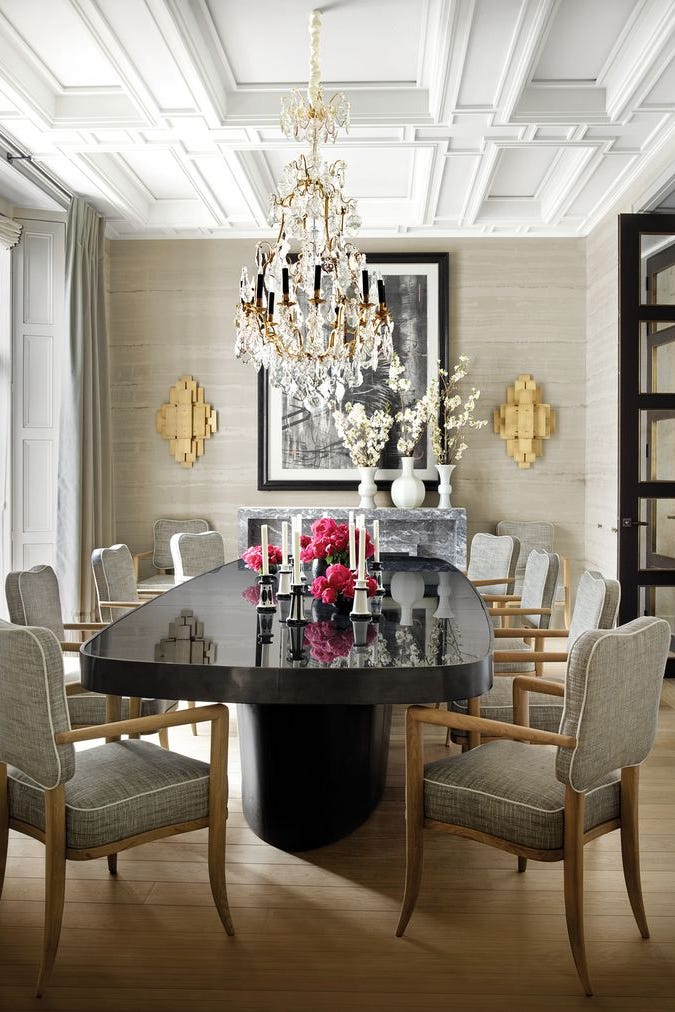
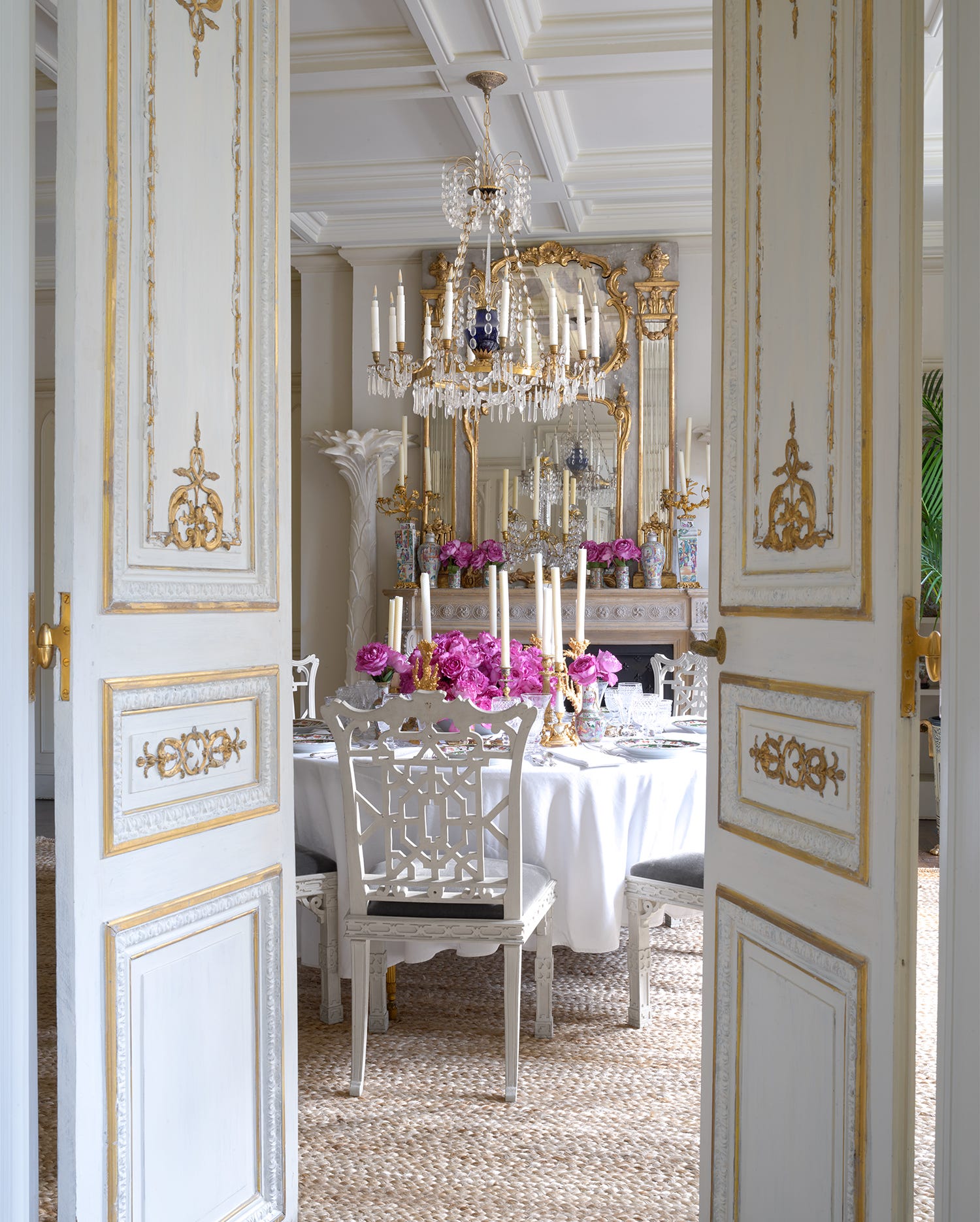
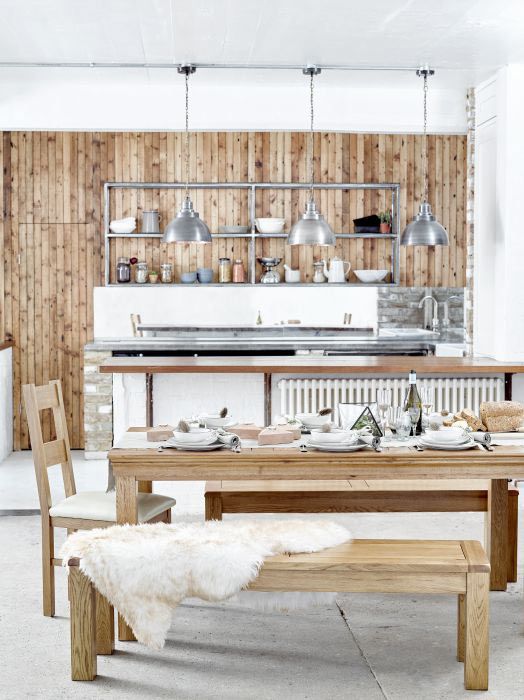
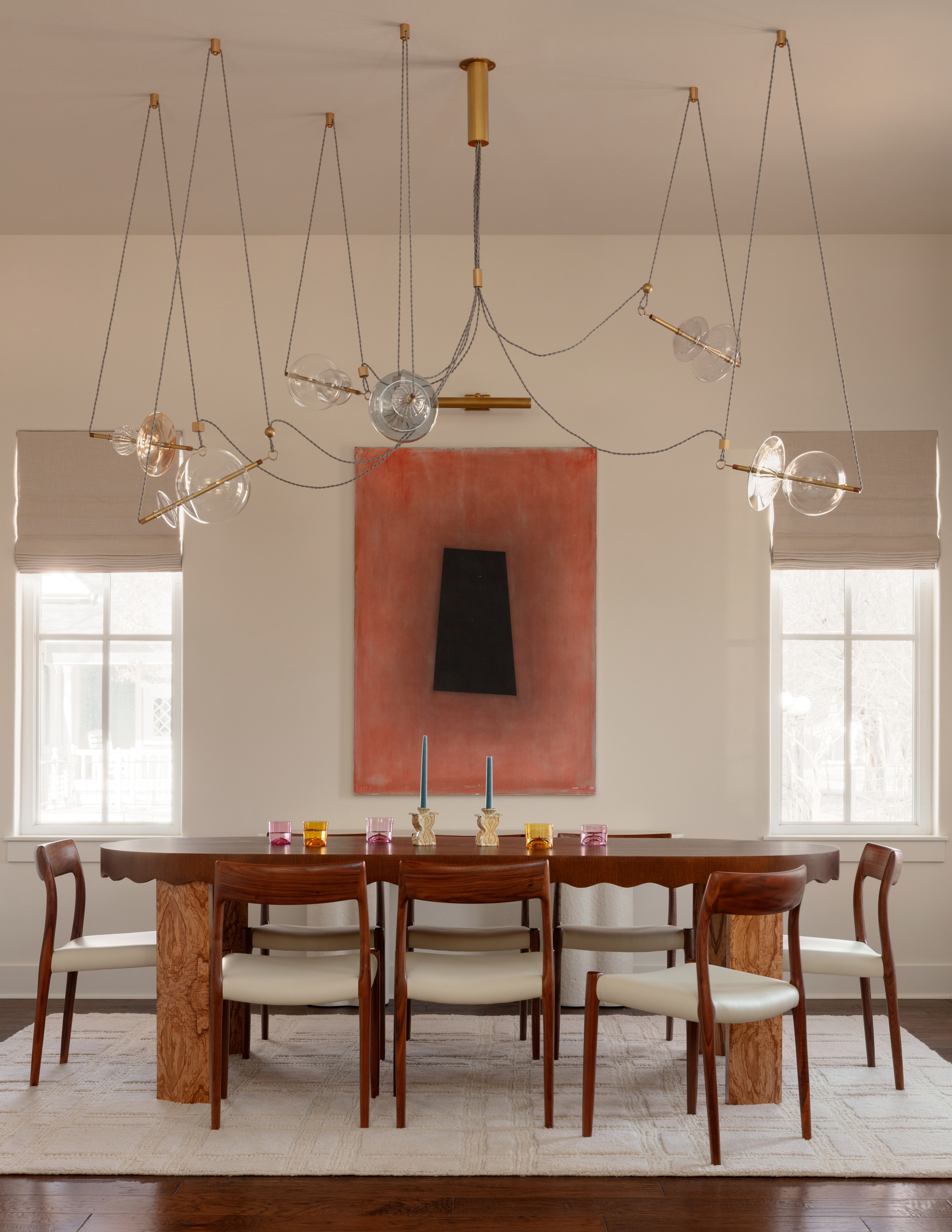
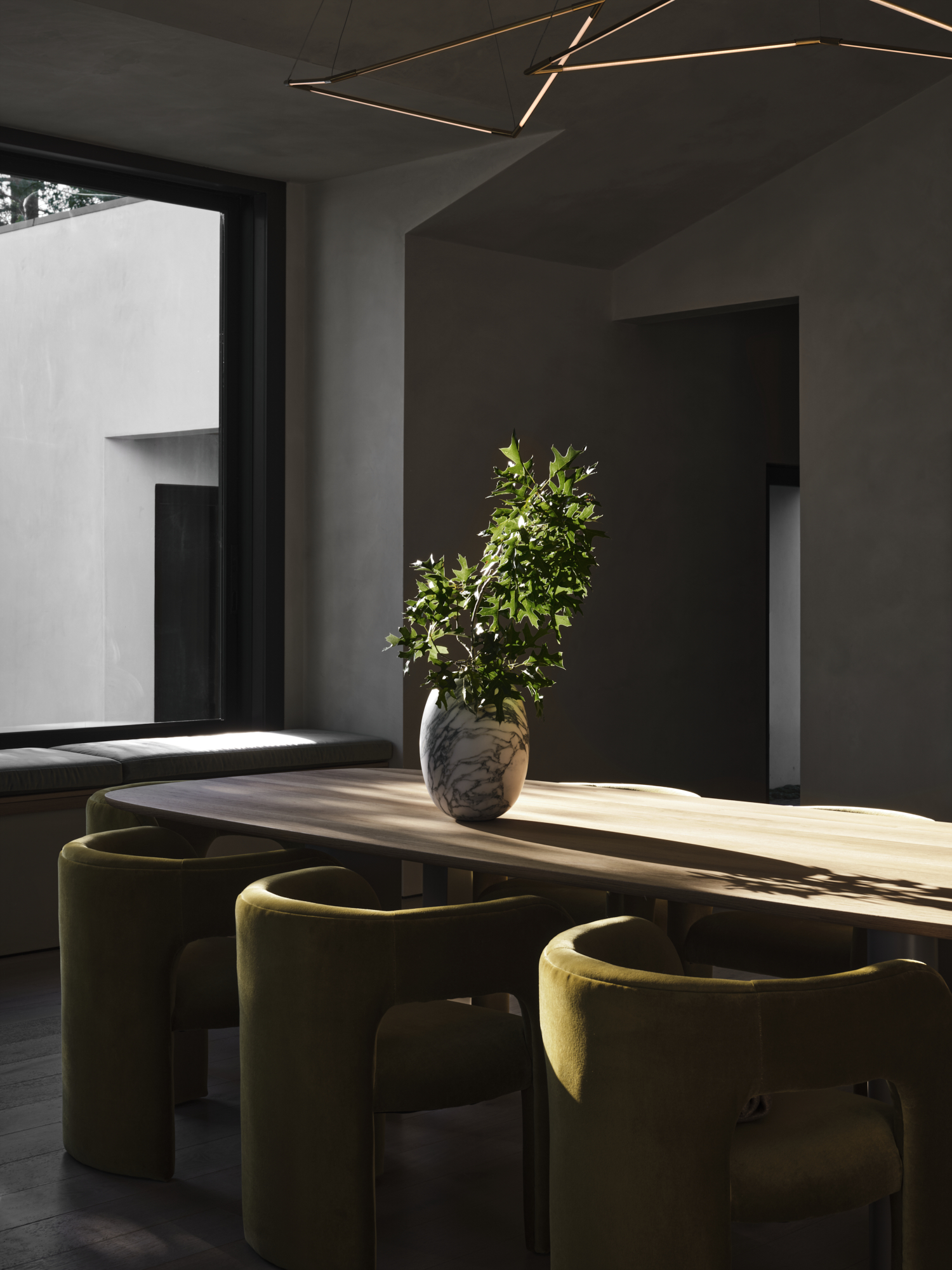
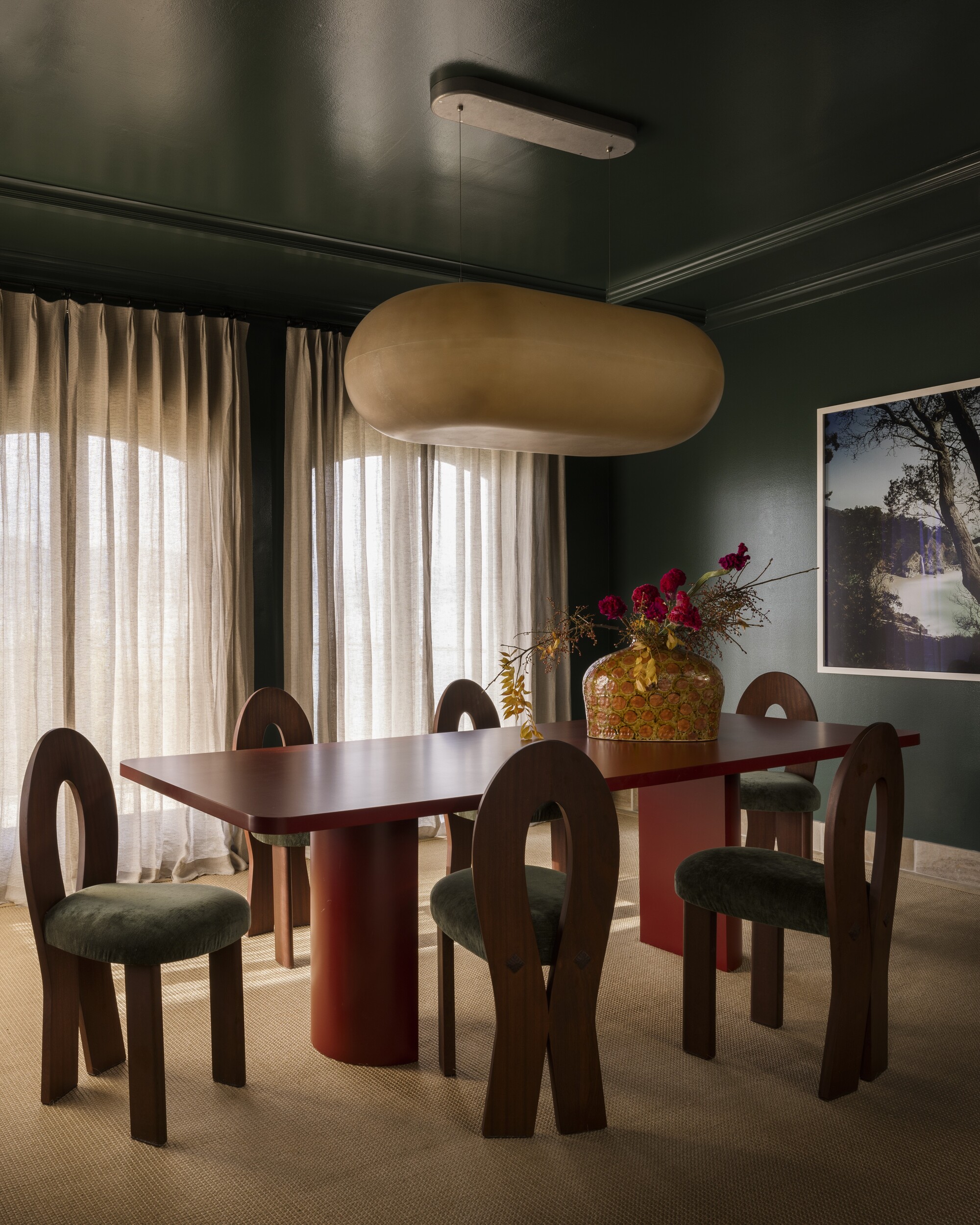
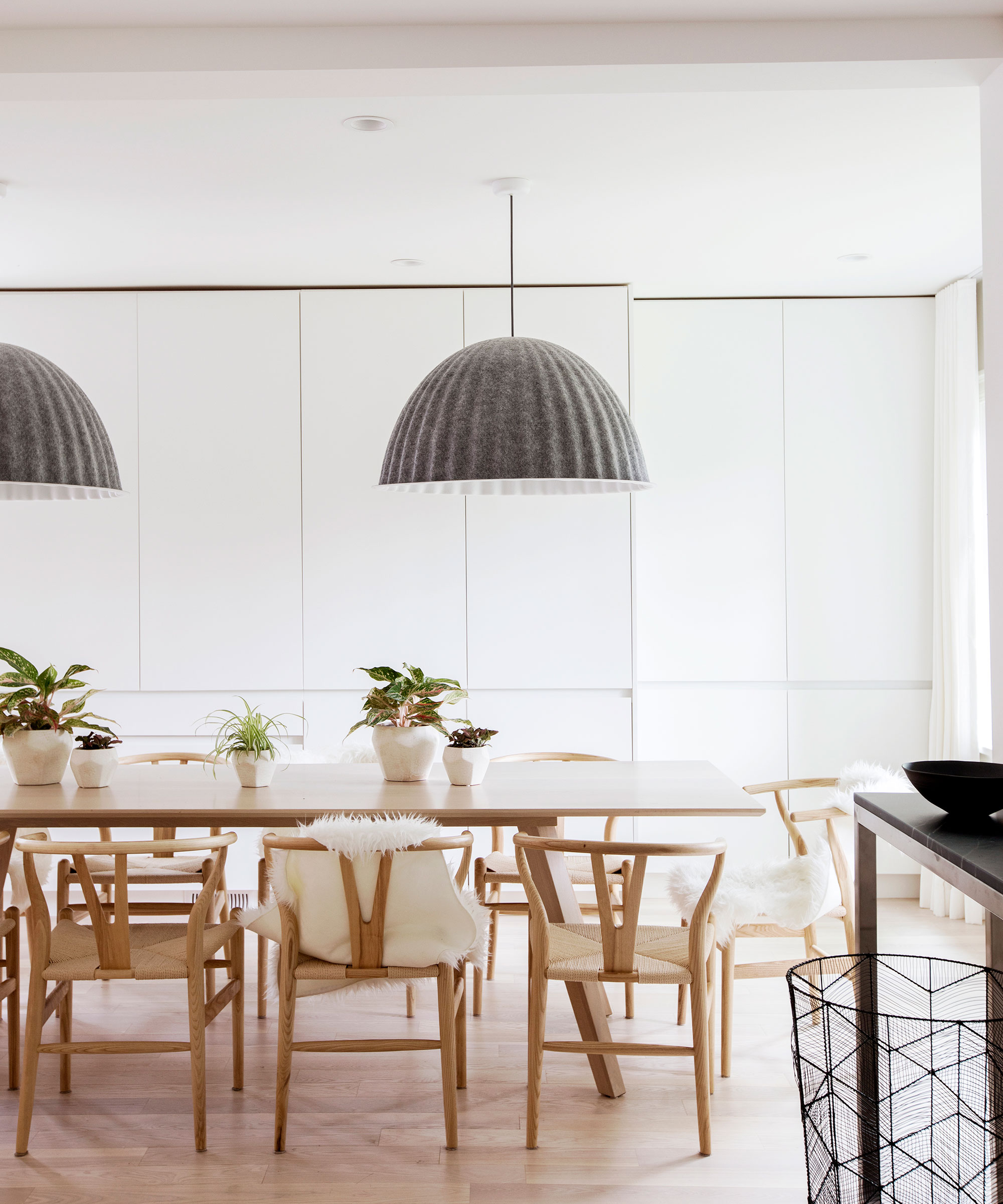
The second identified eyesore relates to undersized or outdated light fixtures. Issues with lighting, both in terms of the fixture itself and the quality of light, are frequently cited by designers. Generic or fixtures that are too small for the space disrupt the overall balance and appear unintentional. A bold chandelier or pendant light, scaled appropriately for the dining table, is essential for defining the area effectively. For longer tables, a series of smaller hanging fixtures can provide both functionality and aesthetic balance. Designers also caution against overly ornate, dated fixtures, such as heavy, gold, or intricately designed chandeliers from past eras, which can visually dominate the room and create a disconnected, overly formal atmosphere. Modern, sculptural light fixtures are preferred for creating drama without overwhelming the space.
Closely linked to fixtures is the third design faux pas: bad lighting. This refers to the actual light levels and color temperature rather than the physical fixtures. Overly bright, white lighting can make a dining room feel sterile and uninviting, which is undesirable for a space meant for gathering and entertaining. Designers advocate for soft, layered lighting that promotes a comfortable and welcoming ambiance. This includes using soft white bulbs, incorporating multiple light sources, and crucially, installing dimmer switches to allow for adjustable lighting moods.
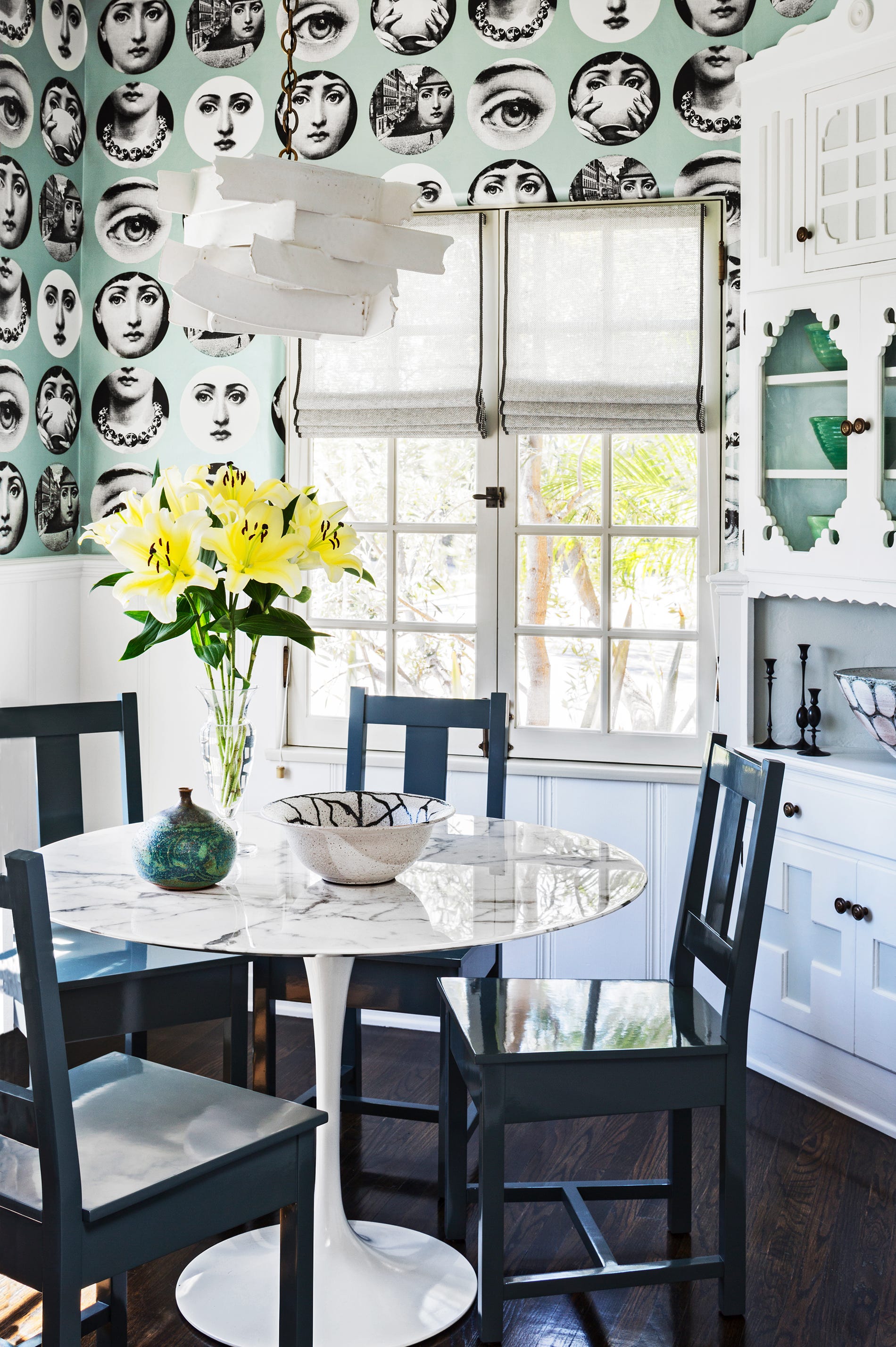
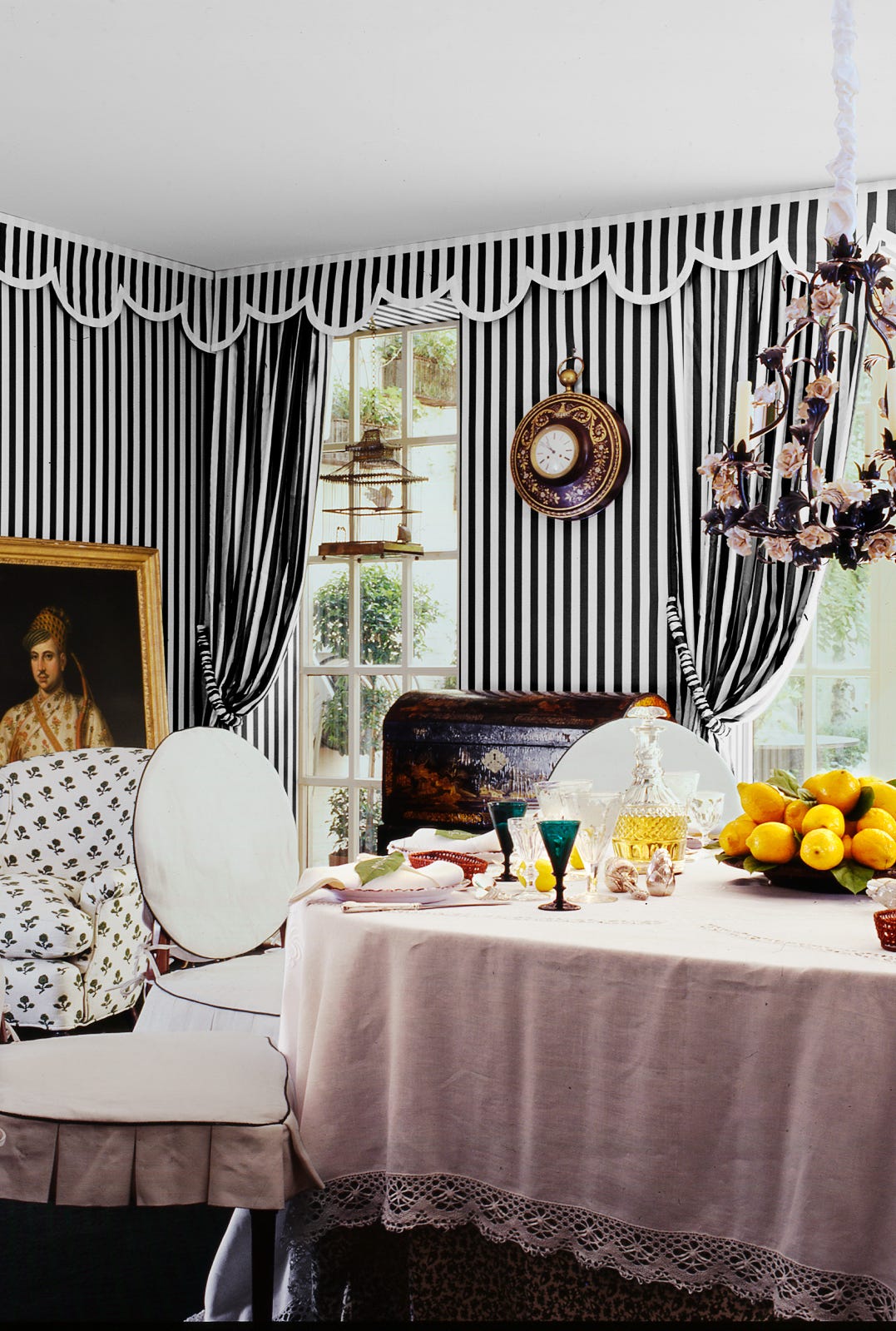
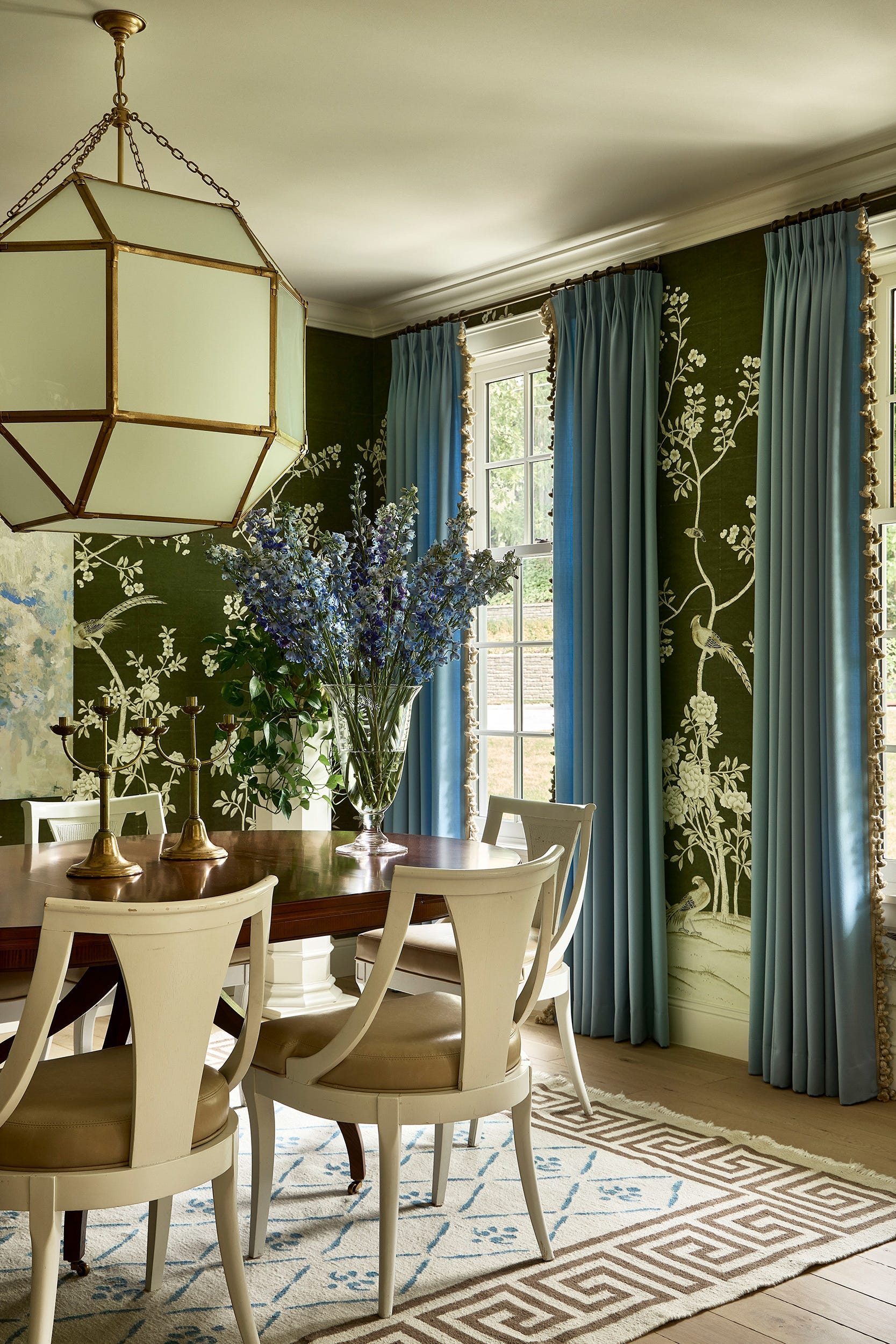
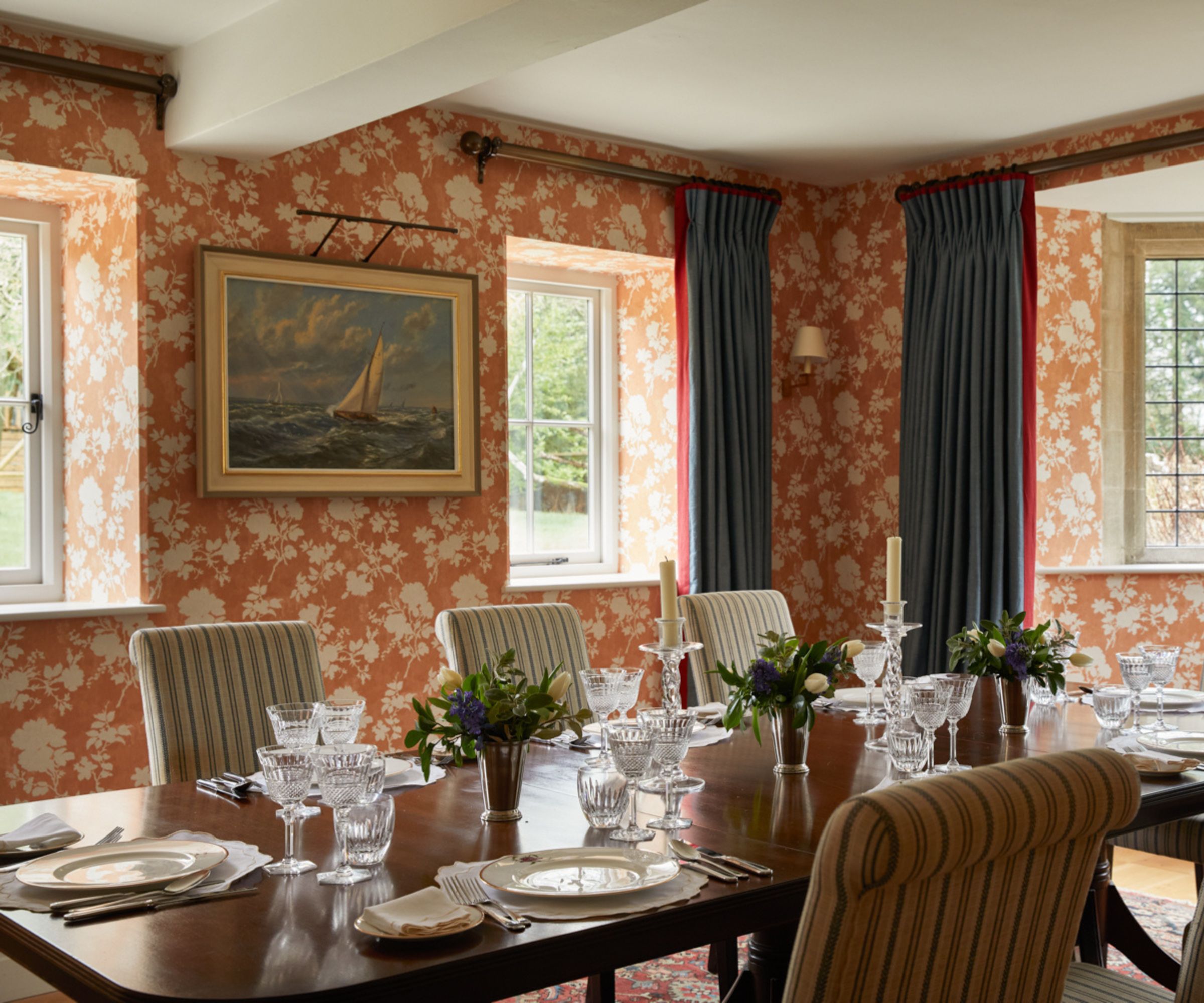
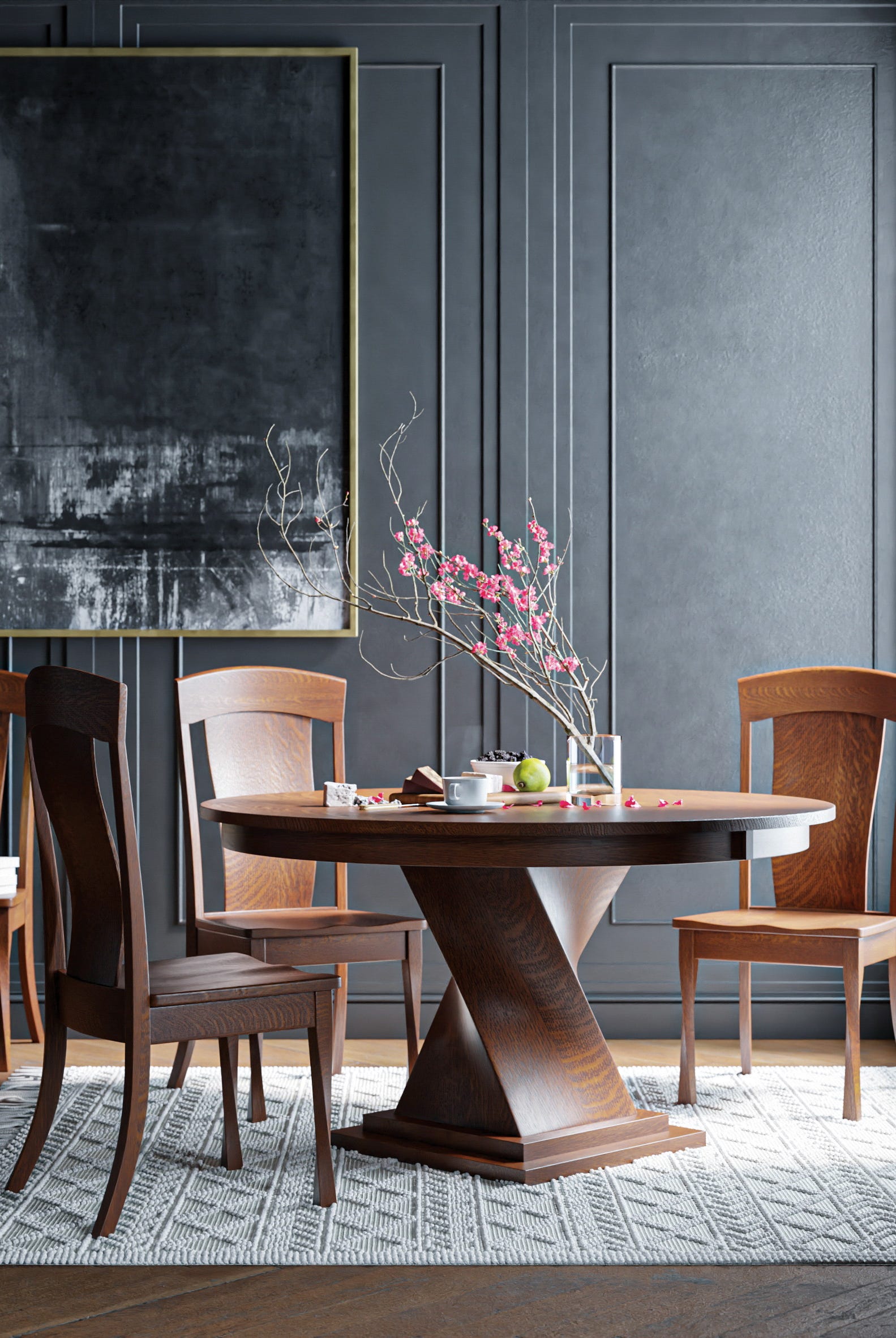
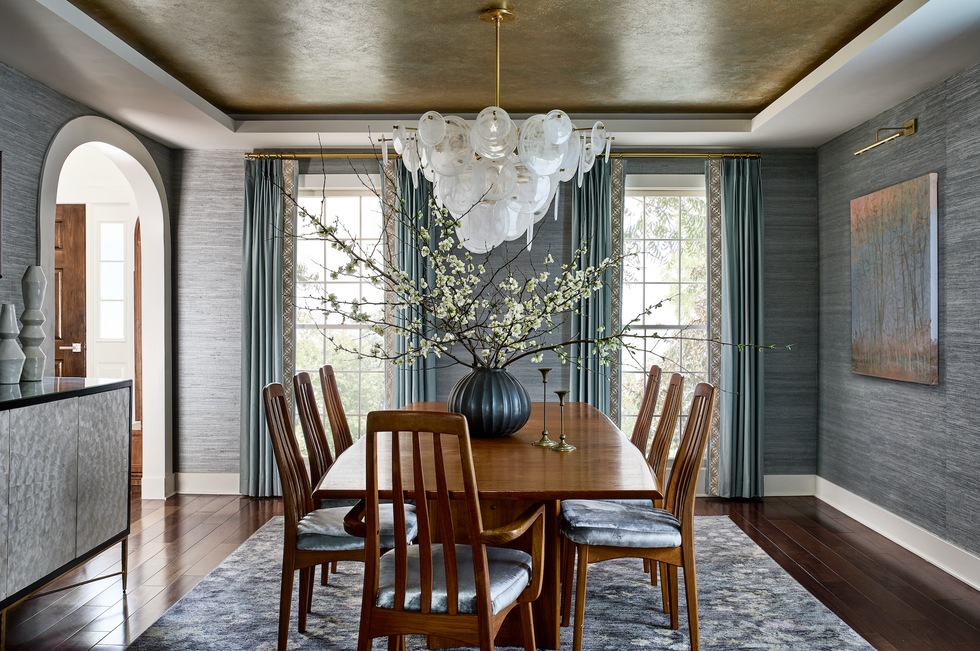
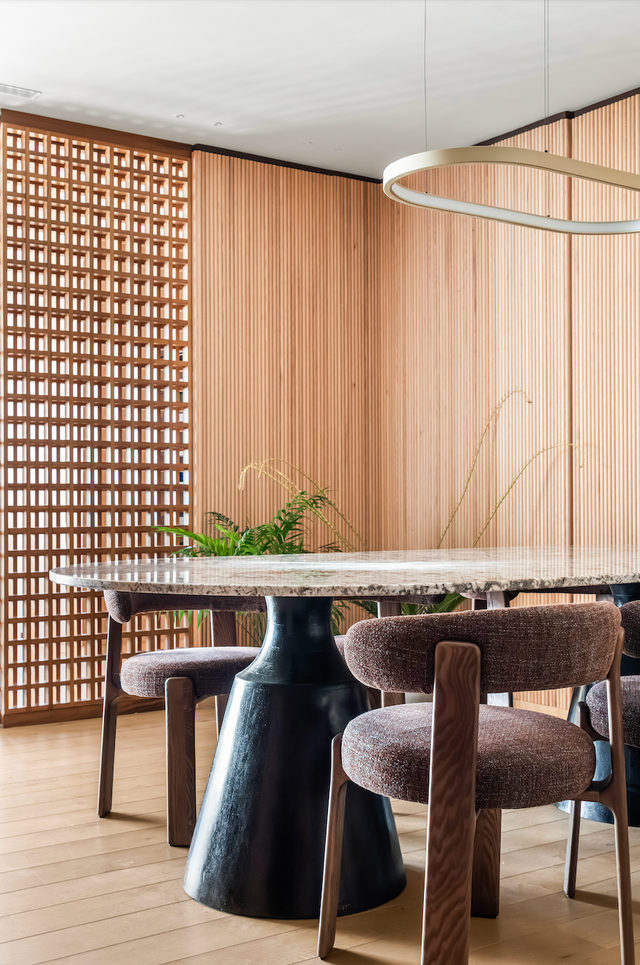
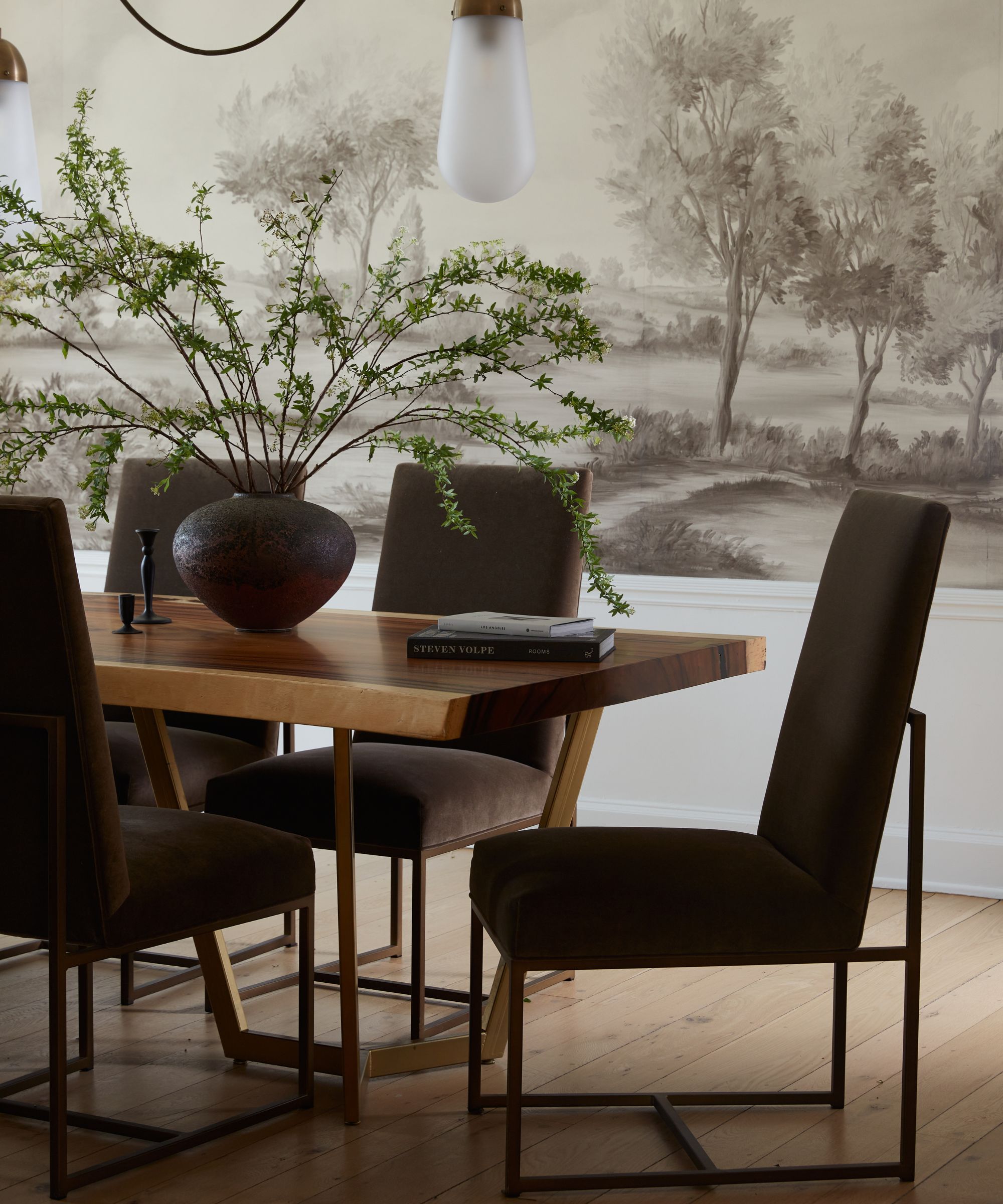
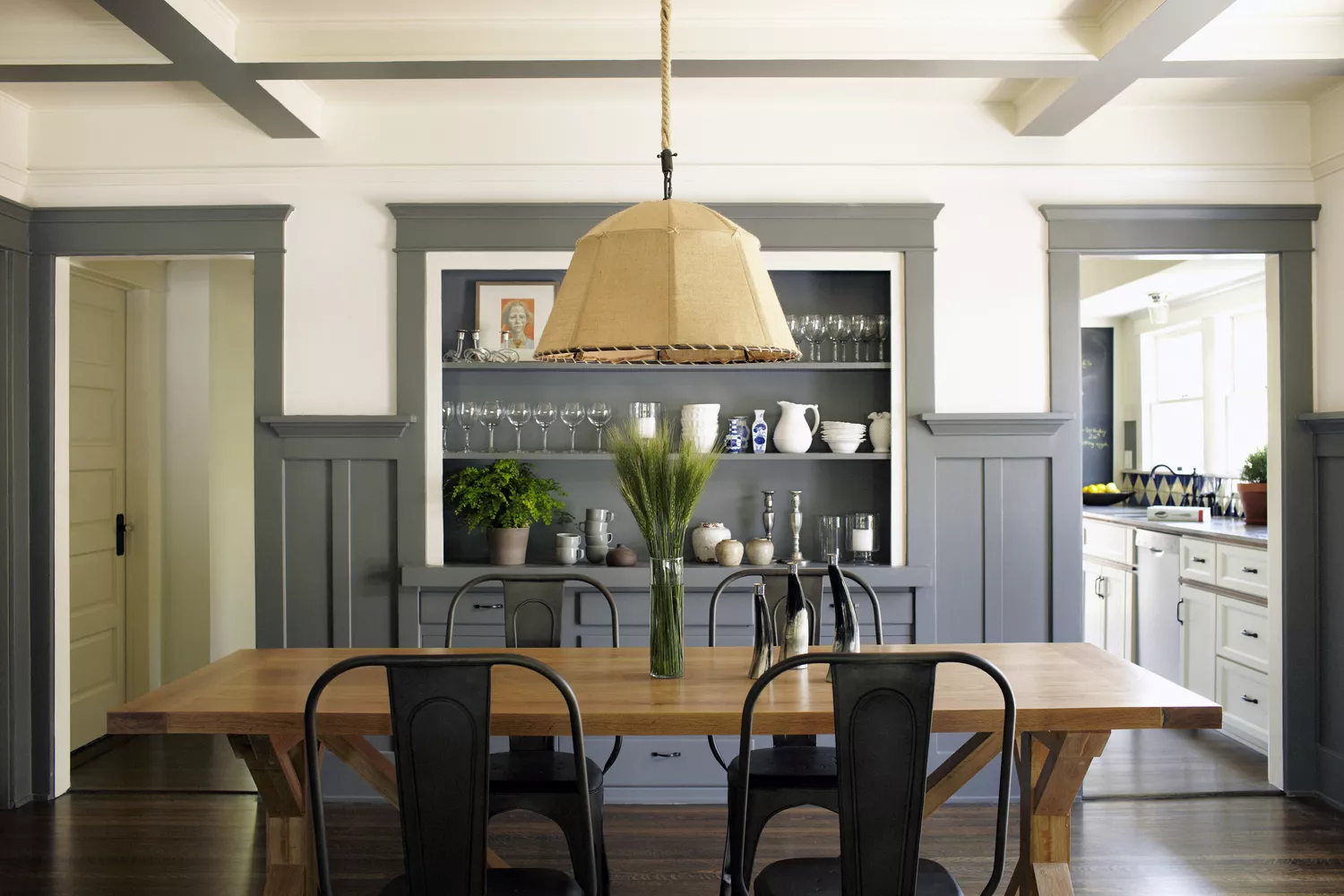
The fourth eyesore is the single painted accent wall when executed poorly. While accent walls can introduce interest, texture, and color, they must be implemented thoughtfully and cohesively. Simply painting one wall a contrasting color or adding paneling without integrating it with the rest of the room's design can make the dining room feel disconnected and haphazard, especially in a communal space. A more effective approach, according to designers, is an 'immersive' treatment, such as wrapping the entire space in wallpaper or paneling. This creates a cohesive, finished feel and establishes the dining room as a distinct destination within the home. If an accent wall is used, it should be balanced with other elements in the room to ensure it doesn't dominate attention and is generally more suitable for larger, open spaces than smaller ones.
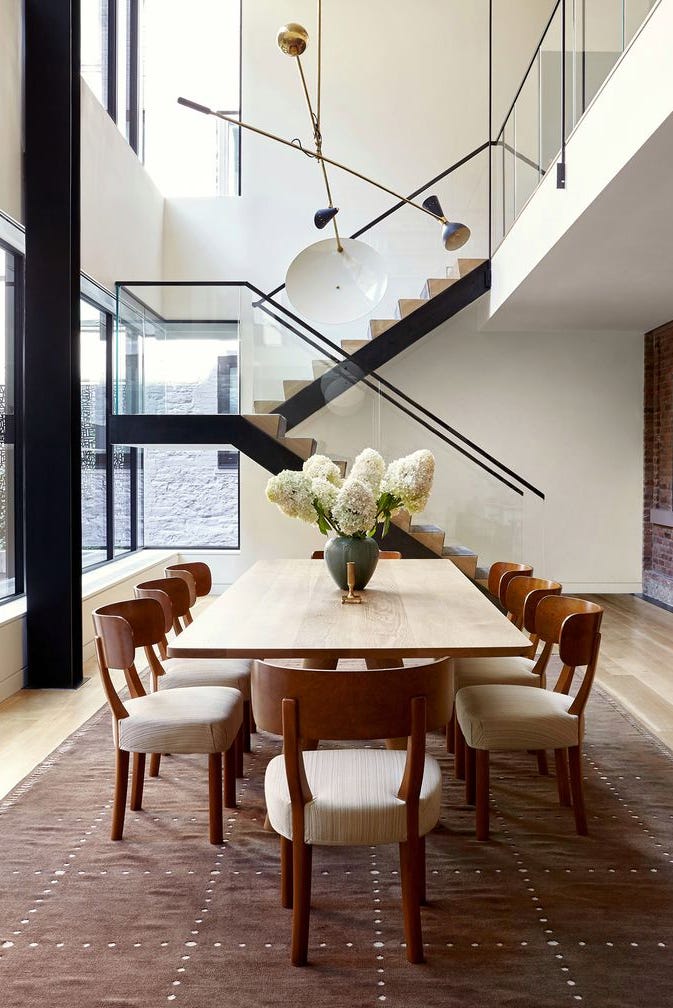
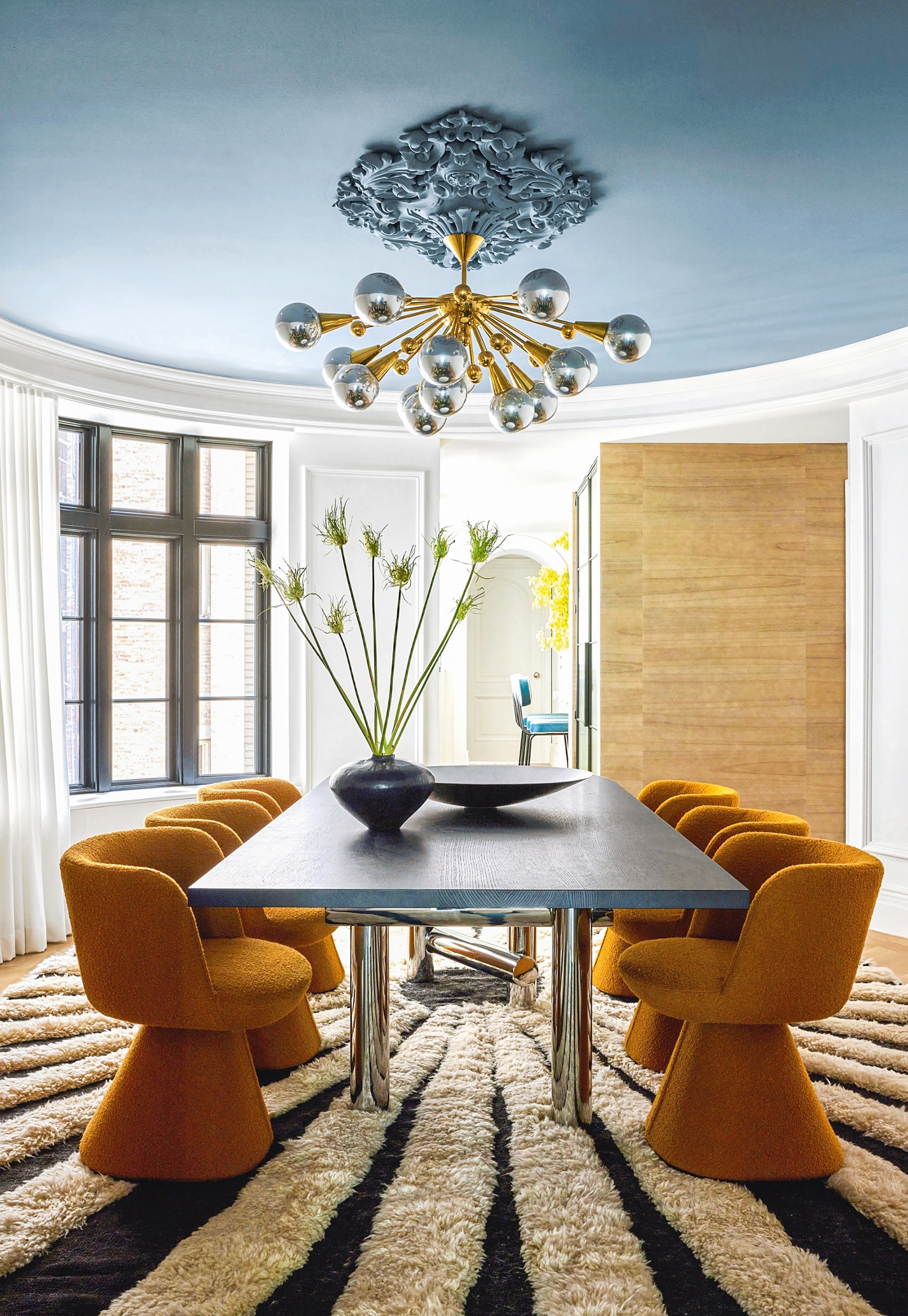
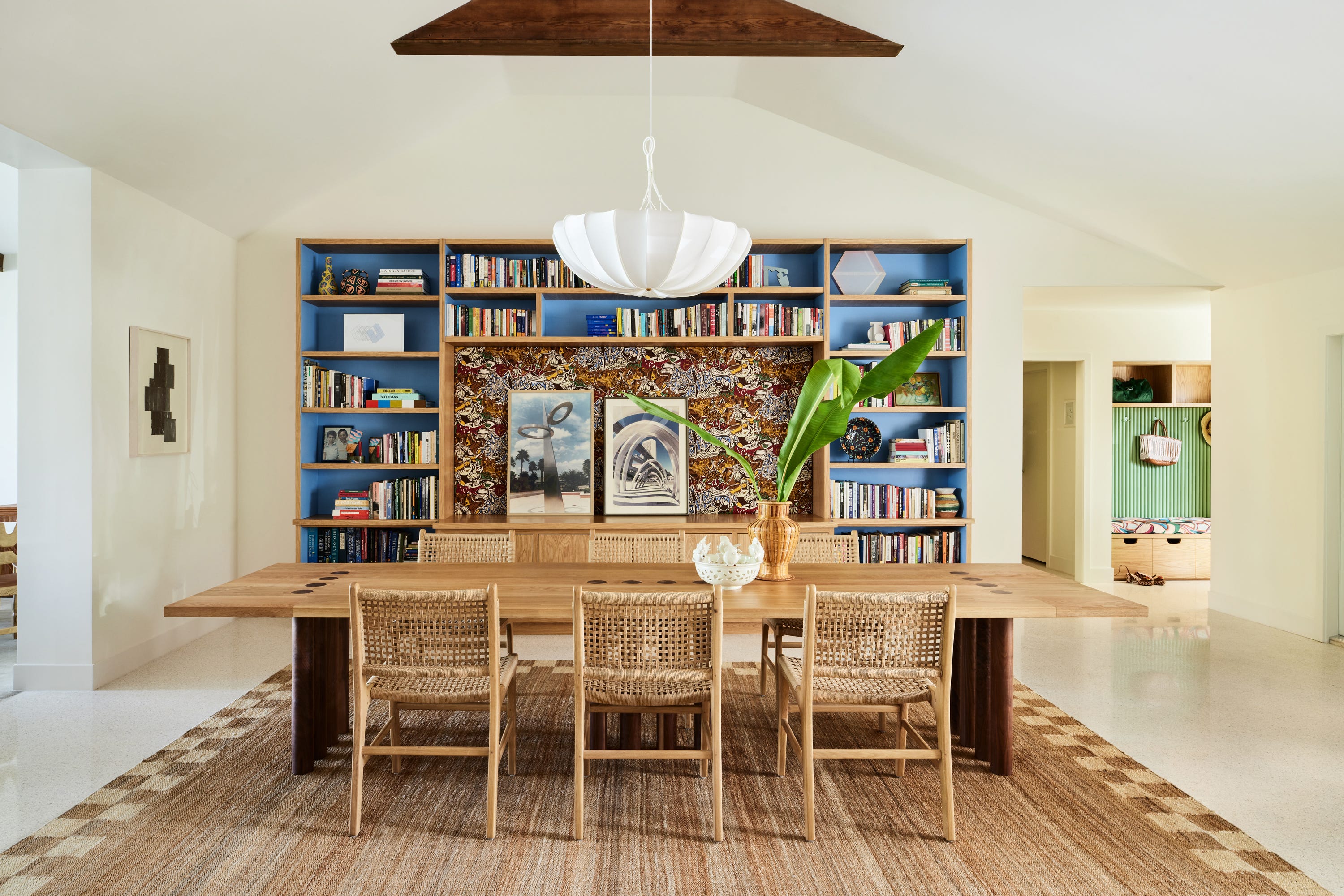
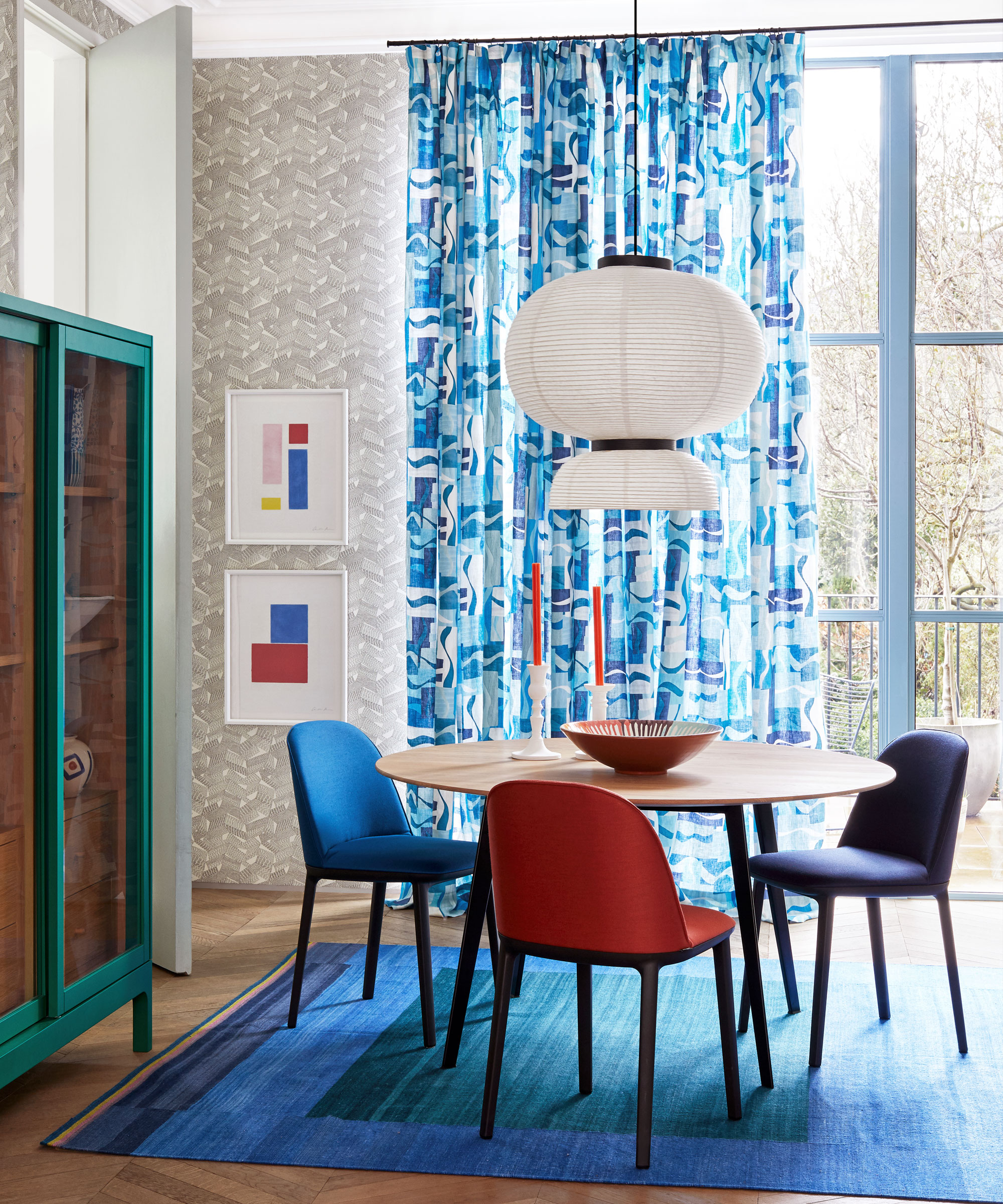
Finally, undersized rugs represent the fifth common design mistake in dining rooms. A rug that is too small not only creates visual imbalance and can cheapen the room's appearance but also poses practical issues. It can cause chairs to get caught on the rug's edge, creating a tripping hazard and making it difficult to move chairs comfortably. For proper aesthetic and functional balance, a dining room rug should extend at least 24 inches beyond all sides of the dining table when the chairs are pushed in. This allows ample space for chairs to be pulled out without their legs falling off the rug.
#DiningRoomDesign #InteriorDesign #HomeDecor #DesignTips #FurnitureSelection #LightingDesign #AccentWalls #RugPlacement #DiningRoomDesign #InteriorDesign #HomeDecor #DesignTips #FurnitureSelection #LightingDesign #AccentWalls #RugPlacement
0 comment in total
 No comments yet
You may also like
Designers Say These 5 Dining Room Clichés Are Going Out of Style

These Dining Room Lighting Ideas Command Attention

12 modern dining room décor ideas to impress your guests

6 Styling Tricks Designers Always Use to Make Any Dining Room Look Instantly Finished
The Dining Room Design Trend That Elevates Every Dinner Party
Interior Designers Have Spoken: These are the Dining Room Trends to Know About for 2026
This Dining Room Feature Always Looks Outdated, Designers Say
The 5 Dining Room Trends for 2026 You Need to Know

These Designer-Approved Dining Room Ideas Will Elevate ANY Entertaining Space

Is the Formal Dining Room Really Dead? Not According to These 5 Glam Trending Looks We Love
8 Dining Room Trends That Designers Say Will Be Everywhere in 2026
60 Dining Room Ideas That Will Make You Swear Off TV Dinners
6 Designer Tips for Showcasing the Dining Room
We Know You Miss Dinner Parties. Here’s Some Inspiration to Tide You Over
5 things that always make a dining table look cluttered
6 tricks designers use to instantly elevate a dining room
These Gorgeous Dining Rooms Are Guaranteed to Strike up Conversation

Top 12 Dining Room Trends Designers Are Expecting to Take Over in 2025
Are Formal Dining Rooms Out of Style? Designer's Discuss

5 Dining Room Styles That Are Definitely Out of Style, Designers Say