1/12
This Pretty Jasmine Trellis Idea is Going Viral — It's Such a Pretty Way to Cover a Fence or Wall
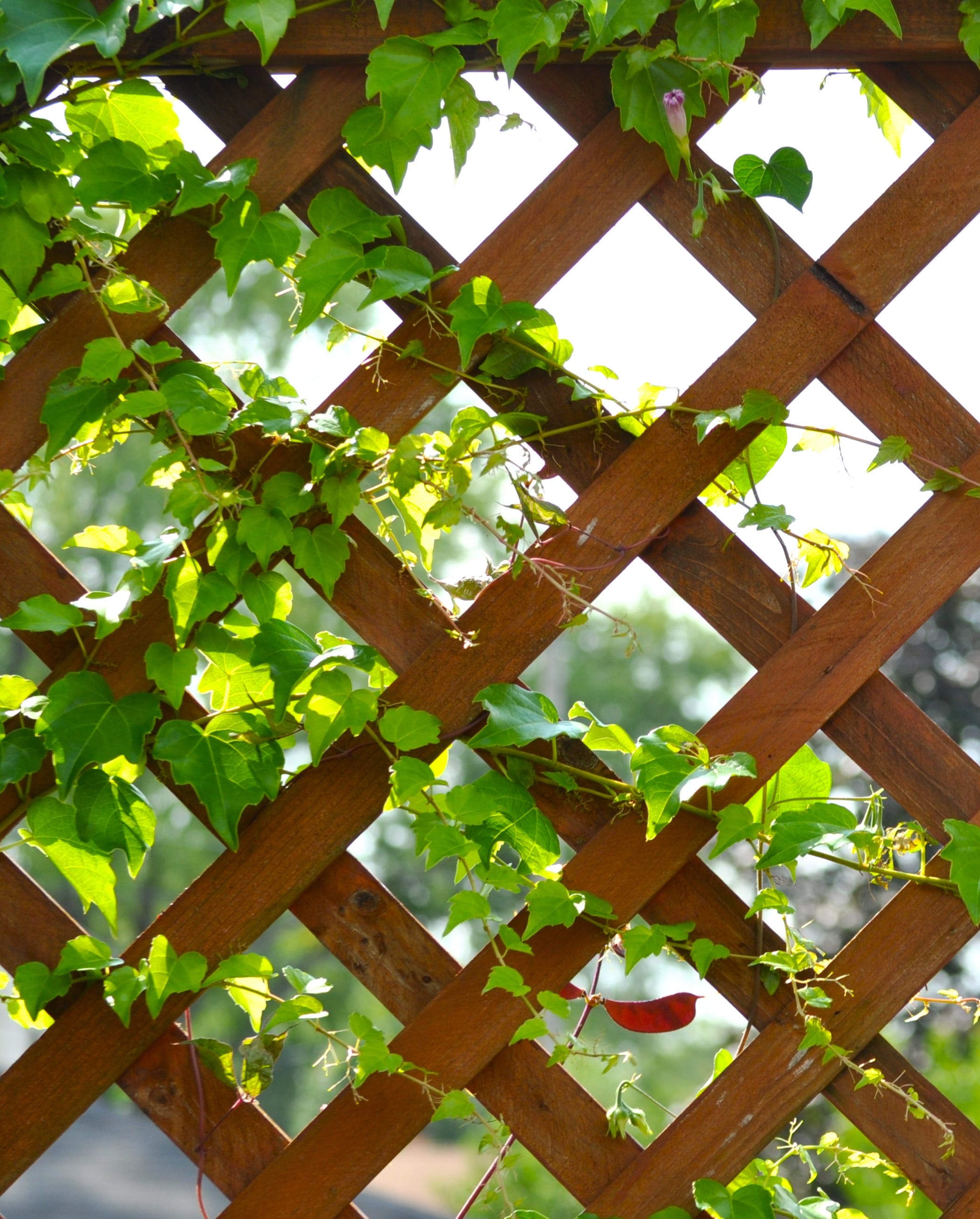
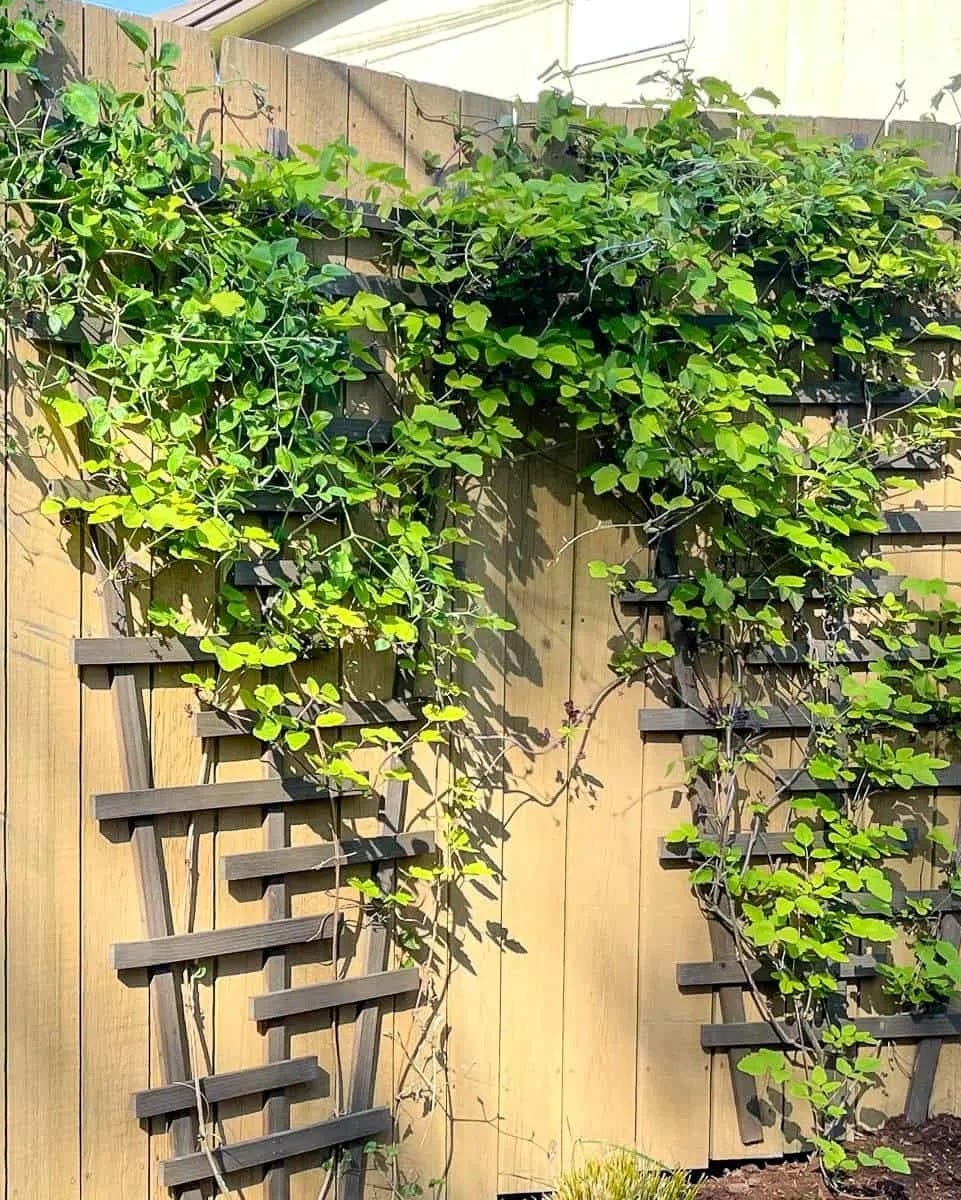
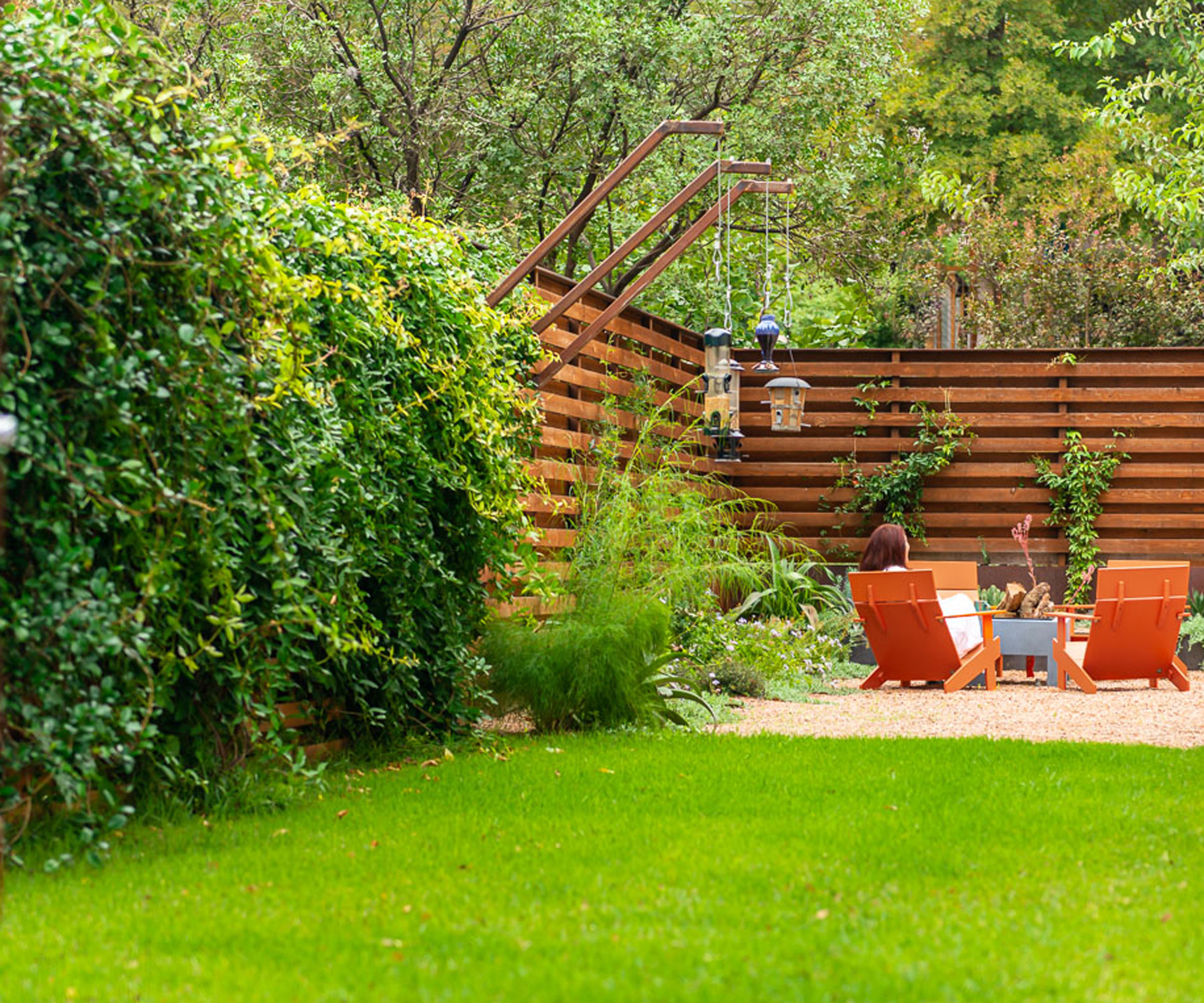
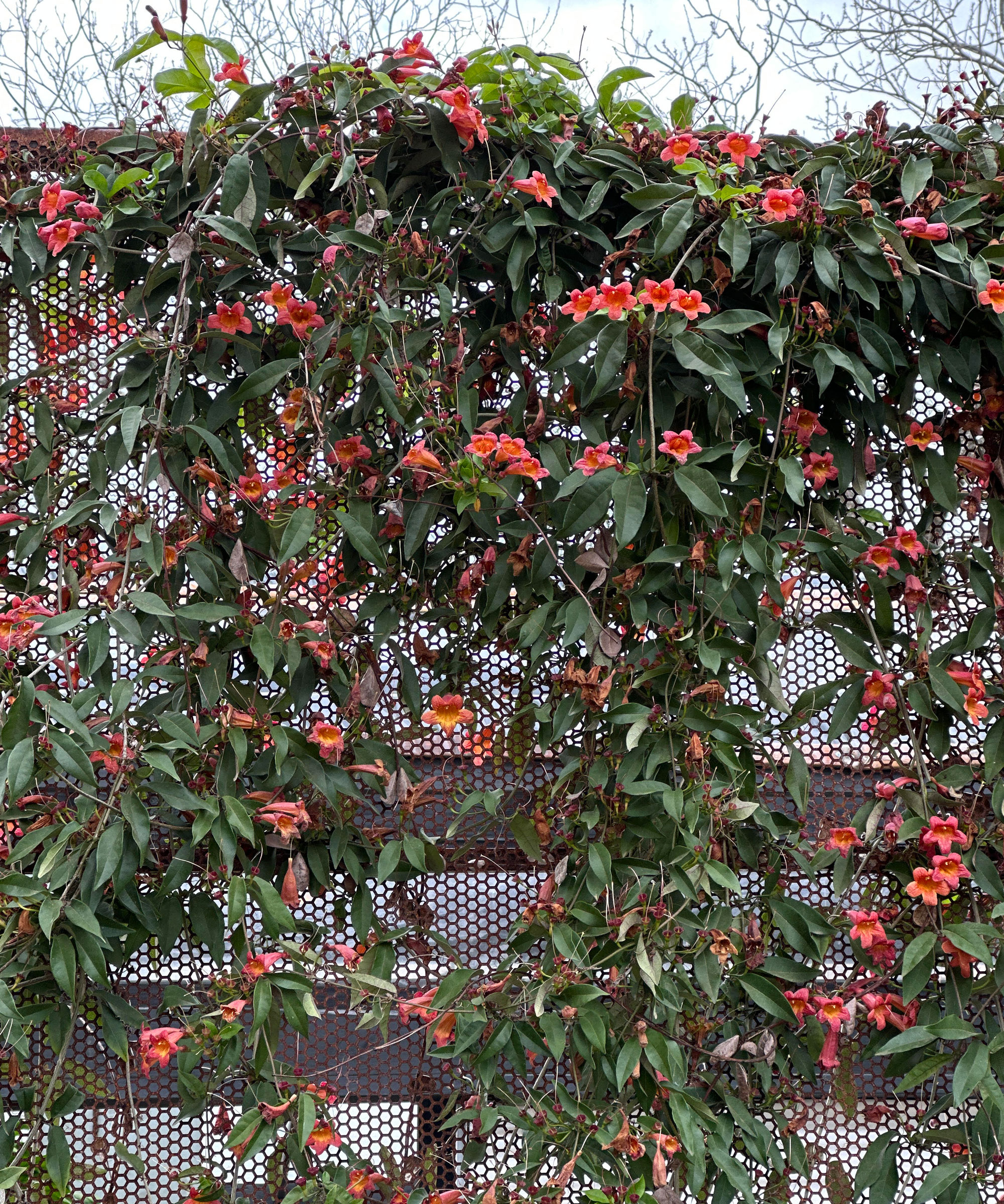
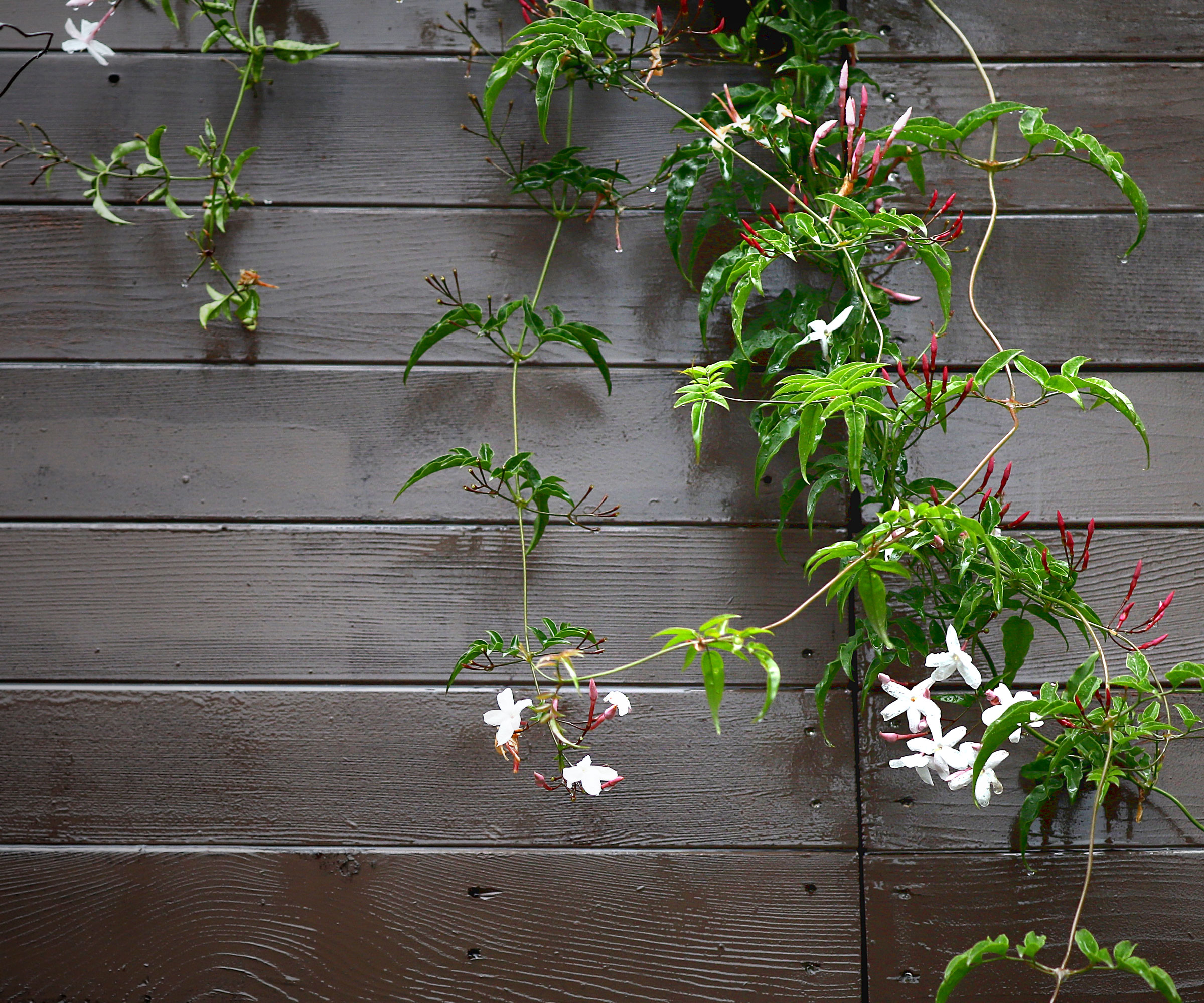
Star jasmine, a fragrant and flowering vine, offers an appealing and relatively low-maintenance solution for homeowners looking to enhance the exterior of their property. This plant thrives in various light conditions, from partial sun to heavy shade, though a sunny spot encourages more abundant blooms. Its evergreen nature ensures year-round functionality, and its resilience to cold, provided it receives frost protection during harsh winters, makes it a versatile choice for many climates. The plant's ease of care and ability to be trained on a trellis make it an excellent option for creating dense, foliage-filled privacy screens or ornamental wall coverings.
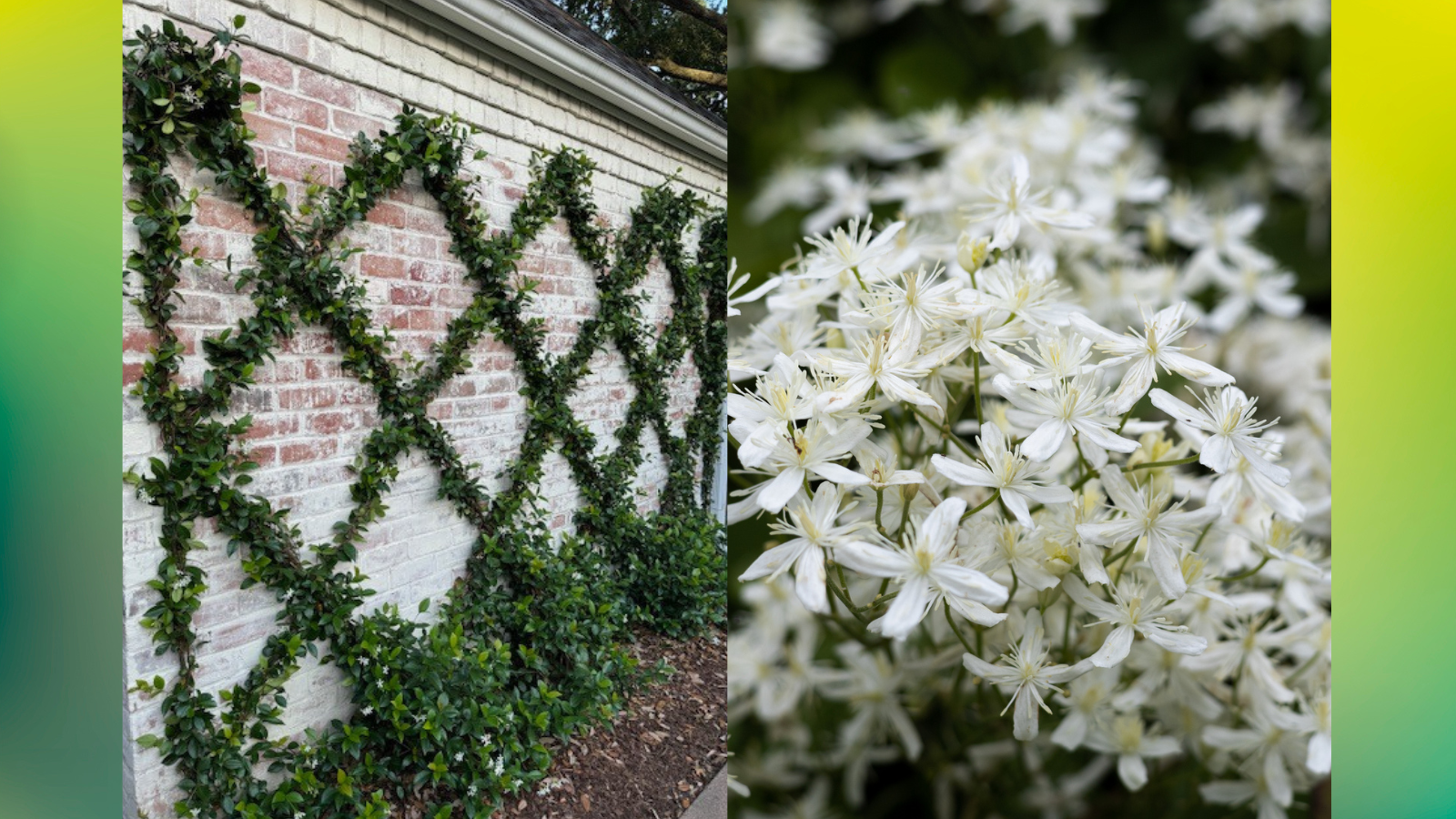
The article highlights an example from interiors content creator Shannon Searcy, who, with professional help, trained star jasmine plants to grow in a diamond pattern across her home's brick wall. This not only created a visually stunning and fragrant display but also demonstrated the plant's adaptability to various design patterns. Searcy’s success with star jasmine in Texas, enduring both intense sun and shade, further underscores its robust nature. The resulting 'harlequin' pattern on her wall is described as one of the most effective trellis ideas observed, transforming an ordinary exterior into a captivating feature.
Undertaking a star jasmine trellis project involves several key steps. First, selecting the right number of star jasmine plants is crucial, depending on the size of the area to be covered. Essential materials include plastic-coated landscape wire, which serves as the trellis structure, and eye-bolt screws to securely anchor the wire. Planning is paramount; homeowners should meticulously measure the wall or fence dimensions and decide on the desired pattern size beforehand to minimize complications during installation. Drawing the pattern on the wall with chalk can provide a temporary guide that can be easily removed.
The next step involves constructing the pattern. While professional assistance can be sought, a DIY approach is feasible with careful execution. This includes marking and drilling for the eye-bolt screws and then threading the garden wire through them, ensuring a secure framework. Once the physical structure is in place, attention turns to the jasmine plants themselves. The article suggests planting three star jasmine plants per wall, spaced evenly, directly into the ground. Regular watering, especially during summer months, is important to maintain plant health.
A critical aspect of successful jasmine training is guiding the new growth along the wire. This involves gently wrapping the young vines around the trellis to direct their growth and fill out the chosen pattern. Periodic maintenance, such as trimming and tucking new vines every few weeks, helps maintain a tidy appearance and prevents the plant from causing damage to the home's exterior. Shannon Searcy's experience over three years confirms that with proper maintenance, the trellis does not harm the house structure. The aesthetic and olfactory benefits are significant, with the fragrant white blooms creating an inviting and comforting atmosphere that neighbors often admire. For those who prefer a less involved approach, the article also presents several pre-made trellis options, ranging from black iron diamond trellises to expandable willow designs and comprehensive wire trellis kits, offering varying levels of DIY effort and aesthetic styles.
#JasmineTrellis #HomeGarden #DIYLandscaping #OutdoorDesign #FragrantPlants #WallCovering #PrivacyScreen #GardenIdeas #JasmineTrellis #HomeGarden #DIYLandscaping #OutdoorDesign #FragrantPlants #WallCovering #PrivacyScreen #GardenIdeas
0 comment in total
 No comments yet
You may also like
Trellis Panels and Screening

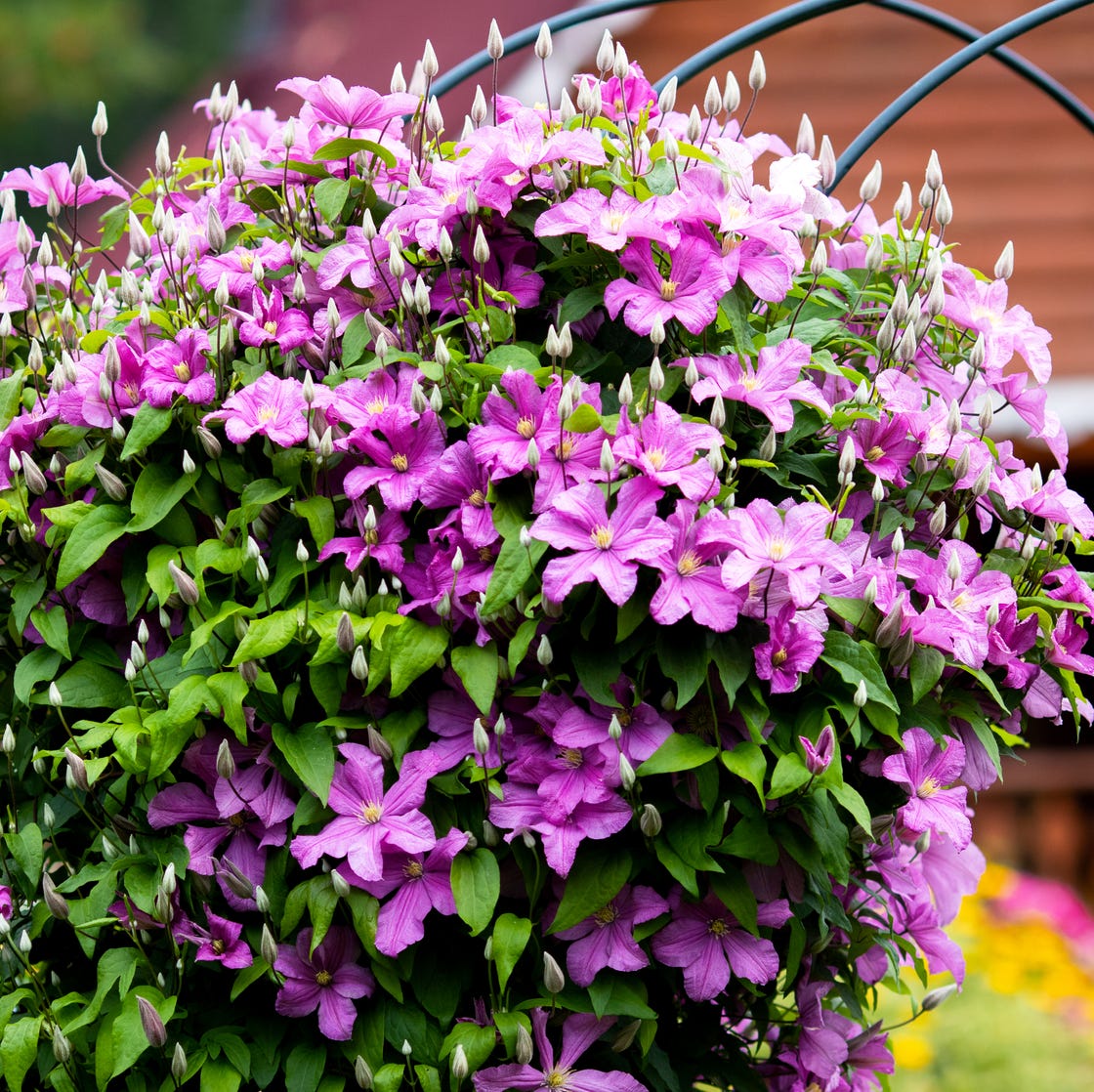
Grow Up! Flowering Vines to Adorn Walls, Trellises and Fences

This 100-Year-Old "Dust Corner" Idea Is Going Viral — They're Practical, Inexpensive, and Like Jewelry for Your Stairs
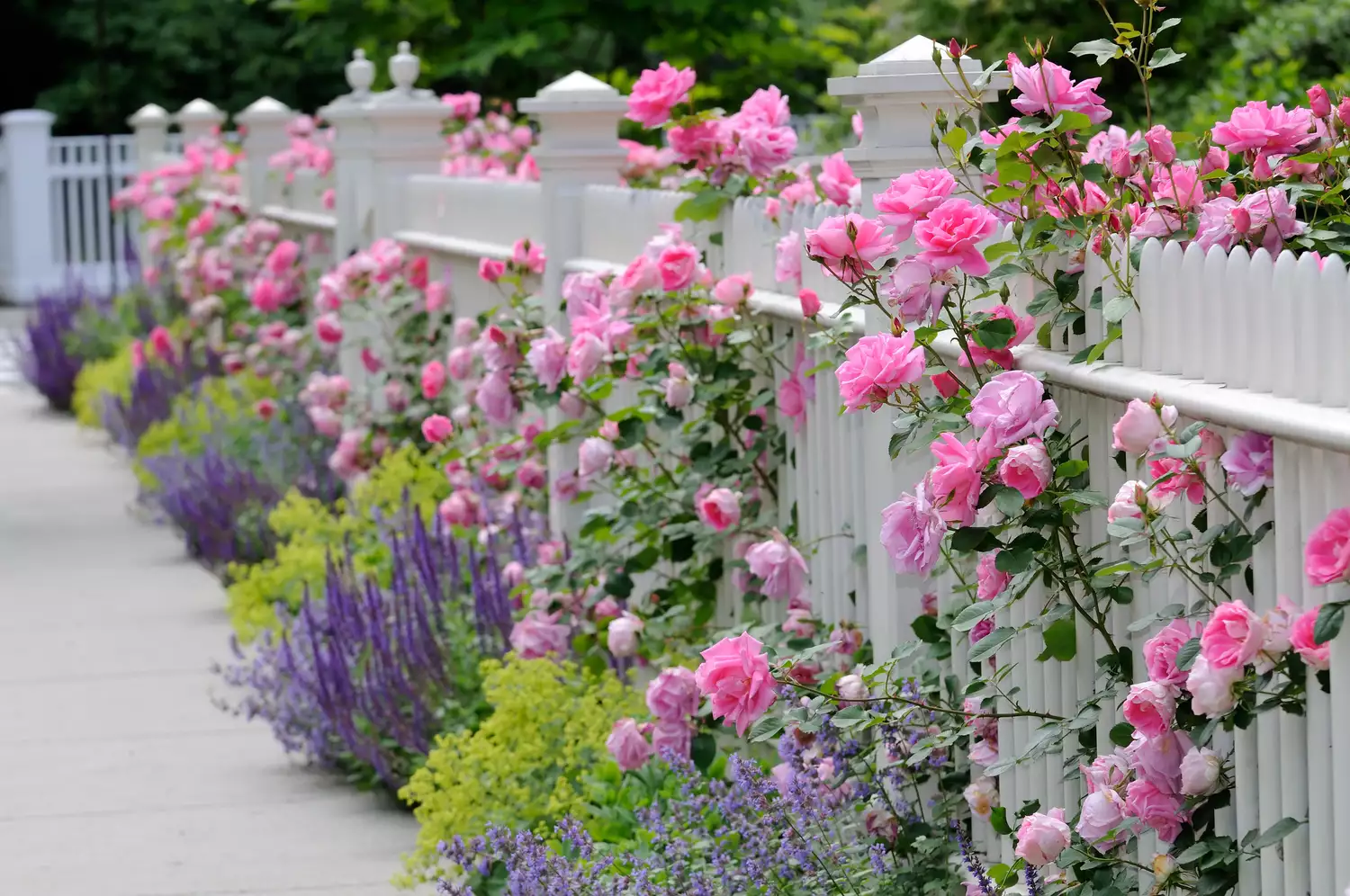
15 Garden Fence Ideas to Beautifully Define Your Outdoor Space

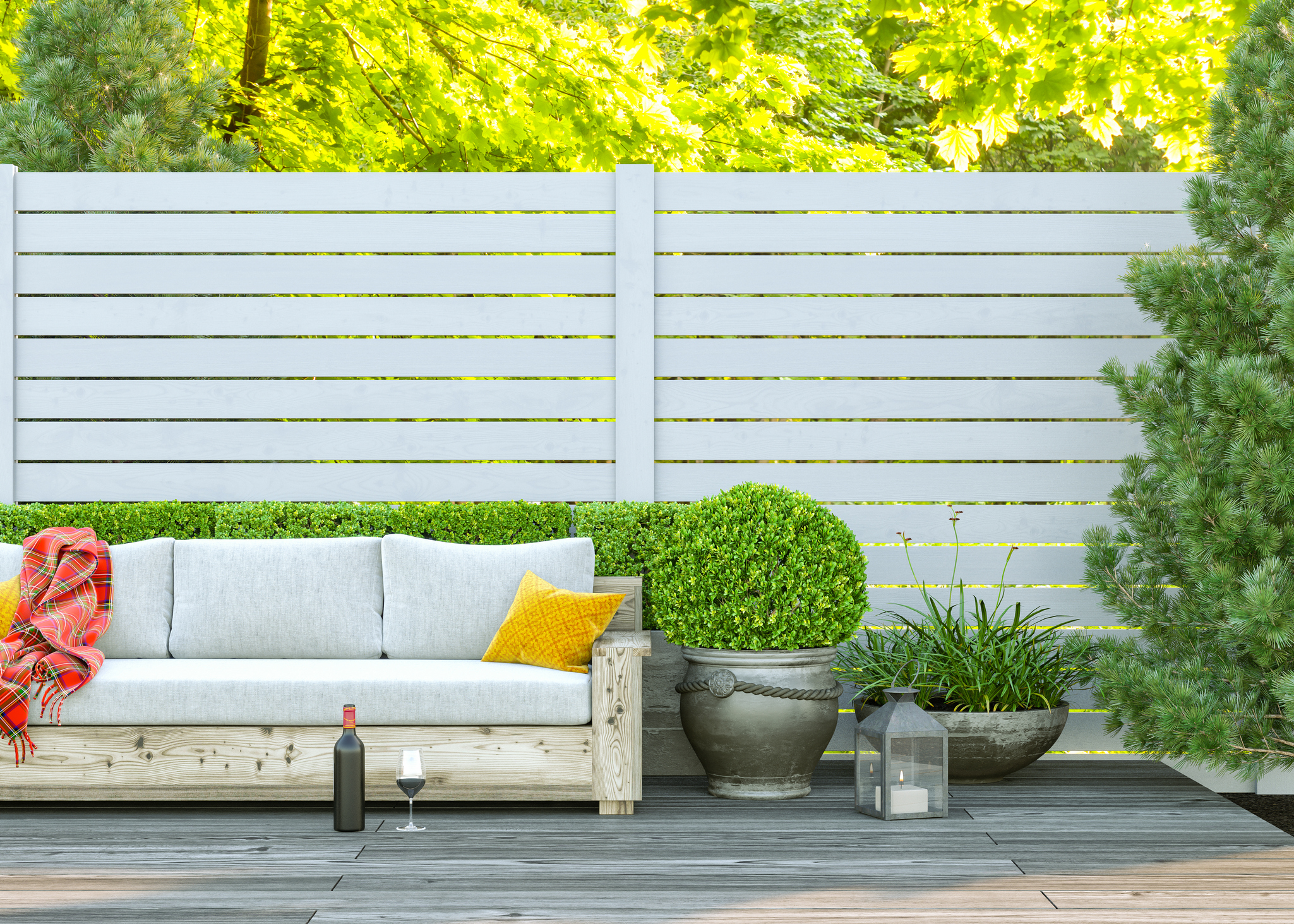
10 Decorative Fence Panels, Toppers and Trellises That Will Make Your Backyard Look a Millions Times More Beautiful
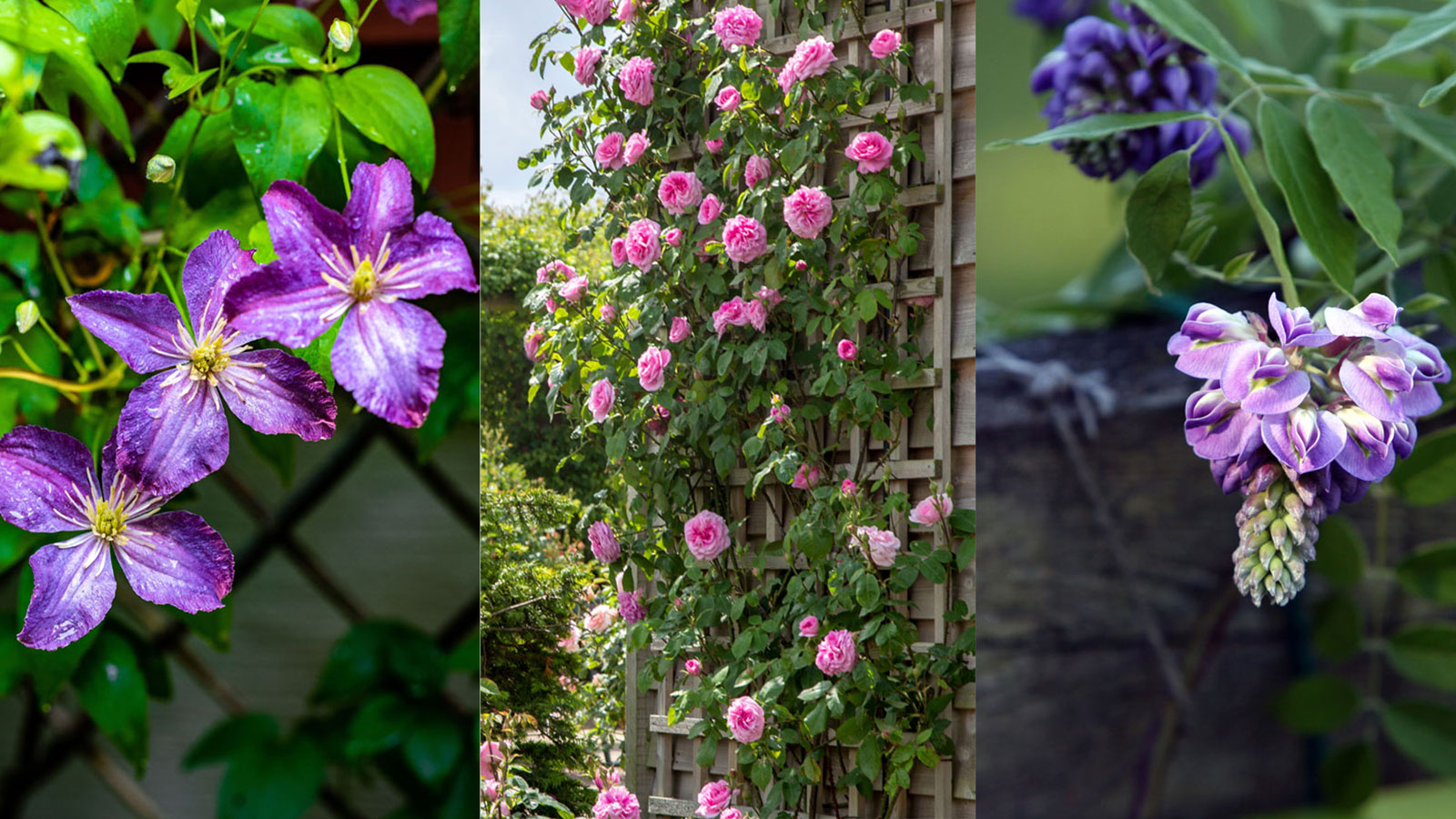
Best plants to cover a fence – 10 ways to disguise a fence with beautiful flowers and foliage

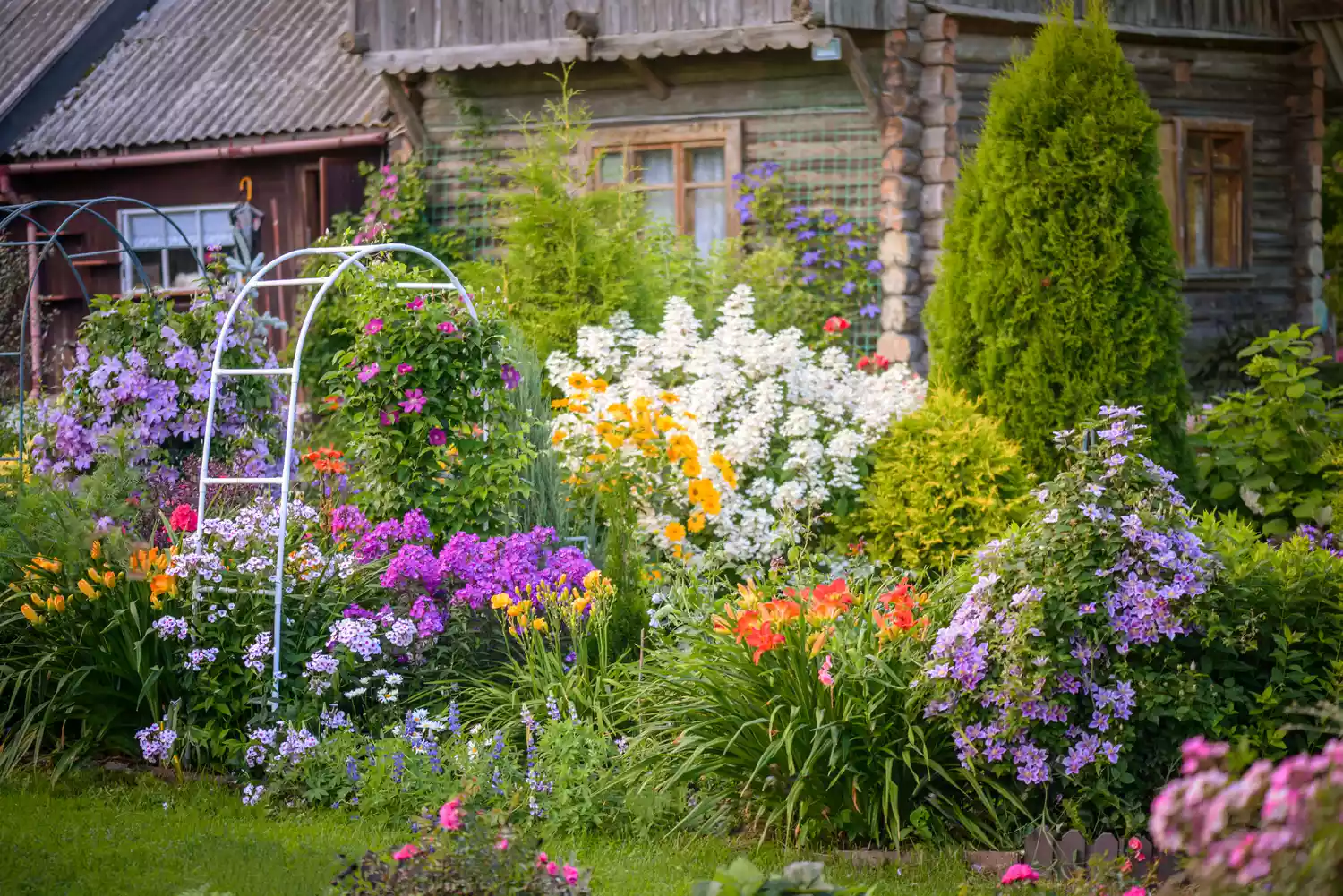
19 Garden Trellis Ideas That Showcase the Beauty of Climbing Plants
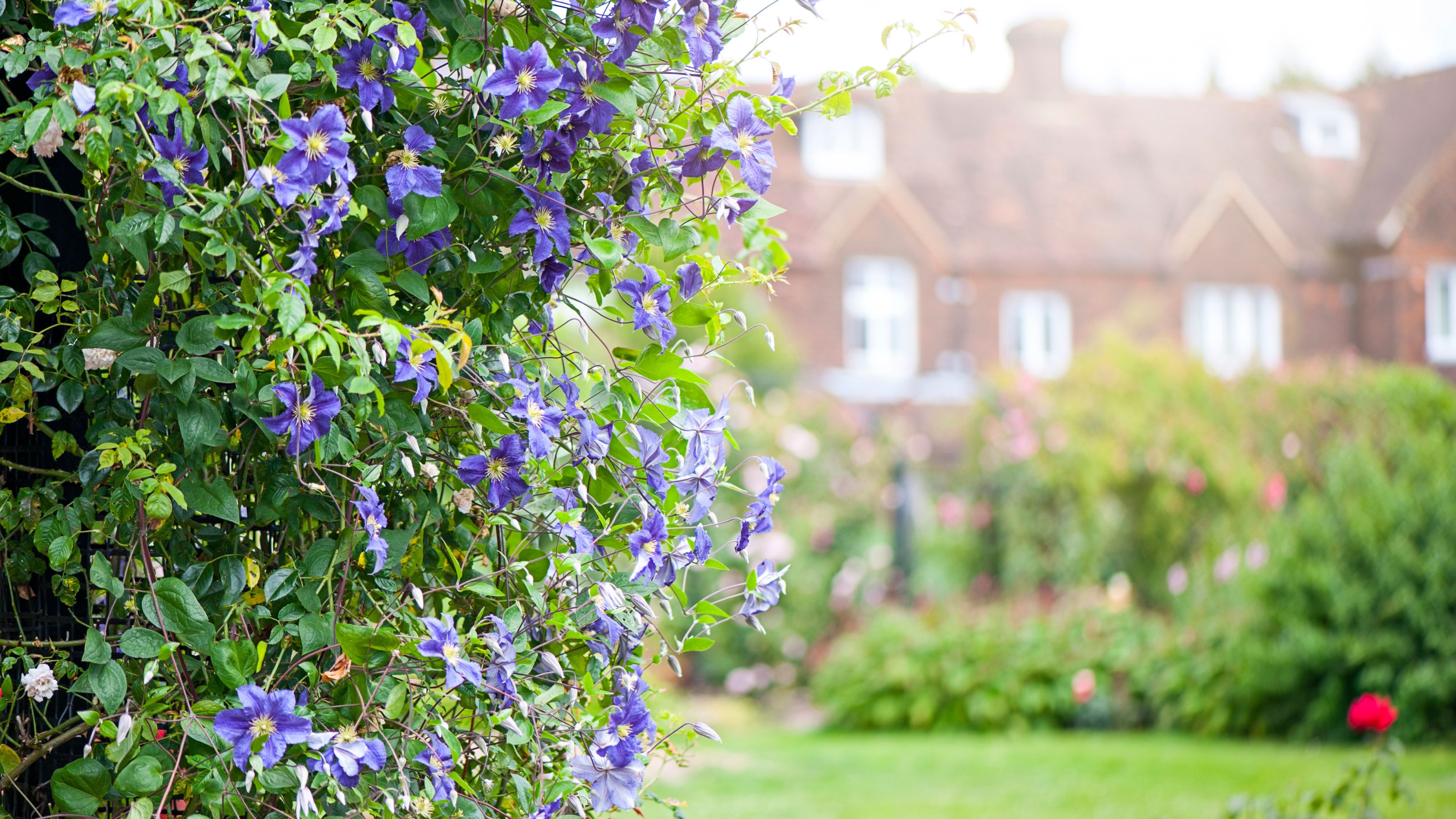
The 5 best climbing plants to cover an ugly fence, add privacy, and beautify your garden
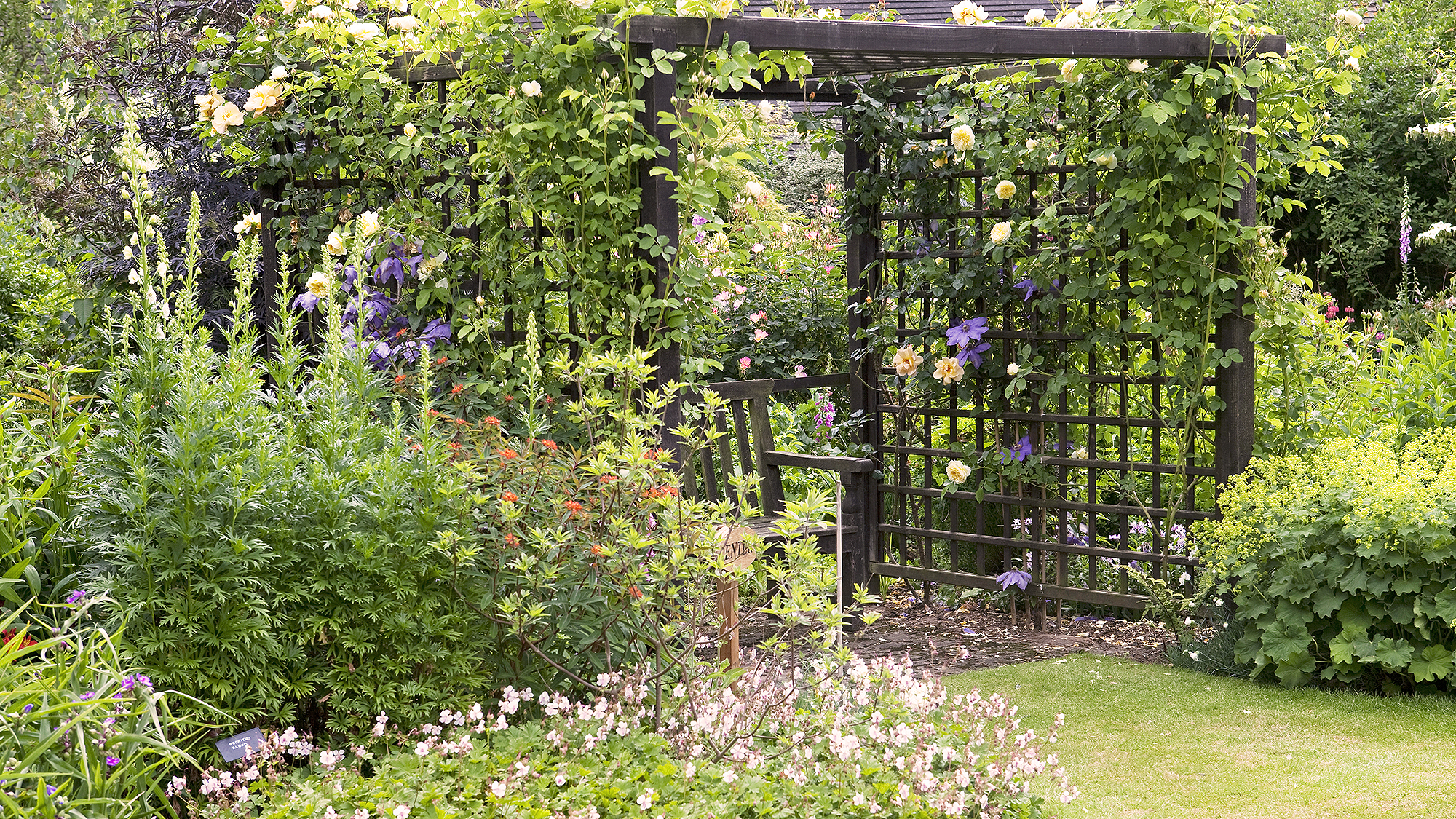
Trellis ideas – 17 beautiful ways to add vertical interest
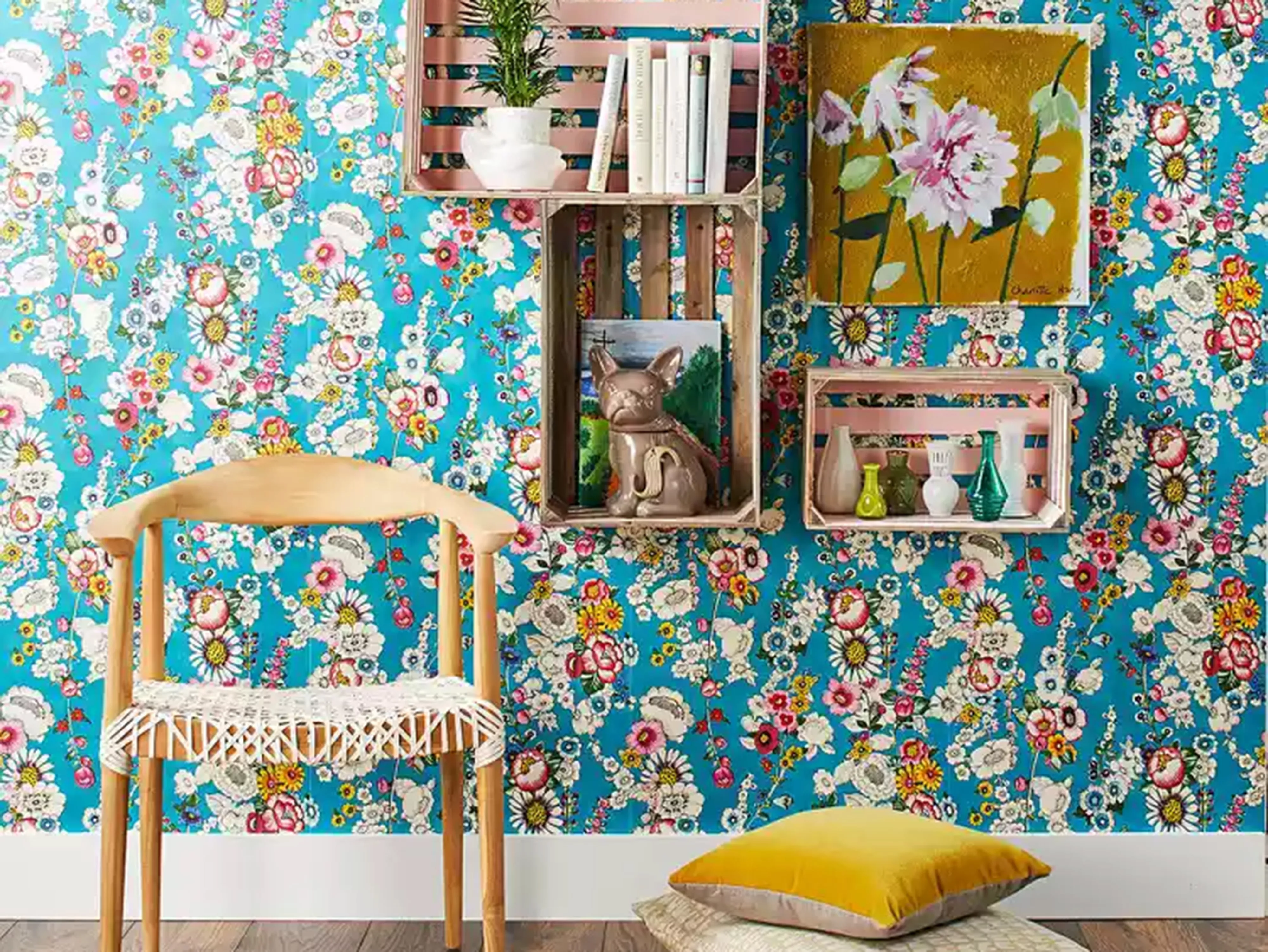
Ultra-Flowery Wallpaper Is the Newest Spring Decor Trend All Over Social Media


10 Botanical Accents, Wallcoverings, and Furnishings for Spring

Landscaping with ornamental grasses – 6 inspirational ideas to add height and movement to your yard
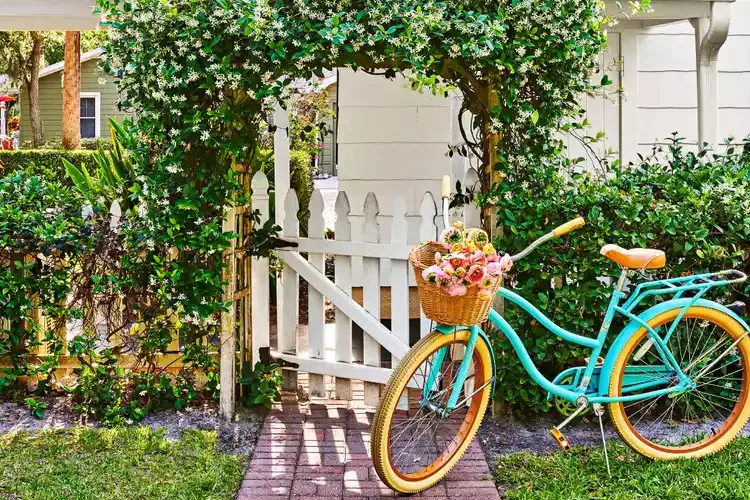
Garden Trellis Ideas That Make A Lofty Impact
This Simple Curtain Trick Is an Instant Mood Booster

8 fabulous frond-filled designs to pick this spring

Woman reveals how she achieves neat pleats in her curtains using empty TOILET tissue rolls
23 Clever Trellis Ideas To Transform Your Garden

These Pink-Blooming Beauties Are the Ultimate Yard Upgrade

Dramatic "Plant Corners" Are Trending — Here's How You Can Master This Green Decorating Idea
24 Easy DIY Trellis Ideas for Your Garden