1/27
How and Why Designers Are Decorating With Circles
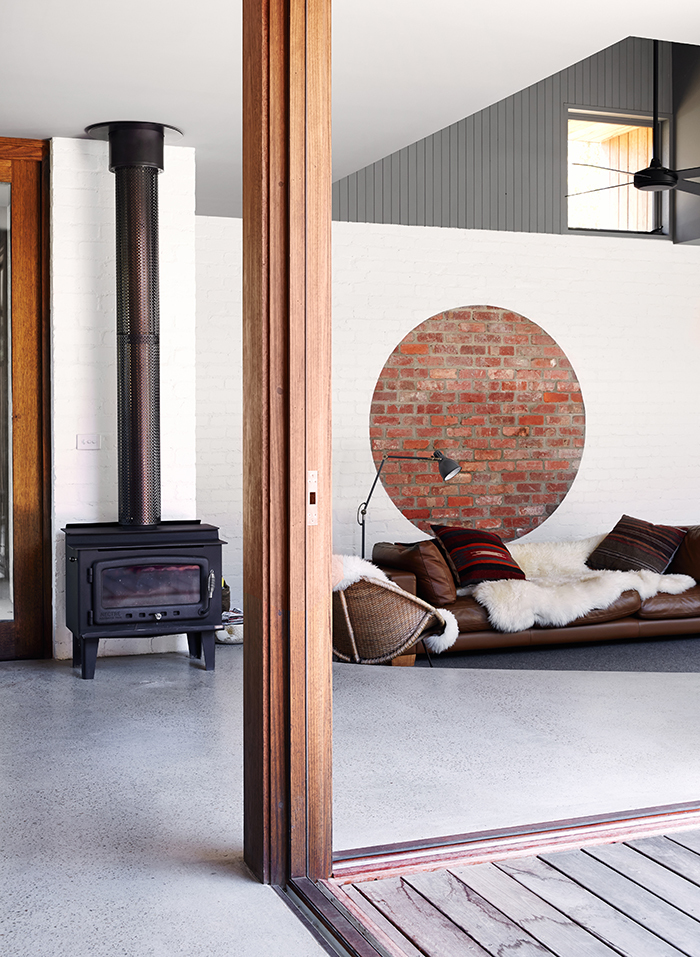
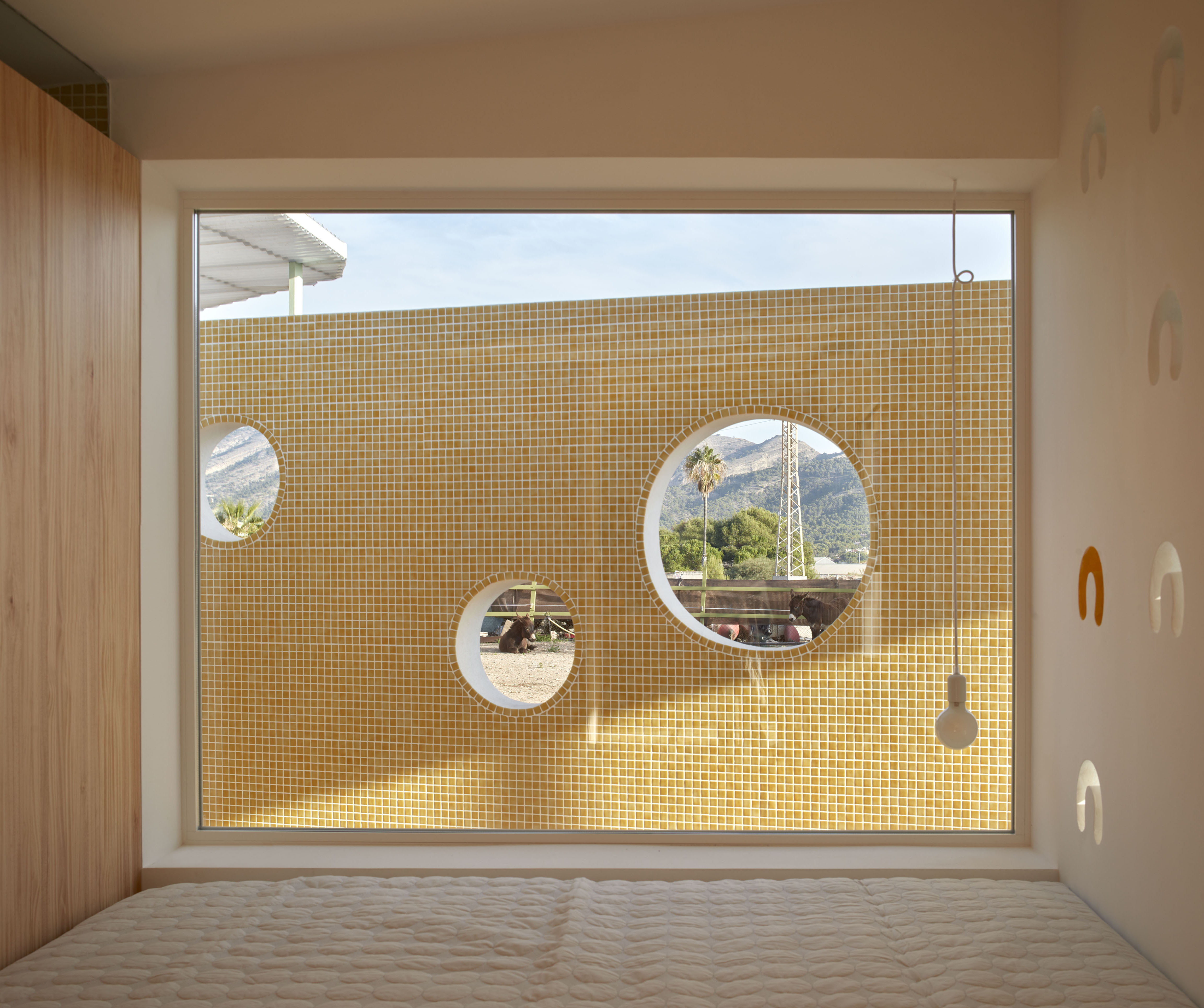
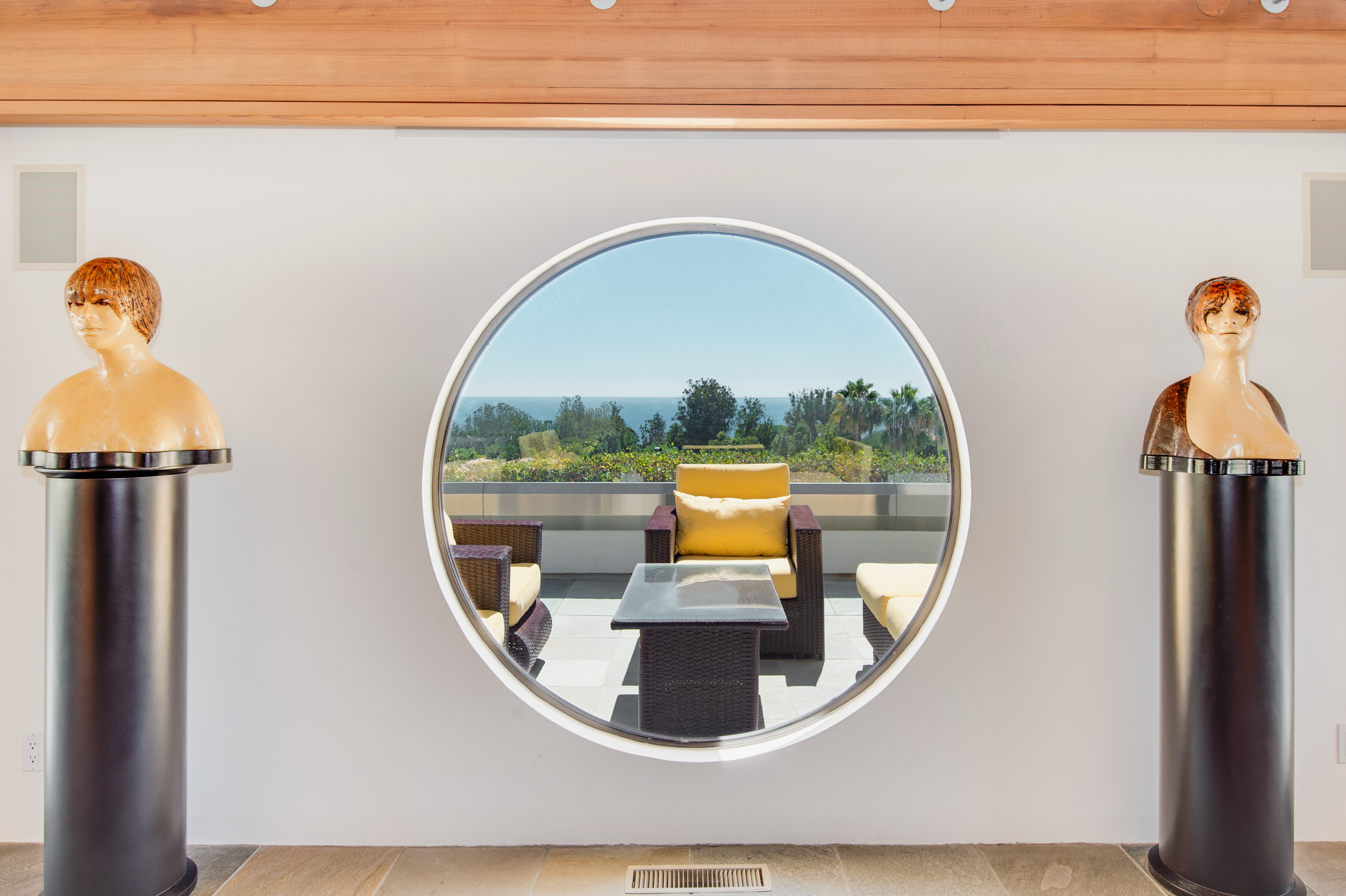
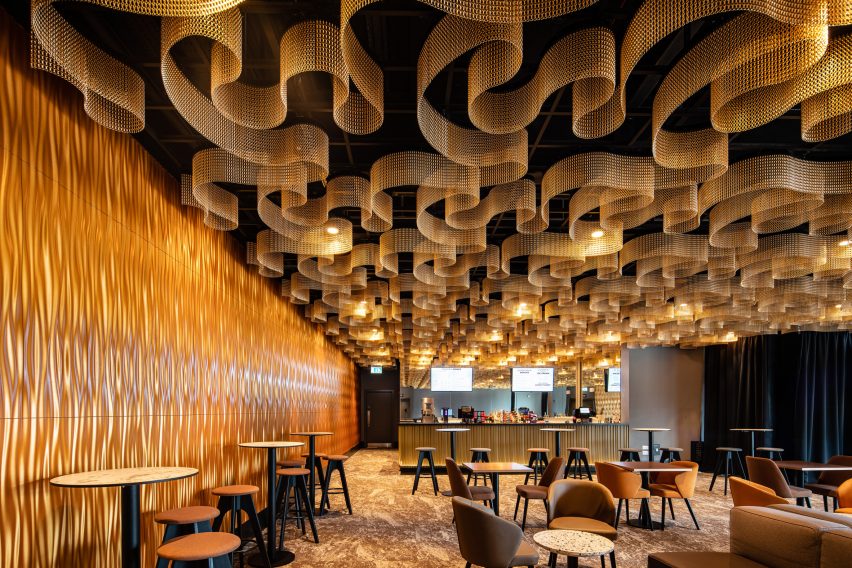
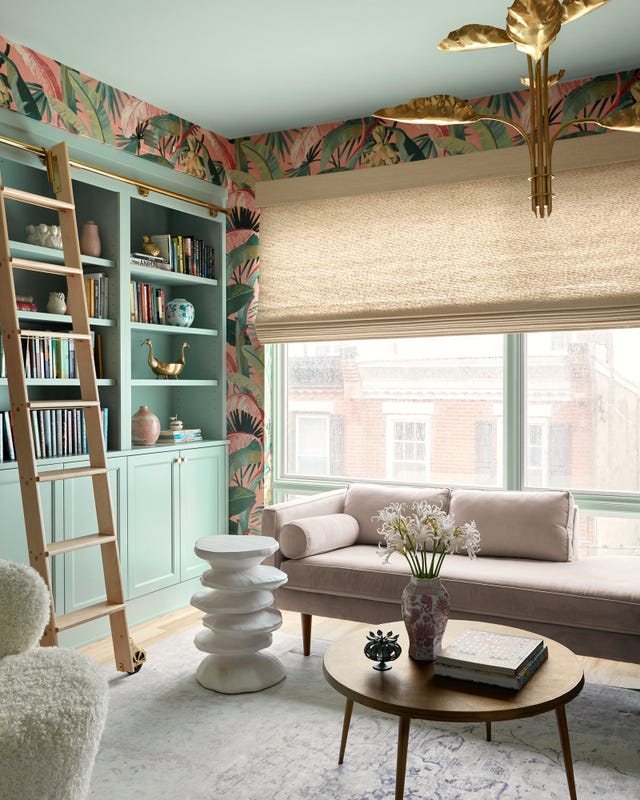
In contemporary interior design, circular shapes are increasingly being recognized for their significant emotional and aesthetic impact, moving beyond mere visual appeal to influence how a space feels. While circular designs are not new, with roots in movements like Art Nouveau, current trends emphasize their ability to introduce softness, balance, and visual interest into environments often dominated by straight lines and rigid angles. Experts highlight that circles foster a sense of harmony and inclusivity, drawing people into a space and establishing an organic rhythm that is both elegant and approachable. The versatility of circles allows them to evoke various moods, from playful to sophisticated or dramatically modern, depending on their scale, color, and material.
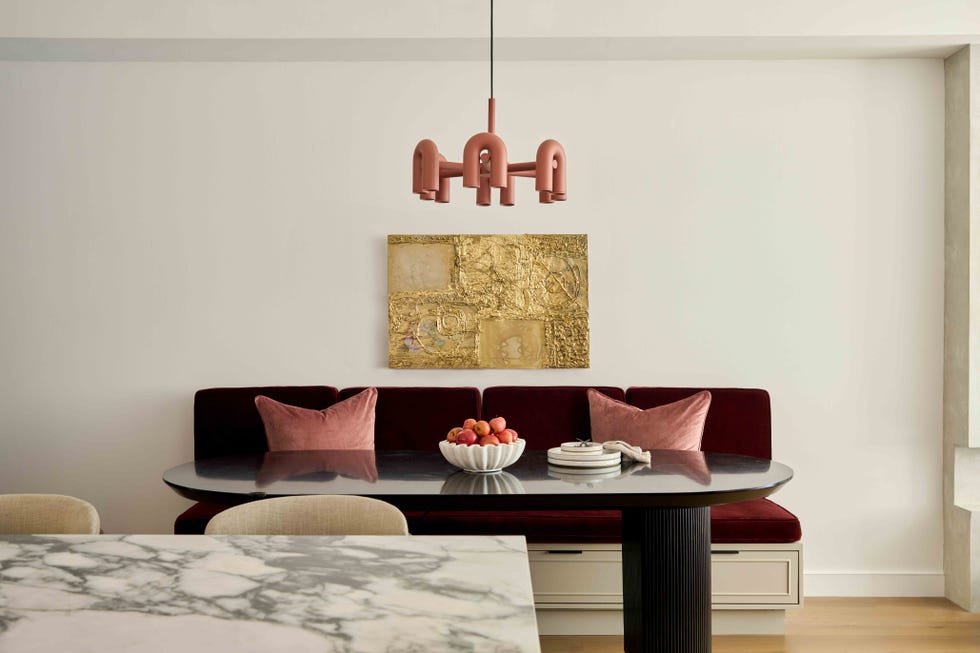
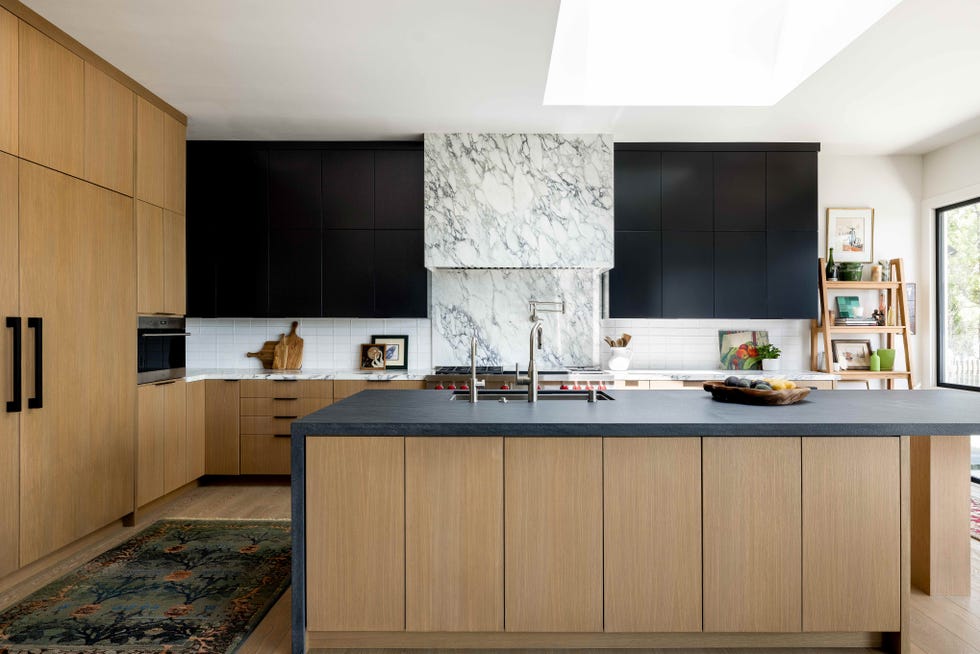
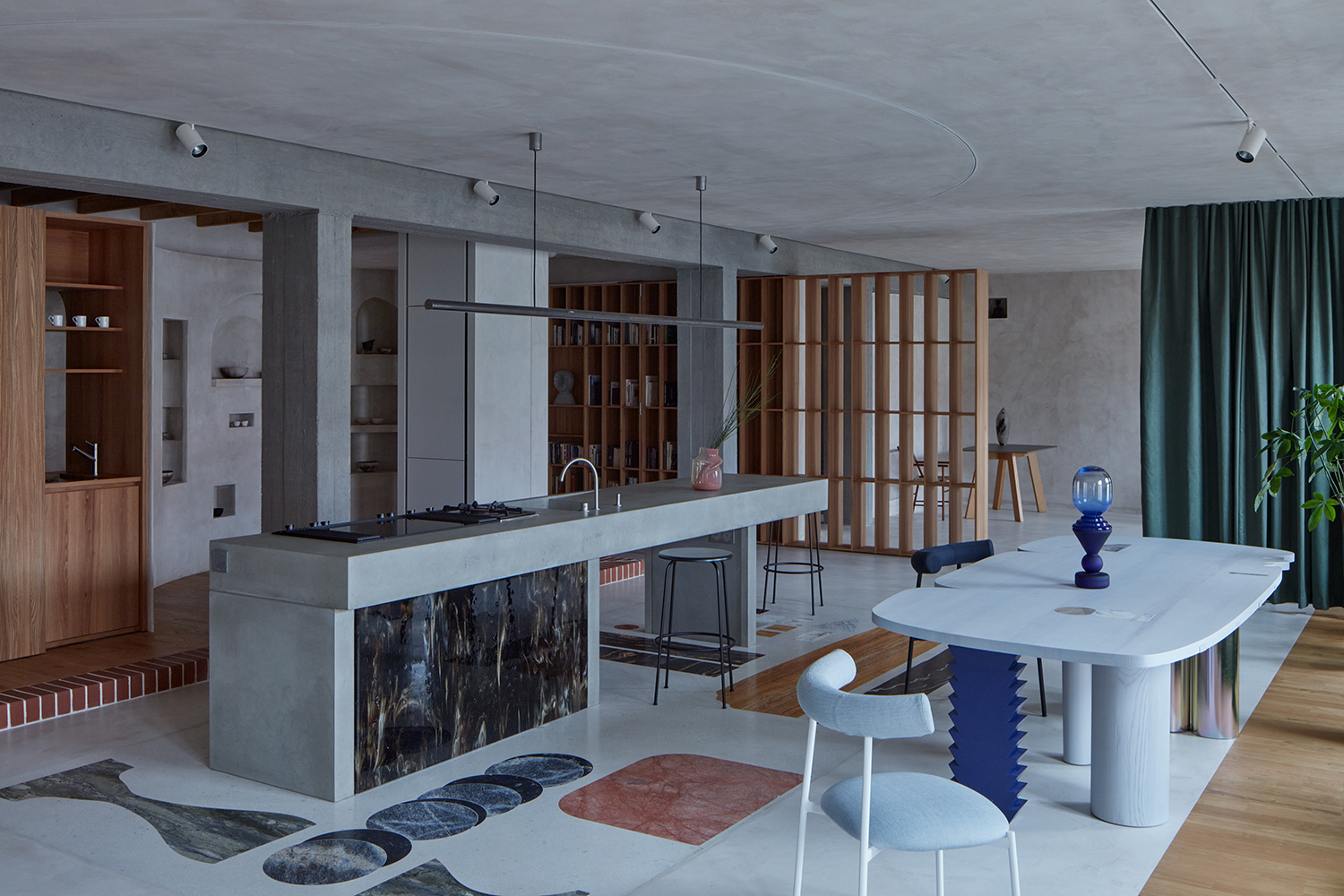
Architects and designers like Ailsa Connery of 1508 London and Genevieve Bennett of Liberty Interiors emphasize that circular forms act as a counterpoint to the architectural straightness prevalent in most residential and commercial settings. This contrast adds depth and prevents monotony, creating a dynamic environment. Massimo Buster Minale, founder of Buster + Punch, notes that circular shapes soften spaces, promote flow, and make interiors more inviting and comfortable. He suggests that larger-scale curves can entirely transform a room's mood, creating striking and expressive feature zones, particularly in kitchens with monolithic islands and undulating breakfast bars. The intentional incorporation of circular elements, rather than accidental use, is key to generating spaces with depth, character, and emotional resonance.
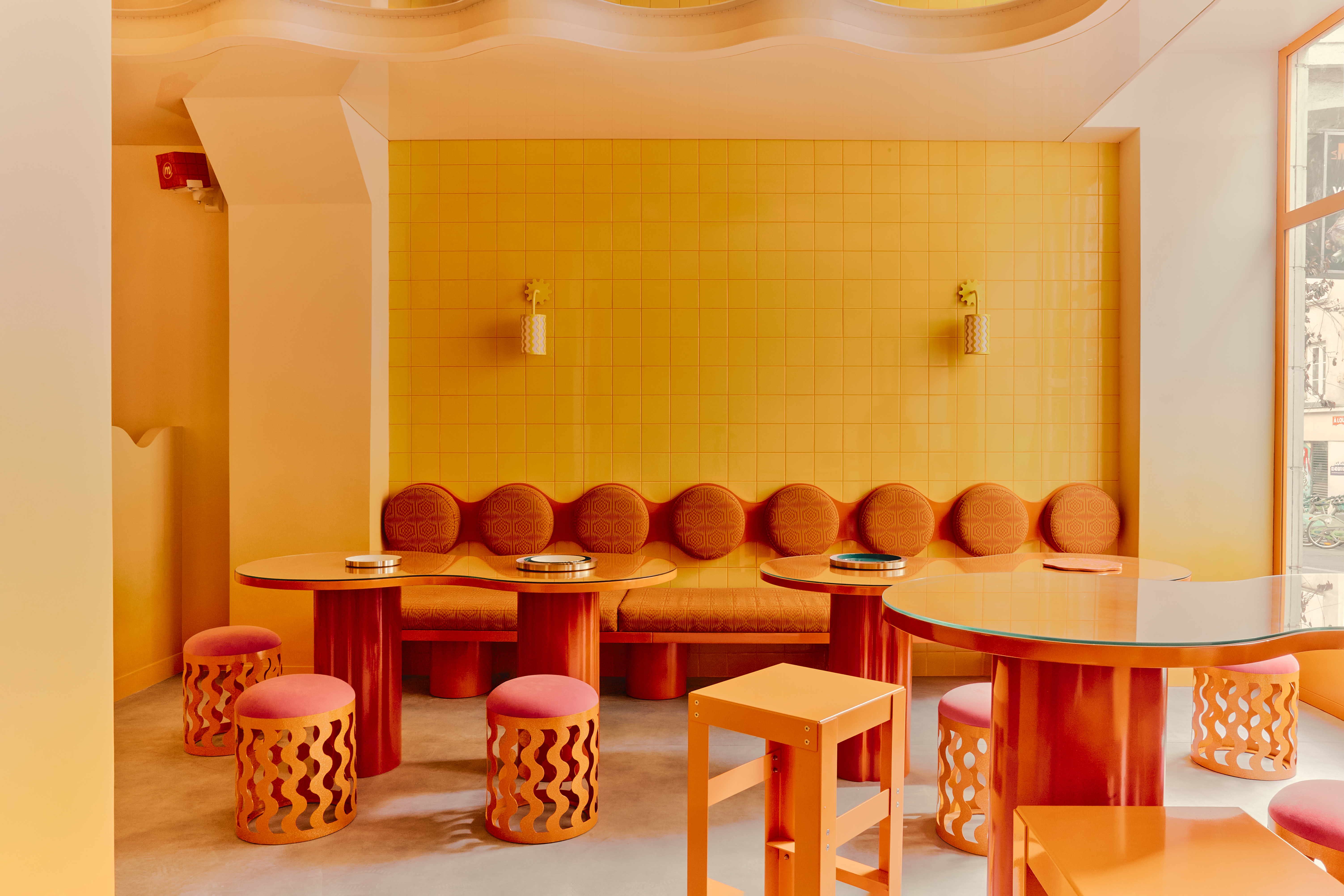
Design collectives like Uchronia, led by Julien Sebban, integrate circles and curves as a signature style, believing these shapes influence interaction and challenge conventional perceptions of space. They utilize wave patterns on kitchen door fronts for ergonomic handles and design wavy tables to encourage closer conversation, asserting that curves guide the eye more fluidly than straight lines. Psychologically, circles are associated with playfulness, lightness, and joy, as noted by behavioral color and design psychology expert Karen Haller, making them ideal for creating uplifting home environments.
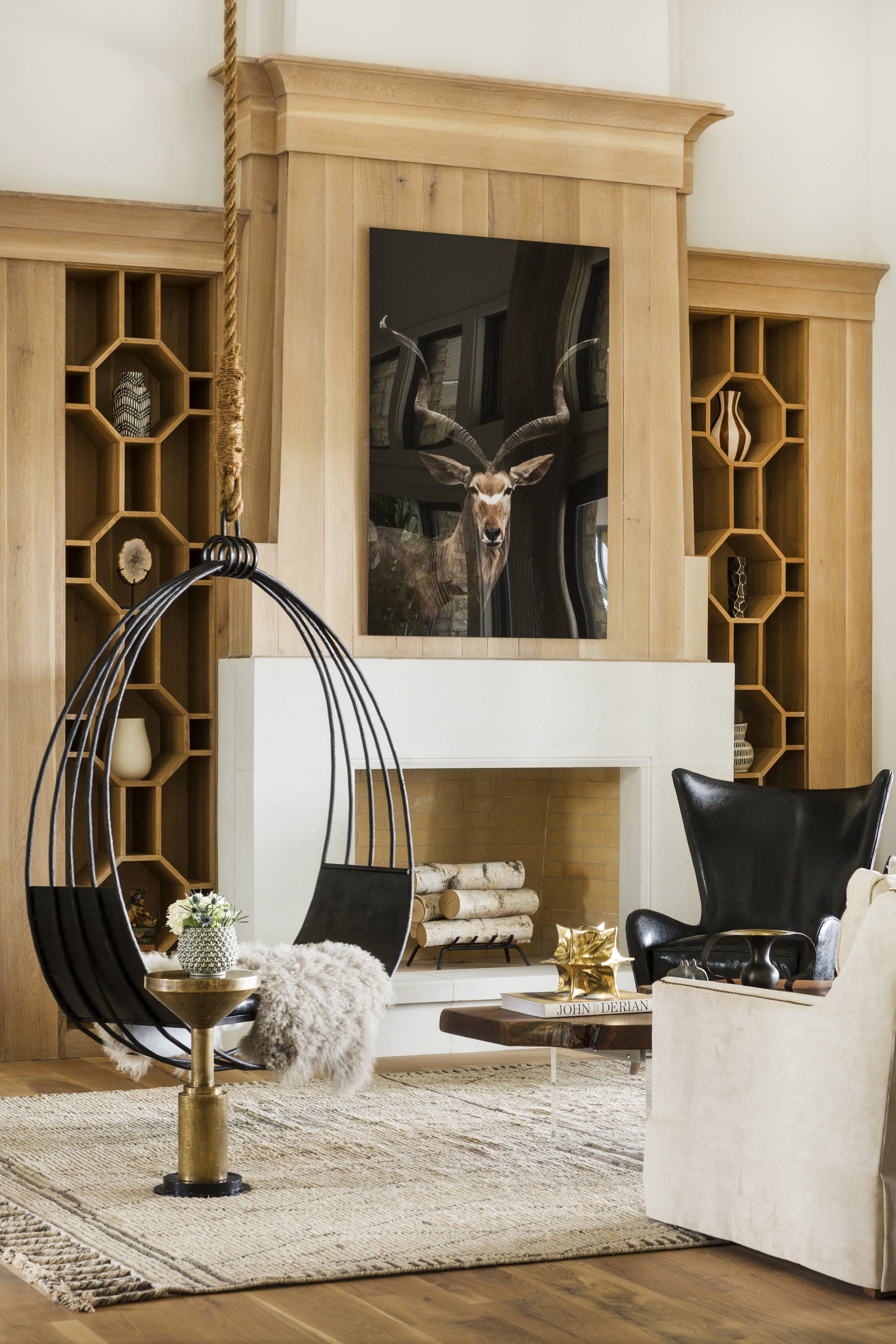
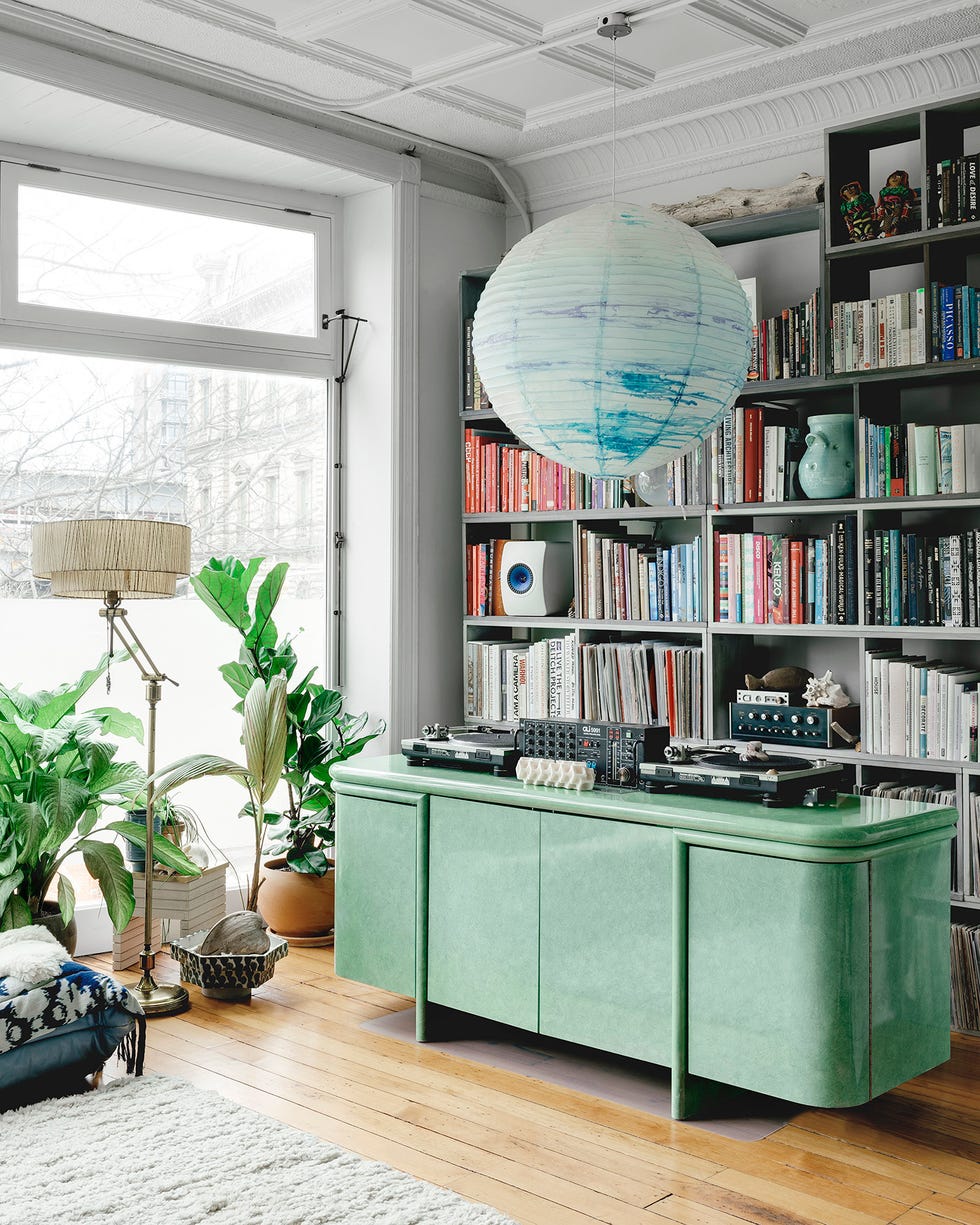
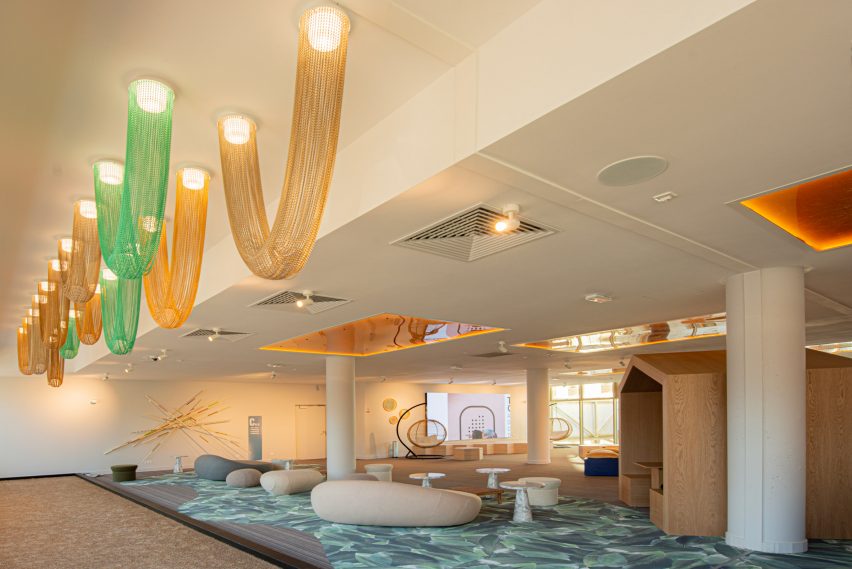
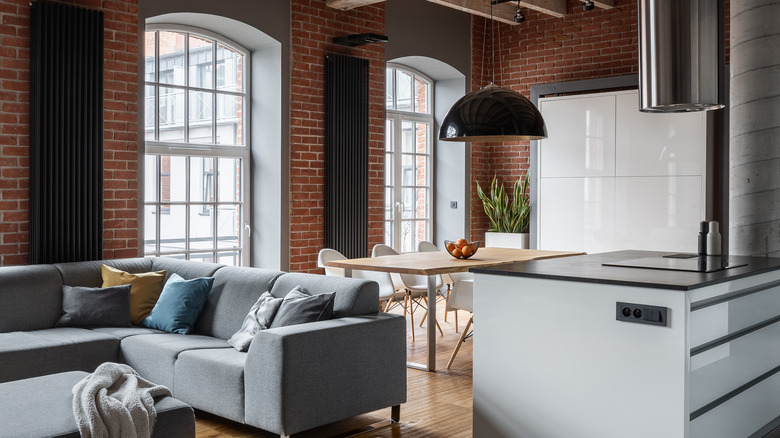
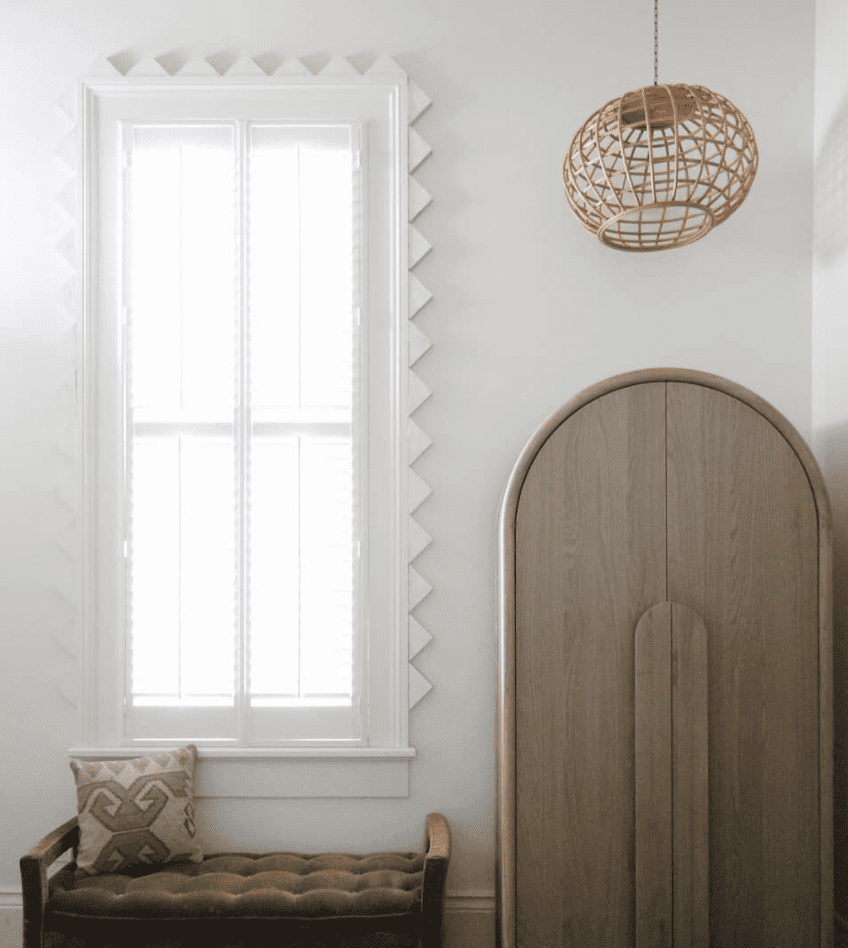
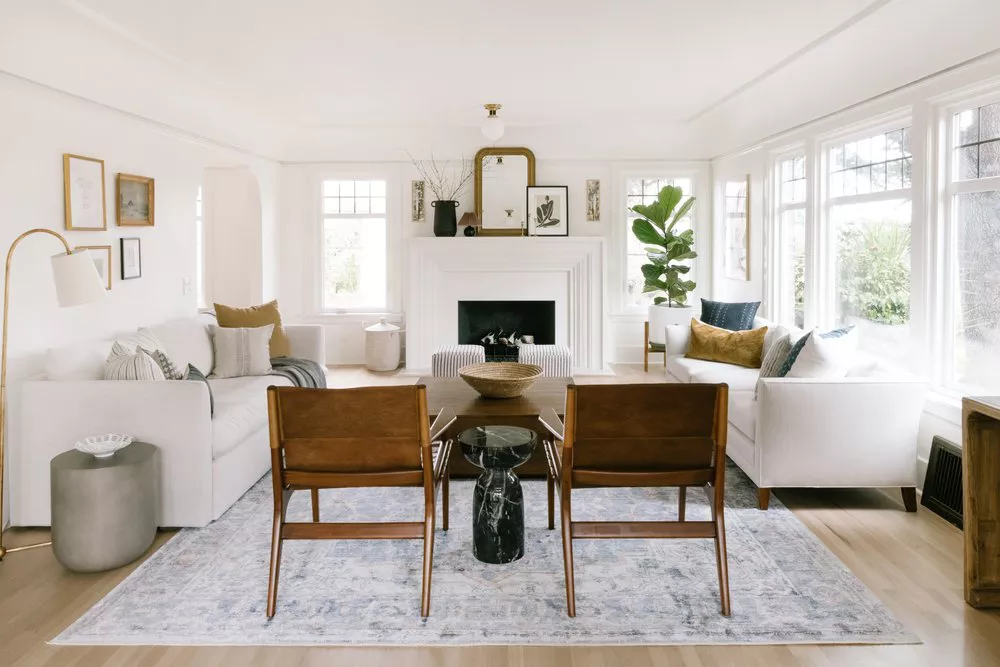
Practical applications of circular elements in modern homes are extensive. Lighting, from sculptured chandeliers to dome-shaped table lamps, serves as an excellent starting point. Furniture, such as round dining tables and curved sofas, can redefine the dynamic of a room, fostering togetherness and conversation, as circles are universal symbols of unity. Interior designers also advocate for circular rugs to soften angular spaces, anchor curved furniture, and define zones, especially in transitional areas like entryways where they convey a welcoming atmosphere. Architectural elements like doorway arches are another effective way to introduce softness and promote a sense of calm. The impact of circular design can be achieved through both large-scale installations and small, carefully chosen decor pieces, demonstrating that even subtle circular details can significantly enhance a space's visual and emotional appeal. The ultimate goal is to create balance and harmony, influencing not just the look but also the emotional experience of a home.
#InteriorDesign #CircularShapes #ModernInteriors #HomeDecoration #ArchitecturalDesign #DesignPsychology #FurnitureDesign #LightingDesign #SpacePlanning #InteriorDesign #CircularShapes #ModernInteriors #HomeDecoration #ArchitecturalDesign #DesignPsychology #FurnitureDesign #LightingDesign #SpacePlanning
0 comment in total
 No comments yet
You may also like
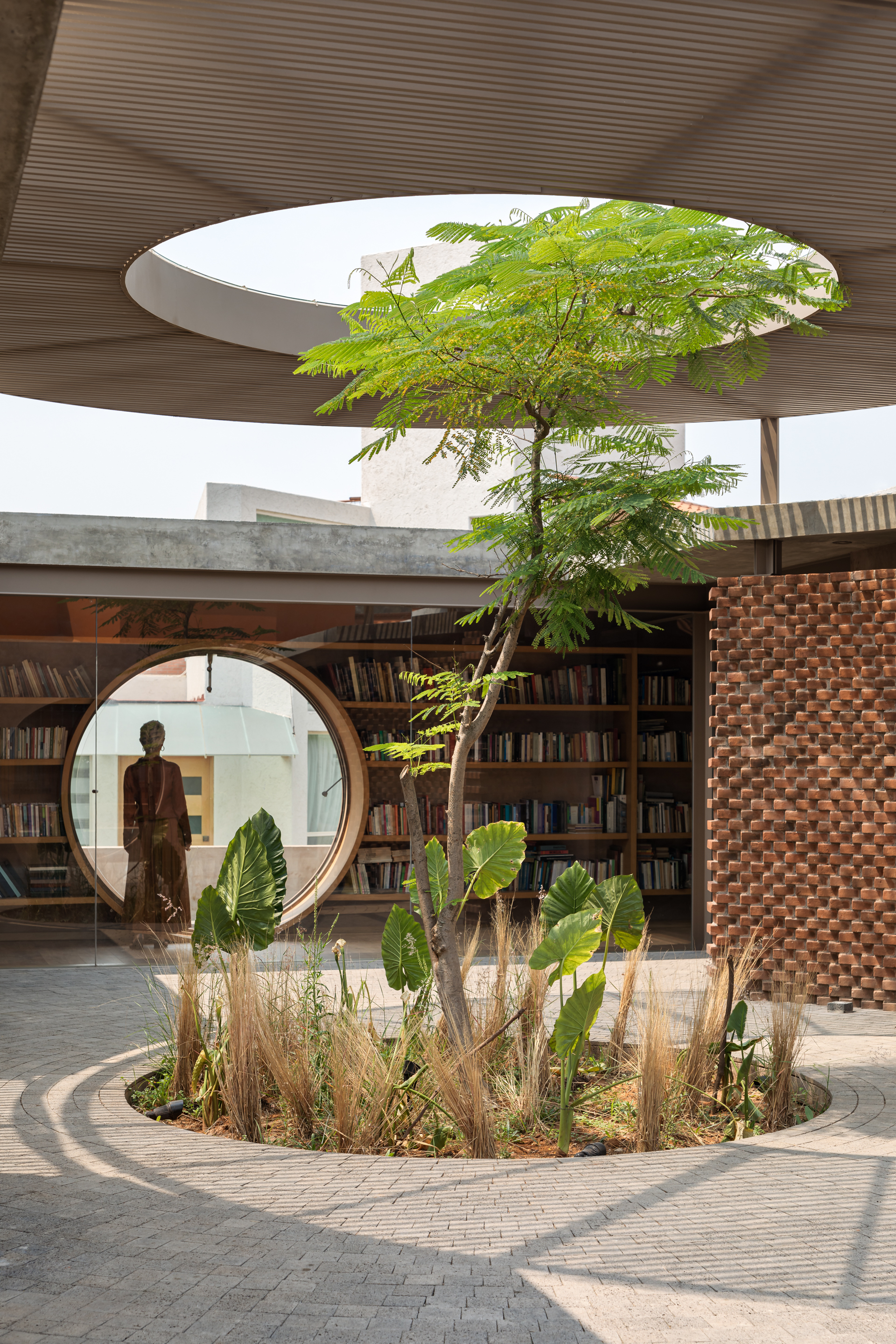
20 Eye-Catching Homes That Make Use of Circular Motifs

Adhesive Sconces Are Everywhere Right Now—And Designers Love These

Design experts share how to create a candle centerpiece

Designers Reveal the TINY Detail That Instantly Adds Character to Any Home
DECORATING TREND: GO WILD WITH CIRCUS GEOMETRICS |

This Popular Fabric Designer Reveals the Right Way to Decorate with Color
The Finishing Touch - Decorating Tips from 8 Designers

If You Have These 10 Traits, You'd Probably Be a Great Interior Designer
How to Combine Colors and Textures in Interior Decor

Decorating Tips and Techniques

Stylish Ways To Decorate The Corners Of Your Home
Rich colors and sumptuous textures are on designers' minds
Patterns on Repeat (Published 2014)

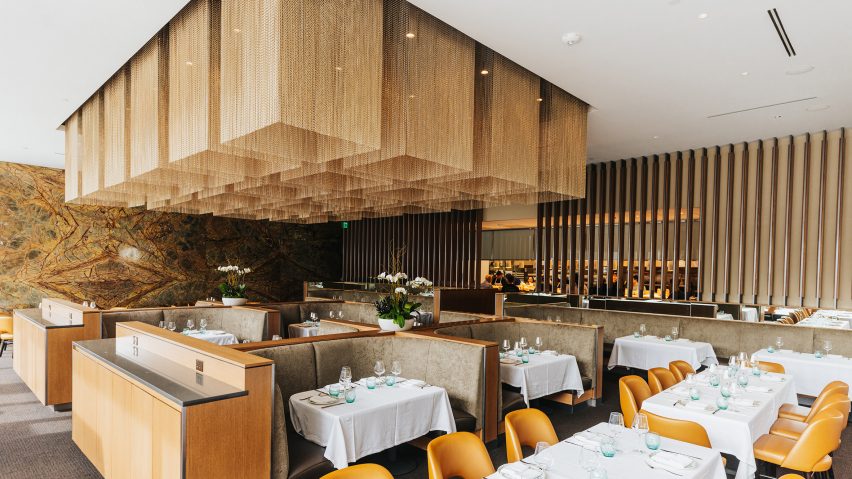
Kriskadecor's decorative chains unlock "creative possibilities" for ceiling installations
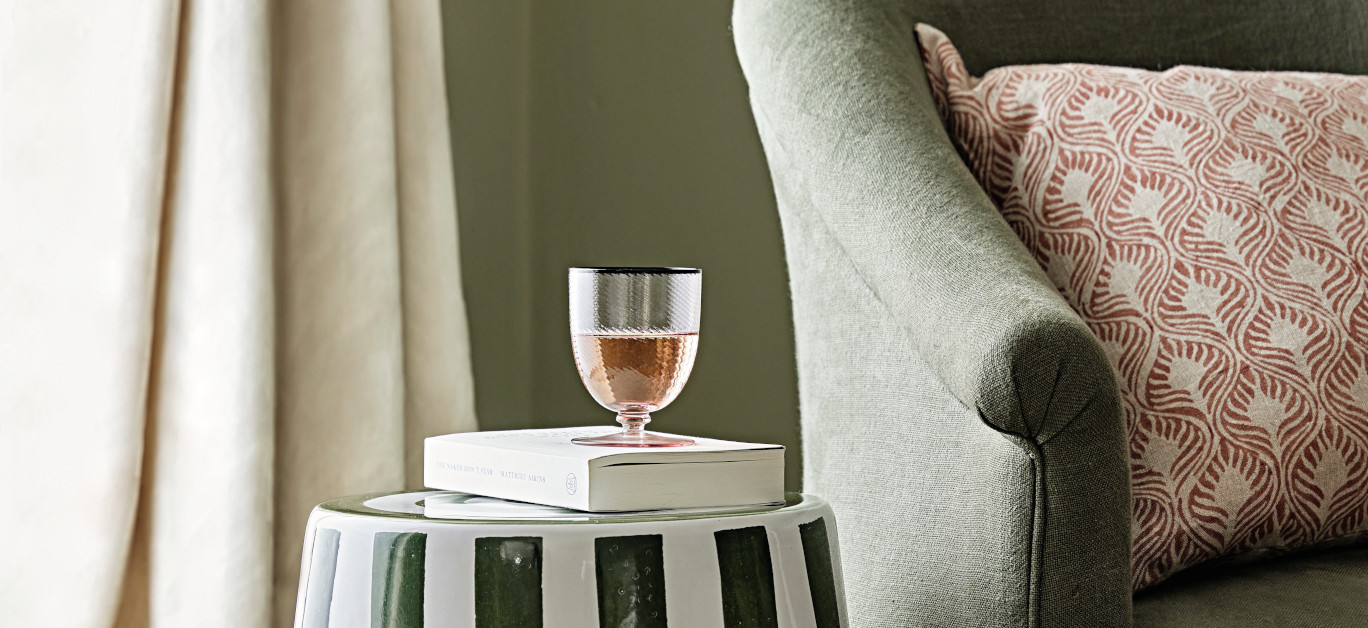
Interiors expert reveals 5 reasons why you should be decorating with stripes

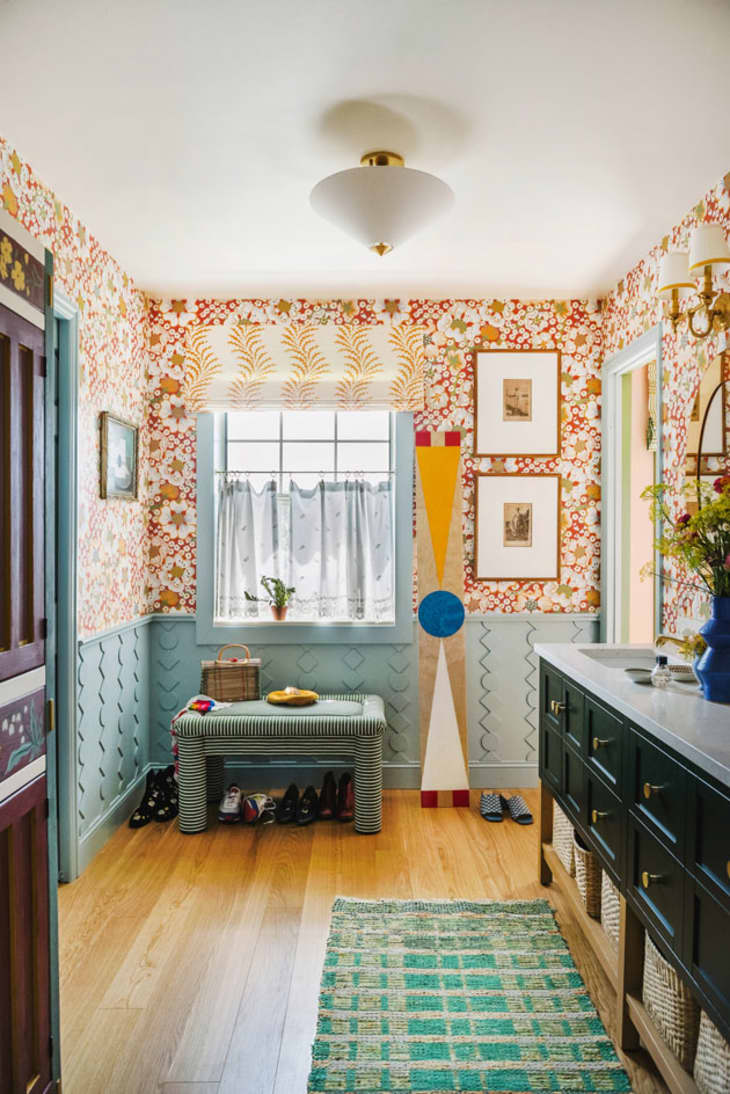
This New DIY Will Make Your Windows and Wall Treatments Look Way More Luxe and Fun
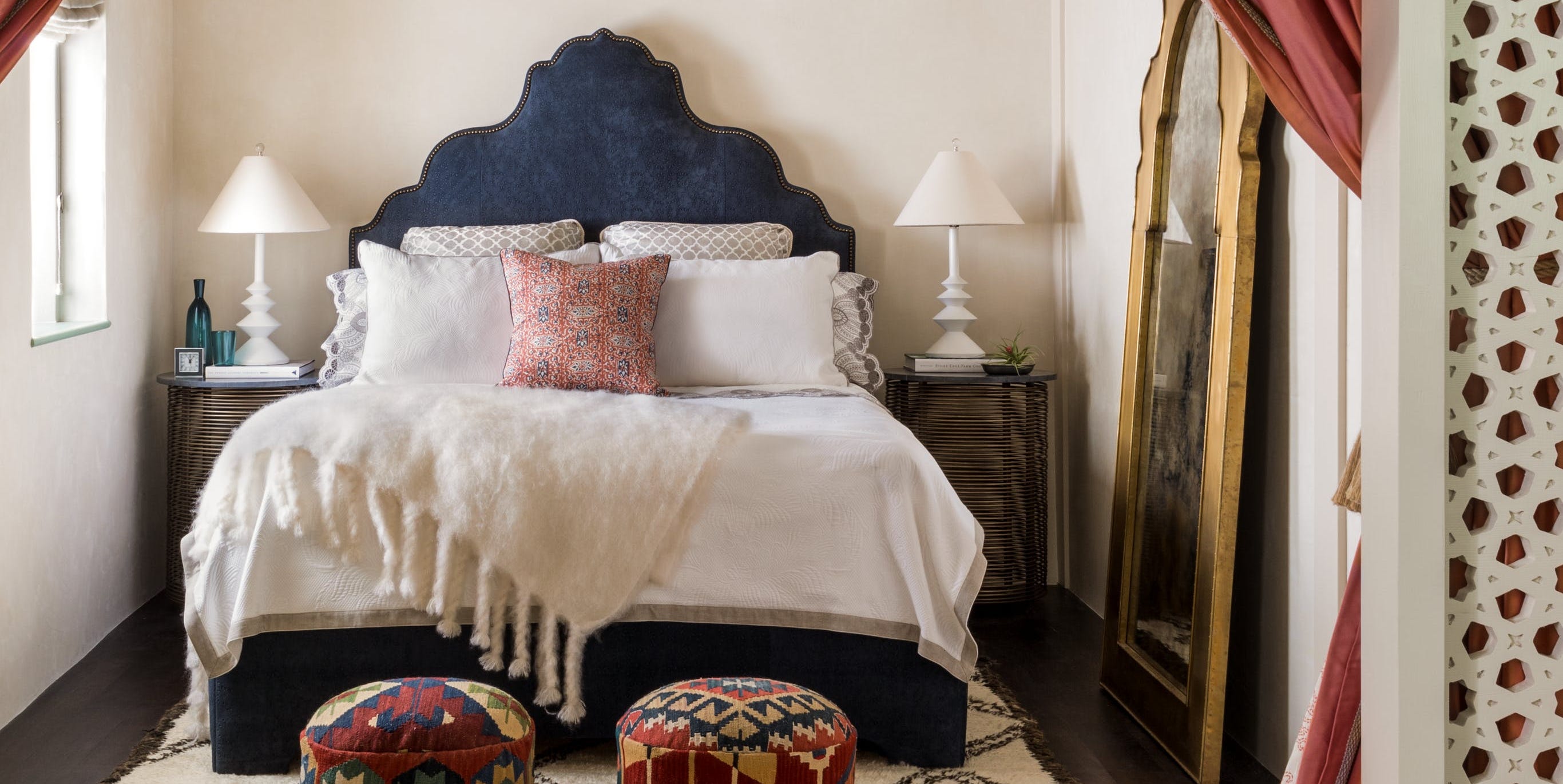
See These Designer-Approved Ways to Decorate with Throws
6 New Ways Designers Are Using Curtains — Fill Awkward Corners, Soften Spaces, Create Privacy Zones
The ancient enigma that still resonates today
6 Reasons Your Home's Molding Looks Weird, According to Interior Designers