1/6
Cool Colors, Fab Finishes
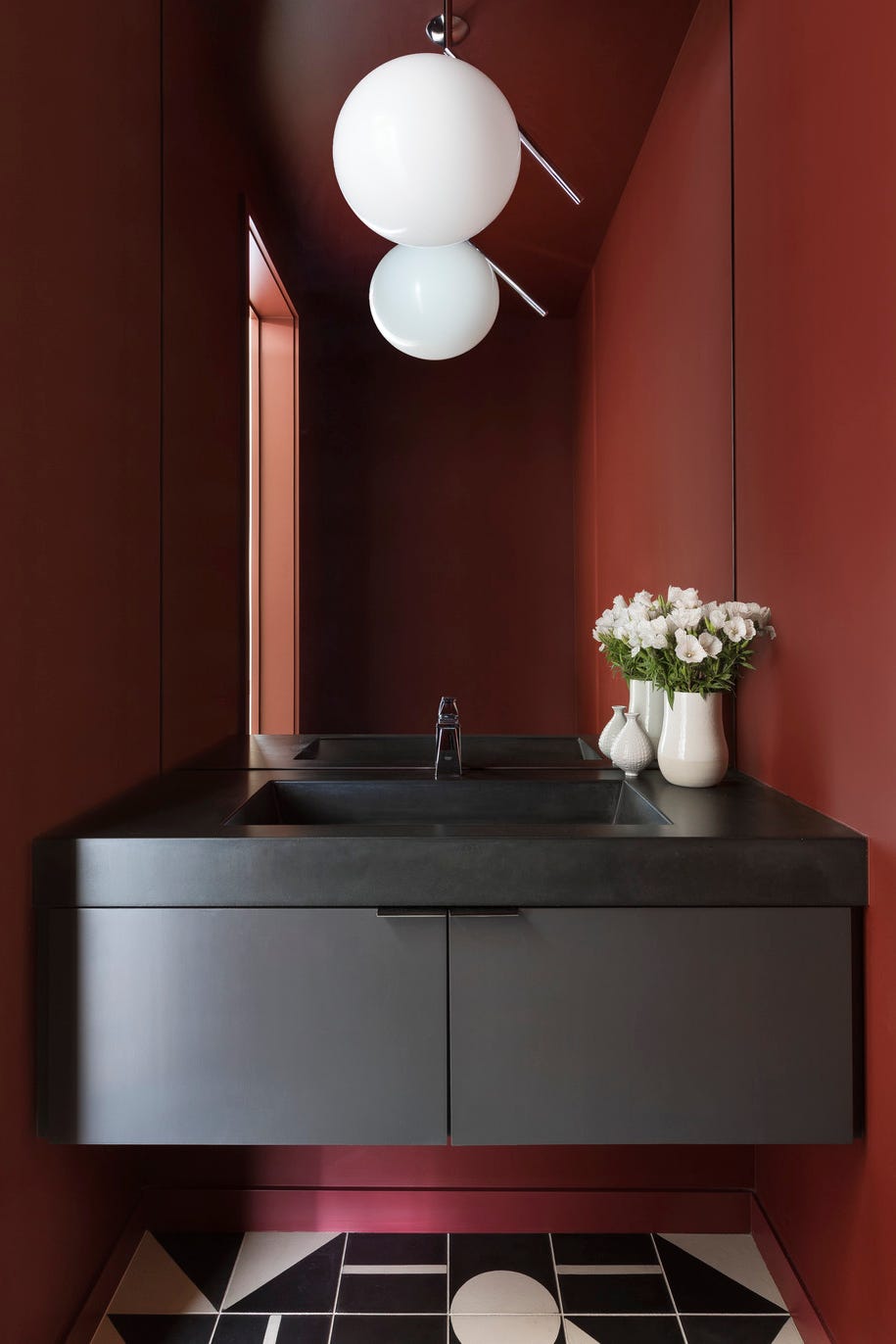
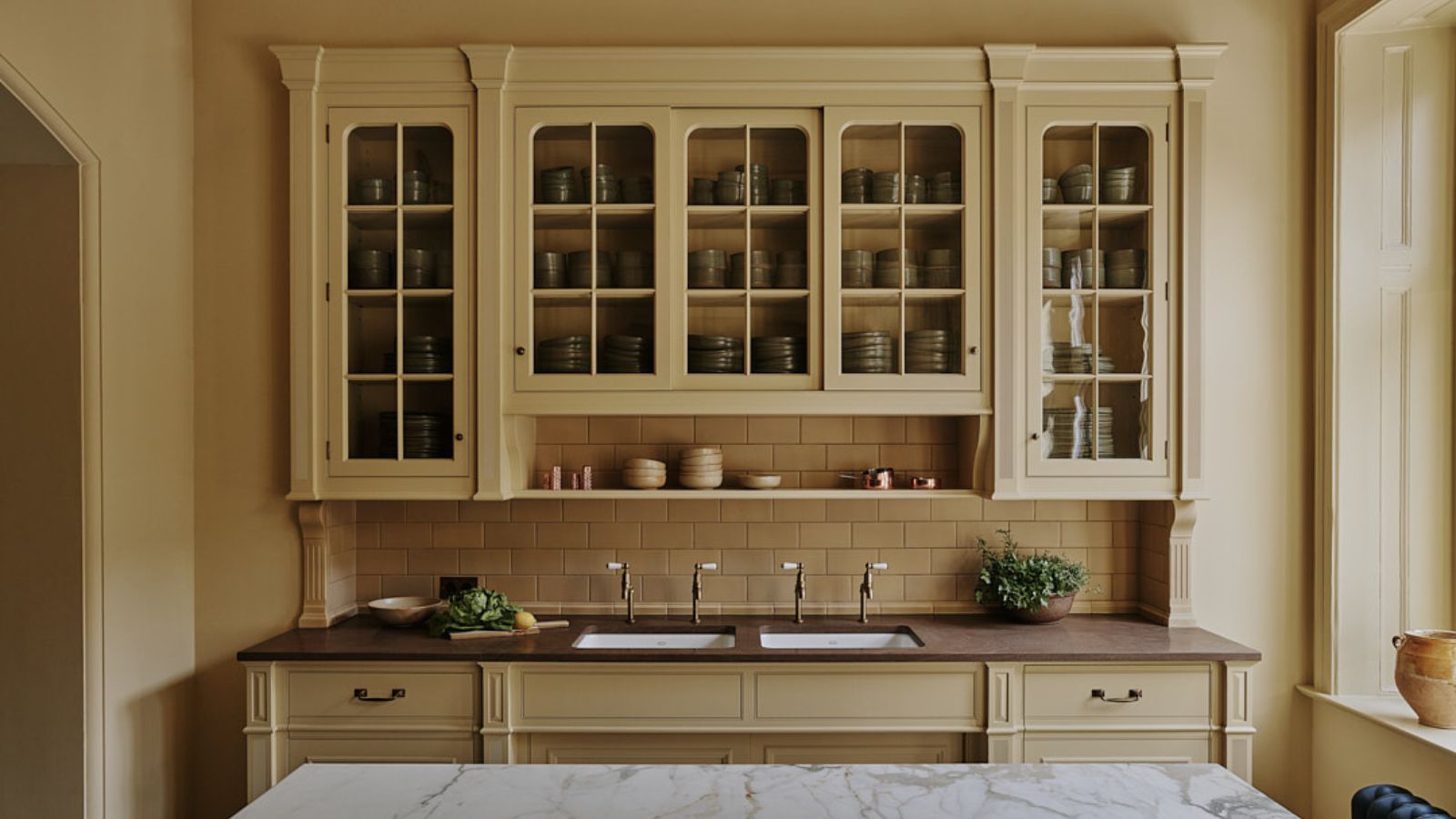
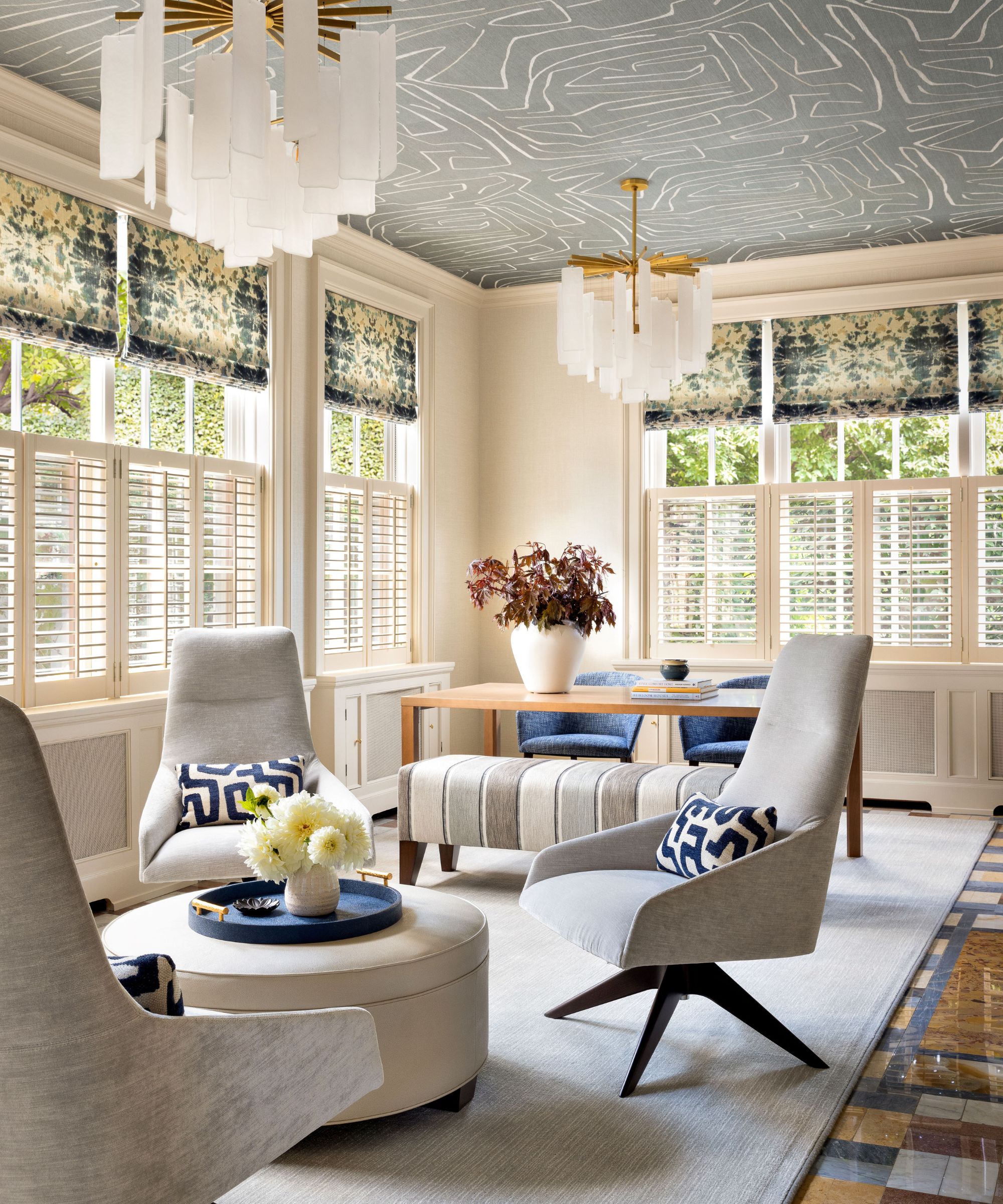
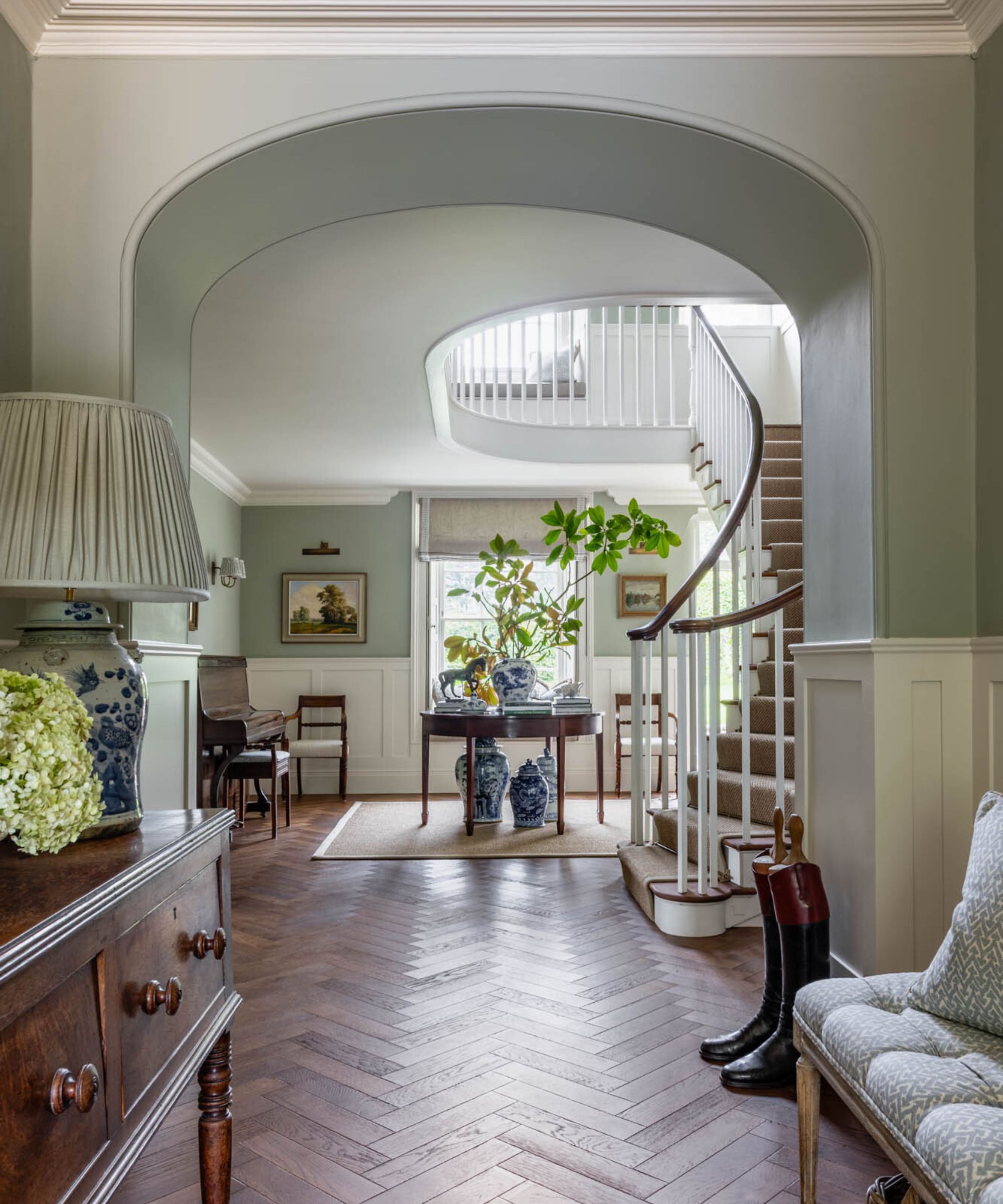
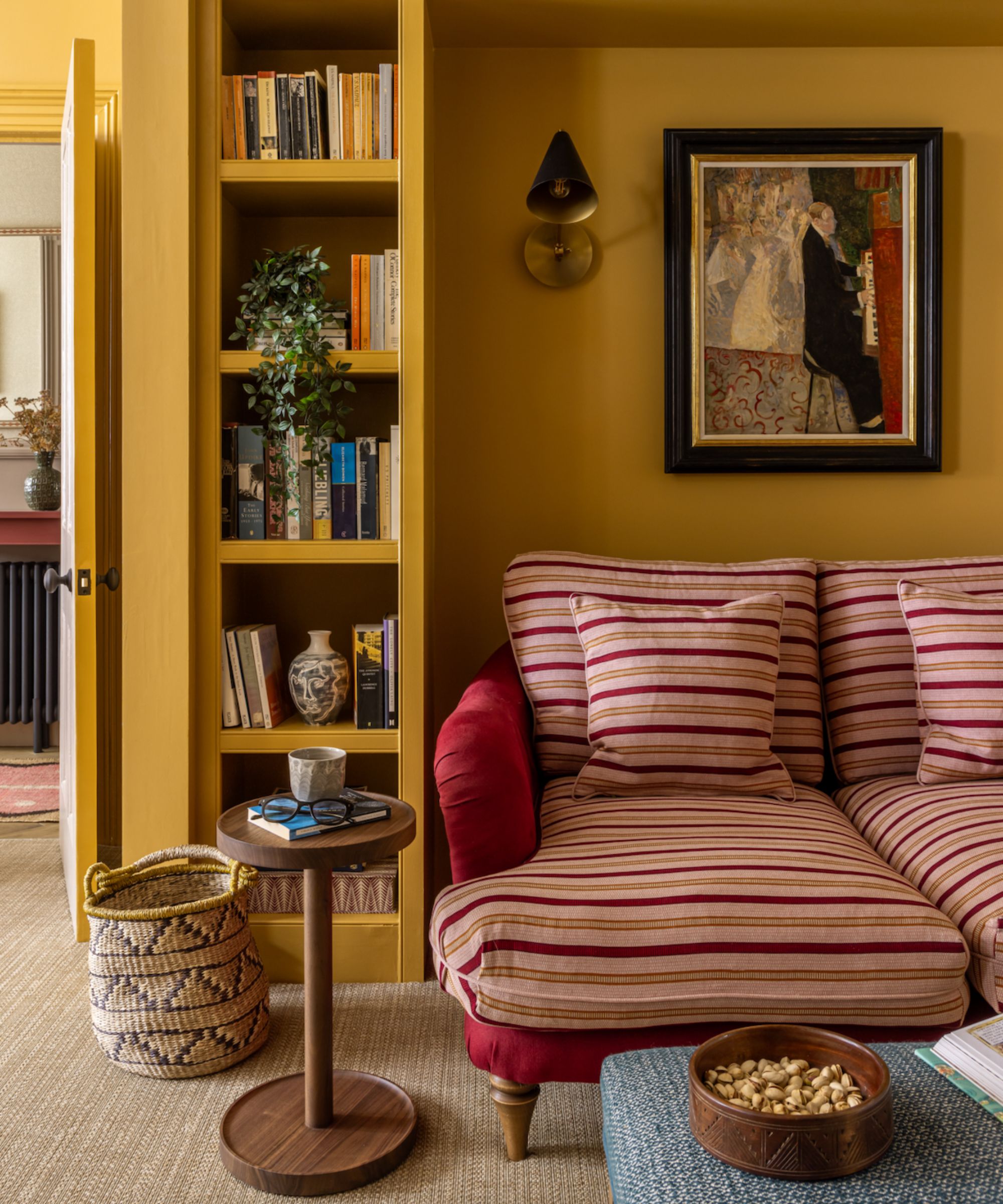
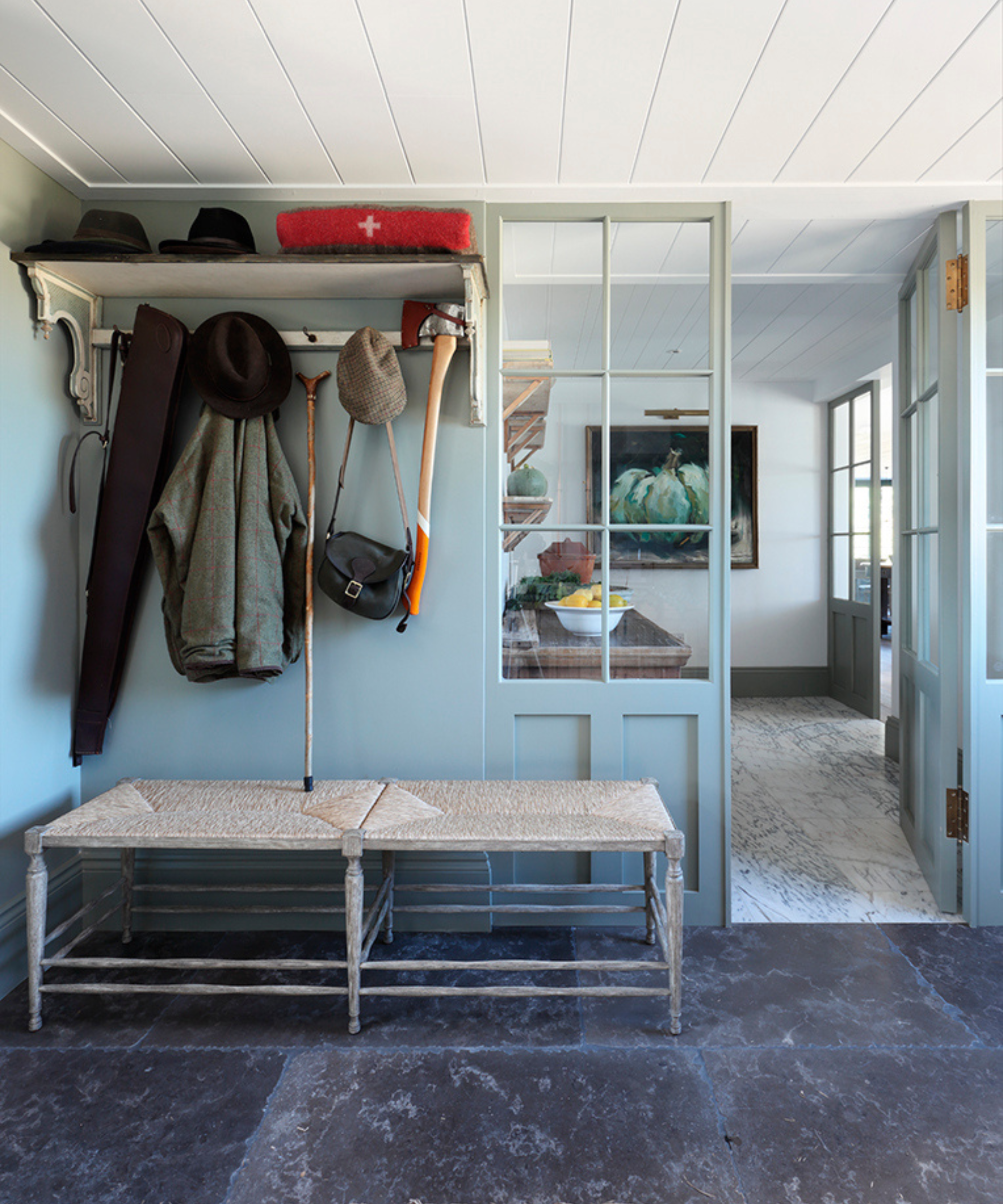
The master bathroom serves as a space where designers leverage color and finishes to cultivate a specific mood, tone, style, and personality. While white and gray palettes continue to be prominent, designers are increasingly incorporating color to create unique and personalized spaces. Roshele Allison, CMKBD, CLIPP, NW Home Designers, notes the continued popularity of white and gray, viewing them as the 'new neutral' that offers a spa-like and tranquil ambiance. Karen King, architectural designer at Transitions Kitchen & Bath, echoes this sentiment, observing that these shades remain a benchmark for timeless and classic aesthetics, particularly in painted cabinetry.
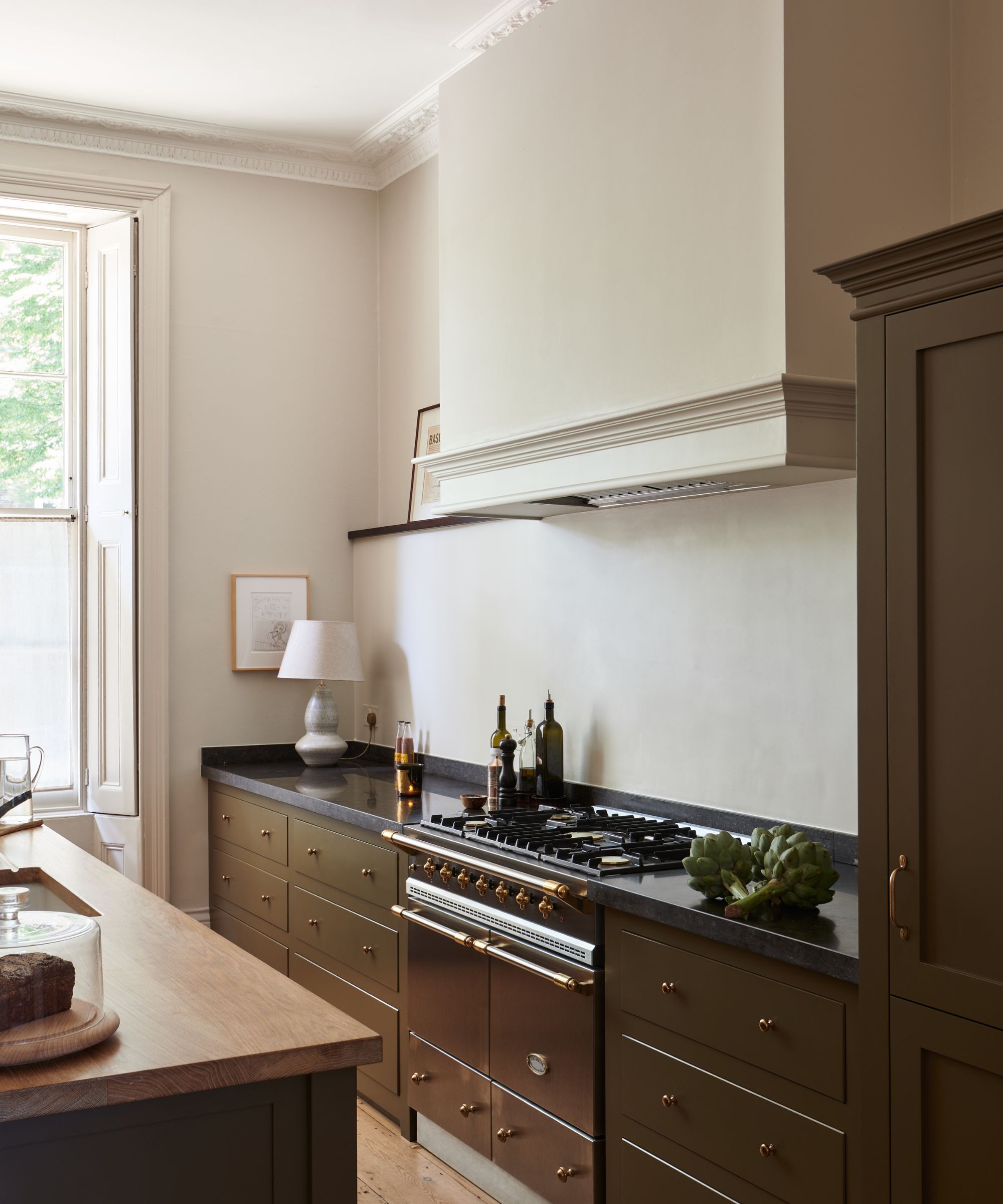
Richard Ryder, designer/builder at Clearcut Construction, often bases his projects on warm whites, allowing for strategic 'pops' of color to add interest. His clients frequently present inspiration images featuring warm white walls and low contrast between trim and walls. Chelsea Newton, of Chelsea Lauren Interiors, notes that her Southern California clients often prefer neutral colors inspired by nature, emphasizing natural materials like wood and stone. Michelle Fee, a designer at Change Your Bathroom, also finds her clients drawing inspiration from nature, moving away from purely monochromatic white and gray towards warmer tones and earth-friendly colors. Fee observes a growing interest in wood, particularly walnut and teak for furniture and cabinetry, as well as incorporating greenery, either through actual plants or nature-inspired accents like blues and greens, to evoke a restorative and calm feeling.
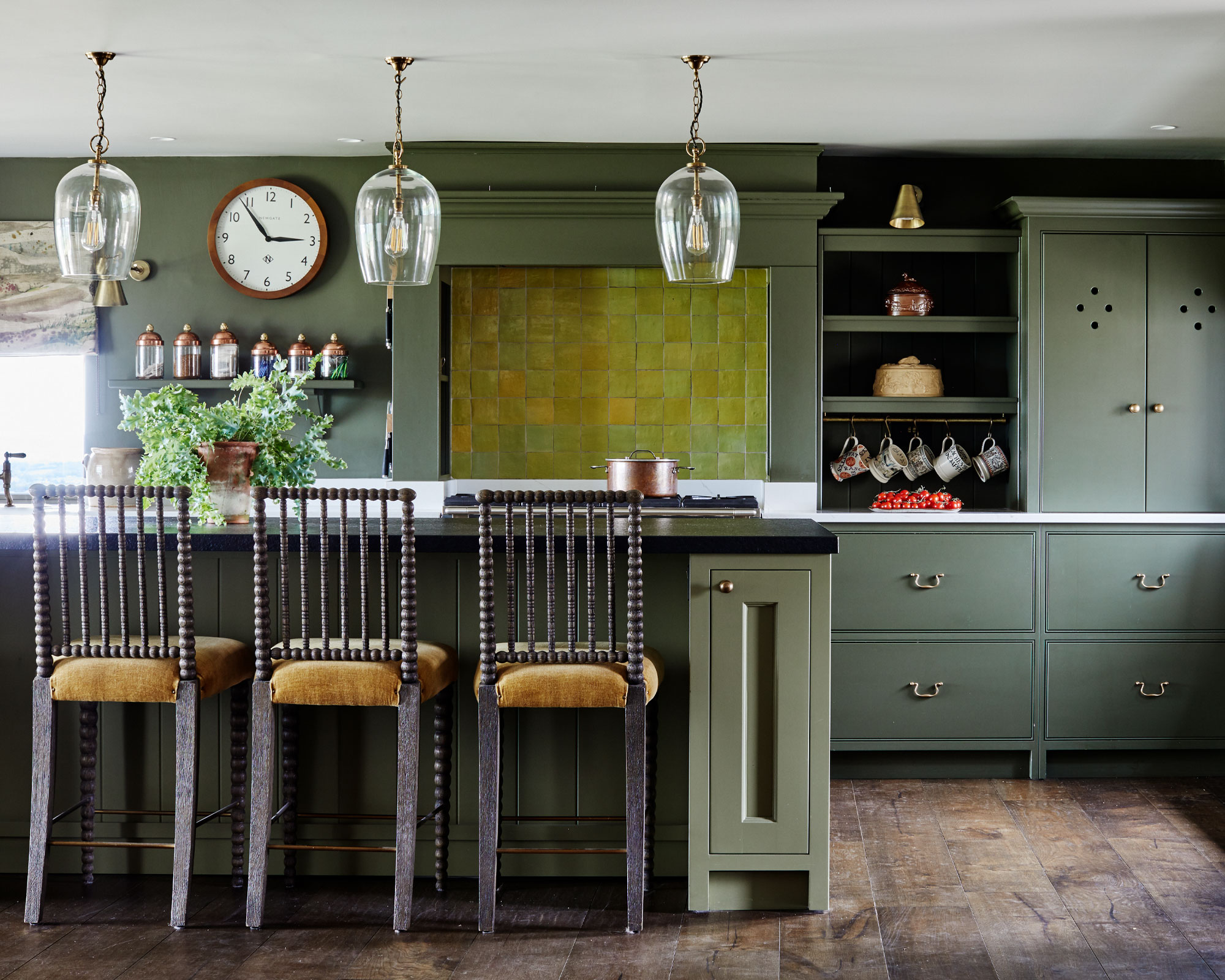
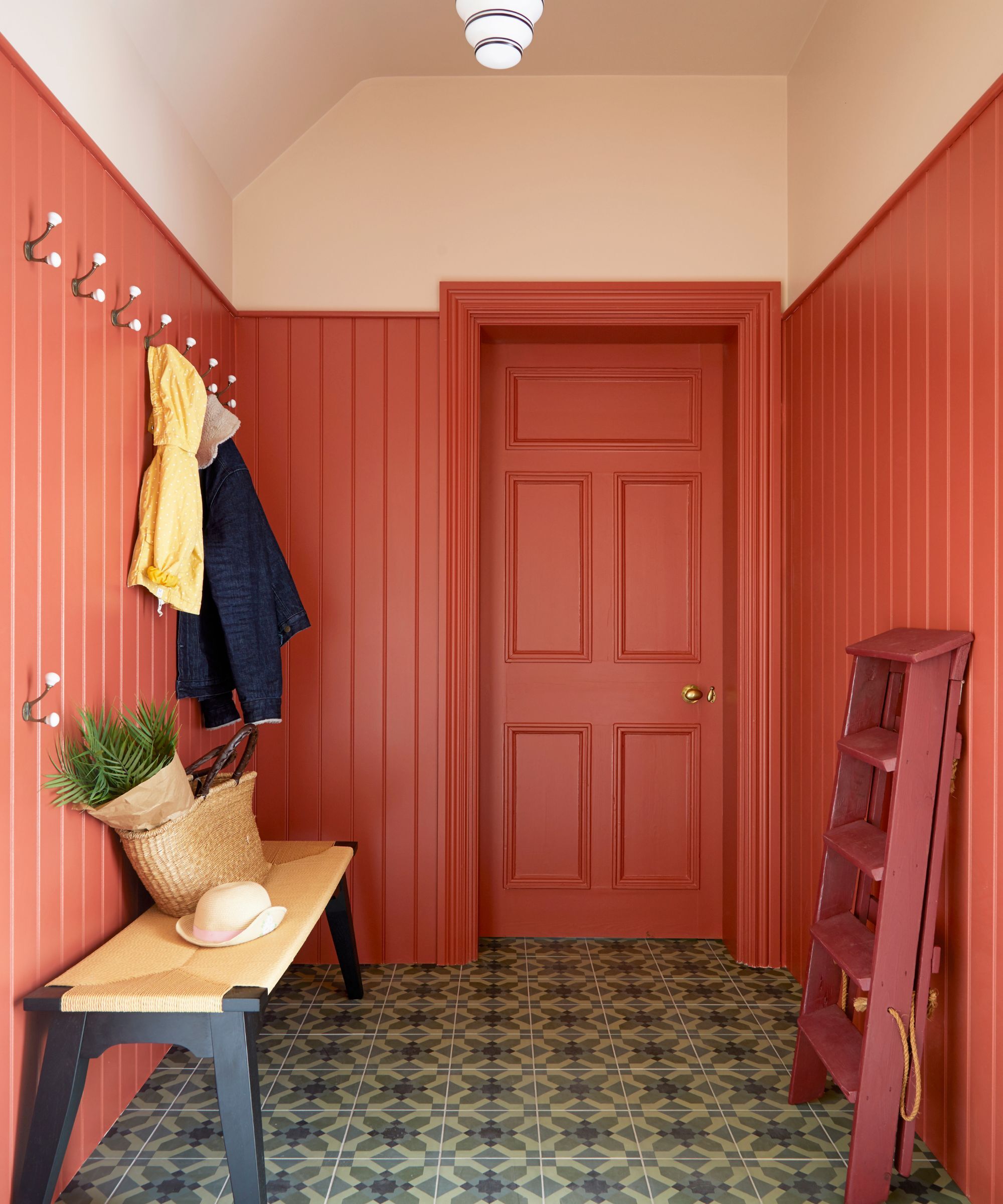
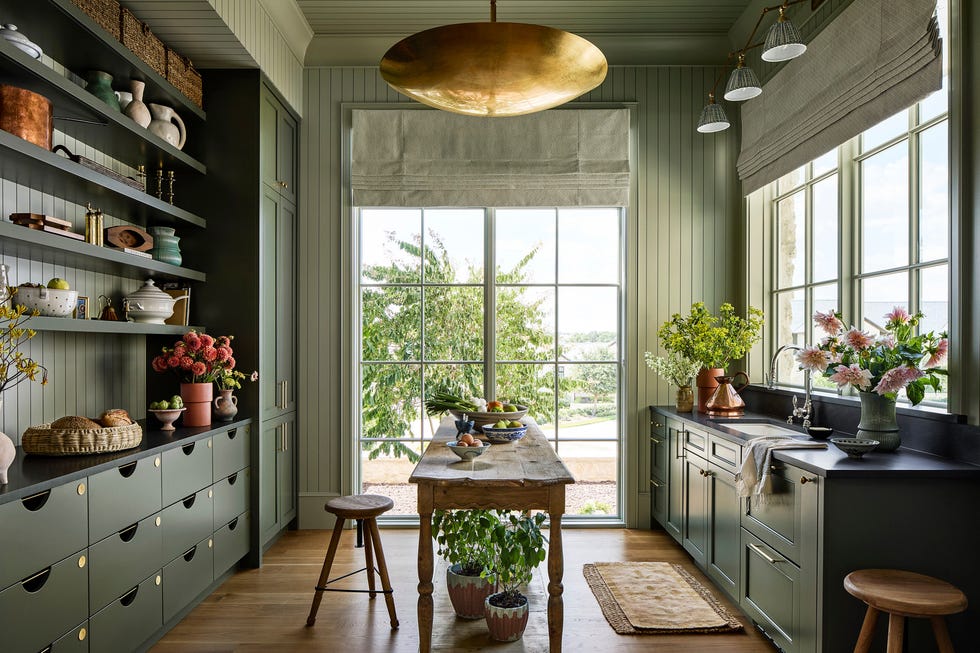
When clients do opt for color beyond white or gray, blues and greens are frequently chosen. These hues are often introduced as easily changeable accessories, but also as more permanent features in cabinetry, tile, or semi-permanent paint applications. Allison highlights the tranquil quality of softer blues and greens, citing an example of a master bathroom with bamboo cabinetry, a green glass countertop resembling water, and green subway tile. Another project incorporated various shades of blue through a custom mosaic on vanity walls and accent walls, illuminated by LED-backlit niches, allowing the client to display international artifacts. Allison encourages clients to infuse personal elements into their designs, even with specific color preferences, ensuring the chosen hues harmonize with the space without being overwhelming.
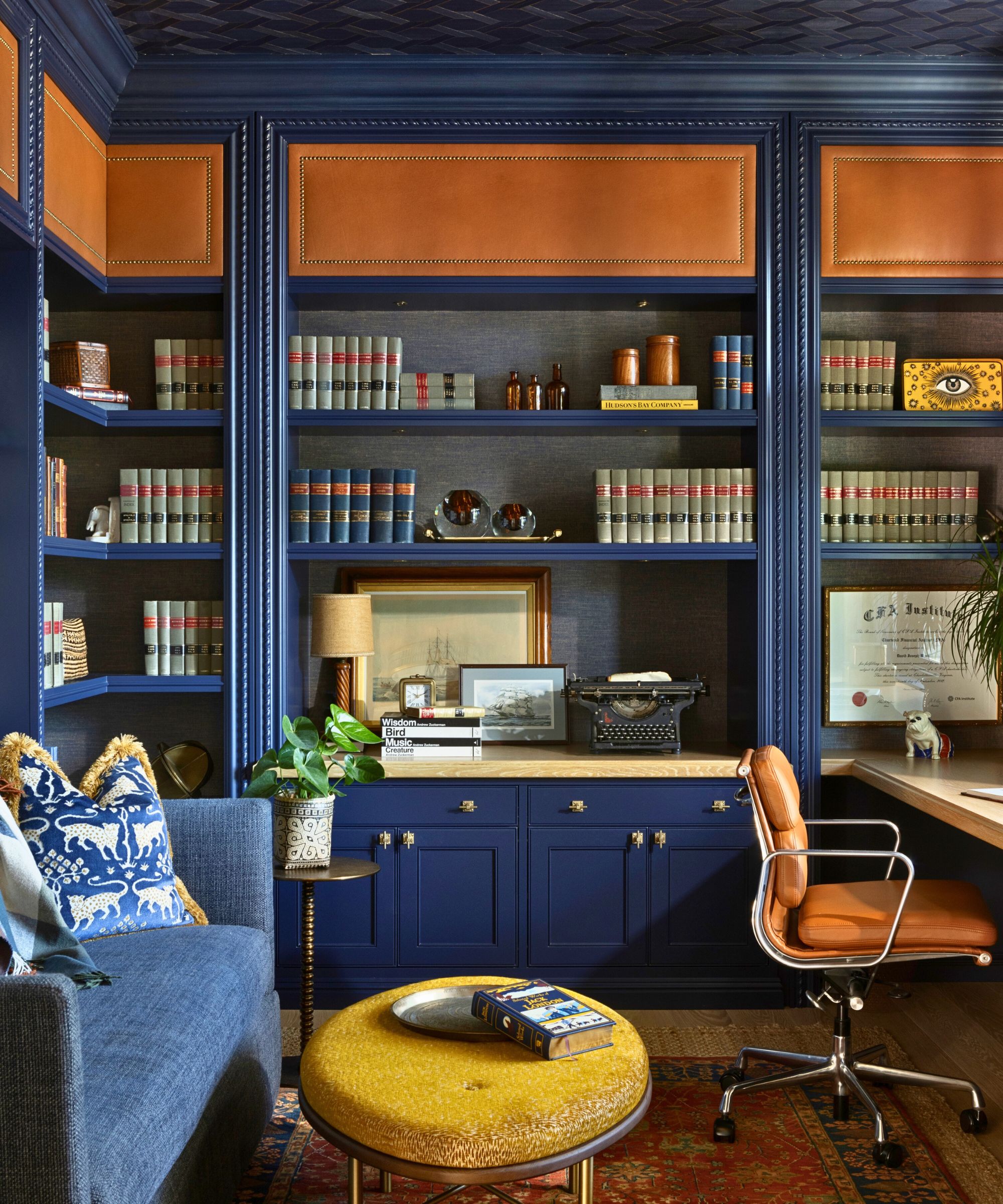
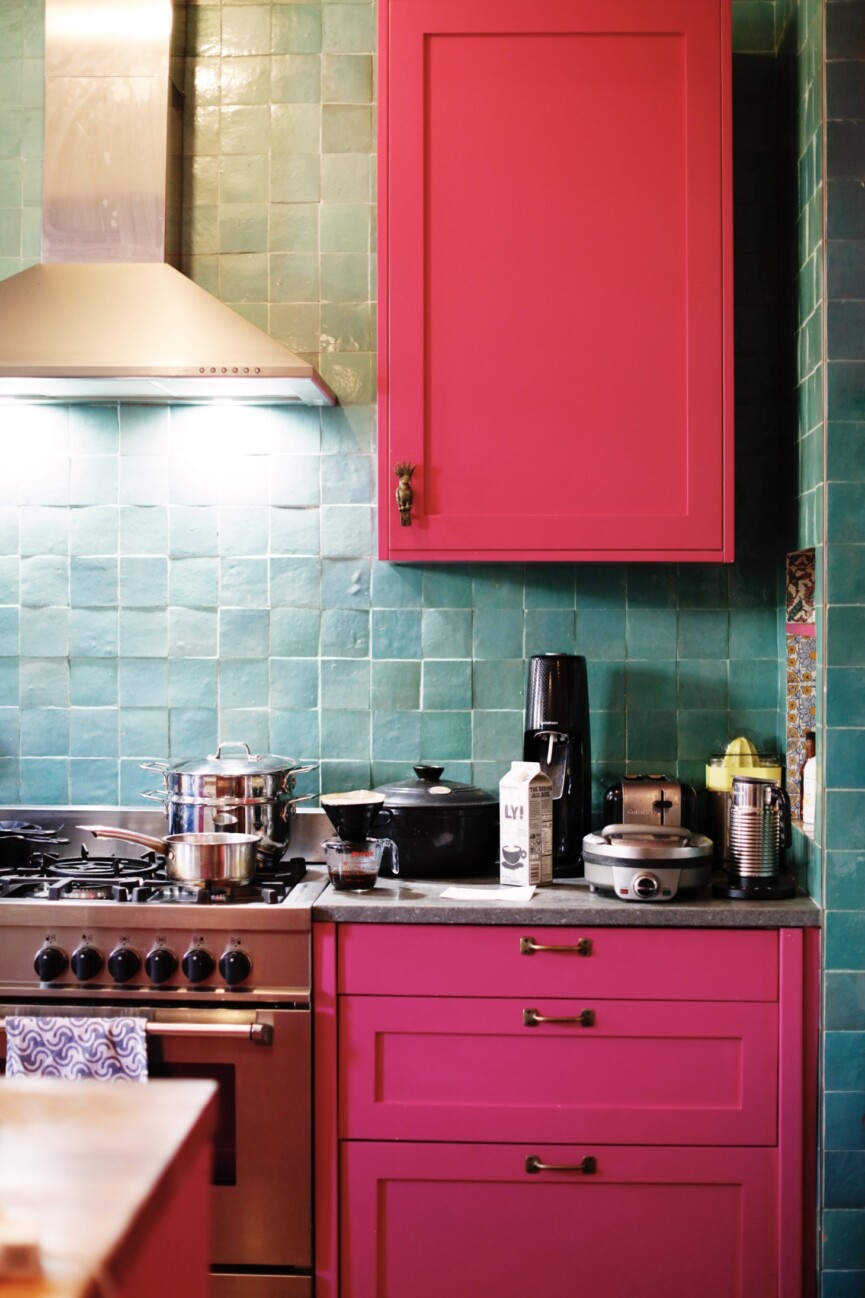
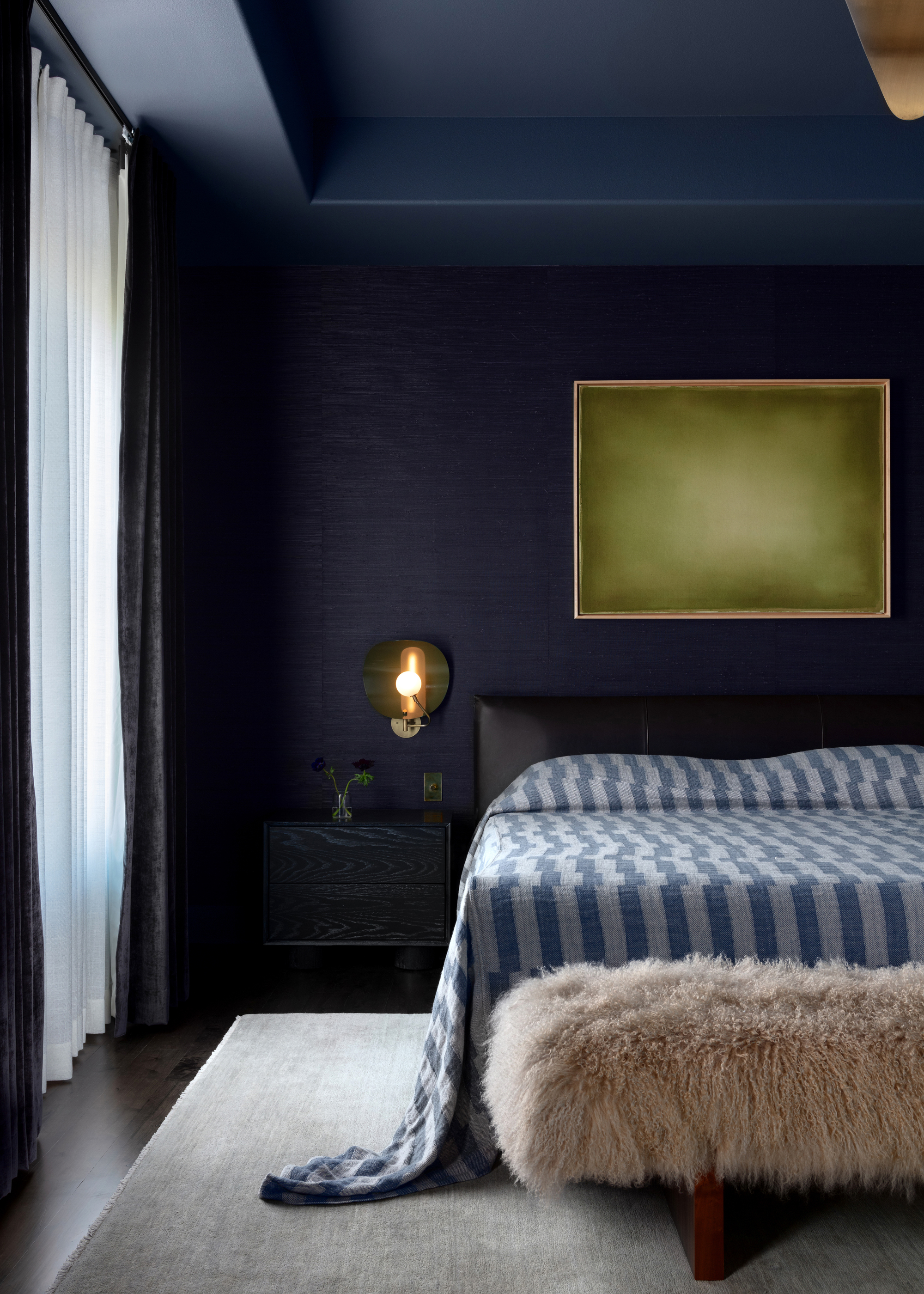

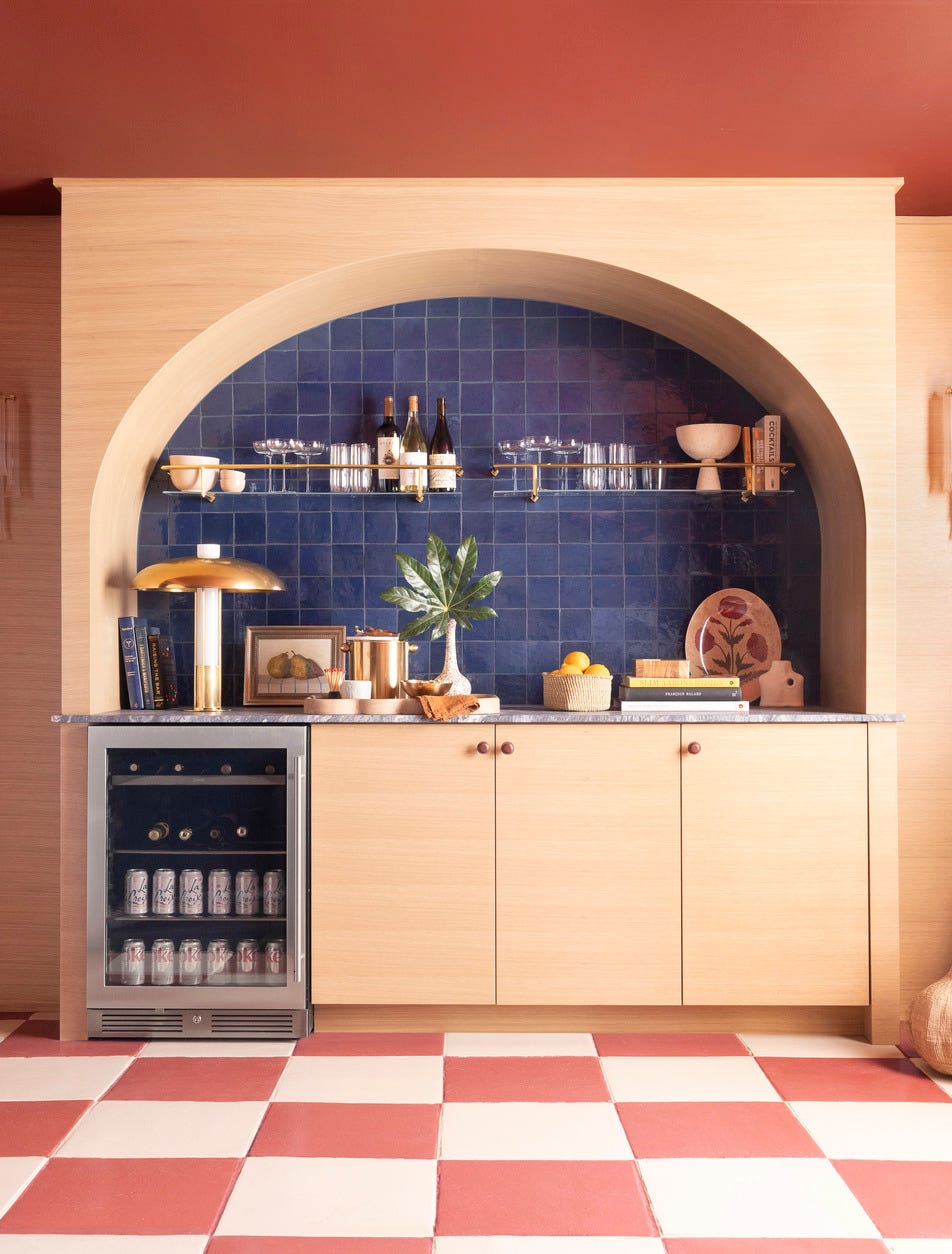
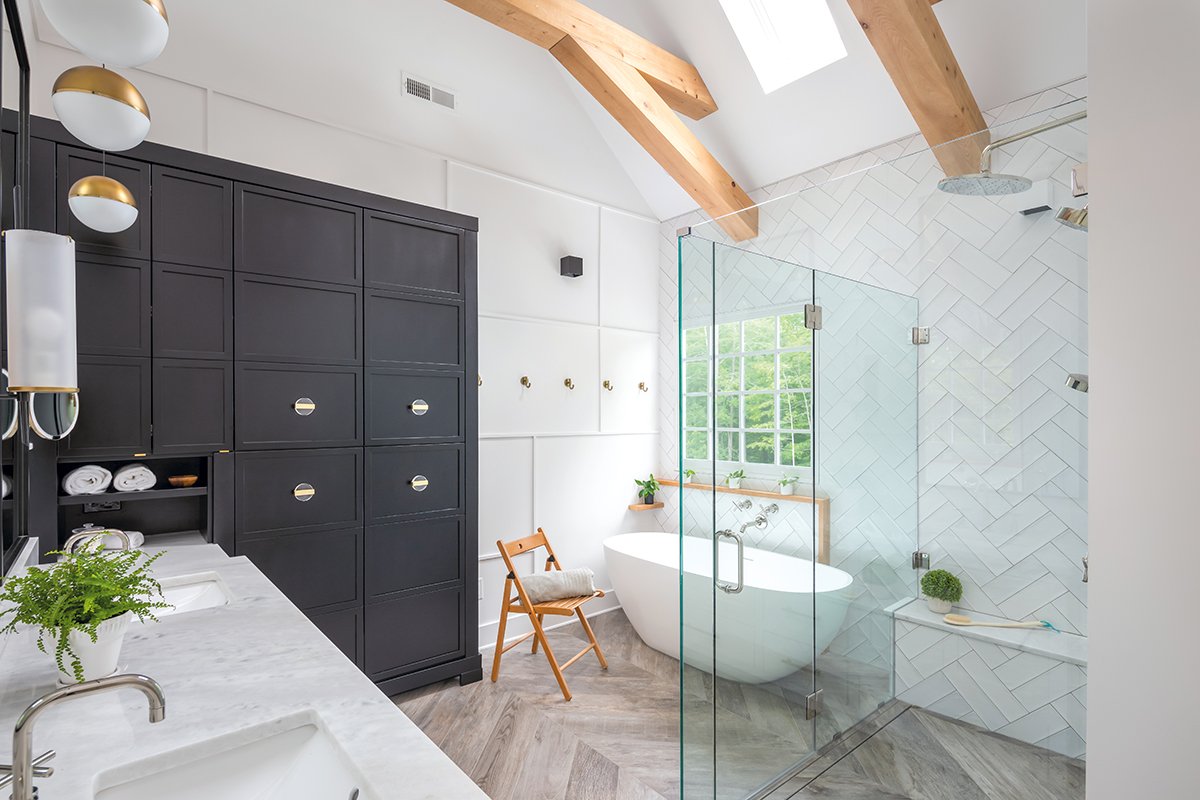
Newton's projects also feature green and blue, utilizing glossy handmade tiles with crackled detailing in master and children's bathrooms. She emphasizes that color and finishes can act as focal points, elevating a room's aesthetic. King notes that clients willing to be bolder are selecting deeper blues and greens, such as the dark navy cabinetry paired with warm gold hardware in a recent bathroom, providing a strong contrast to softer neutrals. She suggests that bathrooms, being more private and enclosed, allow for more daring color choices compared to open-concept kitchens. Ryder's clients also gravitate towards darker shades like dark blue, green, and black for pops of color, often maintaining a 75/25 neutral base-to-color ratio for balance, as demonstrated by a tall black cabinet against a white backdrop in a recent bathroom design.
Beyond color, finish selections significantly influence a space, particularly in monochromatic schemes. Allison used large-format dimensional porcelain tile in a white and gray palette to create a focal wall in a 'bathing room' and a unique plumbing fixture to add interest. The increasing availability of tiles with varied finishes, textures, and dimensionality allows designers to personalize spaces. King points out the evolution of subway tile beyond traditional sizes, with options like 4"x12" or 5"x22" and creative finishes such as crackled or inverted bevels. Glossy finishes remain popular for their light-reflecting qualities. Grout color variations can also alter the look, from subtle gray for a refined trim to dark gray for a rustic farmhouse aesthetic. Contemporary designs often feature large-format tiles like 12"x24" or even 13"x40", laid horizontally and stacked with minimal joints to create a simplified, textural, and often multi-dimensional appearance. Allison and Fee's clients appreciate large-format tiles, especially those mimicking natural stone like travertine or marble, offering durability and easier maintenance while making rooms feel more expansive. Fee frequently combines natural and faux materials, such as marble shower floors with porcelain tile walls and floors, to achieve a nature-inspired theme. Matte finish plumbing fixtures, including matte black, brushed nickel, and brushed gold, are also popular for their aesthetic appeal and ease of cleaning, with Newton's clients favoring matte black and patinaed brass, and Ryder often incorporating mixed metals for a sophisticated, complementary look.
#BathroomDesign #InteriorColorTrends #HomeFinishes #TileDesign #ColorPalette #NatureInspiredDesign #ModernBathrooms #LuxuryBathrooms #BathroomDesign #InteriorColorTrends #HomeFinishes #TileDesign #ColorPalette #NatureInspiredDesign #ModernBathrooms #LuxuryBathrooms
0 comment in total
 No comments yet
You may also like
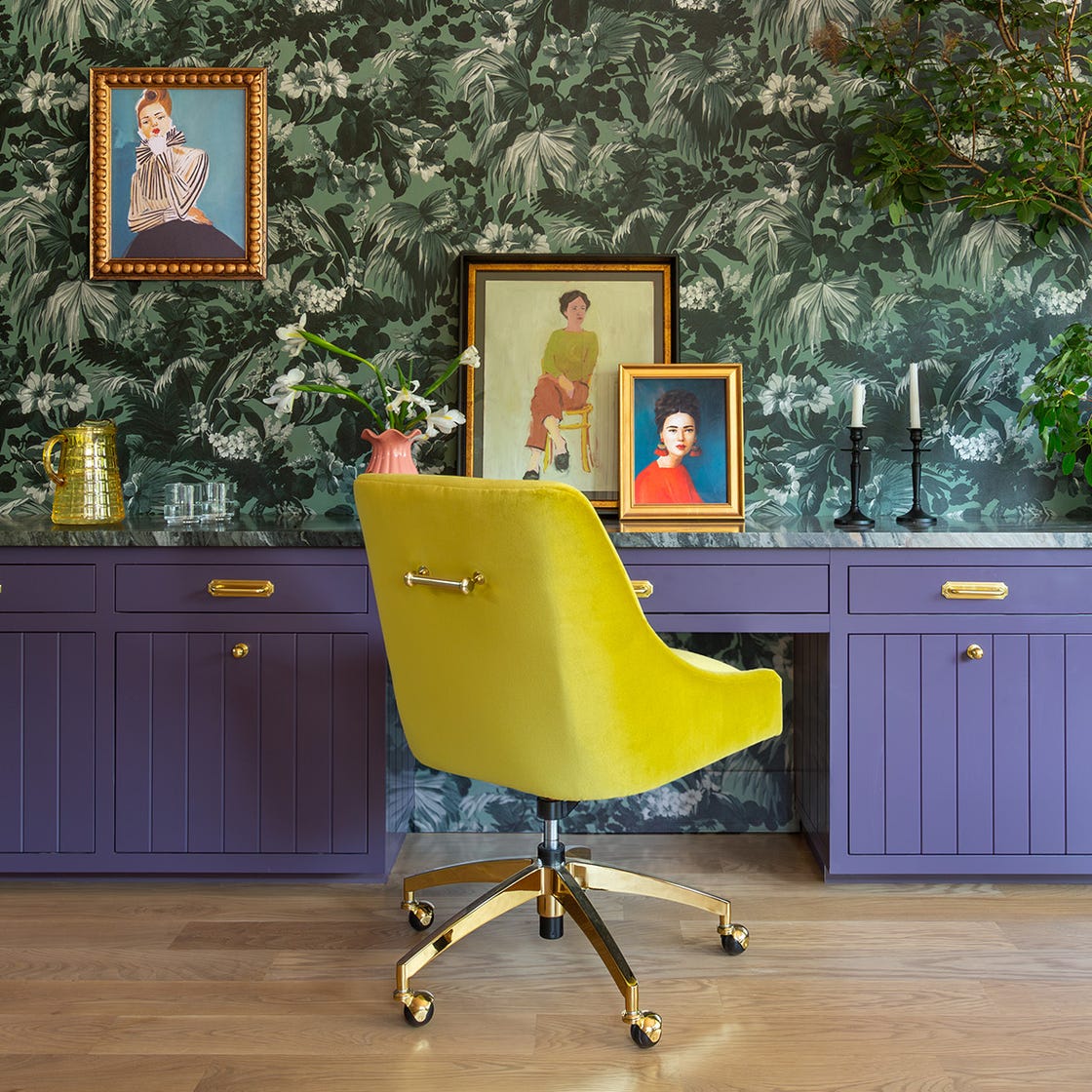
What Colors Will Rule 2027 (and Beyond)? Experts Make Their Predictions

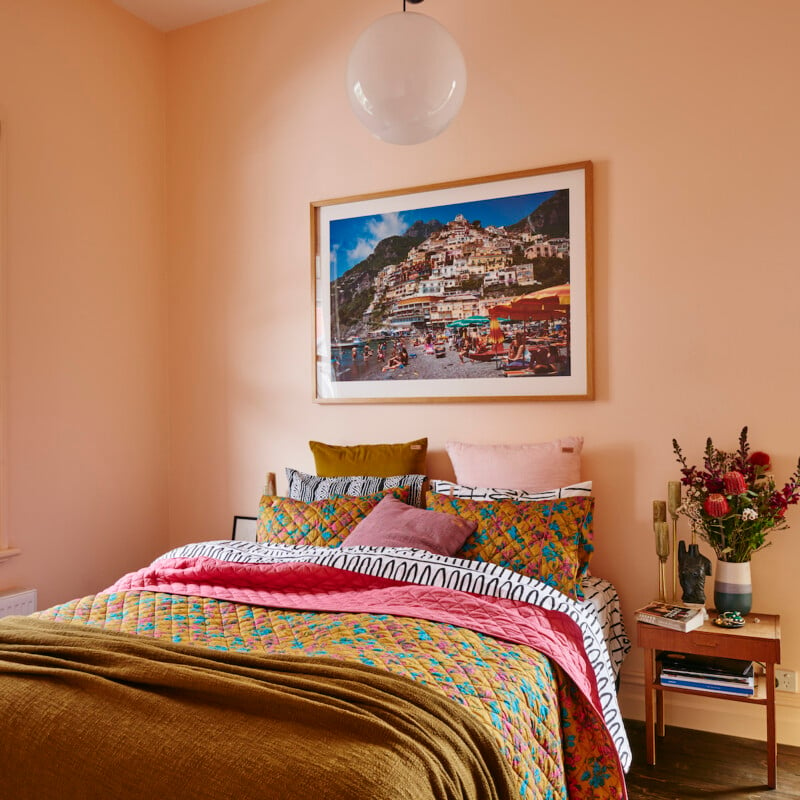
The Brighter, the Better—These Vibrant Paints Will Infuse Your Home With Positivity

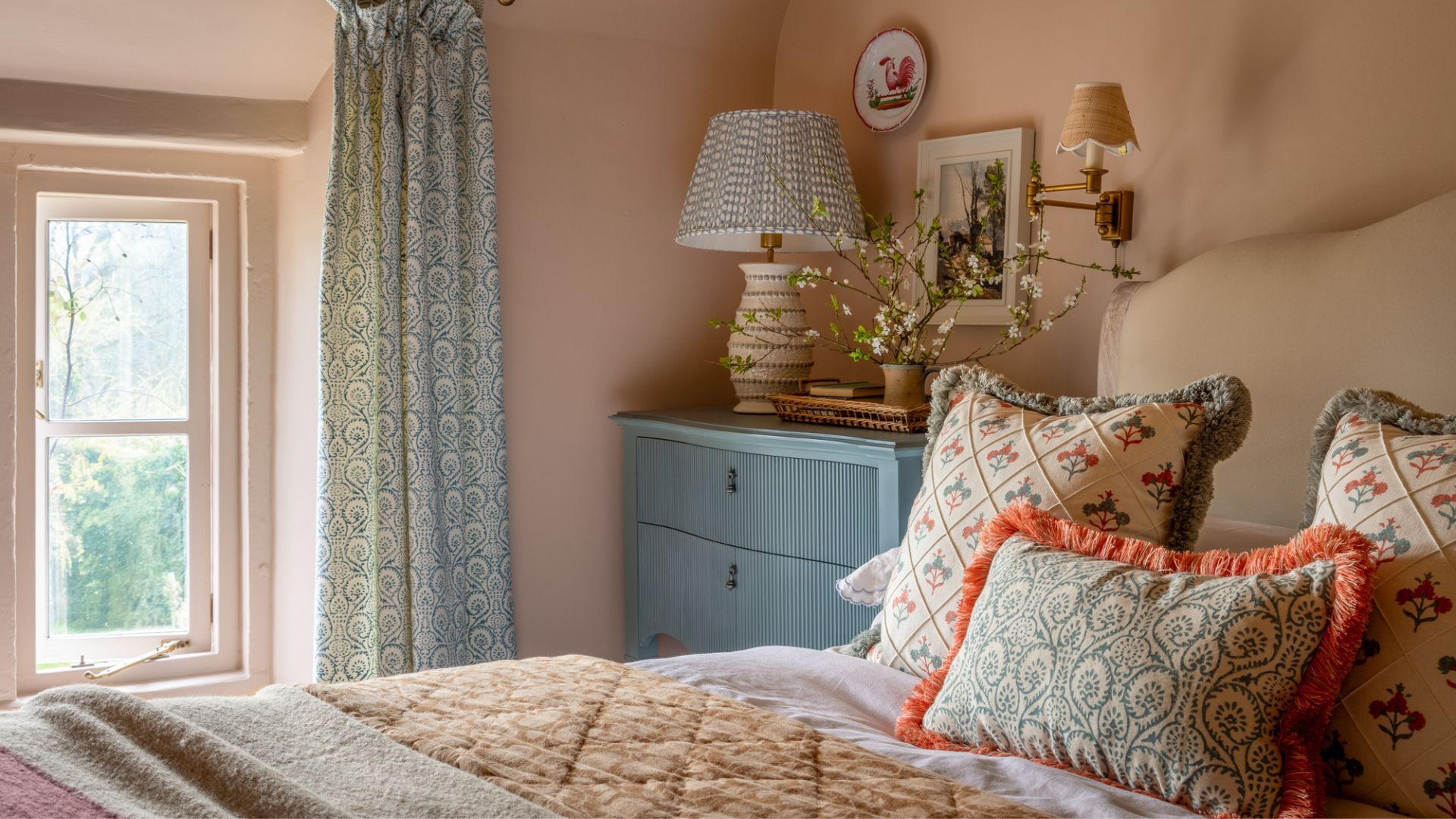
These are the 6 must-have colors to decorate with in April 2025

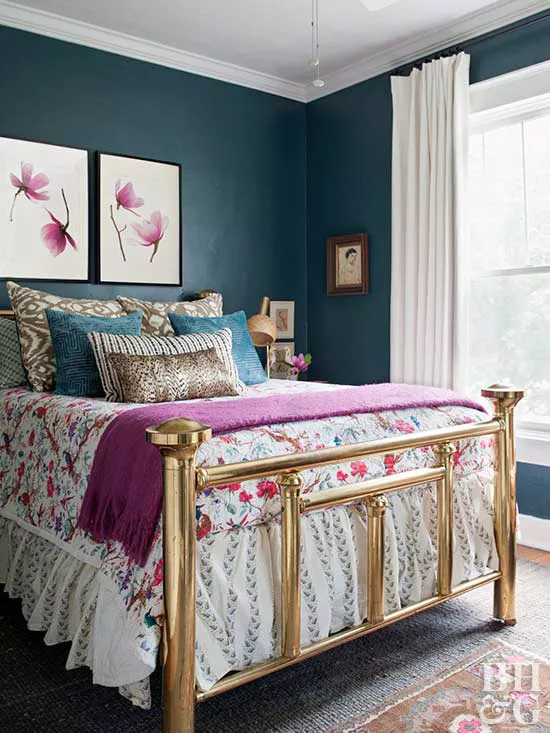
Take a Leap into Bold Color with These Decorating Ideas

8 ways to warm up cool tones - how to decorate with whites, blues and greys and still make your home feel friendly

![[Bespoke Home] ① Bespoke Colors and Finishes for Every Lifestyle](https://gstatic.ideal.house/news/images/53b7cb8c29ce4ab1b1318e780d88c603.jpg)
[Bespoke Home] ① Bespoke Colors and Finishes for Every Lifestyle

We Asked Designers Which Paint Colors Are Best for Brightening a Dark Room—6 Top Picks

What makes a paint color flattering? Experts share their go-to shades for a universally complementary scheme
For a "Cool-Looking" Home, Designers Say Use This Finish

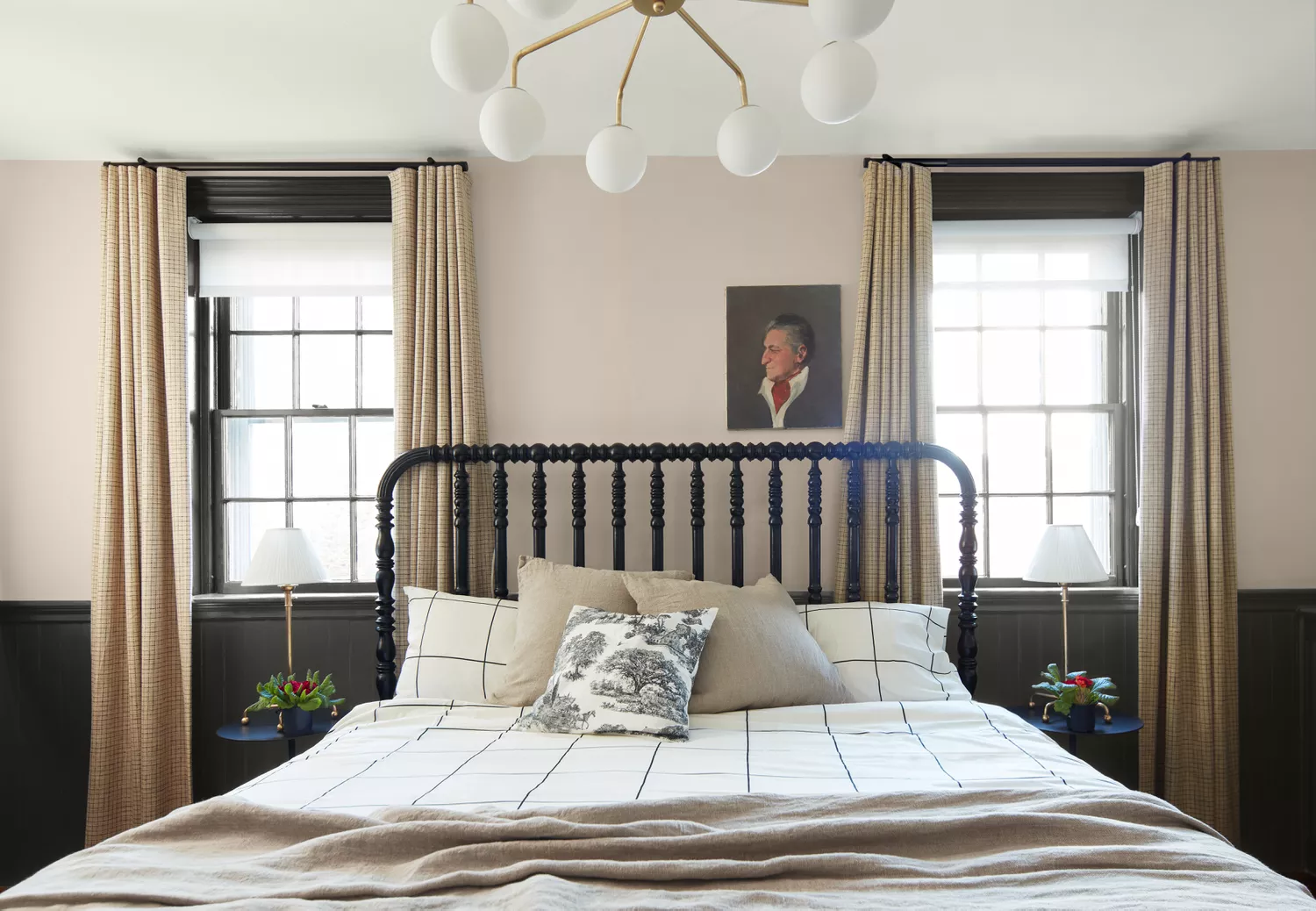
18 Warm Paint Colors for a Cozy and Inviting Space
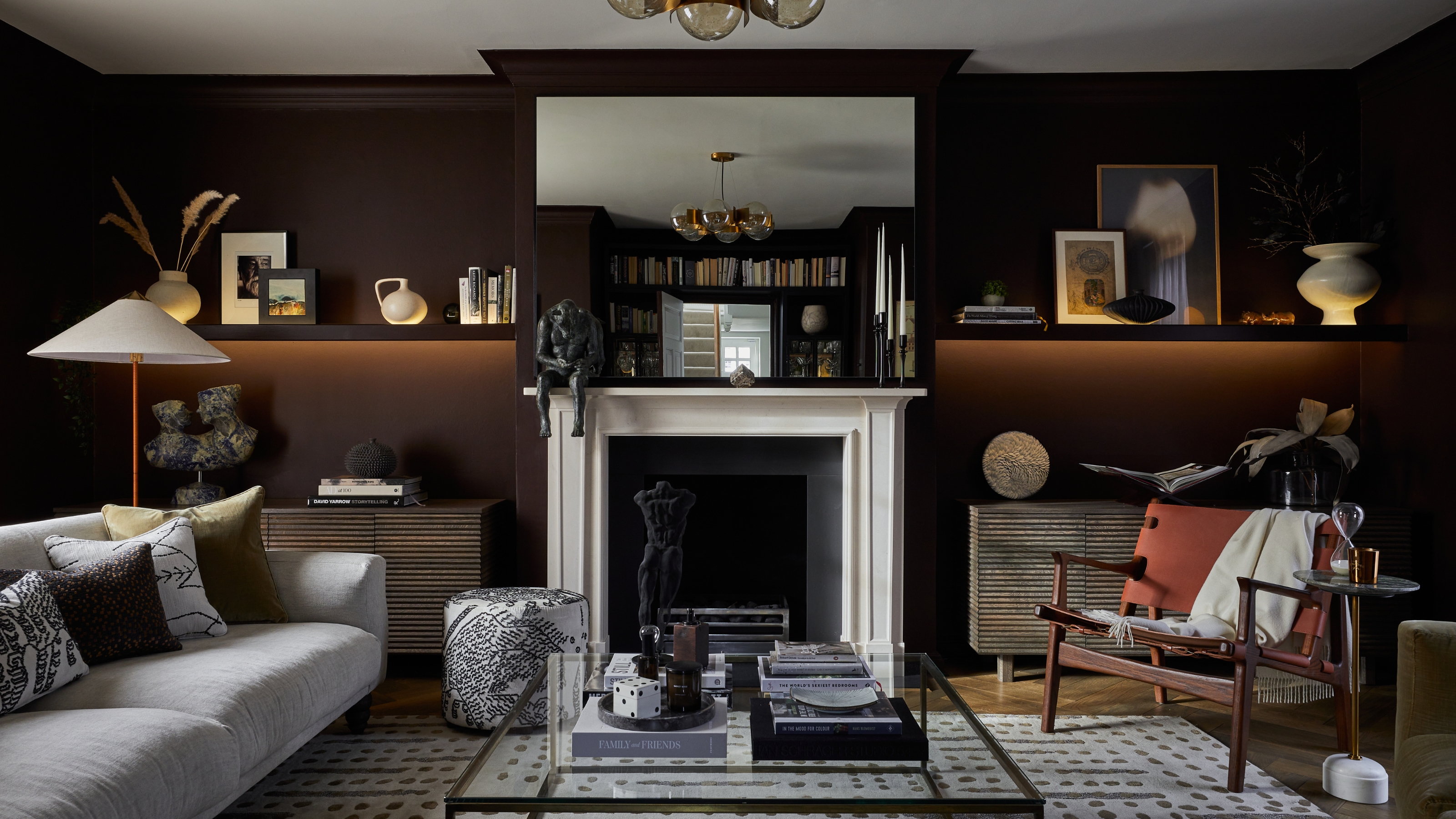
'Colorful Quiet Luxury' Isn't an Oxymoron, It's a Vibe
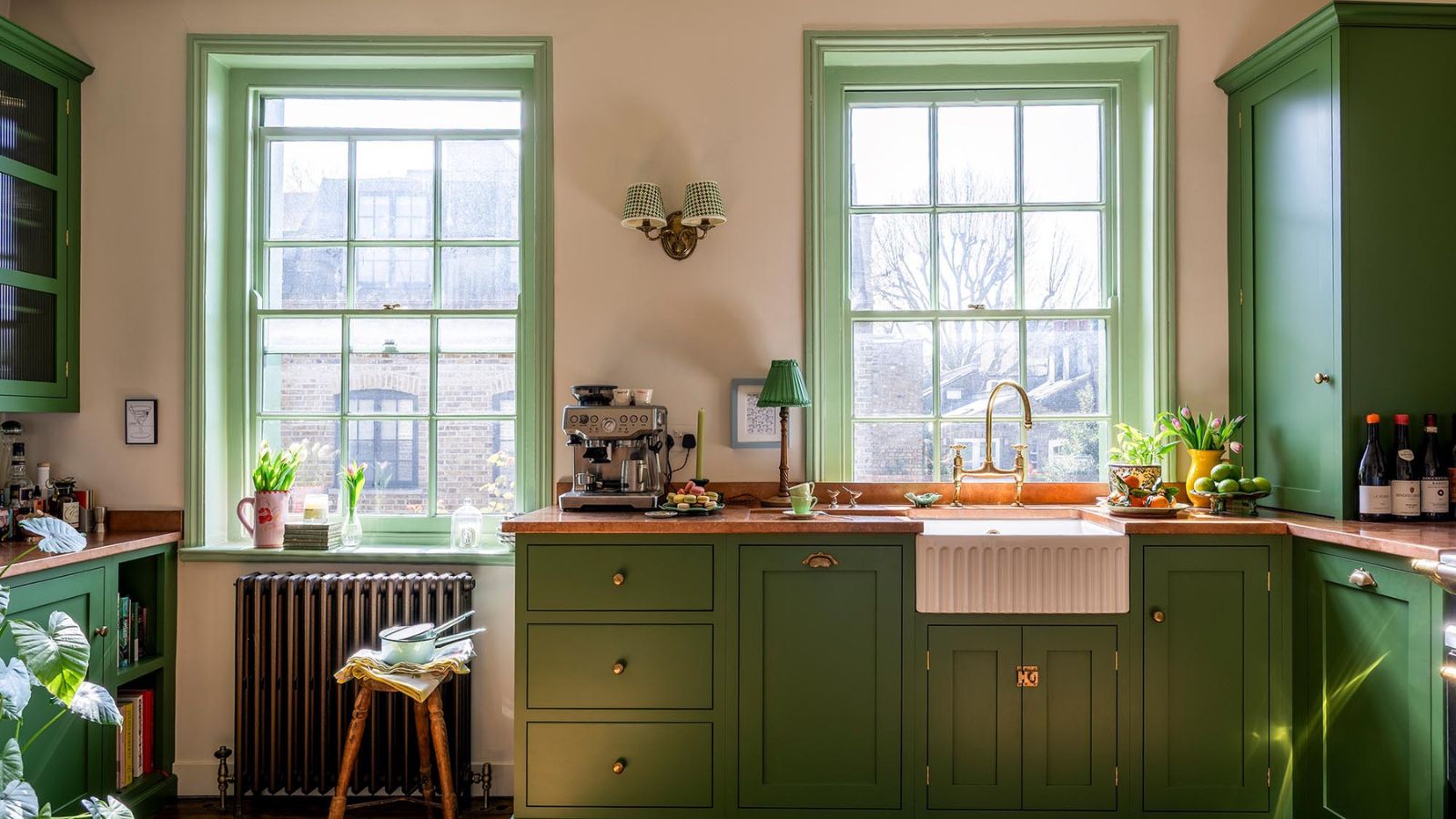
Summer color trends for 2025 – 8 bang on shades interior designers can't get enough of
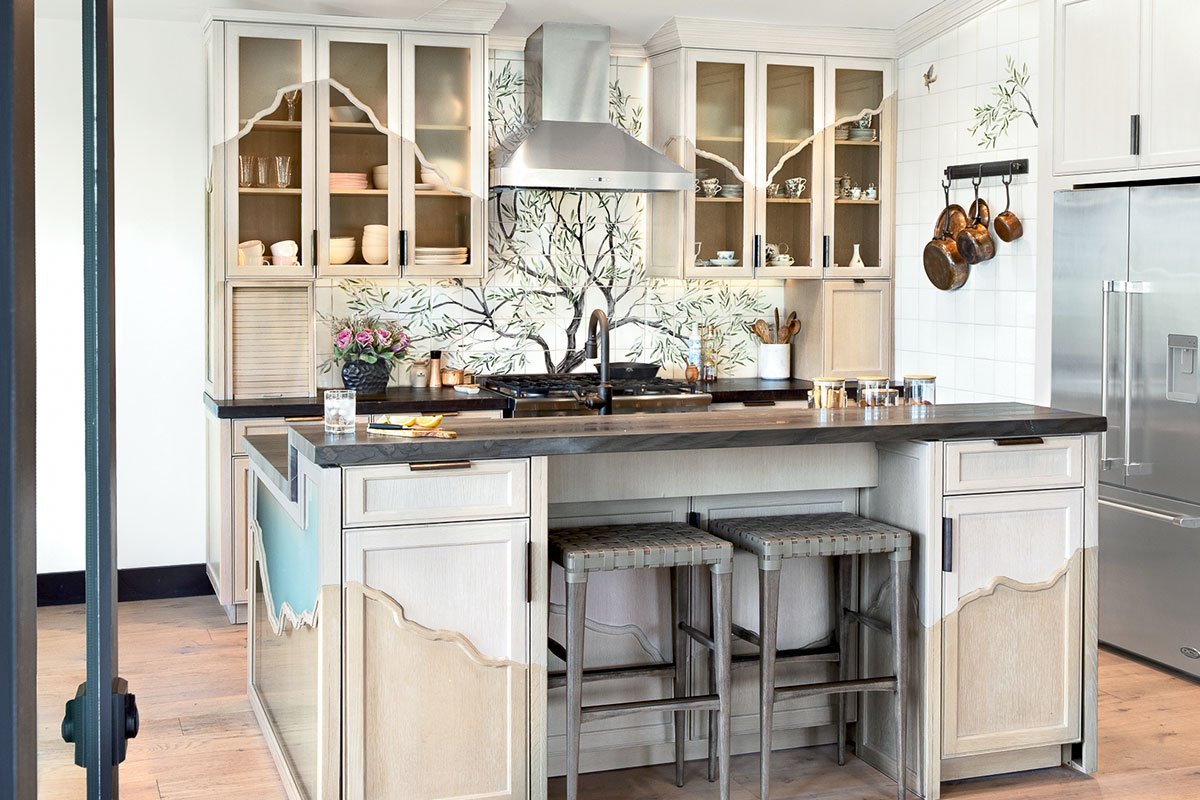
Fanciful Finishes
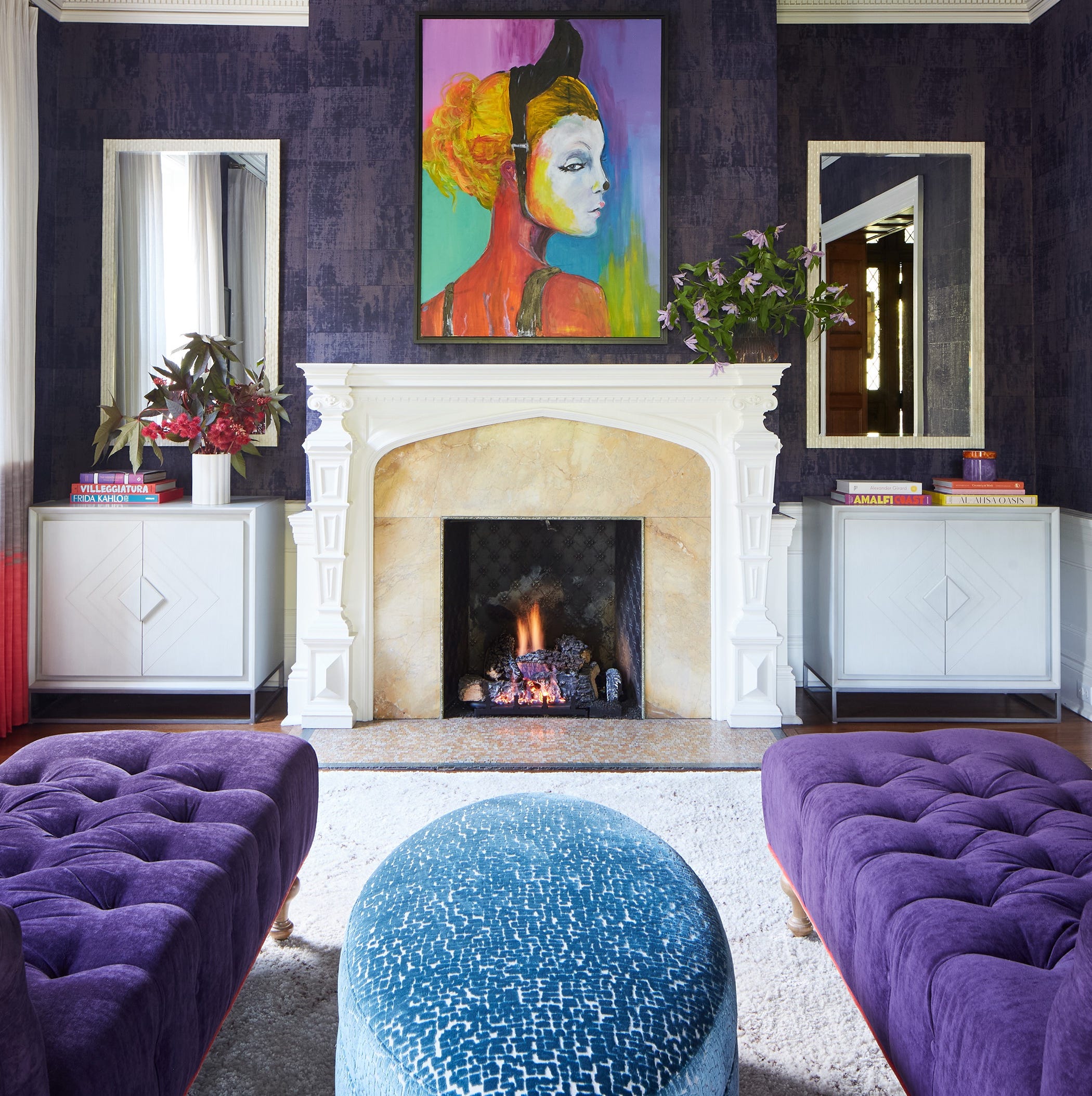
Designers LOVE Pairing These Unexpected Colors With This Sophisticated Hue
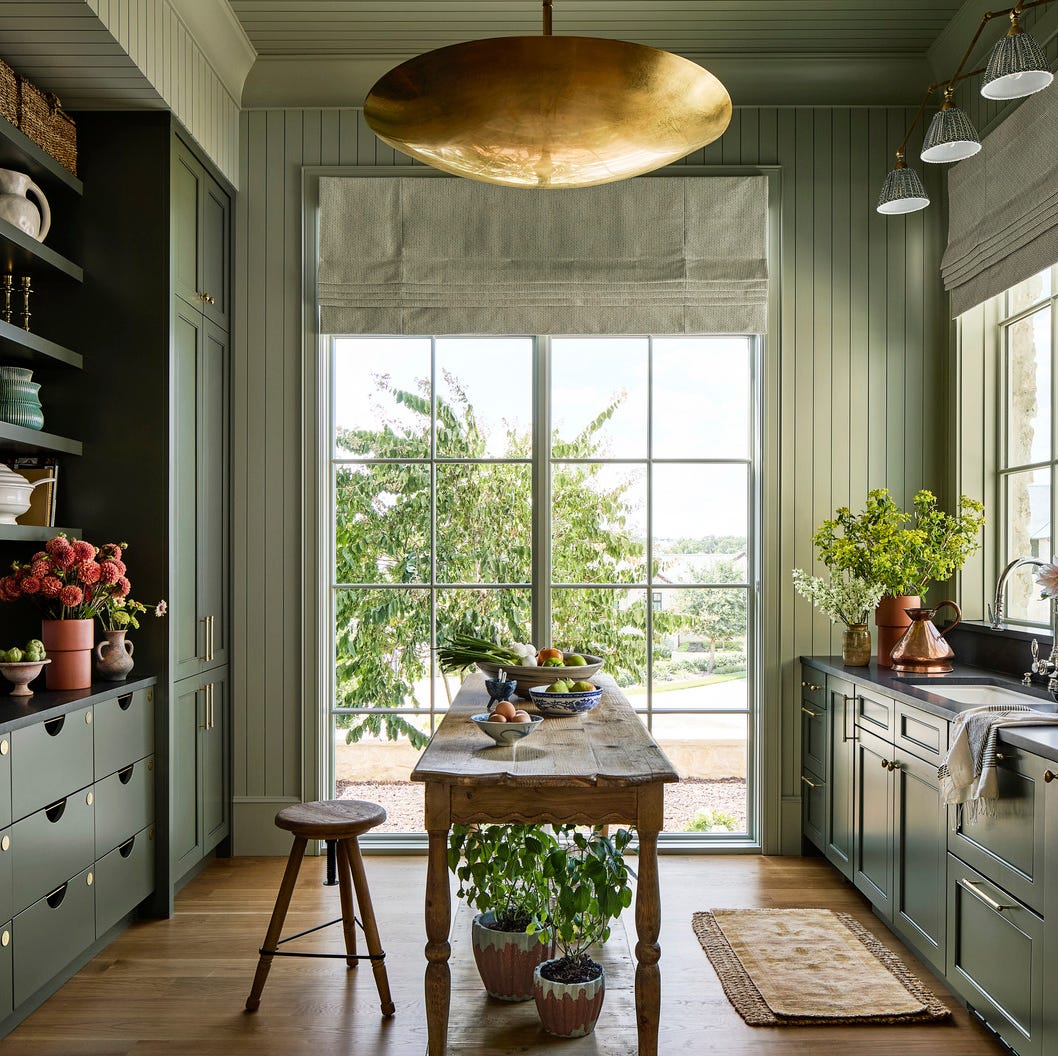
5 Timeless Paint Colors That Will NEVER Go Out of Style, According to Designers
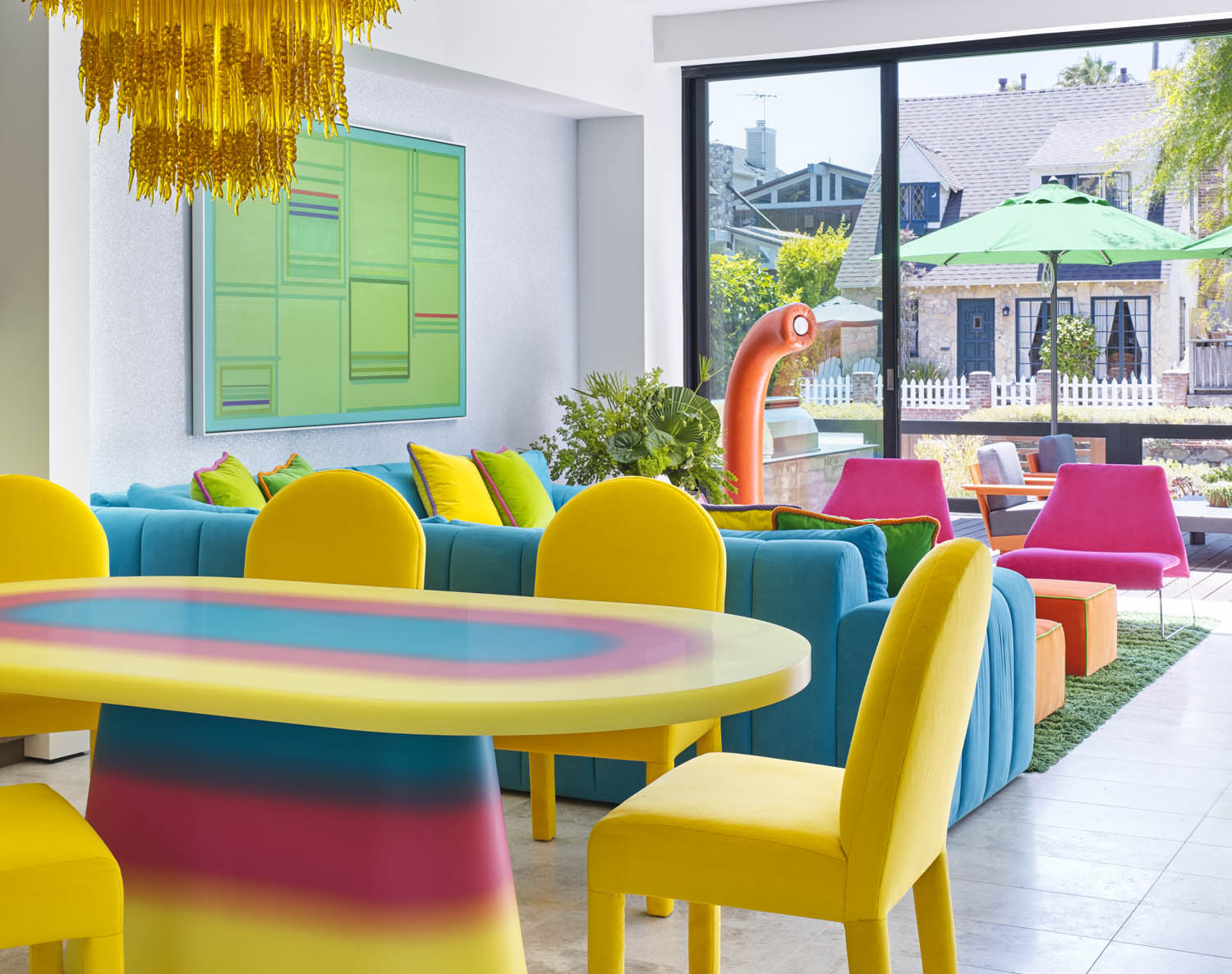
5 Vibrant Color Palettes Designers Are Using to Add Energy and Excitement to Decor
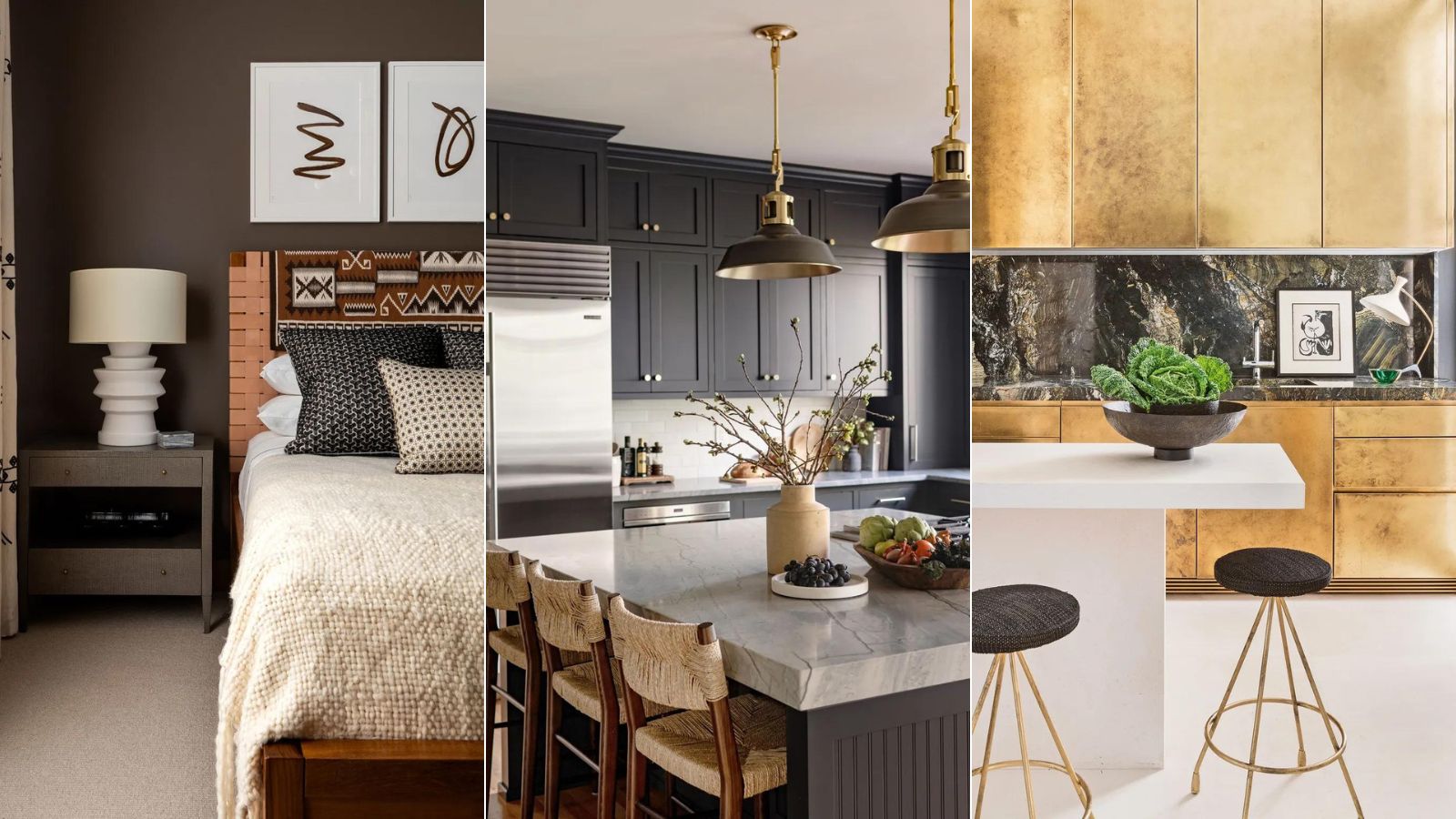
7 colors to decorate with in September 2024
Incorporate Color Drenching Into Your Home Design

Colors That Go With Blue — 16 Pairings Designers Depend on for Bold, Breezy, and Perfectly Balanced Palettes
7 Trendy Paint Colors for Every Room in 2026, According to Designers