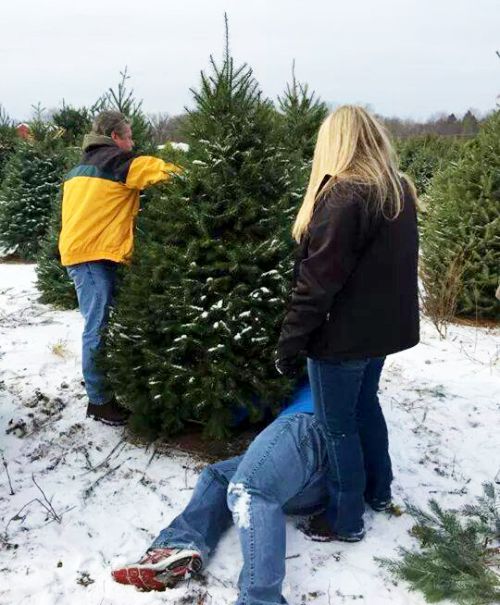
Tips for success with your first real Christmas tree
This article offers practical advice for individuals and families considering purchasing their first real Christmas tree, emphasizing the unique appeal of a natural tree, such as its scent, the family outing experience of selecting one, and the opportunity to support local farmers. It acknowledges that the process might seem challenging for those accustomed to artificial trees but assures that with proper planning, it can be a delightful holiday tradition.
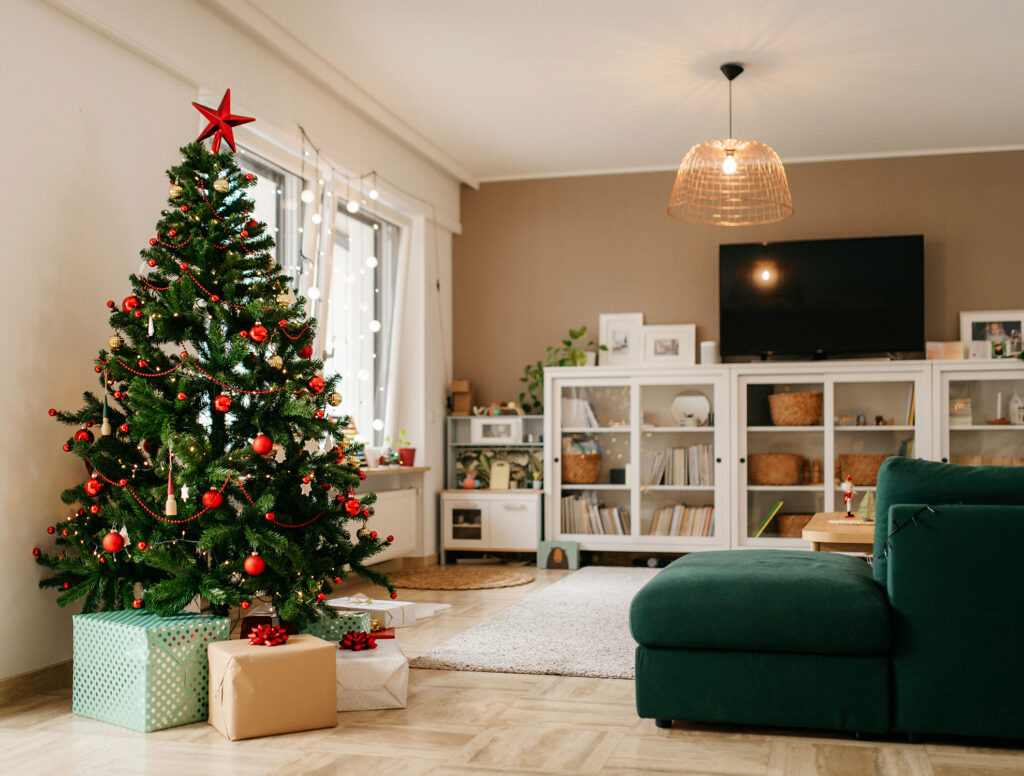

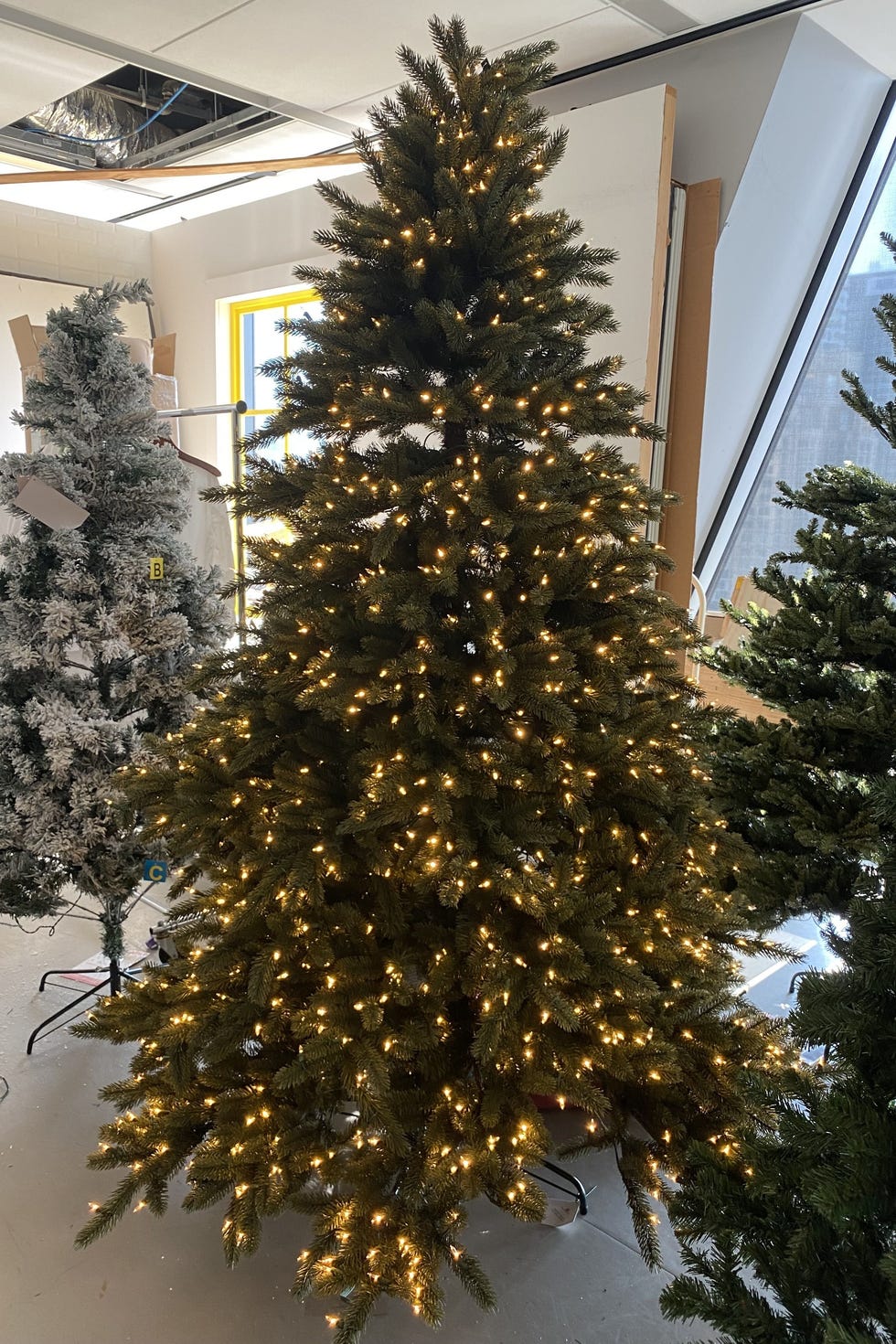
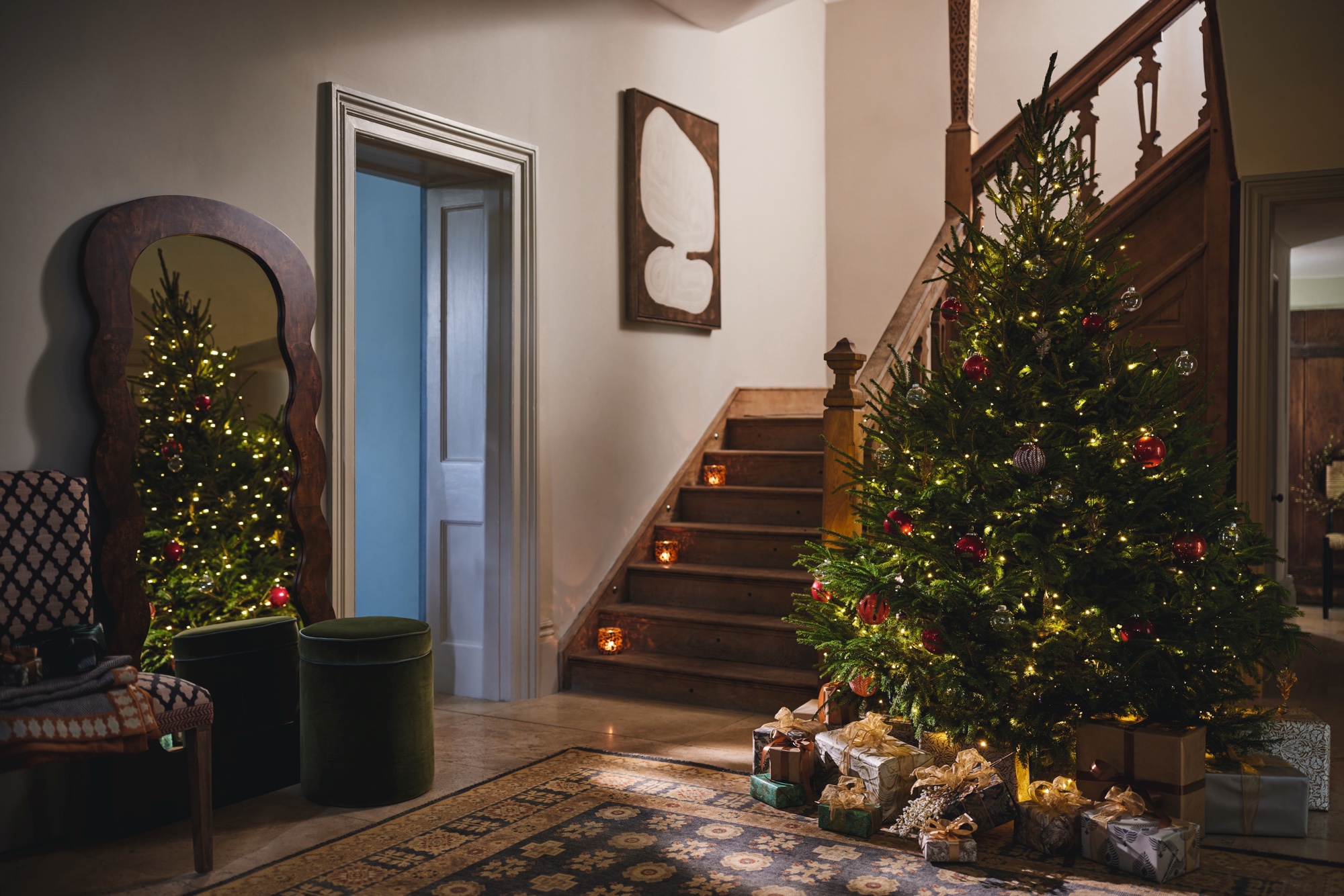
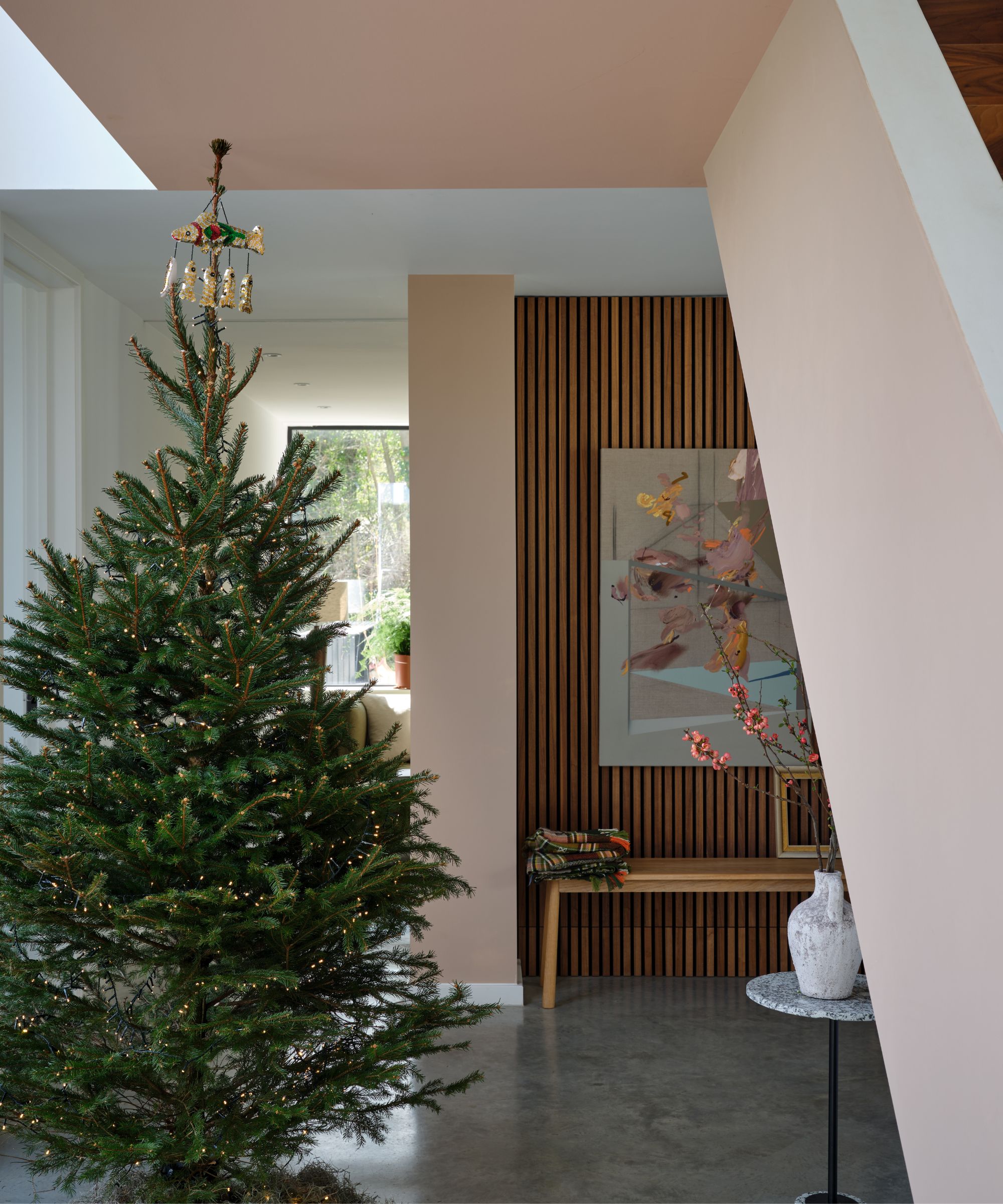
The initial step involves deciding on the tree's placement within the home. It is crucial to keep the tree away from direct heat sources, like fireplaces or furnace vents, as these can accelerate drying and water consumption. Proximity to an electrical outlet is also important to avoid unsightly extension cords. Measuring the available floor space and ceiling height is essential, as trees often appear smaller outdoors than indoors. The typical taper of a Christmas tree is about 2 to 3 feet per 6 feet of height, meaning a 6-foot tree requires a 4-foot wide space. Additionally, accounting for a few extra inches when placing the tree in a stand is necessary.
The article then explores options for purchasing a real Christmas tree: pre-cut trees or choose-and-cut farms. Pre-cut trees are available at various retailers, including big box stores, supermarkets, garden centers, and freestanding lots. These trees are usually grown on large wholesale farms and shipped to retail locations, offering convenience for shoppers. Choose-and-cut farms provide a more immersive experience, allowing consumers to select and cut their own trees directly from the field. Many of these farms also offer agritainment activities such as hayrides, petting zoos, bonfires, gift shops, and seasonal refreshments, enhancing the family outing aspect. Readers are encouraged to consult additional resources from MSU Extension for guidance on selecting the right tree species.
Ensuring the freshness of the tree is another critical aspect. If purchasing a pre-cut tree, a simple "pull test" can determine its freshness: gently tugging on a branch should not result in excessive needle loss. For trees cut at a choose-and-cut farm, freshness is inherent. If the tree cannot be set up immediately, storing it in an unheated space, such as a garage, with the cut end submerged in water, helps maintain its hydration.
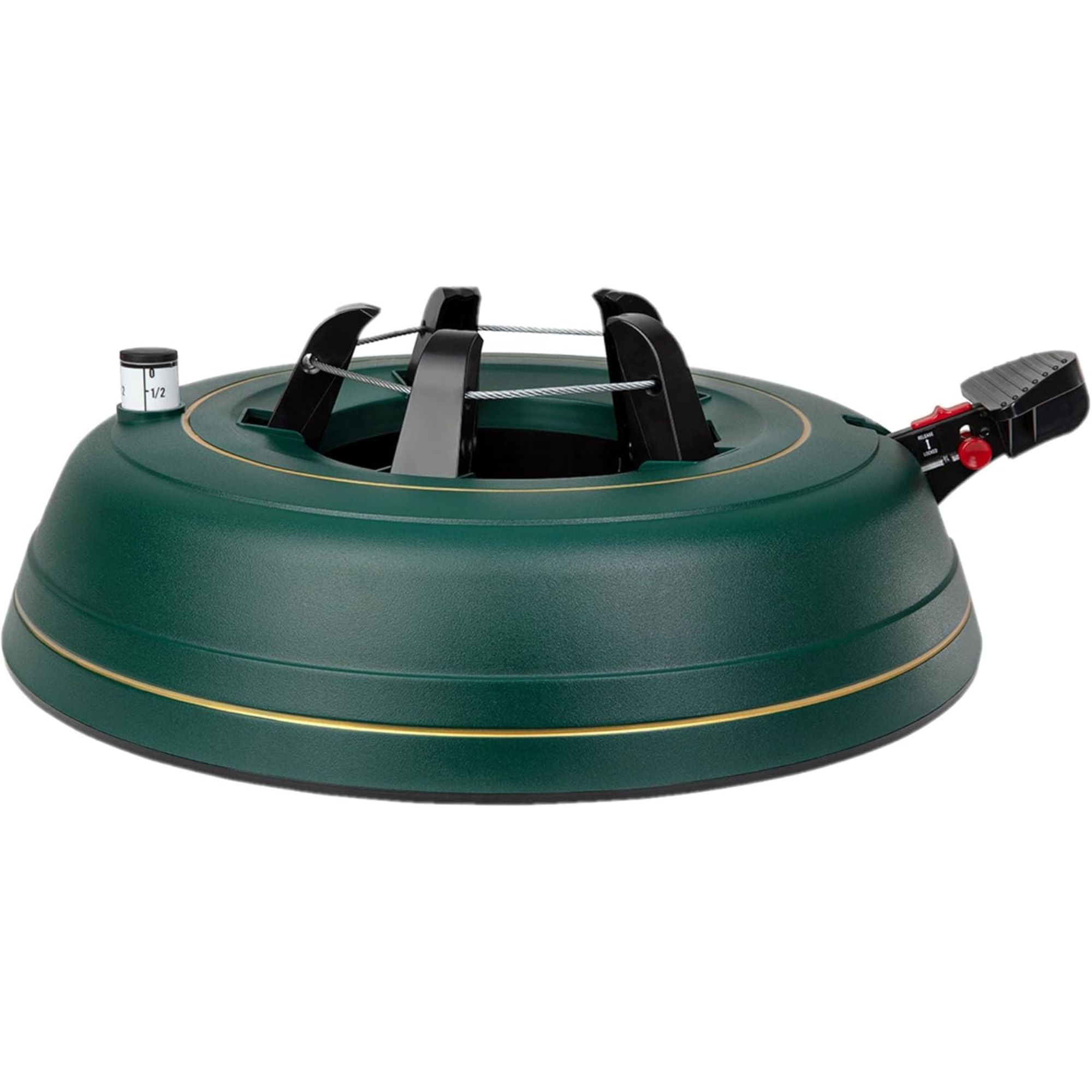
Setting up the tree in a stand can be a stressful step. The article recommends using a drill stand, which simplifies the process as many tree lots and farms offer to drill the tree base to fit these stands, ensuring it stands straight. For traditional screw-in stands, it is advised that two people handle the task, with one adjusting the screws while the other positions the tree for straightness. Keeping the baling twine on the tree until it is securely in the stand makes it more manageable to transport and set up indoors.
Finally, tips for tree take-down and recycling are provided. To minimize mess, any remaining water in the stand can be siphoned out with a turkey baster or sponge. Laying a bedsheet on the floor and wrapping it around the tree during removal helps contain loose needles. Most communities offer recycling options for Christmas trees, either through curbside pickup or central drop-off points, which can be found by checking local government websites or papers. The Michigan Christmas Tree Association website is recommended for finding nearby choose-and-cut farms, retail lots, and recycling information.
#ChristmasTree #HolidayDecor #HomeDecor #TreeSelection #TreeCare #MSUExtension #FarmGrown #TreeRecycling #HolidayTraditions #ChristmasTree #HolidayDecor #HomeDecor #TreeSelection #TreeCare #MSUExtension #FarmGrown #TreeRecycling #HolidayTraditions
0 comment in total
 No comments yet
You may also like
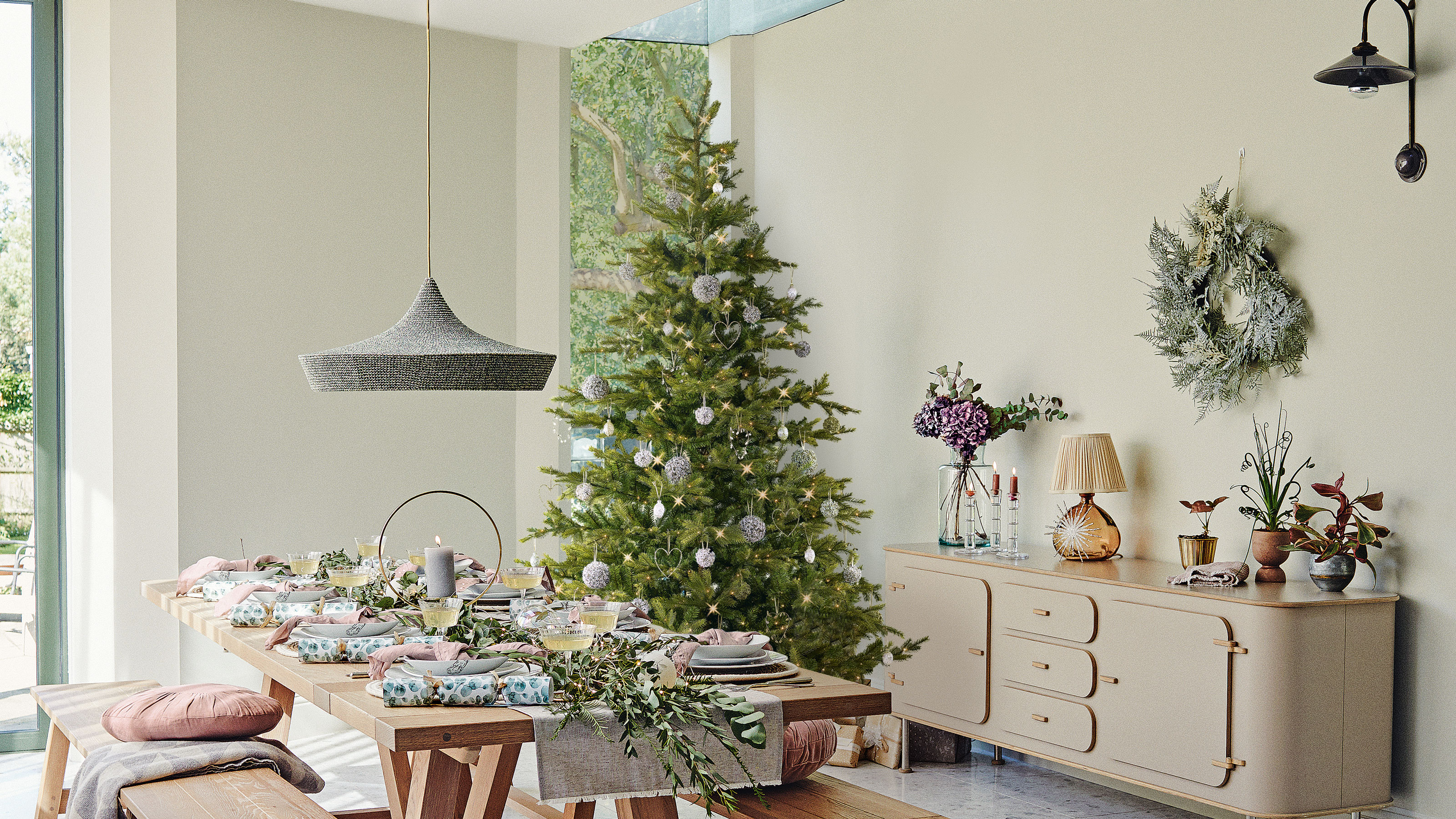
5 tips for decorating a Scandi-style Christmas tree like a pro
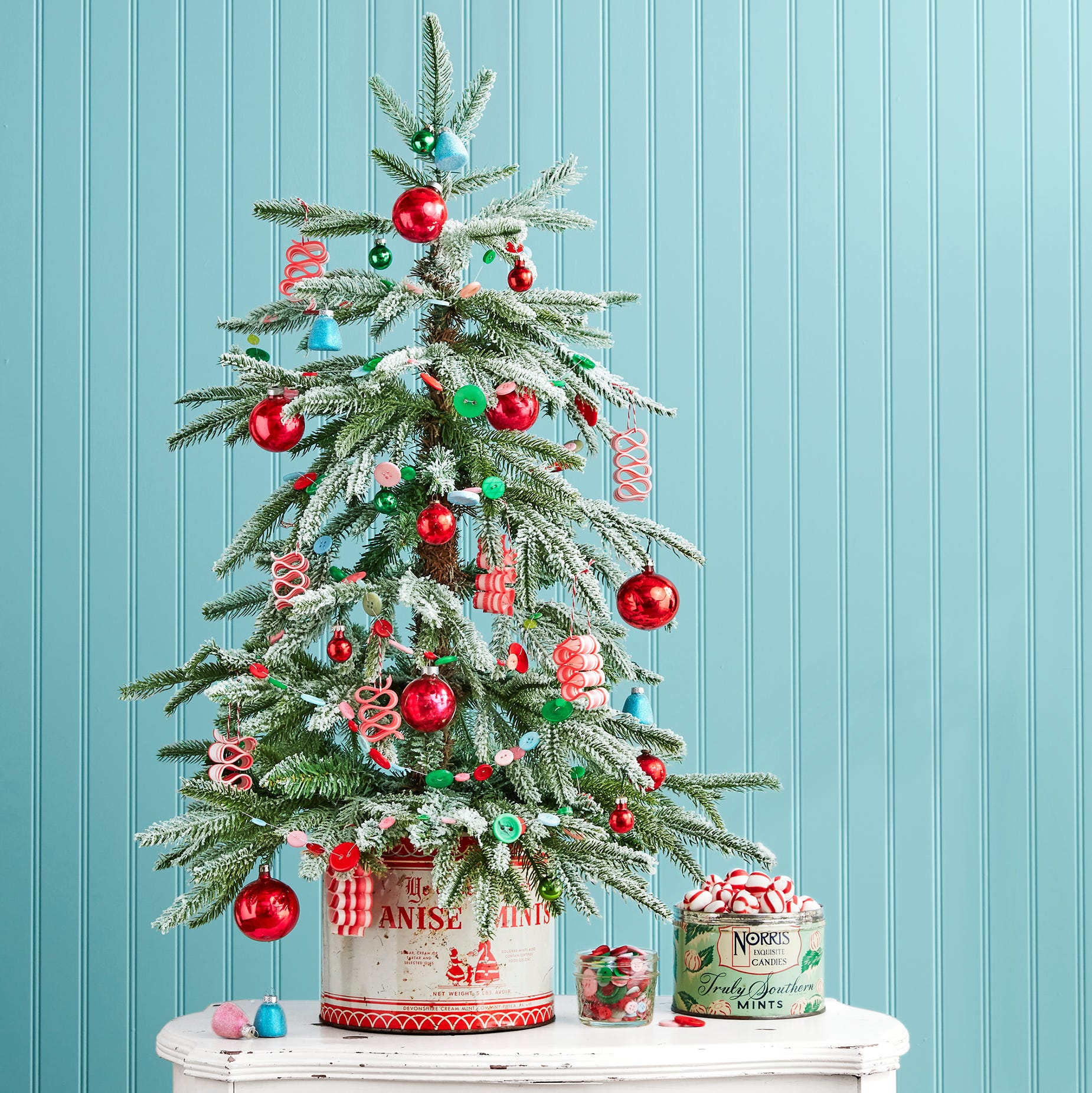
37 Best Small Christmas Tree Ideas With Big Holiday Spirit
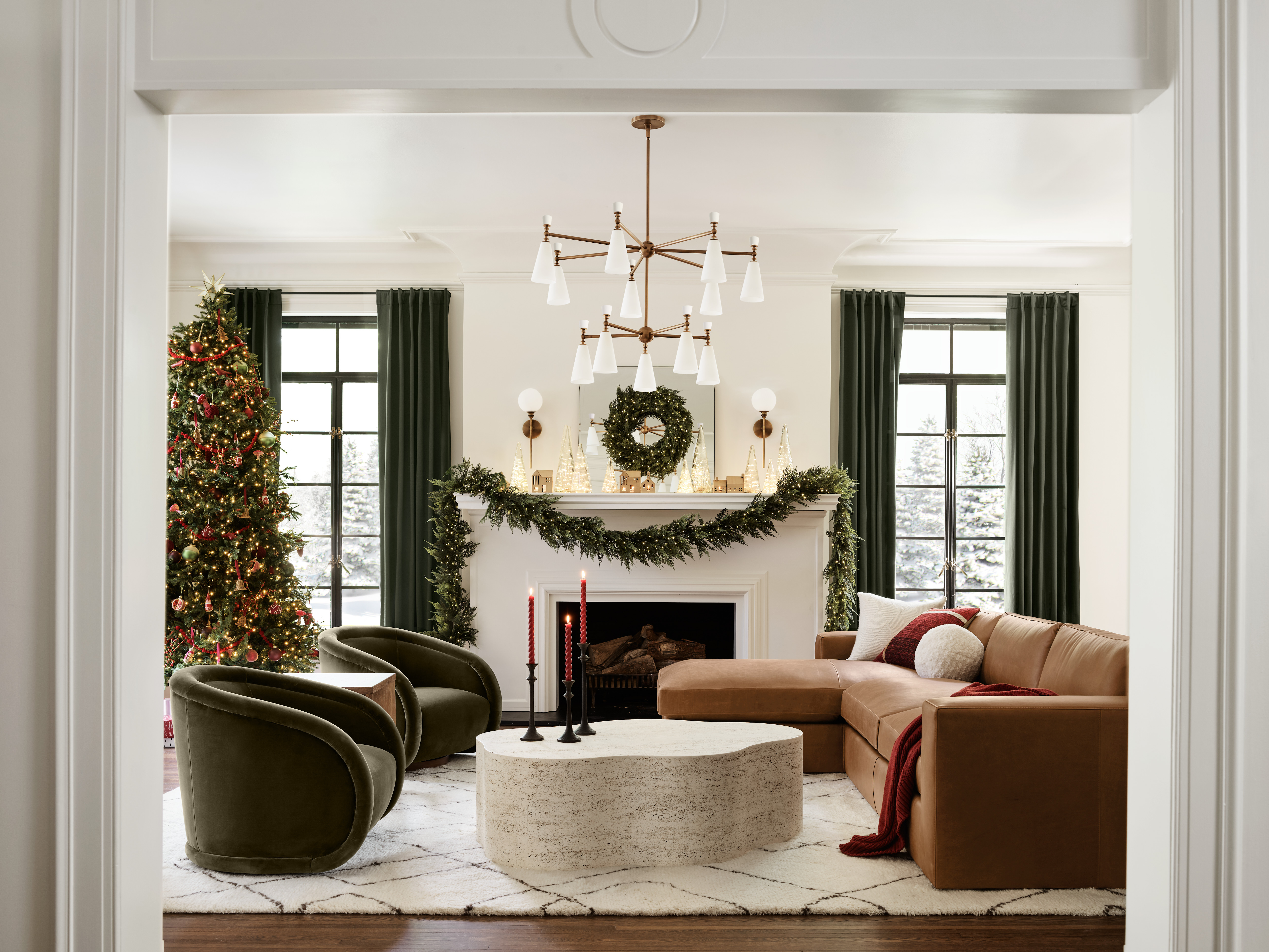
Where to Put Your Christmas Tree, According to Feng Shui Experts

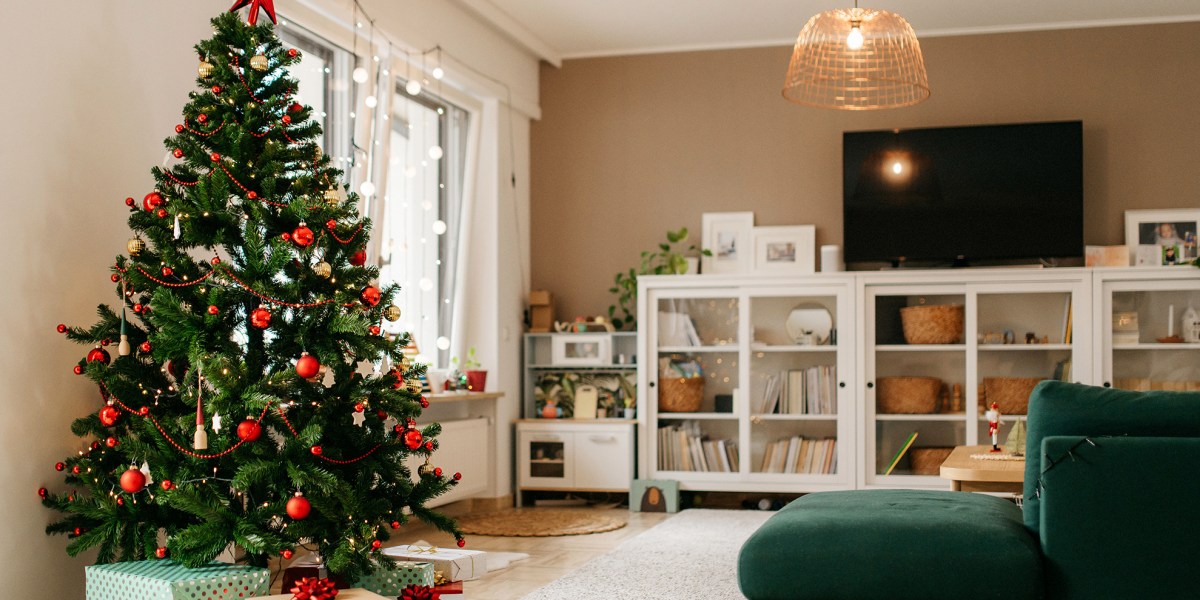
How to style your Christmas tree with houseplants, flowers and foliage - without plastic
This Is the Best Spot in the House to Put up Your Christmas Tree, According to an Interior Designer

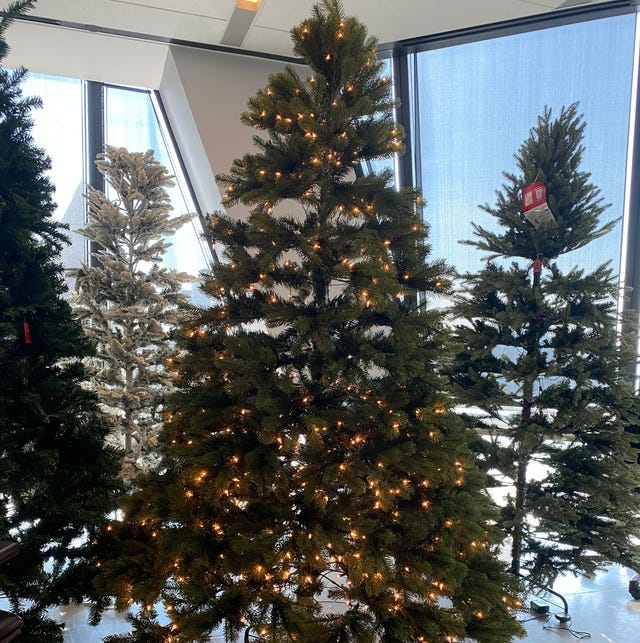
The Best Artificial Christmas Trees We Found After 5 Years of Testing

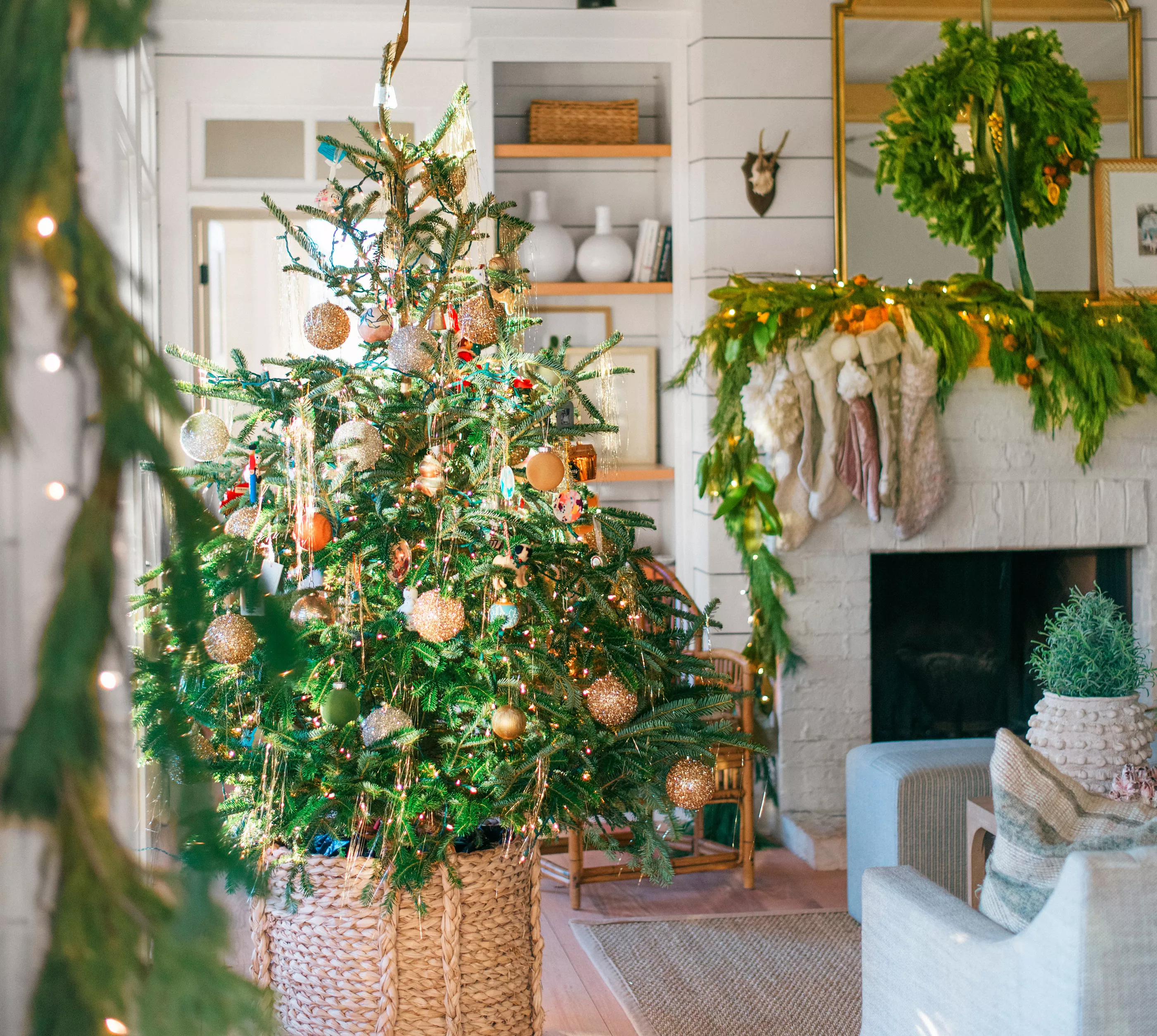
4 Best Spots in Your Home to Put a Christmas Tree (and Where to Avoid!)

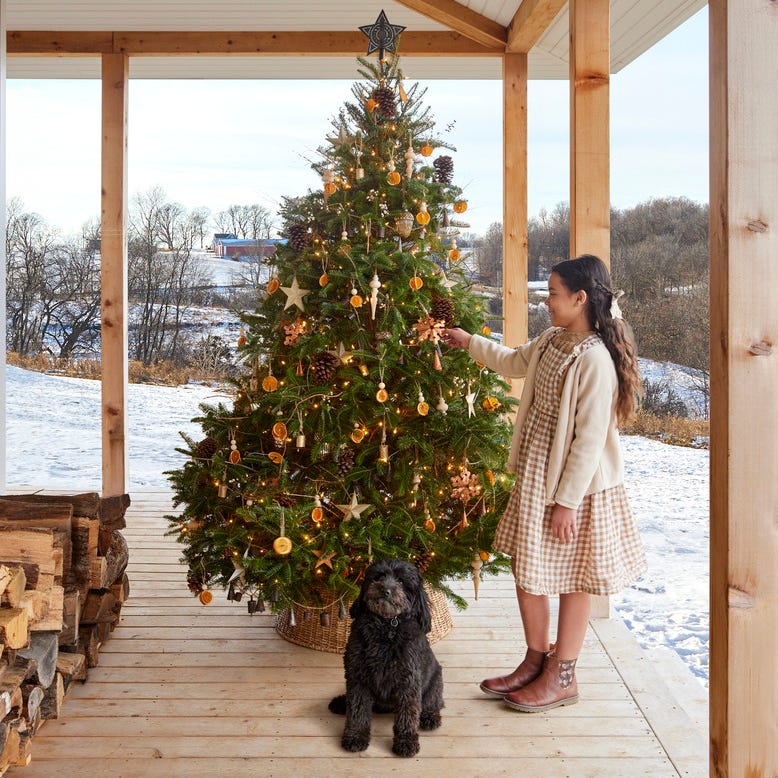
These Rustic Christmas Trees Will Feel Right at Home in Any Farmhouse
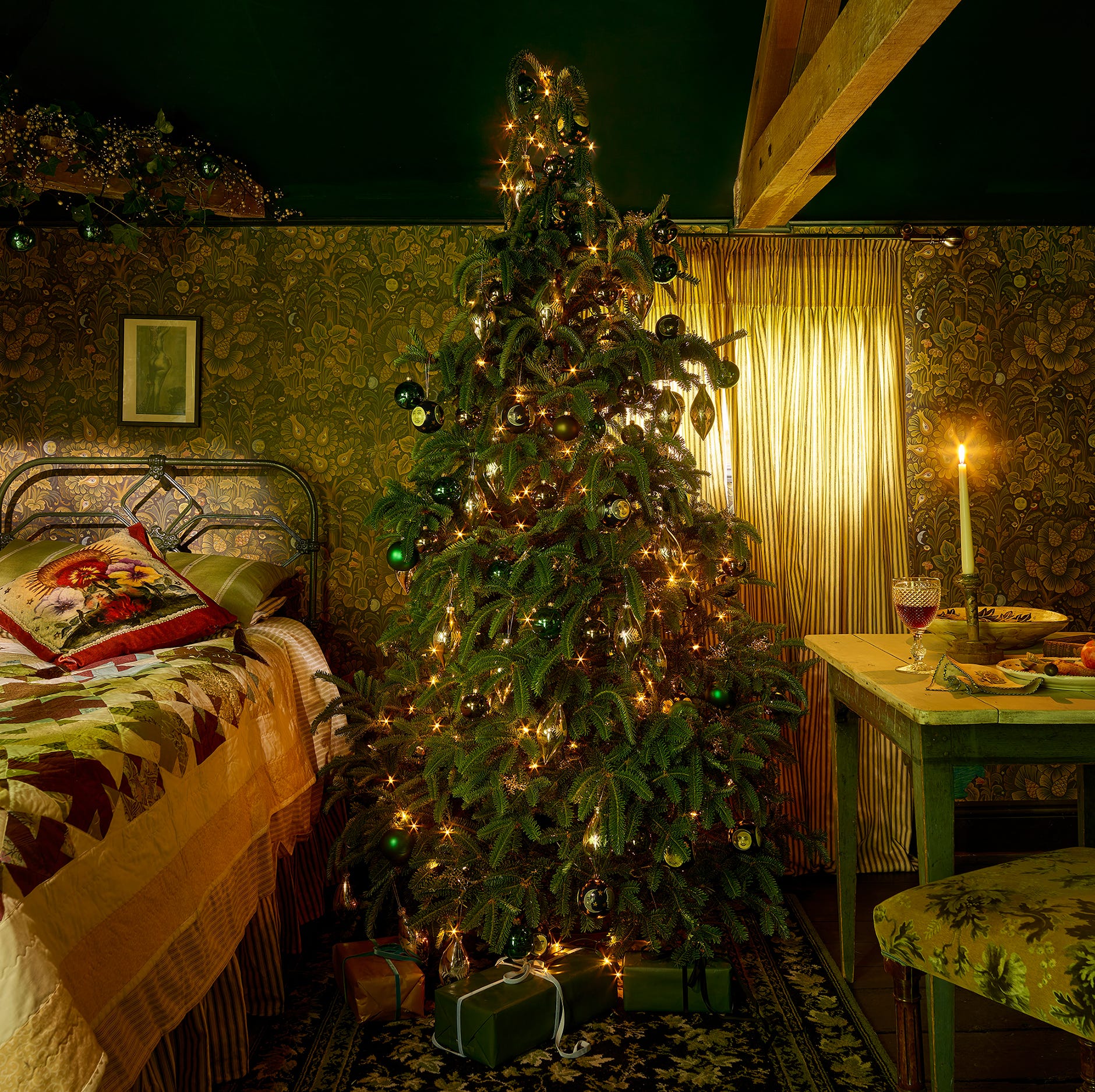
These 82 Christmas Tree Ideas That Will Make Your Neighbors Jealous

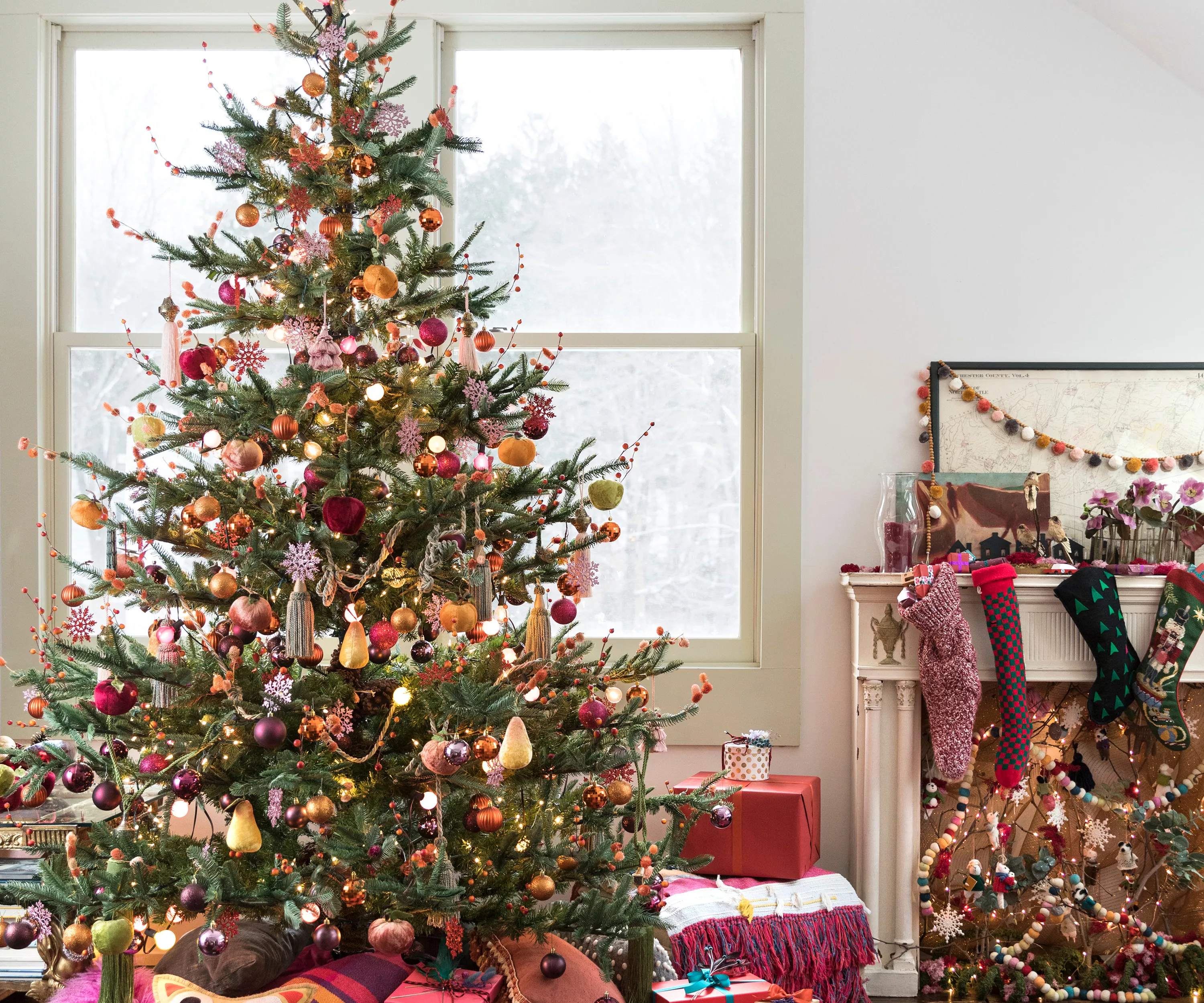
Why Our Home Editor Says You Should Always Put Your Christmas Tree Up Before Thanksgiving

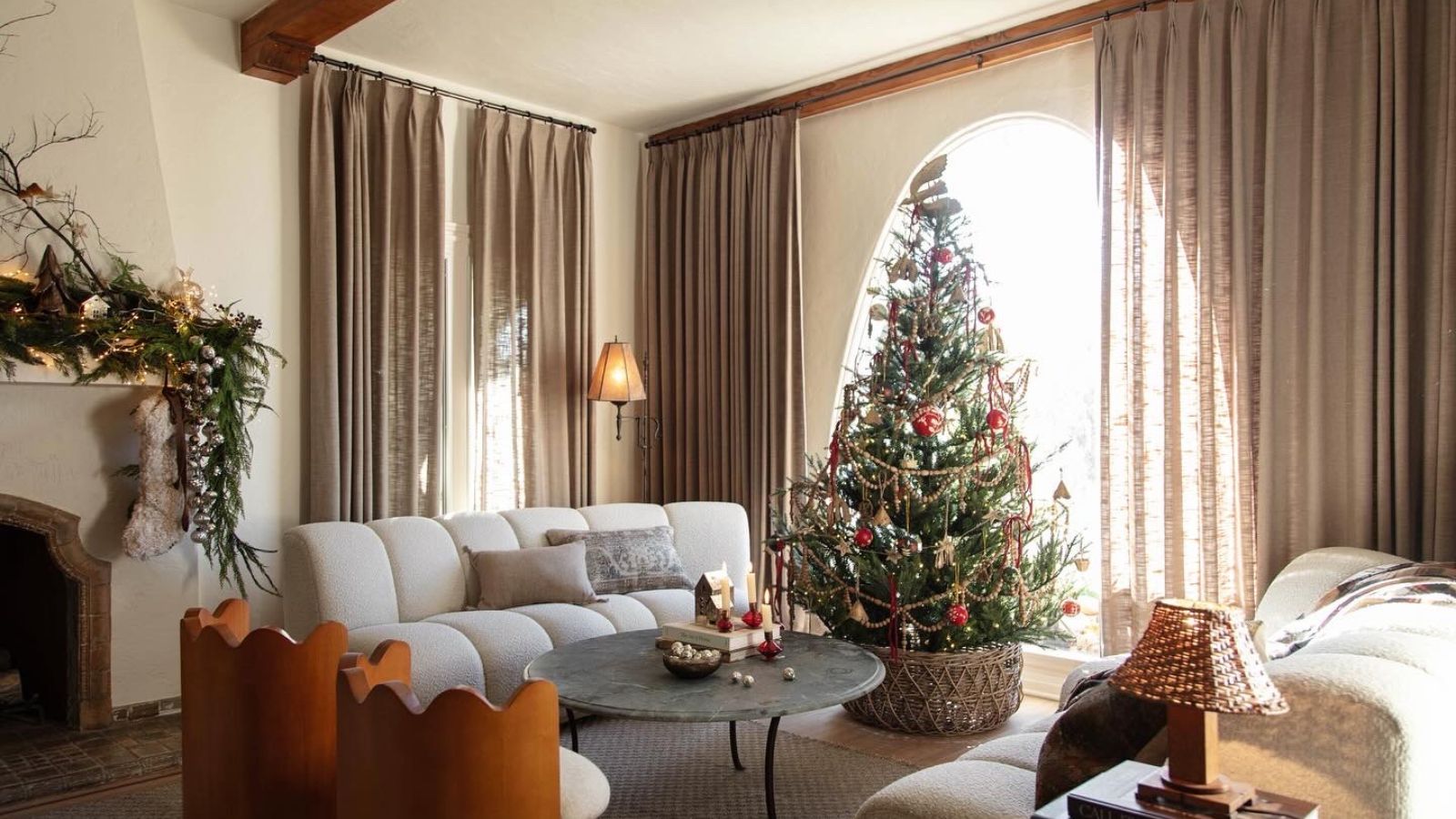
5 places you should always avoid putting a Christmas tree

It is my job to take note of trends – trust me, these are the most expensive-looking Christmas ornament trends I'm seeing everywhere this year
Try This Designer-Approved Tip To Change Up Your Christmas Tree Decor
5 clever ways to make a Christmas tree look taller – from adding a base to tricking the eye with decor
How to protect your Christmas tree from underfloor heating
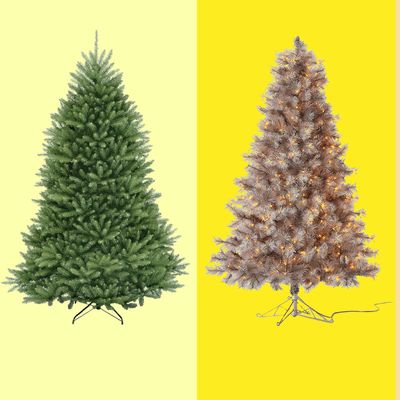
The Best Artificial Christmas Trees, According to People Whose Taste We Trust

Christmas tree decorations - but make it fashion

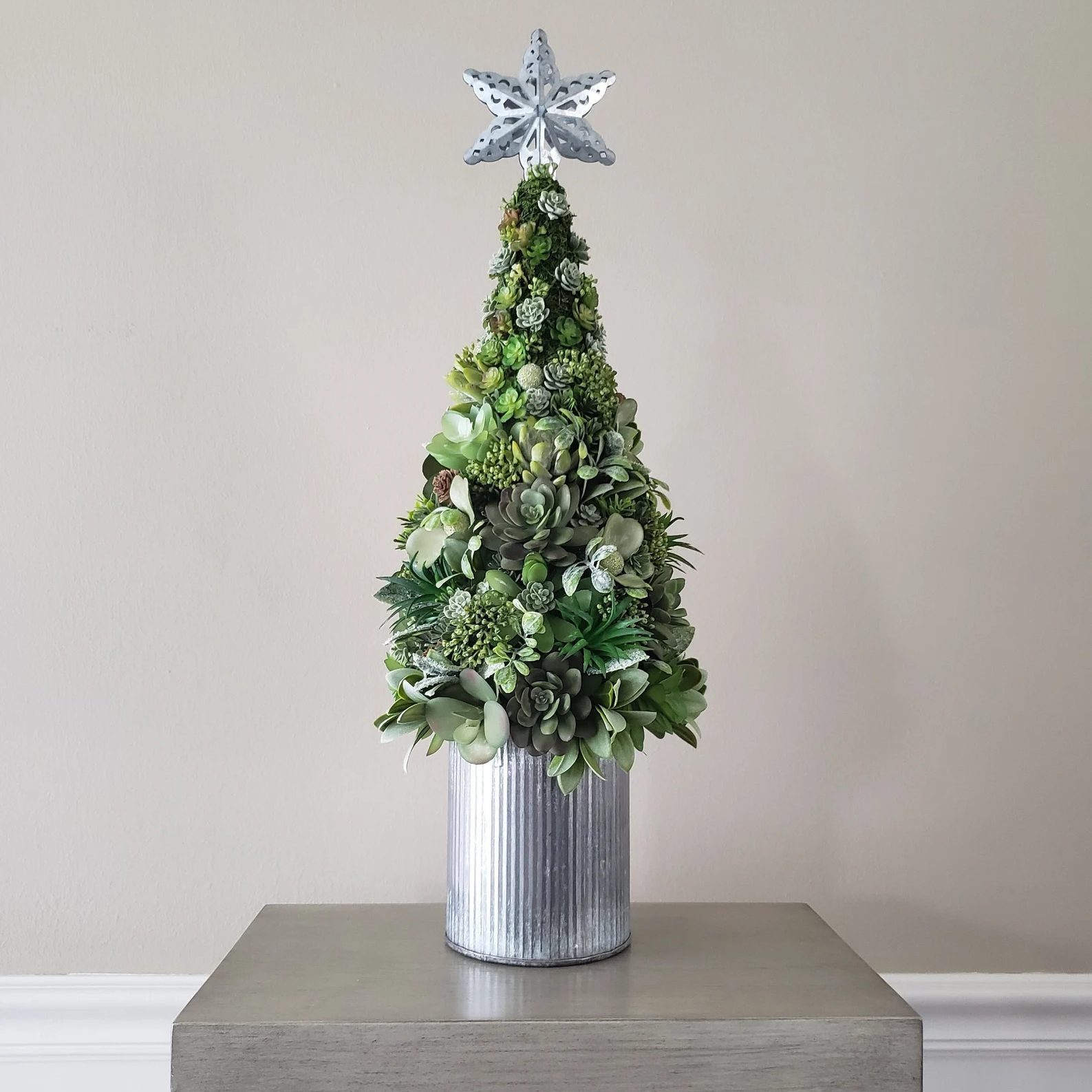
Succulent Christmas Trees Are Perfect for the Holidays—Here’s Where to Find Yours

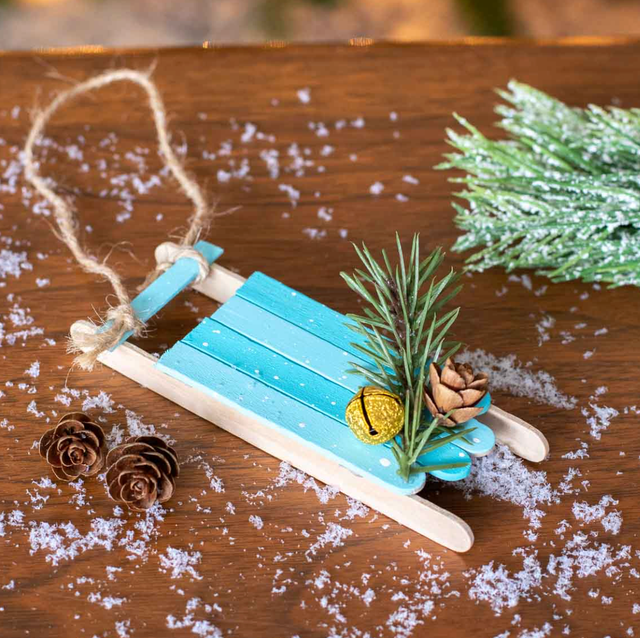
DIY Christmas Ornaments That Turn Your Tree into a Homemade Masterpiece

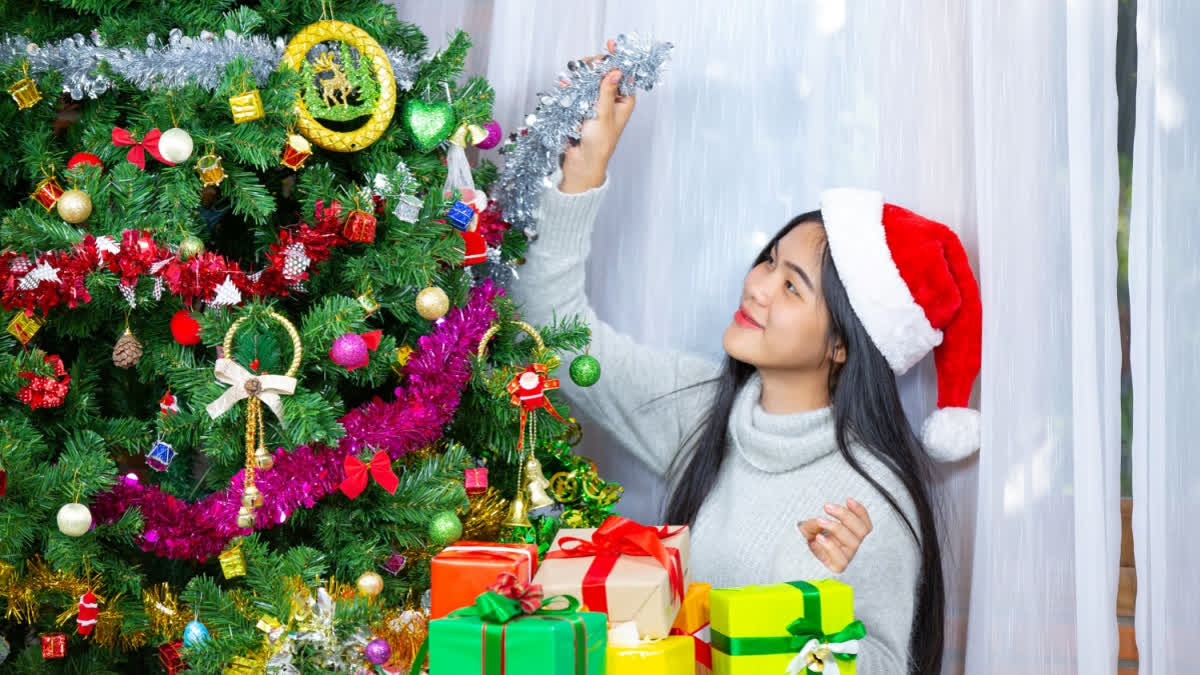
Christmas 2024: 5 Most Popular X'mas Tree Trends This Season