




1/4
Copper’s Known to Combat Viruses—Can it Help With Public Health?
The humble doorknob has become a symbol of danger in recent weeks, as we’ve learned exactly how long viruses can live on surfaces. This discovery has led to renewed interest in copper as a tool for combating nasties. Copper and copper alloys like brass, bronze, and copper-nickel, have long been known to have health benefits and are naturally antimicrobial. Some research has even gone so far as to show that copper kills certain viruses on contact, preventing them from being transferred to the next person who touches that copper doorknob. This type of contact transmission is thought to be one way the novel coronavirus is spreading so quickly.
Bill Keevil, a professor of environmental healthcare at the University of Southampton, noted that viruses "just blow apart" on copper, explaining that they land on the metal and it degrades them. This raises the question of whether people should replace their hardware with brass for medicinal purposes. According to the American Society for Microbiology, research has firmly established the antimicrobial properties of copper surfaces, and the EPA has registered almost 300 different copper surfaces as antimicrobial. Numerous viruses and bacteria, including MRSA, Staph, Influenza A, and E-Coli, experience contact killing upon exposure to copper and copper alloy surfaces. However, the length of time it takes for copper to be effective varies significantly, from 30 seconds to many hours, meaning it cannot be solely relied upon to keep a home germ-free. The EPA recommends specific disinfectants for use against COVID-19 for household use.
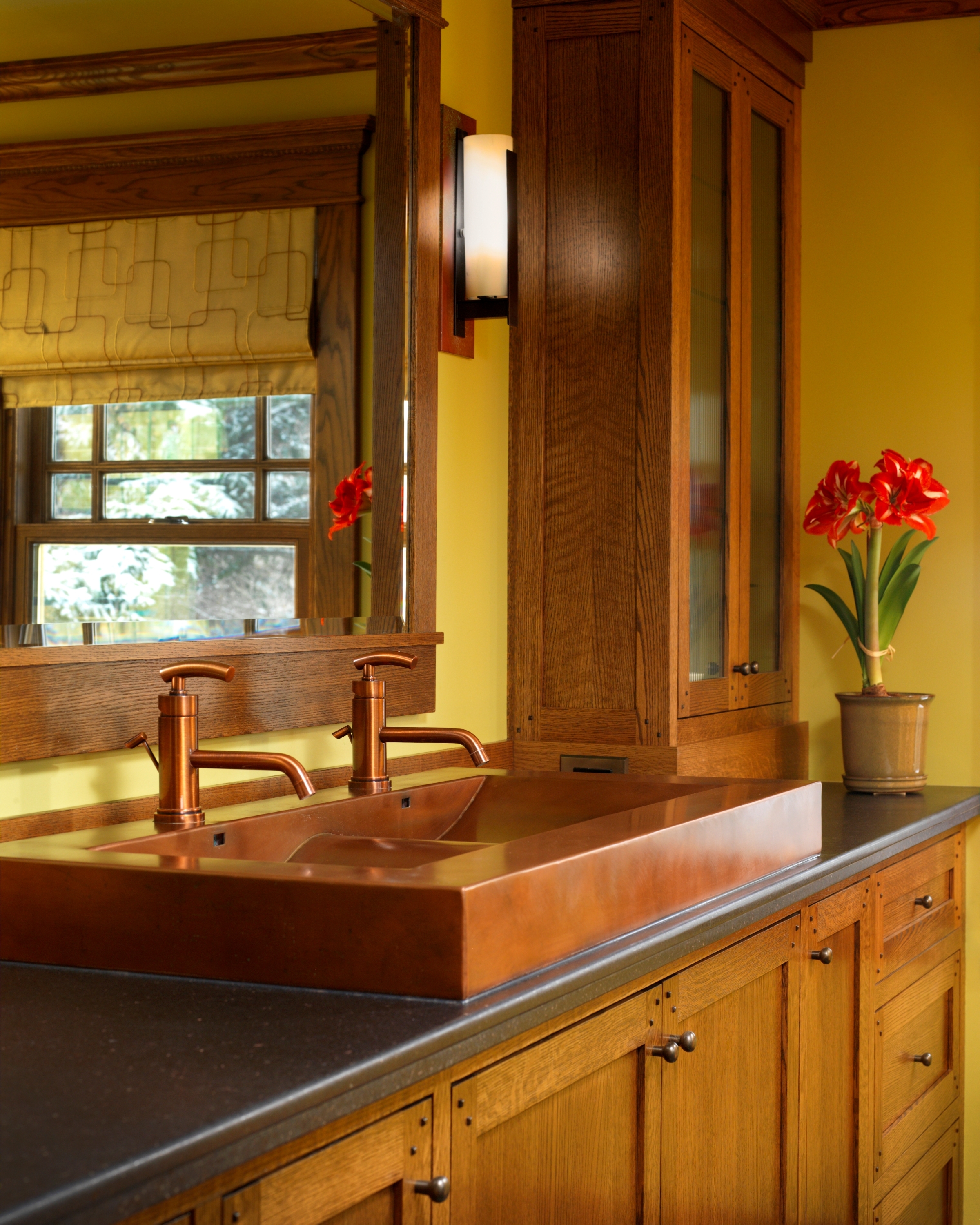
Keevil suggests that copper would be most effectively deployed in hospitals and medical facilities. His research builds upon work conducted by Dr. Phyllis J. Kuhn in the 1980s. Kuhn observed that while sleek stainless steel doorknobs look clean, tarnished brass, an alloy typically composed of 67% copper and 33% zinc, is bactericidal, whereas stainless steel (about 88% iron and 12% chromium) does little to impede bacterial growth. The antimicrobial process involves the release of copper ions (electrically charged particles) when microbes, transferred through touching, sneezing, or vomiting, land on the copper surface. Keevil’s research, supported by funding from the International Copper Association and the Copper Development Association, has shown that when copper alloy is used on “regularly touched surfaces in busy hospital wards and intensive care units,” alongside routine cleaning, there is up to a 90% reduction in live bacteria on those surfaces. Furthermore, studies in three US intensive care units indicated a 58% reduction in infection rates. While soft, antique brass and rustic copper are durable, versatile, and aesthetically pleasing materials suitable for home fixtures, their greatest impact could be in public health settings like hospitals and nursing homes, where their antimicrobial properties could significantly help prevent future pandemics.
#Copper #Brass #AntimicrobialProperties #PublicHealth #COVID19 #HospitalDesign #HomeHardware #InfectionControl #Copper #Brass #AntimicrobialProperties #PublicHealth #COVID19 #HospitalDesign #HomeHardware #InfectionControl
 No comments yet