1/7
On trend: Choosing the perfect banquette for your home
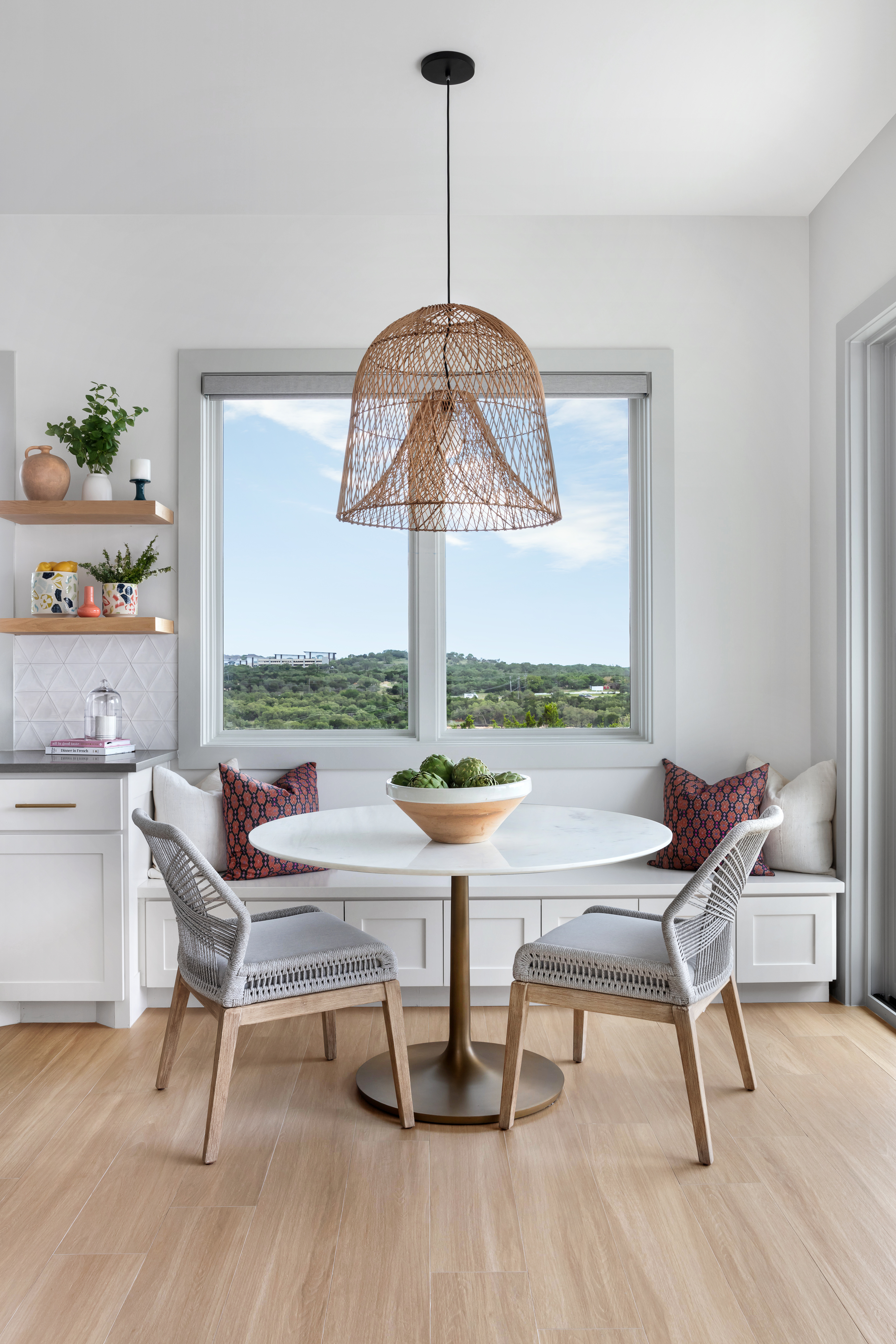
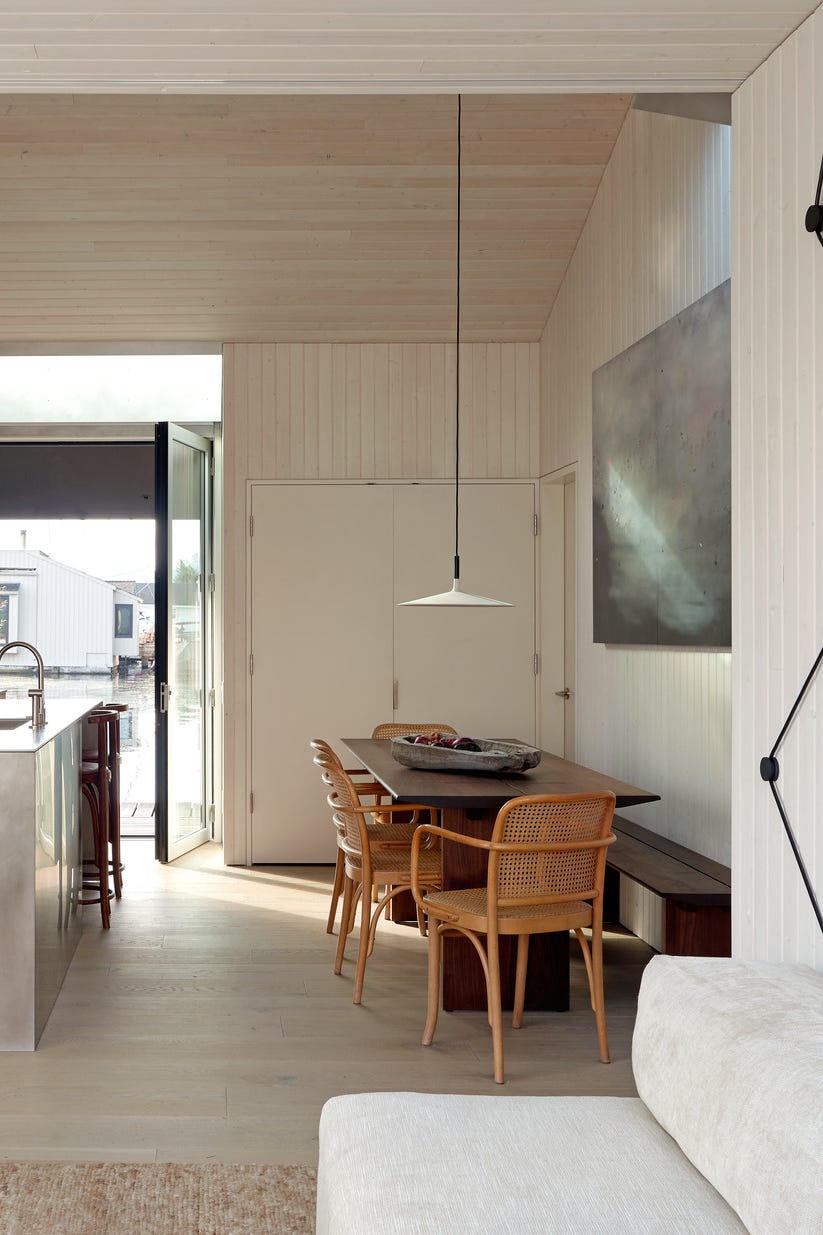
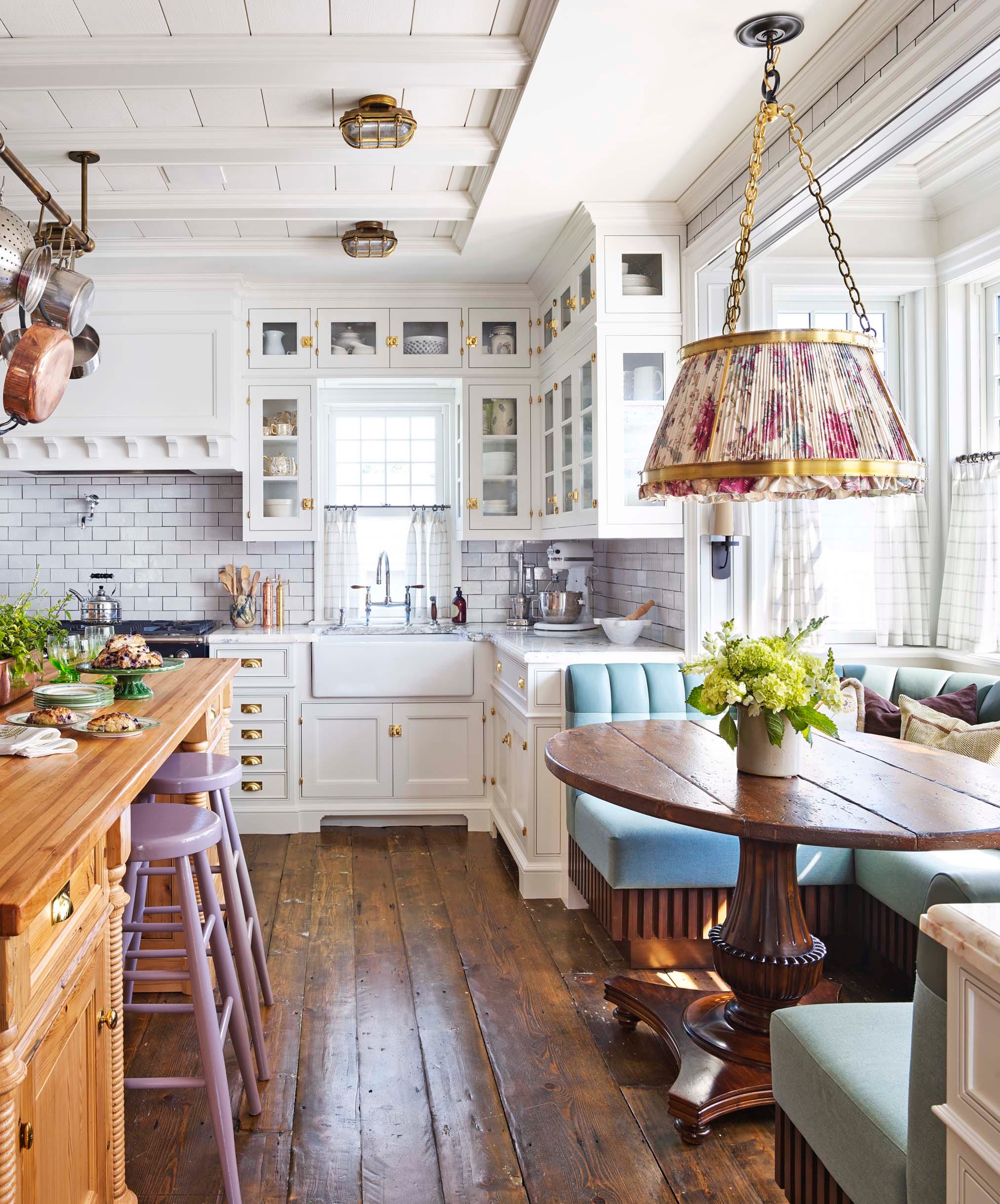
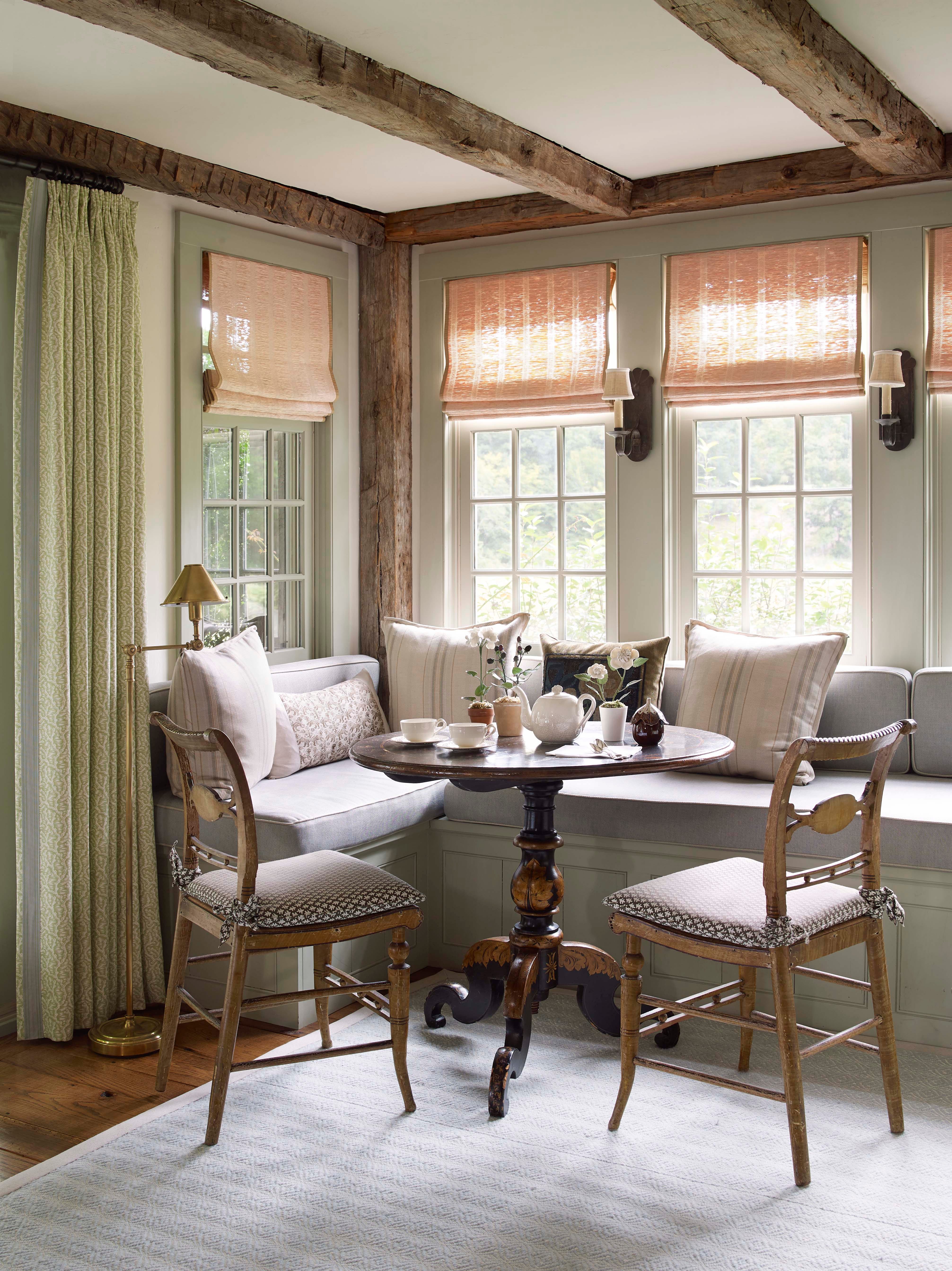
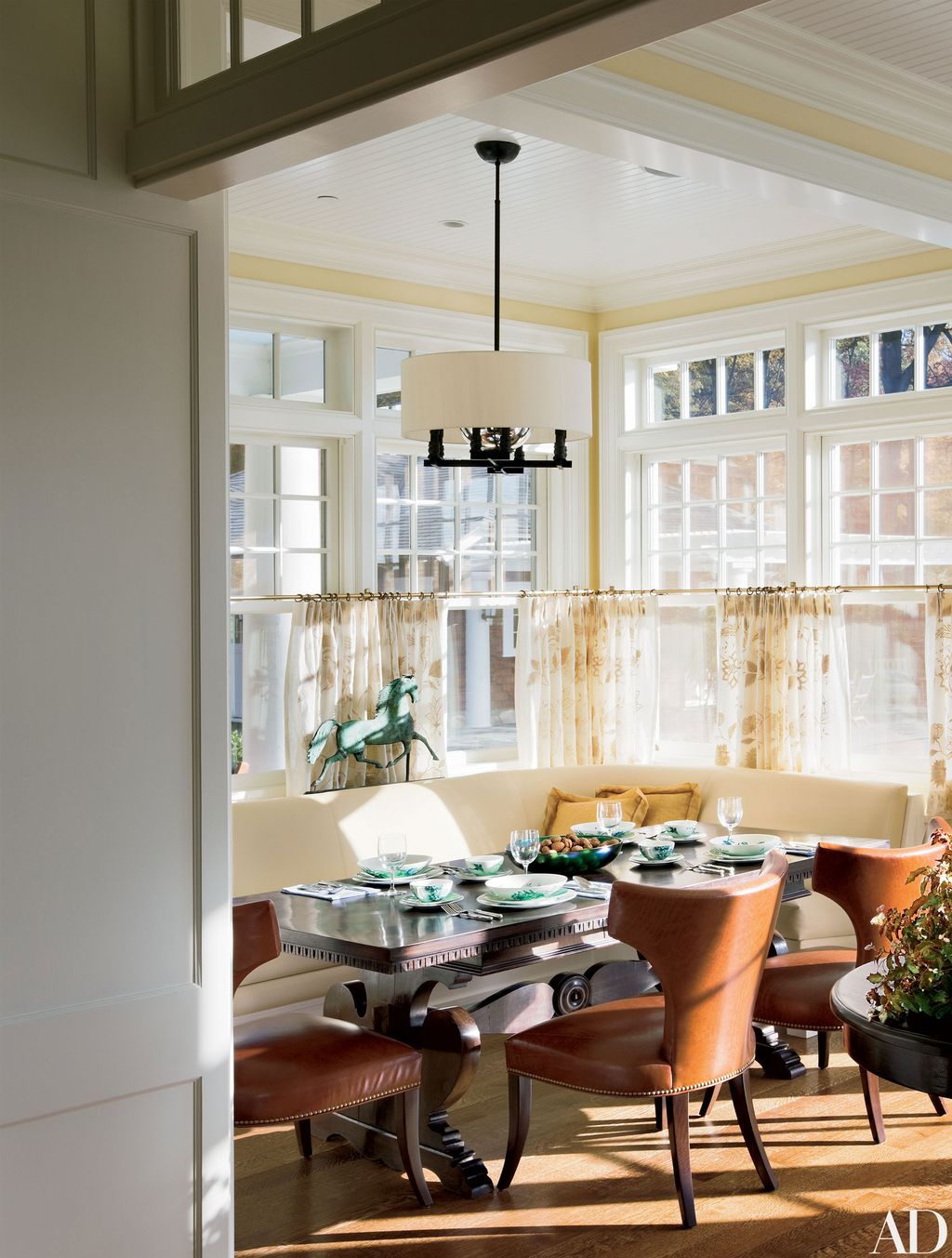
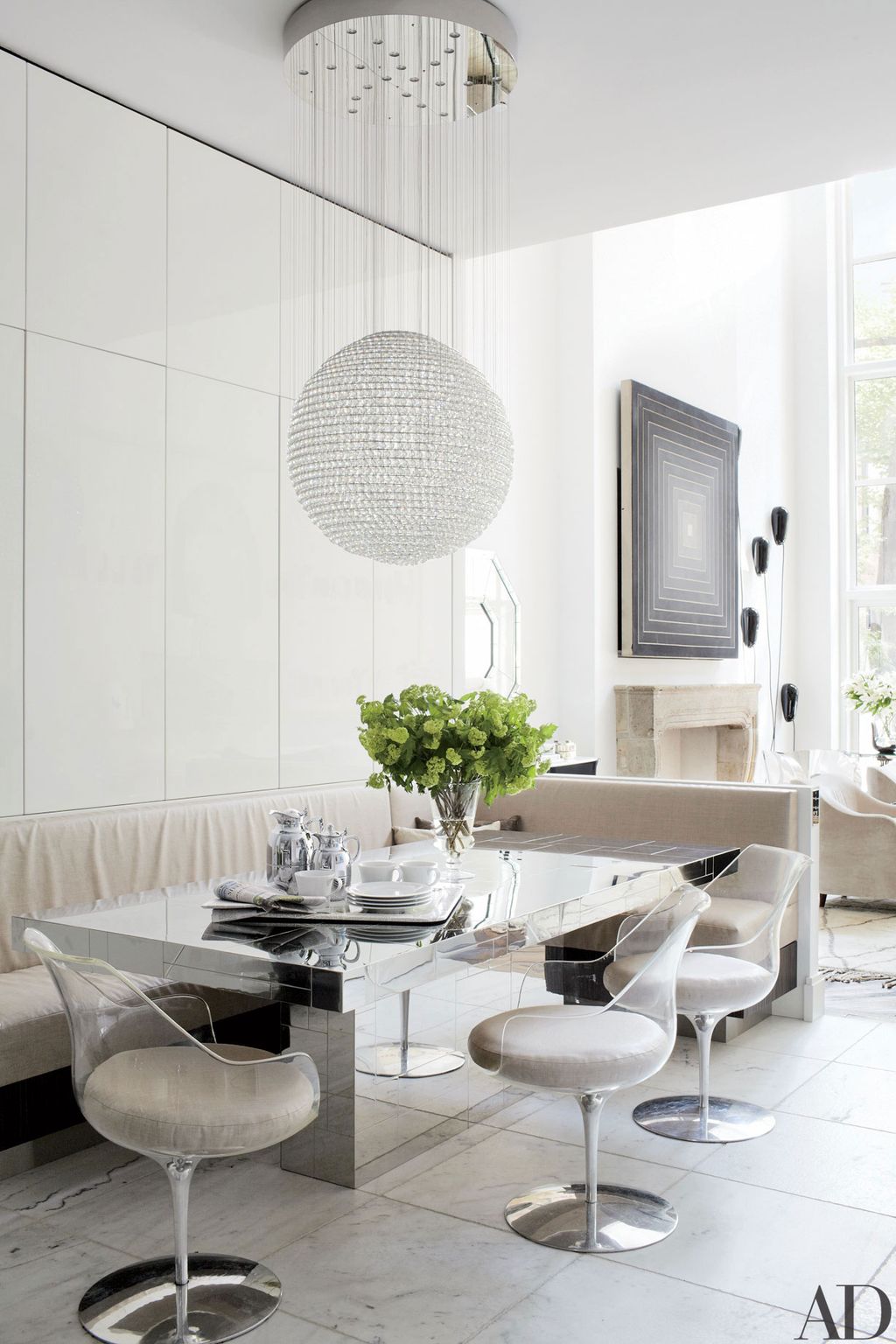
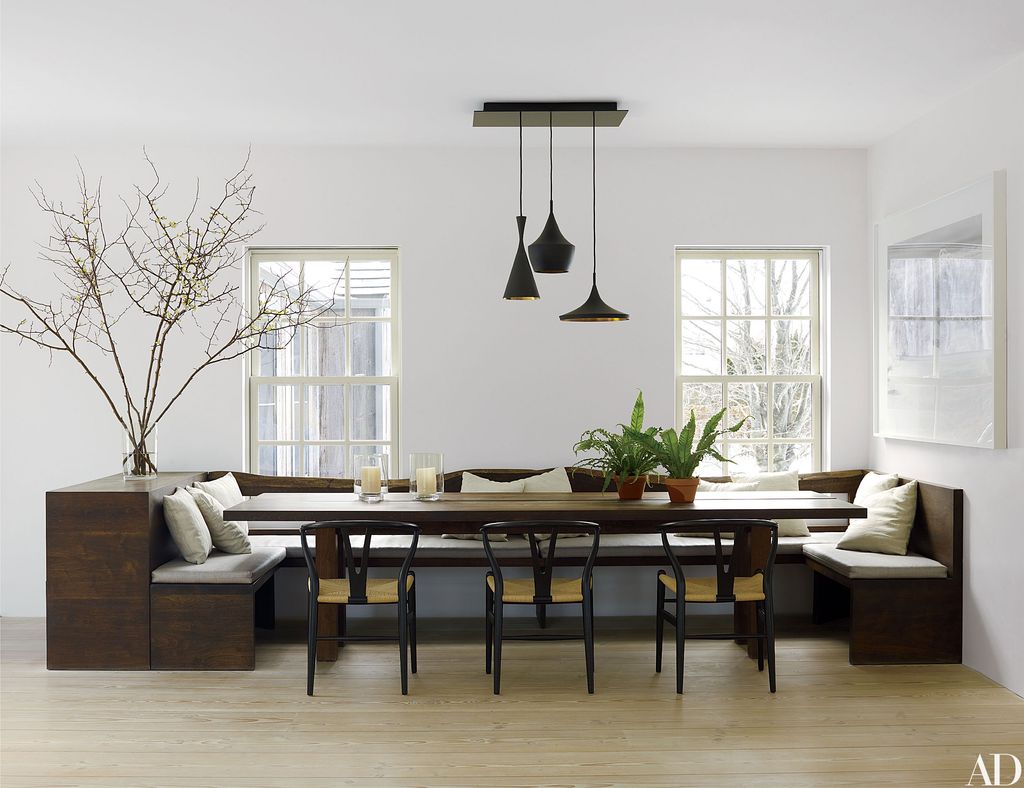
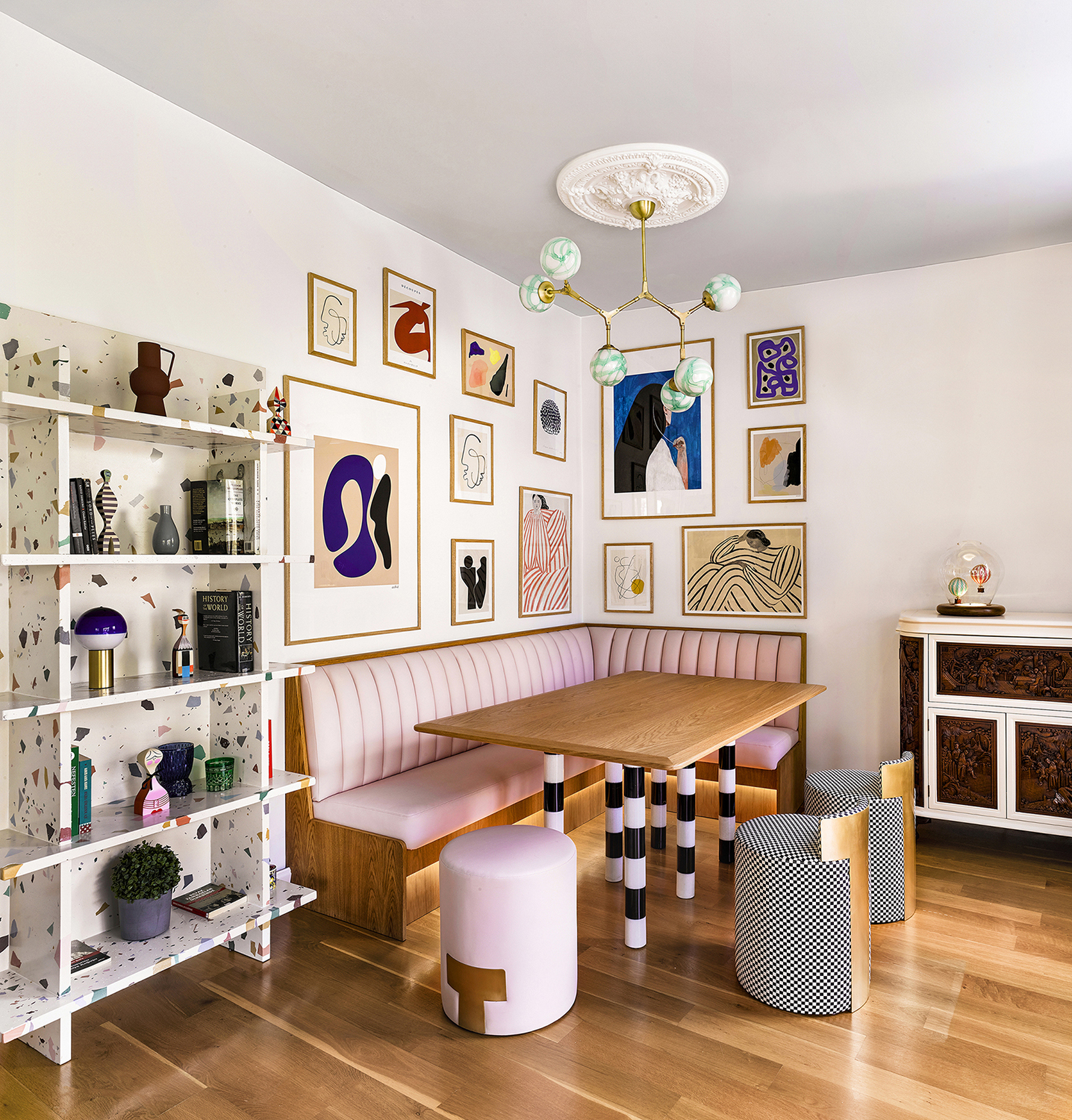
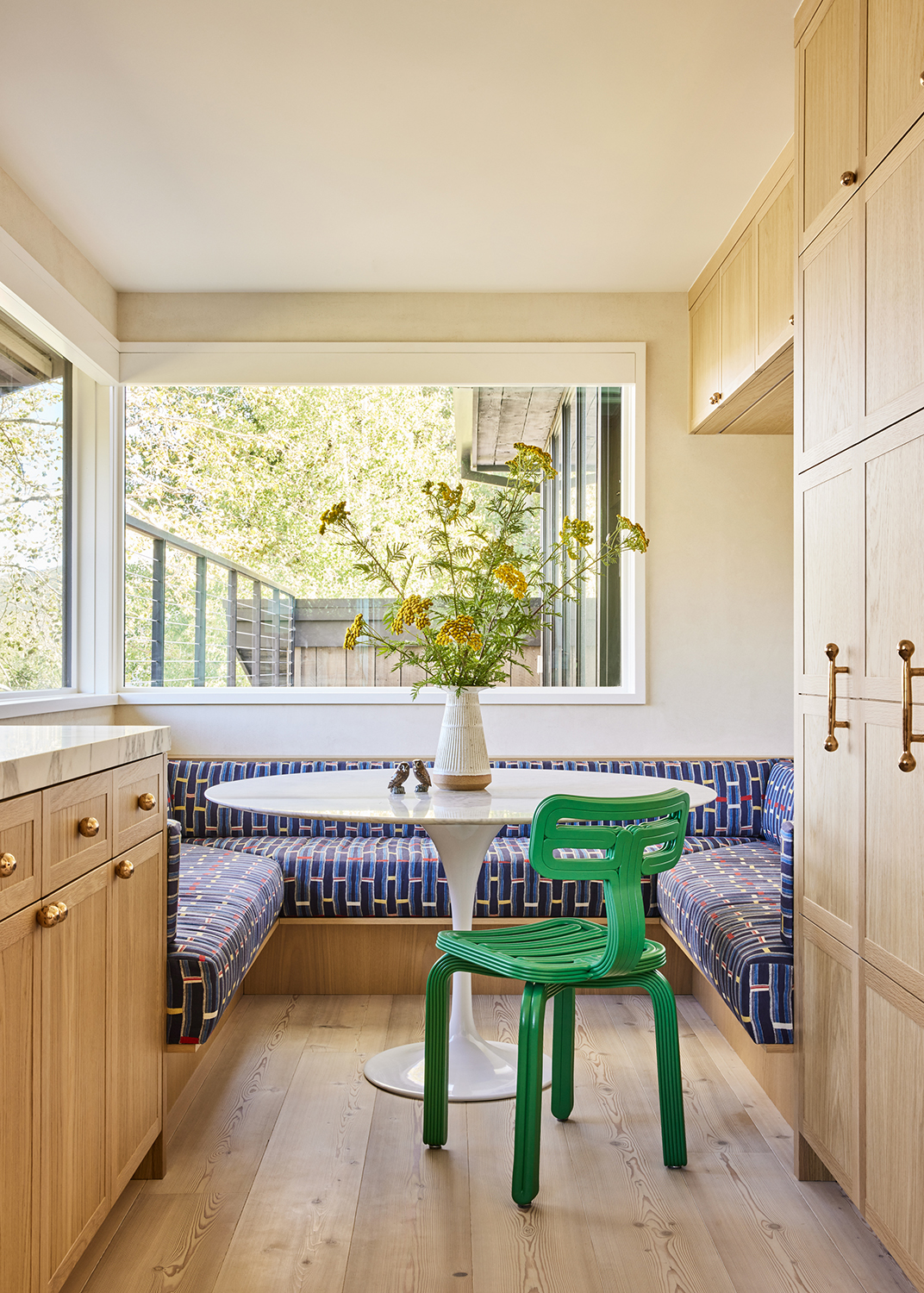
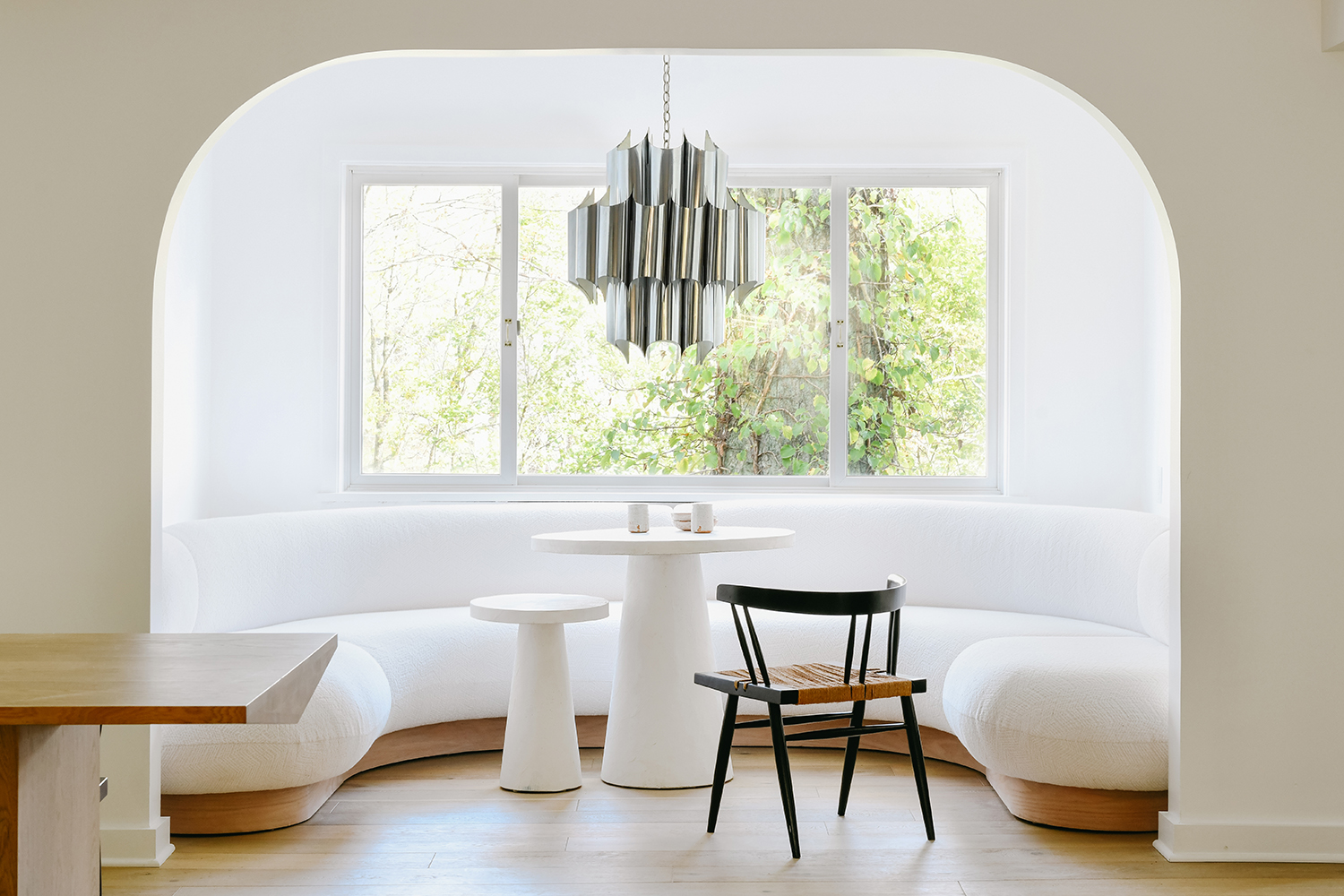
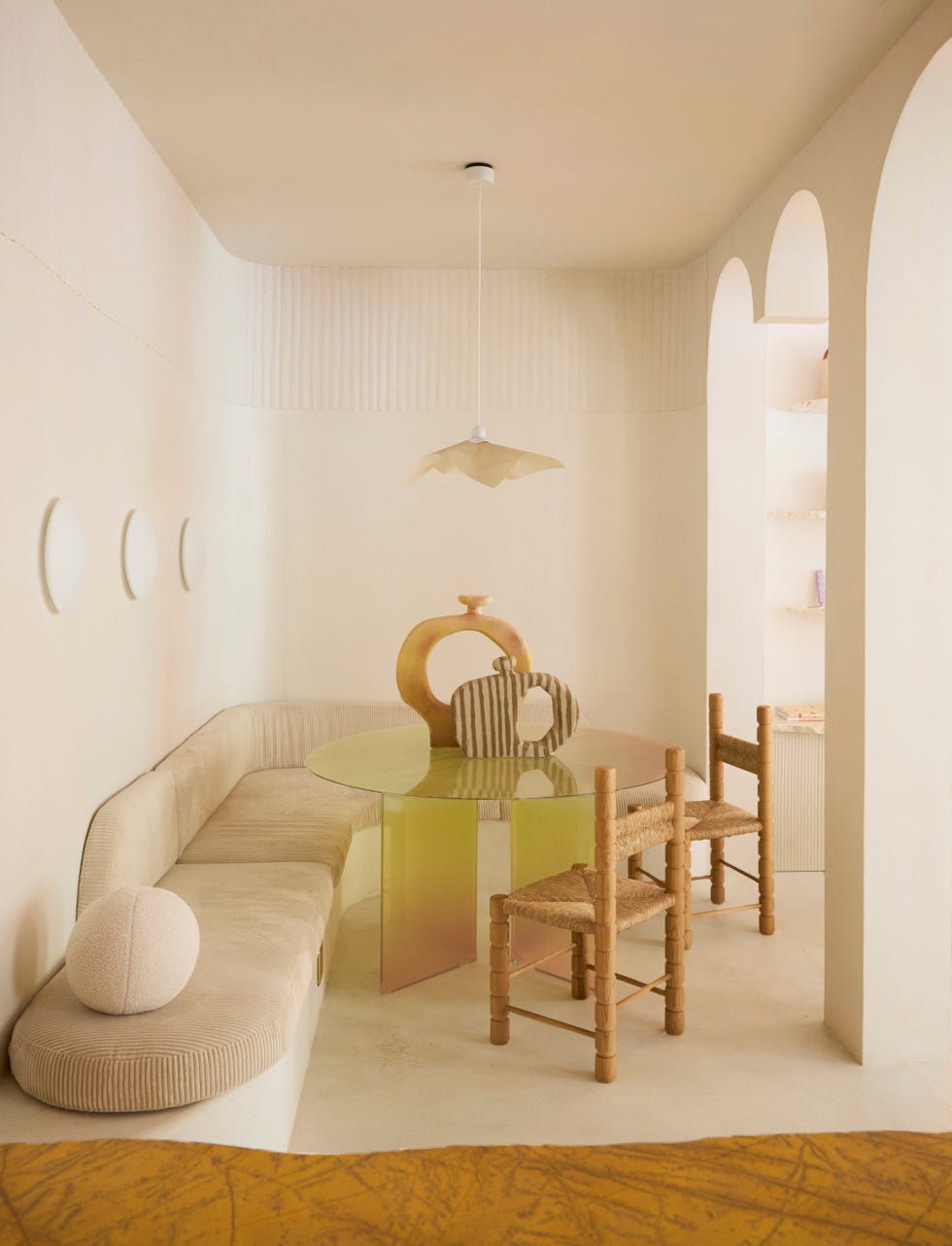
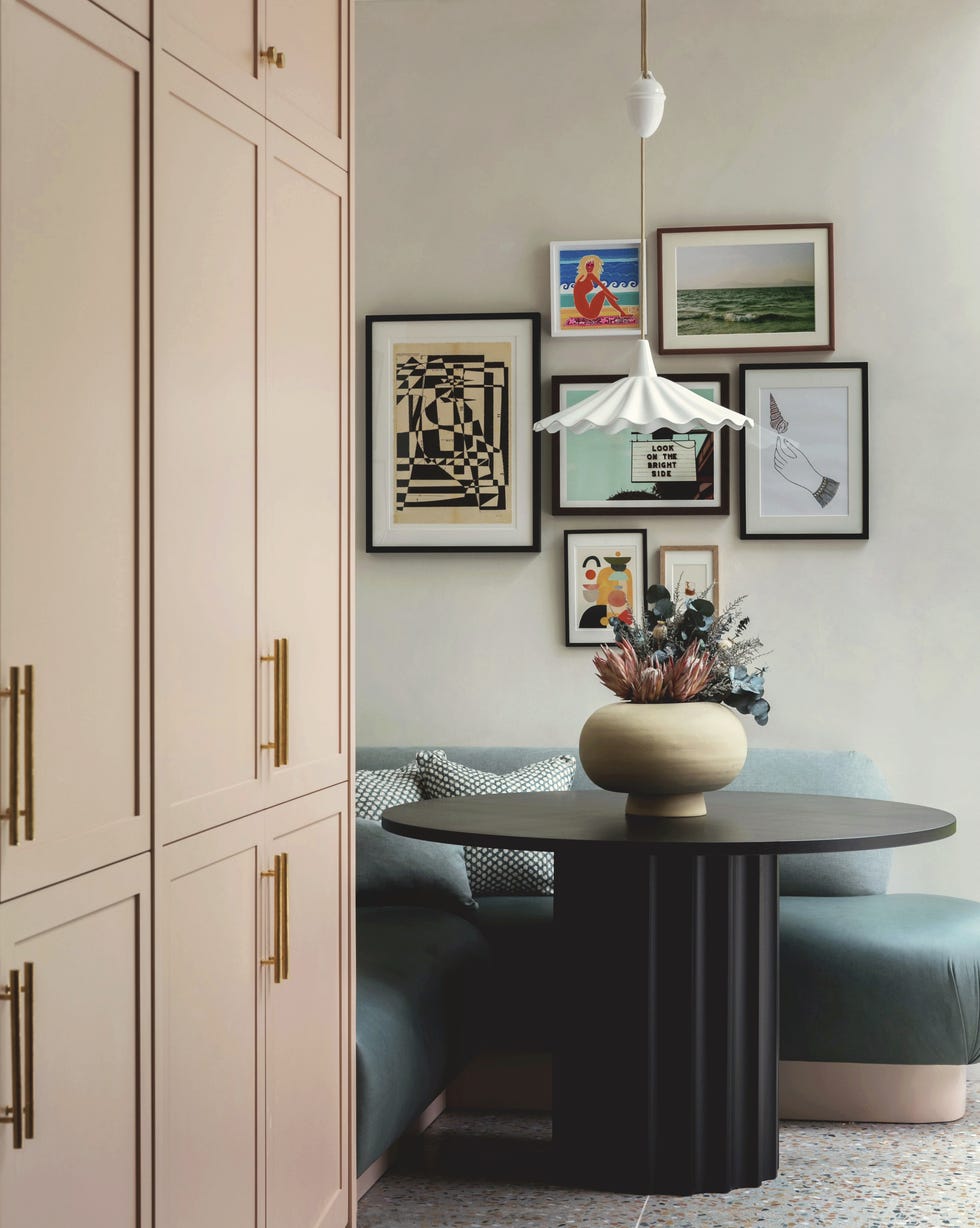
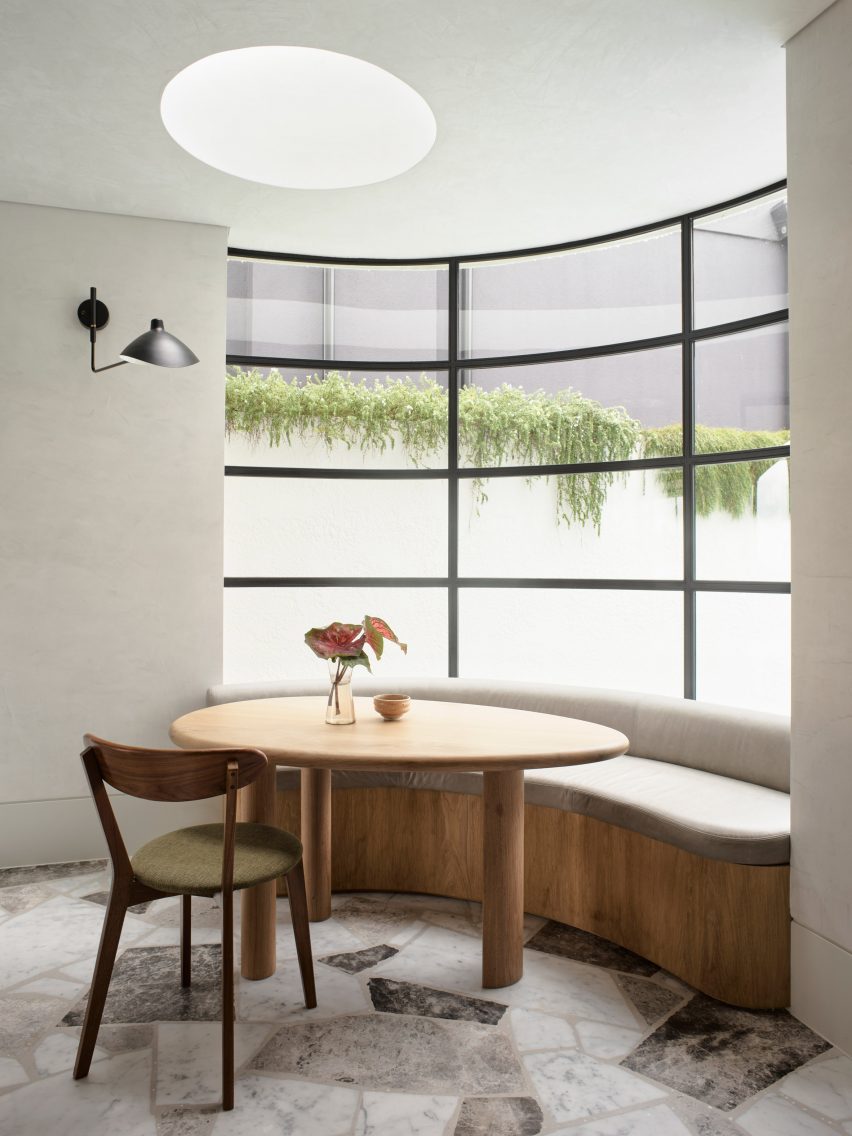
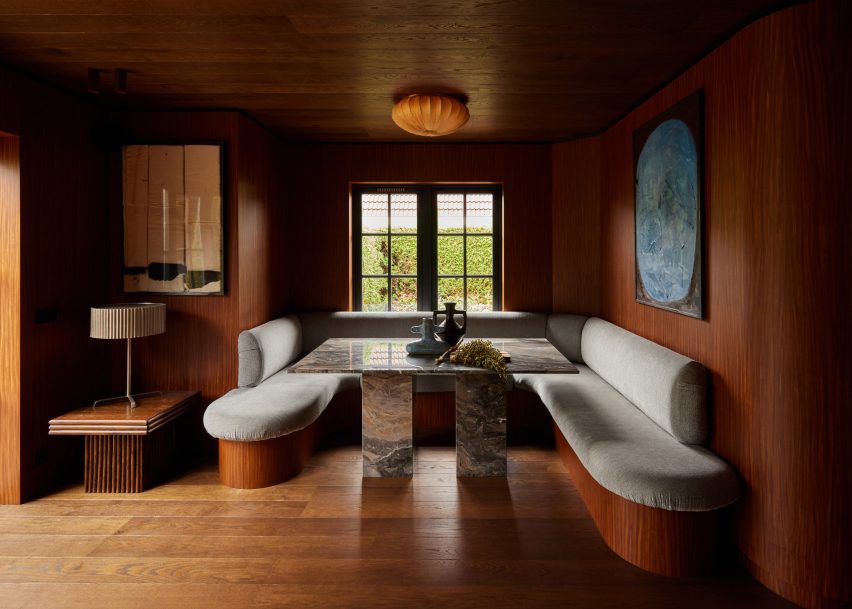
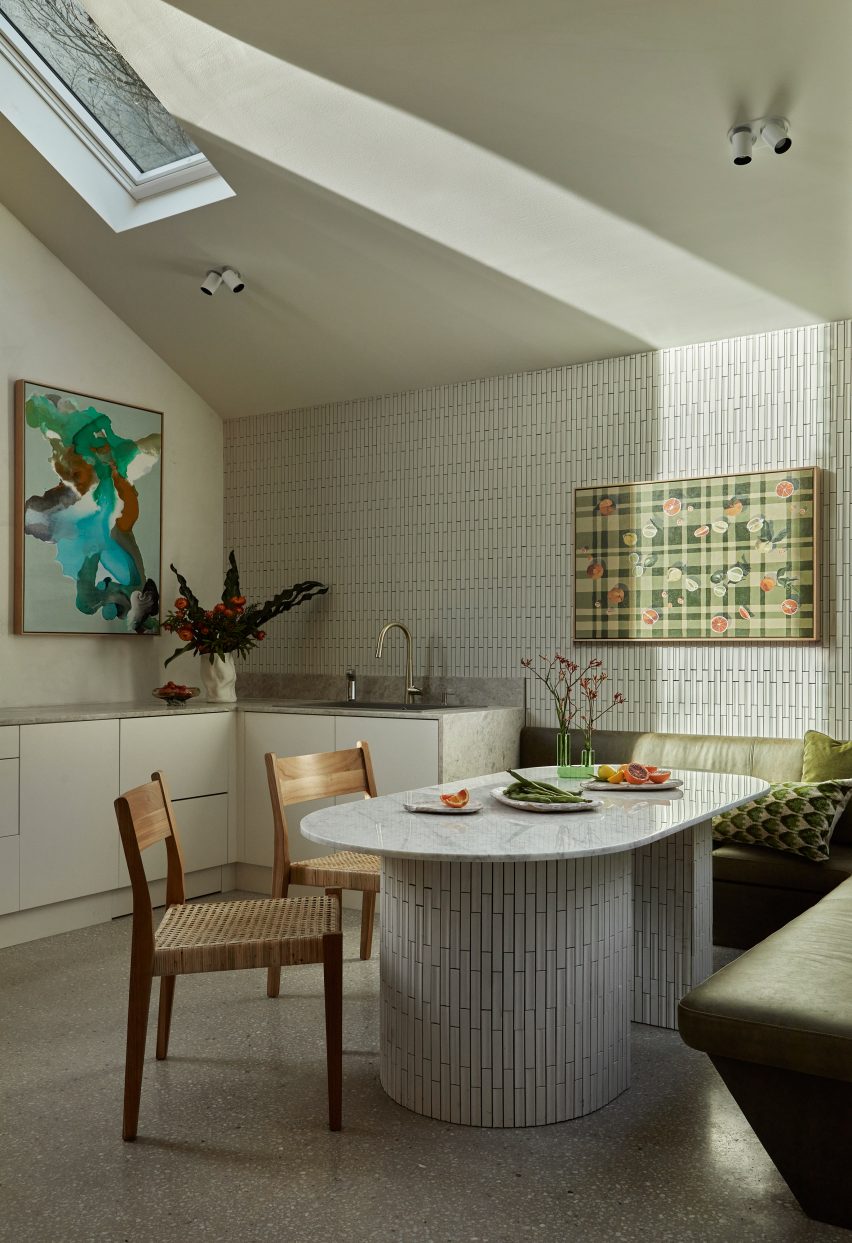
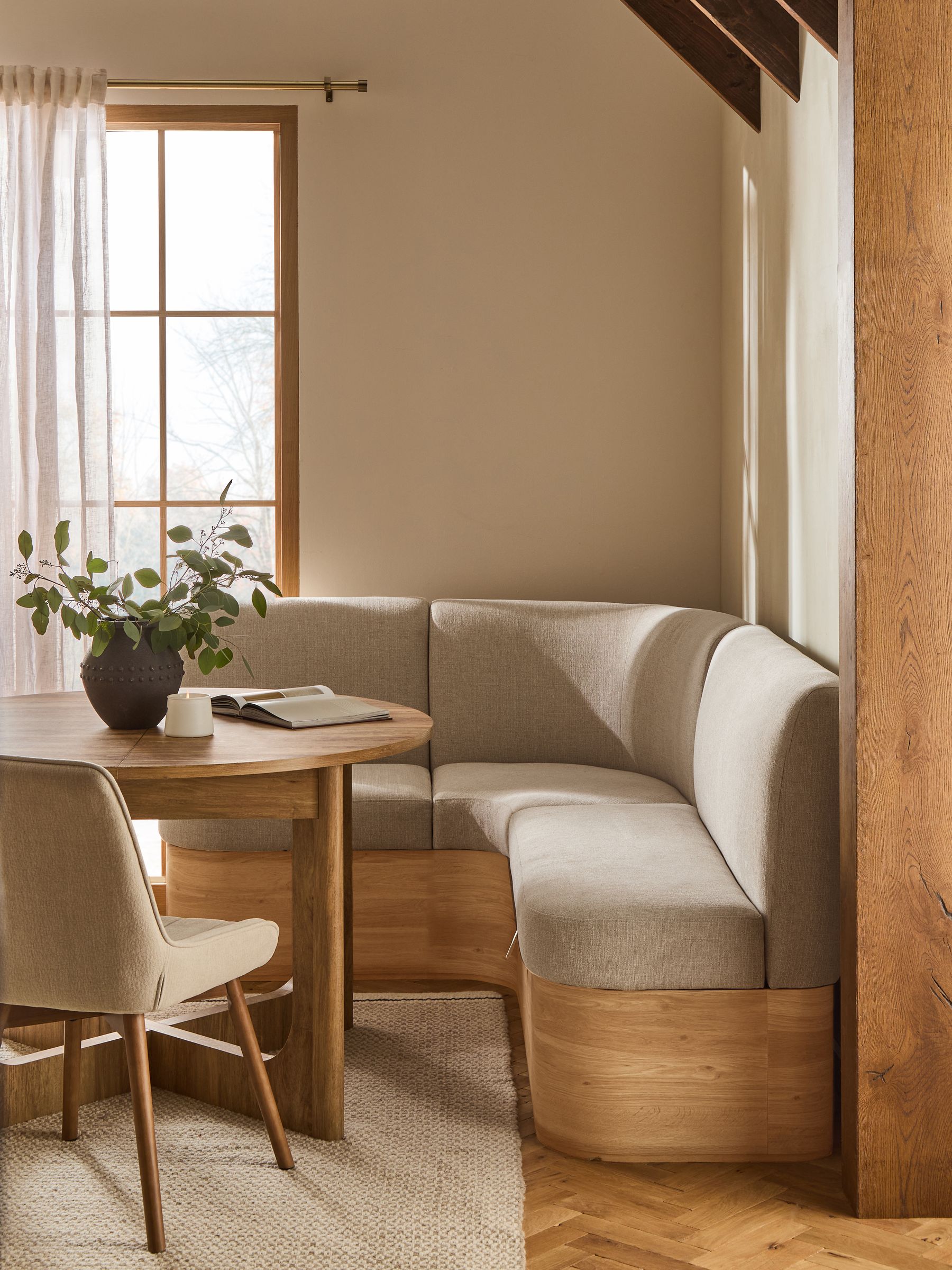
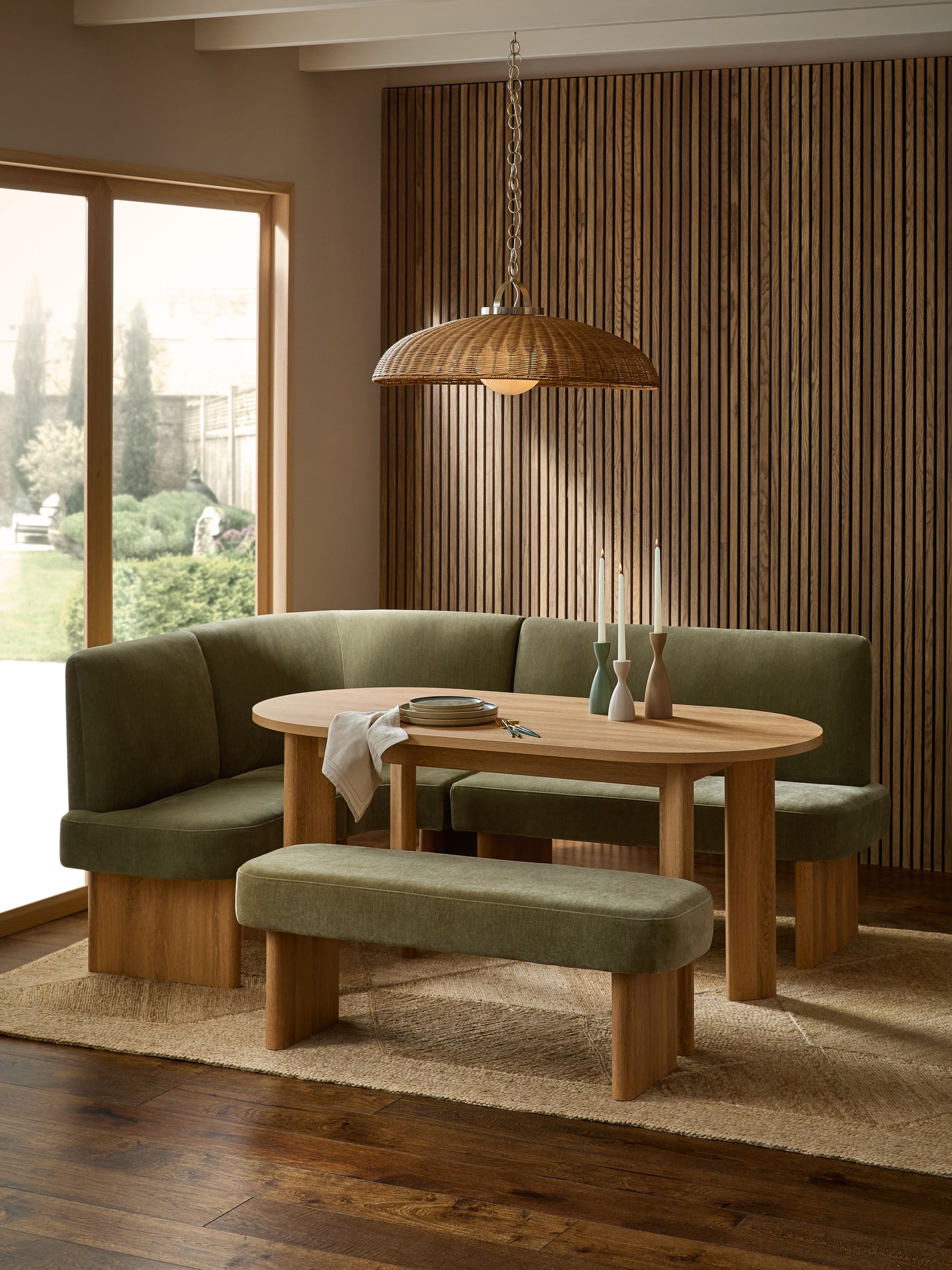
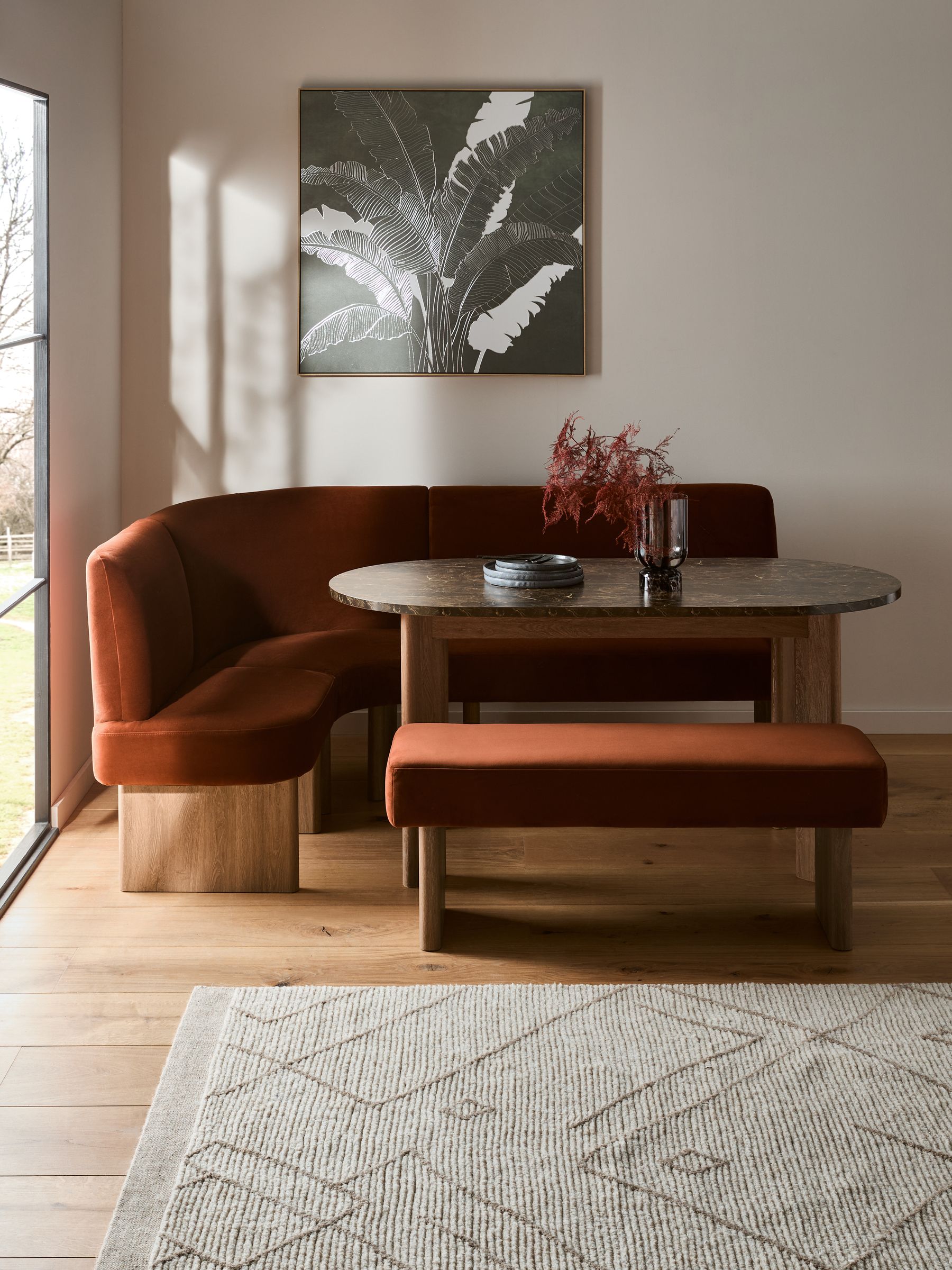
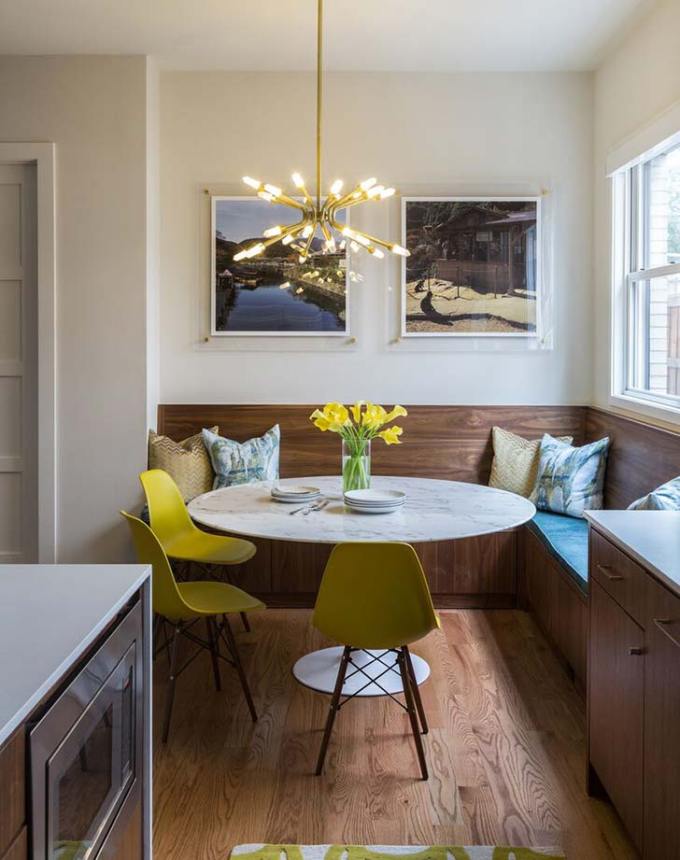
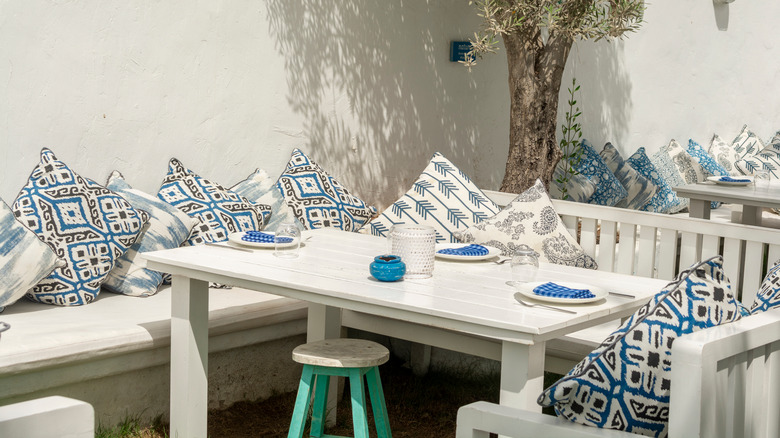
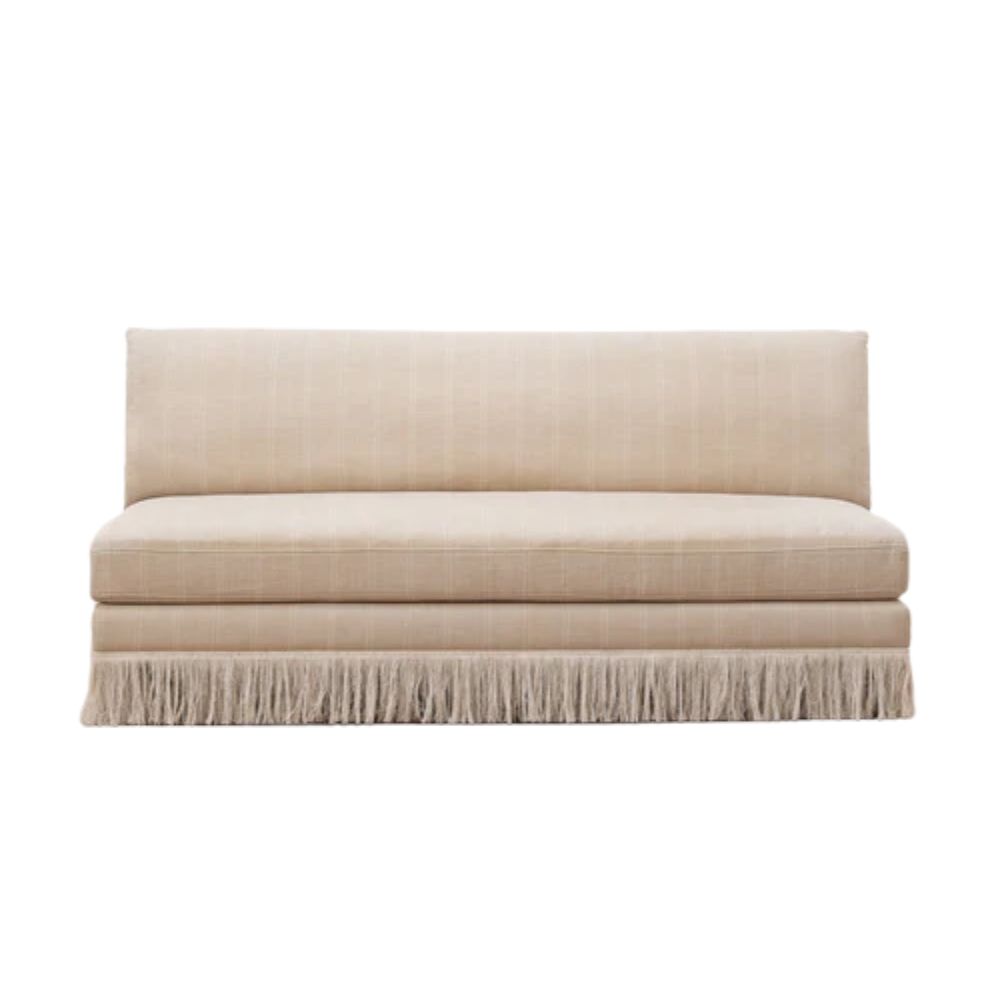
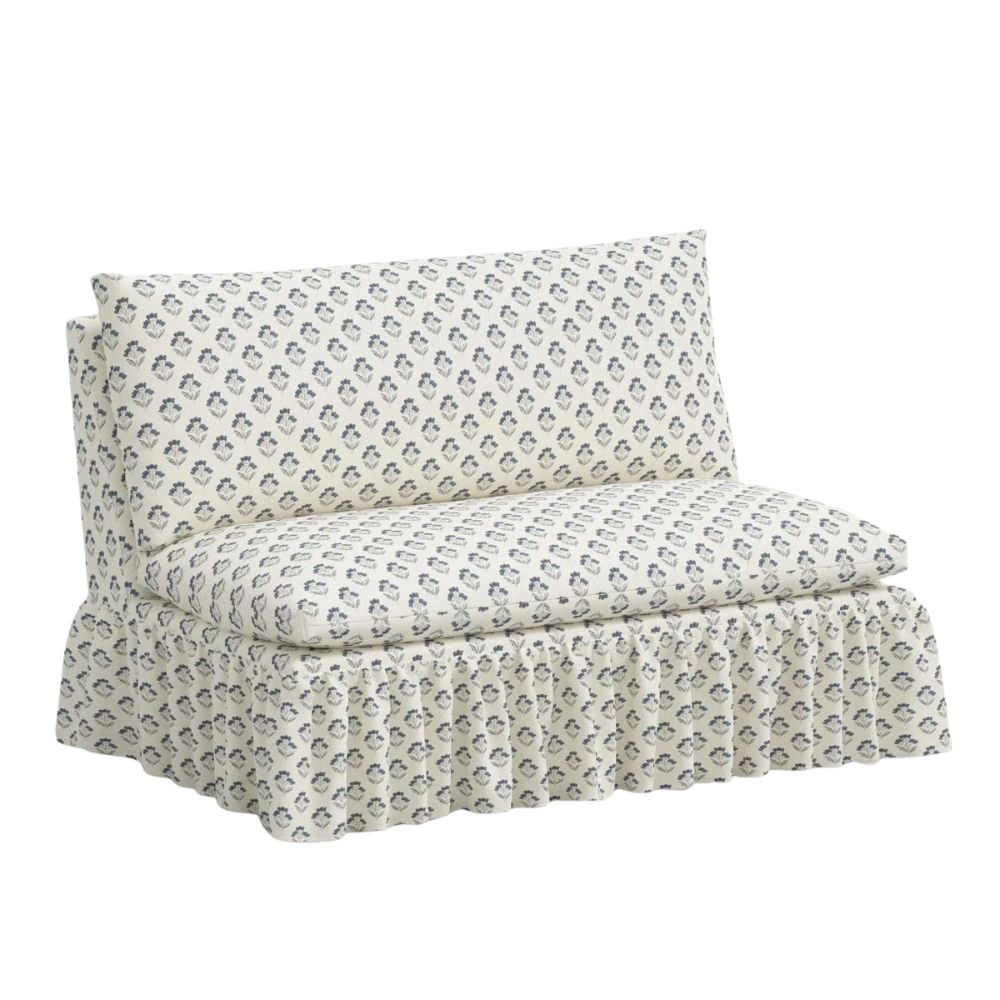
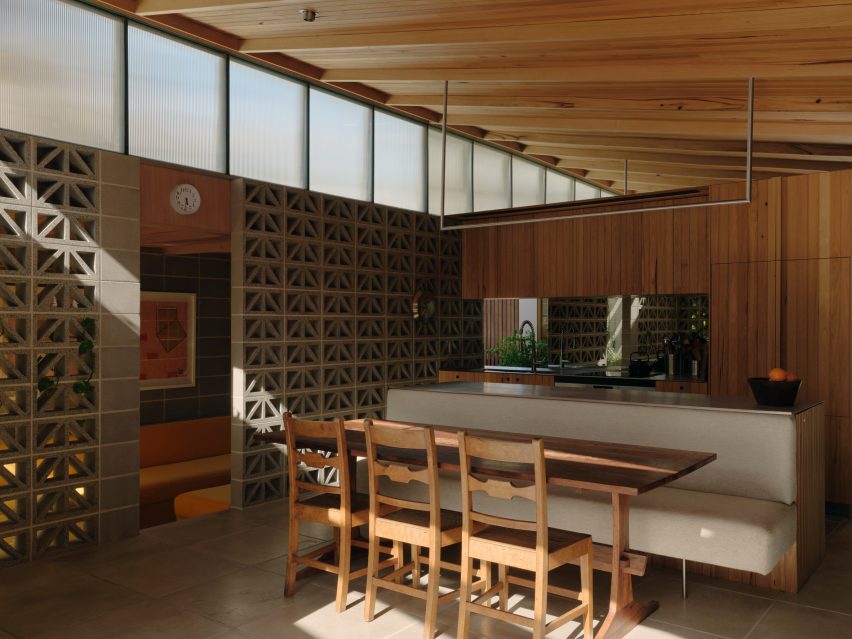
Banquette seating, a style that has experienced periodic resurgences since the early 20th century, is currently enjoying significant popularity in restaurants, cafes, hotels, and residential settings. Its appeal stems from its practicality, offering an efficient way to integrate storage and seating within a single space. Banquettes allow dining tables to be pushed back when not in use, thereby saving space, and their upholstered nature provides enhanced comfort. The hospitality sector particularly values banquettes for their neat appearance and ability to maximize seating capacity.
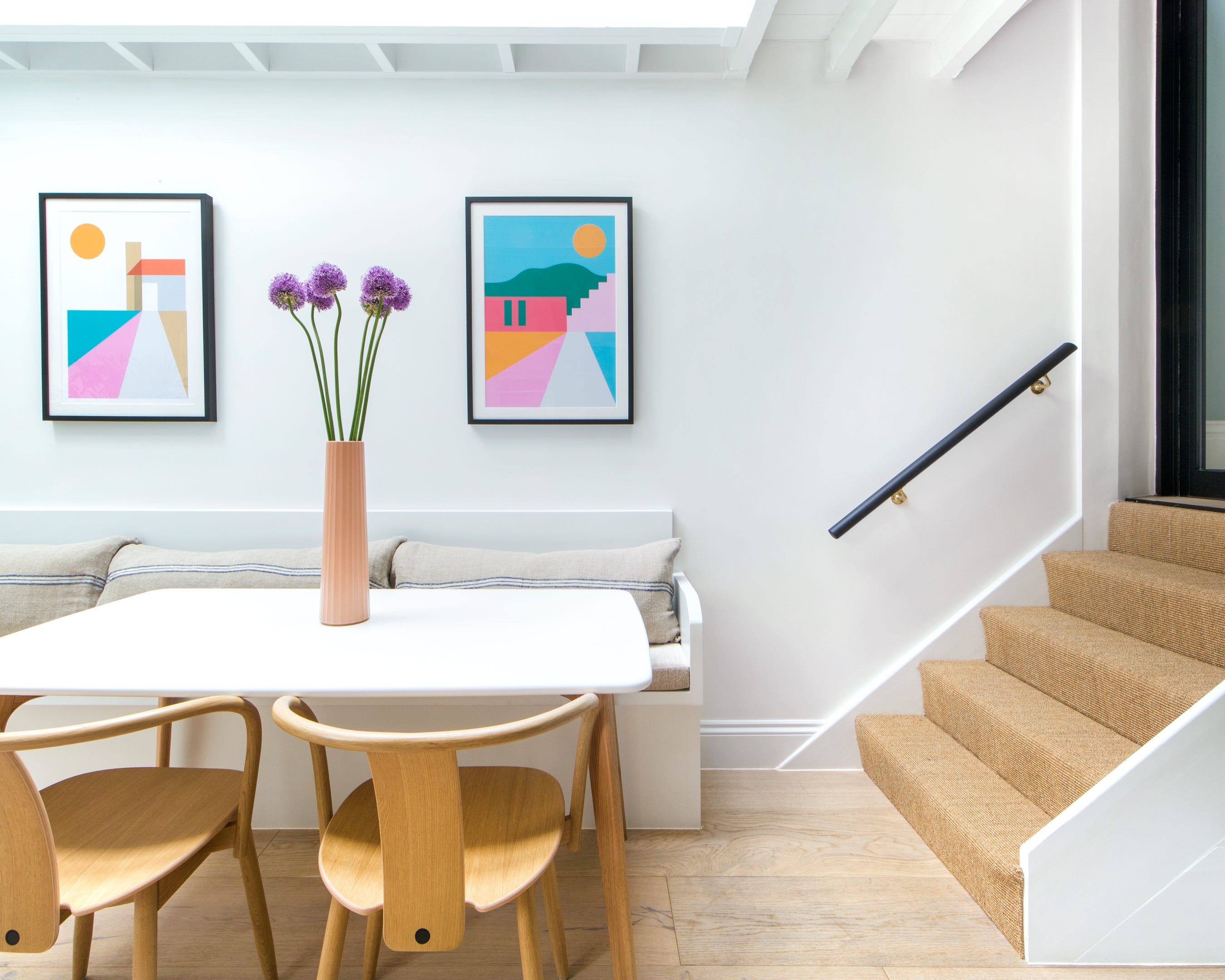
However, implementing banquette seating in residential homes, especially those with more modest dimensions, requires careful consideration. John O'Connell, a furniture maker experienced in both hospitality and home banquettes, highlights a key challenge: fixed seating can appear bulky and visually dominate a room if not designed appropriately. To help homeowners visualize the impact of a banquette, O'Connell uses cardboard templates and stools to demonstrate the physical volume the seating and table will occupy in the intended space. Pricing for banquettes varies significantly, from approximately €470 (ex VAT) per linear meter for entry-level options to around €6,500 (ex VAT) for more elaborate, curved designs upholstered in premium materials like aniline leather, capable of accommodating multiple people.
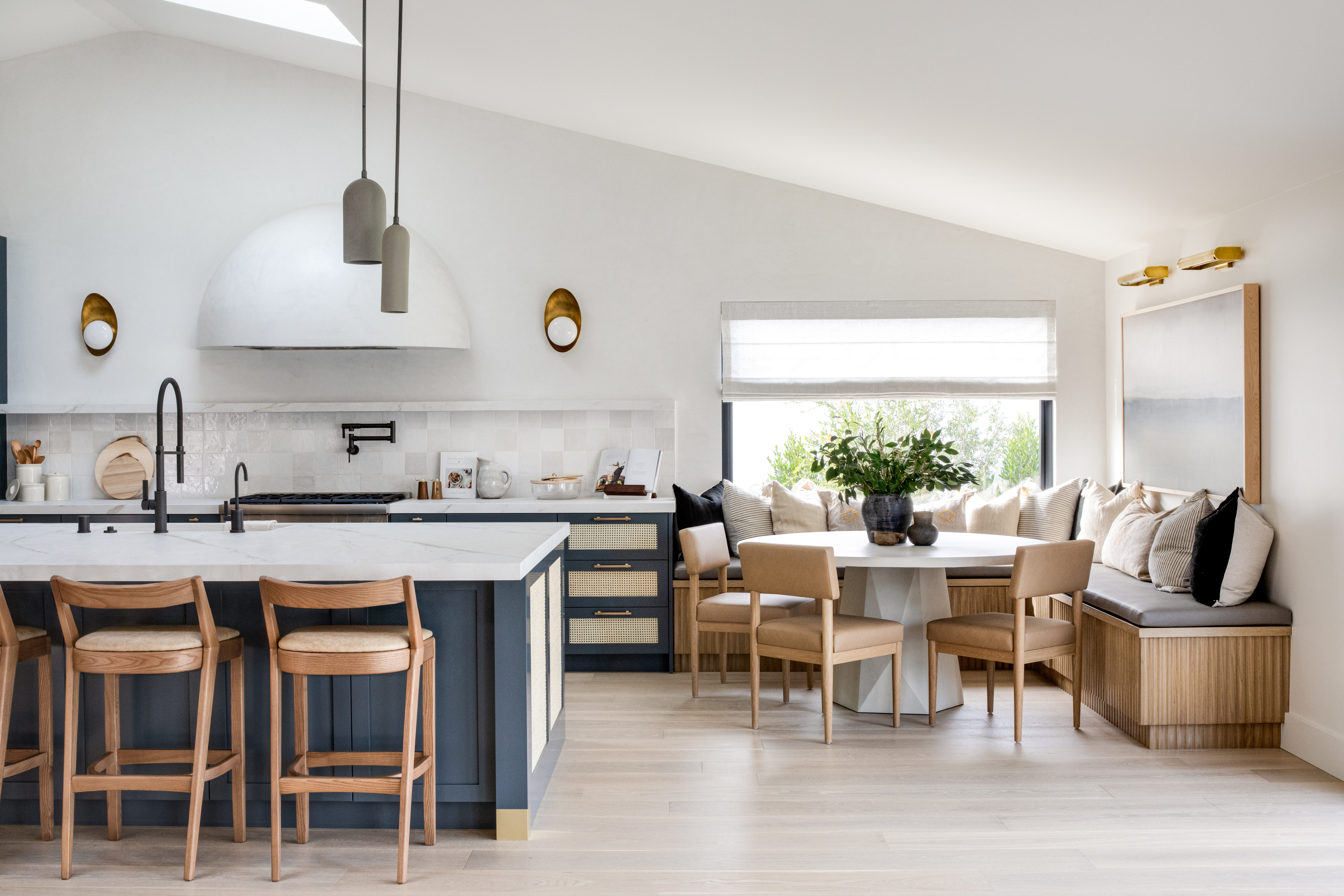
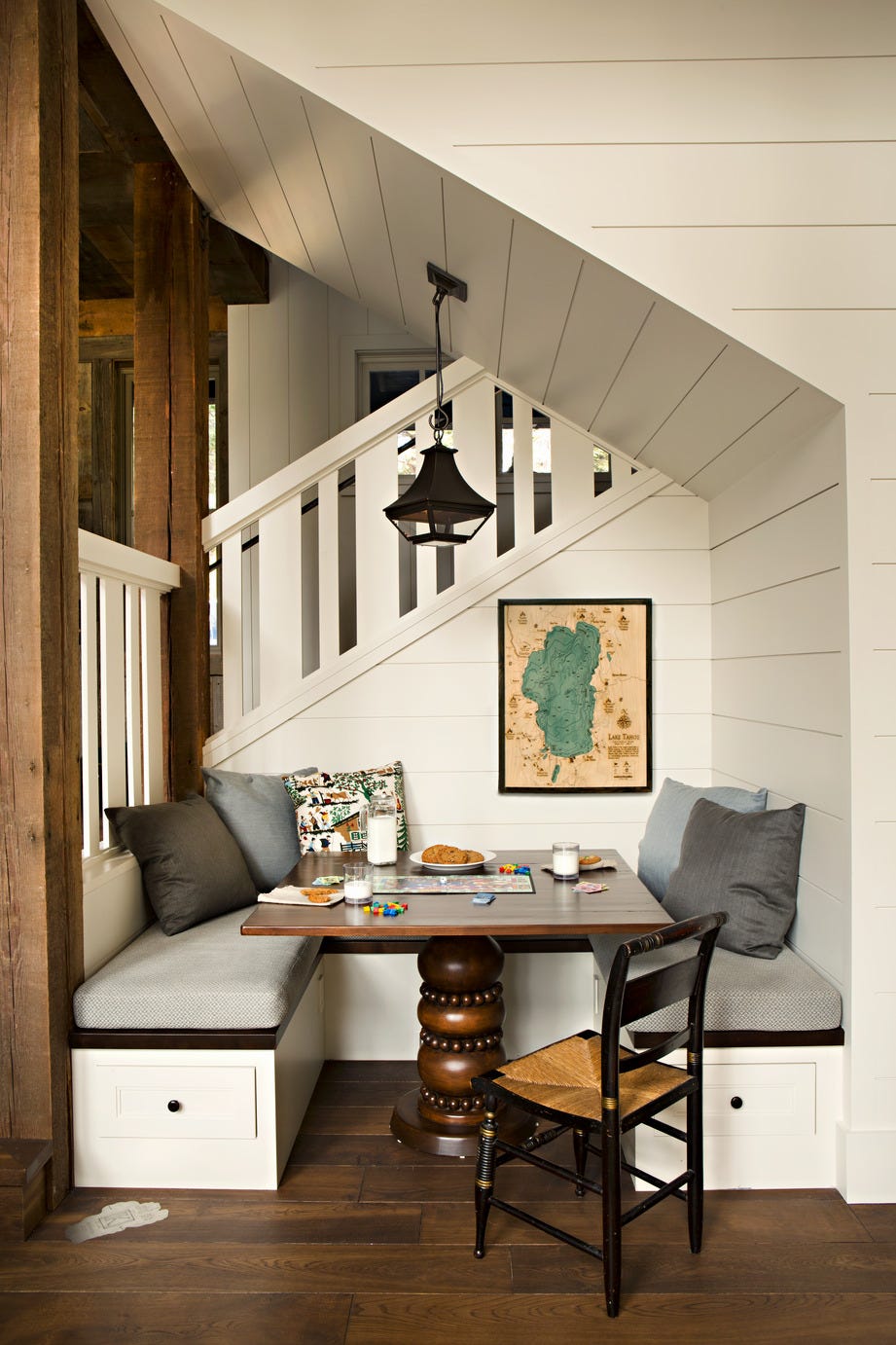
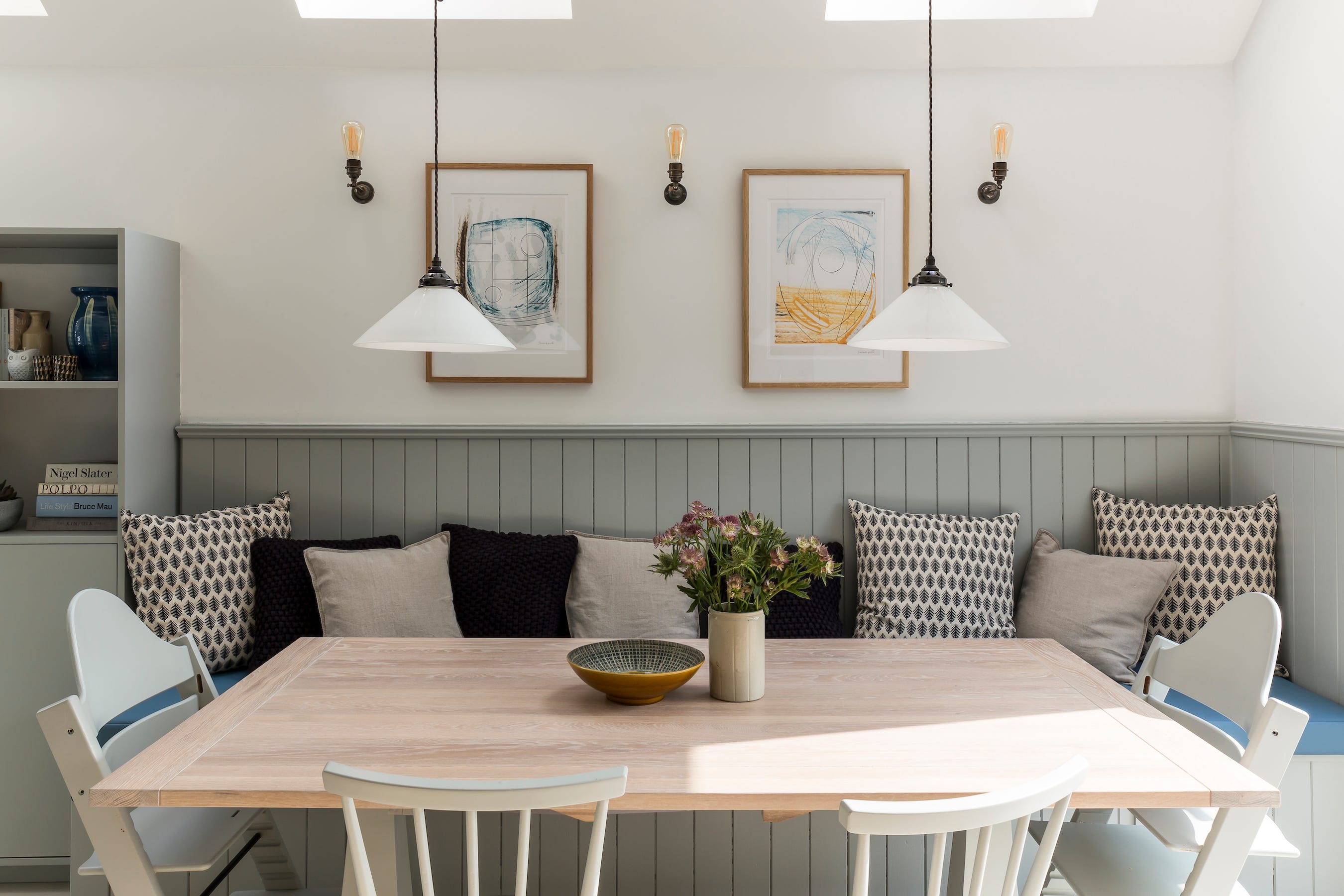
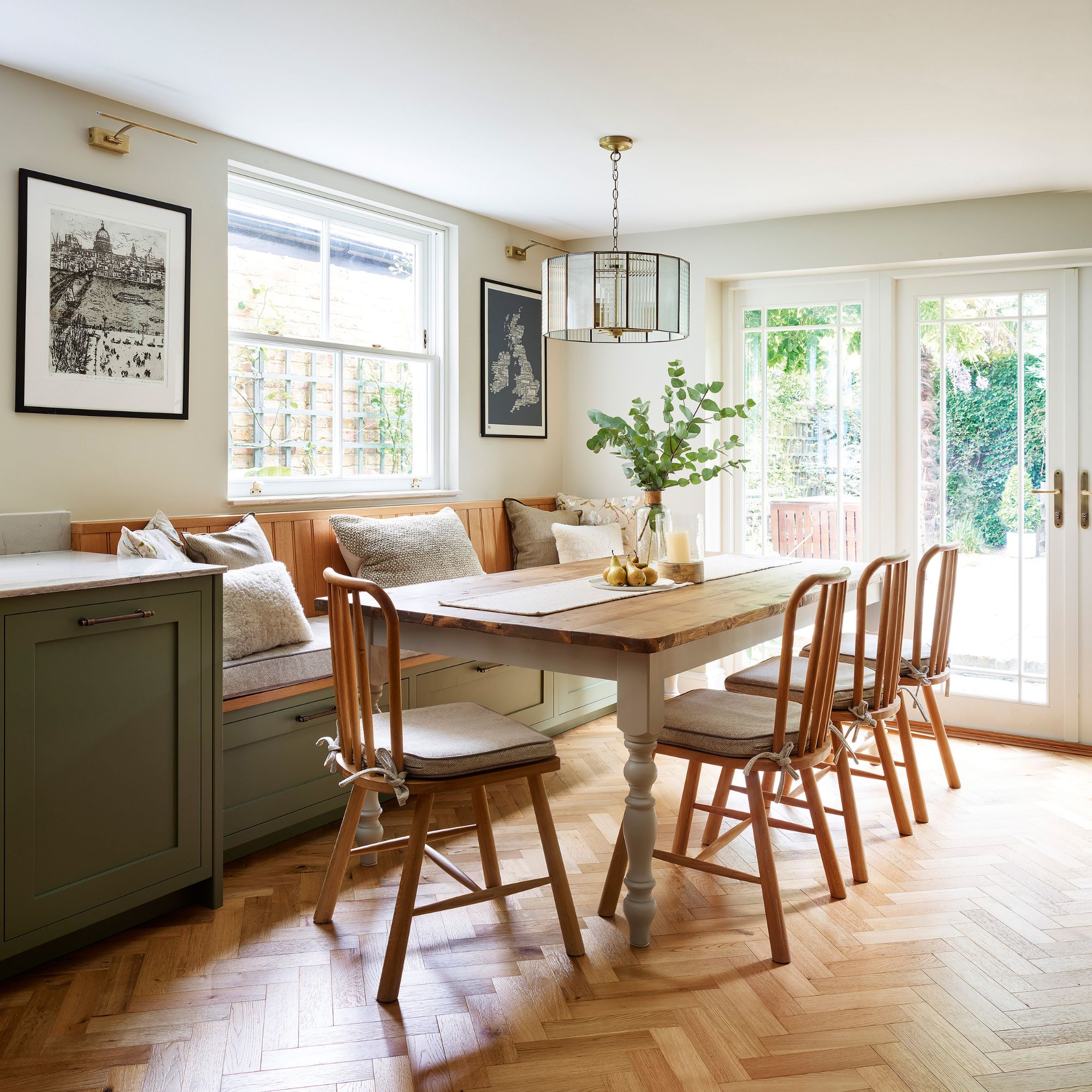
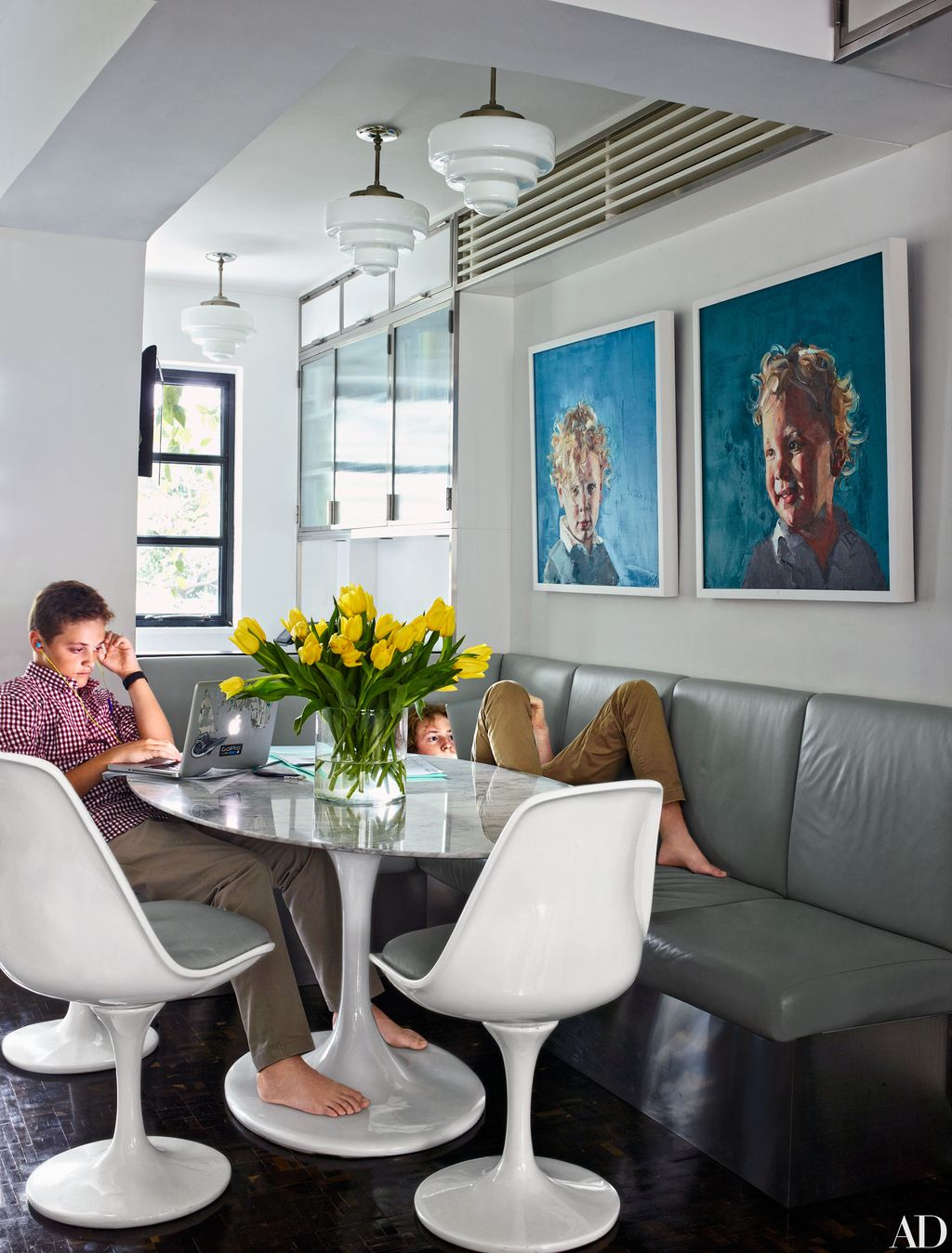
Arlene McIntyre of Ventura Design emphasizes the smart use of space provided by banquettes, noting their potential for hidden storage. The internal volume of the seat can be utilized for storing toys, special occasion tableware, linen, or cookbooks, helping to reduce clutter. An example of this is seen in Vogue Williams's home, where a simple L-shaped banquette allows for a sizable table and accommodates up to 10 people, compared to the six typically seated by a table and chairs alone. This design also offers durability, suitable for households with children and pets.
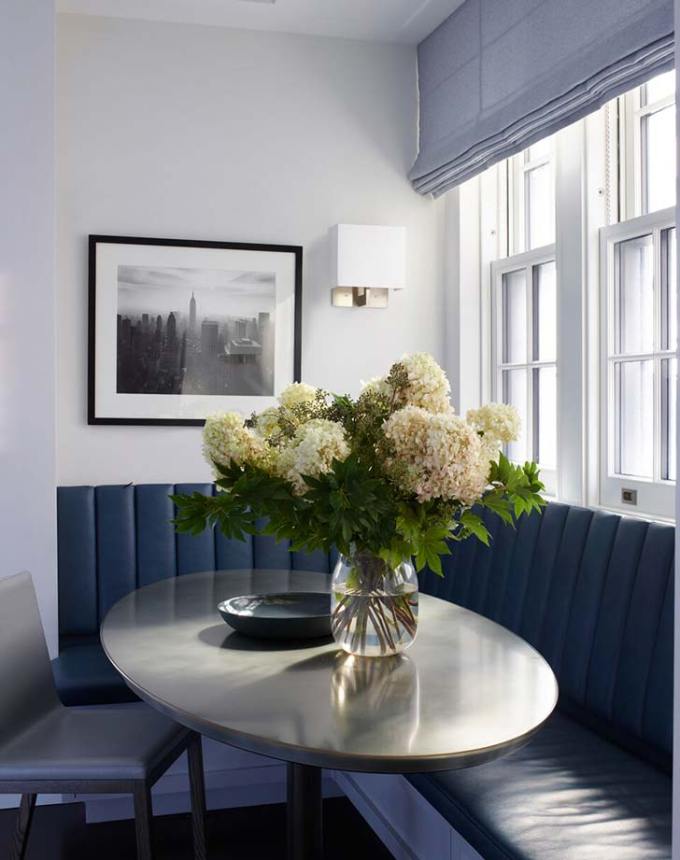
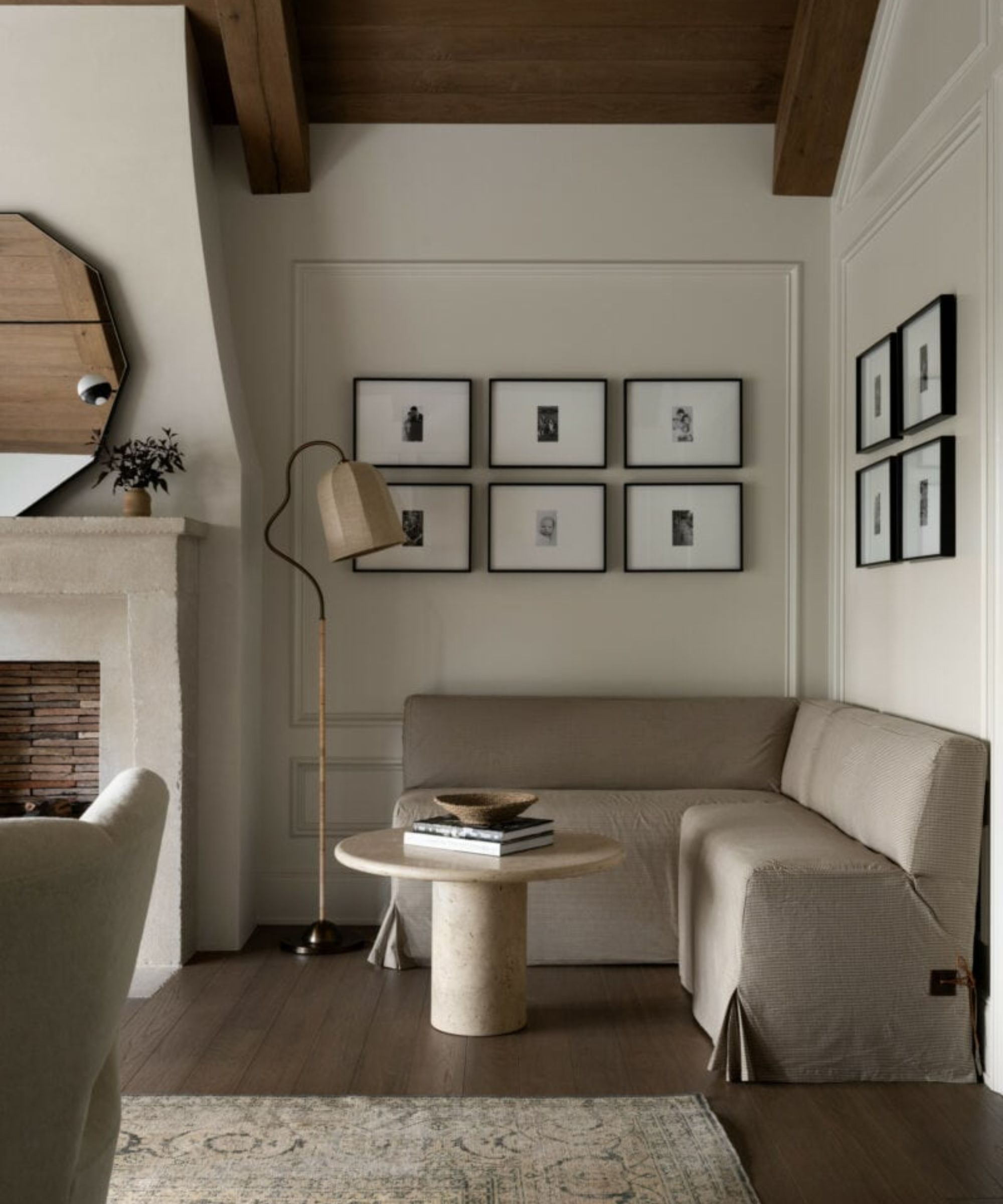
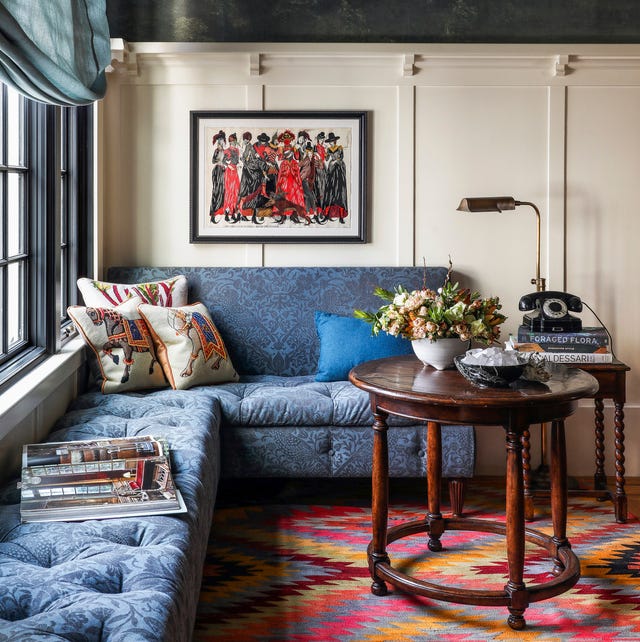
Neville Knott, Head of Interior Design at TU Dublin, provides crucial design advice for banquettes, stressing that the backrest should never be straight but rather sloped at approximately 30 degrees to ensure comfort, avoiding the feel of a 'church pew.' He also recommends a thick seat cushion and deep upholstery for optimal comfort. The article references Bar Josephine in Paris Hotel Lutetia, designed by Jean-Michel Wilmotte, as an example of elegantly deep-buttoned leather upholstery that adds effective back padding.
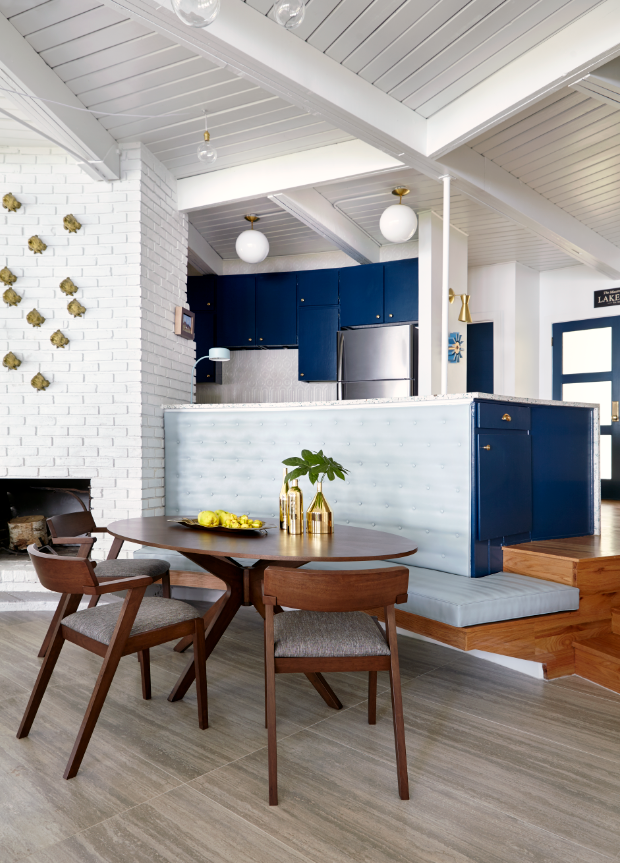
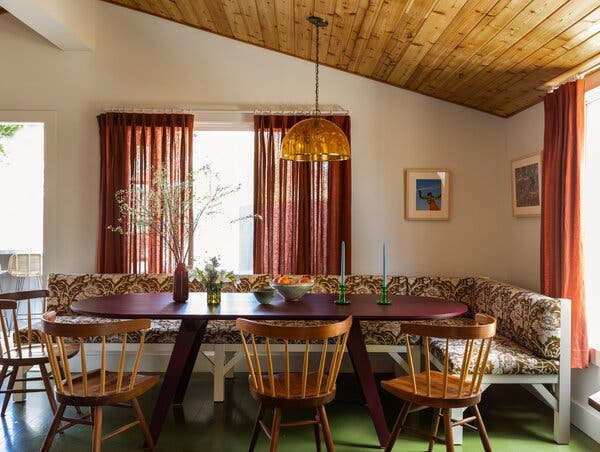
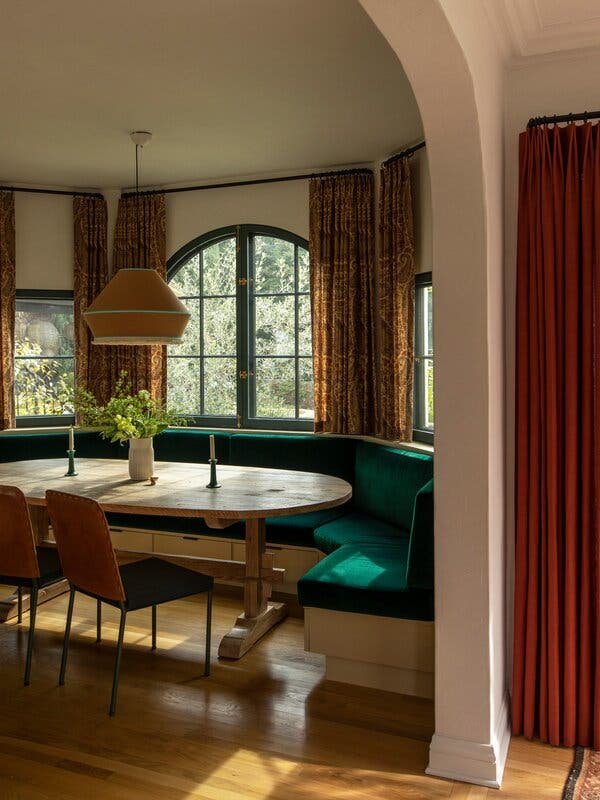
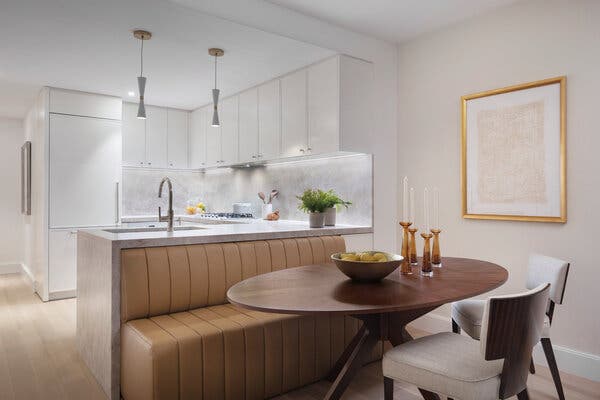
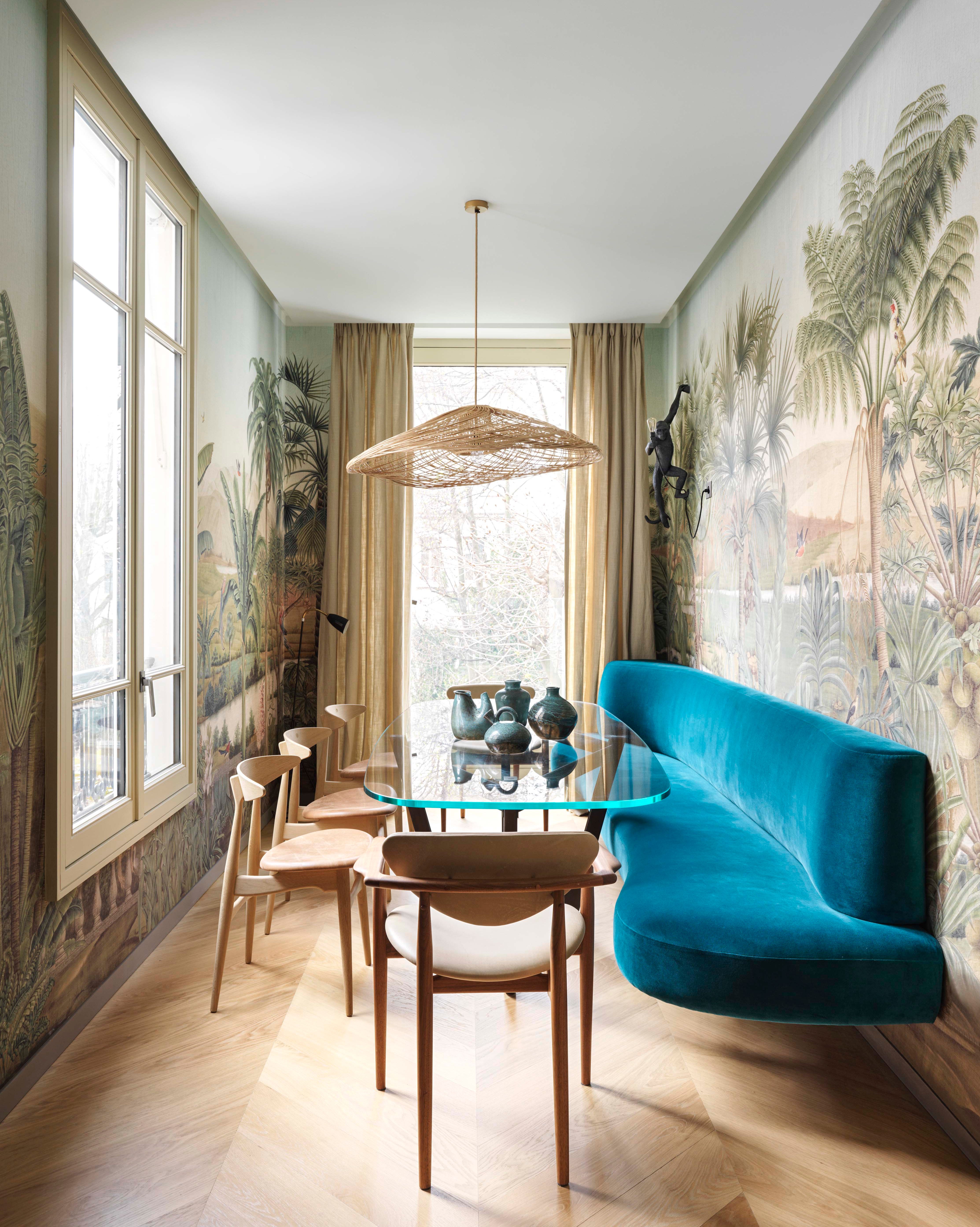
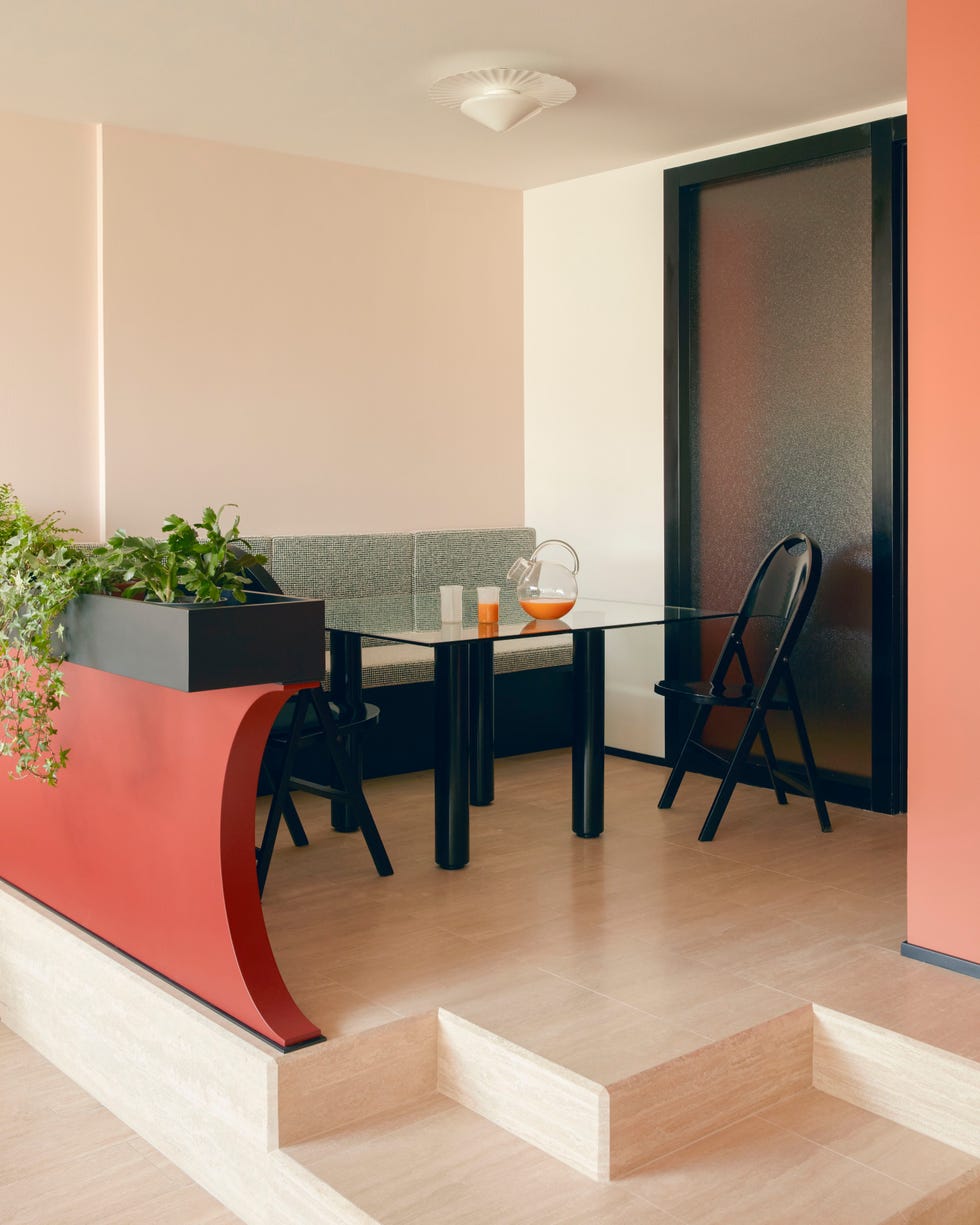
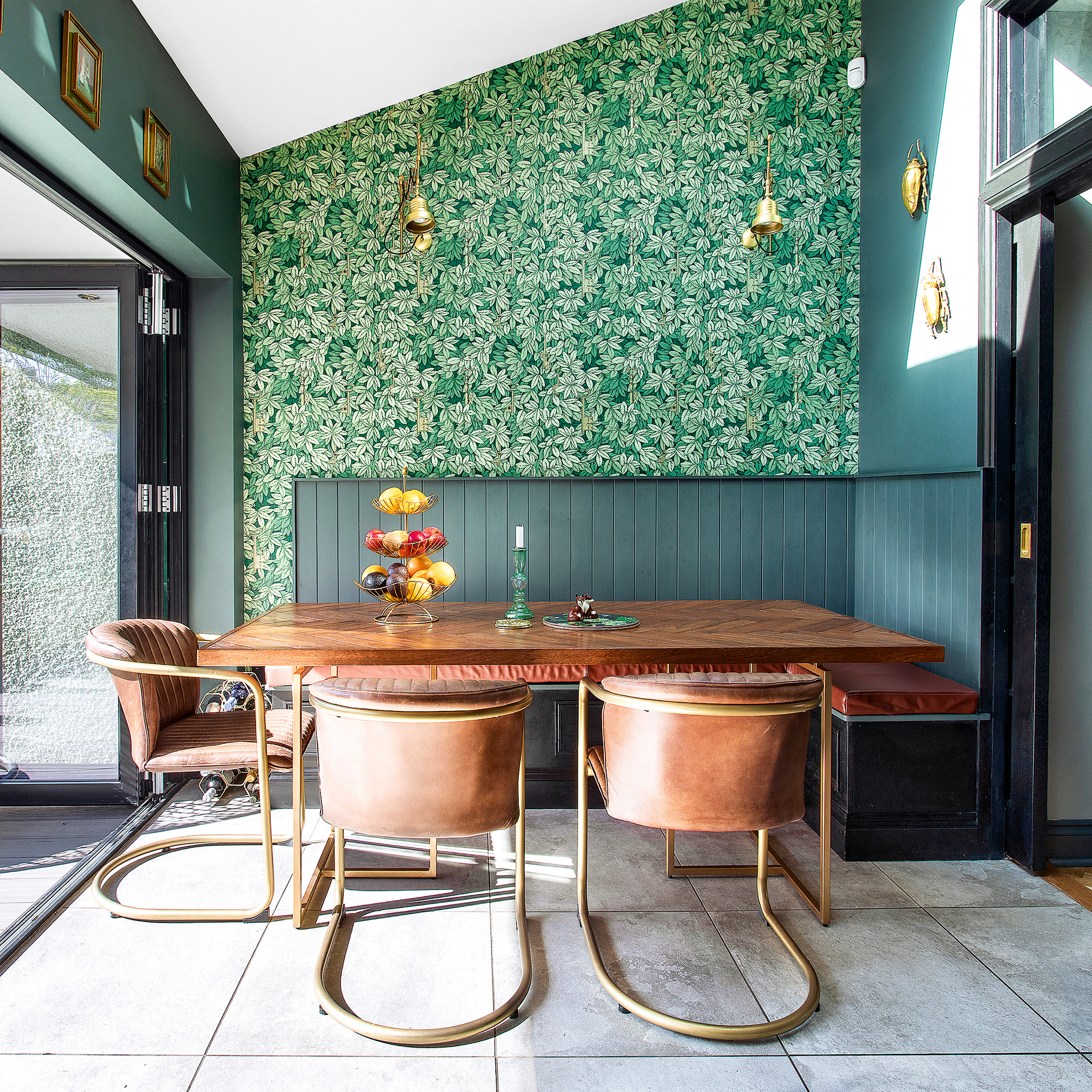
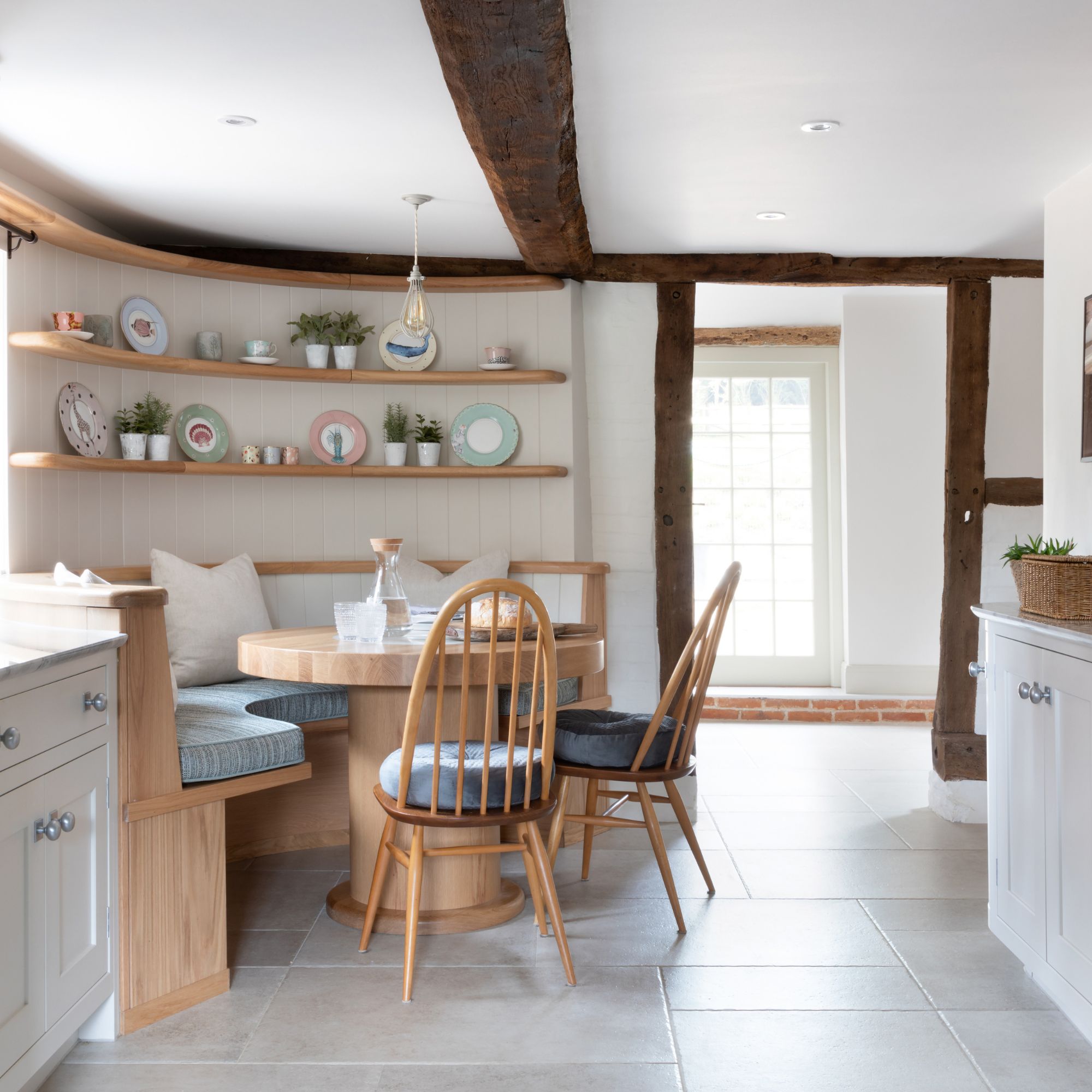
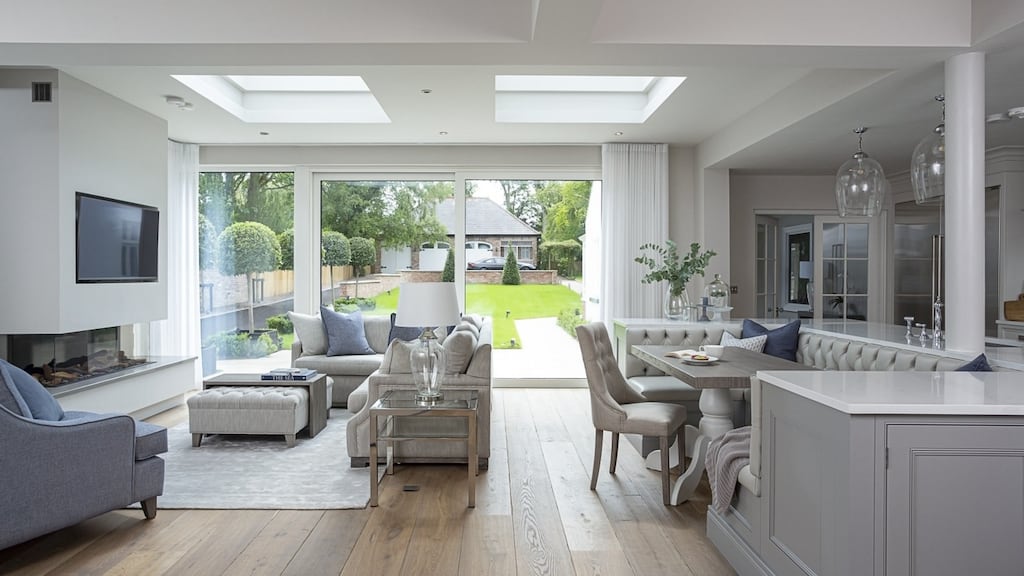
Beyond dining areas, banquettes can serve as spatial dividers in open-plan layouts, distinguishing areas like a kitchen from an eating zone. Kube offers a simple banquette setup, starting from €900 per linear meter, as a practical solution for smaller homes. For more spacious interiors, Day True's L-shaped design with tongue and groove paneling, as featured in a Chelsea house, or Ventura Design's luxurious C-shape seat in Foxrock, upholstered in eco-leather and designed to appear floating, present sophisticated options. Installing a banquette at the end of a kitchen island or counter is also possible; however, to prevent tripping hazards, a floating design or legs are recommended over a floor-built seat, though this may compromise hidden storage.
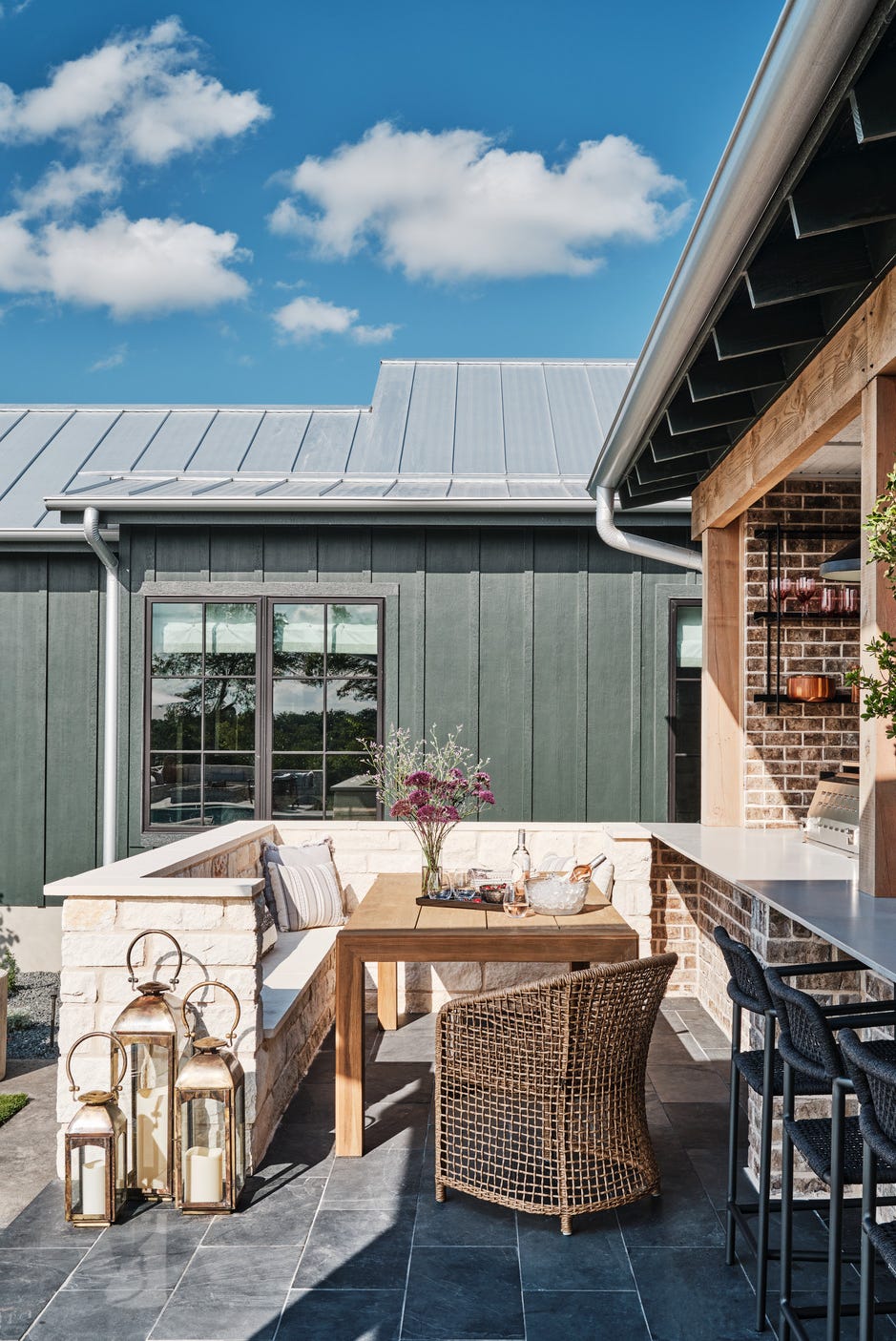
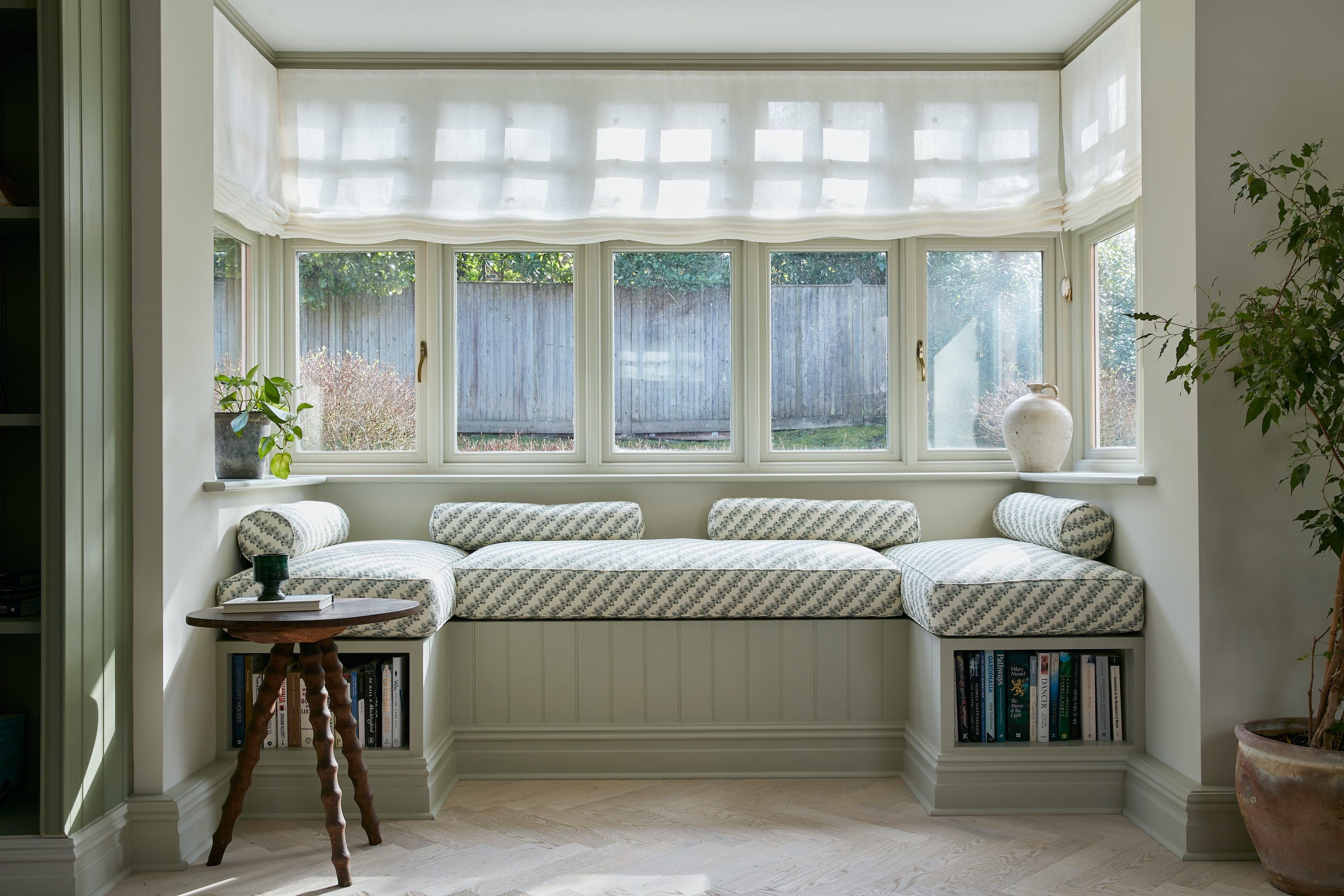
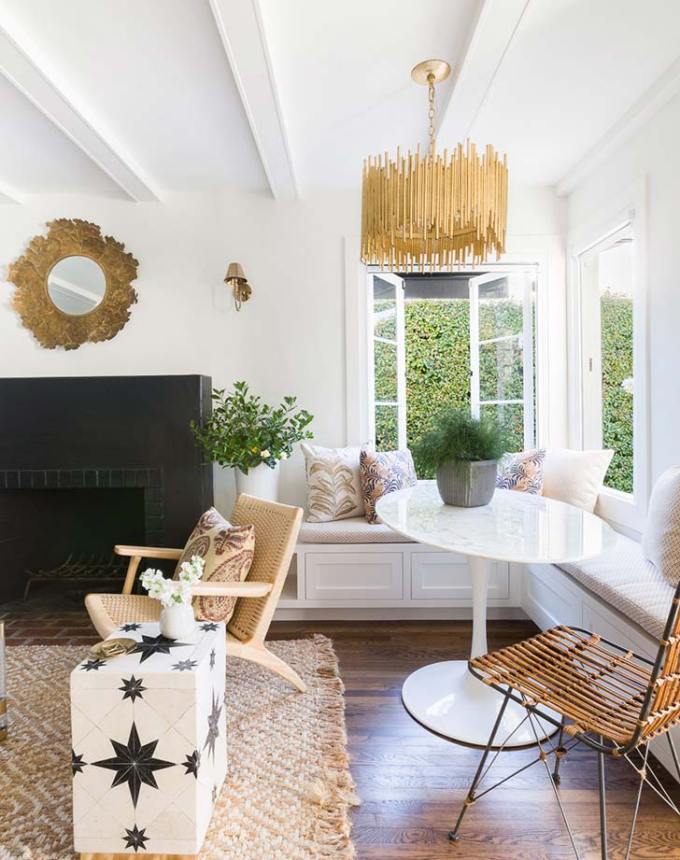
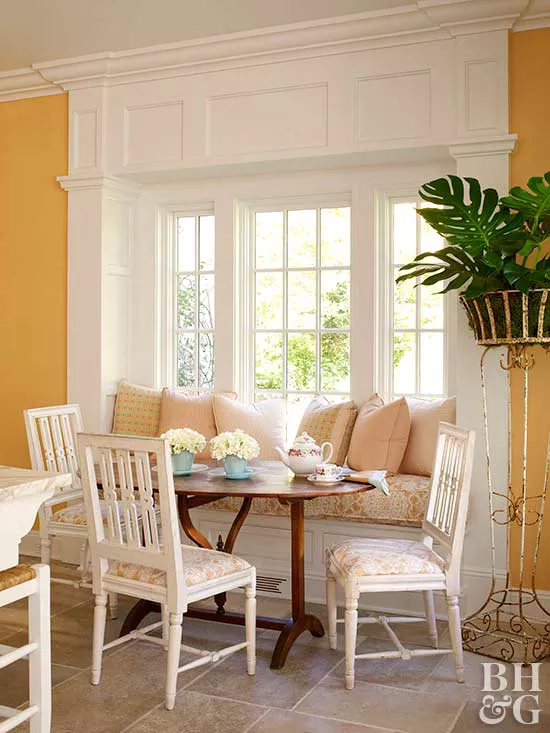
For low-ceilinged areas, vertical fabric bands extending to the ceiling can create an illusion of height. In open-plan settings, using a contrasting color on the back of a banquette facing the room can visually act as a half-wall, aiding in room division. Banquettes are also effective in living areas, as demonstrated by the lobby of the Hoxton hotel in Rome, designed by Fettle Design. In residential showhouses, such as Archer’s Wood in Delgany by Moya Farrell of Avenue Interior Design, banquettes are utilized in box bay windows to provide additional seating that conserves floor space. The concept can also be extended to outdoor settings, like the Moxy Chelsea in New York, which uses chalk-striped fabric banquettes to maximize seating, though outdoor cushions in an Irish climate would require removability to prevent dampness.
#BanquetteSeating #InteriorDesign #HomeDecoration #SpaceSavingSolutions #FurnitureDesign #ResidentialInteriors #DesignTips #Upholstery #CustomFurniture #BanquetteSeating #InteriorDesign #HomeDecoration #SpaceSavingSolutions #FurnitureDesign #ResidentialInteriors #DesignTips #Upholstery #CustomFurniture
0 comment in total
 No comments yet
You may also like
10 of the best banquette seating ideas that'll convince you built-ins are better for your kitchen diner

13 Plush Banquette Seating Ideas That Are Just As Cozy As They Are Chic

Eight residential kitchens enhanced by banquette seating
Space-Savvy Breakfast Nook Banquettes

These Designer Banquettes Are the Seating Solution You Need

12 Stunning Banquette Ideas to Elevate Any Kitchen Design

Shopping Guide: Benches (Published 2016)

Banquette Seating Is Set To Take Over 2023 - Here Are Our Favorites
Why the Built-In Banquette Is Becoming a Designer Favorite (Published 2022)

Robert Downey Jr.’s kitchen seating transforms an overlooked corner into one of the most stylish and inviting spaces we’ve ever seen

This 'Off the Shelf' Banquette Seating Looks So Custom |
Thought banquette seats were just for the kitchen? Shea McGee proves how this unexpected yet extra cozy detail can work in a bedroom too
Why Your Kitchen Needs A Built-In Banquette
The architectural trend that squeezes seating into even the smallest of kitchens, creating perfect nooks
*This* Will Be the No. 1 Kitchen Reno Trend for 2019
Did Instagram Kill Round Tables at Dinner Parties?

15 fabulous banquette seating ideas to inspire your next reno
Clever banquette dining designs to inspire

15 banquette seating ideas to transform your kitchen
Don’t Leave Your Table Bare — These 8 Placemats Aced Our Tests and Match Any Decor