1/11
Design ideas for awkward corners – 9 innovative and stylish solutions to try in challenging yards
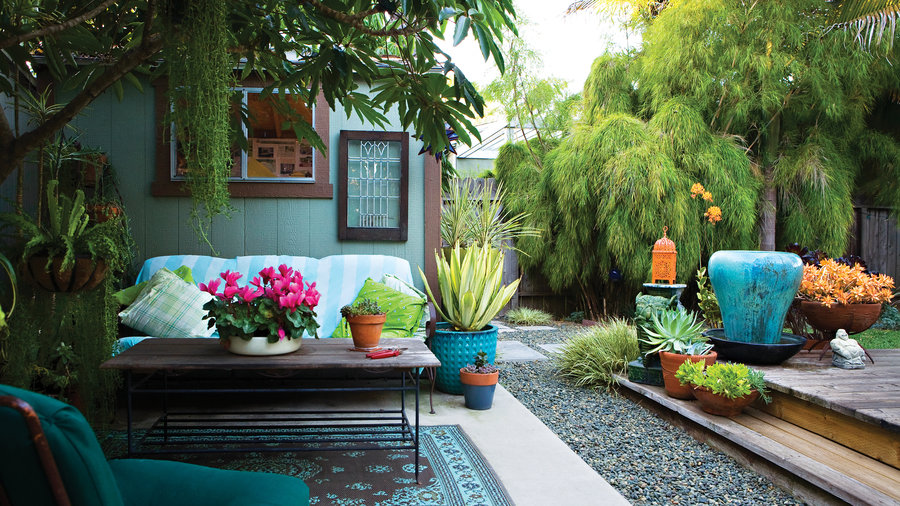
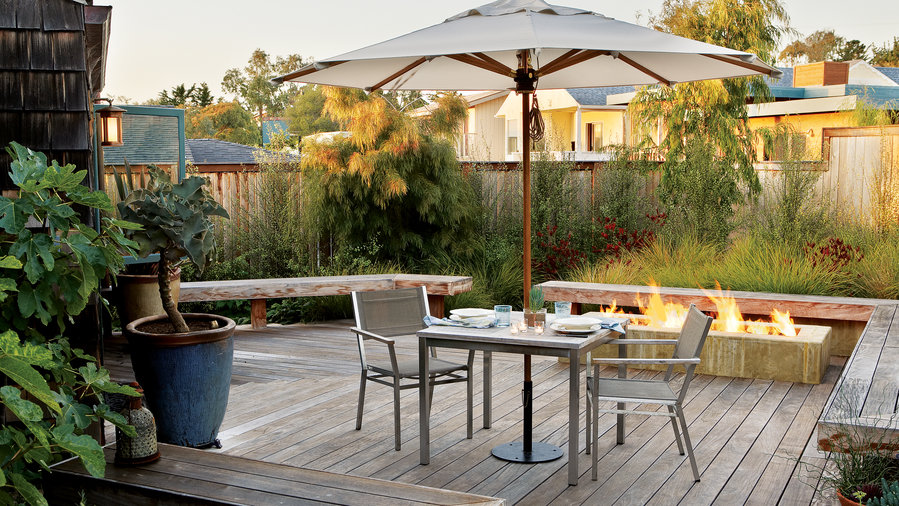
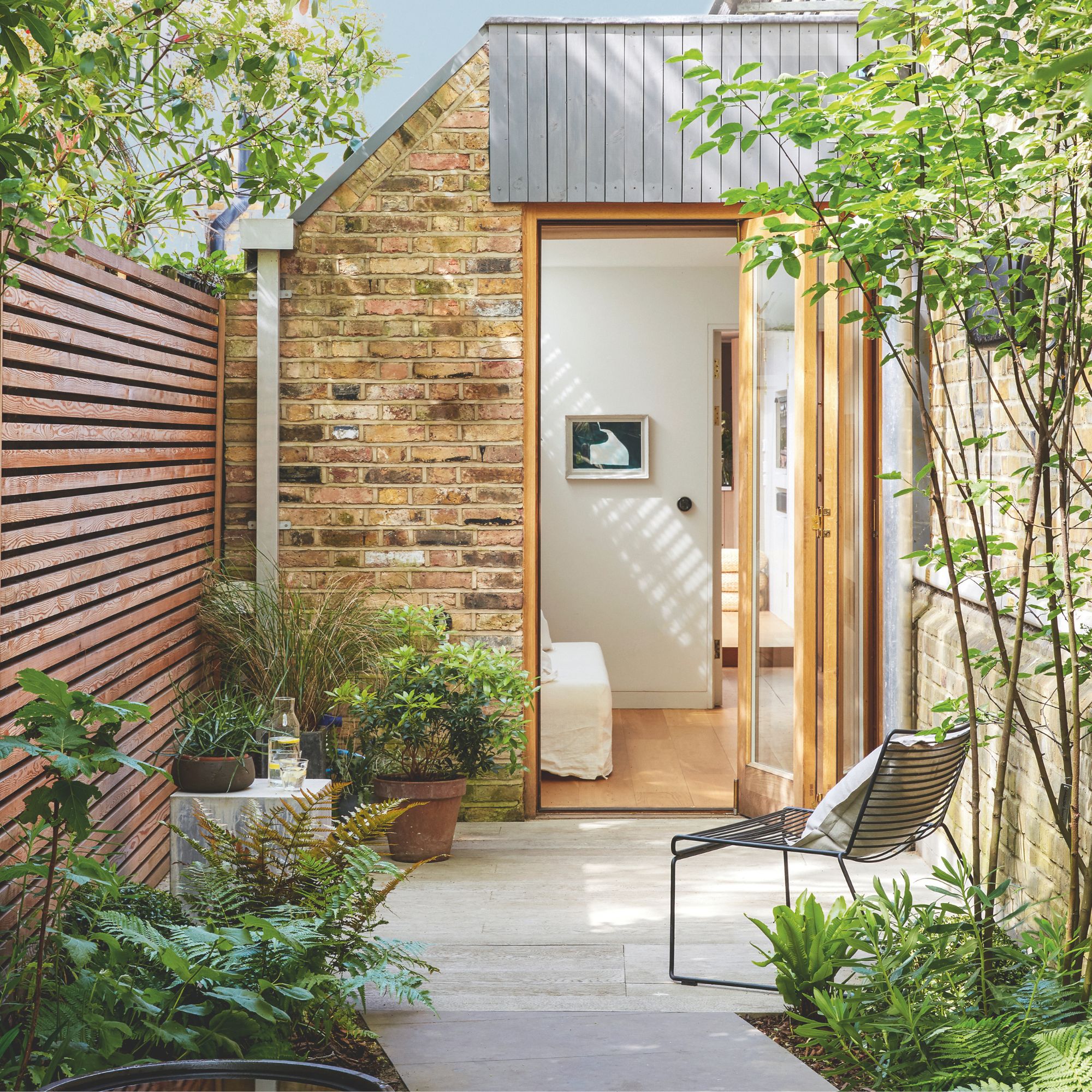
Gardens often feature awkward corners that, if left unattended, can become unsightly and underutilized spaces. These areas typically lack natural features and can appear cramped, shady, or like dead ends, posing a challenge for homeowners. However, with thoughtful design strategies, these problematic nooks can be transformed into attractive and purposeful focal points. This article explores nine expert-approved solutions to address awkward garden corners, enhancing both the aesthetic appeal and functionality of outdoor spaces.
One effective strategy involves introducing a corner pond. A water feature, whether a reflection bowl or a larger installation, can brighten a shady area by reflecting light and the sky, adding depth and movement. Ponds also attract wildlife and pollinators, contributing to biodiversity and natural pest control. Integrating ground cover plants like Baby’s tears or coral bells, along with aquatic marginals, helps to soften the pond's edges and blend it seamlessly into the surrounding environment, oxygenating and clarifying the water.
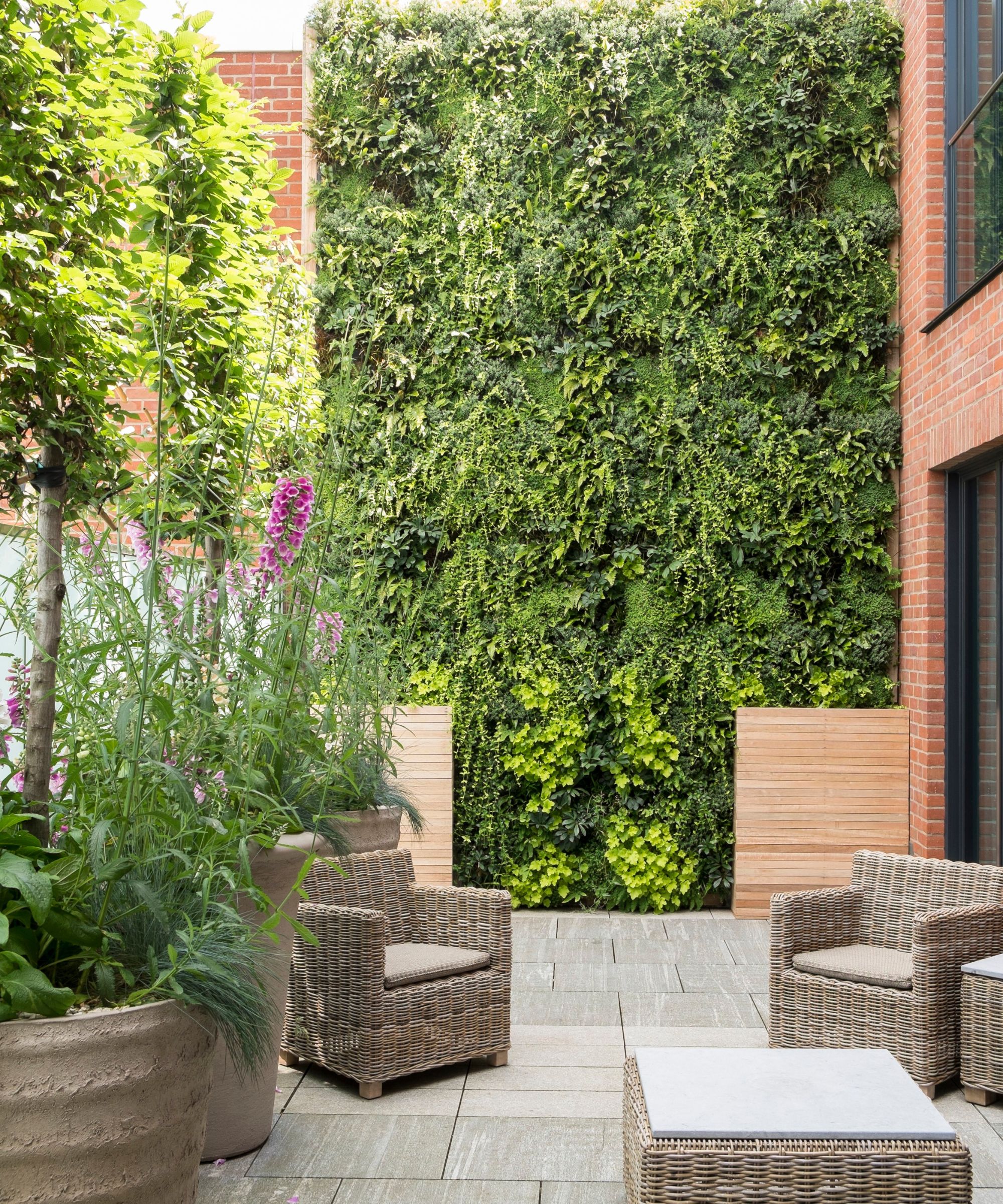
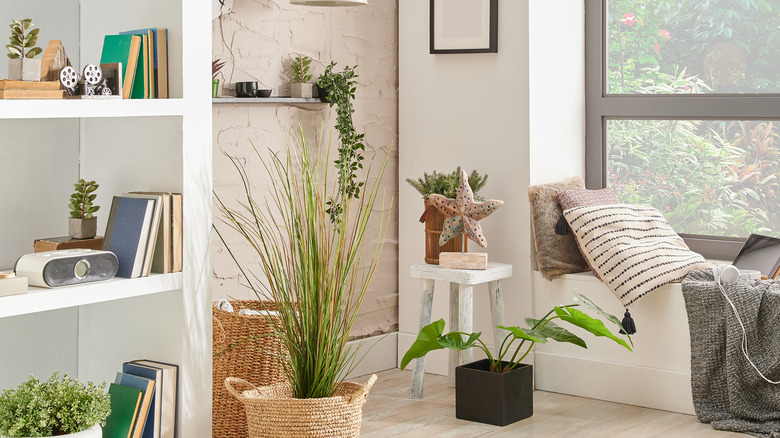
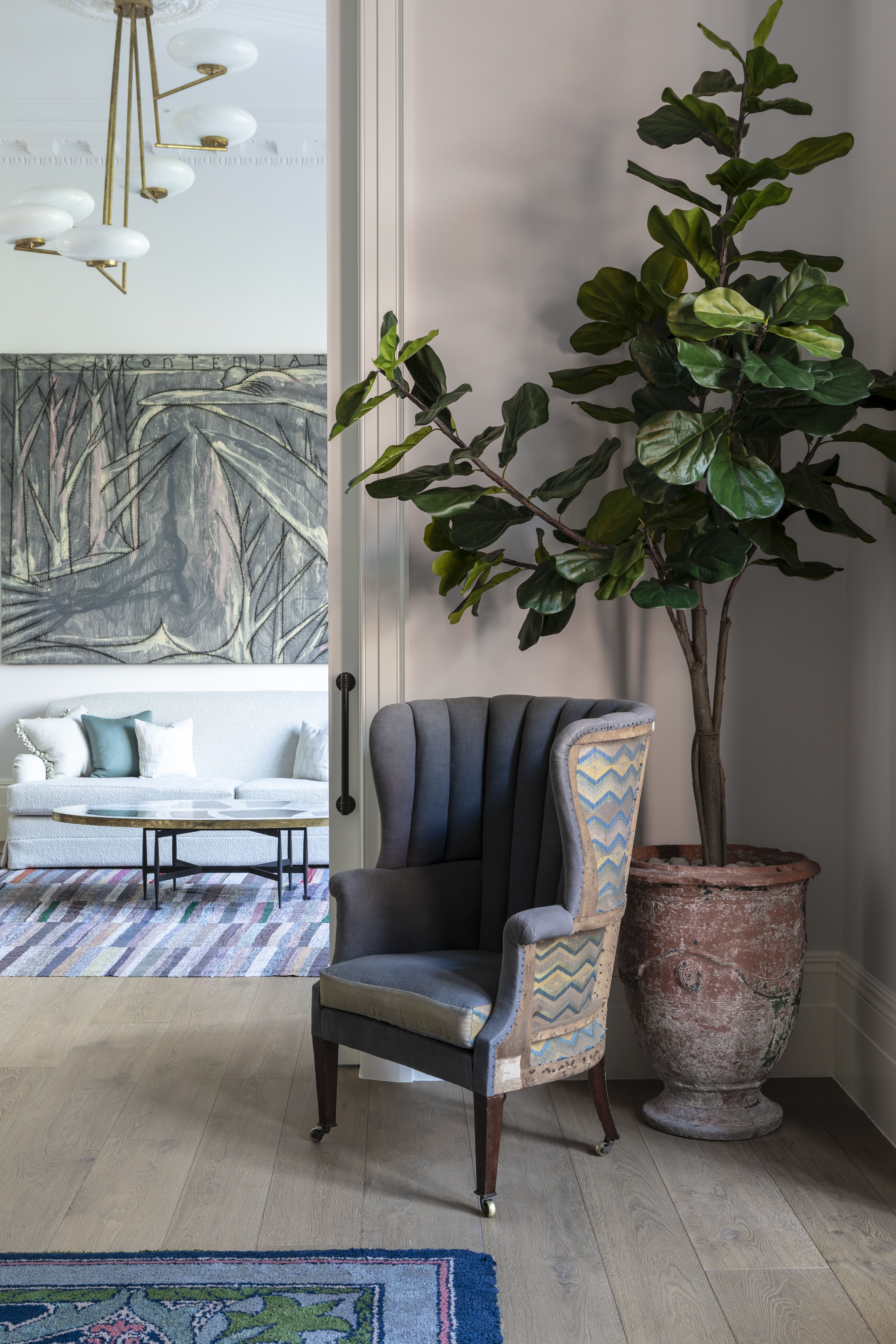
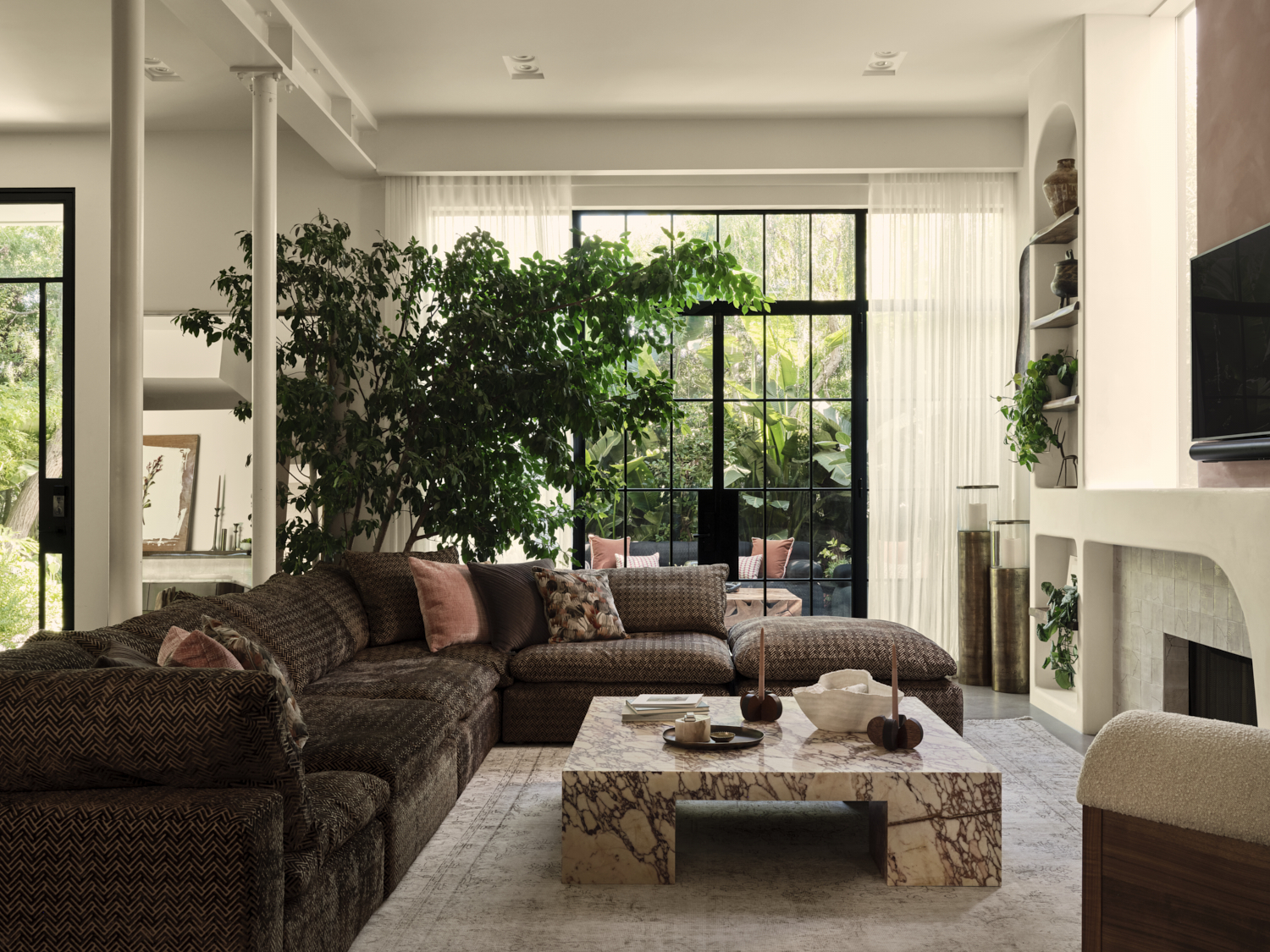
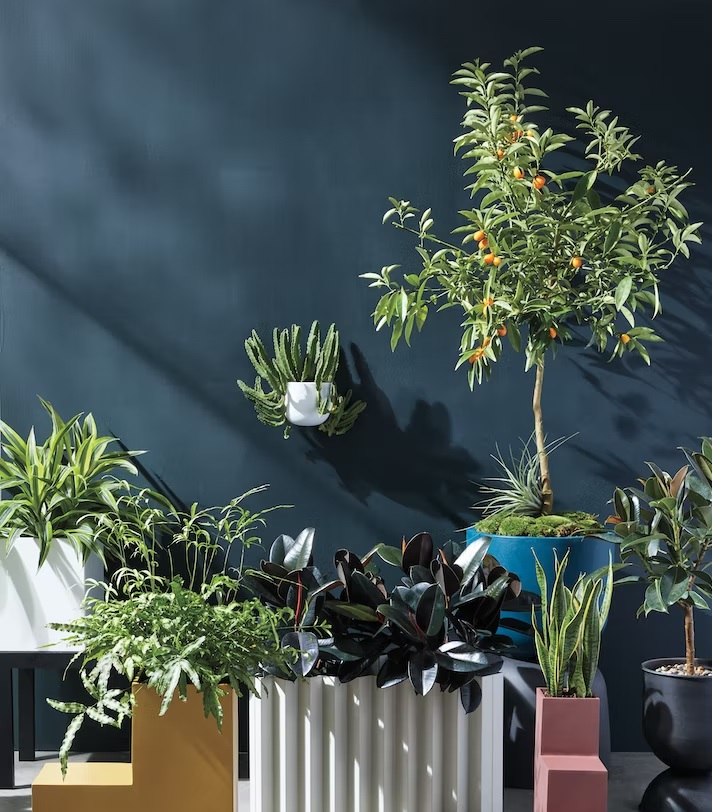
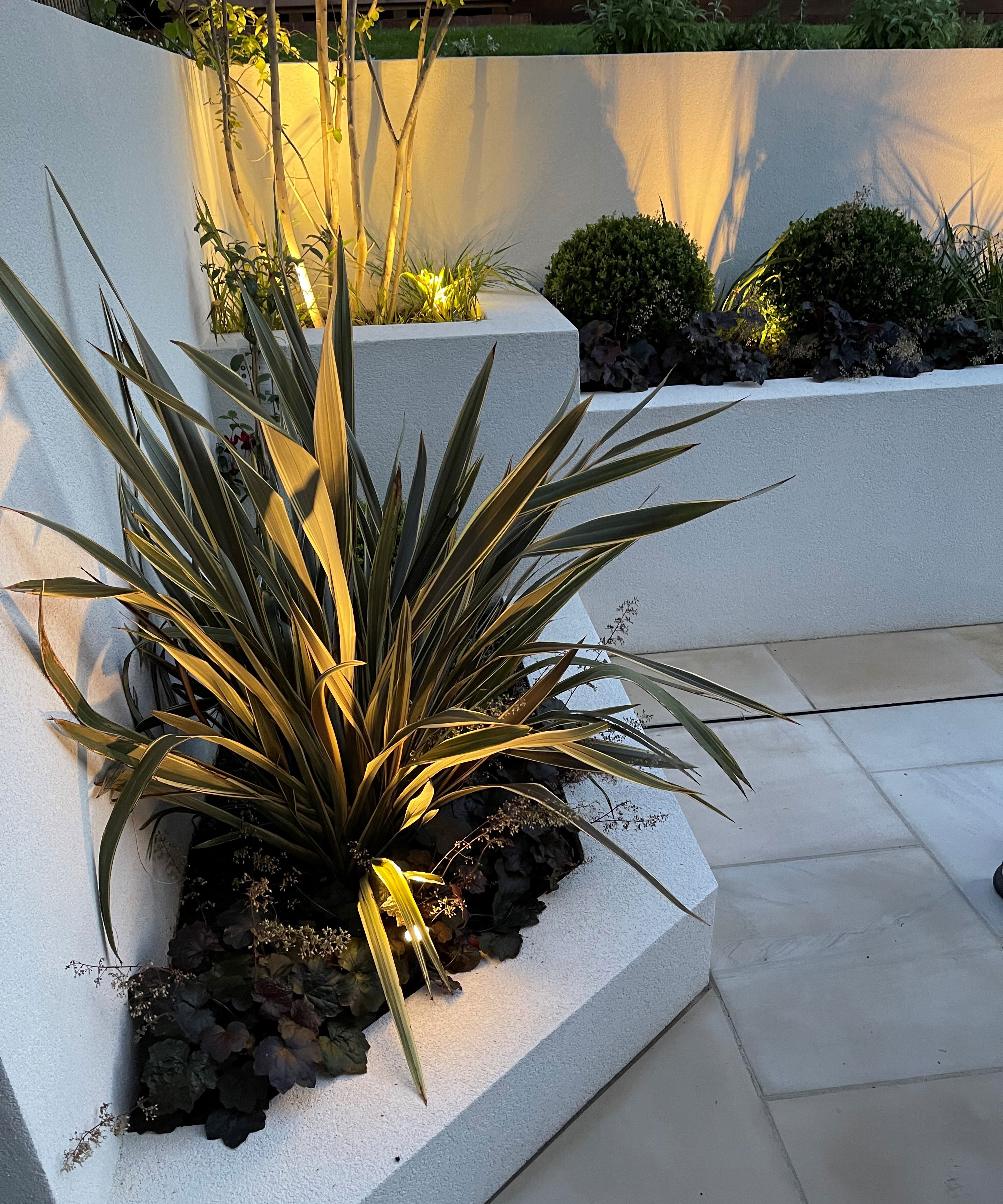
Another approach is to showcase a statement container plant. Instead of leaving a prominent corner empty, a single, carefully chosen specimen—such as a showy shrub, a small tree, or a meticulously trained bonsai—can create a dramatic focal point. Climbers grown in pots can also be trained over obelisks or trellises to provide evergreen cover and fragrance, even in challenging, shady spots. This method is particularly recommended for softening spaces with vertical planting.
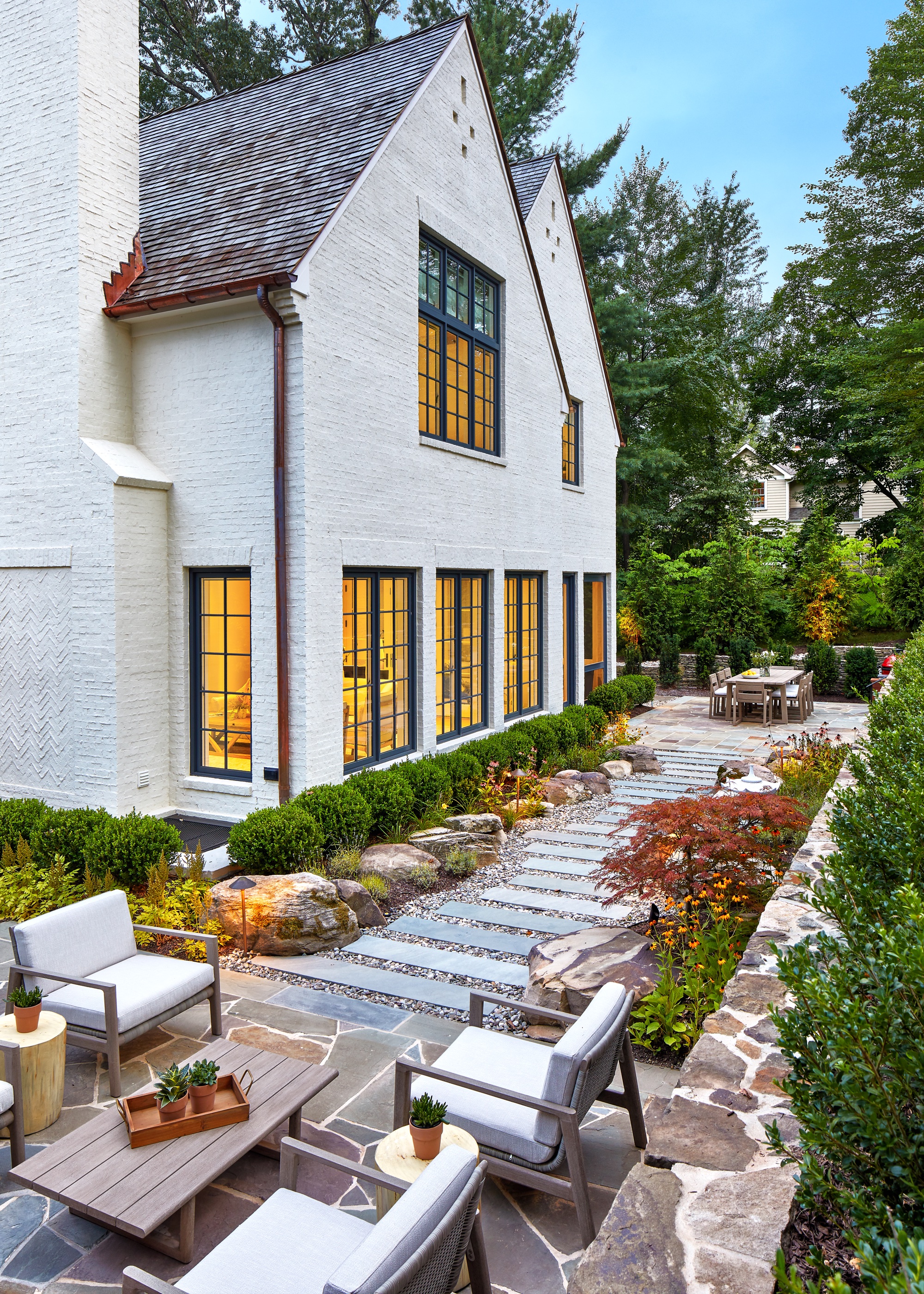
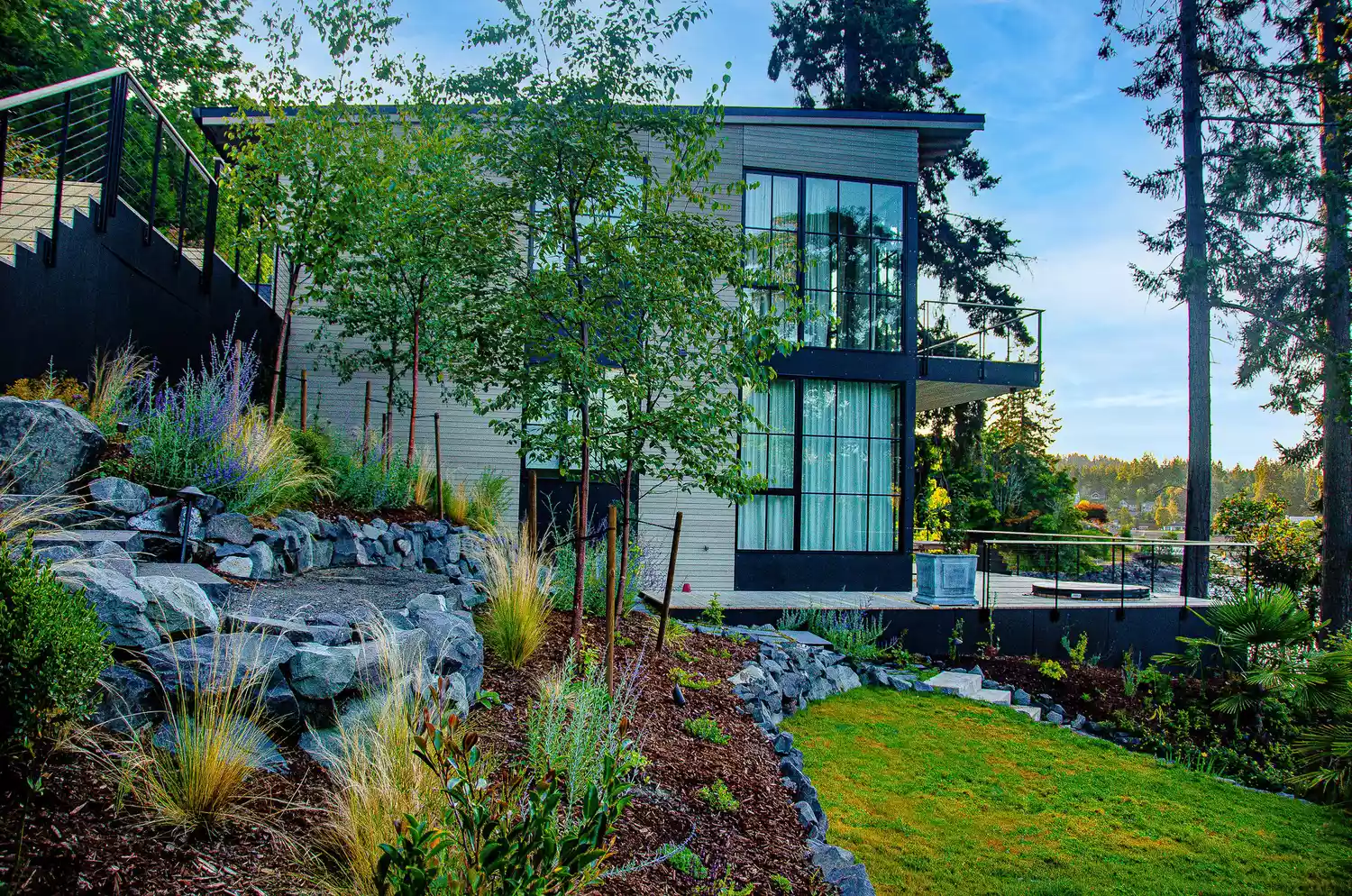
Utilizing stone boulders is another way to add interest and divert attention from harsh lines. A large singular boulder or a cluster of boulders can create a sense of permanence that contrasts with dynamic planting. Blending these stones with smaller rocks, pebbles, or contrasting stone chippings can create a bold and appealing look, helping to integrate the corner into the garden's overall design.
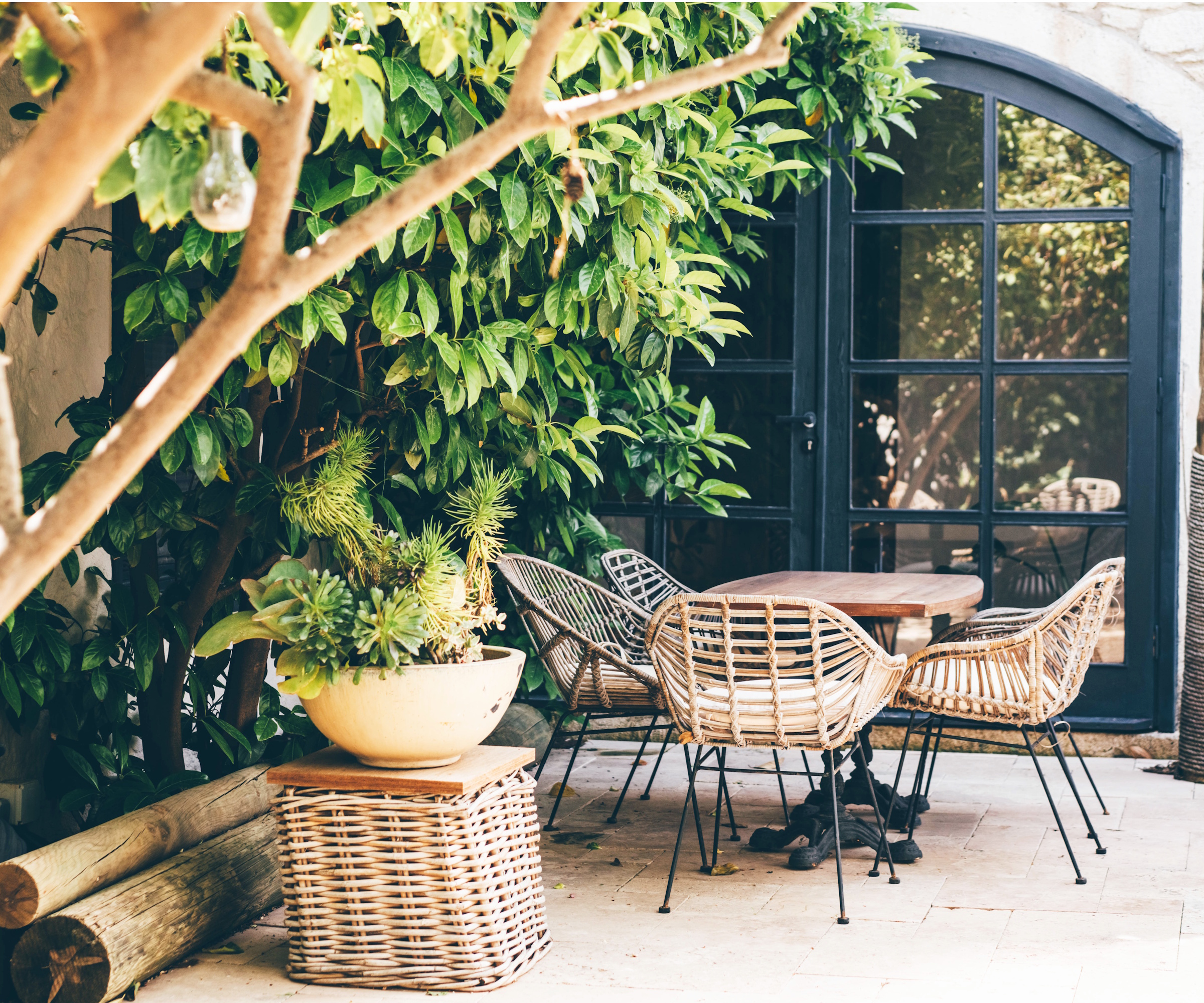
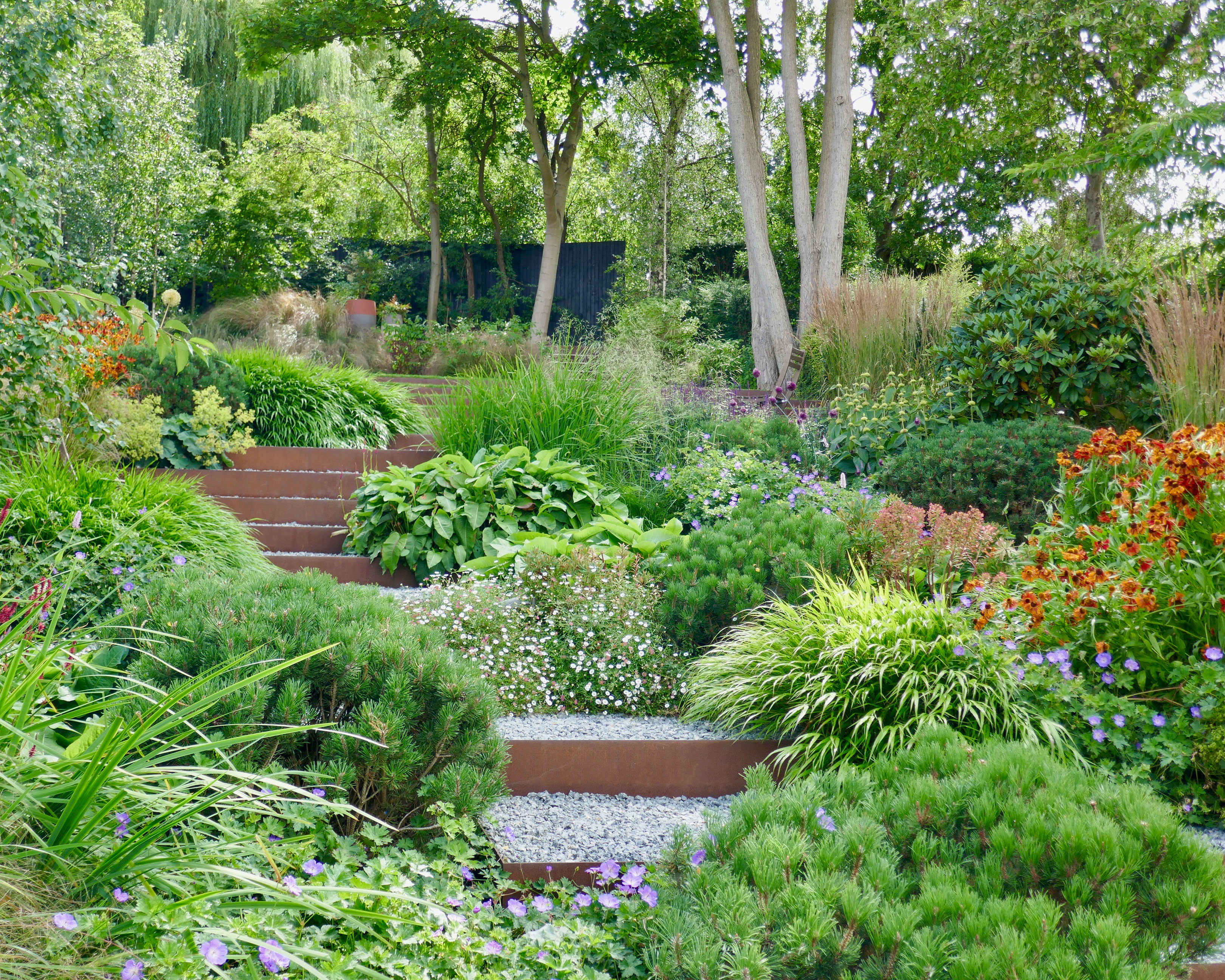
Softening the space with trailing branches and foliage is crucial for filling empty corners. A well-chosen specimen tree, such as a weeping variety or a tree with dense foliage, can obscure harsh lines and add a significant visual element. Fast-growing acacia varieties are suggested for their varied textures. For areas near properties or retaining walls where root issues might arise, growing trees in pots offers a flexible alternative.
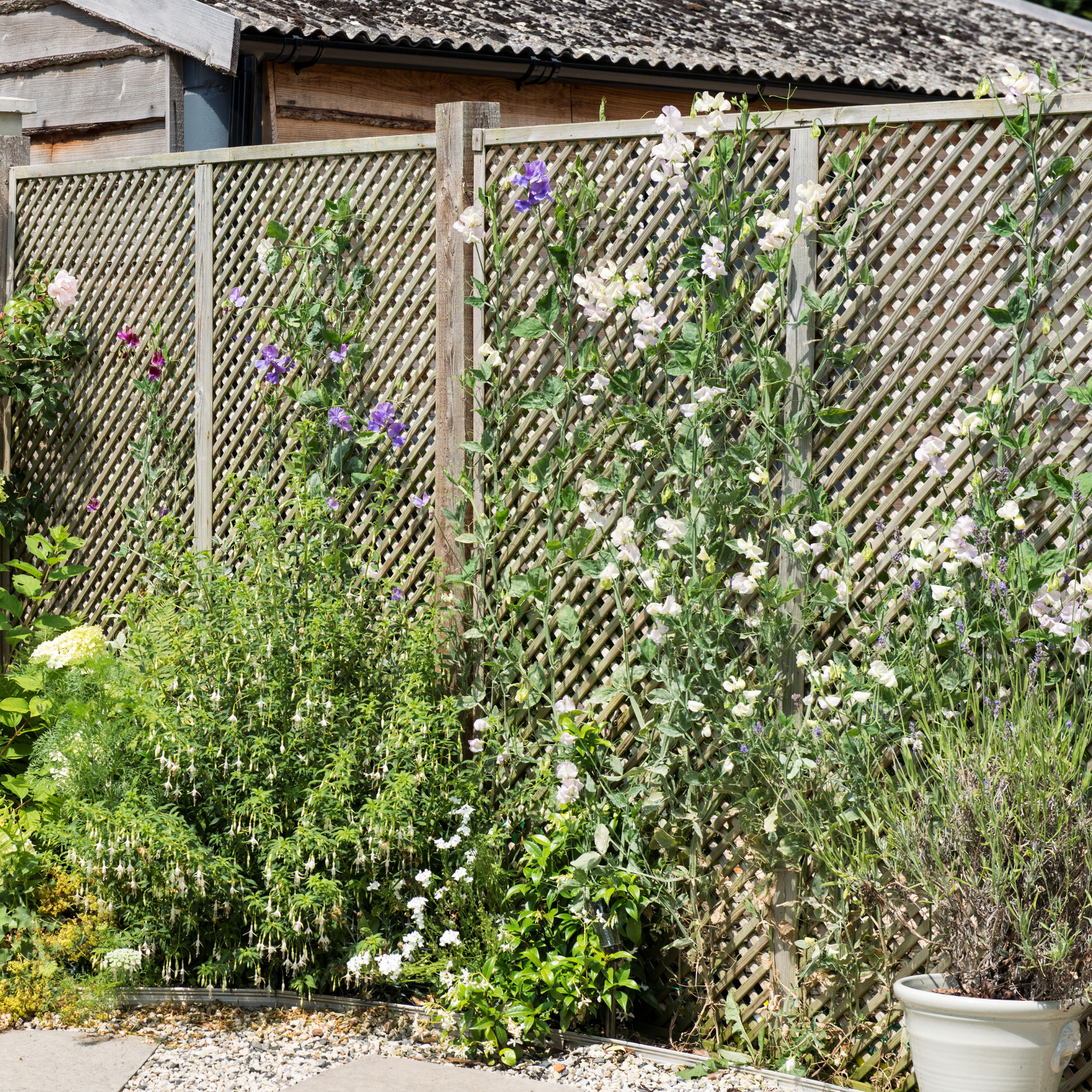
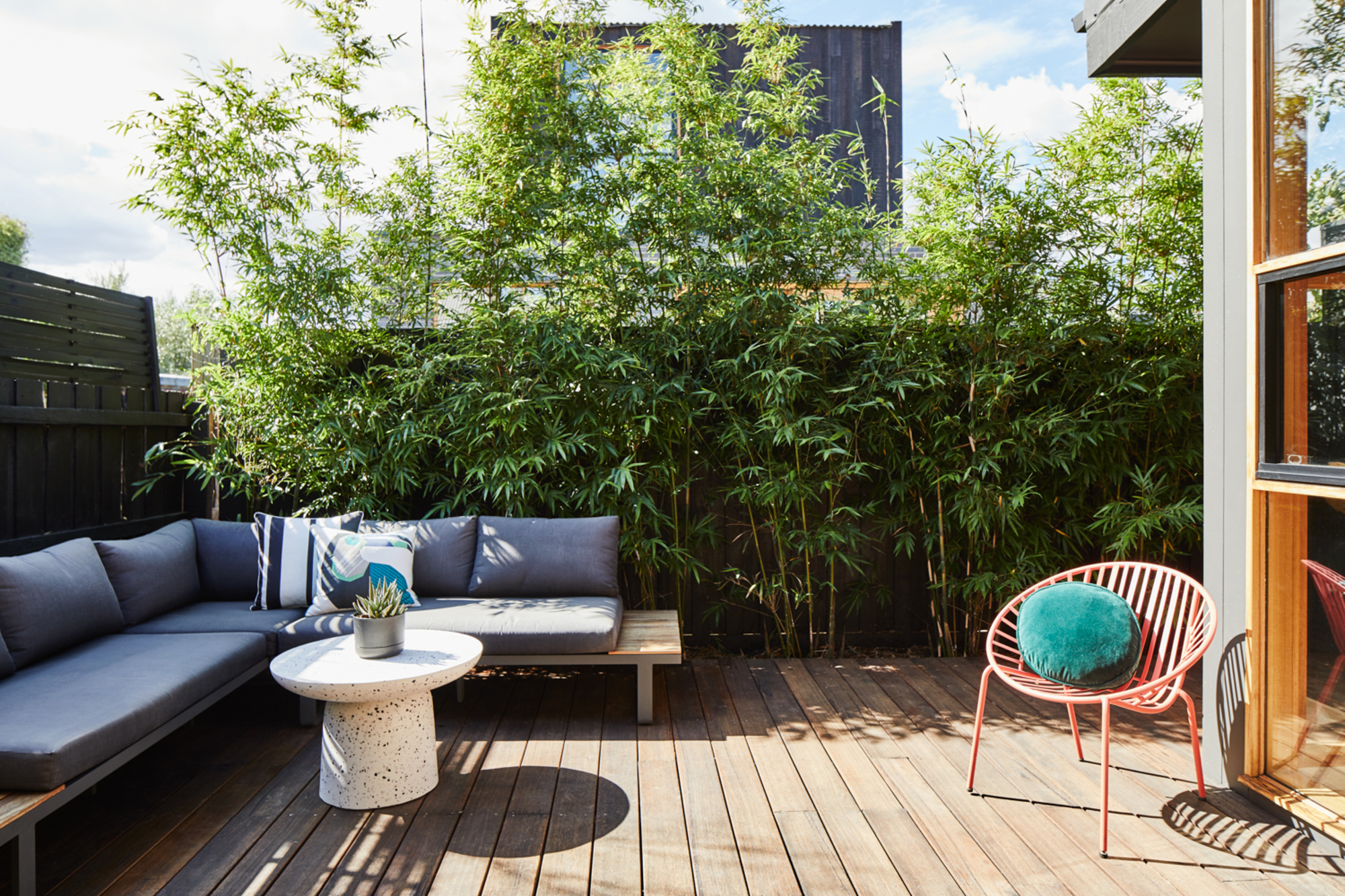
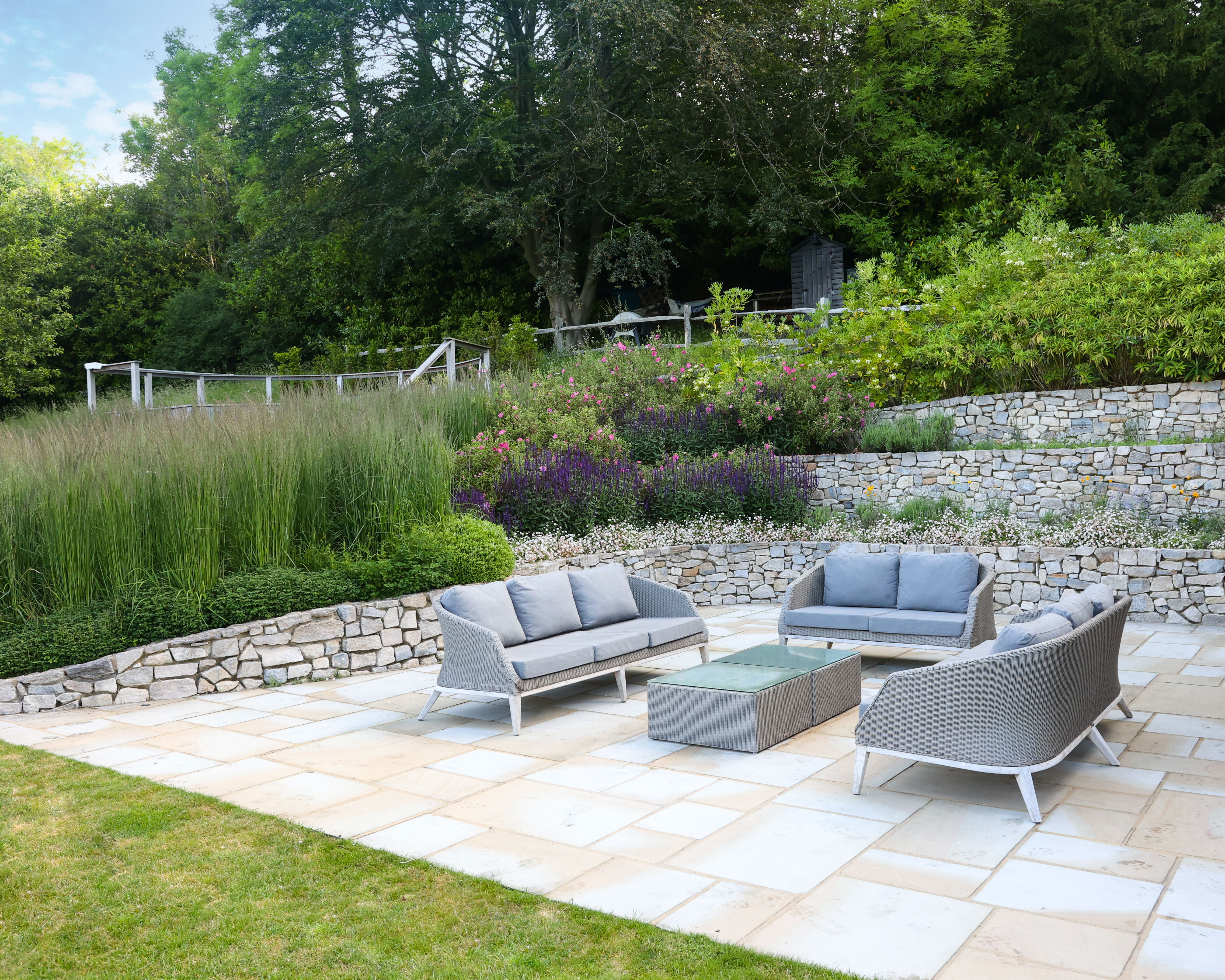
Addressing surrounding boundaries is essential, especially when they are mismatched or create an oppressive atmosphere. Taller plants can integrate vertical scale, and climbers like star jasmine or clematis can cover walls and fences with foliage and blooms, effectively softening the boundaries and making the space feel less intimidating. Tensioned wires or trellises can be used to train these plants.
Transforming an empty corner into a destination involves adding a gazebo, garden shelter, or summerhouse. These structures provide shaded areas for relaxation or socializing and can serve as stunning focal points. They can be nestled within dense planting or hidden behind screens for a sense of discovery, offering year-round enjoyment of the yard.
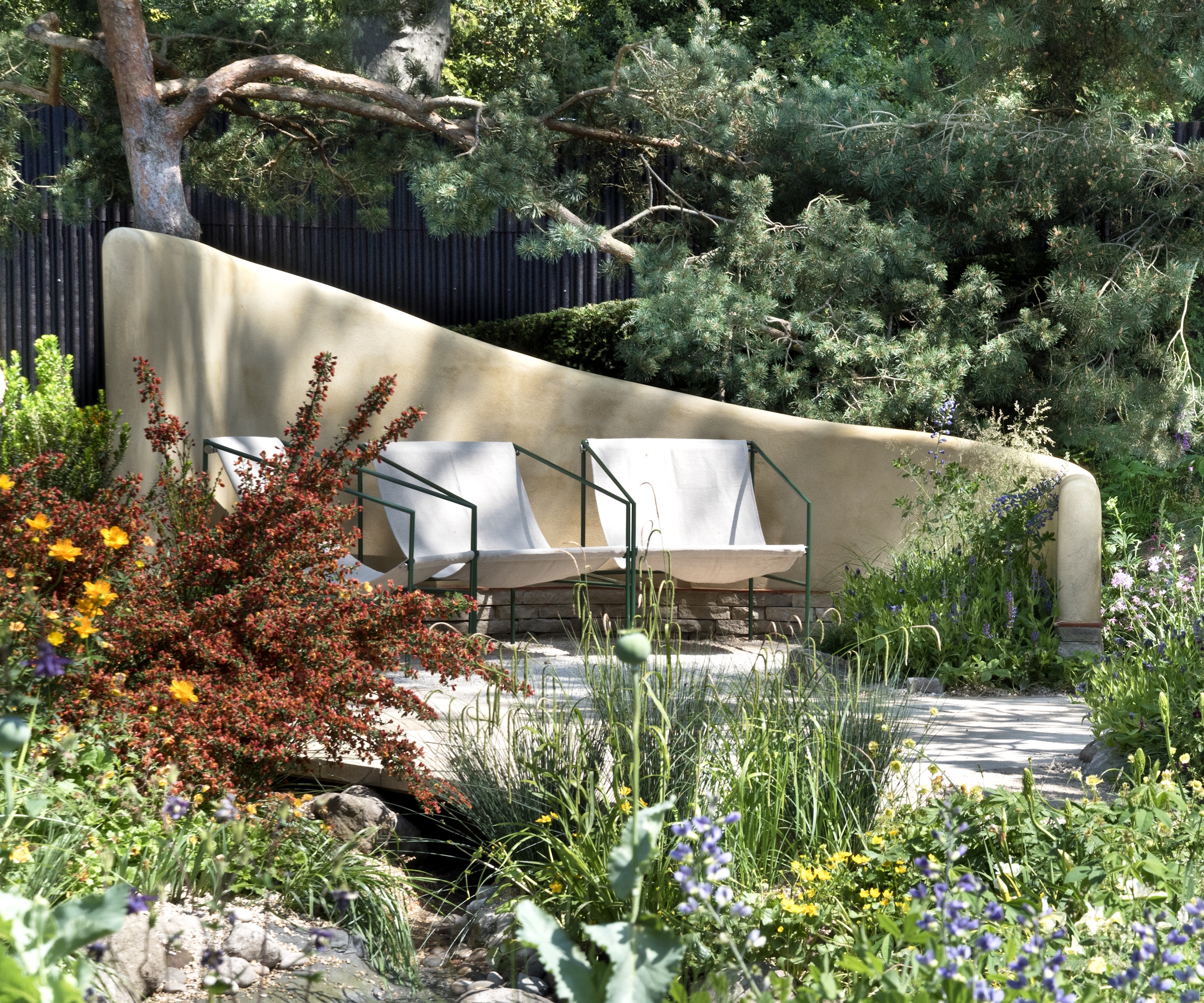
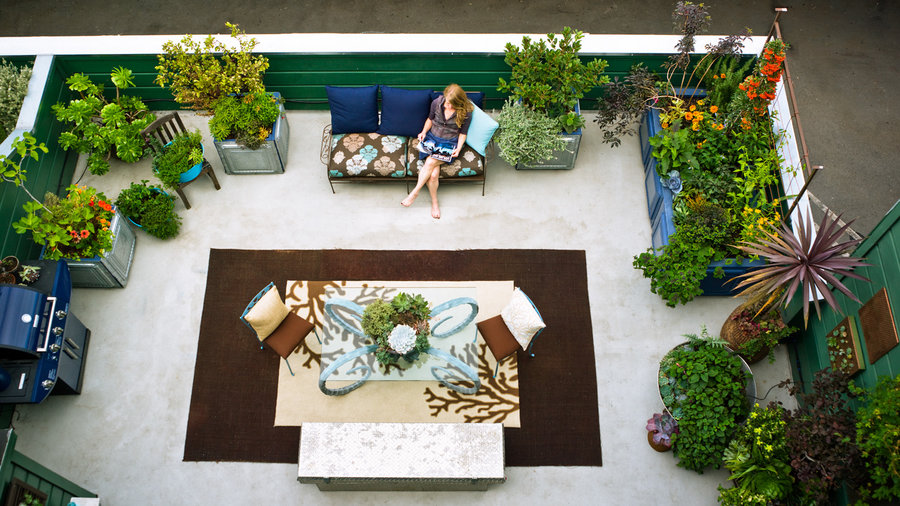
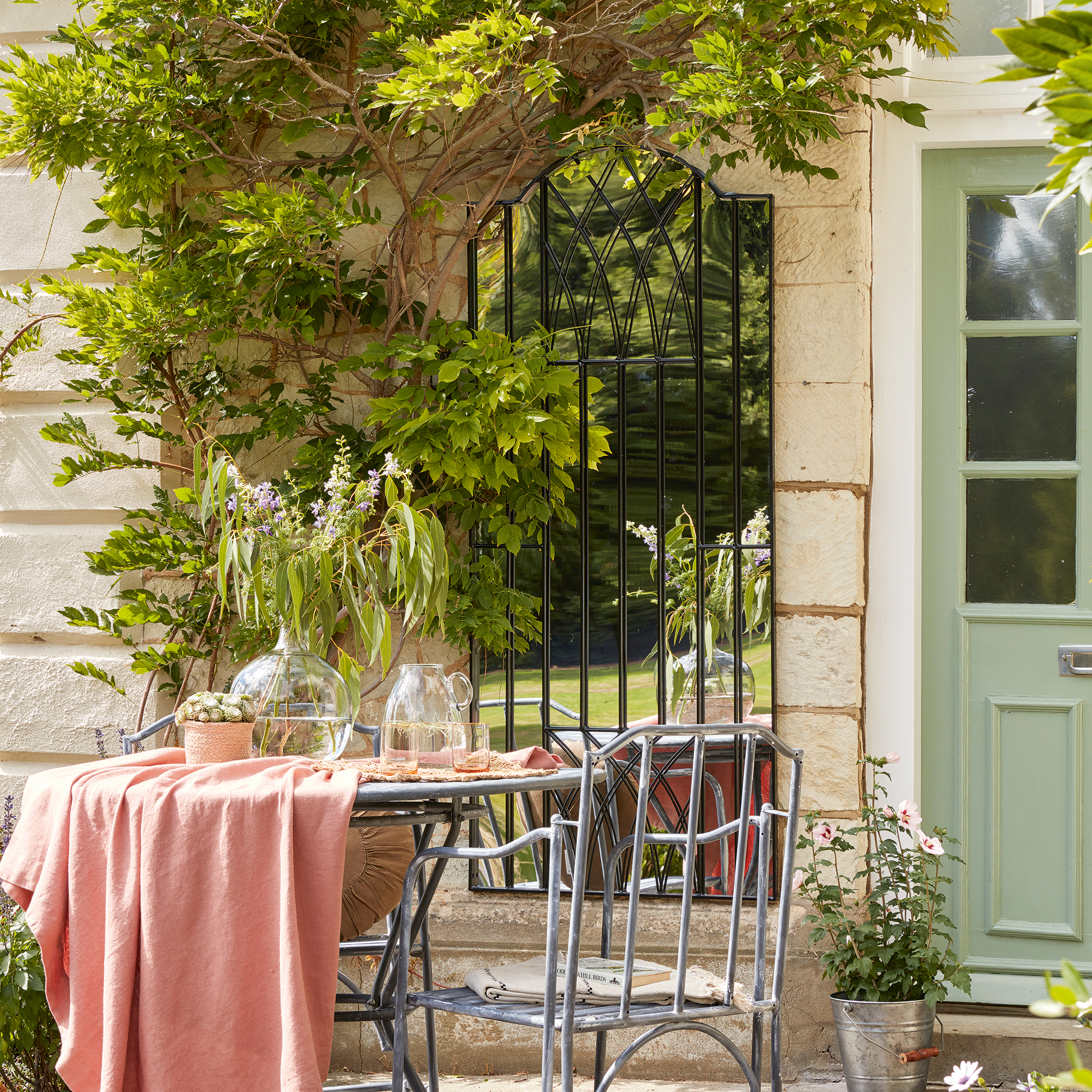
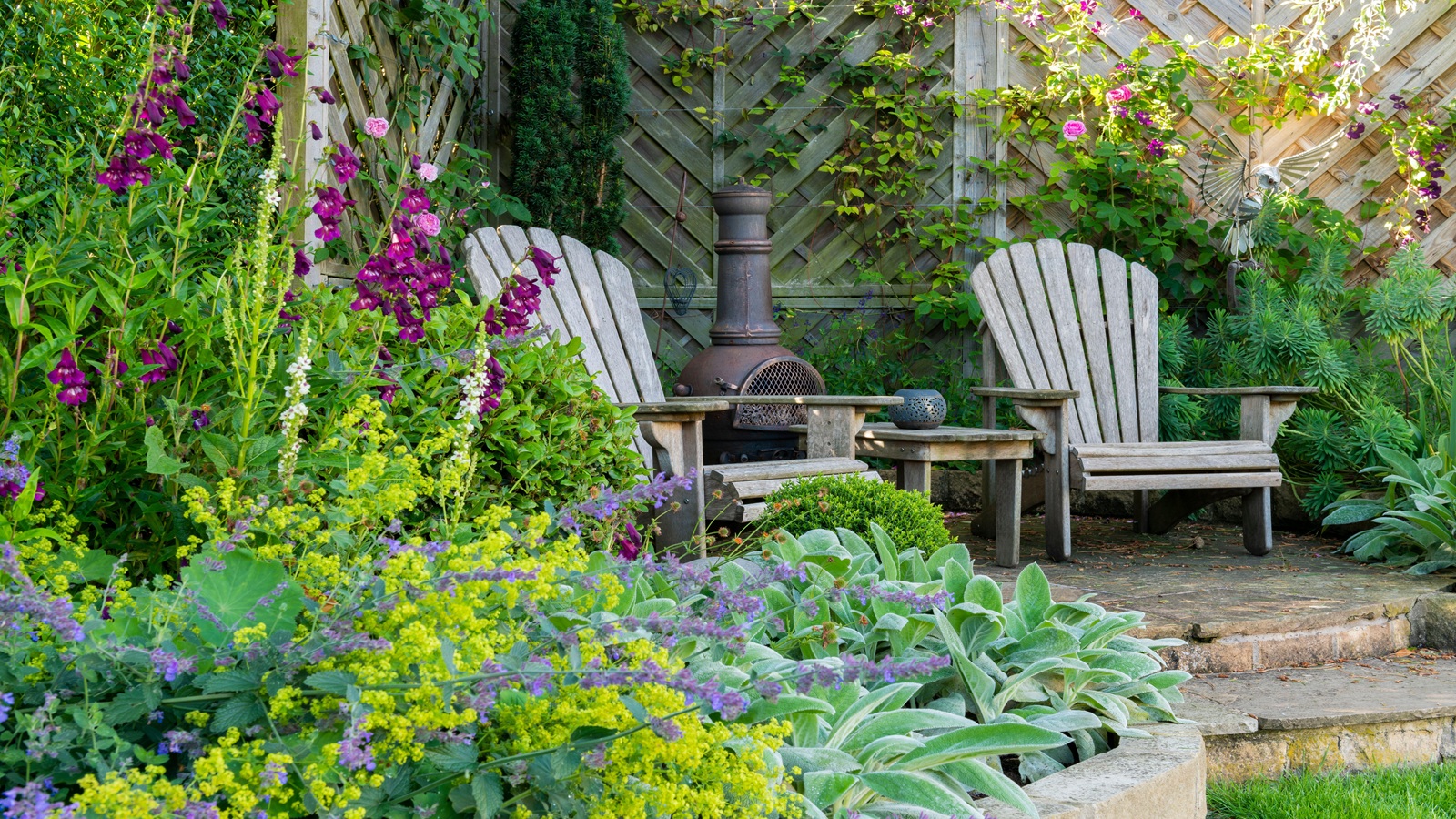
Making a neglected corner cozy involves understanding the psychological impact of corners. These spaces can provide a sense of refuge and enclosure. By adding comfortable seating, clear sightlines, and perhaps some screening, a corner can become an intimate and restorative area for contemplation, offering a biophilic experience. Plants that ensure privacy can further enhance this secluded feel.
Incorporating a water feature is a versatile solution for tricky spots, such as those next to a deck or between steps and a retaining wall. Moving water, whether from a water table with jets or falling water created by blades or spouts from surrounding walls, can distract from awkward angles and transform the area into a focal point. Various options are available to suit different aesthetic preferences and space constraints.
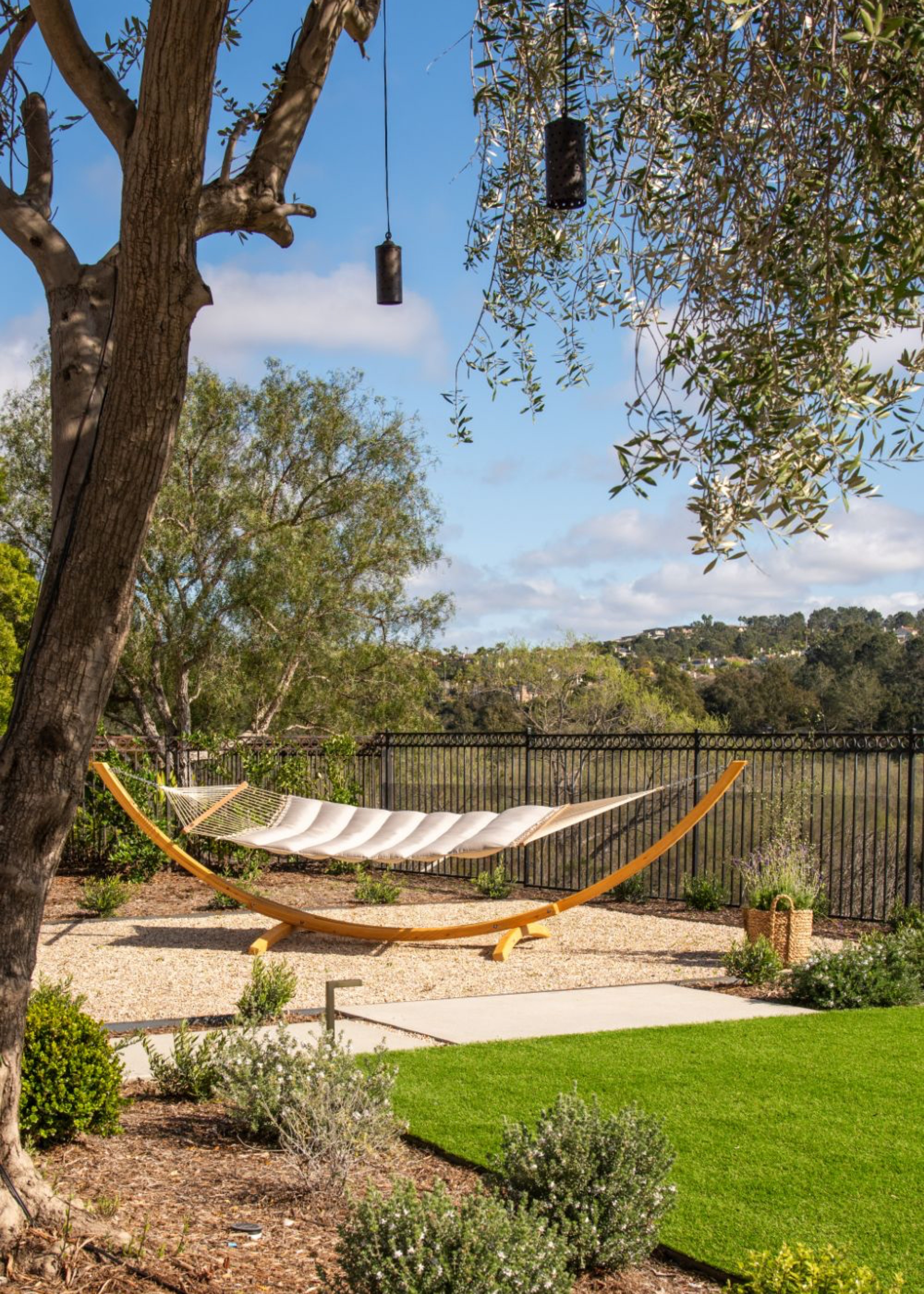
Finally, creating a private corner for contemplation utilizes often-overlooked spaces for personal well-being. If a corner is not frequently seen from the house or main entry, it can be developed into a peaceful woodland or Japanese-inspired gravel and rock garden. These secluded areas offer a chance to disconnect from the built world and reconnect with nature, providing invaluable spaces for quiet thought and appreciation of natural elements and seasonal changes.
#GardenDesign #AwkwardCorners #LandscapeArchitecture #OutdoorLiving #WaterFeatures #ContainerGardening #PlantingIdeas #SpaceSavingSolutions #GardenDecor #GardenDesign #AwkwardCorners #LandscapeArchitecture #OutdoorLiving #WaterFeatures #ContainerGardening #PlantingIdeas #SpaceSavingSolutions #GardenDecor
0 comment in total
 No comments yet
You may also like
11 beautiful ideas for awkward-shaped gardens
Living room corner ideas – 10 ways to breathe life into an awkward space

4 Awkward Layout Challenges In Singapore Apartments And Stylish Solutions To Solve Them
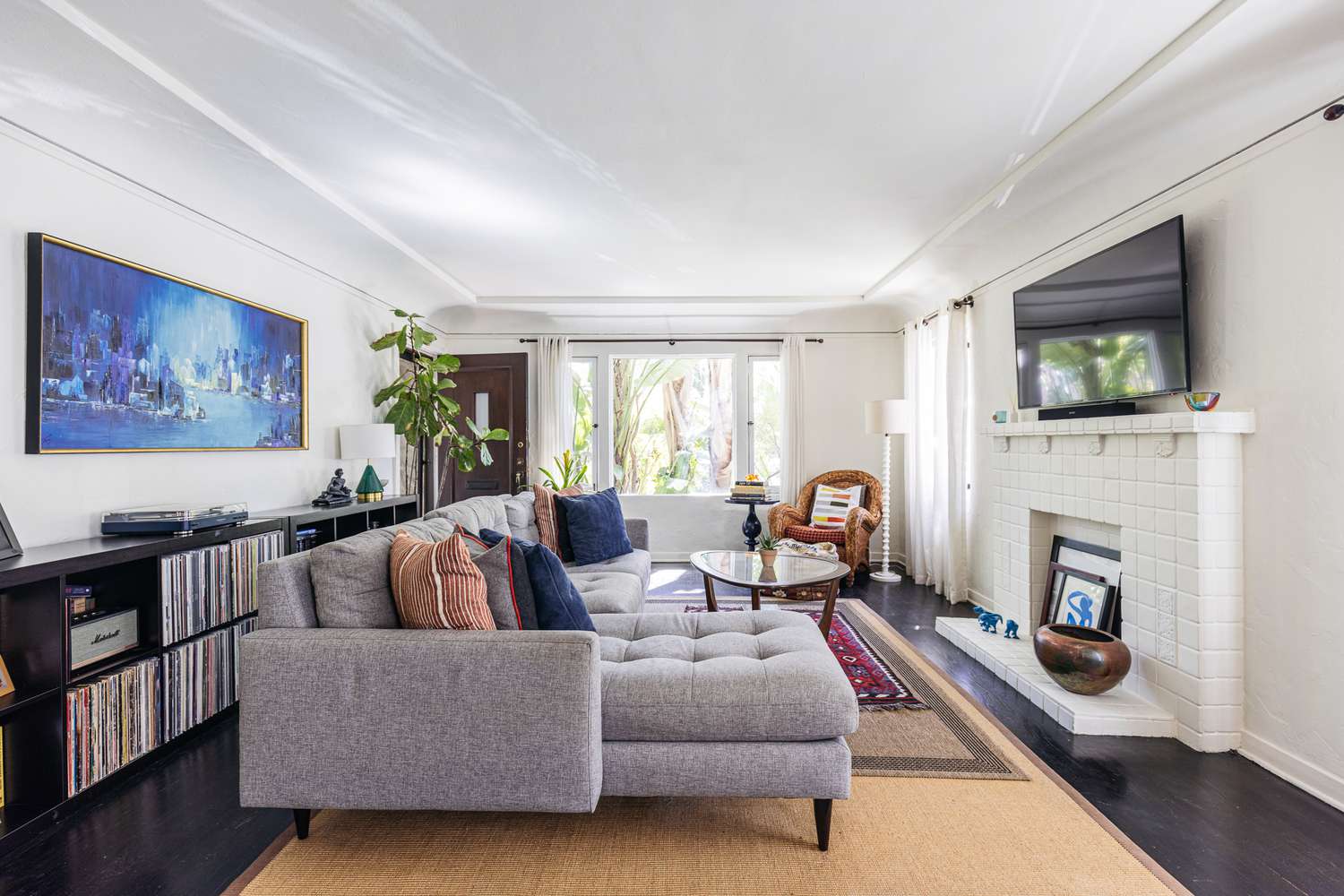
18 Clever Ways to Design Around an Awkward Living Room Layout

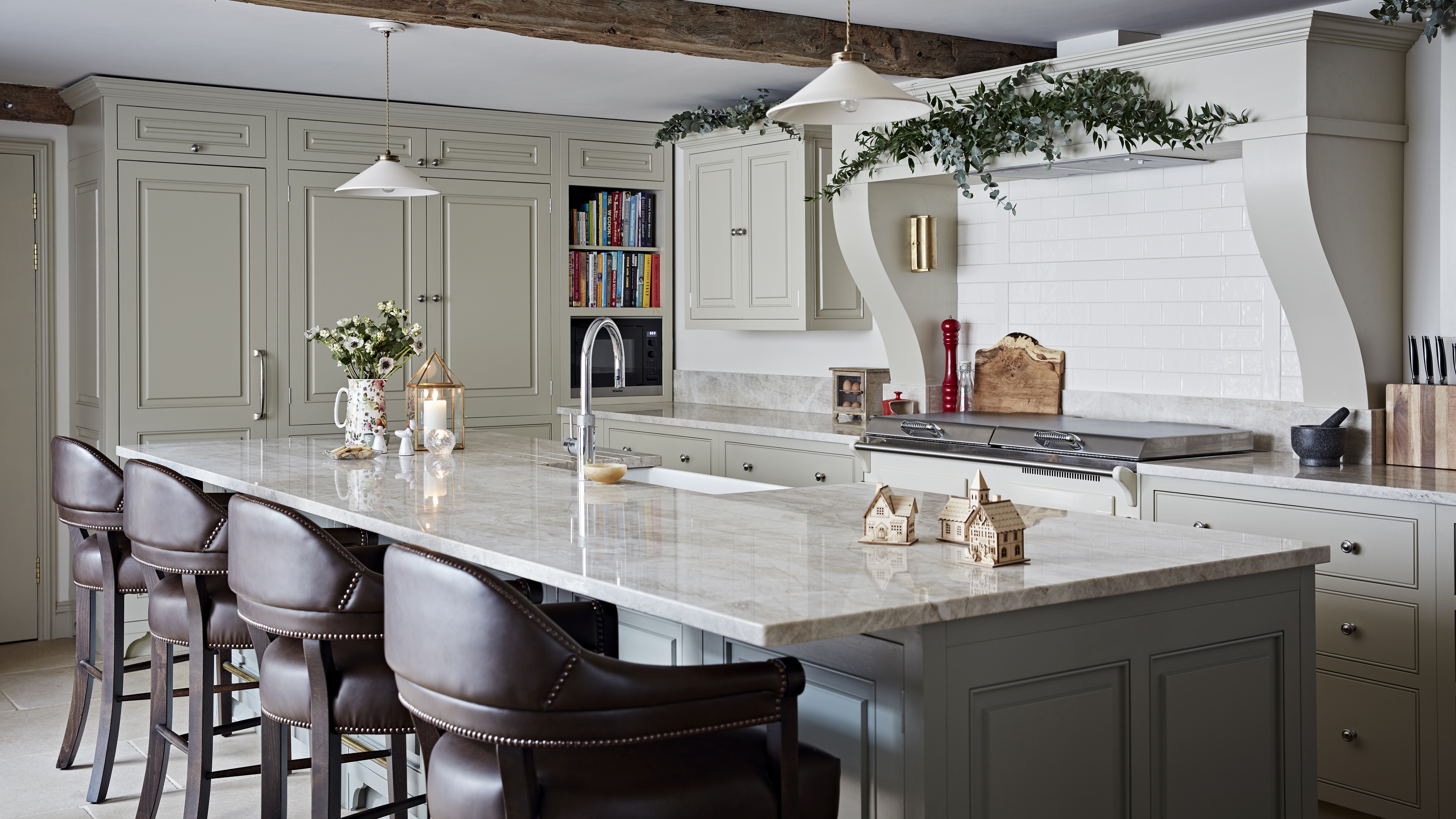
Kitchen corner cabinets – 10 stylish ideas to maximize your space

How do you decorate an awkward entryway? 7 designer-approved tricks for tough-to-style entrances
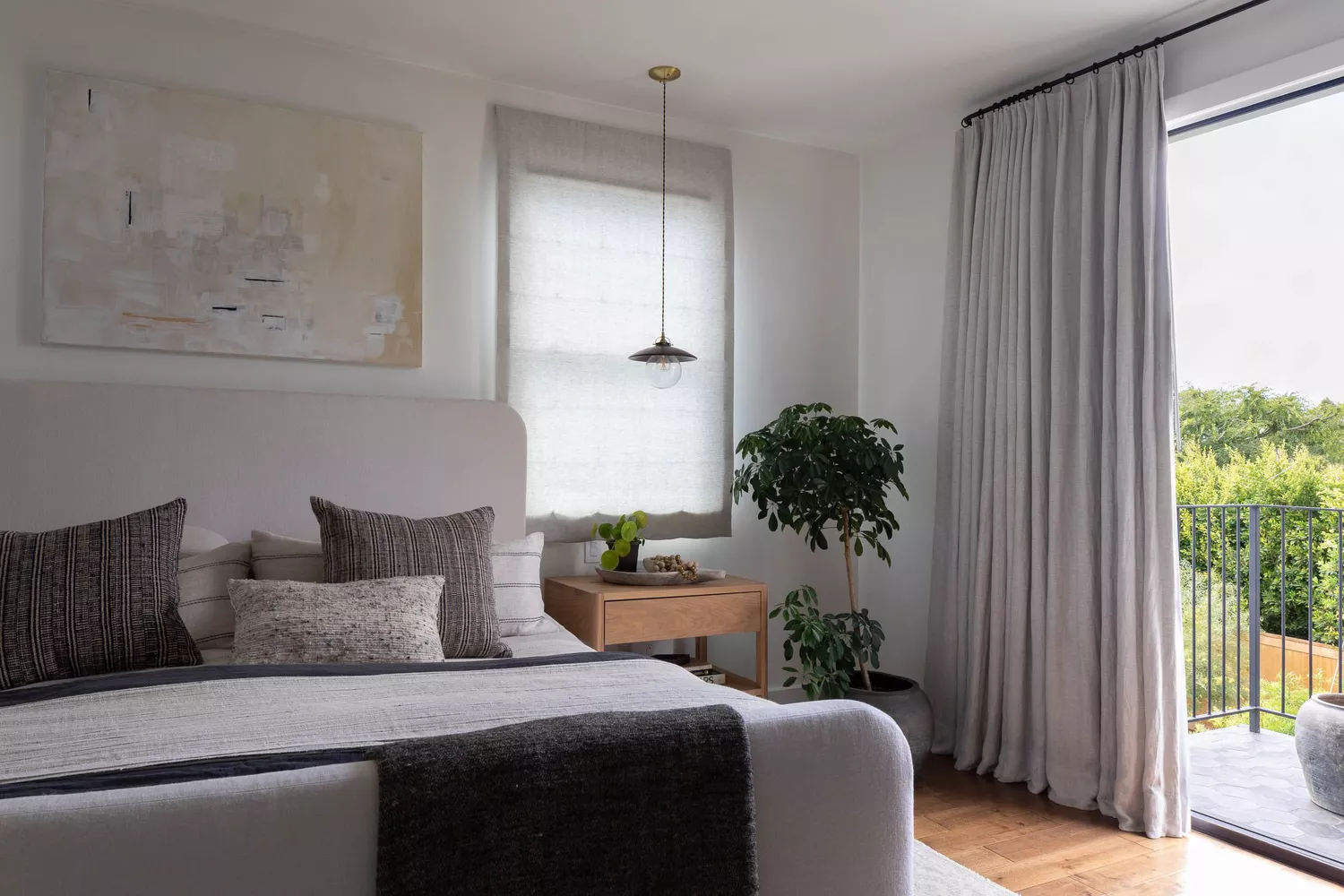
4 Clever Ways to Decorate the Empty Corners in Your Bedroom, According to Designers
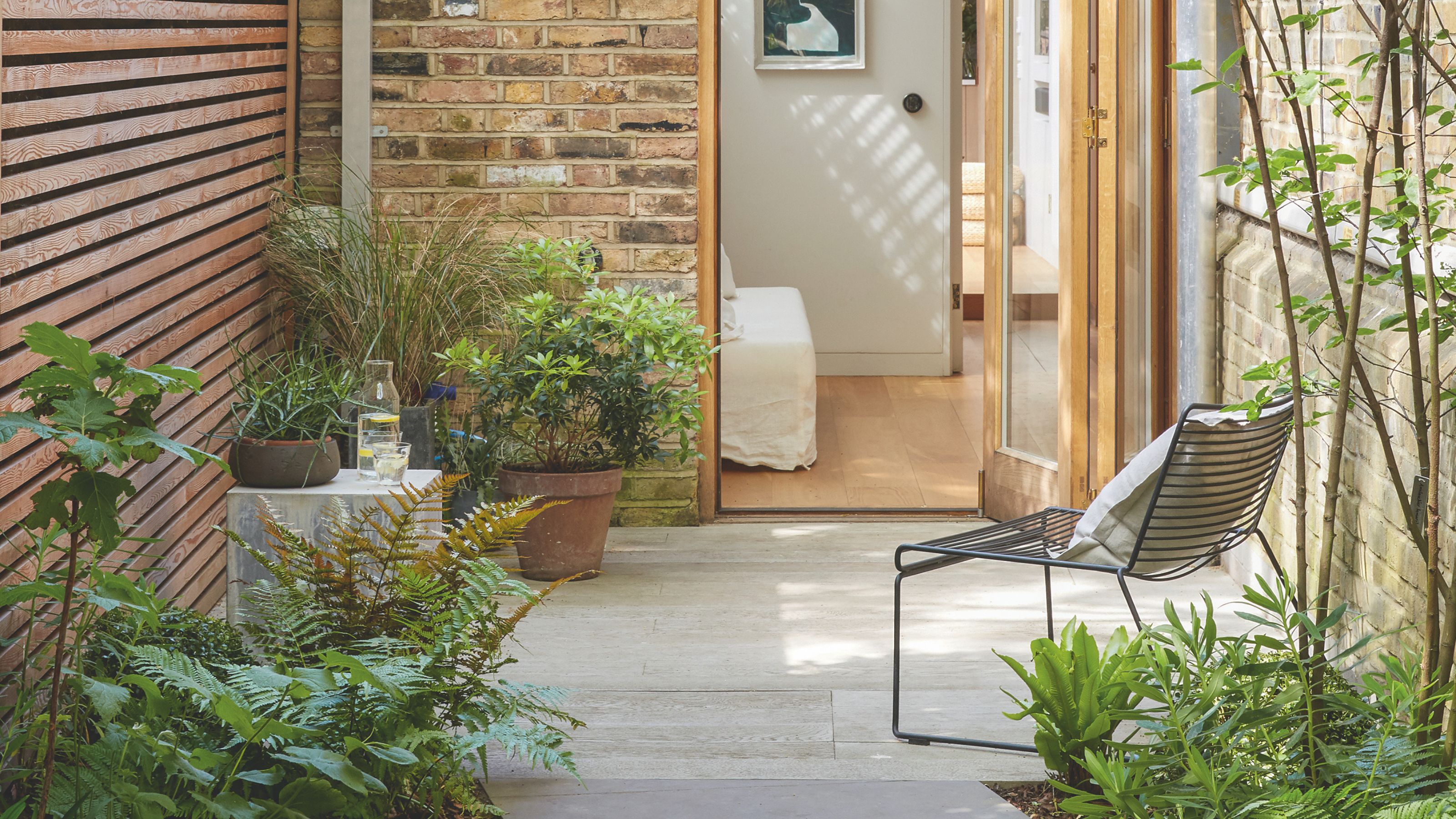
Side return garden ideas – 7 clever ways to transform this overlooked space
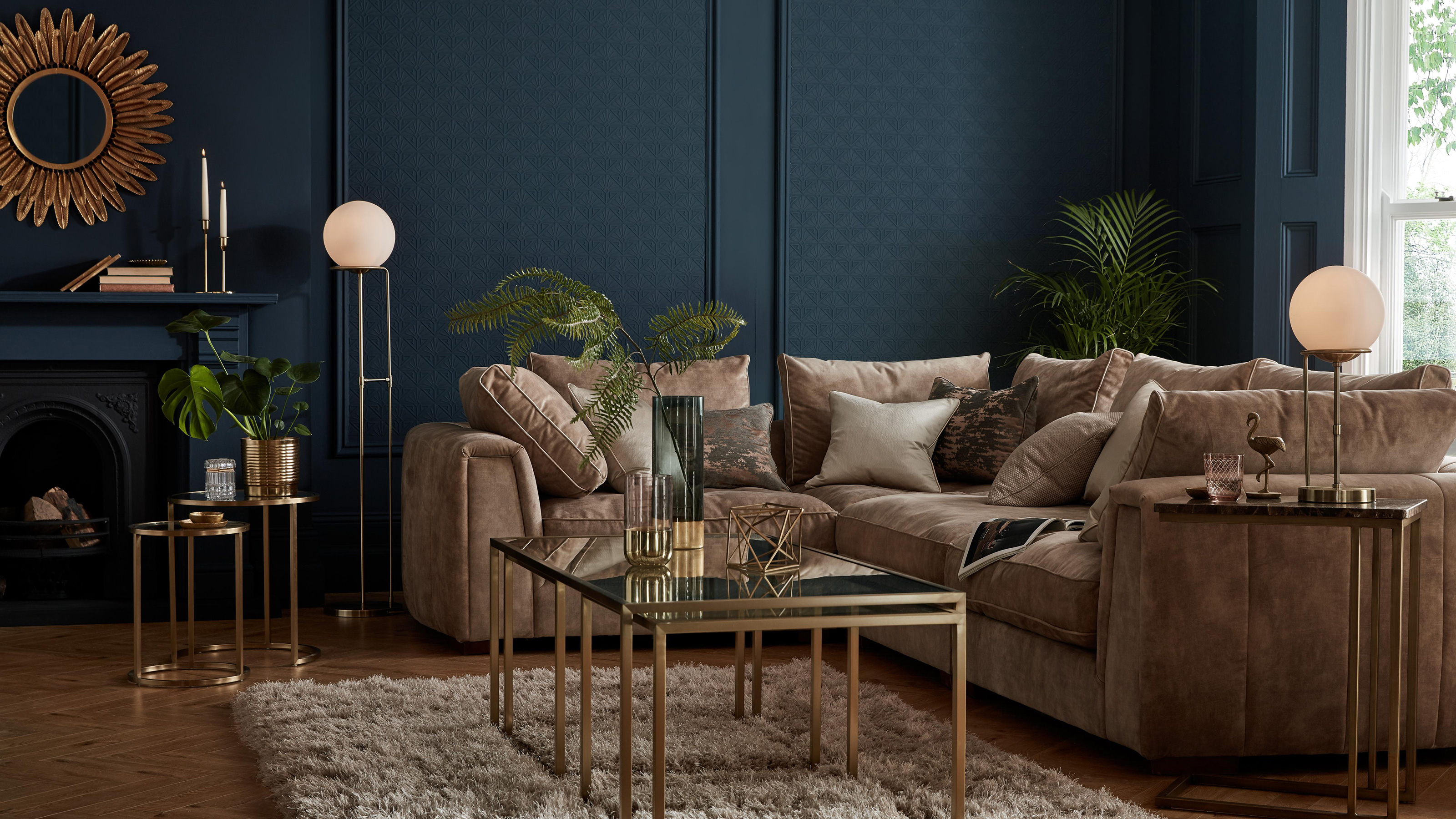
28 living room corner ideas to make the most of an empty space

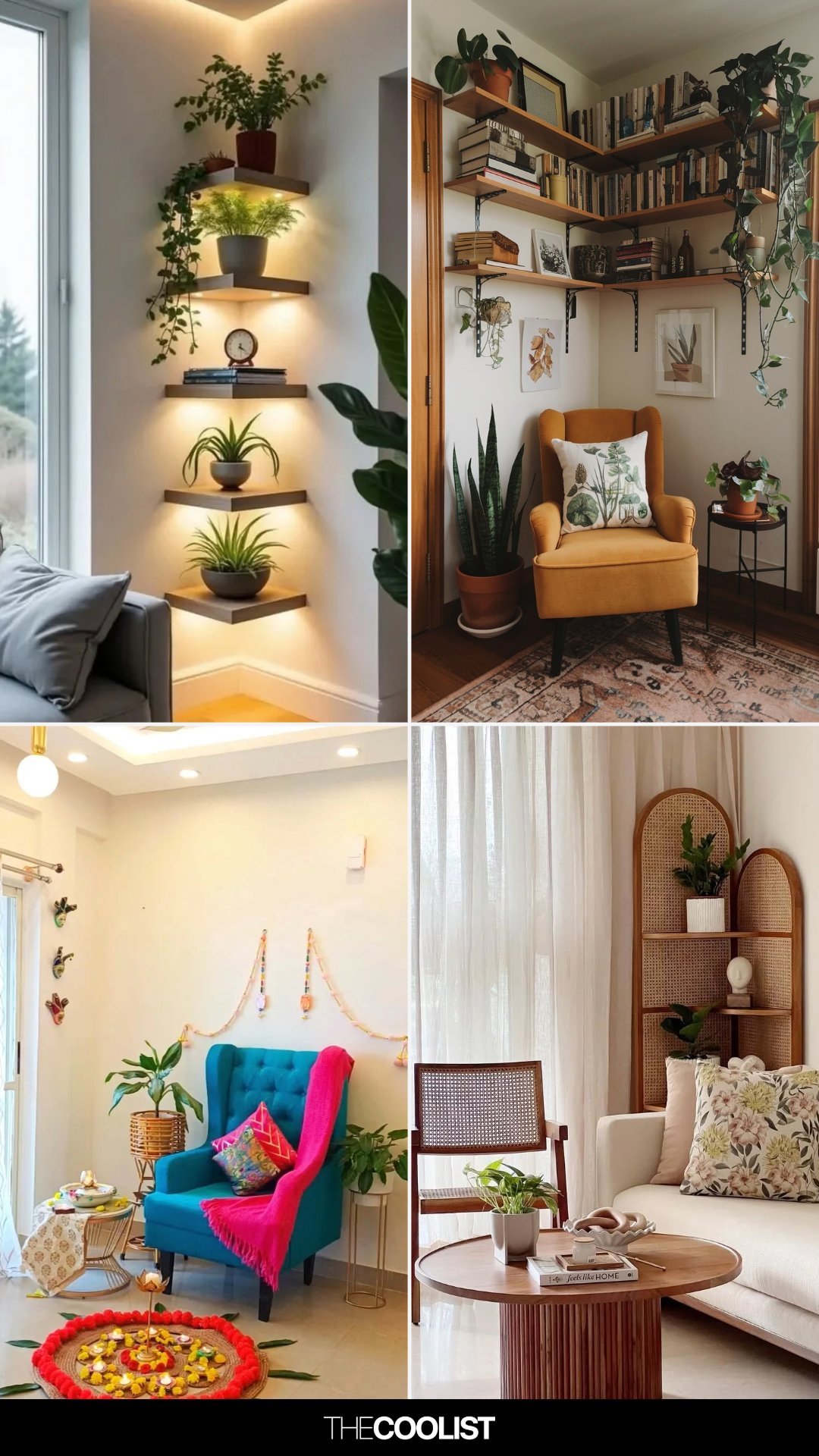
34 Empty Corner Decoration Ideas That Finally Help You Use Those Awkward Spaces You Ignore

14 Genius Ideas For The Awkward Space Above Your Kitchen Cabinets

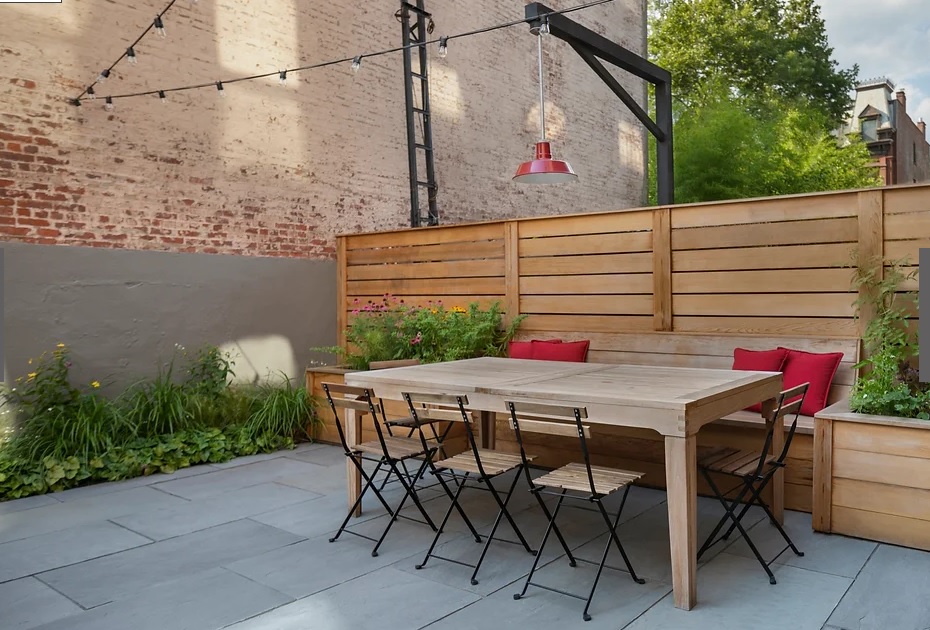
'My neighbor's built an unsightly wall, how can I hide it?' 5 ideas that will turn an eyesore into your backyard's best feature
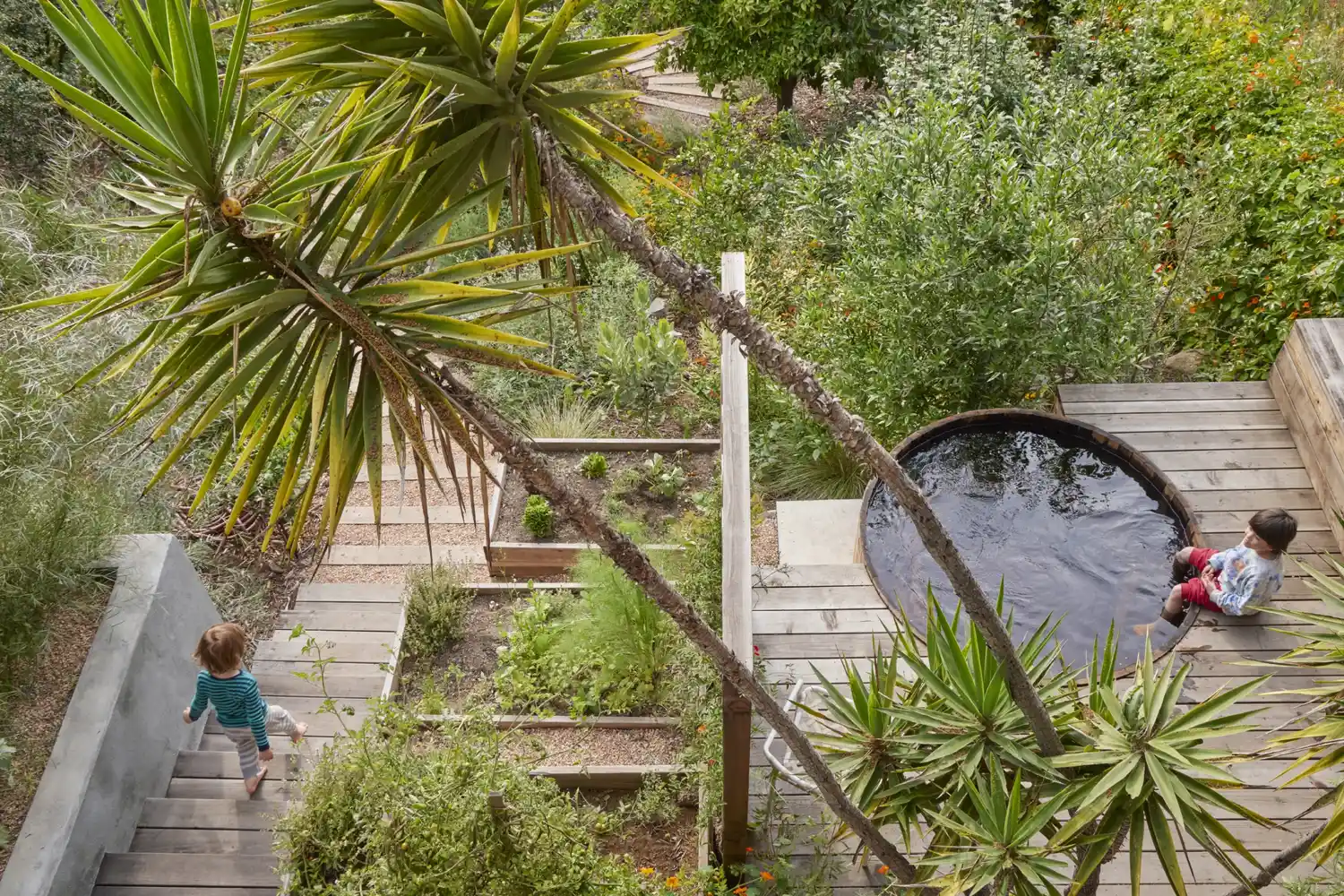
9 Down-Sloped Backyard Ideas That Turn a Tricky Space Into a Showpiece
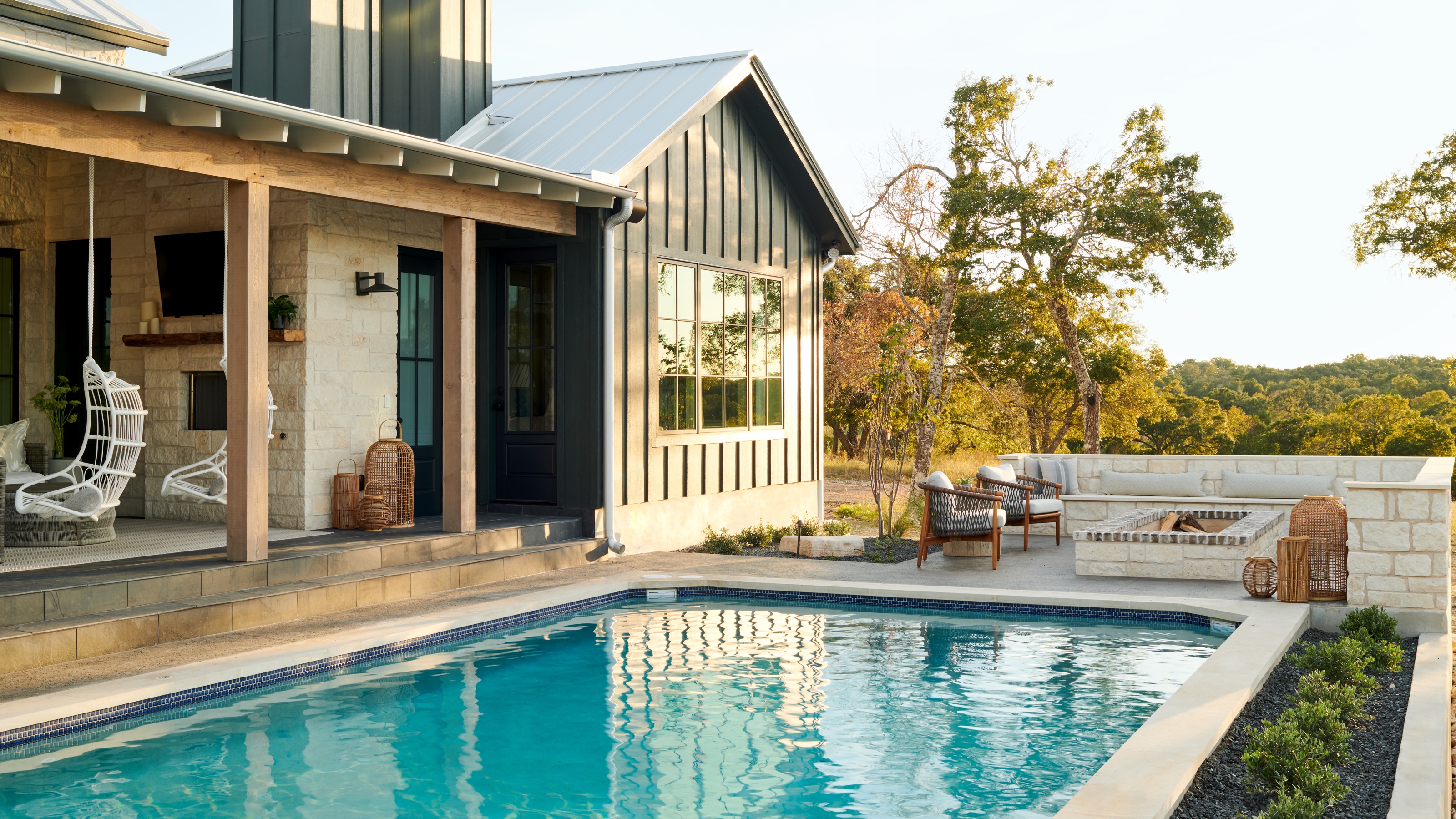
9 Garden Divider Ideas That Help to Create the Sense of 'Rooms' Within Your Landscaping
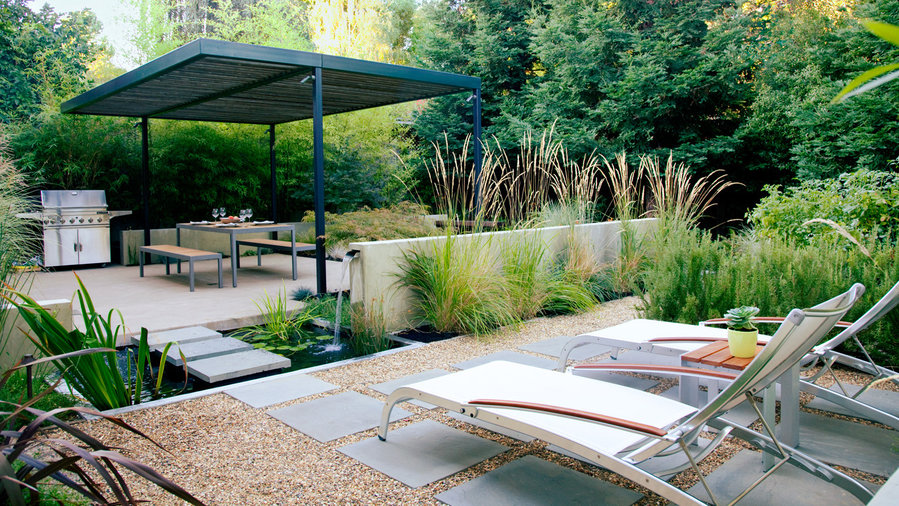
Smart Design Solutions to Give Even the Tiniest Yard Big Style
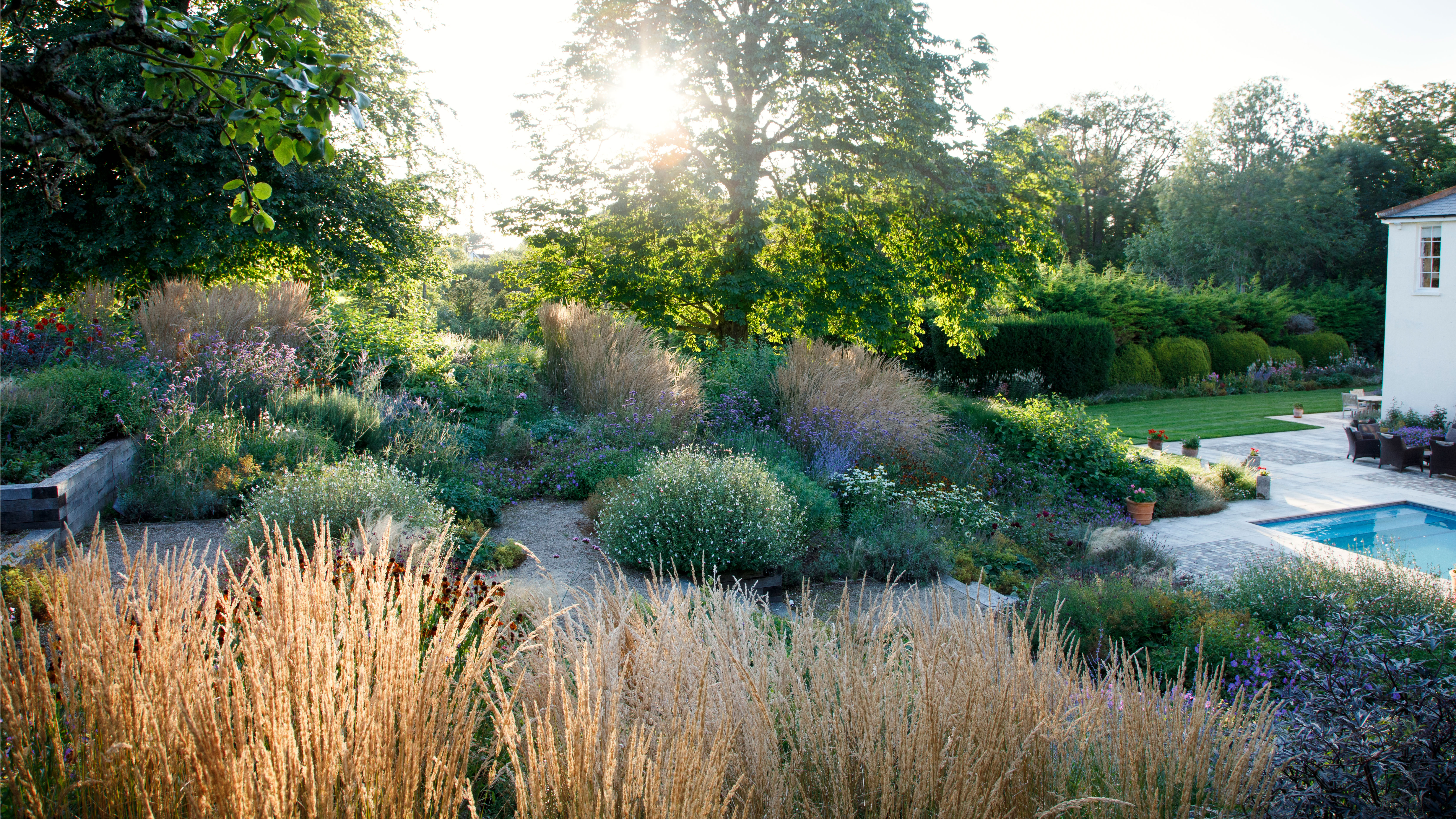
Sloped backyard ideas – 15 expert design tips for a terraced garden
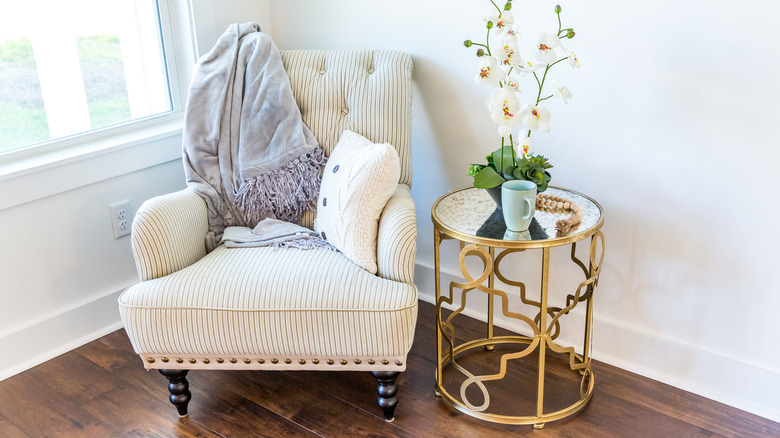
Stylish Ways To Decorate The Corners Of Your Home
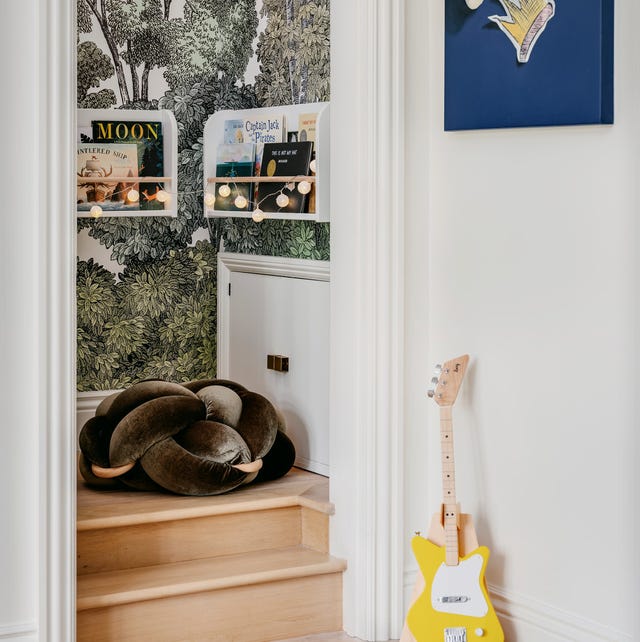
Here's What to Do With Those Awkward Spaces in Your House, According to Designers
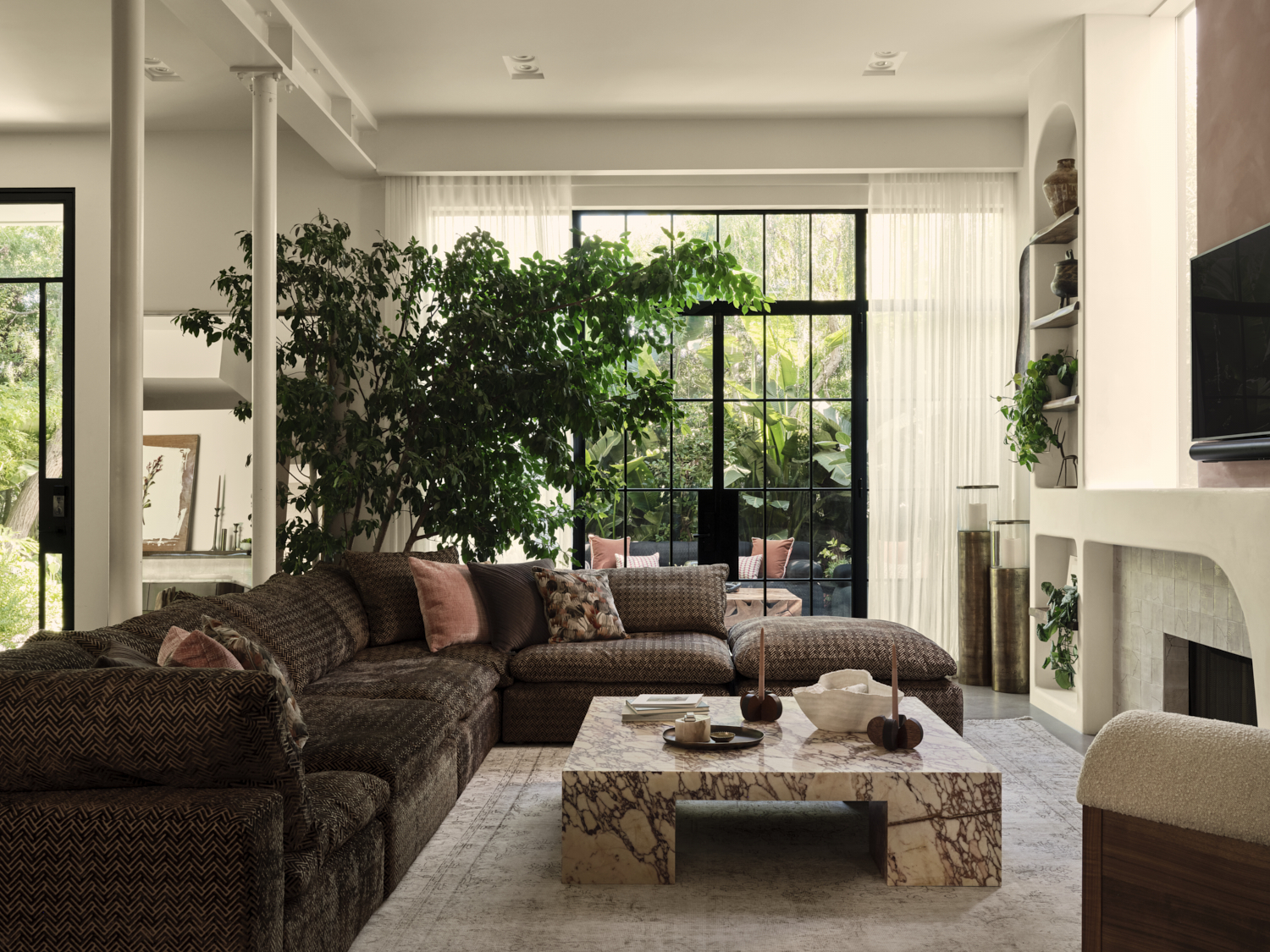
Dramatic "Plant Corners" Are Trending — Here's How You Can Master This Green Decorating Idea
Don't Miss Out on Space—15 Sloped Backyard Ideas That Make the Most of Every Inch