1/5
Is Pre-War Architecture Just Outdated Style With Good Marketing?
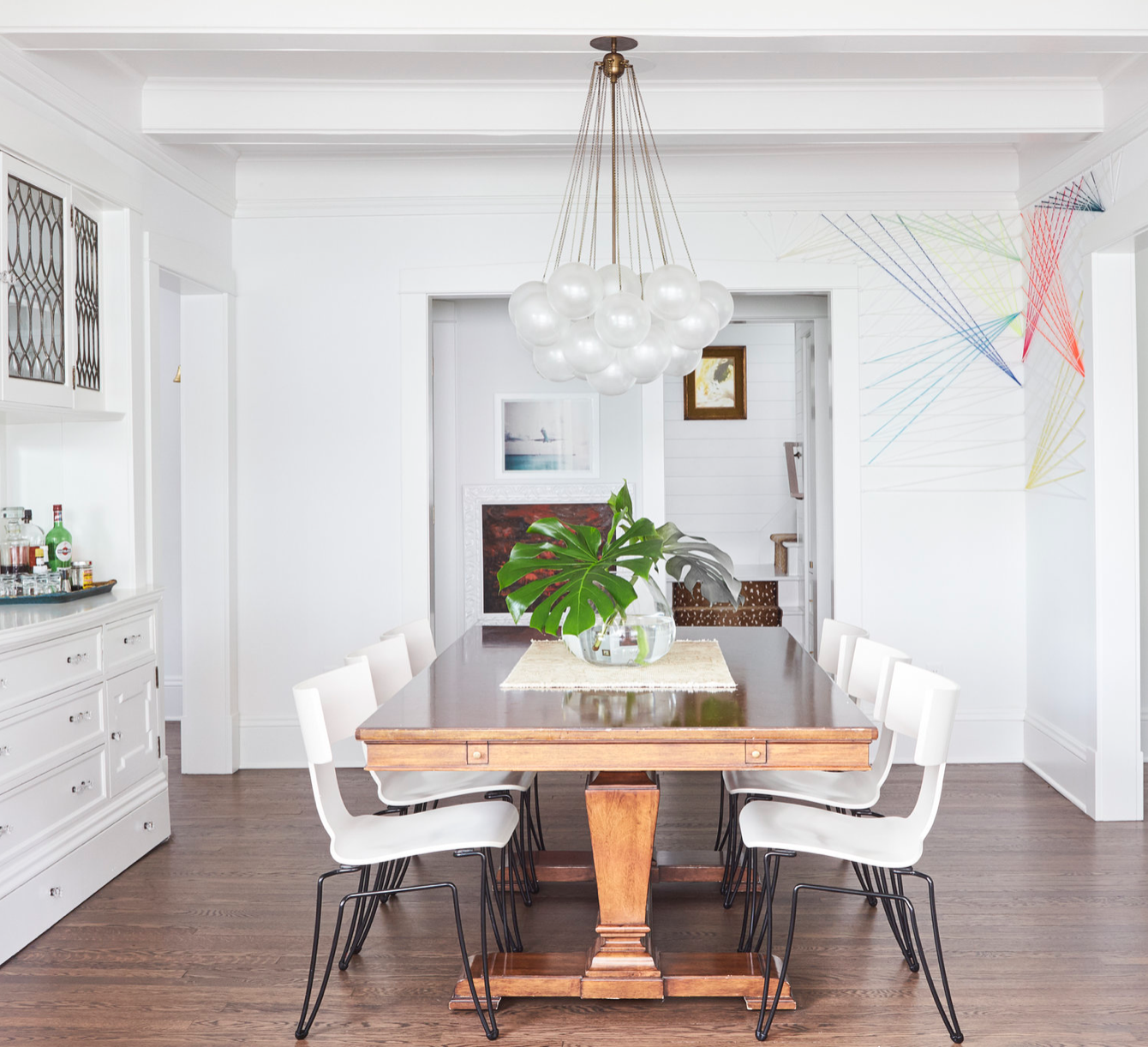
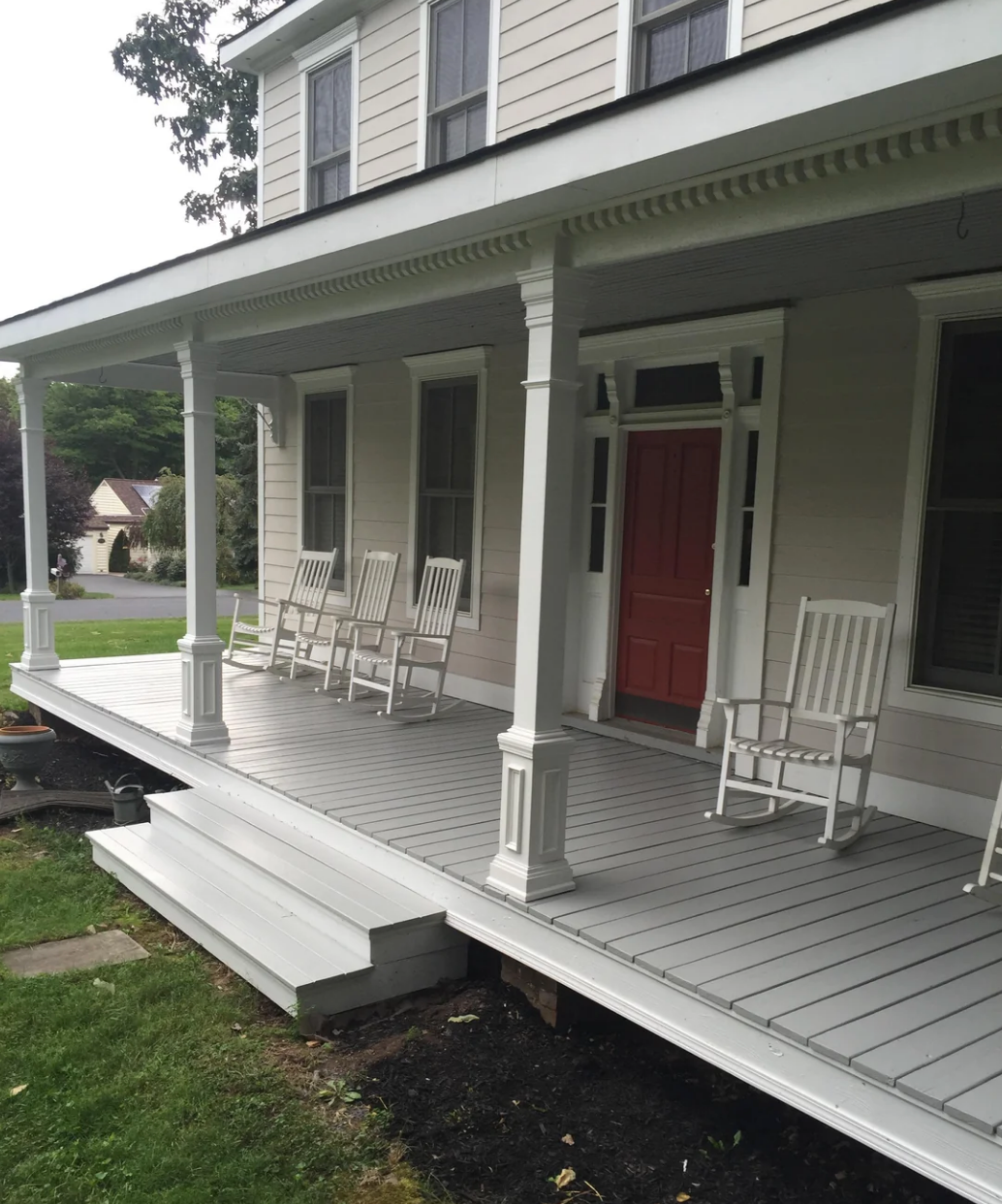
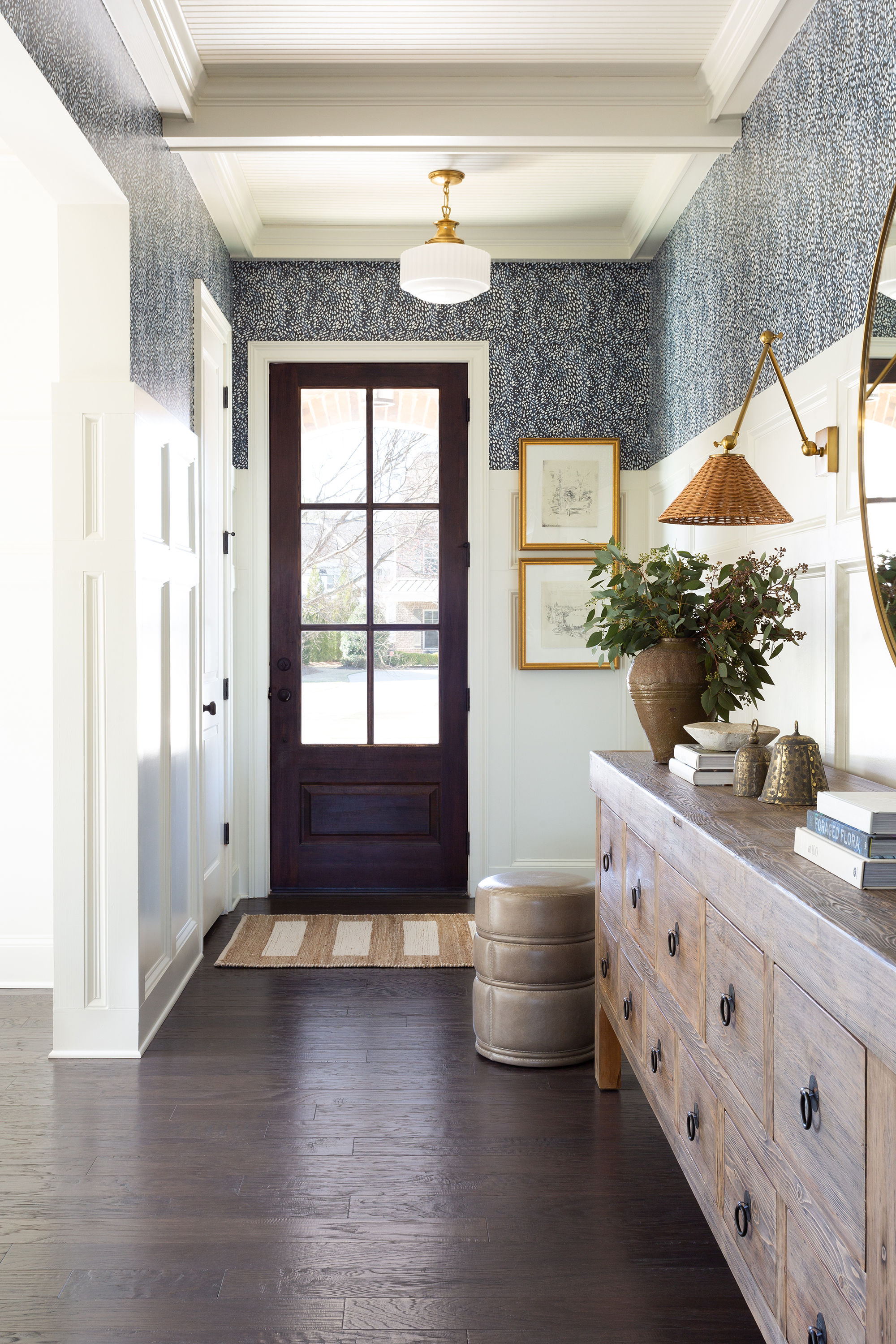
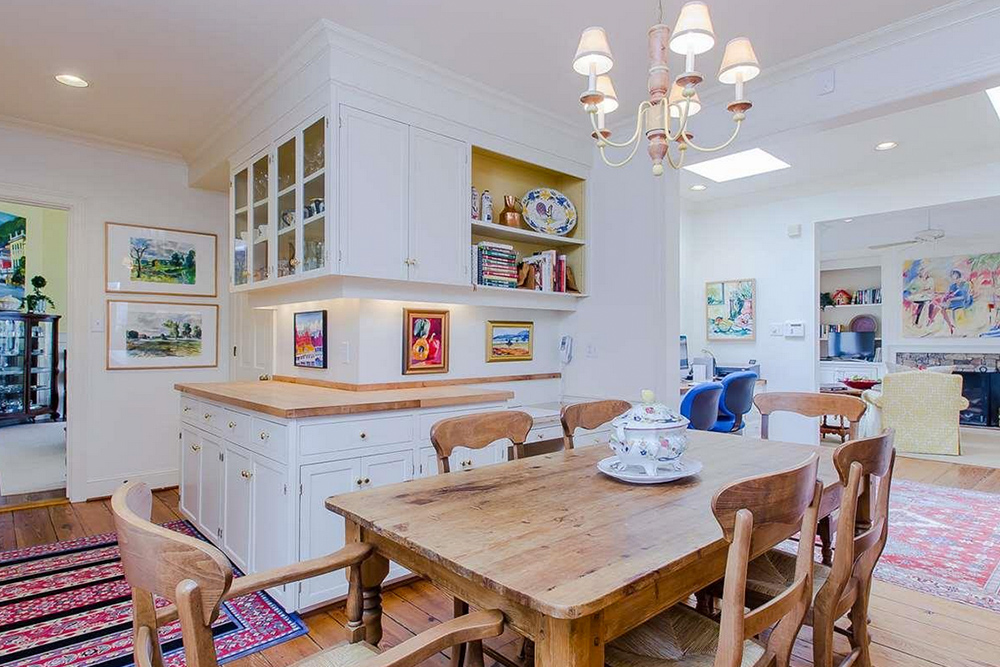
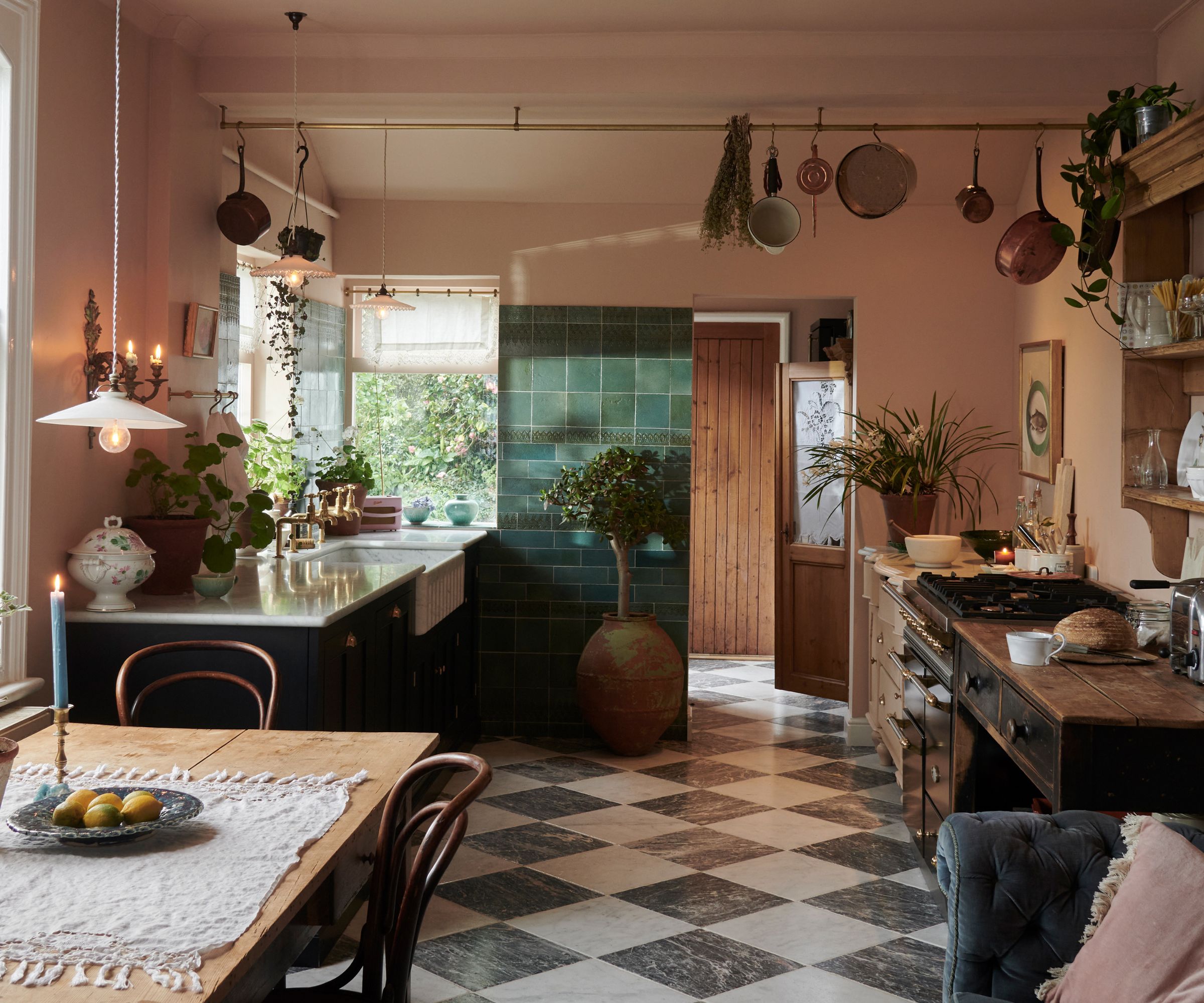
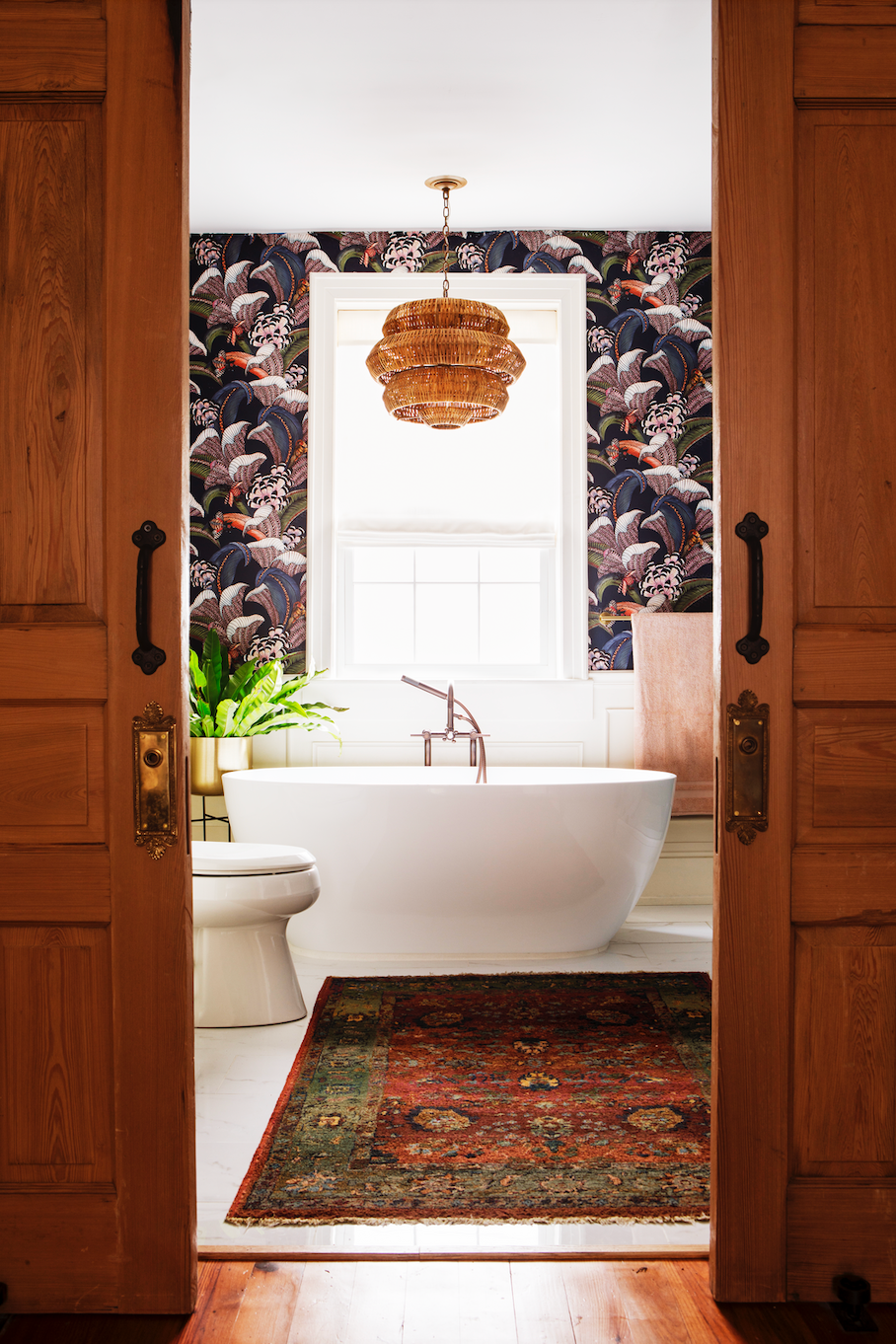
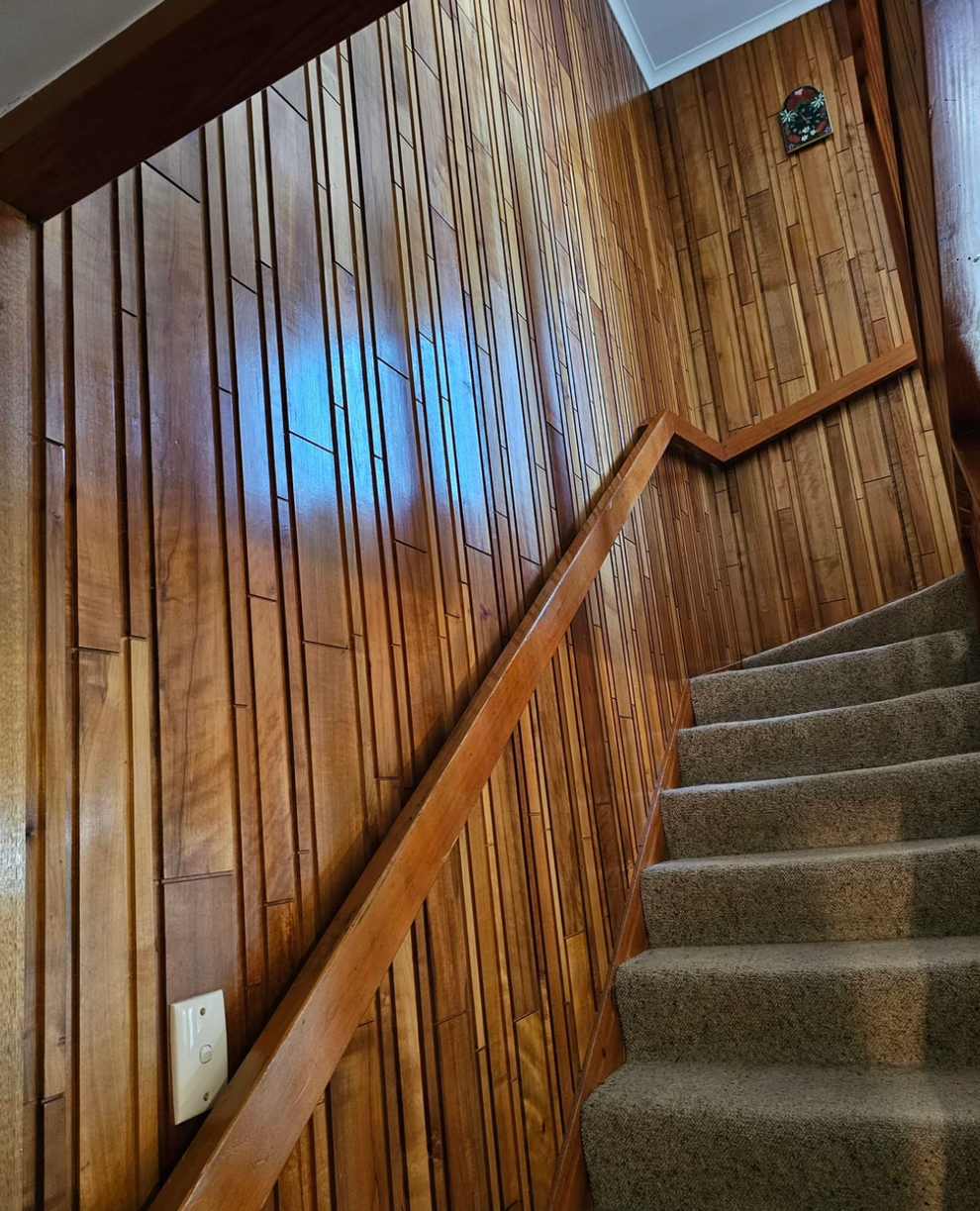
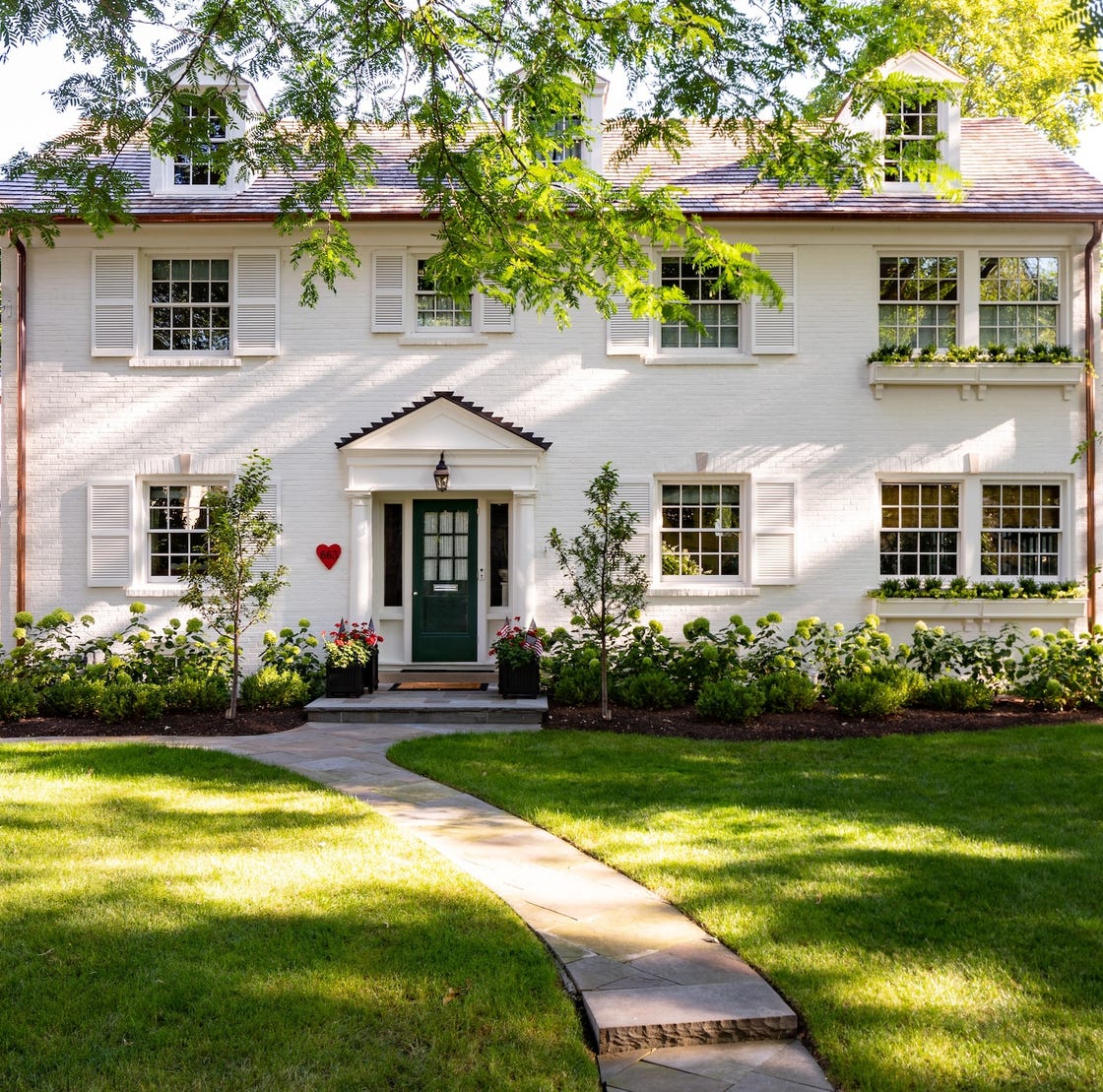
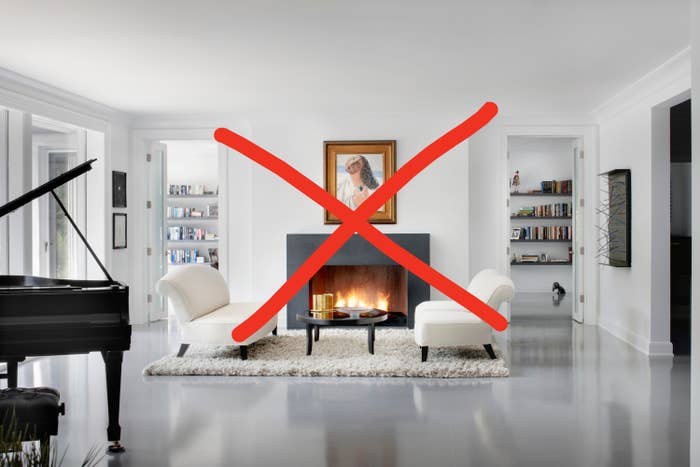
The article delves into the ongoing debate between pre-war and contemporary architecture, asserting that there is no definitive 'right' answer but rather strong arguments for both. Pre-war architecture is defined as structures built between the early 20th century and the start of World War II, predominantly found in major American cities like Manhattan and Brooklyn. These residences are characterized by intricate details such as inlaid hardwood floors, substantial crown molding, and wood-burning fireplaces, reflecting a craftsmanship not commonly seen today. Patrick Ahearn, founder of his eponymous firm, and Stephen Chrisman, partner at Ferguson & Shamamian Architects, advocate for the preservation and renovation of pre-war homes. They highlight the timelessness, solid construction, and the unique character and historical context that these buildings provide, suggesting that recreating such details in new builds is not equivalent to living with original architecture. They argue that these homes can be readily revived, breathing new life into structures rich in character and maintaining the essence of a neighborhood.
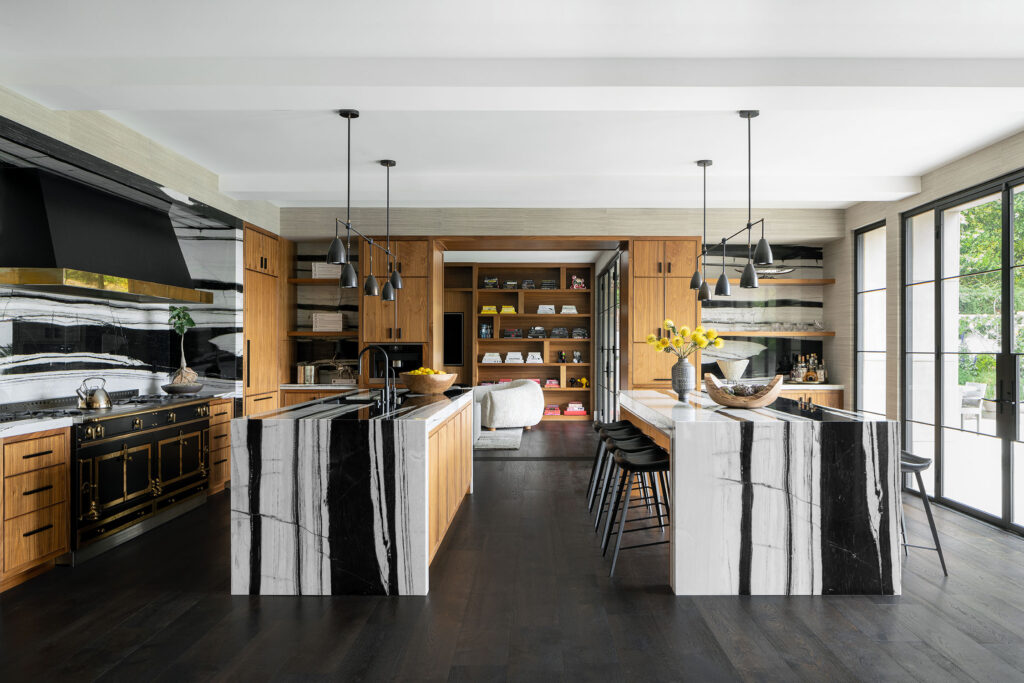
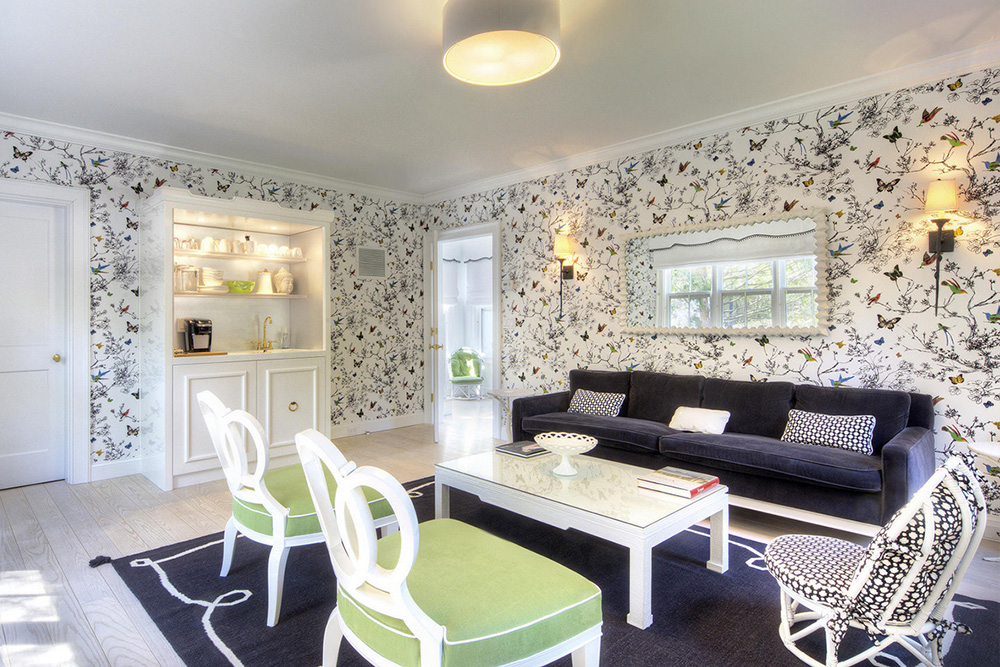
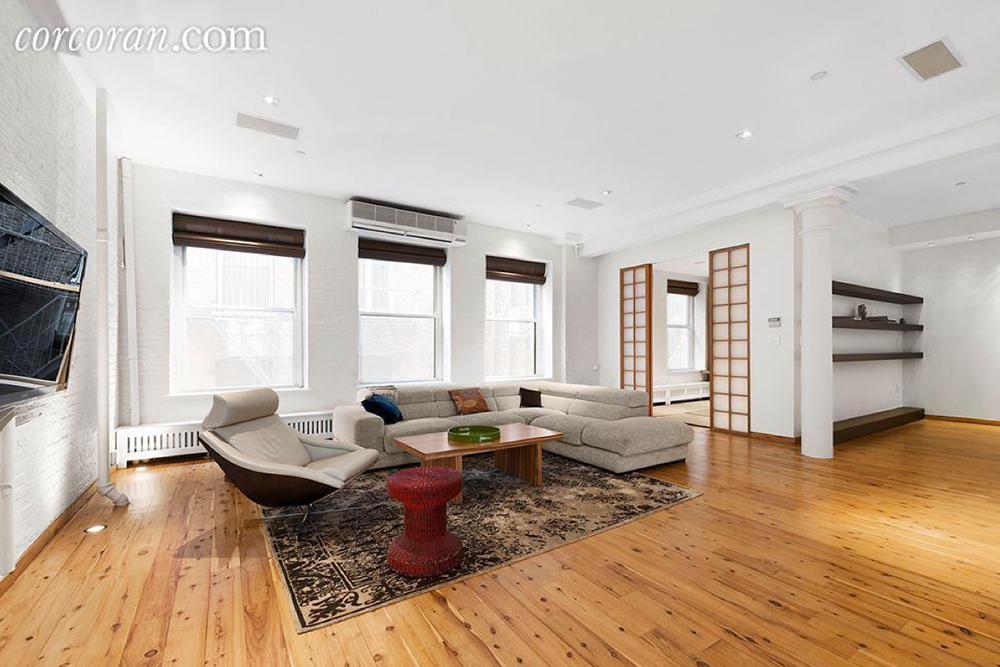
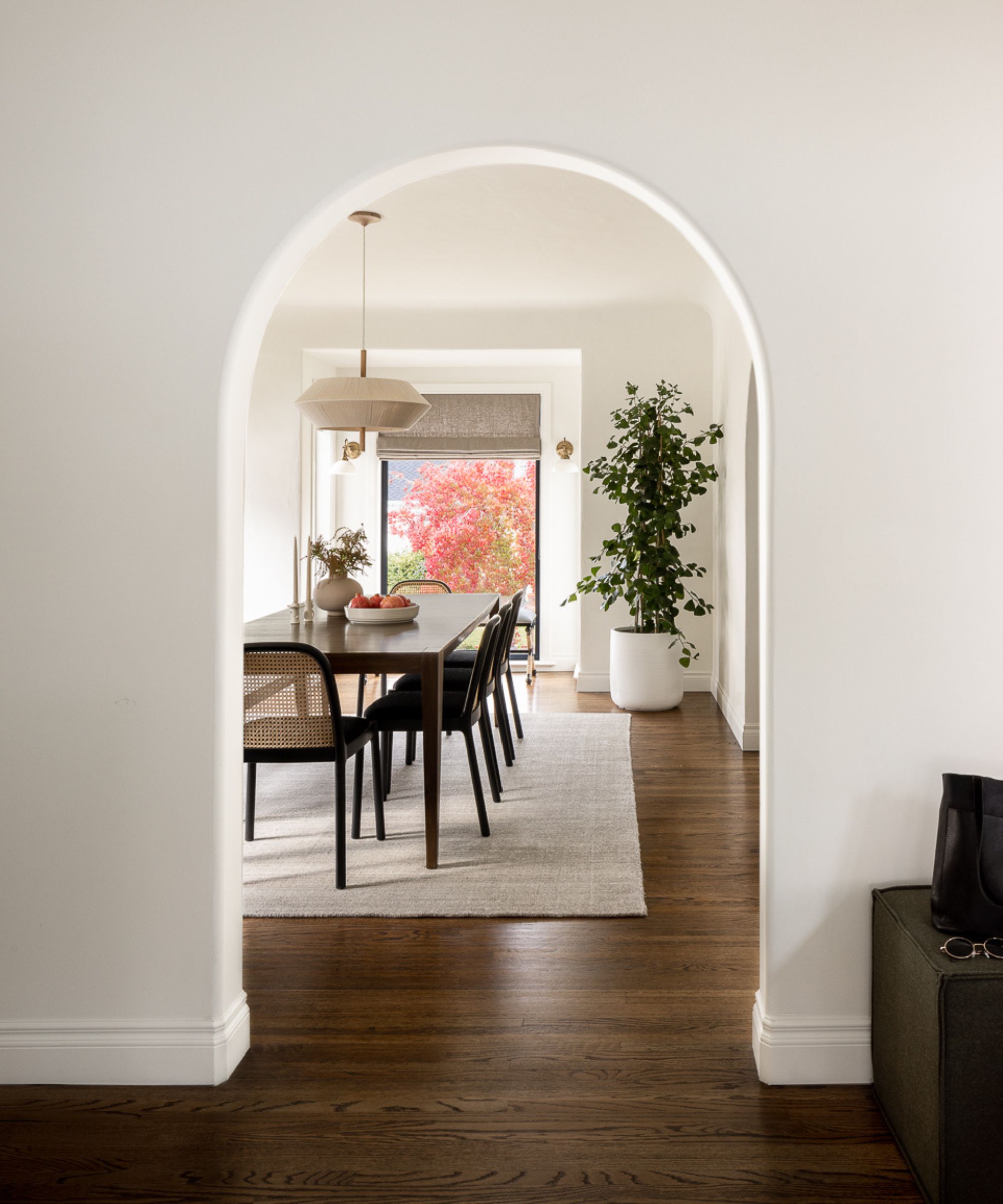
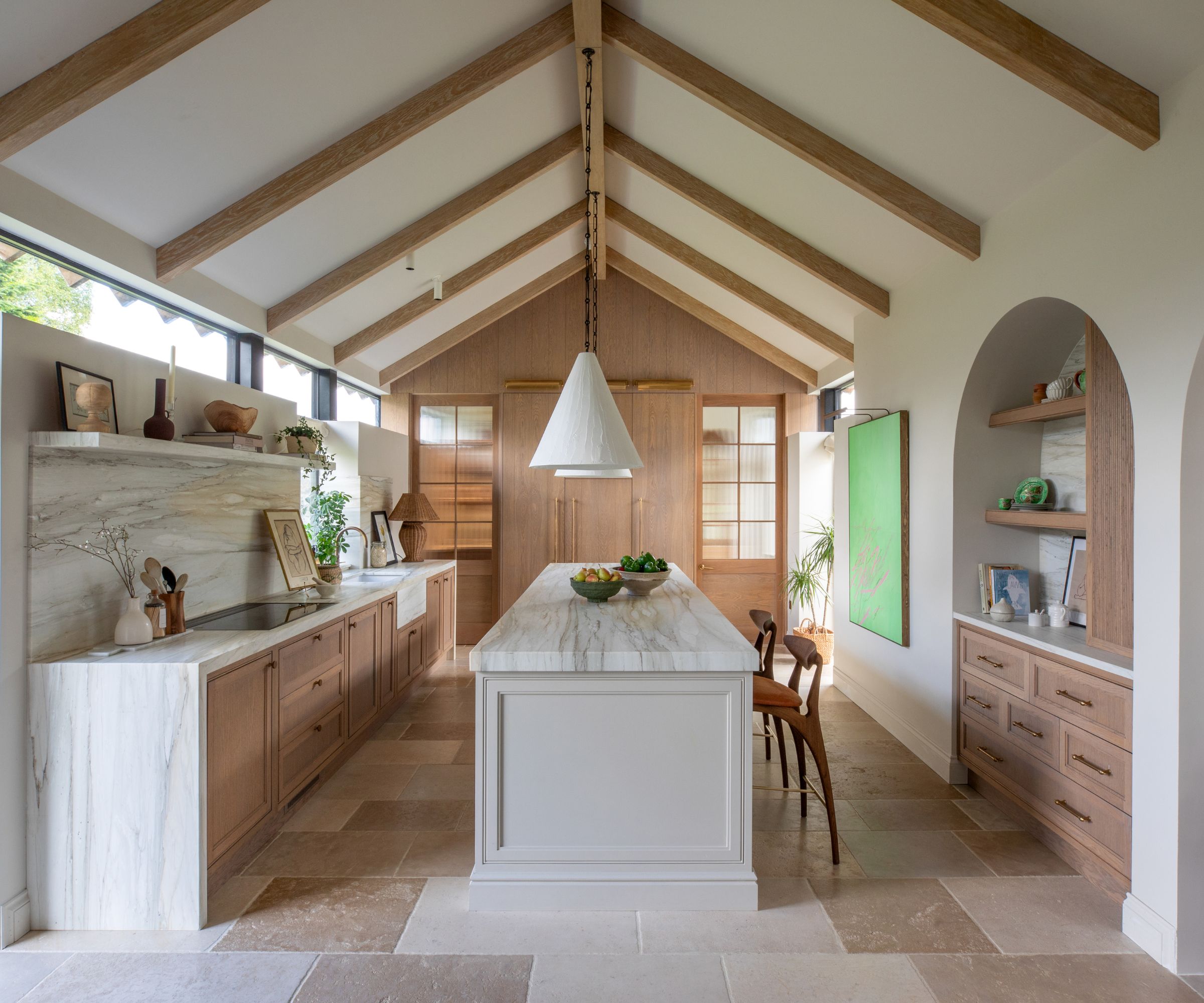
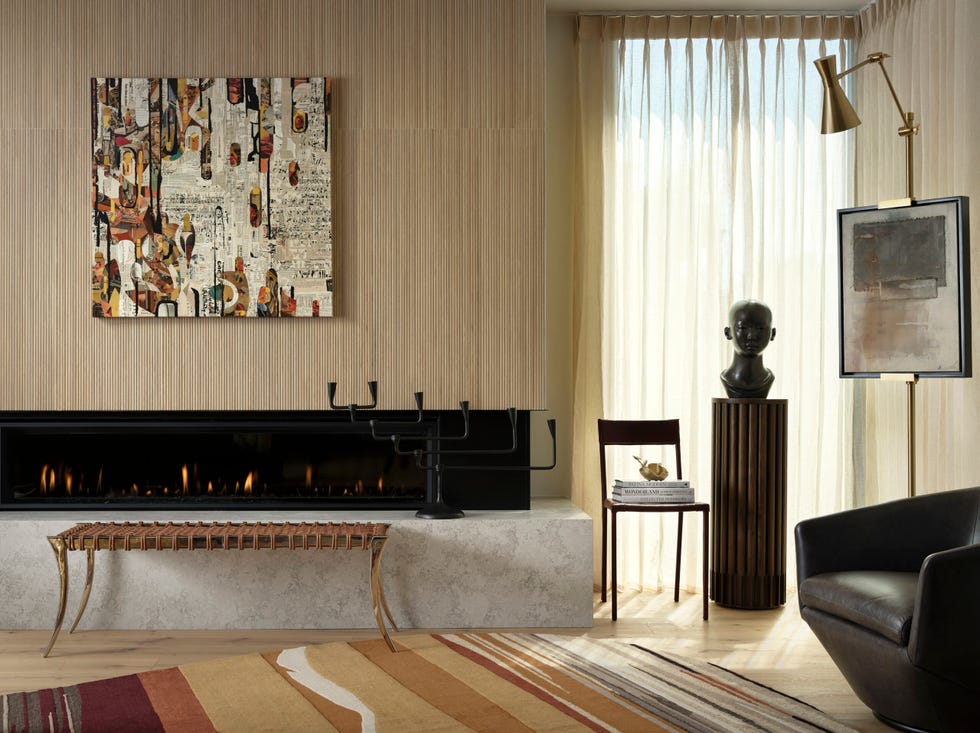
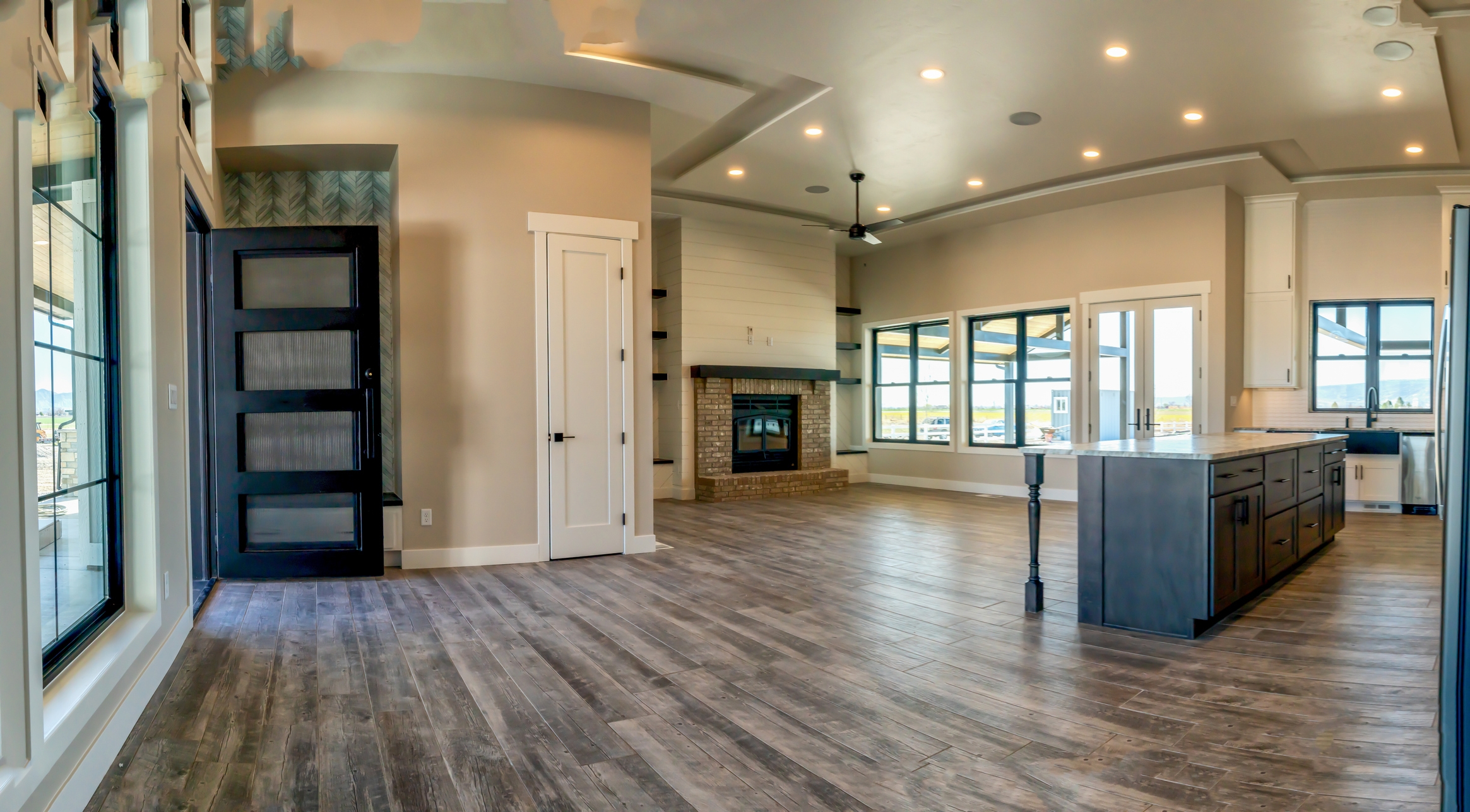
In contrast, contemporary architecture, encompassing residences built from the late 20th century to the present, is described as more streamlined and less ornate. Matthew Bowles, founding principal architect of TenBooks, explains that this style often features open floor plans, expansive glass elements, and a seamless integration of indoor and outdoor spaces. It allows for greater freedom and experimentation in aesthetic concepts, incorporating various cultural influences and emphasizing project individuality. Andre Herrero, principal architect at Charlap Hyman & Herrero, points out that pre-war buildings generally have less natural light and air and are more structurally rigid, limiting their adaptability. Contemporary design, with its focus on function over elaborate decoration, aims to enhance ease and comfort of living, and its simpler aesthetic tends to be more visually calming. The article acknowledges that both styles have their merits, and the choice between them ultimately depends on individual preferences and needs, particularly considering factors like the desire for indoor-outdoor flow or a preference for historical detail.
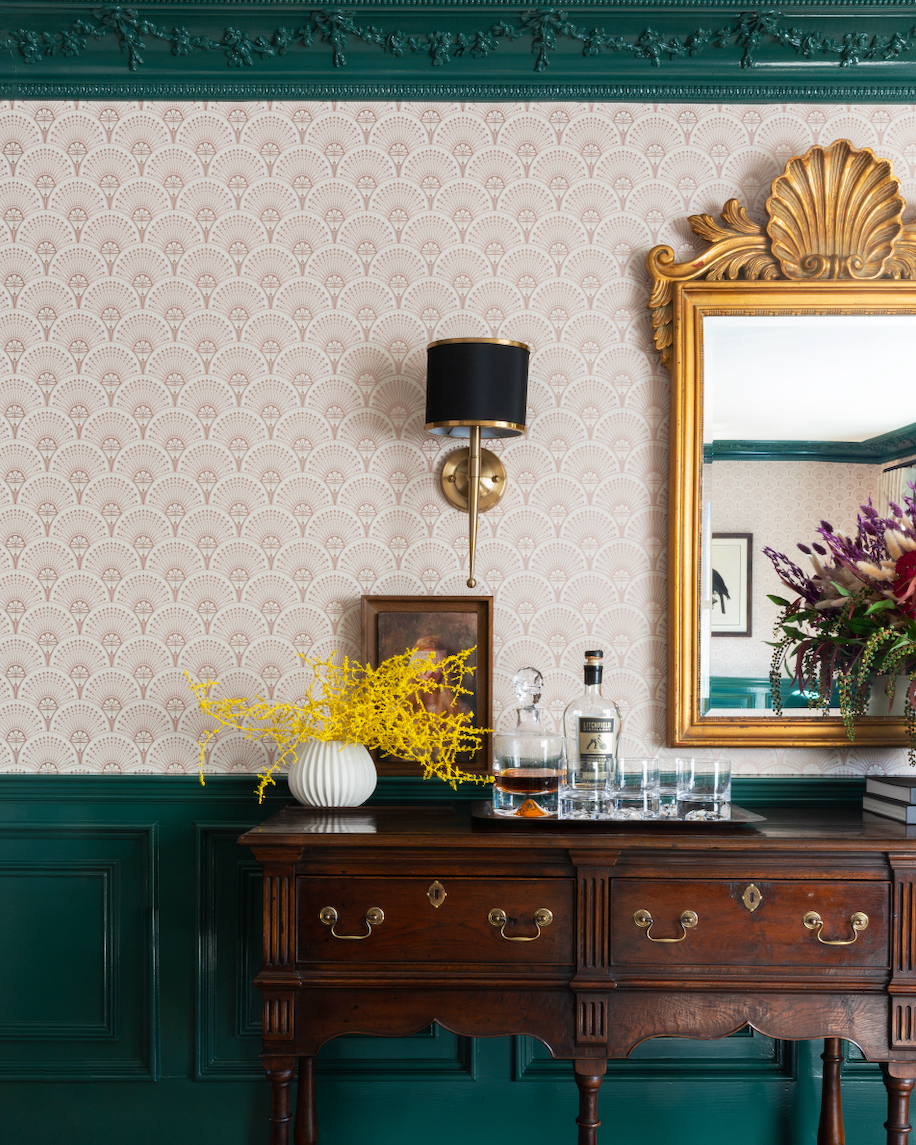
Pre-war homes are noted for their large, well-proportioned rooms with high ceilings, wood moldings, elaborate trim details, and stone fireplaces, which contribute to their unique charm. Hormuz Batliboi, principal architect at Batliboi Studio, emphasizes these features as hallmarks of beautiful pre-war spaces. The article concludes by advising individuals to consider their lifestyle and preferences when choosing between these architectural styles, whether moving into an apartment or a single-family house. The decision should be based on which architectural vibe aligns best with how one envisions living, cooking, sleeping, and entertaining. Ultimately, neither style is superior, but one will better suit specific personal requirements.
#PreWarArchitecture #ContemporaryArchitecture #HomeDesign #ArchitecturalStyles #InteriorDesign #Renovation #HistoricHomes #ModernLiving #PreWarArchitecture #ContemporaryArchitecture #HomeDesign #ArchitecturalStyles #InteriorDesign #Renovation #HistoricHomes #ModernLiving
0 comment in total
 No comments yet
You may also like

Building a profile: The sway of marketing on architectural design

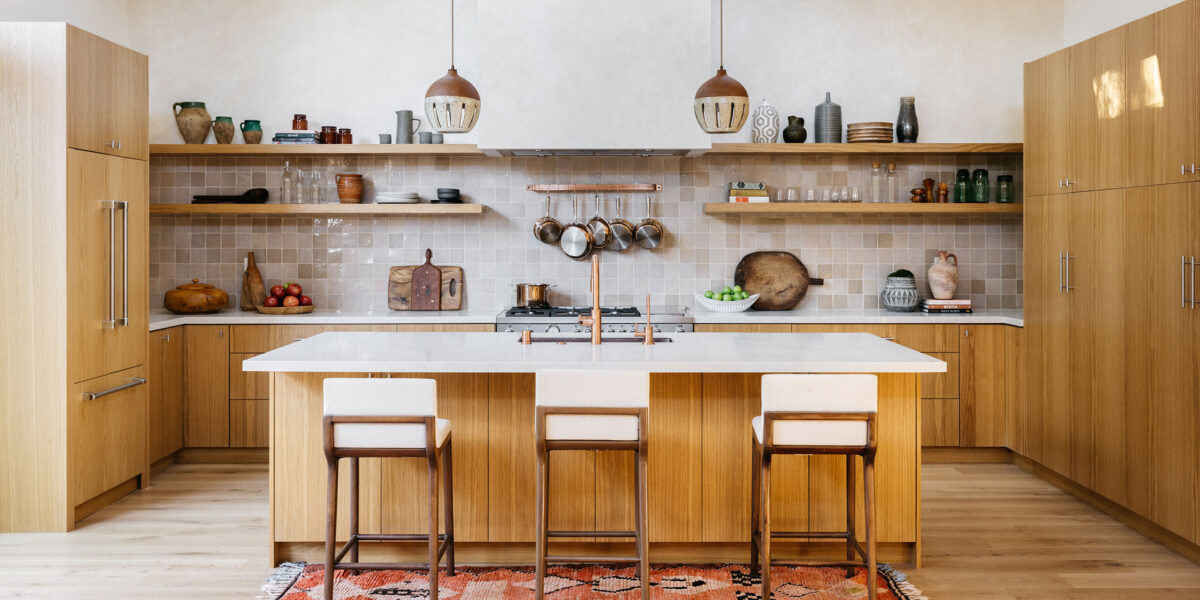
This Outdated Kitchen Design Style Is Coming Back (and That’s a Good Thing)

Surprise: 1990s Design Trends Are Coming Back
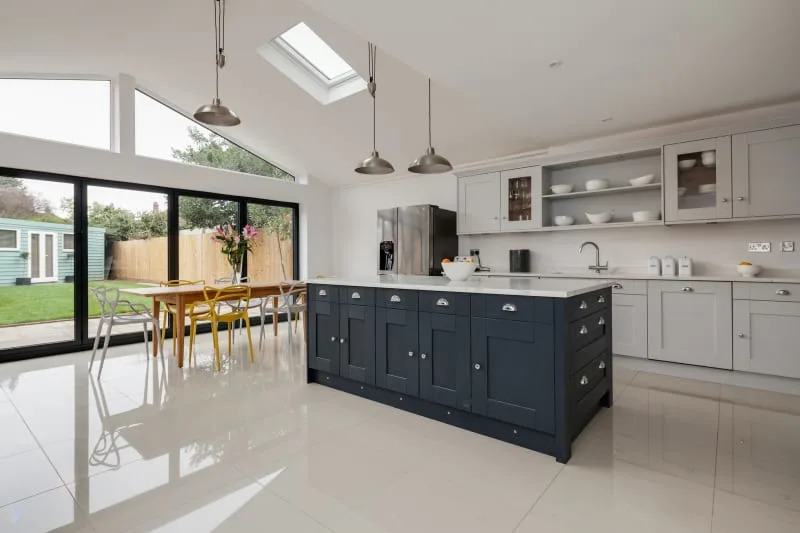
The Once-Popular Kitchen Counter Style Real Estate Pros Say Is Outdated
Home help: Are feature walls still a thing or do they make a home look dated?

Design Trends: Retro Revival

We Asked Designers If Midcentury Modern Is Out of Style—and Their Answer Might Surprise You

Are Gallery Walls Still in Style? Here’s What Designers Say

"I love mid-century modern but it makes me sad"
Is This Once Trendy Tile Design Making Your Kitchen Look Outdated?

Is open plan going out of style? Experts weigh on whether this once-loved layout is starting to date

Are accent walls out of style? This is how designers are using them now and beyond

People Are Revealing The "Outdated" Home Design Trends That Are Wayyy Better Than Modern Trends
16 "Outdated" Home Design Trends That Are Wildly Better Than Modern-Day Trends

The #1 Retro Design Trend Designers Say is Making a Comeback


People Are Revealing The "Outdated" Home Design Trends From The '80s That Need To Come Back
21 "Outdated" Home Design Trends That Are Sooo Much Better Than Modern-Day Trends
Is modern rustic decor still on trend? We asked designers if this much-loved look is here to stay
Tell Us Which Modern Home Design Trends Will Be Outdated In A Few Years
The Once-Popular Kitchen Counter Style Real Estate Pros Say Is Outdated