15 Must-Have Bottles For A Well Stocked Bar
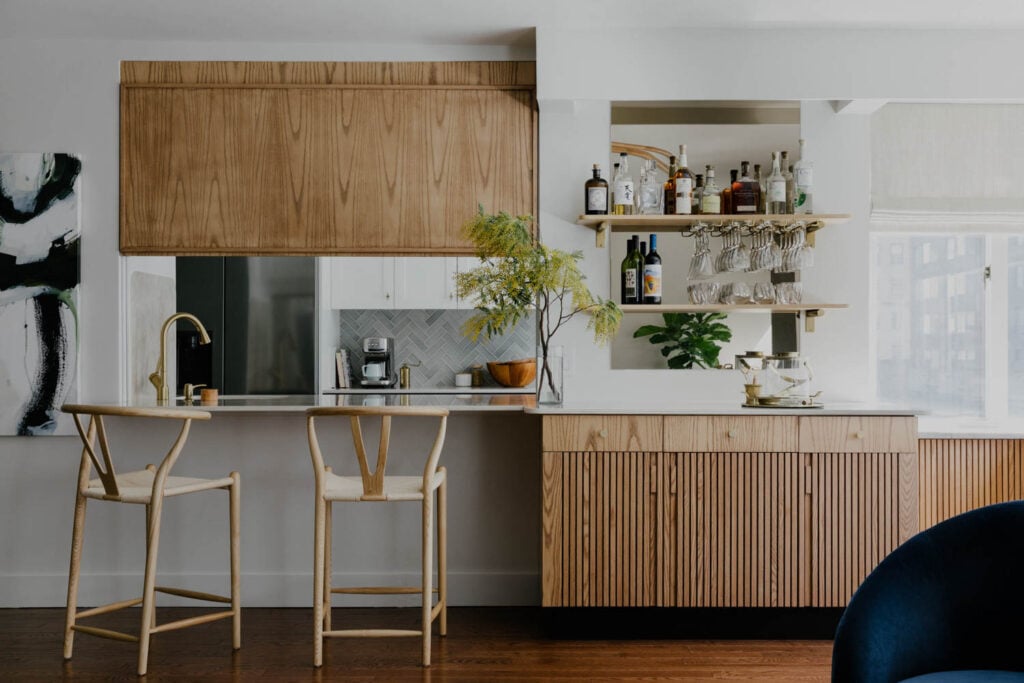
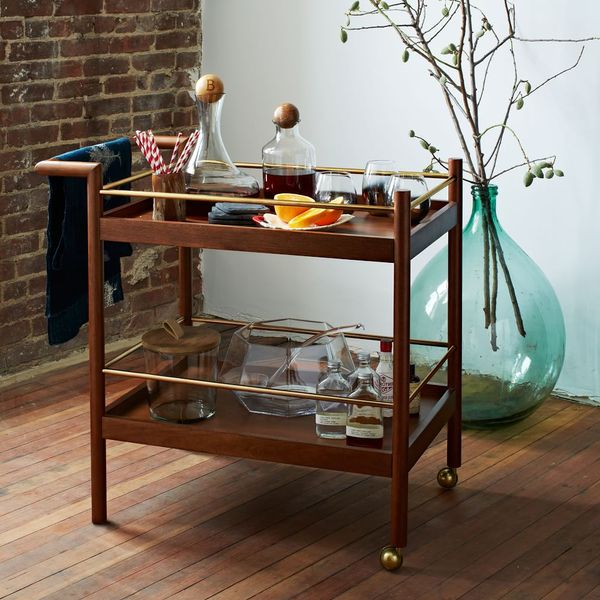
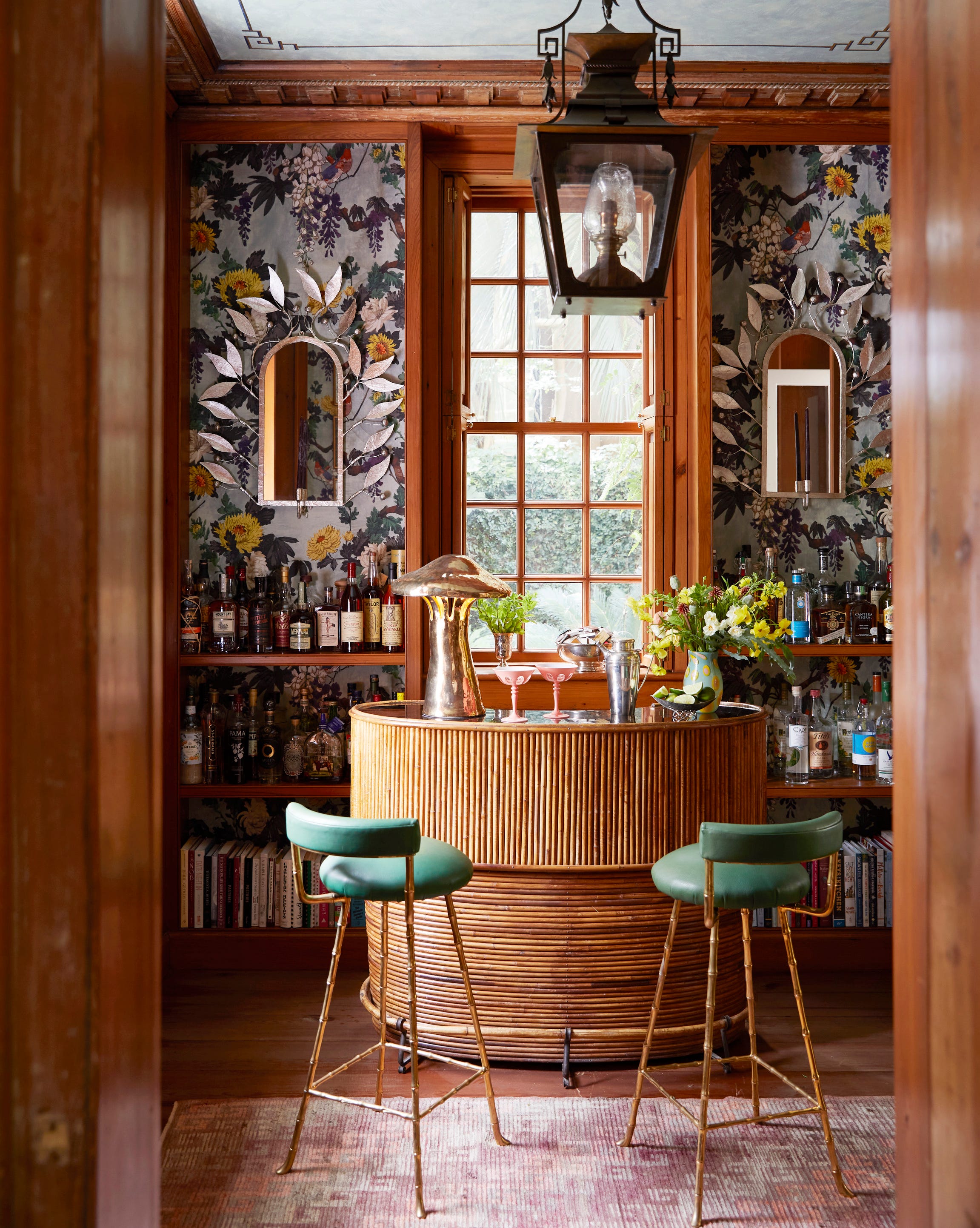
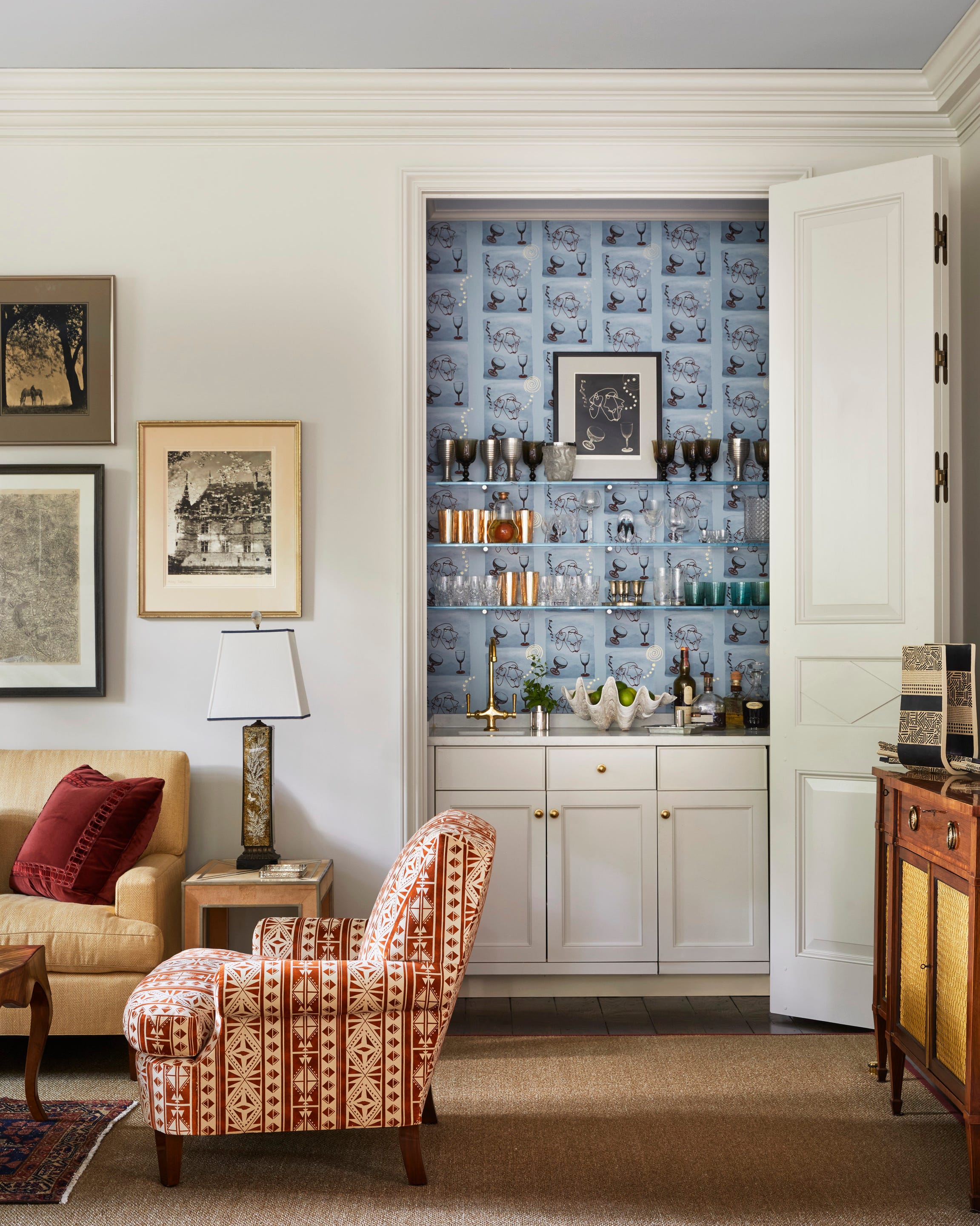
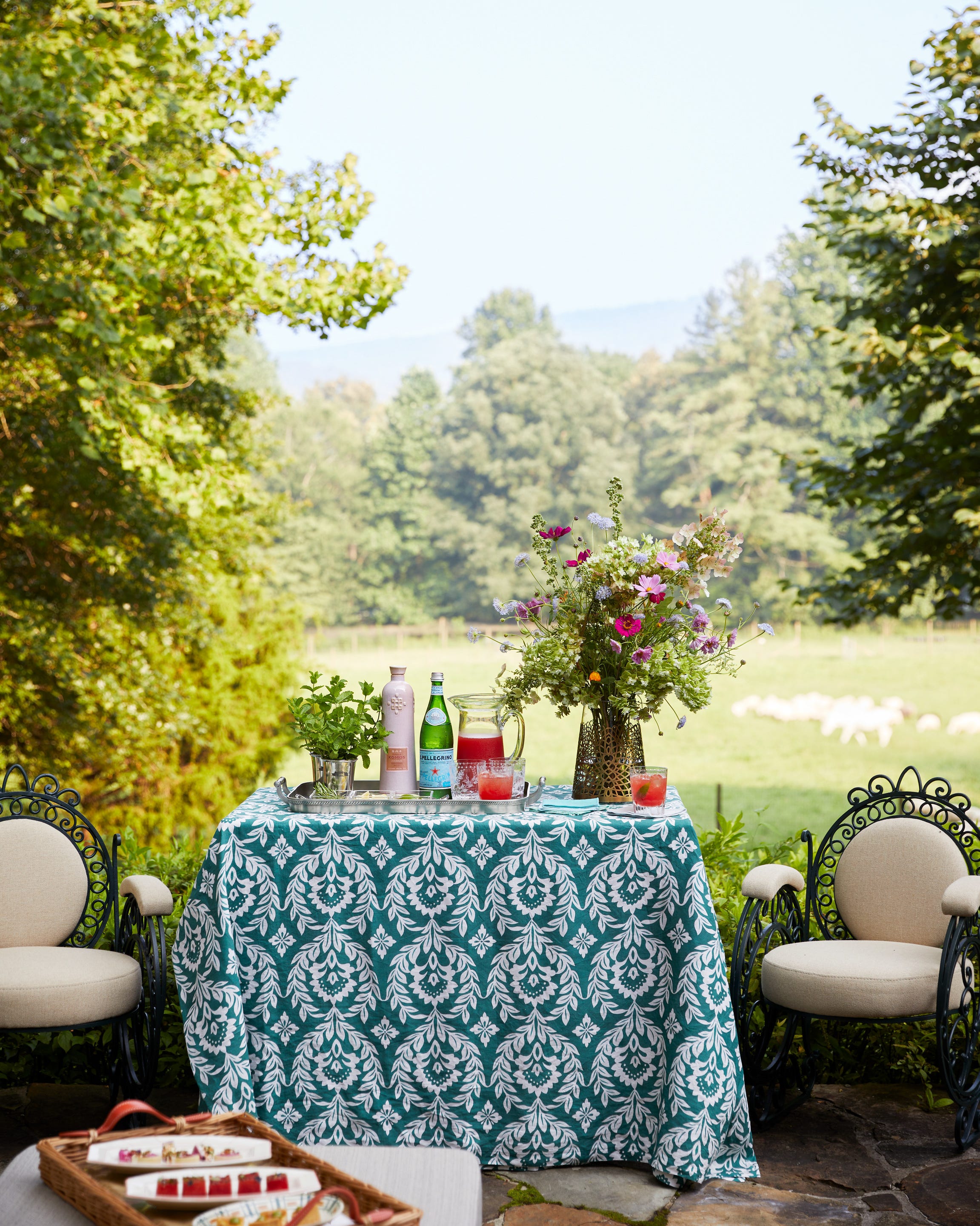
Building a well-stocked home bar can be a journey of trial and error, often leading to an accumulation of single-use liquors that gather dust. Instead of over-stocking, a curated selection of essential bottles can transform any home enthusiast into a proficient cocktail crafter. This guide outlines fifteen essential bottles, divided into basic and supporting spirits, to help establish an effective home bar without unnecessary clutter.
The initial phase of stocking a home bar involves selecting fundamental base spirits. The choice of spirits should align with personal preferences and the intended audience, whether mixing for oneself, a partner, or guests. It is advisable to start with one or two known and enjoyed liquors. For instance, gin, with its herbal notes, pairs well with common mixers like citrus and simple syrups, and is versatile across seasons. If gin is not preferred, selecting another favored spirit ensures that initial investments are well-spent. Recommended base spirits include Gin (e.g., Berkshire Mountain Distillers Ethereal Gin), Tequila (e.g., Cuervo Tradicional Reposado), Vodka (e.g., Tito’s), Bourbon (e.g., Bulleit), and Rum (e.g., Privateer True American Rum). Each is highlighted with ideal pairings to guide cocktail creation.
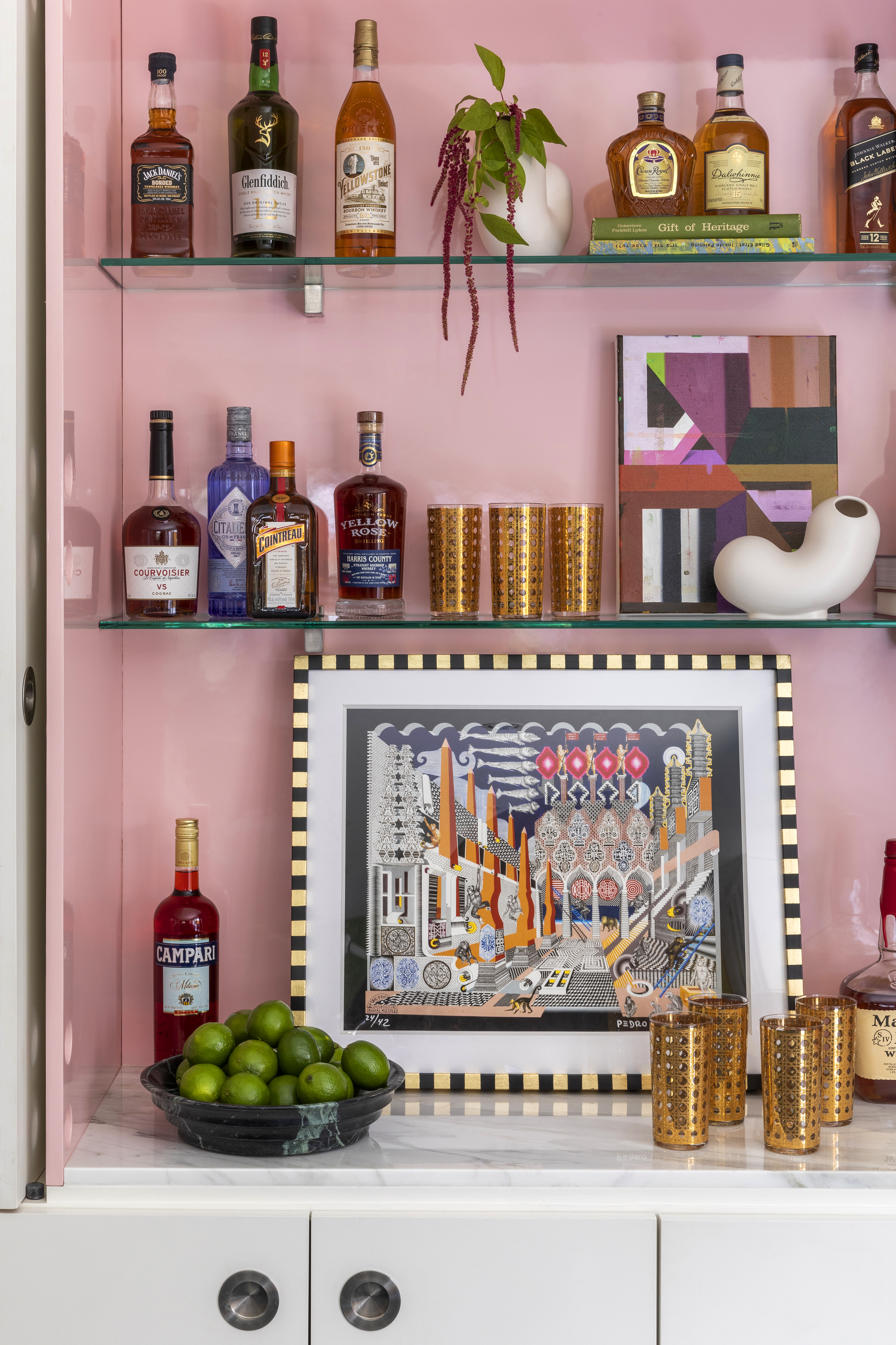
Once the foundational spirits are in place, the next step involves incorporating supporting spirits to expand the repertoire of craft cocktails. These additions allow for more complex and varied drink creations. Reflecting on favorite bar drinks can help identify recurring ingredients that would be valuable additions. Initially, mastering one or two cocktails with these new ingredients is recommended, gradually experimenting with substitutions and additional flavors to enhance complexity. Notable supporting spirits include Brandy (e.g., Laird’s Applejack), a versatile winter staple; Orange Liqueur (e.g., Cointreau), a key ingredient that complements all base spirits; and both sweet and dry Vermouth (e.g., Dolin Blanc and Martini & Rossi), essential for classic cocktails like Manhattans and Martinis.
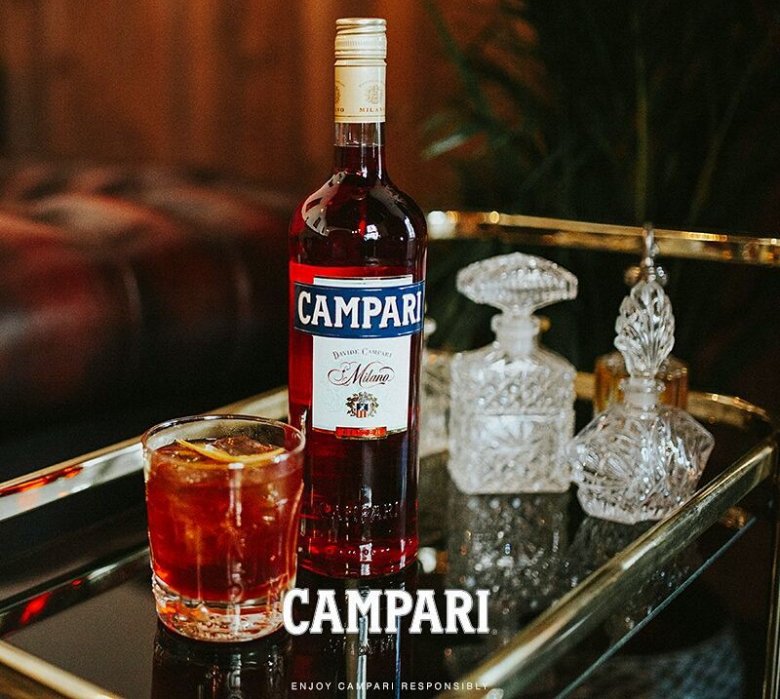
Further enriching the bar, Elderflower Liqueur (e.g., St. Germain) offers floral sweetness ideal for spring and summer drinks. Creme Yvette, with its berry and vanilla notes and vibrant purple hue, adds both flavor and visual appeal, perfect for cocktails like the Aviation. Chartreuse, available in yellow (sweeter) and green (more intense herbal), allows for distinctive drinks such as the Last Word. For those developing a taste for bitter flavors, Campari and Aperol (e.g., Aperol Spritz) are excellent choices, with Aperol being a more approachable option for beginners due to its milder bitterness. Lastly, Amaro, an Italian after-dinner digestif, has gained popularity in craft cocktail culture and can be enjoyed on its own or mixed into adventurous concoctions, with Amaro Nonino Quintessentia being a recommended option.
Beyond bottled spirits, a well-rounded home bar incorporates fresh ingredients like lemons, limes, and oranges for their juices. Simple syrup, easily made from sugar and water, can be infused with various flavors to add depth to drinks. Additionally, keeping a selection of bitters, such as Angostura, Peychaud’s, and orange bitters (e.g., Regan’s #5 Orange Bitters), is crucial. These concentrated flavor agents, though used in small quantities, significantly impact a cocktail's profile. By focusing on these fifteen essential bottles and supplementary ingredients, individuals can build a comprehensive home bar capable of rivaling professional establishments, fostering a rewarding cocktail-making experience.
#HomeBar #CocktailEssentials #Mixology #CraftCocktails #SpiritSelection #EntertainingAtHome #DrinkRecipes #LiquorCabinet #HomeBar #CocktailEssentials #Mixology #CraftCocktails #SpiritSelection #EntertainingAtHome #DrinkRecipes #LiquorCabinet
0 comment in total
 No comments yet
You may also like
Iconic Liquors Every Home Bar Needs
The 5 Best Bar Cabinets for Every Mixologist

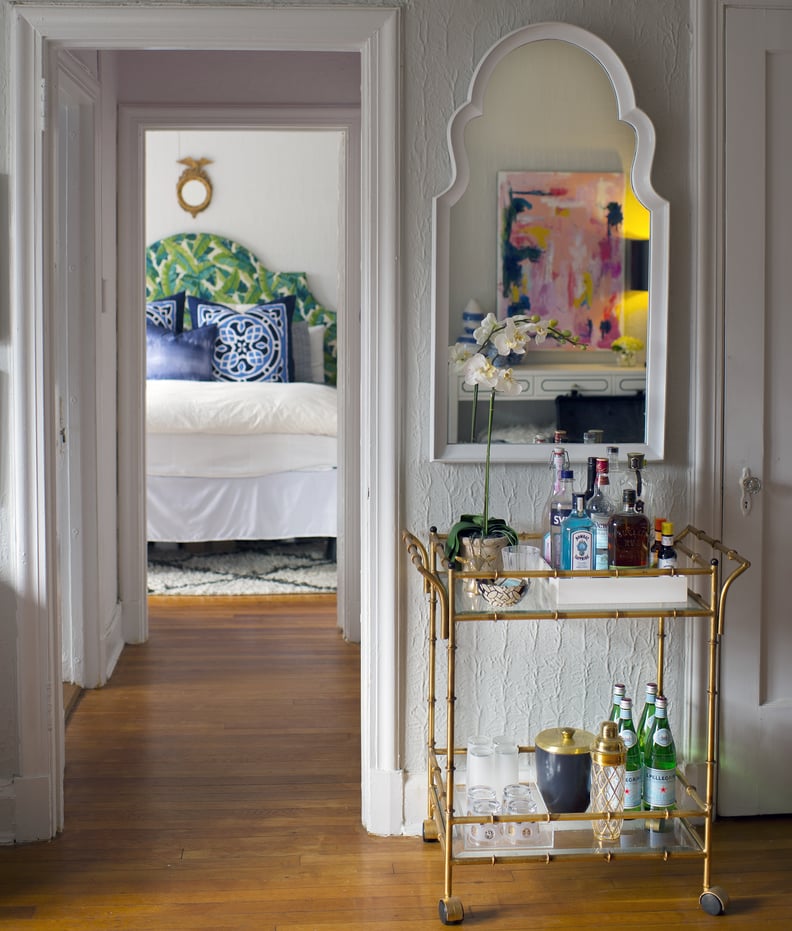
10 Stylish and Affordable Bar Carts That Will Elevate Your Space
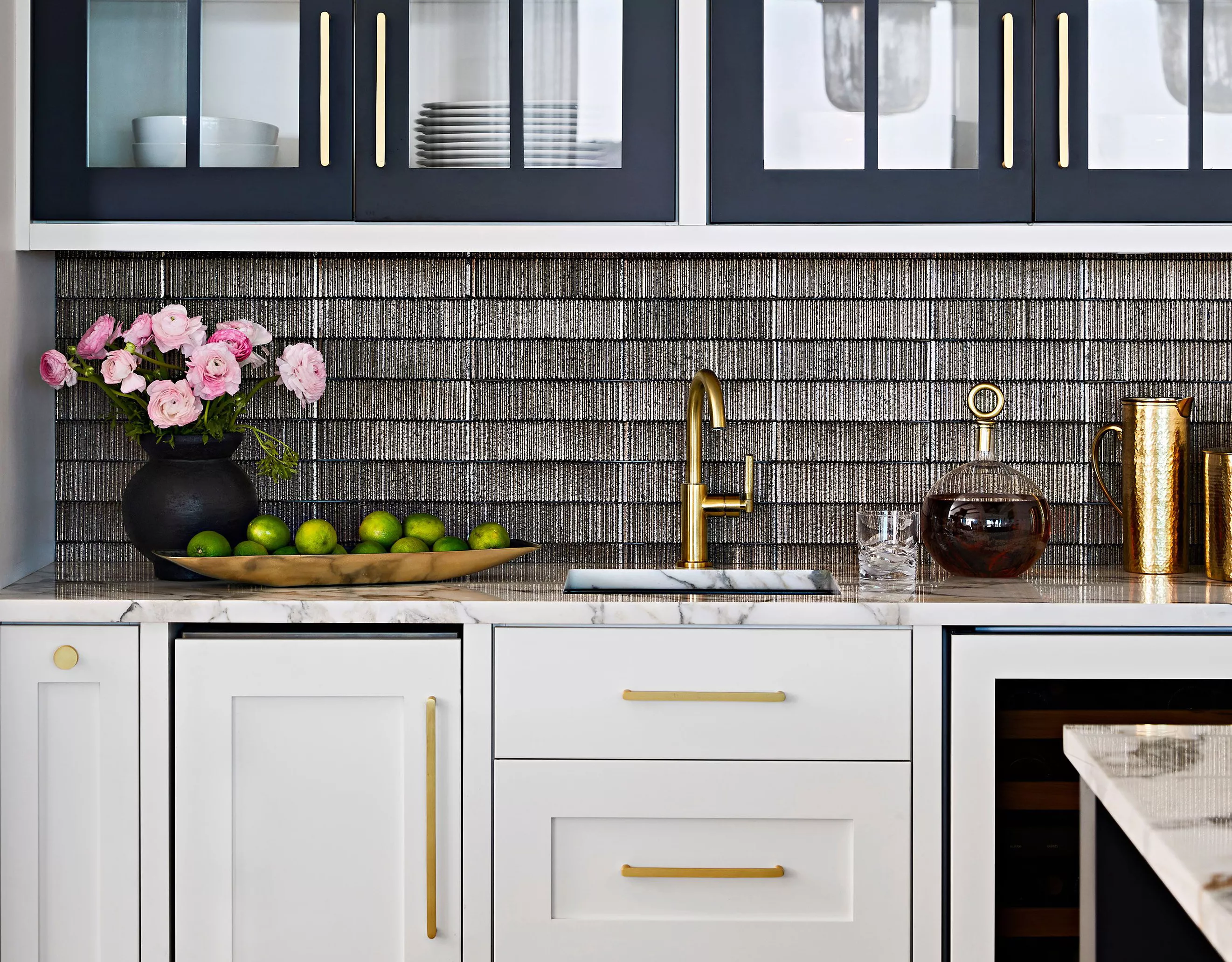
39 Stylish Wet Bar Ideas That Make Serving Drinks a Delight

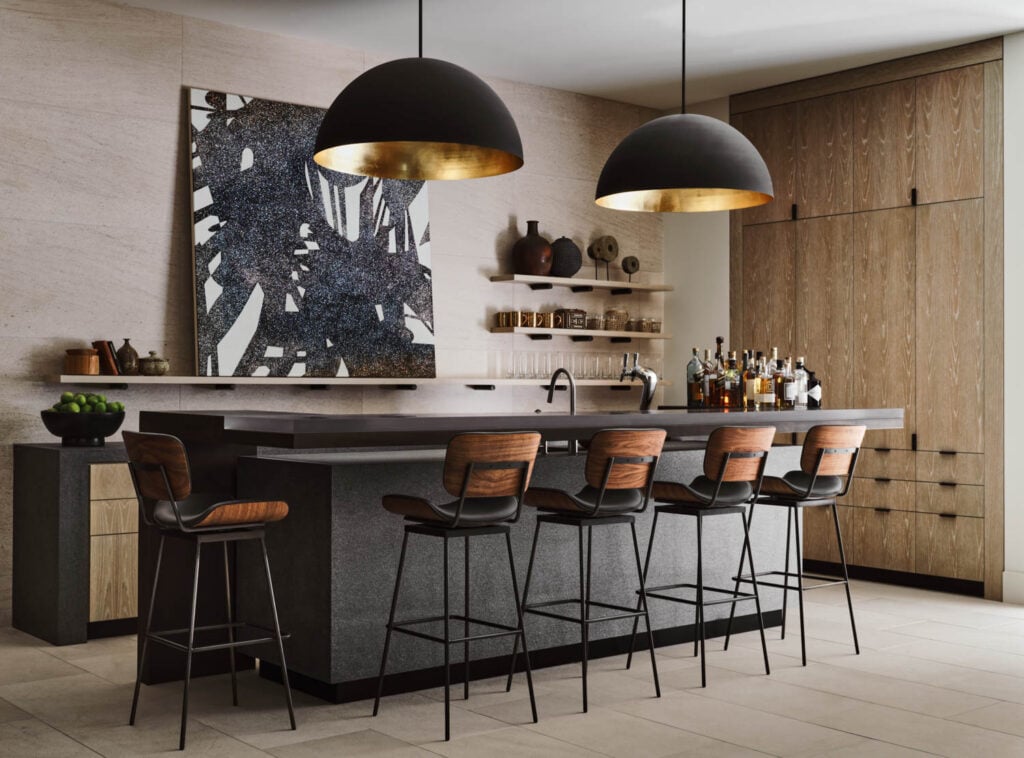
10 Tasteful Home Bar Designs Worthy of a Bottle of Bubbly


18 Luxe Bar Cabinets That Will Make You Crave a Martini

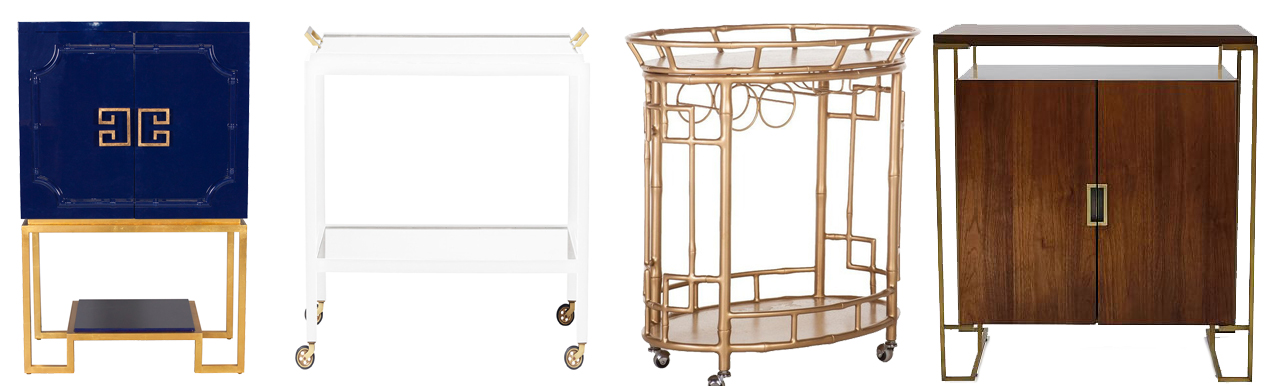
10 Stylish Bar Carts to Upgrade Your Cocktail Hour

The 10 Best Wine Racks to Store Your Bottles in Style
The 14 Very Best Bar Carts
5 Essential Whiskeys for Starting Your Home Bar

Here Are the Best Bar Cabinets to Buy Now, According to our Editors


These Chic Home Bar Ideas Will Get You Ready for Your Next Cocktail Party
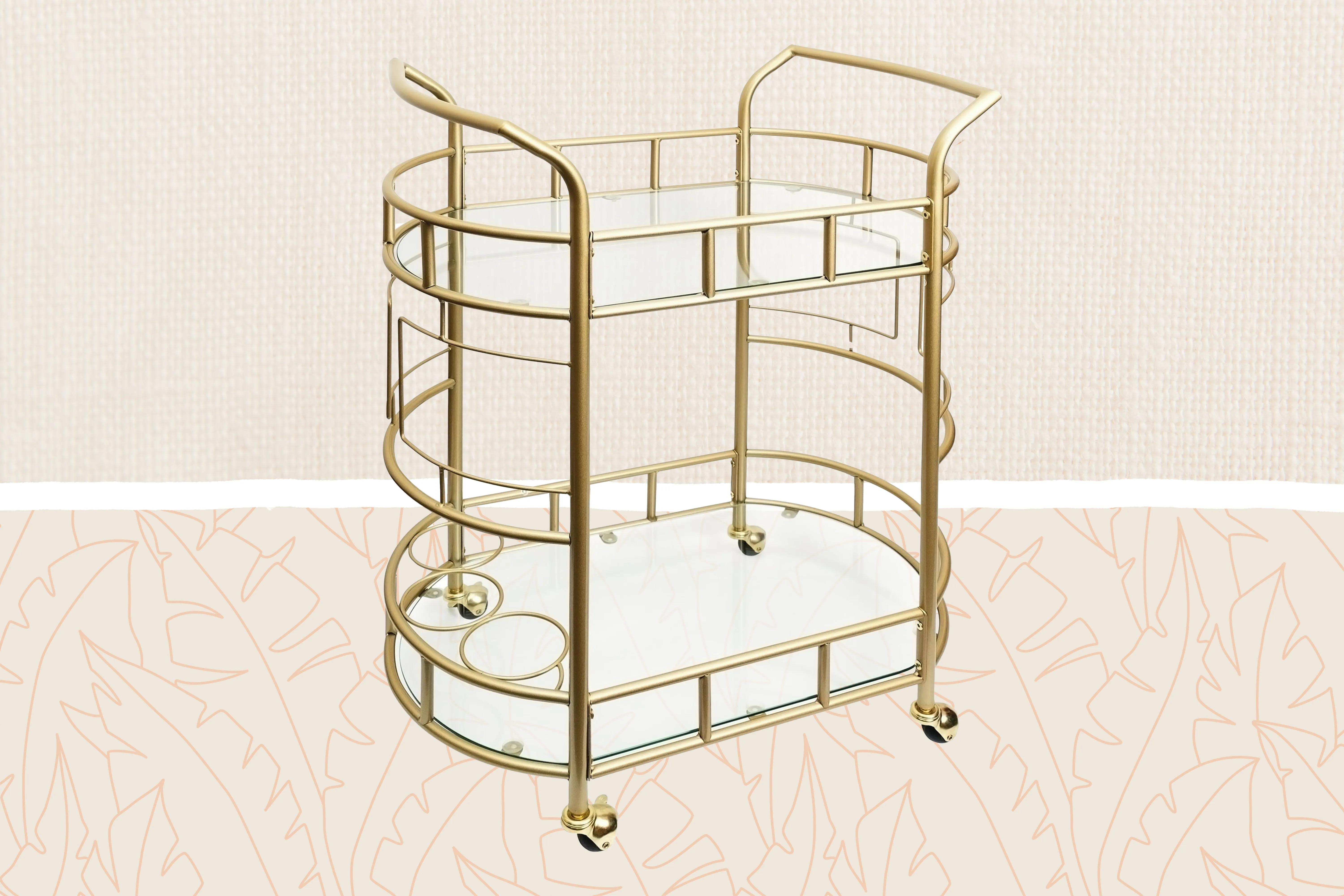
Effortlessly Style Your Bottles, Glassware, and More With Our Favorite Bar Carts
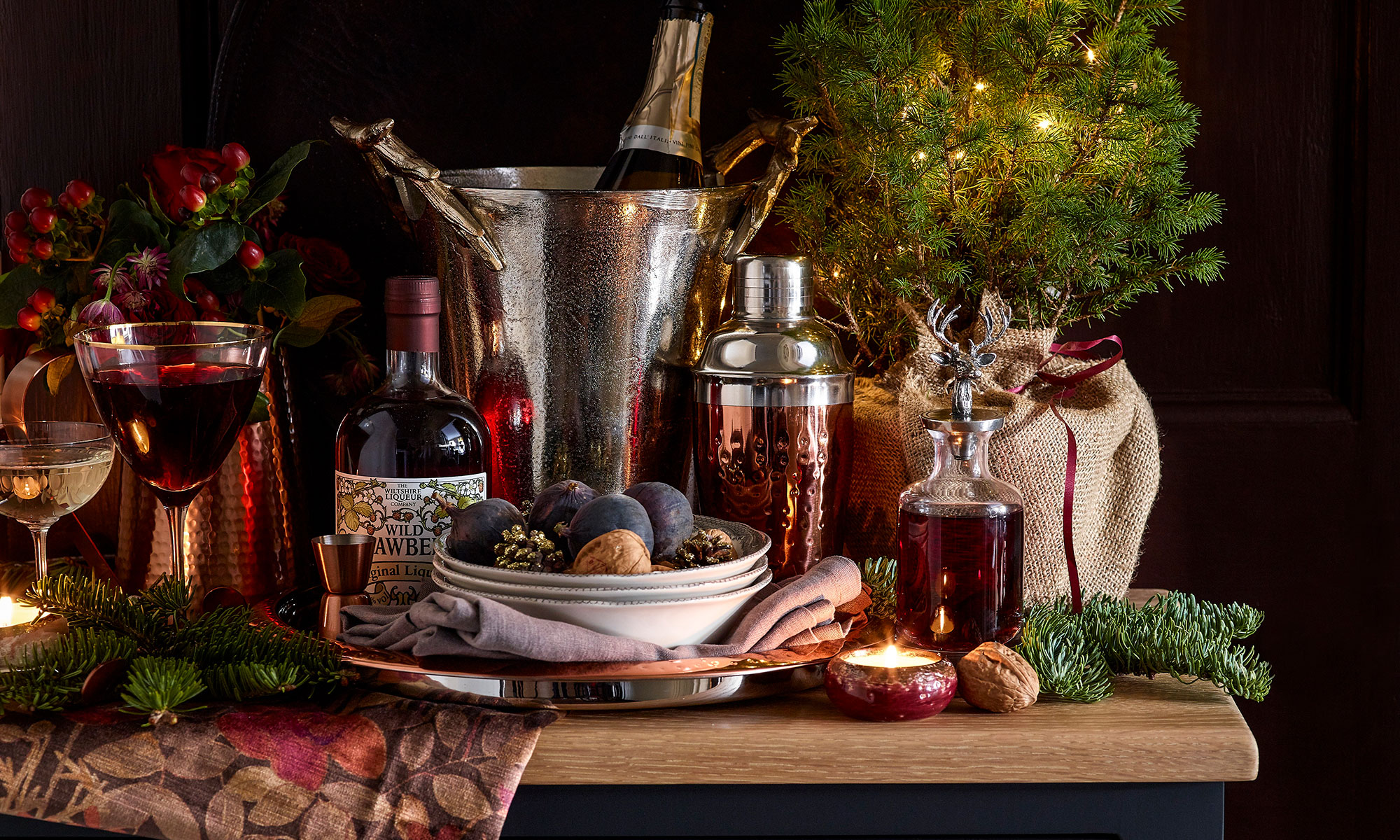
Bar ideas for the home – raise a glass to these divine drinks stations

Six Chic Home Bar Areas Worth Raising a Glass To

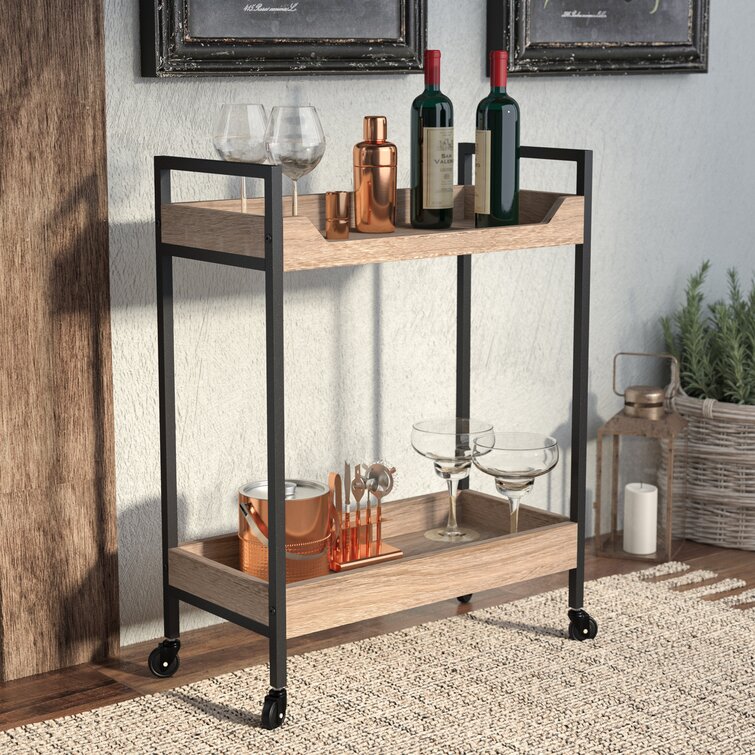
The Best Cocktail Carts to Upgrade Your Home Bar or Dining Room Decor
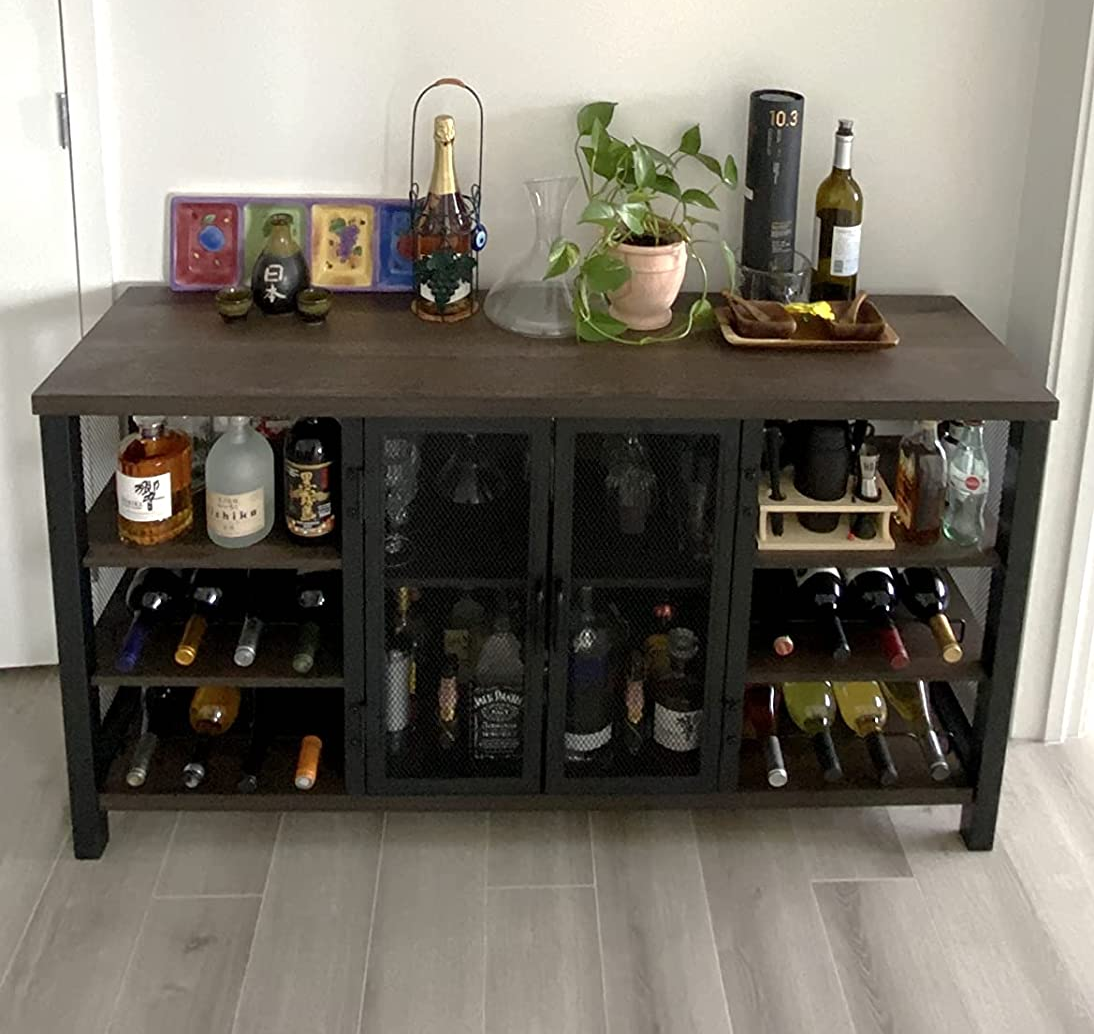
22 Bar Cabinets That'll Convince You To Stay In For Drinks (Thus Saving You Money)

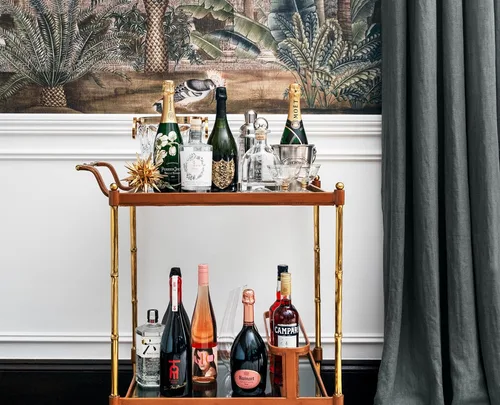
12 of the best bar carts on the market

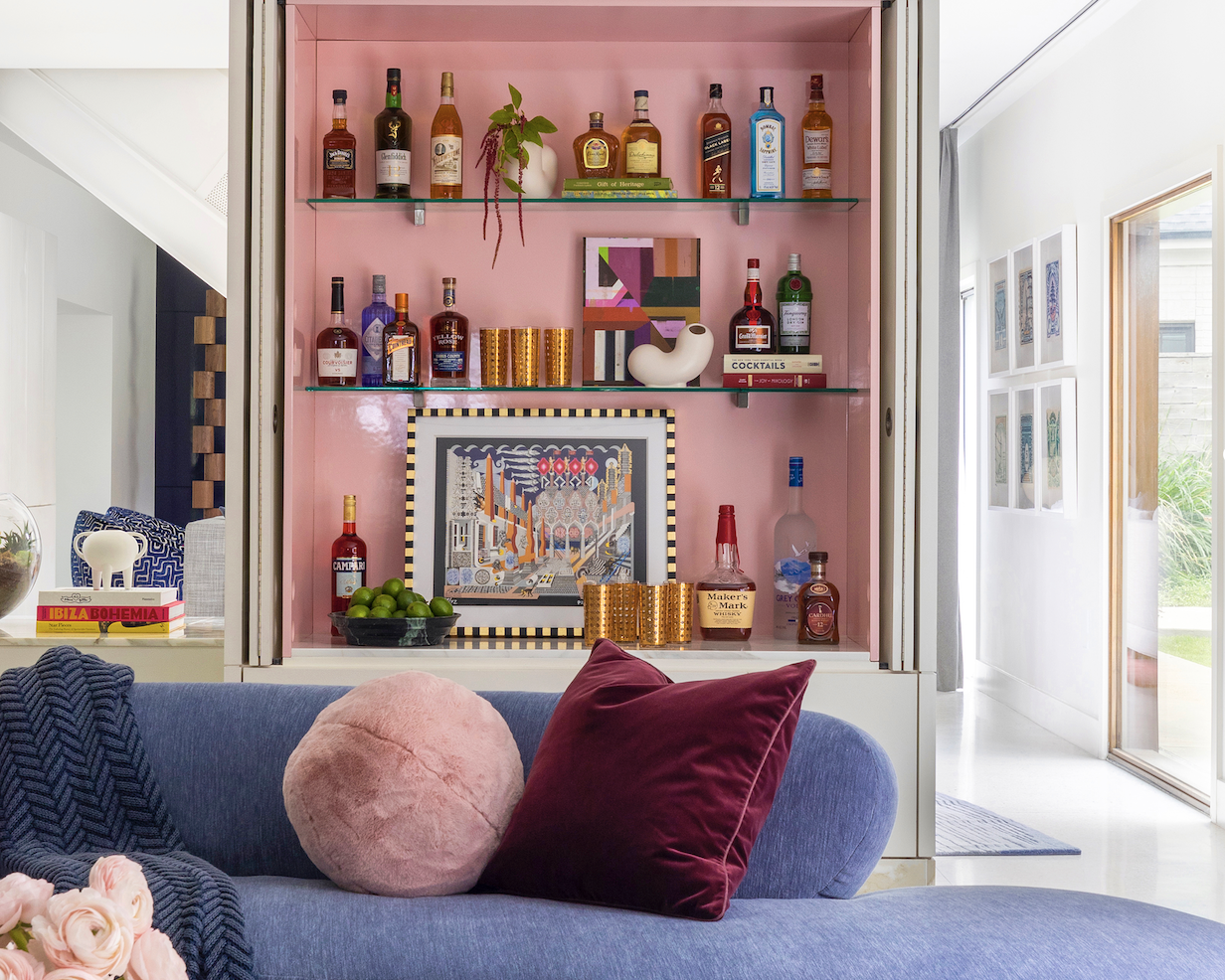
7 Stylish Home Bar Storage Ideas — That Give a Whole New Meaning to Serving Drinks "Neat"

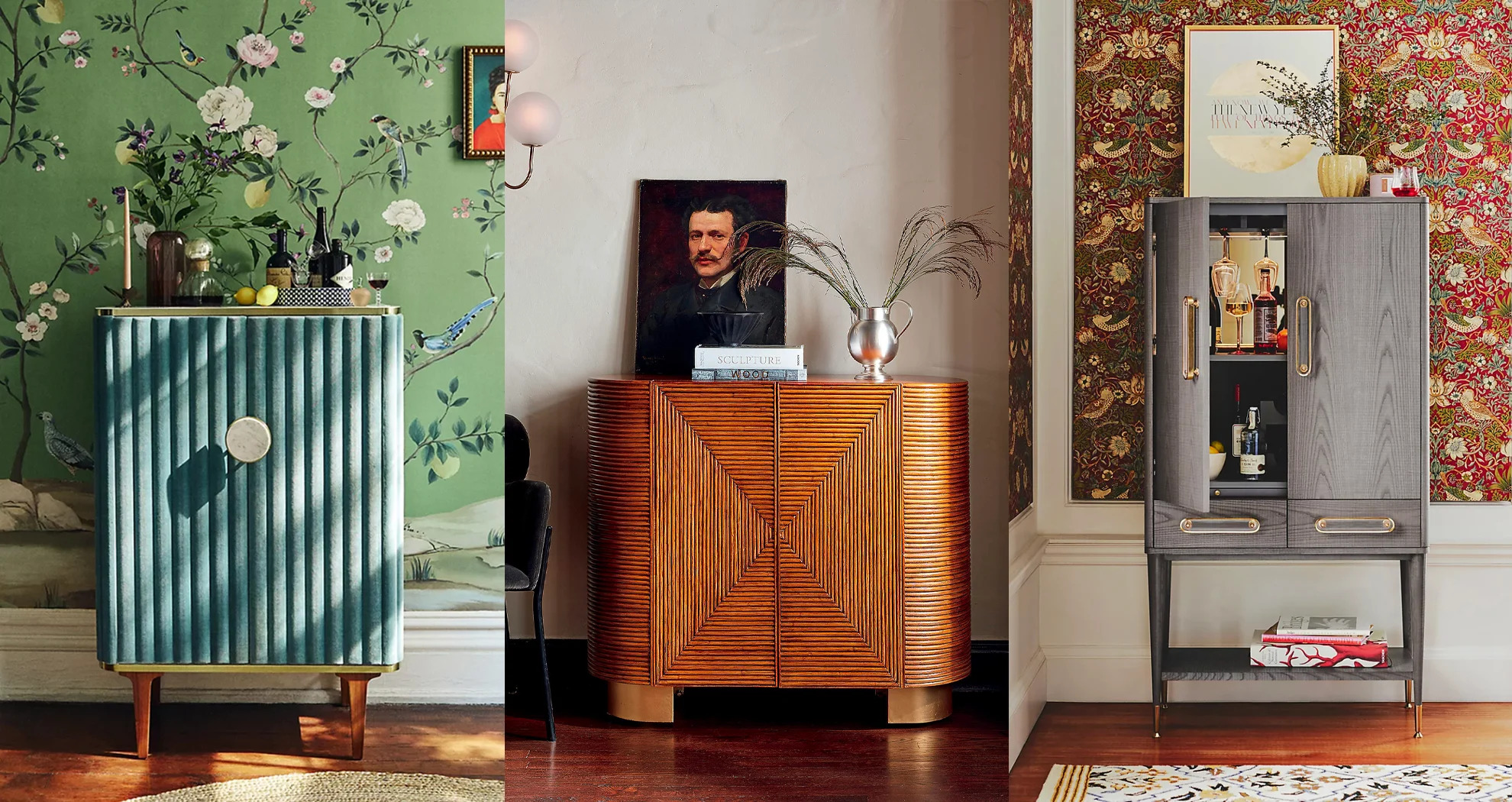
The Best Bar Cabinets Of 2023: 17 Trendy Cabinets Worth Trading In Your Bar Cart