1/5
Philips Hue Dimmer Switch (2021) review: The aging Hue dimmer switch gets a welcome revamp
The second-generation Philips Hue Dimmer Switch offers significant improvements over its 2015 predecessor, addressing its dated feel with a more contemporary design and enhanced functionality. The updated switch features a new 'Hue' button, time-based light scene modes, and a larger, more versatile wall plate, while retaining the original's HomeKit configurability and an affordable $25 price point.
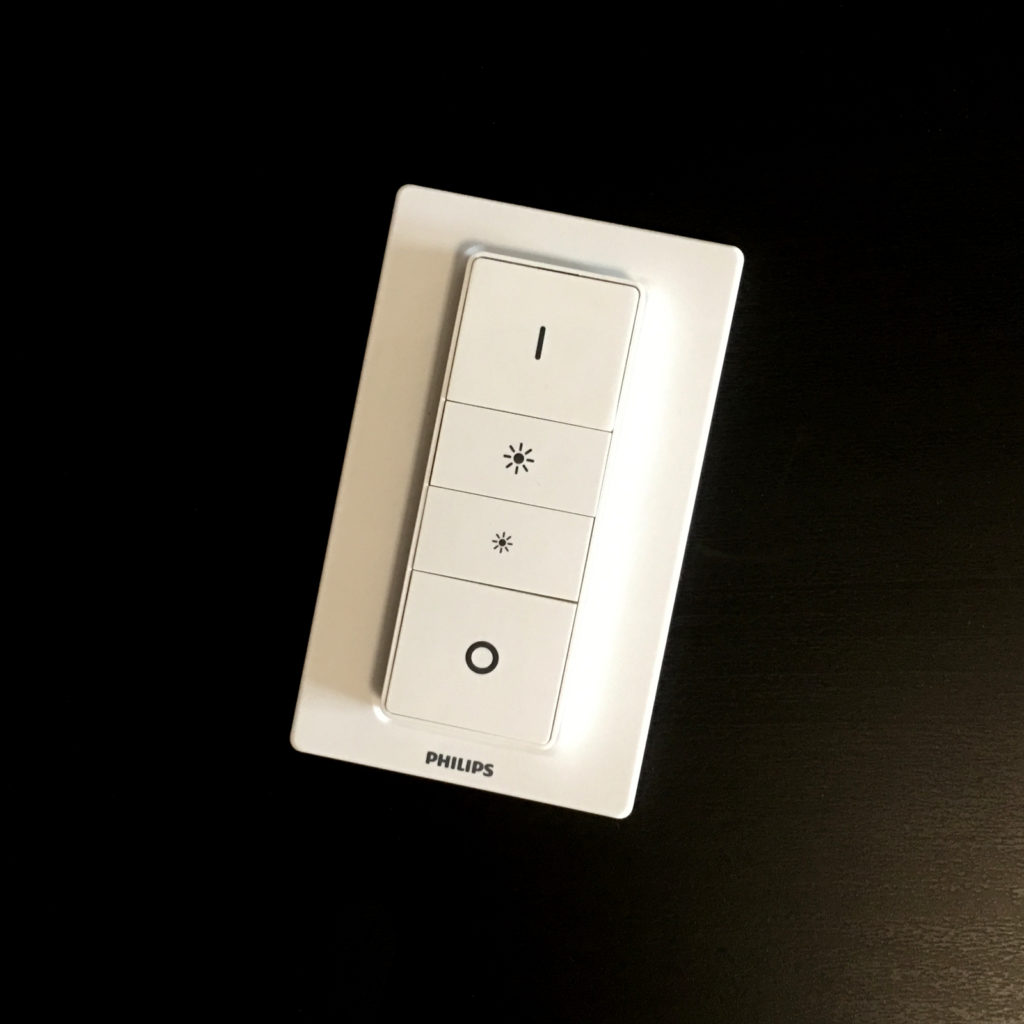
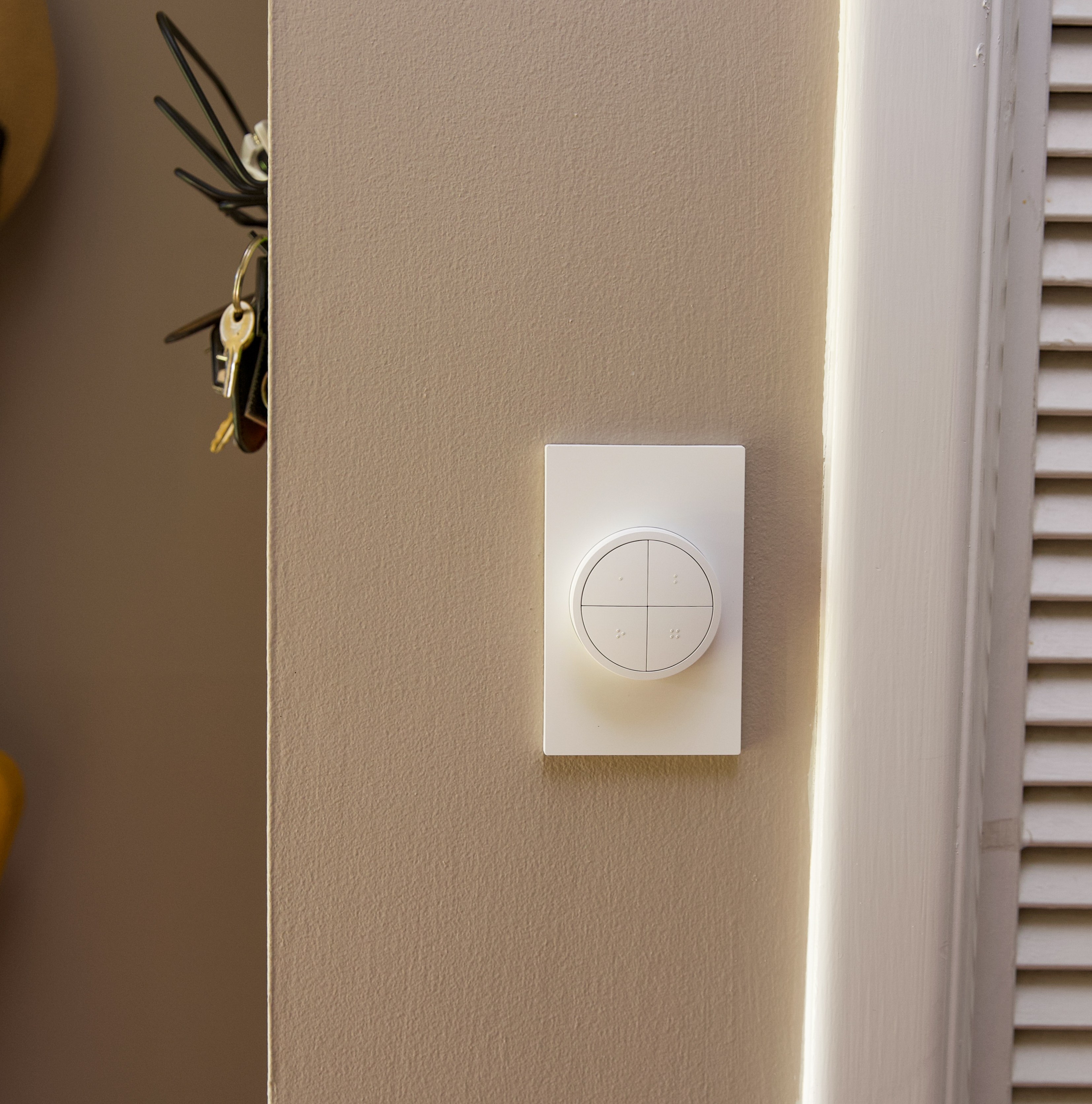
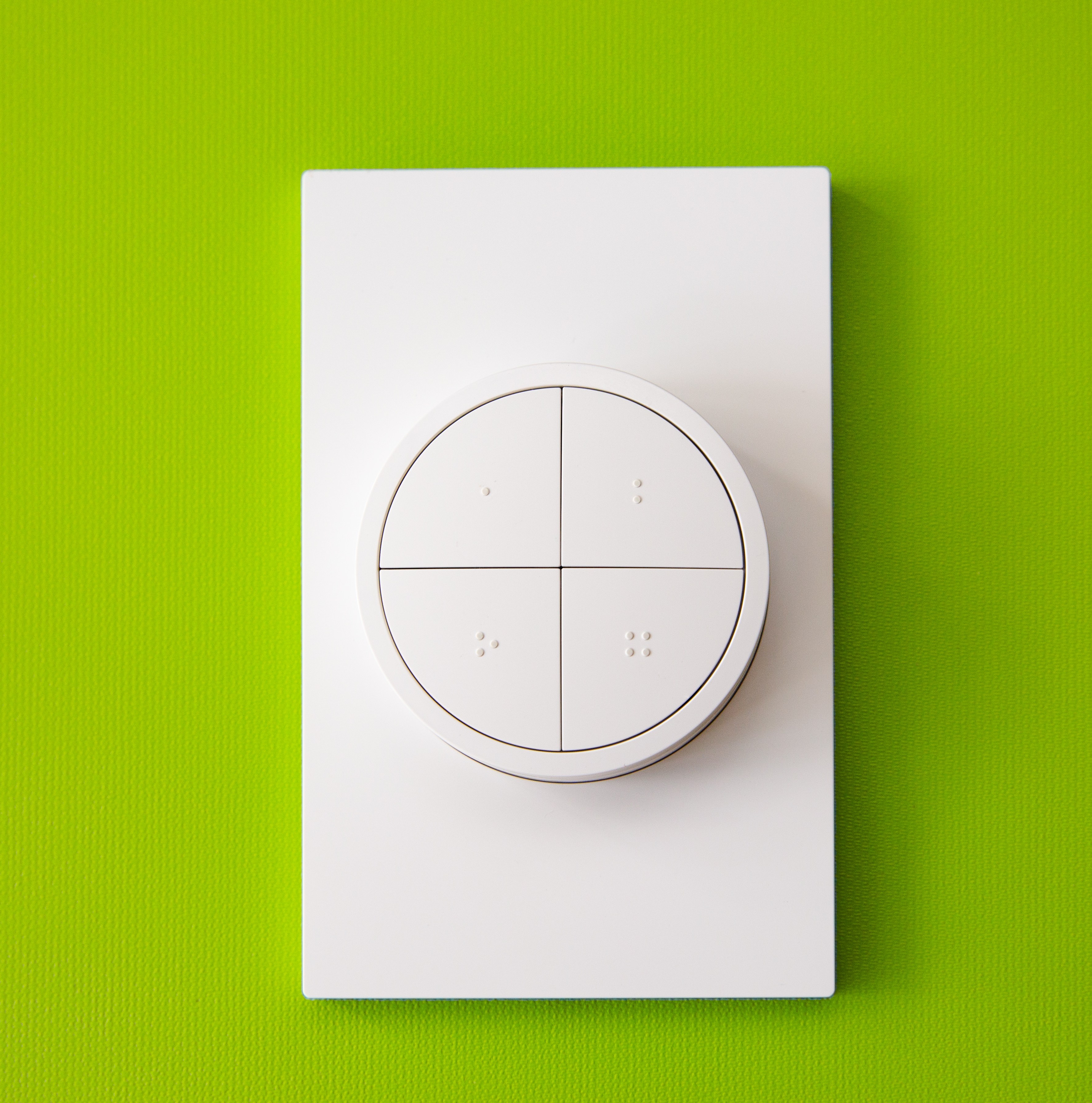
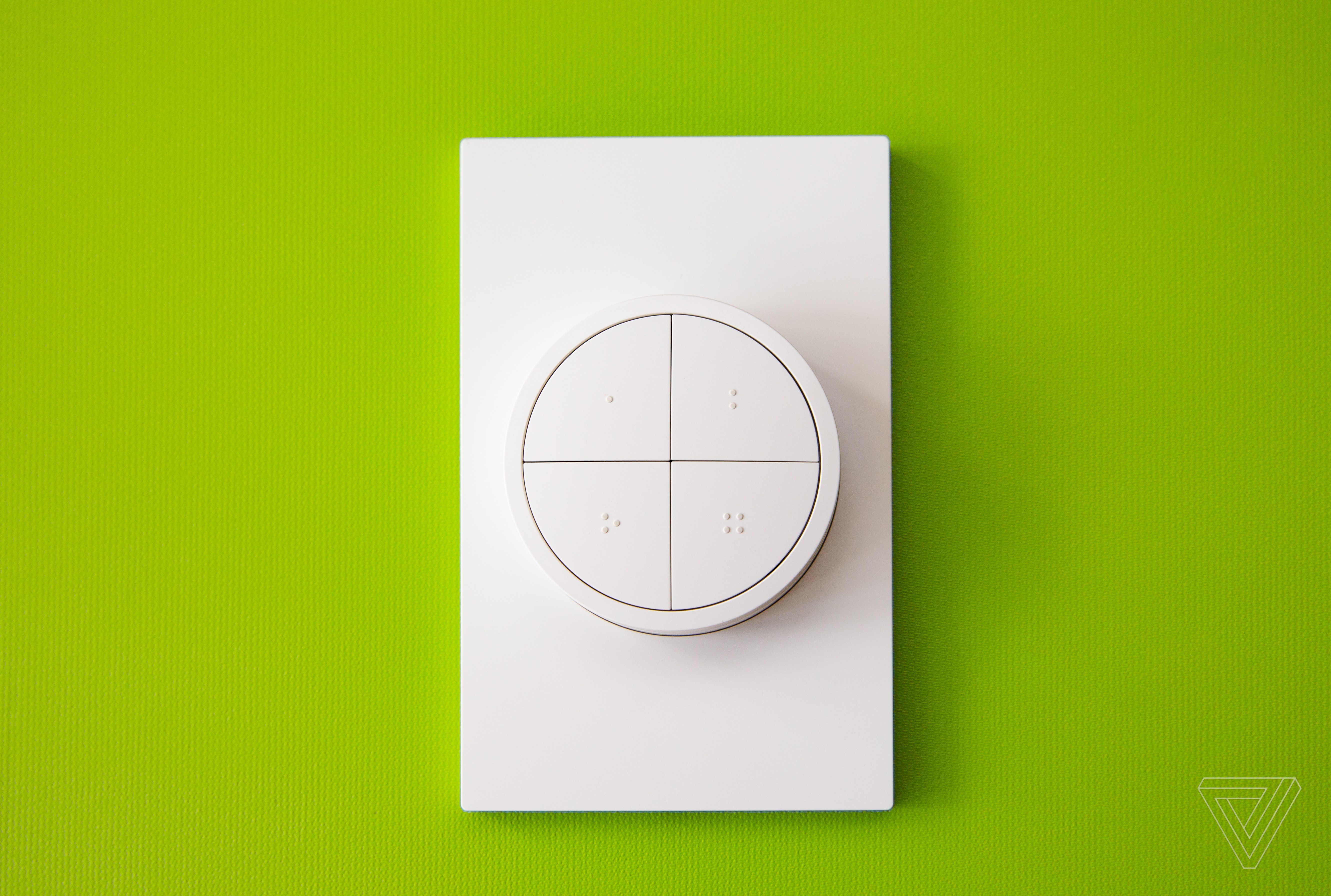
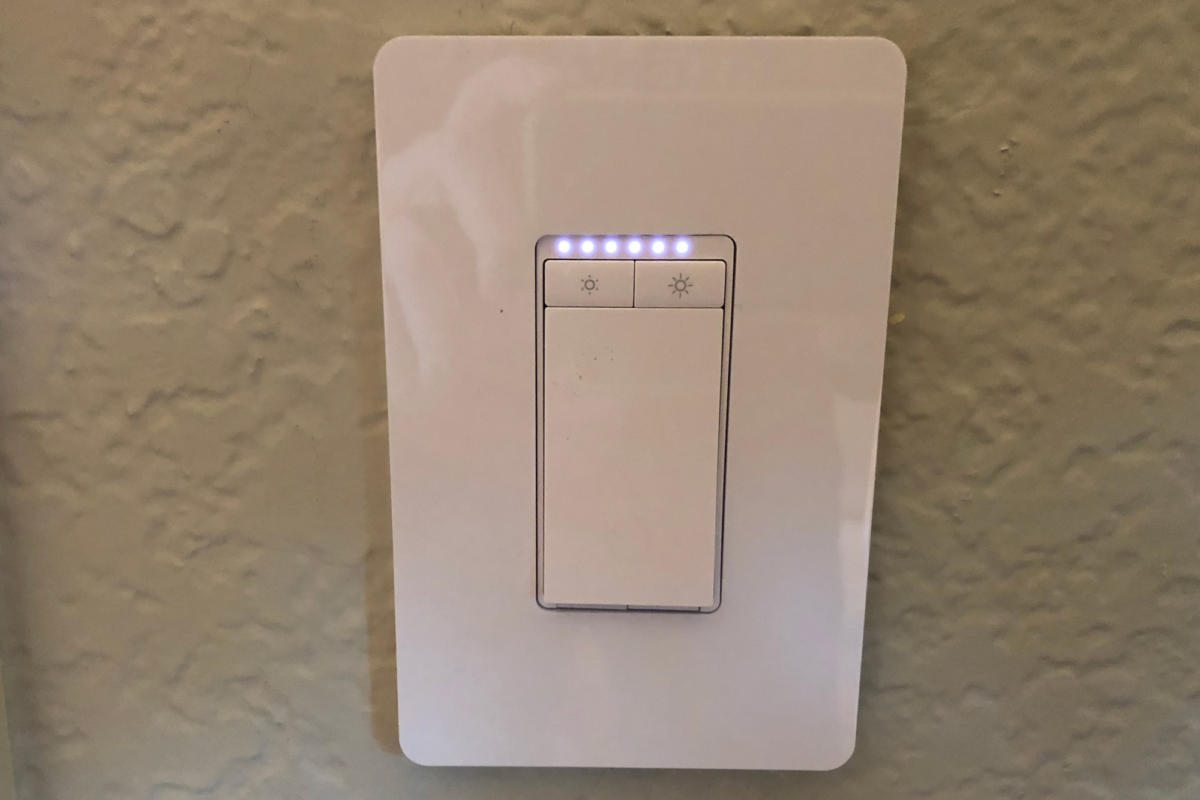
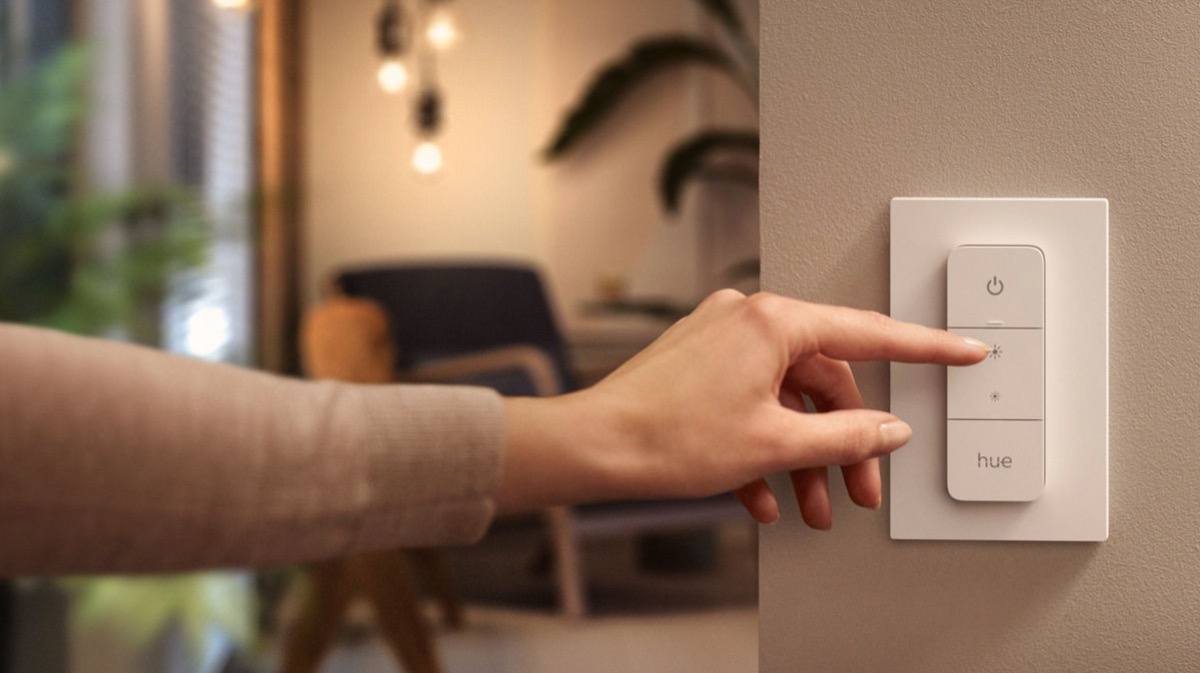
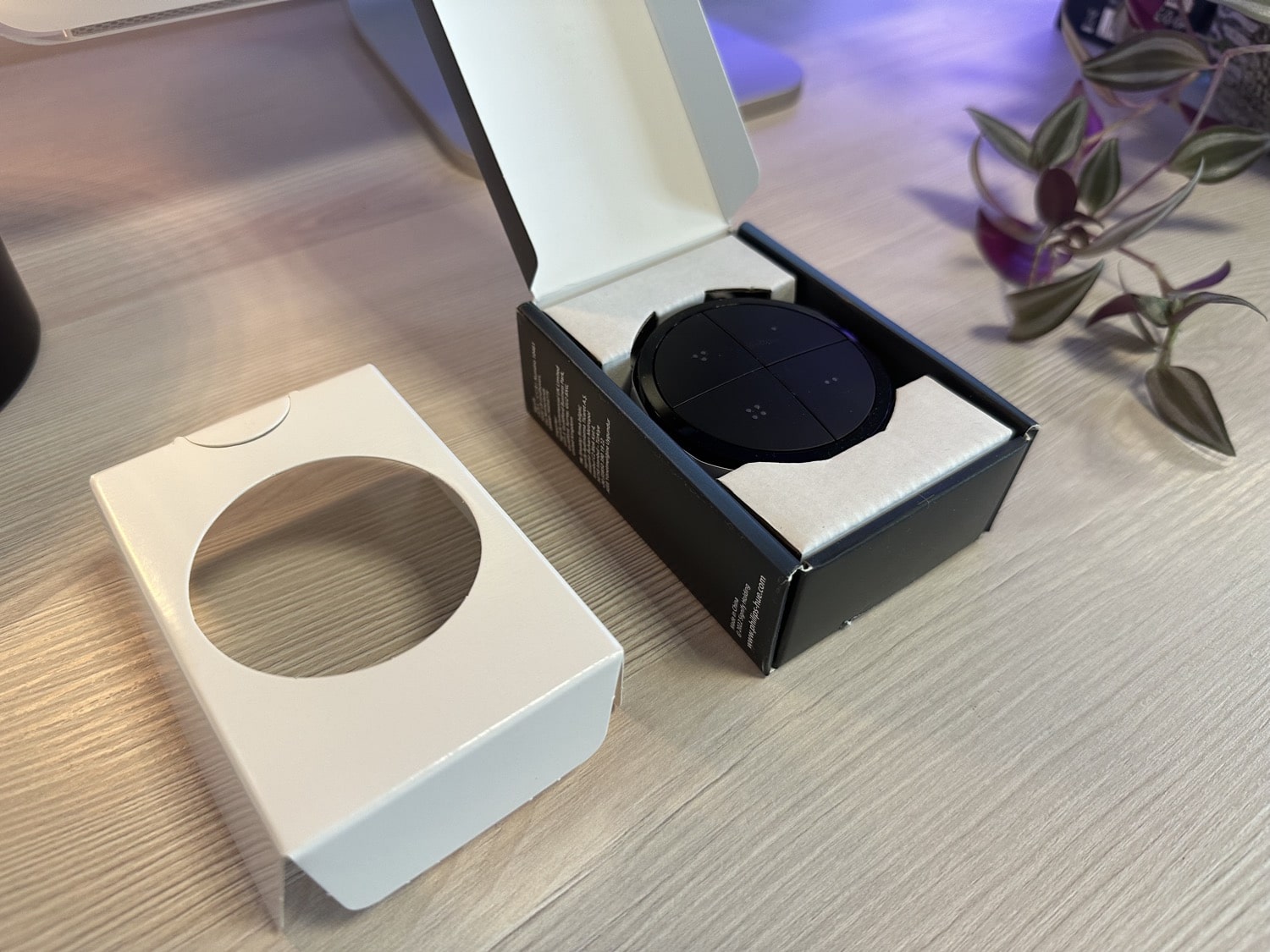
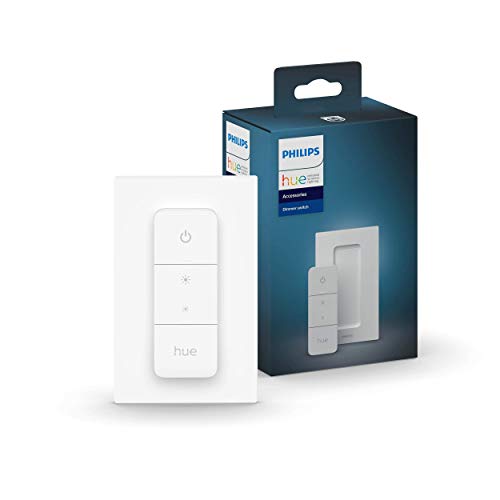
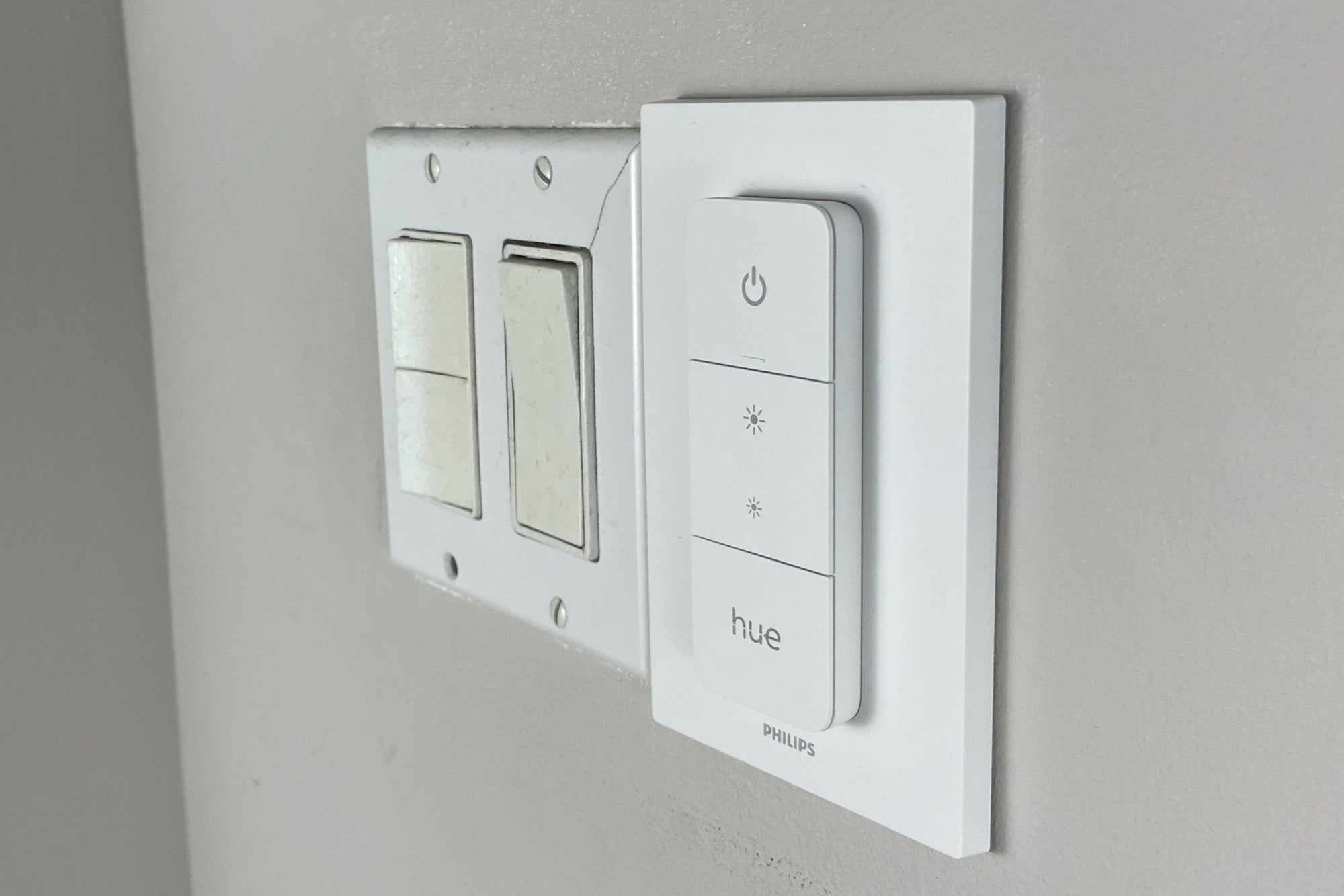
Physically, the new Dimmer Switch measures 3.6 x 1.4 x 0.3 inches, similar in size to the original without its wall plate. However, its design has been refined with more rounded corners and a matte finish, replacing the older model's boxy shape and shiny appearance. The button layout has also been revised, shifting from four distinct 'on,' 'brighter,' 'dimmer,' and 'off' buttons to a combined 'on/off' button, a brightness up/down rocker, and the new 'Hue' button. This configuration effectively provides an additional customizable button.
The wall plate has also undergone a redesign, now featuring a matte finish and a mid-size dimension of 4.88 x 3.13 inches, an increase from the standard 4.5 x 2.75 inches of the previous model. It comes in two snap-together pieces, with the rear section offering both peel-and-stick adhesive and six mounting holes for screw installation. A notable change is the relocation of the magnets from the wall plate to the switch itself, allowing the switch to attach to any metal surface, such as a refrigerator or lamp pole. The new Dimmer Switch uses a CR2032 coin cell battery, promising two years of battery life.
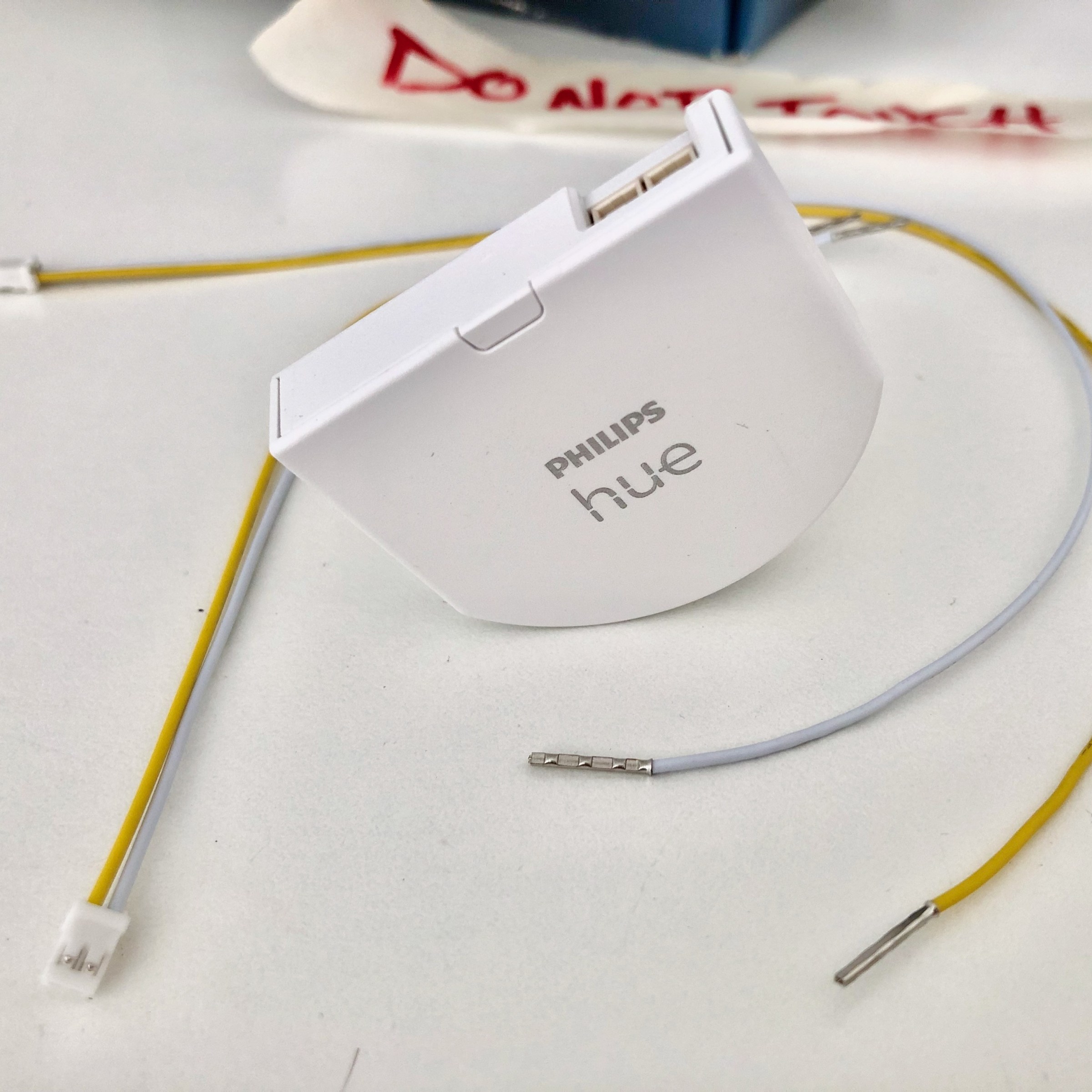
Installation is straightforward, utilizing either the wall plate's adhesive backing or screws. Setup is completed through the Hue mobile app, which quickly identifies and connects the Zigbee-enabled switch to a Hue Bridge. A Hue Bridge is essential for operation, meaning users controlling Hue lights via Bluetooth will need to acquire one. The switch can be configured to control specific rooms, zones, or individual lights.
The new 'Hue' button is a key enhancement, offering two modes: 'scene cycle' and 'time-based' light. In scene cycle mode, users can program up to five lighting scenes to cycle through with each press of the Hue button. The time-based light mode allows for different scenes to activate depending on the time of day, with five three-hour time zones configurable to trigger specific light settings, such as warm light at sunrise or a night light at midnight.
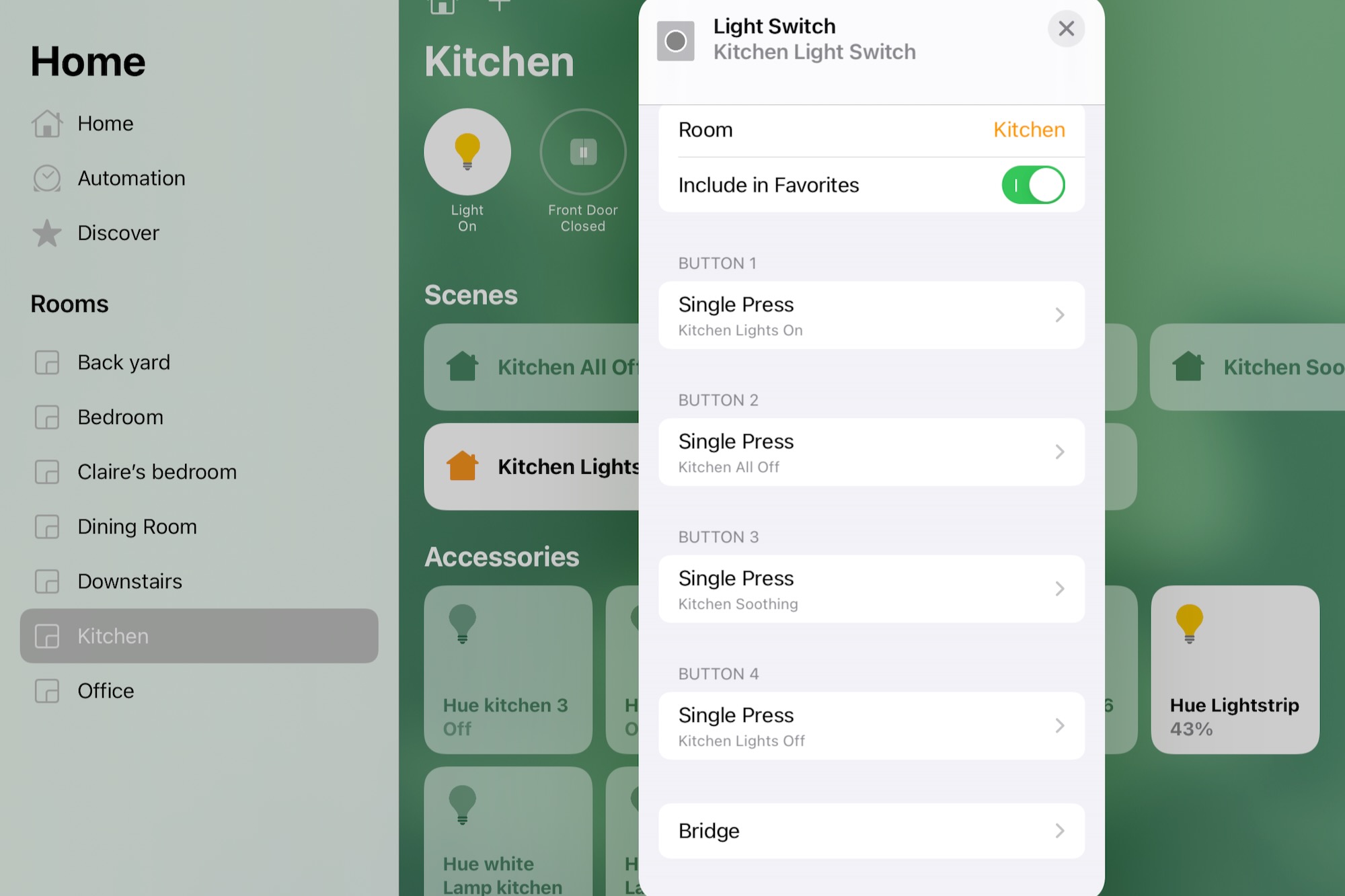
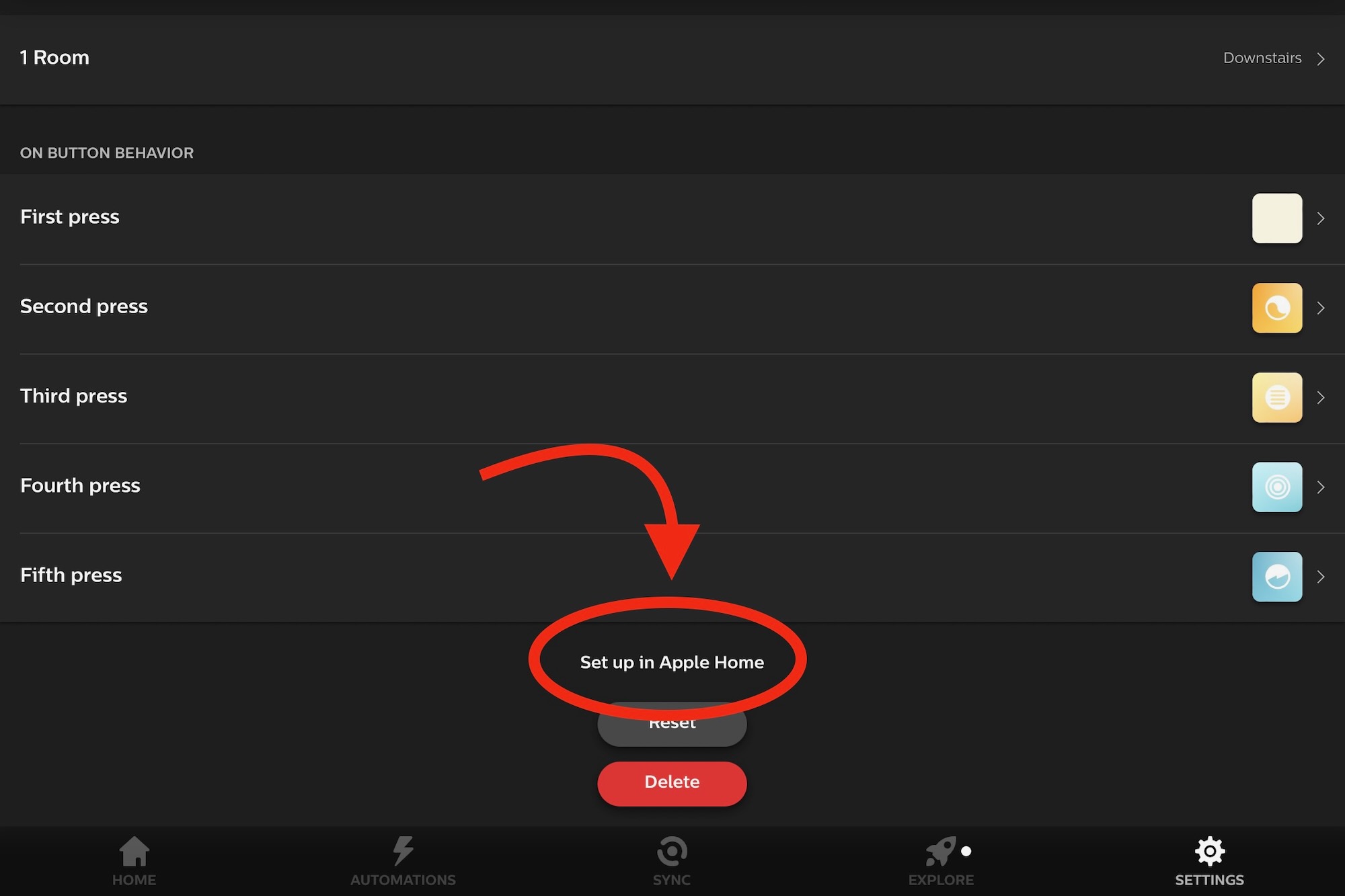
While the 'power on' functionality is configurable to either resume the last-used scene or trigger a specific scene, the 'power off' behavior is fixed, always turning off controlled lights. The central dimmer rocker maintains its primary function of brightening or dimming lights, and its controls remain non-configurable through the Hue app. For more advanced customization, the switch fully integrates with HomeKit, allowing all four buttons (HomeKit counts the rocker as two) to trigger any HomeKit scene, automation, or control compatible smart devices, significantly expanding its utility as a control panel for a broader smart home ecosystem.
Overall, the revamped Philips Hue Dimmer Switch successfully addresses the shortcomings of its predecessor, offering a more refined, modern, and functional design. Its ease of installation, setup, and robust HomeKit compatibility remain strong features, making it a highly recommended accessory for existing Philips Hue users with a bridge seeking an upgraded control experience.
#PhilipsHue #SmartHome #DimmerSwitch #HomeKit #SmartLighting #HomeAutomation #TechReview #SmartGadget #Zigbee #PhilipsHue #SmartHome #DimmerSwitch #HomeKit #SmartLighting #HomeAutomation #TechReview #SmartGadget #Zigbee
0 comment in total
 No comments yet
You may also like
Philips Hue Dimmer Switch (review)

Philips Hue Wall Switch Module review: smart-ish, at last
Brilliant Smart Dimmer Switch review: A simple addition to a luxe smart home system
Philips Hue Dimmer Switch with HomeKit in 2019
Dimmer switch, Smart Button or Friends of Hue: Which switch is the right one?
TP-Link Smart Wi-Fi Light Switch, Dimmer HS220 review: A solid competitor in the in-wall dimmer space
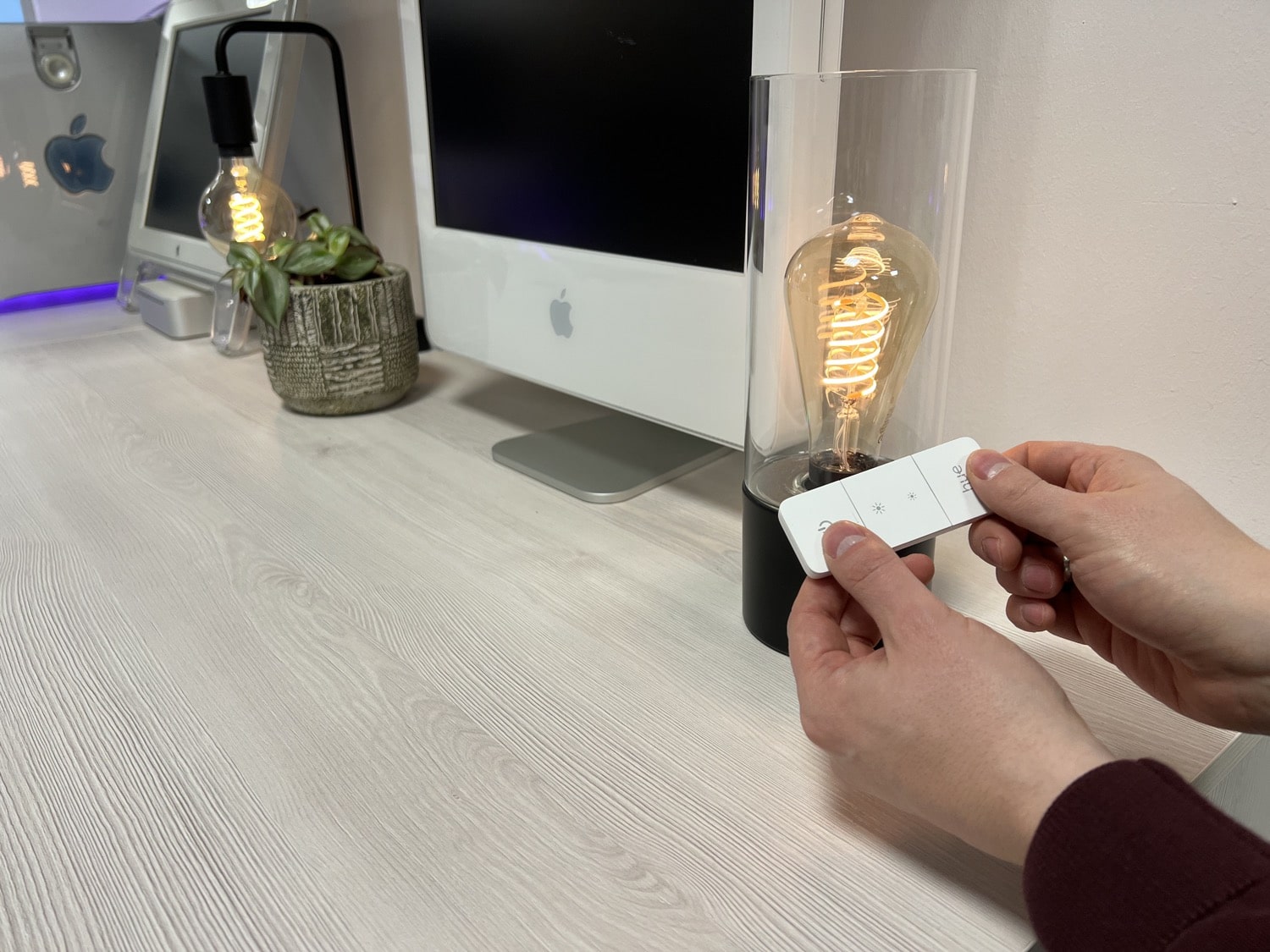
Resetting Philips Hue lamps with the new dimmer switch
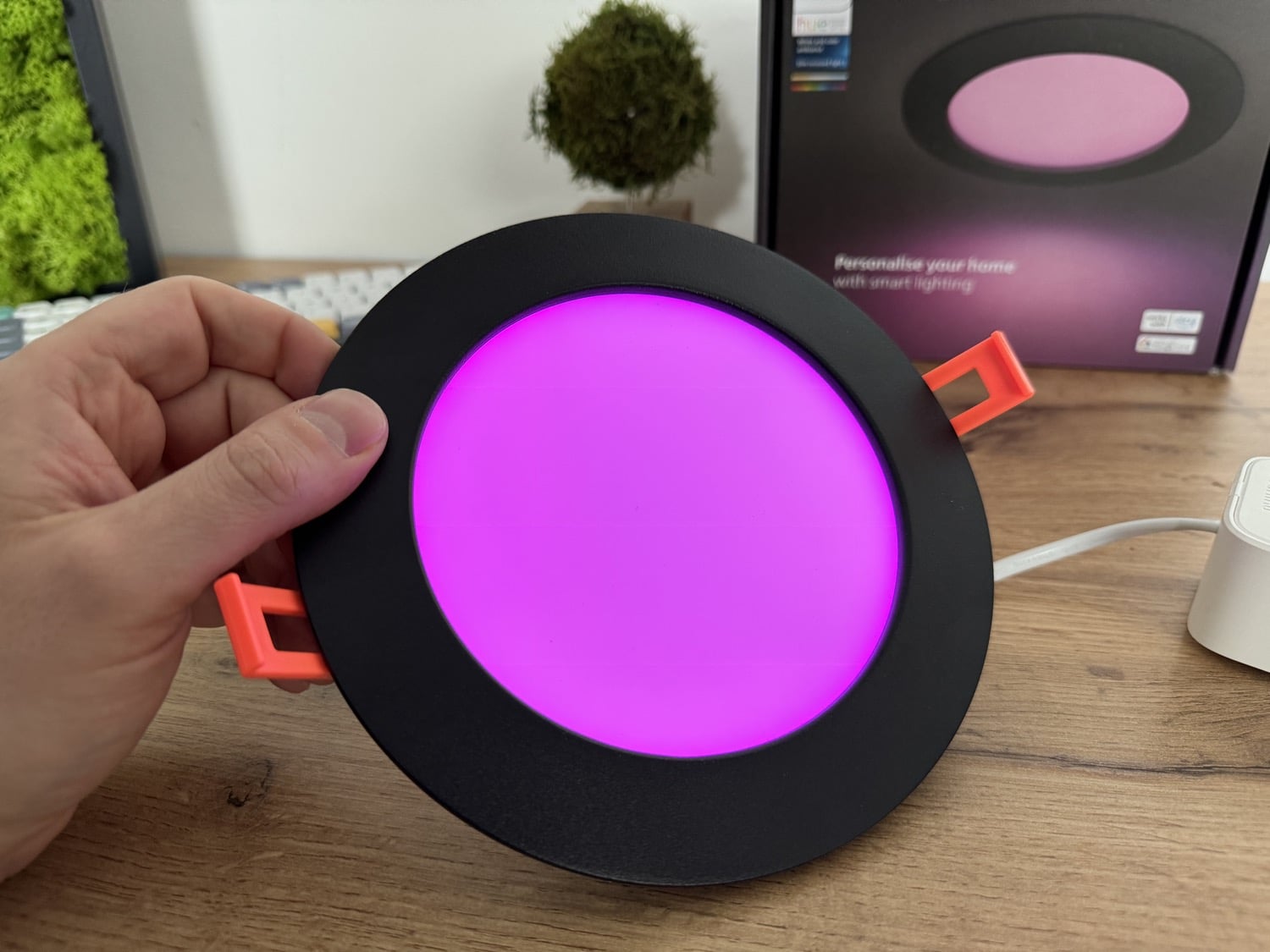
Presented in detail: The new Philips Hue Slim recessed light
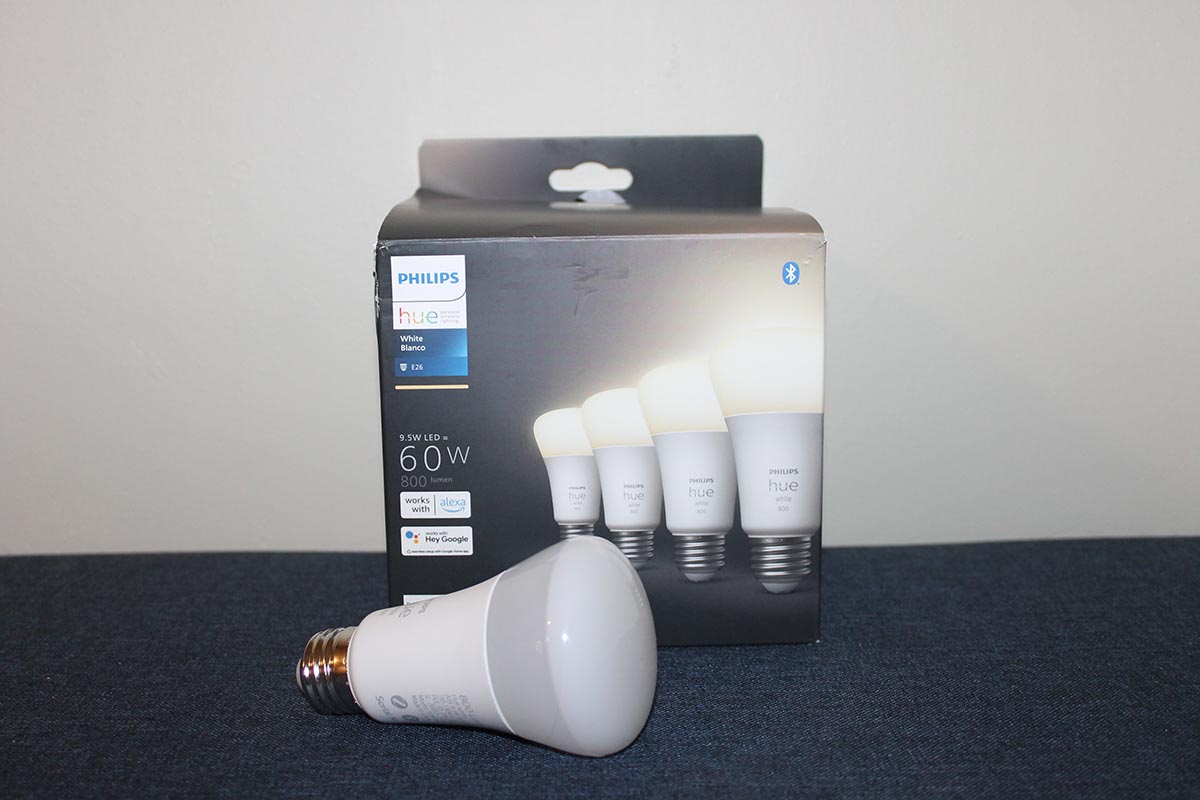
I Almost Installed a Dimmer Switch, But I Tried Philips Hue Smart Bulbs Instead
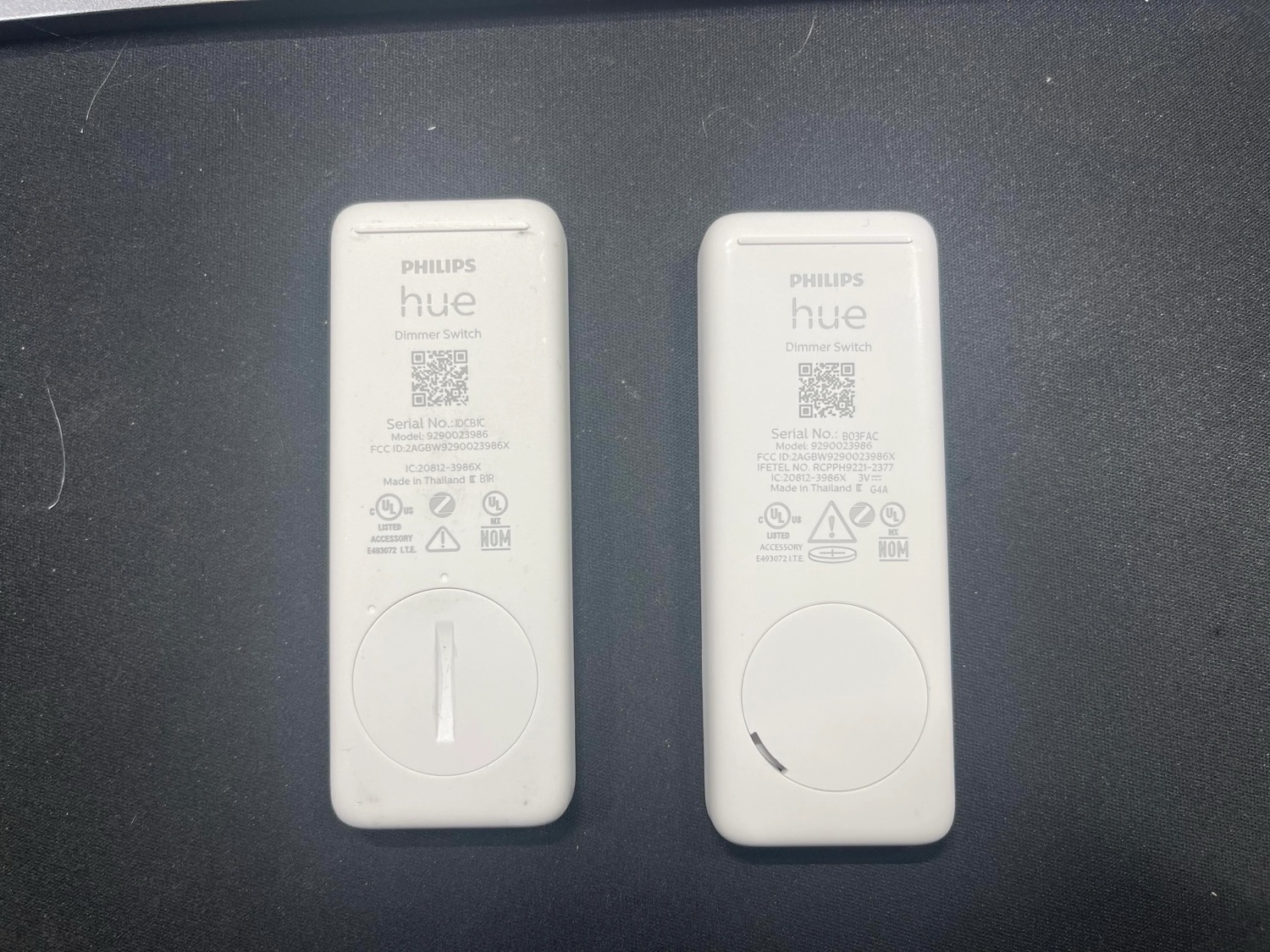
Has Philips Hue revised the dimmer switch again?
These migraine-inducing GIFs will show you which LEDs to avoid

First impressions of the new Philips Hue Tento ceiling light

The new Philips Hue dimmer switch is remarkable
Hue Tap Dial switch with mini mount unboxed
Wemo Wi-Fi Smart Dimmer Light Switch review

This $17 Designer Secret Fixed My Constantly Flickering Dimmer Switch

Philips Hue Tap Dial switch review: a smooth way to control your smart lights
How to turn the Philips Hue Dimmer Switch into a HomeKit control panel
Lutron Aurora Review: The Hue Dimmer I Always Wanted

Dimmer Switch and Smart Button get Natural Light Scene